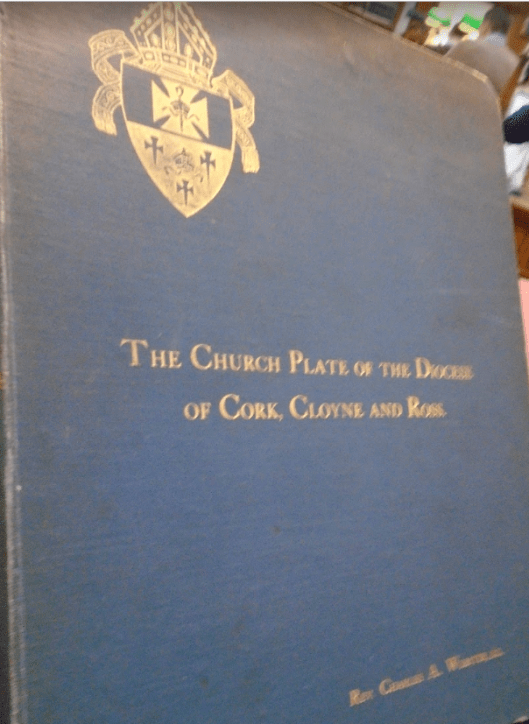
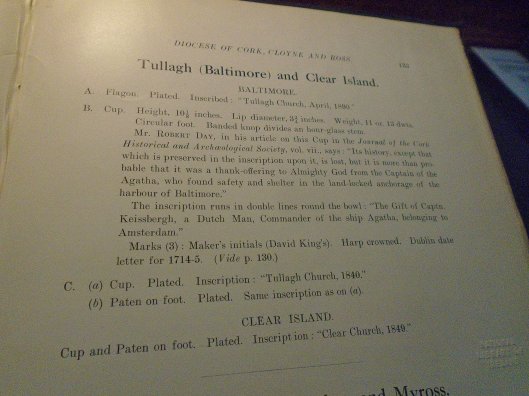
1714. Agatha of Amsterdam Probably Saved at Baltimore, Church Plate Presented to Parish of Tullagh by Captain Keissbergh, A Dutch Man, Commander of the Ship Agatha.
..
..
18 Tuesday Dec 2018
Posted in Uncategorized
1714. Agatha of Amsterdam Probably Saved at Baltimore, Church Plate Presented to Parish of Tullagh by Captain Keissbergh, A Dutch Man, Commander of the Ship Agatha.
..
..
17 Monday Dec 2018
Posted in Uncategorized
..
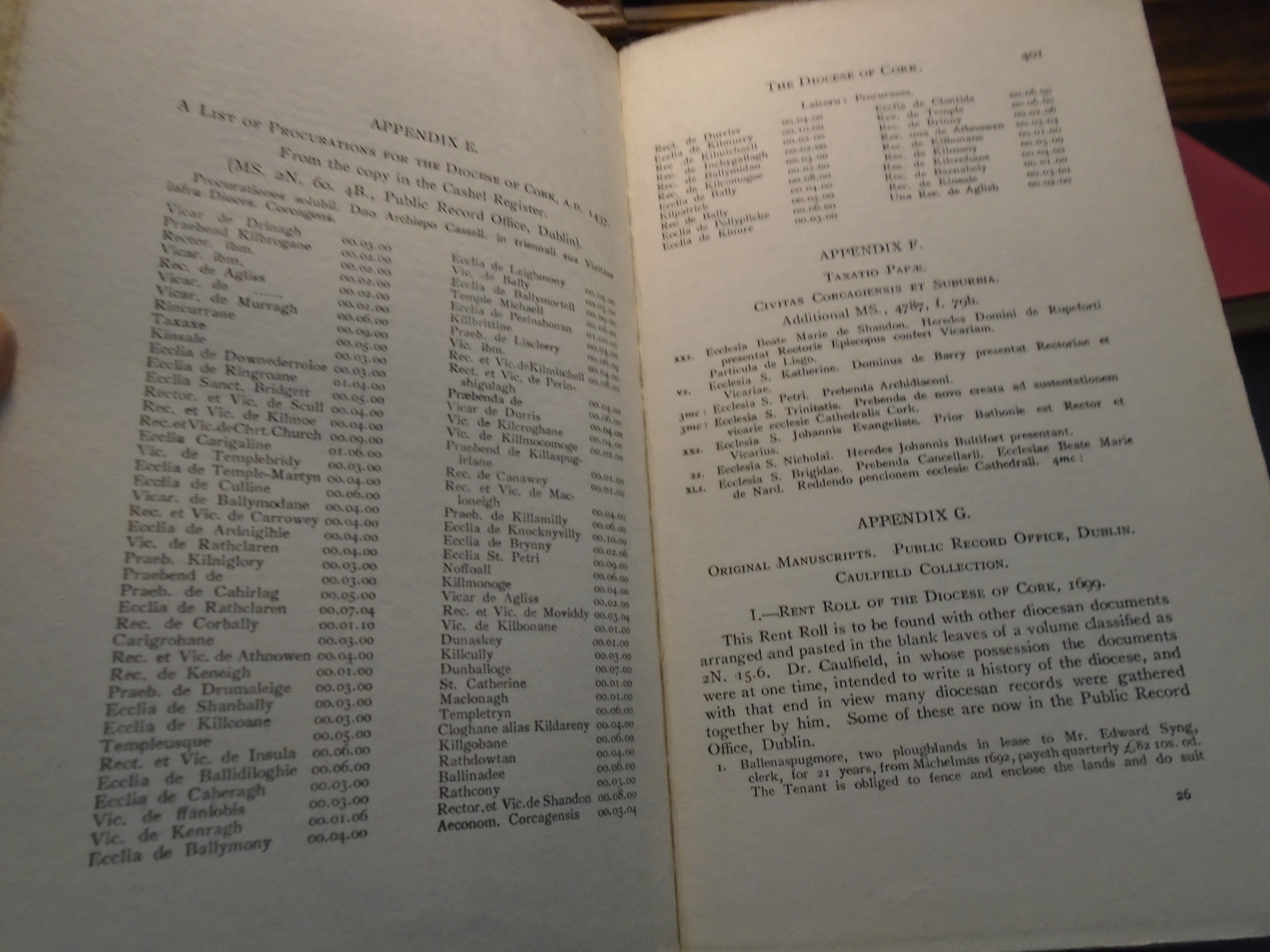
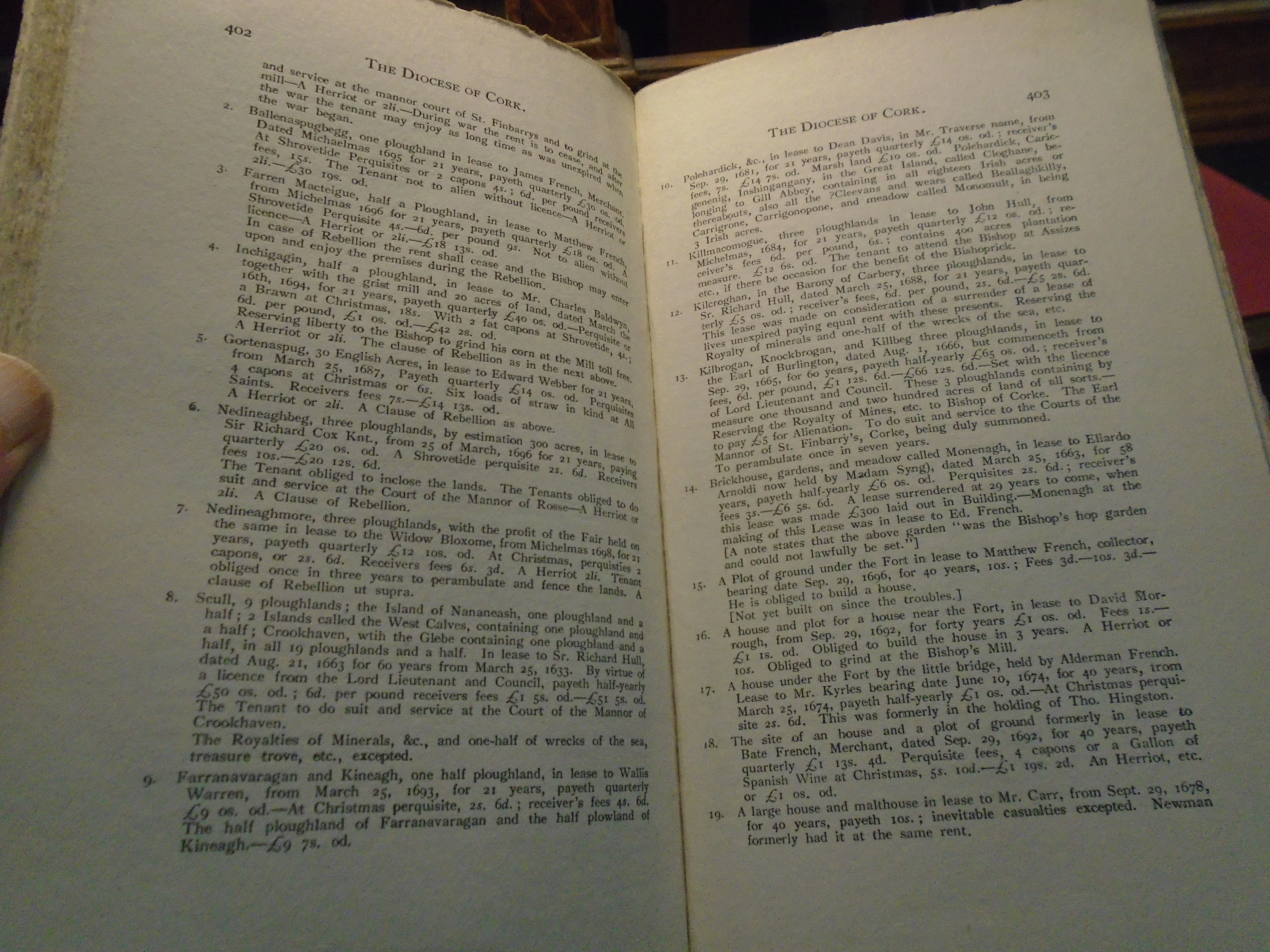
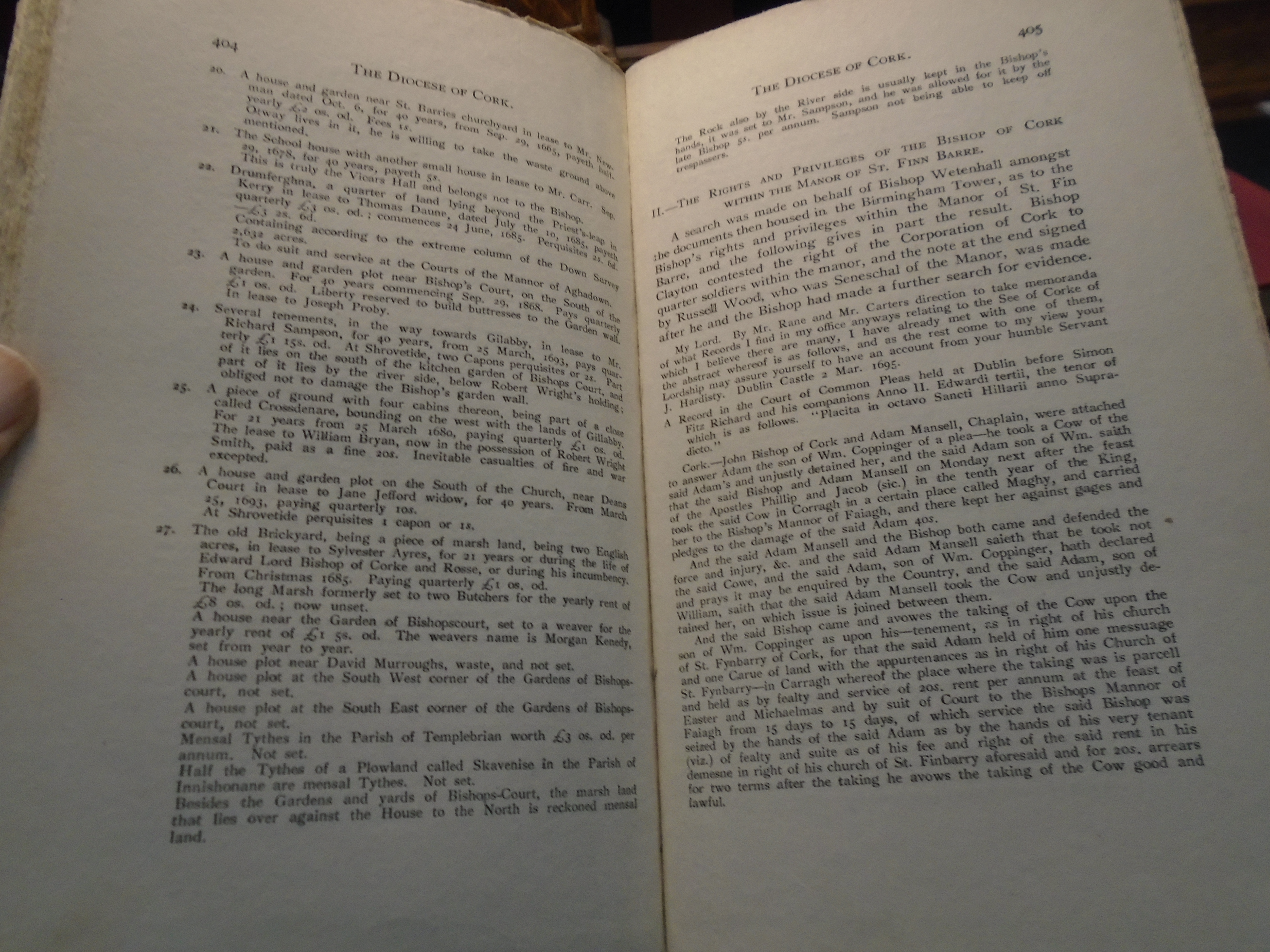
1699 Rent Roll of Diocese of Cork, including, Bantry, Calve Islands, Crookhaven, Dunmanway (Nedineaghbeg in 1788 in possession of Cork Bankers Hoares), Innishannon, Kilbrogan, Kinneagh, Priest Leap with Obligation to Serve in Manor Court of Aughadown.
FRom REv. Doctor Charles webster, Diocese of Cork
..
..
1657, Inventory of Lands of The See of Cork (Dioceses of Church of Ireland) in Barony of Carbery East and West (Including Dunmanway, Kilcrohane, Schull, Ballydehob) With Conflicting Claims to Land.
1657, Inventory of Lands of The See of Cork (Dioceses of Church of Ireland) in Barony of Carbery East and West (Including Dunmanway, Kilcrohane, Schull, Ballydehob) With Conflicting Claims to Land.
Possible Norman Connection:
Outer reach of Norman Conquest in West Cork, Caheragh in ownership pre 1317 of John de Cogan, cluster of Norman surnames in area Burke, Barrett, Goggin, devolution of Townlands to Monasteries of Youghal and Waterford.
Outer reach of Norman Conquest in West Cork, Caheragh in ownership pre 1317 of John de Cogan, cluster of Norman surnames in area Burke, Barrett, Goggin, devolution of Townlands to Monasteries of Youghal and Waterford
..
14 Friday Dec 2018
Posted in Uncategorized
Thanks to Bill Fahy:
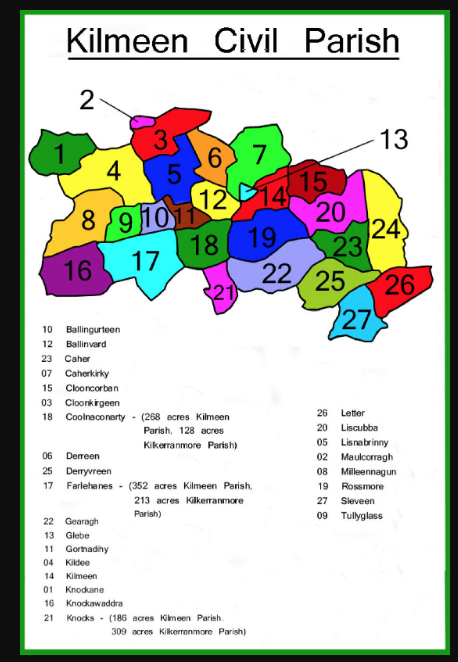
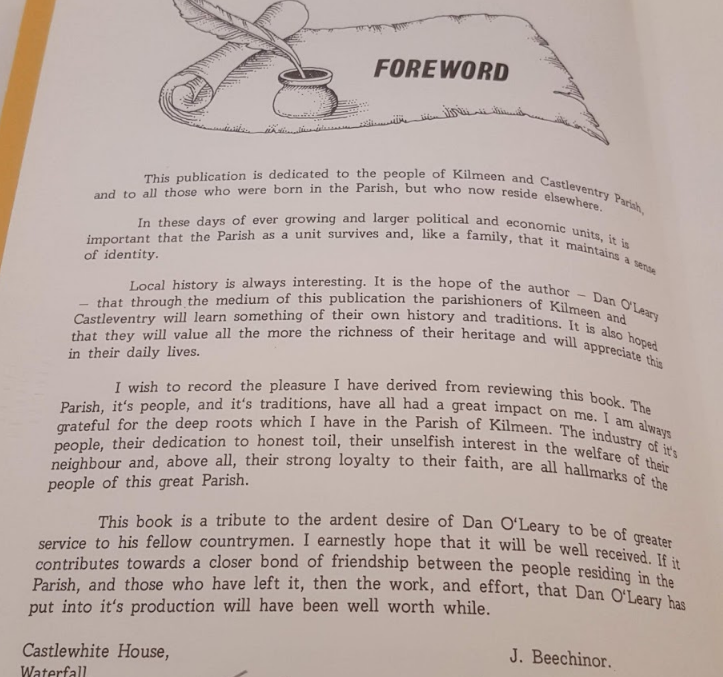
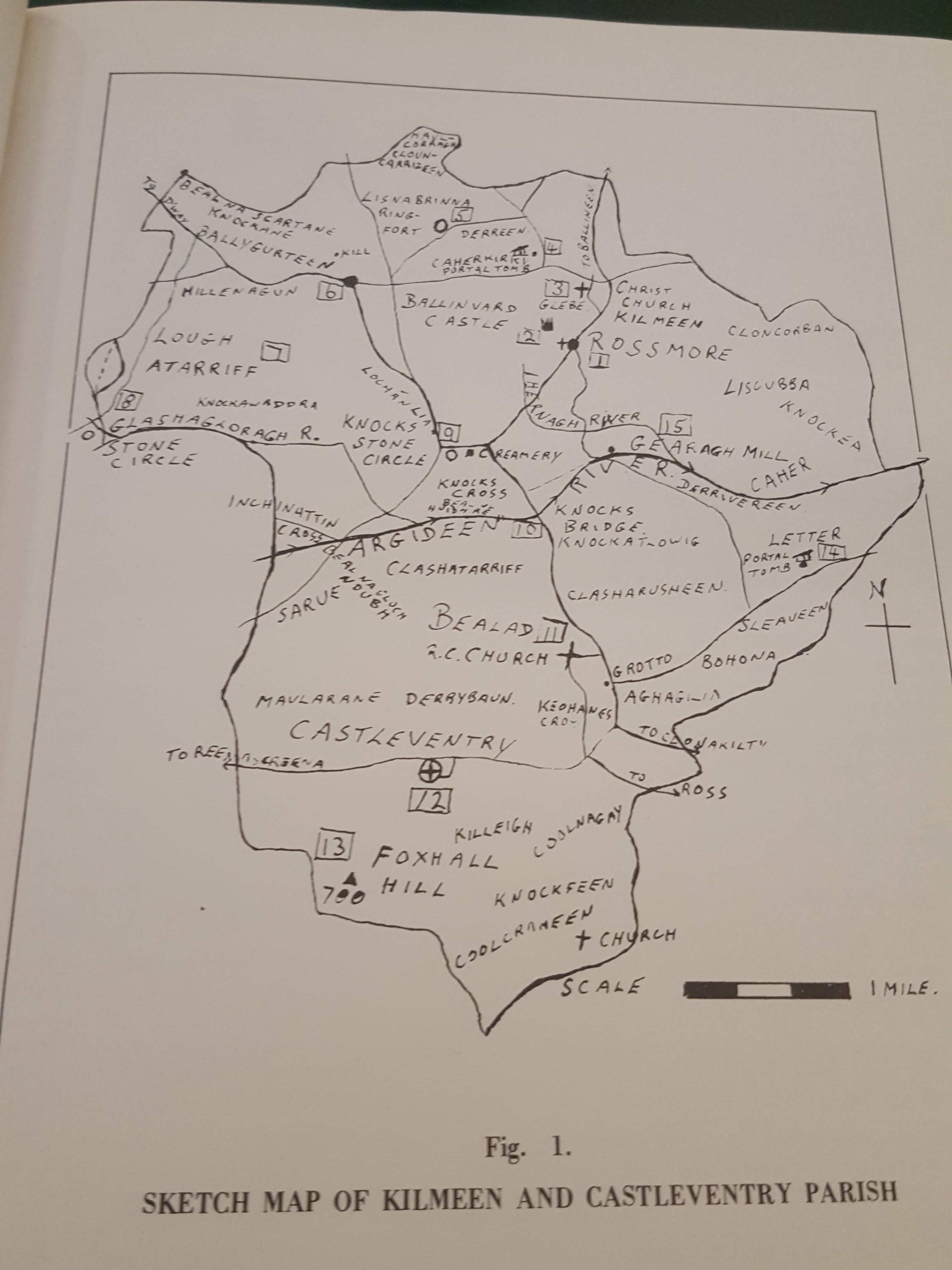
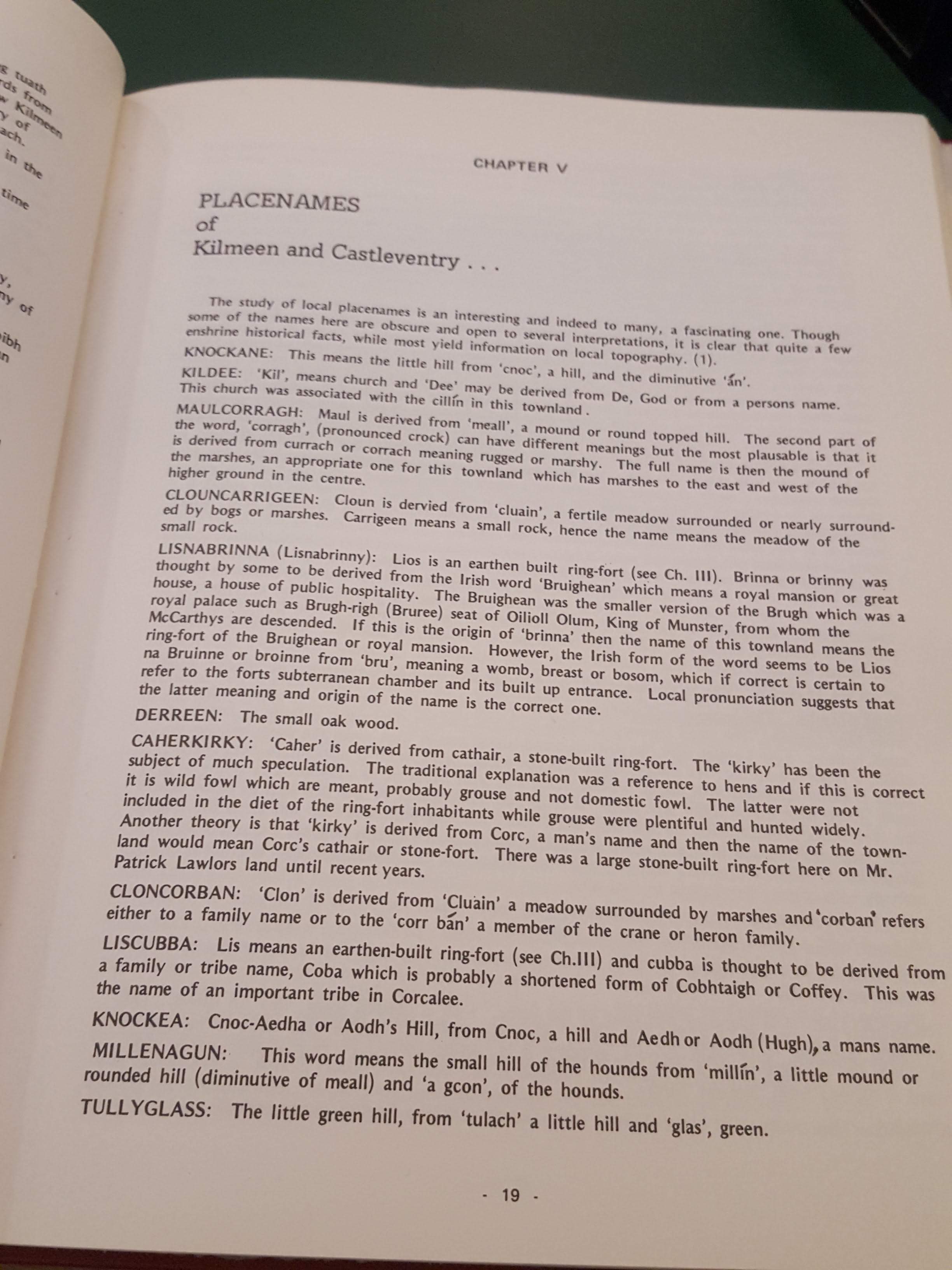
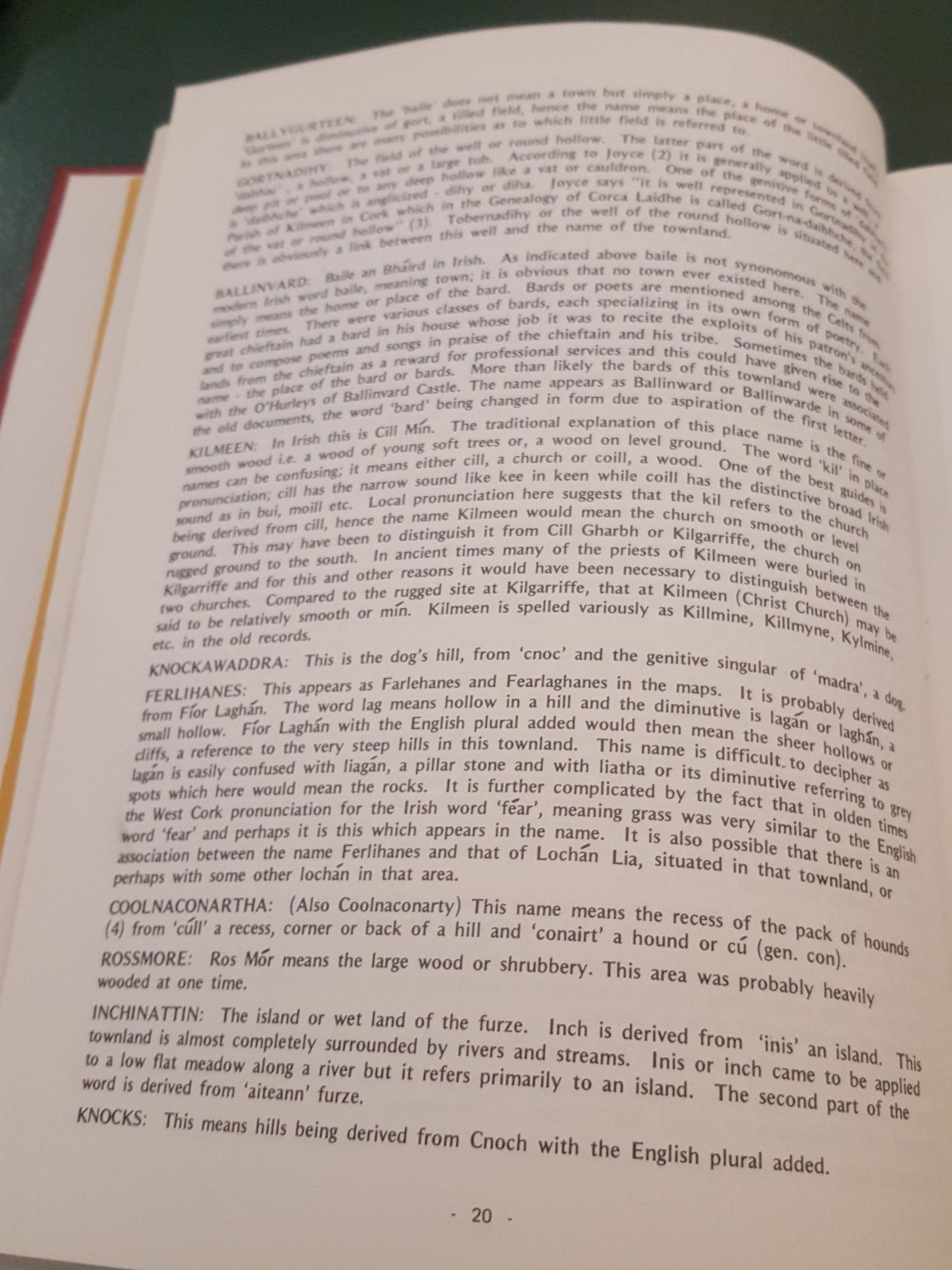
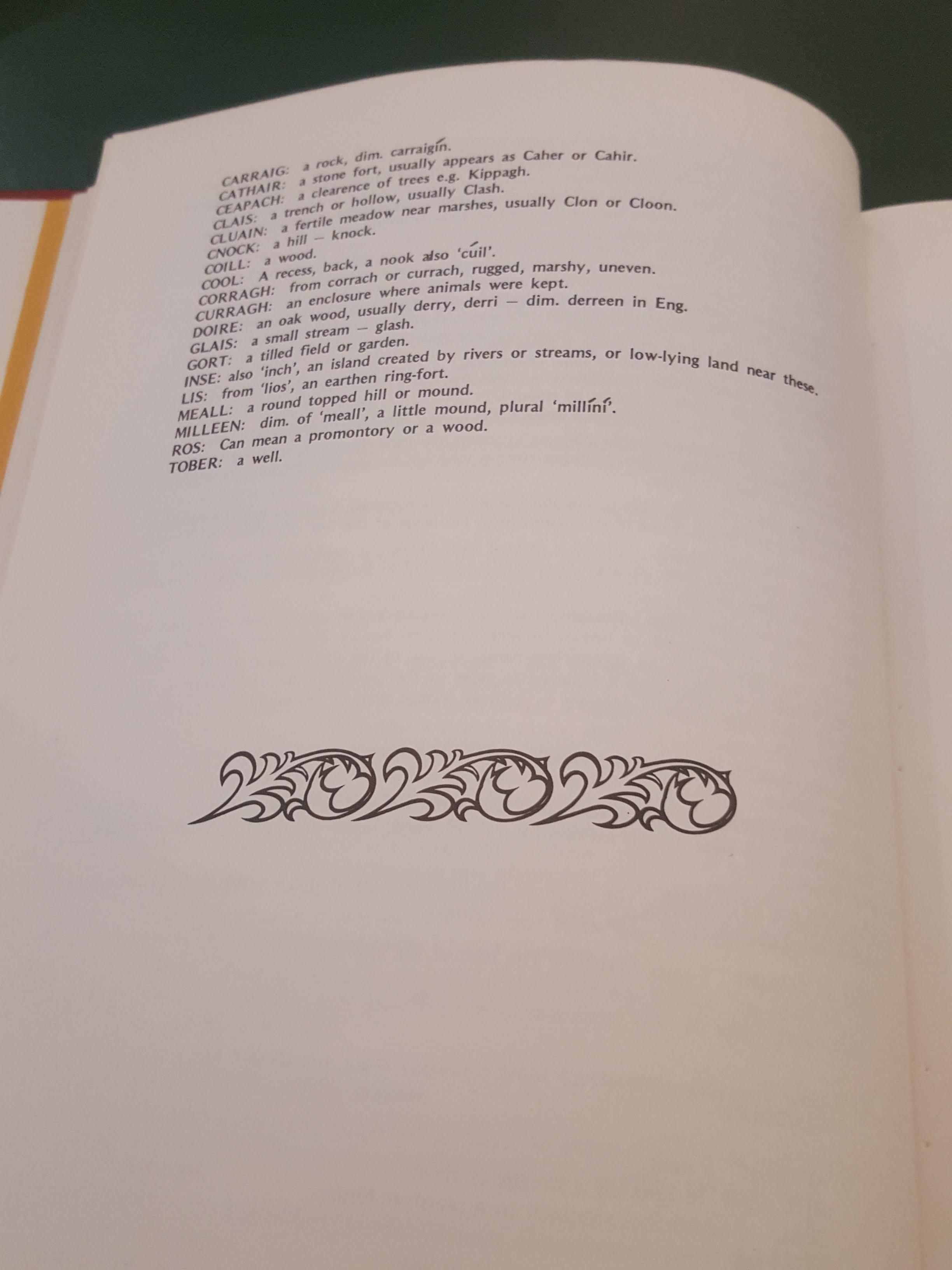
Courtesy: Kilmeen Parish History, 1975 Dan O’Leary, Funded by Jerry Beechinor.
Jerry Beechinor was pioneering agriculturalist and prominent businessman. Probably native to the local area, he was Chairman of Cork Marts, International Meat Packers.
..
..
..
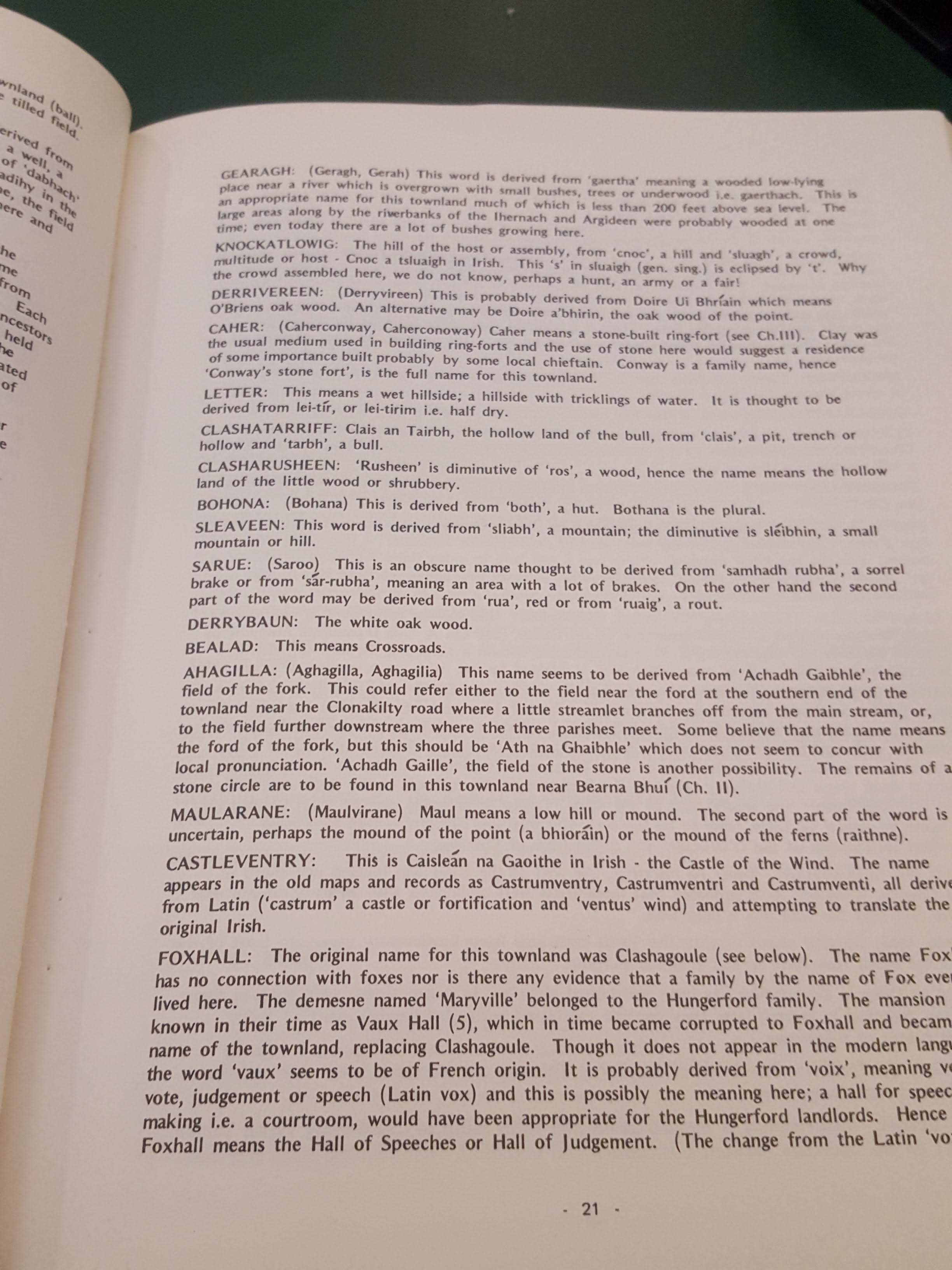
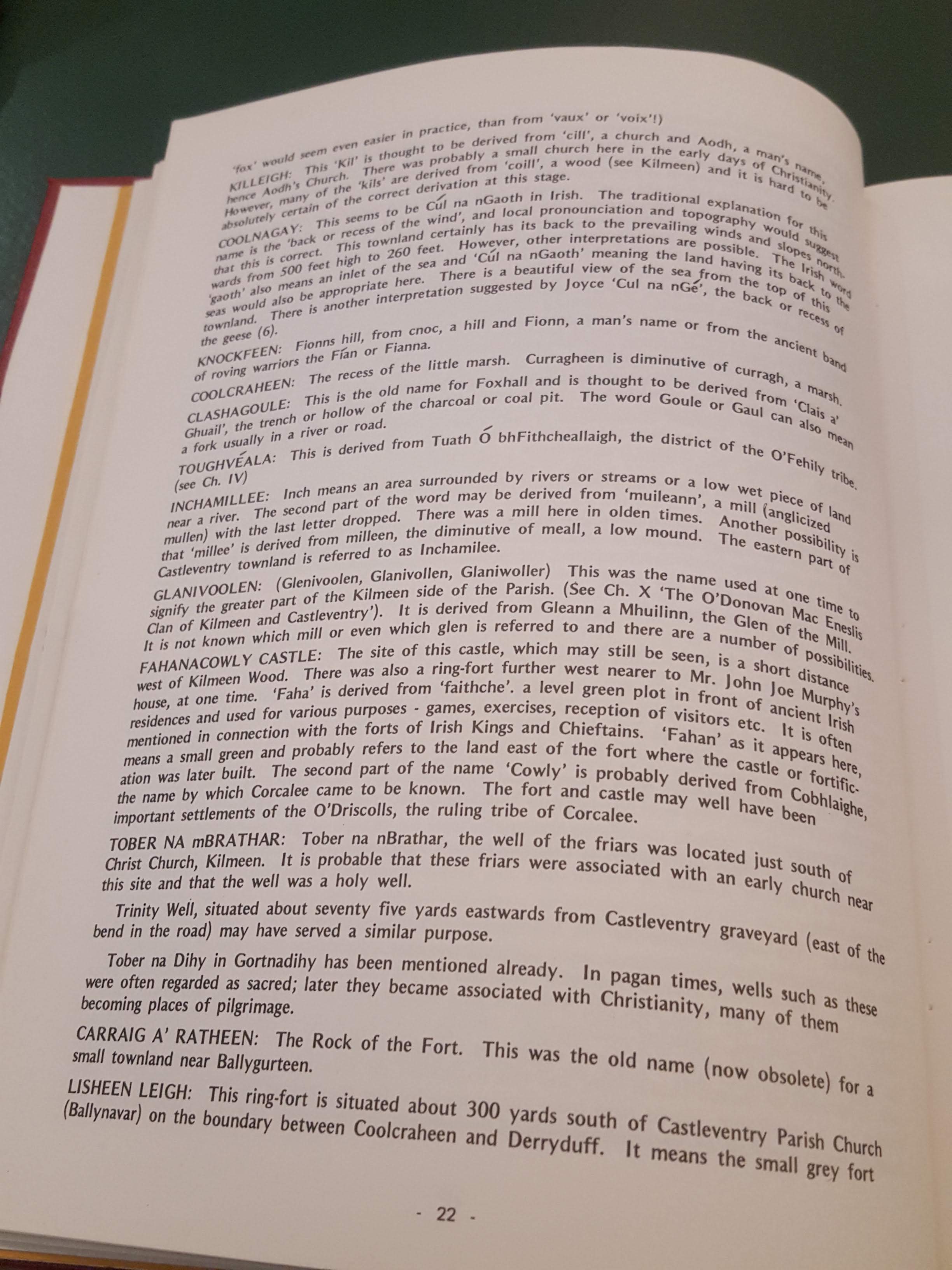 ..
..
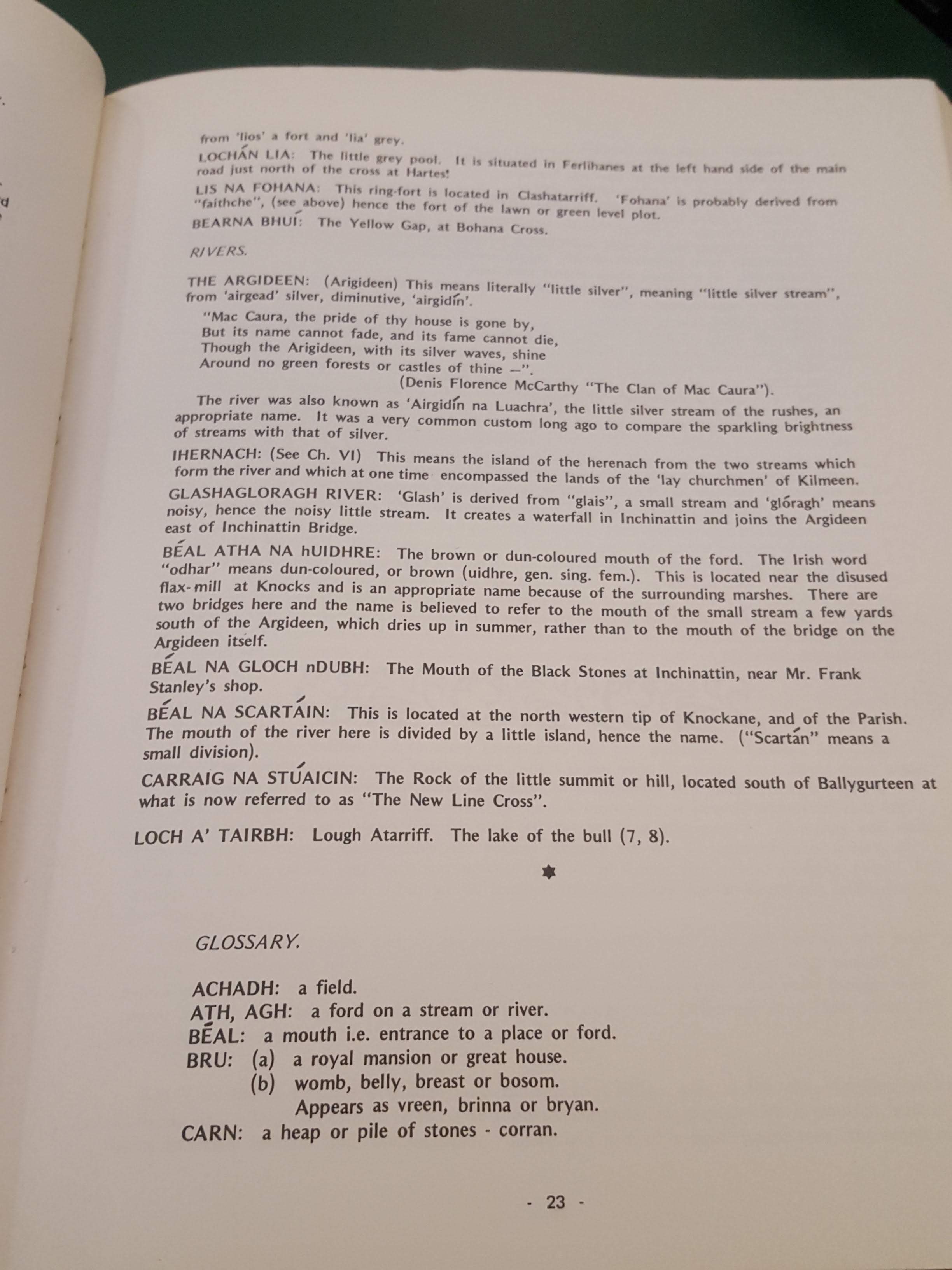
.
..
Kilmeen
14th March 1794, Cork Evening Post
On the eve of the Assizes The Minister, Churchwardens, and the Principal Inhabitants of Kilmeen thank the Government for their aid when their property was attacked by a deluded mob.
Isaac Watson, Minister
James Hegartie and Sam Bateman, churchwardens
Francis Bennett, Letter
John Wright
Benjamin Wright
William Norwood
John Wallis
Jeffry Wallis
Thomas Northridge
Adam Hegartie
John Wolfe
George Fuller
Daniel Chambers
Pat Murrahin
Pat Boohane
Dan Boohane
Owen Noonan
Robert Birchinell (Burchill)
Jeremiah Donovan
Cornelius Dwyer
Cornelius Cahalane
Daniel Cahalane
Likely all people of some substance.
Courtesy: Kilmeen Parish History, 1975 Dan O’Leary, Funded by Jerry Beechin
..
..
1659 Census (Probably from Hearth Money Tax Rolls) 1659.
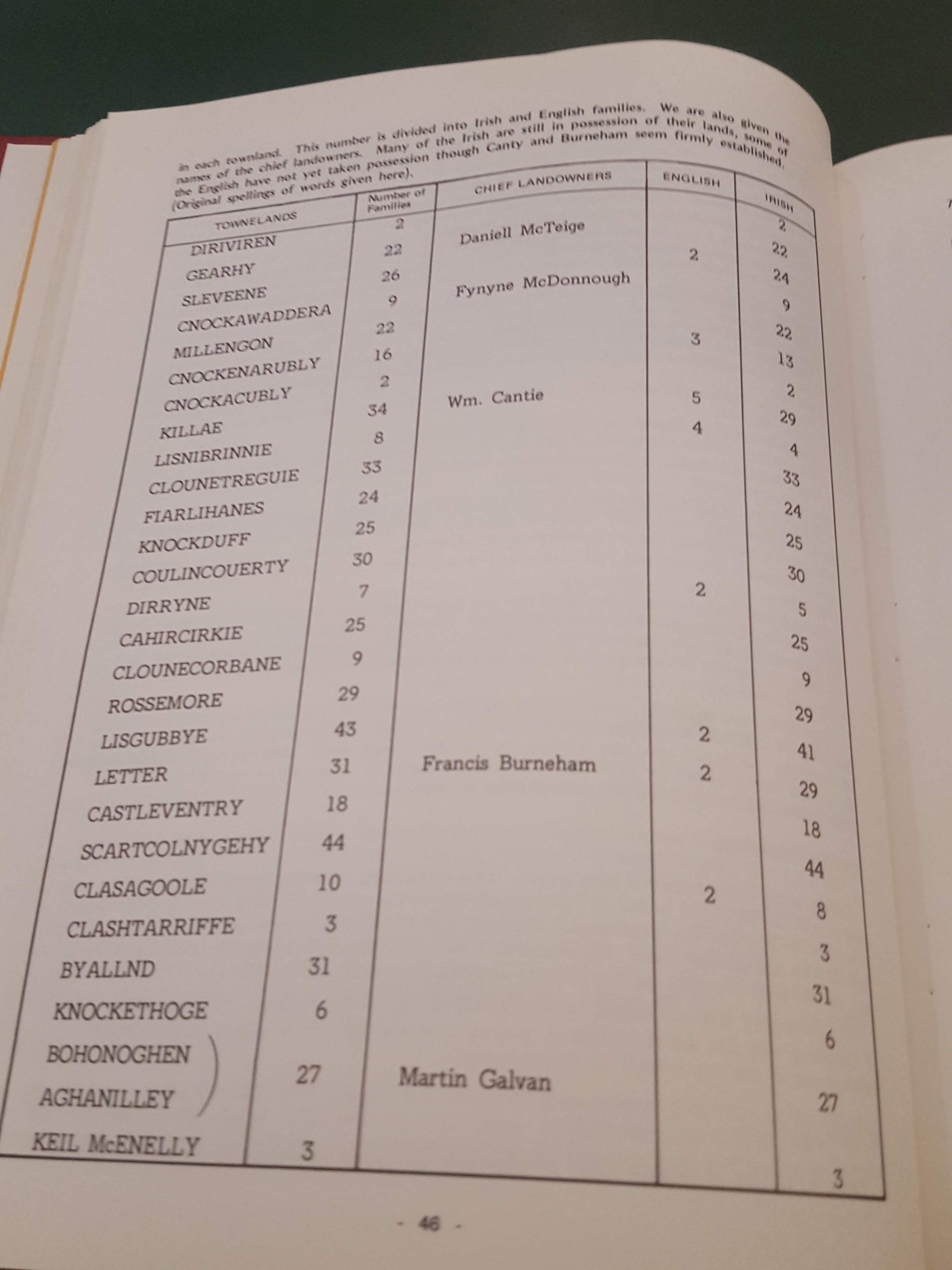
…
.
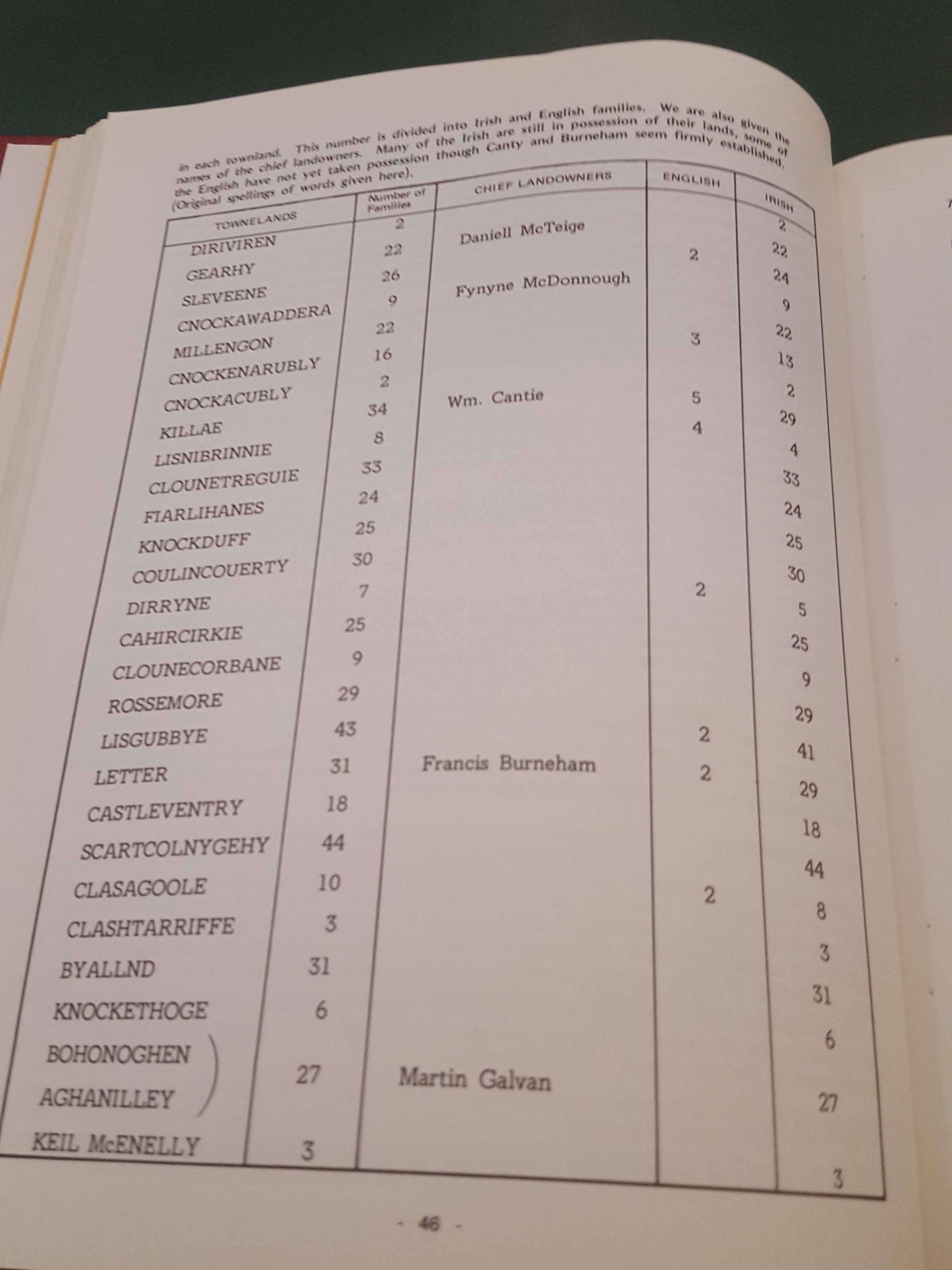
..
In relation to the O’Hurley forfeitures it has been suggested that the Protestant Hurley family of Kilmeen, Schoolteachers later Doctors are the direct descendant of the O’Hurleys of Ballinacarriga Castle, the name Randal runs in the family.
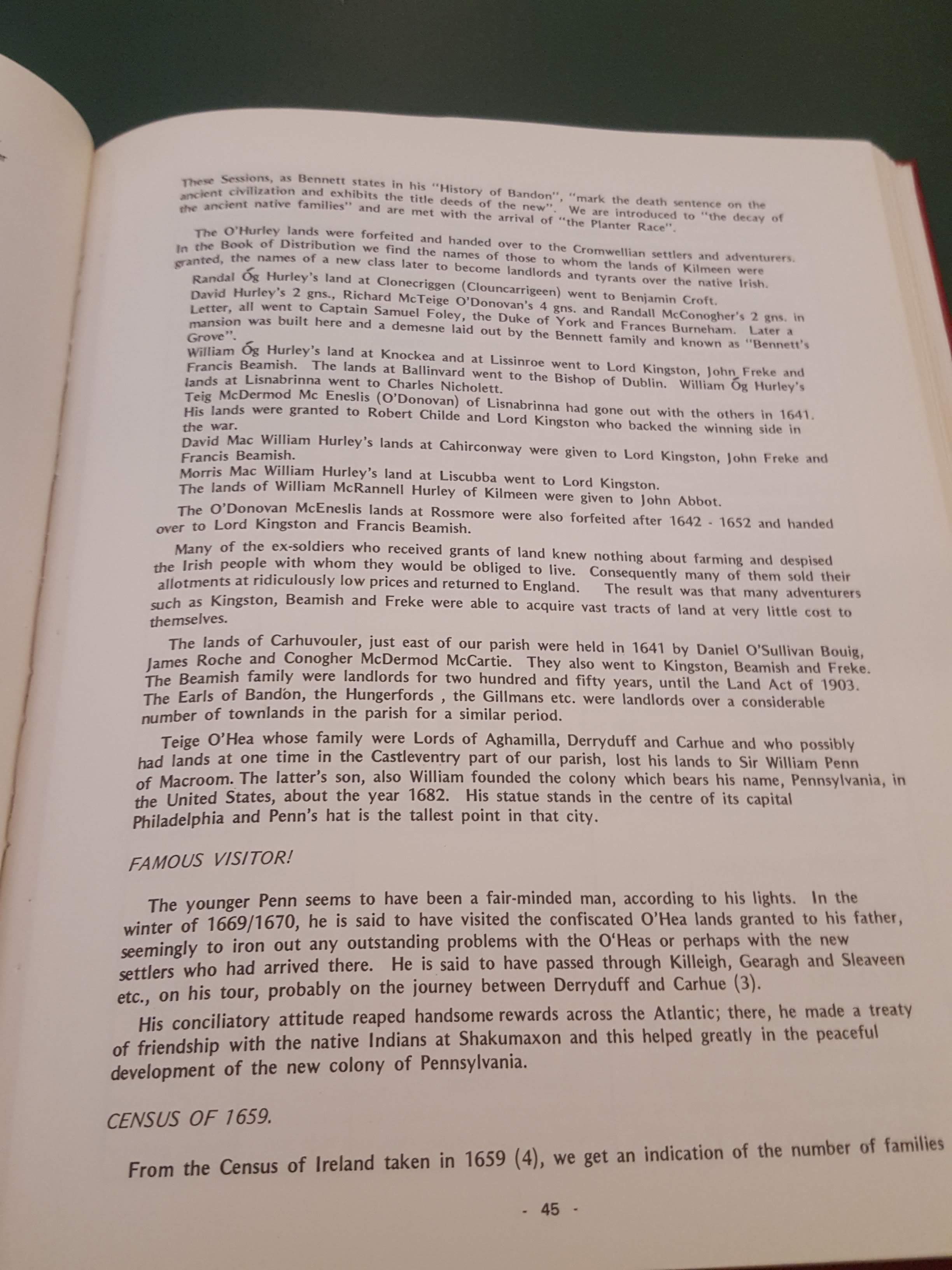
…
Registered Vestrymen of Christ Church, Kilmeen, 1870.
Francis, Earl of Bandon, Castle Bernard, Bandon
Edward Hume Townsend, Coolnaconartha
Horace Webb Townsend, Coolnaconartha
Edward Smyth, Knocks House
Abraham Buttimer, Geragh and Derrivereen
William Pattison, Geagh
Daniel Hurley, Derrivereen
David John Gillman, Doctor of Divinity and Deacon, Geragh
John Harwick, Kilmeen Rectory Lodge
John Hawkins, Geragh (left parish)
John Sullivan, Coolnaconartha
Joseph Roper, Ballygurteen (went to London)
James Garvey, Ballygurteen (left the Parish)
Samuel Bateman, Liscubba
William H. Northridge, Liscubba
Henry Burchell Liscubba, (left the parish)
Charles Robinson, Kilmeen Cottage (left the parish)
Jonathan Wolfe, Coolnacocartha (left the parish)
John Bateman, Coolnaconartha
Jonathan Bateman, Kildee
Charles Northridge, Liscubba
William Wolfe, Dereen
Thomas Beamish, Killmod
Sampson Beamish, Kilmalooda
Samuel Northridge, Millenagun
Thomas Northridge, Millenagun, (let the parish)
John Northridge, Millengun, (left the parish)
Benjamin Northridge, Millenagun, (went to America)
Thomas Damery, Liscubba
Samuel Bateman, Coolnaconartha and Rossmore
Bennett M. Gillman, ‘The Retreat’, Clonakilty
Thomas Beamish, Cahermore
Henry Northridge, Junior, Liscubba
Joseph Woods, Millengun (left the parish)
Samuel Ford Junior, Knockea
Robert Buttimer, Knockawaddra, (left the parish)
William Hobbs, Millenagun
William Thornton, Dundanion, Co. Cork
Thomas Bryan, Caherkirky
George Ross, Knockawaddra
John Ross, Knockwaddra
Benjamin Shorten, Knockawaddra
William Buttimer, Ballinvard
William Buttimer, Junior, Ballinvard
Charles Payne, Lissnabrinna
John Hornibrook, Clouncarigeen
Thomas Nash, Oak Mount, (left the parish)
John Gabriel, Coolnanonartha (left the parish)
Anthony Kilroy, Ballygurteen, (left the parish)
James Greer, Geagh School House, (left the parish)
Courtesy: Kilmeen Parish History, 1975 Dan O’Leary, Funded by Jerry Beechinor.
..
…
12 Wednesday Dec 2018
Posted in Uncategorized
1805 Return by Commissioners Appointed under Act 40, George 111, cap.34, King of England Compensation for Abolition of Pocket and Rotten Boroughs. Baltimore, Sir Richard Freke, Bart., £15,000/£17.3 Million, Richard Boyle Townsend, Dingle, £15,000/£17.3 Million, Rathcormac, Francis Earl of Bandon, Sampson Stawell (Kinsale) Viscount Doneraile, Trustees in will of of Lord Riversdale, 1787, (Hull, Schull family), £15,000/£17.3 Million, Clonakilty, Richard Earl of Shannon (Great Earl of Cork descendant), £15,000/£17.3 Million.
..
http://www.dippam.ac.uk/eppi/documents/8412/eppi_pages/196908
To get an idea of the value of £15,000 in 1805, the salary offered to new teachers in the National Education System around 1828 was £28 a year a multiple of 535. The starting pay for a teacher in Ireland is now €36,000. A multiple of that is €19.26 million or £17.3 million sterling.
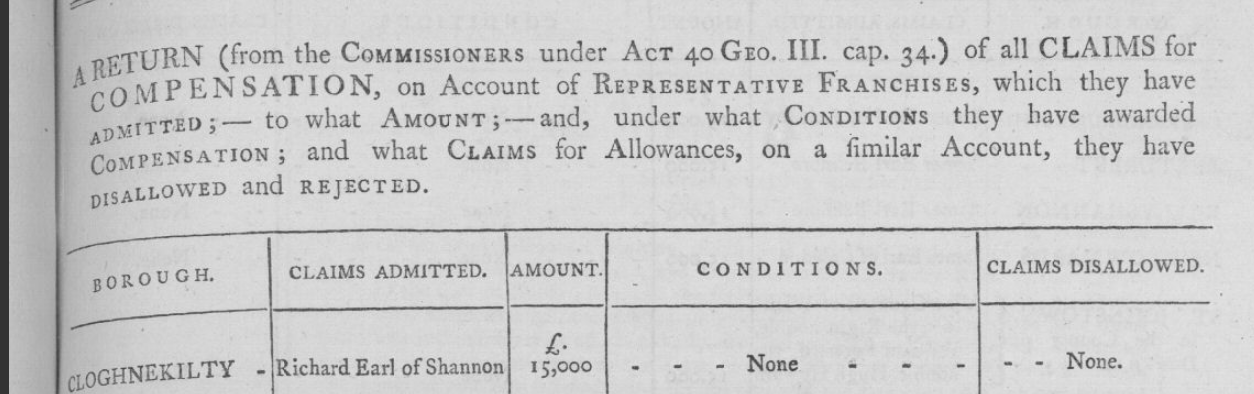
..
Re Townsend see site of Colonel John Townsend re family:
http://www.astro.wisc.edu/~townsend/tree/home.php
Baltimore
Sir John Freke, 1766, Castle Freke, Committed to the county Gaol, By Sir John Freke, Bart., CORNELIUS HAYES, JEREMIAH DEMPSEY, PETER CAIN, and DANIEL HURLEY, charged with riotously assembling with several others and committing several acts of outrage in the town of Ross, and with being concerned in assaulting and wounding Isaac Hewit, and Parker Roche. Map of estate by Thomas Sherrard 1787. John and Elizabeth Gore had issue:- Sir John Freke, Bart, 6th Baron Carbery, born 11th November 1765 who represented the borough of Donegal in the Irish Parliament and on 25th January, 1783 he married his cousin Catherine Charlotte Saunders, third daughter of his uncle, the Earl of Arran. Address: Saunders Court, Co Wexford. Catherine Charlotte was born Sept 1766 and died 23rd February 1852.
John was grandmaster of the Freemasons of Munster. He died 12th May 1844 aged 80. Of Castle Freke, Laxton Hall in Northamptonshire and of Belgrave Square in London. He sat as Sir John Freke in the Irish House of Commons. 1805 Return by Commissioners Appointed under Act 40, George 111, cap.34, King of England Compensation for Abolition of Pocket and Rotten Boroughs. Baltimore, Sir Richard Freke, Bart., £15,000/£17.3 Million. He was the son of John and Elizabeth Gore and succeeded to the title of Baronet on the death of his father on 20th March 1777. In 1807 on the death of his cousin John, fifth Lord Carbery, he succeeded to the peerage. He was one of the largest landed proprietors in Ireland and constantly resided on his estates.
Left estate valued at £90,000 (c €100 million 2018 equivalent). Left rental of estates for life to his wife. On his death he directed that the principal family seat and residence should be Castle and that his inheritor should reside there at least four months in the year. If the inheritor was to become Catholic, the interest in the estate would cease and go to the next in line provided such party was Protestant.
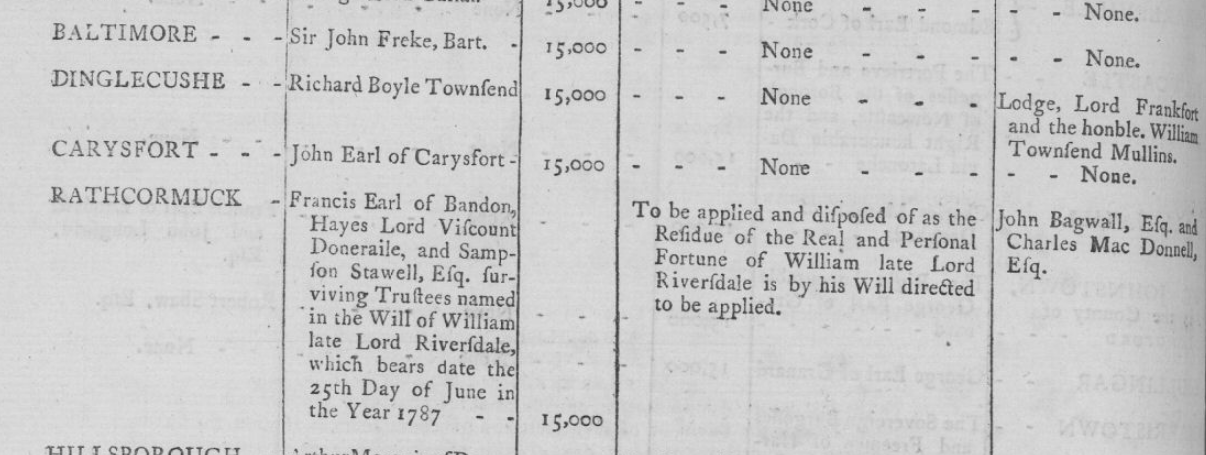
Francis Bernard, 1st Earl of Bandon (1755-1830), 1772, Castle Bernard, Bandon, only son James Bernard and Esther Smith d Percy Smith. M Lady Catherine Henrietta Boyle d Richard, 2nd Earl of Shannon. MP Ennis 1778-83, Delegate 1783 to Irish Volunteer convention. Requested to be president of Bandon Brunswick Constitutional Club 1828 donated £50. Bandonbridge in Irish Parliament to 1790. Lady Charlotte Bernard, 2nd daughter married 3rd Viscount Doneraile. Freeman of Cork 1777. 1805 Return by Commissioners Appointed under Act 40, George 111, cap.34, King of England Compensation for Abolition of Pocket and Rotten Boroughs. Rathcormac, Francis Earl of Bandon, Sampson Stawell (Kinsale) Viscount Doneraile, Trustees in will of of Lord Riversdale, 1787, (Hull, Schull family), £15,000/£17.3 Million.
Lord Riversdale Hull line, later William Baron Riversdale (Tonson), Lisnegar, Rathcormac. Pre 1830. Deputy Lieutenant 1832, listed 1838 Presumable ancestor
11 Tuesday Dec 2018
Posted in Uncategorized
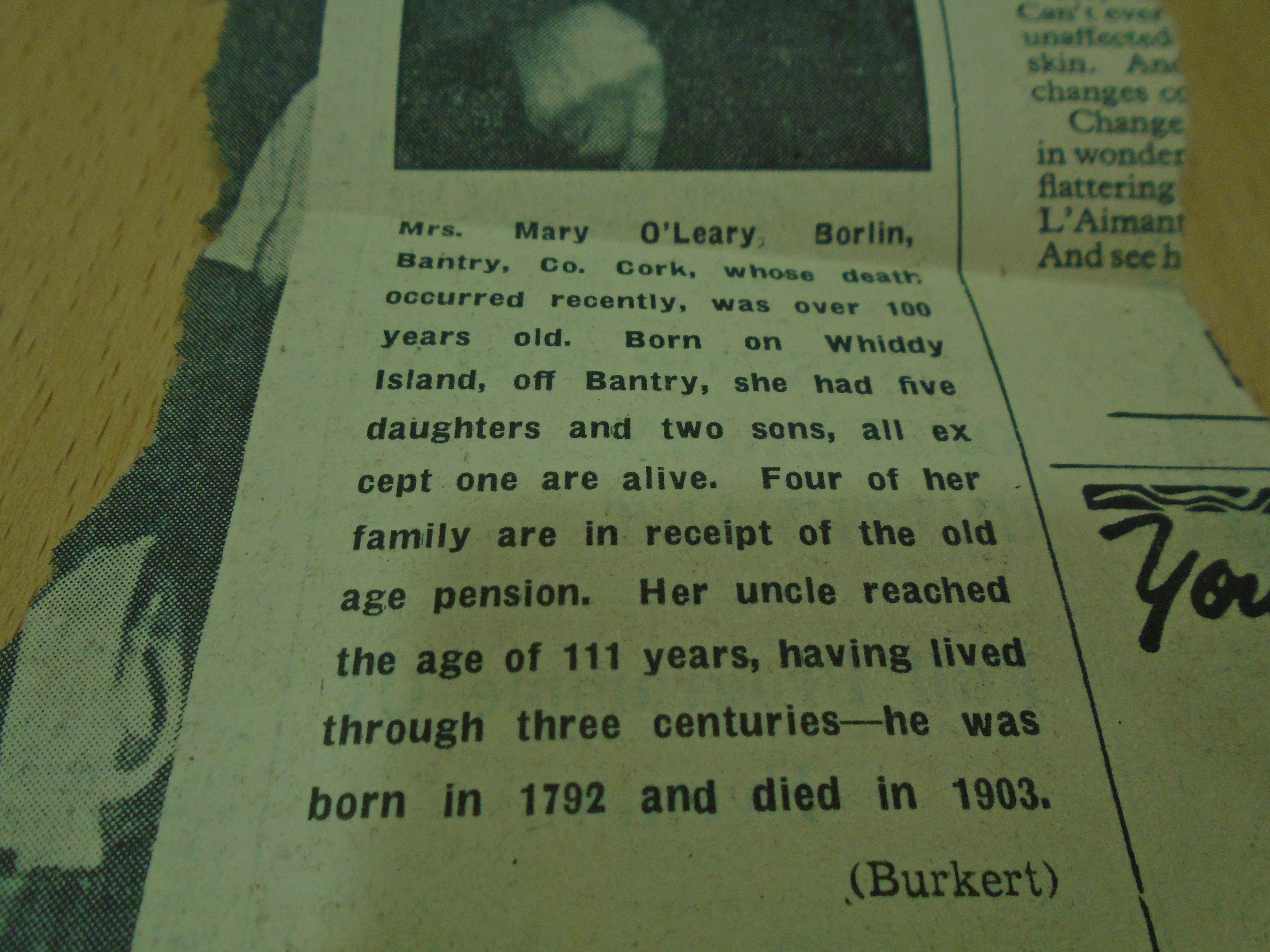
Mrs. Mary O’Leary, Borlin, Bantry, Born Whiddy Island, Died 1958 aged 100. Her Uncle Reached Age of 111, Lived in Three Centuries (1792-1903)
..
..
..
..
05 Wednesday Dec 2018
Posted in Uncategorized
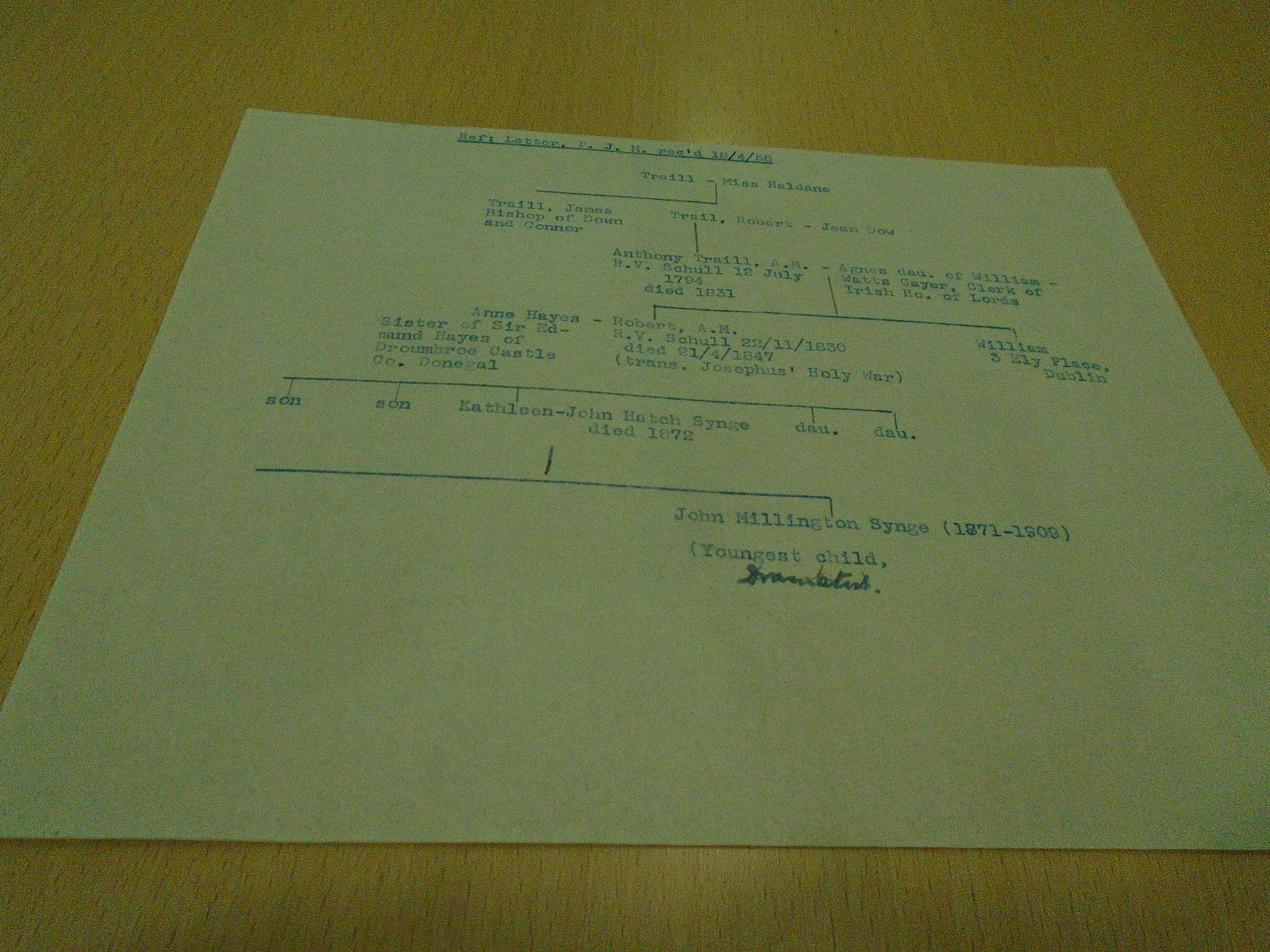
Rev. Robert Traill, Rector Schull, died 1847, Grandfather of Writer and Playwright, John Millington Synge (1871-1909)
..
..
04 Tuesday Dec 2018
Posted in Uncategorized
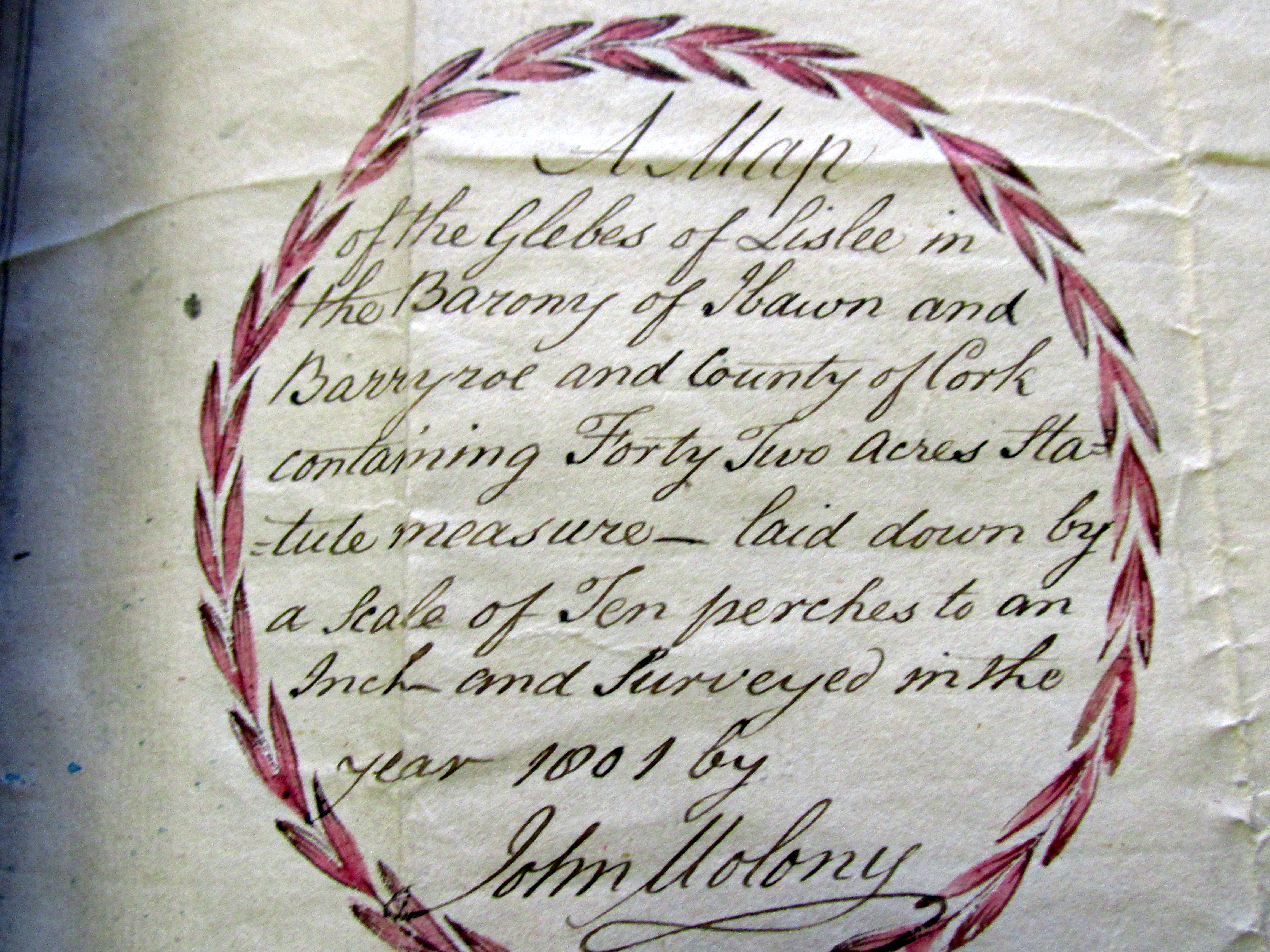
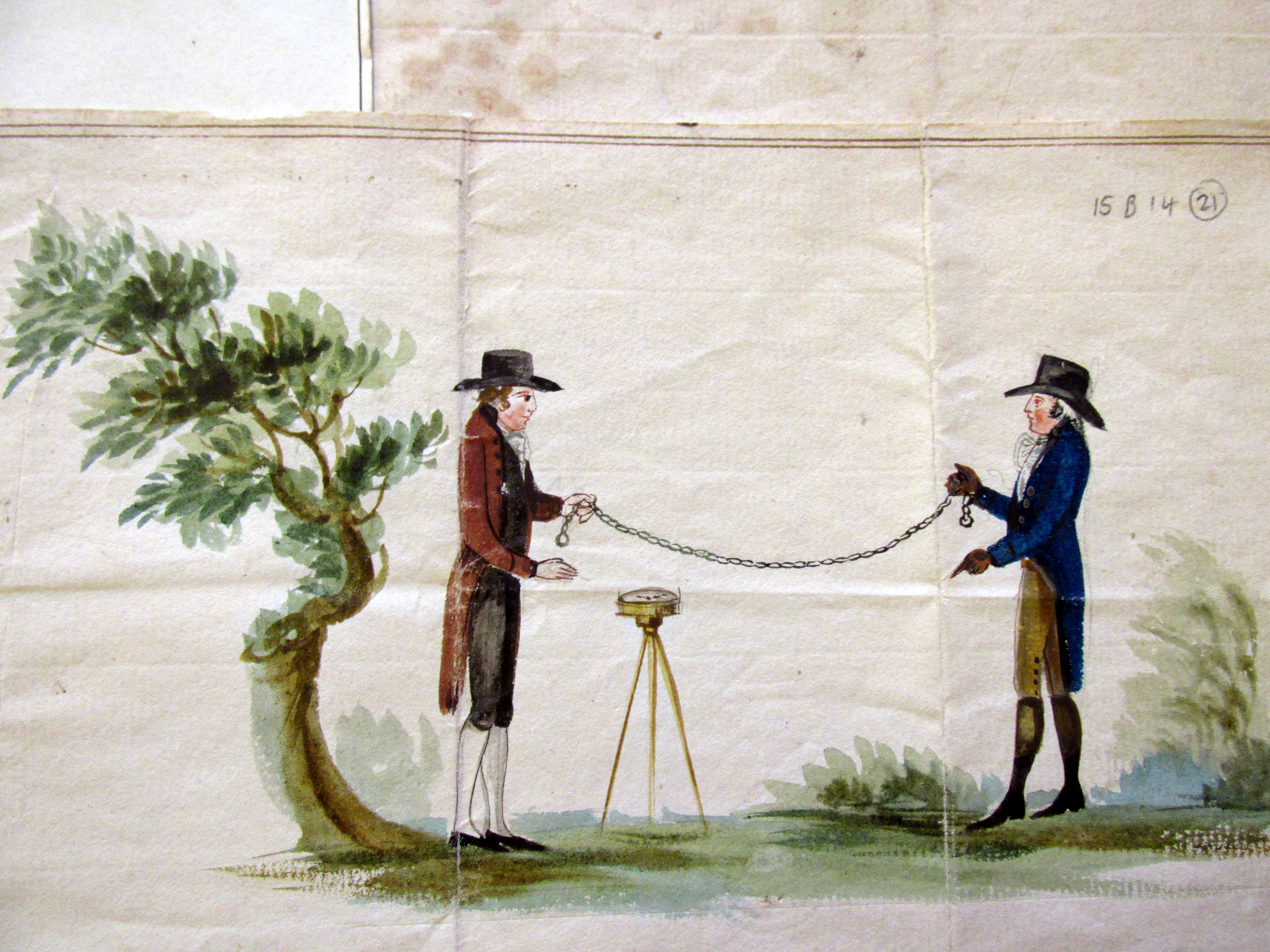
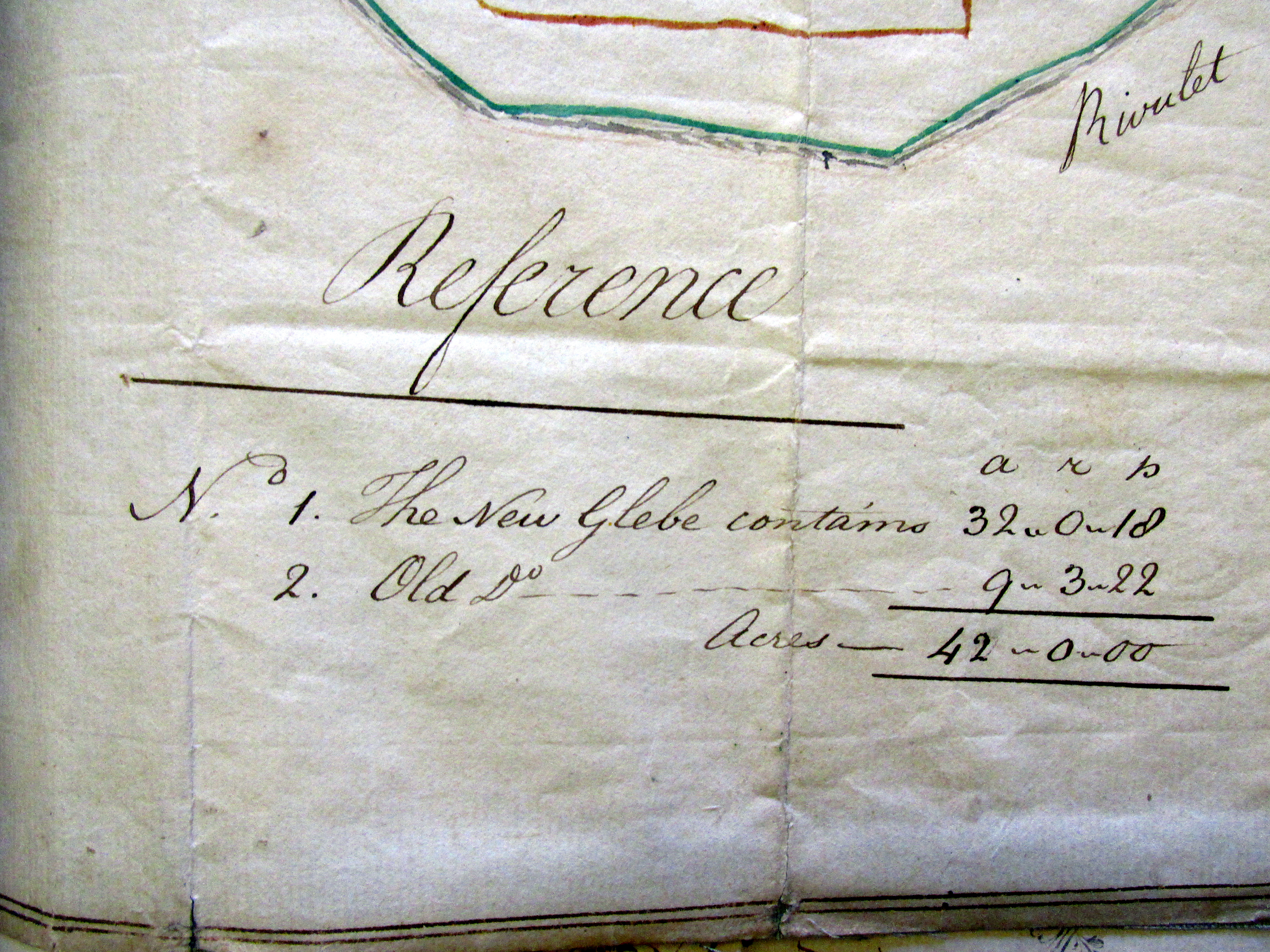
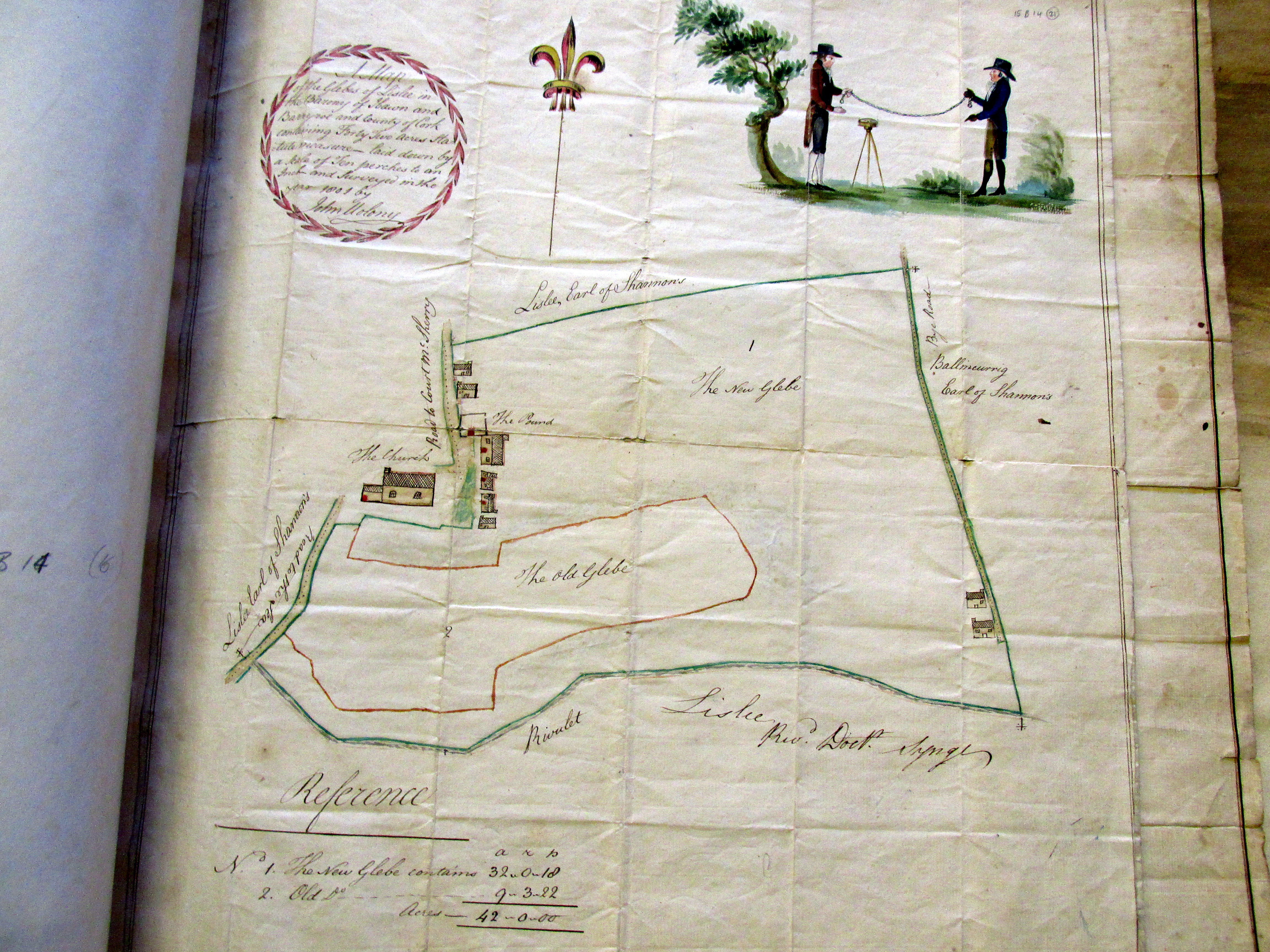
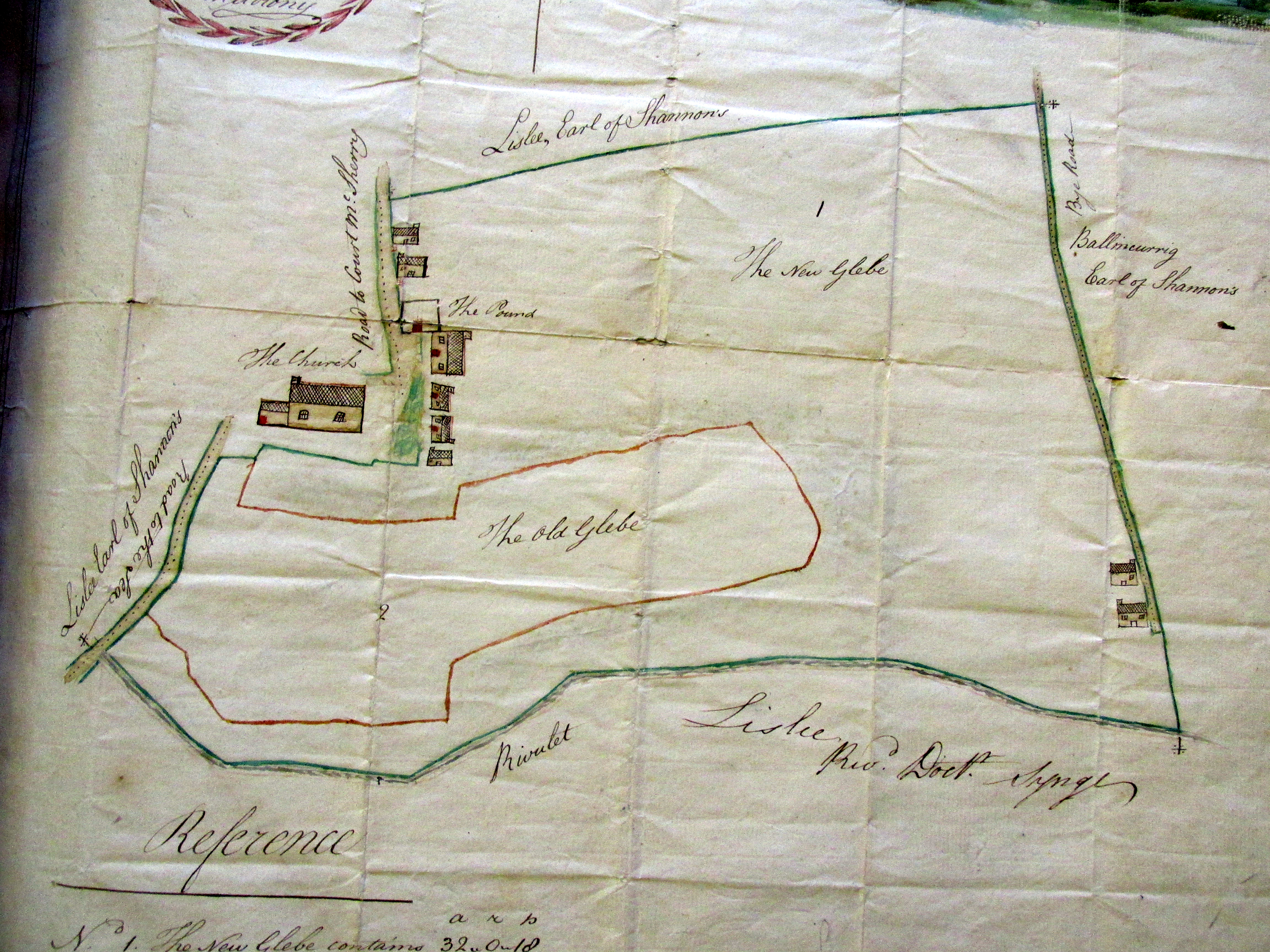
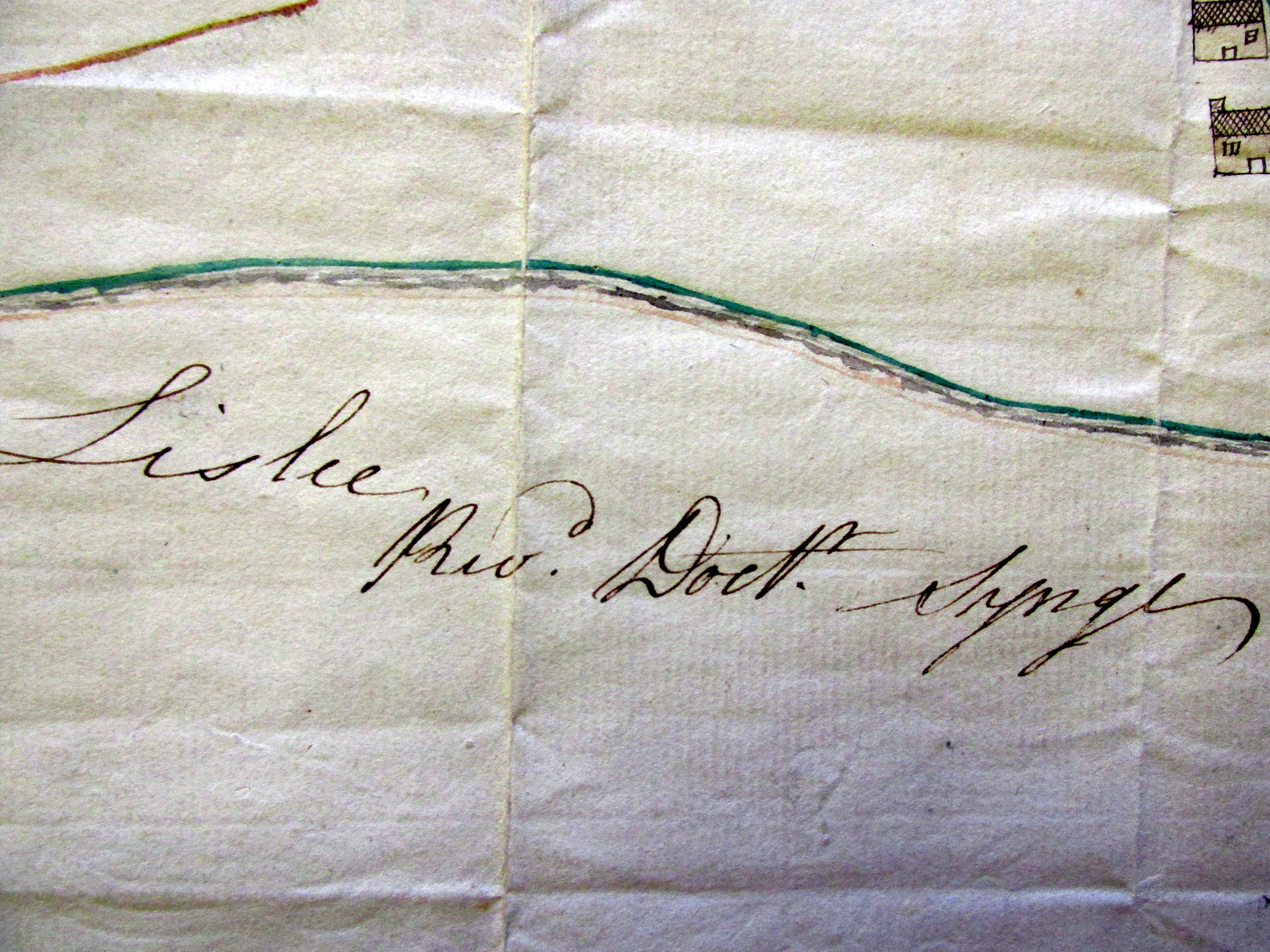
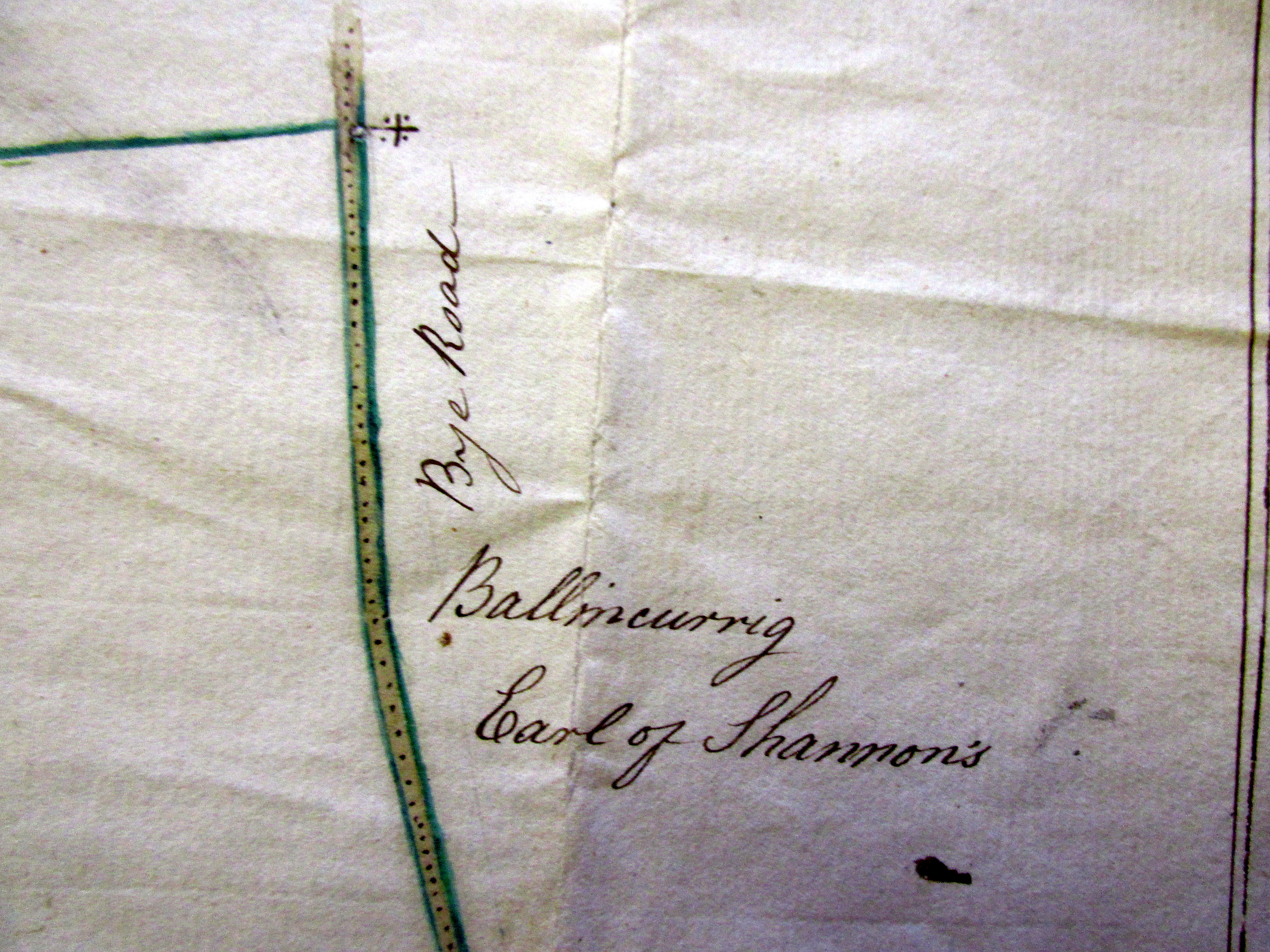
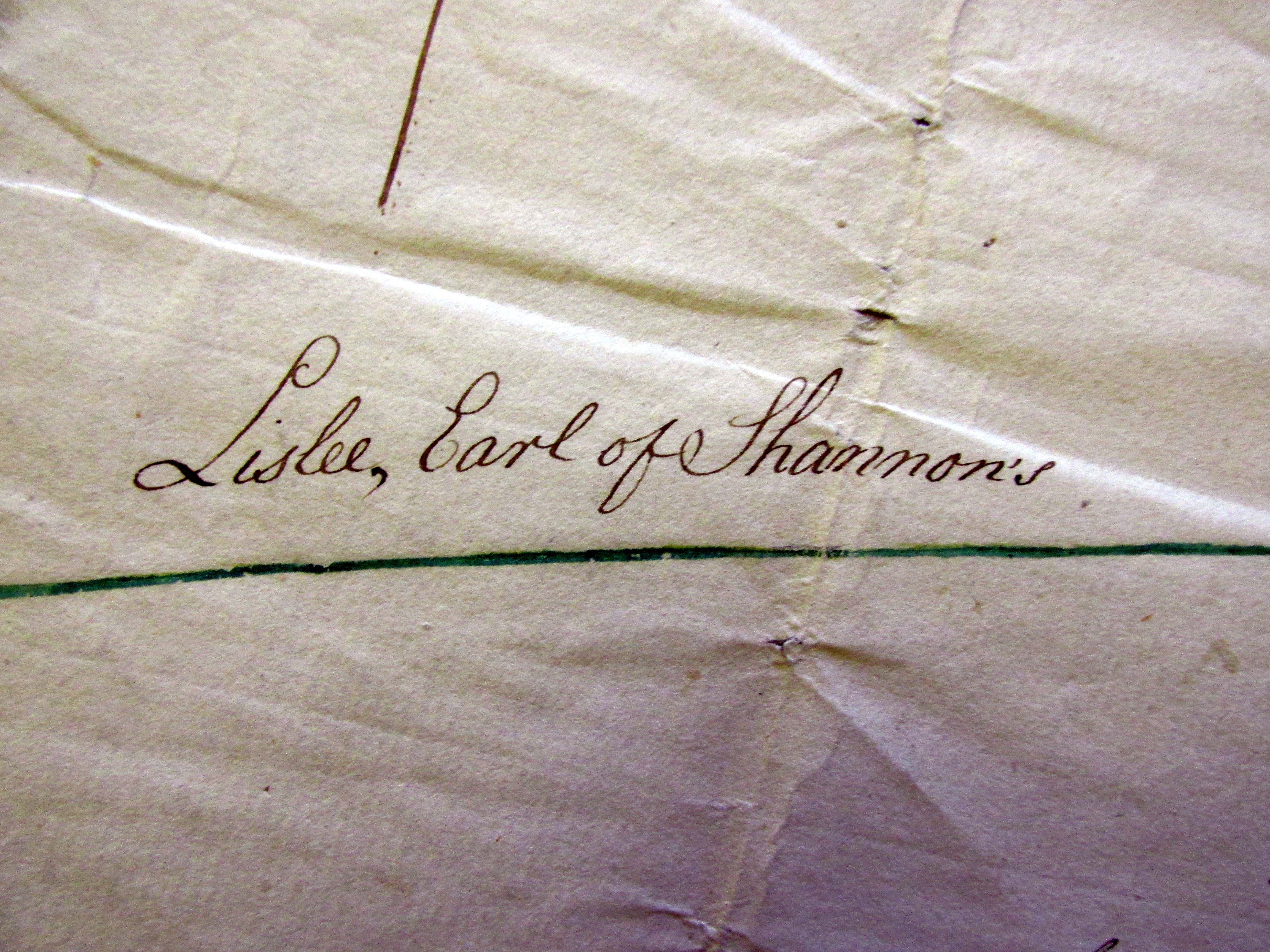
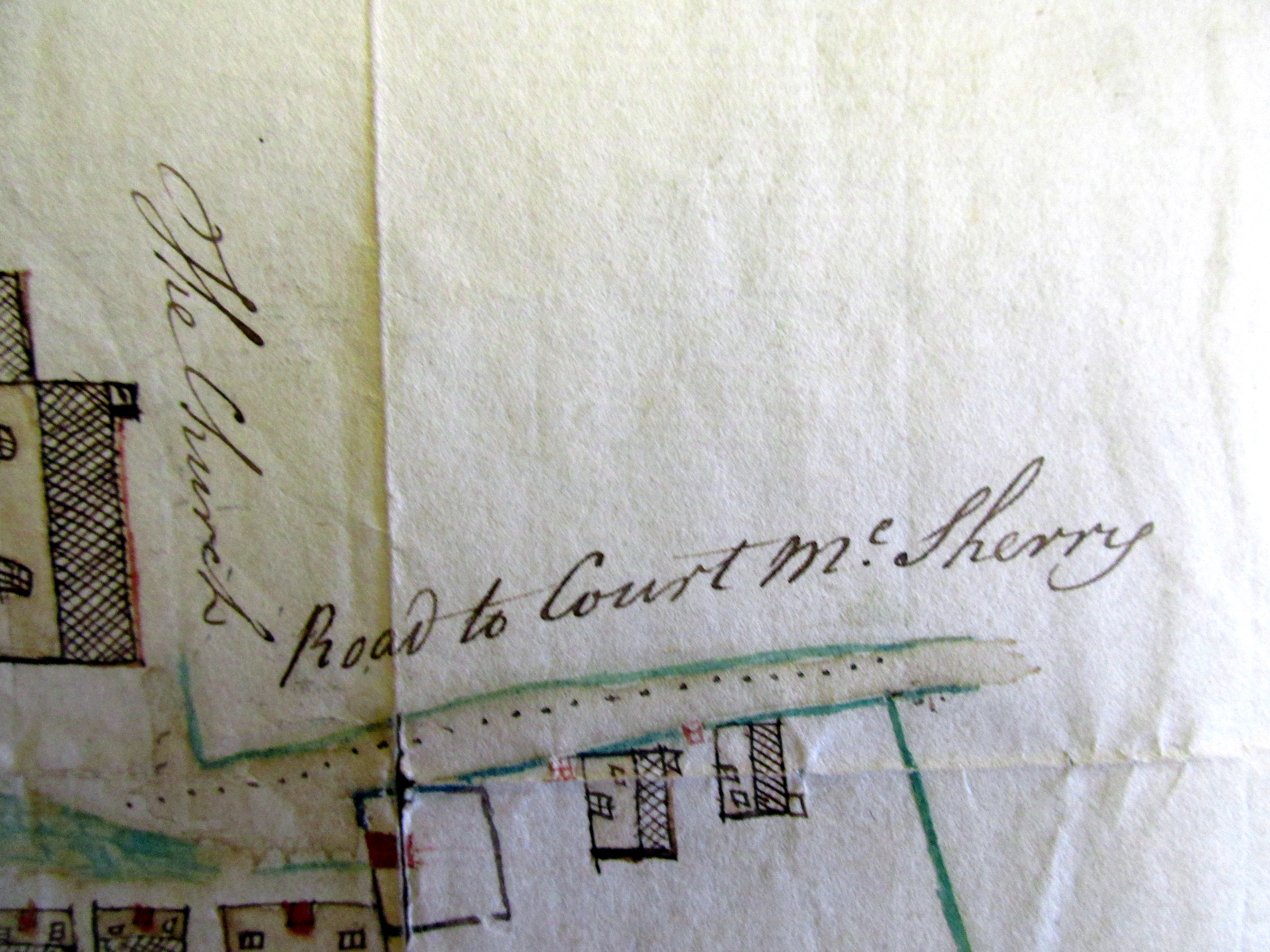
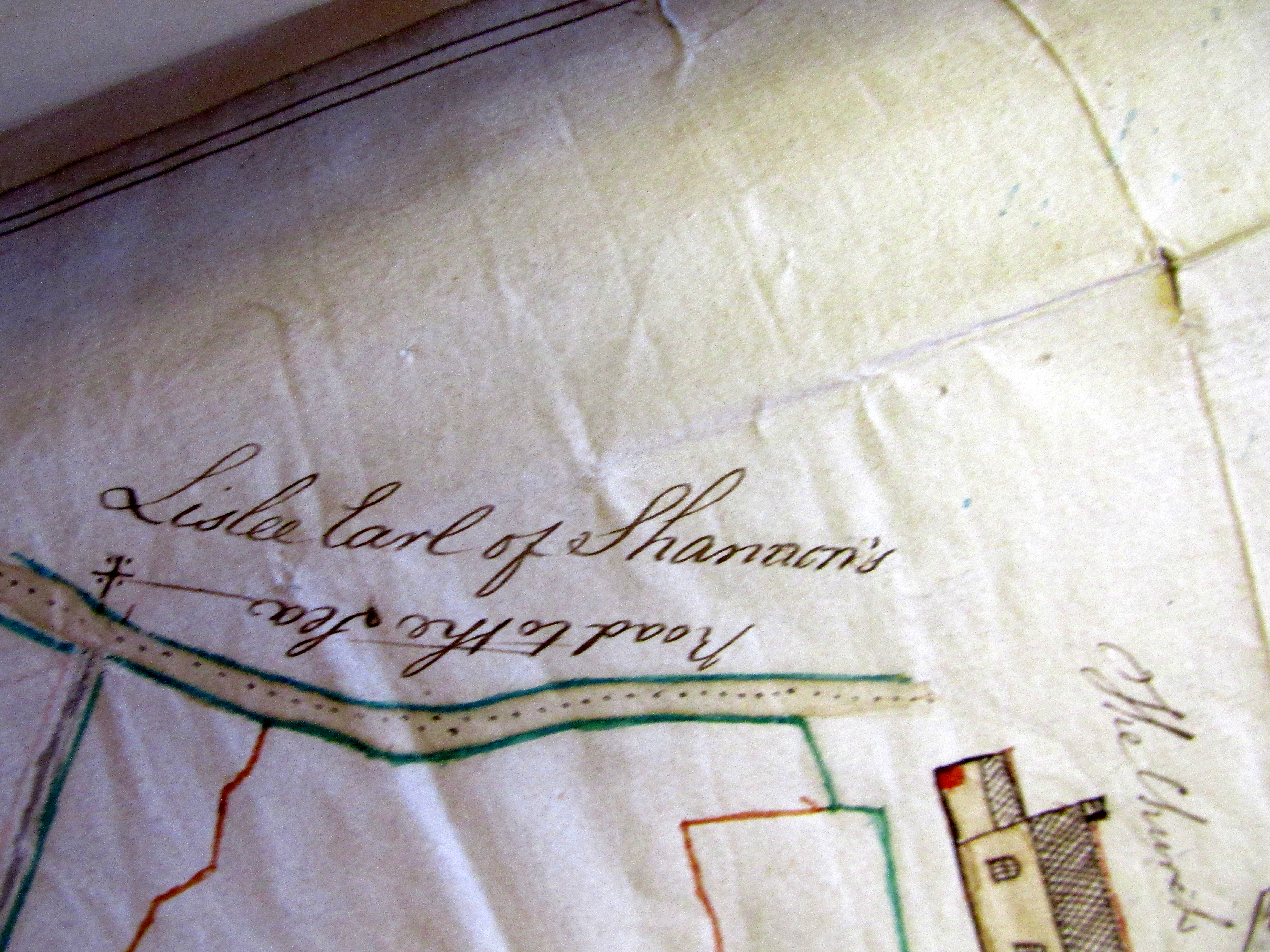
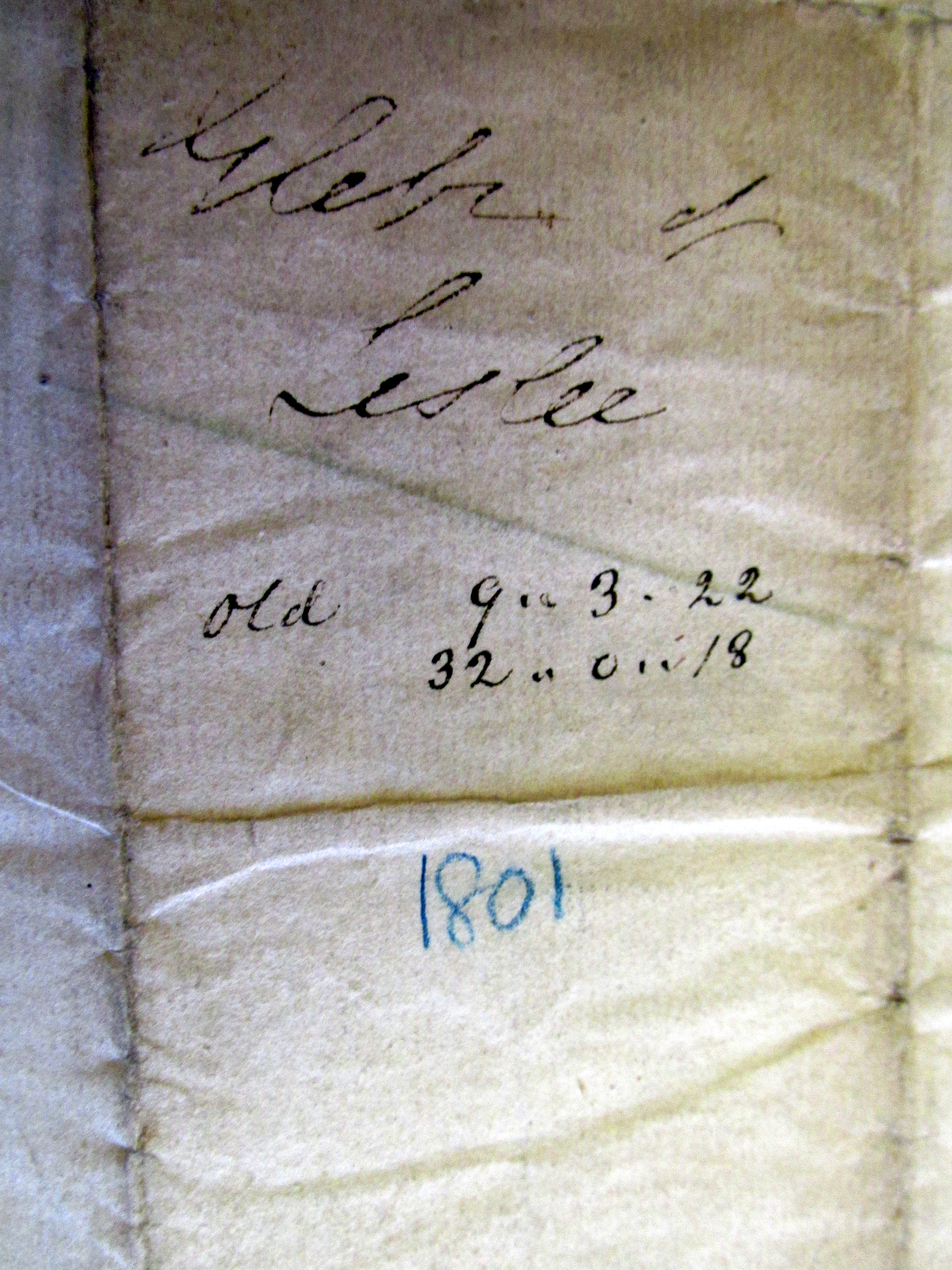
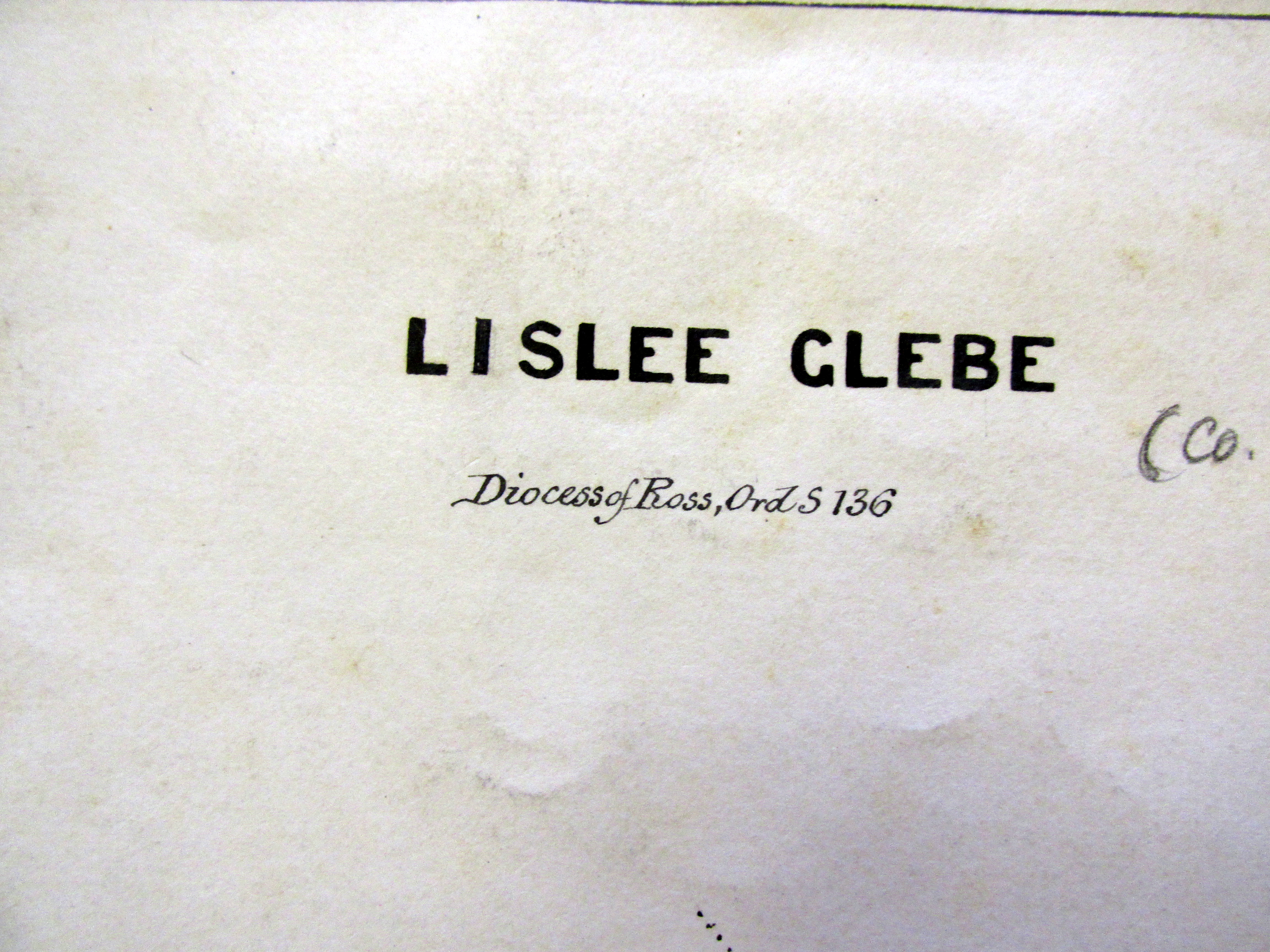
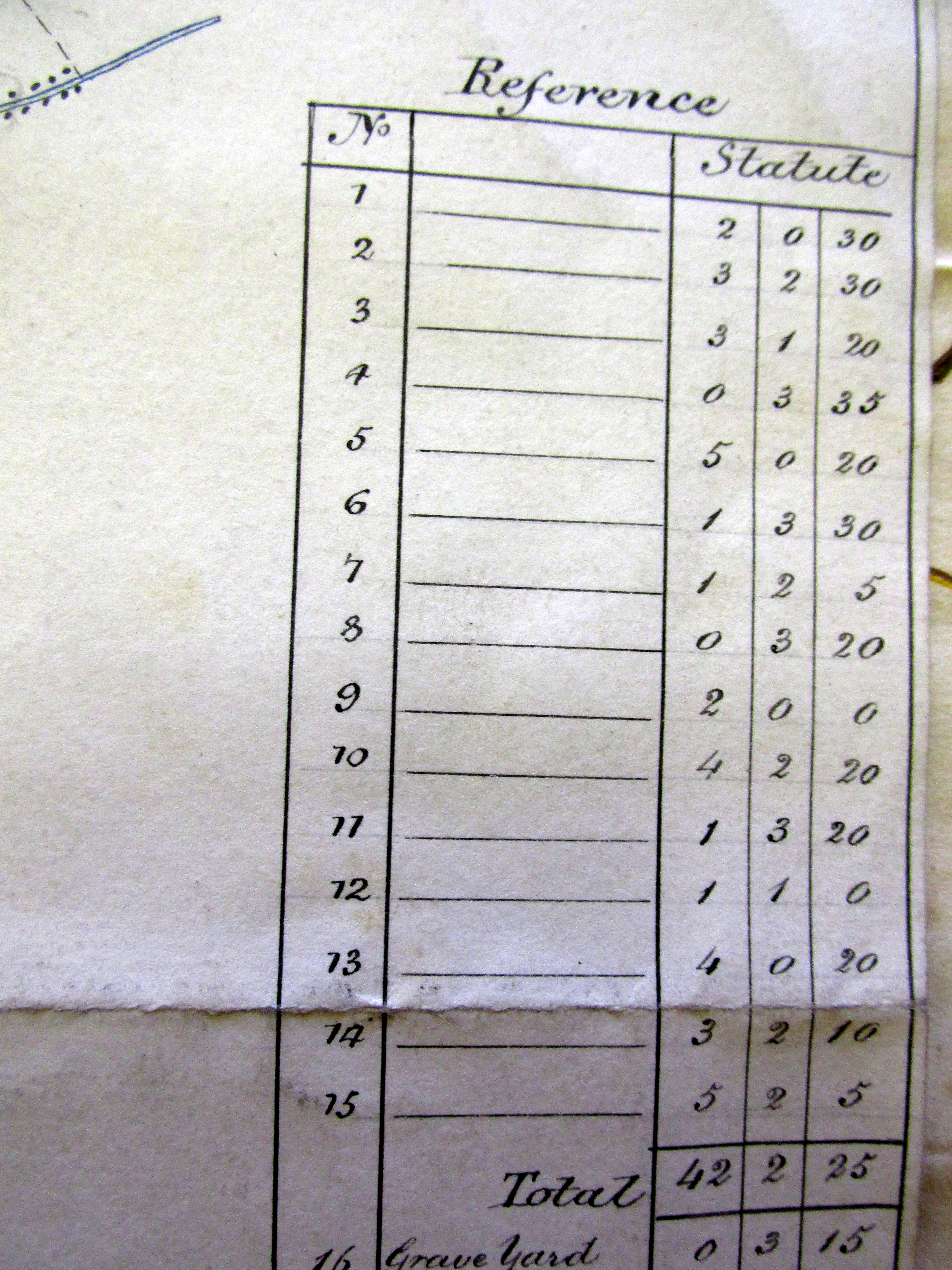
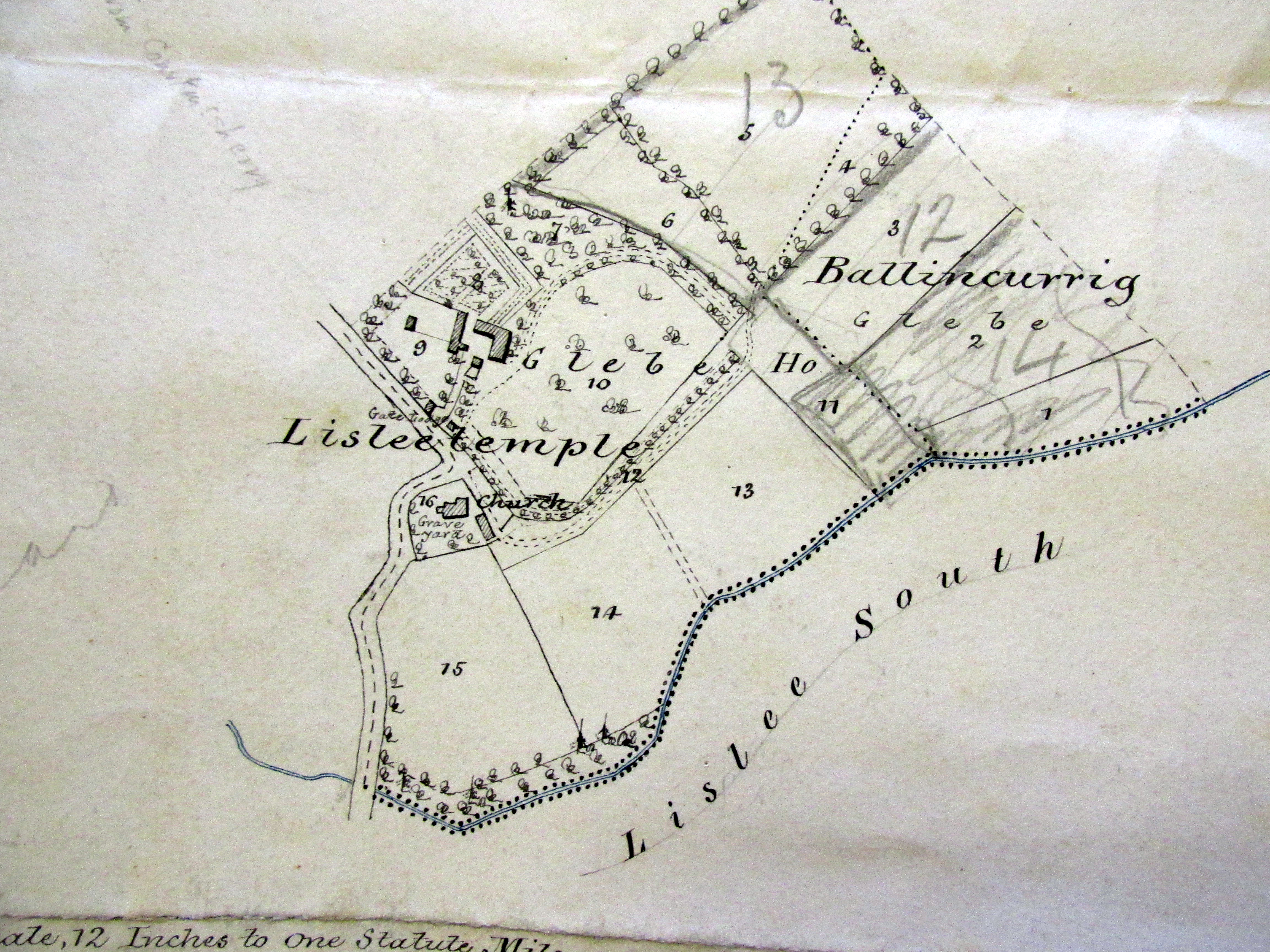
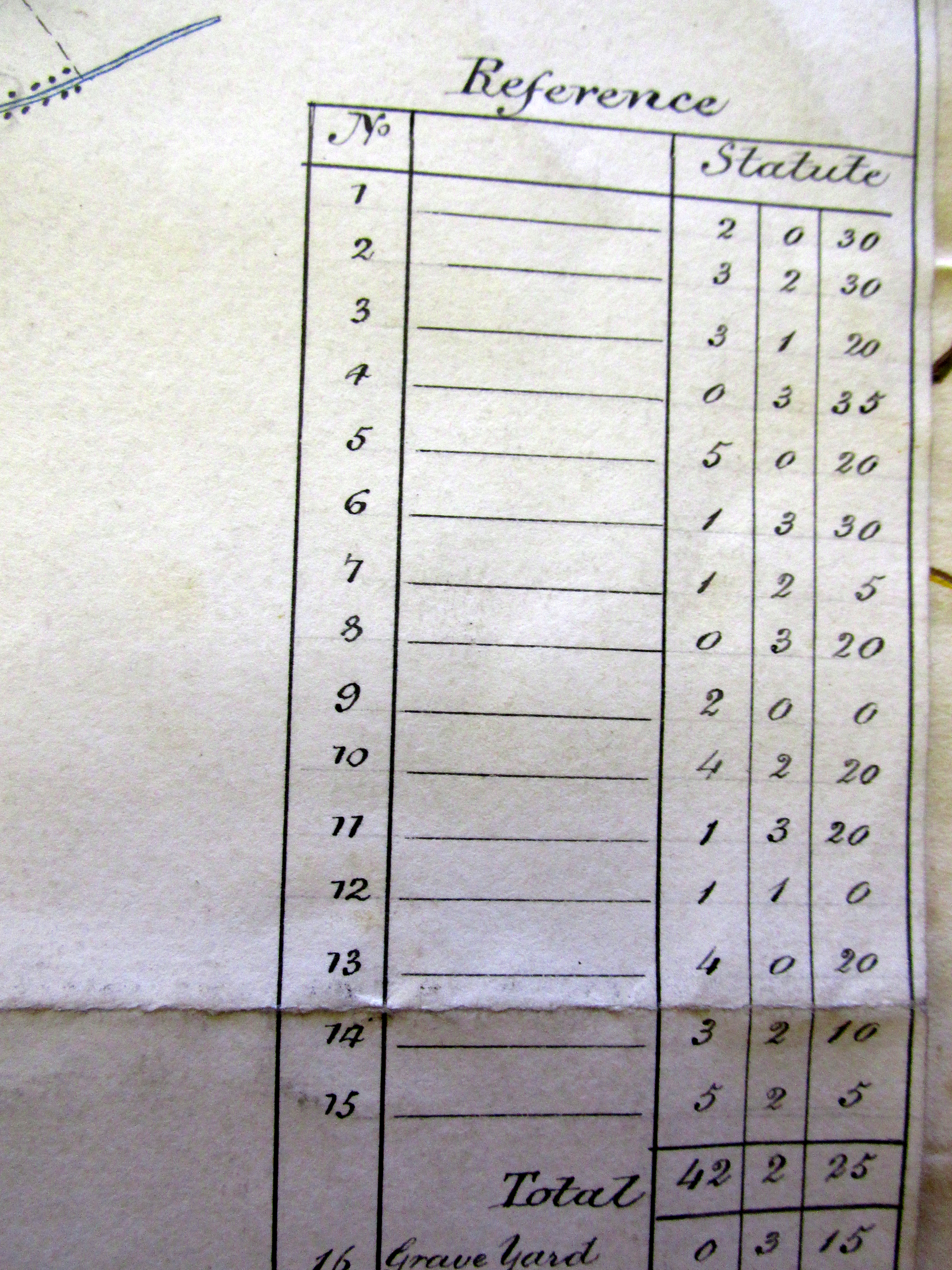
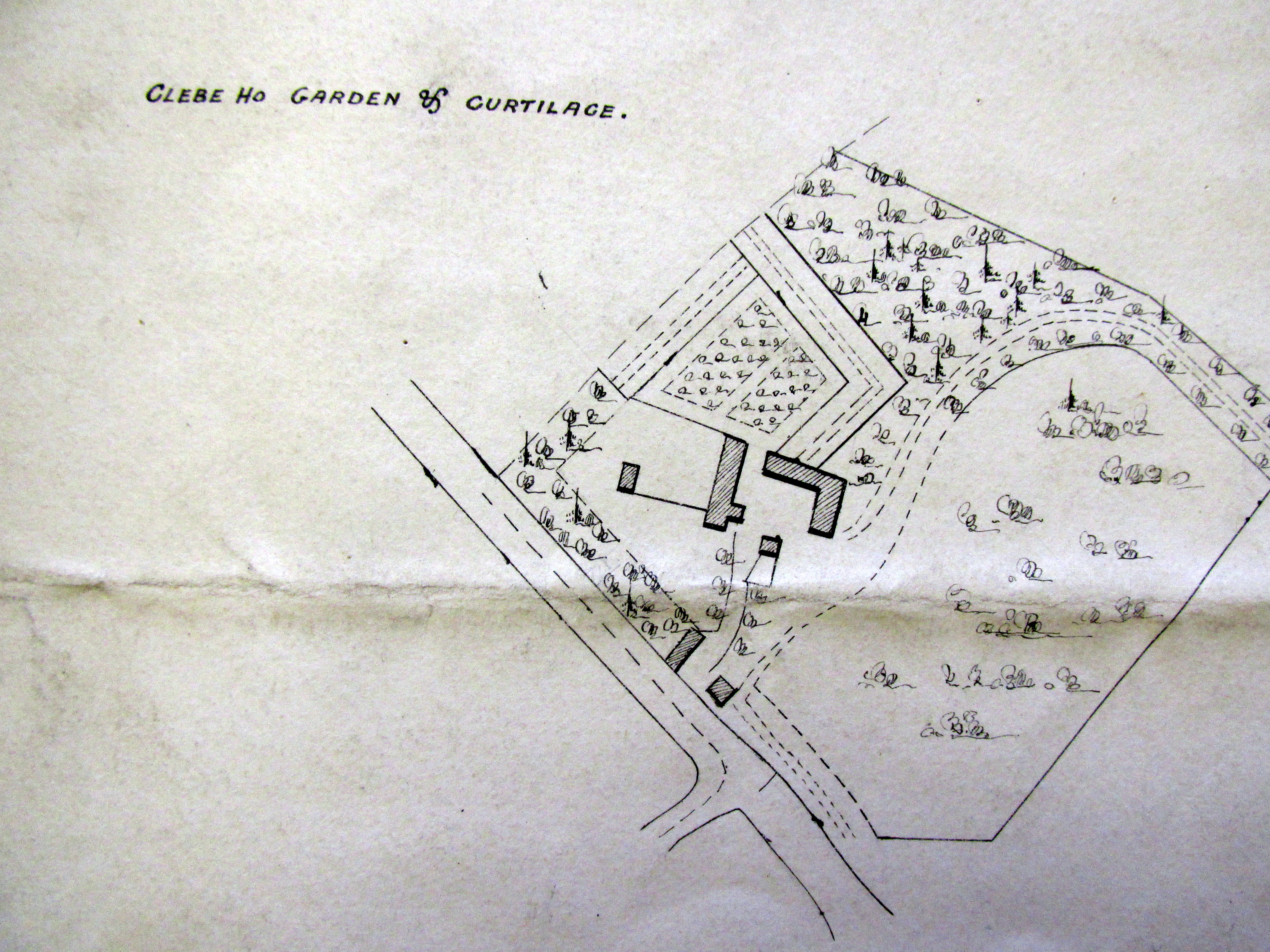
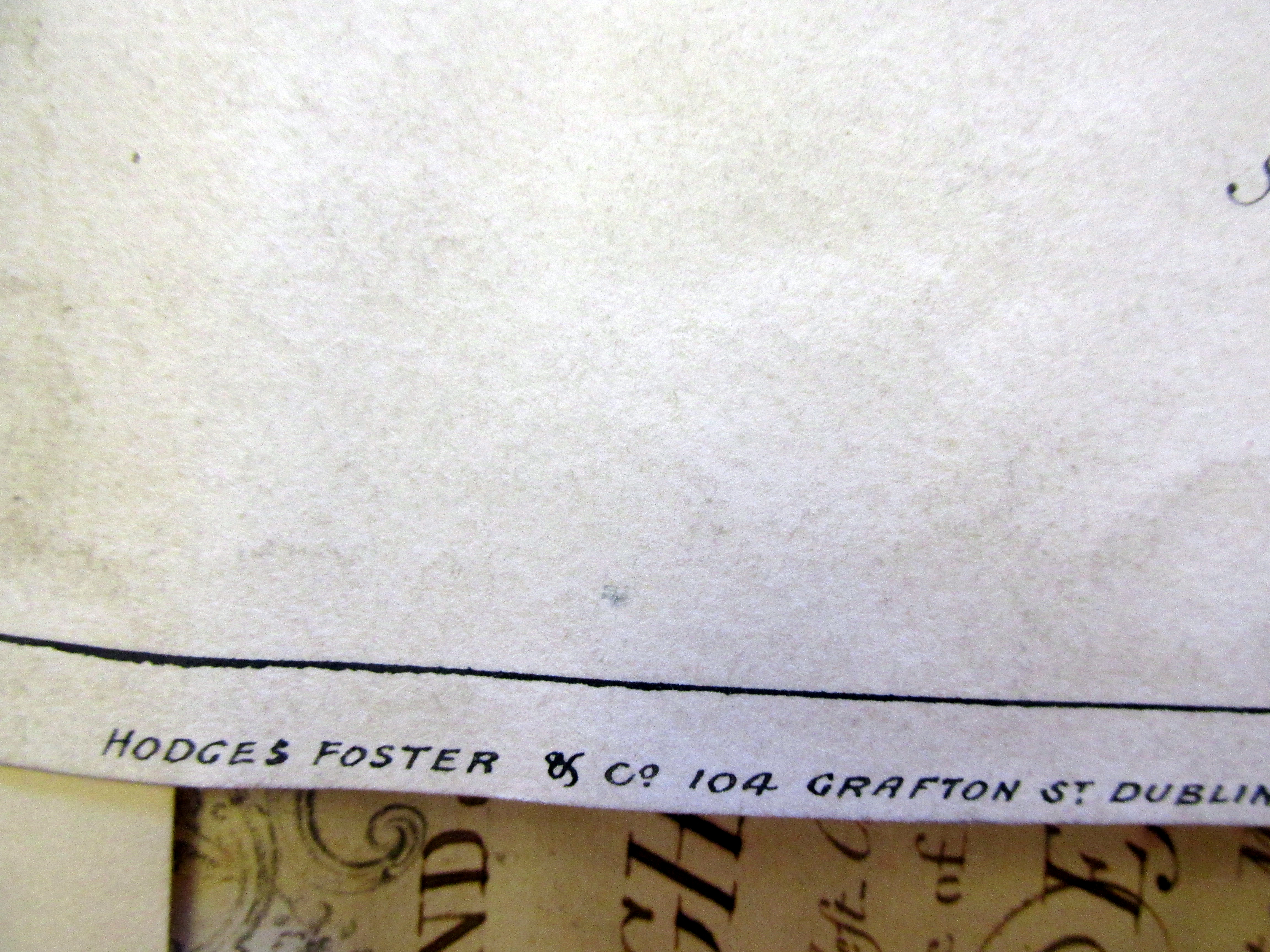
Survey of Lislee Glebe Dioceses of Ross, Co. Cork, Old and New by John Molony 1801 showing Pound, Courtmacsherry Road, Earl of Shannon’s land at Ballincurrig, and Hodges and Foster and Co, Grafton St., Dublin Survey.
Some Lislee Church of Ireland Records
Other Molony Survey:
03 Monday Dec 2018
Posted in Uncategorized
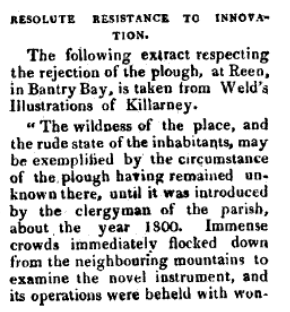
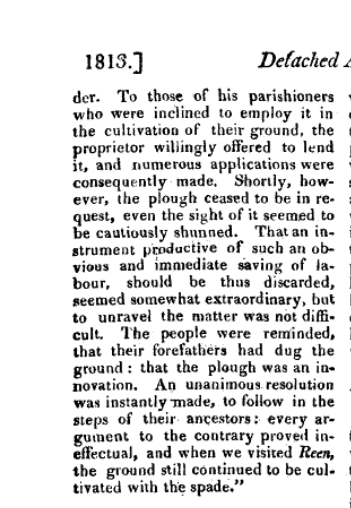
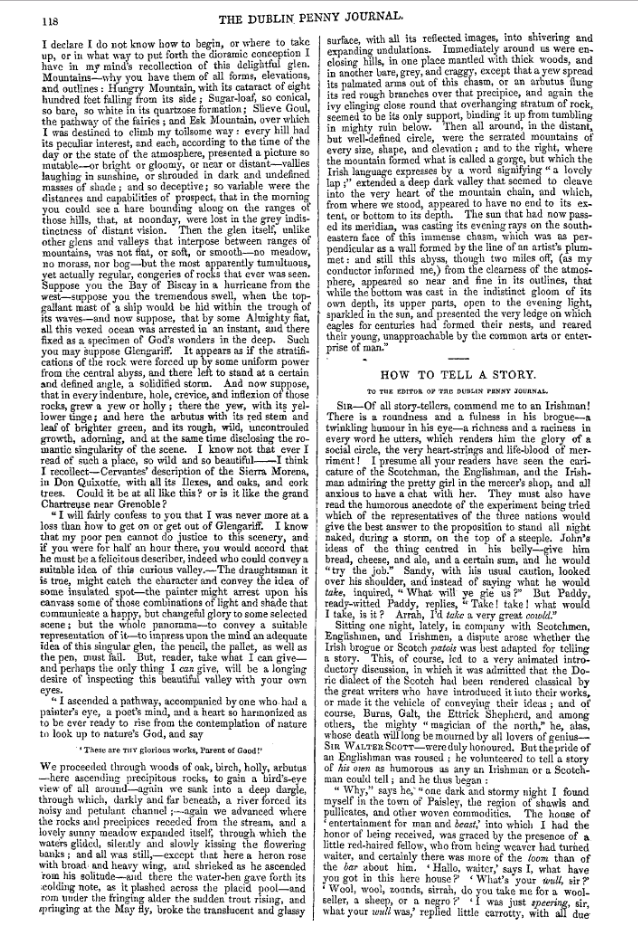
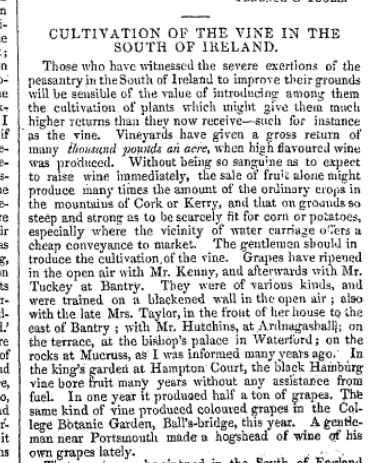
The Belfast Monthly Magazine Vol. 10, No. 55 (Feb. 28, 1813), pp. 120-121.
The assertion may be correct right up to the 1860s there were strenuous efforts by some Landlords and their Agents to promote productive agriculture but with scant results. The Land tenure at the time did not generally help.
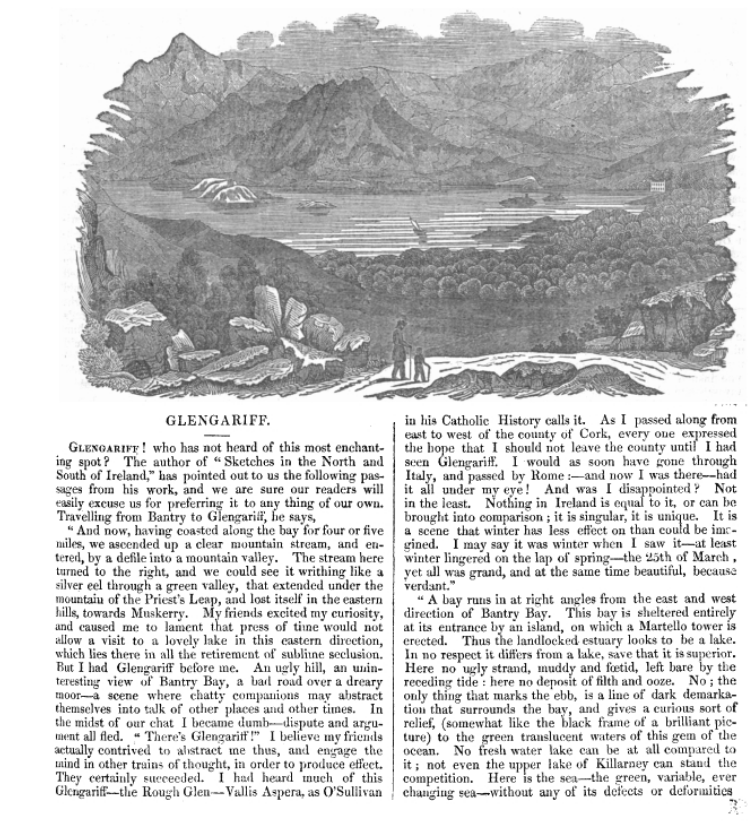
This may have been on either the Kenmare (Brown) or Bantry (White) Estate.
..
..
..
..
.
..
..
01 Saturday Dec 2018
Posted in Uncategorized
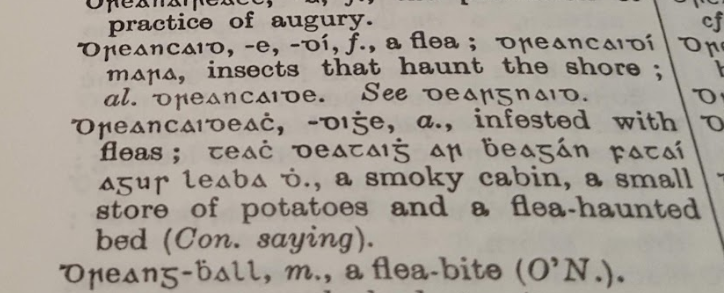
Aiten Alive With Fleas (Dreancaid in Irish) Until DDT Came Along.
Hard to believe now but for those in their 70s upwards a house even prosperous ones was often shared with fleas. As you went down the social scale the more acute the problem. Children would dread going to school exposing their necks with multiple flea bites. The miraculously appearance in the 1950s of DDT and a few puffs on the beds fleas gone. The use of turf for the fire was supposed to exacerbate the problem of infestation.
From the early 1950s DDT was used extensively with miraculous results prior to it being questioned for its long term potential toxic qualities.
https://en.wikipedia.org/wiki/Main_Page
John Philpot Curran, Cork born poor scholar, teacher, journalist, barrister, judge, father of Sarah Curran betrothed of executed patriot, Robert Emmett. Eaten alive by fleas while on circuit in Carlow, wrote ‘An Ode to Fleas’
James Joyce in Ulysses refers to Philpot and the flea.
Dineen’s Irish Dictionary:
01 Saturday Dec 2018
Posted in Uncategorized
1818, 10 Day Cork Election, Electors Names, addresses including County Freemen. Some Speeches by Voters.
Elections pre secret ballot were held with voters announcing their vote on each day of voting.
https://photos.app.goo.gl/mWstfbhokaR33Tou5
1853, Meat, Drink and Entertainment Provided for Electors for Cork Election (Bread and Circuses).
..

 West Cork History