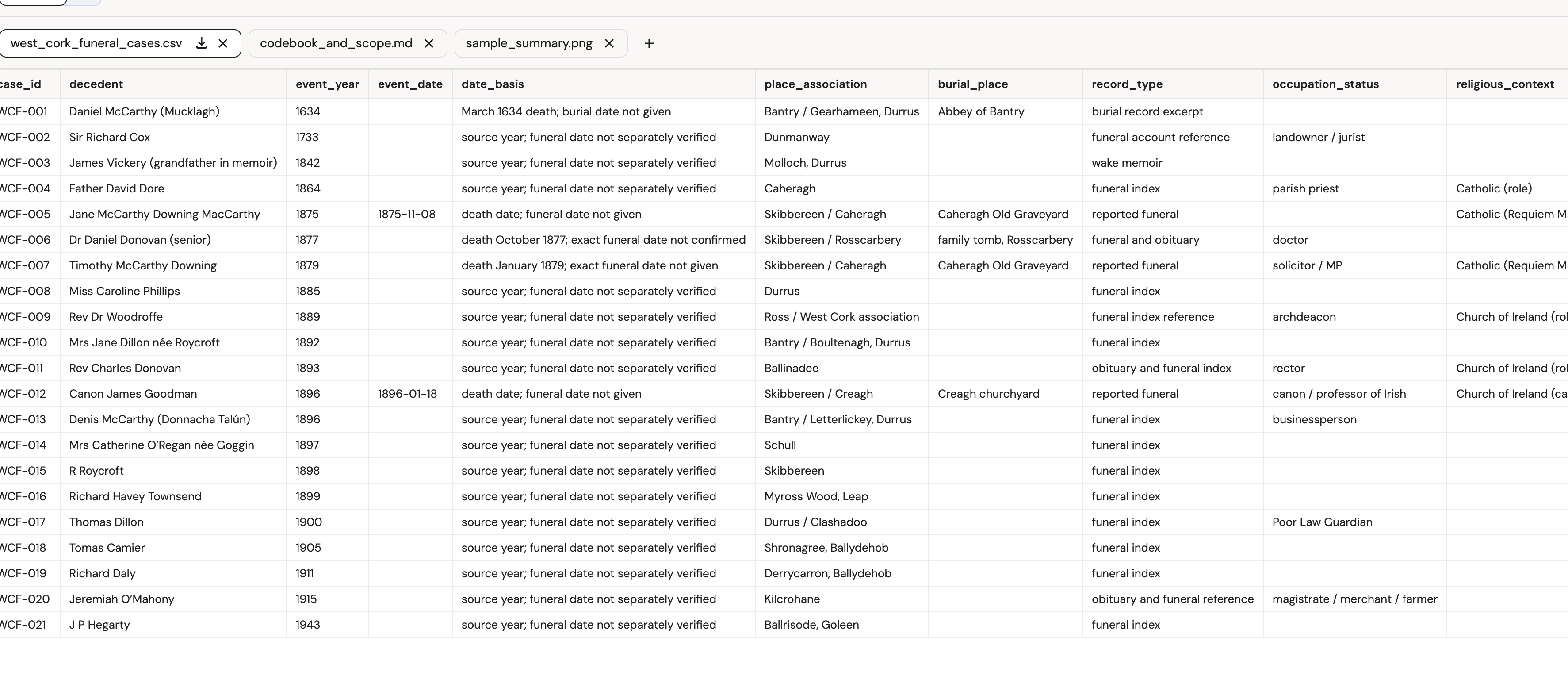
Full file:
https://docs.google.com/document/d/1A8vkAzsRVEhpiP2EOryWiYcEryJw0ic4DmnKe6vZEqI/edit?tab=t.0
Funerals West Cork 1634-2019.
09 Friday Oct 2026
Posted in Uncategorized
Full file:
https://docs.google.com/document/d/1A8vkAzsRVEhpiP2EOryWiYcEryJw0ic4DmnKe6vZEqI/edit?tab=t.0
Funerals West Cork 1634-2019.
06 Tuesday Oct 2026
Posted in Uncategorized
#AncientWorld_UCD Exploring early Irish law
Medieval texts provide evidence that #AncientWorld_UCD Exploring early Irish law
Medieval texts provide evidence that Brehon Law survived for at least 800 years in Ireland, with early legal annals indicating a unified legal culture and standardised literary language across the island. A world expert in Celtic historical linguistics, Dr Fangzhe Qiu examines the development of Irish language, literature and law from earliest times. His European Research Council (ERC)-funded #FLEXI project explores how medieval scribes preserved Early Irish Law by reinterpreting legal digests across centuries, and is shedding light on their identities, education, and motivations.
UCD houses a treasured collection of medieval manuscripts, written in both Irish and Latin. Our researchers are examining these complex sources with a fresh lens, to decipher their meaning, uncover intertextual networks, and reveal more about the people who created them. #TheStoriesThatShapeUs
Learn more: https://lnkd.in/duCa3kpA
Explore research on The Ancient World at UCD: https://lnkd.in/dX9GaP9i
UCD School of Irish, Celtic Studies and Folklore, UCD School of HistoryUCD College of Arts and Humanities, UCD Library, University College Dublin, UCD College of Social Sciences and Law, Research Ireland, Enterprise Ireland, UCD Global, UCD Alumni A world expert in Celtic historical linguistics, Dr Fangzhe Qiu examines the development of Irish language, literature and law from earliest times. His European Research Council (ERC)-funded #FLEXI project explores how medieval scribes preserved Early Irish Law by reinterpreting legal digests across centuries, and is shedding light on their identities, education, and motivations.
UCD houses a treasured collection of medieval manuscripts, written in both Irish and Latin. Our researchers are examining these complex sources with a fresh lens, to decipher their meaning, uncover intertextual networks, and reveal more about the people who created them. #TheStoriesThatShapeUs
Learn more: https://lnkd.in/duCa3kpA
Explore research on The Ancient World at UCD: https://lnkd.in/dX9GaP9i
A closer look at the Irish concept of ‘place’ in c12th century manuscripts known as the Dindsenchas
https://specialcollections.ul.ie/tag/dinnseanchas
Charles Haughey and Roger Hayes a reforming duo at the Department of Justice 1959-1964, the Succession Act influence of the Brehon Laws outrage to the threat to the integrity of the family farm and the threat to ‘Women of certain age’
Professor Thadeus O’Mahony (1822-1903), Ballineen, West Cork, Church of Ireland Minister, Professor of Irish at Trinity College Dublin (1861-79), Botanist and the Brehon Law Commission in the 1850s with Dr. John O’Donovan. His father was Cornelius O’Mahony Gentleman. He married Annabella Geoghegan of Rathmines, daughter of Henry in 1856. The same year he was Treasurer of the Ossianic Society in TCD and the O’Donovan Rossa/James Stephens Connection.
He was elected to the Kilkenny Historical Society in 1854 on the recommendation of R. Hitchcock Esq., being at that time Professor of Irish at St. Colomba’s College, Rathfarnham.
The Royal Irish Academy has a collection Graves of the papers between Doctor John O’Donovan and Rev Thadeus O’Mahony re the Brehon Law Commission. The eventual editions are now not hugely well regarded but were most important for the commencement os serious study into the topic. There is a Rev. Thadeus O’Mahony prize in TCD.
O’Donovan Rossa refers to his brother:
James O’Mahony of Bandon wrote to me that he wished to meet me to have a talk over Irish national affairs. He suggested that St. John’s Eve in Ross would be a good place, as crowds of people would be there, and we would escape any prying notice. We met there that day. We had our talk, and then we walked toward the Abbey field. The blind and the halt and the lame were there, in every path and passage way, appealing for alms — appealing mostly in the Irish language. We stood behind one man who was sitting down, his bare ulcerated legs stretched out from him. His voice was strong, and his language was beautiful.
Spouses and Civil Partners
Children’s Rights
05 Monday Oct 2026
Posted in Uncategorized

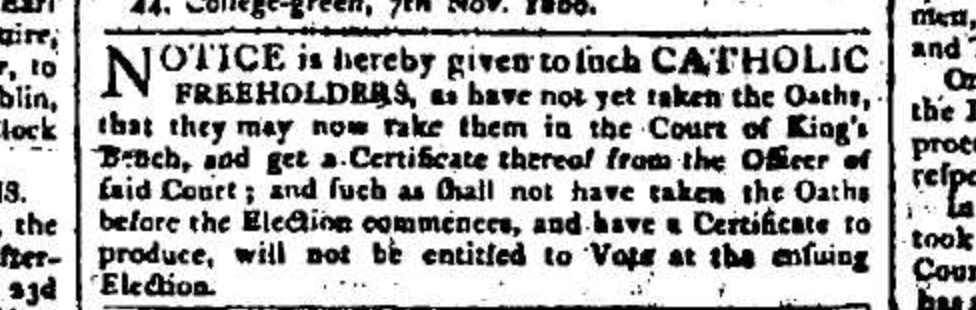
Election of Daniel O’Connell, 8th July, 1828 from diary of Amhlaoimh Ó Súilleabháin (Humphrey O’Sullivan)
1804 Justice of the Peace (Magistrate) Guide, Papist Warrants including Committal of a Popish Priest for Marrying Contrary to Law.
Even in 1804 these measures were a throwback to the Penal Laws of the early 18th century and had fallen into abeyance. The marriage stipulation features in a major case c 1770s involving one of the Bantry Whites (later Lord Bantry family). He had married a Miss Dillon, a Catholic. He later had the marriage annulled as it was illegal having been performed by a ‘Popish Priest’
https://wordpress.com/post/durrushistory.com/35781
Effect of Penal Laws. Sons Of Irish Catholic Aristocratic Families Requirement to Produce Genealogical Proof for Crown Service on the Continent 17th 18th and 19th centuries.
https://wordpress.com/post/durrushistory.com/28655
1840 Legal Action on 1740 Deed Whereby Thornhill acted as Trustee for Galweys on Hedges Eyre Macroom, Co. Cork, Estate to Circumvent Penal Laws and Ejectment Action by Hedges Eyre estate in 1840.
https://wordpress.com/post/durrushistory.com/20700
Miss Mary Twomey from Schull near Skibbereen reads her Recantation from The Errors of The Church of Rome and Embraced the Protestant Religion at St. Nicholas Church, Cork.
Sometimes this would be done on inter-faith marriage, other time an empty formula for conveyancing or professional purposes to technically comply with the Penal Laws.
Another Twomey appears on the Cork Convert Rolls:
Thomas Twomy, Gent. 1730 Cork
Convert Rolls, Co. Cork.
https://wordpress.com/post/durrushistory.com/14948
1763, Death at age of 102 of Henry Galwey Esq., Bantry From a Former Very Opulent Family Honest people Reduced in Recent Years Of Frequent Seizures Falling On Hard Time
https://wordpress.com/post/durrushistory.com/13606
Penal Laws in Co. Cork early 18th century, Father Donogh Sweeney, Doctor of Sorbonne, Paris, , arrested like common criminal for saying Mass by Richard Hedges, Macroom, Warrant 16th October 1712. Petition of 1717 of Samuel Potter Innishannon to Lord Liutenant re ‘Bringing to Justice’ two Popish priests Charles Carthy and Teige Mahony for saying Mass and a Popish Schoolmaster Owen Cartie and who has shown great diligence in apprehending and prosecuting many secular and regular Popish clergy
Hedges was associated with the Whites then of Whiddy later Bantry House dn the Blairs Dunmanway/Bantry/Durrus, Davies Macroom and the Fenwicks of Dunmanwya in acquiring large blocks of land from the London Hollow Blade Company. They were later involved in smelting, forest clearing, and Bantry fisheries.
04 Sunday Oct 2026
Posted in Uncategorized
correspondence regarding rents and royalties owed Lord Bandon by the Dereenalomane Barytes Mines Company (later Dunmanus Bay Barytes Company), 1913-20,
Page 23
In Cork Archives:
Scart and Barytes Mines Derreenlomane, (Doirín na Lomán: Little Oakwood), Ballydehob, West Cork, Barytes Mines.
https://docs.google.com/document/d/1-qw3py3ewmBM6LEUpxJUOYQm4y_Gs5ZG-p_1Wk9EGRU/edit?tab=t.0
03 Saturday Oct 2026
Posted in Uncategorized
Courtesy: C. Elliott-Kingston and G. MacMaster
School of Agriculture and Food Science, University College Dublin, Belfield, Dublin 4, Ireland; School of Biology and Environmental Science, University College Dublin, Belfield, Dublin 4, Ireland.
https://docs.google.com/document/d/1J3Grn1vHGmLyP5hh79Uh6vDiB3wEjdmQ4diz-1jwyq0/edit?tab=t.0
Lamb-Clarke Irish Historical Apple collection
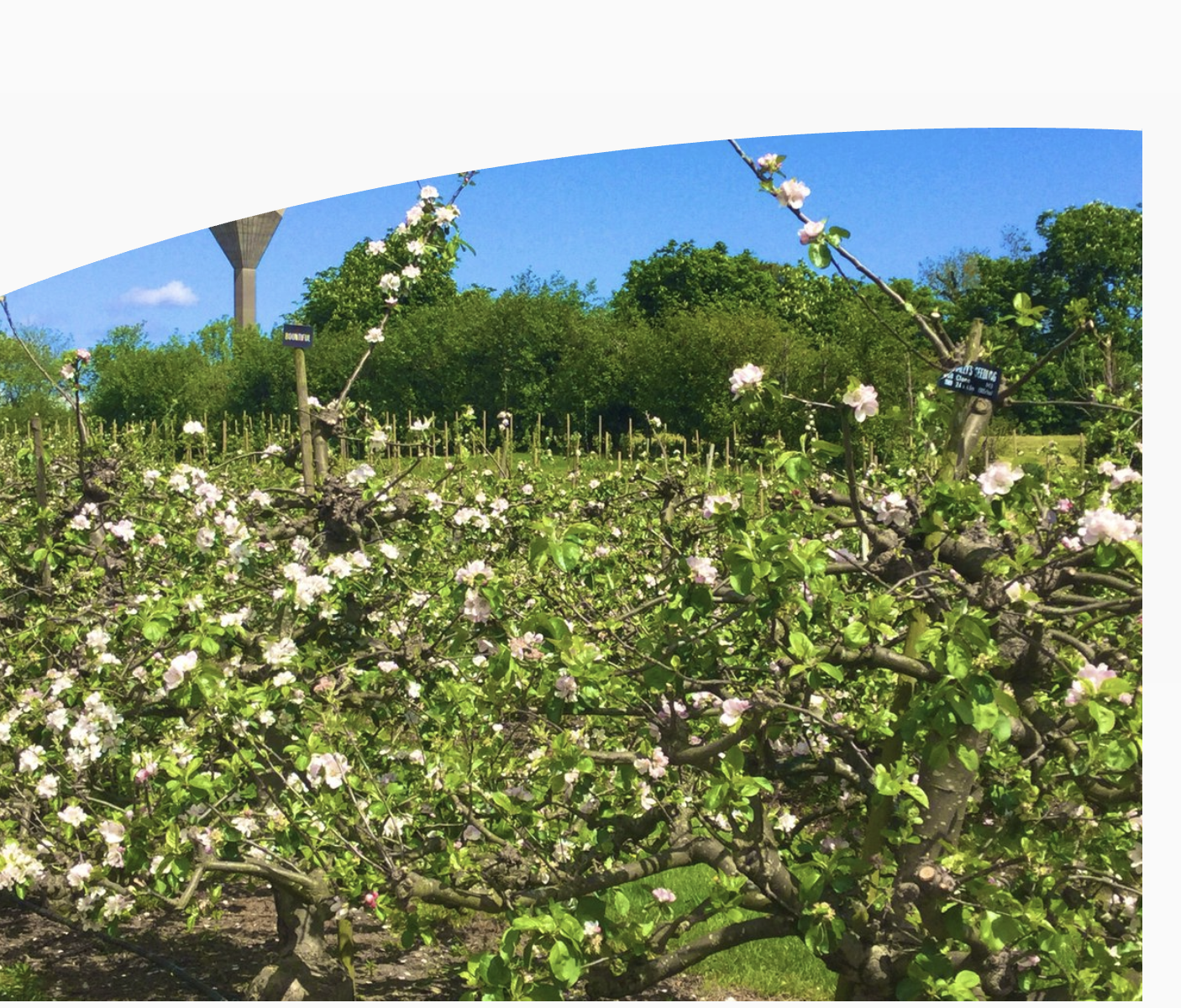
UCD is home to the Lamb-Clarke Irish Historical Apple collection. The collection comprises some 85 cultivars of culinary and dessert apples, with around 45 being uniquely Irish. While names of townlands such as Oola in Limerick and Waterford and Oulart in Wexford suggest that apples are long cultivated in this country, nursery catalogues from the late 18th and early 19th century list Irish cultivars such as Kerry Pippin.
This collection, which has been supported by the Dept of Agriculture and Food, is an important genetic resource for development of new apple cultivars. It is an integral part of the School of Agriculture and Food Science (SAFS) and plays a crucial role in preserving Ireland’s apple-growing heritage, supporting biodiversity, and serving as an educational and research resource.
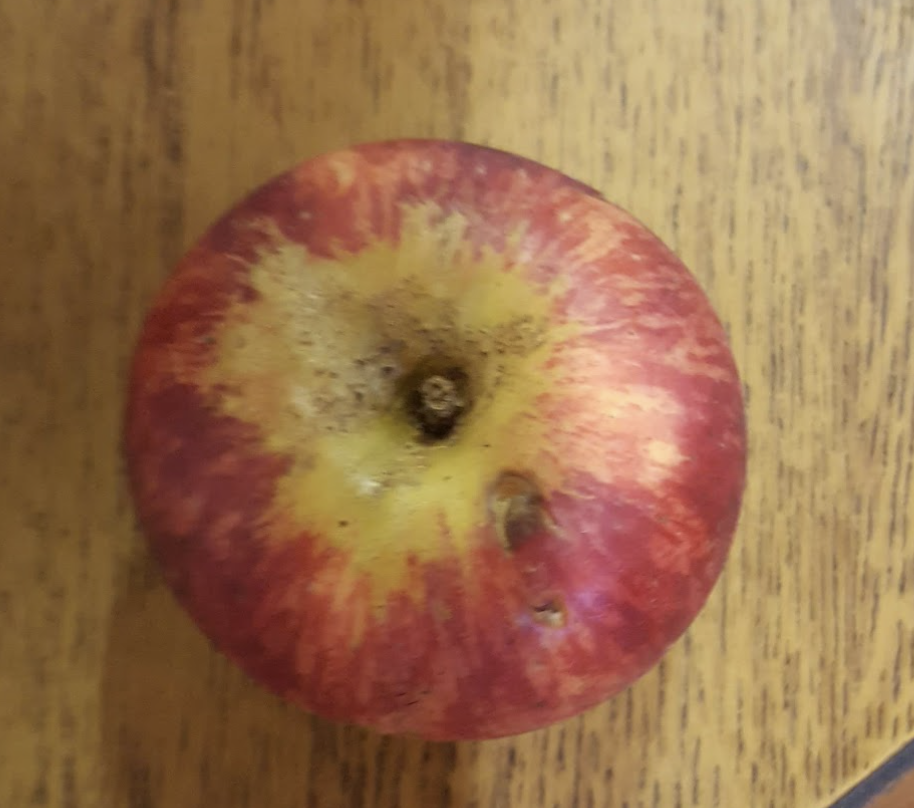
George Hegarty, cooker/eater, grafted from a unique variety of George Hegarty’s farm overlooking Dunmanus Bay, Rossmore, grafted 2016.
02 Friday Oct 2026
Posted in Uncategorized
..
| 1823. Fishery Districts and their respective limits | Name | Boundary | Local Committee | Inspectors |
| Kinsale | Oysterhaven to Est Side of Courtmcsherry Harbour | William Newman, J.T. Cramer, J. B. Gibbons | M. Donelan, Kinsale | |
| Clonakilty | Courtmacsherry to the Galley Head | John Leslie, Colonel Travers, R. Deasy, J. Sealy | M. Donelan, Kinsale | |
| Glandore | Galley Head to Toe Head | Thomas Hungerford, Richard Adams, Philip Somerville | Richard Thorpe, Glandore | |
| Baltimore | Toe Head to Roaring Water | John Freke, R.N. Somerville, Samuel Townsend, Michael O’Driscoll | ||
| Crookhaven | Roaring Water to the Mizen | Rev. John Jagoe, Lionel Fleming, Daniel Coghlan, Florence McCarthy | ||
| Bantry | Mizen Head to River Kenmare | Timothy O’Donovan, M. O’Sullivan, Rev. E. J. Alcock, John Jagoe, M. Murphy, Rev. M. McChean, John S. Bird | John Boyce, Bantry | |
…
Clonakilty
John Leslie, 1835, Sovereign, Clonakilty, probably Courtmacsherry,1835 commenting on good conduct of military in 1835 elections. 1822 local fishery committee. The Leslies of Cork were a branch of the Leslie family of Kincraigie, County Donegal, descended from the Lairds of Kincraigie, Aberdeenshire, Scotland. Reverend Matthew Leslie, rector of Kilmacrenan, Co. Donegal in the early 18th century and son of Reverend John Leslie of Kincraigie, Co. Donegal, had four sons including Charles Leslie, medical doctor, of Cork. Charles married Anne Lawton. They had a number of sons including Charles Henry Leslie and John Leslie, bankers, of Cork. Charles H. Leslie also established the gunpowder mills at Ballincollig. In 1784 he married Lucia Izod of Wilton, near Cork city, and John married Catherine Hyde of Castle Hyde. Charles and Lucia had at least two sons, Matthew Leslie and Kevan Izod Leslie, The latter married Margaret Uniacke. Kevan and Margaret were the parents of Reverend Richard U. Leslie, born 1823. In the mid 19th century Matthew Leslie held at least nine townlands in the parish of Kilquane, barony of Barrymore, and some land in the parish of St Finbarrs.
Colonel Robert Travers, Timoleague House. 1822 local fishery committee. 1828 seeking reform of House of Commons. Pre 1830, listed 1835, 1838, sitting Timoleague, 1835.
John Sealy, 1791, Richmount, 1831, descendant of Dr John, the brother of Armiger and George (Gortnahorna). 1828 seeking reform of House of Commons. Possible Clonakilty Fishery Committee Member 1823.
Glandore
Thomas Hungerford Esq., Island House, Clonakilty. 1822 local fishery committee. Vice president Bandon Brunswick Constitutional Club 1828. County Freeman of Cork City voting in Cork City Election 1837. Listed 1835, 1838, 1842, 1843, sitting Rosscarbery, 1835. Gave evidence 1835 to enquiry to Poor Law Commission. 1861. Supporting Alexander O’Driscoll, J.P. suspended, Bandon 1841. Subscriber Lewis Topographical Dictionary of Ireland 1837, subscriber 1861 to Smith’s History of Cork. attended 18, Grand Jury Presentments.
Richard d. Adams, Pre 1830, voted 1850 for Denis Galwey as High Constable for Ibane and Ballyroe (Clonakilty). 1822 local fishery committee.
Philip Somerville -1861), Priory (Prairie), Schull, 1850, listed 1850, 1856, 3rd son Thomas, Drishane, and Mary d Philip Townsend, Derry, m 1. daughter Horace Townsend, 2. 1816 Harriet d Richard Townsend, the Point, 3. Isabella d Redmond Uniacke, Old Court, Captain South Cork Militia. 1822 local fishery committee. Freeman of Cork. Donor 1825 to Schull Catholic Church. Listed in 1841 election Longfield/Leader, £50 freeholder North Lisacaha, Schull. Receiver under Court of Chancery for W. H. Hull, a minor turned out 10 from Hull estate at Lowertown 1845. Probate 1861 to John Limrick, Union Hall, £4,000.
Baltimore
John Freke Esq., 1824, Baltimore. Subscriber 1821 Dr Thomas Wood’s ‘Primitive Inhabitants of Ireland. 1822 local fishery committee.
Richard Somerville, Present at enquiry Skibbereen 1823 into enquiry into fatal affray at Castlehaven caused by Rev. Morritt’s tithe extraction. 1822 local fishery committee. 1825 two day Admiralty sitting re’ Clio’, St. Johns New Brunswick, Skibbereen, Richard Townsend with Richard Townsend Junior, William Somerville Limrick, Richard Neville Somerville, award partially overturned by Baron Pennyfeather Cork Assizes.
Samuel Townsend, Senior (1768-1836), Christ Church, Oxford, Whitehall, Skibbereen, son of Edward Mansell (Splendid Ned) and Anna Baldwin, m 1794 Mercy Baldwin, d Walter Baldwin, Curravordy, Bandon. Member Hanover Association meeting Cork 1791 re Whiteboys. Freeman Cork, 1798. 1821 meeting on distress Skibbereen called on Landed Proprietor to take into account deplorable state of tenantry. 1822 local fishery committee. High Sheriff, Deputy Lord-Lieutenant, Co. Cork 1835, sitting Skibbereen, 1835. Signed public declaration in Skibbereen to Alexander O’Driscoll on his removal as Magistrate 1835 with Lord Bantry, Simon White, John Puxley, Arthur Hutchins, Thomas Baldwin, Samuel Townsend Junior and Senior, Thomas Somerville, Richard Townsend Senior, Rev. Alleyn Evanson, Timothy O’Donovan, Richard Townsend, Lyttleton Lyster.
Michael O’Driscoll, Superseded 1810-30. Possibly 1822 local fishery committee Baltimore.
Crookhaven
Daniel Coughlan, Crookhaven, Involved in relief 1822, Scathing on absentee tithe holders Rev. Francis Langford, Co. Limerick and his proctor William Switzer and Dr. Traill of Co. Antrim, rector of Schull and his proctor Joseph Baker. He advised Dublin Castle that much of the local recent troubles was due to the severe tyranny and oppression of such petty tyrants. Brother of famous Royal Navy Captain Coughlan who was raising money in 1822 in London for relief. 1822 local Crookhaven fishery committee. Engaged with his crew in marine salvage of Clio out of Crookhaven 1825 awarded £220 by Baron Pennyfeather at Cork Assizes.
Abraham Jagoe, Kinrath Cottage, probably signed anti Catholic petitions 1828 various Protestant Protest meetings. 1822 signed Memorial for new road Crookstown to Bantry. Attending Protestant Conservative Society meeting 1832. Anti-Repeal Meeting, Dunmanway 1845. Dunmanway, married to Dora Evanson daughter of Nathaniel Evanson J.P., Four MIle Water Court, she died 1863. May be same as one above. Son John, rector Schull (received Lord Lieutenant aid for Schull distress 1822 £50. Married Miss Murphy of Newtown, Bantry. 1828. File of letters concerning an allegation from Mathew Fitzpatrick, Chief Constable, Dunmanway, [County Cork], complaining that he has been subjected to unbecoming comments from A Jagoe, magistrate. Includes letter from Fitzpatrick, to Maj W Miller, Inspector General, complaining of Jagoe’s behaviour towards him at Dunmanway Petty Sessions and asserting that he does not have the necessary qualifications and displays partiality. Also letter from Daniel Conner, Manch House, to Fitzpatrick, reassuring him that Mr Whelply and Jagoe are incorrect in their accusations and asserting that Jagoe’s language towards Fitzpatrick was ‘highly unbecoming that of a Gentleman and a Magistrate’. Includes testimony of Mr McMullen.
Lionel John (Counsellor) Fleming -1869), Oldcourt (Reenmorragh), Skibbereen, pre 1823. 1822 local Crookhaven fishery committee. Present at as Counsellor Fleming at enquiry Skibbereen 1823 into enquiry into fatal affray at Castlehaven caused by Rev. Morritt’s tithe extraction. Gave evidence, re Kilmoe Parish 1835 to enquiry to Poor Law Commission. Listed 1838, 1843, at Newcourt, sitting Skibbereen 1850, 1861. Eldest son of Becher Fleming, Newcourt, Middle Temple, London 1815. Subscriber (Ballydevlin) Lewis Topographical Dictionary of Ireland 1837. 1841 election voted Longfield/Leader voting entitlement from Ballydevlin. Member Newcourt Provisional Committee projected Bandon to Bantry Railway 1845. Chairing presentment sessions Ballydehob 1845 as Lionel J. Newcourt. Skibbereen 1847 distress meeting. Attending Railway meeting Drimoleague 1856. Subscriber Projected Cork and Western Mining Company 1844. Probate £1,400, 1869 to Becher L. Fleming, Oldcourt and Rev. Horace Fleming, Kilnagross, Clonakilty.
Bantry
Timothy O’Donovan (1790-1874), 1818, O’Donovan’s Cove, in ruins 1875, Durrus, listed 1838, son of Richard Esq. and Jane d Alexander O’Donovan, Squince. 1820. Memorial to Lord Lieutenant by William Swanton, Gortnagrough, Ballydehob, West Cork. High Constable (Rate and Tax Collector), Barony of West Carbery For Relief on Losses Caused to Him in Banking Collapse when He had transmitted Due Amount to County Treasurer, Leslies, Stephen and Roches Bank, Supported by Lord Bantry and Magistrates Timothy O’Donovan (Durrus), William Hull (Schull), Richard Townsend (Skibbereen), Rev. Edward Jones Alcock (Durrus), Nathaniel Evanson (Durrus), Robert Kenny (Bantry). In 1823 he applied for relief of poor of Ballydehob, which he had founded. Present at enquiry Skibbereen 1823 into enquiry into fatal affray at Castlehaven caused by Rev. Morritt’s tithe extraction. Correspondent with Antiquarian Dr. John O’Donovan re O’Donovans of Carbery. Brother of Dr O’Donovan and Richard O’Donovan J.P. and uncle of Richard O’Donovan J.P.. His son’s wife is grand daughter to Daniel O’Connell, the mother of his wife was a Miss Lavellan, Co. Limerick, a daughter of Philip Lavellin of Water Park in the County of Cork. Her sister was married to Mr. Puxley of Dunboy Branch. The grandson the present (1860) Mr. Puxley is a man of immense wealth the principal owner of the famous Allihies Mines in the Barony of Bere. Signed public declaration in Skibbereen to Alexander O’Driscoll on his removal as Magistrate 1835 with Lord Bantry, Simon White, John Puxley, Arthur Hutchins, Thomas Baldwin, Samuel Townsend Junior and Senior, Thomas Somerville, Richard Townsend Senior, Rev. Alleyn Evanson, Richard Townsend, Lyttleton Lyster. 1835 Subscriber Lewis Topographical Dictionary of Ireland 1837. In 1838 in the Liberal interest where at Bantry voter registration 15 were registered as opposed to 6 ‘Orangemen’ the tenants of Timothy O’Donovan J.P. were chiefly among those who registered. Among these were probably McCarthys of Tulig later prominent in Nationalist politics of whom John McCarthy (1859-1931) became a leading politician in Nebraska and wrote a poem in praise of Timothy O’Donovan. Attended Great Meeting in Bantry 1840 re Poor Laws. Chaired 1846 distress meeting Bantry on proposition of Father Michael Barry PP Bantry. Landlord and political organiser. Member Election Committee, Rickard Deasy, Clonakilty (later Attorney General) 1855 Member election committee McCarthy Downing, Skibbereen. Juror Cork Spring Assizes 1863. Land record, 1870, Kate O’Donovan, O’Donovan’s Cove, 1,940 acres and Reps Timothy O’Donovan 1,940 acres. 1874, Death at 85 of Timothy O’Donovan, J.P., Esq, O’Donovan Cove, Durrus, West Cork, The Last Survivor of the Ancient House of O’Donovan Bawn or Clann Cahill, Justice of the Peace since 1818 Probate to daughter Mrs Anne Barry, widow, effects £2,000, attended 8, Grand Jury Presentments
Edward Jones Alcock -1842, son and curate of Rev. Mason Alcock. May have lived at Sea Lodge, built old rectory (Glebe House) in 1831. 1822 Lord Lieutenant sends £30 for local distress. 1822 involved in famine relief with Father Quinn. 1822. Local Fishery Committees, Kinsale, Clonakilty, Glandore, Baltimore, Crookhaven For Bantry Timothy O’Donovan J.P., O’Donovan’s Cove, Durrus, Michael O’Sullivan, Rev. Edward Jones Alcock, Rector Durrus, John Jagoe later Fishery Commissioner, Michael Murphy, Newtown, Bantry, Rev. M McChean, Bantry, John Sandys Bird. 1820. Memorial to Lord Lieutenant by William Swanton, Gortnagrough, Ballydehob, West Cork. High Constable (Rate and Tax Collector), Barony of West Carbery For Relief on Losses Caused to Him in Banking Collapse when He had transmitted Due Amount to County Treasurer, Leslies, Stephen and Roches Bank, Supported by Lord Bantry and Magistrates Timothy O’Donovan (Durrus), William Hull (Schull), Richard Townsend (Skibbereen), Rev. Edward Jones Alcock (Durrus), Nathaniel Evanson (Durrus), Robert Kenny (Bantry). In 1823 he applied for relief of poor of Ballydehob, which he had founded. He sat on a committee in Bantry in 1824 to petition against the withdrawal of the bounty on linen production as had been agreed in the Act of Union. Involved in proselytising. Father Quinn’s application 16th November 1830 ED1/13/74/2, signed by for Roman Catholics Richard O’Donovan, Timothy O’Donovan, Richard Tobin, Edmond Tobin, Daniel Daly, Richard O’Donovan, John Murphy, John Carthy, Thomas Cormack?, Elias Roycroft, Andrew Caverly, Richard Caverly, Protestants E. Evanson, Richard L. Blair, Thomas Ferguson, Thomas Duklow, Charles Ducklow, John Ducklow. Rev Alcock of the Church of Ireland was asked to consent but declined but his parishioners signed. His proctors, 1833, attempted to seize Father Quin’s bed while mass was being said in is house to secure tithe payment only the intervention of Protestant neighbours stopped it. Durrus Parish Tithes payable to him of which the sum of £320 Sterling is due and payable by the year to the said Reverend Edward Jones Alcock, the composition from the tithes claimable by him as figure of such part of said Parish as is commonly known by the name of Durrus or Parish of KIlcrohane is payable to the Reverend Alcock Vicar of the said Parish the sum of £170. Most of the tithes were the property of Nathaniel Evanson and Alexander O’Driscoll having leases of tithes. So it may be he who sent the proctors otherwise all outstanding tithes collected in one day. Cess payer representative Barony West Carbery 1834.
The labourers not long since employed at the building of a Glebe House for the Protestant Clergyman (Rev. Alcock) were allowed no more more for the work of a day in summer then 6d in the claim then made of them by the clergyman for the tithe, and that without diet, such is the poverty, and so little employment is there for labourers in these parishes that on the occasions referred to some 40 or 50 might be seen coming a considerable distance in search of employment on such terms and moreover understand they were obliged to to be at work before six perhaps at five each morning continue at it until eight, or even later, in the evening, with no diet but those cold and comfortless potatoes boiled in a distant cabin, and eaten by the ditch side or under the scaffolding of the new building. 1839 Gaming Certificate. Father in law Henry Jones 1799-1805, late Rector of Lislee his daughter Frances Jane July 1833 married Rev. Edward James Alcock, 1831 at Kilmacabea.
John Jagoe (probably the Liberal Protestant) 1826 Rent charge assigned 1833 to John O’Connell esq., over Glounathana also named Morgan O’Connell, Merchant, Liverpool, James O’Connell, Merchant, Cork Attorney Timothy Collins. Pigot 1824 places him at Lahern. 1857 Landed Estate Sale with Tenant Listing of Jagoe/O’Connor Estate, Bantry (Knockavolig, Clogeragh, Dereengrenough, East and West Caheragolane, Ardrara) Extended Family Probably include Youngs Fish Merchants Bantry, Dr. O’Connor United Irishman Transported to Australia, John Jagoe Fishery Commissioner Political Liberal, John Jagoe Barrister, Mother Beninga Pioneer Womens Education Townsvile Australia, Dowes and Coughlans of Carrigmanus.
REv. M. McChean, Rector, Bantry.
….
01 Thursday Oct 2026
Posted in Uncategorized
Bennett 1590s list of Bandon Settlers:
Bennett : British Settlers in West Cork c.1590
Looks like all English
Some of the name are now rare other are regarded as very much West Cork names like Beamish, ¸Carke, Coombes, Deane, Evans, Fuller, Howard, Jones, Langford, Lane, Newman, Scott, Skuse, Turner, Travers, Wiseman, Warren, White, Kingston,
| Abbott, | Dun, | Hardinge, | Spenser, |
| Alcock, | Dashwood, | Jones, | Symons, |
| Adderly, | Evans, | Jackson, | Synoger, |
| Atkins, | Ellwell, | Jumper, | Stanley, |
| Austen, | Elliott, | Jifford, | Skipwith, |
| Bernard, | Elms, | Joyce, | Snookes, |
| Baldwin, | Flemming, | Kerall, | Saunders, |
| Brayly, | Fondwell, | Kito, | Scott, |
| Bennett, | Franck, | Kent, | Savage, |
| Birde, | Farre, | Kingston, | Skinner, |
| Beamish, | Flewellan, | Light, | Skeuce, |
| Brooke, | Fenton, | Little, | Shephard, |
| Blacknell, | French, | Linscombe, | Smith, |
| Burwood, | Franklin, | Law, | Spratt, |
| Berry, | Fuller, | Langford, | Seymour, |
| Booll, | Fryher, | Lapp, | Sweete, |
| Bramlet, | Frost, | Lissone, | Sugar, |
| Blofield, | Grant, | Lambe, | Tickner, |
| Coombes, | Grimes, | Lucas, | Turner, |
| Corkwell, | Gamon, | Lane, | Thompson, |
| Chambers, | Griffith, | Lake, | Taylor, |
| Cadlopp, | Green, | Monoarke, | Thomas, |
| Clark, | Goodchild, | Moaks, | Tobye, |
| Christmas, | Grimster, | Mowberry, | Tucker, |
| Carey, | Greenway, | Meldon, | Travers, |
| Crofte, | Gardiner, | Martyn, | Tanner, |
| Cox, | Glenfoild, | Margets, | Valley, |
| Cotterall, | Giles, | Newce, | Vick, |
| Clear, | Grenville, | Newman, | Vane, |
| Cooper, | Greatrakes, | Nelson, | Woolfe, |
| Chipstowe, | Grimstead, | Osmond, | Wiseman, |
| Cable, | Hewitt, | Porter, | Whaley, |
| Cleather, | Harvie, | Perrott, | Wight, |
| Churchill, | Holbedyr, | Poole, | Williams, |
| Cecill, | Hodder, | Pitt, | Wheeler, |
| Dolbers, | Howard, | Peyton, | White, |
| Drake, | Hussey, | Preston, | Woodroffe, |
| Downes, | Hitchcock, | Popham, | Ware, |
| Dunkin, | Hill, | Rashleigh, | Warren, |
| Daunte, | Harris, | Radley, | Willobe, |
| Davis, | Hales, | Rake, | Watkins, |
| Deane, | Hammett, | Richmond, | Wheatly, |
| Wade. |
Bennets History
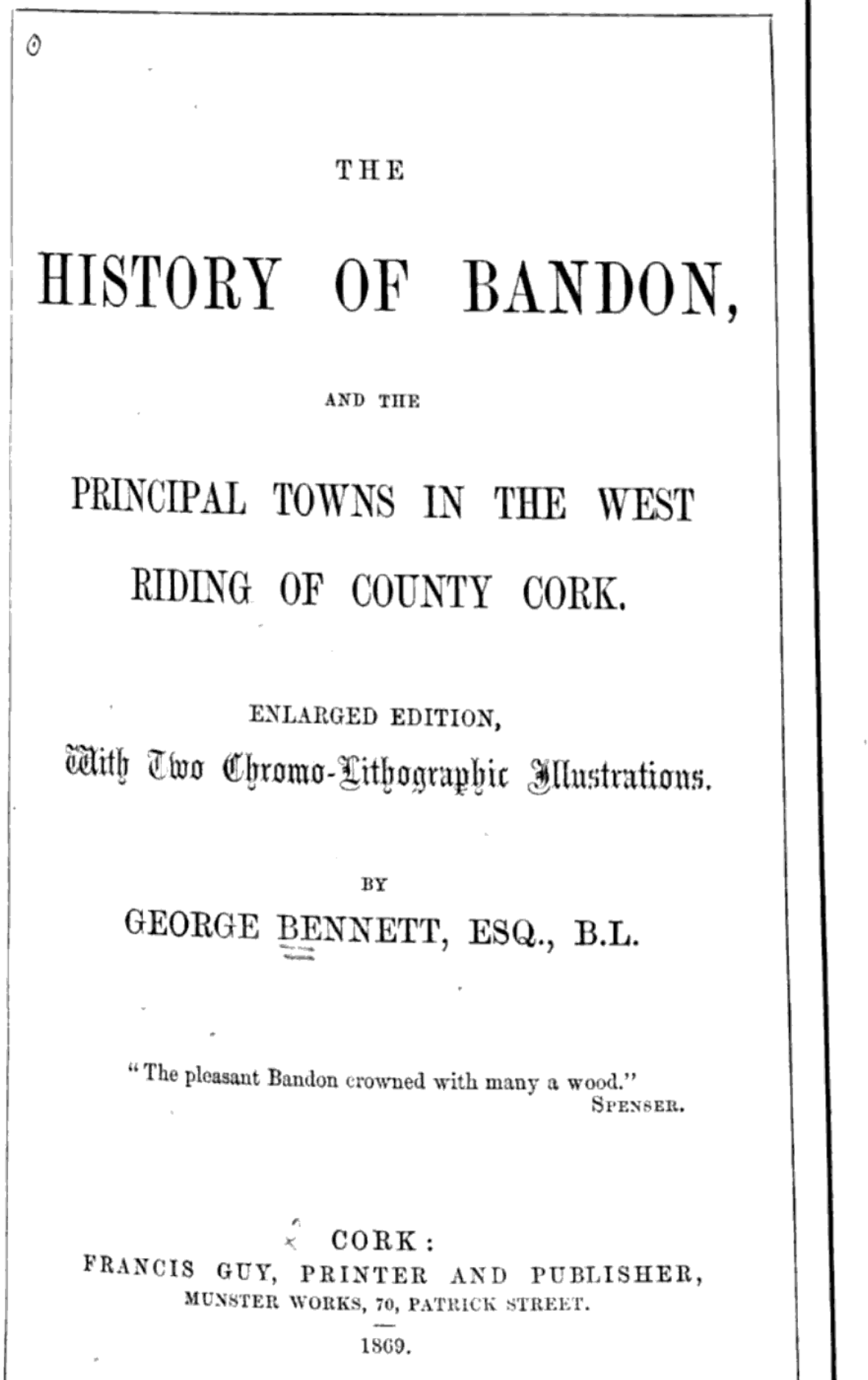
George Bennett (1824–1900) was an Irish historian from Bandon, County Cork, who later emigrated to the United States and founded the town of Bandon, Oregon.
Early Life and Career in Ireland
1590-1940, Updated Petitions, Lists, West Cork
https://docs.google.com/document/d/1hkSzuu7hOW96cqT-NsMFKzP_IIWBwMDC/edit
.
08 Tuesday Sep 2026
Posted in Uncategorized
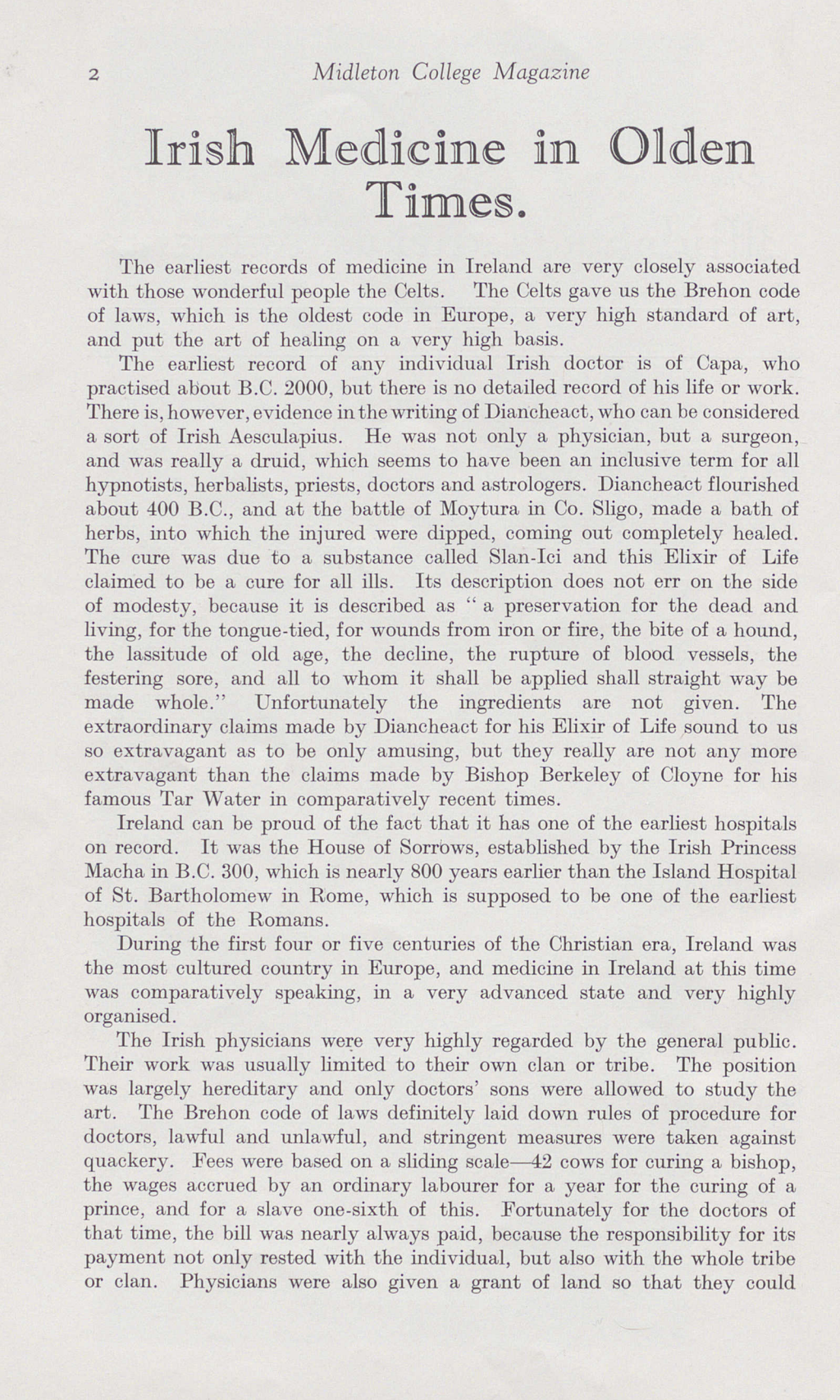
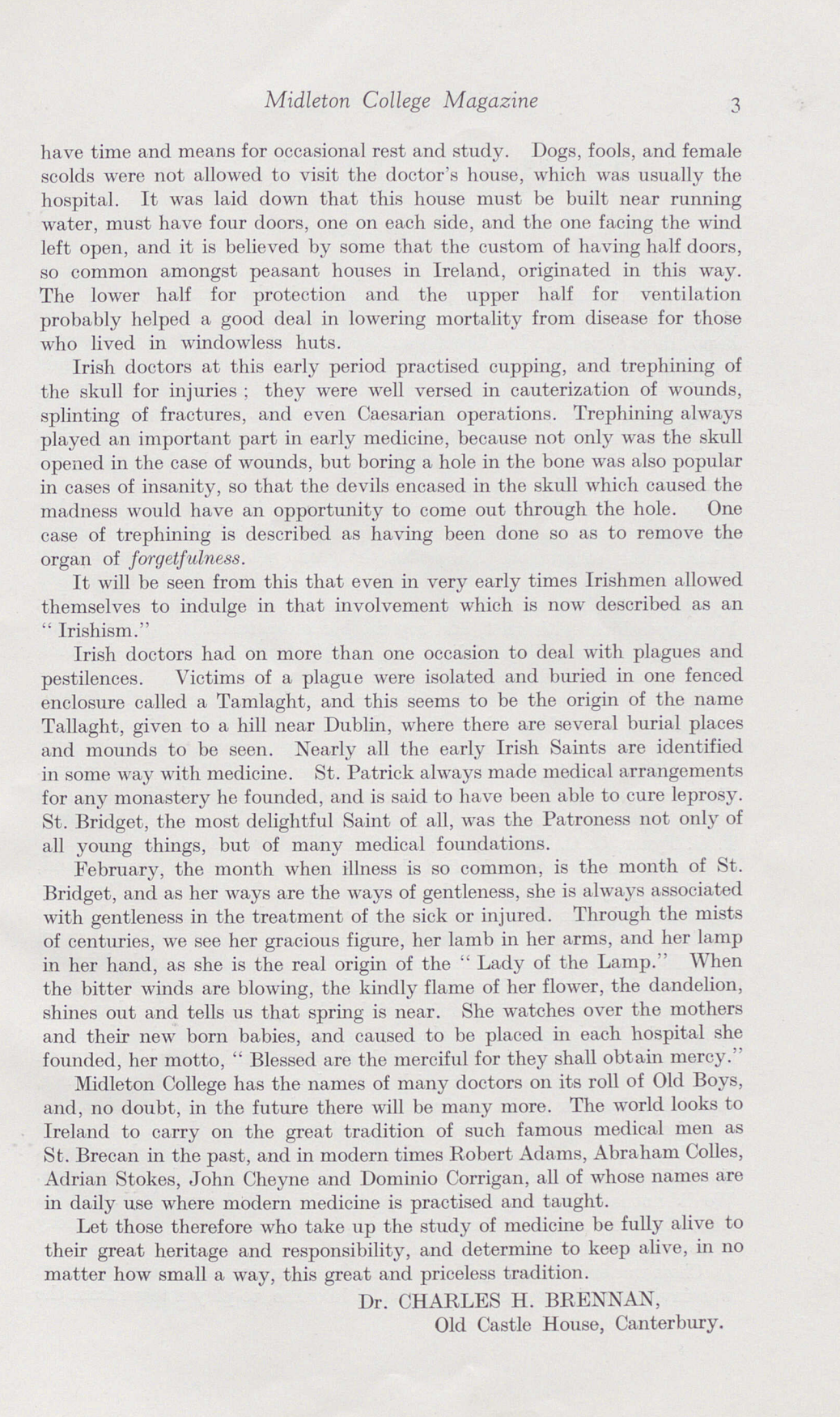
Courtesy Midleton College
The “House of Sorrows” (or Broin Bearg / Broin Dearg) is a legendary ancient Irish hospital said to have been founded around 300 BC by the mythological Irish Sovereignty Goddess and Queen Macha at Navan Fort (Emain Macha) in County Armagh. [1, 2, 3]
Show all
Rooted in early Irish lore and texts like the Seanchus Mór, tradition cites it as the earliest recorded hospital or house of healing in Ireland. [1]
Purpose: Built to care for the wounded warriors of the Red Branch Knights. [1, 2]
Legacy: The site allegedly served as a royal Ulster residence and sanctuary until its destruction in AD 332. Modern institutions, such as Altnagelvin Hospital in Derry, have historically linked their spiritual lineage back to Princess Macha’s foundational myth. [1, 2]
Barry, John Milner (1768–1822), physician, was born in Kilgobbin Castle, Ballinadee, Co. Cork, eldest among two sons and nine daughters of James Barry (d. 1804) and Elizabeth Barry (née Milner), co-heiress of William Milner of Dunmanway, Co. Cork. Educated at a school near Bandon, Co. Cork, he graduated MD (1792) at Edinburgh University and subsequently returned to Cork, where he established a medical practice.
1859-1913, died 1915 Dr. Jerry Cotter MD MCH, QUI, FRCSI 8 Sydney Place, Governor UCC, Board North Infirmary Dr Jerry of Sidney pl, Cork city is one of mine, a New Zealand relation, b 1859, Derryginah Bantry, died 1915 in Clonakilty (his McCarthy wife was from there). Him & a brother in London were the first doctors of the family & inspired others including here in NZ to follow suit, although one of his sons chose law instead. At the 1901 funeral Mrs Cotter is his mother Mary Gallagher 1826 of Summerhill, whose sister Mary 1840 married Patrick Burke. I don’t know about the Scullys, but Jeremiah of Breenymore’s brother was William 1858, rate collector. He married Julia Creedon, g’daughter of James Cotter of Derryginah (uncle of Dr Jerry 1859). When Julia died, he married Mary Cassey. From Bantry mother Scully I see he was b. 18 Jan 1859, mother was Mary Scully. There was a tribe of the Scully family descended from Catherine Anne Gallwey who m. James Scully JP but no issue m. to any Cotter that I can find despite several by the name of Mary. 1891 subscriber North Infirmary. 1901 funeral of Mrs. Cotter, Bantry sons Dr. P. J. Cotter, London, Dr. J. Cotter, Cork, nephew Dr. Patrick Burke, London 1886 Committee member of proposed Graduate Reform Association of Queens College Son 1909, 1911 Francis McCarthy Cotter B.A. Barrister “8, Sydney Place, Cork. 1911 Member Cork Historical and Archaeological Society 1912 attending funeral of Rev. Charles Walsh, Rector, Farranferris. Paddy O’Keeffe papers. 1913 car owner. Probate 1915 to widow, Mary, Clonakilty, £10,253
(SR 13/2/1817) – BREWERY – TO BE LET, AND IMMEDIATE POSSESSION GIVEN – THAT Remarkably well Circumstanced BREWERY; Situate at BANTRY, together with the UTENSILS, MALT-HOUSES and CONCERNS thereto Belonging – which have the Advantage of an Uninterrupted supply of Fresh Water, and being in a thickly Inhabited Corn Country, contiguous to the Sea, are worthy of Prompt Attention. – Proposals to be made to Simon White, Esq., Glengarriff, Bantry, or Richard Foott, Attorney, Cork, at whose Office a Plan of the whole may be seen. – Mr. James Cotter of Bantry, will shew the Concerns.
07 Monday Sep 2026
Posted in Uncategorized
28 Friday Aug 2026
Posted in Uncategorized
https://docs.google.com/document/d/1qeKIlUN4YVRMp2z5ZqXBCOMlyDGWgQavWIhAyqCMt3k/edit?tab=t.0
Camier, p. 4
Connell, p. 38
1835 Gun Licences, Dukelows Durrus, p. 54
Families in France, p. 152
Contemporary Families in France:, p. 155
Ranclaud, p. 149, 158
Belsaigne Mathew, p. 158
Chevaisse, p. 163
Dr. Lefebure , p. 168
Rev. John Quarry, Clonakilty, 1855, p. 170
James Huleatt, A. M. Kinsale, p. 173
1681 Chartres, Bandon
1660 Deluane, possibly Bantry, p. 175
Despard possibly born 1660 Glengariff
Jean Humphreys and a Doctor John Bousseau, p. 176
Ranclaud
Paul DUELOS, A.M., vicar of Ballymodan. He died in 1717 or 1719.
French Prisoners, Freemasons, Bandon 1746-1747, p. 177
David la Touche Colthurst (1828 – 19 January 1907)[1] was an Irish Home Rule League politician. He was elected Home Rule Member of Parliament (MP) for County Cork at the 1879, p. 178
1744 Barnabas Delandre
1827, Peter Despourrins, churchwarden, Kinsale., p. 125
1712 John Despard, Gent., Glengariff, p. 127
1827 Hugh Jaques, churchwarden, Drimagh
The Brinny estate was previously lived in by Rev. William Lewis Beauford.
Simeon Hardy
Chambre Corker, p. 189
Perideaux, 1624
Fleury, p. 191
Le Crois, p. 192
Records from St. Finbarr Cathedral Cork.
1812, Jacques, Jakes, Drimoleague, p. 196
Rev Aug Tabuteau, Shippool, 1870s, p. 197
MALENOIR Daniel
The Huguenots were accompanied hither from France by their pastor, the Rev. Peter Cortez, who we find, from an entry in the Diocesan., p. 162
Varian
Howbard, Innishahnon, p
Captain Samuel Vignoles, (1796-1857) Stipendiary Magistrate, p. 201

