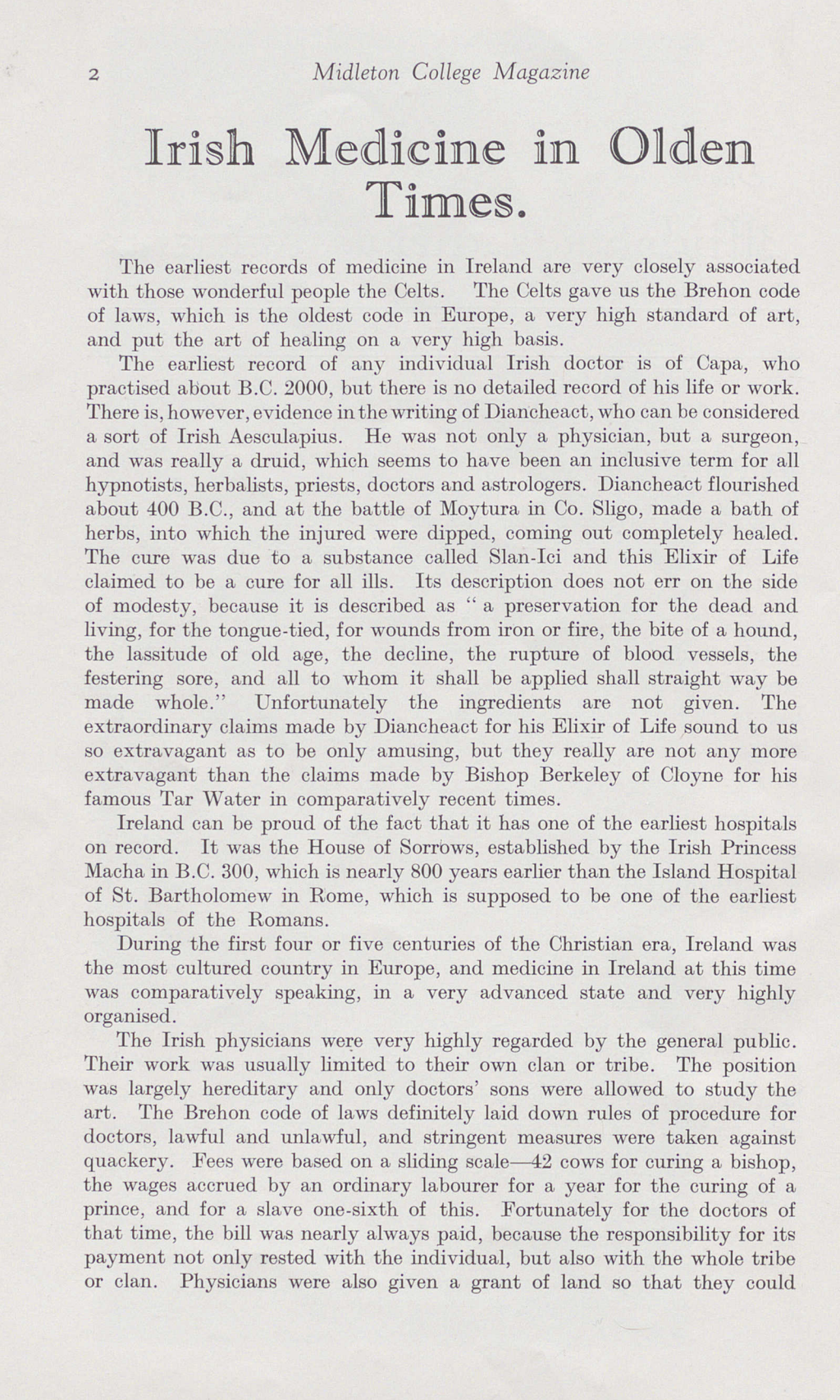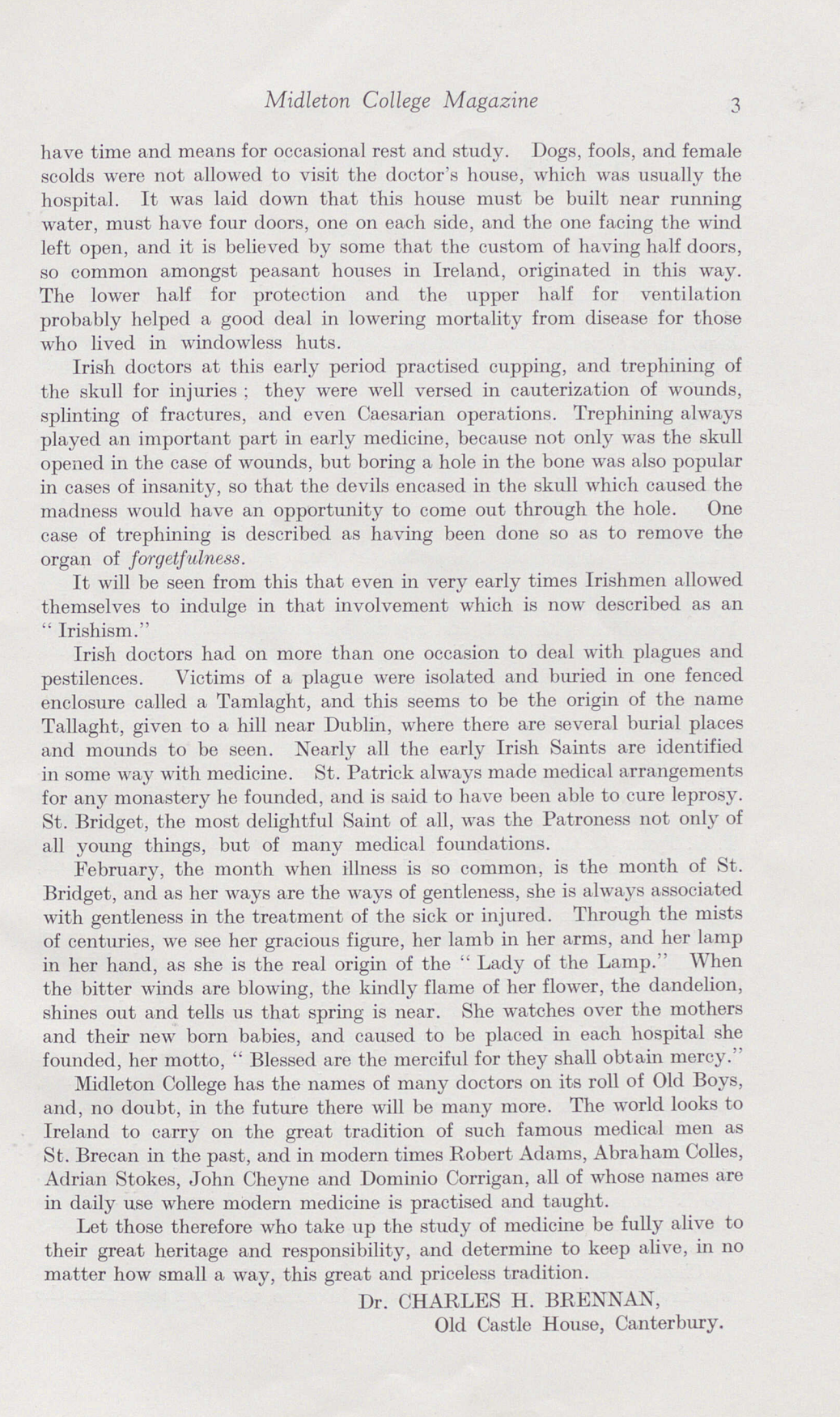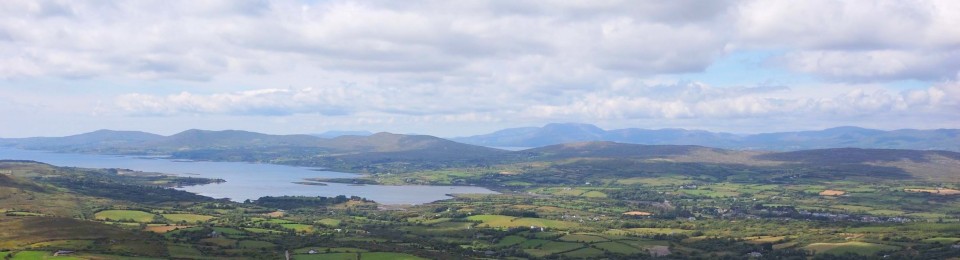
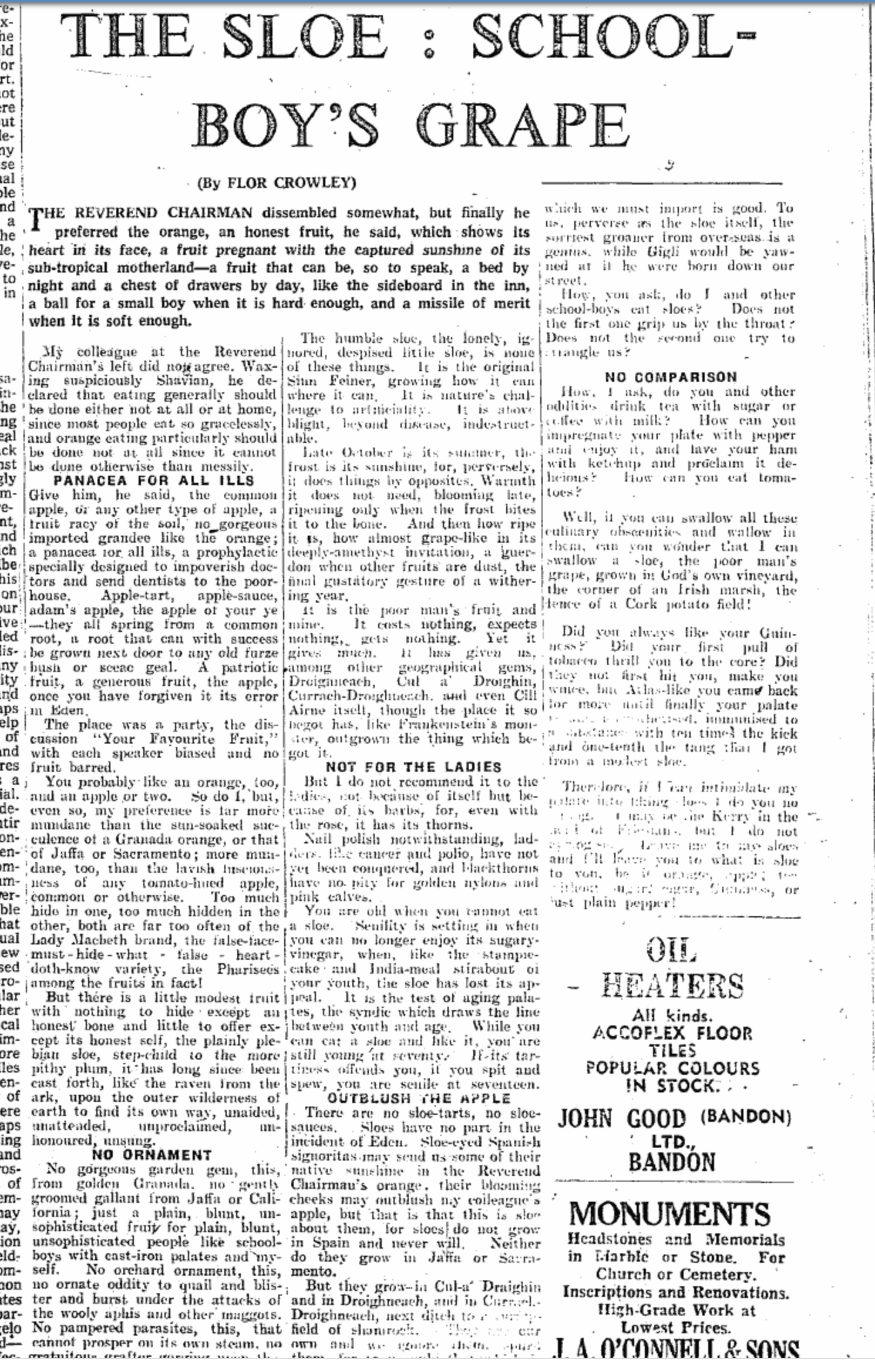
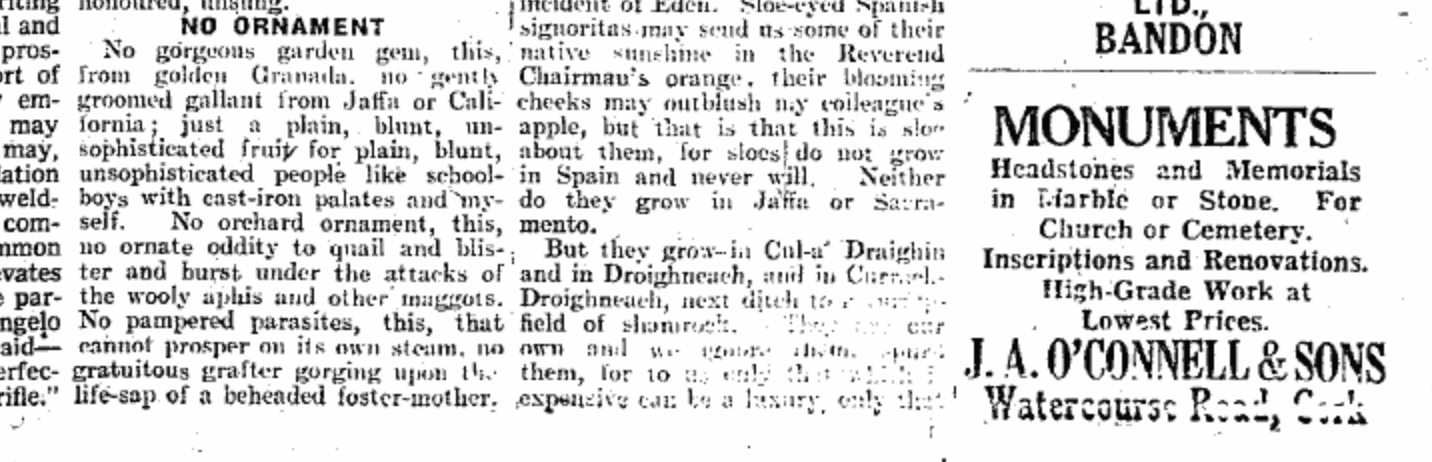
In Praise of The Humble Sloe. Flor Crowley 1959.

Featured


SLOE

Sloe jelly (or sloe jam, if you prefer) is almost unknown, which is a shame because it’s quite possibly the finest fruit jam you can make; tart, tangy and mysteriously dark. Sloes grow on blackthorn bushes, which are prickly customers at the best of times, and ordinarily you wouldn’t get much jelly for your trouble. Happily there’s a cheat, which is the addition of cooking apples. Apple brings out the flavour of the sloes and mellows their bitterness, helps the jam to set, and plumps the jam out to three times its original volume, making those prickly little prizes go a lot further. You can also get very similar results using bullaces instead of sloes; the flavour isn’t quite so good but the bushes are less thorny and tend to yield more heavily.
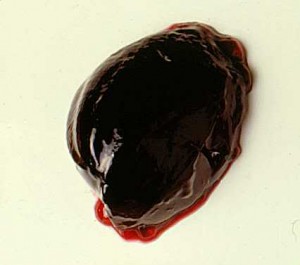
Sloe jelly, image

How to make sloe jelly

  1. Weigh your crop of pricked, frozen or frosted sloes in a saucepan. Add just enough water to cover the fruit, bring to the boil, and simmer until the berries are pulpy (you may need to mash them a bit).
  2. Add twice the weight of washed, chopped apples (peel, core and all), and the juice and peel of half a lemon for every kilo (2 lbs) of apples. Bring to the boil, simmer until pulpy again, and leave to cool down a bit.
  3. Strain the pulp through a scalded jelly bag or fine muslin into a suitable container. You shouldn’t squeeze the bag to hurry it up or you will have cloudy jelly, so leave it to dribble through overnight.
  4. The next day, measure the juice and add 400g of sugar per 500ml (1 lb per pint). Stir it over a medium heat until it comes to the boil, and skim off any scum.
  5. Boil the liquid until it reaches setting point (you can use a sugar thermometer for this, or just keep checking it with a cold plate), then ladle into hot jars and seal

Sloe Cordial

1kg Sloes

1 litre water

Juice of 1 lemon

Granulated Sugar (80g per 100ml liquid)

1. Bring the sloes, water and lemon juice to the boil and simmer for 5 minutes.

2. Break up the cooked sloes with a wooden spoon or potato masher, don’t bother about the stones as they will be sieved out later.

3. Simmer for a further 10 minutes.

4. Pour the mixture through a sieve.  If you want your cordial to be clear you should line your sieve with a muslin and don’t push the pulp through.  I didn’t do that and although the cordial is perfectly fine it isn’t clear.

5. Clean the pan and pour the juice back in, add the sugar and heat gently until the sugar has dissolved.

6. Bring to the boil and simmer for another 10 minutes.  Cool and bottle in sterilised bottles.

Sloe gin is just the tipple for warming up cold days, but you have to think ahead and make it now so the rock-hard, purple-black fruits have time to flavour the gin. Your gin isn’t ready until the colour resembles a decent Beaujolais.

THE RECIPE 

Prick your sloes, about 450g, with a needle or freeze them and bash with a heavy weight. Tip them into sterilised bottles, the fruit coming a third of the way up. Divide 350g of caster or granulated sugar among them then top up with gin or vodka. It will take about 750ml. Little point in using an expensive brand, by the way. Place the sealed bottles somewhere cool and dark. Leave for 8-10 weeks, turning the bottle occasionally, giving it a shake every week.

THE TRICK 

For me, the hardest part of making sloe gin is keeping my patience while it mellows. Well, that and finding enough sloes. I take great pleasure in pricking each berry with a needle in several places then dropping them into a bottle with sugar and gin, but others like to freeze the sloes in a plastic bag then bash them hard with a hammer or rolling pin. It is an effortless, kind-on-the-thumb way to get the best out of your hedgerow booty, though I much prefer the slow, non-violent way. Sloes are notoriously evasive. Forage for your own or try local farmers’ markets. I found this year’s supply in a greengrocer in Bristol.

THE TWIST

Yes, warming in a glass, but have you ever thought of using it in the kitchen? Even a tablespoon will add fruit depths to everything from gravy for game birds (pour it into the roasting tin and stir over a high heat to dissolve all the roasting debris into the gravy) to a major injection of flavour to a fruit crumble. Try it with plums or – best of all – with blackberry and apple. Not a gin type? Then use vodka. Suggest a drop of vanilla

….

Autumn is the perfect time to make sloe gin or vodka. Hedgerows are full of ripe, juicy sloes and the delicious fruity liqueur will be ready in time for Christmas. So why not give it a go? It’s so easy to make and you certainly won’t regret it when, feet up in front of the fire with the wind and snow howling outside, you treat yourself to a warming tipple. Why not try one of the other Allotment Heaven easy recipes?

Equipment needed

2 litre preserving bottle such as show here

Weighing scales

Ingredients needed

1 litre bottle of gin or vodka (no need to buy an expensive brand!)

450 grams of sloes

250 grams of white sugar, whose purpose is not only to sweeten the liqueur but to also extract the maximum amount of juice from the sloes.

Method

1. A few days before you’re ready to start put the sloes in a plastic bag and place them in a freezer. This will break the skins.

2. Let the sloes defrost before using.

3. Put the sloes, sugar and gin or vodka into the preserving bottle and seal.

4. Give the contents a thorough shake.

5. Shake the bottle every other day for a month.

6. Shake once a week for the second month.

7. When you’re ready to drink (see below) strain clear the liquid into the 1 litre sterilised gin or vodka bottle.

8. Add more sugar if necessary according to preference.

9. The liqueur can be drunk from the third month onward, though will improve with age.

The leftover sloes can be used to make jam.

 ..

To drink, add 10 parts water to one part cordial.

.. 

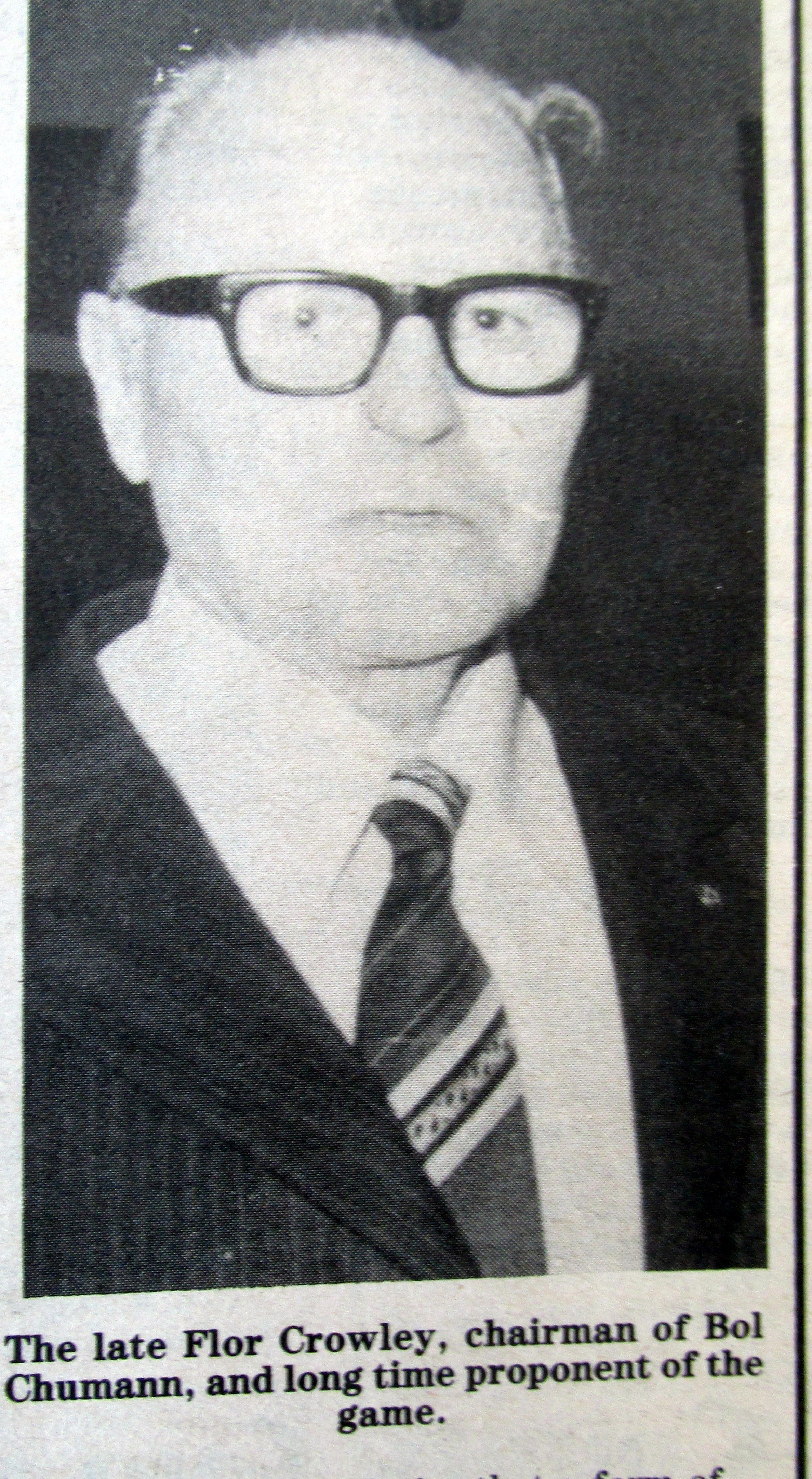
Words in Irish from Dunmanway, West Cork from Flor Crowley N.T. (National Teacher), Behigullane, Dunmanway.    Flor is the short for Florence the old version of the name in Irish is Finín, Fineen, Finghín.

Magistrate of same name:

Florence Crowley, 1895, Behagullane, Dunmanway, listed 1913.
1-1-IMG_5515

From his book ‘In West Cork Long Ago’, 1979, Mercier. Some of the practises flailing had probably gone out by the early 20th century.

Pages 9 and 10

https://docs.google.com/document/d/1dLSWVUsYRVa2ViKqOHyj5sl6Plz-tzLLVgpQgU3gvQM/edit

Drinagh 1940s

https://durrushistory.wordpress.com/2014/03/11/irish-on-ordinary-speech-drinagh-west-cork-1940s-agus-gaelige-i-measc-an-bhearla/

Pre 1965 farming practices West Cork, Red Elephant and Epicure potatoes, working with the grufán, threshing with the steam engine, winnowing of wheat and oats, working in the bog.

Flor Crowley NT, Behigulane describes farming practices in Dunmanway for small to middling farms which would have been common to Protestant and Catholic farmers from the Famine to the early 1960s. From then on, reclamation, rural electrification and specialisation spelled the end for many of the prctices described.

The page sequence in the PDF is out, note the bottom page number.

In West Cork ong Ago

1-Scan 1520
2-Scan 1521

ttps://durrushistory.com/2016/05/03/1847-bowling-score-at-castlemary-cloyne-co-cork/

Bowlers Aughaville, Dromore, Colomane, Durrus, West Cork.  Bill Barrett, Patrick O’Driscoll, Richard Barrett, John Connolly, Jimmy Crowley, J.j. Sullivan, Donald Crowley, Eugene Daly and Possible Origins in Co. Armagh and The North of England.

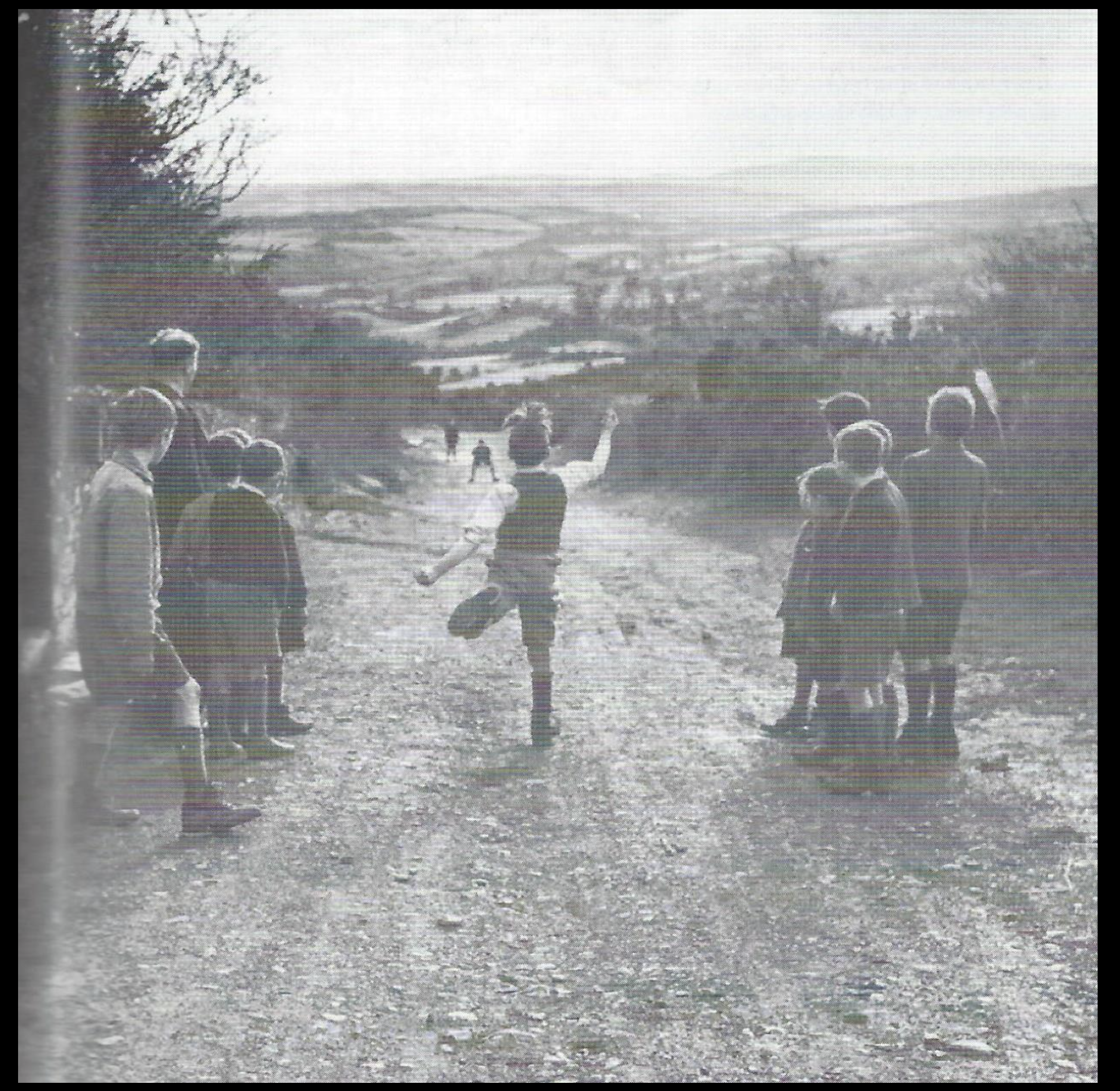
It has been suggested that road bowling was introduced to West Cork by weavers who came in in t18th century from the North of England.

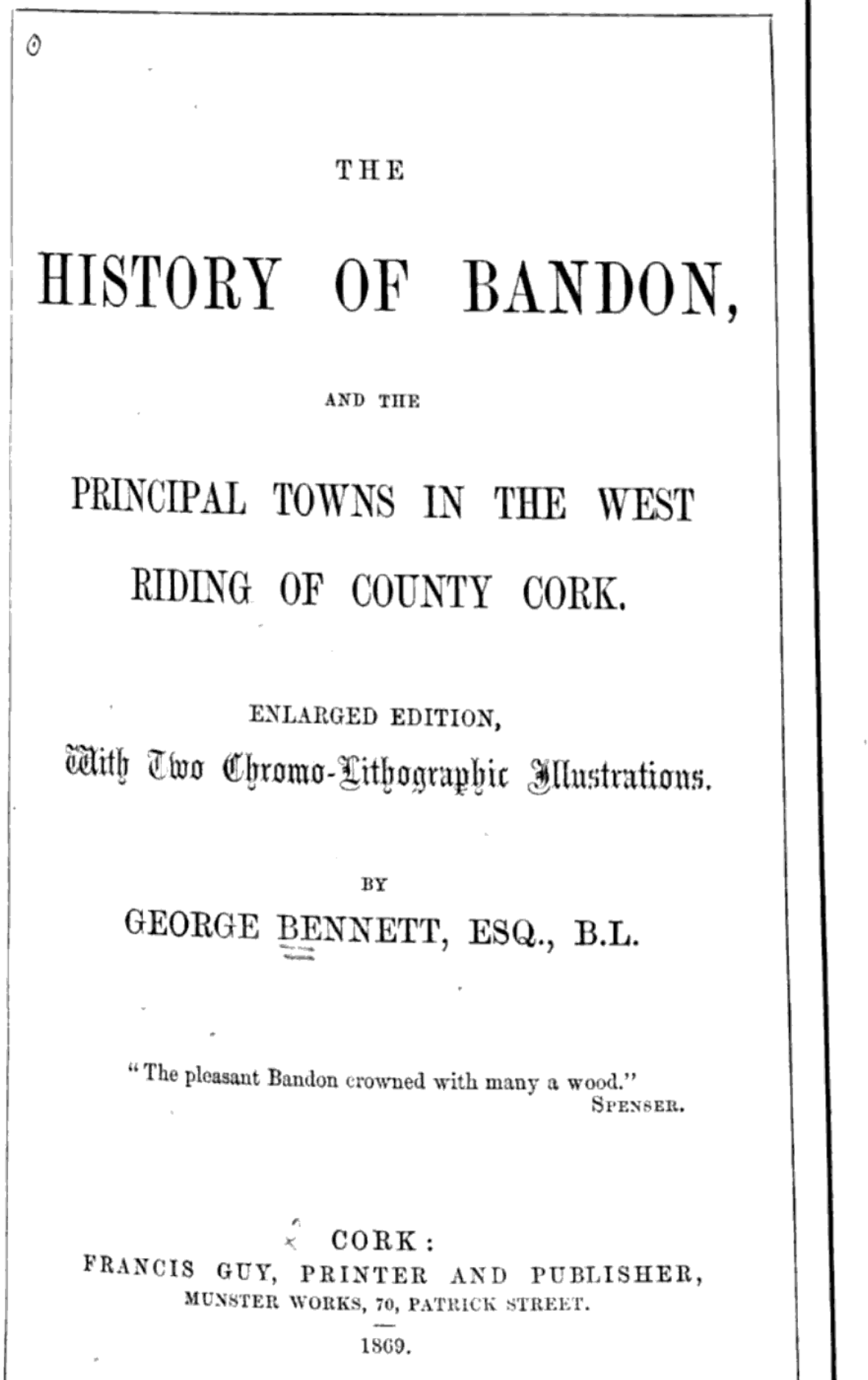
Flor Crowley, a National Teacher from Dunmanway who taught in Bandon founded An Bol Cumann.  He wrote extensively on local matters and is books are now collectors items.

Thanks to Peter O’Driscoll, San Francisco and Donal O’Mahony, Cobh.

Bill Barrett who always wore white tennis shoes.    Patrick O’Driscoll of Aughavile was recognised as a reasonable good bowler he was the man that guided Bill Barrett during his early days as a bowler.

His grand son Peter O’Driscoll was told by Tom Hayes from Aughaville whom he met in San Francisco. Tom Hayes came to America & San Francisco in 1910, at the age of 17 years he was in the first World War, he died in 1974 and is buried in the Golden Gate National Cemetry. He never married.
Bill Barrett in his younger days was a senior class bowler. This was before you had tar and crushed rock surfaced roads.

Richard Barrett from Colomane Wood he would be a cousin to Bill Barrett, Richard brothers were Pat, Bob, Steven and John.  Older men around Colomane often said that John Barrett had the ability to a great bowler.
Richard was a local good bowler not quit a senior class bowler.

John Connolly of Colomane West was a senior class bowler.
Jimmy Crowley of Colomane was a local good bowler He was from the family that owned the trashing machine.
Donald Crowley of Colomane Pub was a local good bowler.

J.J. Sullivan of Coomane north was a local good bowler, he came to America about 1958 he was a cousin to  John Crowley’s family. My best guess is that John Crowley’s mother was J.J. Sulivan’s aunt.

The up and coming star was  Eugene Daly of Dromore  in 1960 and the later arrivals in San Francisco have told Peter O’Driscoll  that Eugene was a senior class bowler.

Around Drimoleague and Drinagh, there was a family of Sheen’s (Sheehan?) three brothers John, Jerry and Michael. also a Humphrey O’Leary was a senior class bowler.
These are bowlers that that bowled on a Sunday evening along the main road from O’Driscolls pub in Aughaville to Crowleys pub in Colomane.

The score of bowl started from the roadside sign post about two hundred yard east of the Aughaville cross-roads and ended at the sign post about two hundred yards west of Colomane pub, a distance of two miles.
There are other bowlers that came from Bandon and places near Cork City to bowl from Aughaville to Colomane.

In the Durrus area Danny O’Mahony of Ahagouna reckoned to be the best 84 yard loft with Mick Barry.  In his early years on the Dunbeacon Road sometimes Bill Barrett  would mark for him.

In the local folklore a son of one of the O’Donovan Landlord families (either That of Timothy of the Cove or Richard of the Fort) was reckoned to be a good bowler.   There is an excellent painting in the Crawford Art Gallery Cork of a member of the landlord Smith Barry family of East Cork bowling early 19th century in all his finery.

It has been said that road bowing was introduced to West Cork by weavers from the North of England.  In the Durrus/Schull are the Crostons were a weaving family who may have originated in Croston, Lancashire.  Another location for bowling is Armagh.  Here too there were may families introduced in connection wiht weaving/linen/flax to West Cork in the early 18th century from Co. Armagh, names such as Johnson, Richardson, Shannon. Williamson and Young among others..

Recollections of Jeremiah O’Donovan Rossa, Breast Fed Until He Was 3.  Boss Croker:


Maurice J. Power, Associate of President Cleveland.   Thousands come to Rosscarbery to Celebrate Father Powers Miracles on St. John’s Eve.  1858  St. Johns Eva, Beautiful Irish from a Crippled Beggar, bare ulcerated legs. Thadeus O’Mahony, Bandon born Professor of Irish TCD. Tom Hungerford Landlord, a Tenant of his father. Grandfather’s Bleachery, Flax Meitheal.  West Cork Delegatee to the Dungannon Convention 1782.

Recollections of Jeremiah O’Donovan Rossa, Breast Fed Until He Was 3.  Boss Croker: Maurice J. Power, Associate of President Cleveland.   Thousands come to Rosscarbery to Celebrate Father Powers Miracles on St. John’s Eve.  1858  St. Johns Eva, Beautiful Irish from a Crippled Beggar, bare ulcerated legs. Thadeus O’Mahony, Bandon born Professor of Irish TCD. Tom Hungerford Landlord, a Tenant of his father. Grandfather’s Bleachery, Flax Meitheal.  West Cork Delegatee to the Dungannon Convention 1782.

William Garde Browne (1815-1877), Coolcower House, Macroom, Macroom Poor Law Guardian. 1841 enquiry scathing about effects of middlemen, discount banks, from which tenants borrowed for rent, 


William Garde Browne (1815-1877), Coolcower House, Macroom, listed 1846, listed 1843, 1875-6.   Provisional Committee Cork/Killarney Railway 1845. William Cross,1841, Magistrate, Landowner, Macroom Poor Law Guardian. 1841 enquiry scathing about effects of middlemen, discount banks, from which tenants borrowed for rent,  three run in particular by Edward Ash, Macroom, William Guarde Brown, Coolcower, Philip Cross Esq., Shandy House, a Magistrate until deprived, he boasted he acquired a large lot of land from profits of banking.  Cross estimated rate of interest at 20% but when legal expenses time etc. factored in at 40%.  Probate 1887 £40,000.

Earl of Grey Scheme 1848-1850.  Girls shipped to Australia aged 15 to 18 from Workhouses, Skibbereen 110, Kinsale 29, Bandon 20, Dunmanway 14.

Tags

, , ,


Earl of Grey Scheme 1848-1850.  Girls shipped to Australia aged 15 to 18 from Workhouses, Skibbereen 110, Kinsale 29, Bandon 20, Dunmanway 14.

Courtesy Sile Murphy, Dunmanway Historical Society 2010.

Research into the records of Melbourne Maternity Hospital suggest that approximately 1 in 15 women had difficulty in childbirth due to famine induced contracted  or  deformed pelvis.

Irish Times:

https://www.irishtimes.com/life-and-style/abroad/the-story-of-the-irish-famine-orphan-girls-shipped-to-australia-1.4075722#:~:text=Between%201849%20and%201851%2C%20the,help%20populate%20the%20new%20colony.

The Great Hunger had decimated the population of Ireland, resulting in more than one million deaths and two million emigrants forced to flee starvation.

Between 1849 and 1851, the Earl Grey scheme took girls aged from 14 to 19 from workhouses across Ireland to work in Australia as servants, and to help populate the new colony.

After the horror of starvation and loss of family and home in the Irish Famine, surviving the destitution of the infamous workhouses and enduring an arduous sea voyage, the orphans reached a strange and intimidating new land. But they must also have had feelings of hope and optimism.

An excerpt from The Argus, which was Melbourne’s main newspaper of the day, on April 4th, 1850 said: “Another ship-load of female immigrants from Ireland has reached our shores, and yet, though everybody is crying out against the monstrous infliction, and the palpable waste of the immigration fund, furnished by the colonists in bringing out these worthless characters …”.

Another excerpt from The Argus on April 24th, 1850 of a citizen echoed society’s clamour:

“The whole country cries out against the further admission into our colony, of such degraded beings as the majority of the female orphans have been found.

Nor has their cry been raised without reason, for we venture to say, every vessel that brings an increase of this kind to our female population, brings a melancholy increase to the vice and lewdness that is now to seem rampant in every part of our town. From this class we have received no good servants for the wealthier classes in the towns, no efficient farm servants for the rural population, no virtuous, and industrious young women, fit wives for the labouring part of the community; and by the introduction of whom a strong barrier would be erected against the floods of iniquity that are now sweeping every trace of morality from the most public thoroughfares of our city.”

Nonetheless, most orphans flourished – they married and raised families in the harsh conditions of the new colony. Great numbers would live to see the dawn of the new 20th century in their new land.

.

.

.

.

1894 William Martin Murphy’s son Denis died in Davos, Switzerland, skiing accident he had been assisting his father on building of the Skibbereen to Baltimore Railway. 

Tags

, , ,


1894 William Martin Murphy’s son Denis died in Davos, Switzerland, skiing accident he had been assisting his father on building of the Skibbereen to Baltimore Railway. 

Cutting now road entrance to Skibbereen from Baltimore

The Skibbereen to Baltimore Railway was an 13 km. extension of the Cork, Bandon and South Coast Railway (CB&SCR) in West Cork, opened on May 2, 1893. It served as a vital, albeit temporary, rail link for the port of Baltimore, closing along with the rest of the West Cork lines in March 1961. 

William Martin Murphy (1845-1919), MP, 1884, The Square, Bantry, and Dartry Hall, Rathmines, Dublin, b Castletownbere, child of Denis Murphy, building contractor, and Ann Marie Martin. Ed. Belvedere College, Dublin. 1869 built Barryroe Church, Clonakilty. Moved to Dublin 1875, railways, tramways, newspapers, Clerys Department Store, M.P. 1885, M Mary Julia Lombard d James F. Electrified Dublin Trams 1896. 1890 Skibbereen Quarter Sessions sitting with Circuit Court Judge Ferguson on Schull licensing appeal cases.  Magistrates, John Edward  Barrett, William Murphy, M.P., George Robinson, Somers. H. Payne, W. S. Payne, Henry R Marmion, Samuel Jagoe, O’Donovan, John R. H. Becher, William Norwood, Carew O’Grady.  Donor £40 second largest after Lord Ardilaun £500 in 5 instalments on behalf of the Bantry Estate  1894 son Denis died in Davos, Switzerland skiing accident he had been assisting his father on building of the Skibbereen to Baltimore Railway.  1895 to the Bantry Foreshore Reclamation Fund.  Closely associated with Tim Healy.  1918 largest donor Gearhies Fishing Disaster. 1916 meets Lloyd George to oppose partition.  listed 1913. Buried Glasnevin Cemetery.  Features in James Joyce, ‘Ulysses’, ‘How’s that for Martin Murphy, the Bantry jobber?’ (12.237)

..

1890, Will of Denis Murphy, Builder, Bantry, Builder of Bantry Pier, Father of William Martin Murphy. 1919, William Martin Murphy, Derrymihan, Beara and Dublin, businessman. Estate £250,000. He left a range of businesses with a substantial asset value, including Dublin’s tramway system, hotels in Dublin and Glengariff, Cleary’s Department store, a range of railway shares and various properties including a builders yard in Bantry (which is still in business). He had also invested heavily in the Dublin newspaper industry.

Bantry Gang: Healy Brothers, Thomas, Solicitor, M.P., Timothy, M.P. , Queen’s Counsel, Governor General Irish Free State, Tim, Sullivan Brothers, Alexander Martin, Owner ‘The Nation’, Founder Irish Parliamentary Party, M.P. Queen’s Counsel, Timothy Daniel, M.P. Composer ‘God Save Ireland”, Donal, Secretary Irish Parliamentary Party, M.P, Lord Mayor of Dublin, Harrington Brothers, Tim, Teacher, Journalist, Author of The Plan of Campaign, M.P., Barrister, Lord Mayor of Dublin, Ned, Organiser, M.P., William Martin Murphy, International Businessman, Railway Contractor, owner Irish Independent, Dublin United Tramways, M.P., James Gilhooley, Fenian, M.P.

1909 Bantry Feis.   Patrons include Canon (Church of Ireland) O’Grady, James Gilhooley, M.P., Tim Healy King’s Counsel,M.P., Maurice Healy, M.P., The Earl of Kenmare, Magistrates, Dr. O’Mahony, Benjamin O’Connor, M. O’Driscoll, William Martin Murphy, Alexander Martin Sullivan, King’s Counsel, Dr.  M. J. McCarthy, Patrick (Rocky Mountain) O’Brien, Dromore.  Prizewinners, Industrial Section.

Updated. 1918 Gearhies, Bantry Bay Fishing Disaster, Subscription Lists. Largest donor William Martin Murphy £25

1899, Bantry, Funeral of Miss O’Connor, Wreaths From William Martin Murphy and Family, Buyer of Cleary and Co, Dublin, Attendance, Magistrates, John Daly, Barry O’Leary, John Cullinane, James Gilhooley Member of Westminster Parliament, James Manders (Butter Merchant), Doctor Thomas Popham, William Warner (Merchant), Thomas R. Hurst (Publican).

The Egg Girls of Kilcrohane, c 1830s. Evidence of Father John Kelleher, Noted Statistician.


At the turn of the 19th century butter was the main cash crop. The story is told of women from Kilcrohane walking barefoot to Cork, with a pannier of butter wrapped in cabbage leaves.  10 miles before Cork they stopped at a particular rock and put on boots.  Father Kelleher’s evidence to the Poor Law Commission tells of girls making 12 journeys a year to Cork with large baskets of eggs making around £3 a year. 

Father Kelleher:


Rev. John Kelleher, C.C. Trained in Rome. 28 Jan 1830, anti tithe agitation.  Noted statistician. Later c 1840 Parish Priest of Kilurray, at British Association meeting gave detailed paper on condition in Kilmurray parish later published by British Association.

https://docs.google.com/document/d/11Zd1e3qFvD2-lzpNWupF_gBwCkJQbvey1yFAXuCxmys/edit?tab=t.0

1892 Faction Fight Dromdeega Near Dunmanway


Instructing Solicitor

Francis Fitzmaurice Solicitor Subscriber Dr. Daniel Donovan ‘History of Carbery, 1876. Attending funeral 1898, Thomas Fuller, Dunmanway, Chairman Dunmanway Board of Guardians

Counsel

1859-, Patrick D. Fleming K.C., 1906, King’s Counsel, Revising Barister sitting probte Court Dublin 1894 Magistrate, Co. Cork, 7 Hatch St., Dublin, listed 1913. In 1890s appearsin numerous West Cork cases

Prosecuting solicitor

1859, 1863, 1879, 1882, 1884, 1914, 1917 George Kingston Sherlock Solicitor 1859, Crown Solicitor West Riding, Commissioner for taking Affadavits South Main St. “7 Castle St. Supporting Colonel 1863, The Honourable Henry Boyle Bernard in Bandon by-election.
1882 donor to the new Catholic Church, Barryroe. 1877 donor Newcestown Church Spire.

1884 donor Presentation Convent School, Bandon.
” “Prosecutor 1889 Coercion Court, Rosscarbery, pubs closed huge throngs of people in the town, 90 police drafted in, Dr. William Kearny sentenced to Four Months Hard Labour.Guy 1914. 1881 subscriber to testimonial for Fr.. William Murphy, Kilbrittain
” “Brinny Sherlock Annie 08/06/1901 67 In loving memory of Annie Sherlock the beloved wife of George K. Sherlock solicitor died at Round Hill House Bandon on June 8 1901 aged 67 year Sherlock George K. Sherlock 01/10/1922 died 1st October 1922
Sherlock Emily Emily Sherlock their daughter died 24th December 1933 and their son Robert Webb Sherlock died 10th May 1937 ” “

Judge

(1847-, 1895 William Seymour Bird, M.A., K.C. Chairman Quarter Sessions (County Court Judge), Cork Wes Riding 38 Lower Leeson St., Dublin. Born Co. Offaly. 1900 attending RIC Sports, Mardyke..Electoral revision Macroom. Telegram of condolonces at funeral 1915 of P.J.Collins, Skibbereen. 1900 donor Eagle Santa Children’s Fund. “Meany, a defendant in a civil claim at Macroom Quarter Sessions, admitted that he
had been previously examined in English but claimed that he had forgotten the
English language. The judge told him that if he did not speak English he would not
be examined, so Meany stepped down. The plaintiff, Baldwin, said he had always
done business with Meany in English. Mr Sheehan, solicitor for the defence, said his
client ‘could tell his story better in Irish’ but County Court Judge Bird Q.C. ‘said he
could tell it as well in English’. Sheehan then pointed out that there was an
interpreter attached to the court but the judge replied ‘For those who speak Irish,
but this man can speak English’ (Southern Star, 13 June 1896, 8).” Judge Bird was the County Court Judge for the West Riding of Cork in Ireland around 1900. He is noted for presiding over an equity civil bill case in 1900 regarding a mortgage foreclosure in Sheehy v Sheehy, where he dismissed the case due to the composition of the debt.