
Tags
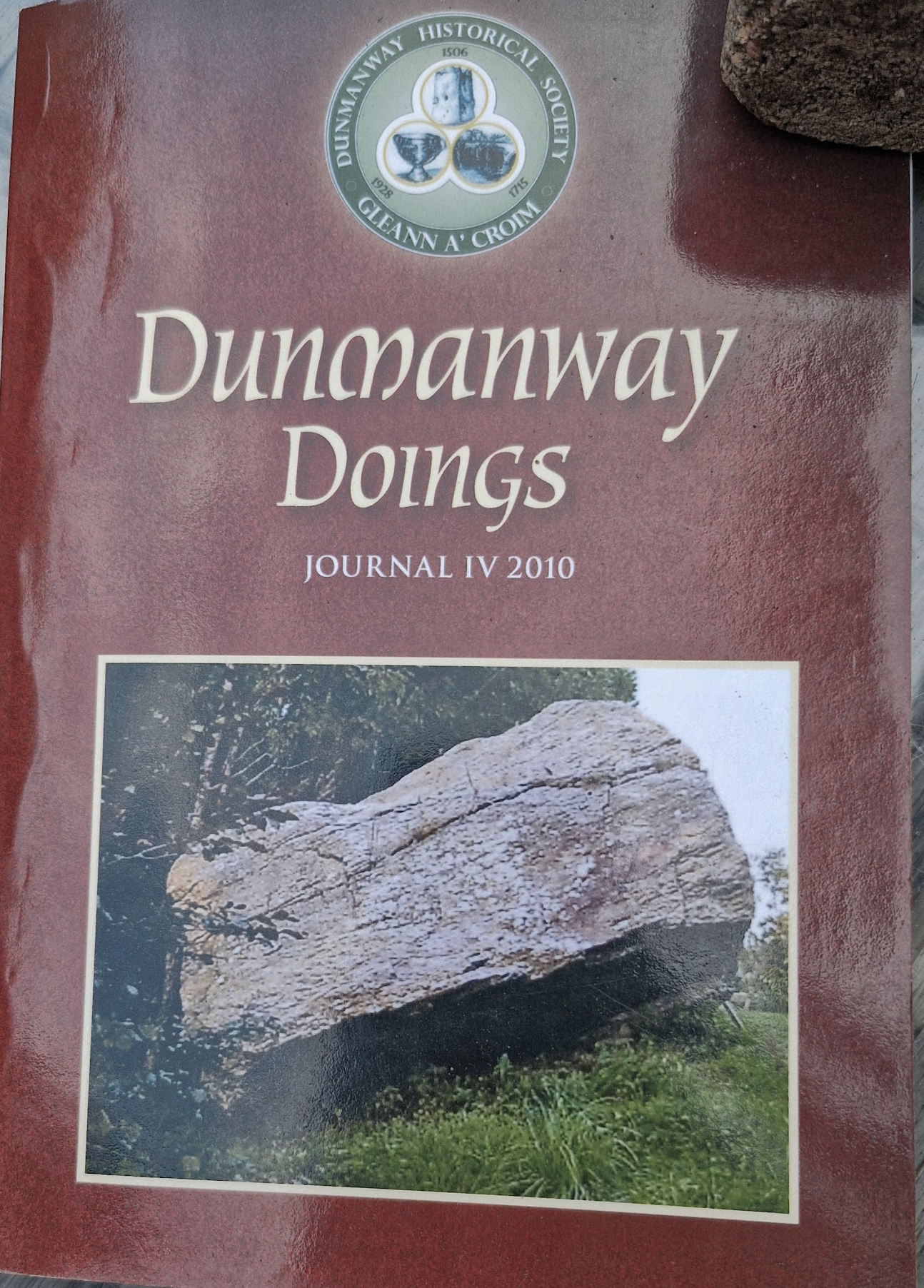
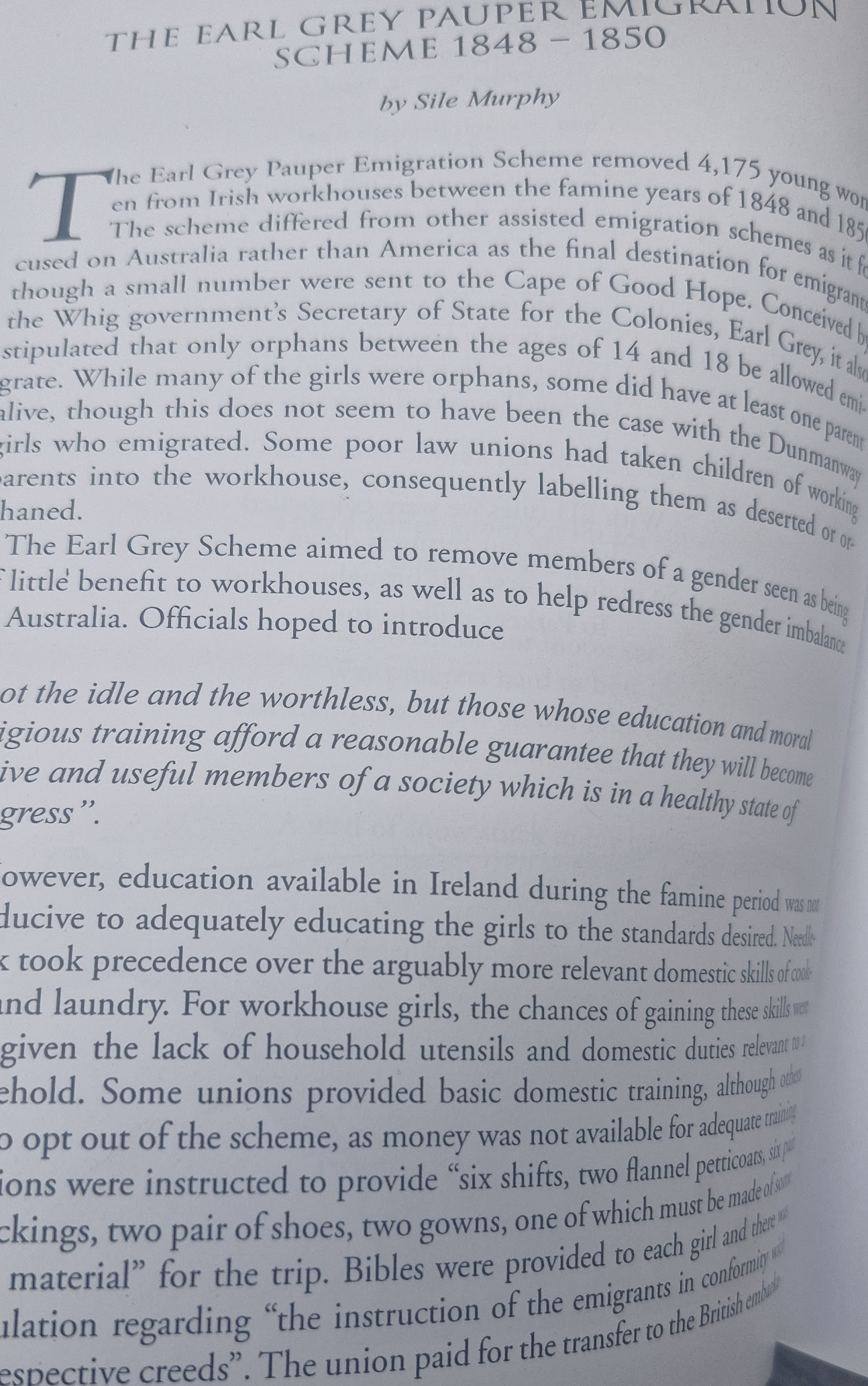
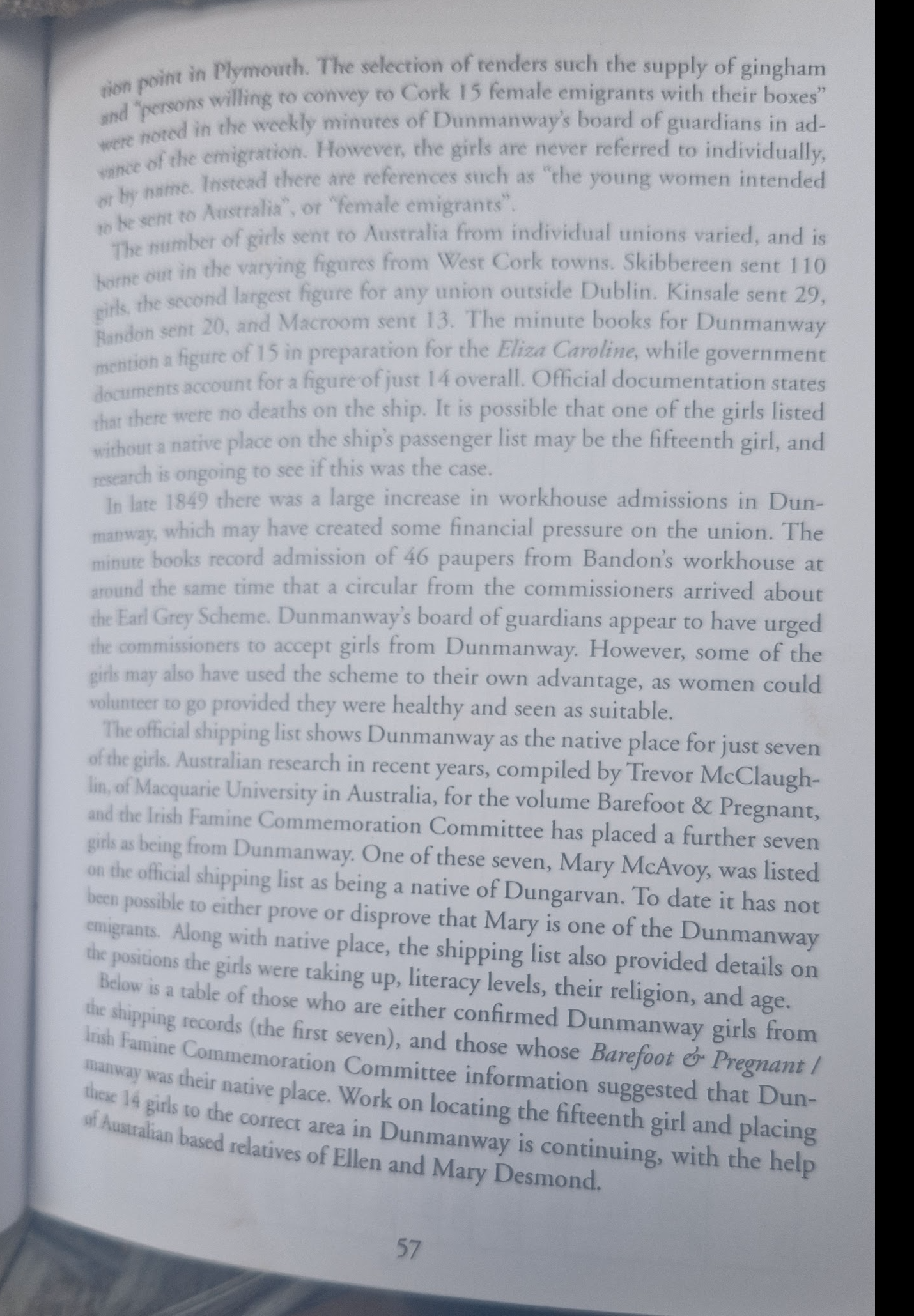
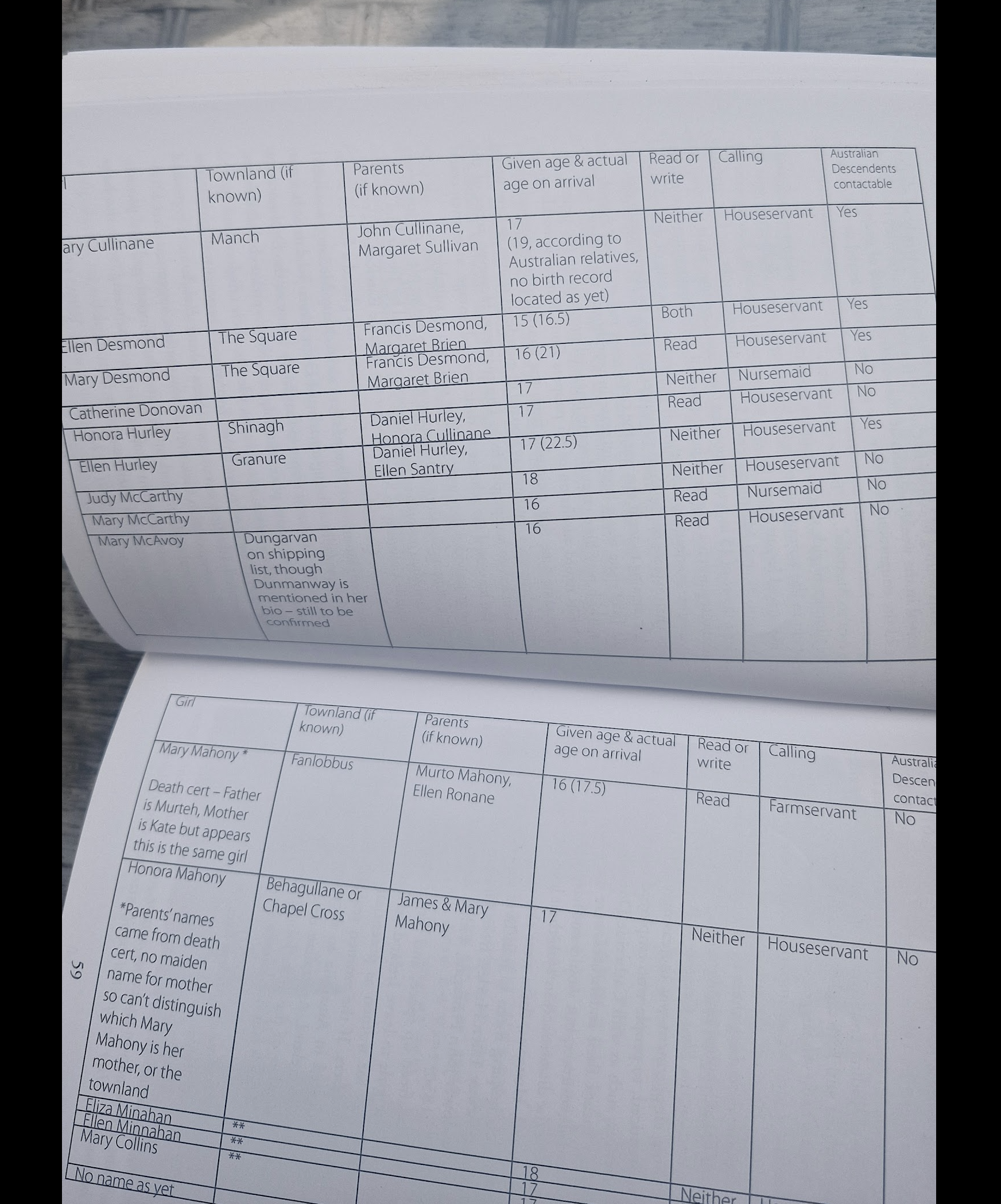
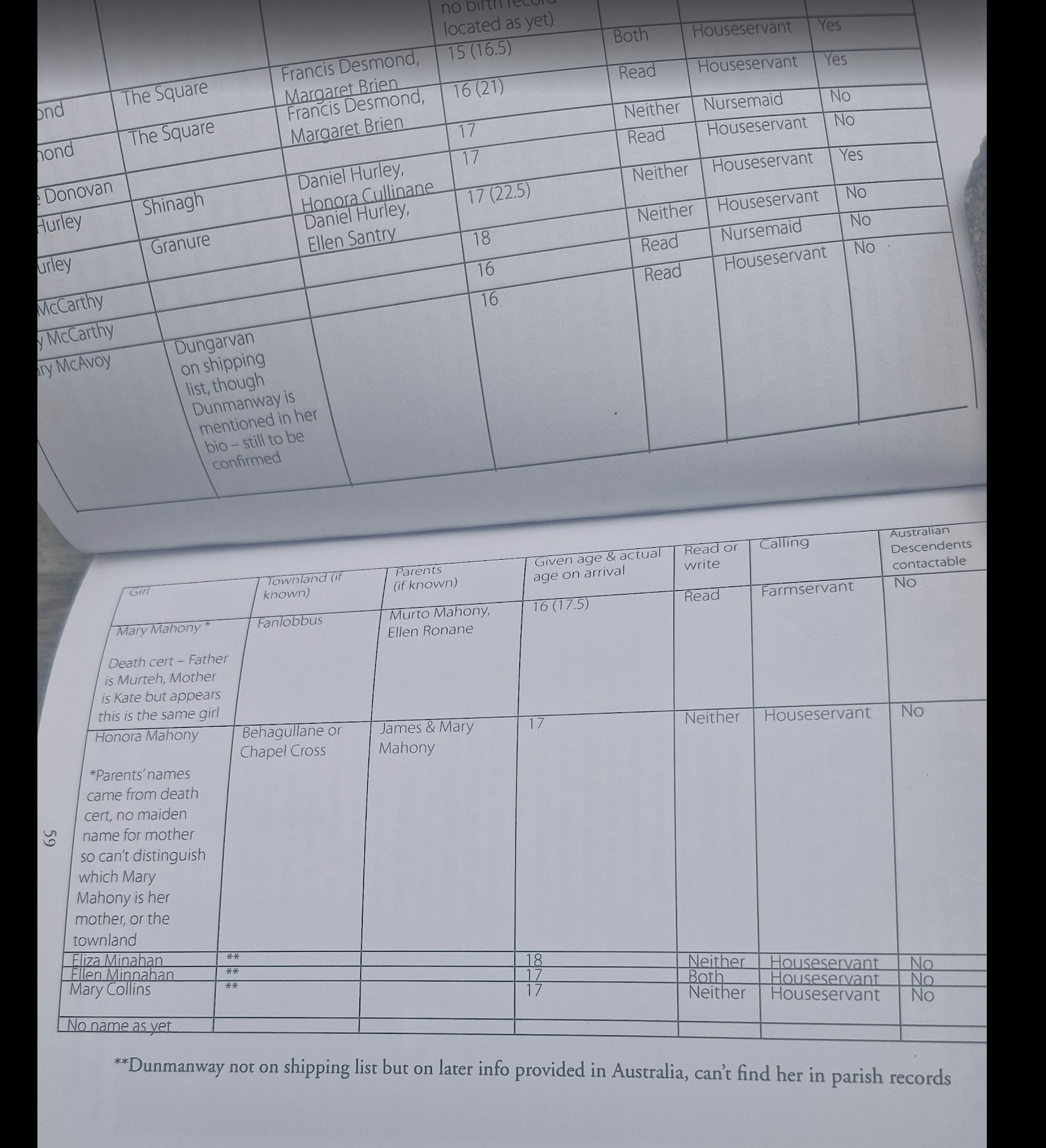
Earl of Grey Scheme 1848-1850. Girls shipped to Australia aged 15 to 18 from Workhouses, Skibbereen 110, Kinsale 29, Bandon 20, Dunmanway 14.
Courtesy Sile Murphy, Dunmanway Historical Society 2010.
Research into the records of Melbourne Maternity Hospital suggest that approximately 1 in 15 women had difficulty in childbirth due to famine induced contracted or deformed pelvis.
Irish Times:
The Great Hunger had decimated the population of Ireland, resulting in more than one million deaths and two million emigrants forced to flee starvation.
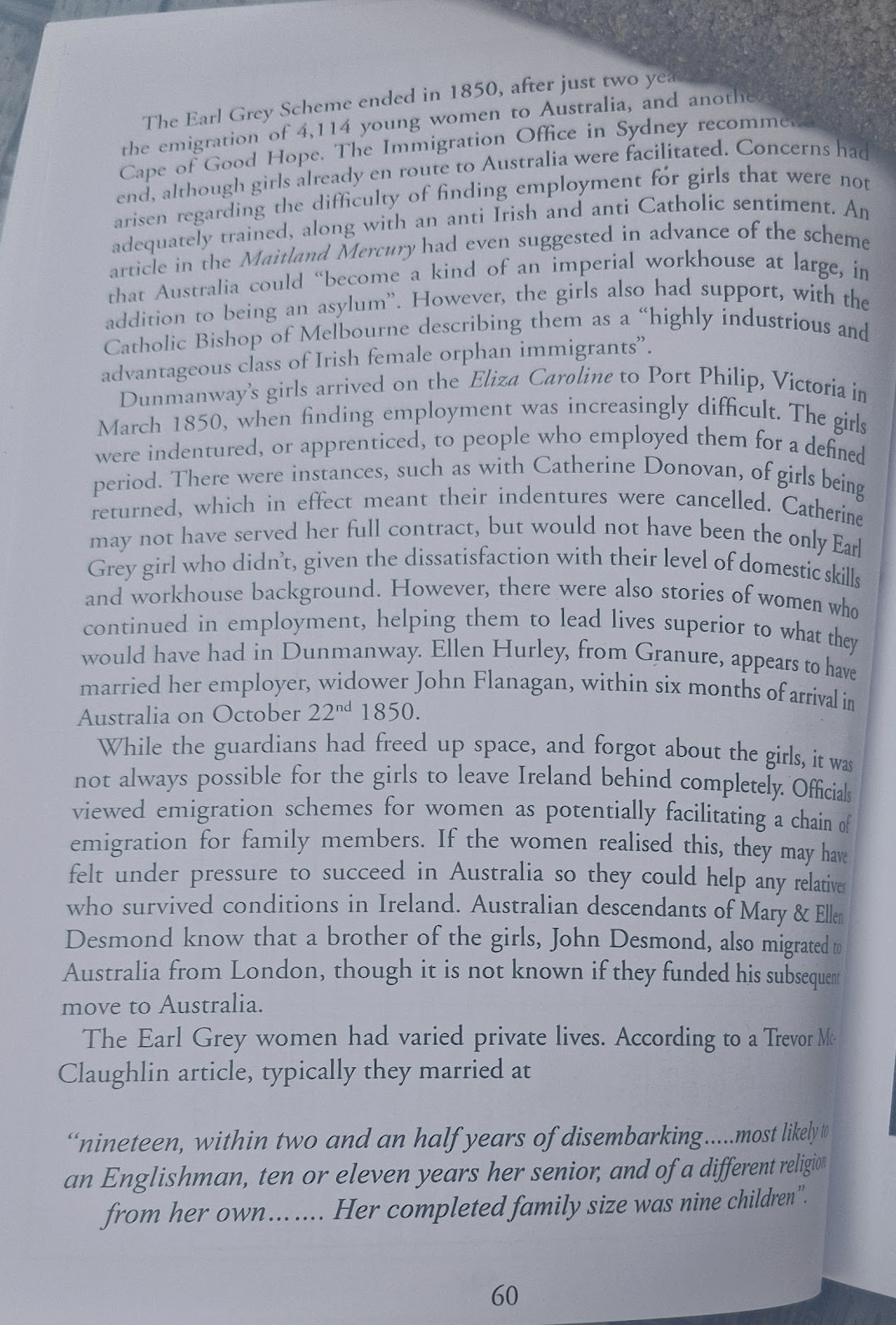
Between 1849 and 1851, the Earl Grey scheme took girls aged from 14 to 19 from workhouses across Ireland to work in Australia as servants, and to help populate the new colony.
After the horror of starvation and loss of family and home in the Irish Famine, surviving the destitution of the infamous workhouses and enduring an arduous sea voyage, the orphans reached a strange and intimidating new land. But they must also have had feelings of hope and optimism.
An excerpt from The Argus, which was Melbourne’s main newspaper of the day, on April 4th, 1850 said: “Another ship-load of female immigrants from Ireland has reached our shores, and yet, though everybody is crying out against the monstrous infliction, and the palpable waste of the immigration fund, furnished by the colonists in bringing out these worthless characters …”.
Another excerpt from The Argus on April 24th, 1850 of a citizen echoed society’s clamour:
“The whole country cries out against the further admission into our colony, of such degraded beings as the majority of the female orphans have been found.
Nor has their cry been raised without reason, for we venture to say, every vessel that brings an increase of this kind to our female population, brings a melancholy increase to the vice and lewdness that is now to seem rampant in every part of our town. From this class we have received no good servants for the wealthier classes in the towns, no efficient farm servants for the rural population, no virtuous, and industrious young women, fit wives for the labouring part of the community; and by the introduction of whom a strong barrier would be erected against the floods of iniquity that are now sweeping every trace of morality from the most public thoroughfares of our city.”
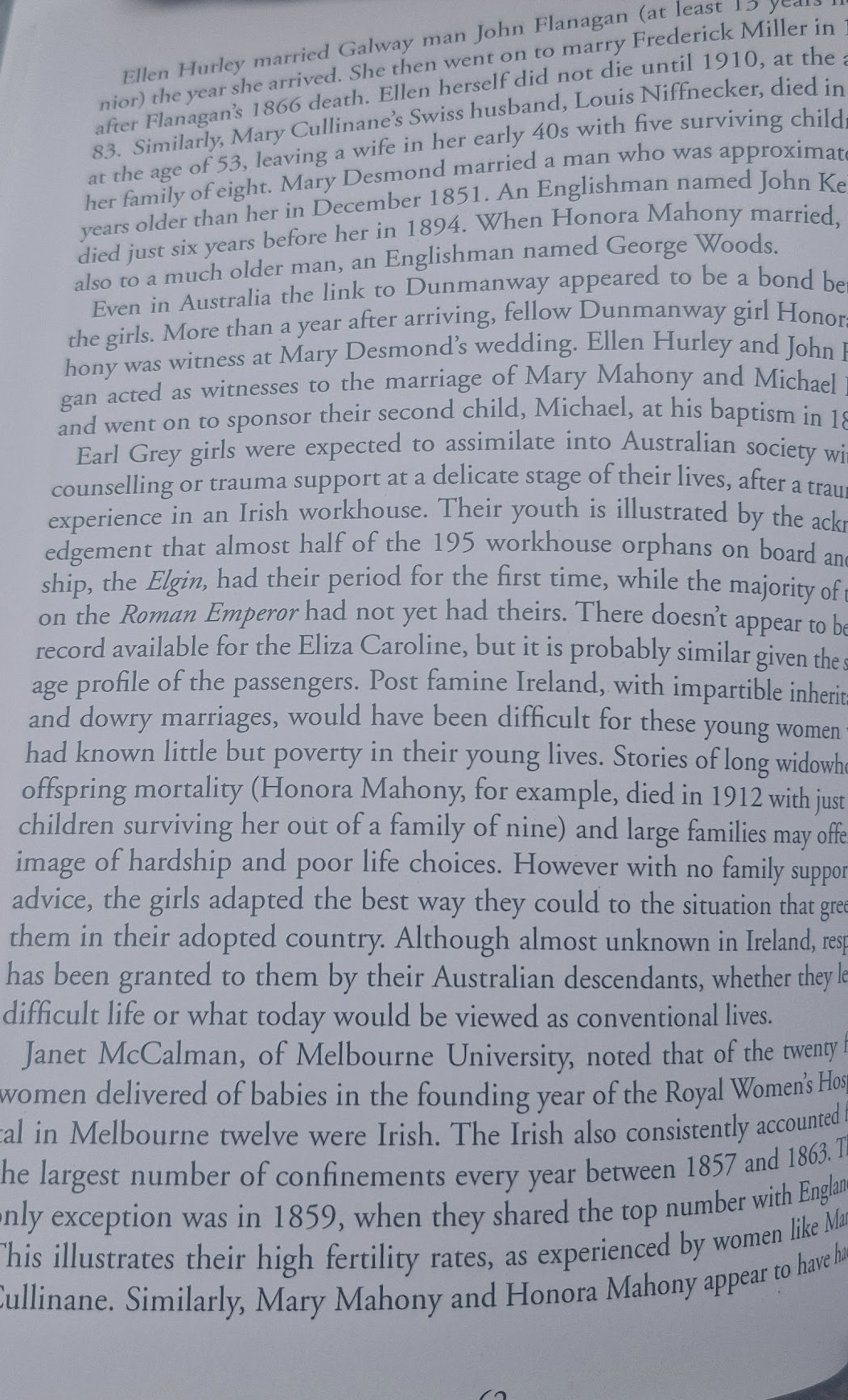
Nonetheless, most orphans flourished – they married and raised families in the harsh conditions of the new colony. Great numbers would live to see the dawn of the new 20th century in their new land.
.
.
.
.
 West Cork History