Rev. Robert Traill, Rector Schull, died 1847, Grandfather of Writer and Playwright, John Millington Synge (1871-1909)
..

..
05 Wednesday Dec 2018
Posted in Uncategorized
Rev. Robert Traill, Rector Schull, died 1847, Grandfather of Writer and Playwright, John Millington Synge (1871-1909)
..
..
04 Tuesday Dec 2018
Posted in Uncategorized
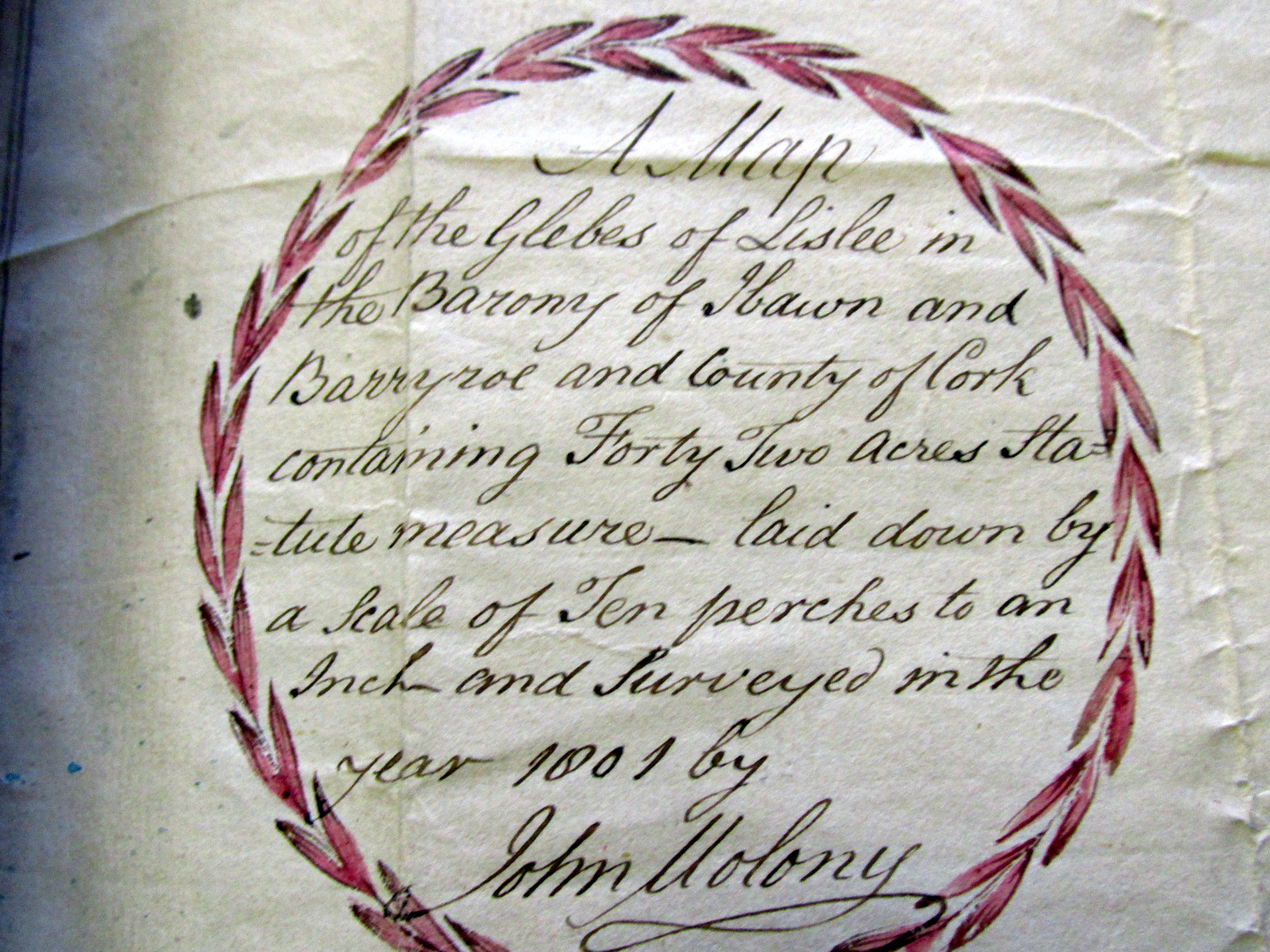
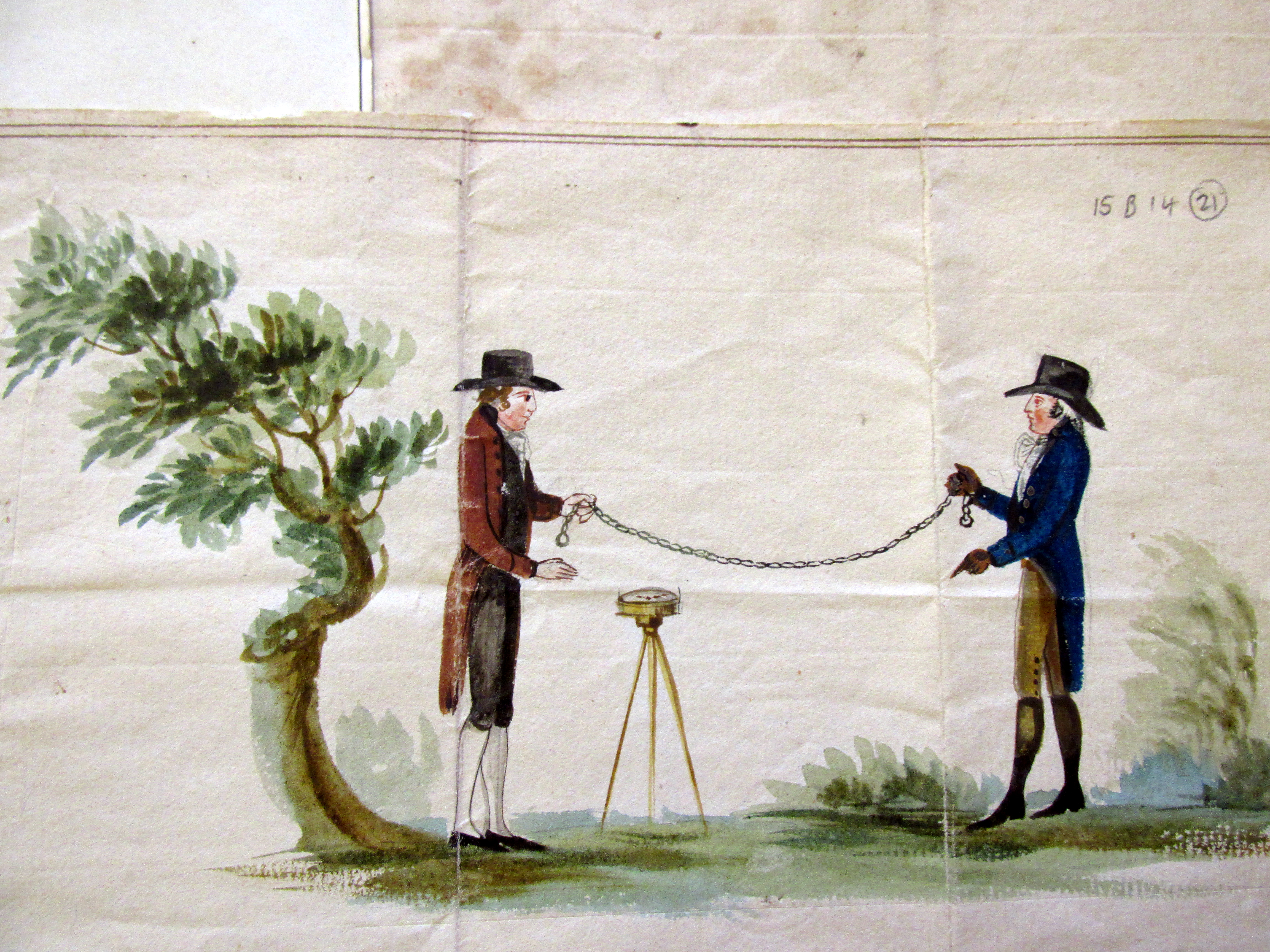
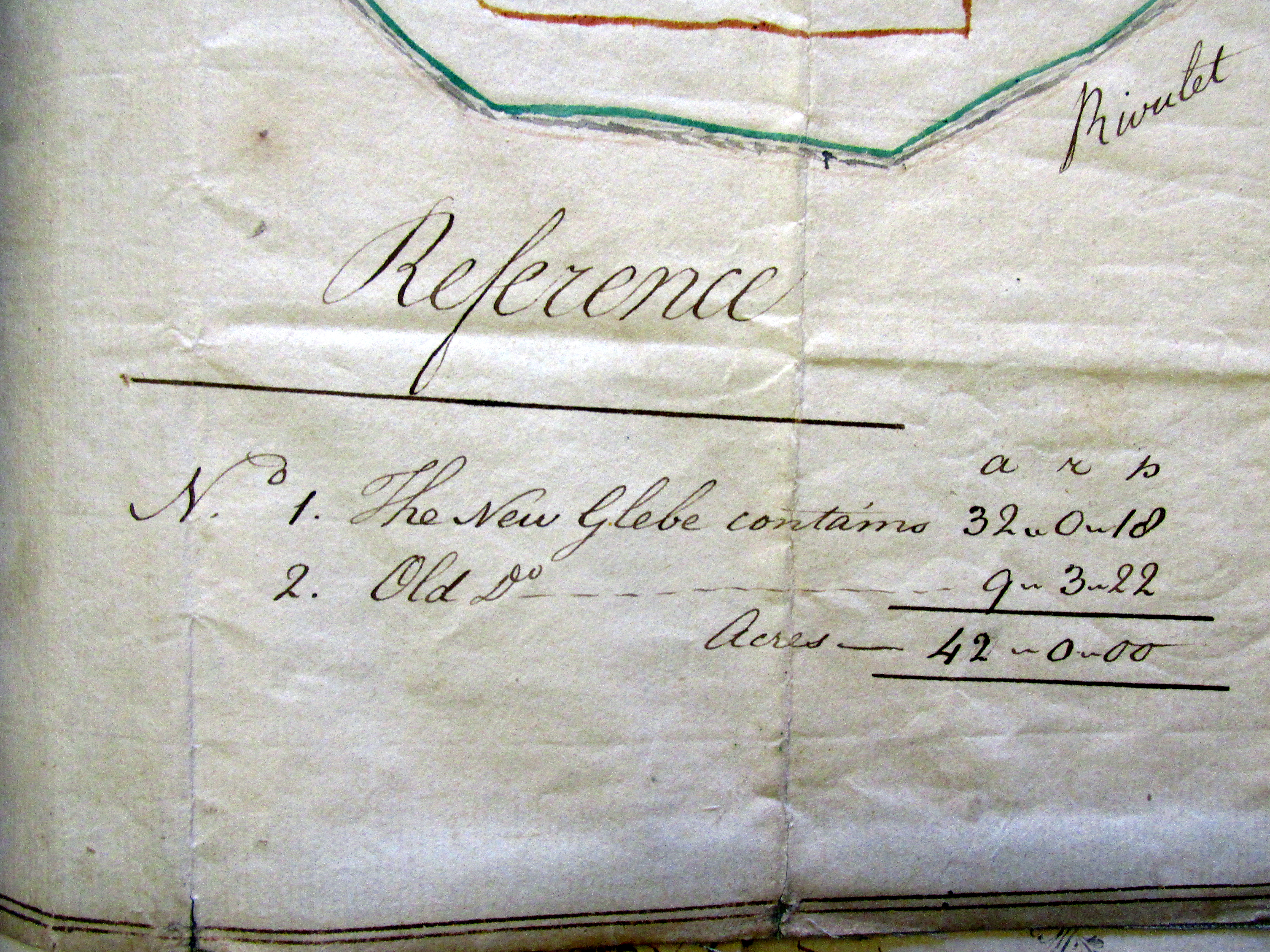
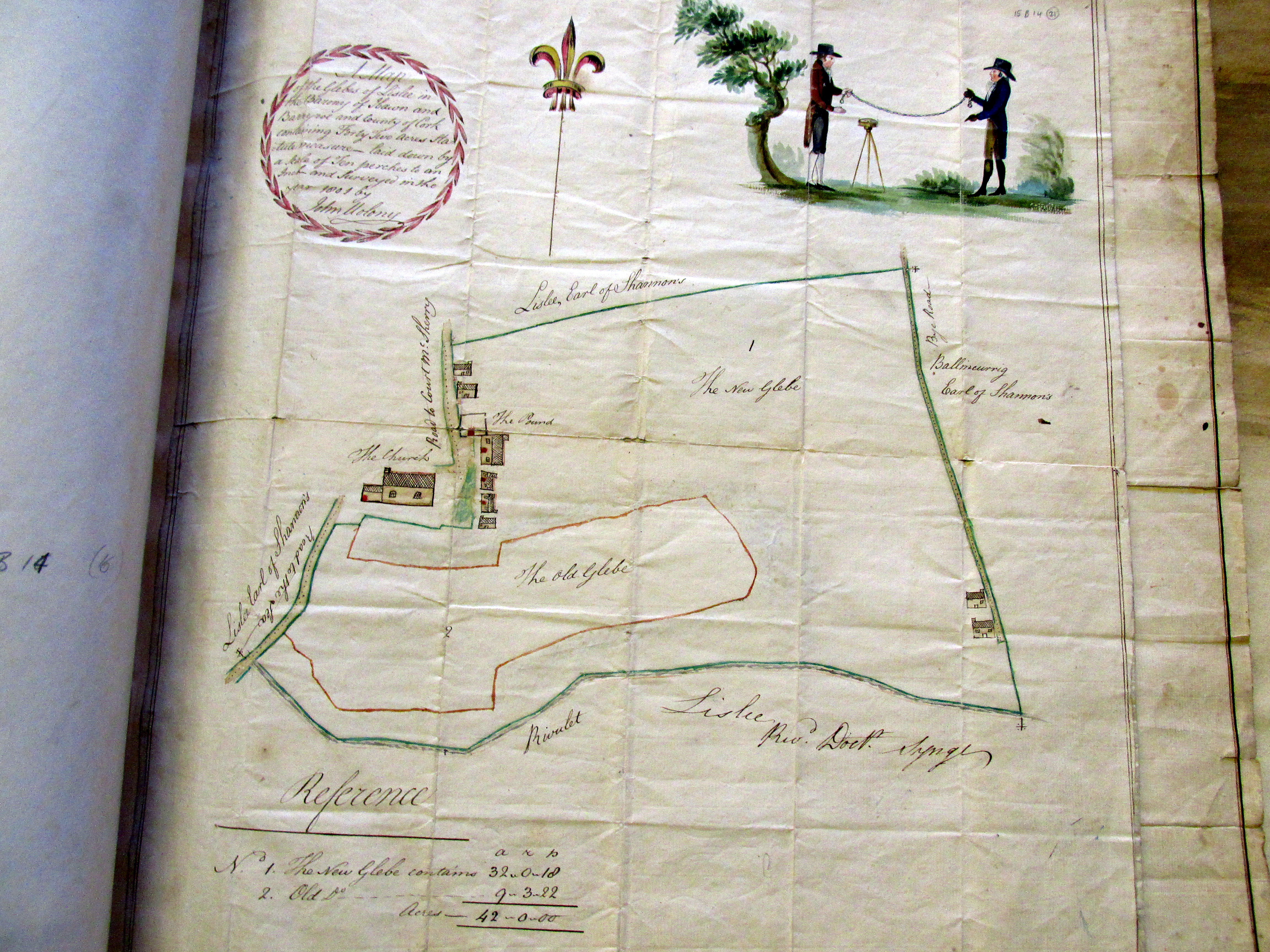
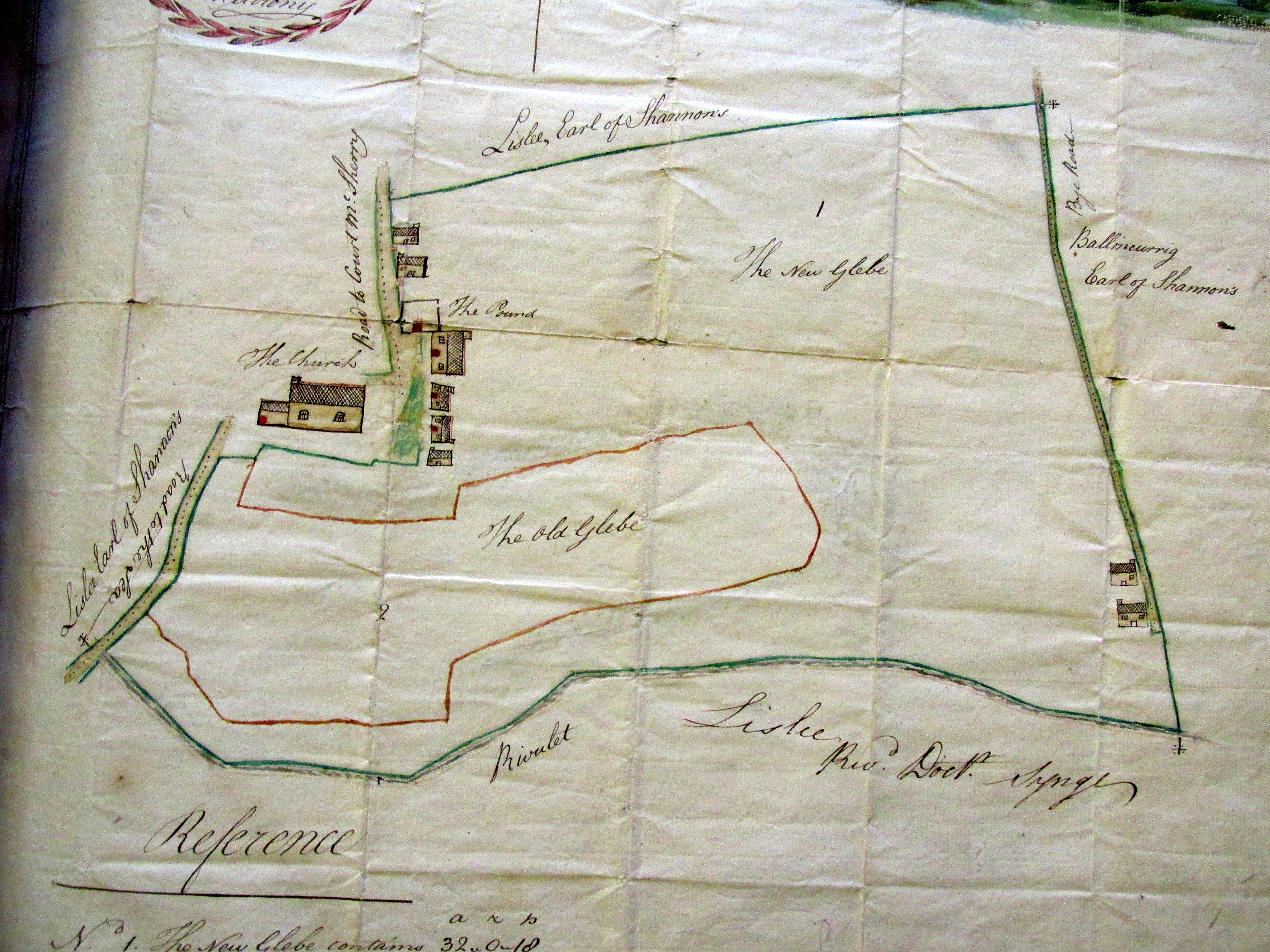
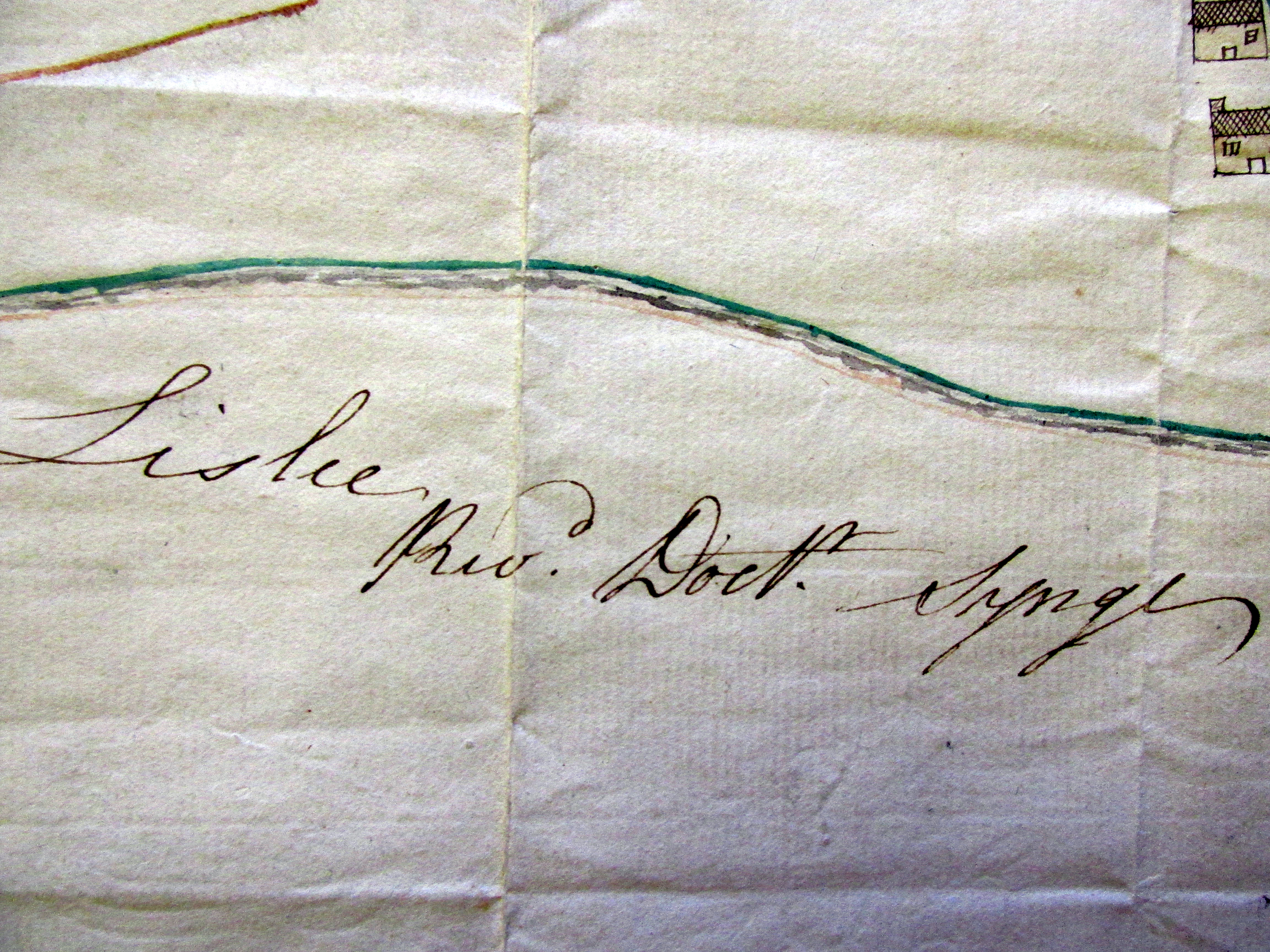
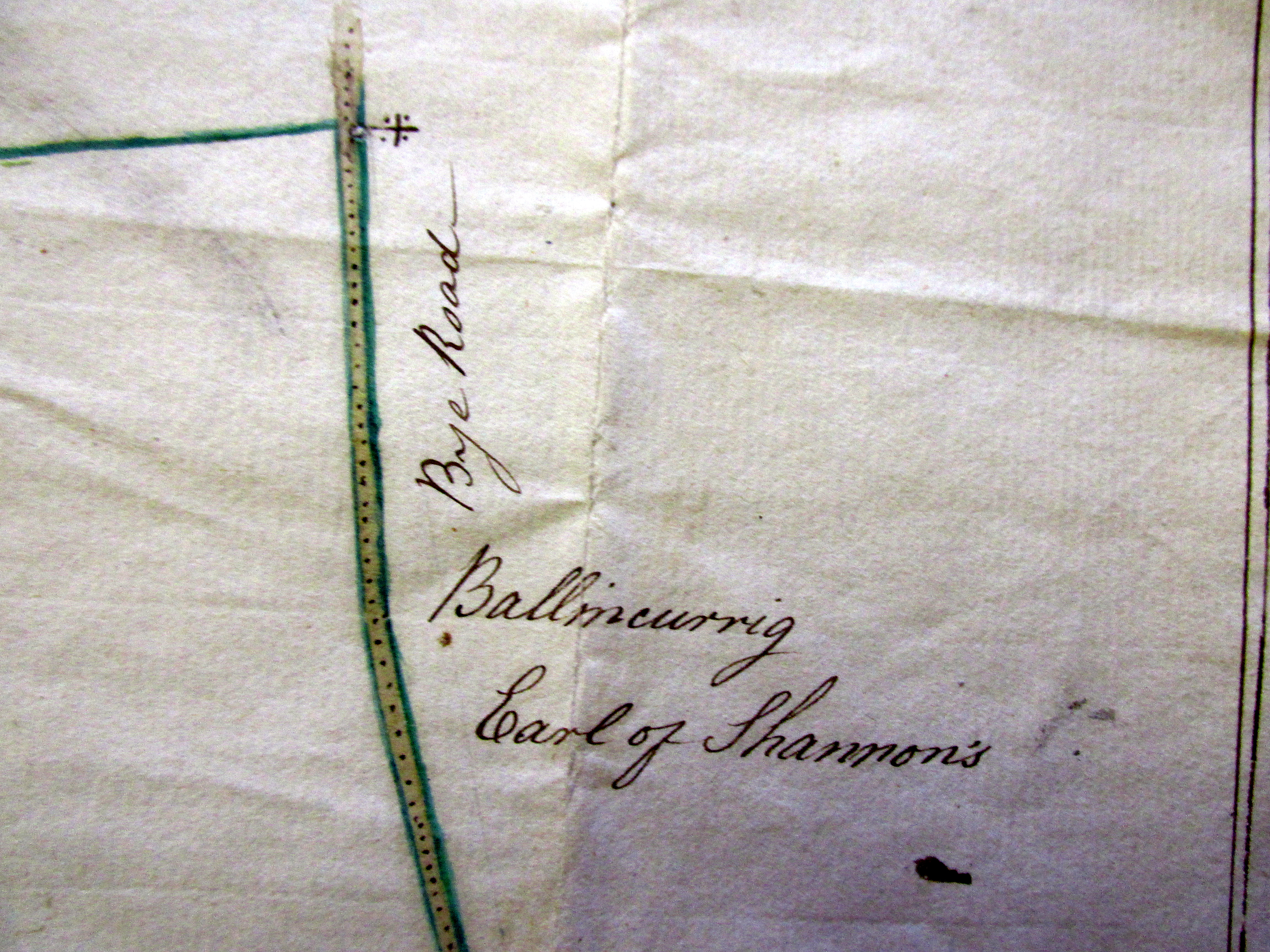
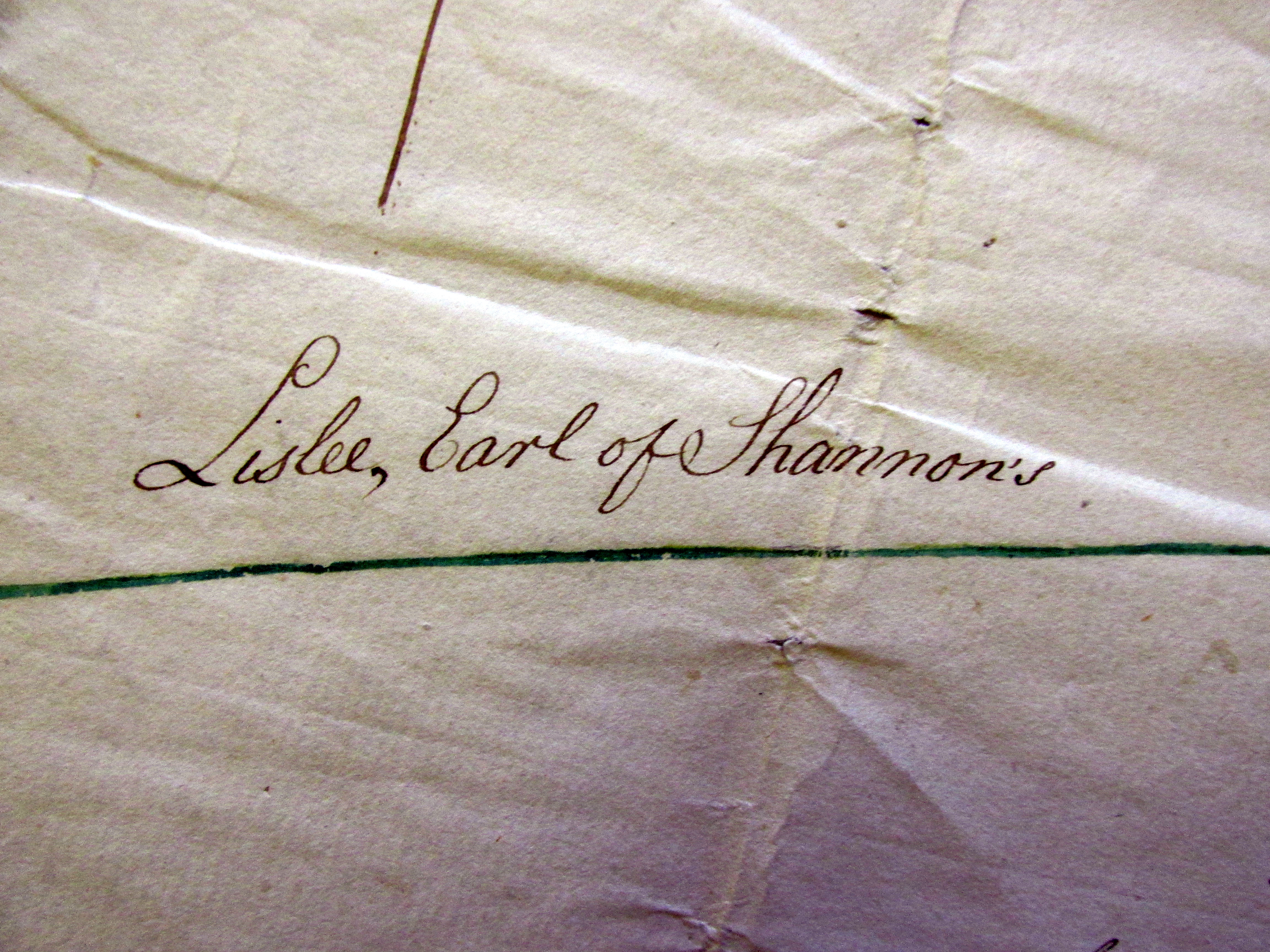
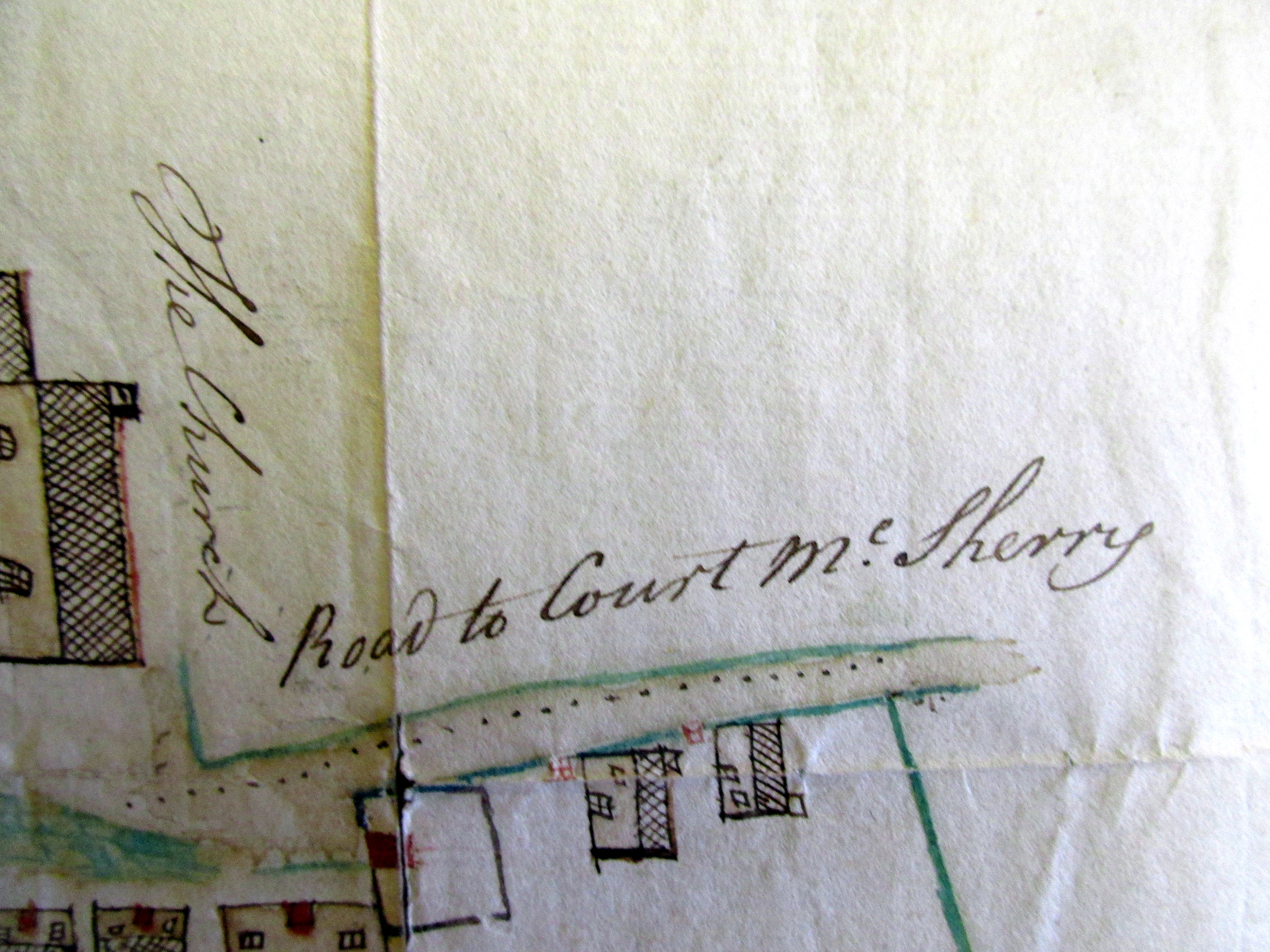
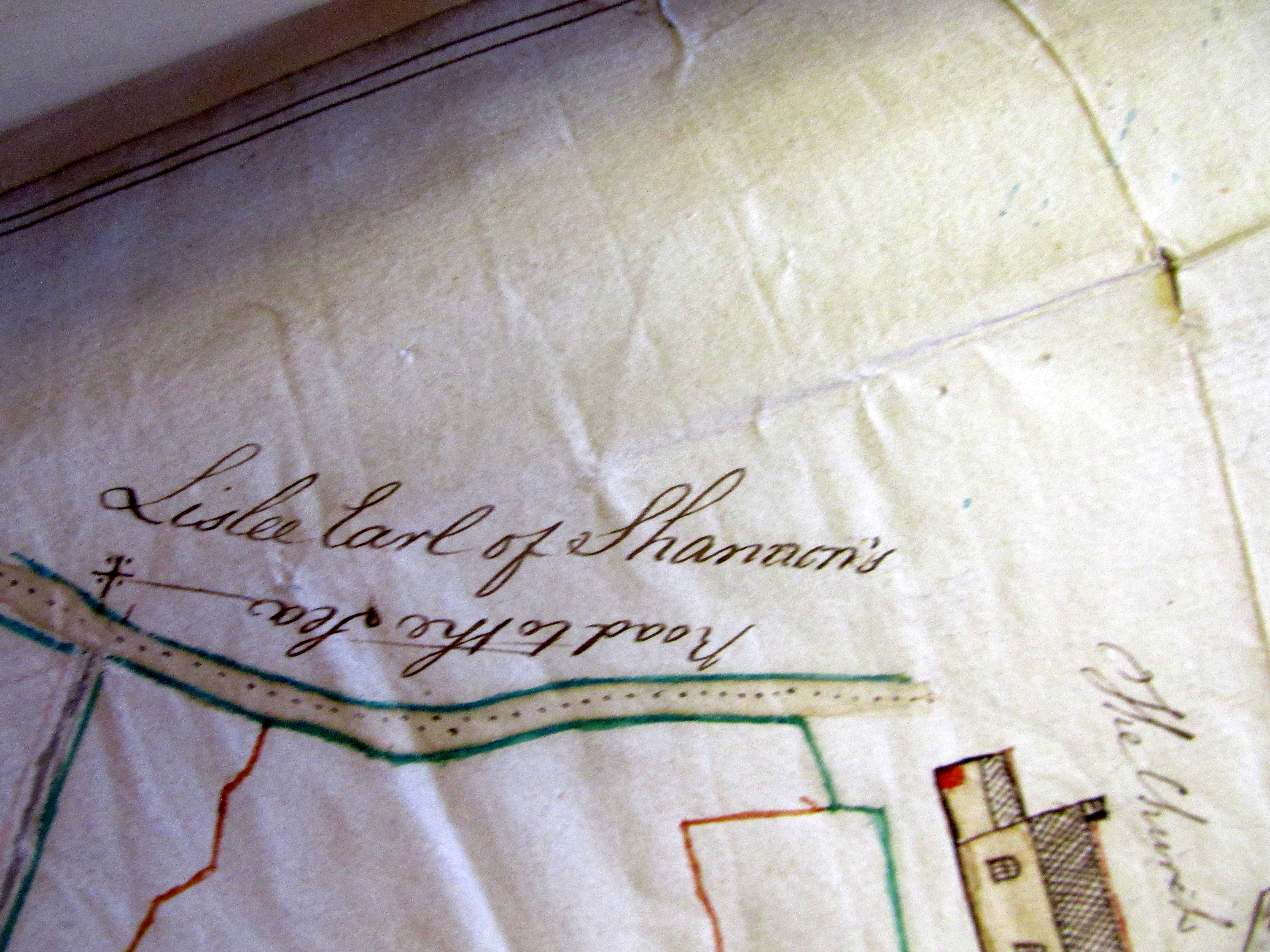
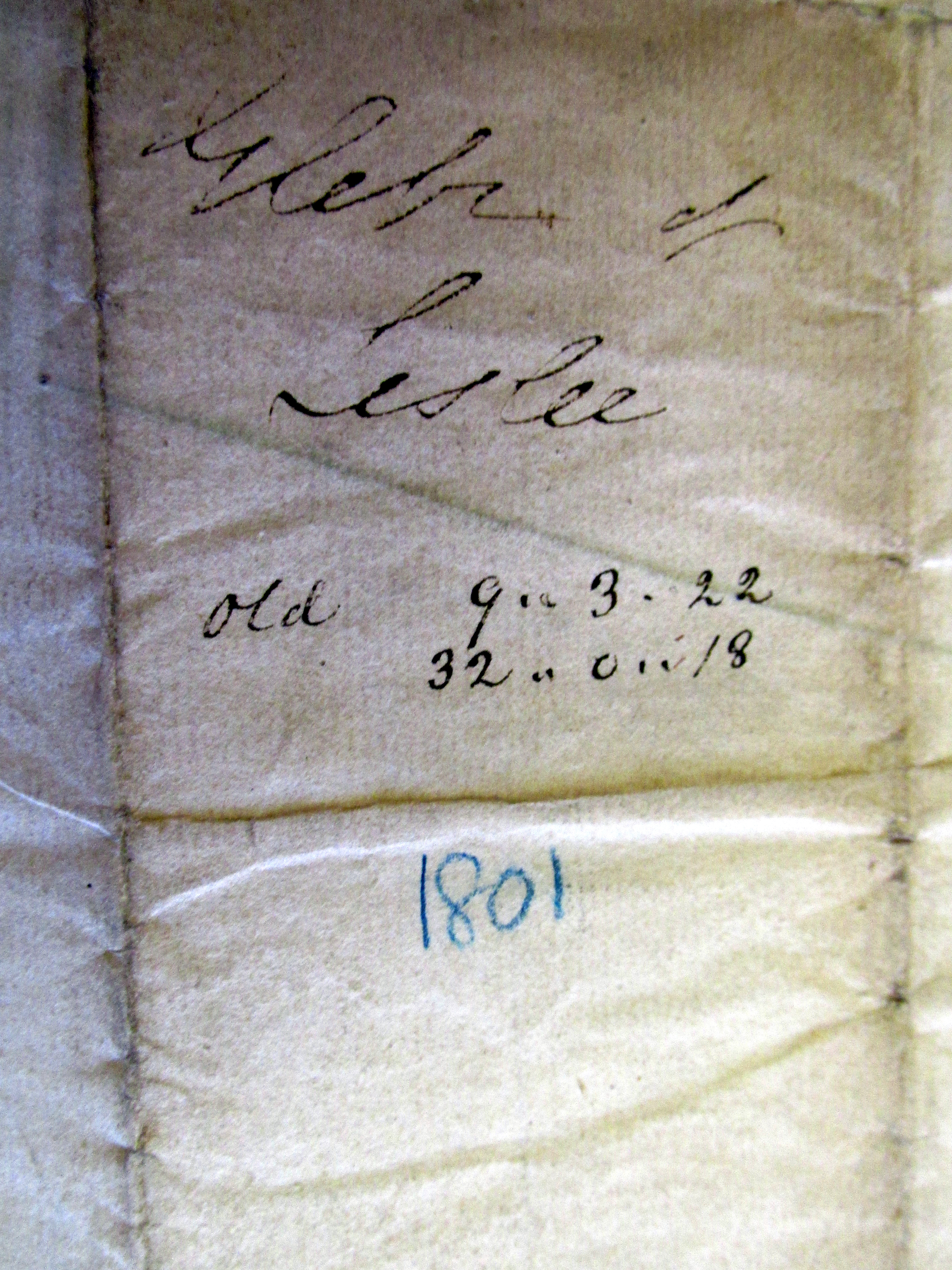
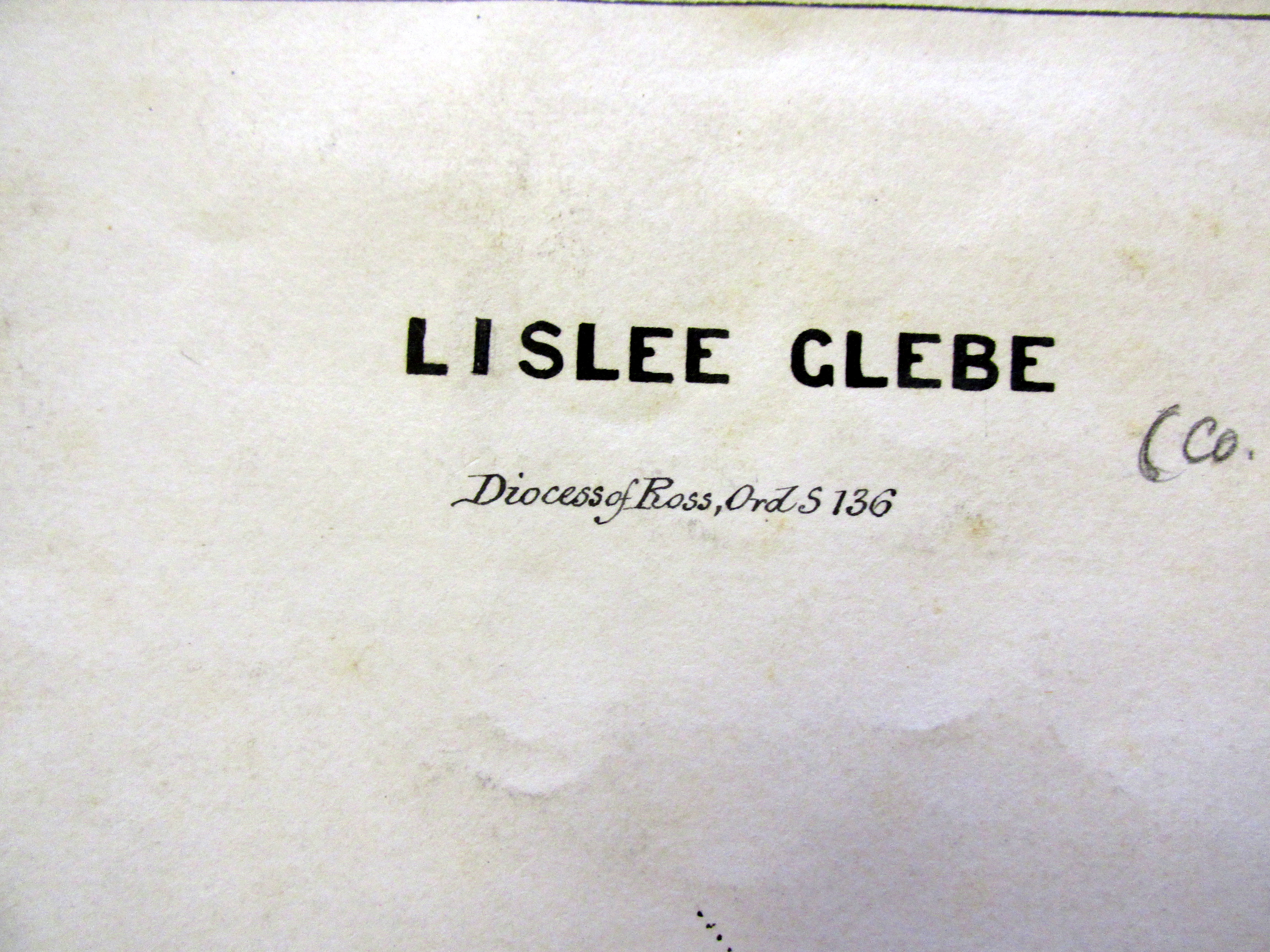
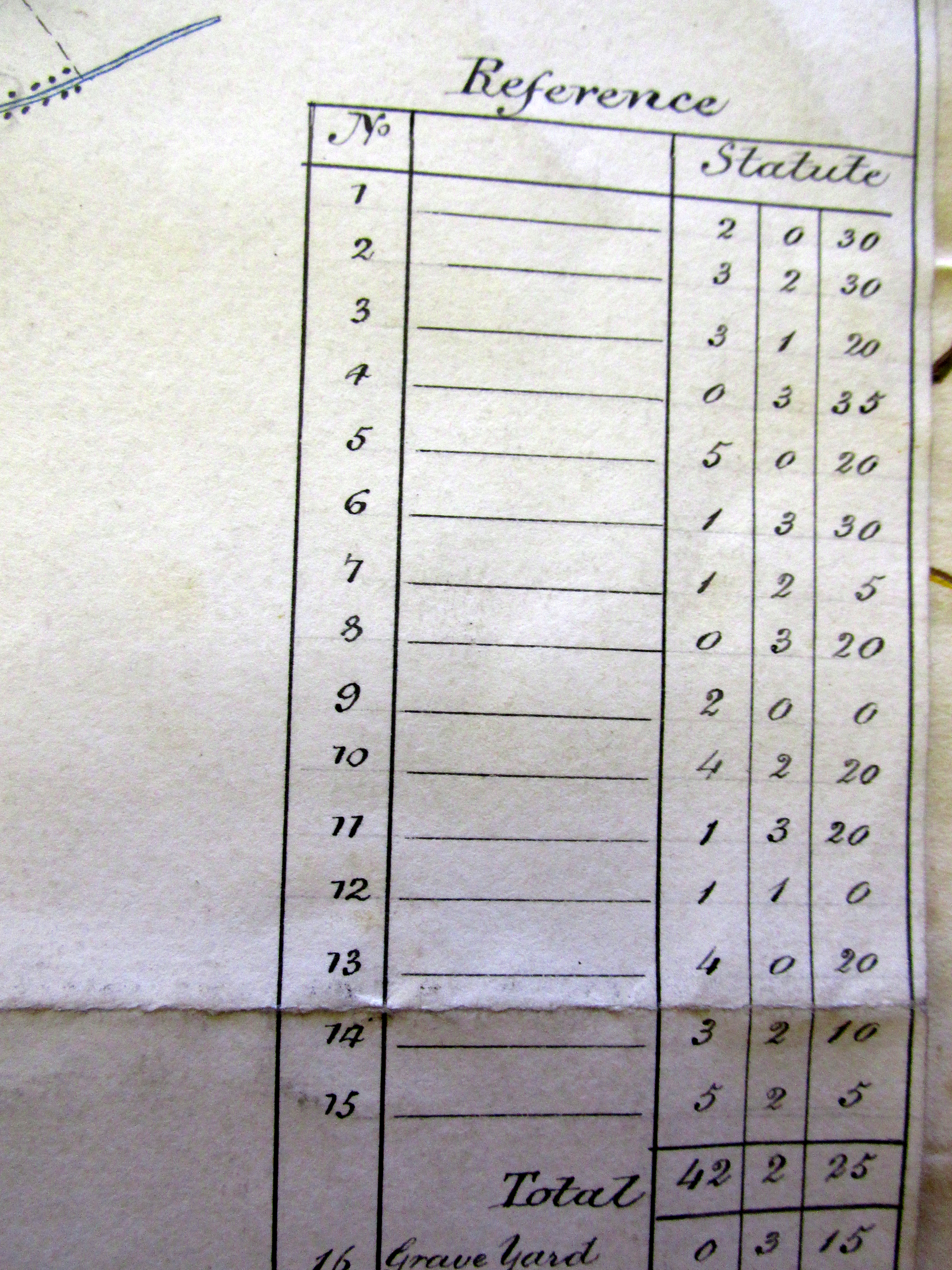
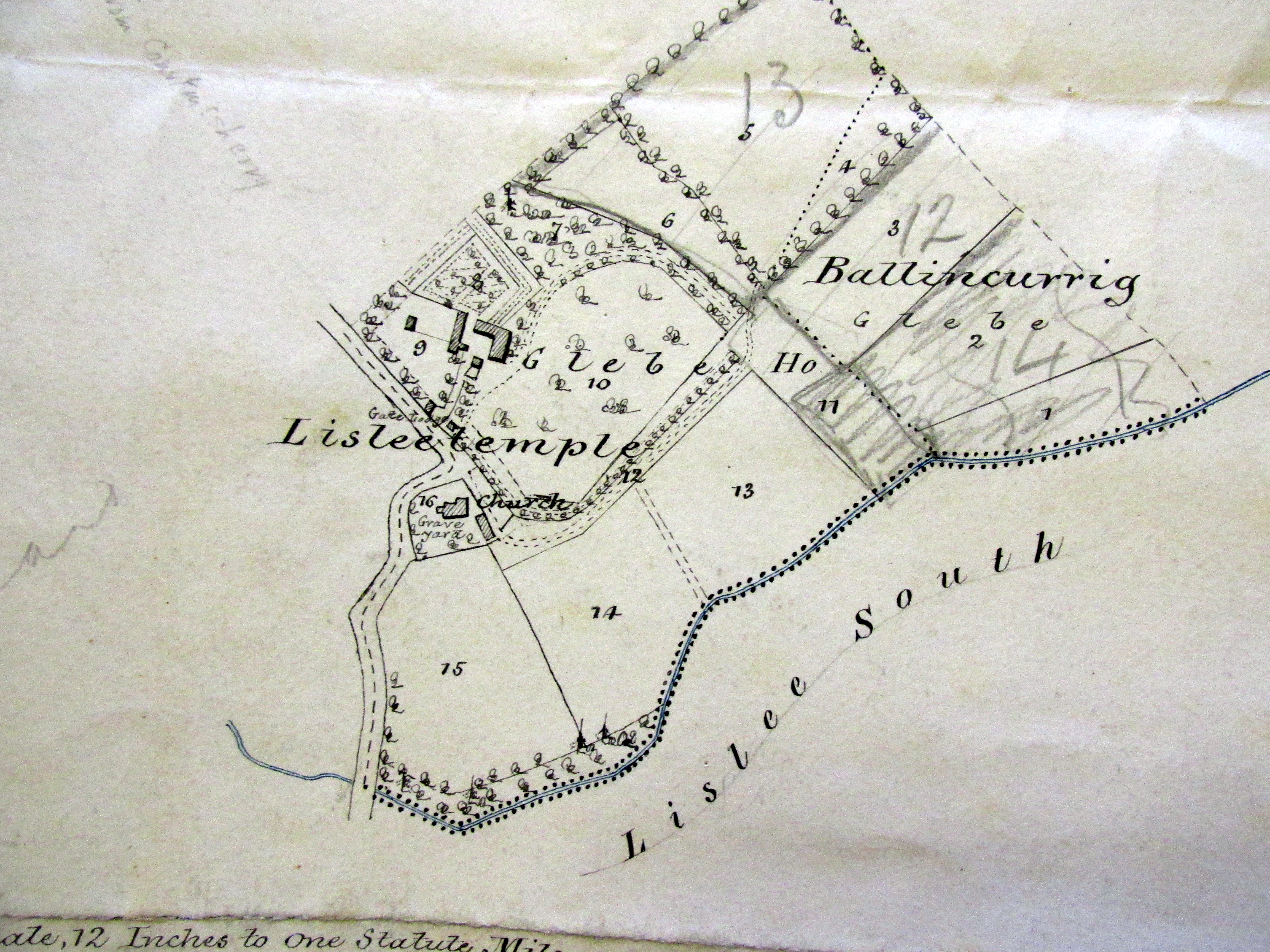
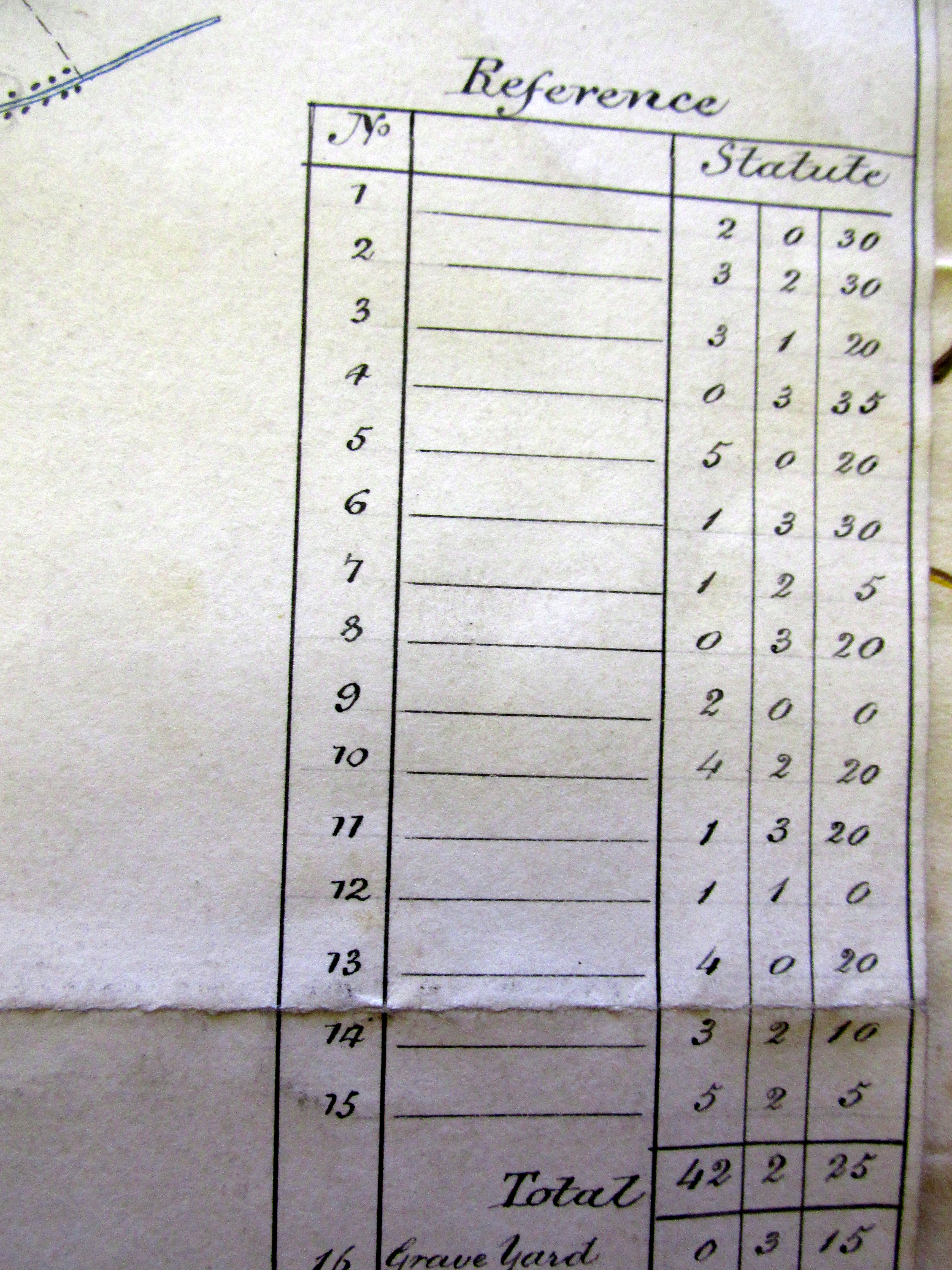
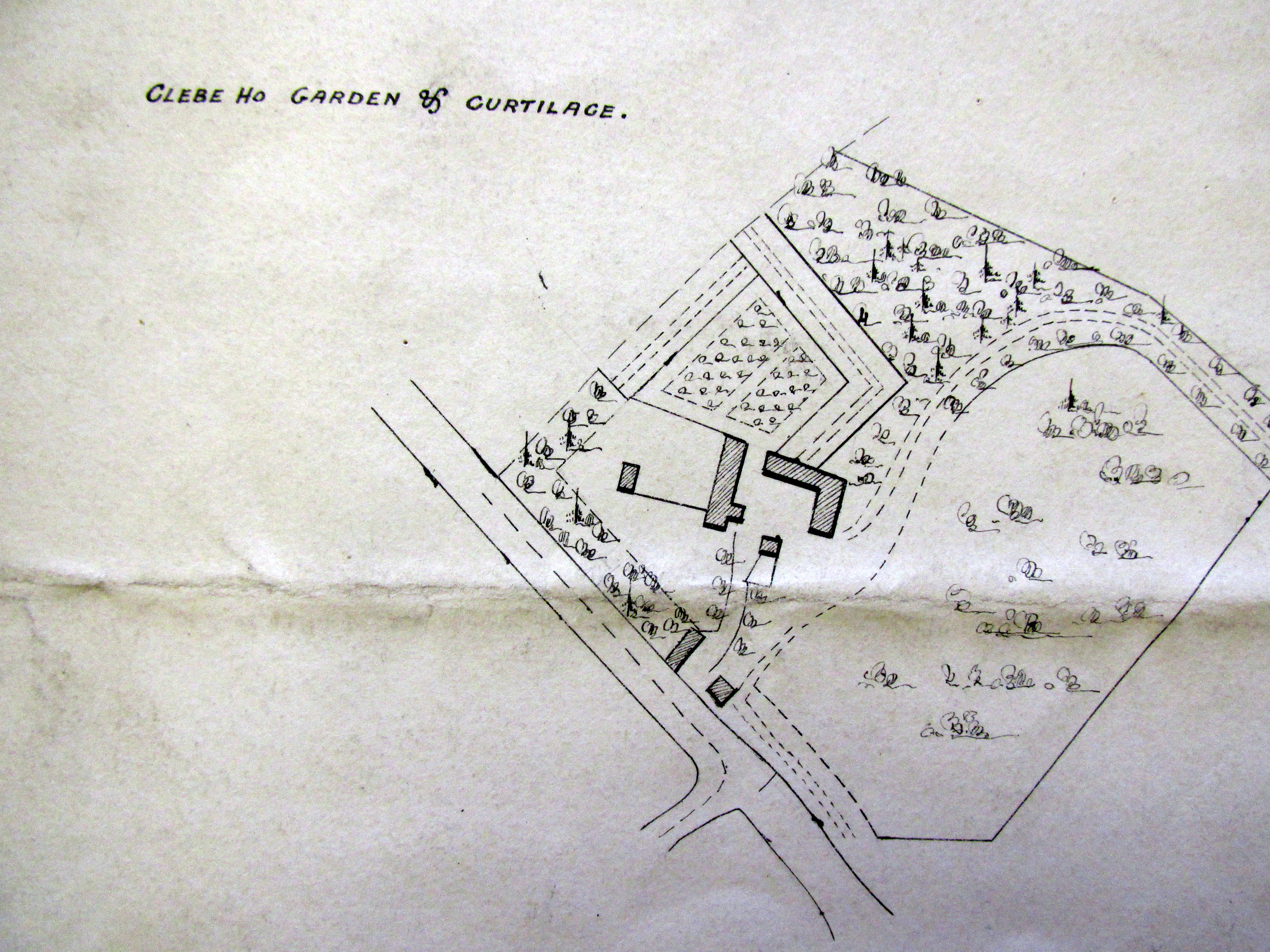
Survey of Lislee Glebe Dioceses of Ross, Co. Cork, Old and New by John Molony 1801 showing Pound, Courtmacsherry Road, Earl of Shannon’s land at Ballincurrig, and Hodges and Foster and Co, Grafton St., Dublin Survey.
Some Lislee Church of Ireland Records
Other Molony Survey:
03 Monday Dec 2018
Posted in Uncategorized
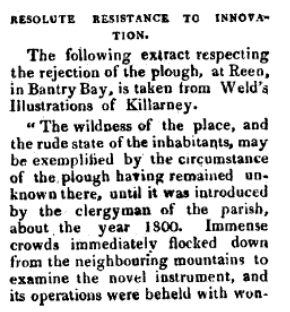
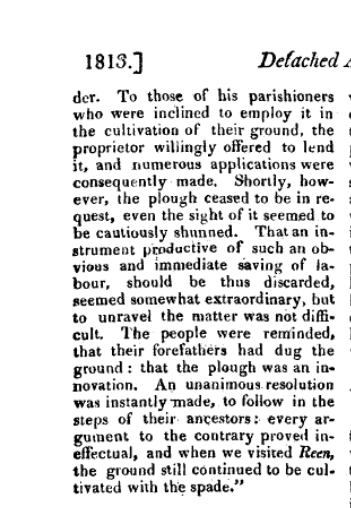
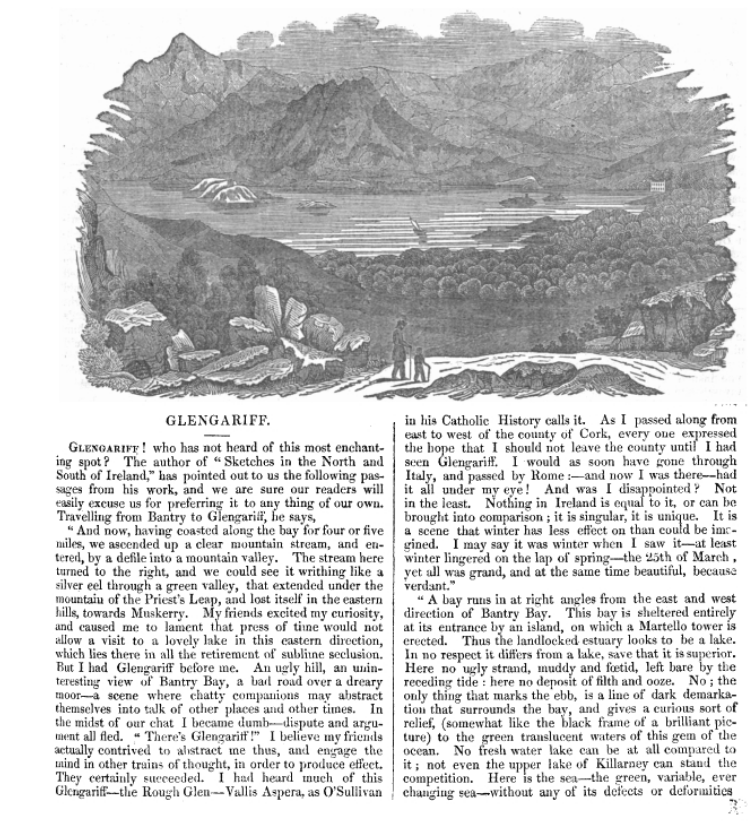
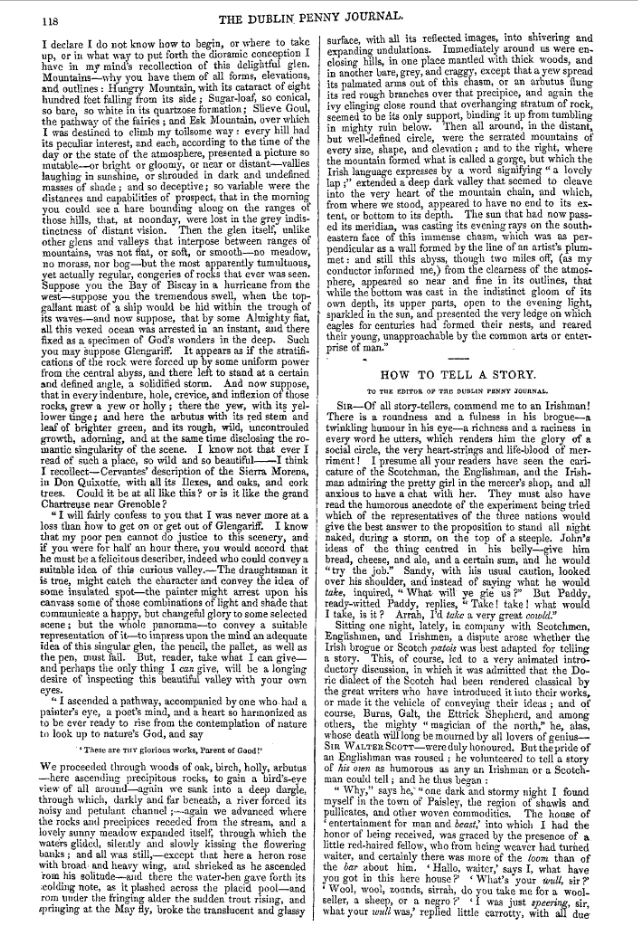
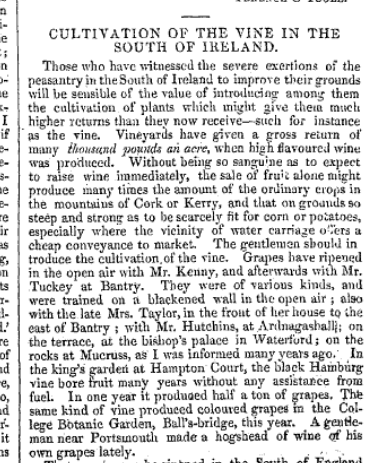
The Belfast Monthly Magazine Vol. 10, No. 55 (Feb. 28, 1813), pp. 120-121.
The assertion may be correct right up to the 1860s there were strenuous efforts by some Landlords and their Agents to promote productive agriculture but with scant results. The Land tenure at the time did not generally help.
This may have been on either the Kenmare (Brown) or Bantry (White) Estate.
..
..
..
..
.
..
..
01 Saturday Dec 2018
Posted in Uncategorized
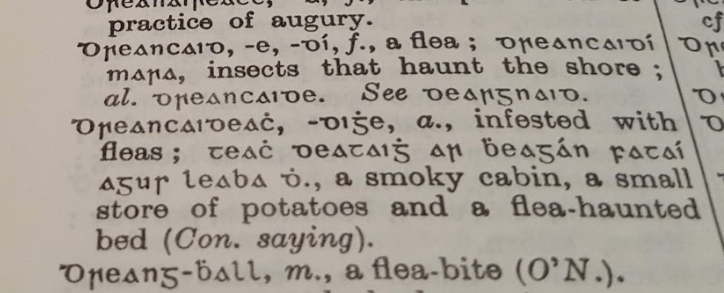
Aiten Alive With Fleas (Dreancaid in Irish) Until DDT Came Along.
Hard to believe now but for those in their 70s upwards a house even prosperous ones was often shared with fleas. As you went down the social scale the more acute the problem. Children would dread going to school exposing their necks with multiple flea bites. The miraculously appearance in the 1950s of DDT and a few puffs on the beds fleas gone. The use of turf for the fire was supposed to exacerbate the problem of infestation.
From the early 1950s DDT was used extensively with miraculous results prior to it being questioned for its long term potential toxic qualities.
https://en.wikipedia.org/wiki/Main_Page
John Philpot Curran, Cork born poor scholar, teacher, journalist, barrister, judge, father of Sarah Curran betrothed of executed patriot, Robert Emmett. Eaten alive by fleas while on circuit in Carlow, wrote ‘An Ode to Fleas’
James Joyce in Ulysses refers to Philpot and the flea.
Dineen’s Irish Dictionary:
01 Saturday Dec 2018
Posted in Uncategorized
1818, 10 Day Cork Election, Electors Names, addresses including County Freemen. Some Speeches by Voters.
Elections pre secret ballot were held with voters announcing their vote on each day of voting.
https://photos.app.goo.gl/mWstfbhokaR33Tou5
1853, Meat, Drink and Entertainment Provided for Electors for Cork Election (Bread and Circuses).
..
24 Saturday Nov 2018
Posted in Uncategorized
1787, Estate of Sir John Freke, Bart, Town of Clonakilty, Tenants Named by Street.
https://photos.app.goo.gl/h1BFHSxF1itvi85CA
Tenants Clonakilty and Baltimore, details of adjoining landowners being updated as transcribed:
FrekeCarbery Estate 1788, Clonakilty
Early Genealogy of Sir Teague O’Regan of Balltnaclohy and Gortniglogh, Killeenlea, near Leap, Carbery West Cork, Temporary holding of lands from 1615 by Sir Walter Coppinger, loss by forfeiture and subsequent restoration under Articles of Treaty of Limerick 1690, later family including fashionable Dr. O’Regan of Mallow and Legal Luminaries, friend of Daniel O’Connell. Estates finally sold by descendants Cagney family early 20th century to tenants.
Some of the extended later family prominent in law or as Harley Street, London specialists.
General area of Leap the old townland names do not feature on modern mapping:
..
..

..


..
Transcription may not be 100% accurate.
In terms of business tan yards, malt houses the embryo linen industry bleach yard of Darby Carthy, Tan Yard Lane. The resilience of the Galweys is remarkable. Their lands in the area forfeit due to rebellion pre 1700 here they are clearly thriving.
…
22 Thursday Nov 2018
Posted in Uncategorized
1684. John Bourk, Phylomath, Almanac, With Faires and Markets, of Ireland, 10th April Bandon, August Enniskeane, Timoleague.

..

..

.

.

.
Some earlier Fairs:
https://wordpress.com/block-editor/post/durrushistory.com/33720
Dunmanway Fairs:
Gurteenasowna (510 acres) Goirtin na Sabhna- Little field of the savin. At Southside is Gearranbaun- Gearan Ban (white incline) where fairs were held.
Moreagh (261 acres) Magh Riabhach- Grey or cold plain. Bealaboy- Beal Atha Buidhe (mouth of the yellow ford) is a ford on the Bandon River between this townland and Nedinagh West. It was noted for its great fair which was sometimes called Aonach Randal Og (Randal Oges fair) from charter granted by James 1 to Randal Og O Hurley in 1615 to hold a fair there.
Nedinagh East (426 acres) Nead an Fhiaidh- Haunt or lair of the deer. Here at the north side of Fanlobbus graveyard-Fan Leaba Ois (slope of the fawns bed) in which are the ruins of the old parish church. Fanlobbus was in early times the centre of the parish as it holds the remains of a 7th century religious house. In the graveyard is a famine pit with the remains of some of the victims of the famine of 1847. Randal Óg Hurley, who built Ballinacarriga Castle, is buried here. Fanlobbus church, which has been taken over for Protestant service, was closed in 1700 and a new place of worship was opened in the town by Sir Richard Cox. This served to 1821. Fearann na hAbhann – Land of the river, Fearann na gCeart- Land of rights and Land of rights and Fearann na gCaorach- Land of the sheep are old divisions of Nedineagh. At the north side is Toberabastia- Tobar a ‘Bhaiste (well of the baptisms). In 1615 Tadhg an Fhorsa McCarthy was granted a patent to hold an annual fair here. At the other side was the fair green.
20 Tuesday Nov 2018
Posted in Uncategorized
The Co. Antrim Rolls give an idea of the scale of the catastrophe inflicted on the Irish People in 1922.
Click to access hearth_rolls_of_county_antrim.pdf
1792, Return by Thomas Wren, Inspector general of Hearth Money. Cork with over 76,000 Houses..
The Hearth Money Tax rolls recorder ll households by townland even where no tax was paid from c 1650s. All were destroyed in 1922.
From Thomas Newenham, 1809.


..
1743. Command from Custom House, Dublin re Hearth Tax Collection.
https://wordpress.com/post/durrushistory.com/31532
1737. Fragment Heart Tax Roll. Hearth Tax Rolls for Co. Antrim.
…
20 Tuesday Nov 2018
Posted in Uncategorized
1851 Census Summary Family of Joseph and Heater Roycroft, Kilpatrick, Schull, West Cork.
The Old Age Pensions Act 1908 introduced a non-contributory pension for eligible people aged 70 and over. It was implemented from January 1909 in England, Wales, Scotland and Ireland. To be eligible, applicants had to be 70 years old, to have an income of less than £31.10.00 per annum and to ‘be of good character’. During the first three months of 1909, 261,668 applications were made in Ireland. By 31 March 1910, 180,974 Irish pensions had been granted. The level of take-up from those eligible in Ireland was 98%, as opposed to 45% in England and Wales, demonstrating the need for such a measure due to widespread poverty. The full pension of 5 shillings per week for a single person, or 7 shillings per week for a married couple, was available to those with an income of less than £21.00.00 per annum.
Proof of age was an essential part of the process of application for a pension. Because civil registration of births did not begin in Ireland until 1864, applicants had no official documentation to prove their age. It was decided that searches of the 1841 and 1851 census returns, still in the Public Record Office at this time, could produce acceptable documentary evidence of a claimant’s age. The claimant had to provide parents’ names and their residence in March 1841/1851. They also had to state the age they believed themselves to have been in the appropriate year. These forms were sent to the Public Record Office where searches were carried out to prove eligibility. When a search could not find the claimant, the form was returned with ‘not found’ or ‘no trace’ written on it. Even then, you will get the claimant’s version of his family members’ names and location in 1841 or 1851. But many searches were successful, and these can often provide the names and ages of every person living in the claimant’s household at the time of the relevant census.
The records now online can be searched by census year, forename and surname of claimant, claimant’s present address, forename and surname of claimant’s mother and father, and townland/street, parish, barony and county where resident in 1841 or 1851.

20 Tuesday Nov 2018
Posted in Uncategorized
1809 West Cork Census Population, Religious Breakdown Land Estate Rental, Schools, Thomas Newenham, Coolmore, Carrigaline, Relying on Catholic Bishop of Cork Diocesan Returns.
Newenham produced a number of books promoting good agriculture and native industry. He uses extensive statistical data from Customs and Excise returns, the Heart Money Tax Returns (destroyed in 1922) and in this case the Catholic Bishop of Cork and Ross gave him access to a census he had the clergy carry out.
Newenham Estate:
http://landedestates.nuigalway.ie:8080/LandedEstates/jsp/family-show.jsp?id=2852
Rents trebled in Durrus between On Evanson Estates 1882 and 1809. The Parish Priest presumably made this return. The Evansons were the largest landlords having two estates. the larger (a leasehold interest expiring c1853) following their financial difficulties was rented from the Bernards (Later Lord Bandon) of Bandon from c 1715. When the Bandon estate recovered the lands the village of Carrigbui (Durrus) was a collection of mud huts which Lord bandon cleared and built the modern village. The electoral area of Durrus West was one of the worst affected in the famine in terms of mortality in Ireland. The only improvement carried out on that estate by the Evansons was the building of Durrus Court c 1810. On their other estate across Dunmansus Bay comprising three townland they built Friendly Cove and the Grain Store and kiln c 1795. The legal tenure may be faulted as they probably would have had difficulty raising money the family seem to be in financial trouble from the 1790s given the rent charges on the estate they had a freehold interest in. Unlike other estates in the area athey is no evidence they gave lease even to larger tenants.
The huge increase in rents were no confined to the Evansons. On the Beecher estates west of Skibbereen in the 1850s Landed Estates sale it was stated that the market rent was four times the rent the Beecher received as they sold long leaseholds in the 1780s to alleviate financial distress. The Diocesan returns referred to quote multiple examples of trebing or rents increasing by a factor of four.
https://docs.google.com/document/d/1c550F3fK7ZT0qUzH4DjP4I87TPHU5-yK-l4D-_cH-E4/edit
1851 Census Summary Family of Joseph and Heater Roycroft, Kilpatrick, Schull, West Cork.
..
…

..

..

..

..

.

..

…
Thomas Newenham acknowledges his friend Lord Carbery’s of Castlefreke, Rosscarbery, contribution in providing information on Ballyroe (Clonakilty). it is likely they were part of group promoting local development at the time.
Lord John Carbery (Evans-Freke) 6th Baron Carbery (1765-1845), 1821, Castle Freke, Rosscarbery. Son of Sir John Freke, married 1783 Lady Catherine Charlotte Gore succeeded by nephew George Evans-Freke. MP Donegal and Baltimore. Grandmaster of Freemasons in Munster. 1809 assisted his friend Thomas Newenham, Coolmore, Carrigaline in his publication on Ireland providing information on Ballyroe (Clonakilty). 1817 Chairing Cork Committee of Linen production an encouraging local development. 1822 signed Memorial for new road Bantry/Durrus/Kilcrohane part of his estate was Ballycomane in Durrus. 1821 writing to Chief Secretary re disaffection, Castlefreke, Clonakilty, sitting Rosscarbery, 1835. 1822 Lord Lieutenant sends £500 for local distress. 1822 Cork Trustee for The Encouraging Industry in Ireland. Protestant protest meeting Cork 1834. Author of pamphlet 1832 urging reform of Cork Grand Jury. Reputed to have bell rung in London church on hearing of death of Father John Power, Parish priest Kilmacabea. Subscriber 1821 Dr Thomas Wood’s ‘Primitive Inhabitants of Ireland. Present at enquiry Skibbereen 1823 into enquiry into fatal affray at Castlehaven caused by Rev. Morritt’s tithe extraction. 1823 Blamed notorious tithe extractor Rev. Morritt for fatal affray at Castlehaven, welcomed Petty Session Courts and urged abolition of Manor Courts. Subscriber Lewis Topographical Dictionary of Ireland 1837. listed 1843. Lord of Manor appointing Seneschals. Member Commission on Magistrates 1838. Member provisional Committee projected Bandon to Bantry Railway 1845. HIs life size statue in Rosscarbery Cathedral has an inscription how he founded schools in various parts of his estates, clothed the surrounding hills with trees and improved agriculture and the amelioration of his countrymen’. Carberys intermarried with O’Driscoll family. Left estate valued at £90,000, worth perhaps €60-70 million in 2018 terms. Left rental of estates for life to his wife. On his death he directed that the principal family seat and residence should be Castle and that his inheritor should reside there at least four months in the year. If the inheritor was to become Roman Catholic, the interest in the estate would cease and go to the next in line provided such party was Protestant.


