Winispeare and Associated Families in West Cork from 1640s


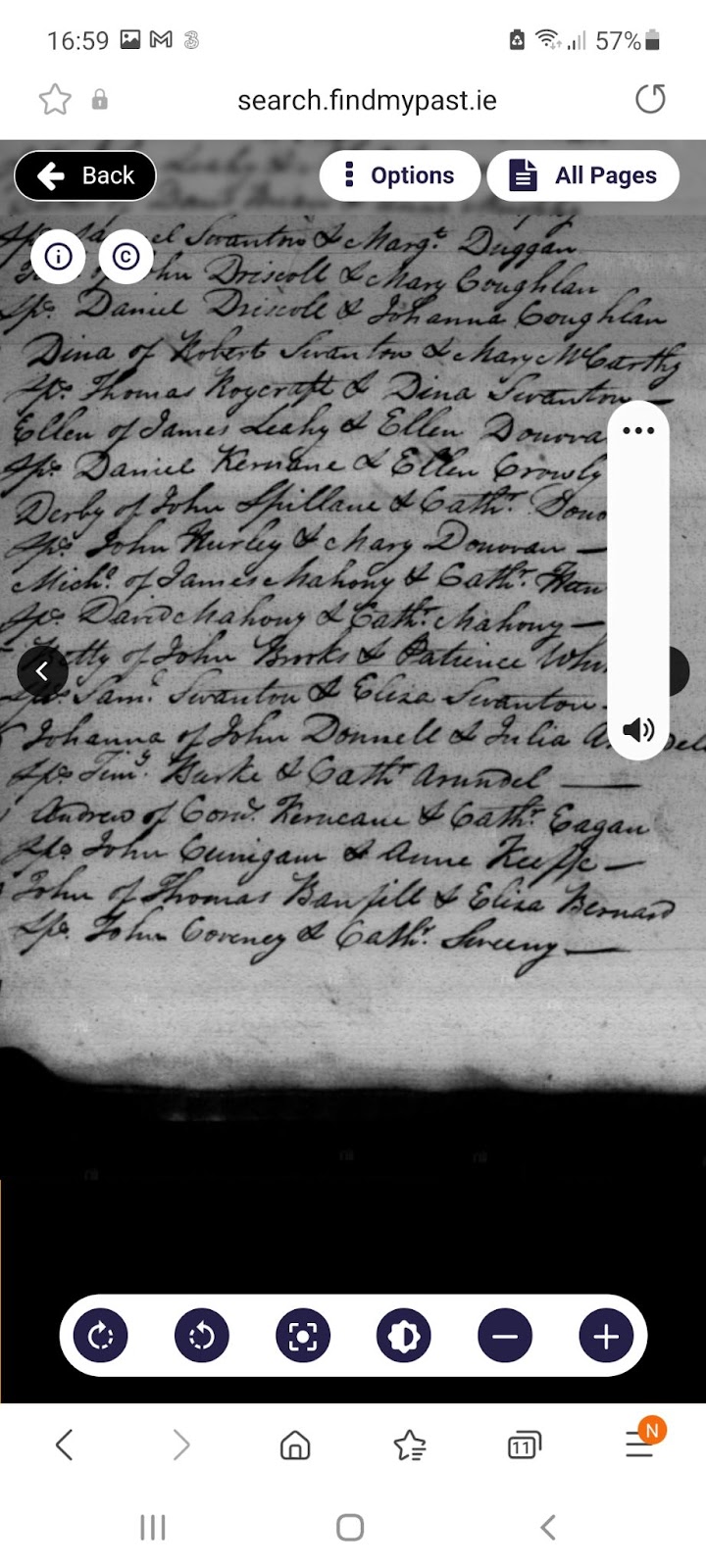
This Is an attempt to try and throw some light on early settlers to the Bantry area post 1600 probably involved in the maritime trade.

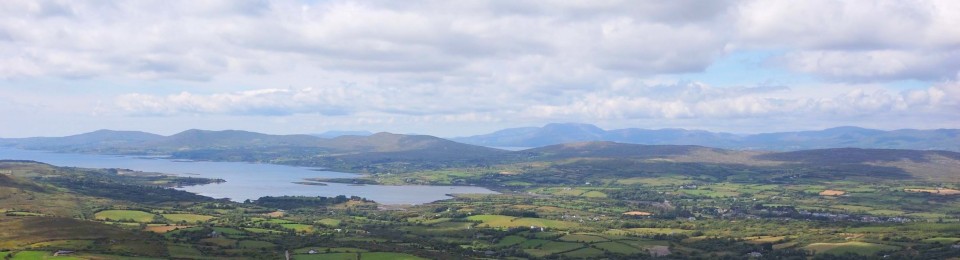
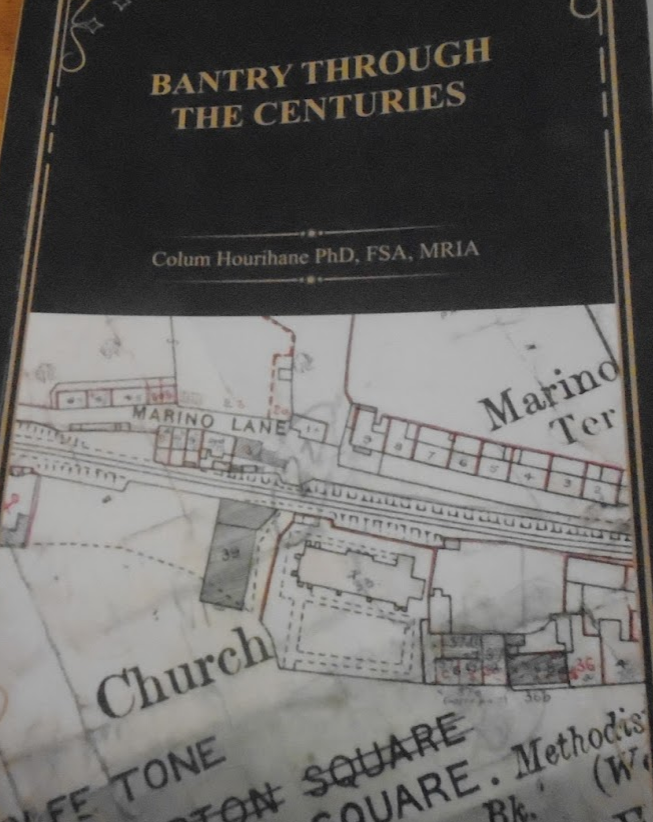
Bantry historian Colum Hourihan shows the early settlement at Blackrock, a timber settlement  some area to the west of Bantry House. It is likely some of the early English settlers lived there but now there is  no trace.

.

The first mention is of John Winispear around 1648 petitioning the authorities in London concerning the utilisation of local timber.

From the scraps that have survived there are Winspear marriages to the Notter (of German Protestanat Palatine origin, Crookhaven), Jermyn probably Mizen, Raddy (Scart outside Bantry) O’Sullivan probably Bears but in some associated deeds there are Kenmare O’Sullivans, possibly Trenwiths of Beara.

It is also possible that associated families such as Attridge, McCarthy, Hungerford,Toye and Hegarty might be connected.

Into the general mix are people like Beversham Harman, a middle man on the Lord Kenmare, Beara Estate

The Winispears are in Rossmore in Durrus in the 1730s a major centre in the pilchard industry. In various deed concerning the general area and the names of Cork merchants, Coppinger, Meade, Wouilfe,  who would have an involvement in the industry until its sudden collapse. The Beazleys Cooper also feature.

Given the general background of the associated families you can almost get the tang of the sea.

If the 8.5 million Land Commission document stored in a warehouse in Portlaoise ever sees the light of day pre 1700 deeds might clarify the situation.

As DNA testing becomes more widespread it might throw up more genetic links. So far it seems that a large cohort of the population of West Cork and theru worldwide descendants have a far more mixed background then  was supposed to recently.

..

Petition from John Winspeare, c 1648, Shipwright, living near Bantry Bay, West Cork, Timber for Staves, Propositions for Felling.

SP 46/130/70

Description:

Petition from John Winspeare to [?]. Writer, a shipwright living near Bantry Bay, co. Cork, now makes his livelihood `upon the fishing trade’. He has found in neighbouring woods much `knee timber, standards and ripe staves’ which would be useful for shipbuilding. He asks `your worships’ for permission to fell timber, and to build `any lighter or boats for the carriage’ to the eventual port for transportation [? to England], and gives details of suggested payment for himself for delivering the timber, prepared for use, `on board in the river of Kilmarr [? Kenmare] in Bantry Bay’; he also calculates freight charges. Endorsed (different hand): `John Winspeare his proposition touching felling, squaring etc. of timber and of woods in Ireland’.

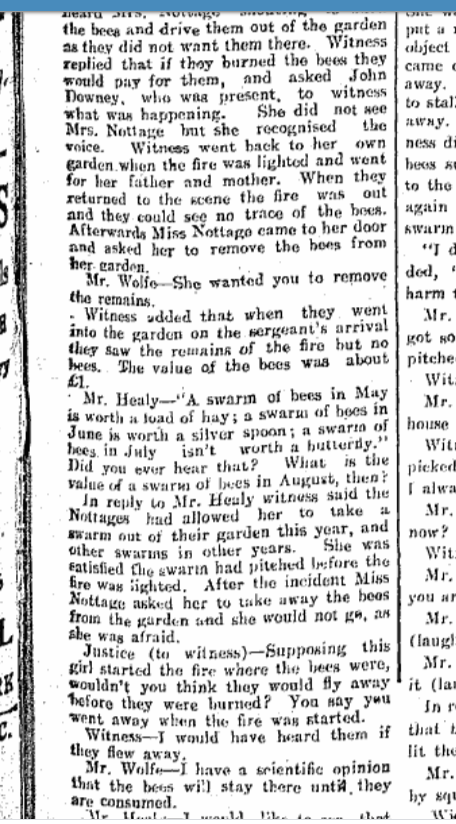
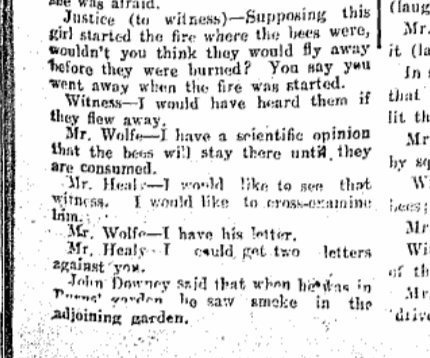
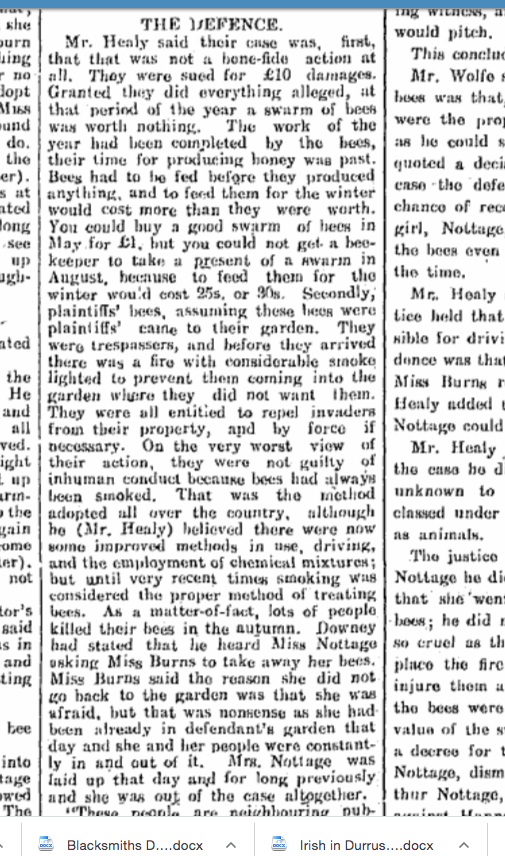
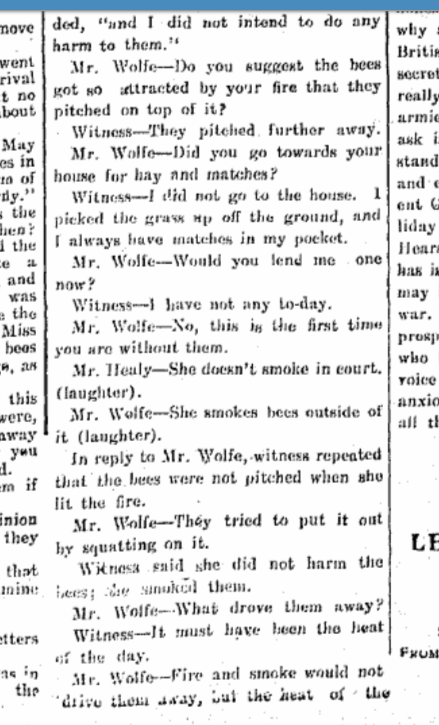
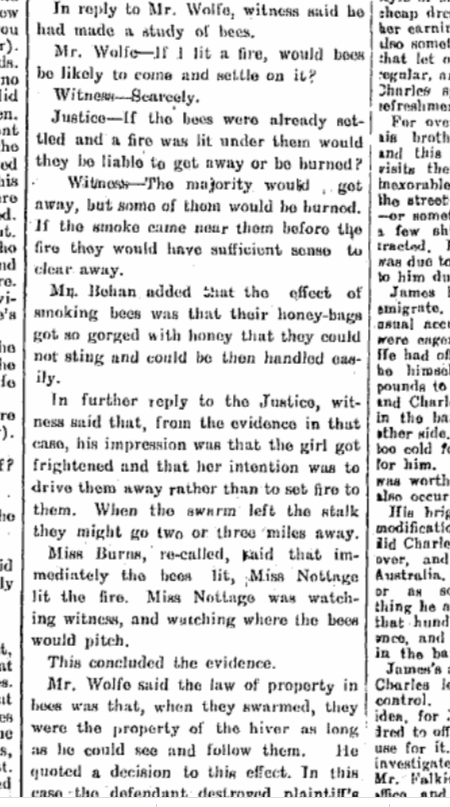
1928.   Busy Bees Barred at Crookhaven But they Buzz Boisterously at Skibbereen Court. Jurisprudence of Bees in Crookhaven, Bees are Animals. Bees when Burned Evaporate.  Music Hath Charms to Soothe The Savage Bee. You Can’t Bring  The IRA Now!’  A Swarm of Bees in May is Worth a Load of Hay, in June A Silver Spoon, July not Worth a Butterfly.


1928.   Busy Bees Barred at Crookhaven But they Buzz Boisterously at Skibbereen Court. Jurisprudence of Bees in Crookhaven, Bees are Animals. Bees when Burned Evaporate.  Music Hath Charms to Soothe The Savage Bee. You Can’t Bring  The IRA Now!’  A Swarm of Bees in May is Worth a Load of Hay, in June A Silver Spoon, July not Worth a Butterfly.

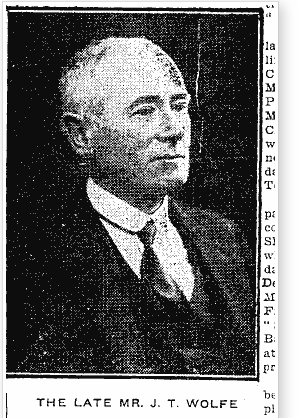
Apart From the quarrelling neighbours the solicitors were Jasper Wolfe, still alive in West Cork folklore for his wit. One time Crown Prosecutor for West Cork later Independent TD and President of the incorporated Law Society.

The Other solicitor Thomas Healy, state solicitor for West Cork

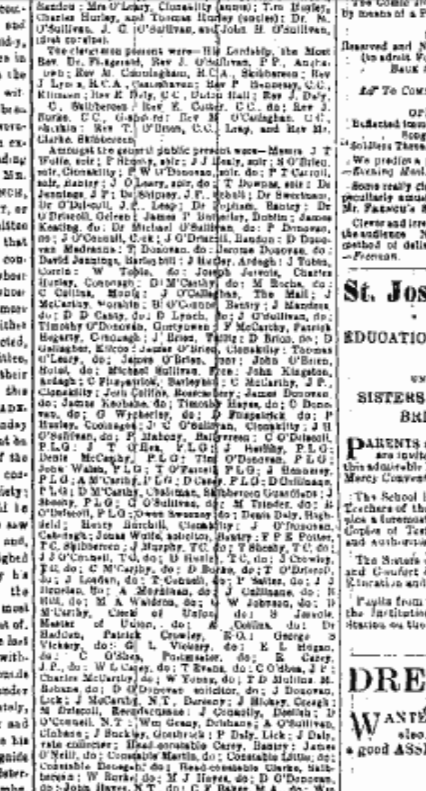
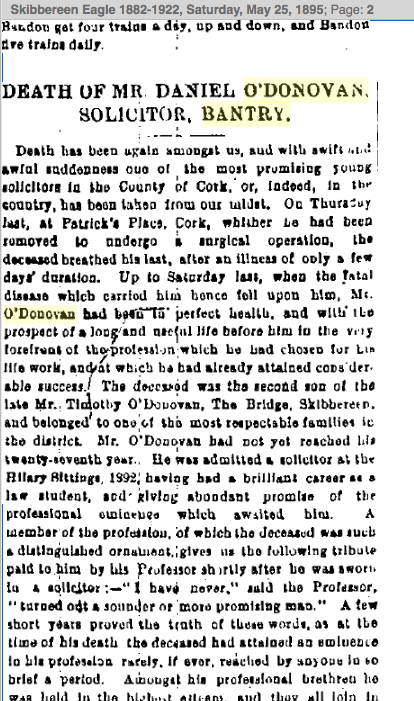
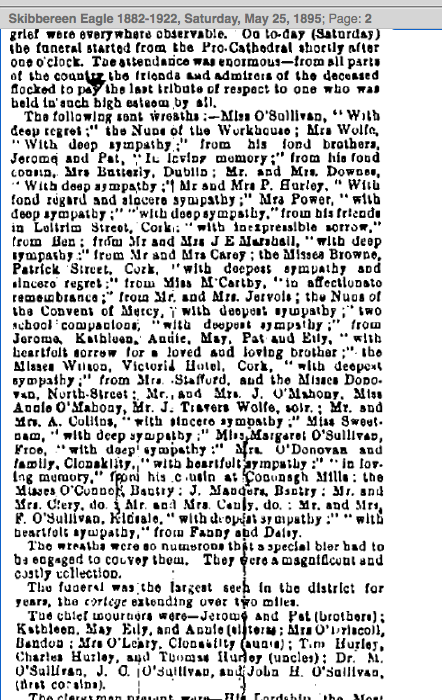
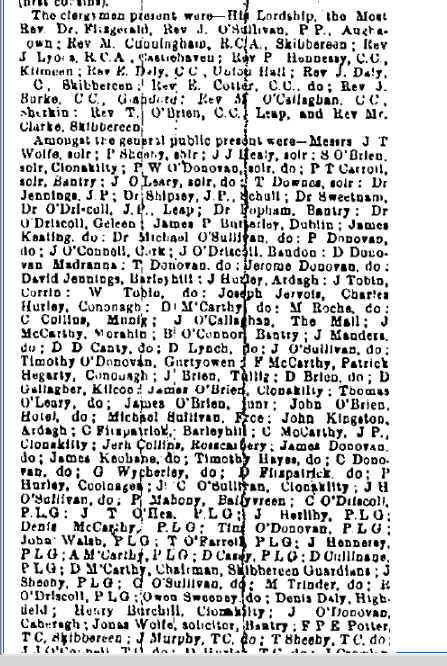
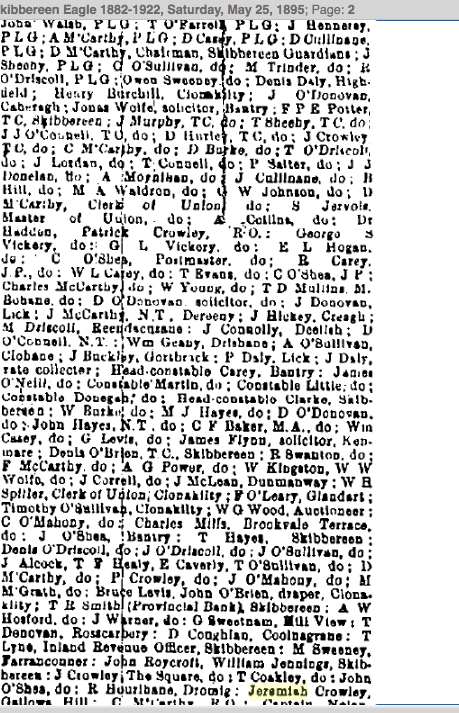
1884, 1917 Jasper Travers Wolfe Solicitor, Crown Solicitor, TD “Norton, Skibbereen, 1st place Law Society Final Exam, Director Skibbereen Eagle member Governing Body, UCC.  subscriber Zenith Marine Disaster, Baltimore, 1895.  1895 Funeral and wreath of Bantry Solicitor  Daniel O’Donovan aged 26.  Native Skibbereen:Returning officer west Cork constituency election agent James Gilhooley MP.  1906 consortium Richard Wheeler Doherty, Solicitor, Bandon, John Walsh, businessman, director Allmans Distillery, Bandon, Hugo Flinn, Fish buyer, Cork, Jasper Travers Woulfe, solicitor, Skibbereen, took over Skibbereen Eagle on death of previous owner. 1909 attending the funeral of Dr. William Jennings, J.P.   1914 RDC election nominated by Parish Priest Fr..Michael O’Callaghan.  1935 funeral of Dr.Edward Shipsey, Schull.  1937 attending Ned Roycroft, funeral. Roycroft had nominated him and supported him as TD,

..

..

” “M Minnie, elder d of George George  Levis Vickery, 2 daughters, grandson wrote a biography.  Funeral attending 1920 Edward Edgerton Leigh White, died age 44  Bantry House.  Fled to England after IRA threats, April 1922 returned months later.  Later received £3,000 from a claim of £7,670 for injury to his business and loss of income from the loss of his office for IGC.  Letter to Eoin O’Mahony from Jasper Travers Wolfe, solicitor, Skibbereen, Co. Cork, regarding the Dail motion to remove Judge Edward McElligott from office, 1941 May 5.  1932, attending funeral of Michael Harrington, Merchant, Skibbereen 

” “Jasper Travers Wolfe was born in 1872, the third of nine children of William John Wolfe, a Methodist shopkeeper and his wife Rachel Wood.

He was educated at the Bishop’s School, Skibbereen and passed the Law Society preliminary exam in 1888. Indentured in the practice of Thomas Downes, he obtained first place in his final exams, was awarded a gold medal and the Findlater Scholarship and admitted as a solicitor in 1893.

His father died in 1894 after a long illness and Jasper established J. Travers Wolfe & Co. shortly after, quickly establishing himself as an expert in land law.

 ” 1915, attending funeral of Patrick J. Hurley, solicitor, Drimoleague.  1939 Funeral   of Dr. John G. Cullinane, Clonakilty.  1935 funeral Bantry Charles Swaine, merchant director Biggs and Co.  1938, attending Funeral of Father John Sheehy, (1892-1938), Curate. Courtmacsherry, of the Prominent Skibbereen Family, his Father County Councillor, One Time TD, Mass Celebrated by 100 Priests, Telegrams, Mass Cards.

1896-, 1935, 1937,  1938,  1941,  1942, 1952, 1953        Thomas Healy (J.J.Healy and Co)        State Solicitor, admitted 1919 apprenticed to father late Joseph J.Healy and Richard Moloney. Cork West.   State Solicitor        1938 Funeral of Edwin Angus Swanton, Major Draper, Skibbereen.    1938, attending  Funeral of Father John Sheehy, (1892-1938), Curate. Courtmacsherry, of the Prominent Skibbereen Family, his Father County Councillor, One Time TD, Mass Celebrated by 100 Priests, Telegrams, Mass Cards.  Attending funeral of  1942        Dr. Collins        Leap        1942, James Duggan, P.C., U.C.CJudge in Sinn Féin Superior Court, Managing Director, Southern Star, Election Committee Michael Collins                        “Thoms Directory. 1934 appointed solicitors for labourers cottage scheme Skibbereen/Schull.  Thomas Healy        Solicitor, Skibbereen                        Drinagh Slate Quarries Company Ltd. Incorporated 1936                ”        1939 Funeral   of Dr. John G. Cullinane, Clonakilty  Sympathy funeral of 1941, Mrs. Ellen Hegarty, Castlehaven Attending funeral of Jasper Travers Wolfe , solicitor, Skibbereen, 1952.                                                                                                                                                                                                                                                                                                                                                                                                                                                                                                                       

..

1952, Enormous Funeral, Skibbereen Closes Down, of Jasper Travers Wolfe, Born 1872, Solicitor, Crown Prosecutor West Cork, Three Times Elected TD, ‘He Had all of Munster as His Client’, First Corkman to be President Incorporated Law Society.

https://durrushistory.com/2020/07/11/1953-enormous-funeral-skibbereen-closes-down-of-jasper-travers-wolfe-born-1872-solicitor-crown-prosecutor-west-cork-three-times-elected-td-he-had-all-of-munster-as-his-client-first-corkma/?preview_id=37797&preview_nonce=a11abcf412&preview=true

James Gilhooley (1847-1916), Fenian 1867, Irish Parliamentary Party MP, Justice of the Peace, West Cork, Member ‘Bantry Band’, children at Four Mile Water (Durrus) National School. In later years his election agent was Jasper Woulfe, Solicitor, Crown Prosecutor and later TD, Skibbereen.

Photograph of Directors and Managers of Schull and Skibbereen Light Railway 1910-20, including Ned Roycroft, Mount Gabriel, Chairman Cork County Council, Jasper Travers Wolfe Solicitor (former Crown Prosecutor West Cork and later TD) and his father Eddie

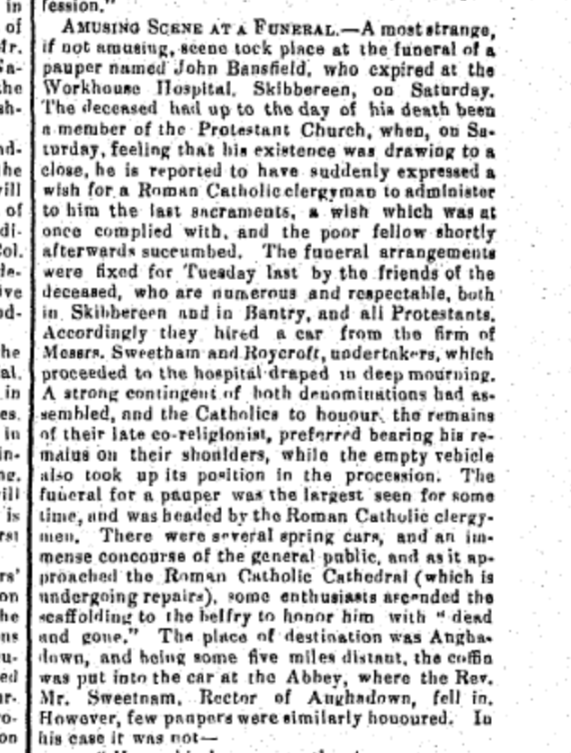
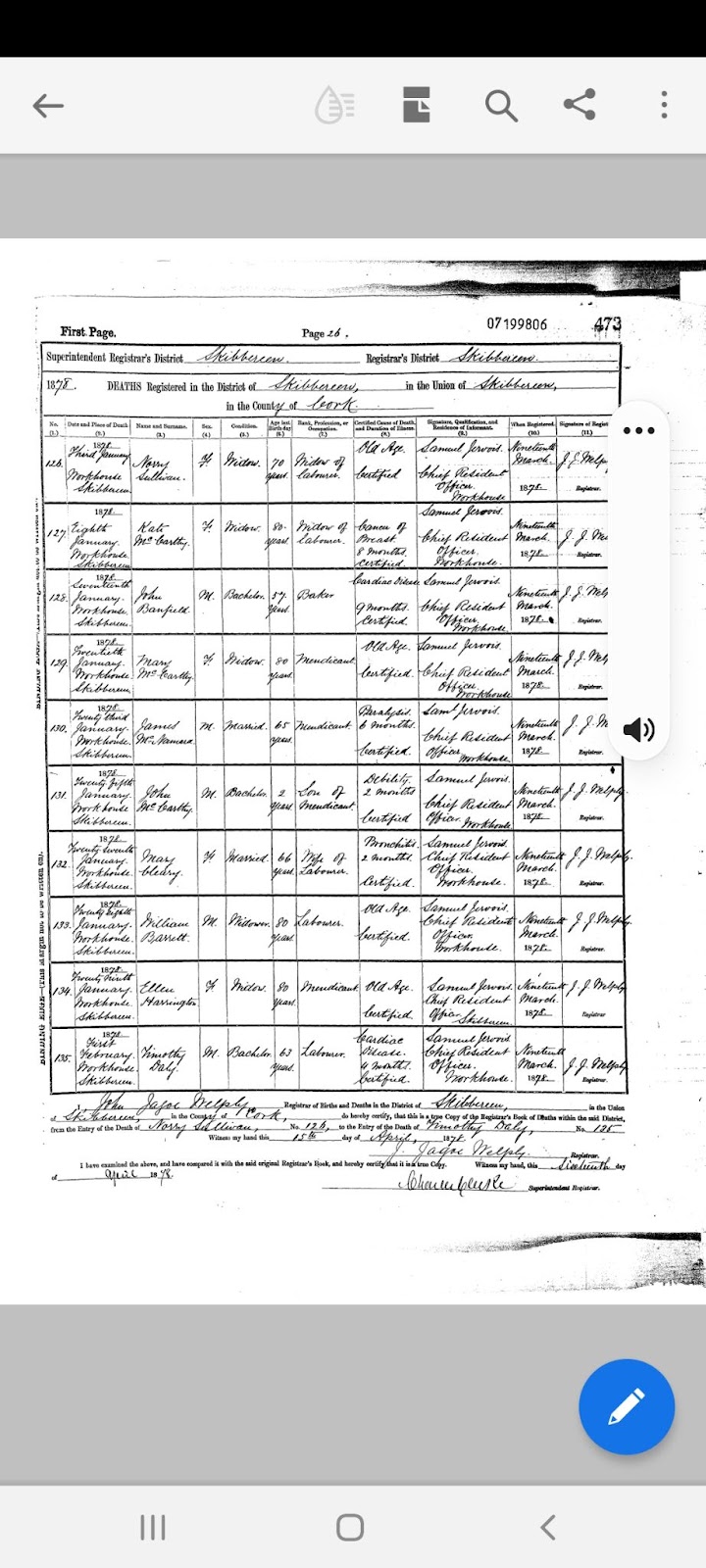
1882. Death bed Conversion of John Bansfield, (Jonas Bamfield, teacher from Schull?) Protestant Pauper in Skibbereen. Amusing Scenes at Funeral Two Coffins Furnished.


Re Protestant paupers, in the 1820s when Sir Richard Griffith was building the road from Skibberen to Crookhaven he said it was the only area in Ireland apart from the Northern counties where he employed a significant number of poor Protestants.

..

Death bed Conversion of John Bansfield, (Jonas Bamfield, teacher from Schull?) Protestant Pauper in Skibbereen. Amusing Scenes at Funeral Two Coffins Furnished.

.

Blacksmiths Durrus, Kilcrohane, Schull and Tumbarumba, New South Wales


Click herer:

https://docs.google.com/document/d/1jIZFTM1Nuj2Q28FkKMLP17Zd68tUASGPMR1uAEuC4jo/edit#

It is difficult to imagine now but even 50 years ago horse usage was of particular importance in the western parts of West Cork.  The tractor did not really take over until the late 1960s.  With horses come blacksmiths.

To give an idea of their importance,  the 1901 census records 675 blacksmiths in Co. Cork with 875 in 1911.  Not all were conventional blacksmiths, in Kilcrohane RIC Barracks one of the Constables born in Co. Kerry had been a blacksmith prior to joining.  Likewise among the British Forces of Occupation quite a number were blacksmiths prior to enlistment.  The Mines also had blacksmiths.  A Norman Locke born in Scotland was a blacksmith in one of the local Bantry barytes mines.

O’Mahony, Kilcrohane:

Jimmy Coakley  of Tureen had the tradition that Black Jack O’Mahony  started out collecting urine in tubs in connection in the early 19th century with the local weaving industry.  There is a suggestion that this branch of the O’Mahony family migrated from Leamcon in Schull around the 1790s with their father Tim, a  blacksmith.  

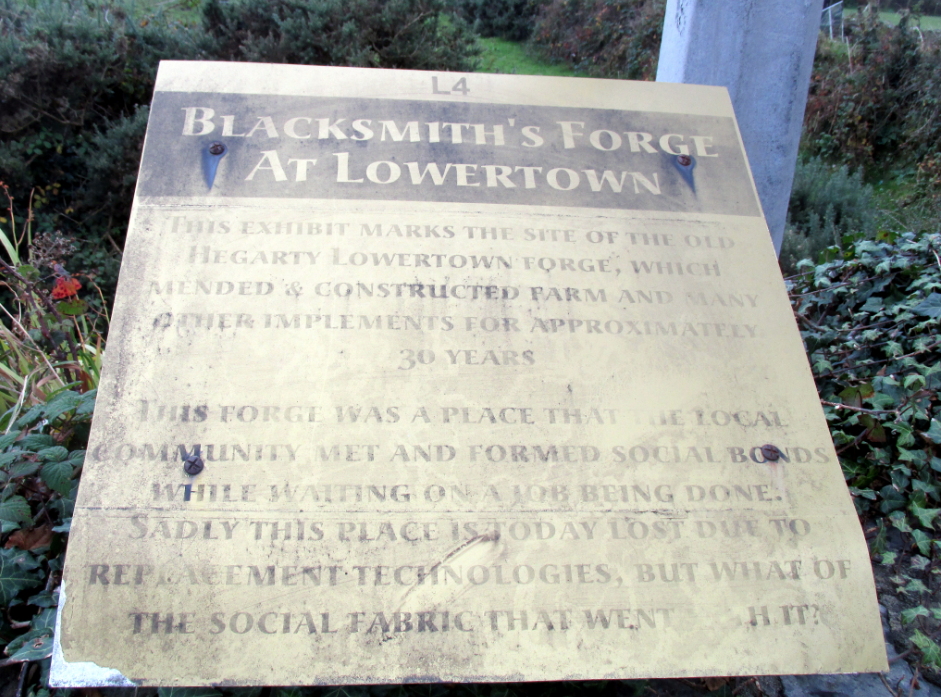
At the Bantry Quarter Sessions in July 1881, Mr Ferguson Q.C. referring to the system of boycotting and the scenes in West Cork that had paralysed trade and injured the prosperity of the district, there were only two trivial cases before the court.  Durrus parish featured in a newspaper report of two incidents one in Dromreagh, where a farmer had his windows broken as he settled with his landlord after he had been ‘processed’ for arrears; in Kilcrohane the forge was set on fire as the smith had served farmers who had been boycotted.  The article stated that there had been a number of such incidents in Durrus in the previous months and it was getting an unenviable reputation, and the police were considering erecting iron shreds to protest property.  These were temporary police stations erected in areas of outrages.

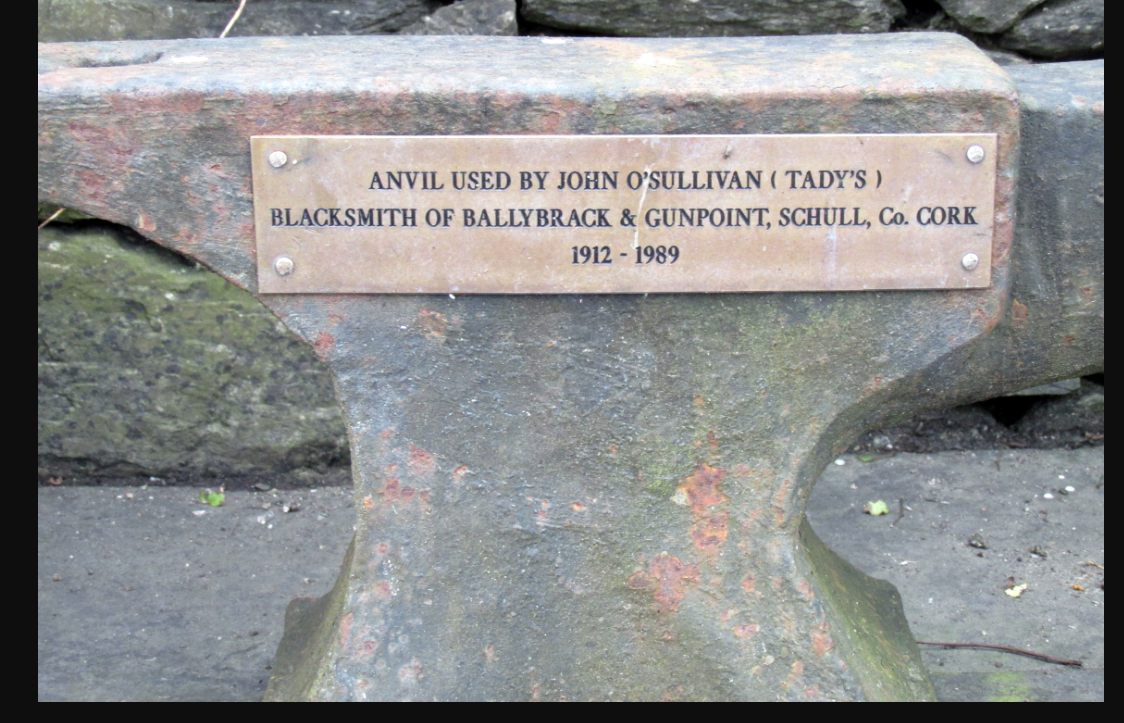
Anvil used by John O’Sullivan (Tadys) 1812-1898, Ballybrack and Gunpoint, Schull. West Cork.

..

.

..

Local Loan Records 1830-50 Durrus

​​Borrower:  Michel Stanley 

Sureties:  Laurence  Leyhane Carrigboy John Mahony Ahagouna crossed out Carrigboy)

A poor blacksmith 1853 in America

Keelovenogue

Borrower:  John Murphy

Sureties:  William Pattison Moulamill and Frank Hunt Droumreagh

A poor blacksmith 1853

,,

Monster Meeting Curragh Hill, Skibbereen 

Daniel O’Connell presided at a monster meeting in July 1842 attended by an enormous crowd from all districts of West Cork.  Estimates range to a few hundred thousandPrior to the meeting he lodged with Fr. Doheny P.P. Dunmanway, and travelled with him by coach and four.  As they approached Skibbereen they were met by a procession made up of bakers, blacksmiths, shoemakers, tailors and weavers preceded by a band.

1847:

​​Elihu Burritt (1810-1879), ‘The Learned Blacksmith’, of Boston, USA, Visit to Skibbereen, West Cork, 1847 to ‘Fathom The Cause of Extent and Cure of Ireland’s Misery, his Pamphlet ‘Four Months in Skibbereen’ raised $100,000 for Famine Relief and his Project the Jamestown Relief Effort.

23 Sept 1873 Boston

Mary Dukelow 23 1855-to Robert Manders b. Durrus 23 Blacksmith 1850-1938 Her parents James Peter 1798-1876 Mary Baker 1819-1911  his James Mary all parties born in Ireland

Read on by clicking above

..

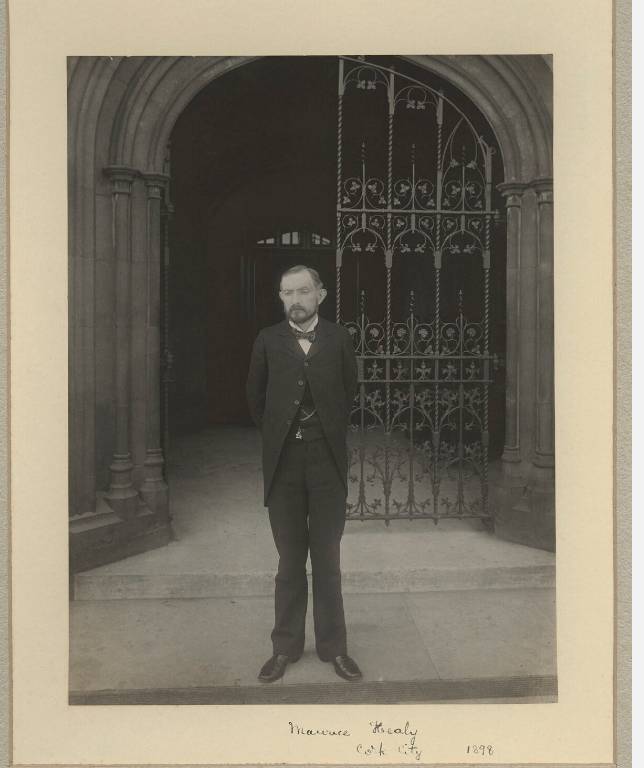
Maurice Healy (1859-1923), Bantry Born Solicitor, Expert in Land Law, Nationalist MP in ‘Imperial’; Parliament, 1885-1900, 1909-1918, Brother of Tim Healy and Member of Bantry Gang, Funeral 1923 Everyone and Anyone at the 1923 Enormous Funeral.


For full document click here:

https://docs.google.com/document/d/1714IeCq5MTX8wfbIB-Tnq1cO0byYR6Pnn0QwoYfmzws/edit

The phrase Imperial Parliament in mention in obituary in the Belfast Newsletter, Unionist Newspaper, the Belfast Newsletter.

Bantry probably his uncle:

1848 Maurice Healy Writing Clerk 1848.

His brother Tim:

1853-1931 Tim Healy Journalist, MP 1883, Kings Inns 1882, 1918 Kings Counsel and  Bencher Grey’s Inns, Governor General Free State 1922-1928 (Uncle Tim’s cabin) 2nd son Maurice Healy (Master workhouse) Eliza nee Sullivan.  Ed Christian Brothers, Fermoy, Newcastle Upon Tyne as railway clerk.  Moved to London 1878 as Parliamentary correspondent of The Nation.   Nationalist MP. Achieved the ‘Healy Clause in Land Act that no rent to be charged on tenants future improvements. May be grandson of hedge school master ihealy n Bantry c 1832 referred to in memoir of James Stanley Vickery written Australia c 1898. M Eliza Sullivan 1882.  Commorated bust by Joseph Davidson in the Kings Inns, and the Tim Healy Pass (Conceived at Anchor Hotel, Bantry) .  Buried Glasnevin. Incurred the wrath of James Joyce over going against Parnell, who as a youth wrote ‘Et Tu Healy’ which his father John Stanislaus Joyce published.  Features in Ulysses ‘ He is sitting with, Tim Healy, J.J. O’Molloy, said, rumour has it, on the Trinity college estates commission…(7.800-10)

1882, 1884, 1914, 1917, 1918 Maurice Healy Solicitor, 24 South Mall, Grand parade Brother of  Tim Healy MP. 1904 relief fund Charles Martin McCarthy wife and children he and a boatman Bantry died trying to save a sailor. “Maurice Healy, writing clerk, Bantry 1848.  1928        Alexander M. Sullivan        Solicitor admitted 1928 apprenticed to Maurice Healy.  1887-1933, Died 1933 Joseph M.Cullinane Admitted 1912 apprentice to Maurice Healy, practised Clonakilty “
.

.
Courtesy Dictionary of Irish Biography:

Healy, Maurice

Contributed by

Hourican, Bridget

Healy, Maurice (1859–1923), solicitor and politician, was born 3 January 1859 in Bantry, Co. Cork, third son of Maurice Healy, clerk of Lismore Union, and his wife, Eliza, sister of A. M. (qv) and T. D. Sullivan (qv). He was the survivor of a difficult birth, which killed his mother and his twin brother. Legend has it that the nurse placed him in the arms of his older brother, Tim Healy (qv), and enjoined the four-year-old to look after him; certainly the brothers were distinguished by their lifelong devotion. Maurice was educated at the CBS, Lismore, and was admitted a solicitor in 1882. His ability was exceptional: while still an apprentice he had assisted his brother in preparing the ‘Healy clause’ of the 1881 land act, and had worked with C. S. Parnell (qv) in early 1882, while Parnell was still imprisoned, in drafting a bill to amend the act. The normally uneffusive Parnell said in 1890: ‘Maurice Healy knows more about the Irish land question than anyone now living. It was he who marshalled the facts and drew up the plans [in 1882]. To me and the party he was simply invaluable’ (quoted Times, 12 Nov. 1923). Healy subsequently built up a considerable reputation as the legal representative of the tenants in the commons court set up under the 1881 land act. Other high profile cases in his early years included representing (April 1883) an alleged Fenian, Timothy Carmody, on charges of conspiring against the queen, and also (January 1883) William O’Brien (qv), then editor of United Ireland, on charges of seditious libel.

In 1885, at the behest of his brother, he was returned for Cork city, close behind Parnell and held the seat 1885–1900, 1909–10, and 1910–18. Although generally reckoned an excellent constituency politician, who even gained the approval of Cork unionists, he had a difficult time at elections in the years 1900–10, largely because he became caught up in his brother’s quarrels. In 1900 he was unseated by William O’Brien in a violent campaign during which A. M. Sullivan received head injuries. However, over the next decade there was a rapprochement between his brother and O’Brien; and on the latter resigning his Cork city seat in 1909, Maurice was elected over the Redmondite candidate. Although he had taken the Irish parliamentary party pledge, he was refused admittance to the party because its members felt he should not have stood against their candidate, so he sat as an independent nationalist until January 1910, when he narrowly lost the seat, only to be returned two months later for Cork North-East (March–December 1910) when O’Brien resigned it in his favour. The December 1910 election saw O’Brien and Healy both returned as independent nationalists for Cork city, and Healy held this seat until he retired in 1918.

Described as ‘spectrally thin, his temper icily cold’ (O’Connor, ii, 179), but also as modest and courteous, Healy had as his most marked political trait an unquestioning loyalty to his brother, which landed him in factionalism and violence alien to his nature. A frequent and precise parliamentary speaker, he was invariably sought out for advice on the land issue, but his grasp of taxation and finance was equally sure. There was scarcely an Irish bill put before the house on which he did not comment, his interjections being always dry, legalistic, unemotional, and effective. T. P. O’Connor (qv) termed him a ‘most dreary speaker, but had an extremely acute mind’ (ibid., 179). He was particularly active in his early years in opposing the coercion bill of Arthur Balfour (qv), and attended a proscribed meeting in Cork in October 1887 to propose a motion condemning the government for its treatment of ‘the peaceable and orderly city of Cork’ (Times, 26 Oct. 1887). During his last eight years in parliament he was increasingly passive. He could see no merit in Sinn Féin, and on this one issue refused to be influenced by his mercurial brother, though the latter accused him of ‘mental arrogance, mid-Victorian sentiments and inconsequential platitudes’ (Callanan, Healy, 541–2). Critical of the behaviour of de Valera (qv) over the treaty, he was concerned by the possibility of republican violence and his fears were borne out. During the civil war he was put on a steamer out of Cork by anti-treatyites, in reprisal for having advised the Cork merchants that payment of republican levies would not discharge their income-tax liabilities. He stayed away for two months, and thereafter an attempt was made to burn down his house. He died at home in Temple Hill, Ballintemple, on 9 November 1923, to the great grief of his brother, whose memoirs, dedicated to the memory of ‘drahareen og machree’, closed with Maurice’s death: ‘Had I preserved my brother’s letters as he did mine, these pages would not have lacked lustre’ (Healy, 662). He apparently destroyed them in a moment of panic during the war of independence.

Maurice married (1887) his cousin Annie, daughter of A. M. Sullivan, his brother having married another Sullivan cousin, and had two sons and a daughter. His eldest son was the barrister Maurice Healy (qv).

Sources

Times, 4 July 1883, 26 Oct. 1887, 10, 12 Nov. 1923; WWW; T.M. Healy, Letters and leaders of my day (1928); F. S. L. Lyons, The Irish parliamentary party (1951); Conor Cruise O’Brien, Parnell and his party (1957); Michael Stenton and Stephen Lees, Who’s who of British members of parliament, 1832–85 (1976); Walker; Frank Callanan, The Parnell split (1992); id., T. M. Healy (1996); Patrick Maume, The long gestation (1999)
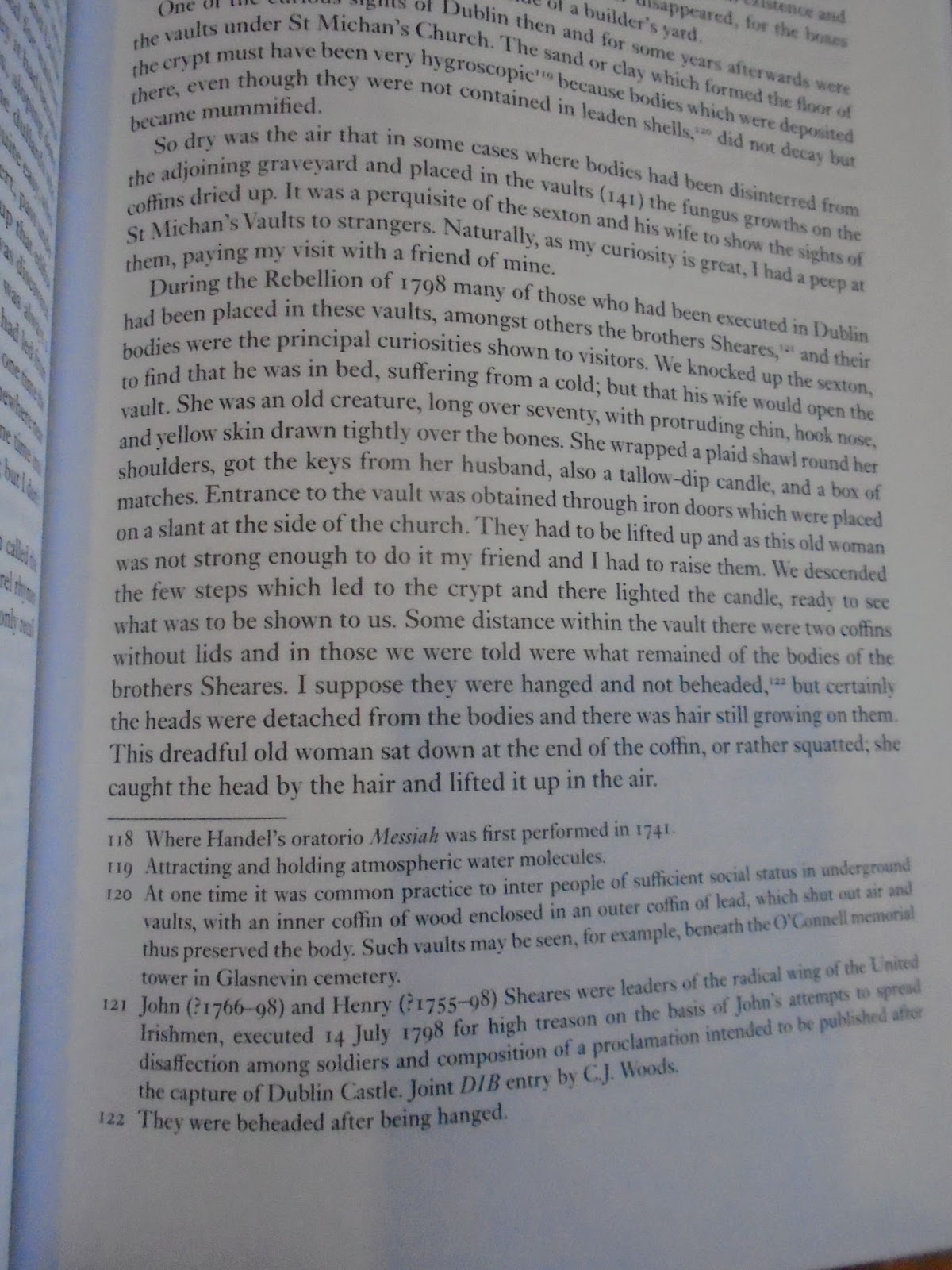
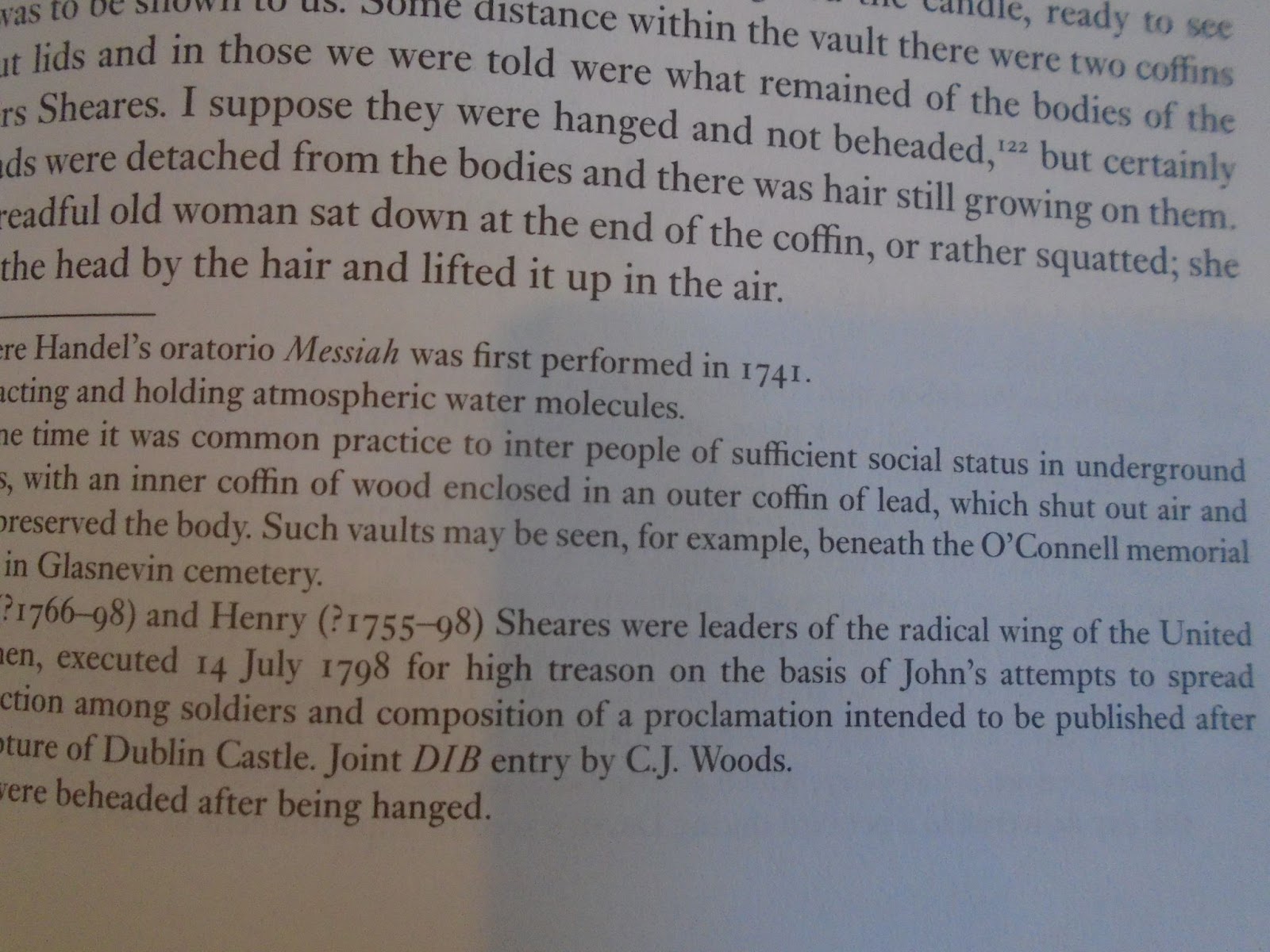
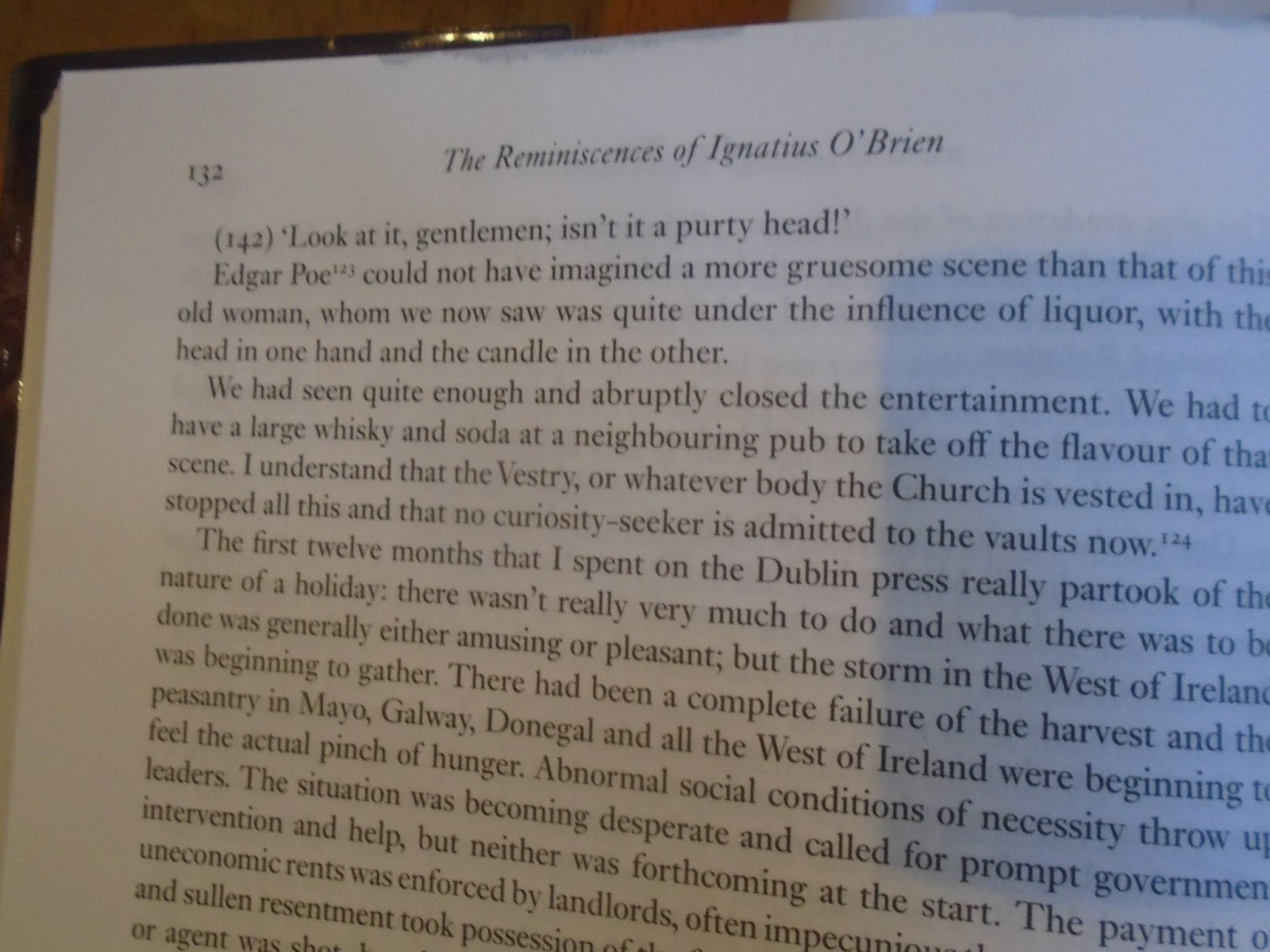
Ignatius O’Brien (Lord Chancellor of Ireland 1913-1918) being shown by the Drunken Sextant’s Wife of St. Michan’s Church Dublin Guillotined Head of OnNephew of Patriot Shears Brothers, Executed for Being United Irishmen in 1798, Agent to Lord Bantry, Pioneering Agriculturalist, Sympathy for Cottiers, Smallholders, his Son Augustus Agent to Bantry Estate, Died of Famine Fever, Bantry aged 26 in 1844, his Son Rev. Gethin Payne Died of Fever 1844 aged 26.e of the  Sheares Brothers, Cork  Barristers,  by The British for Being United Irishmen.  Their NephewRev. Somers Payne (1785-1857), TCD, A Bundle of Contradictions, Grand Master of Orange Order, Co. Cork, Master Political Operator, Alleged he Enrolled his Labourers as Apprentices so They Would Have a Vote,


..

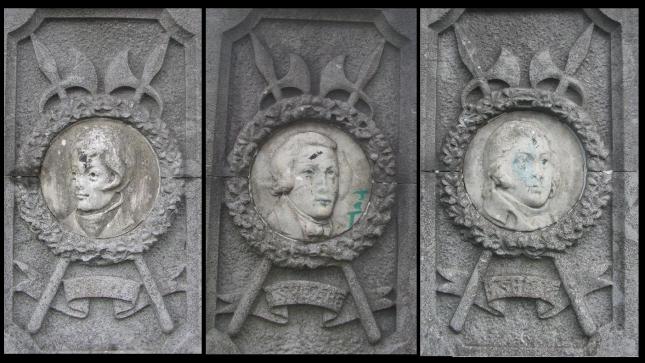
In the late 1940 Cork Corporation built an estate at Glasheen Road and it is called after the Shears Brothers.

.

.

St.Michans Church

Courtesy Myles Dungan:

On This Day – 14 July 1798 The Sheares brothers are hanged in Dublin

Posted on July 14, 2017 by Myles Dungan

1798.jpg

Irish rebellions should probably all come equipped with something we could call an IQ. That’s an Informer Quotient. This is a scientific measure of how many British agents from among the ranks of the rebels it took to betray the insurrection.

The scale would go all the way from ‘Genius’ at one hundred and fifty, to Witless Imbecile at zero. Let’s take a couple of examples. Obviously the 1798 rebellion was so riddled with spies and informers that if it had been a boat it would have sunk in a calm and windless cup of tea. So, we’ll call that one hundred and fifty. Then, right at the other end of the scale, there’s the 1916 Rising. Here the rebels desperately tried to tip their hand repeatedly, even to the extent of calling the whole thing off in a newspaper advertisement, but the exceptionally dim British authorities had no idea what was going on under their noses. We’ll call that an IQ of zero.

Totally off the scale of course is the War of Independence where Michael Collins’s own spies and informers were tripping over each other in Dublin Castle. That would be a minus IQ of about fifty for the rebels.

But the prize for individual revolutionaries most beset by informers has to go to the United Irishmen, the Sheares brothers. It took not one, not two, but three spies to bring them down. Given the going rate for intelligence information in 1798 it must have cost the authorities almost as much as the bribes paid to pass the Act of Union two years later.

The brothers Sheares, John and Henry, from Cork were both lawyers who had witnessed the French revolution and the frequent use of the guillotine. On the boat back home from Calais they met an utterly disillusioned Daniel O’Connell, pledged to non-violent political action, based on the bloodthirsty slaughter he had observed in Paris. The Sheares brothers were not so easily put off. When they got back to Dublin in 1793 they joined the United Irshmen. Both began organizing in their native Cork.

Enter Spy Number 1. His name was Conway and he kept the Castle well informed of the activities of the brothers, while passing himself off as an enthusiastic supporter.  He gets the bronze medal.

While busying themselves in Cork the brothers were also part of the Dublin Society of the United Irishmen. Here their nemesis was Thomas Collins, another apparent republican fanatic but, in reality, a well-embedded British spy. Because he ratted on so many other prominent revolutionaries he gets the silver medal.

But the gold unquestionably goes to Captain Warnesford Armstrong. You’d think his name would have given him away. How could you be called Warnesford and not be a British spy? After the capture of most of the members of the United Irishmen’s Directory (note the French influence) in March 1798, John Sheares took over and ordained the date of 23 May for a nationwide uprising. Armstrong insinuated himself into the confidence of the brothers, to the point where he was a regular visitor to their house on Baggot street, and dandled the children of Henry Sheares on his treacherous knee. He recorded that he didn’t even have to take an oath in order to become a member of the United Irishman. Not that he would have let something as silly as an oath get in the way. John Sheares himself actually warned Armstrong not to come to the house on one occasion, because certain activists believed him to be in the act of betraying the movement, and were intent on murdering him!

Two days before the planned rising John and Henry Sheares were arrested, on information supplied by Armstrong, and put on trial. Armstrong himself, clearly pleased at his handiwork, testified against them. Despite being defended by the great advocate John Philpot Curran, it took the jury a mere seventeen minutes to convict.

John and Henry Sheares, victims of three separate informers, were hanged, drawn and quartered, two hundred and nineteen years ago, on this day.

Rev. Somers Payne (1785-1857), TCD, A Bundle of Contradictions, Grand Master of Orange Order, Co. Cork, Master Political Operator, Alleged he Enrolled his Labourers as Apprentices so They Would Have a Vote, Nephew of Patriot Shears Brothers, Executed for Being United Irishmen in 1798, Agent to Lord Bantry, Pioneering Agriculturalist, Sympathy for Cottiers, Smallholders, his Son Augustus Agent to Bantry Estate, Died of Famine Fever, Bantry aged 26 in 1844, his Son Rev. Gethin Payne Died of Fever 1844 aged 26.

1801.  Will of Eliza Gethins, Probably Grandmother of Rev. Soners Payne, Political Operator, Head of Orange Order in Cork, Agent Bantry Estate, Uncle of John and Henry Shears, Barristers in the City of Cork, who perished on the scaffold for alleged ‘high treason’ at the opening of the ‘present century’.

Durrus (Evanson) and  Carrigmanus Mizen (Coughlan) ancestry of Lady Di and Elizabeth, daughter and heiress of the Duc de Castries who married Marshall McMahon (1808-1893) of France whio descend from Patrick McMahon and Margaret O’Sullivan who married in Bantry in 1707. 


he Coughlans of Ardmore, fleet of cargo vessels Bristol, Newfoundland of which the north part has many Coughlans we dont know if Cathoilic or Protestant or related to Jeremiah.  The black servant taking the Coughlan name and  buried 1820s in Youghal, one of the women painted by Gainsboro

In summary

Further genealogical information will be posted showing the Spenser link and the French one over the next 2 weeks..

Was amazed to learn that Lady Dianna Spenser is a Coughlan (Carrignmanus) and Durrus (Evanson) descendant as is the wife of Marshall McMahon (1808-1893) of France.   Marshal McMahon (President and Marshal of France in 1873) on his marriage to Elizabeth, daughter and heiress of the Duc de Castries Marie Edme Patrice Maurice de MacMahon, marquis de MacMahon, duc de Magenta was a French general and politician, with the distinction of Marshal of France. He served as Chief of State of France from 1873 to 1875 and as President of France, from 1875 to 1879

In the Paddy O’Keeffe papers in the Cork Archives dealing with a query on the Symms family there is a letter from Edward Keane (National Library) of the 5th September 1961.   He states that the Marshall and a few other famous McMahons are descended from  Patrick McMahon and Margaret O’Sullivan who married in Bantry in 1707.   He asks Paddy O’Keeffe for knowledge of this Margaret.
O’Coughlans clients of the O’Mahonys of Mizen.  About 1600 a falling out they switch to Boyle adn Hull and become Protestant.  According to Maziere Brady enclosed after the 1641 ‘Rebellion’ they hightail to England.  Slight error in Maziere Brady last page he refers to Rev. Fisher Teampall na mBoche his father he says is 2nd name Devonshire wrong it should be Devonsher old Cork merchant family.
Of the family Jeremiah (Jeremy) an attorney marries Susann Evanson of Durrus.  He is involved in a number of deeds in Durrus with his brother in law Nathaniel Evanson.  These deeds are part of the former McCarthy lands west of the current Durrus Village.
1705, in Cork Susanna Evanson, Jeremiah Coghlan Assuming that Jeremiah is the same as Jeremy who appears in Bandon records 1730 re Gearhameen townland. legally trained Seneschal Dungarvan, agent with Andrew Crotty of Devonshire Estates Prob. Durrus Court, Carriganus Three Castle Head. Jeremiah/Jeremy’s great grandson Rev.Demetrius O’Coghlan of Carrigmanus fled to England during rising 1641 and died there. Nathaniel 1730 Bandon estate records show Nathaniel and his brother-in-law renting townlands from the Bernards around Gearhameen and surrounding townlands. Conjectured that Jeremy’s relations were settled on one of the better farms in Clashadoo, now occupied by the Johnston family. Thomas Dukelow married into that farm in 1818 to Frances Coghlan, probably a relation of Jeremy Coughlan Coughlans of Carrigmanus working with Hull from the early 17th century acquired former O’Mahony lands. Among children Rev. Henry Coughlan, George Esq, possible nephew Joseph. Jeremiah died before 1737. See Registry of Deeds project. Susanna 3rd child Evanson family history, MLB

I see in 1790 Charles and Richard Coughlan were renting probably the former townlds in Kilcrohane owned by the College of St. Mary in Youghal after the relation Nathaniel Evanson is renting.
he is joint manager of the Boyle (DEvonshire estate West Waterford)
Durrus  Marriages, quite a number of Durrus C of I families, Attridge, Dukelow, Shannon are Coughlan descendants so going back 10,000 to first people in the area.:
It may be that either Richard or Charles Coughlan who are in Kilcrohane deed 1790 are the father of Elizabeth adn Frances maybe no male heir.

The late Mary Dukelow, Brahalish, Coughlan/Dukelow marriage and descendants,  Dukelow Genealogy:

Both of these farms abut my late fathers
1805 Robert Ferguson Elizabeth Coughlan Possibly Clashadoo Some time later a marriage Frances Coughlan, Clashadoo (Johnson farm) to Dukelow MLB I would think the Fergsons are the local enforcers of the Evanson landlord family. Now thre farm of the late John McCarthy, Clashadoo. It aslo adjoining the farm that Frances Coughlan married from
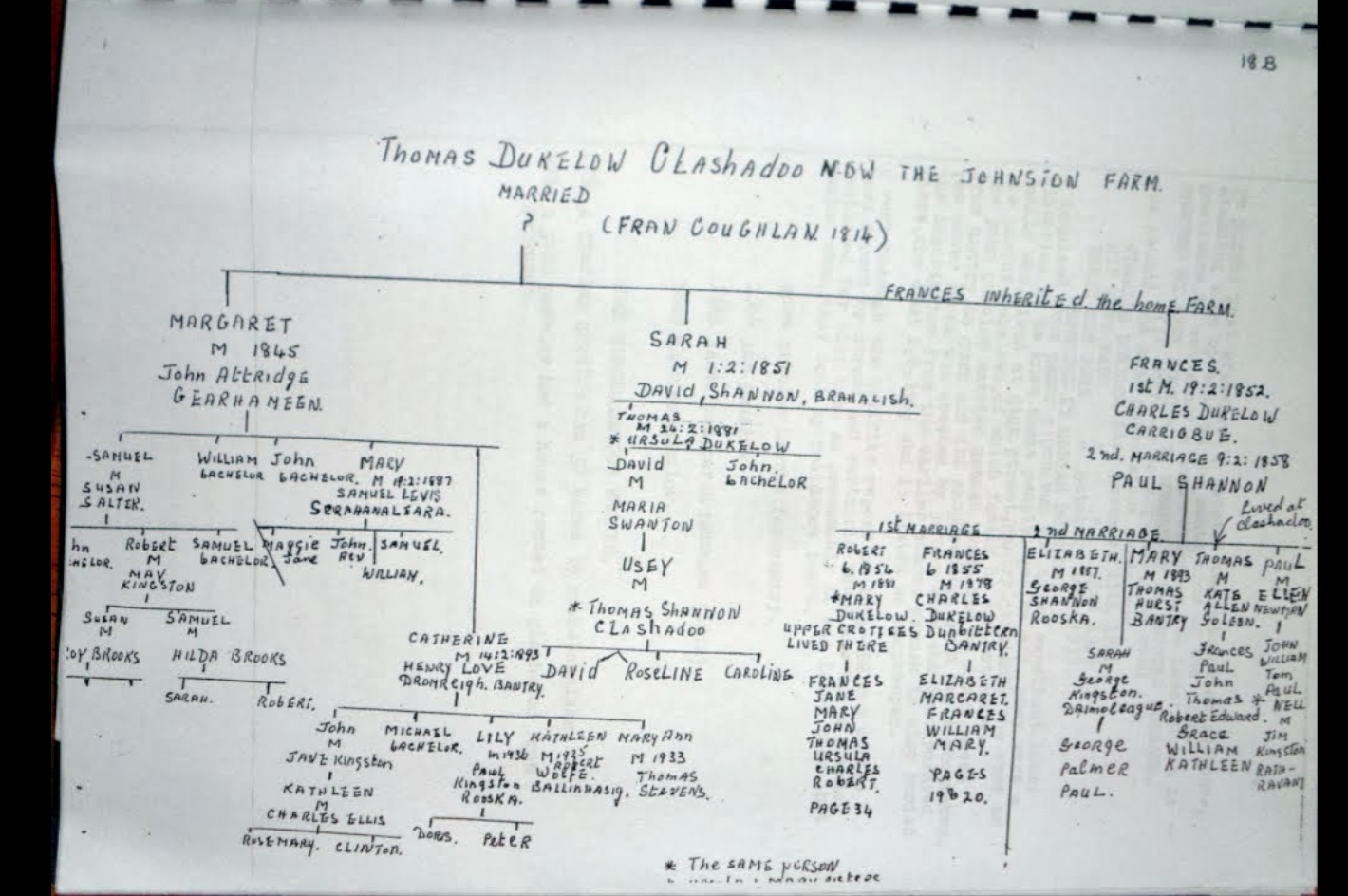
1814 Thomas Dukelow Fran(ces) Coughlan Clashadoo (now Johnson farm) Crottees? Margaret m 1845 John Attridge Gearhameen 4 children, Sarah m 1851 David Shannon, Brahalish son Thomas m Ursula Dukelow 1881 Frances M 1st Charles Dukelow Carrigbui 1852 2nd Paul Shannon 1858 lived in Clashadoo 1st marriage Robert 1854- m Mary dukelow Upper Crottees lived there, Frances 1855 m 1878 Charles dukelow Dunbittern Frances 2nd Marriage Elizabet m 1887 George Shannon Rooska Sarah m George KIngston, Drimoleague Mary m 1893 Thomas Hurst Bantry, Thomas m Kate Allen Goleen lived in Clashadoo, Paul m ellen Newman There is a lease c 1730 from Francis Bernard later the Lord Bandons to one (Durrus Court) of the Evansons of Coolnalong and his brother-in-law of a few of the townlands around Clashadoo. Coghlan was from Crookhaven and a minor landowner. Is Frances Coghlan connected? Johnson farm, Clashadoo
Attachments area

Click Here:

https://docs.google.com/document/d/101VuopWDnsDSFuig5cLFIFMIiZZpNXdYTHyZHOLfgfE/edit?pli=1

ReplyForward

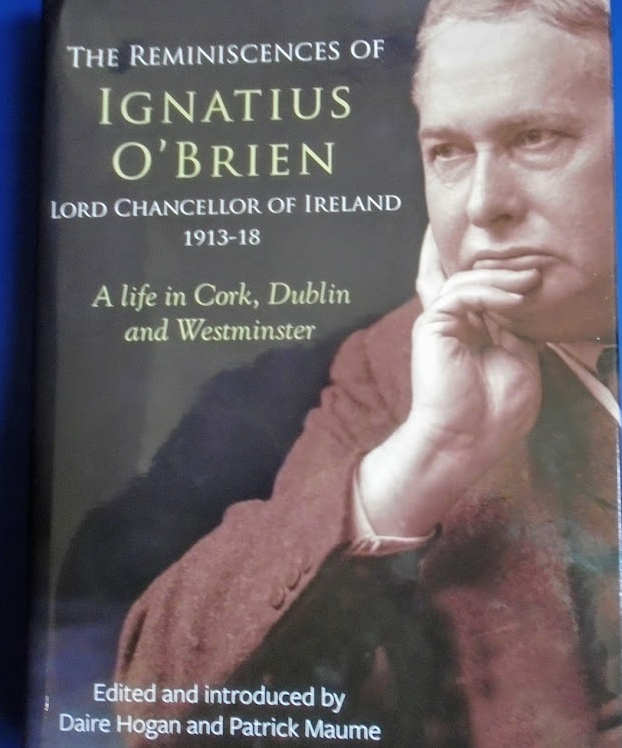
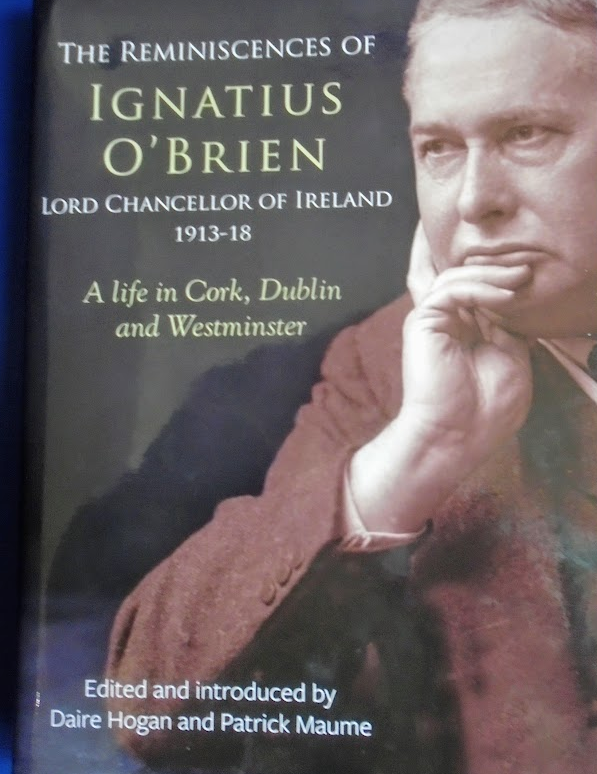
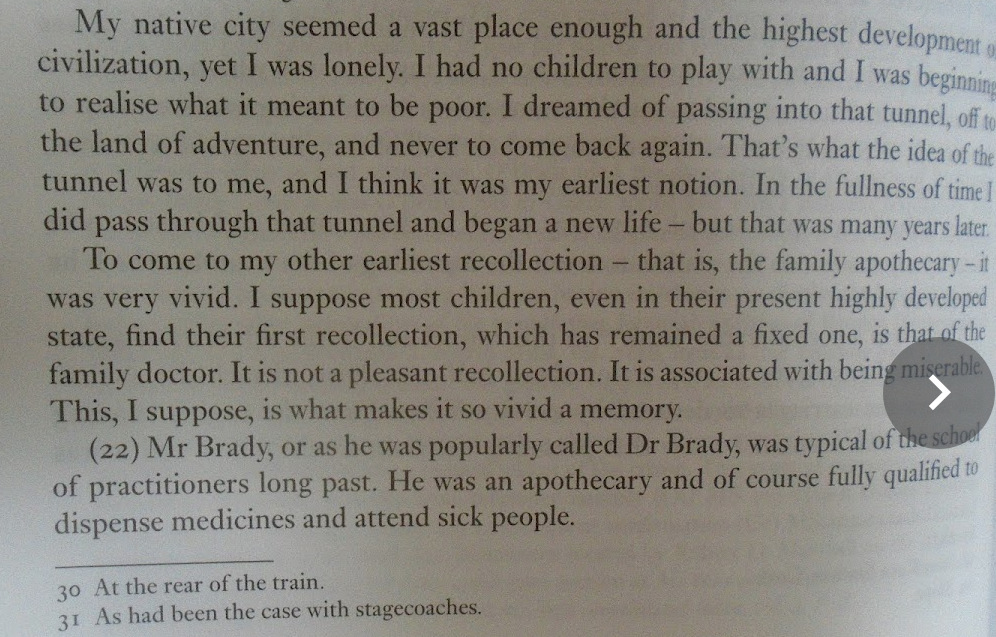
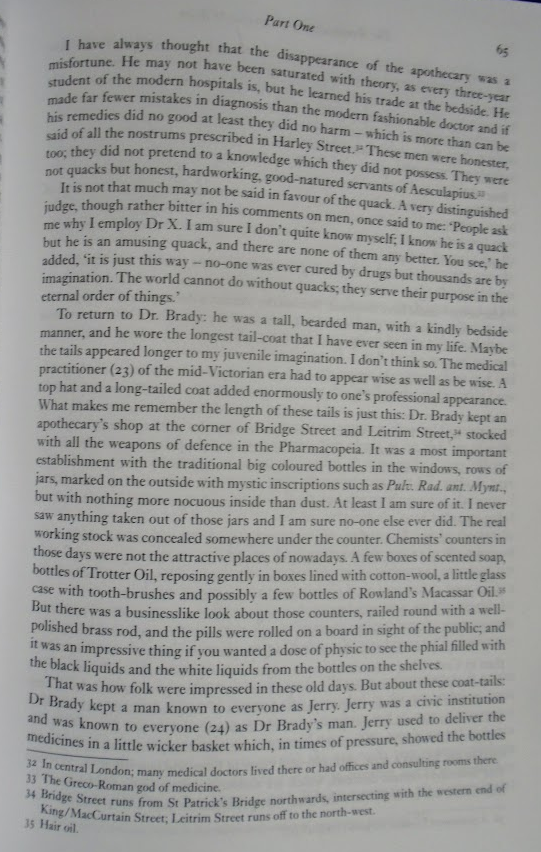
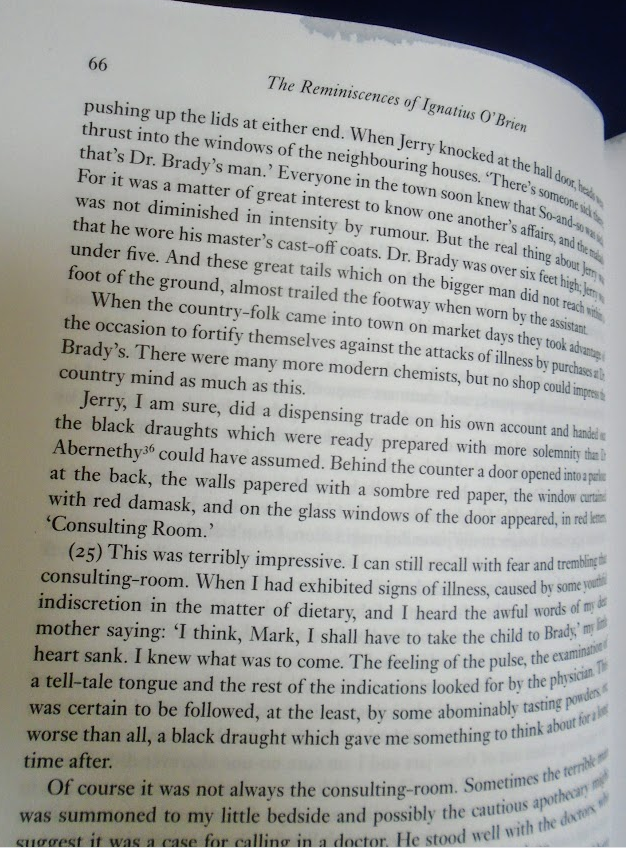
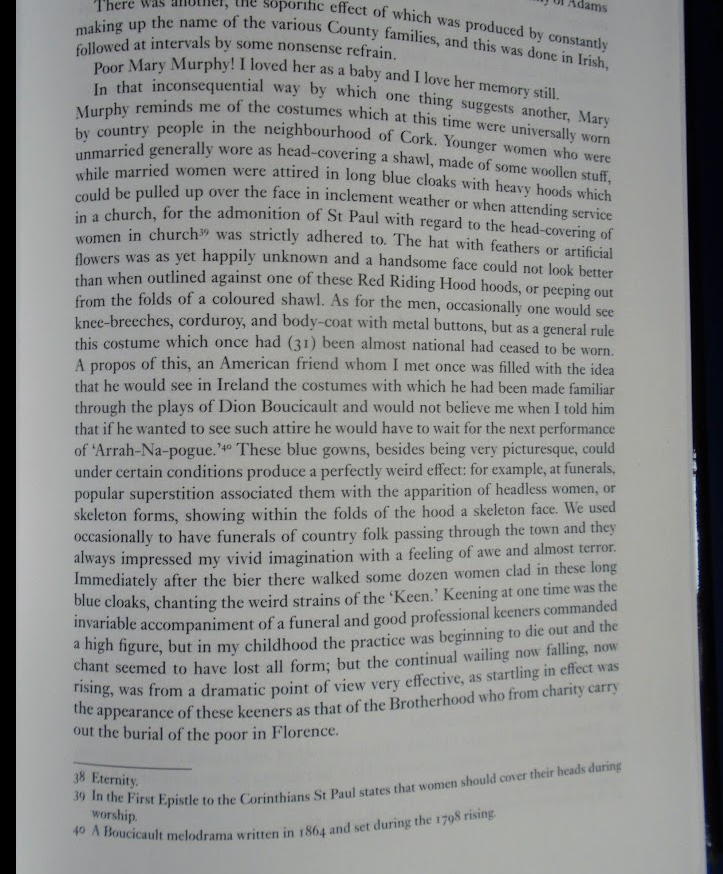
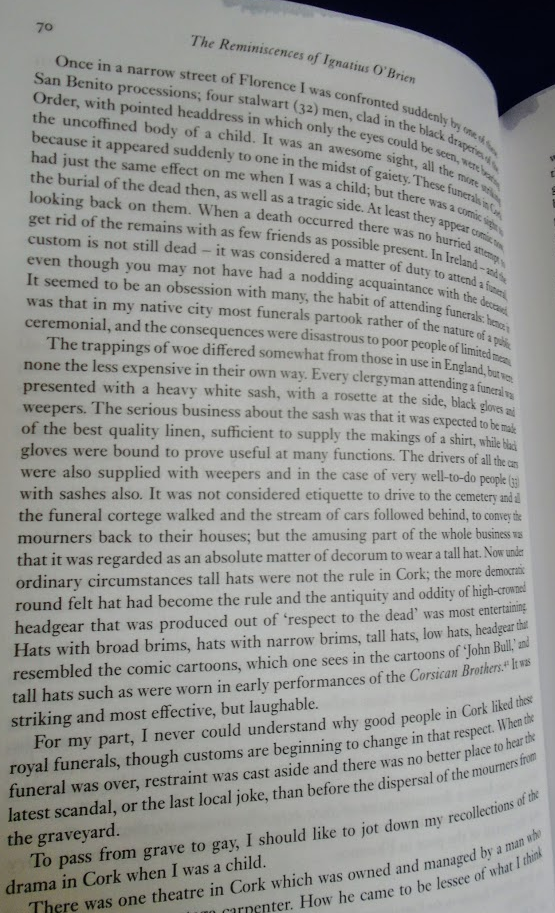
Early 1860s Cork, ‘Dr’. Brady the Apothecary, Funerals Mná Caoine (Keeners) from the Reminiscences of Ignatius O’Brien (1857-1927), Lord Chancellor of Ireland (1913-1918)


Ignatius O’Brien was the youngest son of a struggling Cork business family. After somewhat unhappy experiences at a Cork Vincentian school and the Catholic University of Ireland, he studied to become a barrister while supporting himself as a reporter on Dublin newspapers. Over time he built up a reputation in property and commercial law, and an ultimately successful career led to him being appointed a law officer and later lord chancellor under the post-1906 Liberal governments.

O’Brien avoided party politics, but was a moderate home ruler who attributed the troubles besetting relations between Britain and Ireland to a failure to implement moderate reforms in time. After being created Baron Shandon on his removal as lord chancellor, he moved to England, where as a member of the House of Lords he was involved in various peace initiatives.

His reminiscences of and reflections on the relatively self-contained world of mid-Victorian Cork, of student and journalistic work and play in Land War Dublin, of the struggles of an aspiring barrister on circuit and of the declining years of Dublin Castle, provide new insights into Irish life in the closing decades of the union. He also gives his impressions of prominent contemporaries, including Charles Stewart Parnell, Edward Carson and Lord Chief Justice Peter O’Brien (“Peter the Packer”).

The publication, part of the Irish Legal History Society series, of this important memoir is accompanied by detailed notes and commentaries on its legal and political context by Daire Hogan and Patrick Maume.

Daire Hogan is a solicitor and former president of the Irish Legal History Society. Patrick Maume is a researcher with the Royal Irish Academy’s Dictionary of Irish Biography, who has published extensively on nineteenth- and twentieth-century Irish history.

..

His salary as Lord Chancellor was £6,000 per annum. To give an idea of this a Resident Magistrate had a package of about £500 p.a.taking in allowances.  So he was paid 12 times their pay. The RM would roughly equate to a present Irish District Justice who is paid in sterling just over £100,000 pa. So the modern equivalent annual salary would be  about €1.4 million a year. Remember De Valera said no man is worth more then £1,000 a year!

A remarkable turnaround, when he was called to the Bar he could not afford the customary dinner

….