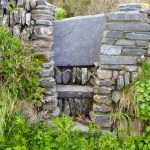
This gallery contains 12 photos.
Originally posted on Roaringwater Journal:
Toe Head Thistle Up to Christmas I had been using my iPhone for photography. Upside –…
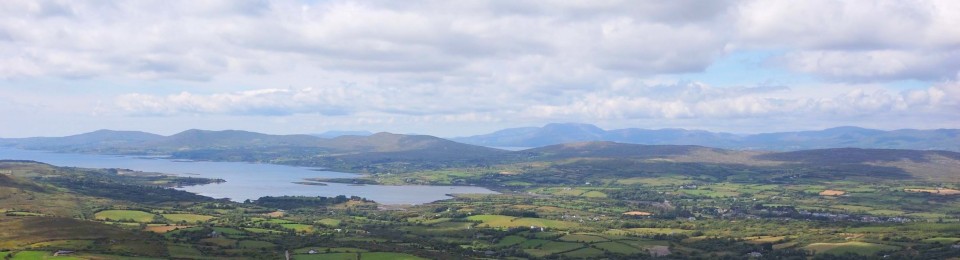
10 Sunday May 2015
Posted in Uncategorized
This gallery contains 12 photos.
Originally posted on Roaringwater Journal:
Toe Head Thistle Up to Christmas I had been using my iPhone for photography. Upside –…
10 Sunday May 2015
Posted in Uncategorized
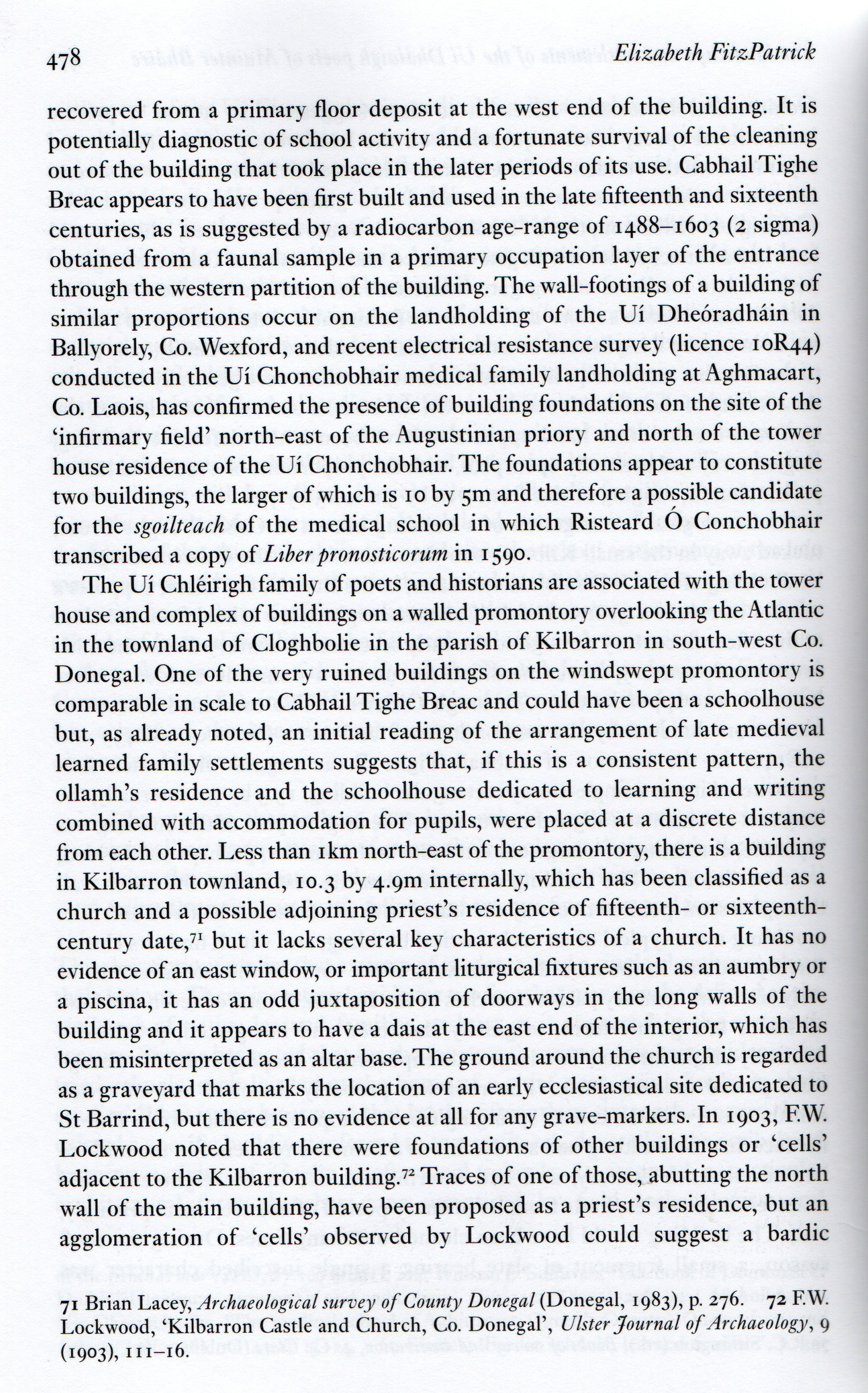
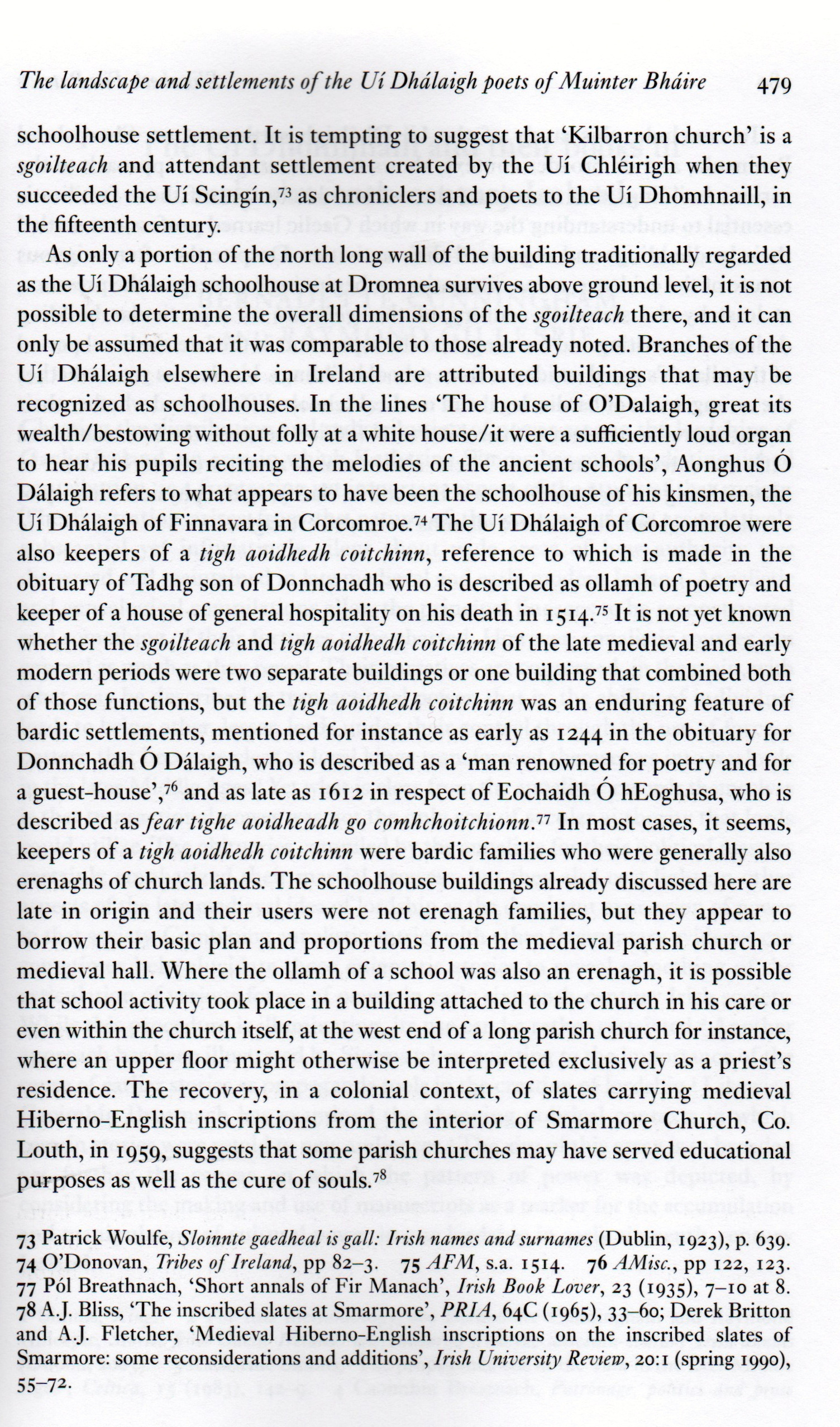
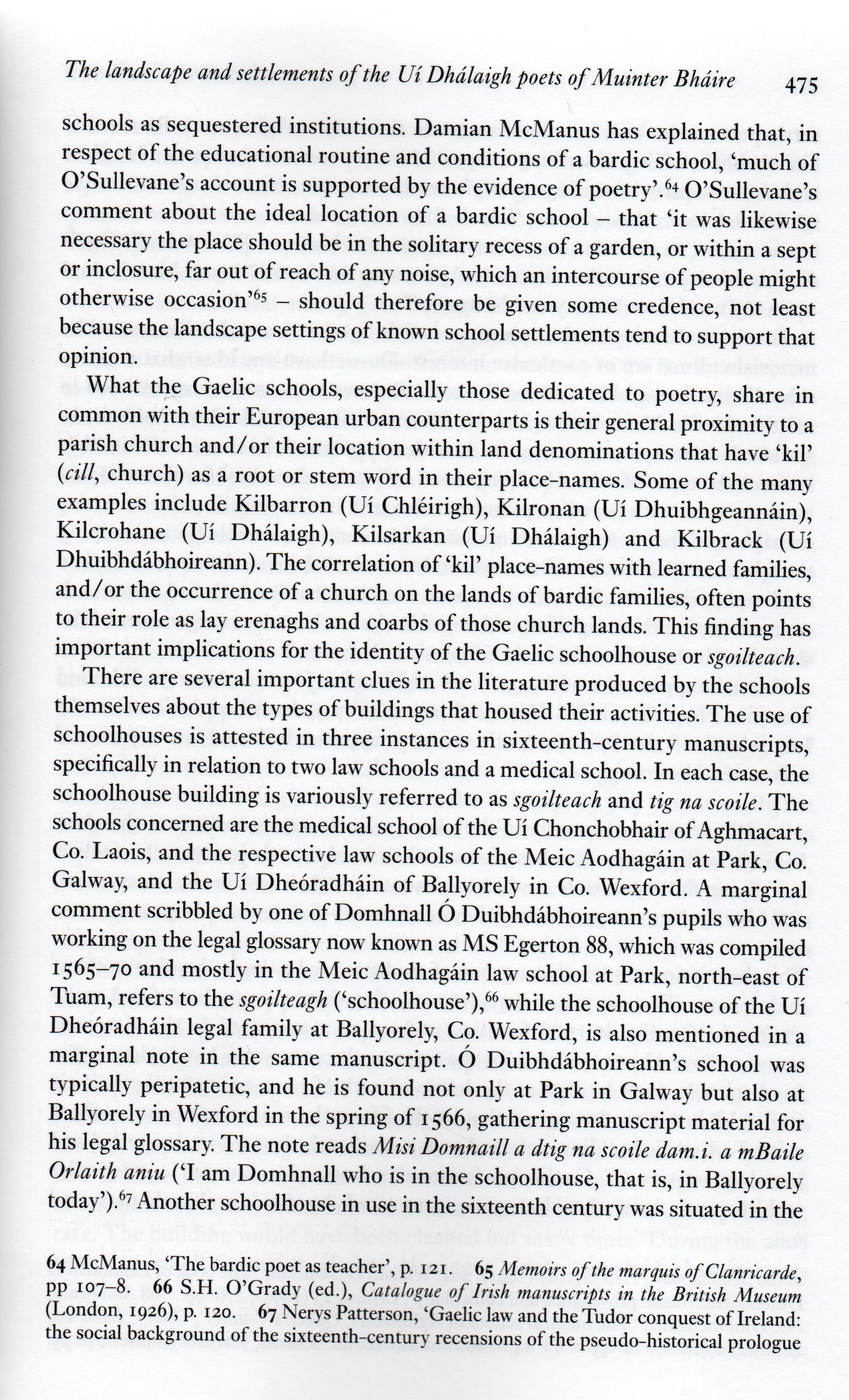
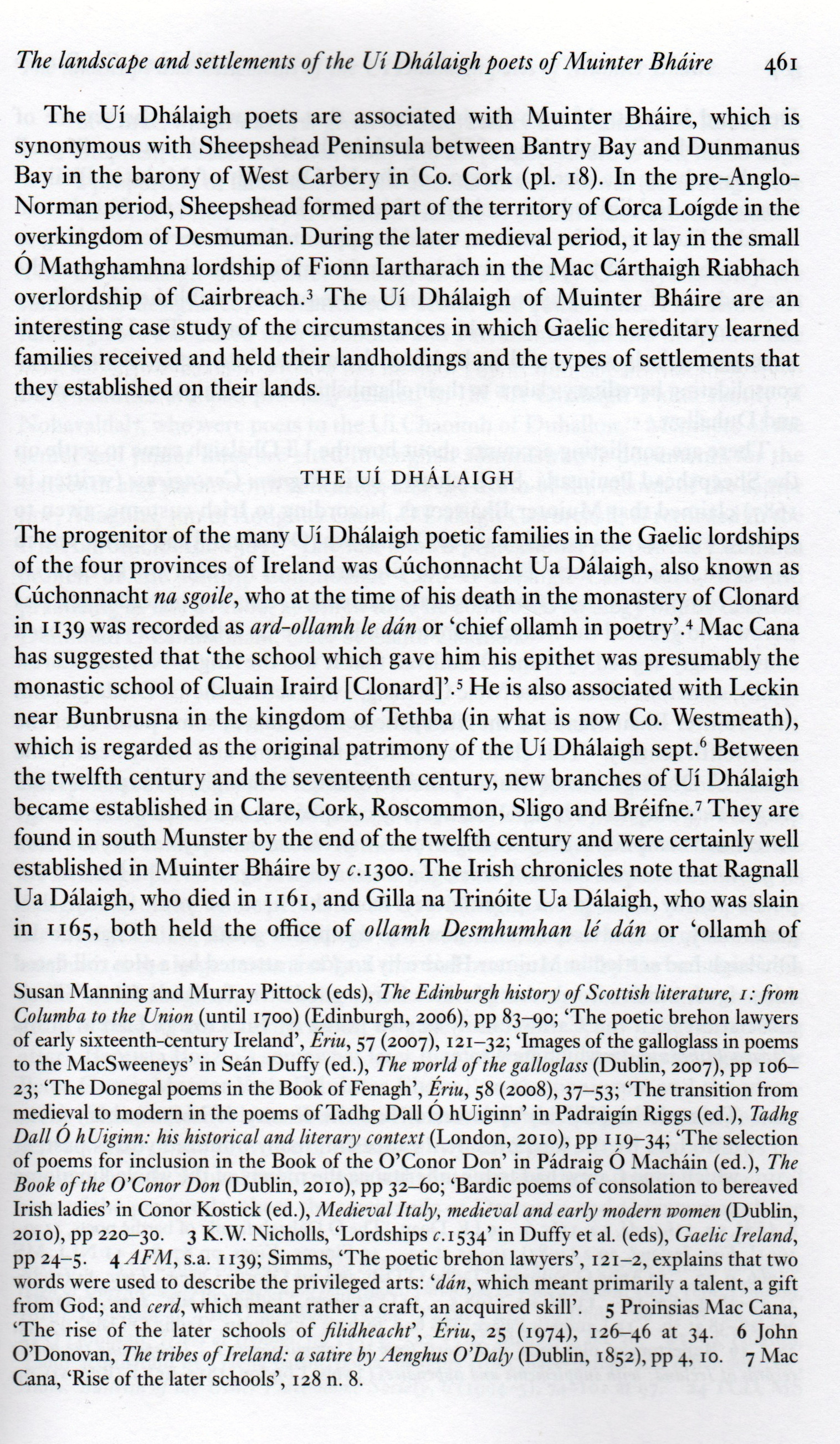
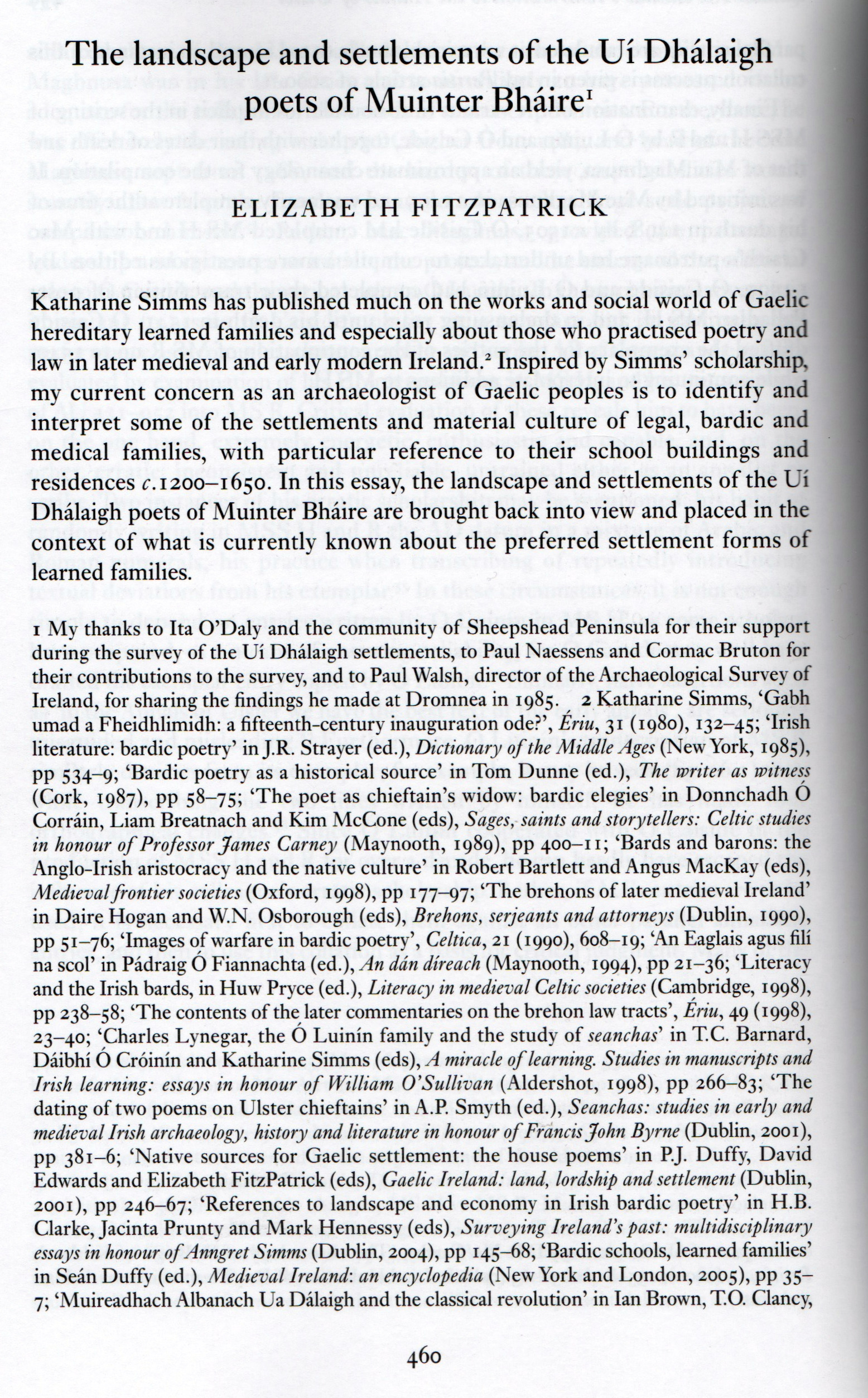
The Ó Dalaighs (Dalys) of Muintervara, West Cork, Rymers/Poets to the McCarthys and O’Mahonys from c 1300, founders of Bardic School, by Oral Tradition where the Sons of the King of Spain Attended.
Courtesy Dr. Jane Fitzpatrick, Four Courts Press.
http://www.thesheepsheadway.ie/index.cfm/page/kilcrohanechurch
Click to access odaly-bardic-school-kilrohane.pdf












10 Sunday May 2015
Posted in Uncategorized
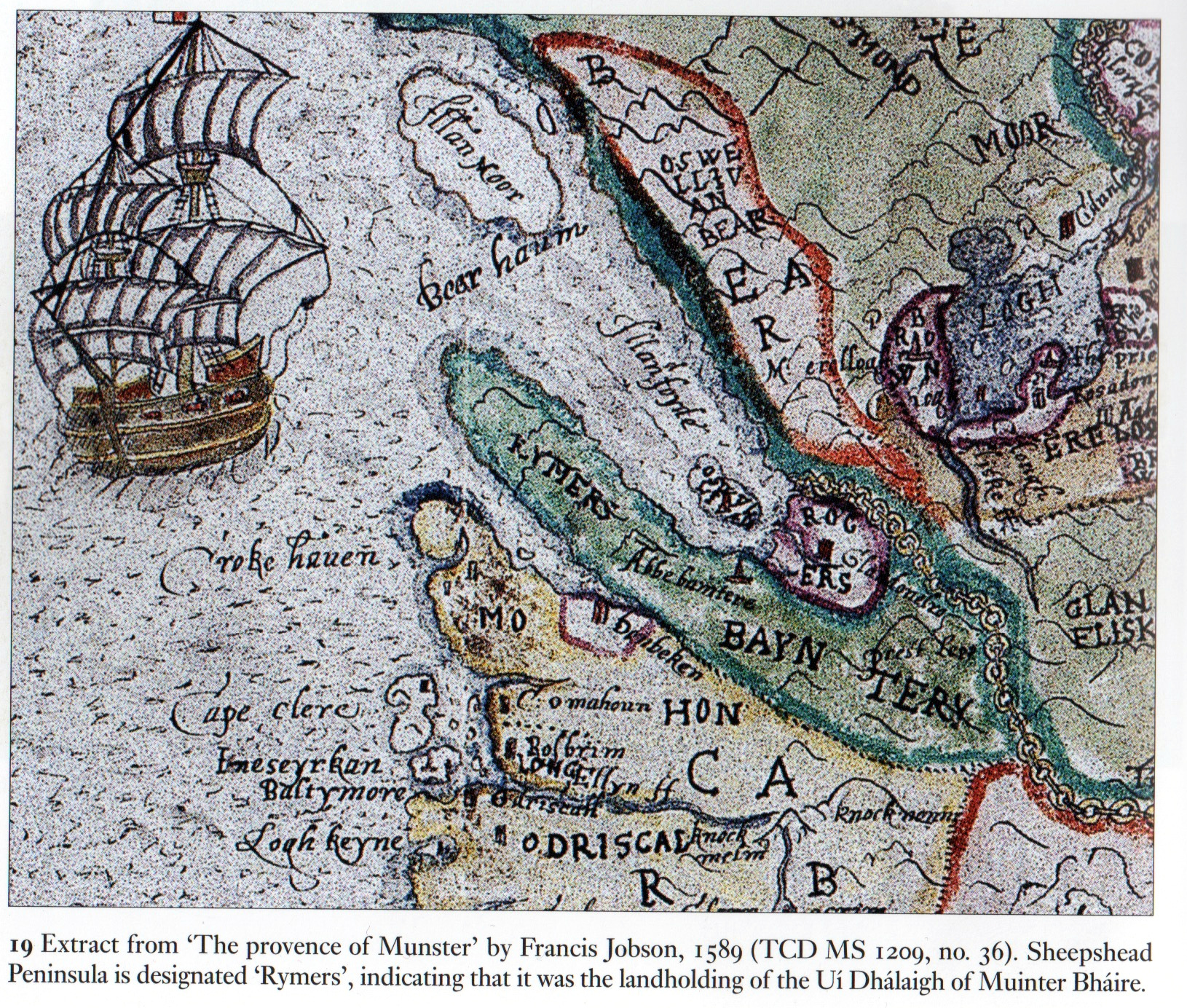
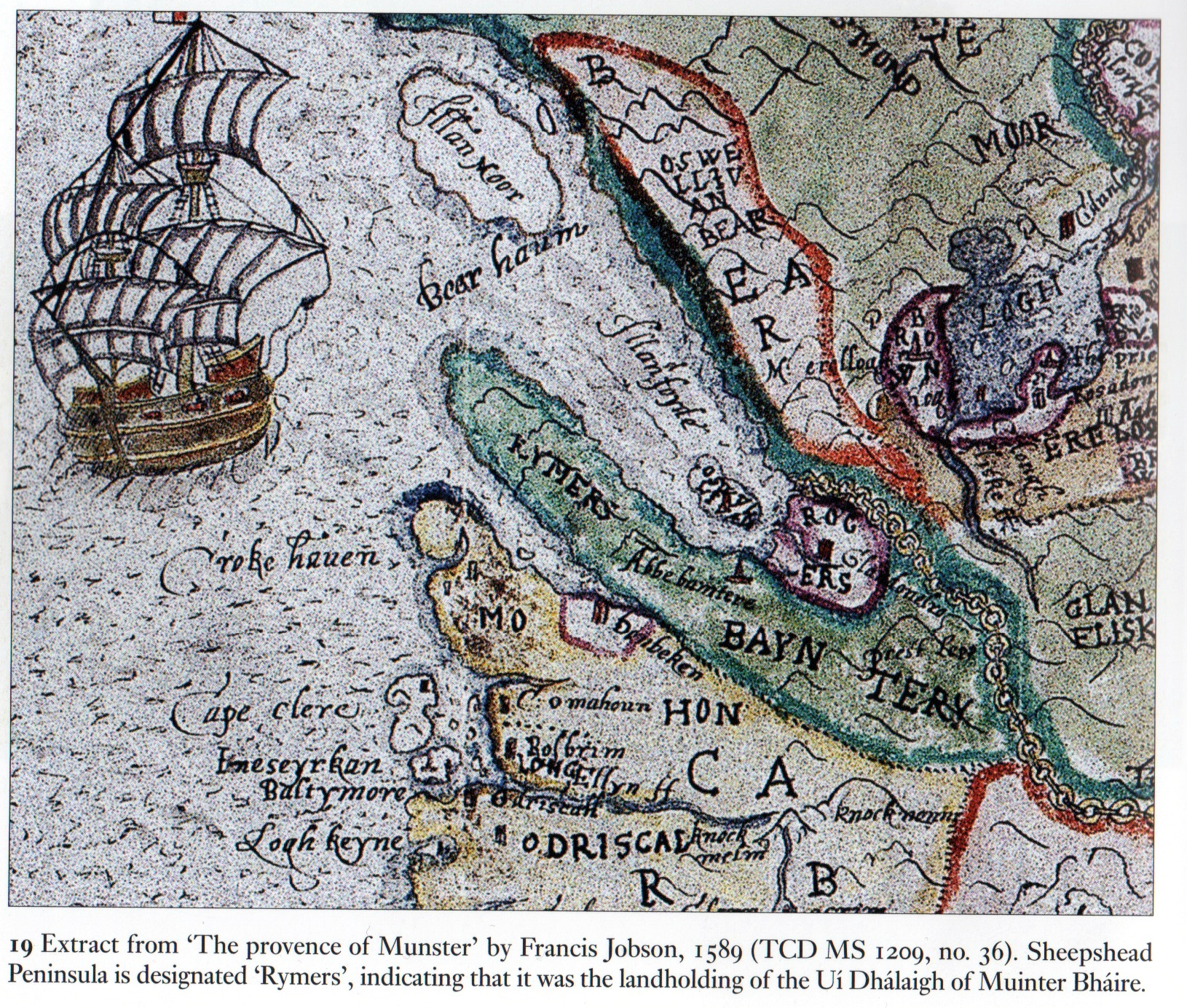
Francis Jobson’s Map of West Cork, 1589 including Cape Clear (Iniskyran), Baltimore, O’Driscolls, Rosbrin, Crookhaven, Bantry, Muintervara land of Rymers (O’Daly’s Bardic School), O’Sullivan Bere, Priest’s Leap.
From Dr. Elizabeth Fitzpatrick on the Bardic School.
09 Saturday May 2015
Posted in Uncategorized
George J Coalter, a village schoolmaster and evangelist, penned a brief account of a country service on the Ballinamallard circuit in his native Fermanagh. The preacher on that occasion (probably in the late 1880’s when Coalter was still a teenager) was Rev R Ker.
“The kitchen and room were full of people some of whom had come a considerable distance. The meeting began in the usual way” [hearty singing, much prayer and pointed preaching] “and after Mr Ker had preached for a short time, he stopped suddenly. Then he personally and audibly spoke to each one about his or her spiritual condition. In those days people were not offended by such an approach, although I believe some felt embarrassed.
Religion was in the very air of these Gospel services. I remember hearing the people sing on their homeward way from such a gathering……. Charles Wesley’s lines would describe the ‘meek…
View original post 34 more words
09 Saturday May 2015
Posted in Uncategorized
A fascinating letter written by a young Quaker, Susanna Pim, in late summer 1748, has provided historians with a first-hand account of the preachers’ early activities in Cork.
“The Methodists are here these some weeks. There is a great reformation wrought amongst the people. They preach twice a day, at five in the morning and seven in the evening. It is thought there were ten thousand yesterday. They go every day to the jails to preach to the prisoners. They are now gathering money to release the poor debtors. Yesterday, after they had done preaching, they desired that the people might contribute to it, and lest it should be imagined that it was for themselves, they appointed men to stand one on each side of the [Hammond’s] Marsh where they preached to collect the money. They collected yesterday evening upwards of twenty pounds, which was the first time of gathering.”
View original post 15 more words
09 Saturday May 2015
Posted in Uncategorized
In 1782 Dr Thomas Coke was directed by Rev John Wesley to convene a meeting of the preachers in Ireland and to hold, for the first time, a Conference in Dublin based upon the same principles as the Conferences in England.
During Wesley’s earlier visits he had assembled some of the Irish preachers and had consulted them concerning local religious matters but these encounters were not in the form of Conferences. All the concerns expressed in Ireland, which were deemed to have importance, had subsequently been dealt with at the English Conference. The appointments of all the preachers throughout the Connexion were also decided in England.
The increase in the number of societies in Ireland and the accumulation of Irish business requiring debate made a separate Conference necessary. The 1782 Conference was presided over by Dr Coke.
09 Saturday May 2015
Posted in Uncategorized
In the early years of the Irish Free State the small Protestant minority experienced a considerable degree of goodwill but some prejudice against them remained as expressed by the infamous case of the Mayo librarian.
The Cumann na nGaedheal Government set up a Local Appointments Commission to oversee recruitment to senior posts in local authorities with the aim of preventing nepotism or corruption. In July 1930, Letitia Elizabeth Aileen Dunbar-Harrison, a twenty five year old from Dublin, was selected by a LAC panel for the post of Mayo county librarian but Mayo County Council refused to sanction the appointment. Her lack of Irish was initially cited as the reason but the real issue was that Letitia was an honours graduate of Trinity College and a Protestant. As far as the Roman Catholic clergy who controlled the council’s library committee were concerned such a person was not suitable for ‘Catholic Mayo’.
The matter was debated in the Dail and…
View original post 215 more words
09 Saturday May 2015
Posted in Uncategorized
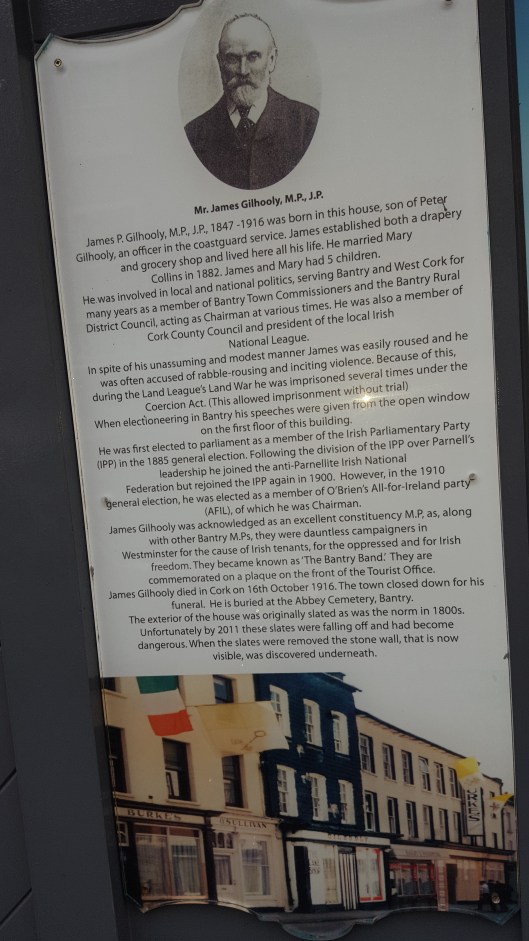
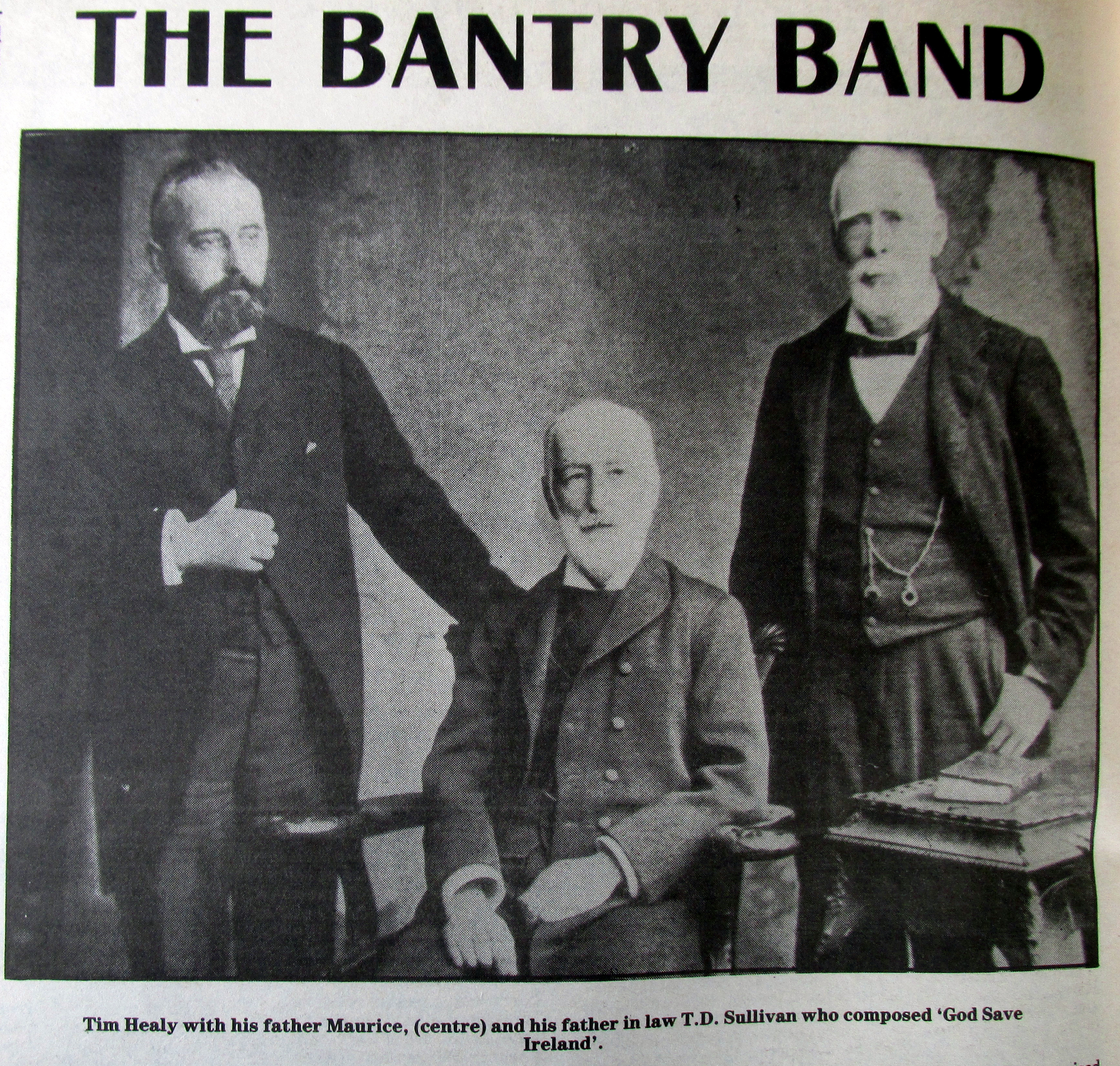
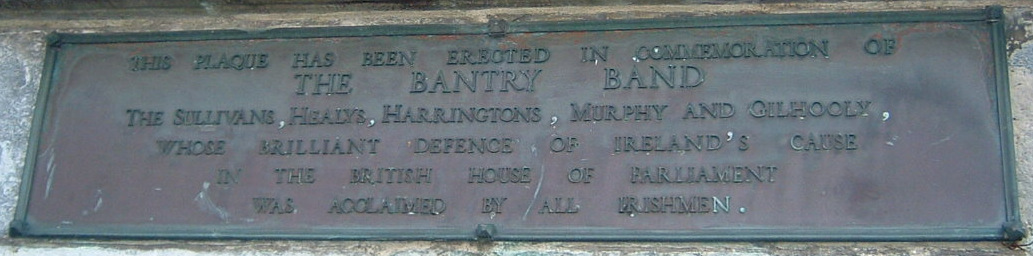
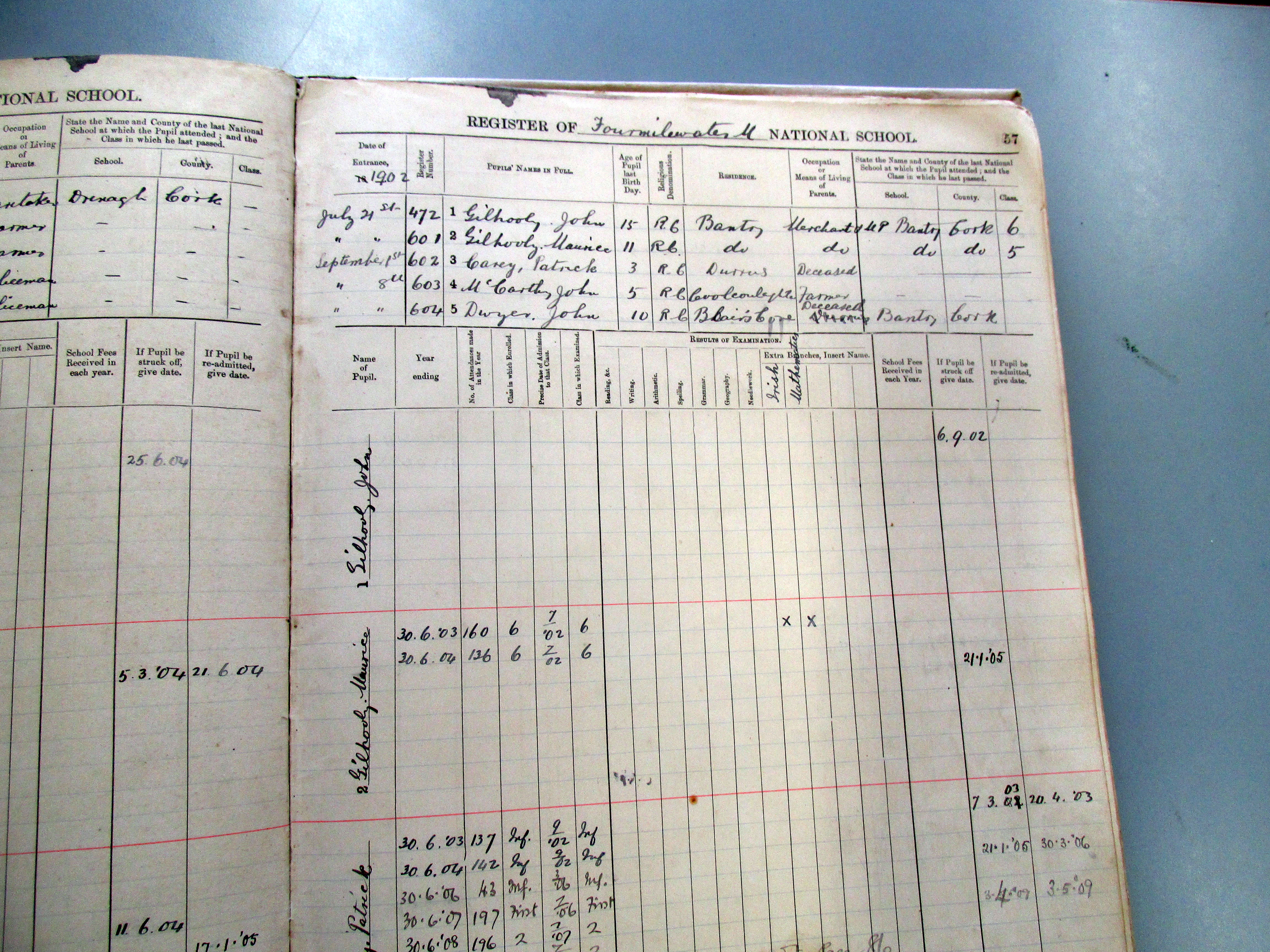
James Gilhooley (1847-1916), Fenian 1867, Irish Parliamentary Party MP, West Cork, Member ‘Bantry Band’, children at Four Mile Water (Durrus) National School. In later years his election agent was Jasper Woulfe, Solicitor, Crown Prosecutor and later TD, Skibbereen.
His grandfather was probably from Sligo.
Dr John Wood Levis (trained Edinburgh) 1901, died 1913 after 26 years service in Durrus. In 1894 he was submitting reports to the Bantry Union warning of the danger of fever in Durrus the village pump had been sent to Perrots in Cork, for repair and five months later was not returned. The village was taking its water from the river which was polluted with the sewage of the village and dead dogs and cats. He applied for a salary increase in 1904, he had been receiving £100 with £10 as of Health, at the time the nurse’s salary was £30. In 1910 together with T Shannon, Brahalish he was an assenter to James Gilhooley MP.
http://en.wikipedia.org/wiki/James_Gilhooly
http://www.freemountvillage.com/memory_mr_james_gilhooly_mp
09 Saturday May 2015
Posted in Uncategorized
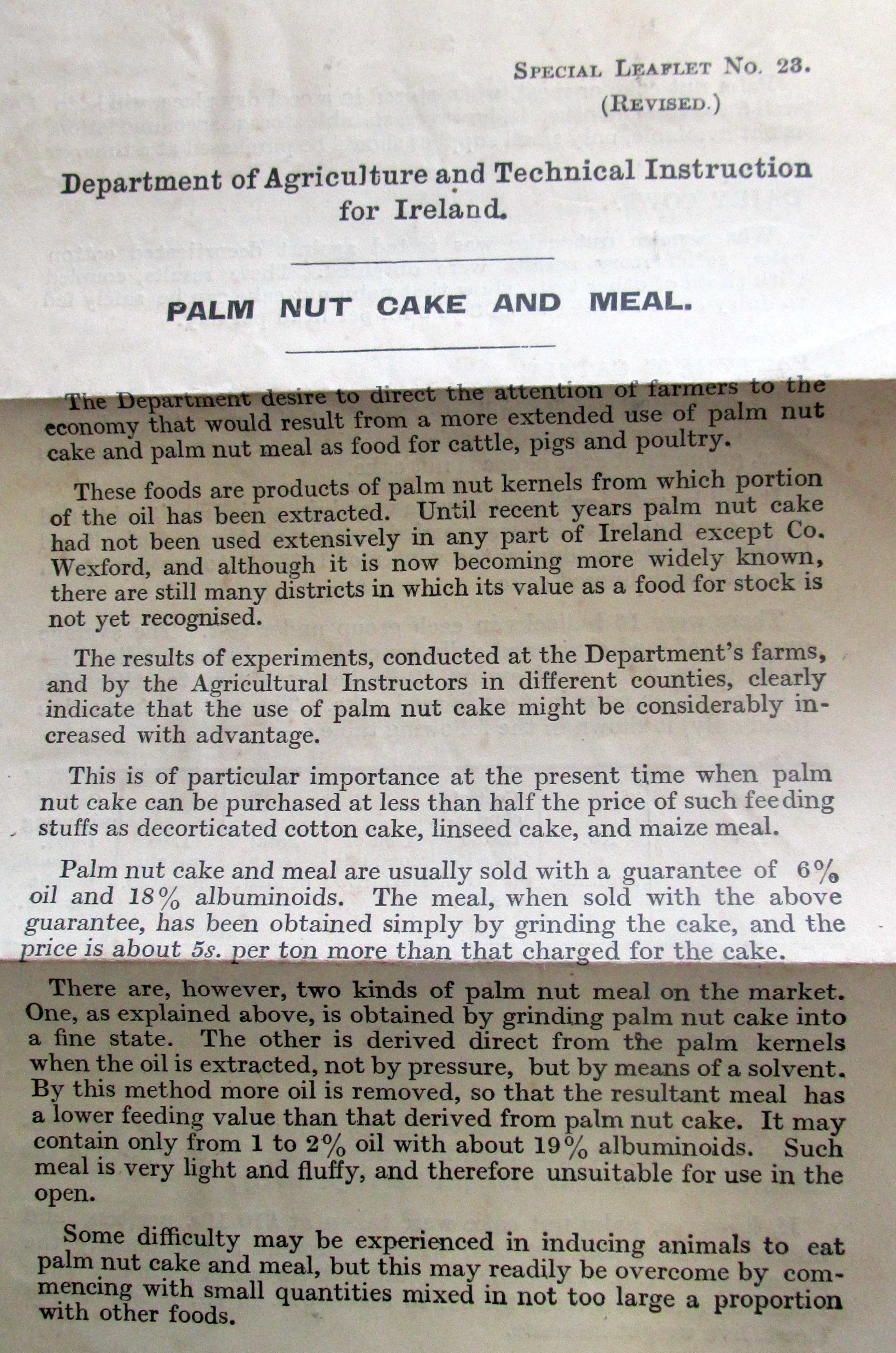
Leaflet on Palm Nut Cake for Cattle, Poultry and Pig Feed, from the Department of Agriculture and Technical Instruction for Ireland, April 1920.

09 Saturday May 2015
Posted in Uncategorized

 West Cork History