Report 1934, by Canon Bastible, of Religious Inspection of Durrus National School, West Cork.

21 Thursday May 2015
Posted in Uncategorized
Report 1934, by Canon Bastible, of Religious Inspection of Durrus National School, West Cork.
21 Thursday May 2015
Posted in Uncategorized
The early Primitive Wesleyan Methodist class tickets were similar in form to those used for the 18th century turnpikes. They were bordered and dated and followed the design of their Wesleyan contemporaries with the date, in the first instance, being outside the border but later placed within it. The name of the Society was not inserted until September 1828. There were a variety of border designs used until 1846 by which time the ticket had evolved into its final format.
It remained thus until the union of Wesleyans and Primitive Wesleyans in 1878. Then the title of the Irish tickets was changed to ‘Methodist Society’ and it was further amended to ‘Methodist Church’ in December 1893.
The use of the word ‘Methodist’ without any descriptive adjective being appended anticipated a similar change in the English tickets by more than half a century.
20 Wednesday May 2015
Posted in Uncategorized
Jack Dukelow (1866-1953), Rossmore, Durrus, West Cork, linking O’Sullivan Bere to Past and Present Governor of Louisiana and former US Senator for Louisiana.
Jack’s daughter Sarah was the mother of Ernest Dukelow who was adopted by the Snelling family in New Orleans in the early 1950s. He became an Attorney and married Mary Landriue, up to last year US Senator for Louisiana. Her brother is the current Governor and her father a former one of the State.
Jack’s grandmother was Margaret O’Sullivan one of the Hurrig Sept. She is descended from the 1774 marriage of Michael Sullivan and Mary Vickery of Whiddy Island. It is believed that Michael descends from O’Sullivan Bere, possibly on the Finnin Dubh side. He was a Heart Tax collector in Bantry and extensive middle man.
Interestingly one of the descendants of the Tedagh (Durrus/Bantry) branch in the 1830s was living in New Orleans and papers had to be sent to him for notarization in connection with a family settlement.
Jack Dukelow:
https://docs.google.com/document/d/1Gnw2LsIbV0Wxk2bGjzCPq9sH9rCCQOrYTh5c0bG7vf0/edit
Senator Mary Landrieu, Louisiana (1996-2014), USA, the the Dukelows of Durrus, West Cork.
20 Wednesday May 2015
Posted in Uncategorized
Commencement of the Teaching of Irish as an Optional Extra at Carrigboy/Four Mile Water/Durrus, Boys National School, West Cork 1896.
The boys who take the subject generally do after 4th class.

19 Tuesday May 2015
Posted in Uncategorized
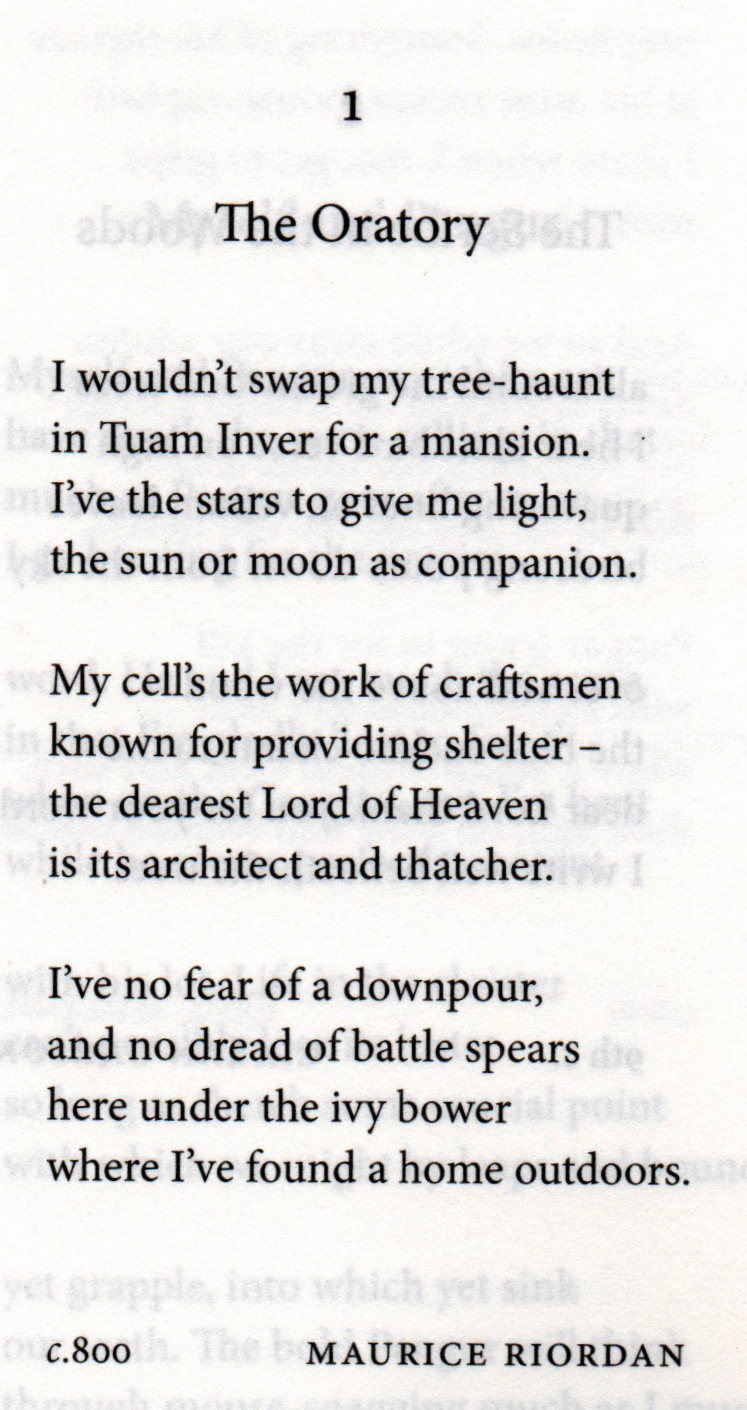
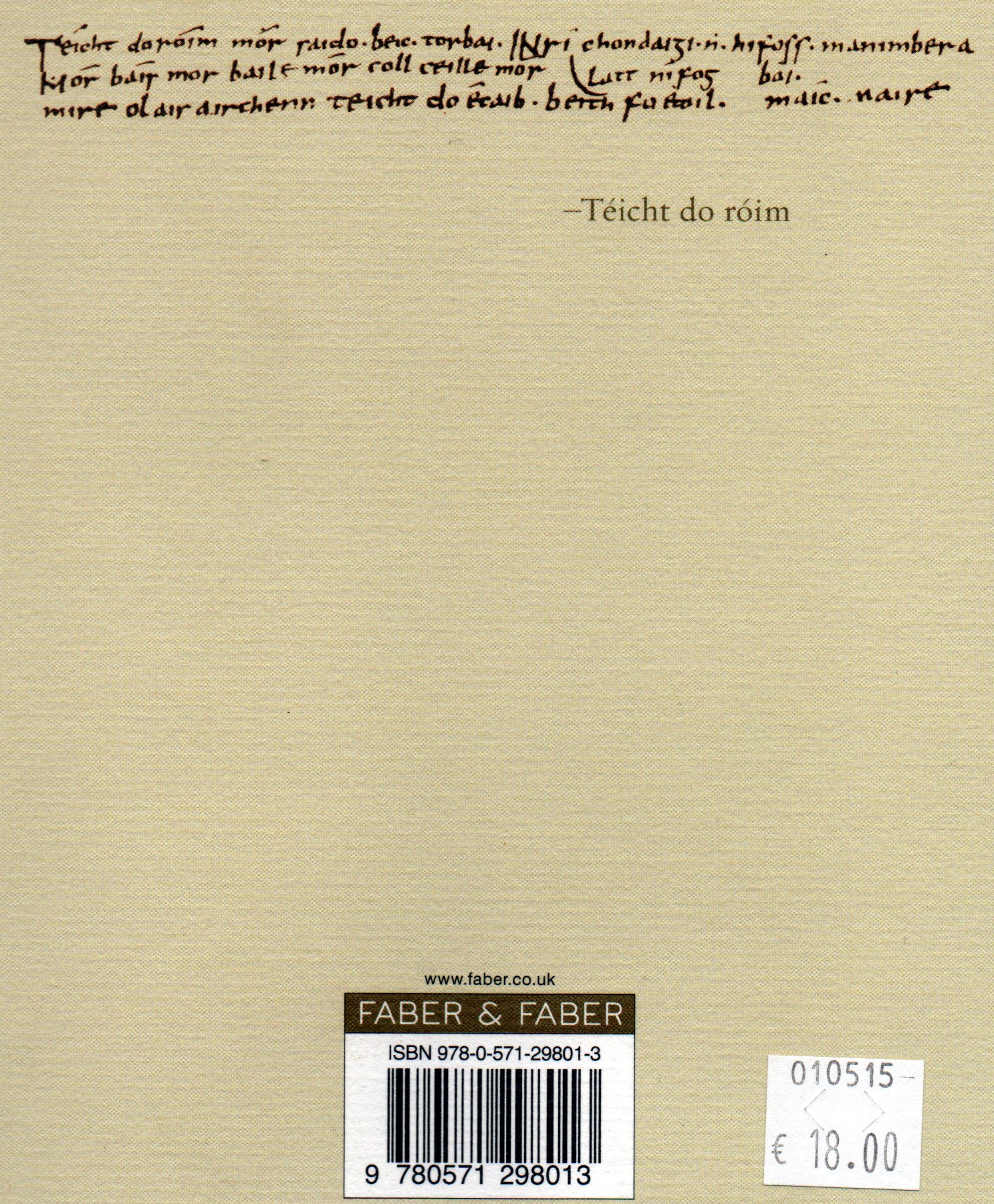
Late 7th Century Irish Scribes, First in the World to use Spacing between Words.


19 Tuesday May 2015
Posted in Uncategorized
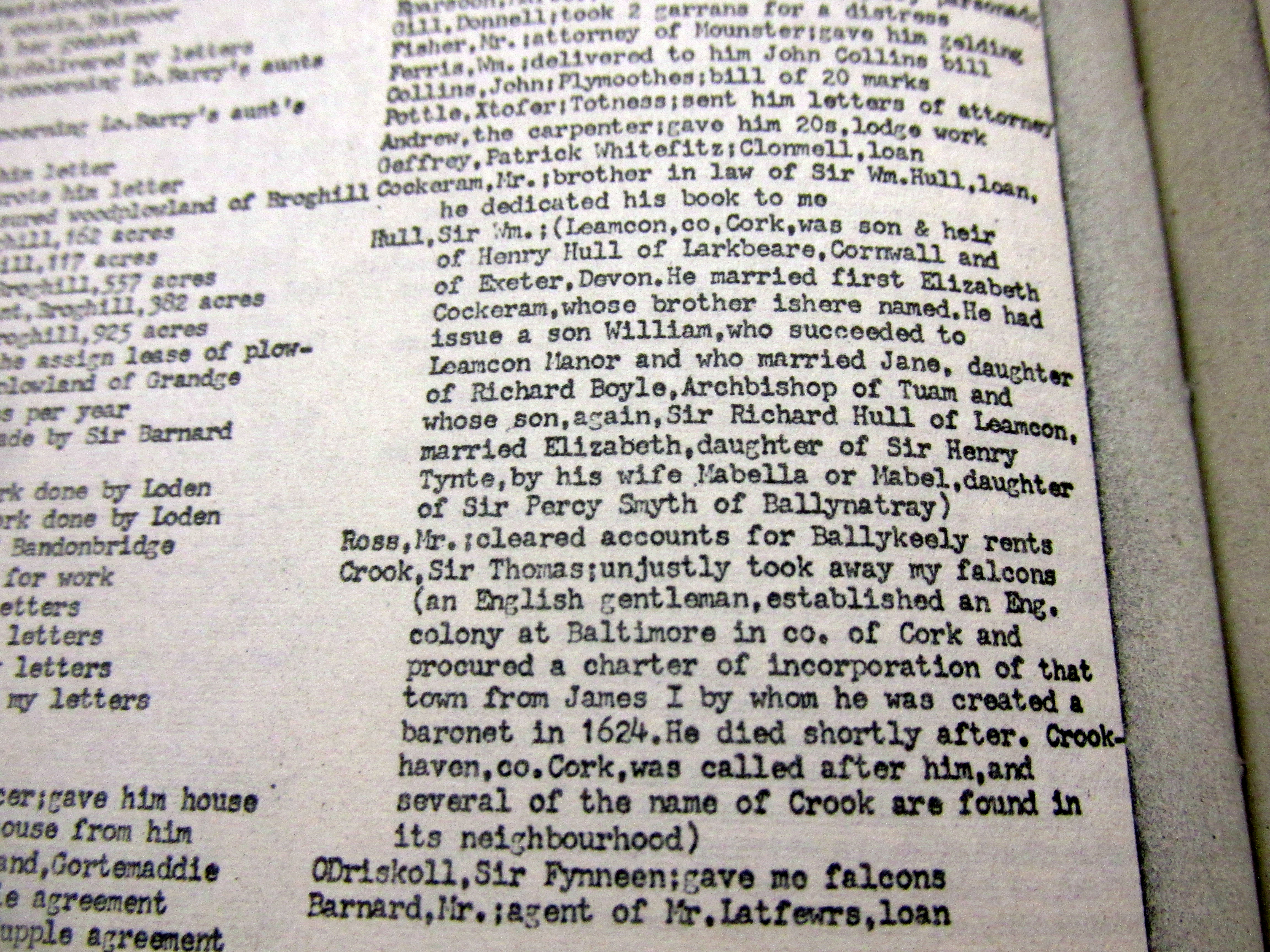
Richard Boyle, Great Earl of Cork, on Sir William Hull of Leamcon, Schull and Sir Thomas Crook, founder of Baltimore who ‘Unjustly took his Falcons’, and Sir Fineen O’Driscoll gave him Falcons
Courtesy Dr. Casey collection.
19 Tuesday May 2015
Posted in Uncategorized
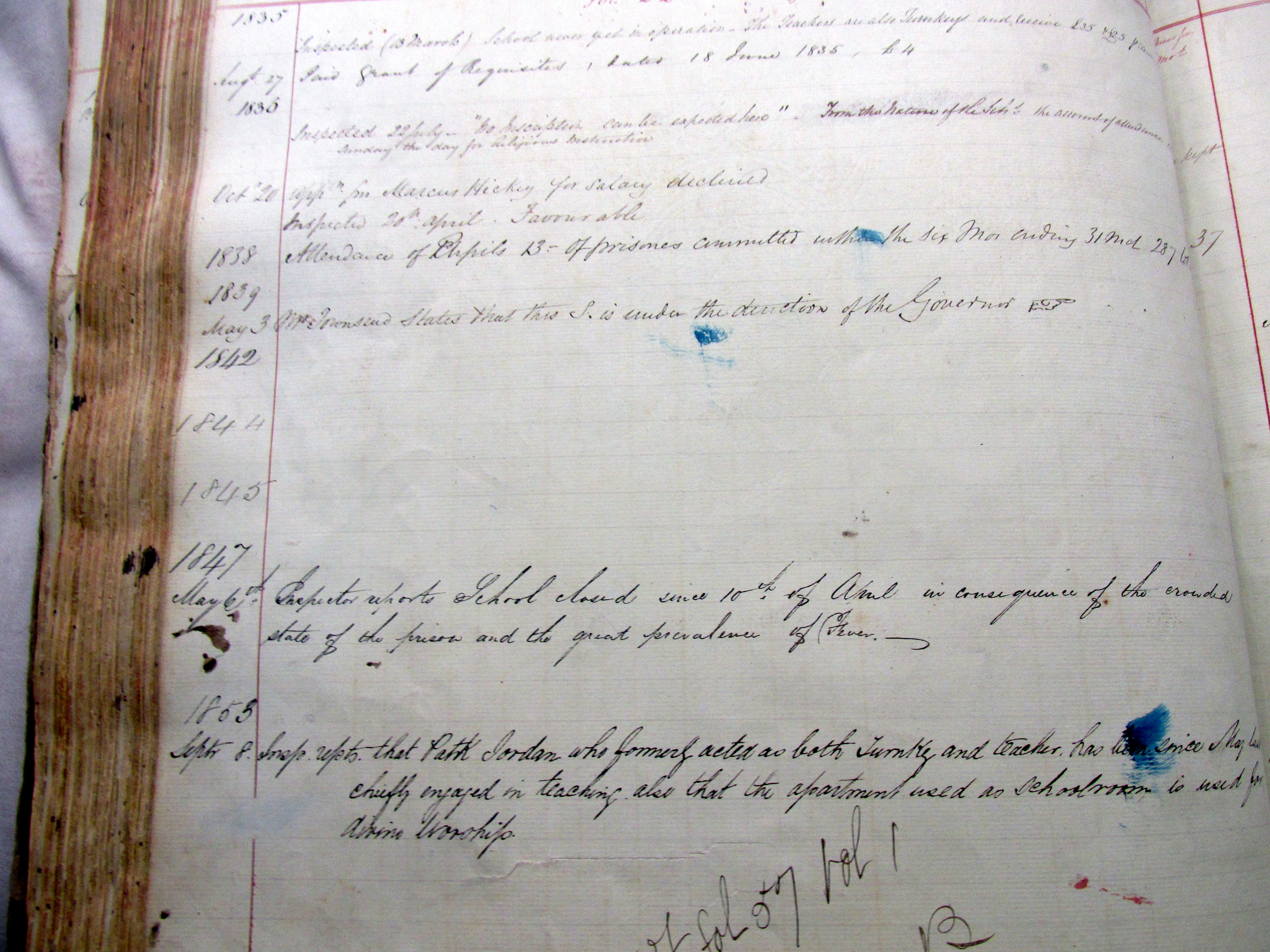
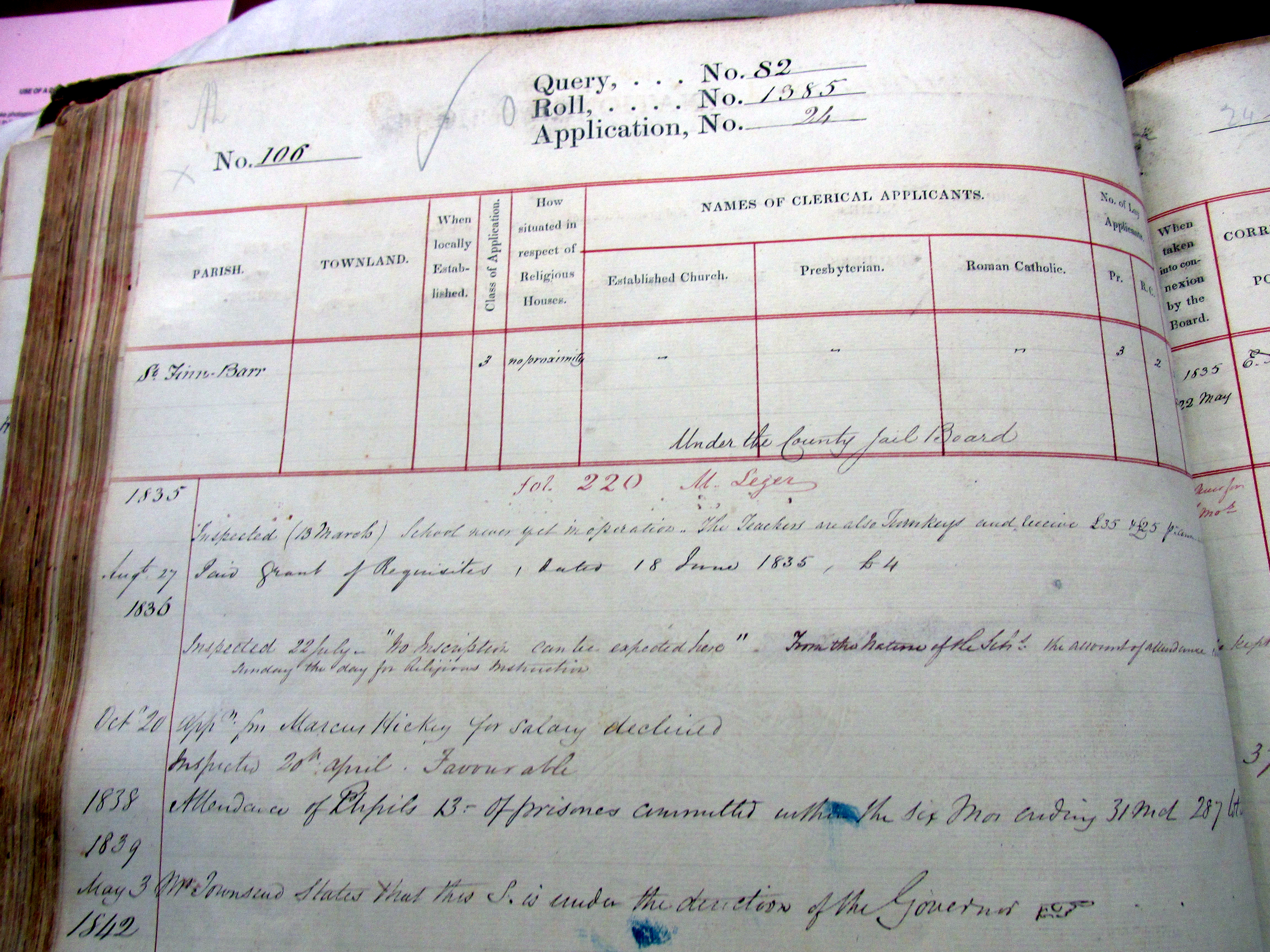
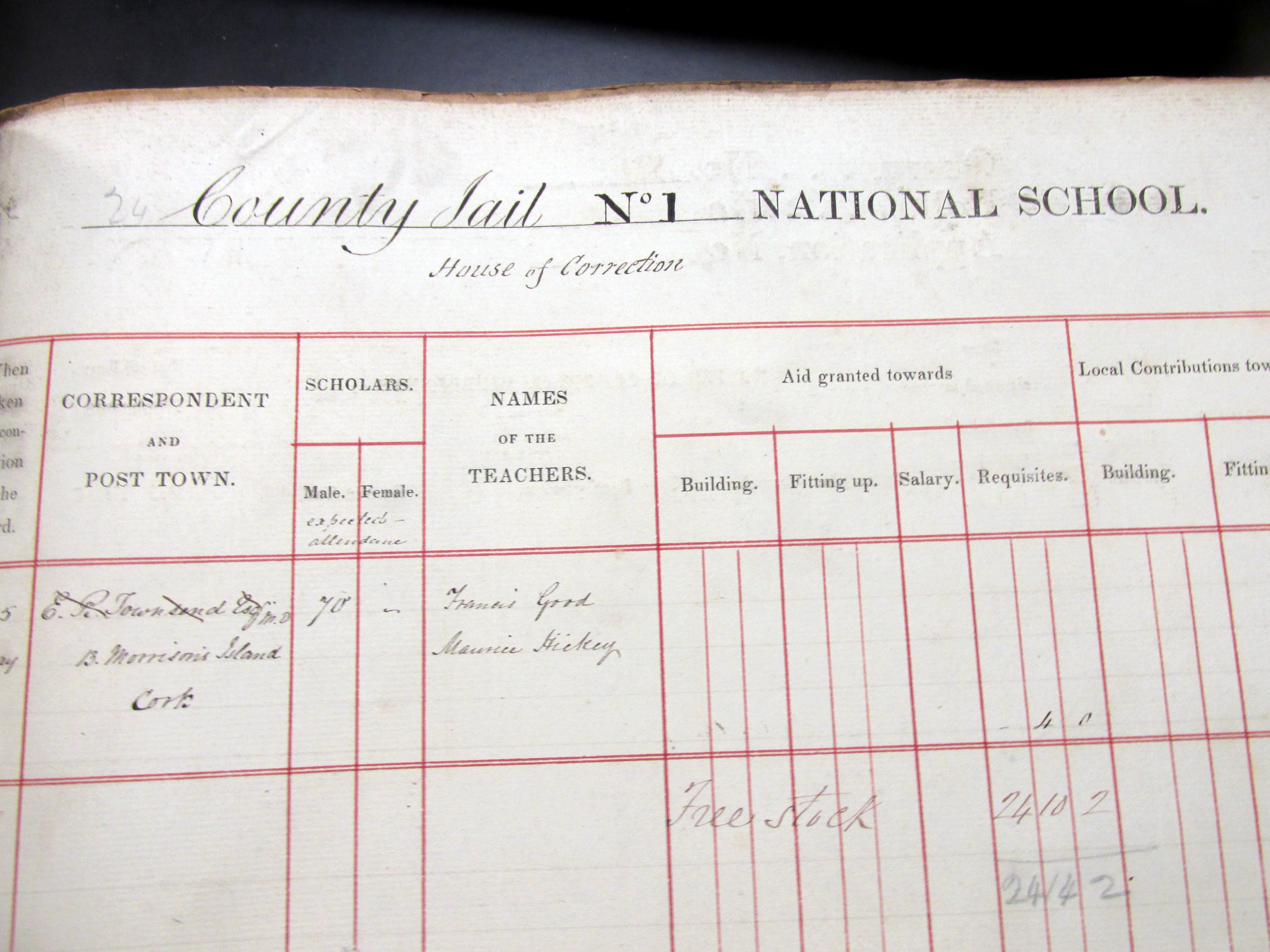
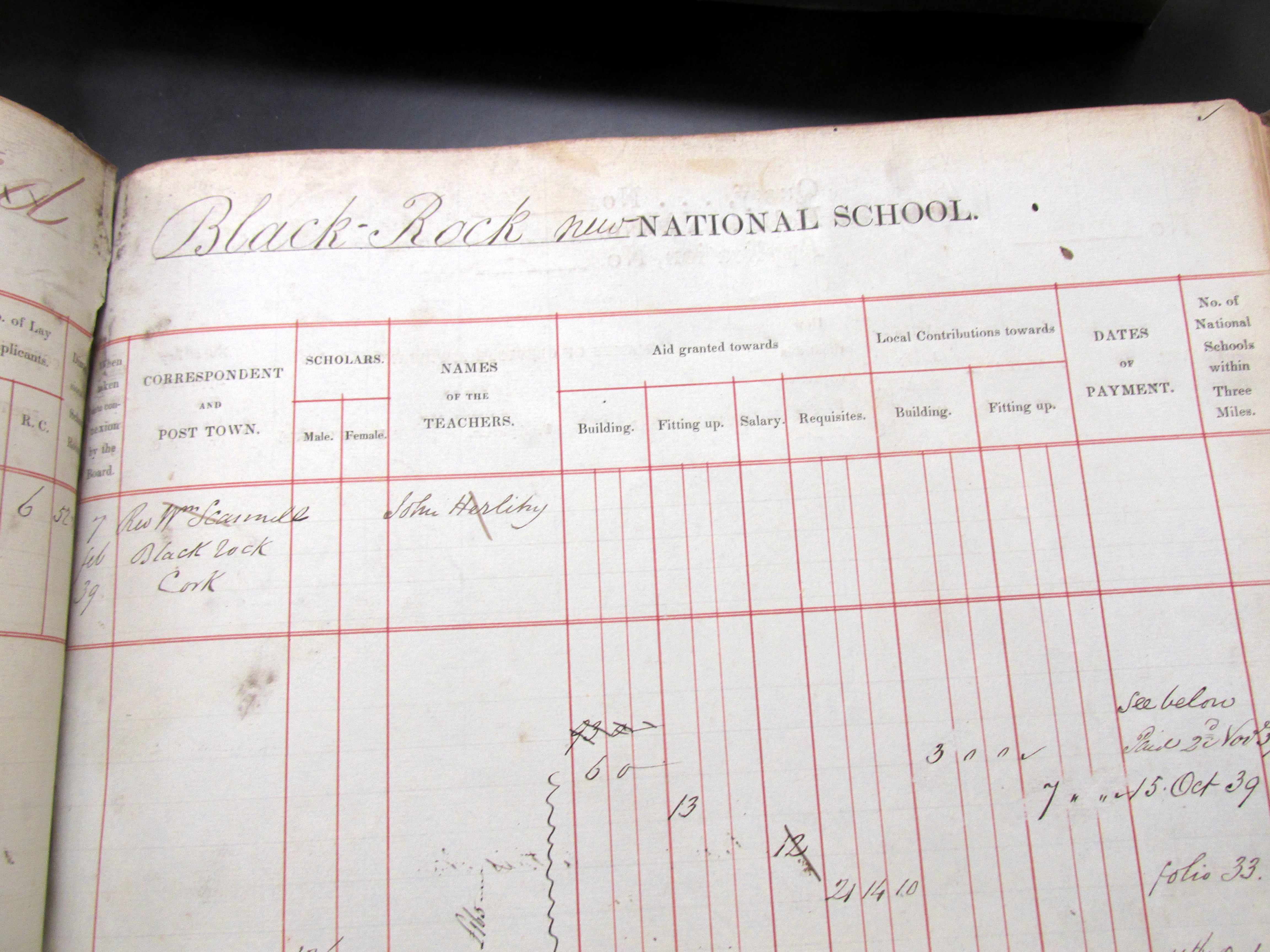
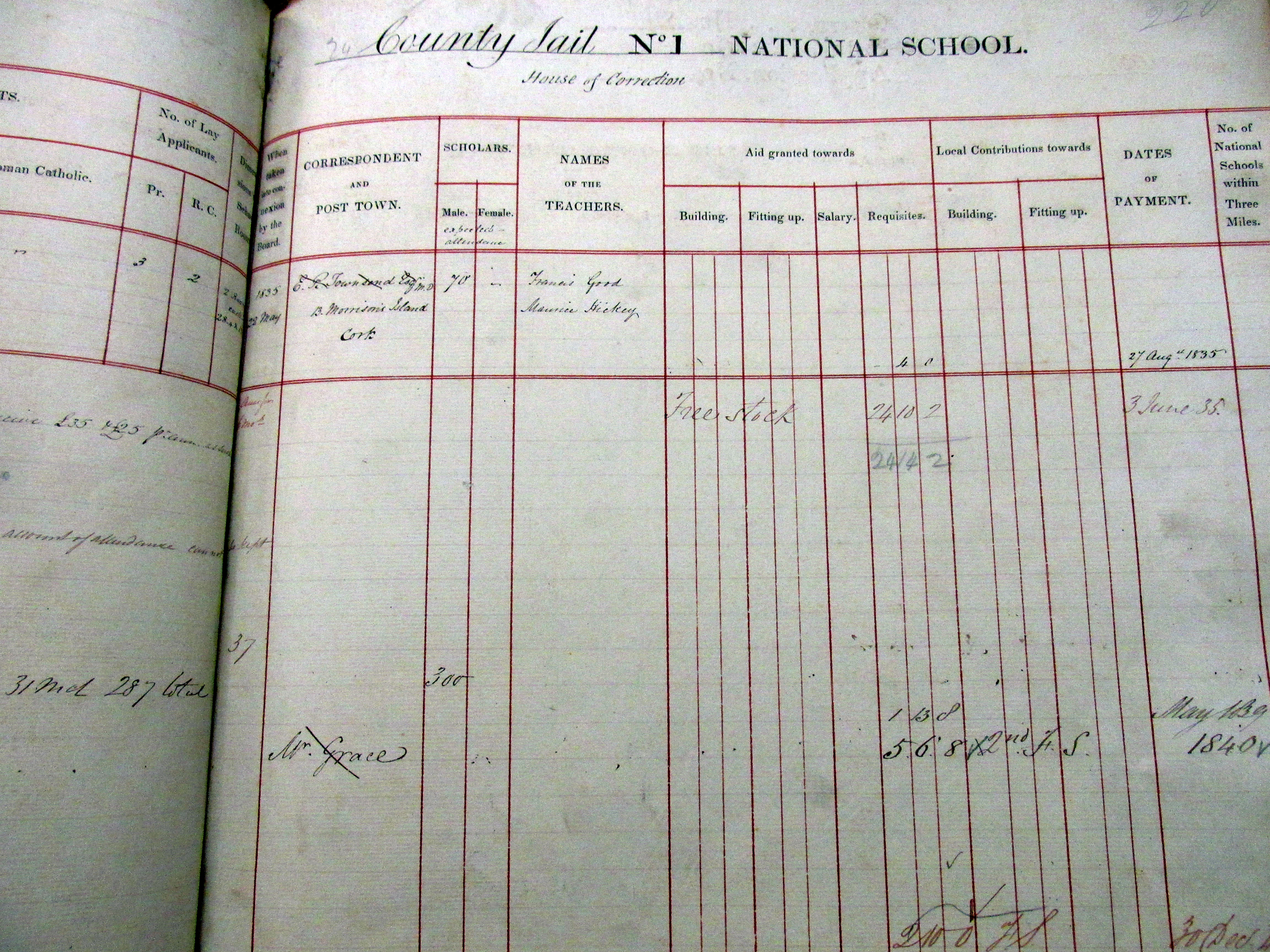
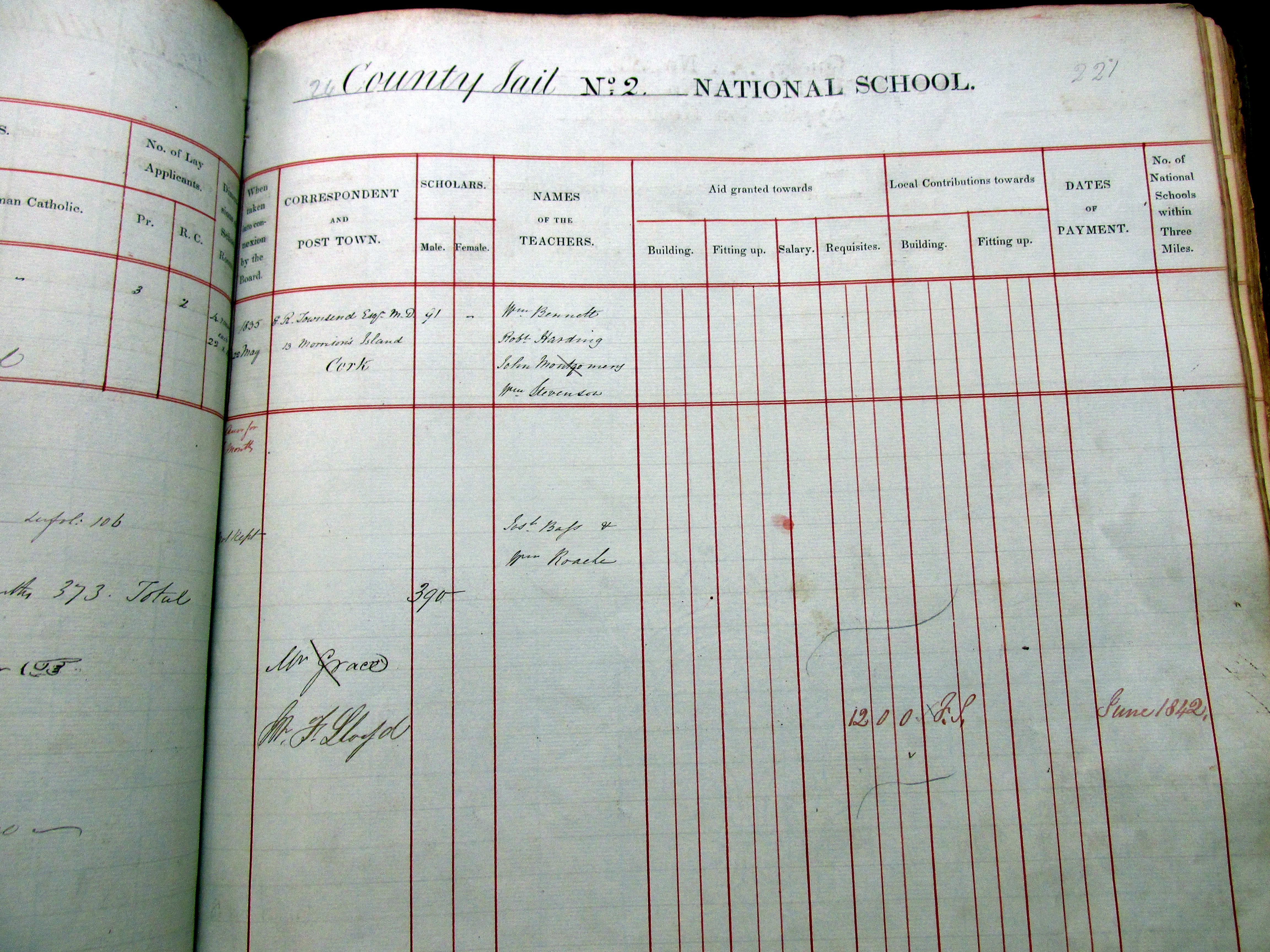
Cork Jail No 1 and 2, House of Correction, National School 1830s




19 Tuesday May 2015
Posted in Uncategorized
https://www.google.ie/maps/@51.6550646,-10.047437,13z
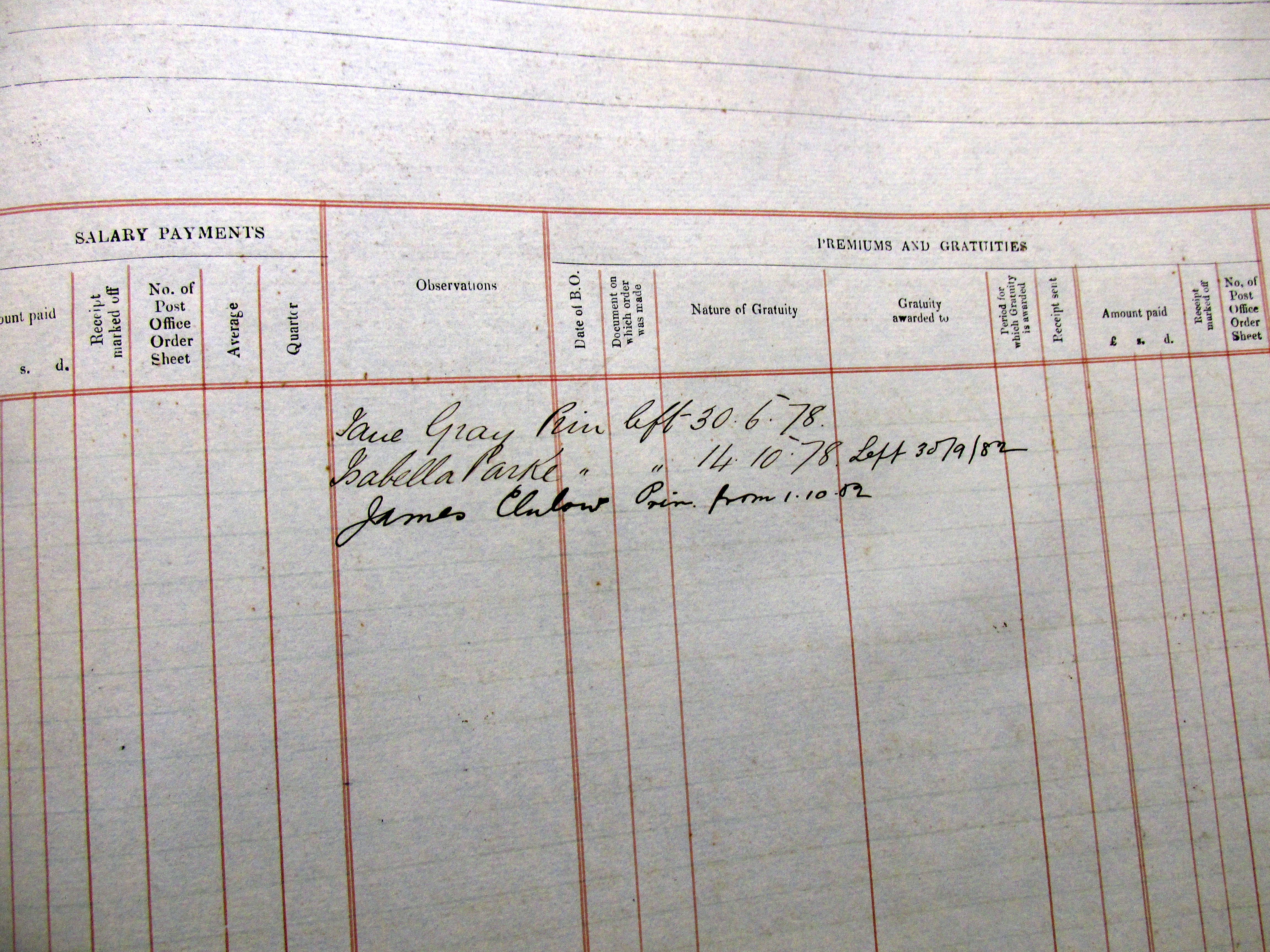
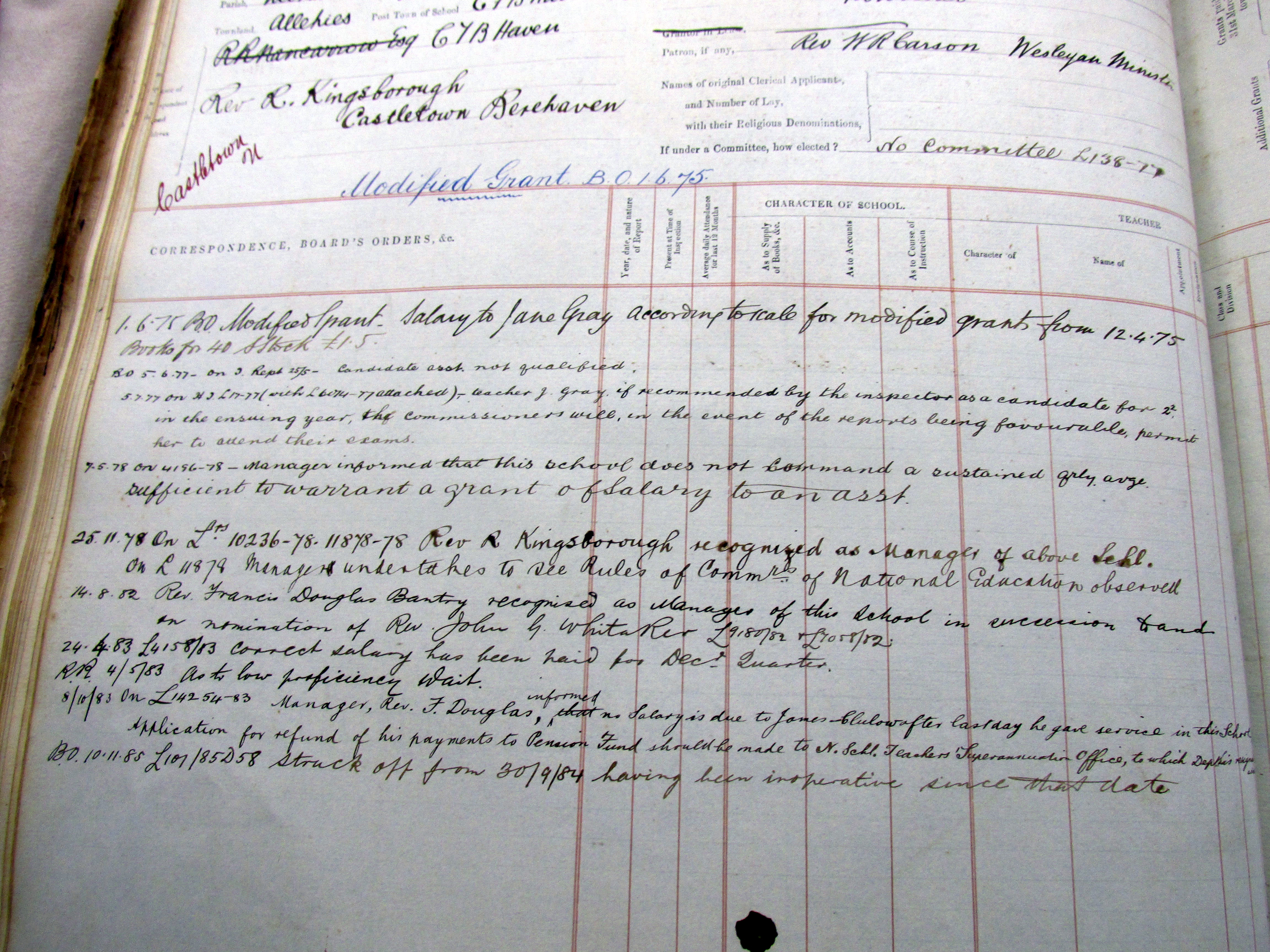
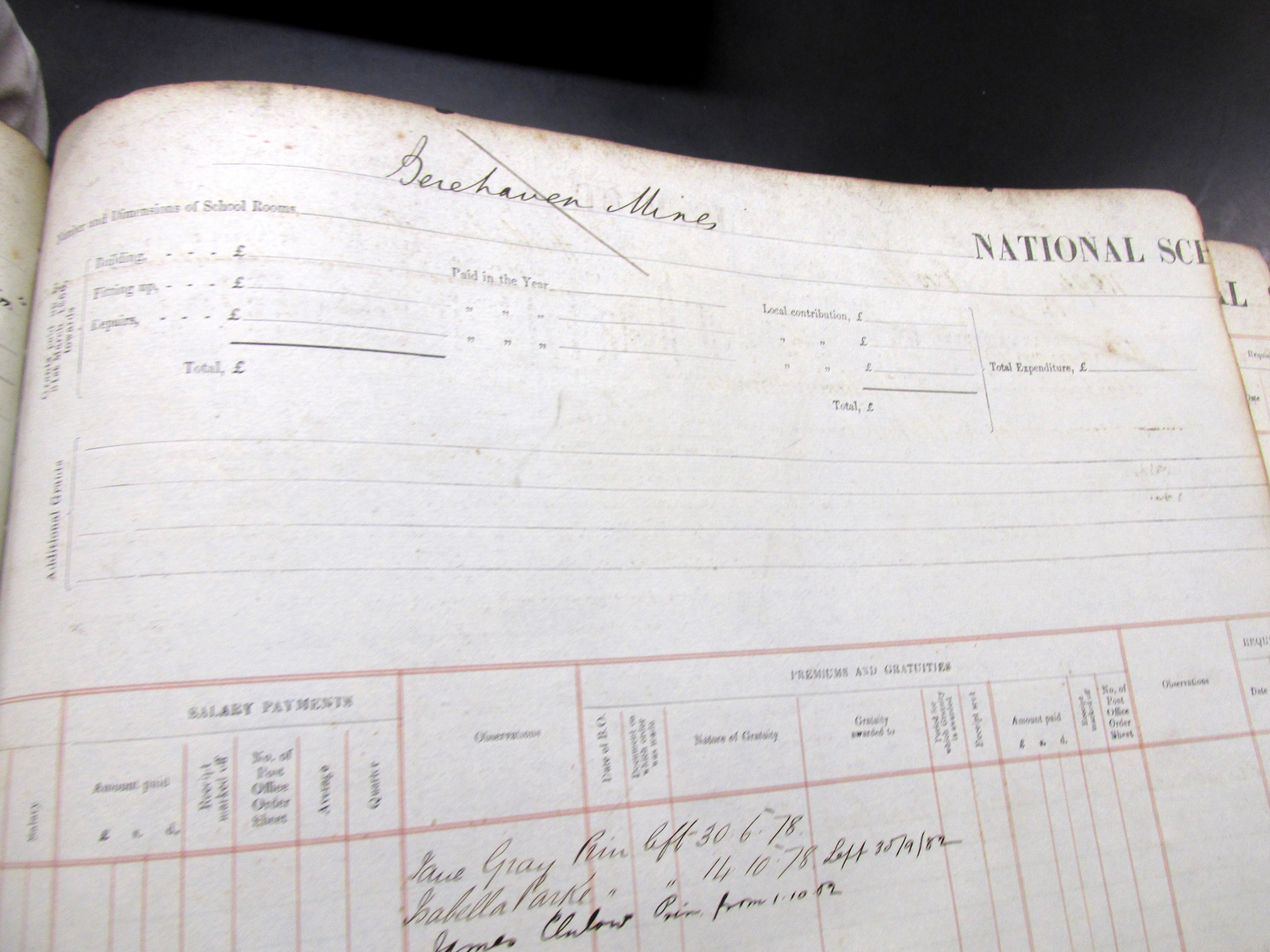
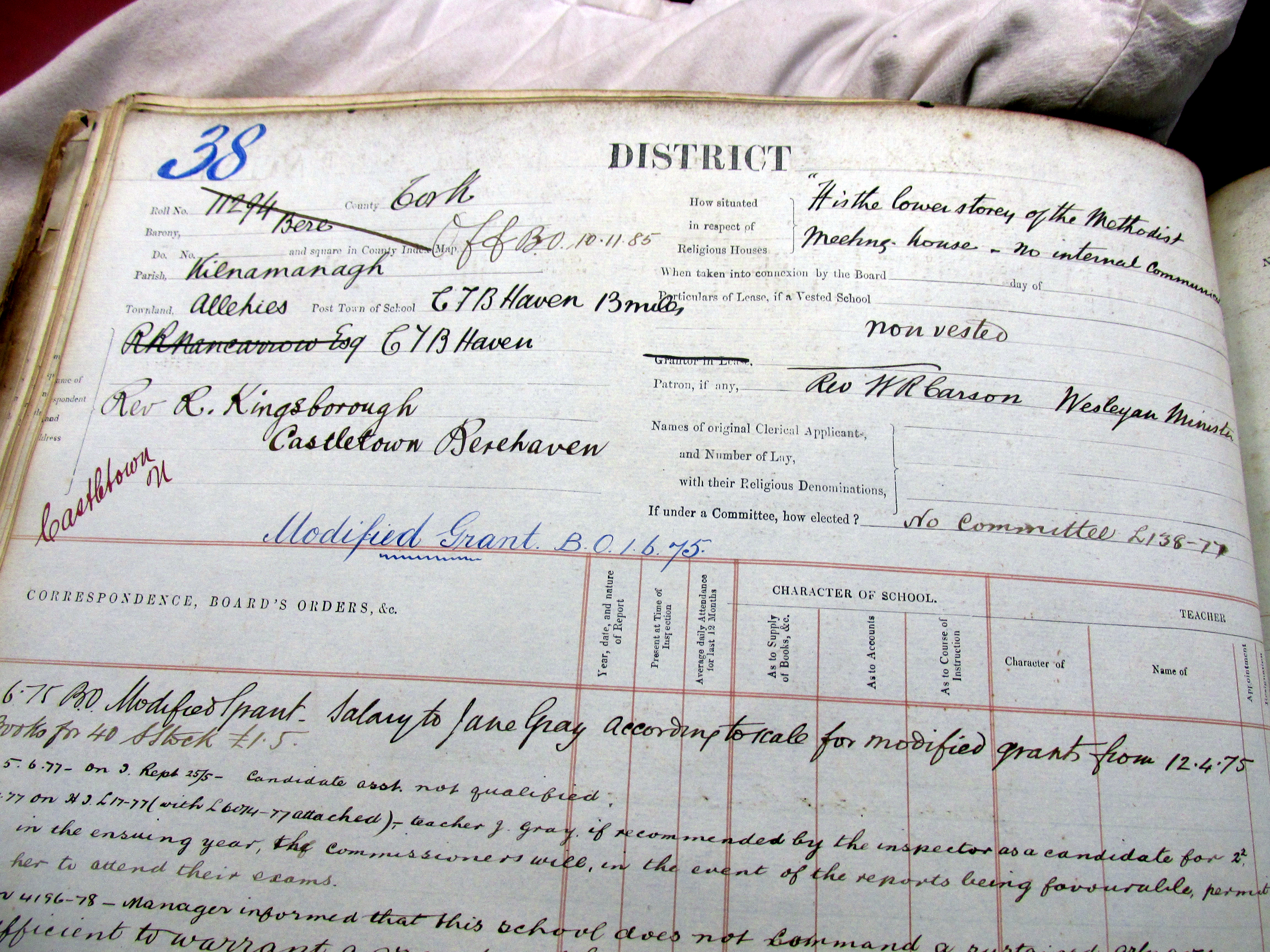
Berehaven Copper Mines, Allihies, West Cork, Methodist National School, 1875-1883
Baptismal Register (Methodist), Berehaven Mines, Co. Cork 1842-1878
18 Monday May 2015
Posted in Uncategorized
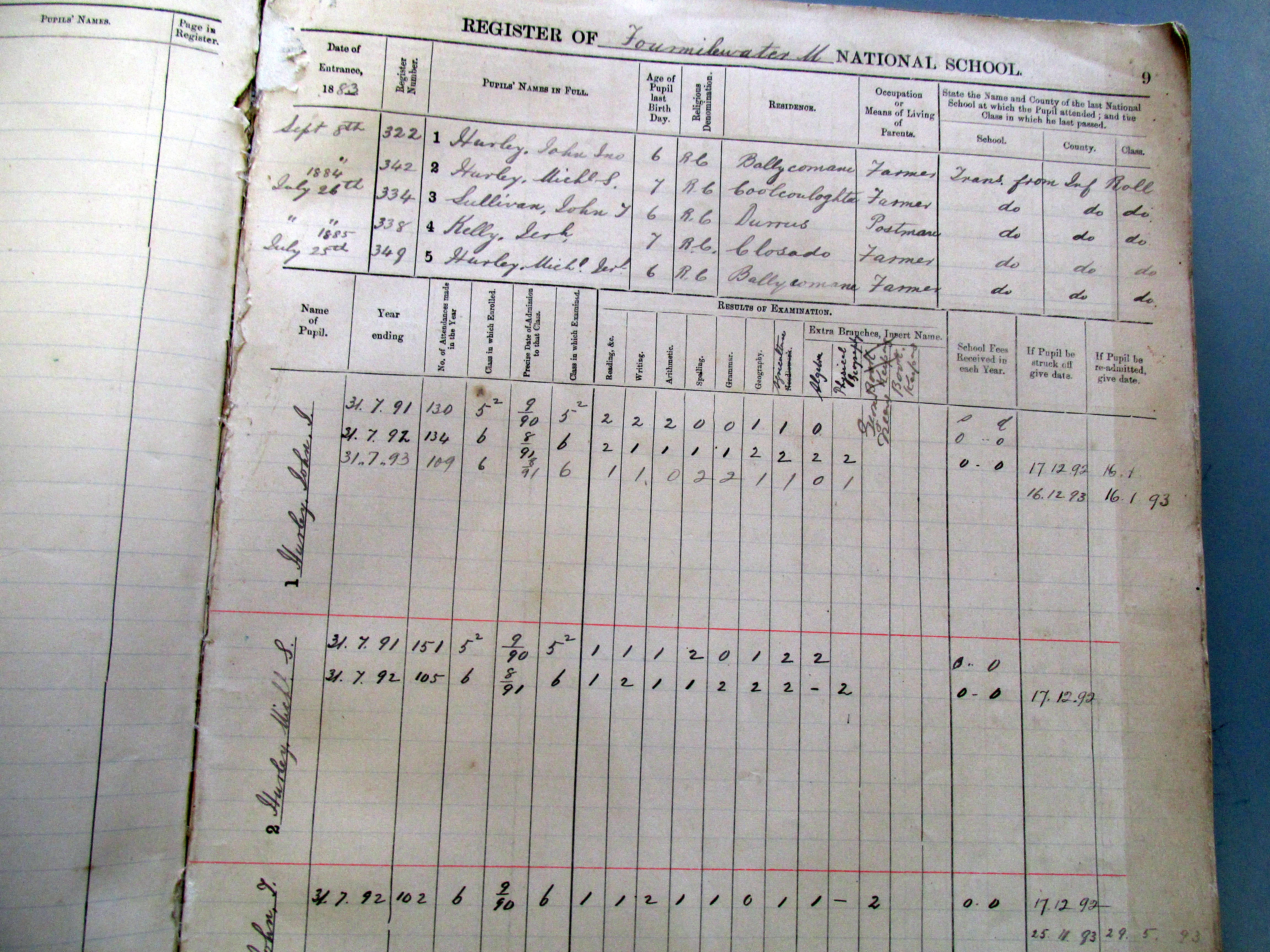
1883 Curriculum Boys National School, Carrigboy (Durrus), West Cork, including Agriculture, Physical Geography, Bookkeeping.
By the 1930s the curriculum had probably gone backwards. Sarah Dukelow from Clashadoo/Sea Lodge after the death of her mother spent a number of years in Trillick, Co. Tyrone with relations and attended the local National School. The girls studied science algebra having to work out solutions on the blackboard. When she returned to St. James there were no such subjects. Carrigboy school would have had the same broad curriculum.
This advanced form of education is consistent with some of the subjects available from Hedge School Masters such as Aeán Ó Coileáin:

18 Monday May 2015
Posted in Uncategorized
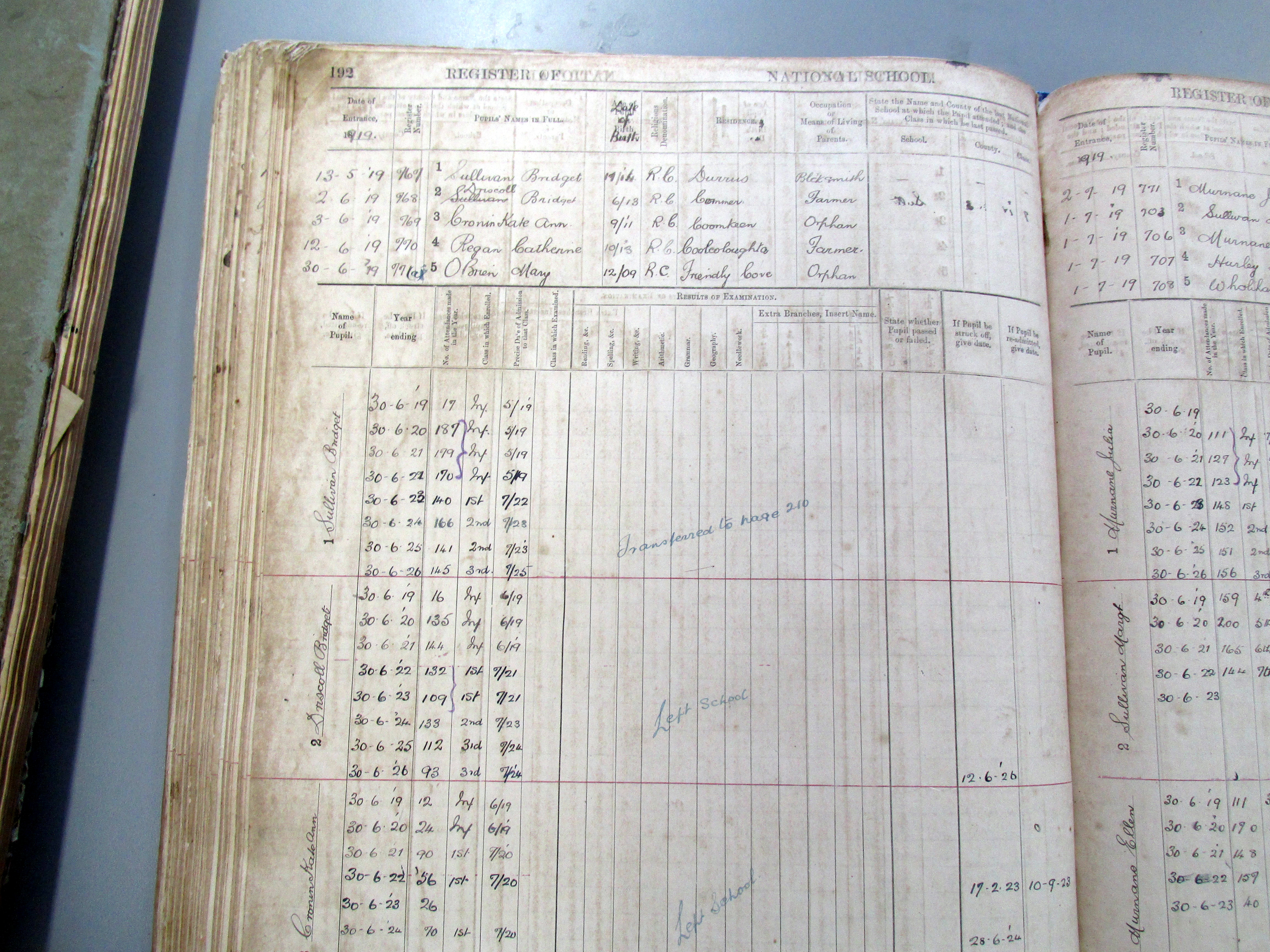
The Recommencement of the use of ‘O’ in Irish Surnames, an example from the Girls School Roll, Carrigboy (Durrus) National School, West Cork, 1919.
For the ordinary Irish population for the 18th and 19th century names that habitually used the ‘O’ were written and spoken of without them.
Interestingly many Irish Protestant families of a Gaelic background high up the social scale used the ‘O’ such as ‘The O Donovan’ of Lissard.
The girls records of Carrigbui from 1866 are available and the ‘O’ is rarely used. this is an example of a girl, entry 791, Mary O’Brien, an orphan, from Friendly Cove.
https://plus.google.com/photos/100968344231272482288/albums/6146640094366678001
One of the peculiar aspects of the current usage is that some names which historically never had the O now have it attached.

 West Cork History