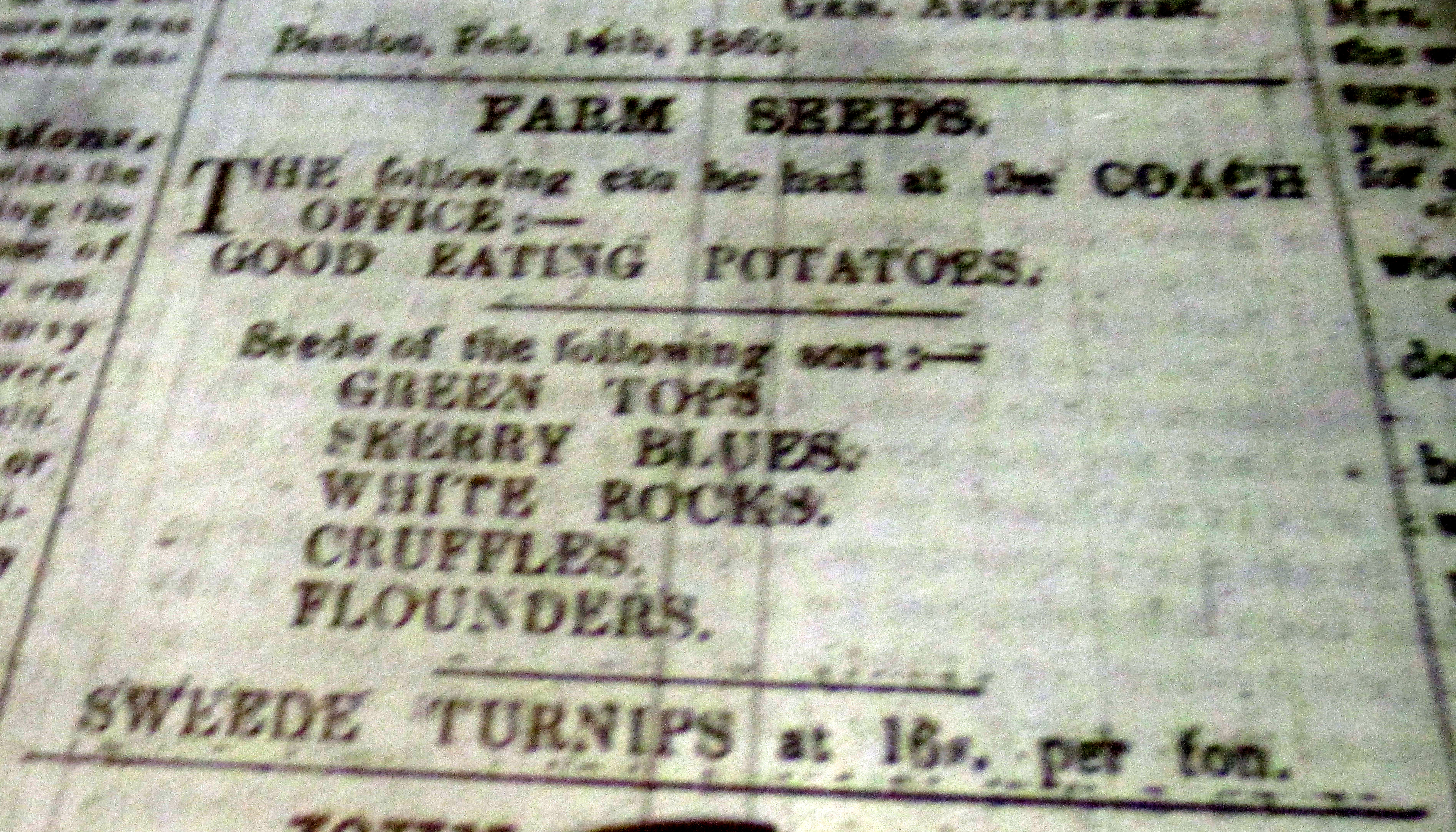
Green Tops, White Rocks, Sherry Blues, Cruffles, Flounders, Seed Potatoes, For Sale, Skibbereen, 1863.
03 Wednesday Jun 2015
Posted in Uncategorized
Green Tops, White Rocks, Sherry Blues, Cruffles, Flounders, Seed Potatoes, For Sale, Skibbereen, 1863.
03 Wednesday Jun 2015
Posted in Uncategorized
One of the first Sunday Schools in Ireland was commenced in the early 1780’s by Rev Dr Kennedy the incumbent of Bright Parish in Co Down. [He was also the principal of a boarding / day school in Downpatrick.] His parish clerk was Thomas Teer and he became one of the teachers.
When the Methodist preachers arrived in the area Thomas, being a strict churchman, had many scruples about going to hear them. His solution was to take his Bible with him and judge their sermons on the basis of Scripture. He was clearly convinced and soon became a zealous Methodist himself.
He settled in Killough where he followed his trade as a tailor. His house was opened for the preachers and, in due course, he became a local preacher. When the split came he threw in his lot with the Primitive Wesleyans and was present at some of their Conferences.
On…
View original post 49 more words
02 Tuesday Jun 2015
Posted in Uncategorized
Raphoe:
Tenants on the Abercorn estate, 1794:
http://freepages.genealogy.rootsweb.ancestry.com/~donegal/abercorn.htm
Dromreagh:
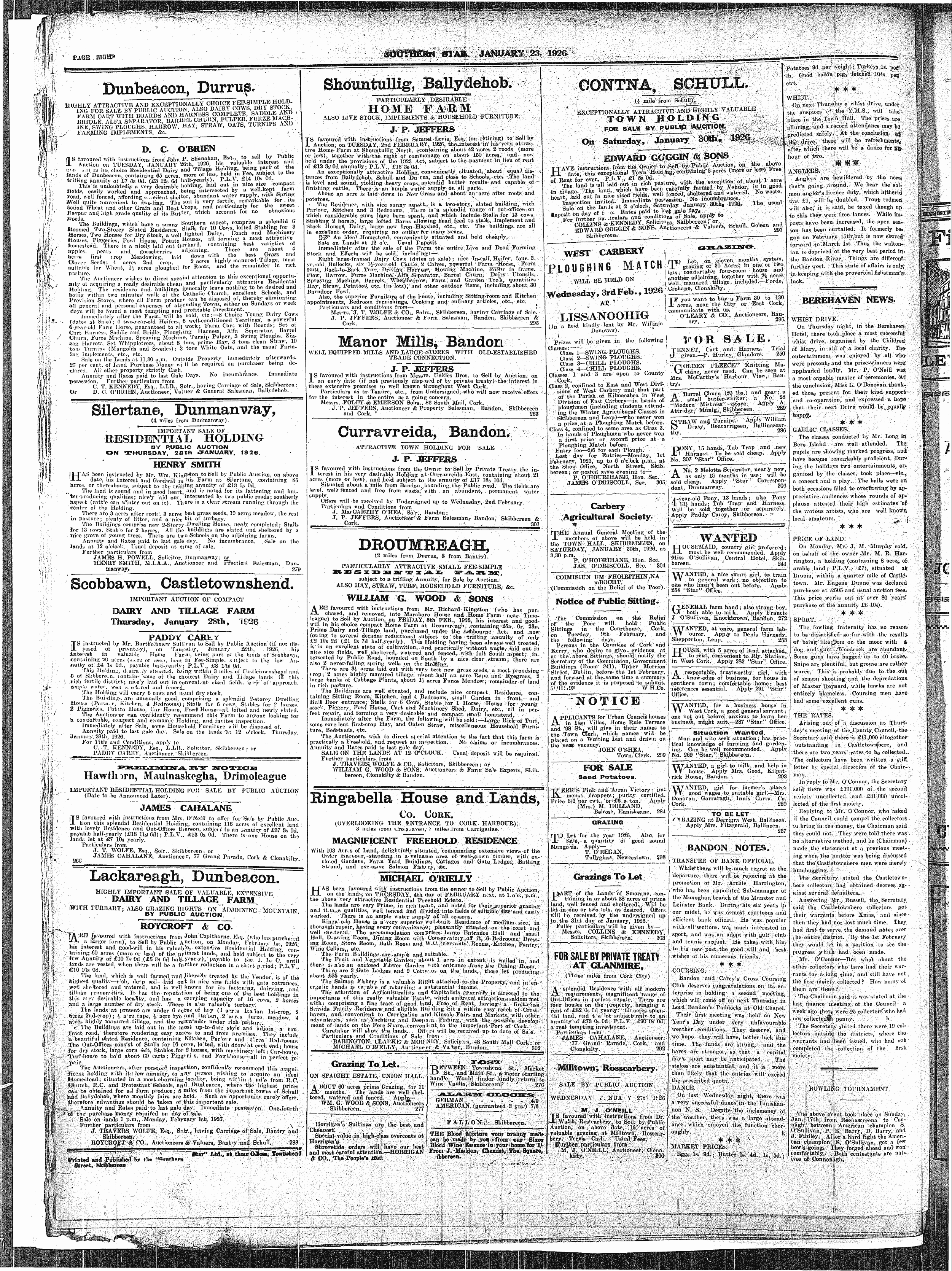
The Brooks/Brookes of Dromreagh (Drom Riabhach, stripe, grey ridge), Durrus, West Cork coming early 19th century as Weavers from Ryelands, Raphoe, on the Abercorn Estate in East Donegal, some go to New Zealand early 20th century, and 1926 sale of family holding Dromreagh on move to Courtmacsherry, subject to ‘a trifling annuity’ with an acre and a half of furze meadow.
The sale in 1926 was by Richard Kingston (Brooks on his mother’s side) who was moving to Maraboro in Courtmacsherry. This is consistent with a pattern at the time to move to better land and larger farms nearer Cork City.
The Brooks came from East Donegal either around 1805 or later in the century as weavers to Dromreagh in Durrus. In that and the surrounding townlands of Coolculaghta and Ardogeena there are a number of families who probably came into the area as weavers such as the Lannins, Johnsons, possibly again from the North of Ireland.
Susan Baretta of Salt Lake City in Utah’s work on the 1830 Tithe Applotments shows the families resident in the relevant townlands who had some type of property interest:
http://www.corkgen.org/publicgenealogy/cork/titheapplot/durrus/tithe.html
The Brooks were largely Methodist as were some of the families from a weaving background. There are a number of marriages to Methodist families such as branches of the Drimoleague Kingstons, Sullivans, Clarks, the can now be accessed in general terms in the digitalised civil records:
http://civilrecords.irishgenealogy.ie/churchrecords/agreement.jsp
In the mid 18th century Sir Richard Cox founded Dunmanway and introduced flax and linen weaving with the assistance of families from North Leitrim and Fermanagh. Across the hill from Dromreagh the Beecher Estate brought down the Marmions from Dundalk around 1740 to improve the estate which probably included the introduction of flax
The townlands mentioned were in the ownership of the Evanson family at the time. It is not possible to say if they directl ran the estate or had a stewart.
The work of Gordon Kingston and Anne Coury in New Zealand has tracked the marriages and movement of family members and with credit to them is included here, at 1g:
Descendants of William John Kingston of Clodagh, Drimoleague
01 Monday Jun 2015
Posted in Uncategorized
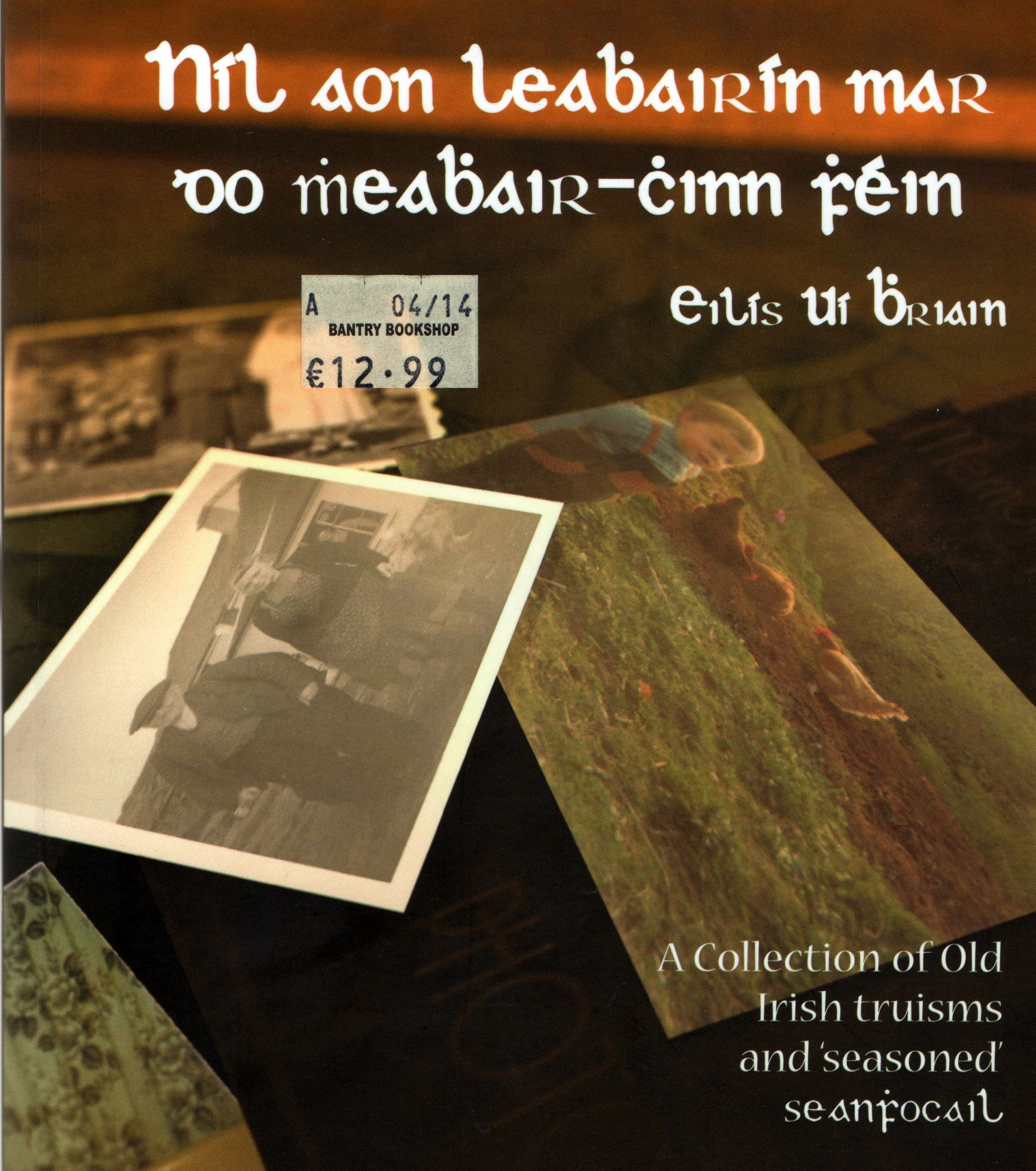
Níl aon Leabhairín mar do mheabhair-chinn fhéin.
New by Eilís Uí Bhriain in Bantry Bookshop, with old Durrus photographs.
Fileann an Feall ar an Feallaire; Deceit haunts the Fraudster, Seanfocal

01 Monday Jun 2015
Posted in Uncategorized
Philip Embury was a leading member of a Palatine community who lived in County Limerick. They were influenced to become Methodists by John Wesley and his preachers and In 1758 he too was appointed as a local preacher.
Embury brought the Bible with him when several Palatine families migrated to America on 2nd June 1760. Six years later he was responsible for the introduction of Methodism into New York – a marginal note stands beside a text [Hosea 10:12] relating to the first sermon preached in John Street Church.
His Bible was a late edition of the ‘Geneva Bible’ which preceded the King James version by some decades. On the title page is ‘Imprinted at London by Robert Barker, Printer to the King’s most Excellent Majesty, 1611.’
A young preacher, Fitch Reed, became friends with Samuel Embury, a son of Philip’s, whilst he was serving on the Durham circuit in Canada. Reed was initially permitted to use the Bible and then to purchase…
View original post 8 more words
31 Sunday May 2015
Posted in Uncategorized
Updated
Jeremiah Wholey, Bringing the Iron Wheeled Threshing Machine from The Mealagh Valley, West Cork from the 12th October to West Waterford in the 1940s and others in the area, 1910 Threshing Photographs, Coomkeen, Durrus, Jack Attridge’s home built Threshing Machine.
In the era of horses on farms there was an ongoing demand for oats so many farmers grew oats. After harvesting they were piled in a stack awaiting threshing which from the late 19th century was do by a steam threshing machine. This continued to the 1960s, in the Durrus area there was a threshing on the Shannon farm in Rossmore in 1965 and thereafter the use of the threshing machine petered out. By the mid 1960 the combine harvester had arrived in the area with the O’Donovan brothers from Kealties followed by Phil Shanahan.
The Wholey brothers from the Mealagh Valley threshed in the Bantry area and traditionally the last was carried on around the 11th October on the farm of Barnaby Deane, . That had been a Vickery farm since 1785 and is now owned by the O’Sullivan family. Barnaby had a particular requirement to mix light and heavy hay with the straw which involved a day long process. On occasion he was helped by the Reverend Doherty who was also adept as the use of the scythe in cutting corn while his wife Mrs. Doherty helped the women to cater in the kitchen. Oats was the crop generally threshed sometime barley or wheat. If wheat was used it involved a thorough cleaning of the machine to remove all traces of oats.
When Jeremiah Wholey was finished he would proceed with a three man crew to West Waterford. Progress with the steam engine was slow, the machine travelled through the night. The two crew members not driving would sleep in hammocks on the travelling machine. He was thorough on one occasion one of the crew had to cycle and back to Cork to get a machine part.
There was a long tradition of spailpíns going seasonally from the poor congested area of West Cork to West Waterford from the later 18th century.
In West Waterford an area of large farms the harvest was kept in large sheds out of the weather. Despite the use of reeks in the Bantry area the corn could deteriorate over a few weeks. On some farms the threshing could take week. This continued until almost Christmas.
Another of the Wholeys also had a machine which went to Waterford as did the Kearney family and Peter (Pete) O’Neill from Ballycomane. Pete was helped by among others Eugene Crowley, Ahagouna, Sonny Hosford, Kealties adn members of the Ballycommane Kelly family. Later in life he was a shopkeeper in Goleen adn ran a taxi he died in 1983 adn is buried in Moulivard.
McCartys of the White House in Kilcrohane did the western end of the Muintervara Peninsula..In the Scart area the McCarthy Sowneys had machines.
The Crowleys in Colomane, Parish of Caheragh, also threshed around their home area and then went to Waterford also until near Christmas. Their father was Jim ( Jim Peg) and mother was Margaret Mc Carthy. Names: Mary (Geaney), John, Joe, Jimmy, Madgie, Denis. They are all dead now.
They did threshing all around there and then went to Waterford, in the ’40s.
John Crowley still working at it around the Scart area in the 50s and into the 60s.
Threshing contractors included:
Michael McCarthy (White House), Kilcrohane.
Donal McCarthy (Sowney), Scart Bawn.
Jerome & Paddy Sweeney, Beach.
Jerome Whooley, Mealagh Valley.
Pete O’Neill, Ballycomane
Recollections of Peter O’Driscoll, San Francisco, of Aughaville in the 1950s:
My interest in the Threshing photos are when I was young I remember a George Ahern a farmer in the townland of Mullaghmore often visiting (Scoraiocting) at our home with others and my father Jeremiah O’Driscoll. This George Ahern often spoke of his sister who was married to a Dukelow west some area near Durrus. George was possible a couple of years younger than my father (who was born in 1893 George was born some time in the later 1890s) George’s parents were George & Hetty Ahern. George’s brother Johnnie Ahern about the same age as my father, Johnnie did work or help or work on his sister’s farm in the early 1950s.
In their time the threshing was a memorable occasion as meitheal gathered to help and when all was done there was an evening of entertainment and sometimes song lubricated by stout.
Threshing at Hollybrook, Skibbereen, West Cork with Marshall’s Gainsboro Steam Machine 1930s
Pre 1965 farming practices West Cork, Red Elephant and Epicure potatoes, working with the grufán, threshing with the steam engine, winnowng of wheat and oats, working in the bog.
Irish Words in use 1930s Cork English and list of Irish phrases 19th century possibly Skibbereen/Bantry
Threshing Scene:
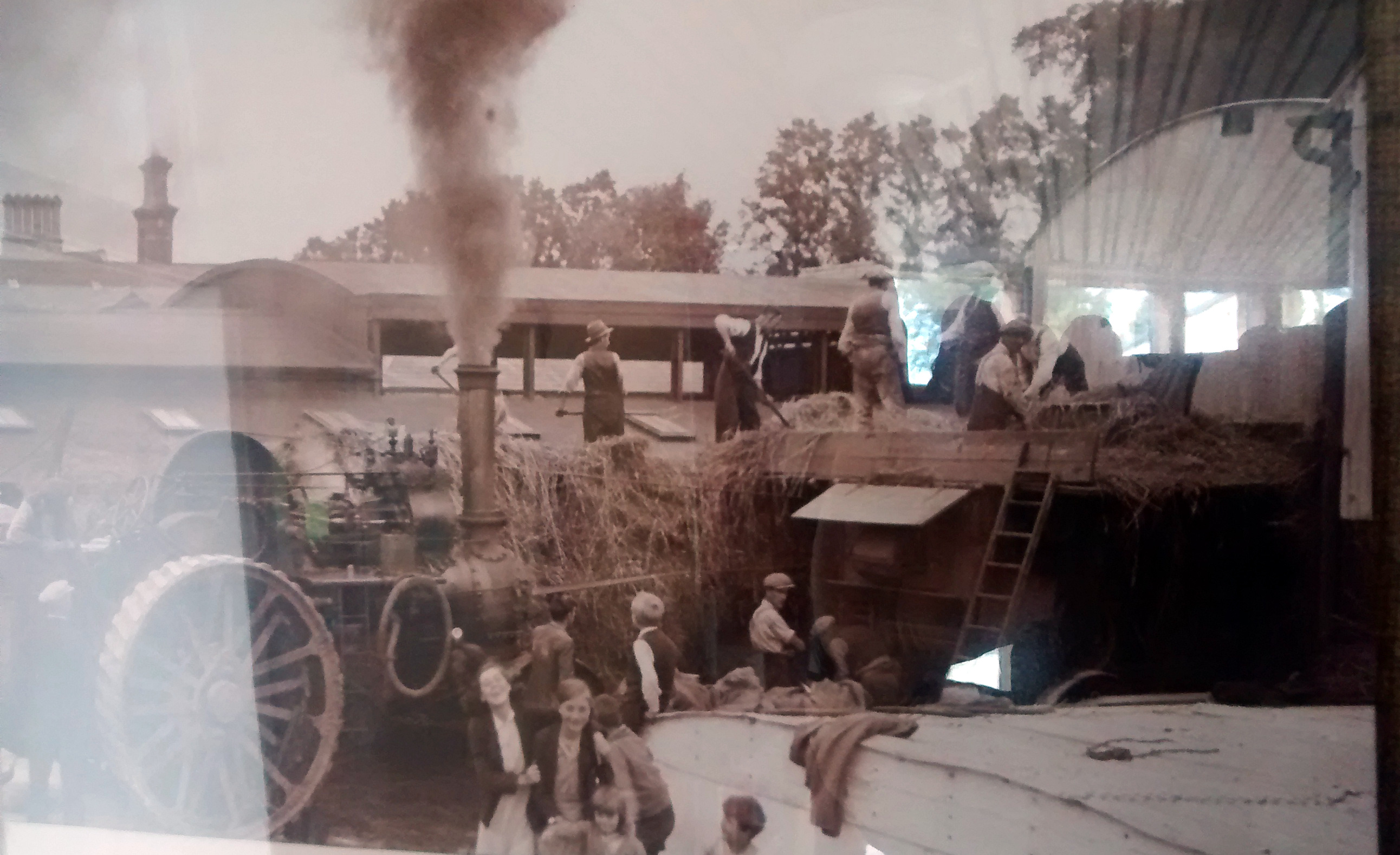
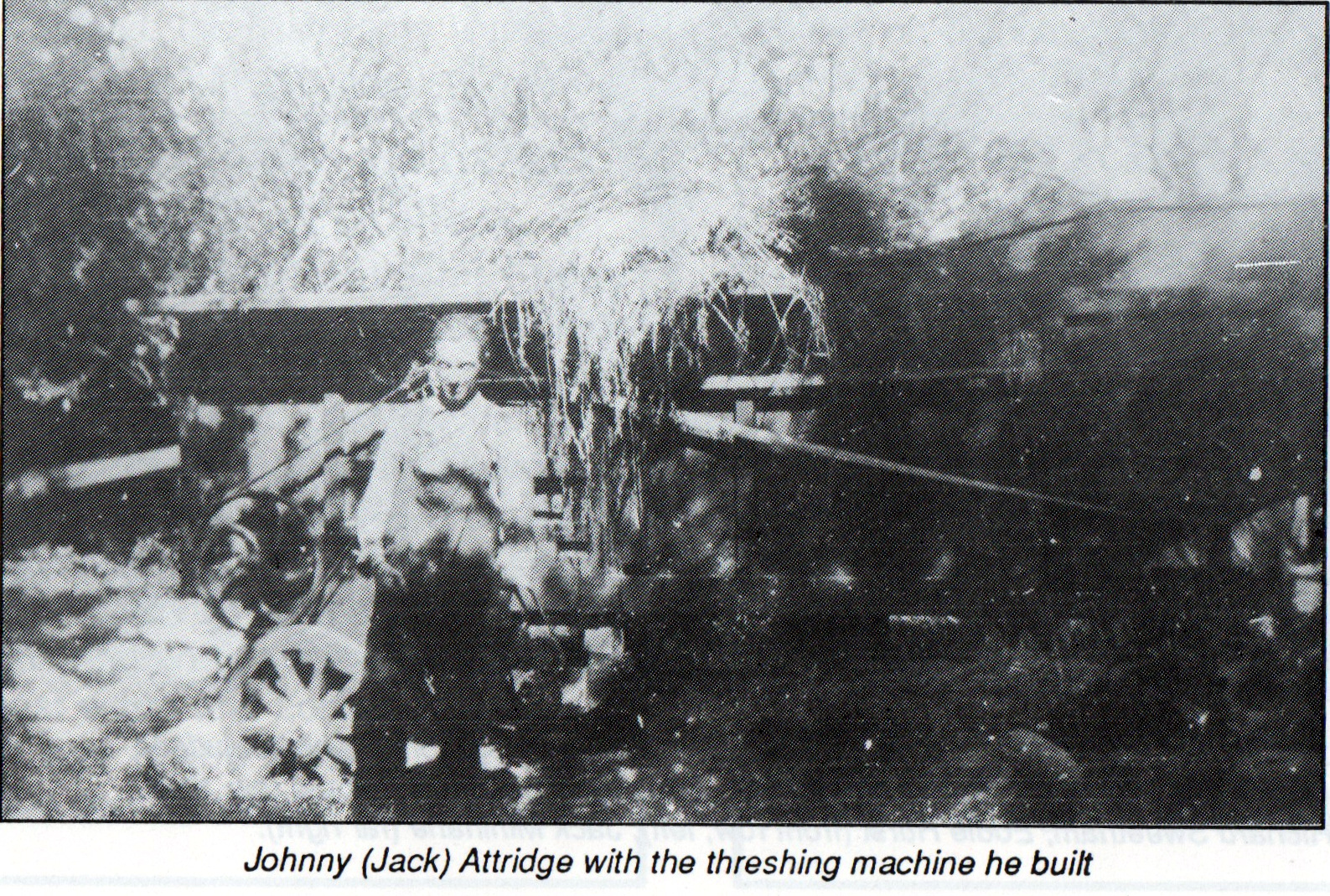
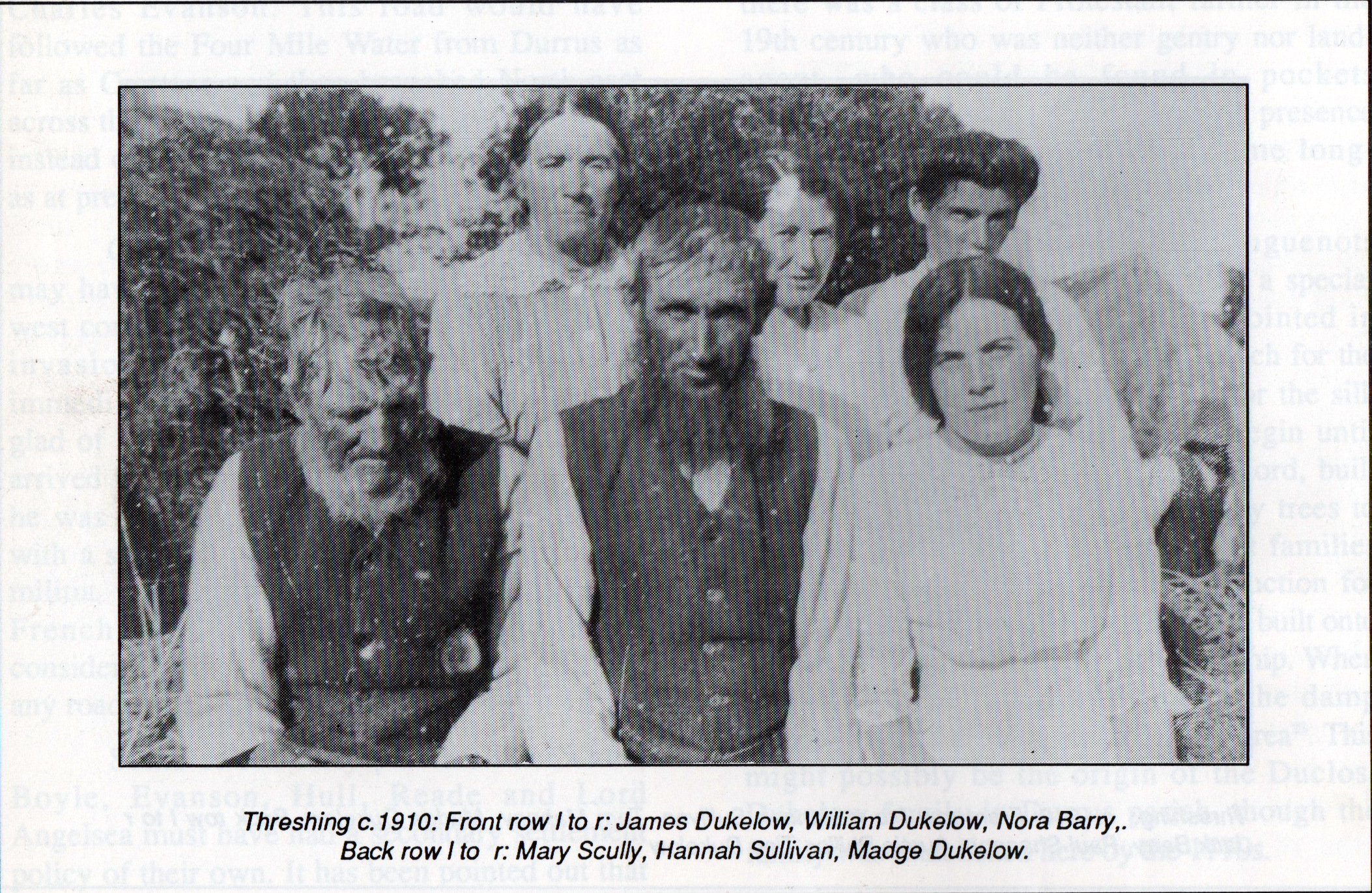
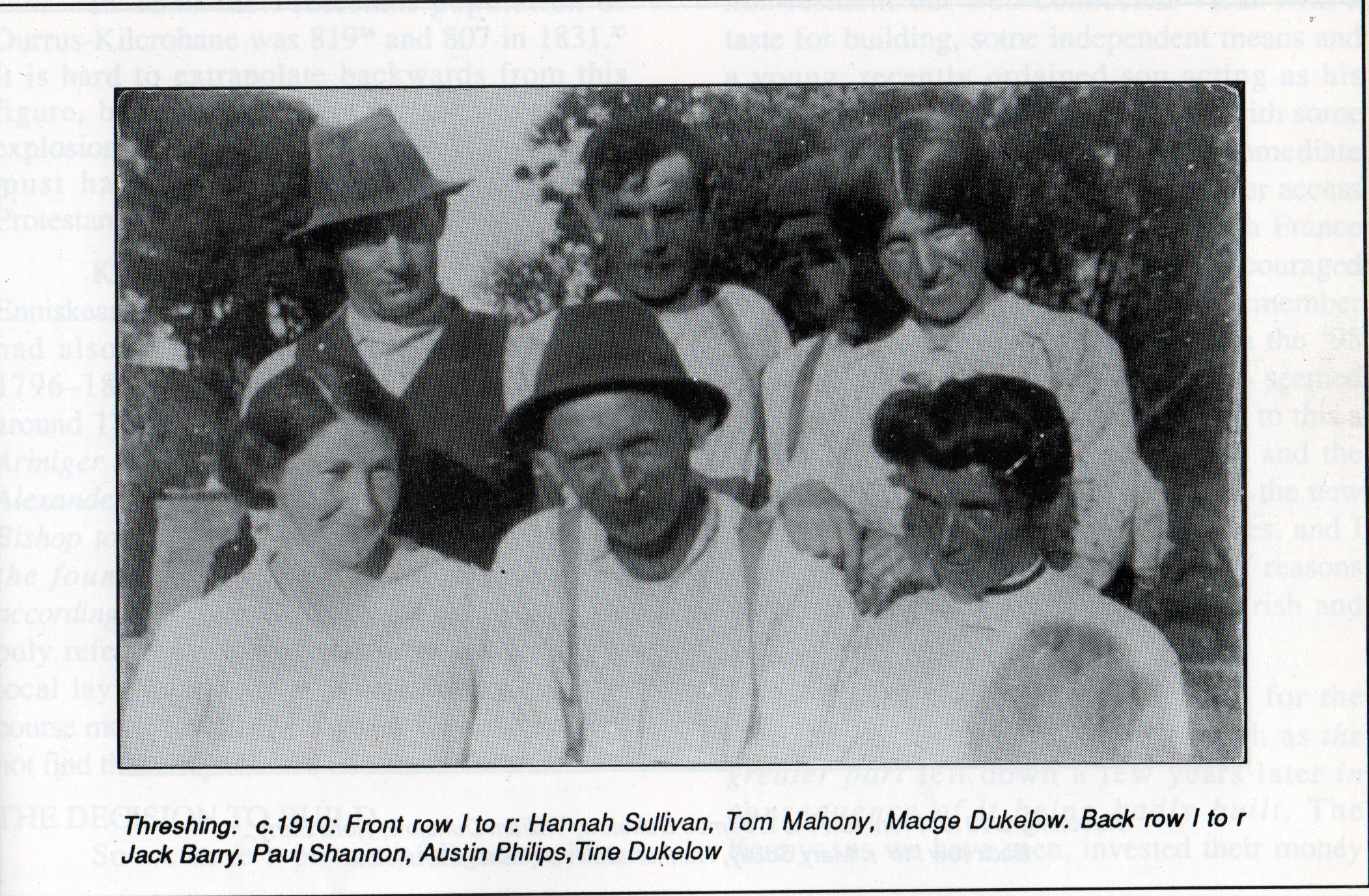
Courtesy Kinsale Historical Society:
Gashes of Tracton 1950s:
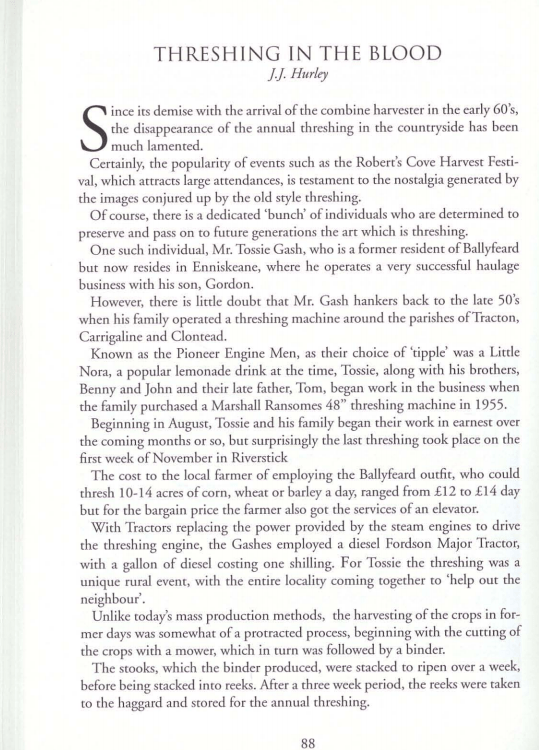
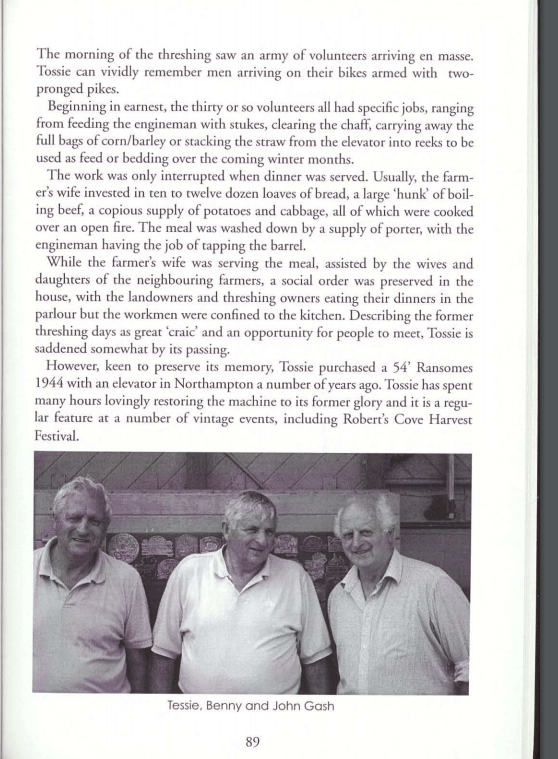
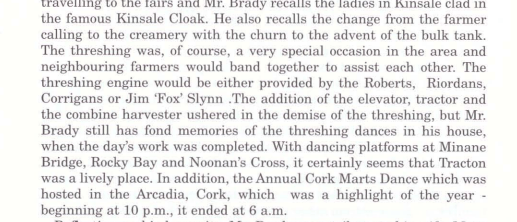
More Tracton, p.28, 1950s:
31 Sunday May 2015
Posted in Uncategorized
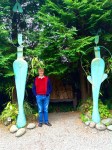
This gallery contains 9 photos.
Originally posted on Roaringwater Journal:
Between Glengariff and Kenmare, amid old-growth forest and tumbling streams, lies an enchanted garden. Hewn from…
31 Sunday May 2015
Posted in Uncategorized
This gallery contains 16 photos.
Originally posted on Roaringwater Journal:
Water worlds – in a Dublin park, above and in the wilds of West Cork, below…
26 Tuesday May 2015
Posted in Uncategorized
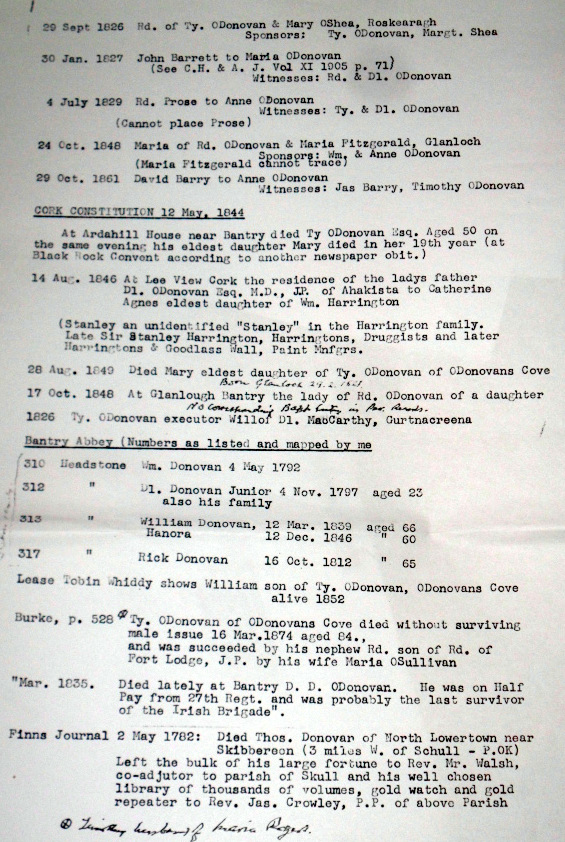
Miss O’Donovan, daughter of Doctor Daniel O’Donovan Esq., of Ahakista, west Cork and of O’Donovan Cove family probable Ancestor of Sir Stanley Harrington, of Harrington Goodglass Wall, Paint Manufacturers, Blackpool, Cork.
Doctor O’Donovan may have been the father of Doctor Daniel O’Donovan the author of the History=y of Carbery, he died young. He was part of the O’Donovan Cove family. They were one of the first Catholic families to purchase an estate in 1750 after the confiscations. Timothy O’Donovan of the family was one of the first Catholic Magistrates in Co. Cork.
The Harrington factory was acquired some years ago by the then ICI.
26 Tuesday May 2015
Posted in Uncategorized
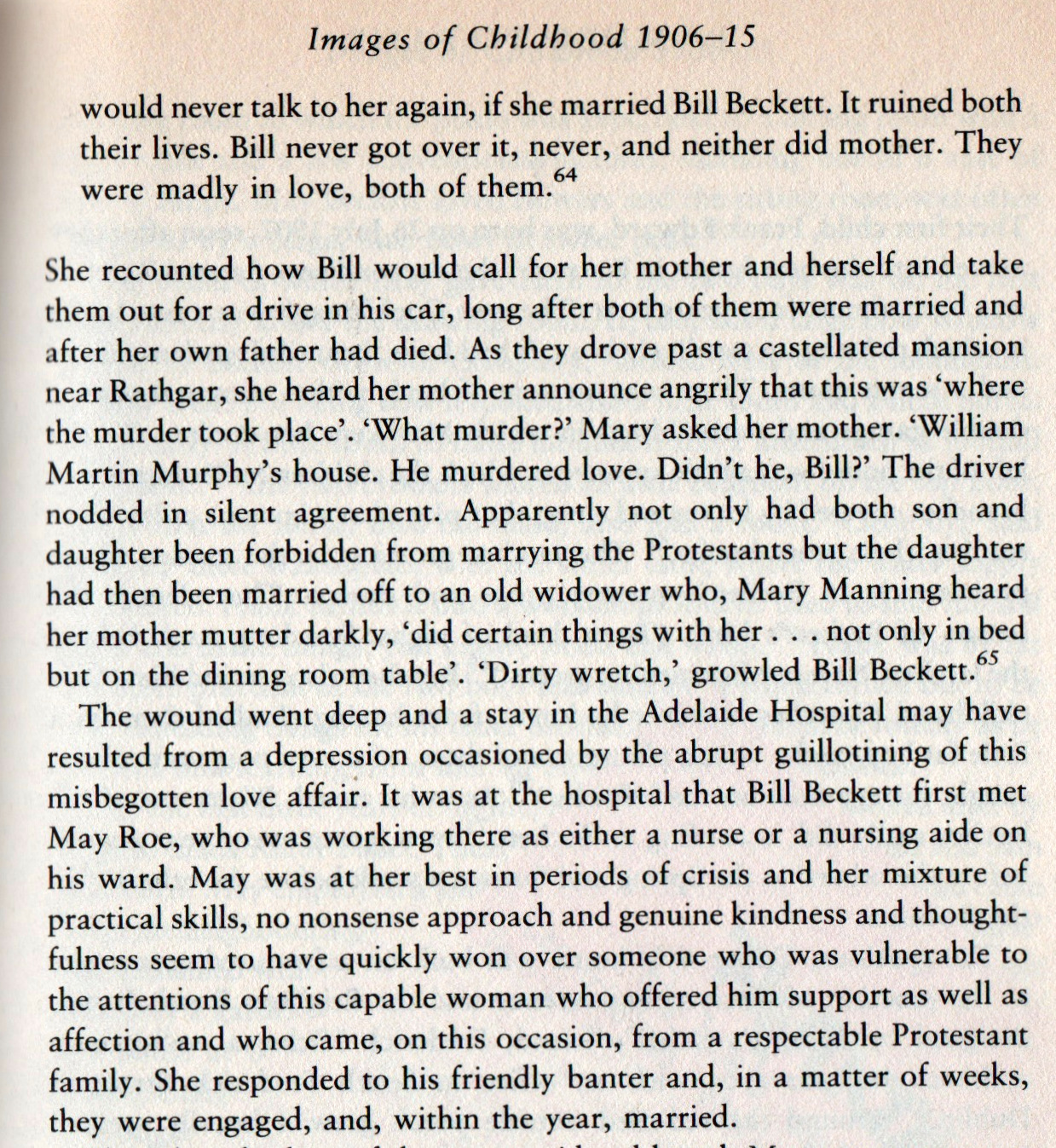
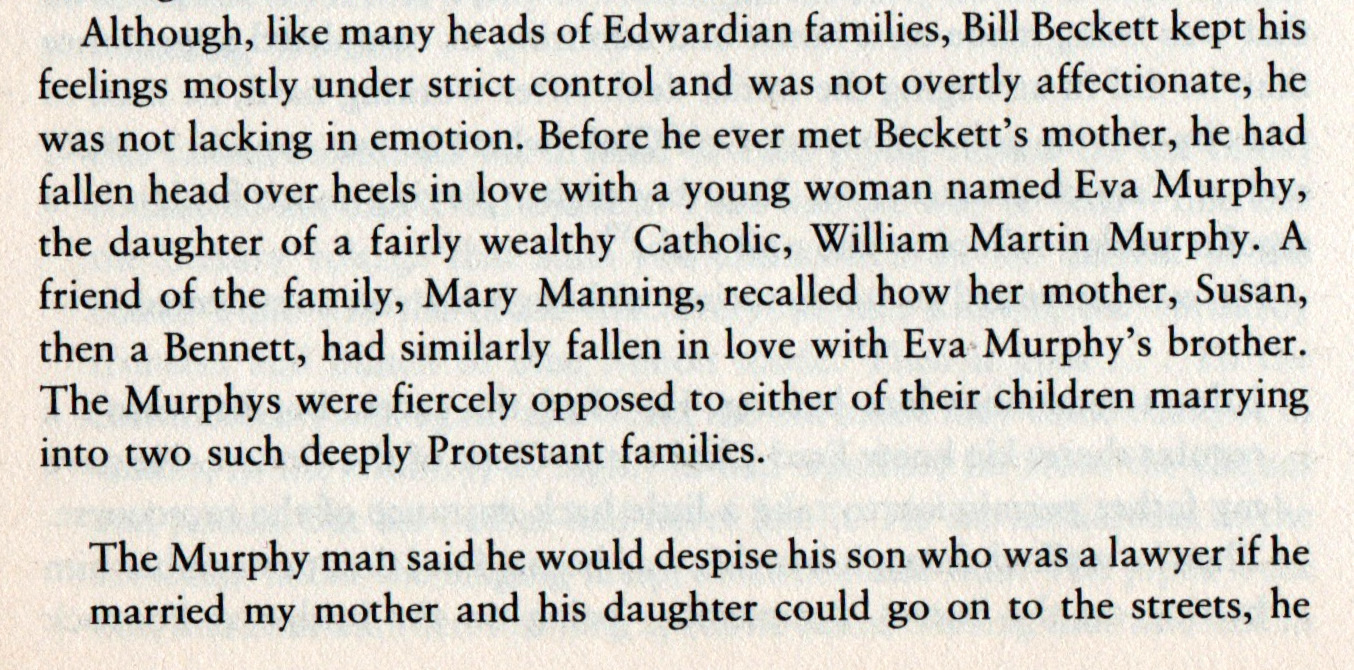
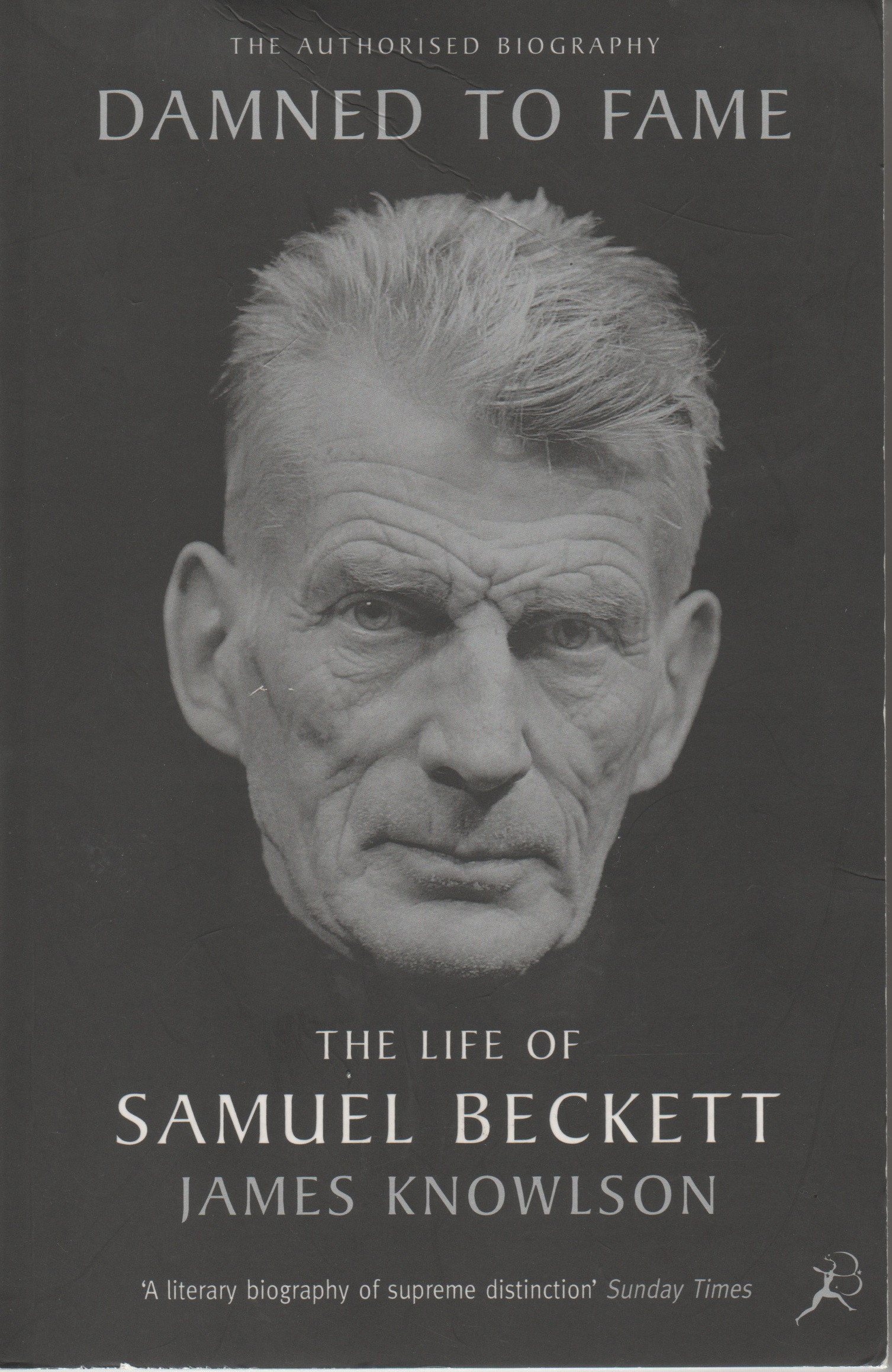
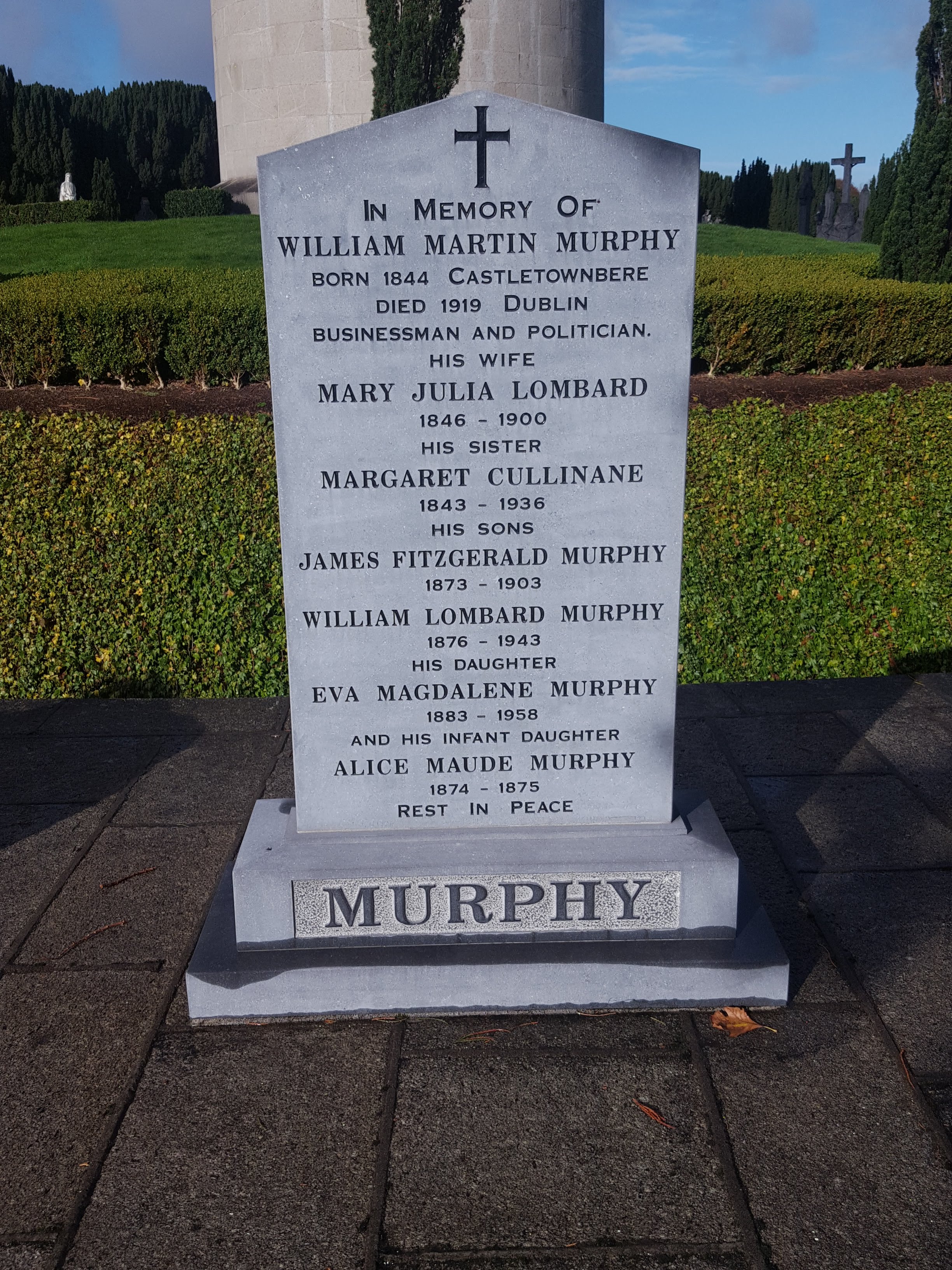
A love affair between Samuel Beckett’s father Bill and Eva Murphy frustrated by her father William Martin Murphy
Building of Old Pier, and Stables Cupola and Winged feet Bantry House, 1840-2.
‘Bantry Gang’, Tim Healy, Journalist, King’s Counsel, MP. Governor General Irish Free State, A. M. Sullivan, King’s Counsel, MP, T.D. Sullivan, Father-in-Law of Tim Healy, Composer ‘God Save Ireland’, Richard Swanton, Magistrate, Cobh, Cullinane, Bantry.
William Martin Murphy, Bantry and the Noel Brown connection.
..
..
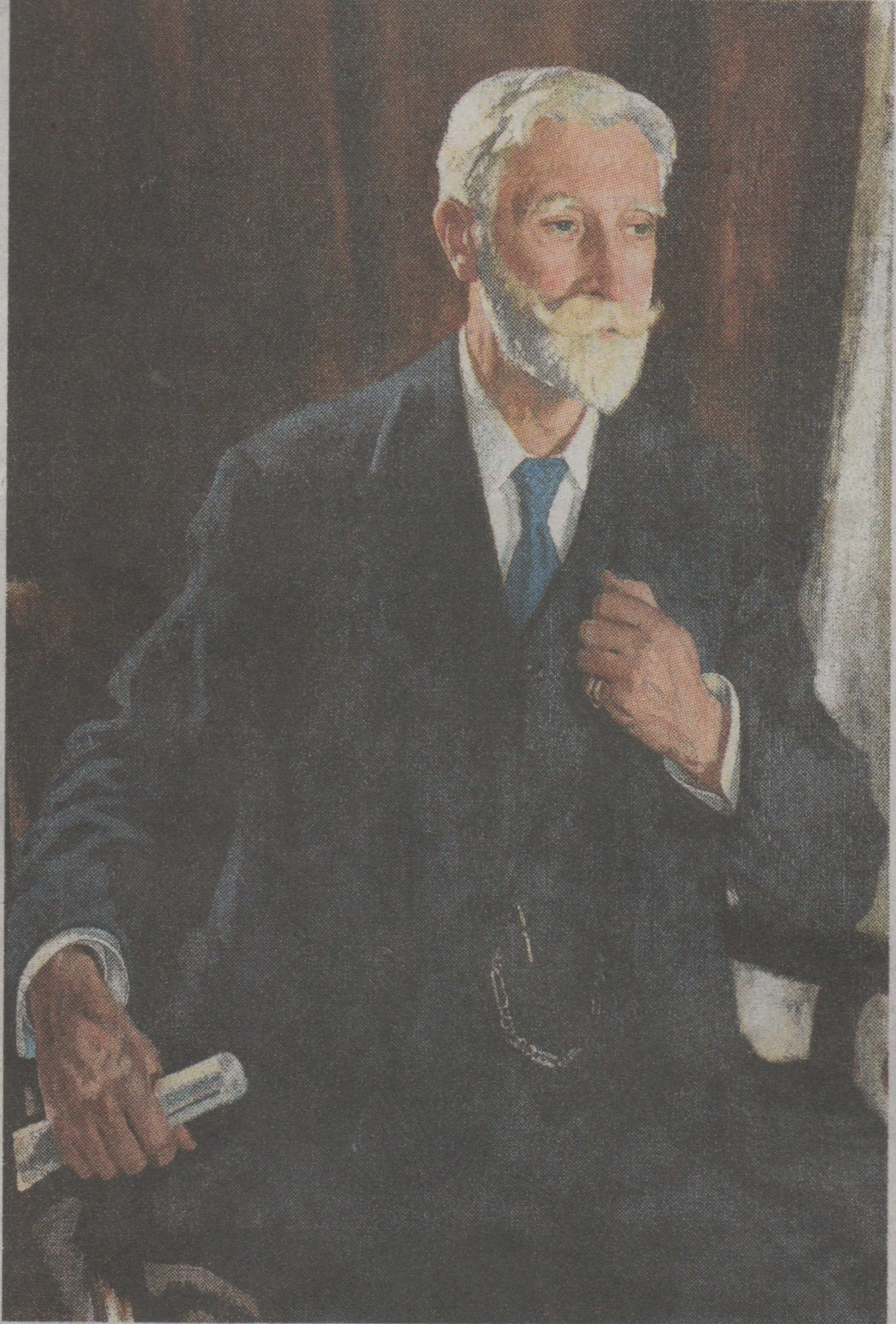
Sir William Orpens family have strong local links. Part of a network c 1790s of the Durrus Hutchinsons, Ballydehob Swantons and Caheragh family of Eugene O’Sullivan (Protestant).
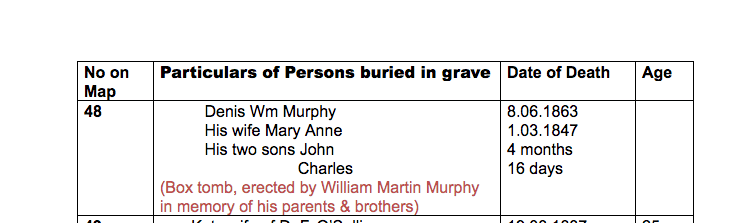
Graveyard of St. Finbarrs Church, Bantry:

 West Cork History