The strongest man in the World, Danno Mahony, Dereenlomane, (Doirín na Lomán: Little Oakwood), Ballydehob, West Cork.


durrushistory's avatarWest Cork History

The strongest man in the World, Danno Mahony, Dereenlomane, Ballydehob, West Cork.

Courtesy Southern Star Centenary Publication.

https://www.google.ie/maps/place/Derreennalomane,+Co.+Cork/@51.5863811,-9.5281993,15z/data=!3m1!4b1!4m2!3m1!1s0x48459f1017e6ba6b:0x2600c7a7bb4c0372

1-IMG_5516

https://durrushistory.wordpress.com/2014/08/24/danno-omahony-world-wrestling-champion-from-dreenlomane-ballydehob-in-skibbereen-west-cork-july-1936/

Hi father was at least 6 foot 4 inches and the local champion at throwing the 56 lb weight. His American born wife Miss Burke was a cousin of the Burke (Yankees) of Cookeen, Durrus. On his death his coffin was shouldered from Ballydehob to Schull.

https://durrushistory.wordpress.com/2011/10/08/baryte-mines/

View original post

Correspondence between Doctor John O’Donovan and Timothy O’Donovan, Magistrate from 1818, O’Donovan’s Cove, Durrus, West Cork, mentioning his grandfather educated at Toulouse, France, in 1754, lands held in trust mid 17th century by Protestant ‘Nominees’ who behaved with honour, recent history concerning Jerry ‘en Dana’ McCarthy and the McCarthys of Glanda, Dunmanway, denies claim of Rev. Morgan O’Donovan, of Douglas, Cork, to be head of the Clan.


durrushistory's avatarWest Cork History

Correspondence between Doctor John O’Donovan and Timothy O’Donovan, Magistrate from 1818, O’Donovan’s Cove, Durrus, West Cork, mentioning his grandfather educated at Toulouse, France, in 1754, lands held in trust mid 17th century by Protestant ‘Nominees’ who behaved with honour, recent history concerning Jerry ‘en Dana’ McCarthy and the McCarthys of Glanda, Dunmanway, denies claim of Rev. Morgan O’Donovan, of Douglas, Cork,  to be head of the Clan.

Some time around this Timothy’s son who appears to be a bit if a rake made a fool of himself at a public meeting in Cork proclaiming his right to be head of the Clan.  A lady from of one of the other branches challenged hi, he was forded to retract and left in disgrace.

https://docs.google.com/document/d/1eq_IayaxdUyWZWbpDf6LWlLNg7o-3tNJiqPGYIALy80/edit

From Grave Collection, Royal Irish Academy.

1-IMG_5136

https://durrushistory.wordpress.com/2014/07/12/walls-and-gate-remnant-of-estate-of-timothy-odonovan-esquire-odonovans-cove-kealties-durrus-west-cork/

View original post

Your Favourite Posts of 2015


Finola's avatarRoaringwater Journal

Ross Castle, KillarneyRoss Castle, Killarney

At the end of each year we like to look back at our most-read posts and do a re-cap for our readers. Last year you liked what we wrote about islands, nostalgia, festivals, and the beauty of the Mizen Peninsula.

Did you drive past the Woman in White?Did you drive past the Woman in White?

Despite all the hours we put into researching topics and sourcing images, this year it was a spur-of-the-moment post done for the sheer fun of it that came the closest we’ve ever come to a viral hit. Yes – that post on the Leap Scarecrows. The little village of Leap went all out and you could just sense the enjoyment that the scarecrow-makers had dreaming up their concoctions.

The One-Armed Michael DavittThe One-Armed Michael Davitt

We love writing about history and some of your favourites fell under this heading. Robert wrote about Michael Davitt after a visit to his museum in…

View original post 653 more words

Campaign against ‘Irishry’ from the 17th Century Plantations of Co. Cork, Attempted Eradication of Irish Place names and Townland Names, Bandon,Mossgrove/Garranaghooney, Carrigaline, Hoddersfield/Moneyvrin, Ringabroe and Killacrow, Doneraile, Annsgrove/ Ballynmock, Among Others. Edmund Spenser (1552-1559), not  quite advocating liquidation of the Irish but skating close:


Campaign against ‘Irishry’ from the 17th Century Plantations of Co. Cork, Attempted Eradication of Irish Place names and Townland Names, Bandon,Mossgrove/Garranaghooney, Carrigaline, Hoddersfield/Moneyvrin, Ringabroe and Killacrow, Doneraile, Annsgrove/ Ballynmock, Among Others.

The undertakers in the plantation were exhorted to eradicate all traces of ‘Irishry’ in language, dress, religion, culture and local place names and impose English ones.   In the listing of the Cork Magistracy from 1650 to 1922 there are very exotic names given to the Magistrates Castles and Demesnes.  They would sit comfortable in the West County of England but sounds strange in the wilds of West or North Cork.  In many ways the English West Country and Cork form a common economic zone with the short sea crossing.

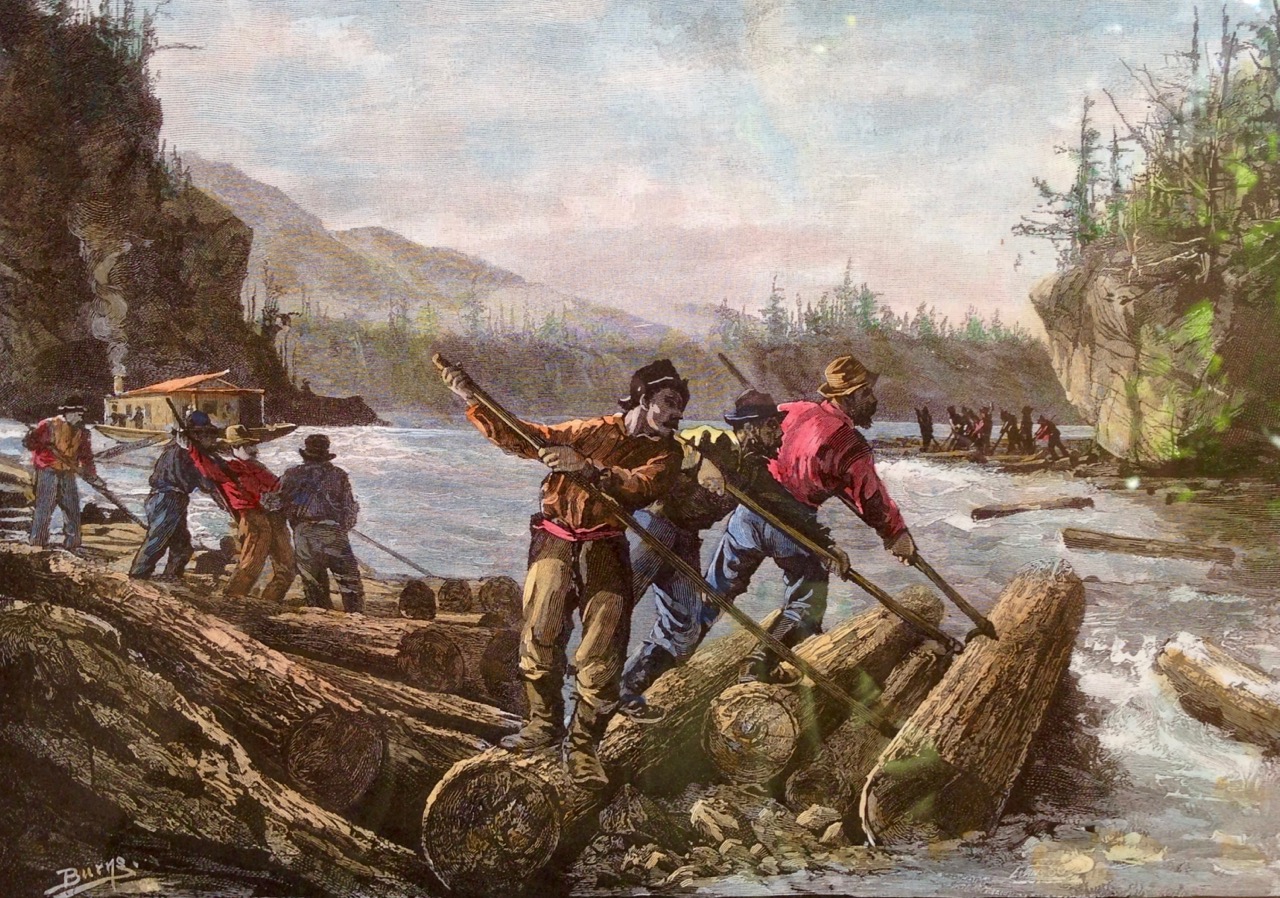
The Cork Magistracy on one reading can be viewed akin to the US Military Forts in ‘Injun Country’ keeping the wild Irish in check.  The policy of cultural subjudication has a long one in  human history.   The current example being ISIS and their systematic destruction of Christian and pre Islamic cultural manifestations in the Middle East.

In Ireland the area with the lowest level of survival of Gaelic placenames is Leinster where the Normans transformed the landscape from the 12th century.  Surprisingly the highest level of survival in in Presbyterian Ulster.

Magistrates:

https://docs.google.com/document/d/1ZvT84JCKTIhMqqZjJsF_AUJLH8S820ksObykwOty3wg/edit

Edmund Spenser, not  quite advocating liquidation of the Irish but skating close:

Dictionary of Irish Biography:

https://www.dib.ie/biography/spenser-edmund-a8207

As his final legal stroke, Irenaeus would ban the use of Irish names. New family names should be chosen, a surname description of the man’s trade, or “some quality of his body or mind,” or the name of his dwelling place. No more “Oes and Macks”—O’Brian (for example) meaning the grandson of Brian, McDonald meaning the grandson of Donald. The Irish way of naming was introduced for “the strengthening of the Irish” by recalling family lineages. Prohibiting the practice will help to blend the English and Irish populations rightly, so that each Irishman “shall in short time quite forget his Irish nation.”