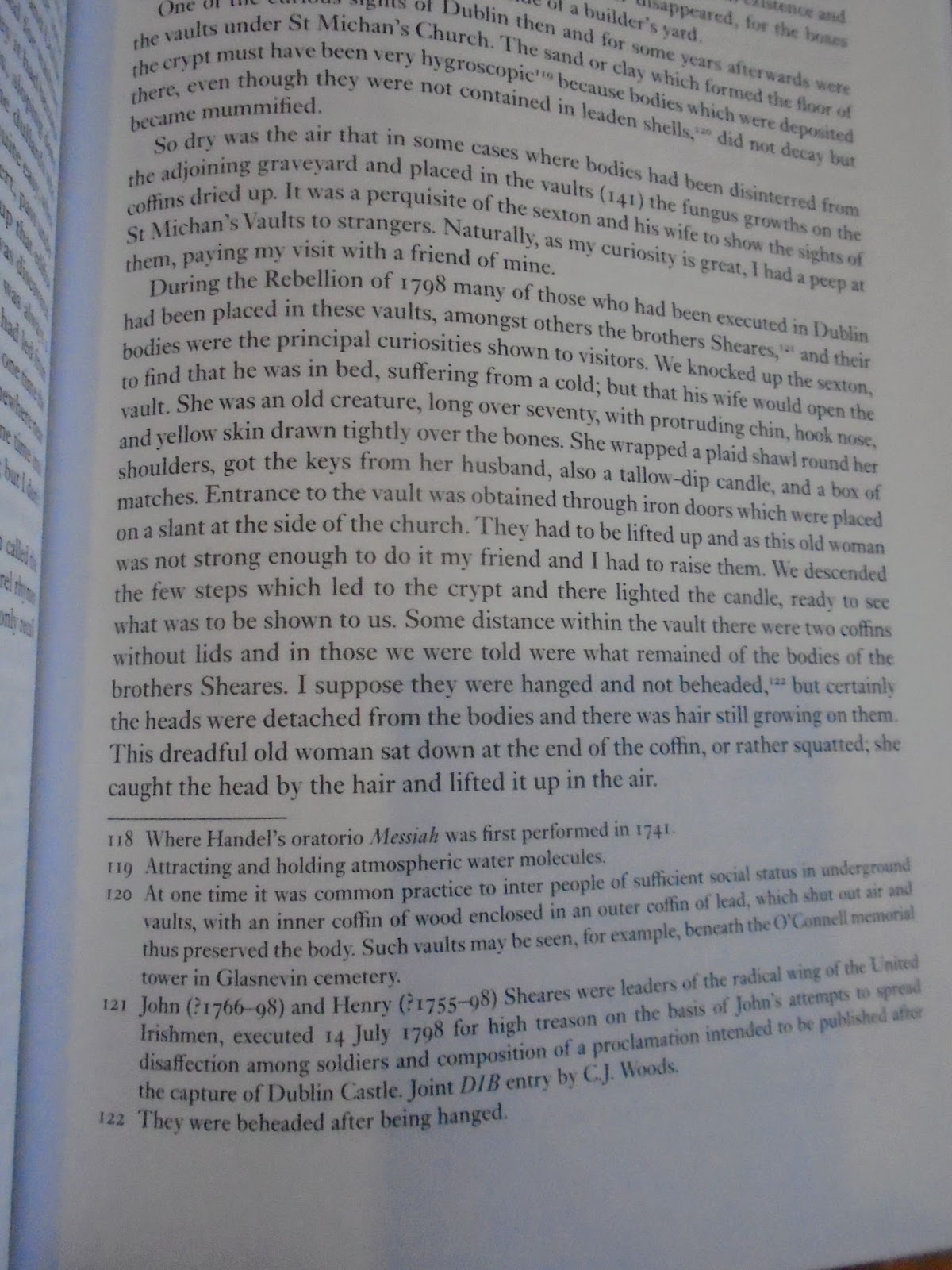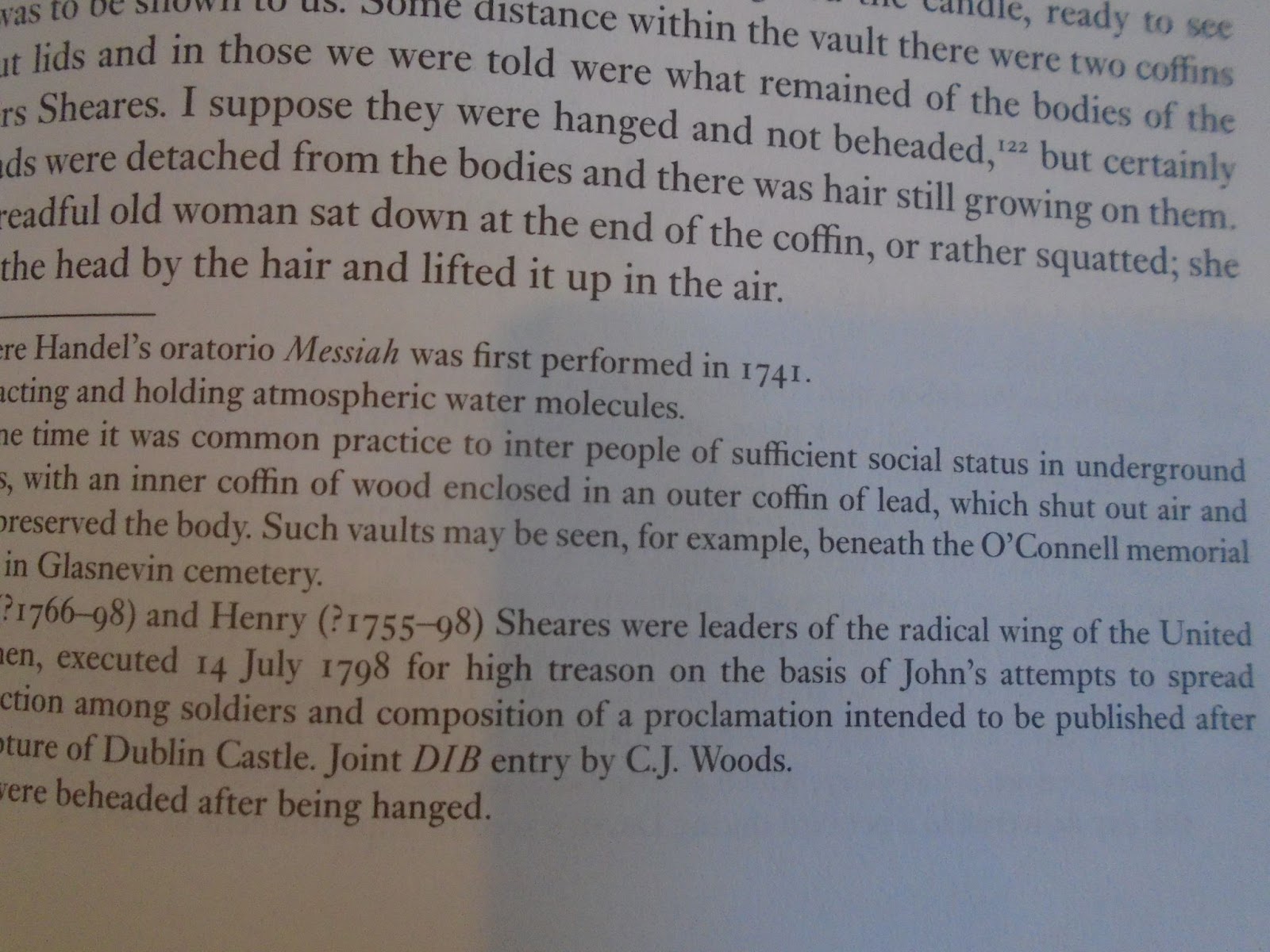
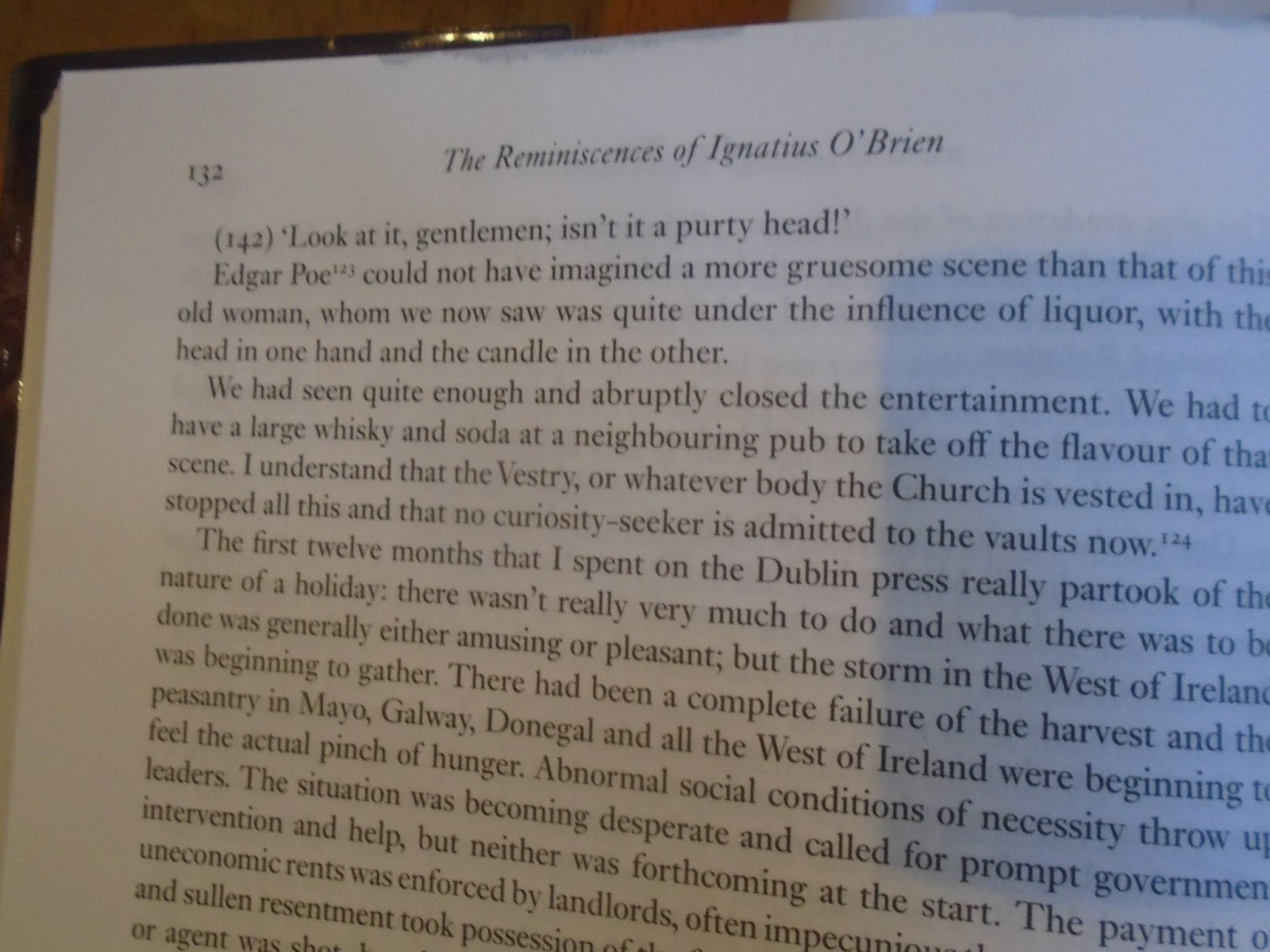
Ignatius O’Brien (Lord Chancellor of Ireland 1913-1918) being shown by the Drunken Sextant’s Wife of St. Michan’s Church Dublin Guillotined Head of OnNephew of Patriot Shears Brothers, Executed for Being United Irishmen in 1798, Agent to Lord Bantry, Pioneering Agriculturalist, Sympathy for Cottiers, Smallholders, his Son Augustus Agent to Bantry Estate, Died of Famine Fever, Bantry aged 26 in 1844, his Son Rev. Gethin Payne Died of Fever 1844 aged 26.e of the  Sheares Brothers, Cork  Barristers,  by The British for Being United Irishmen.  Their NephewRev. Somers Payne (1785-1857), TCD, A Bundle of Contradictions, Grand Master of Orange Order, Co. Cork, Master Political Operator, Alleged he Enrolled his Labourers as Apprentices so They Would Have a Vote,


..

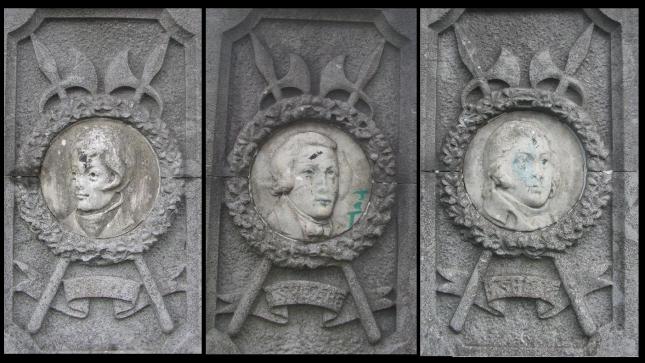
In the late 1940 Cork Corporation built an estate at Glasheen Road and it is called after the Shears Brothers.
.

.

St.Michans Church

Courtesy Myles Dungan:

On This Day – 14 July 1798 The Sheares brothers are hanged in Dublin

Posted on July 14, 2017 by Myles Dungan
1798.jpg

Irish rebellions should probably all come equipped with something we could call an IQ. That’s an Informer Quotient. This is a scientific measure of how many British agents from among the ranks of the rebels it took to betray the insurrection.

The scale would go all the way from ‘Genius’ at one hundred and fifty, to Witless Imbecile at zero. Let’s take a couple of examples. Obviously the 1798 rebellion was so riddled with spies and informers that if it had been a boat it would have sunk in a calm and windless cup of tea. So, we’ll call that one hundred and fifty. Then, right at the other end of the scale, there’s the 1916 Rising. Here the rebels desperately tried to tip their hand repeatedly, even to the extent of calling the whole thing off in a newspaper advertisement, but the exceptionally dim British authorities had no idea what was going on under their noses. We’ll call that an IQ of zero.

Totally off the scale of course is the War of Independence where Michael Collins’s own spies and informers were tripping over each other in Dublin Castle. That would be a minus IQ of about fifty for the rebels.

But the prize for individual revolutionaries most beset by informers has to go to the United Irishmen, the Sheares brothers. It took not one, not two, but three spies to bring them down. Given the going rate for intelligence information in 1798 it must have cost the authorities almost as much as the bribes paid to pass the Act of Union two years later.

The brothers Sheares, John and Henry, from Cork were both lawyers who had witnessed the French revolution and the frequent use of the guillotine. On the boat back home from Calais they met an utterly disillusioned Daniel O’Connell, pledged to non-violent political action, based on the bloodthirsty slaughter he had observed in Paris. The Sheares brothers were not so easily put off. When they got back to Dublin in 1793 they joined the United Irshmen. Both began organizing in their native Cork.

Enter Spy Number 1. His name was Conway and he kept the Castle well informed of the activities of the brothers, while passing himself off as an enthusiastic supporter.  He gets the bronze medal.

While busying themselves in Cork the brothers were also part of the Dublin Society of the United Irishmen. Here their nemesis was Thomas Collins, another apparent republican fanatic but, in reality, a well-embedded British spy. Because he ratted on so many other prominent revolutionaries he gets the silver medal.

But the gold unquestionably goes to Captain Warnesford Armstrong. You’d think his name would have given him away. How could you be called Warnesford and not be a British spy? After the capture of most of the members of the United Irishmen’s Directory (note the French influence) in March 1798, John Sheares took over and ordained the date of 23 May for a nationwide uprising. Armstrong insinuated himself into the confidence of the brothers, to the point where he was a regular visitor to their house on Baggot street, and dandled the children of Henry Sheares on his treacherous knee. He recorded that he didn’t even have to take an oath in order to become a member of the United Irishman. Not that he would have let something as silly as an oath get in the way. John Sheares himself actually warned Armstrong not to come to the house on one occasion, because certain activists believed him to be in the act of betraying the movement, and were intent on murdering him!

Two days before the planned rising John and Henry Sheares were arrested, on information supplied by Armstrong, and put on trial. Armstrong himself, clearly pleased at his handiwork, testified against them. Despite being defended by the great advocate John Philpot Curran, it took the jury a mere seventeen minutes to convict.

John and Henry Sheares, victims of three separate informers, were hanged, drawn and quartered, two hundred and nineteen years ago, on this day.

Rev. Somers Payne (1785-1857), TCD, A Bundle of Contradictions, Grand Master of Orange Order, Co. Cork, Master Political Operator, Alleged he Enrolled his Labourers as Apprentices so They Would Have a Vote, Nephew of Patriot Shears Brothers, Executed for Being United Irishmen in 1798, Agent to Lord Bantry, Pioneering Agriculturalist, Sympathy for Cottiers, Smallholders, his Son Augustus Agent to Bantry Estate, Died of Famine Fever, Bantry aged 26 in 1844, his Son Rev. Gethin Payne Died of Fever 1844 aged 26.

1801.  Will of Eliza Gethins, Probably Grandmother of Rev. Soners Payne, Political Operator, Head of Orange Order in Cork, Agent Bantry Estate, Uncle of John and Henry Shears, Barristers in the City of Cork, who perished on the scaffold for alleged ‘high treason’ at the opening of the ‘present century’.

Durrus (Evanson) and  Carrigmanus Mizen (Coughlan) ancestry of Lady Di and Elizabeth, daughter and heiress of the Duc de Castries who married Marshall McMahon (1808-1893) of France whio descend from Patrick McMahon and Margaret O’Sullivan who married in Bantry in 1707. 


he Coughlans of Ardmore, fleet of cargo vessels Bristol, Newfoundland of which the north part has many Coughlans we dont know if Cathoilic or Protestant or related to Jeremiah.  The black servant taking the Coughlan name and  buried 1820s in Youghal, one of the women painted by Gainsboro

In summary

Further genealogical information will be posted showing the Spenser link and the French one over the next 2 weeks..

Was amazed to learn that Lady Dianna Spenser is a Coughlan (Carrignmanus) and Durrus (Evanson) descendant as is the wife of Marshall McMahon (1808-1893) of France.   Marshal McMahon (President and Marshal of France in 1873) on his marriage to Elizabeth, daughter and heiress of the Duc de Castries Marie Edme Patrice Maurice de MacMahon, marquis de MacMahon, duc de Magenta was a French general and politician, with the distinction of Marshal of France. He served as Chief of State of France from 1873 to 1875 and as President of France, from 1875 to 1879

In the Paddy O’Keeffe papers in the Cork Archives dealing with a query on the Symms family there is a letter from Edward Keane (National Library) of the 5th September 1961.   He states that the Marshall and a few other famous McMahons are descended from  Patrick McMahon and Margaret O’Sullivan who married in Bantry in 1707.   He asks Paddy O’Keeffe for knowledge of this Margaret.
O’Coughlans clients of the O’Mahonys of Mizen.  About 1600 a falling out they switch to Boyle adn Hull and become Protestant.  According to Maziere Brady enclosed after the 1641 ‘Rebellion’ they hightail to England.  Slight error in Maziere Brady last page he refers to Rev. Fisher Teampall na mBoche his father he says is 2nd name Devonshire wrong it should be Devonsher old Cork merchant family.
Of the family Jeremiah (Jeremy) an attorney marries Susann Evanson of Durrus.  He is involved in a number of deeds in Durrus with his brother in law Nathaniel Evanson.  These deeds are part of the former McCarthy lands west of the current Durrus Village.
1705, in Cork Susanna Evanson, Jeremiah Coghlan Assuming that Jeremiah is the same as Jeremy who appears in Bandon records 1730 re Gearhameen townland. legally trained Seneschal Dungarvan, agent with Andrew Crotty of Devonshire Estates Prob. Durrus Court, Carriganus Three Castle Head. Jeremiah/Jeremy’s great grandson Rev.Demetrius O’Coghlan of Carrigmanus fled to England during rising 1641 and died there. Nathaniel 1730 Bandon estate records show Nathaniel and his brother-in-law renting townlands from the Bernards around Gearhameen and surrounding townlands. Conjectured that Jeremy’s relations were settled on one of the better farms in Clashadoo, now occupied by the Johnston family. Thomas Dukelow married into that farm in 1818 to Frances Coghlan, probably a relation of Jeremy Coughlan Coughlans of Carrigmanus working with Hull from the early 17th century acquired former O’Mahony lands. Among children Rev. Henry Coughlan, George Esq, possible nephew Joseph. Jeremiah died before 1737. See Registry of Deeds project. Susanna 3rd child Evanson family history, MLB

I see in 1790 Charles and Richard Coughlan were renting probably the former townlds in Kilcrohane owned by the College of St. Mary in Youghal after the relation Nathaniel Evanson is renting.
he is joint manager of the Boyle (DEvonshire estate West Waterford)
Durrus  Marriages, quite a number of Durrus C of I families, Attridge, Dukelow, Shannon are Coughlan descendants so going back 10,000 to first people in the area.:
It may be that either Richard or Charles Coughlan who are in Kilcrohane deed 1790 are the father of Elizabeth adn Frances maybe no male heir.

The late Mary Dukelow, Brahalish, Coughlan/Dukelow marriage and descendants,  Dukelow Genealogy:

Both of these farms abut my late fathers
1805 Robert Ferguson Elizabeth Coughlan Possibly Clashadoo Some time later a marriage Frances Coughlan, Clashadoo (Johnson farm) to Dukelow MLB I would think the Fergsons are the local enforcers of the Evanson landlord family. Now thre farm of the late John McCarthy, Clashadoo. It aslo adjoining the farm that Frances Coughlan married from
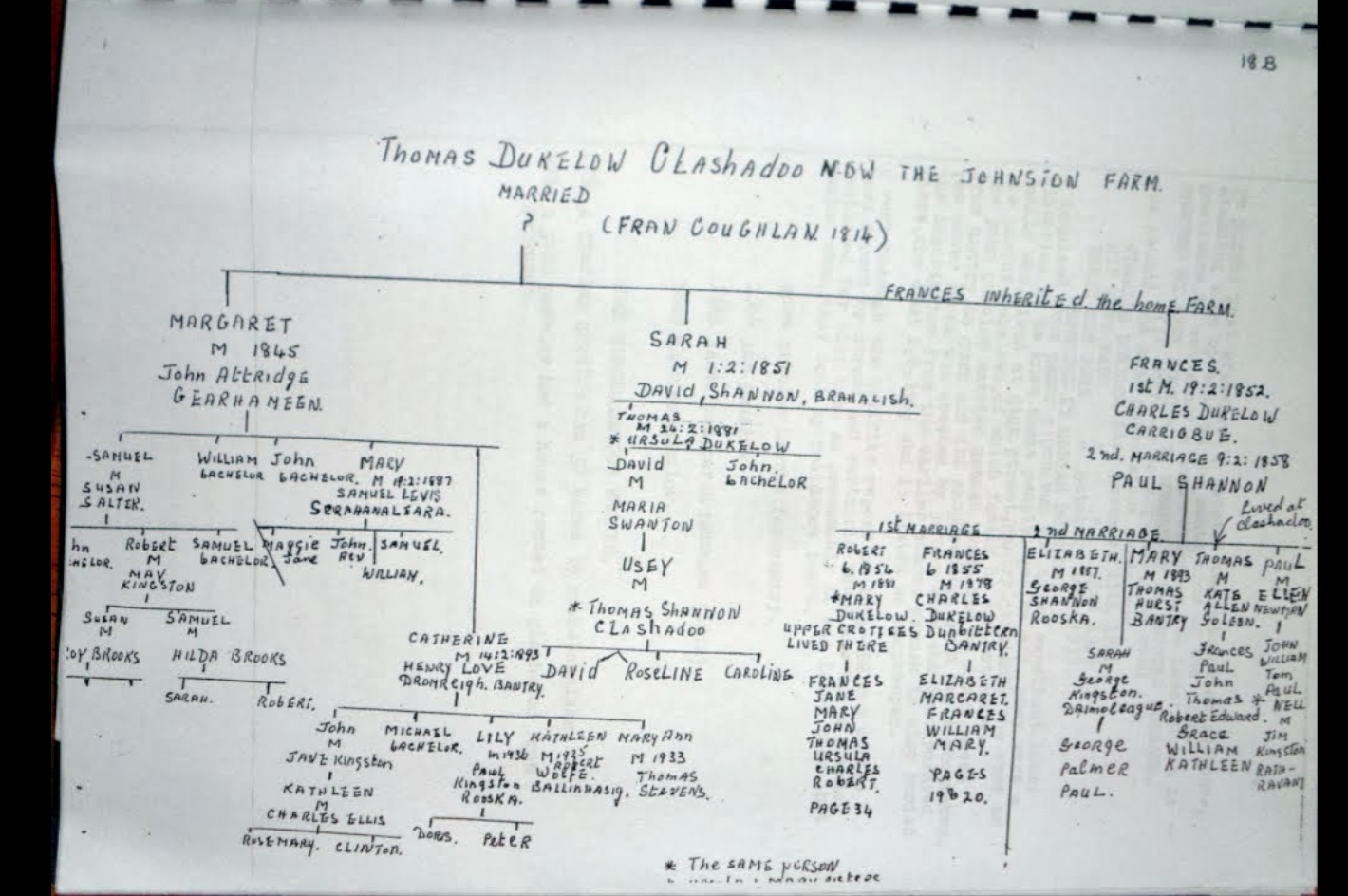
1814 Thomas Dukelow Fran(ces) Coughlan Clashadoo (now Johnson farm) Crottees? Margaret m 1845 John Attridge Gearhameen 4 children, Sarah m 1851 David Shannon, Brahalish son Thomas m Ursula Dukelow 1881 Frances M 1st Charles Dukelow Carrigbui 1852 2nd Paul Shannon 1858 lived in Clashadoo 1st marriage Robert 1854- m Mary dukelow Upper Crottees lived there, Frances 1855 m 1878 Charles dukelow Dunbittern Frances 2nd Marriage Elizabet m 1887 George Shannon Rooska Sarah m George KIngston, Drimoleague Mary m 1893 Thomas Hurst Bantry, Thomas m Kate Allen Goleen lived in Clashadoo, Paul m ellen Newman There is a lease c 1730 from Francis Bernard later the Lord Bandons to one (Durrus Court) of the Evansons of Coolnalong and his brother-in-law of a few of the townlands around Clashadoo. Coghlan was from Crookhaven and a minor landowner. Is Frances Coghlan connected? Johnson farm, Clashadoo
Attachments area

Click Here:

https://docs.google.com/document/d/101VuopWDnsDSFuig5cLFIFMIiZZpNXdYTHyZHOLfgfE/edit?pli=1

ReplyForward

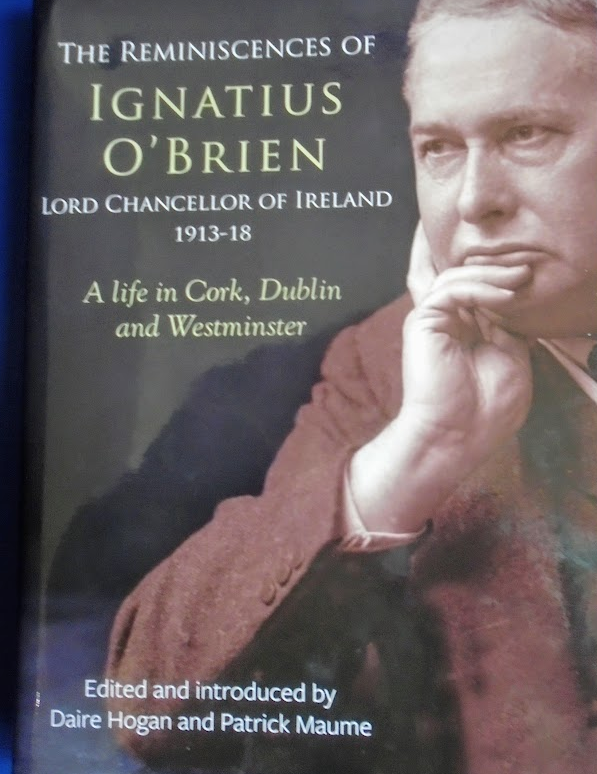
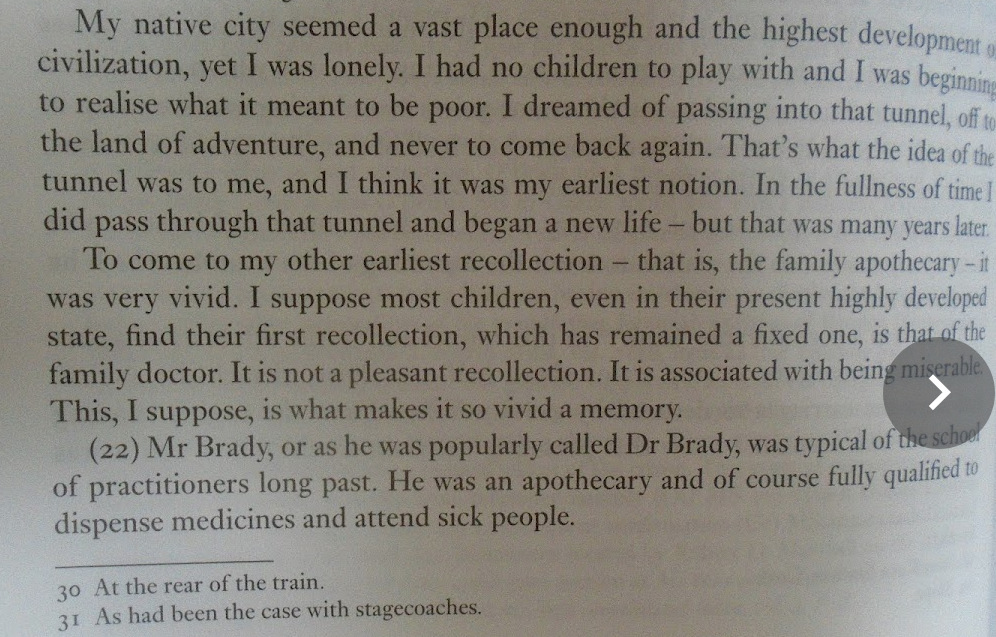
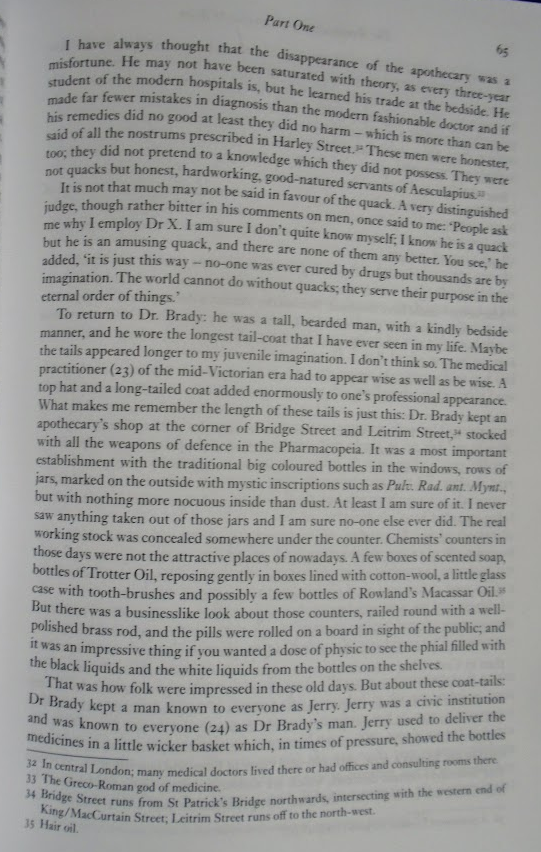
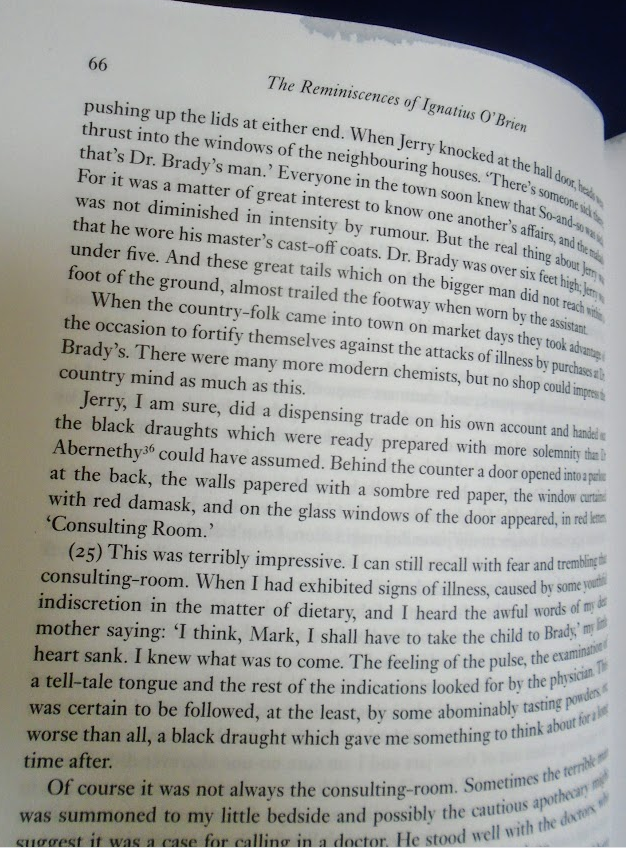
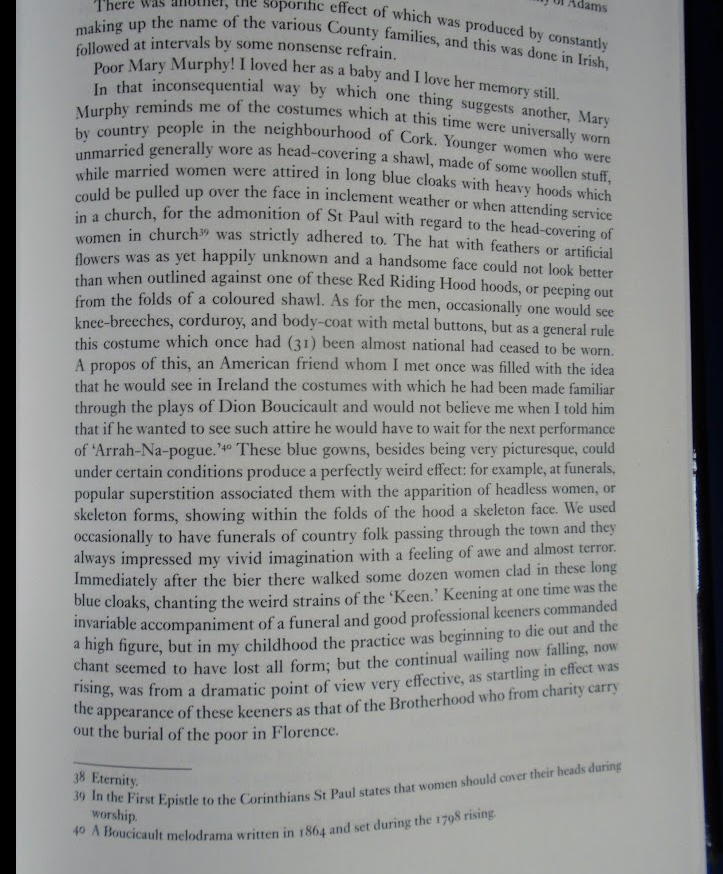
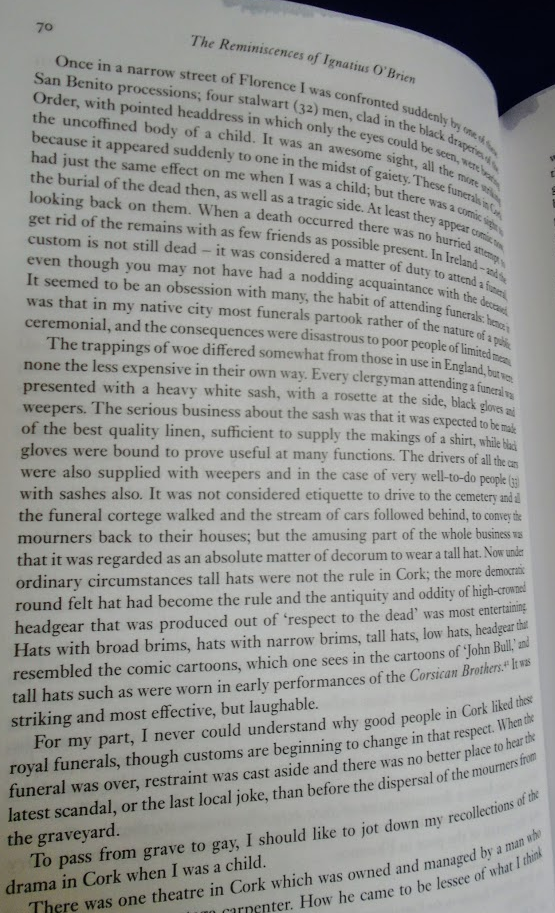
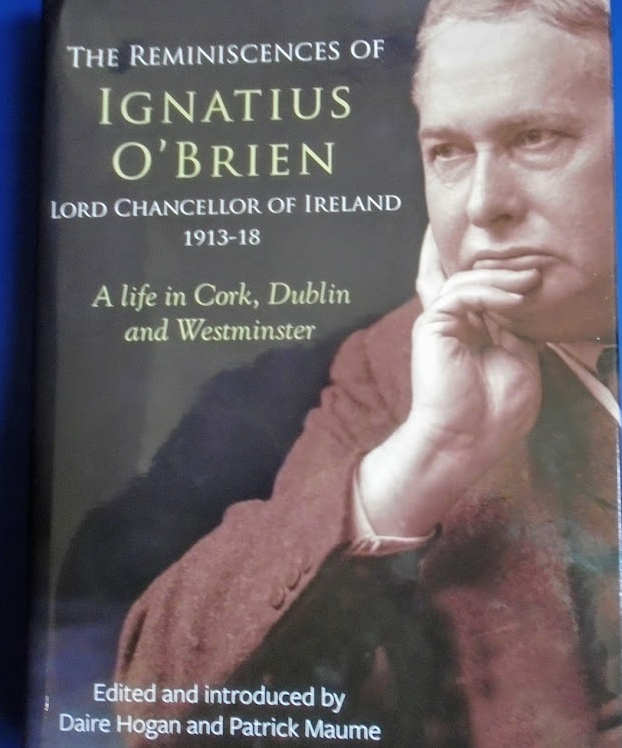
Early 1860s Cork, ‘Dr’. Brady the Apothecary, Funerals Mná Caoine (Keeners) from the Reminiscences of Ignatius O’Brien (1857-1927), Lord Chancellor of Ireland (1913-1918)


Ignatius O’Brien was the youngest son of a struggling Cork business family. After somewhat unhappy experiences at a Cork Vincentian school and the Catholic University of Ireland, he studied to become a barrister while supporting himself as a reporter on Dublin newspapers. Over time he built up a reputation in property and commercial law, and an ultimately successful career led to him being appointed a law officer and later lord chancellor under the post-1906 Liberal governments.

O’Brien avoided party politics, but was a moderate home ruler who attributed the troubles besetting relations between Britain and Ireland to a failure to implement moderate reforms in time. After being created Baron Shandon on his removal as lord chancellor, he moved to England, where as a member of the House of Lords he was involved in various peace initiatives.

His reminiscences of and reflections on the relatively self-contained world of mid-Victorian Cork, of student and journalistic work and play in Land War Dublin, of the struggles of an aspiring barrister on circuit and of the declining years of Dublin Castle, provide new insights into Irish life in the closing decades of the union. He also gives his impressions of prominent contemporaries, including Charles Stewart Parnell, Edward Carson and Lord Chief Justice Peter O’Brien (“Peter the Packer”).

The publication, part of the Irish Legal History Society series, of this important memoir is accompanied by detailed notes and commentaries on its legal and political context by Daire Hogan and Patrick Maume.

Daire Hogan is a solicitor and former president of the Irish Legal History Society. Patrick Maume is a researcher with the Royal Irish Academy’s Dictionary of Irish Biography, who has published extensively on nineteenth- and twentieth-century Irish history.

..

His salary as Lord Chancellor was £6,000 per annum. To give an idea of this a Resident Magistrate had a package of about £500 p.a.taking in allowances.  So he was paid 12 times their pay. The RM would roughly equate to a present Irish District Justice who is paid in sterling just over £100,000 pa. So the modern equivalent annual salary would be  about €1.4 million a year. Remember De Valera said no man is worth more then £1,000 a year!

A remarkable turnaround, when he was called to the Bar he could not afford the customary dinner

….

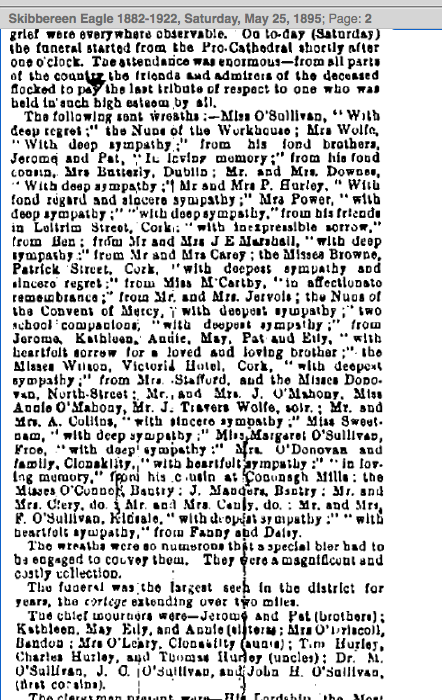
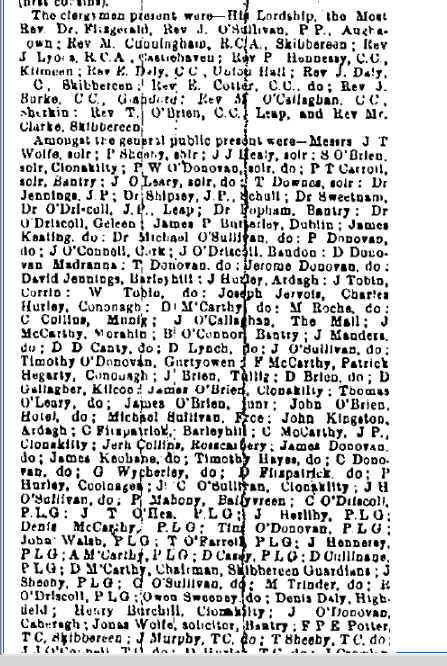
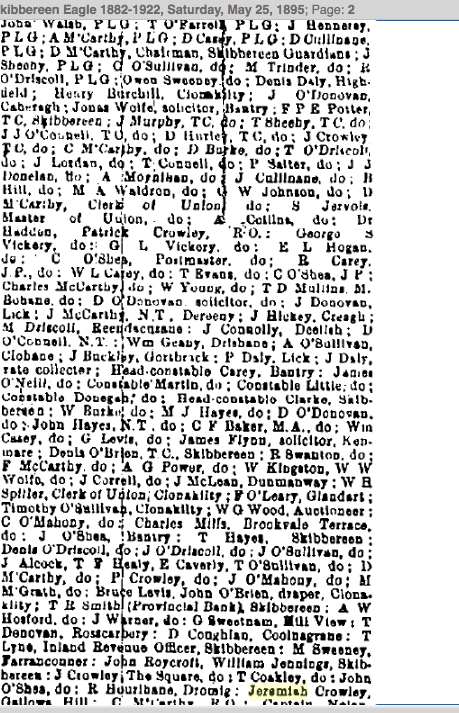
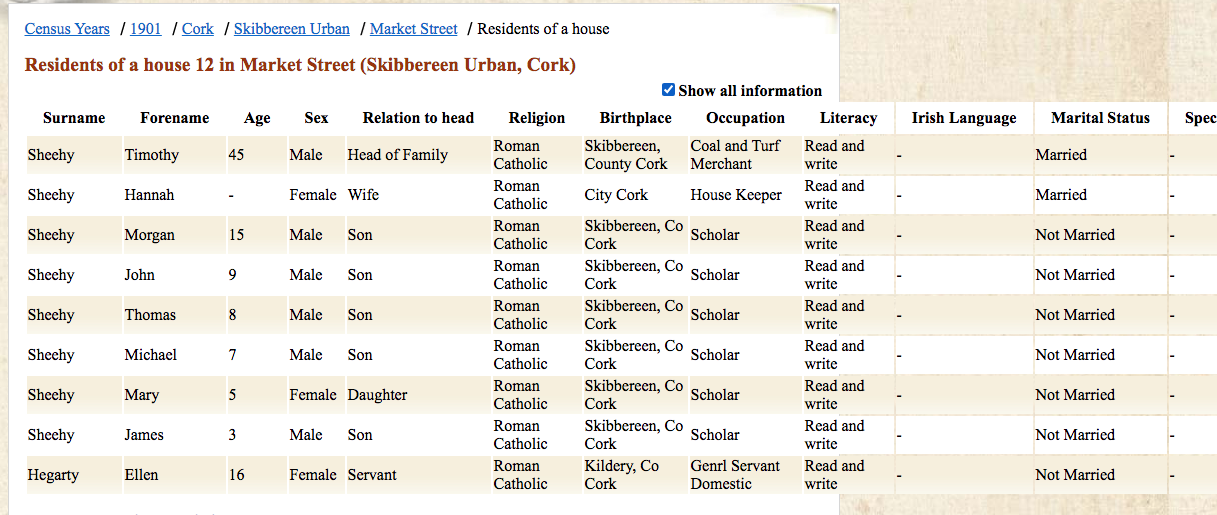
1938, Funeral of Father John Sheehy, Curate. Courtmacsherry, of the Prominent Skibbereen Family, his Father County Councillor, One Time TD, Mass Celebrated by 100 Priests, Telegrams, Mass Cards. Sagart Aroon


1938, Funeral of Father John Sheehy, Curate. Courtmacsherry, of the Prominent Skibbereen Family, his Father County Councillor, One Time TD, Mass Celebrated by 100 Priests, Telegrams, Mass Cards.

Click here

https://docs.google.com/document/d/1hQhomeQtO2DpYkuSVB_Cyu-wIUNlK9uD47spU6-nNdI/edit#

His father

Timothy Sheehy

House:

6th Dáil (1927 – 1932)

Constituency:

Cork West

Party:

Cumann na nGaedheal

6th Dáil

Period: 1927 – 1932

Party: Cumann na nGaedheal

Constituency: Cork West

5th Dáil

Period: 1927 – 1927

Party: Cumann na nGaedheal

Constituency: Cork West

..

..

\

For Sagart Aroon:

..

For Sagart Aroon:

https://www.libraryireland.com/HistoryIreland/Soggarth-Aroon.php

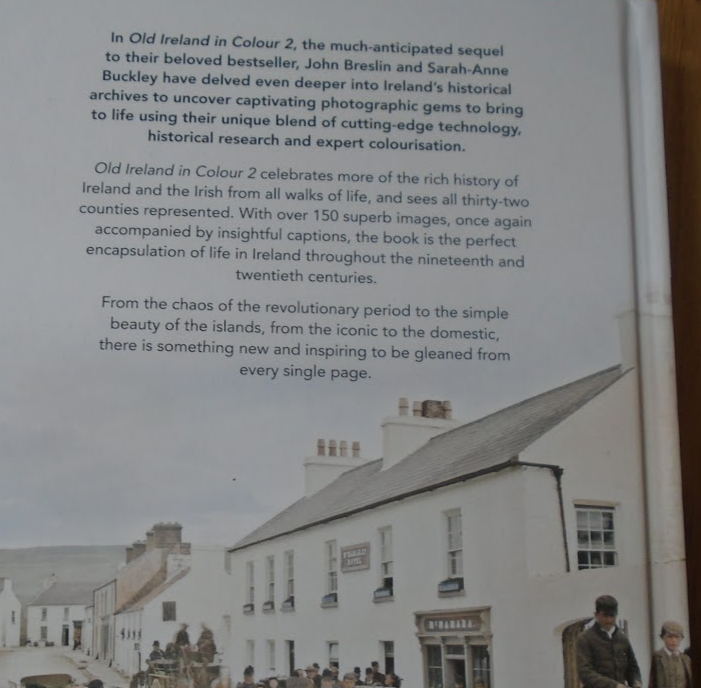
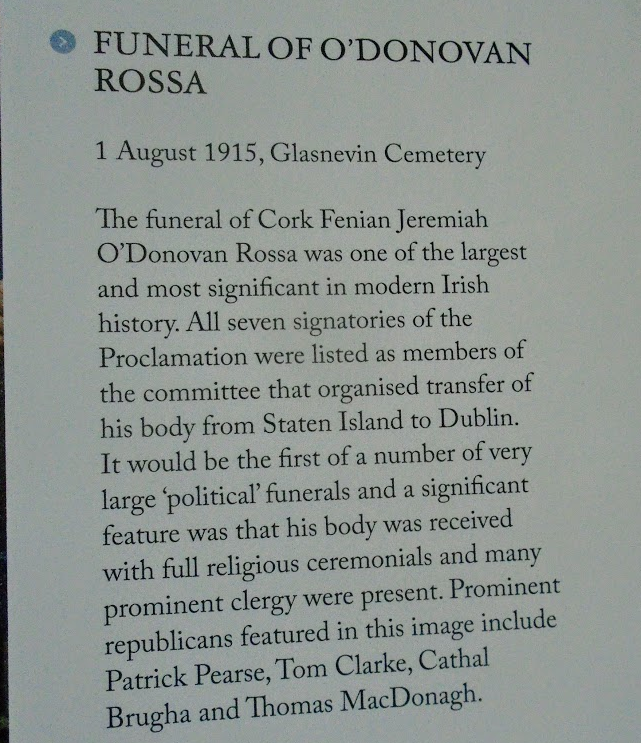
Jeremiah O’Donovan Rossa, Colourised Photographs, 1866 Mountjoy Prison, Dublin, Funeral Glasnevin, Dublin, 1915


..

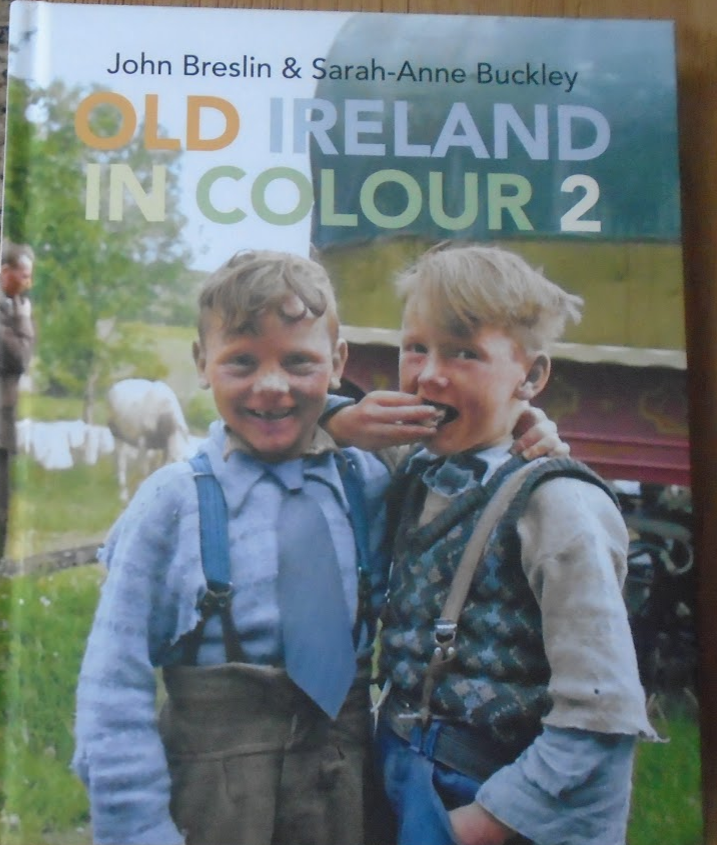
Courtesy John Breslin and Sarah-Anne Buckley.

In so far as there is a classic West Cork Face O’Donovan Rossa has it in the 1866 photo he seems to have been a redhead with freckles.

Recollections of O’Donovan Rosa, pre Famine West Cork Beggars, Cripples, Fair at Newmill, Faction Fights, ‘The Nation’, Whiteboys, ‘Keepers’ minding Corn before Seizure by Landlord During Famine

https://wordpress.com/post/durrushistory.com/13937

Souvenir of Funeral of O’Donovan Rossa (1831-1915), pieces by Arthur Griffith, Curtis O’Leary, James Connolly, McDonagh among others.

https://wordpress.com/post/durrushistory.com/8010

..

Jack Dukelow, 1866-1953, Brahalish, Durrus on the Benefits of Thatch.


Jack on Thatch

To illustrate the benefits of thatch Jack used to tell the story of two men who each bought two bonhams at Bantry Fair.  One had a thatched outhouse where the bonhams thrived weeks ahead of those housed by his friend in an outhouse covered with galvanise.

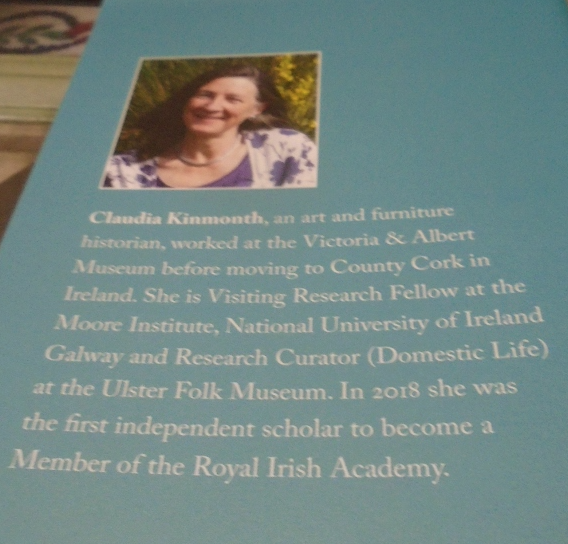
This is consistent with the account related by Claudia Kinmonth  in her history of Irish furniture in essence the hens kept indoors with the family during the winter and kept laying eggs but those of the gentry kept outside did not.

.

..

...

..

Jack Dukrlow:

https://docs.google.com/document/d/1Gnw2LsIbV0Wxk2bGjzCPq9sH9rCCQOrYTh5c0bG7vf0/edit

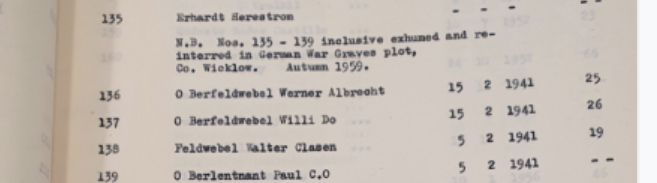
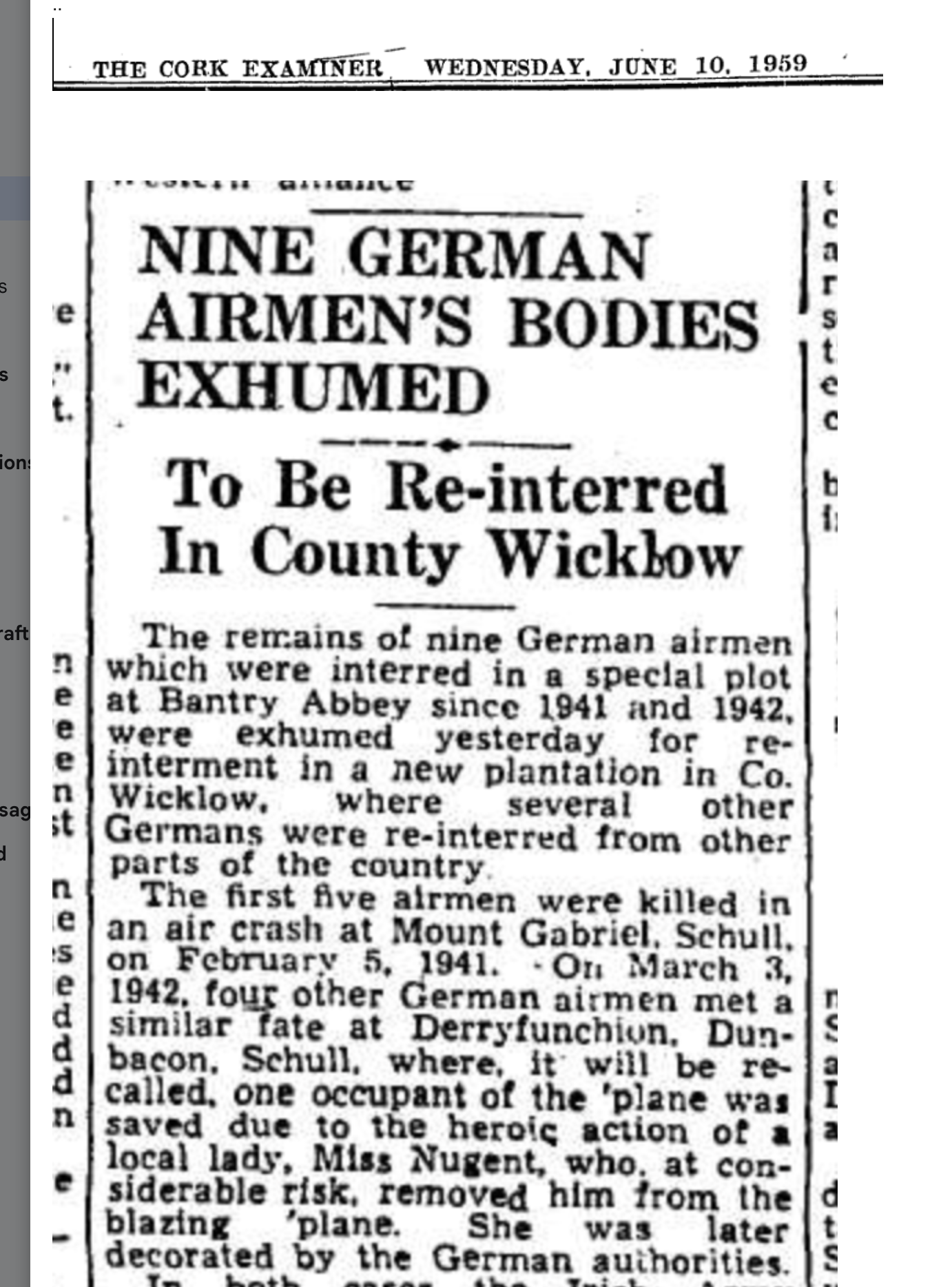
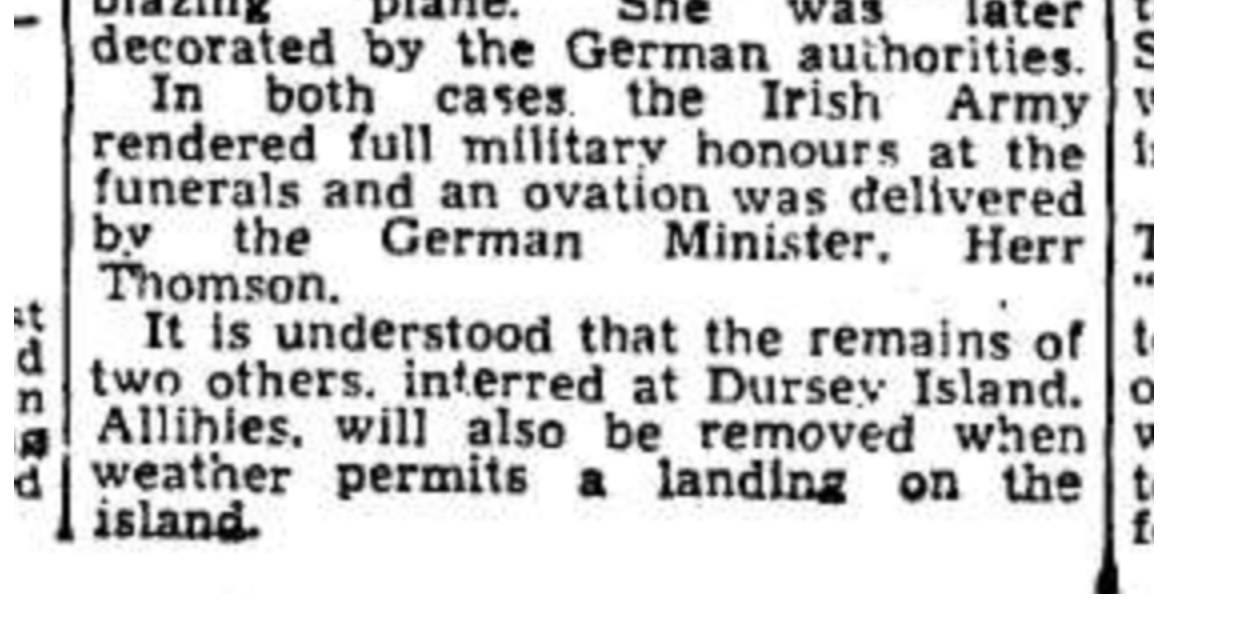
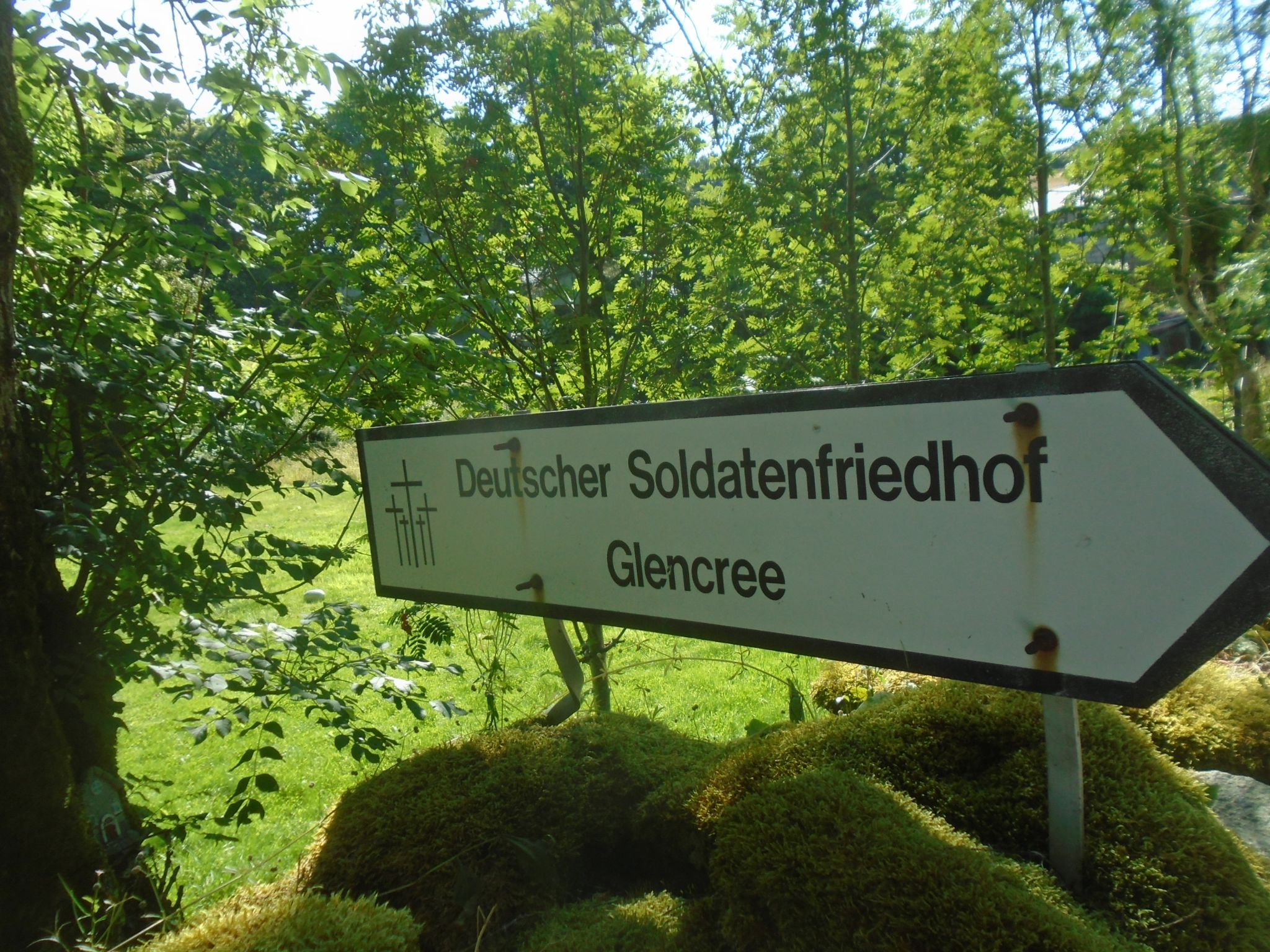
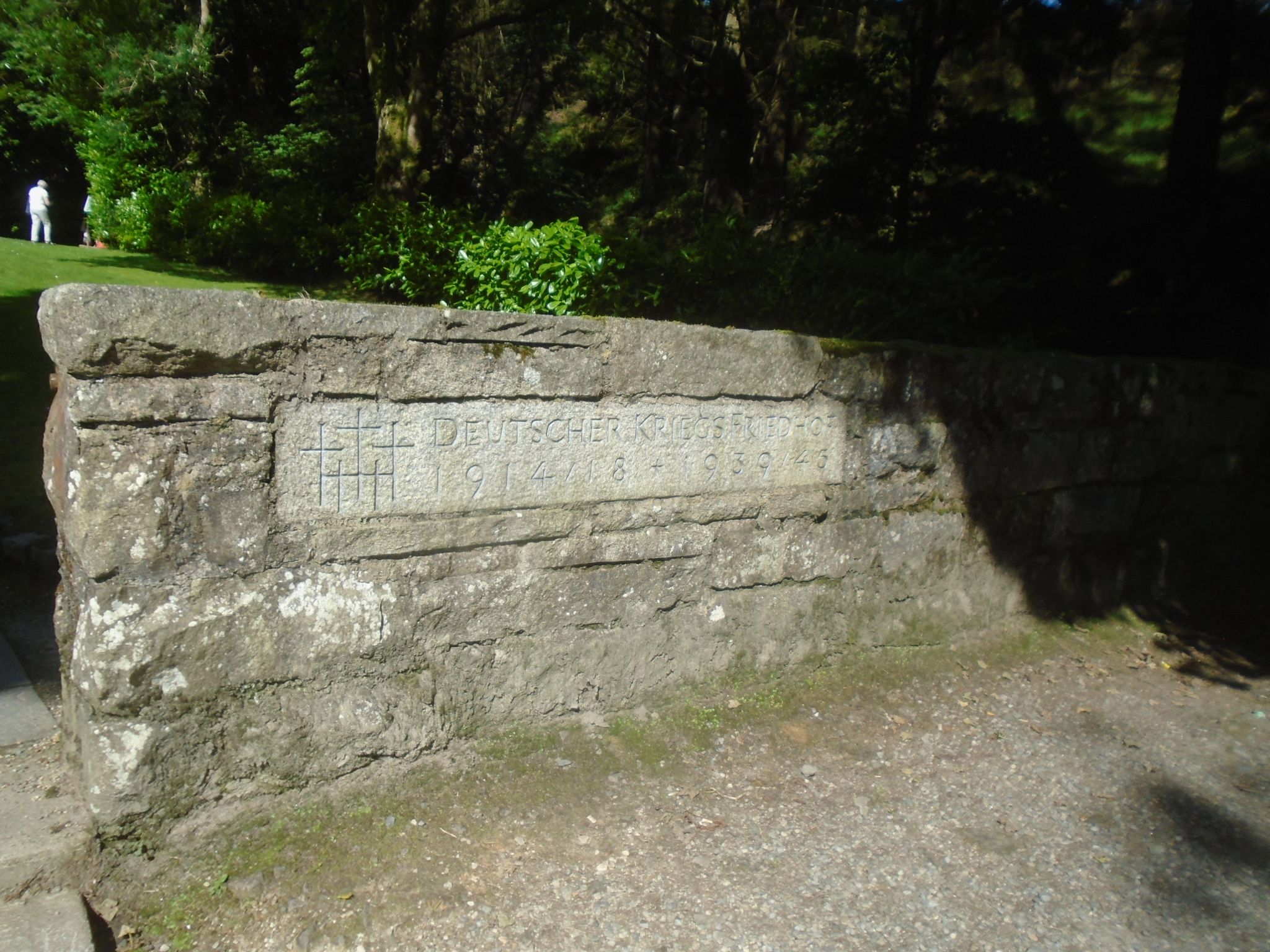
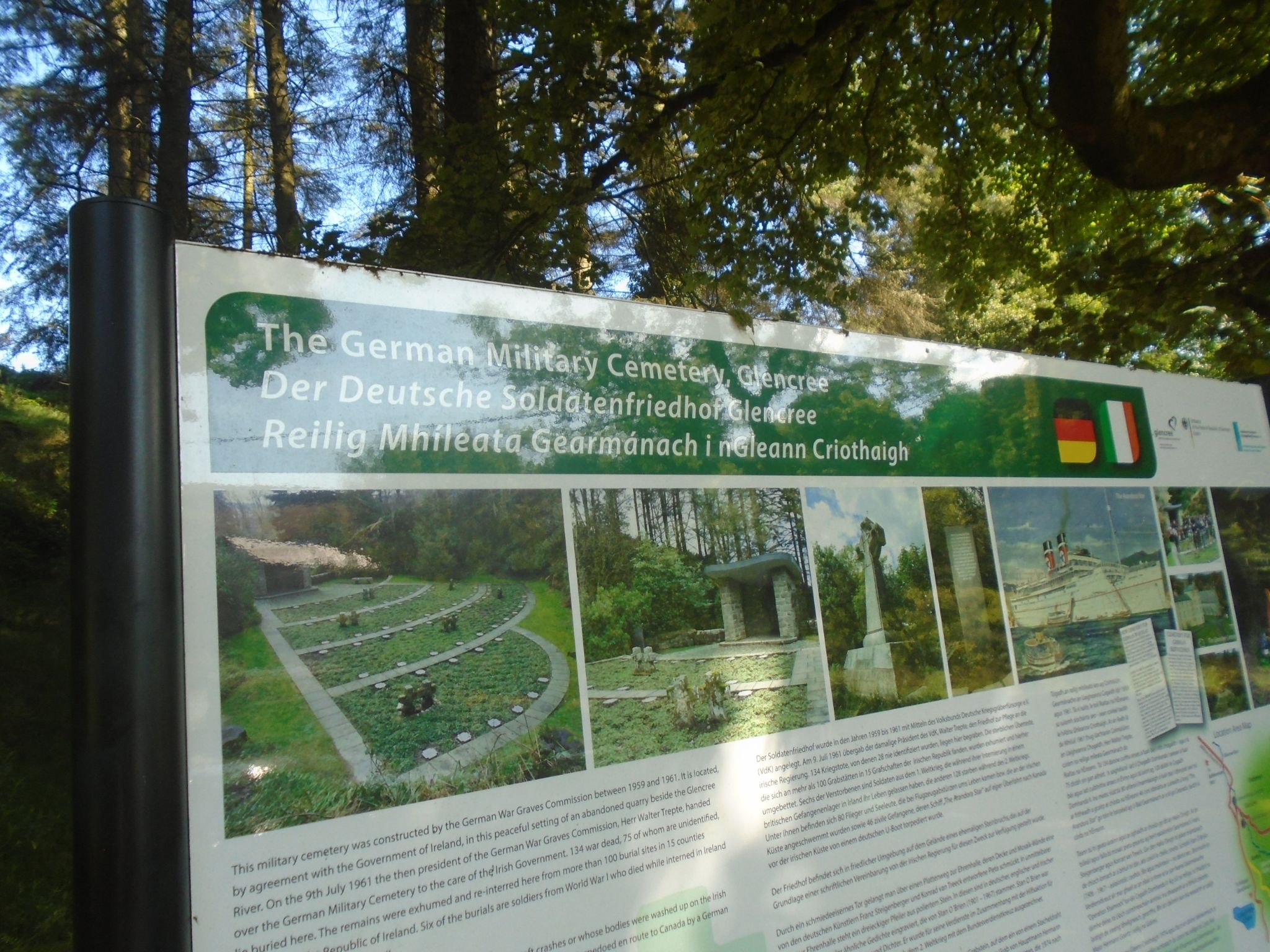
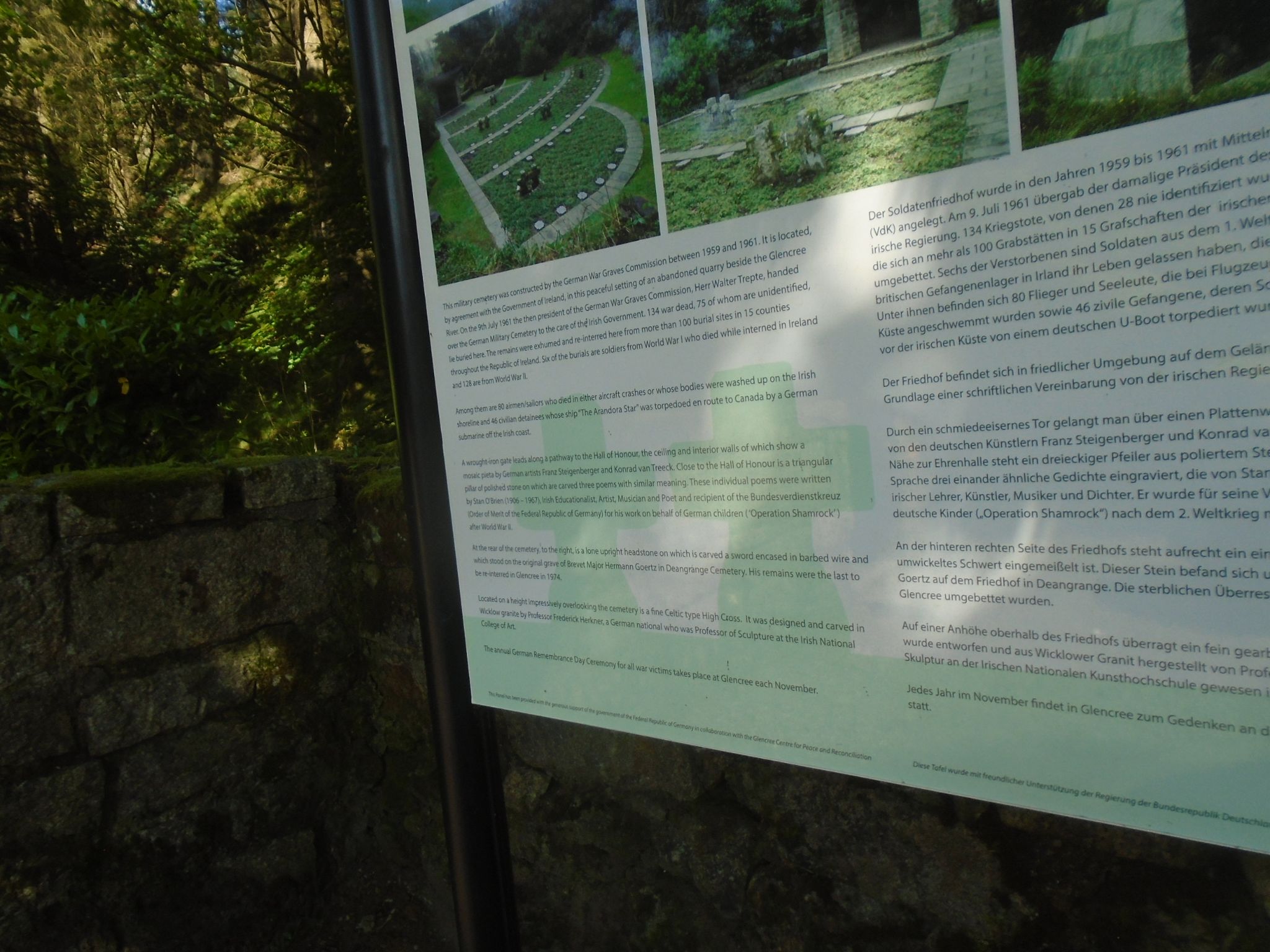
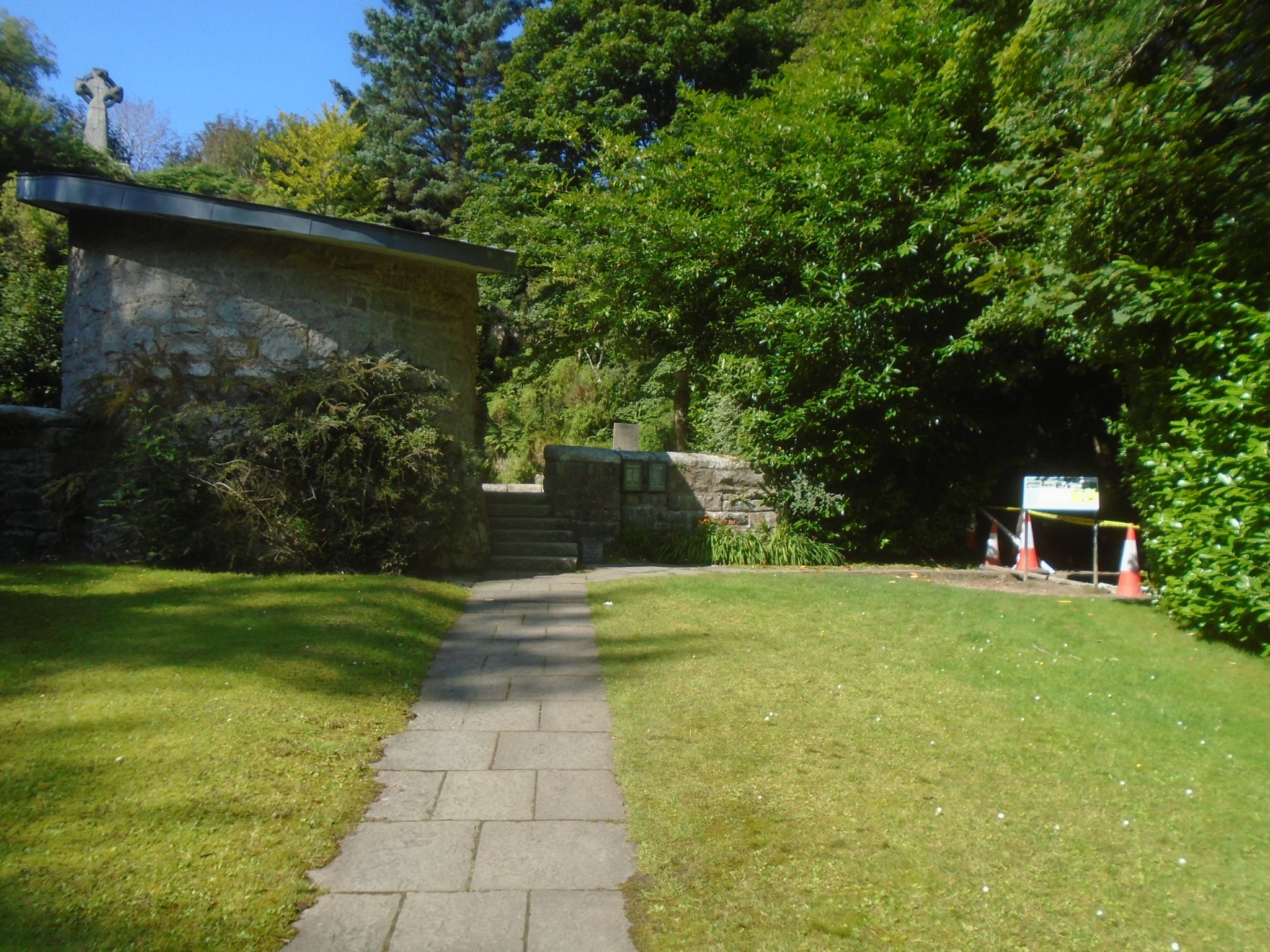
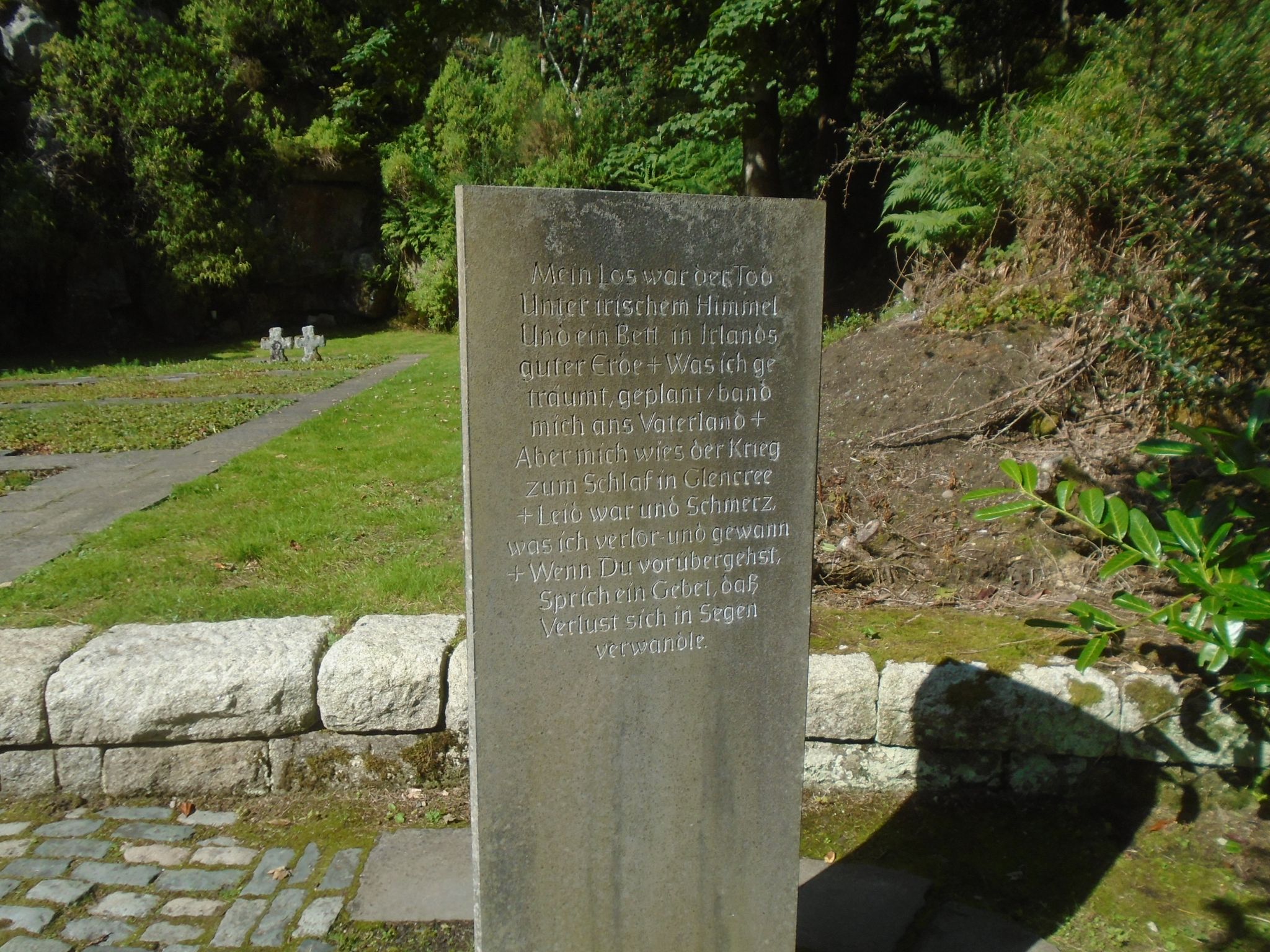
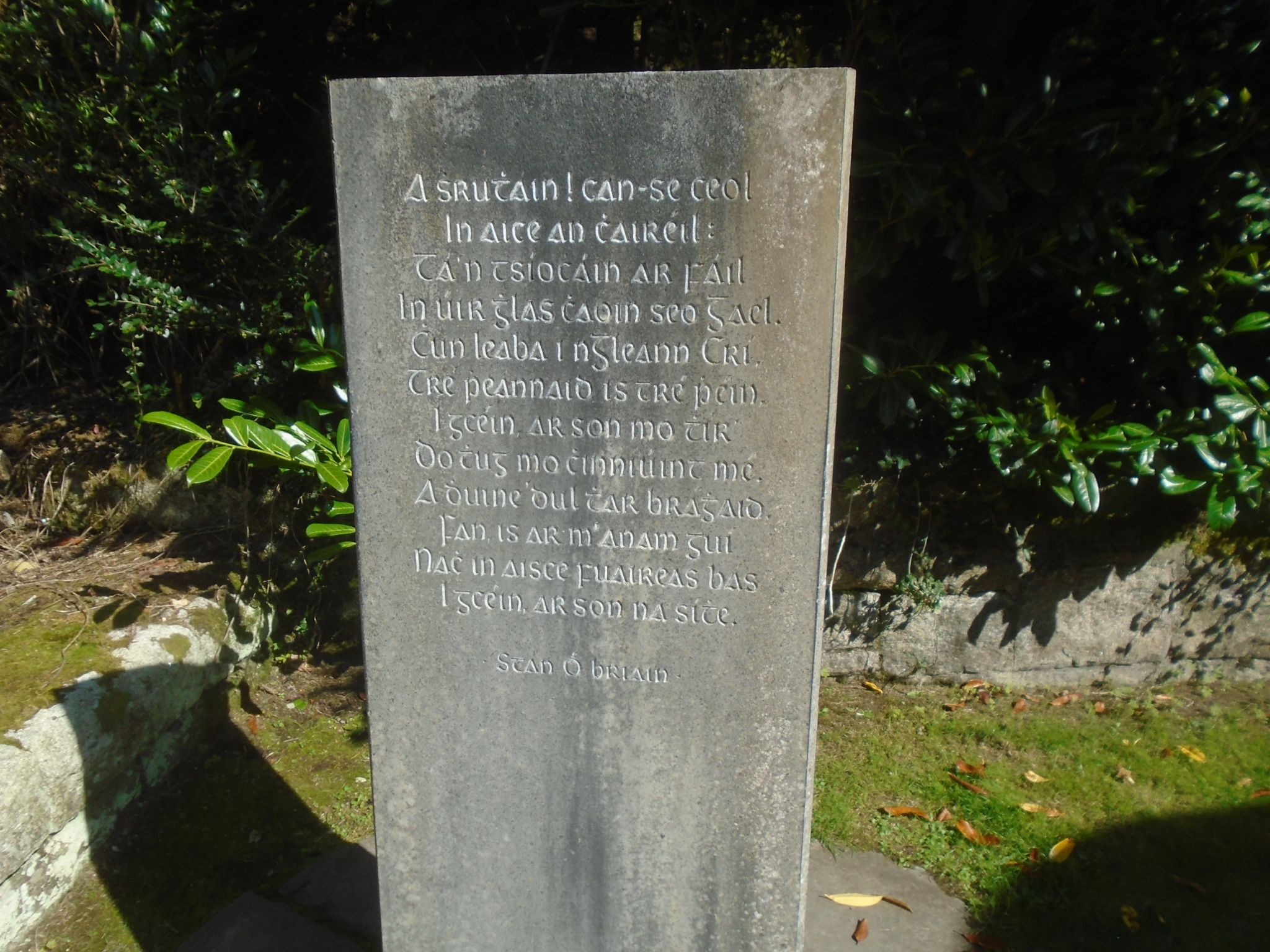
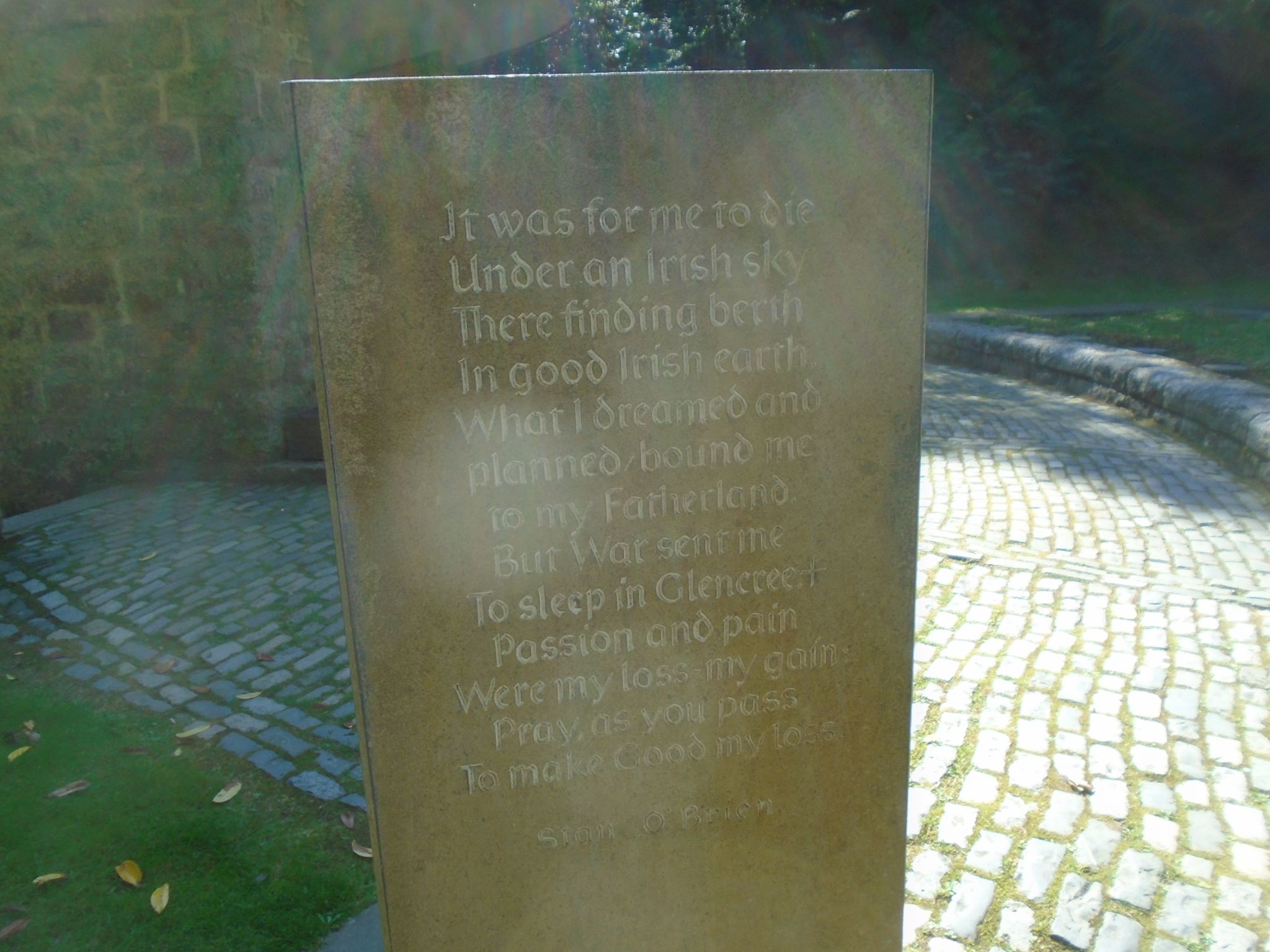
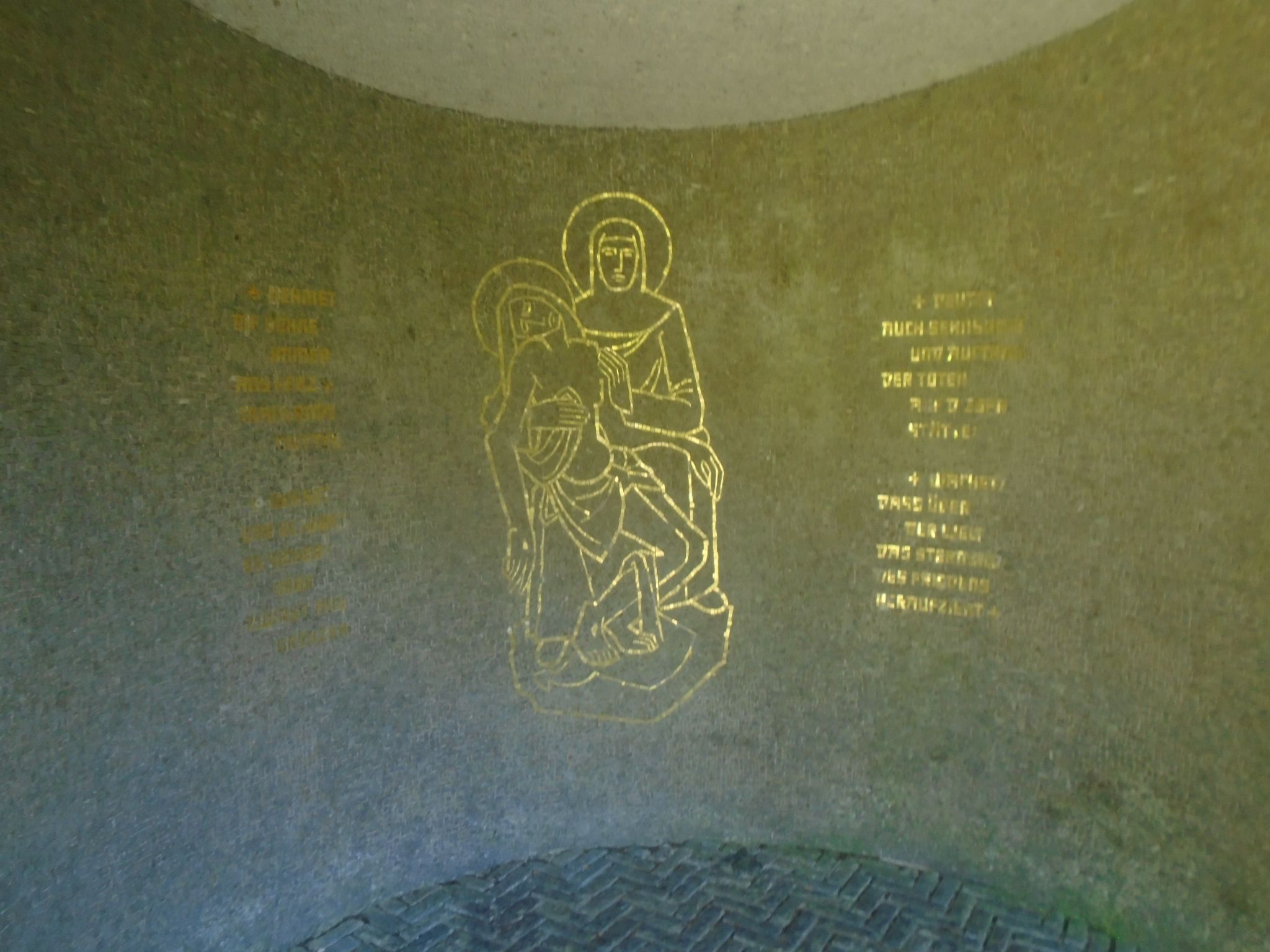
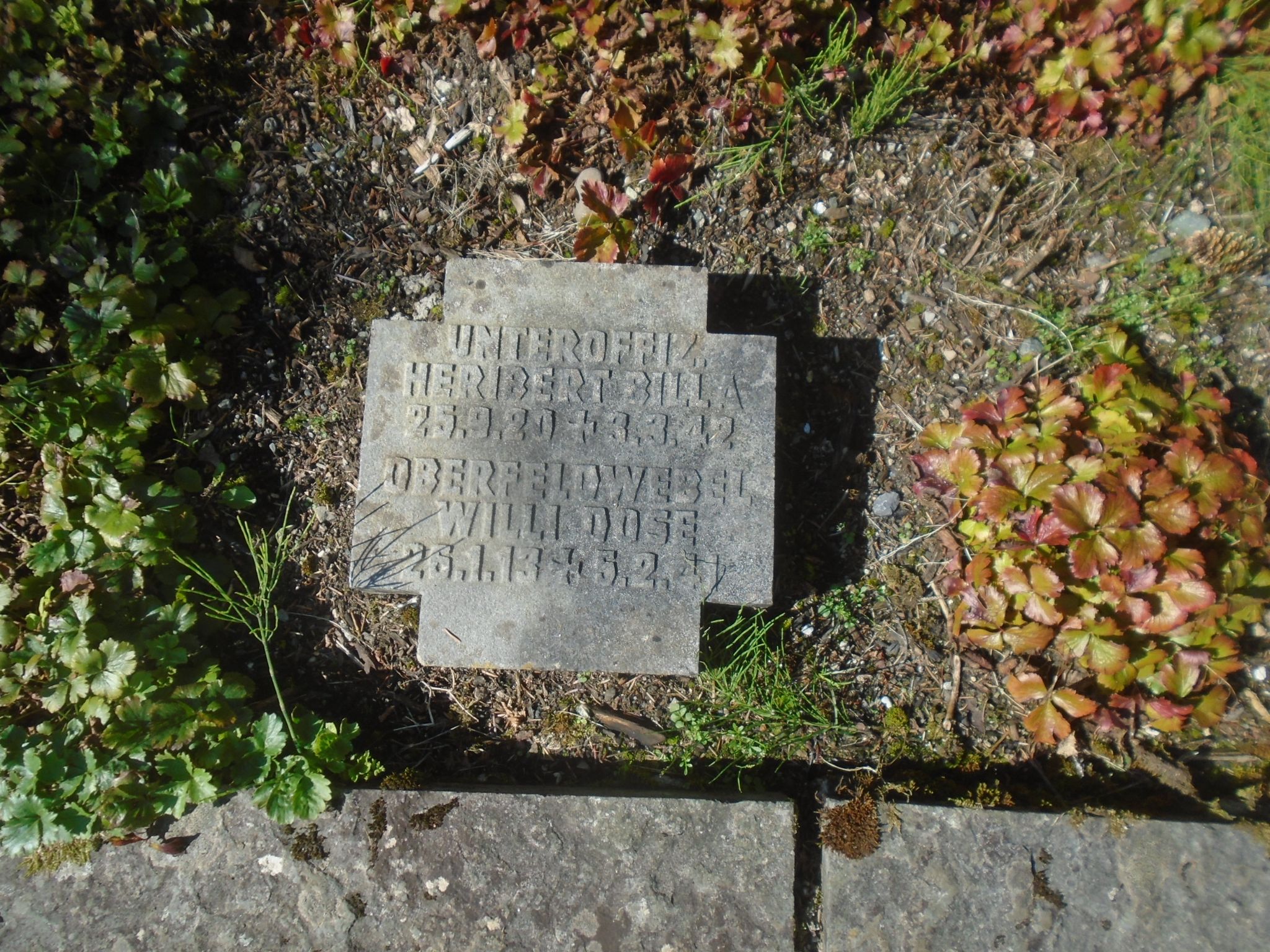
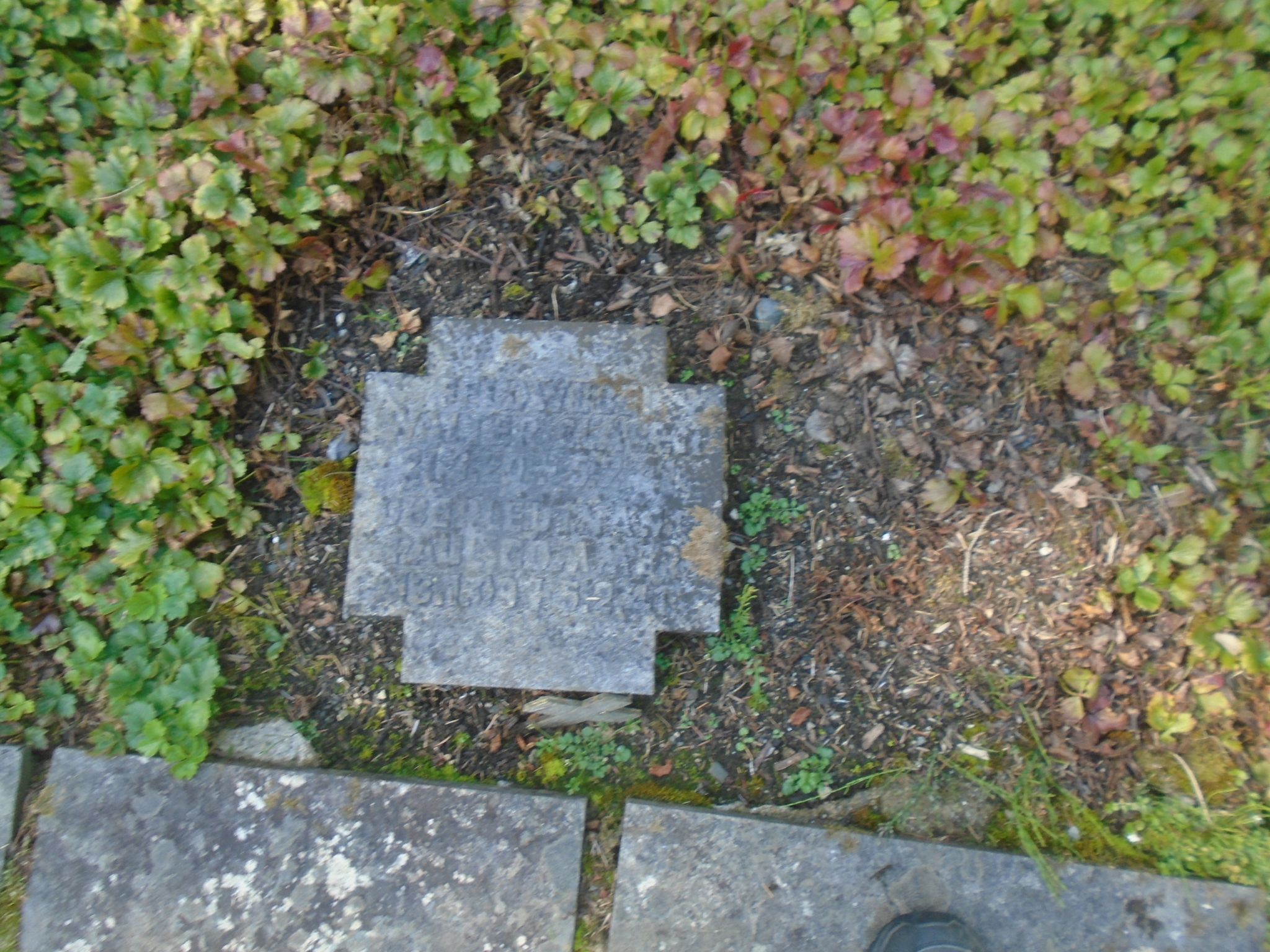
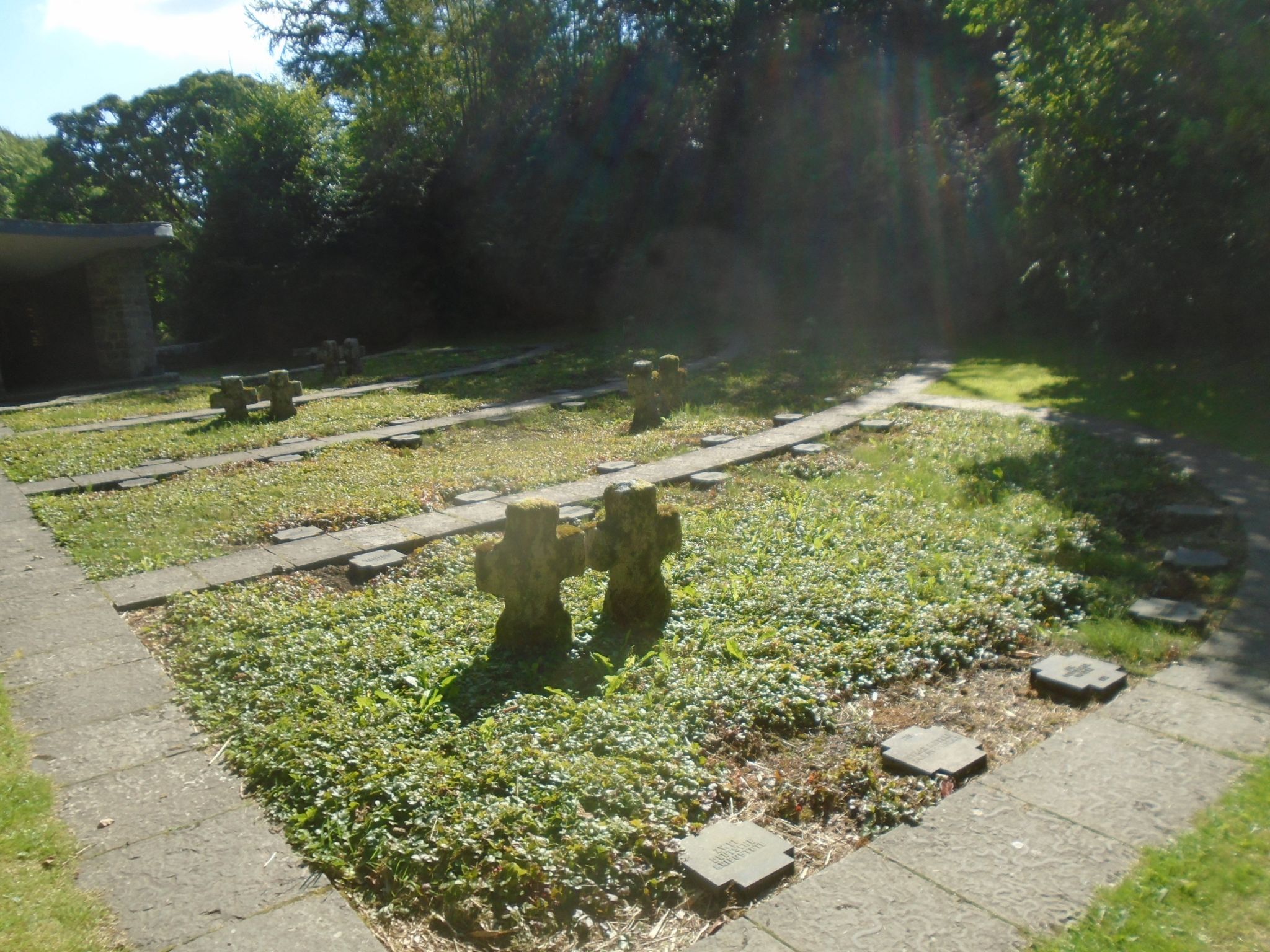
Luftwaffe Air Crashes, West Cork: German Military Buried in the Abbey Bantry and Reinterred 1959 in the German Military Cemetery, Glencree, Co. Wicklow


Those mentioned in the Paddy O’Keeffe, Bantry business man and historian commissioned an engineering survey in 1957. The Germans were reinterred I think in 1959. It is a beautiful graveyard with very humble stones laid flat.  See enclosed. The true horror of war is shown in the numerous stones to a German Soldier or  2 or 3 or 4 names unknown.  Quite a few from WW1.   We are so lucky in Europe not to have had a major conflict since 1959.
Even though it was opened in 1959 already  some of the stones are difficult to make  out due to erosion.
By the way Colum Hourihane tells me that POK did photograph the air crash debris and I assume the photos are in the Cork Archive.
Yes indeed- he labelled them and they were part of his war bundle!
Colum

German Military Abbey Bantry.

.

..

Luftwaffe Air Crashes

1941 5th, FW200C-3 0042/F8+AH.  1/K.G40 5 killed 1 prisoner of war.  Crashed into Cashelane Hill, Dunbeacon, Durrus, 850ft. in dense fog at 08.00 after being shot at by anti aircraft fire from S.S. Major C.  Miss Shanahan Dunbeacon, rescued awarded by German Government.  In the singer Seán Ó Sea’s autobiography he recounts one of the German aircraft being on display in Bantry House where the LDF were based.

1942, 3rd. March Ju88D-1 1429/CN+DU Wekusta 2-4 killed.  Crashed into Mount Gabriel.   Bantry businessman Paddy O’Keeffe (Principal G.W. Biggs and Co.) and historian took photographs immediately after.  Pat

Yes indeed- he labelled them and they were part of his war bundle!

Colum

1943, 23rd. July, Ju88D-1 430030 Wekusta 2-4 killed

Crashed at Dursey at 07.25.

Luftwaffe High Command’s weather reconnaissance Staffe 2

Hans Auschner at controls wearing his Iron Cross.  He had lost both legs and the plane was adapted for hand control; Bruno Noth, a civilian meteorological observer from Hamburg; Johannes Kushidlo, airman; Gerhard Dummler (19) radio operator the youngest man to die in an aerial crash in Ireland.

..

Glencree, Co. Wicklow, German Military Cemetery:

..

..

….

.

..

107 Year Old Irish Farmer, Michael Fitzpatrick born, Flagmount, Co. Clare, Reflects on Change, 1965. Witness to Bodyke Evictions, Co. Clare, 1887


107 Year Old Irish Farmer Reflects on Change, 1965

From a Baker/Williamson Durrus descendant in Canada:

Michael Fitzpatrick moved from Clare to a farm near Maynooth as part of the Land Commission scheme in 1940 where he has lived ever since.

Now aged 107 Michael Fitzpatrick has experienced many changes in the world of farming. The biggest change that has taken place is the introduction of machinery and specifically the combine harvester.

Michael Fitzpatrick also remembers seeing an eviction taking place in Bodyke County Clare in June 1887. He recalls the event as being “very cruel” with women and children thrown out of their homes. 

This episode of ‘Newsbeat’ was broadcast on 7 January 1965. The reporter is Jim Norton.

I have just spent a rainy morning with tea, reading accounts of the evictions, which were referenced by the. 
How would one ever forget. 
The accounts – below-were written by a gr grandson of Major Edward J O’Shaughnessy, another witness. ( I note his family immigrated in 1847  The Major  was born in Montreal  the next year, and ‘skedaddled’ to New York State in 1865 when he was about 17, after some Fenian action. The Canada / USA border was crisscrossed a good deal in those days. My family members are found in both countries in similar locations. In some places, it is a matter of  crossing  the  St Laurence River. Or even crossing a farm field. 
 Although the four articles are similar, there are differences in them- ie. quality of the images reproduced. They are chilling accounts. The first article footnotes ( .22)  that the estates were broken up and  sold in 1903. “After years of negotiation Captain Vandeleur sold off his entire estate to his former tenants and others under the authority of the Wyndham Act of 1903.”

An American Witness to the Vandeleur Estate Evictions
by Ed O’Shaughnessy
Clare County Library is grateful to Ed O’Shaughnessy for donating this article which was first published in The Other Clare, Vol. 44 (2020) pp. 79-85.
All four of these articles, listed below, have  similarities: I found the imagery clearer in the first.    https://www.clarelibrary.ie/eolas/coclare/history/intro.htm1). https://www.clarelibrary.ie/eolas/coclare/history/vandeleur_witness.htm
2). https://www.clarelibrary.ie/eolas/coclare/history/photographing_evictions_vandeleur.htm
3). https://www.clarelibrary.ie/eolas/coclare/history/vandeleur_evictions.htm

4). https://www.clarelibrary.ie/eolas/coclare/history/vandeleur_officials.htm
——-A little more:

A Clare person

When I was a child people were still talking about the Bodyke evictions, but not the Kilrush ones. Quite surprised that very sound well-built houses were demolished. Also I never knew that people from Clare were given land up the country. I thought it was just people from the congested districts on the coast.  Says how much I don’t know. Very interesting material.  

Van de Lour Estate, Kilrush:

http://landedestates.ie/LandedEstates/jsp/estate-show.jsp?id=1856