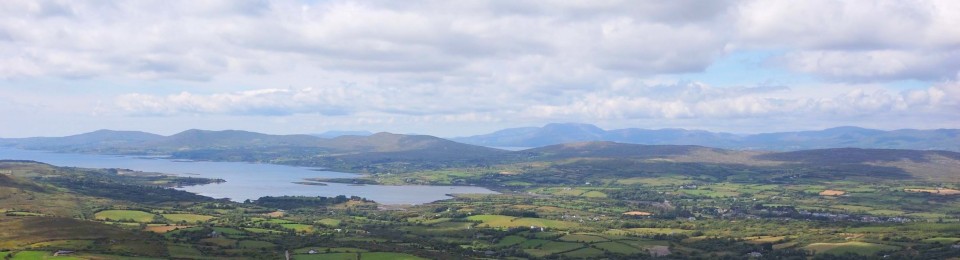
https://www.google.ie/maps/place/Breeny+More,+Co.+Cork/@51.7382494,-9.3766663,15z/data=!3m1!4b1!4m2!3m1!1s0x48450ece8605daf9:0x2e58ba67410b1b24
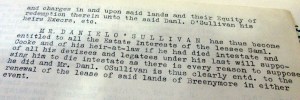
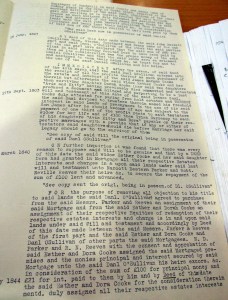
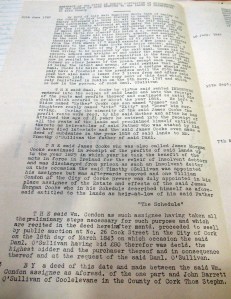
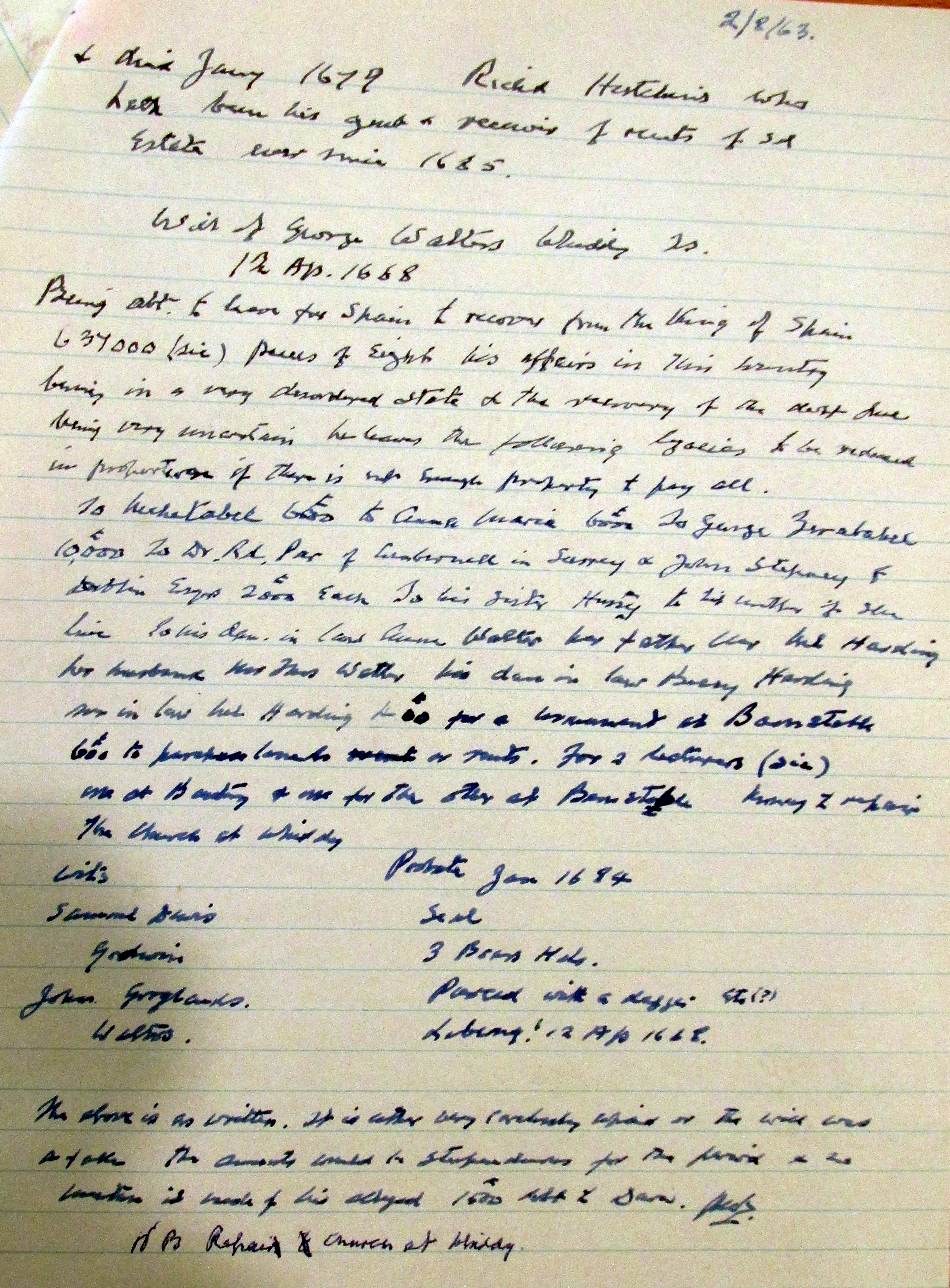
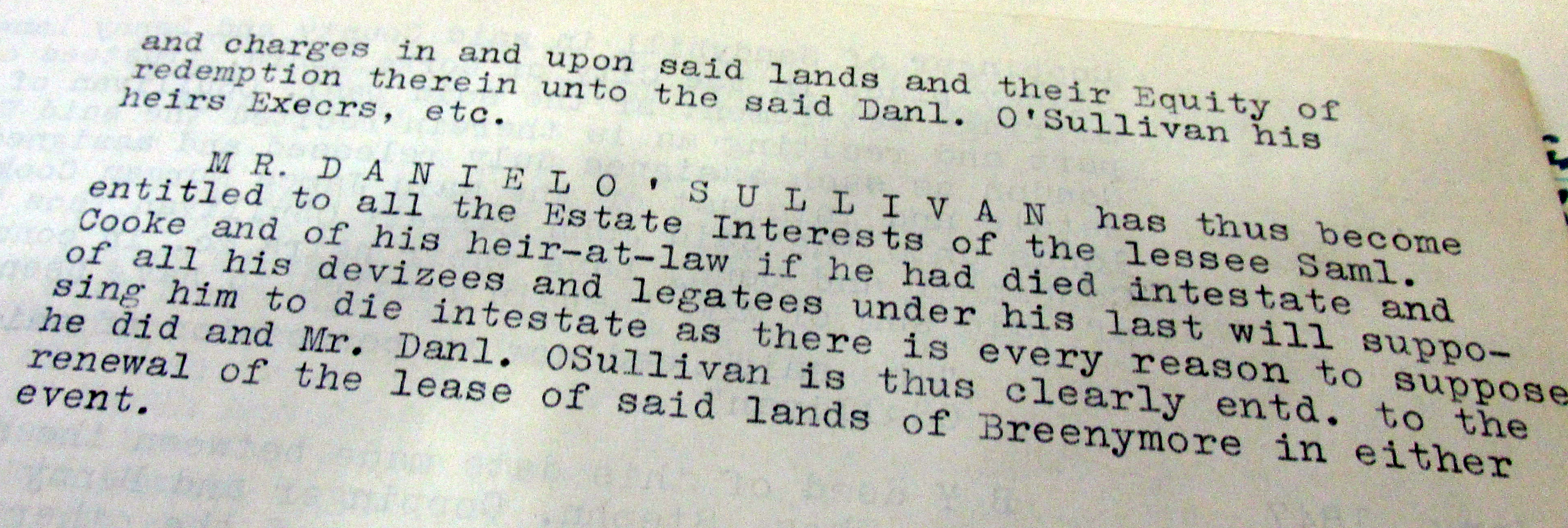
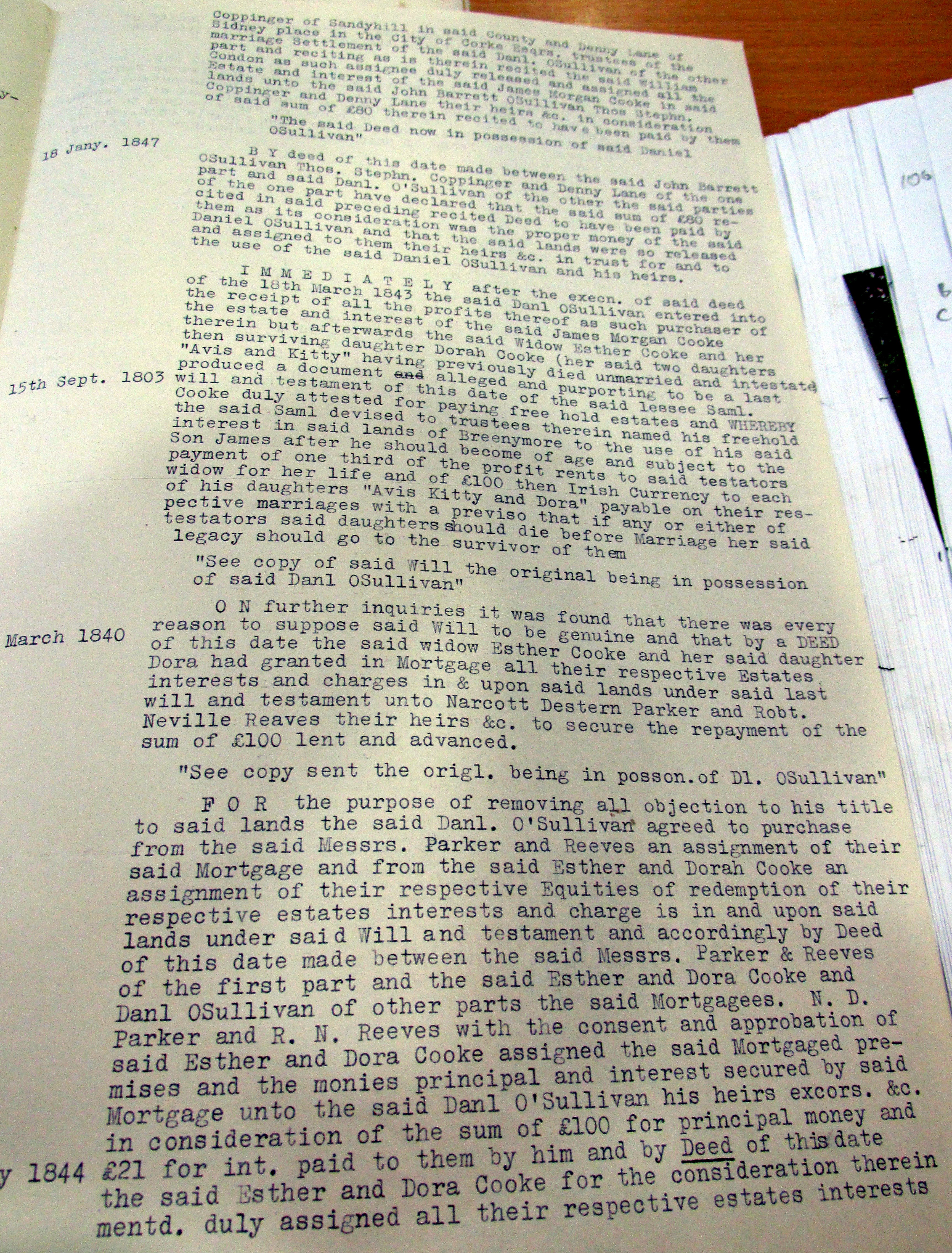
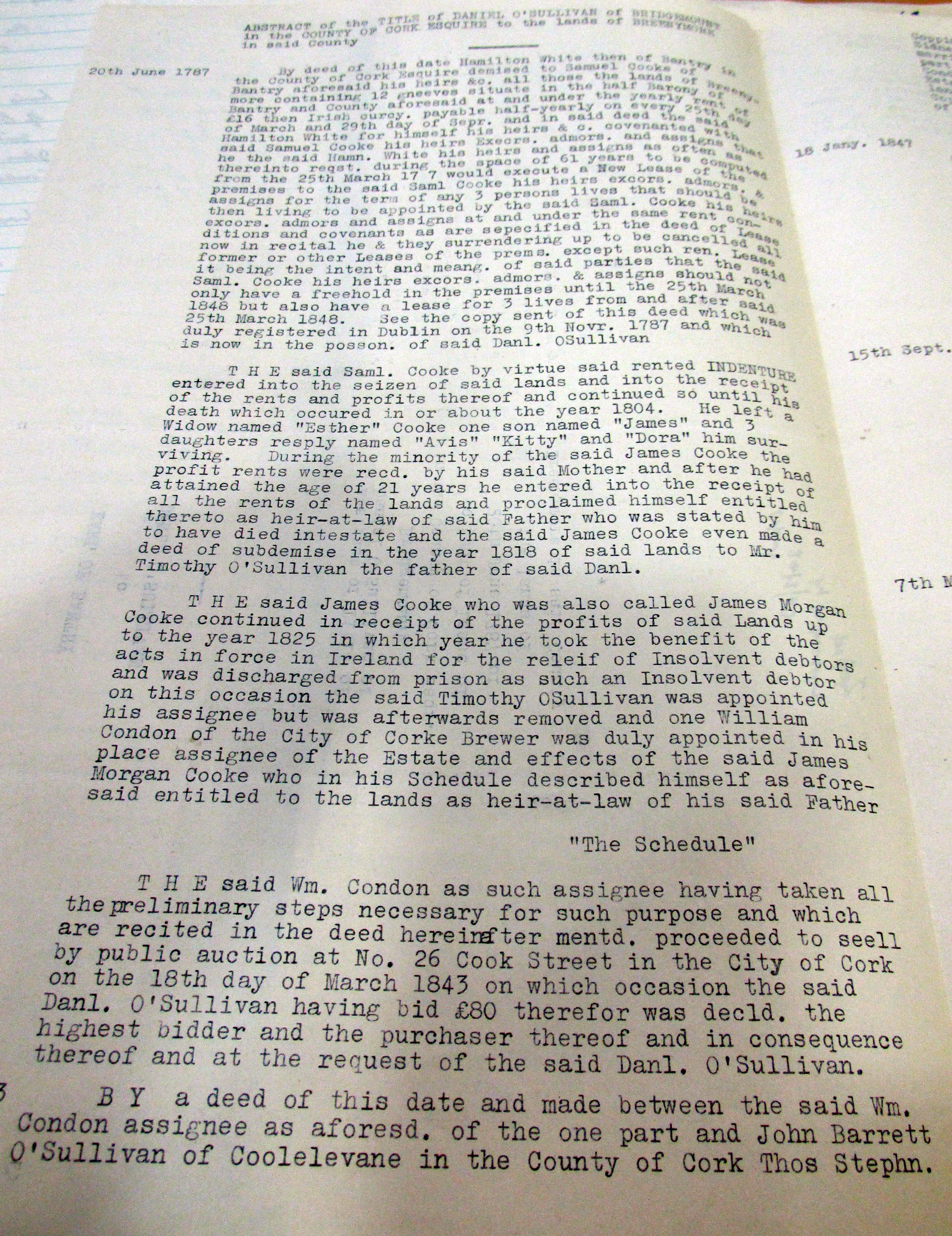
Abstract of Title from the Earl of Bantry to Daniel O’Sullivan, Rents of Brennymore, Kealkil, West Cork, 1787, William O’Sullivan,Esq., Ahill, who bought Carriganass Castle from Mellifonts c 1820 names mentioned James Morgan Cooke, Thomas Stephen Coppinger, Denny Lane, John Barrett O’Sullivan, Norcott Parker, Robert Neville Reaves, and de facto control of Confiscated Lands by O’Sullivan Septs in Bantry/Kenmare Estates in South Kerry, Beara and Bantry areas.
The Estate records show a remarkable continuity of O’Sullivans having substantial leases. In the 18th and 19th century branches of the various families appear to have retained de facto control. These families intermarried with similar Catholic families such as the O’Connell of Derrynane, Co. Kerry, the O’Learys, the McCarthys, the O’Donovans and also into the Protestant Gentry families being similar on the social scale. As the Penal Laws were relaxed in the later 18th century they began to serve in the British Military Service and also enter the Legal and other Professional areas.
William O’Sullivan Esq., Carriganass Castle.
Goodwin YoungHatter, Cork probably from Banty. Obtained judgement 1807 against Simon White Esq., Glengarriff Castle assigned 1825 to William O’Sullivan, Esq., Carriganass Castle, Gave evidence to 1844 Commission Law and practice in respect to the occupation of land in Ireland. Witnesses at Bantry (Rev Christopher Freeman Curate, Richard White Esq. Landlord, Michael Murphy Miller Middleman Donemark, William Neale, Rev. Somers Payne, Land Agent, John O’Connell Esq., Rev. Thomas Barry Parish Priest, Samuel Hutchins Esq. Landlord, Alexander Donovan, Patrick Tobin Farmer Gortavallig Kilcrohane, Timothy Connor, Cornelius Connor, Cornelius Henry Donovan, into Her Majesties Commissioners into The Law and Practice of Occupation of Land in Ireland.
Lease of Ahiel where he was born and in the family for 100 years from Lord Kenmare not renewed in 1840. Has 500 to 600 acres employs a great number of men.
William O’Sullivan, Esq., Carriganass Castle, native Ahill. Game Certificate 1802. Purchased Carriganass from David Mellifont, Donemark in 1817 for £250 and £50 rent previously had been tenant with Maurice Flynn. Hamilton White had left, in his will, cash sums to Richard Blair Esq., Galway (nephew from Blair’s Cove, Durrus), who had received various lands in lieu. By this deed Blair assigned these lands to William O’Sullivan, Carriganass in 1822. Has 500-600 acres from Kenmare Estate. Subscriber 1832 Bantry poor Relief. Decried by Assistant Magistrate for rapacious behaviour toward tenants ‘God help the tenants of the Country with Such landlords’. Enduring bad feeling with McCarthy Downing Skibbereen Solicitor. Accused of being agent to Sir William Draper. Son William called to the Bar 1844. Signed Testimonial to Resident Magistrate, John Gore Jones, Bantry, 1844. In 1848 seizing cattle at Scart, Bantry for alleged overdue rent to his father with Daniel, John and Cornelius Manning and Eugene and Stephen Sullivan he was imprisoned for 3 months and fined £20 for assault. Son, William, Barrister, made a Magistrate 1850 on recommendation of Earl of Bandon superceded after two days. Prosecuted in Cork for criminal libel. Daughter married Barrett who took over estate. According to John Windle he contemplated the restoration of Carriganass Castle. Brother Jeremiah in Brennymore, Kealkil his daughter married Portuguese Captain Jose Biaia later resident in Kealkil. 1854 large farm at Kilcrea with quarry to let apply William O’Sullivan of Daniel O’Sullivan, Church St., Cork. Complained that in 1840 his lease of Ards (2 very large farms 3 miles inland) was not renewed by Lord Kenmare. This lease commences in 1756 between William Sullivan, an attorney who married the daughter of Rev. Schofield who had the lands. The lives in a lease for three lives of Richard Cox, son of the Archbishop of Cashel, and Richard and George sons of Sir Richard Cox of Dunmanway at a rent of £52. Grandson QUILL, Albert William, in occupation pre 1908
Gave evidence to 1844 Commission Law and practice in respect to the occupation of land in Ireland. Head agent to Lord Berehaven son agent to Lord Bantry he was agent to both.