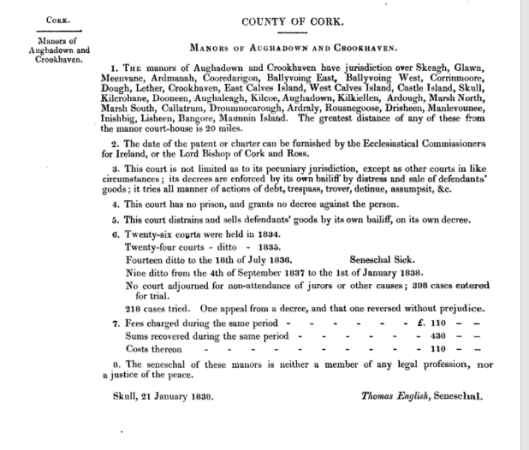
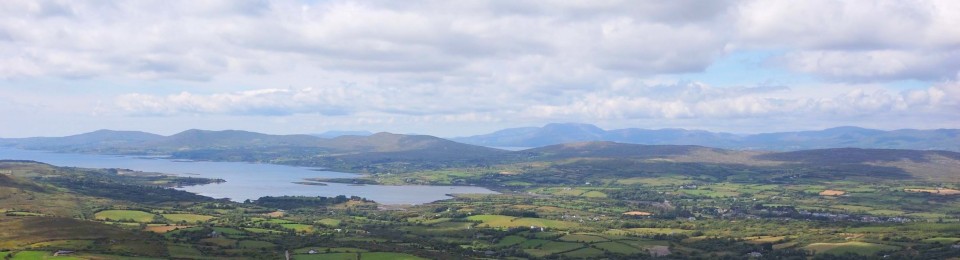
1838. Return of Manor Court Aughadown and Crookhaven, West Cork Seneschal Thomas English.
21 Thursday Jul 2016
Posted in Uncategorized
1838. Return of Manor Court Aughadown and Crookhaven, West Cork Seneschal Thomas English.
21 Thursday Jul 2016
Posted in Uncategorized
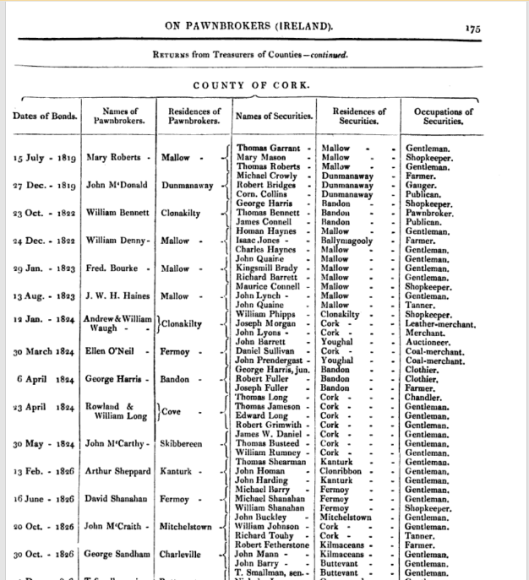
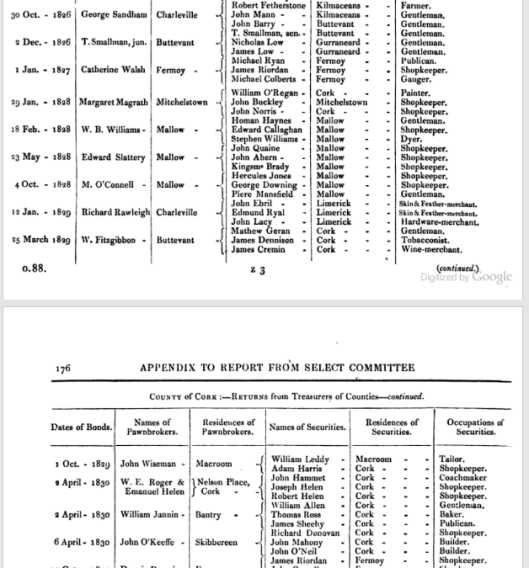
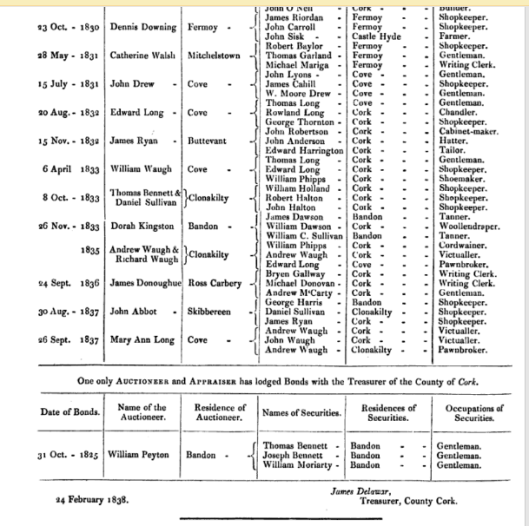
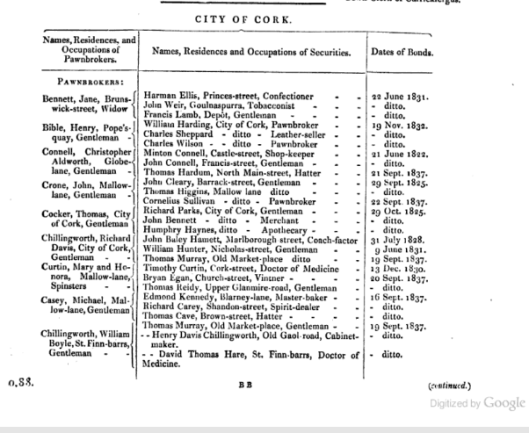
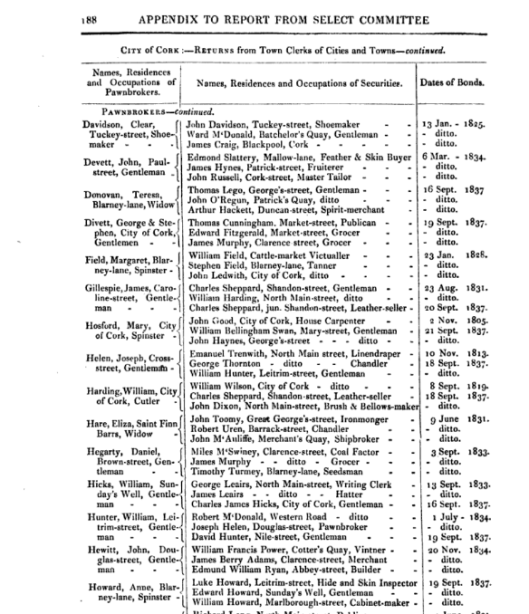
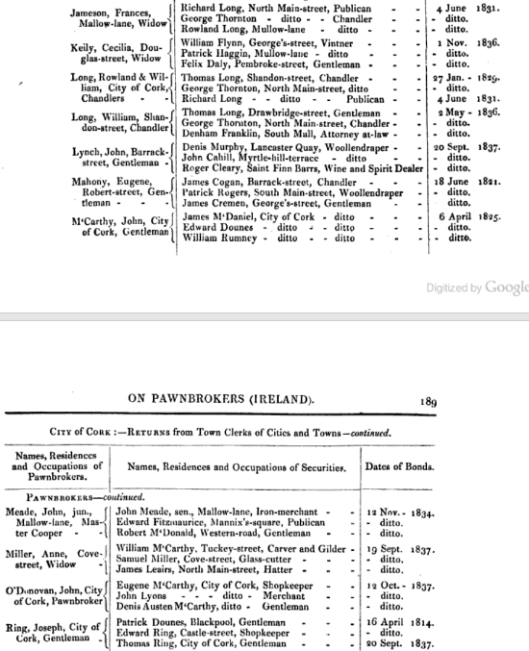
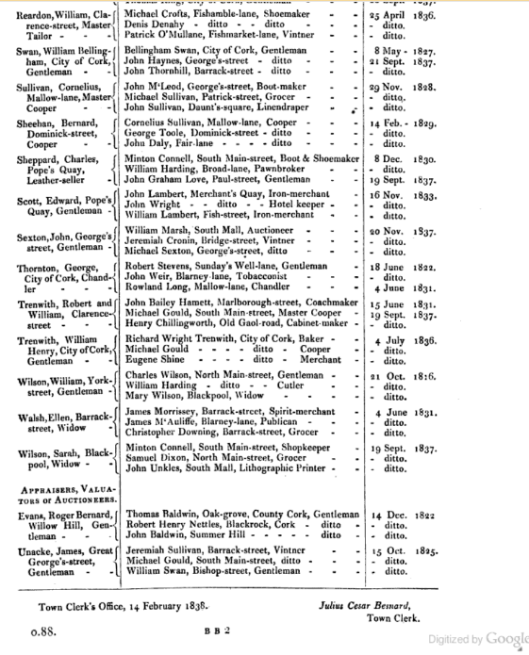
Pawnbroker Registrations Cork City and County from 1810s in Cork Interrelated Families as Pawnbrokers and Sureties From Bantry District, Helens, Trenwiths, Bellingham Swan. Link to 1912 Thornton Family Genealogy.
This is from a Parliamentary report. The report summary suggests that in Cork the occupation was not particularly remunerative.
The Thornton family is mentioned. In 1912 one of the family living at Ashton House Blackrock in Cork later the school did a family genealogy listing the Bantry Youngs from mid 18th century, Helens, Trenwiths, O’Sullivans, Attridges, Swantons, Crowleys, Longs among others. This Genealogy recently surfaced in Canada. Some of these names appears in the pawnbroker list.
20 Wednesday Jul 2016
Posted in Uncategorized
In the Paddy O’Keeffe (Bantry businessman and historian) there are a number of references to General Young.
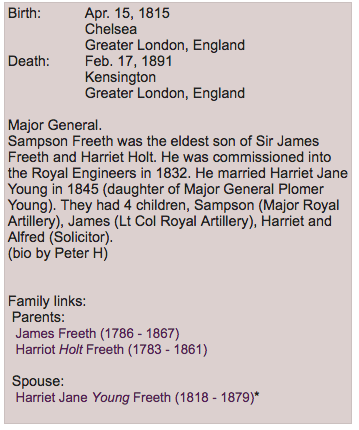
Canadian Biography: General #2 because of his age span of 1787-1863. His daughter Harriet Jane Young, born in France in 1818, married a Freeth and is on Find-a-Grave.
General Plomer Young #1: The part about the siege of Seringapatam (in India) included in the Burke’s entry on William Cole and Jane Young must have been added after the fact. The siege was in 1799 (or there may have been an earlier skirmish in the 1780s) well after the marriage notice of 1776 which stated that the bride’s brother was General P. Young. If this is Plumer Young, he must have been born about 1740 to have been a General by 1776.
Regulations made in 1735 Between The Owners of Seine Boats in Bantry Bay, Dispute to be Determined by Mr Nicholas Mead at His House ‘Spread Eagle’ Presented to Fishery Enquiry 1836 by Mr. R. Young, and 1749 Bounty from Royal Dublin Society to Mr. Meade and Young for Fish Landings at Bantry.
The Young family were involved in the Bantry Fishery since at least 1600. The Youngs lived at Young’s Point possibly now the location of the Maritime Hotel. This was build on stores which were once Young property. There are descendants in the Dunmanway area.
Apothecaries/Doctors:
| 1818 | John Young | Apothecary | 1829 return transcribed by Kae Lewis | ||||||||||||||||||||||
| 1754 | Plummer Young | Apothecary? | Lease 1754 Johm Goodwin, apothecary witnesses Walter Stephens, Plummer Young. | ||||||||||||||||||||||
| 1846 | Plummer Young | Apothecary, Main St. | Slater | ||||||||||||||||||||||
| 1854 | Plummer Young | Apothecary and Registrar of Marriages | |||||||||||||||||||||||
| 1857-1932 | Plomer (Plummer) Young | Physician and Surgeon | Born at Leemount, Cork of extended Bantry Young family. Son of Henry Lindsay Young who was son of Goodwin of John of Robert | Lindsays Cork Lawyers and landlowers. Related also to Curtis family. | |||||||||||||||||||||
| 1791, 1801, 1818 | Samuel Young | Apothecary | 1829 return transcribed by Kae Lewis | ||||||||||||||||||||||
| 1792 | Samuel Young | Apothecary | 1800 set up own shop (the Youngs were in the fishing business since the 1640s) | ||||||||||||||||||||||
| 1803, 1842 | Dr. Samuel Young | Doctor | Deed names his son as life Samuel aged 16 in 1819. | 1842 treated those injured in election riot |
Goodwin Relations:
| 1754 , died | John Goodwin | Apothecary, near Great Bridge | Mentioned in Bantry Estate Papers having lands at Breenybeg | Lease 1754 Johm Goodwin, apothecary witnesses Walter Stephens, Plummer Young. | |||||||||||||||||||||
| 1770, dead by 1792 | John Goodwin MD | Doctor | Property at strand leased from Simon White, for lives of Richard and Ruth Goodwin presumably children, there is a marriage between Ruth Goodwin and Henry Swan in 1784, and a Richard Goodwin and Sarah Hagerty in 1774 possibly the same. | Bantry Estate papers, Reference in Vol 4 of London Medical and Physical Journal of Dr Barry’s Book on small pox of woman twice inoculated by Mr. Goodwin prob late 18th century. | Assignment by two daughters of John MD deceased 1792 Mrs. Sarah Swan and Jane Goodwin spinster to John and William Blatchford, surgeons and apothecaries |
The pilchard fishery was run in the early 18th century by the Galwey, Meade, Bird, Young, Vickery and Davies families.
19 Tuesday Jul 2016
Posted in Uncategorized
Looking up the Church of Ireland records for Bantry I came across Thomas Young Cotter, born in Bantry in 1805. His father Richard may have been born on Cloyne, Co. Cork and he married Ellen Young in London. It is possible that she was of the Bantry Young family who were prominent merchants and engaged in the fishing business. The Youngs are probably in Bantry since at least 1600. Richard was a purser with the Royal Navy in the West Indies and was late joined there by Thomas.
Thomas’s medical history is documented in a biography
http://adb.anu.edu.au/biography/cotter-thomas-young-1923
He had a literary turn editing the South Australian Magazine and The South Australian Almanac. His father had earlier published ‘Sketches of Bermuda’
From Bryan Richards
According to the Muster List of HMS Cerberus, Richard Cotter was born Abt. 1776 Cloyne County Cork. I now discovered Richard and Ellen Young married twice, once in Bantry and again at what is now known as the Queen’s Chapel Savoy…
View original post 84 more words
19 Tuesday Jul 2016
Posted in Uncategorized
Townlands, Place Names, Shore Names, Field Names, Cill Cháscann (Kilcaskan), Beara, West Cork.
Courtesy JCHAS, 1979.
Borlin/Comhoola:
https://durrushistory.wordpress.com/wp-admin/post.php?post=5175&action=edit&message=1
Kealkil:
https://durrushistory.wordpress.com/wp-admin/post.php?post=6051&action=edit&message=1

https://plus.google.com/photos/100968344231272482288/albums/6109126168752550833
19 Tuesday Jul 2016
Posted in Uncategorized
Genealogy of David Gallwey, Bantry, West Cork, son of Henry and Mary McCarthy conformed to the Church of Ireland 1770, Adjutant Bantry Volunteers, Left for Lisbon, son Consul for Portugal in Cork ancestor of Galweys in Portugal, Brazil, Tenerife, USA, Peru.
His grandmother was Mary Mellifont , this family were probably Protestant in Bantry and Skibbereen in the mid 18th century but her father was proclaimed a Raparee c 1690. They were middle men on the Bantry and Kenmare Estates.
Galways/Galweys of Munster, Genealogy, Penal Laws Religon Change.
https://docs.google.com/spreadsheets/d/12-TQFfRKt_p6AGtxLaHODge_ReszztDcE-NFF1626_c/edit#gid=0


19 Tuesday Jul 2016
Posted in Uncategorized
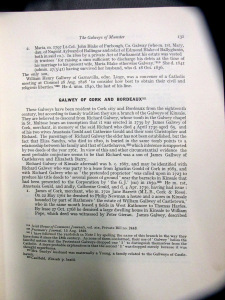
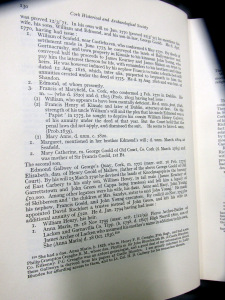
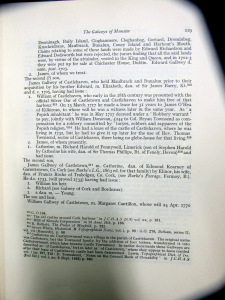
Genealogy of Galweys of Castlehaven, West Cork from c 1650.
From Galweys of Munster by Sir Henry Blackhall (a descendant) courtesy JCHAS, 1967.
19 Tuesday Jul 2016
Posted in Uncategorized
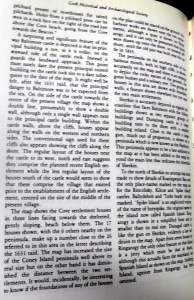
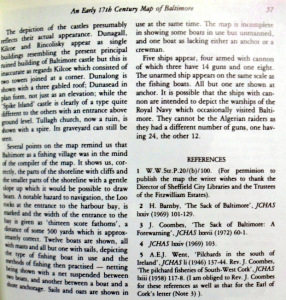
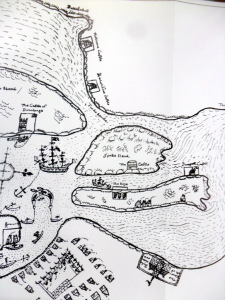
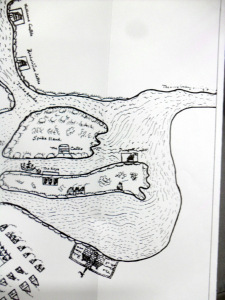
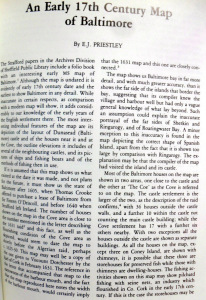
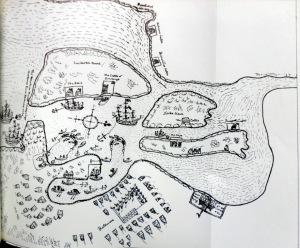
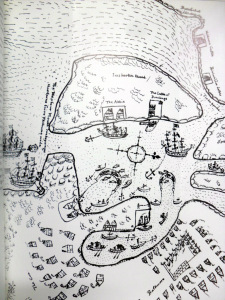
Early Map of Baltimore, West Cork (Between 1605-1640), showing English Settlement, Dunasead Castle, Loo Rocks, Storehouse for Preserved Fish, 12 Fishing Boats, Seine Pilchards, 5 Possible Royal Navy Boats.
Courtesy JCHAS, 1984.
Some time after the Port was raided by Algerian Pirates.
http://en.wikipedia.org/wiki/Sack_of_Baltimore
The Baltimore Fishery was part of a larger fishery including Leamcon, in Schull controlled by Sir William Hull, that of Whiddy Island rented by Davenant from O’Sullivan Bere and that of Cornwall. Hull may have had another fishery in Newfoundland. The fisheries were financed by London merchants.
18 Monday Jul 2016
Posted in Uncategorized
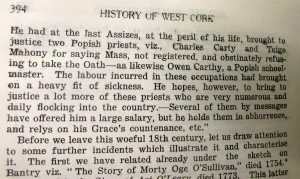
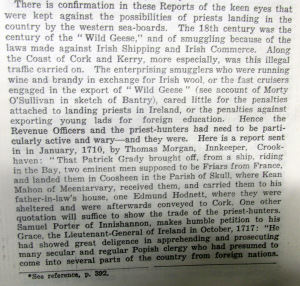
Priest Hunters, West Cork, report of Thomas Morgan, Innkeeper, Crookhaven 1710, Samuel Porter, Innishannon 1717.
From Father Holland’s History of West Cork 1949.
18 Monday Jul 2016
Posted in Uncategorized
Depositions and attested certificates in support of the claim of Timothy O’Cullane of Gurrane in the parish of Droumaleague, Barony of West Carbery, Co. Cork to be the true and sole heir of the O’Cullanes known as Kealiecligh, May 8, 1744 attested by Denis Carthy, Ballinascarthy and Samuel Love Croghane, Yeoman, Notarised by Anthony Lane, other names Rickard O’Donovan, Matt O’Hea, Richard Townsend, John Warner? aged 88,
Two possible reasons present themselves for this. The first was the possibility of his ancient family lands being restored to him.
The other if he was of the ‘Wild Geese’ or his children. It was often the case to advance in Continental Society a certified Genealogy had to be produced. The Breffni (Cavan) O’Reillys are an example.
There are reference to the O’Cullanes being related to the Swantons.
Discovery of Lost Vellum Manuscript, documenting the Genealogy of the Very Ancient and Illustrious…
View original post 69 more words


