• About
  • Customs Report 1821-2 (and Miscellaneous Petitions to Government 1820-5) and some Earlier Customs Data, including staffing, salaries, duties including, Cork, Kinsale, Youghal, Baltimore, with mention of Bantry, Crookhaven, Glandore, Berehaven, Castletownsend, Enniskeane, Passage, Crosshaven, Cove, Clonakilty, Cortmacsherry.
  • Eoghan O’Keeffe 1656-1723, Glenville, Co. Cork later Parish Priest, Doneralie 1723 Lament in old Irish
  • Historic maps from Cork City and County from 1600
  • Horsehair, animal blood an early 18th century Stone House in West Cork and Castles.
  • Interesting Links
  • Jack Dukelow, 1866-1953 Wit and Historian, Rossmore, Durrus, West Cork. Charlie Dennis, Batt The Fiddler.
  • Kilcoe Church, West Cork, built by Father Jimmy O’Sullivan, 1905 with glass by Sarah Purser, A. E. Childs (An Túr Gloine) and Harry Clarke Stained Glass Limited
  • Late 18th/Early 19th century house, Ahagouna (Áth Gamhna: Crossing Place of the Calves/Spriplings) Clashadoo, Durrus, West Cork, Ireland
  • Letter from Lord Carbery, 1826 re Destitution and Emigration in West Cork and Eddy Letters, Tradesmen going to the USA and Labourers to New Brunswick
  • Marriage early 1700s of Cormac McCarthy son of Florence McCarthy Mór, to Dela Welply (family originally from Wales) where he took the name Welply from whom many West Cork Welplys descend.
  • Online Archive New Brunswick, Canada, many Cork connections
  • Origin Dukelow family, including Coughlan, Baker, Kingston and Williamson ancestors
  • Return of Yeomanry, Co. Cork, 1817
  • Richard Townsend, Durrus, 1829-1912, Ireland’s oldest Magistrate and Timothy O’Donovan, Catholic Magistrate from 1818 as were his two brothers Dr. Daniel and Richard, Rev Arminger Sealy, Bandon, Magistrate died Bandon aged 95, 1855
  • School Folklore Project 1937-8, Durrus, Co. Cork, Schools Church of Ireland, Catholic.
  • Sean Nós Tradition re emerges in Lidl and Aldi
  • Some Cork and Kerry families such as Galwey, Roches, Atkins, O’Connells, McCarthys, St. Ledgers, Orpen, Skiddy, in John Burkes 1833 Commoners of Great Britain and Ireland:
  • Statement of Ted (Ríoch) O’Sullivan (1899-1971), Barytes Miner at Derriganocht, Lough Bofinne with Ned Cotter, later Fianna Fáil T.D. Later Fianna Fáil TD and Senator, Gortycloona, Bantry, Co. Cork, to Bureau of Military History, Alleged Torture by Hammer and Rifle at Castletownbere by Free State Forces, Denied by William T Cosgrave who Alleged ‘He Tried to Escape’.
  • The Rabbit trade in the 1950s before Myxomatosis in the 1950s snaring, ferrets.

West Cork History

~ History of Durrus/Muintervara

West Cork History

Tag Archives: Food

One of the Greatest Doctors of All Time to Have Come out of West Cork. Dr. John Milner Barry. (1768-1822).

27 Friday Feb 2026

Posted by durrushistory in Uncategorized

≈ Leave a comment

Tags

Food, health, vaccination, vaccine


Early Doctors and Apothecaries (Chemists), Cork City and County

https://docs.google.com/spreadsheets/d/17Xdk_bdkpBSVHaTP45WxSY0r4v6-kluvlPz7ZynQxfU/edit?gid=0#gid=0

Barry, John Milner (1768–1822), physician, was born in Kilgobbin Castle, Ballinadee, Co. Cork, eldest among two sons and nine daughters of James Barry (d. 1804) and Elizabeth Barry (née Milner), co-heiress of William Milner of Dunmanway, Co. Cork. Educated at a school near Bandon, Co. Cork, he graduated MD (1792) at Edinburgh University and subsequently returned to Cork, where he established a medical practice.

https://www.dib.ie/biography/barry-john-milner-a0449

(1768-1822), 1802, 1805, 1809, 1812, 1820, 1823        Dr. John Milner Barry, Edinburgh        Doctor, Marlboro St living 1805, 1812 Cook St.  Cork Fever Hospital        Eldest son of James Barry and Elizabeth Milner, KIlgobbin, Bandon. John Milner M.D. “for the benefit  rendered to the City in the Establishment of Fever  Hospitals to which he  so materially   contributed”.  Freedom.  From Bandon.  Son TCD admissions, BARRY        Edward Milner        1843        23        John        Medicus        Cork                1801-1802,  Committee for Conducting and Regulating the House  of Recovery.  John Milner Barry and Charles Barry, M.D. Physicians  1807 subscriber Cork Institution.  1816 corresponding member Kings and Queens College of Physicians of Ireland. 1820 subscriber Cork Library. 1823, Corresponding member College Physicians of Ireland.  822 committee Cork Branch Auxiliary Hibernian Scripture Society.        1809 Printed 7th annual report of the Cork House of Recovery for the Prevention and Cure of Fevers. Total  admitted 278 persons. With descriptions by John Milner Barry MD and Charles Daly MD, including observation of a large number of females admitted in the summer, the appearance of Scarlet Fever in different parts of the town.         Ballinadee There is a memorial plaque to Dr John Milner Barry credited with founding Cork Fever Hospital city to prevent the spread of Typhus Fever in 1802        “Cork committee 1818 Lancastrian system Milner Barry continued        “A meeting of the Fever Hospital Committee took place in the Crawford Institute of Science and Arts in Cork, 136 years ago today on 20 February 1890.

The symptoms of typhoid fever were described in medical journals at the time of Hippocrates in the fifth century BC. However, it was not until the first half of the nineteenth century that typhoid fever was clearly distin­guished from other such diseases. In the eighteenth and early-nineteenth centuries, the principal infectious diseases that threatened public health in Ireland were tuberculosis, smallpox and fever (a generic term that covered typhus, relapsing and typhoid). Hunger, poverty, dirt and overcrowding were the main causes.

”        “The Irish people had an unrivalled knowledge of fever, its symptoms and its consequences. Experience taught them that the disease was contagious and the fear of infection drove them to quarantine those who contracted the illness. By the opening decades of the nineteenth century, ‘fever huts’ were established where the sick were placed.

They consisted of a few stakes, covered with long sods called scraws and a small portion of straw or rushes. The stakes and sods were usually placed against the fragment of a wall, the gable of a tumbled house or against a ditch. The middle and upper classes attempted to isolate the infected within their own homes, but domestic segregation did little to check the spread of disease.

Popular attempts to address and mitigate the impact of fever were paralleled by institutional ones. Fever hospitals were established in Dublin, Cork, Waterford, Kilkenny, Belfast and Limerick under special Acts of Parliament in the late eighteenth and early nineteenth centuries. These hospitals were complemented by three distinct types of publicly-funded fever hospitals that were established following legislation in 1807, 1818 and 1843.

Typhoid is contagious and the bacteria, Salmonella typhosa, may be found in contaminated food or water — espe­cially water polluted by sewage — and is transmitted through the mouth. Typhoid was practically endemic in armies, a factor which contributed to the spread of the disease here, Cork City in Ireland having been a garrison city for centuries.

In 1800, there was a virulent outbreak of typhoid in Cork and not less than 4,000 persons were treated. The disease affected all classes but espe­cially the poor, who lived in extremely unhygienic and insanitary condi­tions. Unemployment and poverty were major contributory factors.”        “In 1802 John Milner Barry established the first fever hospital in Cork City in Ireland which was located at the top of the appropriately named Fever Hospital Steps adjacent to and east of Our Lady’s Well Brewery in Blackpool and west of Victoria Barracks. The response to his appeal to the citizens for financial help was imme­diate and generous. At the first meeting of the Fever Hospital Committee, the Church of Ireland Bishop, Thomas Stopford, presided. The following were Vice-Presidents: Dr Moylan, Catholic Bishop; John Longfield MD; John Callanan MD; William Beamish; Richard Lane, and Cooper Penrose. From then on the Fever Hospital served the citizens well through many outbreaks of typhoid.

Dr Milner Barry introduced vaccination into Cork in 1800, and was the first to make it known to any Irish city. In 1824, a monument with a long laudatory inscription was erected to his memory in the grounds of the Fever Hospital by Corkonians.

In 1890, the Chief Medical Officer was able to report to the Annual General Meeting of the Committee that there had been only 143 patients with the disease during the previous year.

John Milner Barry, Bandon Born, Shinach in Irish to Prevent Small Pox

https://docs.google.com/document/d/18MQIzRT76GkpU4brVSGXZEAh0BnBv-qLh26N-s36QKI/edit?tab=t.0

In a pamphlet published in Cork in 1800, Barry observed that for the previous half century and more country people were familiar with cowpox, which they termed ‘shinach’, from the Irish word sine, meaning teat (of an animal); they recognised the mildness of the cowpox infection and its ability to provide immunity from smallpox.

A Church of Ireland clergyman in the parish of Moviddy in east Muskerry informed Barry that ‘shinach’ was well known in the locality and had long been deemed a preventive of smallpox. 

Barry had encountered several individuals who as children had been deliberately exposed to cowpox infection. 

Fifty-year-old Joanna Sullivan related that when she was 13 she and a number of other children were taken to a dairy, where they were made to squeeze the cows’ teats until their hands were covered with ‘the fluid matter of the disorder’, which they called the ‘shinach’. 

Cowpox appears to have been endemic in mid- and west Cork in the middle decades of the 18th century and, according to one of Barry’s informants, whose account was substantiated by his octogenarian grandmother, country people exposed themselves deliberately to the disease, such was the general belief that those who contracted cowpox were ever after protected from the more virulent smallpox.

Barry concluded that popular belief in the anti-variolous power of cowpox was as old as the disease itself.
Recollections of James Stanley Vickery as a grandchild in Molloch, Parish of Durrus, Bantry (1829-1907), Parents died of Cholera in Skibbeeen. House c 1740-70 and Probably Prior House in ruins Pre-1740, Teacher Healy, Bantry, probably Grandfather of Tim Healy, M.P., Barrister, Governor General of the Irish Free State, Grandfather’s 2 Day Wake with Professional Keener.

07 Friday Oct 2011

Posted by durrushistory in Personal Memoirs, tim healy ballarat australia

≈ 11 Comments

Tags

australia, ballarat, bantry, durrus, Food, Healy, history memoir, ireland, Irish Free State, james, Methodism, Moloch, skibbereen, tim healy


Recollections of James Stanley Vickery as a grandchild in Molloch, Durrus, Bantry (1829-1911), House c 1740-70 and Probably Prior House in ruins Pre-1740

Mulloch:

https://www.google.ie/maps/place/Mullagh,+Co.+Cork/@51.6504792,-9.4962155,15z/data=!4m2!3m1!1s0x48450ab2f9eae951:0xa9a194383c31d874

In Australia:

Screen Shot 2015-09-09 at 14.22.18

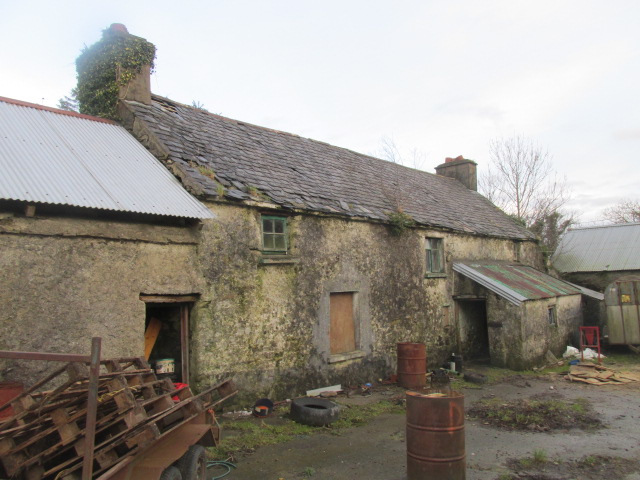
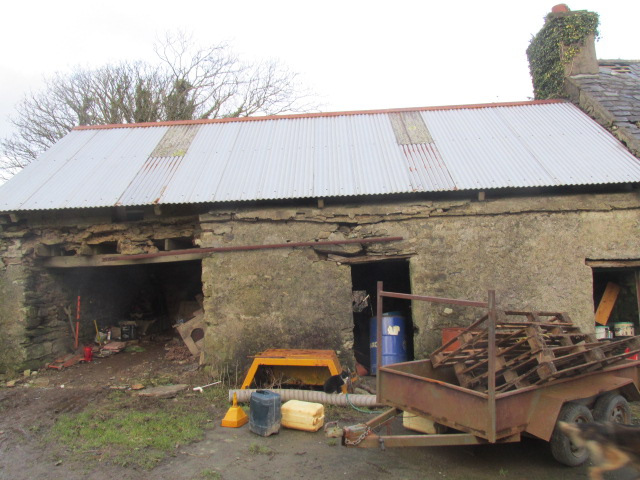
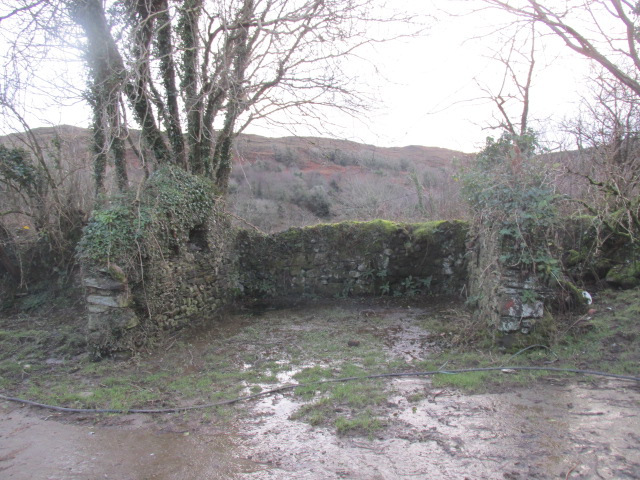
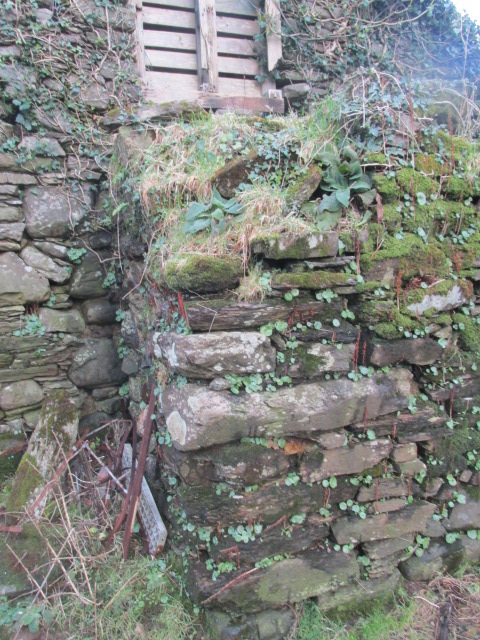
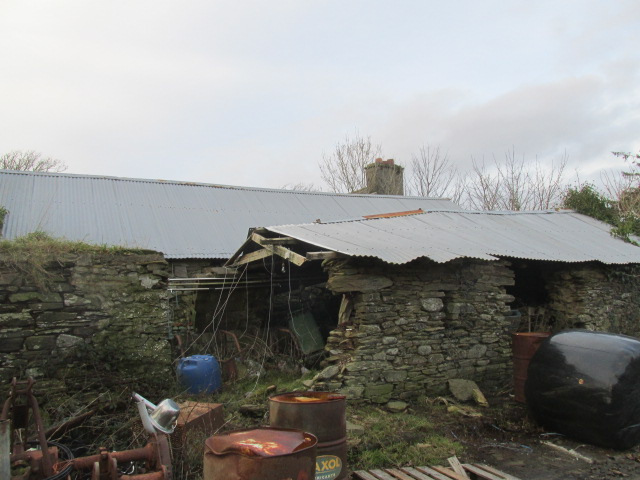
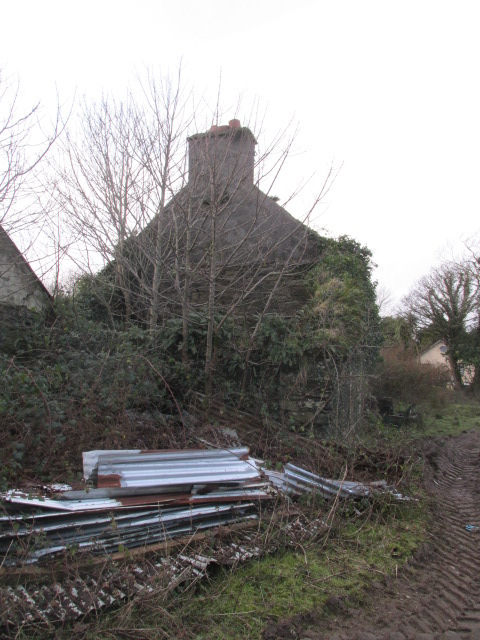
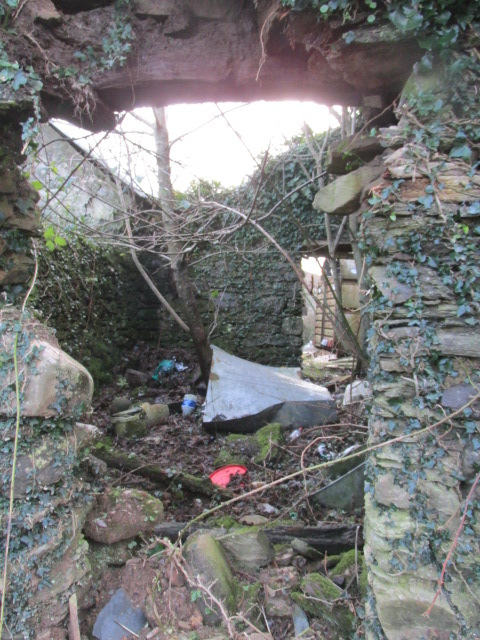
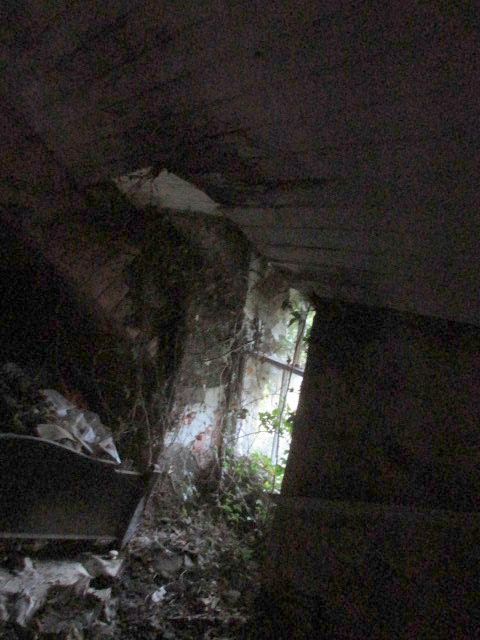
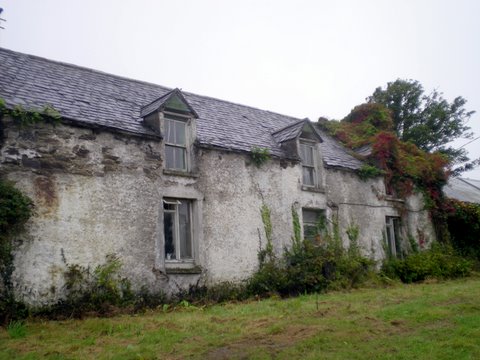
Enclose are picture of the house, yard and well in January 2016.  Also enclosed in the probably earlier Vickery house possibly before 1740s situated just a distance from the present house which was lived in up to the 1980s by the Swanton family who are probably related by marriage to the Vickeries.

The farm comprised 170 acres large farm for the area.

In the Bantry Estate Records the Vickeries and their kinsmen the Warners and O’Sullivans were noted as yeomen farmers.  Like the Warners, the Vickeries probably originated in nearby Rooska and are most likely in the Bantry area pre 1700.   The Warners apart from farming also held various farms which were sub let as did the Tedagh Sullivans,  The Warners had a reputation for hard work, honesty and fair dealing which transferred to their Cork descendants, the Musgrave family (Supervalu) on the female line. Like the Vickeries they were Church of Ireland and late converted to Methodism.

House 1740-70, and probable pre 1740 house:

There is a debate as to whether he has all the family information correct. Entire Recollections:

https://plus.google.com/photos/100968344231272482288/albums/5884047429692369217?banner=pwa

In Frank Callanan’s biography of Tim Healy (Politician, barrister, Governor General of Irish Free State) he states that his grandfather Healy was a classical teacher in Bantry.  In the recollections James relates how he was taught by a master called Healy it may be the same man.

The above house may have been the residence of James Stanley Vickery.  It is owned by Mr Jimmy Swanton, Moloch, Durrus and was lived in until around 25 years ago.

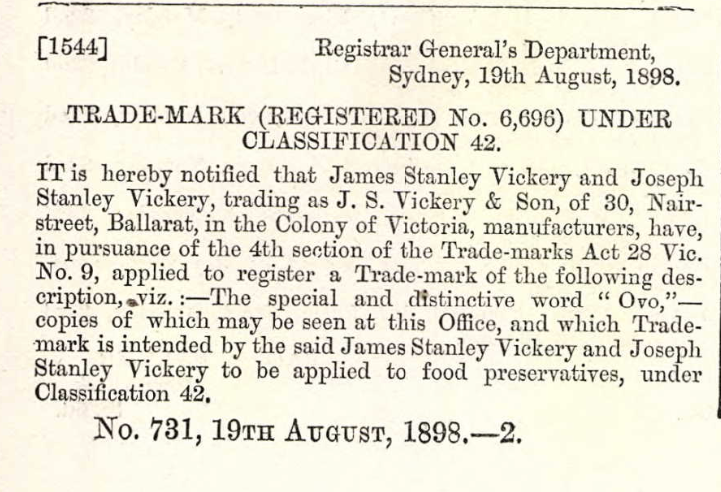
These are an extract of the early memories of James Stanley Vickery who later went to Australia.  He founded a business in Ballarat dealing in chemicals, food products etc.  This successful business remained in the Vickery family until World War 2.

James Swanton was a notable local figure and was a Cess payer representative in 1834:

1834. NAMES and PLACES of RESIDENCE of the CESS PAYERS nominated by the County Grand Jury at the last Assizes, to be associated with the Magistrates at Special Road Sessions to be holden in and for the several Baronies within the County, preparatory to the next Assizes, pursuant to Act 3 and 4 Wm. 4, ch. 78.

Barony of BantryWilliam O’Sullivan Carriganass, KealkilMichael Sullivan, DroumlickeerueJohn O’Connell, BantryRichard Levis, Rooska
William Pearson, Droumclough, BantryDaniel O’Sullivan, ReedoneganJeremiah O’Sullivan, DroumadureenJohn Cotter, Lisheens,James Vickery, Mullagh, Bantry
Rev. Henry Sadler, The GlebeJohn Godson, BantryRichard Pattison, Cappanabowl, BantryJohn Kingston, BantrySamuel Vickery, Franchagh
William Pearson, Cahirdaniel, BantryRobert Vickery, Dunbittern, BantryDaniel Mellifont, DonemarkJohn Hamilton White, DroumbroeSamuel Daly, Droumkeal

He was born in Skibbereen and after his parent died of Asiatic cholera in 1832 he and his two sisters went to live with their grandparents at Moloch, Durrus 1832-36.  His grandfather James had formerly farmed in Rooska and held the farms by lease from Lord Bantry at a modest rent and the family was comfortably off.  There was a suggestion that the family were involved in smuggling and the Vickerys are reputed to descend from two brother shipwrecked in Bantry c 1740.  In later years his grandfather became religious and a leading light in the Methodist movement. James spent 4 years in Moloch and gives an interesting account of life at the time. In his grandfather’s time there were good prices for produce but hard to get to market.  There were no proper roads and his grandmother or aunt had to go to Bantry it was on horseback in the old fashion pillion.  When wheeled vehicles arrived on the farm but were used with a feather bed.

The house was a two storey one with slated roof.  There was rough comfort with turf fires.  Wood was dug out of the bog sufficient to make rafters for the outhouses, oak as black as jet.  There was a resinous wood found in great plenty out of which when dry they made good torches which was often used instead of a candle.  In 2008 there are still quantities of bog oak in the nearby Clonee bog.

Bacon hanging from the kitchen rafters, potatoes in their prime, with oatmeal porridge, wholemeal bread, milk and butter and honey in abundance.  It was the finest honey country around with the hill tops covered in native heath and the fields in red clover. There was the best kind of fish with very little of either beef or mutton or even the staple commodity bacon.  Off the wild coast grew some edible seaweeds which made a cheap pleasant and extremely wholesome food.  Carrageen moss had long formed a medical food of great value.  Shellfish of various kinds were cheap, crab of large size were very common.  Oysters very large and plentiful were not much in use.  Everything was both cheap and plentiful with the exception of that most needful of all money to purchase.  He knew of turbot sold at 2/6 which would cost 20/- in Billingsgate.  The people though living close to the sea were not strictly seagoing unlike the Cornish folk on the opposite coast of England.

Spinning wheels would be making music the large one for wool and the small one for flax.  The articles made from these materials were very coarse but strong and endurable.  Farming implements were of the primitive kind, a one furrow plough scythe, sickle and flail.  The latter consisted of two well seasoned ashen sticks about five feet long united together with strip of green hide.  With this the corn was threshed and it was a pleasant sight to watch the active young men face each other at the work.  There was not even a winnower in use and the corn had to be separated from the chaff by holding it up to the wind the corn falling on a sheet of tarpaulin spread on the ground to receive it.  Foreign matter small stones and clay was later removed prior to going to the mill by spreading it on a large kitchen table and the women of the house picked it out.

After killing the fatted cow the rough fat was melted and used in the making of candles usually by the slow process of dipping.  A good washing potash lye was made from ashes of burnt furze.  Starch was made from the farina of potatoes.  A kind of tea was made from a certain kind of mint, china tea being a luxury forming often times a valued present from well to do friends.  A sweet and mild alcoholic drink was brewed from honey called metheglin (spiced mead).  Sickness was treated with simple herbs grown in the garden.  He well remembered the abhorrent taste of tansy to kill worms and other parasites in the child’s interior.  Whiskey was not forgotten no doubt having the well known peculiar flavour of genuine ‘Potheen’.  It was very little used as a beverage by the family but as a remedy it had its place in emergencies.  He dwelt on these particulars as they gave an insight on the common life of the time now passed away.

He recalls his grandfather’s death and the wake going over two nights with a professional keener.

He went around 1837 to a small private school in Bantry run by a man called Healy who was a Catholic. The new National schools had been boycotted by the Irish Protestants.  Healy had attained a proficiency in mathematics but was extremely cruel, over one of the rafters he threw a small rope and tied it under James’s arms and hoisted him up swinging him gently and letting him feel the holly rod to the amusement of the other boys.  His wife on seeing it stopped him and gave Healy a piece of his mind.  Healy was later convicted of cruelty in front of the magistrates.  James later went to live with relatives in Bandon and went to Australia in 1853.  The house in Mulagh is  the old Swanton farmhouse last occupied by Jimmy Swanton’s mother 1980s. and in fair structural condition. Sullivan

Blog Stats

  • 860,921 hits

16th Regiment of Foot assisted female emigration australia ballyclough bantry bay caithness legion cavan regiment of militia cheshire fencibles coppinger's court inbhear na mbearc Irish words in use 1930s lord lansdowne's regiment mallow melbourne ned kelly new brunswick O'Dalys Bardic Family. o'regan Personal Memoirs rosscarbery schull sir redmond barry sir walter coppinger st. johns sydney Townlands treaty of limerick Uncategorized university of Melbourne victoria

16th Regiment of Foot assisted female emigration australia ballyclough bantry bay caithness legion cavan regiment of militia cheshire fencibles coppinger's court inbhear na mbearc Irish words in use 1930s lord lansdowne's regiment mallow melbourne ned kelly new brunswick O'Dalys Bardic Family. o'regan Personal Memoirs rosscarbery schull sir redmond barry sir walter coppinger st. johns sydney Townlands treaty of limerick Uncategorized university of Melbourne victoria
Follow West Cork History on WordPress.com

Enter your email address to follow this blog and receive notifications of new posts by email.

Join 520 other subscribers

Feedjit

  • durrushistory's avatar durrushistory

Archives

  • March 2026
  • February 2026
  • January 2026
  • December 2025
  • November 2025
  • October 2025
  • September 2025
  • August 2025
  • July 2025
  • June 2025
  • May 2025
  • April 2025
  • March 2025
  • February 2025
  • January 2025
  • December 2024
  • November 2024
  • October 2024
  • September 2024
  • August 2024
  • July 2024
  • June 2024
  • May 2024
  • April 2024
  • March 2024
  • February 2024
  • January 2024
  • December 2023
  • November 2023
  • October 2023
  • September 2023
  • August 2023
  • July 2023
  • June 2023
  • May 2023
  • April 2023
  • March 2023
  • February 2023
  • January 2023
  • December 2022
  • November 2022
  • October 2022
  • September 2022
  • August 2022
  • July 2022
  • June 2022
  • May 2022
  • April 2022
  • March 2022
  • February 2022
  • January 2022
  • December 2021
  • November 2021
  • October 2021
  • September 2021
  • August 2021
  • July 2021
  • June 2021
  • May 2021
  • April 2021
  • March 2021
  • February 2021
  • January 2021
  • December 2020
  • November 2020
  • October 2020
  • September 2020
  • August 2020
  • July 2020
  • June 2020
  • May 2020
  • April 2020
  • March 2020
  • February 2020
  • January 2020
  • December 2019
  • November 2019
  • October 2019
  • September 2019
  • August 2019
  • July 2019
  • June 2019
  • May 2019
  • April 2019
  • March 2019
  • February 2019
  • January 2019
  • December 2018
  • November 2018
  • October 2018
  • September 2018
  • August 2018
  • July 2018
  • June 2018
  • May 2018
  • April 2018
  • March 2018
  • February 2018
  • January 2018
  • December 2017
  • November 2017
  • October 2017
  • September 2017
  • August 2017
  • July 2017
  • June 2017
  • May 2017
  • April 2017
  • March 2017
  • February 2017
  • January 2017
  • December 2016
  • November 2016
  • October 2016
  • September 2016
  • August 2016
  • July 2016
  • June 2016
  • May 2016
  • April 2016
  • March 2016
  • February 2016
  • January 2016
  • December 2015
  • November 2015
  • October 2015
  • September 2015
  • August 2015
  • July 2015
  • June 2015
  • May 2015
  • April 2015
  • March 2015
  • February 2015
  • January 2015
  • December 2014
  • November 2014
  • October 2014
  • September 2014
  • August 2014
  • July 2014
  • June 2014
  • May 2014
  • April 2014
  • March 2014
  • February 2014
  • January 2014
  • December 2013
  • November 2013
  • October 2013
  • September 2013
  • August 2013
  • July 2013
  • June 2013
  • May 2013
  • April 2013
  • March 2013
  • February 2013
  • January 2013
  • November 2012
  • October 2012
  • September 2012
  • August 2012
  • July 2012
  • June 2012
  • May 2012
  • April 2012
  • March 2012
  • February 2012
  • January 2012
  • December 2011
  • November 2011
  • October 2011

Blog at WordPress.com.

  • Subscribe Subscribed
    • West Cork History
    • Join 520 other subscribers
    • Already have a WordPress.com account? Log in now.
    • West Cork History
    • Subscribe Subscribed
    • Sign up
    • Log in
    • Report this content
    • View site in Reader
    • Manage subscriptions
    • Collapse this bar
 

Loading Comments...