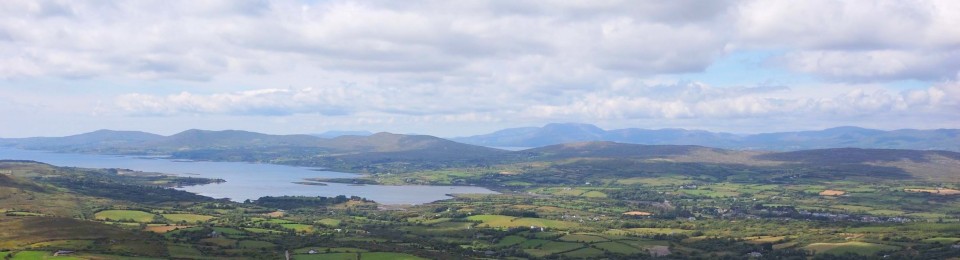
Articles between the Queen’s Commissioners and the Freeholders of Carbery, West Cork, 15th September 1592, Owen Carte, Phenen O’Driscoll, John Slewright, Connour McMahowne, Walter Graunt, Donell Solevan, Donogh Driscoll, Conour McO’Mahowne “de Lenton,” Donell Oge ne Carte, Donell McDermod McCarte, Dermod McTege O’Driscoll, Fana McDonell McCarte, Dermod O’Driscoll, Donell McDonogh McCarte, Donogh McCormocke McCarte, Tege McDermod McFeleme, Tege O’Crole alias Crowle, Tege McCartan alias Tege McMockle, Cormocke Oge McCarte, Phenen O’Driscoll, Davy O’Crole
COMPOSITIONS for CESSE and other IMPOSTS.
This record is held by Lambeth Palace Library
Lambeth Palace Library
Title: COMPOSITIONS for CESSE and other IMPOSTS.
Description:
Articles indented betwixt the Queen’s Commissioners and the gentlemen, freeholders, and inhabitants of the country of Orrerie in co. Cork, touching a composition in lieu of cesse; at Cork, 17 September 1592.
Whereas her Majesty by letters patents dated at Dublin 12th July last, and by instructions annexed to the said commission, authorized the said Commissioners to deal with the lords and freeholders and all other possessioners in Munster for a composition in lieu of cesse, such as is in Connaught; the said freeholders and possessioners of Orrerie, acknowledging her Majesty’s care and great masses of treasure spent within this province for the suppression of the late traitor Desmond and his complices, have submitted willingly to a composition, and do by these presents offer her a yearly composition out of the said country of 20l. sterling for three years. And the said Commissioners promise and agree that the said inhabitants shall be exonerated of all cesse, and of all victualling of her Majesty’s army and garrison, and of all provision of the household and stable of the Lord Deputy, the Lord President, and Vice-Presidents, and of all provision of horsemen, soldiers, galloglas, horses, horseboys, and all other impositions, except in case of any invasion or sudden rebellion. This country or barony shall appoint a collector to receive the same, without fee.
Mem.–“The chargeable lands of Liskarroll, lands of Ballimckowa, Ballehustie, and Kilmclenye, if any part thereof be chargeable, is meant to be subject to the above composition.
Signed: Nicholas Barry alias McShian’s mark, James Lumbard, Eily Barry of Bregoge, P. H. Rirragus (?), John Chillister, John Miz of Lessfricken, James Byrn, Edward Nangle, Cornell Dalie, Rallaghan McOwen.
Mem.–The day and year above said, the gentlemen and freeholders of all Condons’ country have compounded with the Commissioners to pay 6l. yearly for three years.
Signed: Edmond Gangahe, Edmond Og Condon, Piers Gold, Patrick Condon, Richard Condon alias McMaoge, Fynne Monsloe, Walter Condon, William McEdmond Condon, Edmond McJohn Condon.
II. Similar Articles betwixt the Commissioners and the gentlemen, freeholders, and inhabitants of Kinnalea, at Cork, 15 September 1592, in public assembly of the whole county.
A yearly composition of 15l ster.
Signed: Thomas Longe, John Bostock, Henry Barries alias Barricok, Philip Golde, George Robinson, Walter Graunte, Leoffin Meade, E. M. D., Awlie O’Flime, James Sarsfield, Thomas Fleminge, Richard Roche, John Roold, William Cogan, David McShane, Edmond FitzMoris Roche, Edmond White, William Risserd, David FitzWilliam Roche, Piers Golde.
III. Articles betwixt the Commissioners and the freeholders, &c. of Ibaone, at Cork, 17 September 1592.
A yearly composition of 25l. ster.
Signed: Donoghe Oge, Teige O’Hee alias O’Hea, Edmond Arundell, James Hodwett.
IV. Articles betwixt the Commissioners and the freeholders, &c. of Carbrey, at Cork, 15 September 1592.
A yearly composition of 80l. ster.
Signed: Owen Carte, Phenen O’Driscoll, John Slewright, Connour McMahowne, Walter Graunt, Donell Solevan, Donogh Driscoll, Conour McO’Mahowne “de Lenton,” Donell Oge ne Carte, Donell McDermod McCarte, Dermod McTege O’Driscoll, Fana McDonell McCarte, Dermod O’Driscoll, Donell McDonogh McCarte, Donogh McCormocke McCarte, Tege McDermod McFeleme, Tege O’Crole alias Crowle, Tege McCartan alias Tege McMockle, Cormocke Oge McCarte, Phenen O’Driscoll, Davy O’Crole.
V. Articles indented betwixt the Queen’s Commissioners and the gentlemen, freeholders, and inhabitants of the lands of the sixteen toeghes in Connyloughe, charged with shraghe, marte, and other uncertain customs, at Limerick, 8 August 1592, in public assembly.
The said Commissioners having moved them to compound with her Majesty for the said shraughe, &c., all the said freeholders, &c. accepted of the same, and by way of composition do yield to her Majesty out of every quarter of land within the said sixteen toughes, in full satisfaction of all sraghe, marte, cesse, connye, livery, and other such charges, the yearly rent of 25s. ster. And although the said chargeable land was charged to the late Earl of Desmond in every toughe 40 marks and 20 beoffes clearly, besides coyne and livery and other uncertainties, yet in respect that the land wasted paid no portion of that charge during the waste, and no arrearages were at any time demanded, and that the said Earl when it was levied sometimes gave it back again, and that the said sixteen toughes are not yet fully peopled, by reason none dare inhabit the said land for fear of the great burden, the Commissioners do accept of the said offer and composition, to continue during her Majesty’s pleasure, and agree that the said freeholders, &c. shall be discharged of all sraghe, &c., and likewise of the provision of the Lord President, &c. The arrearages are deferred to further consideration.
Signed: Philip Suppell of Ballenetubbred, Thomas McEae (?), Doole McMulmurry, David Lacie, Richard Wale, James Lacie FitzDavid, Patrick Lalor, Morys Cooswill, McHenry, Carhill McGerrott, John FitzThomas McPhillipp, Gerrott Liston, James Nashe, William Oge England, David Barrie, Moriertaghe McMorghe, James Russell.
VI. An Order indented betwixt the Commissioners and all the freeholders and tenants of the barony of Kyrechurrye, dated 20 September 1592.
Whereas upon view of the records of her Majesty’s offices it is found that there are within the said barony several sorts of tenures whereby the lands there are alleged to be holden, viz., 29 plowlands called chargeable lands, each charged with a rent of 10s. ster. yearly, and with coyne, livery, bonybegg, kearnetie, and such Irish customs, at the will and pleasure of the Earl of Desmond; 15 plowlands, each holden by fealty and 6s. 8d. ster. yearly rent, and by sorohen during 24 hours in every fortnight; 4 plowlands holden by fealty and sorohen only; 23 plowlands, each holden by homage, fealty, and suit only to the manor of Carriglynnye; the town and lands of Aghmartin, holden by sorohen, and two refections yearly; the town and lands of Ballyvoinge, holden by sorohen, and two refections only yearly; Ballyhindebarry, holden by fealty and 16d. ster. yearly rent; and Farrendighe, holden by fealty and 6s. 8d. yearly rent.
And whereas, upon ripping up the titles mentioned in the several petitions of the pretended freeholders of the said chargeable lands exhibited to us, complaining that the said charge was wrongfully exacted by the Earls of Desmond, and were abolished by statute, and desiring to be restored to the freeholds which they severally demanded, and to be discharged of the said burden, it appeared that the Earl of Desmond, lately attainted, and divers his ancestors have used to demise and let the said chargeable lands to others than the said pretended freeholders, and allowed unto them the fourth part of the land. Nevertheless, forasmuch as the said plaintiffs showed before us divers deeds of feoffments, releases, and other probable evidences, and produced divers witnesses, whereby it should seem that the right of the freehold belonged to them, and to those by whom they claim; and forasmuch as they and the rest of the freeholders of the other lands before recited, willingly submitted themselves to our arbitrable order to compound the controversies betwixt such as claim by her Majesty and them; and also forasmuch as we may think, by reason of an ancient deed which we saw dated in King Richard II.’s time, that some of those services were lawfully created by tenure (although we could not learn the beginning thereof), and that we think some of the uncertainties were wrongfully exacted of them, by reason we find the charges to have been greater than the whole profits of the lands; we have therefore concluded and ordered that the freeholders of the said chargeable lands shall pay certain yearly rents (specified), as well in consideration of the said rents and duties as in lieu of all cesse and victualling of her Majesty’s garrison; in all, 62l. 19s. per annum. And we, the freeholders, do most willingly and thankfully accept of this order. Provided that if necessity shall require the soldiers to be victualled upon the barony, an allowance of 6s. 8d. yearly shall be made to the freeholder of every plowland during the said charge. This order to continue in force only during her Majesty’s pleasure.
Signed: William Coggan, Wm. Roche, “et aliorum.
Memorandum, that 40 acres in Crossehaven (of which John Coppinger is freeholder), the fourth part of Ballen Ransie, the manor of Barnehealie, and the town of Aghmartin, are to be free from all charge, cesse, &c.; and that Ramyskiddy is to be abated a mark.
Signed: Tho. Norris, Ro. Gardener, Nich. Walshe, “et aliorum.
VII. Articles betwixt the Commissioners and the freeholders, &c. of Fermoye, otherwise called the Lord Roche’s country, at Cork, 17 September 1592.
A yearly composition of 25l. ster.
Signed: M. de Rupe et Fermoye.—-(?) Monsloye. Wm. Mc x Tybbot Roche of Balleholy, “et diversorum aliorum.
VIII. Articles betwixt the Commissioners and the freeholders, &c. of the two baronies of Yvlyehane and O’Gormelahane in the Lord Barrie More’s country, at Cork, 17 September 1592.
A yearly composition of 42l. ster.
Signed: David Buttevante, “et aliorum.
IX. Articles betwixt the Commissioners and the freeholders, &c. of the whole county of Limerick, 5 August 1592, in public assembly of the whole county, for a composition of 10s. sterling yearly out of every plowland, for five years, Connilogh excepted.
Signed: E. Myaghe, Oliver Bowrke, Mayor [of] Lymerick, Connour O’Mulryan, John Verdon, vic. (sheriff), Ja, Golde, Stephen Sexten, McBreene x O’Gonaghes his mark, Tho. Yonge, Jordan Roche, John Lacye FitzDavy, Ja. Monsloy, “et aliorum.
Here follow “the names of the chargeable lands in the small county of Limerick (besides such as are passed to Undertakers).
For that the grand jury have presented that these lands (containing 13½ plowlands) are charged to pay yearly to her Majesty 40s. “halface,” making 2l. 13s. 4d. ster. (whereof Sir Edward Fytton, Sir George Bouchier, and Edward Manneringe undertake the collection); and the tenants therefore were unwilling to condescend to this composition unless the said great rents, more than half the value of the lands, might be considered; we the Commissioners have condescended hereby that the said 13½ plowlands shall yield only 5s. yearly out of each plowland in lieu of cesse.
Signed: Tho. Norreys, Ro. Gardener, Nich. Walshe, Roger Wilbraham, Ja. Golde.
John FitzEdmond, Wm. McRickard, Thomas Browne, John FitzWilliam, Edmond Whytte, Moroghe McBrene his x mark, Redmond FitzWilliam, “et multorum aliorum.
X. Articles betwixt the Commissioners and the Lord FitzMorish and the gentlemen, &c. of the country, otherwise called the barony and half-barony, of Clanmorris, co. Kerry, the last of September 1592.
The said gentlemen, &c. do yield to her Majesty 35l. ster. yearly out of the lands chargeable with sraghe, marte, &c., and further 15l. yearly in composition for cesse, victualling, and other imposts for the space of three years.
Signed: Pa. Lyksnawe, John x Oge Piers.
XI. Articles betwixt the Commissioners and the gentlemen, &c. of the three baronies of Trughnackmye, Browne Lonclone, and Offerbuye, and the barony of Corkevynnye, in co. Kerry, at Denglecouishe, 18 August 1592, in public assembly.
Whereas by verdict of jurors every of the said three baronies do contain 16 knights’ fees, each chargeable with sraghe and marte in one equal rate of 5 marks ster. and 5 beoves yearly to the late traitor Desmond, of which charge the greatest part was never levied, by reason of its greatness; the Commissioners having moved them to compound for the same, the gentlemen, &c. do yield to her Majesty, in full satisfaction of sraghe, marte, cesse, and other such charges, 2l. 13s. 4d. ster. yearly for three years, deducting pro rata for all lands in the possession of any patentee as an undertaker, and likewise for the free lands which are parcel of the said three baronies.
Signed: Richard Trantte, “suffrain” (i.e. sovereign), John FitzEdmond Gerald, Mich. Brown, Stephen Ryce, Gerald FitzMorish, Raphe Pattinson, as agent for Sir Edward Denny, James Trauntt, Jenkyn Conway, Gerott Dufe Stak, Thomas x McEdmond’s mark, John McThomas Mc x Shane’s mark, Moris McUllick’s x mark, John x McUllick’s mark, Richard Trauntt, Mich. Traunt, “et diversorum aliorum.
Moreover, we whose names are subscribed do yield to her Majesty 5s. ster. yearly out of every plowland not chargeable with sragh and marte, as composition in lieu of cesse and other imposts.
Signed: Richard Trauntt, “suffrain,” Stephen Rice, Jenken Conway, Nicholas Traunt, Gerod FizMorish, John Morish, Owen O’Swilevan x alias O’Swilewan Beery his mark, Nicholas Brown, Dermod O’Swiliwan’s x mark, “cum multis aliis.
XII. Articles betwixt the Commissioners and all the lords, knights, gentlemen, freeholders, possessioners, and inhabitants of the country of Desmond, at Cork, 17 September 1592.
A yearly composition of 30l, ster. for three years, in lieu of cesse and all other charges, viz., out of O’Swellen More’s part of the said country, 7l. 10s., besides the chief and other rents which her Majesty hath by the attainder of the late Earl of Desmond, and 22l. 10s. out of the other two parts of the same.
Signed: Donyll Clancarr, Owen x O’Swelewan alias O’Swelen More.
XIII. Articles betwixt the Commissioners and the gentlemen, &c. of co. Waterford, viz., Powren country, Decies, Coshomore and Coshbryd, and Ifeagh, at Waterford, 11 October 1592.
A yearly composition of 110l. ster., viz., out of Pooren country, 45l. ster.; out of the Decies, 35l.; out of Coshowmore and Coshbridie, 12l.; and also out of the country of Ifeaghe, 18l.
Signed: Nich. Walsh; Rich. Aylward; Rich. Powre; Thomas Wadding; James Sherlock; Eu. Roche; Ge. FitzJames; John FitzGerrott; Daniel McCrahe; Thomas FitzRichard; Pa. Grante; T.(?) Heyforde; John Og FitzGerrald; James Purcell; Edward Stephenson; Edmond Mc x Shan’s mark; Edmond x Og of the Grange; Tho. FitzEdmond x his mark; Morish Fitz x Thomas’s mark; Sallomon White; Thomas Creaghe.
XIV. Articles betwixt the Commissioners and the gentlemen, &c. of Barretts’ country, at Cork, 16 September 1592, in public assembly of the whole county of Cork.
A yearly composition of 23l. ster.
Signed: Robert Coppinger, Andrew Barrett, Donaldus Palfrie, “et diversorum aliorum.
Mem.–The day and year aforesaid the gentlemen and inhabitants of Coursies’ country have compounded for 5l. ster. yearly for three years.
Signed: Warham Myaghe, John Coursye, Philip Roche, Geoffrey Galwey, Donoghe Oge, “et aliorum.
XV. Articles betwixt the Commissioners and the gentlemen, &c. of the barony of Dowally, otherwise called Puble I Chalchane, Clane Awlie, Puble O’Kiffe, and Balle McCork, in Carties’ country, in co. Cork, at Cork, 17 September 1592.
A yearly composition of 30l. ster., viz., out of Puble I Chalchane, 10l.; out of Clan Awlie, Puble O’Kiffe, and Balle McCork, 10l., and out of Clancartie’s country, 10l.
Mem.–“Dowallie is equally divided into three parts, viz., one part called Clancarties of Dowallie; the second, O’Chalchane’s country; the third part is McAlie’s, O’Kiffe’s, and O’Kirke’s countries.” Each of these three countries to pay their 10l. separately. Dermott McOwen, by his letter sent by O’Kiffe, has given his consent to a composition for his part of the countries of Clan Cartie, which is allotted to pay 10l. ster. yearly.
Signed: Conoghor O’Callaghan alias O’Kallaghan, Patrick Graunt, Brene McOwen (B. M. O.), Art O’ x Kijfe alias O’Kife.
XVI. Articles betwixt the Commissioners and the gentlemen, &c. of the country called Muskrye, in co. Cork, at Cork, 18 September 1592.
A yearly composition of 35l. ster.
Signed: Cor Carty; Teig WW McOven his mark; O. M. M.; Art x O’Lerye alias O’Lory his mark.
XVII. Articles betwixt the Commissioners and the knights, gentlemen, freeholders, and inhabitants of the country of all Beare and Bantrie, at Cork, 18 September 1592.
A yearly composition of 13l. 5s. 8d. ster. out of the country of Beare and Bantrie, and Clandermodie, “that is not in the Undertakers’ hands, and is in the county of Cork.
Signed: Owen O’Sulluwan.
XVIII. Articles concluded and agreed upon by her Majesty’s Commissioners with the gentlemen and freeholders of the barony of Imokillie, at Cork, 21 September 1592.
Whereas it appeareth by her Majesty’s records that there was 1l, 6s. 8d. ster. yearly rent, by the names of sraghe, mart, bonybegge, and kearnetie, due to the late Earl of Desmond, of every plowland of the said barony (over and besides the rent of 58 beoffes), which rents and duties the said gentlemen and freeholders affirmed were never paid, but extortionately taken by the Earls of Desmond; yet they have yielded to a reasonable composition for all charges, “and desired consideration may be had of their ancient gentry, being the remain of th’English gentlemen that first inhabited this province next after the conquest,” and also of their extreme poverty, their dutifulness in all services, and specially the smallness of their plowlands. They have offered to pay yearly 90 marks ster. out of every plowland of the chargeable lands for three years, which offer the Commissioners have accepted of. And for that of 135 plowlands chargeable in the said barony, 27 are in Sir Walter Rawlie’s patent, and that he hath also 8 plowlands with Ballimarter in ward, there rest only 100 plowlands “over and besides 12 claimed to be free, besides the lands challenged to be free in the franchises of Yoghell; yet (although in the records charged with sorohen) of the which 100 plowlands chargeable we have allowed unto them 10 plowlands to be free.” We therefore order that the said gentlemen and freeholders shall be charged only for the said 90 plowlands, for which they shall pay in one sum the yearly rent of 90 marks. They are to appoint a collector. This composition is not to be prejudicial to the said parties’ ancient rights, titles, or tenures.
Signed: John FitzEdmond Gerrald; Richard Condon; John Ca x rew his mark; Edmond x Supell; Redmond Maguier; Mastine x McPieris; Edmond Power; Garrott x Coundon his mark.
This containeth 49 sheets of paper, being the true copy of the several compositions in her Majesty’s province of Munster, Ex., 9 Maij 1601, per Ric. Colman, R.R.; the original remaining in my office.
Copies.
Date: 5 Aug-11 Oct 1592
Held by: Lambeth Palace Library, not available at The National Archives
Language: English
Extent: 49 Pages.
Unpublished Finding Aids:
Calendar of the Carew Manuscripts preserved in the Archiepiscopal Library at Lambeth, ed. J. S. Brewer & W. Bullen (6 vols., 1867-73), vol. III, document 130.
Former Reference Department: MS 631
Context of this record
109 – Lambeth Palace Library
MSS – Manuscripts
Carew Manuscript
COMPOSITIONS for CESSE and other IMPOSTS.
Share on facebookShare on twitterShare on emailMore Sharing Services

