Áiteanna Iar-Ghualta (Backward places) or Centres of the Information age? Valentia Island Telegraph Station and Crookhaven Marconi Radio Station 1902.


Áiteanna Iar-Ghualta (Backward places) or Centres of the Information age? Valentia Island Telegraph Station and Crookhaven Marconi Radio Station 1902.

In a piece in Alan Drumm’s book on ‘Kerry and the Royal Munster Fusiliers’ he suggests that contrary to popular imagination Kerry and by inference West Cork were not backwaters pre WW1 but in the middle of the information age.

The Valentia Telegraph Station linked North America with the UK and until 1906 had a German Government Cable.

Marconi had an operation in Crookhaven which commenced in 1902

http://www.mizenhead.net/marconi.html

Charles Flynn an Irish emigrant who came home on a visit in 1904 was very impressed at how good the postal system and the telegraph was in comparison to the USA

http://www.mizenhead.net/marconi.html
1-IMG_4850

2-IMG_4849

3-IMG_4851

4-IMG_4852

5-IMG_4853

6-IMG_4854

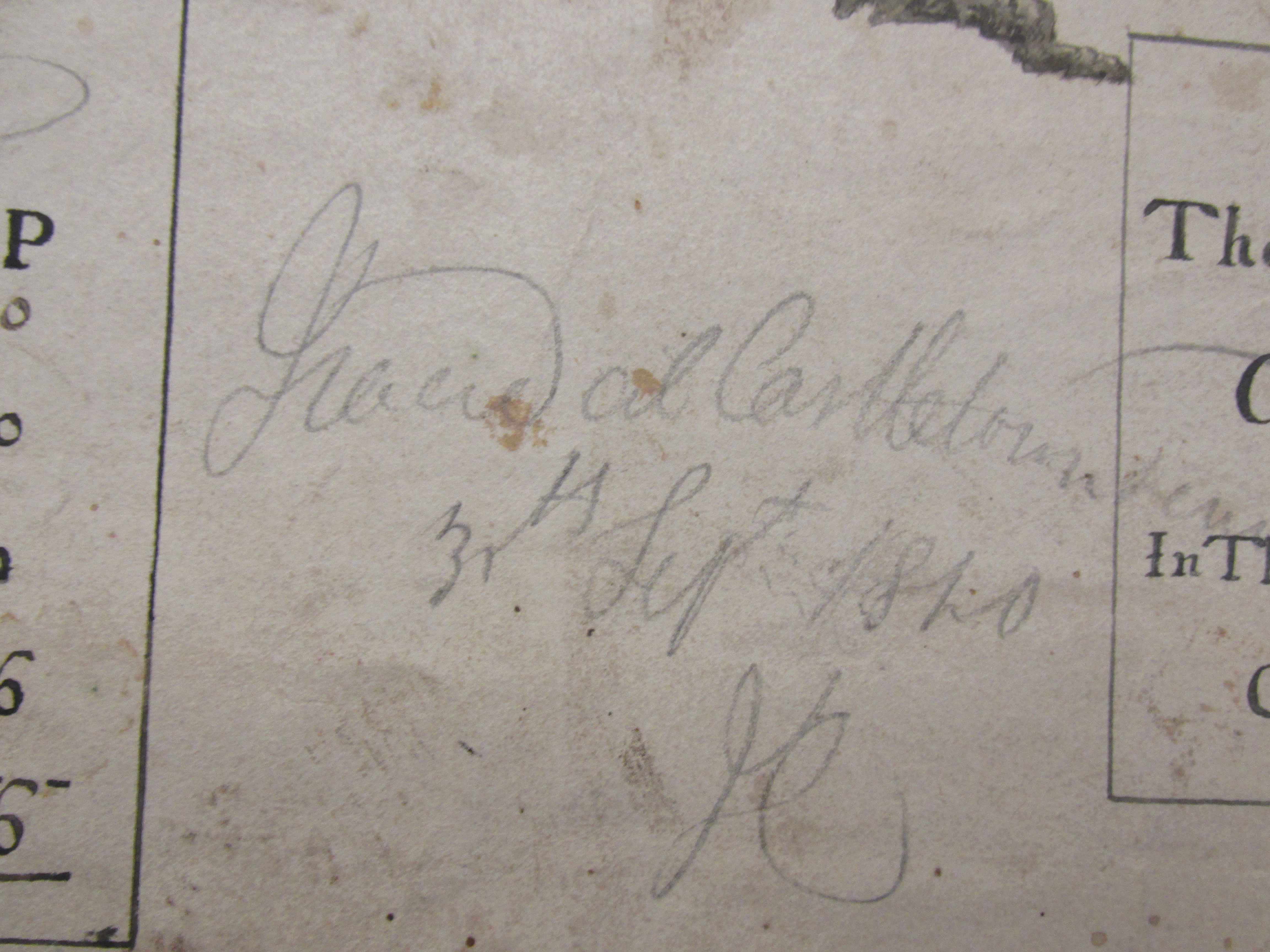
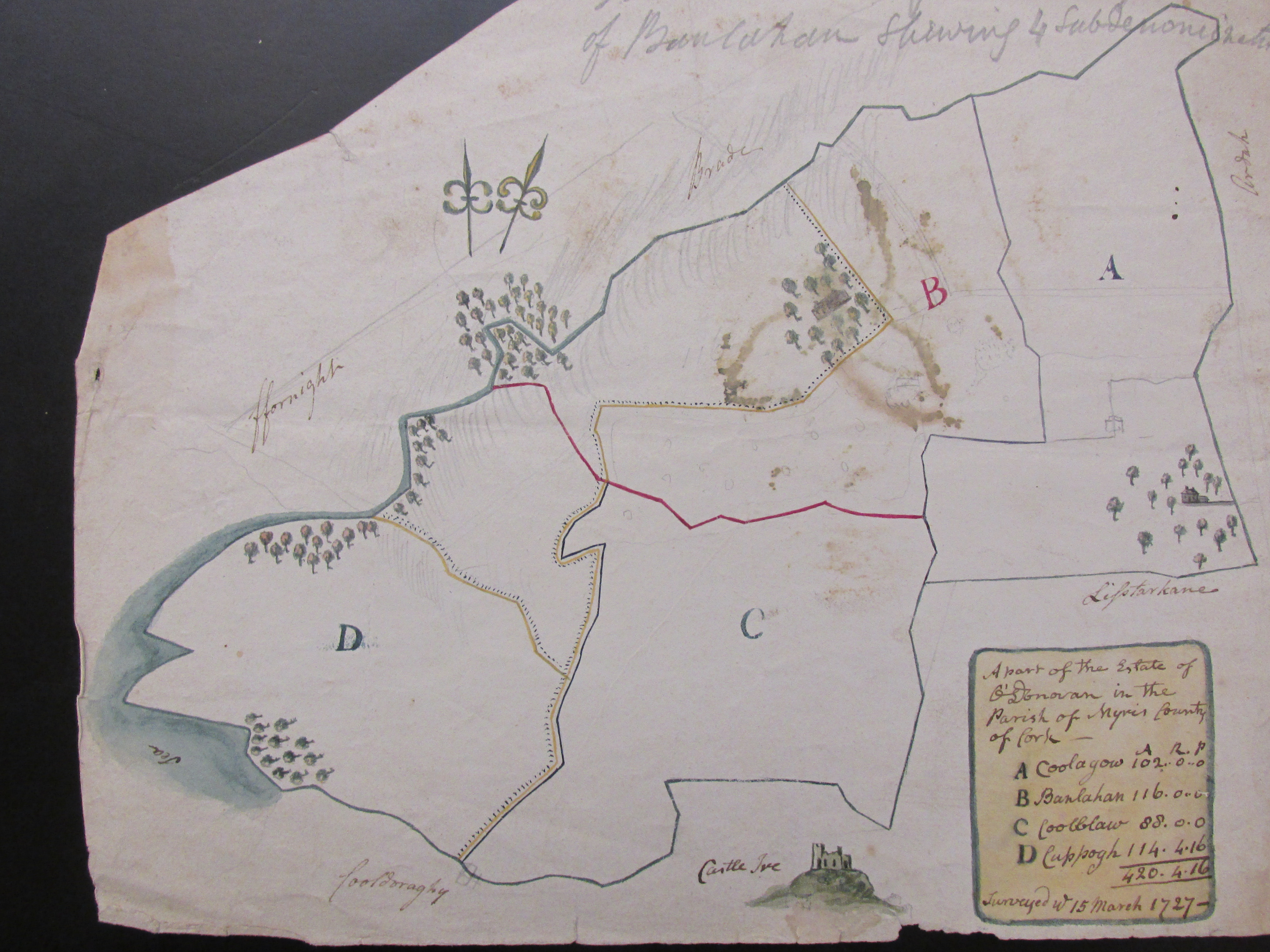
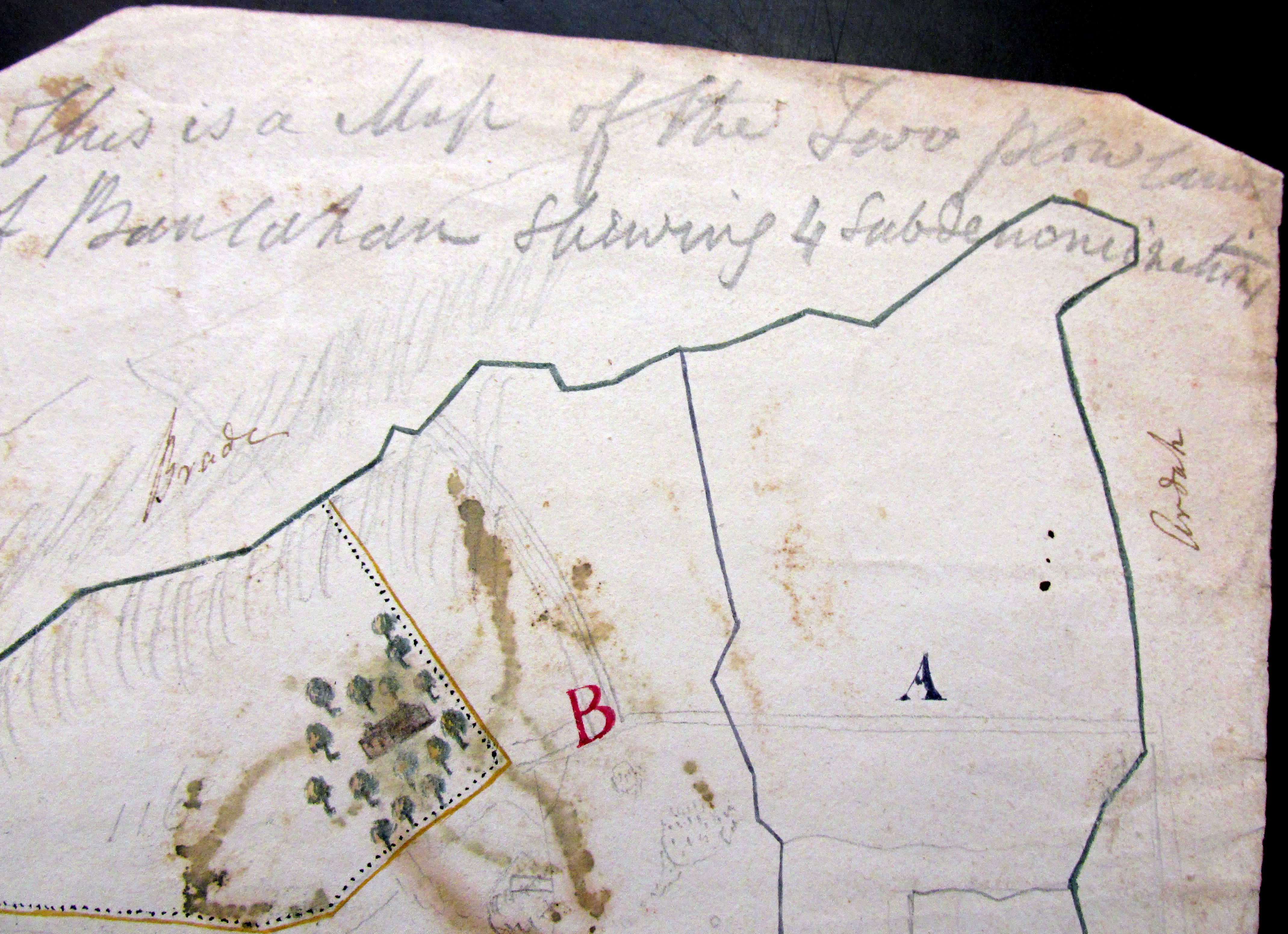
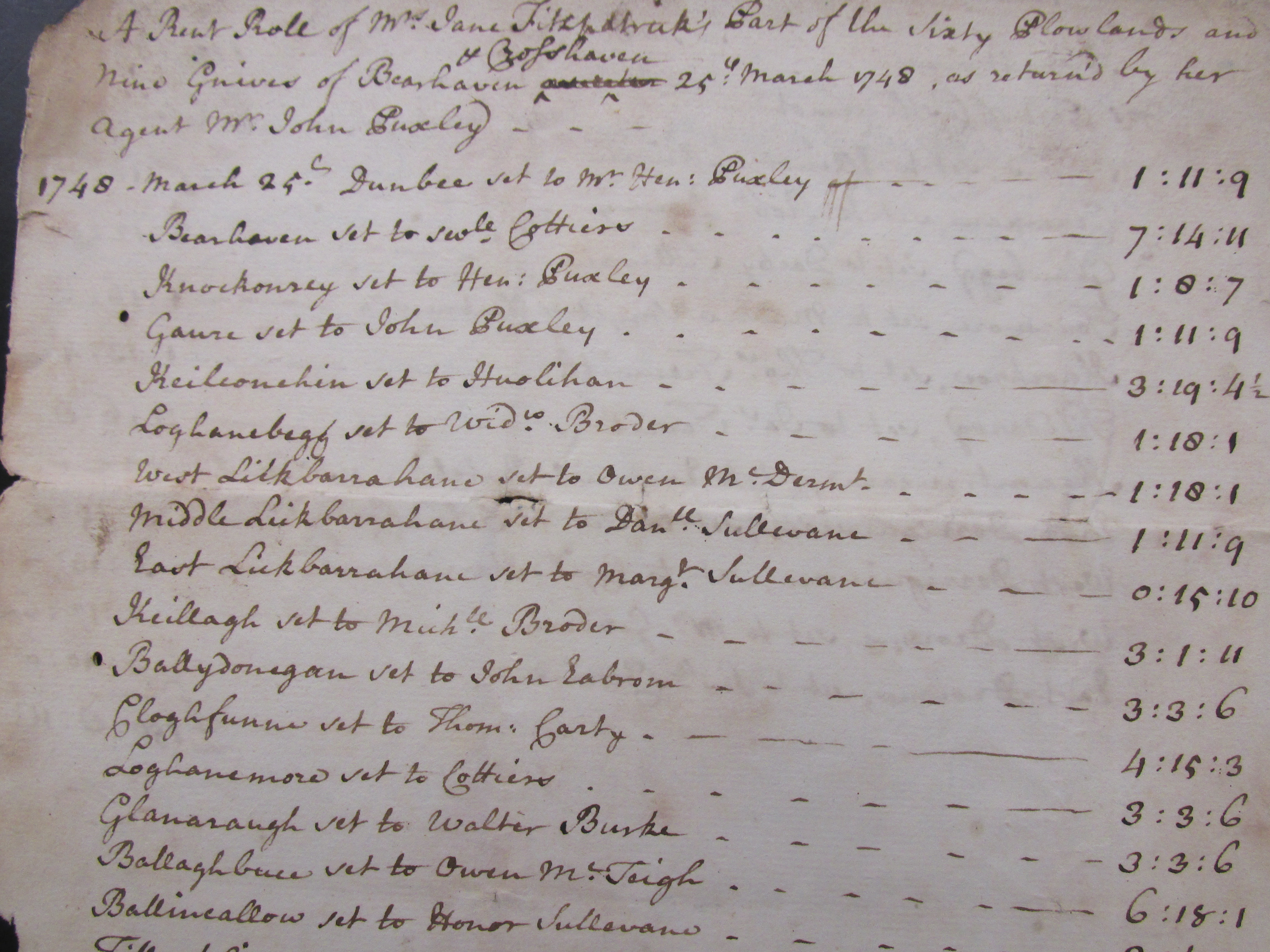
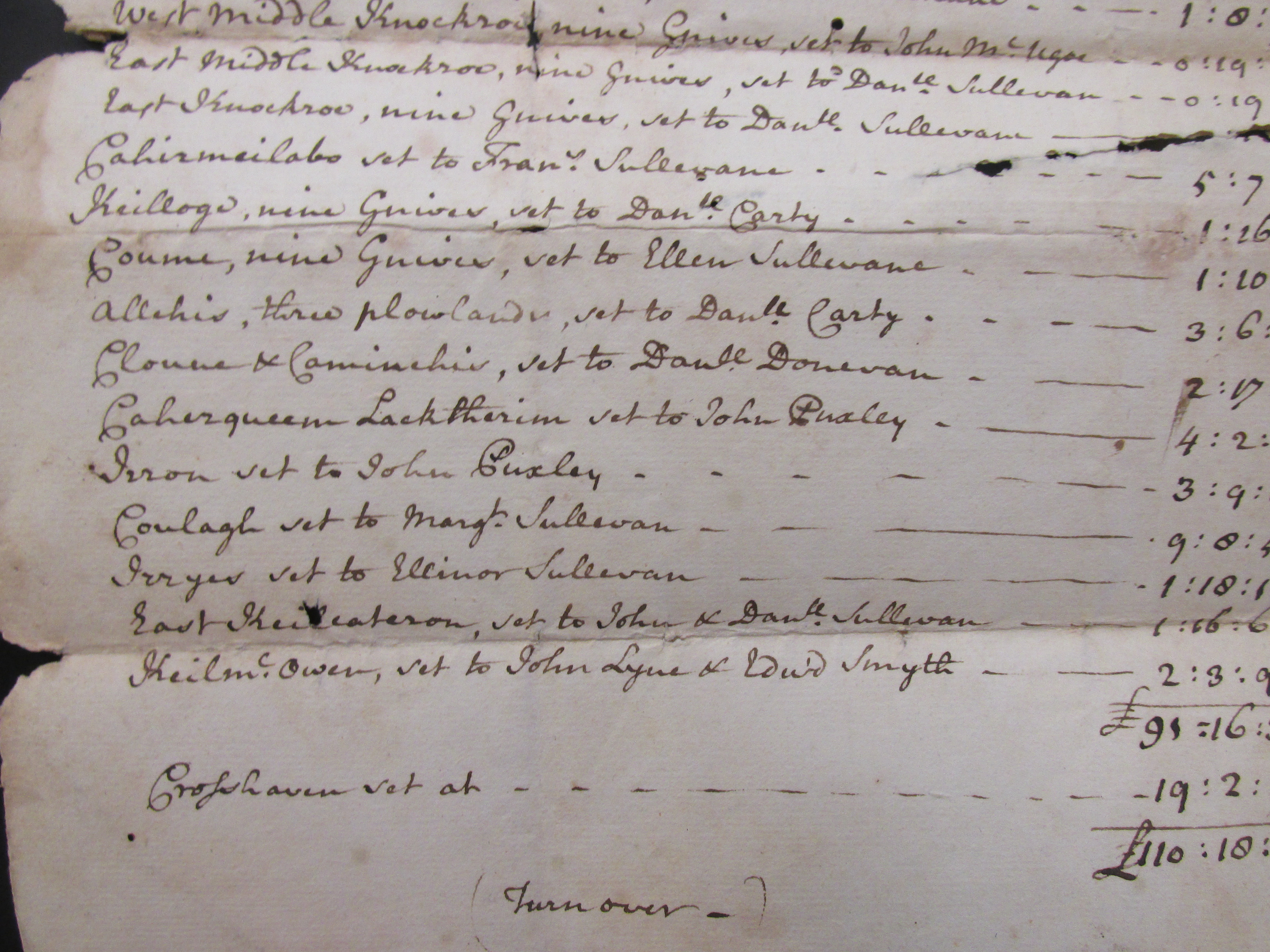
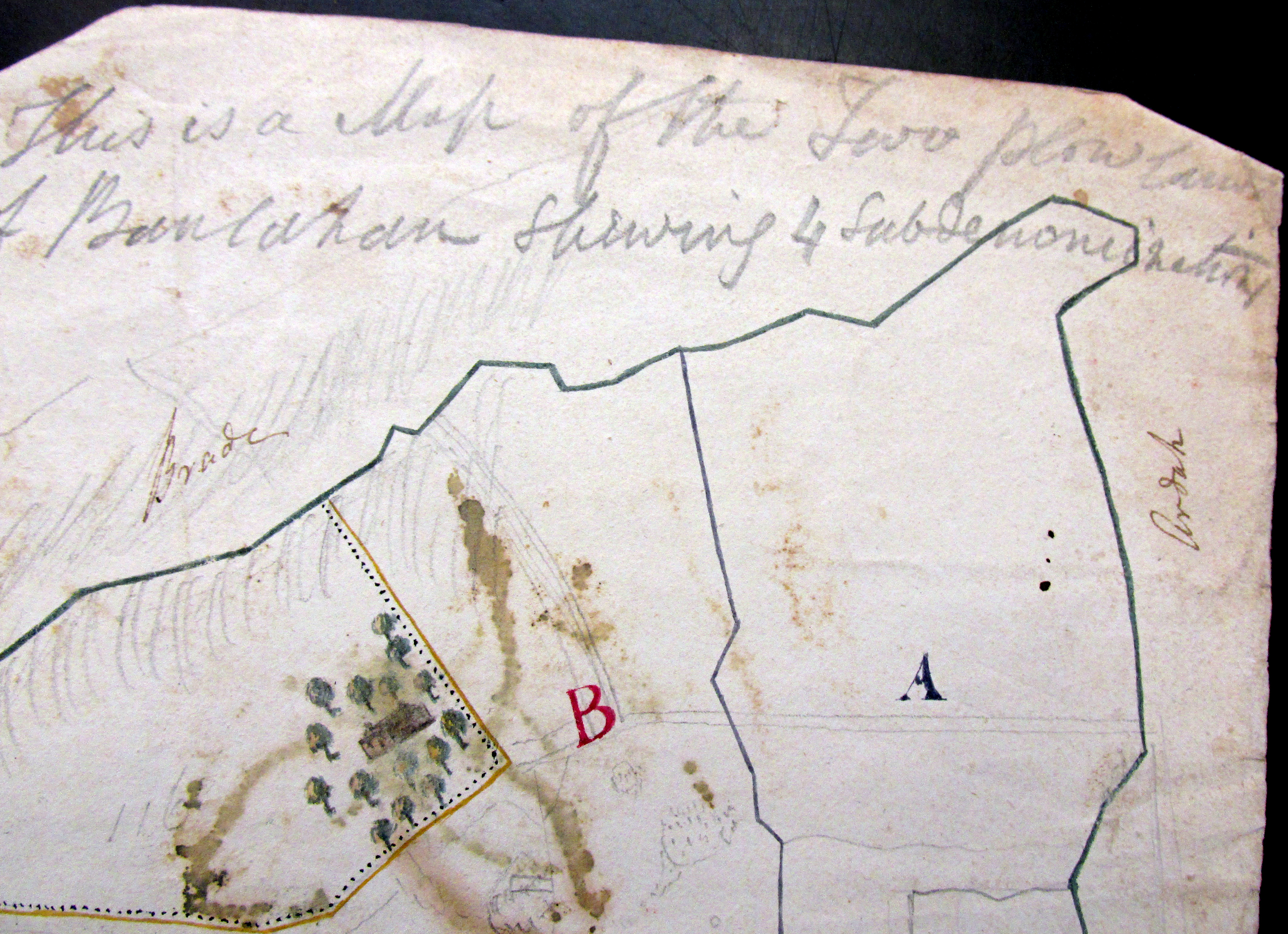
Estate of Tige M Finine Sullevan’s Estate, Glengariff, West Cork consisting of 21 Ploughlands with Tenants and rents, leased for 31 years from 1755, from Richard White, of Bantry House.


https://www.google.ie/maps/place/Glengarriff,+Co.+Cork/@51.7500272,-9.5522224,13z/data=!4m2!3m1!1s0x484573325e548e6b:0xa00c7a99731cd40

Estate of Tige M Finine Sullevan’s Estate, Glengariff, West Cork consisting of 21 Ploughlands with Tenants and rents, leased for 31 years from 1755, from Richard White, of Bantry House.

1-IMG_4815

Proclamation of 11th November 1732 23rd March 1732 arising from Grand Jury at General Assizes and Gaol Delivery sitting at the King’s Old Castle Cork whereby Murtough McOwen Sullivan, John Sullivan, Dennis Murtough Sullivan, Muthough Sullivan Junior, Otho Sullivan, Dermod McMortough, Miles Mahony, Denis Mahony, Mark Oge Downey, James McMarcus Downey, William Murphy, Mortough McFenneen Sullivan, Daniel Sullivan alias Raab, Daniel Sullivan, Bartholomew Desmond, James Welsh, Derby Leary, John Hegarty, Julian Cellig, Derby Murphy, Callaghan McCallaghan, Charles Charty, Ellen Conway, Mary Gibbons, Ellen Sullivan, Cornelius Murphy, Patrick,John, Cornelius, Denis Bartholomew, John Harraaghton of Ardnagashel (near Glengariff) Dennis Shannahane and John Marrihigg of Ardrawly (Skibbereen) to be Tories Robbers and Rapparees.


Proclamation of 11th November 1732 23rd March 1732 arising from Grand Jury at General Assizes and Gaol Delivery sittting at the King’s Old Castle Cork whereby Murtough McOwen Sullivan, John Sullivan, Dennis Murtough Sullivan, Muthough Sullivan Junior, Otho Sullivan, Dermod McMortough, Miles Mahony, Denis Mahony, Mark Oge Downey, James McMarcus Downey, William Murphy, Mortough McFenneen Sullivan, Daniel Sullivan alias Raab, Daniel Sullivan, Bartholomew Desmond, James Welsh, Derby Leary, John Hegarty, Julian Cellig, Derby Murphy, Callaghan McCallaghan, Charles Charty, Ellen Conway, Mary Gibbons, Ellen Sullivan, Cornelius Murphy, Patrick,John, Cornelius, Denis Bartholomew, John Harraaghton of Ardnagashel (near Glengariff) Dennis Shannahane and John Marrihigg of Ardrawly (Skibbereen) to be Tories Robbers and Rapparees.

The number of women involved might be noted.

Some had been involved in an earlier Proclamation.

Proclamation of 11th November 1732 arising from seizure by Richard Tonson, Collector of Customs, Baltimore, West Cork, of 80 Anchors of Brandy from ‘Concert’ and the reseizure of 30 Anchors resulting in death of Customs man France Post and offering reward for apprehension of Murtagh McOwen Sullivan (owner of Concert), John Sullivan Gent Rosmacowen, his son-in-law Dennis McMurtagh Sullivan, Murthogh Sullivan Junior, Thomas Trenwith.

The Proclamations were commonly used in the unusual nature of Ireland from an administrative an legal perspective. Most were lost in 1922 and a project to reconstruct them has been competed. The vast bulk from 1660 to 1820 are now contained int his collection.

http://www.ecis.ie/the-proclamations-of-ireland-1660-1820/

2-IMG_4837

1-IMG_4836

4-IMG_4839

3-IMG_4838

Proclamation of 11th November 1732 arising from seizure by Richard Tonson, Collector of Customs, Baltimore, West Cork, of 80 Anchors of Brandy from ‘Concert’ and the reseizure of 30 Anchors resulting in death of Customs man France Post and offering reward for apprehension of Murtagh McOwen Sullivan (owner of Concert), John Sullivan Gent Rosmacowen, his son-in-law Dennis McMurtagh Sullivan, Murthogh Sullivan Junior, Thomas Trenwith.


Proclamation of 11th November 1732 arising from seizure by Richard Tonson, Collector of Customs, Baltimore, West Cork, of 80 Anchors of Brandy from ‘Concert’ and the reseizure of 30 Anchors resulting in death of Customs man France Post and offering reward for apprehension of Murtagh McOwen Sullivan (owner of Concert), John Sullivan Gent Rosmacowen, his son-in-law Dennis McMurtagh Sullivan, Murthogh Sullivan Junior, Thomas Trenwith.

The Trenwith were one of a number of local Protestant families such as the Puxleys, Harmans, Hutchins some of whom were probably in the area in connection with fishing since the close of the 16th century. About 80 years ago a descendant of the Trenwiths died in the USA intestate leaving a large fortune and leading to a great deal of genealogy research in West Cork.

The Proclamations were commonly used in the unusual nature of Ireland from an administrative an legal perspective. Most were lost in 1922 and a project to reconstruct them has been competed. The vast bulk from 1660 to 1820 are now contained int his collection.

http://www.ecis.ie/the-proclamations-of-ireland-1660-1820/

Cultural Vandalism in Ireland in the 1970s, machining away the Royal Insignia in Post Office Boxes at the Department of Post and Telegraphs, Engineering Workshops, Dublin.

Tags


Cultural Vandalism in Ireland in the 1970s, machining away the Royal Insignia in Post Office Boxes at the Department of Post and Telegraphs, Engineering Workshops, Dublin.

A standing joke used to be that the only difference independence made to Ireland was the Post Boxes were painted green from red. Under the green paint lurked or still lurks the insignia of what ever British Monarch reigned, when the box was installed.

The decision to repaint the post boxes from red to green was taken by Cork T.D., the Post-Master General, James J. Walsh in February 1922.

In the 1970s boxes were returned to the engineering stores for maintenance. From time to time some operatives would spend quite a while, machining away all traces of the Old Conqueror. It is not likely that this would have been approved at a senior level but at some stage lower down a blind eye was turned.

Around the country some of these boxes can be seen without the insignia.

The enclosed photos are of the box at Pottery Road in Dun Laoghaire which may be one of them.

2-IMG_4847

3-IMG_4848

1-IMG_4846

In terms of cultural vandalism the Irish must be leading contenders for one of the major prizes, the blowing up of the Public Records Office in 1922 and the ESB’s destruction of the Georgian Mile in the 1960s Dublin. Ad to this the burning of Landlord Houses in 1918-1922 with their contents.  In a small way these removals of Royal Insignia indicated a mindset which follows the lead of the Islamic extremists in their destruction of Christian monuments and the list can go on.

There may be a case at this stage for highlighting the insignia on the boxes in a different paint as an example of street furniture, a legacy of the past and for aesthetics.

Thomas Hutchins, Bantry, West Cork, being paid for Impressing Beara Seamen for British Royal Navy 1746.


Magistrates:


Hutchins, Pre 1831, Ardnagashel, Bantry?, listed 1838 , may be Arthur d 1836, m Matilda, d John O’Donnell Esq., Erris, Co. Mayo, probate to son Robert.


Arthur Hutchins, 1855, Ballylickey, Bantry, Resident, £60


Richard Hutchins,1686, Bantry, served in Irish Confederate Wars 1641-1853 under son of Richard Boyle, 1st Earl Orrery, Roger Boyle, Baron Broghill and appointed Poll Tax Commissioner and acquired former O’Sullivan lands.


Thomas Hutchins, 1776, Ballylickey, Bantry.


Samuel Newburgh Hutchins -1915), 1875, Fortlands, Charleville, and Ardngashel, Bantry, Resident, £408, succeeded on death of his brother Emanuel.  He had been in the Australian Mounted Police during Gold Rush.  Married 1875  Marianne Isabella Harrison of Castle Harrison, Charleville. Son Captain Richard Hutchins killed WW1 ArthurRoyal Munster Fusiliers.


Samuel Hutchins, listed 1838, Ardnagashel, Bantry, Estate passed to him on death of younger brother Emanuel in 1839,  Brother of botanic artist Ellen Hutchins.  Set up a soup kitchen during Famine.  Extensive property throughout Co. Cork, sitting Bantry, and Castletown North Cork, 1835, Castletownbere 1839, Buttevant 1846 succeeded by his son Emanuel later by another son Samuel Newburgh.


Thomas Hutchins, Bantry, West Cork, being paid for Impressing Seamen for British Royal Navy 1746.

The practise of seizing mariners for Navy Service was common in costal area at the time. This is record of a payment to Hutchins for performing this service. His father was reputed to be a significant smuggler. This is from the Kenmare Estate Records (Irish manuscript Commission online)

Hutchins Estates, Landed Estates Database:

http://landedestates.nuigalway.ie:8080/LandedEstates/jsp/estate-show.jsp?id=2382

Te Hutchins family had significant Maritime interests in Bantry Bay at his period. Various branches of the family lived at Arnnagashel, and Ballylickey formerly in the Castletown Bere area.

Captain Robert Man, the Lauceston, Bantry. Has drawn a bill in favour of Thomas Hutchins…
Ordering and viewing options

This record has not been digitised and cannot be downloaded.
Request a quotation for a copy to be digitised or printed and sent to you.

Order a copy
View at The National Archives for free
Reference: ADM 106/1031/141
Description:
Captain Robert Man, the Lauceston, Bantry. Has drawn a bill in favour of Thomas Hutchins for the cost of impressing seamen.
Date: 1746 Feb 23
Held by: The National Archives, Kew
Legal status: Public Record
Language: English
Context of this record Browse by Reference
All departments
ADM – Records of the Admiralty, Naval Forces, Royal Marines, Coastguard, and related bodies
Records of the Navy Board and the Board of Admiralty
ADM 106 – Navy Board: Records
IN-LETTERS
Miscellaneous
ADM 106/1031 – L.-O. (Described at item level)

Sir George Carew writes to Lord Deputy Mountjoy, 13th May 1602 from Camp at Bantry Abbey prior to Siege of Dunboy They lie in such incredible strengths of huge mountains and ugly glynns of bog and wood, as I think no place of the world yields the like, and the ways of such advantage unto them as an 100 men may forbid an army of 5,000 to march from Bantry to Donboye, which is but 24 miles; and if there were no enemy to resist us, nor any baggage in our army, the ways in themselves are so difficult as in less time than eight days I cannot come thither, for three miles a day is the most we can march; and for horse or garrons to carry victuals and munitions no possibility of passage. Wherefore I have resolved by boats and shipping to cross the Bay of Bantry, and to land within seven miles of the castle, which is a reasonable way (though mountainous), yet indifferent as well for us as the enemy. I would not have believed any man’s report if my own eyes had not seen the mountains and glynns which here I find…’


Sir George Carew writes to Lord Deputy Mountjoy, 13th May 1602 from Camp at Bantry Abbey prior to Siege of Dunboy They lie in such incredible strengths of huge mountains and ugly glynns of bog and wood, as I think no place of the world yields the like, and the ways of such advantage unto them as an 100 men may forbid an army of 5,000 to march from Bantry to Donboye, which is but 24 miles; and if there were no enemy to resist us, nor any baggage in our army, the ways in themselves are so difficult as in less time than eight days I cannot come thither, for three miles a day is the most we can march; and for horse or garrons to carry victuals and munitions no possibility of passage. Wherefore I have resolved by boats and shipping to cross the Bay of Bantry, and to land within seven miles of the castle, which is a reasonable way (though mountainous), yet indifferent as well for us as the enemy. I would not have believed any man’s report if my own eyes had not seen the mountains and glynns which here I find…’

SIR GEORGE CAREW to LORD DEPUTY MOUNTJOY.
This record is held by Lambeth Palace Library

Lambeth Palace Library
Title: SIR GEORGE CAREW to LORD DEPUTY MOUNTJOY.
Description:
“Your letters by your servant Pavye, bearing date the 19th and 20th of April, I received the 12th of this instant; being sorry in my heart that I was gone from Corke before his coming, that I might have more fully answered every point of them .. and more precisely have obeyed your Lordship’s directions … Upon the messenger I can lay no blame, for he departed Dublin the 20th, and I rose from Corke the 23rd of April, whereby it was impossible for him to overtake me; and to follow me by land he could not, and by sea, before the wind served, he could not budge out of Kynsale…

“The general letter from your Lordship and the Council I have answered at large… By reason of the want of my papers and the officers of the munitions and victuals (.. one in Corke and the other in England) I am ignorant of the magazines of either of them, but .. have taken such a course as I hope will be pleasing to you, and, if your Lordship shall not so think it, I will at my return from Donboye accomplish your commandments to the uttermost I may…

“For the fortifications in the river of Corke .. I cannot give any directions in them until my return; and in the meantime Paul Ive will be sufficiently employed at Kynsale.”

I thank you for imparting the Lords’ letters to me, and do hope they “will redress the error in victualling, and give order for our payments in money since the contract for clothes is broken, .. for the soldier in the meantime both in back and belly is pinched.”

“Of the coming of Spaniards I am no less distracted in my judgments than your Lordship is, for all passengers or merchants that come out of France or Spain do still assure their coming, and that very shortly. The rebels stand assured of their coming before this month is expired, and the hope thereof keeps Tyrrell and William Bourke my neighbours, who otherwise would quit this province; for they are heartily afraid of treason in the provincials, and wish themselves gone… They lie in such incredible strengths of huge mountains and ugly glynns of bog and wood, as I think no place of the world yields the like, and the ways of such advantage unto them as an 100 men may forbid an army of 5,000 to march from Bantry to Donboye, which is but 24 miles; and if there were no enemy to resist us, nor any baggage in our army, the ways in themselves are so difficult as in less time than eight days I cannot come thither, for three miles a day is the most we can march; and for horse or garrons to carry victuals and munitions no possibility of passage. Wherefore I have resolved by boats and shipping to cross the Bay of Bantry, and to land within seven miles of the castle, which is a reasonable way (though mountainous), yet indifferent as well for us as the enemy. I would not have believed any man’s report if my own eyes had not seen the mountains and glynns which here I find…

“If the Queen’s fleet were not upon the coast of Spain, I do confidently believe that we should within a few days see another Spanish army in Munster. But my hope is that the fleet will enforce their stay; which moved me to make the greater haste to Beerehaven to win the castle of Donboye before their coming; the which (as I understand) is, by the advice of the Spaniards that were there, strongly re-enforced with hugh earthy-works able to withstand a great battery. But howsoever I hope in God to carry it, but am much afraid that I shall be enforced to send unto Corke for a supply of munitions, which is the cause I have directed the clerk of the munition to reserve five last of powder, if extremity did enforce me, and also that these parts might not altogether be left bare to answer foreign occasions.

“But I hope the store is such as that the ten last written for may be sent unto you, and five last remaining. If not, to supply your army in Connaght which goes to Ballyshennan there is five lasts of powder with lead and match at Lymericke, which by water with a guard to Athlone may be carried safely from thence. But if Corke cannot yield your Lordship the ten lasts demanded, what lacks of the same (if your Lordship do send for it) I will presently send it unto Dublyn, not meaning to dispute but to obey all your Lordship’s commandments… The strength of the magazine .. is better known to the master of the ordnance there, who before his departure from hence did sundry ways dispose the same; and my particular notes are in Shandon… Of all the other things in that note comprised, if they be in the store at Corke, they shall be presently sent unto your Lordship, though I am sorry to depart with pioneers’ tools, having so great occasion to use them in the work intended.

“If the munition at Lymericke might come safely unto me by sea, I would not care how bare the store .. at Corke were left; but this summer time there is not so little as twenty galleys swarming upon this coast, and within these ten days they have taken two merchants, one of Gallwaye and an Englishman, both of them loaden with corn and wines, which goods is now in possession of the rebels, which is a great relief to the Buonies, who before lived only upon beef and water, and wanted bread, for want whereof they grew into such discontent as they were ready to break.

“According your Lordship’s commandment, Cormocke and John Barry shall be discharged, but [I] do humbly pray your Lordship (not for any love I bear them, but for the service’ sake,) that they may be continued in pay until I return; .. for .. they being now with their companies in the camp with me, it is an inconvenient time to cast them, lest at my back they may work some disturbance, and at Cormocke’s hands I expect no better, which they dare not do when I am returned. Besides the better part of my army is Irish; whom for the present I dare not discontent… But then no man [is] more glad of cashiering Irish companies than myself.

“The copies of letters and other notes your Lordship writes for are in my cabinet at Shandon, but as soon as I return I will send them unto you. I have written unto my wife to deliver unto your servant Pavye 400l. in Spanish silver, which I am sure he shall receive. In your Lordship’s next .. signify .. the receipt of it. 200l. Apsley had; the rest your Lordship may easily judge where it remains; a particular note I will send you at my return, for now I cannot do it.

“I will write often unto you, and .. pray your Lordship to do the like, being unto me a good light how to direct my ways in Munster, besides the comfort I receive in your Lordship’s good successes, which I beseech the Almighty to bless you in, that your works were ended, and both of us in England, to have the society of our friends, and to enjoy part of their ease.”
Camp near the Abbey of Bantry, 13th May 1602.

Copy.
Date: 13 May 1602
Held by: Lambeth Palace Library, not available at The National Archives
Language: English
Extent: 4 Pages.
Unpublished Finding Aids:
Calendar of the Carew Manuscripts preserved in the Archiepiscopal Library at Lambeth, ed. J. S. Brewer & W. Bullen (6 vols., 1867-73), vol. IV, document 237.
Former Reference Department: MS 624, p. 141

1667, Seizure of Franciscan Friars, Bantry, West Cork


The Franciscan Monastery on the site of the Abbey Graveyard was razed after 1601 but clearly the monks still were in the area.

Ormond to Orrery : written from Dublin
This record is held by Oxford University: Bodleian Library, Western Manuscripts

Oxford University: Bodleian Library, Western Manuscripts
Title: Ormond to Orrery : written from Dublin
Reference: MS. Carte 48, fol(s). 77
Description:
Sir Arthur Denny’s Narrative enclosed with Lord Orrery’s letter of the 4th inst is long and consists of more particulars than can now be noticed. Upon the whole matter, the Duke thinks that Sir Arthur has acted with much discretion … but it may be fit not to pursue it further … Lord Orrery has done well to seize upon the Friars in Bantry; and those of Quin should be dealt with in like manner … The Duke is sorry that his cousin Daniel O’Brien gets him not a better sort of Chaplains. It may raise a suspicion of him – such, it is hoped, as he will never deserve …
Date: 8 January 1667

A stop is put to felling timber, June 1696, in forfeited woods near Bantry by Lord Bellemount’s steward. This was on Sir Nicholas Brown’s land commonly called Lord Kenmare, later which should have been reserved for the Navy. The coast has 24 privateers who report to the Western Irish, their friends, and land men and pillage the country, damaging Protestant families.


A stop is put to felling timber, June 1696, in forfeited woods near Bantry by Lord Bellemount’s steward. This was on Sir Nicholas Brown’s land commonly called Lord Kenmare, later which should have been reserved for the Navy. The coast has 24 privateers who report to the Western Irish, their friends, and land men and pillage the country, damaging Protestant families.

Prior to the forfeitures much of the lower land in the Bantry area was forested. It was later denuded for smelting and ship construction. Those involved included the Whites later Earls of Bantry, Dowes and Davies from Macroom, Fenwick from Dunmanway and possibly ther Blairs from there later Durrus.

Commissioner Benjamin Tymewell, Kinsale. 3 French men of war looked into Galway Bay on…
Ordering and viewing options

This record has not been digitised and cannot be downloaded.
Request a quotation for a copy to be digitised or printed and sent to you.

Order a copy
View at The National Archives for free
Reference: ADM 106/497/29
Description:
Commissioner Benjamin Tymewell, Kinsale. 3 French men of war looked into Galway Bay on the 6th where two East India ships lie under cover of the Dover. A stop is put to felling timber in forfeited woods near Bantry by Lord Bellemount’s steward which should have been reserved for the Navy. The coast has 24 privateers who report to the Western Irish, their friends, and land men and pillage the country, damaging Protestant families.
Date: 11 June 1696

ADM – Records of the Admiralty, Naval Forces, Royal Marines, Coastguard, and related bodies
Records of the Navy Board and the Board of Admiralty
ADM 106 – Navy Board: Records
IN-LETTERS
Miscellaneous
ADM 106/497 – W. (Described at item level).
ADM 106/497/29 – Commissioner Benjamin Tymewell, Kinsale. 3 French men of war looked into Galway Bay on…

Reference: ADM 106/482/222
Description:
Lord Bellomount at Dublin to Sir Richard Haddock. He has been in Ireland to take possession of an Irish forfeited estate granted to him by the King. At Cork he met Captain Naish, an agent for cutting timber for the Navy and found he was taking 400 tons of timber from the estate which belonged to Sir Nicholas Brown, commonly called Lord Kenmare, which lies near Bantry, county Cork. He told the Captain he expected to be paid the same price as others, £12 per ton for wood-leave, and he paid me £100 and entered into articles which he hopes will be agreed by the Board. If not, he agreed to refund the £100. Captain Naish consulted the Lord Chief Justice, Judge of the Assize at Cork, who was satisfied that the timber belonged to him. Requests an order that Captain Naish pay him the remainder of the price due and to be advised accordingly.
Date: 18 Aug 1696
Held by: The National Archives, Kew