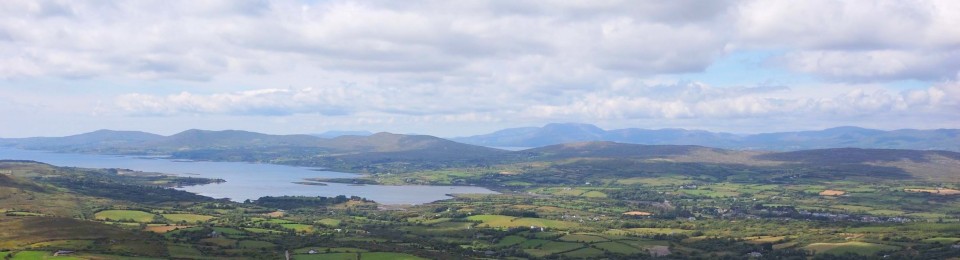
Death of General O’Donovan, Bawnlahan, Skibbereen, West Cork, 1829. ‘The late much regretted General O’Donovan was one of the very few proprietors of this County of the aboriginal Milesian Estate, held by his ancestors from time Immemorial. The General, was , we believe, the first of his family to drop the usual designation of an Irish Chieftain of being address as ‘The O’Donovan’ only. In Smith’s History of Cork 1750 he says ‘In this Parish of Miros (Myross) is Bawnlaghan the seat of O’Donovan, Chief of that Ancient Family, a worthy and courteous gentleman. The General was son of Daniel O’Donovan, of Bawnlahan by Jane daughter of Colonel John Becher of Hollybrook (near Skibbereen), grandson of Richard O’Donovan of Bawnlahanby the daughter of Fitz-Gerald, Knight of Kerry and great grandson of Daniel O’Donovan, MP for Baltimore, in 1689, by Elizabeth Tonson, only daughter of Major Richard Tonson, of Spanish Island (great grandfather of the present Lord Riversdale) by Elizabeth sister of Thomas Beecher Esq.


https://www.google.ie/maps/place/Myross,+Co.+Cork/@51.5258309,-9.1415869,16z/data=!3m1!4b1!4m2!3m1!1s0x4845ae67f214a615:0x2600c7a819bb5ac2

Death of General O’Donovan, Bawnlahan, Skibbereen, West Cork, 1829.
‘The late much regretted General O’Donovan was one of the very few proprietors of this County of the aboriginal Milesian Estate, held by his ancestors from time Immemorial. The General, was , we believe, the first of his family to drop the usual designation of an Irish Chieftain of being address as ‘The O’Donovan’ only. In Smith’s History of Cork 1750 he says ‘In this Parish of Miros (Myross) is Bawnlaghan the seat of O’Donovan, Chief of that Ancient Family, a worthy and courteous gentleman. The General was son of Daniel O’Donovan, of Bawnlahan by Jane daughter of Colonel John Becher of Hollybrook (near Skibbereen), grandson of Richard O’Donovan of Bawnlahanby the daughter of Fitz-Gerald, Knight of Kerry and great grandson of Daniel O’Donovan, MP for Baltimore, in 1689, by Elizabeth Tonson, only daughter of Major Richard Tonson, of Spanish Island (great grandfather of the present Lord Riversdale) by Elizabeth sister of Thomas Beecher Esq.

The present Viscount Lismore is also possessed of a Milesian Estate in the Coutu at Clonmene and Bantrye near Mallow which has been since time Immemorial by the Ancient Race of O’Callaghan unaffected by the many revolutions in Ireland this ancient estate was bequeather to the late Lord Lismore by his cousin O’Callaghan of Clonmene.

From From Southern Reporter and Commercial Courier 15th December 1829.

The Lord Riversdale/Tonsons referred to are descendant of Hull from Lemcon, Schull to inherit an uncle’s property a Hull changed his name to Tonson.

It is probably not a co incidence that Timothy O’Donovan, a Catholic sometime after 1760 acquired the estate at O’Donovan’s Cove from the extended Riversdale family.

https://docs.google.com/document/d/1eq_IayaxdUyWZWbpDf6LWlLNg7o-3tNJiqPGYIALy80/edit
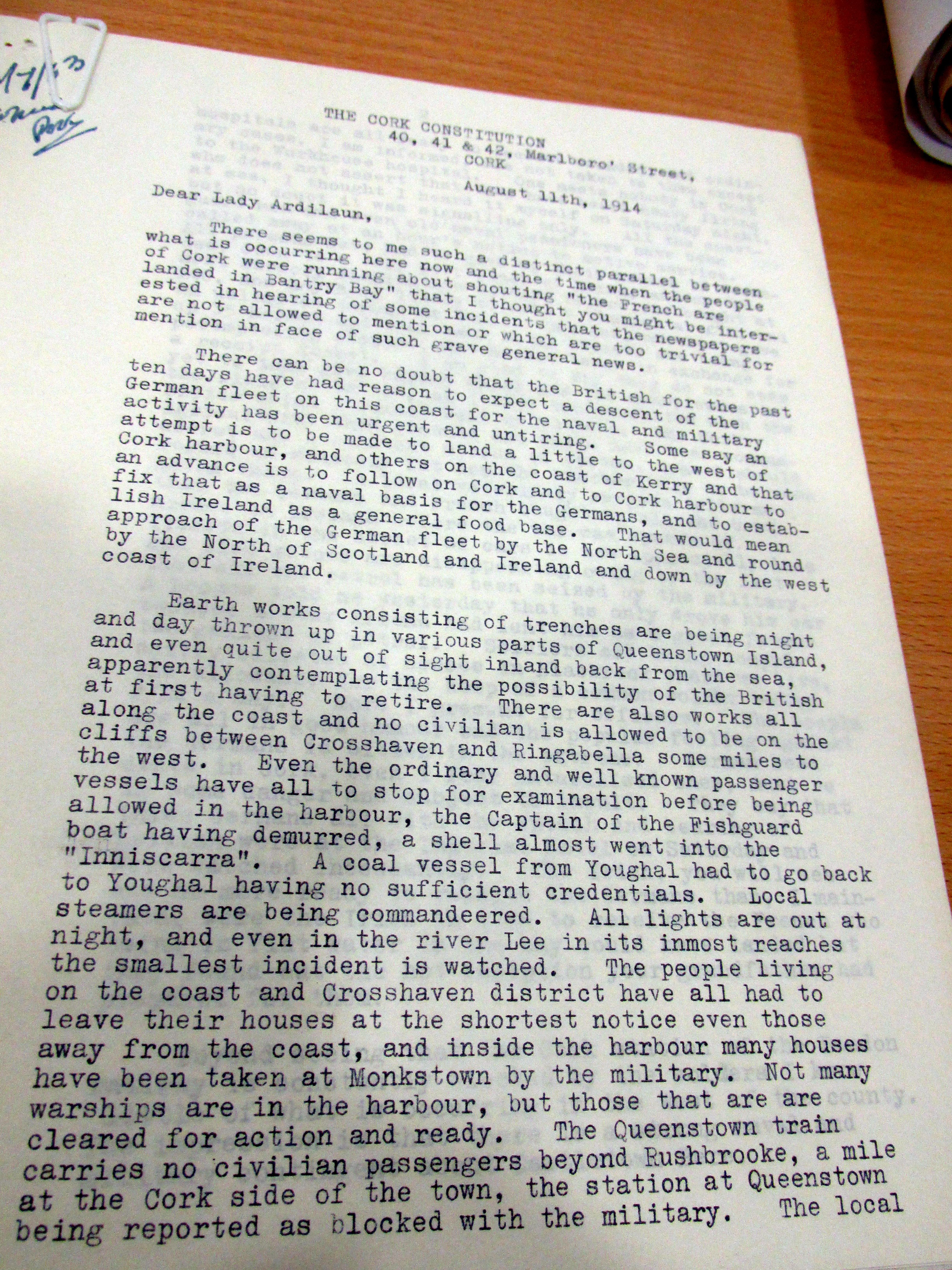
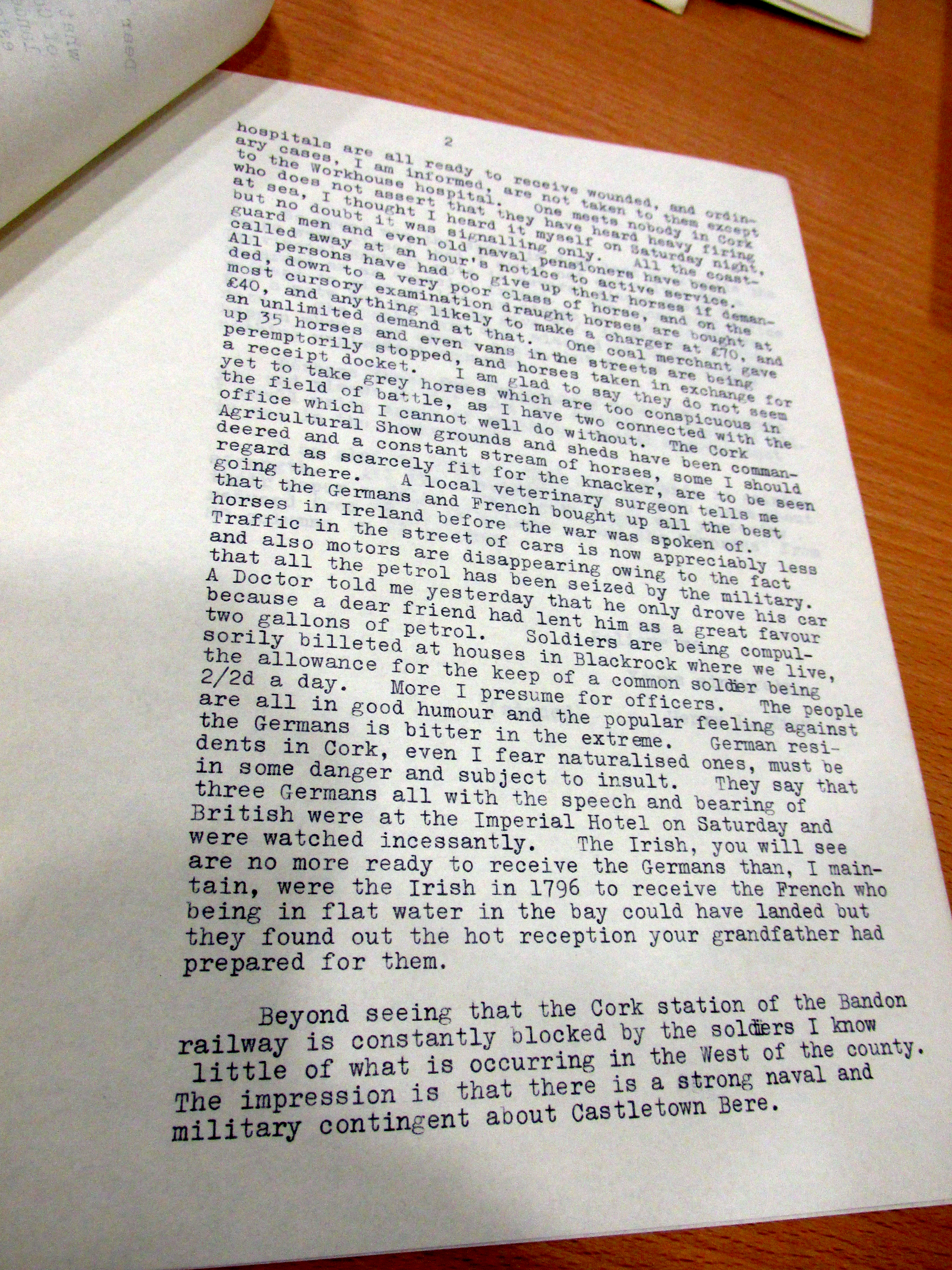
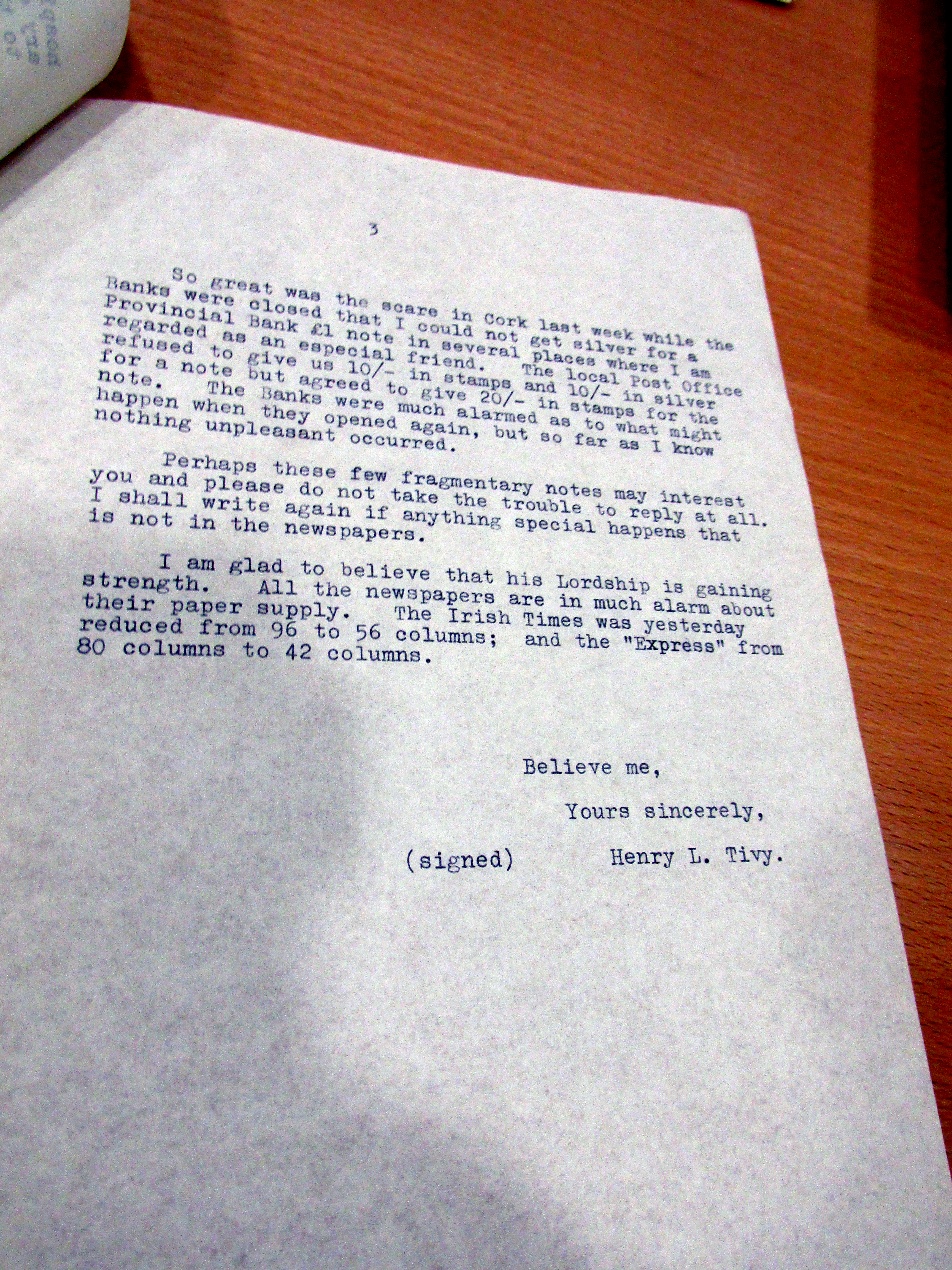
Letter Henry Lawrence Tivy, Newspaper Owner, Magistrate, to Lady Ardilaun, of the Guinness, (MacAonghusa), 11th August 1914 re Effect of World War 1 in Cork, Compulsory Billeting of Troops in Blackrock, Castletownbere Naval Station, Bank Run, Blockade of Bandon Railway


Letter Henry L Tivy to Lady Ardilaun 11th August 1914 re Effect of World War 1 in Cork, Compulsory Billeting of Troops in Blackrock, Castletownbere Naval Station, Bank Run, Blockade of Bandon Railway.

Lady Adrilaun is probably one of the Banty Whites married to a Guinness.

The Tivys owned the Cork Constitution and founded the Rugby Club of the same name. The family may still own the newspaper distribution business ‘ Newsspread’

1-IMG_8966

2-IMG_8967

3-IMG_8968

Lawyers, Court Officials and Para Legals Co Cork and Cork City from 1300


durrushistory's avatarWest Cork History

Revised:

Lawyers, Court Officials and Para Legals Co Cork and Cork City from 1300.

This is compiled from diverse sources including the admission books of the four London Inns of Court, Kings Inns Admission papers dn details from the Registry of Deeds Project. It is not comprehensive. The figure of the pre mid 19th century Attorney in his various manifestations is elusive. Sometimes they are to be found in the Kings Inns papers but many details are lost probably in the destruction of Irish Records in the Public Records Office in 1922.

A number of themes are apparent, some families such as the Galweys, Gould, Coppingers survive almost 800 years in the profession undergoing changes in language and religion.

Pre 1650 the names as of Danish, Norman and Gaelic origin from the Planter (Predominantly English wiht some Scots and Huguenot). As the Inns records give the mother’s name and also…

View original post 141 more words

Foreign Born Population of USA in 1870, Ireland 33.3%. The next is Germany at 30%


Foreign Born Population of USA in 1870, Ireland 33.3%. The next is Germany at 30%.

It has been stated that in the 1870 census that the US population was around 38 million of whom almost 2 million were Irish born.

https://www.google.ie/search?q=population+us+1870&espv=2&biw=1920&bih=886&tbm=isch&imgil=e16rVItDkuHIqM%253A%253BAEWNYOW__ouXEM%253Bhttp%25253A%25252F%25252Fwww.worldmapsonline.com%25252Fwestwardmovement1870.htm&source=iu&pf=m&fir=e16rVItDkuHIqM%253A%252CAEWNYOW__ouXEM%252C_&dpr=1&usg=__wYrhq2Jyfueza4J4RpS9rcmhaY4%3D&ved=0CFgQyjdqFQoTCOKoxeHwzMcCFcpq2wodSboGEA&ei=AujgVeKfI8rV7QbJ9JqAAQ#imgrc=W4RTye5AC0PsTM%3A&usg=__wYrhq2Jyfueza4J4RpS9rcmhaY4%3D

https://www.google.ie/search?q=population+us+1870&espv=2&biw=1920&bih=886&tbm=isch&imgil=e16rVItDkuHIqM%253A%253BAEWNYOW__ouXEM%253Bhttp%25253A%25252F%25252Fwww.worldmapsonline.com%25252Fwestwardmovement1870.htm&source=iu&pf=m&fir=e16rVItDkuHIqM%253A%252CAEWNYOW__ouXEM%252C_&dpr=1&usg=__wYrhq2Jyfueza4J4RpS9rcmhaY4%3D&ved=0CFgQyjdqFQoTCOKoxeHwzMcCFcpq2wodSboGEA&ei=AujgVeKfI8rV7QbJ9JqAAQ#tbm=isch&tbs=rimg%3ACRNEODR_1spDQIjjGdW_1Ri11uBTdMTQTzSaVVZqY7JcArS08dBIKjG5o9vQiudD0F6Jli20yJRyIwlEaT8vGvY_1HQ2yoSCcZ1b9GLXW4FEWHyDIa8JsHaKhIJN0xNBPNJpVURCSD3-JIUl-QqEglmpjslwCtLTxFeROft8BYQWioSCR0EgqMbmj29EZt03foS5lGJKhIJCK50PQXomWIREKJCdZHn4MMqEgnbTIlHIjCURhFRq4d0kfQ7cSoSCZPy8a9j8dDbEb4DMFDwGMKu&q=population%20us%201870&imgrc=E0Q4NH-ykNDFEM%3A

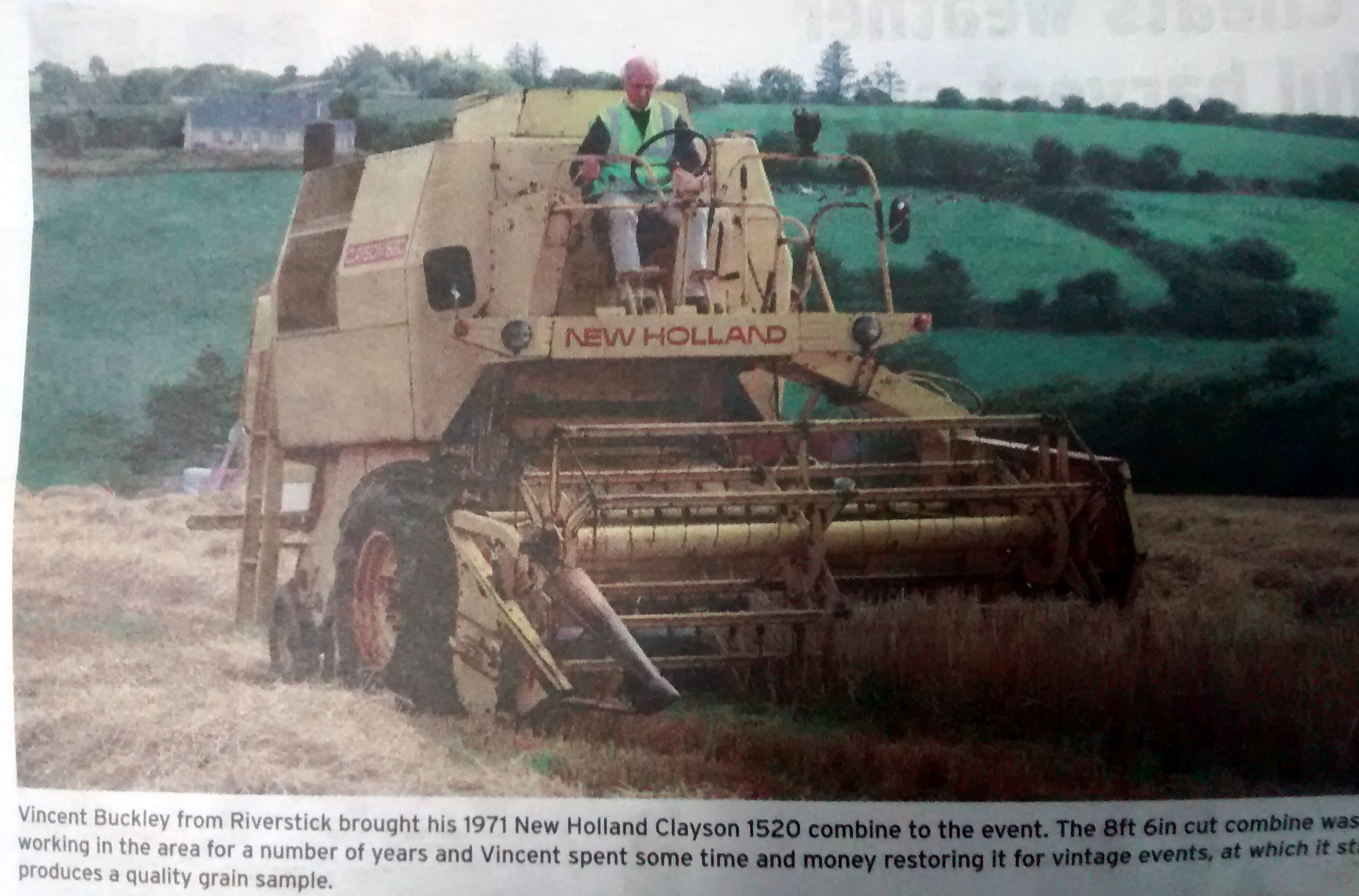
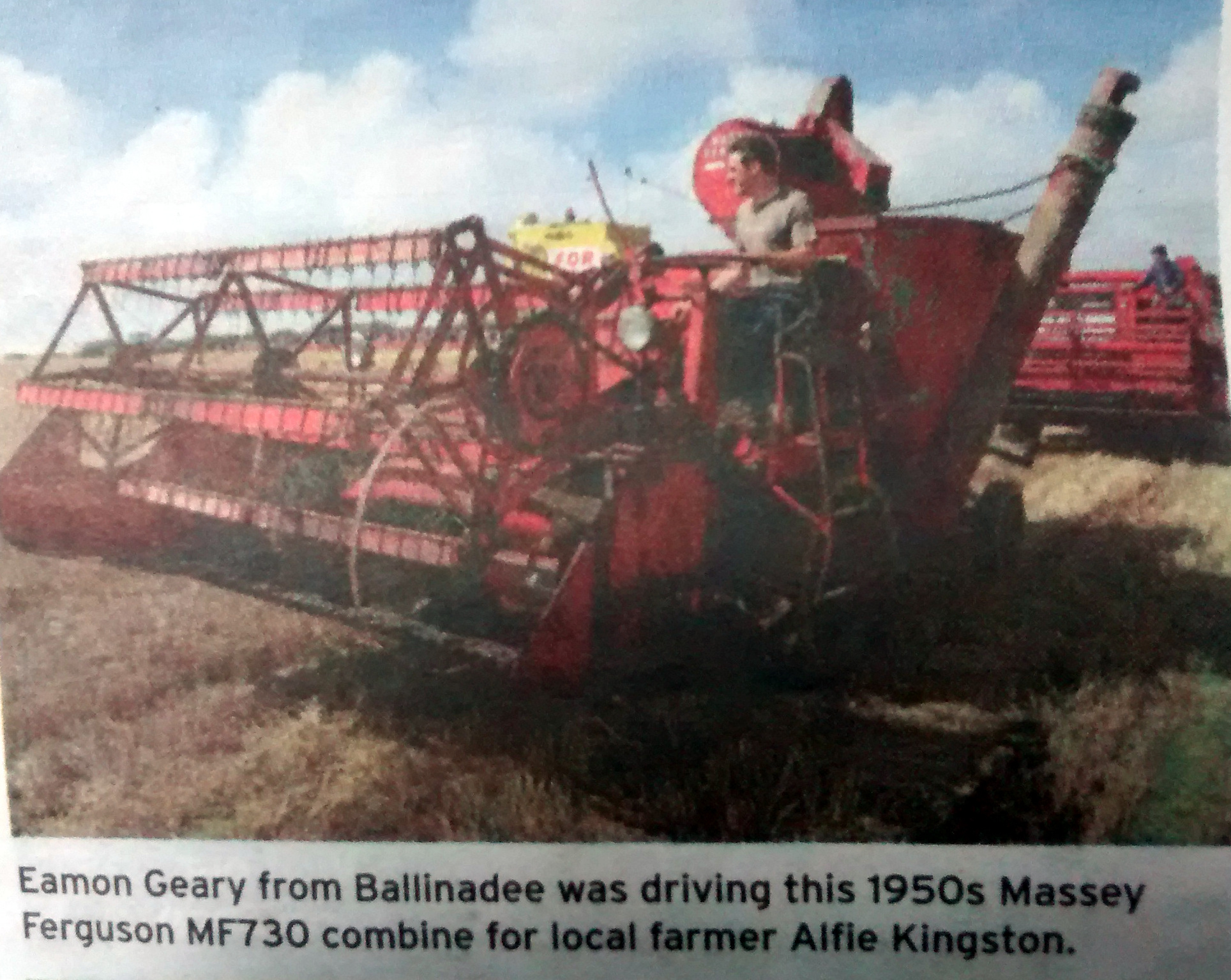
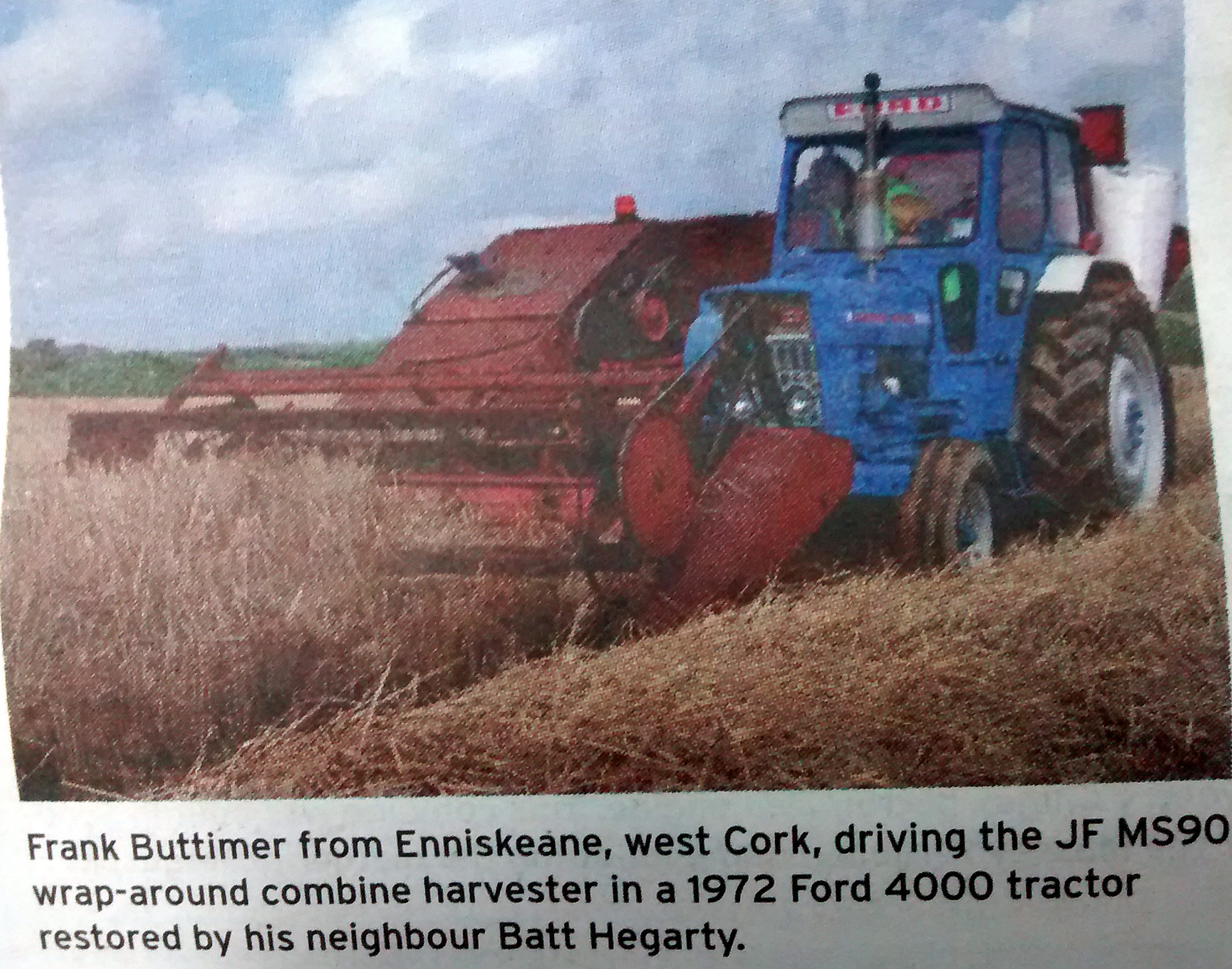
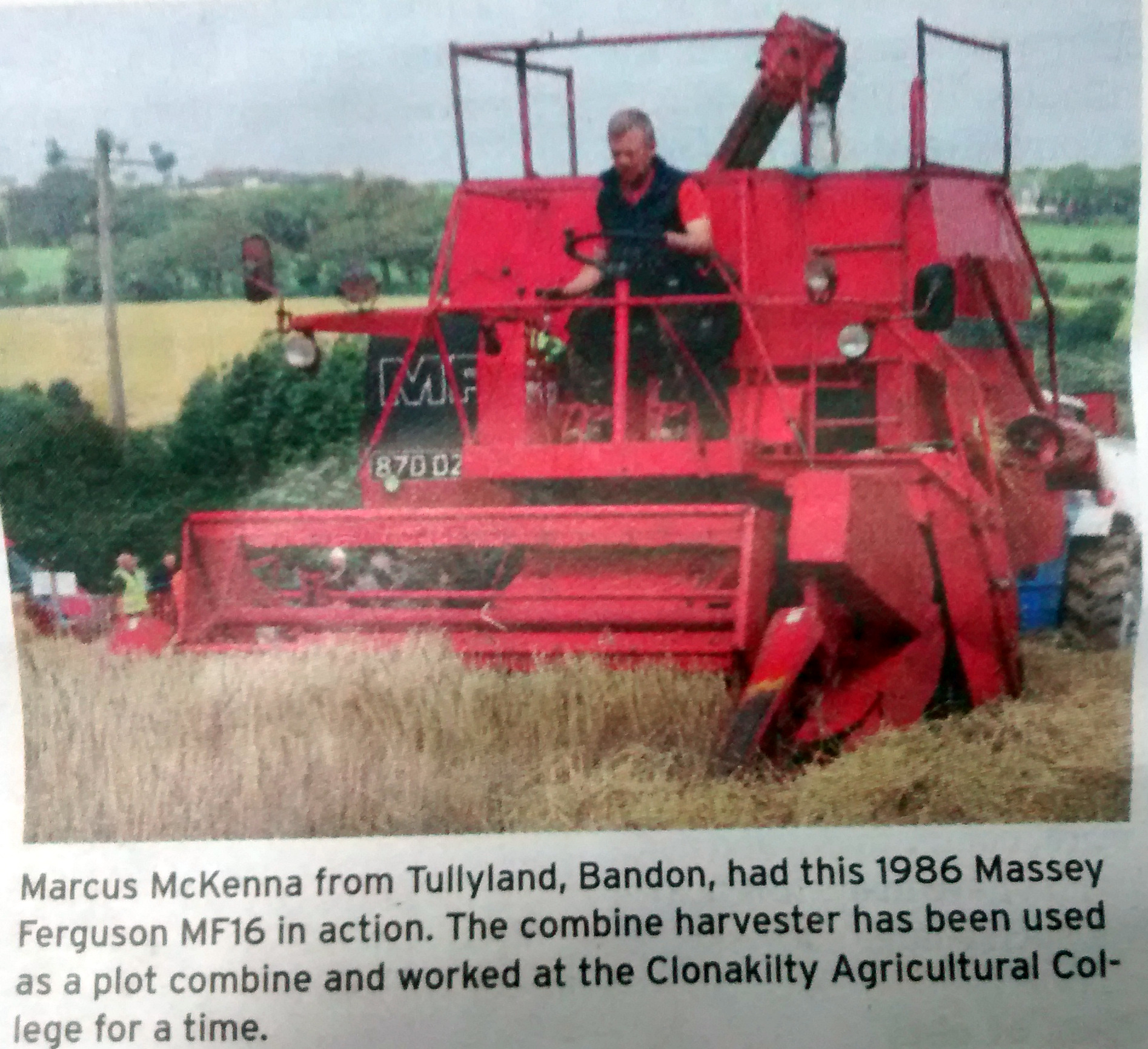
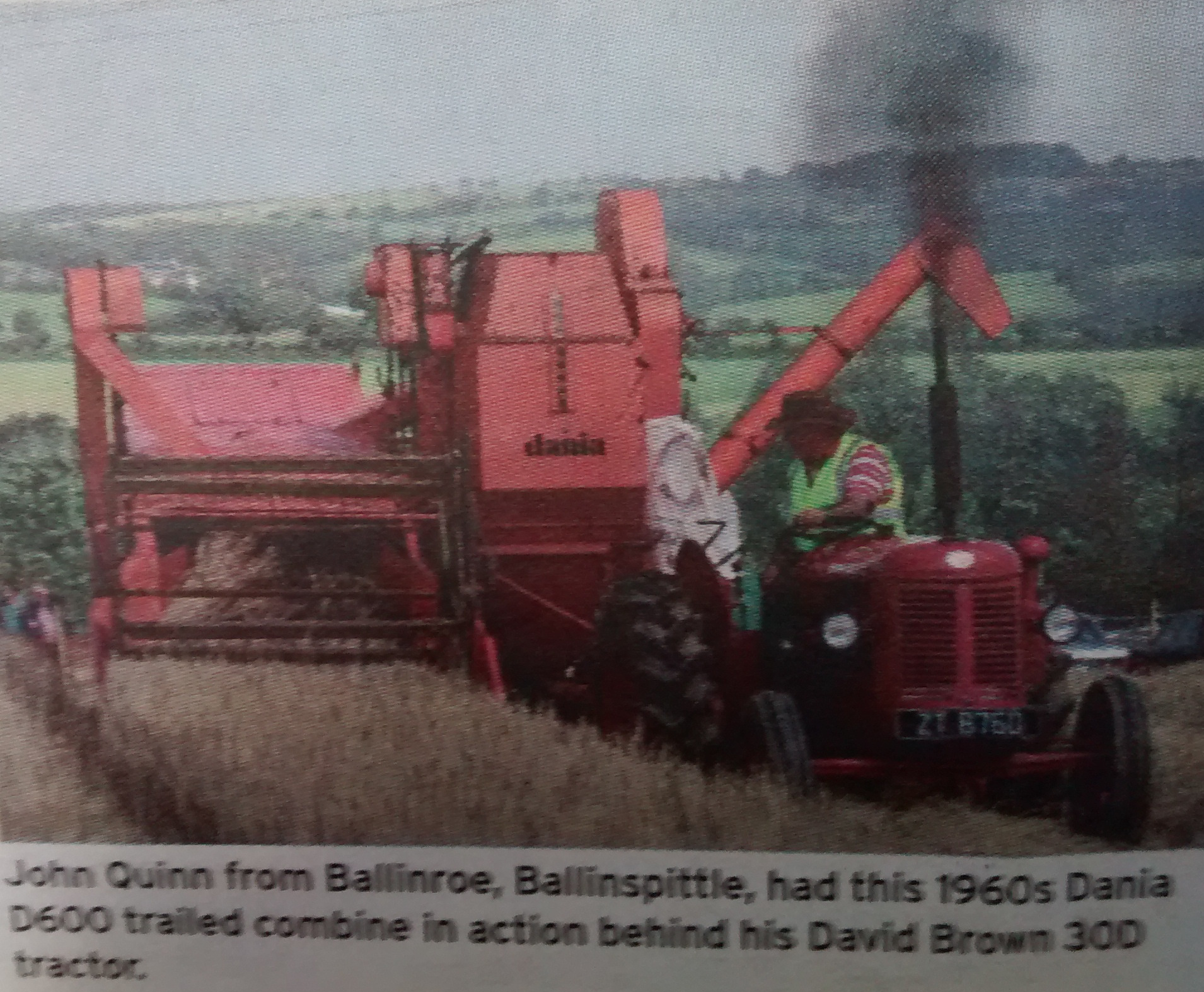
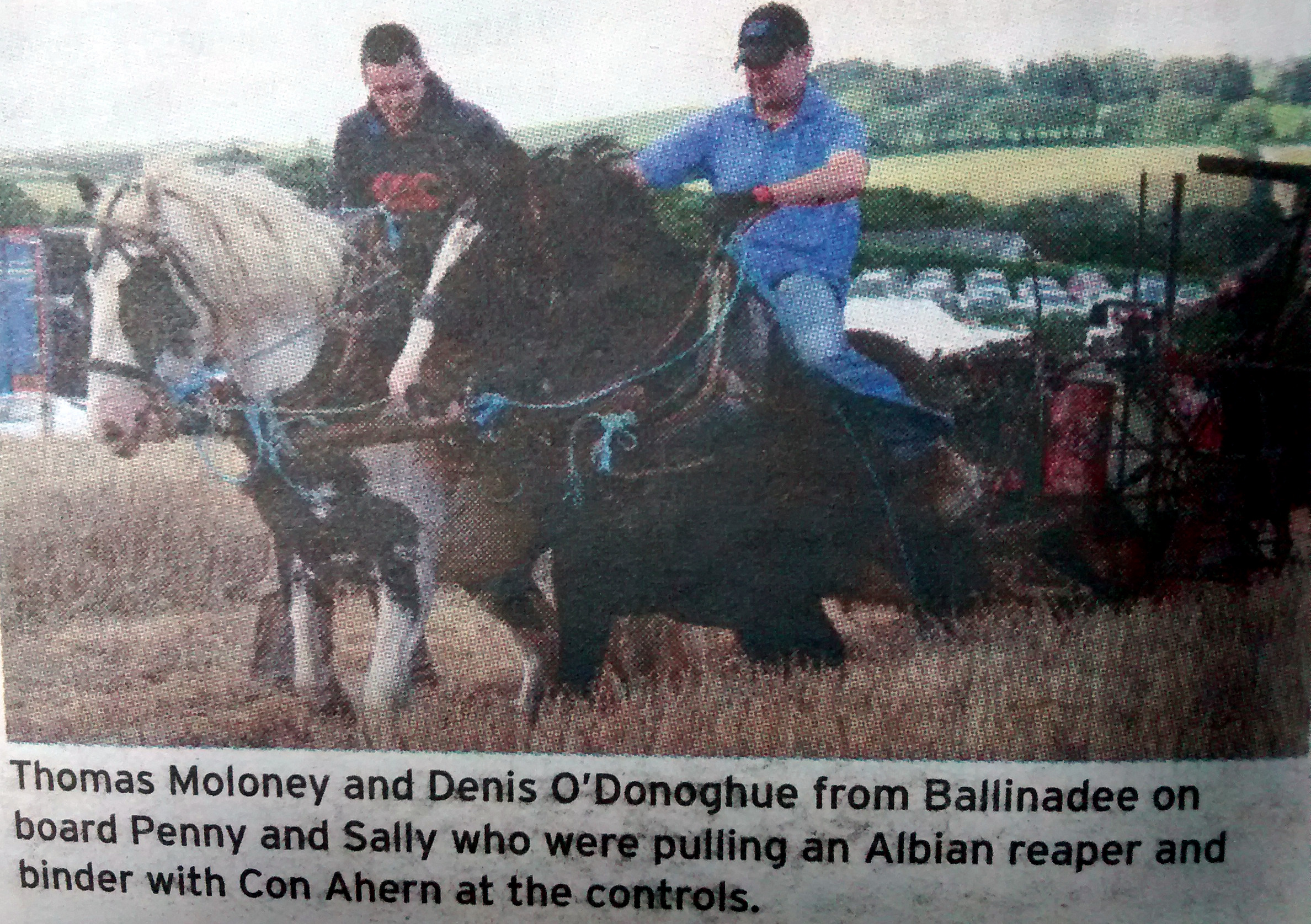
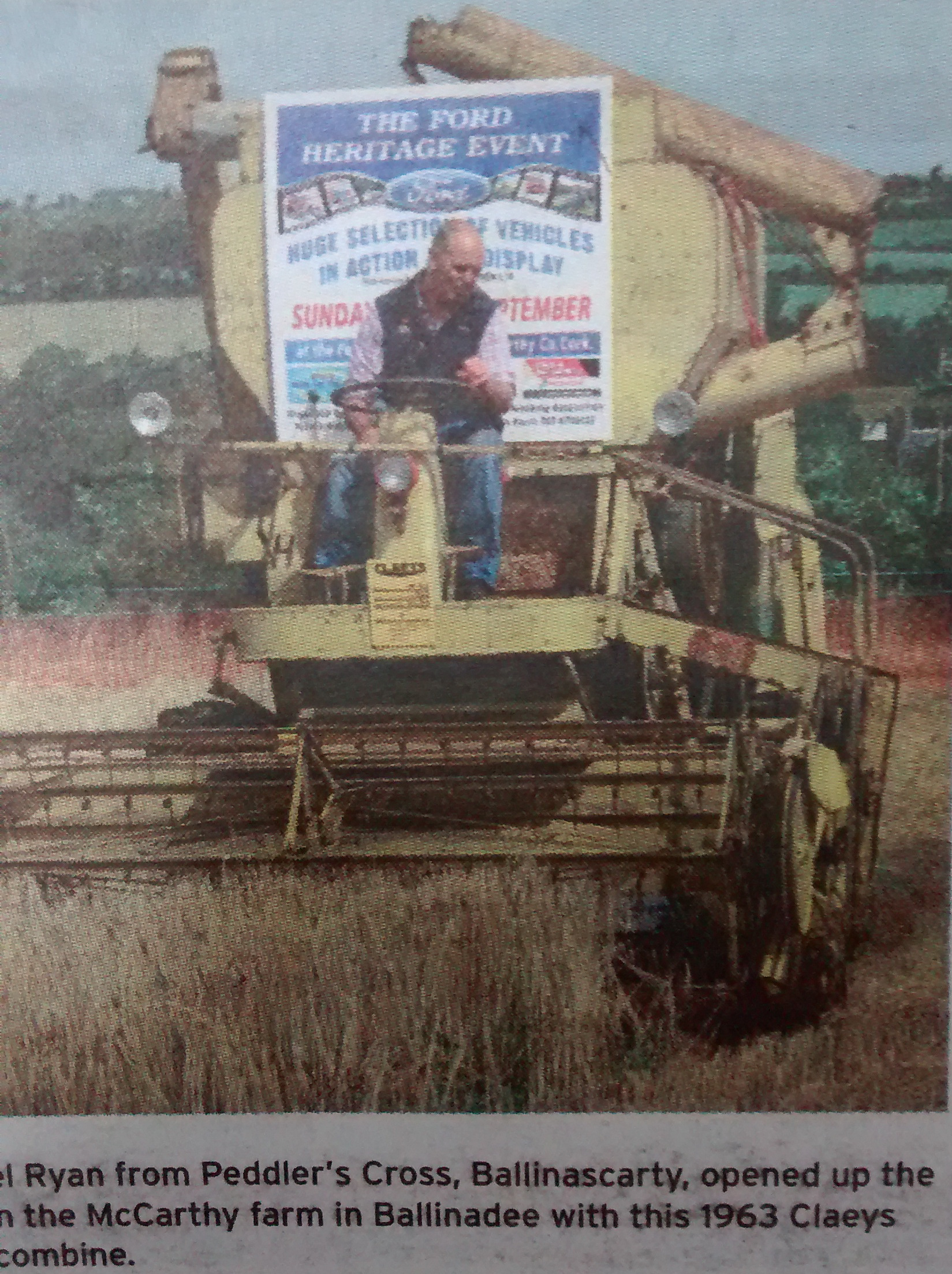
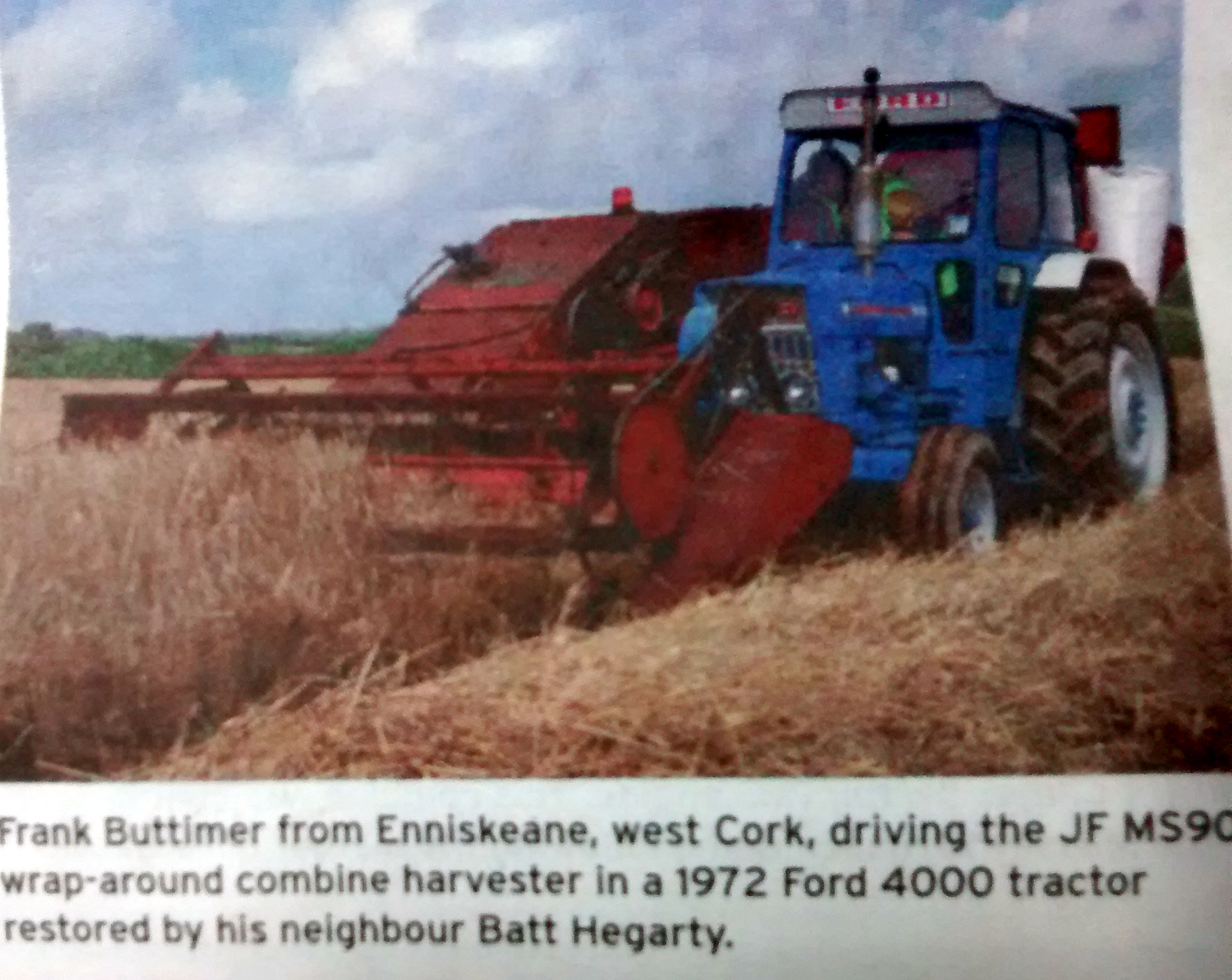
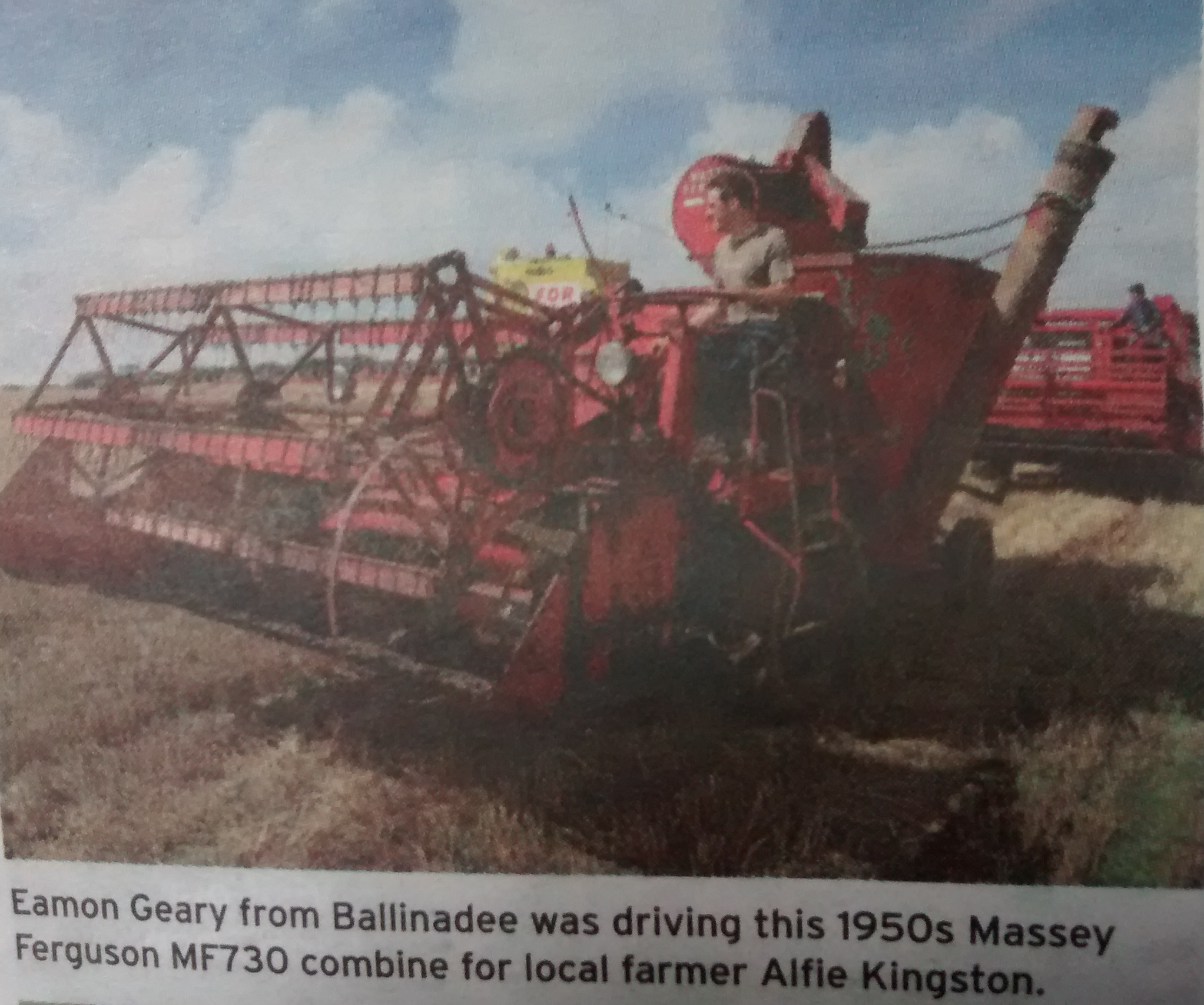
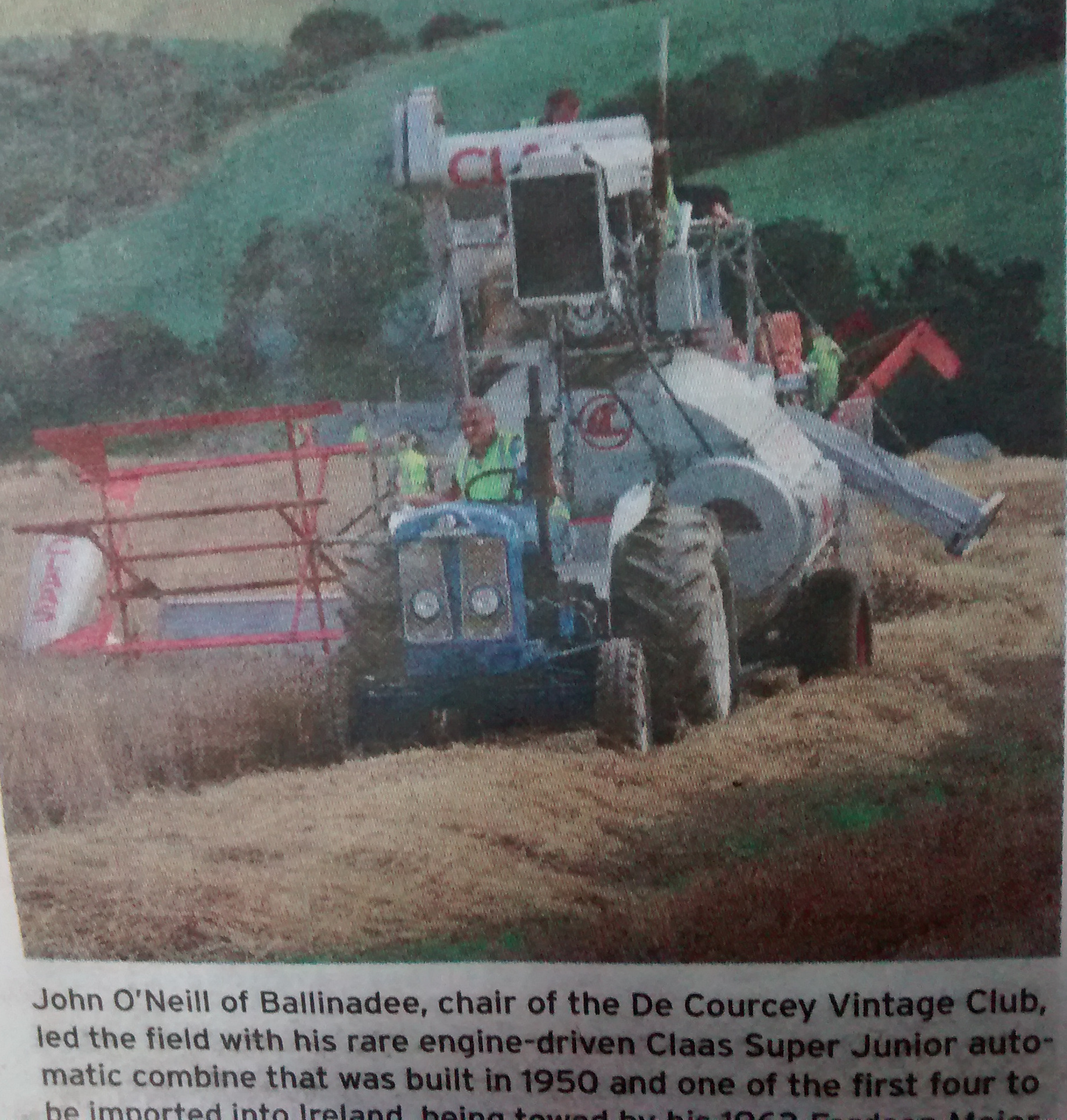
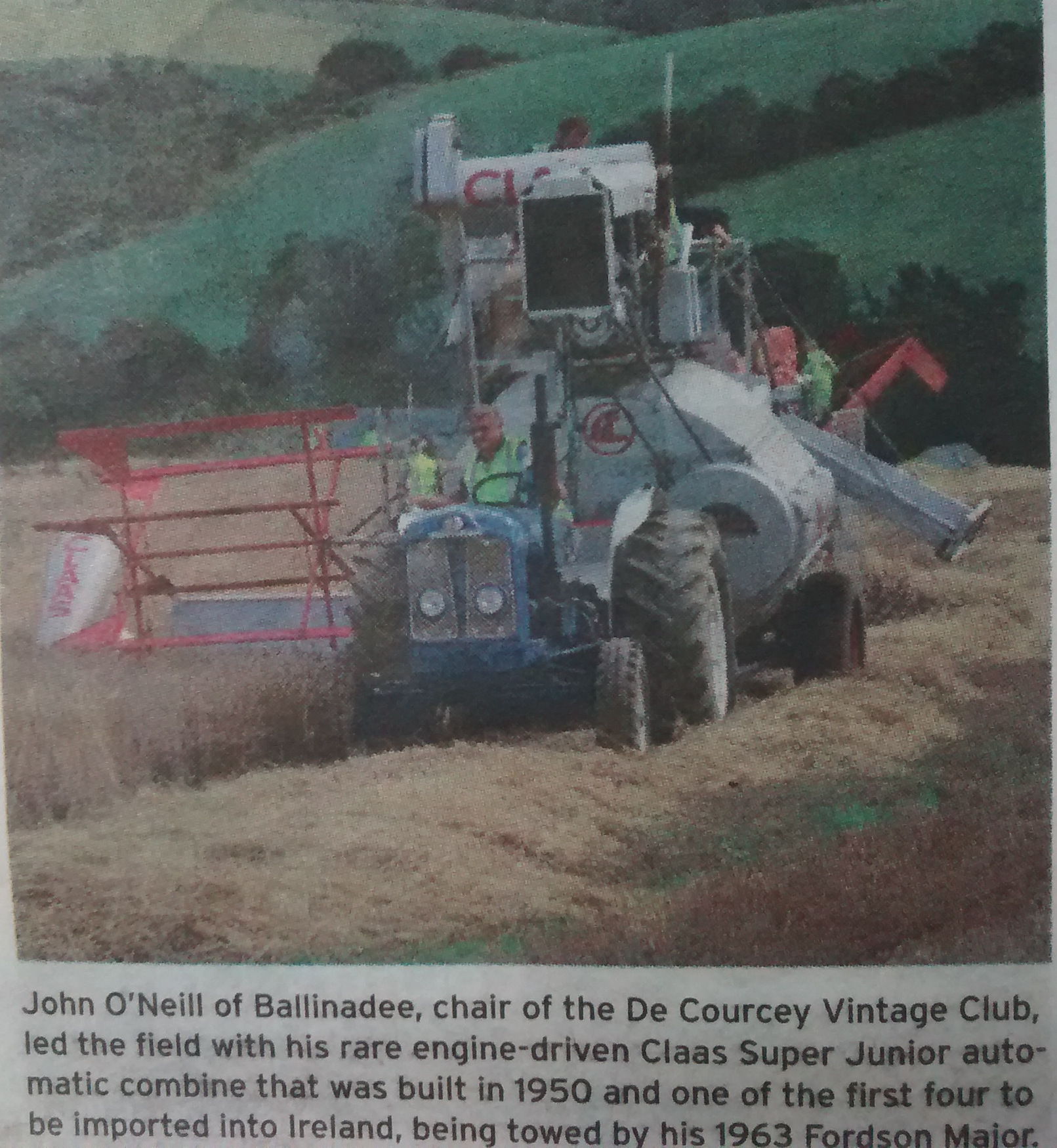
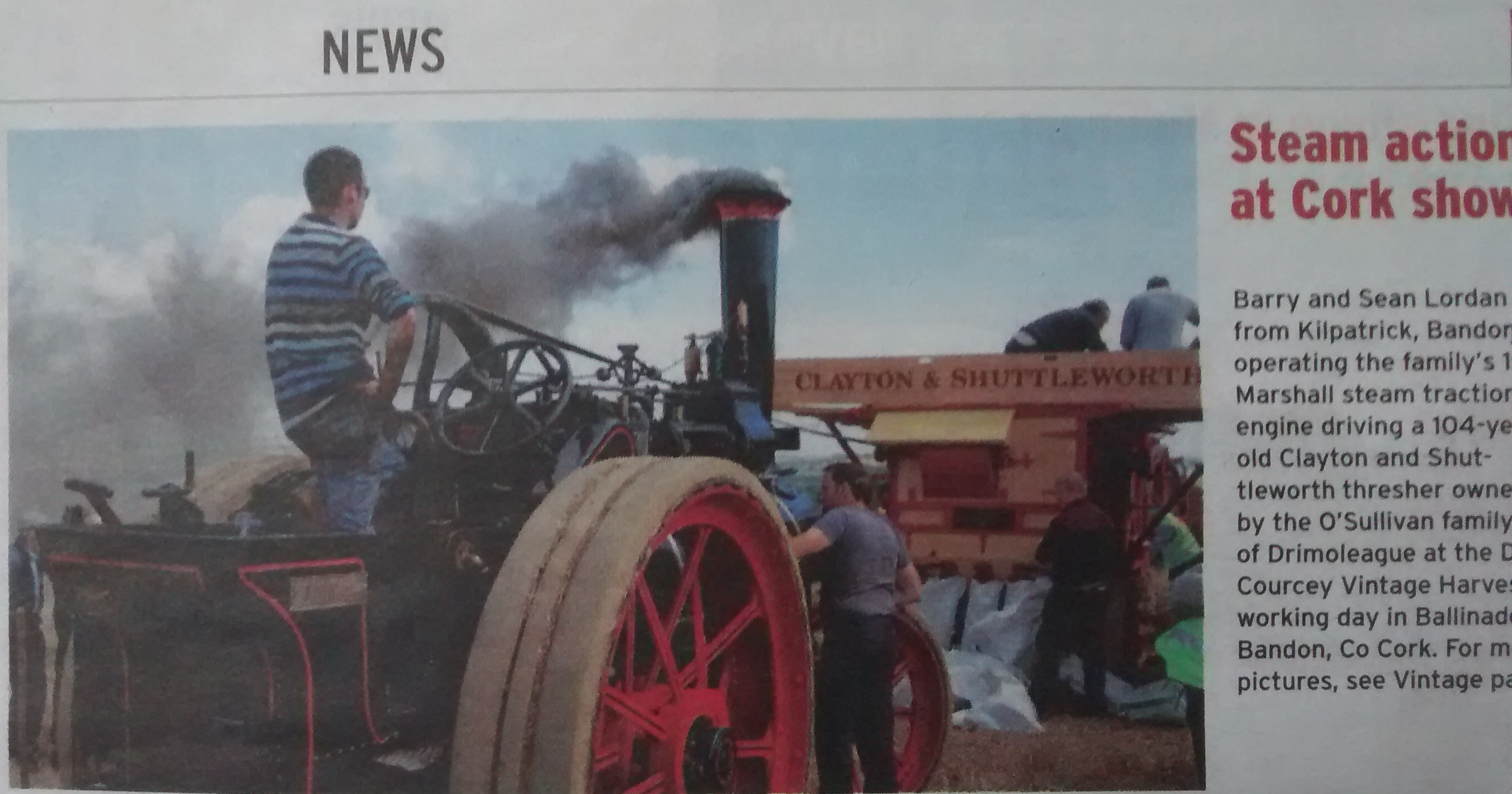
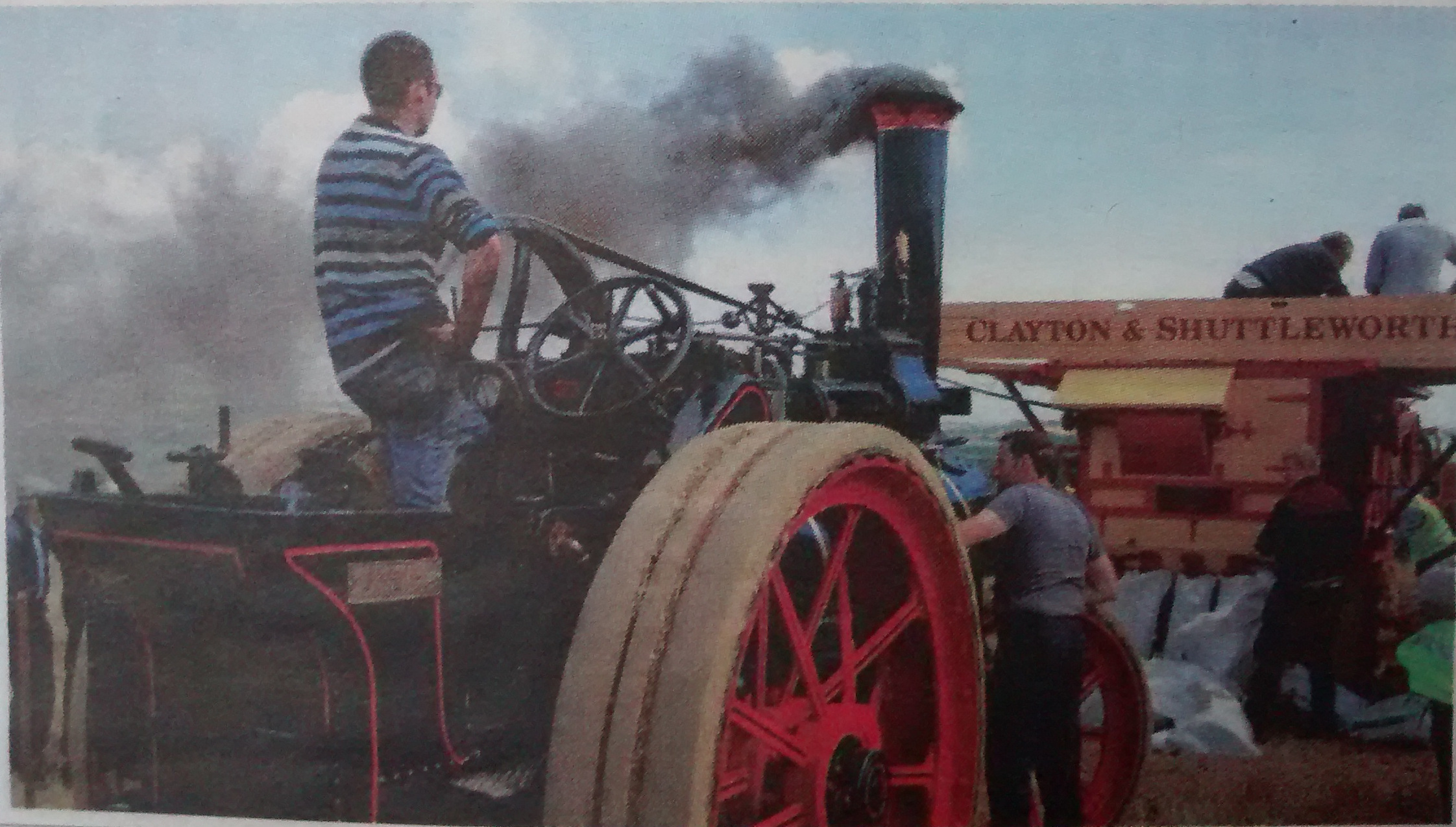
De Courcy Vintage Farm Machinery Rally, Ballinadee, Co. Cork, Combine Harvesters, Reapers and Binders.


De Courcy Vintage Farm Machinery Rally, Ballinadee, Co. Cork, Combine Harvesters, Reapers and Binders.

Farm machinery at Gortnagrough Folk Museum including by Pierce and W. Doyle of Wexford, Clearys of Carrick-on-Shannon, Block Making Machine by J Conway and Sons Inchicore, Dublin, Comhlucht Siúicre Éireann Teó.


04-IMG_20150814_121754270

05-IMG_20150814_121803575

06-IMG_20150814_121808446

07-IMG_20150814_121814023

08-IMG_20150814_121818792

09-IMG_20150814_121823545

10-IMG_20150814_121831398

11-IMG_20150814_121837184

12-IMG_20150814_121843800

13-IMG_20150814_121848239

14-IMG_20150814_121854639

15-IMG_20150814_121900890

16-IMG_20150814_121921332

17-IMG_20150814_121927724

The Republic is a good place for Protestants now


andypollak's avatar2 Irelands together

As someone from a Northern Protestant background happily resident in Dublin, I know there is little or no point in trying to persuade my co-religionists that they should agree to do away with the border and become part of my society. I may have the nicest Irish house in the world, but the truth is that the vast majority of Northern Protestants and unionists want to continue to live in their British houses, however uncaring and untrustworthy their landlords are.

However for the purpose of provoking a little thinking (and because so many Northern unionists are still woefully ignorant about the South), I am going to argue in this column that in 2015 the Republic of Ireland is a good place for Protestants to live. Ireland, in the words of former Irish Labour Party leader Ruairi Quinn, is now a “post-Catholic society”. The old Roman Catholic Church which they so…

View original post 1,015 more words

Carrigín Cool na h-Orna, Rossmore, Durrus, West Cork, a hint of Pre-famine Agriculture and other Incorporeal Hereditaments.


https://www.google.ie/maps/place/Rossmore,+Co.+Cork/@51.615566,-9.5690588,15z/data=!3m1!4b1!4m2!3m1!1s0x48459e159ee4ee71:0x2600c7a7bb4beee2

Coolnahorna (part of Upper Clashadoo/Gearhameen):

https://www.google.ie/maps/@51.6312807,-9.5609145,15.79z

Carrigín Coolnahorna, Rossmore, Durrus, West Cork, a hint of Pre-famine Agriculture and other Incorporeal Hereditaments.

There is a rock on Mannions Island opposite Rossmore townland known as Carrigín Coolnahorna. It is so called as it marked the spot where farmers from Coolnahorna, in particular the O’Sullivan (late Con O’Sullivan) were entitled to take seaweed. Coolnahortna is not an official townland, it is in the North of Clashadoo upland on poor land. It was densely populated as evidenced by the addresses given in the Muintervara Catholic Church Birth Records 1818-1847, pre famine, now it is mostly used for sheep farming even the remains of the little cabins are gone.


Coolnahorna was not unique, other townlands had traditional entitlements to draw seaweeed from the shore, presumably individual farms has designated areas within that.


The use of seaweed and sea sand in the Peninsulas of West Cork and along the Western Seaboard enabled potato cultivation with the highest non urban population density (excluding mountain, bog and lake) in the world pre Famine. The population density would be similar to India and China. The use of these rights did not survive unlike other incorporeal hereditament sun as commonage.


The importance of seaweed and little islands is reflected in the sale of Landed Estate in the 1850s such as the Beecher Estate where various islands are described as important for seaweed.

In Coomkeen townland in the common area one example is that farmers in Clashadoo having an common undivided share of one seventh to use the commonage. These rights are reflected as far back as the Griffith Valuation of 1850 and are recorded in the official Folios going back the late 1890s and early 20th century. Lord Bandon sold his Durrus Estate (former McCarthy land) to the Land Commission c 1905-1910 but reserved the sporting rights over the land to himself for his lifetime.

The McCarthys moved from their Castle in Scart o the Bantry Drimoleague Road c 1620 to the new Castle at Gearhaheen quite similar to Coppinger Court.

Other rights, such as minerals were reserved by the Landlords in leases and devolved to the State where the Estates were acquired from the Landlords. Tubridy the right to save turf was an important right, again reflected in old leases or in customary practise. This is now of lesser consequence due to restrictions on extraction.

Other lease covenant in the 18th and 19th century as on the O’Donovan Estate in Tullig was the obligation of a tenant to provide a labourer and horse to the Landlord for four days a year or on the Beecher Estate to provide ‘a fat capon’ each year.

The sale of 17,000 acres on the Beecher Estate 1850 inclused Carbery isadn and the importance of the sea weed is emphasised.

https://wordpress.com/stats/post/10970/durrushistory.com

1843, Cases of Trespass for Seaweed Extraction, Ballydehob, Skibbereen, Co. Cork, Magistrates Declining Jurisdiction for Extraction below Low water mark.