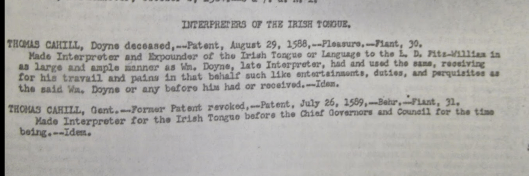
1588. Patents Appointing Official Interpreter and Expounder in The Irish Tongue or Language.
From Dr. Casey Collection
08 Sunday Jan 2017
Posted in Uncategorized
1588. Patents Appointing Official Interpreter and Expounder in The Irish Tongue or Language.
From Dr. Casey Collection
08 Sunday Jan 2017
Posted in Uncategorized
1582. Patent Appointing Cork Customs Officers.
Some Cork Customs Records:
https://docs.google.com/spreadsheets/d/1K9FbQLKPjRm9HLMNy99__AAMLmis519psiSvcP71Rts/edit#gid=0
From Dr.Casey Collection.

07 Saturday Jan 2017
Posted in Uncategorized
Appointment of Rate Collectors 1852 by Bantry Union, Co. Cork, Florence O’Leary, Poundage 6d in the £, Thomas Dillon, Durrus and Kilcrohane 4d.
The Dillons lived at Clashadoo, Durrus and were intermarried with Roycrofts and Canty. The family has a large tomb in Moulivard Graveyard (Durrus East). Thomas Dillon also appears as a member of the Bantry Board of Guardians, looking after the workhouse among other things
Thomas is probably an ancestor to Miss Dillon who had a pub i Bantry near the old railway station and extensive property. She left this to her late nephew Seán Dillon of Clashadoo who in the late 1940s was heavily involved in Clann na Poblachta.
the Dillons may be of the same family as that of the lady who married one of the Bantry Whites in the 1770s. The marriage was set aside as having been performed by a ‘Popish priest’.
07 Saturday Jan 2017
Posted in Uncategorized
…..
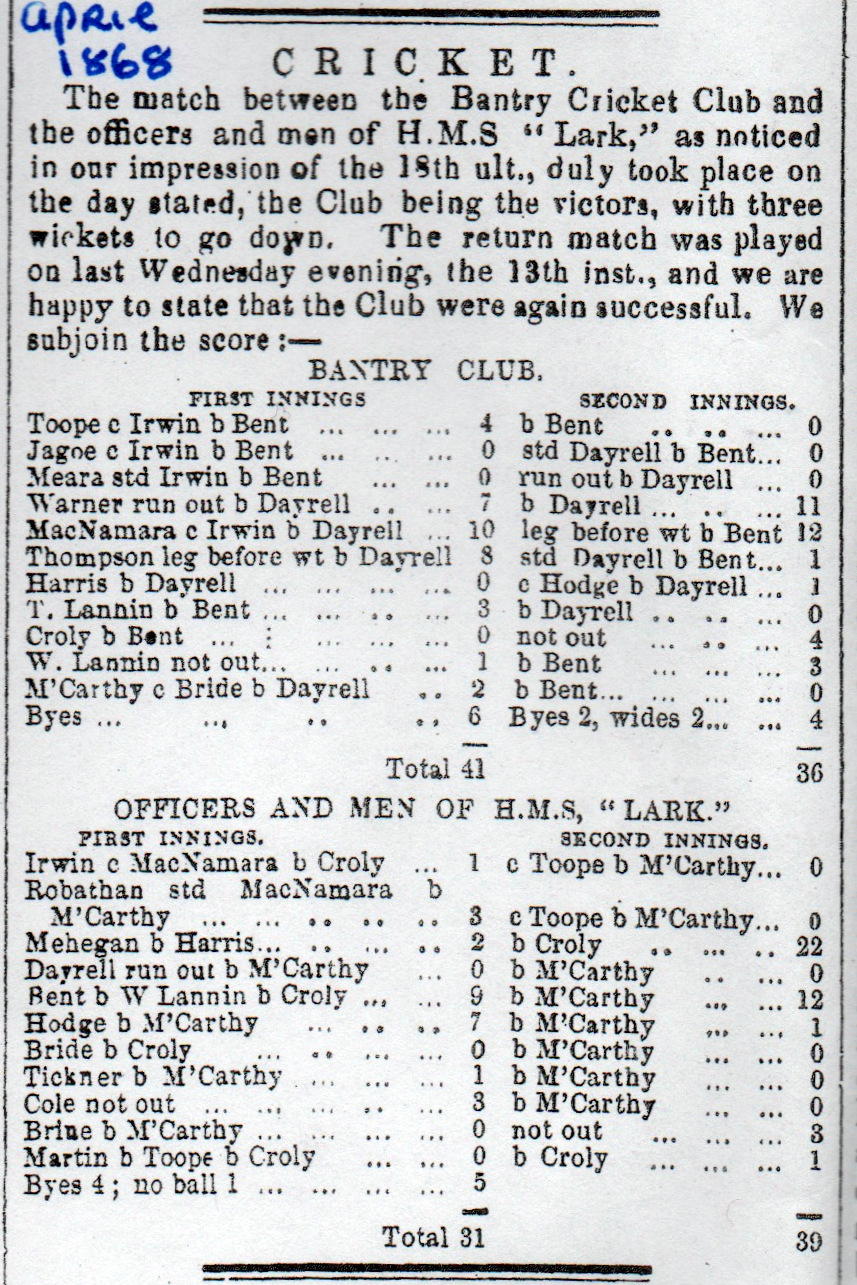
Cricket Match 13th April 1868, Bantry Cricket Club and Officers and men of H.M.S. Lark. Bantry Wins
…
….
07 Saturday Jan 2017
Posted in Uncategorized
The Sheehy Mountains, a barrier Intersected by Cousane Gap and the Pass of Keimineigh between two Culture Zones, Baronies of Carbery and Bantry and West Muskerry, Co. Cork.
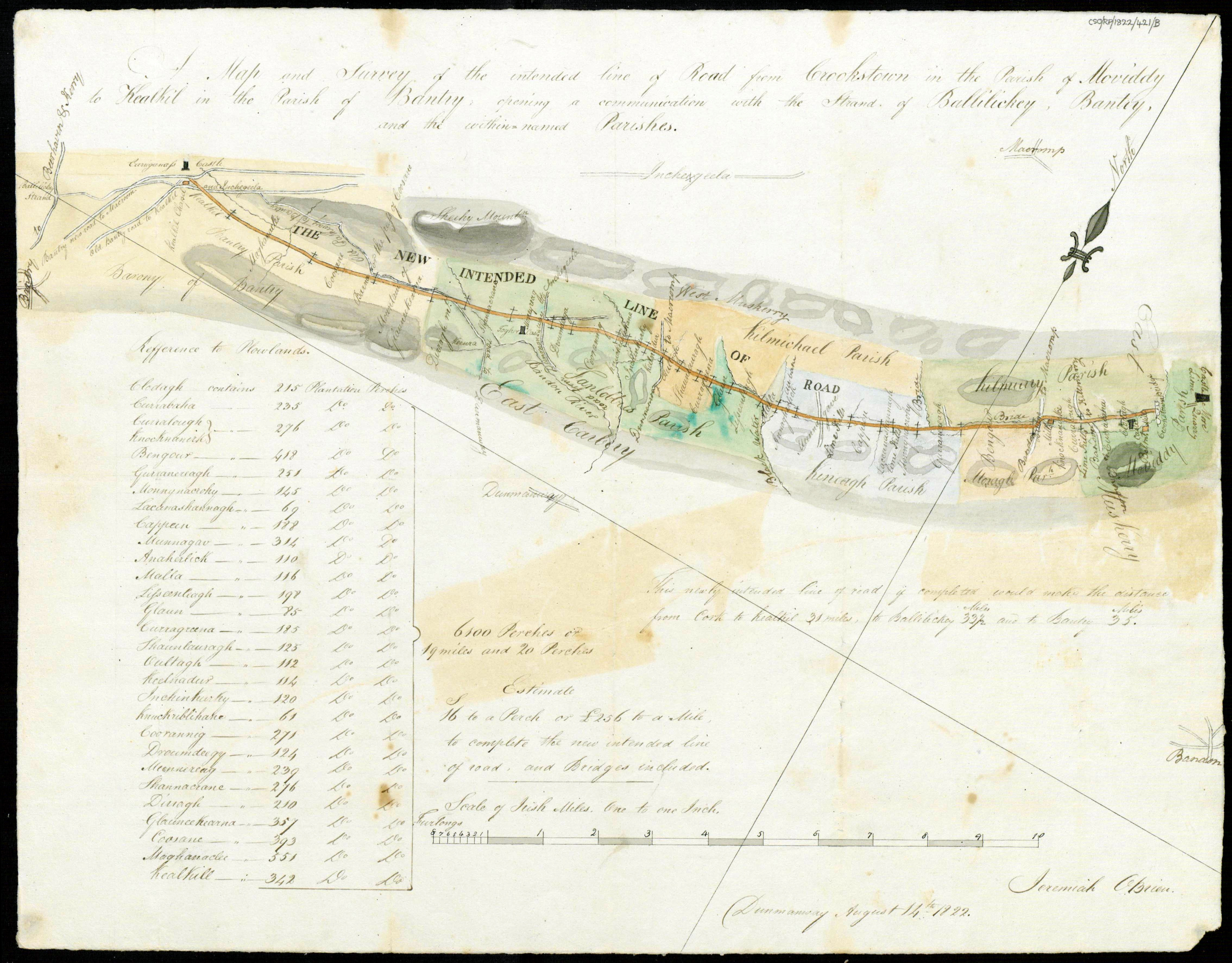
West of Ballineen the land rises into the hills which link to the Cahas and separate the Carberies from northern Co. Cork. The hills are intersected by the Cousane Gap through which Sir Richard Griffith built the road to Bantry Bay from Cork in the late 1820 and the famous Pass of Keimaneigh.
Passing into West Muskerry an area of rock hill and mountain with scrub and forestry the coastal area of the Carberies of West Cork must appear like a land of milk and honey. Pre famine it had one of the highest rural a population density in the world compatible with China and India. This was supported by the potato with ample supplies of sea sand and seaweed. South West Cork was always a point of entry, legend has it that the first people to come to Ireland arrived at Donemark in Bantry. The last waves from the 1580s were the settlers from England, Scotland and Wales supplemented by Huguenots and some Germans. The present West Cork population has a genetic more complex than the headline surname would suggest. The lack of documentary records and destruction makes it difficult but recent DNA evidence would suggest a significant pattern of intermarriage in the late 17th and 18th centuries. West Muskerry had a small population and remained a stronghold of the old Gaelic Order. There were regular forays from there as Rapparees, Tories, Whiteboys and in the 20th century the War of Independence and Civil war raged.
The Gentry of West Cork were on the surface of predominant English planter stock but again the patterns of marriage are complex. Townsend/Barry/Galwey/Meade, Shouldham/McCarthy, Beecher/O’Donovan/O’Neill, Blair/O’Donovan/Cleary, White (Lord Bantry)/O’Brien/Guinness, Puxley/Lavellan (Norman Carrigaline old Catholic), Evans/Freke (Lord Carbery), O’Driscoll, Dowe/Coughlan, Jagoe/O’Connor.
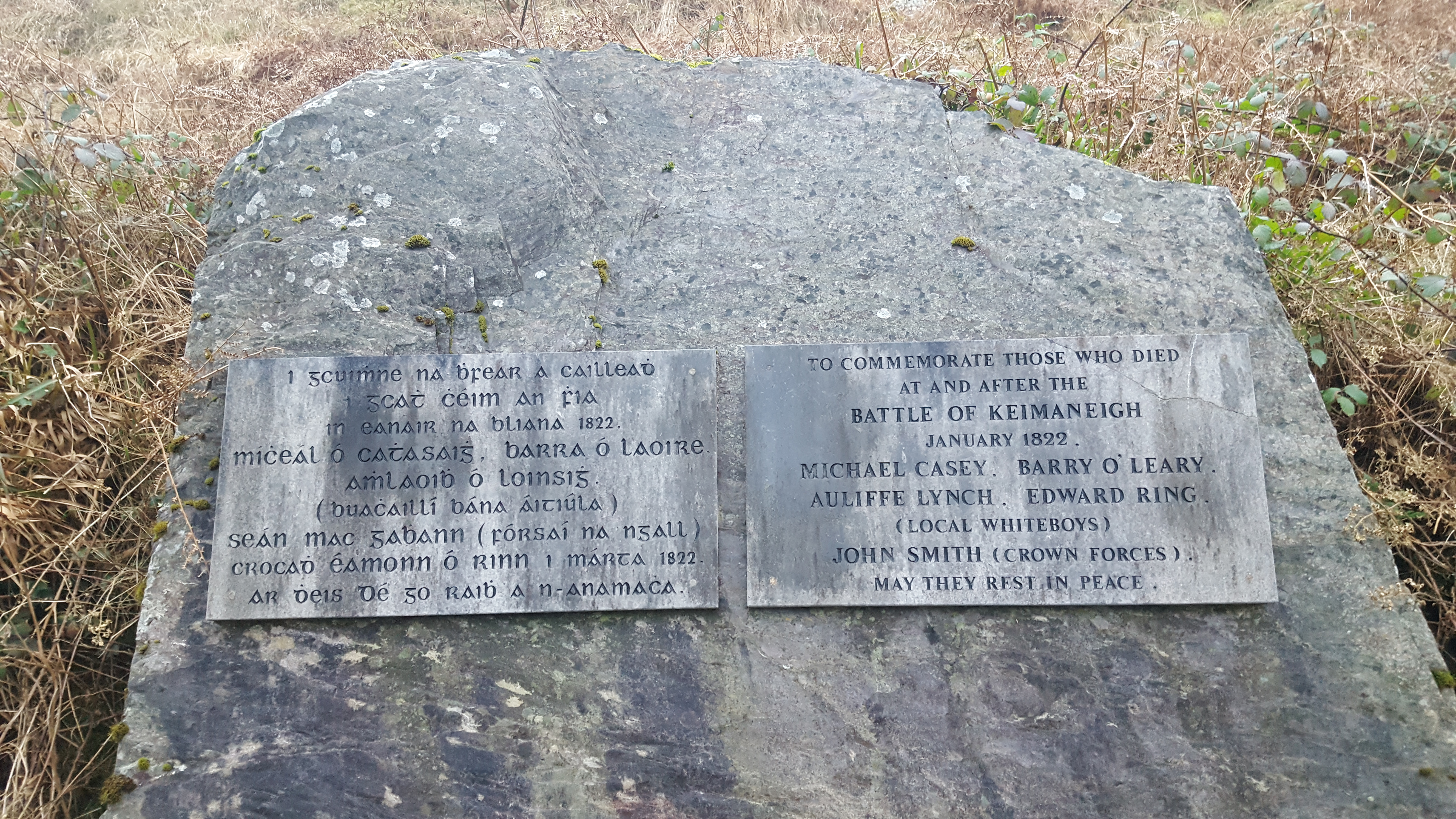
the area is littered with monuments to past encounters on the Irish side. Apart from a mention of Smith a member of Crown forces at the Battle of Keimineagh there is no sign of any RIC/British Army Black and Tan casualties.
Keimineagh:
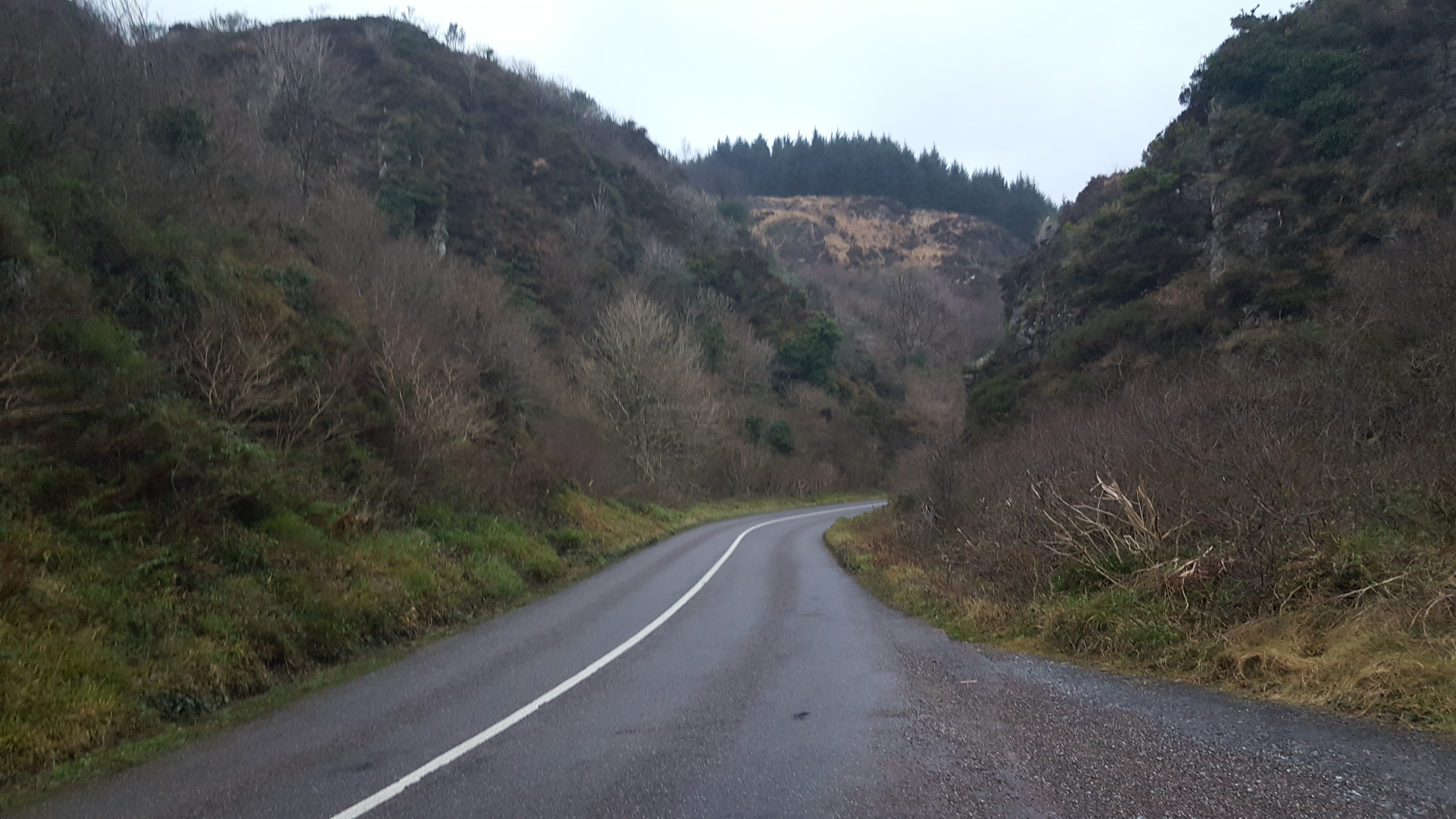
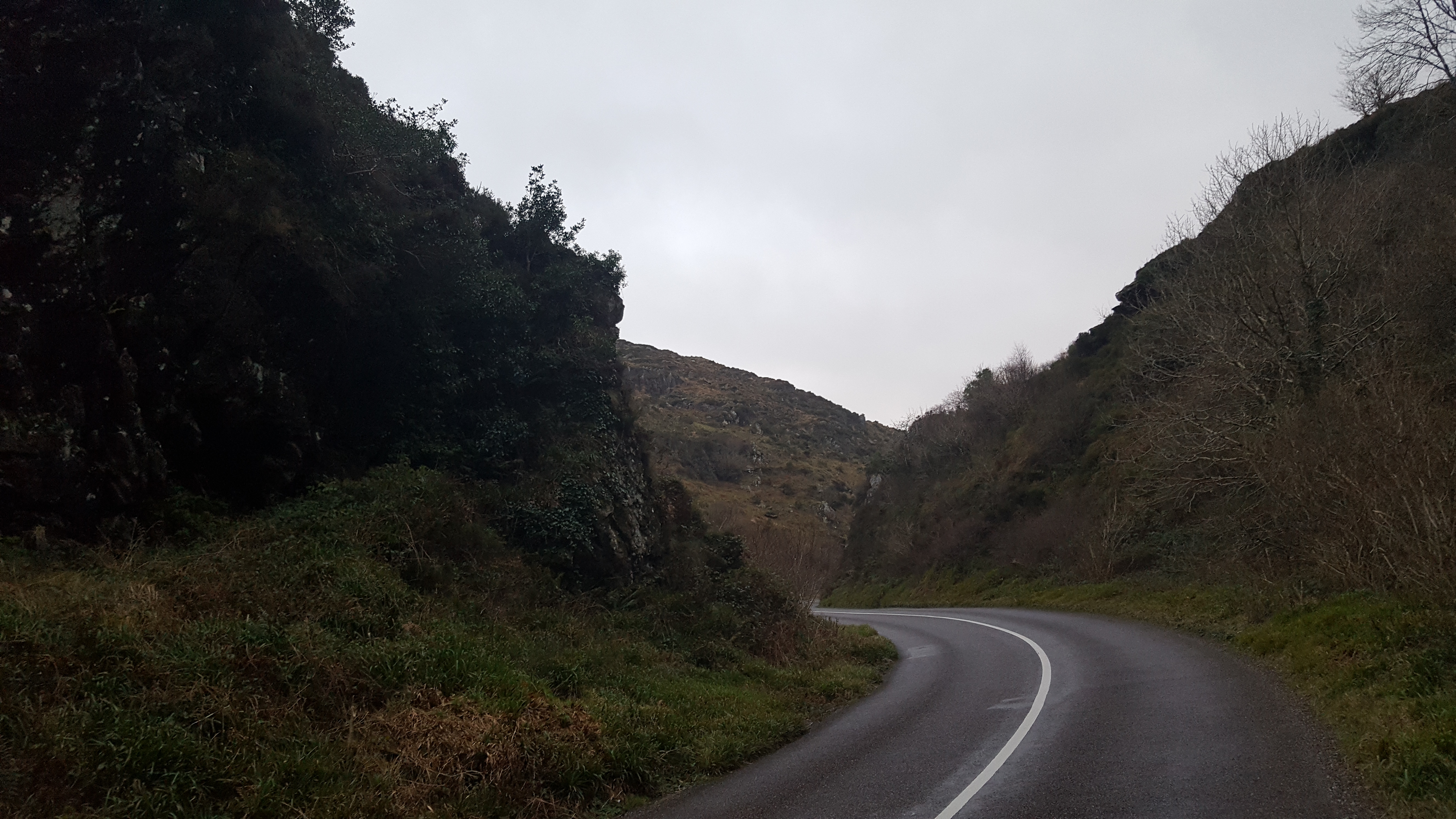
https://en.wikipedia.org/wiki/Shehy_Mountains
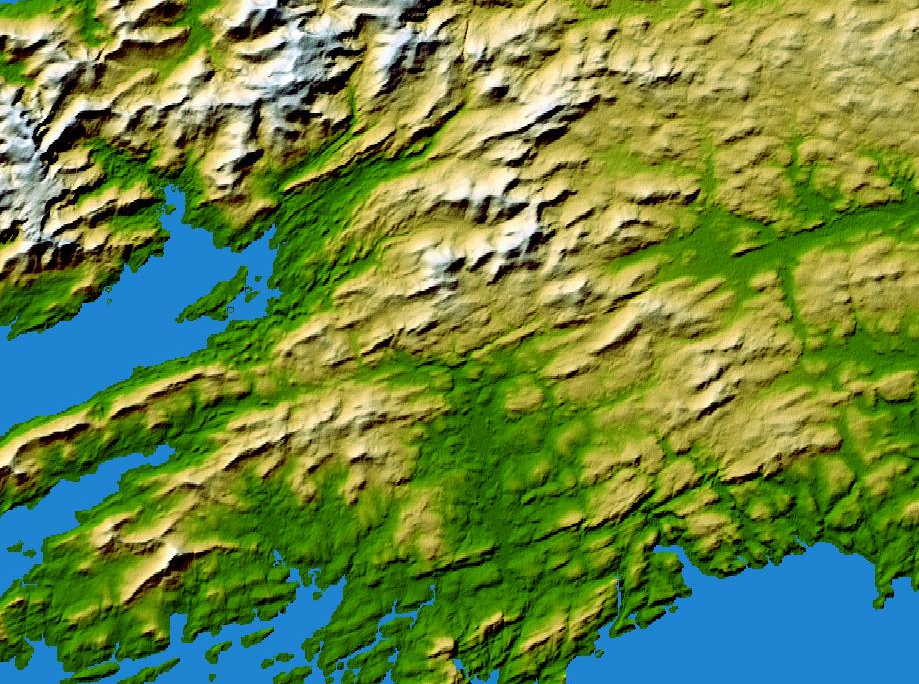
…..
Monuments:
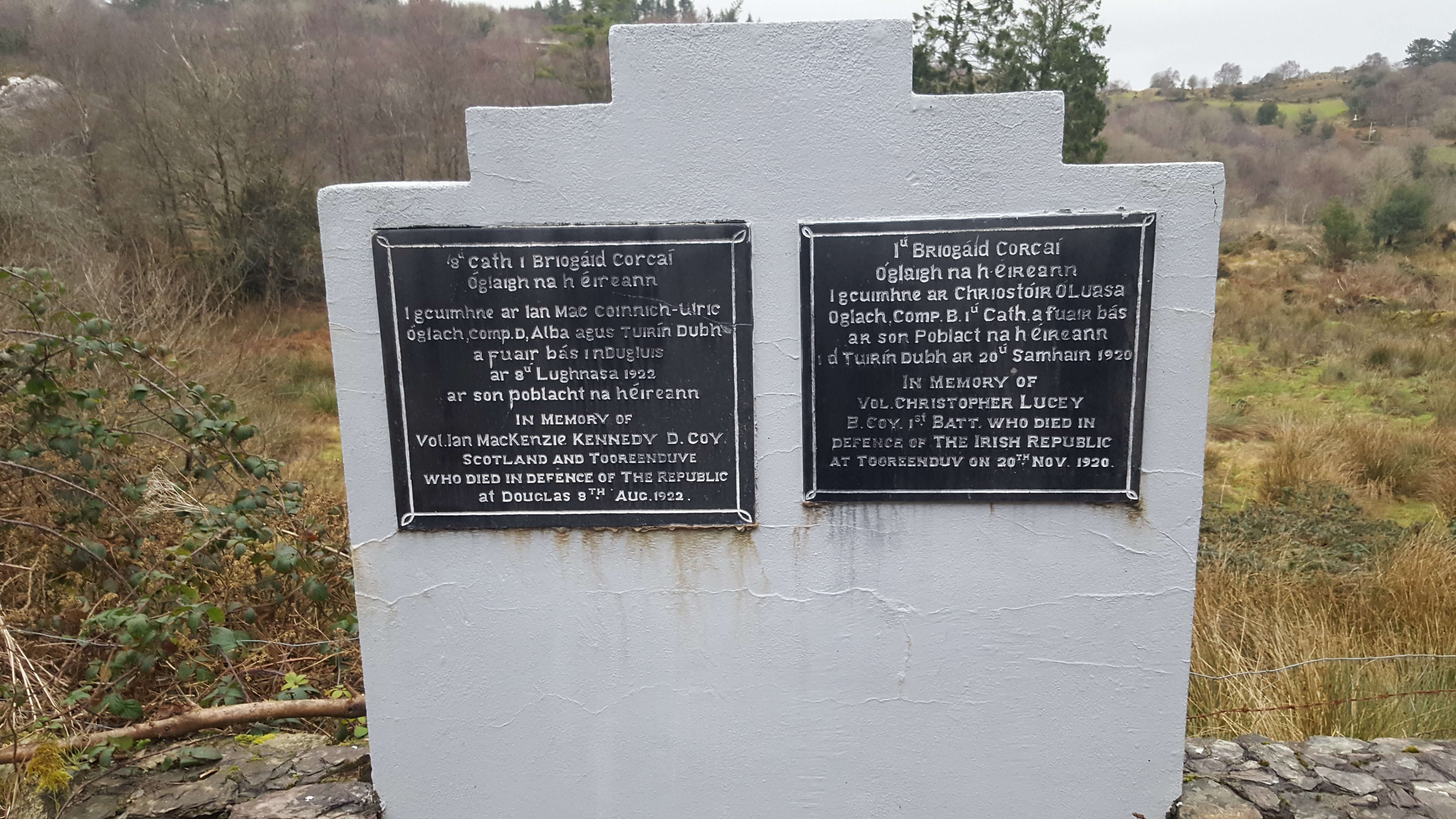
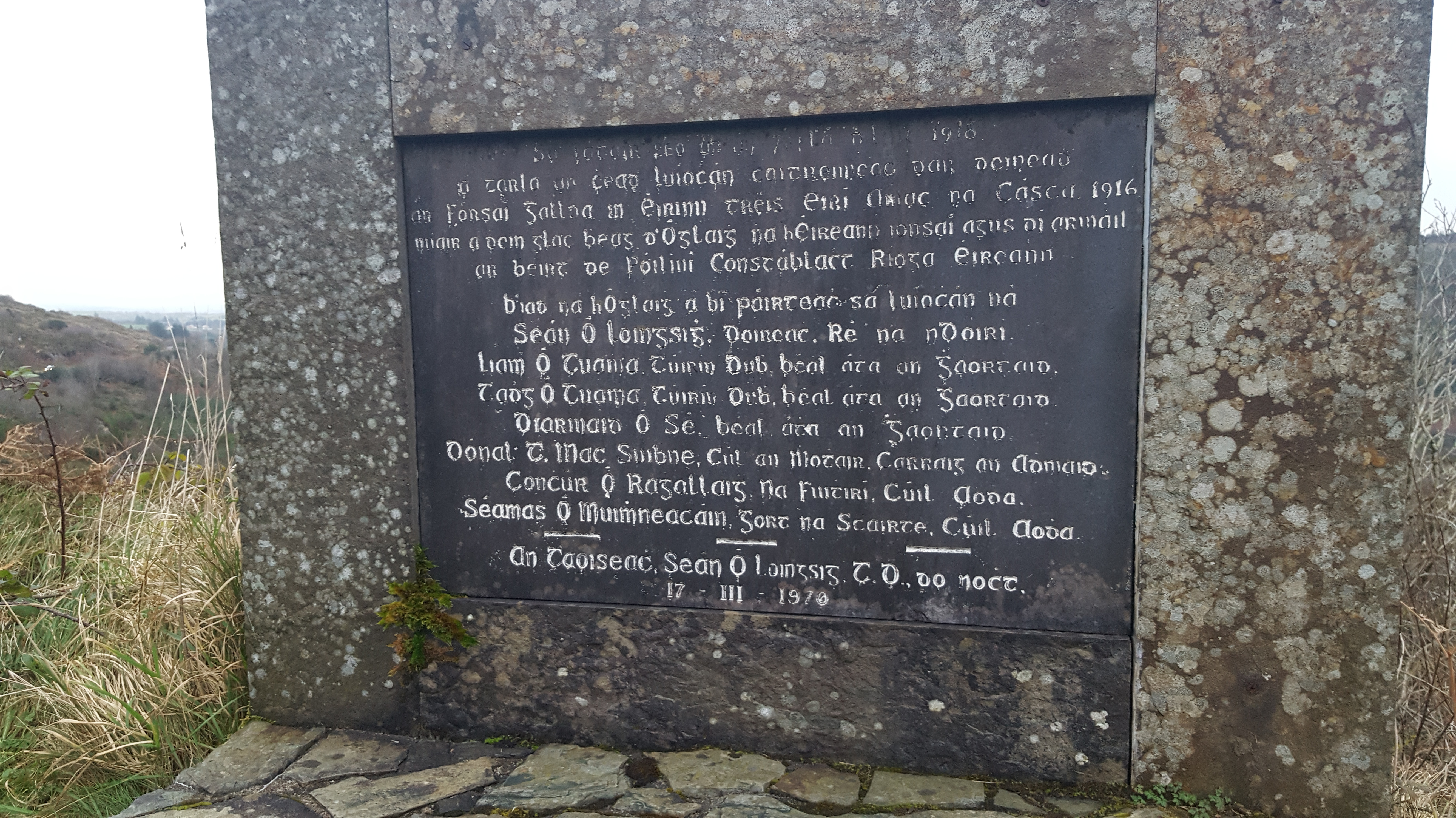
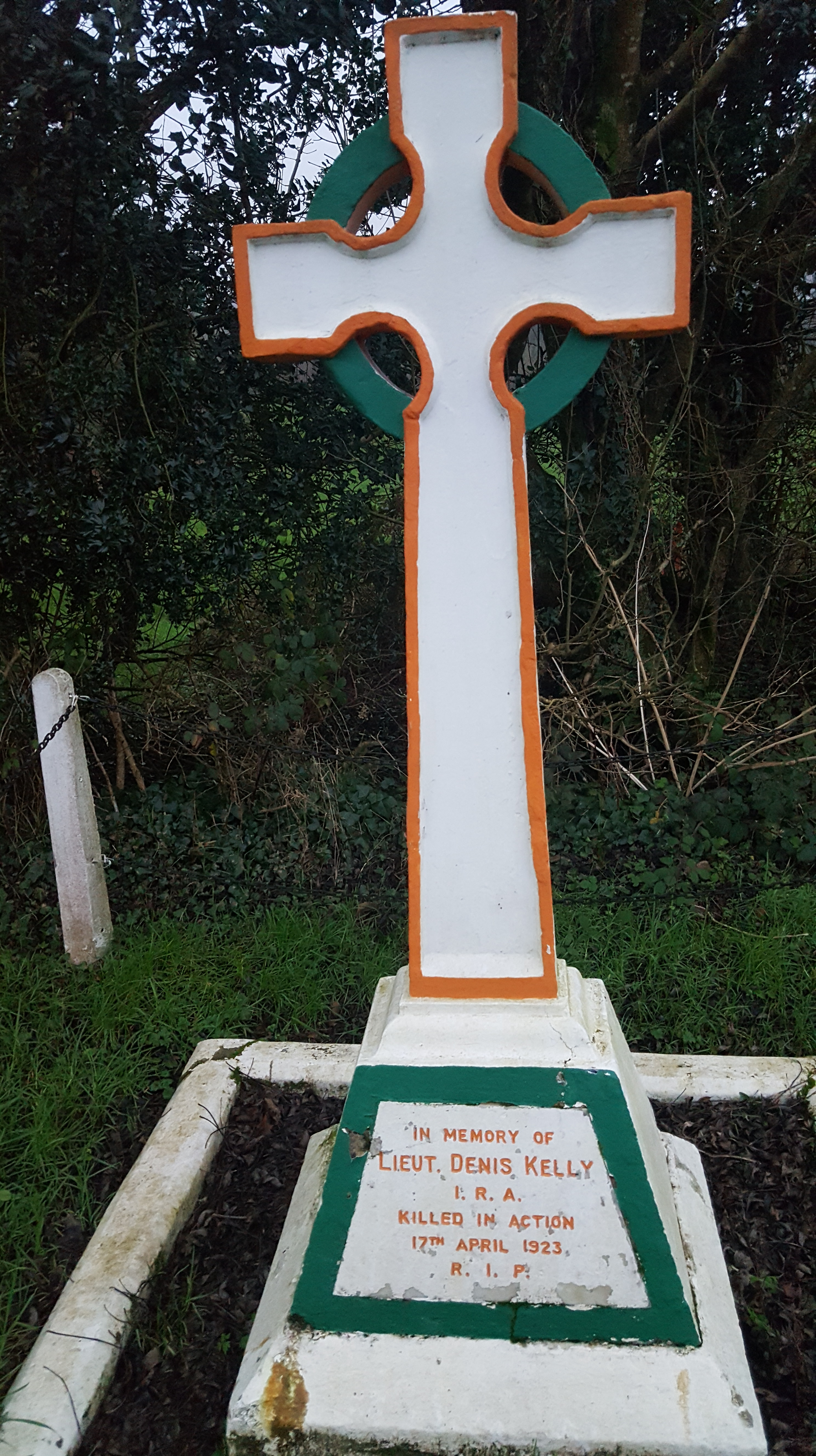
…
…
07 Saturday Jan 2017
Posted in Uncategorized
Proposed road over Cousane Gap, to Bantry, West Cork, 1822.
01 Sunday Jan 2017
Posted in Uncategorized

This gallery contains 16 photos.
Originally posted on Roaringwater Journal:
Up here in Nead an Iolair, in the townland of Cappaghglass, we luxuriate in the nature…
29 Thursday Dec 2016
Posted in Uncategorized
To try and put this in context. After the siege of Cork and bombardment of 1690s the population may have been just over 5,000 by mid 18th century the city was poised to become one of the leading cities of Northern Europe. Looking at deeds maps etc it was largely the creation of what might be termed the Cork Protestants, a hybrid comprising elements of Gaelic, Norman, Welsh, Scots, English, German, Dutch and Huguenot ethnic background. The threat of another insurrection was never too far away. The long peace raised the living standards of even the poorest.
From Dr. Richard Caulfield:
Click to access caulfield_complete.pdf
14 May, 1755. Whereas the Popish quarterers of the several trades of this City of Cork have of late refused to pay quarterage, ordered, that Mr. Hoare (Law Agent) prepare a case and attend the Recorder with same, to have his opinion in what manner said quarterage for the future can be legally recovered.
July 1755
Whereas the Popish Quarterers still persist in their refusal to pay Quarterage, ordered, that Air. Afayor usc vigorous measures, according to ancient usage, to compel payment thereof. Present-Air. Mayor, Sher. Smith ; Alden. Croker, Austen, Jackson, Farren, Owgan, Wcstropp, Lavit, Wrixon, Busteed, Crone; Mr. Travers, and Laulke, C. S.
31 Oct., 1755. Y Whereas the Popish Quarterers of this City still·refuse to pay Quarterage, ordered that the Mayor compel them to the payment thereof, according to ancient usage, at the expense of the Corporation.
5 June, 1761. Whereas Mr. Mayor hath been served with four orders forth of His Maj. Court of King’s Bench at the prosecution of Richard Bourke, Geo. Smith, John Stack, and John Lynch, to show cause why attachments should not issue against him for committing said persons on their refusal to pay quarterage, ordered, that the expense be paid out of the Corporation revenues, and that Mr. Hoare take proper care of the causes.
1762, P. 756.
Ordered, that the Protestant merchants, shopkeepers, and others, who deal in gunpowder”, do send to Mr. }!ayor a just account of all now in their possession, and that all Roman Ca!hoJic __ Jnerchan~s, &c., n1ake o. trno -+- return to 1\fr. 1\favour of all guilpo~der in their possession, that the san1c be deposited in the stores ; the returns to be made by Thursday, 8 ins t. at 12 o’clock.
28 Wednesday Dec 2016
Posted in Uncategorized
Jonathan Swift on Carbery’s Hundred Isles
Goodwin Swift probably a relation was a Customs mn in Crookhaven in 1753:
…
28 Wednesday Dec 2016
Posted in Uncategorized
Genealogy of Kenmare Orpen Family, Ancestors include McGillicuddy, Connor/O’Connor, Cork Families, Swanton, Hutchinson, Ashe, Millerd, Extended Family Sir William Orpen Artist, Orpen Solicitors Dublin, Sir William Petty Industrial Industrial Settlement 1670s Kenmare.
This detailed genealogy compiled in the 1930s by a family member relying on sources many no longer available shown the occupations of many family members. Like many Irish families Catholic as well as Protestant in the same social milieu they took the opportunities as Lawyers, Doctors, Engineers adn Administrators in an expanding British Empire.
the_orpen_family_-_goddard_henry_orpen
…
Dereliction on Trinity College Dublin, Estates, in Co. Kerry, 1844, Sub let to Middleman Orpen. Evidence to Parliamentary Enquiry in contrast to Lord Lansdowne Estate.
Results 1841 Election, from Booth No 6 including Bantry and Booth No 3 including Carbery, Co. Cork with some voters, names, candidate voted for, abode, property qualifications.
1833, Properties Rented from Protestant Episcopal See of Cork 6 Ploughlands at Kilcrohane 3 Ploughlands at Crookhaven by Richard de La Coer, John Bowen, 9 Ploughlands Schull, Probably Mannions Island Carbery Island. Rev. John E Orpen, Lisheen.

 West Cork History