Christmas was formerly observed in the Highlands on what is now known as “Twelfth Night”. In the Celtic lands, the people did not at first take to the introduction of the New Style calendar in 1752, and tenaciously clung to the ‘old way’ of things, including their conviction of Jan. 6th as the “real” Christmas day. Still celebrated in Ireland as Nollaig na mBan:
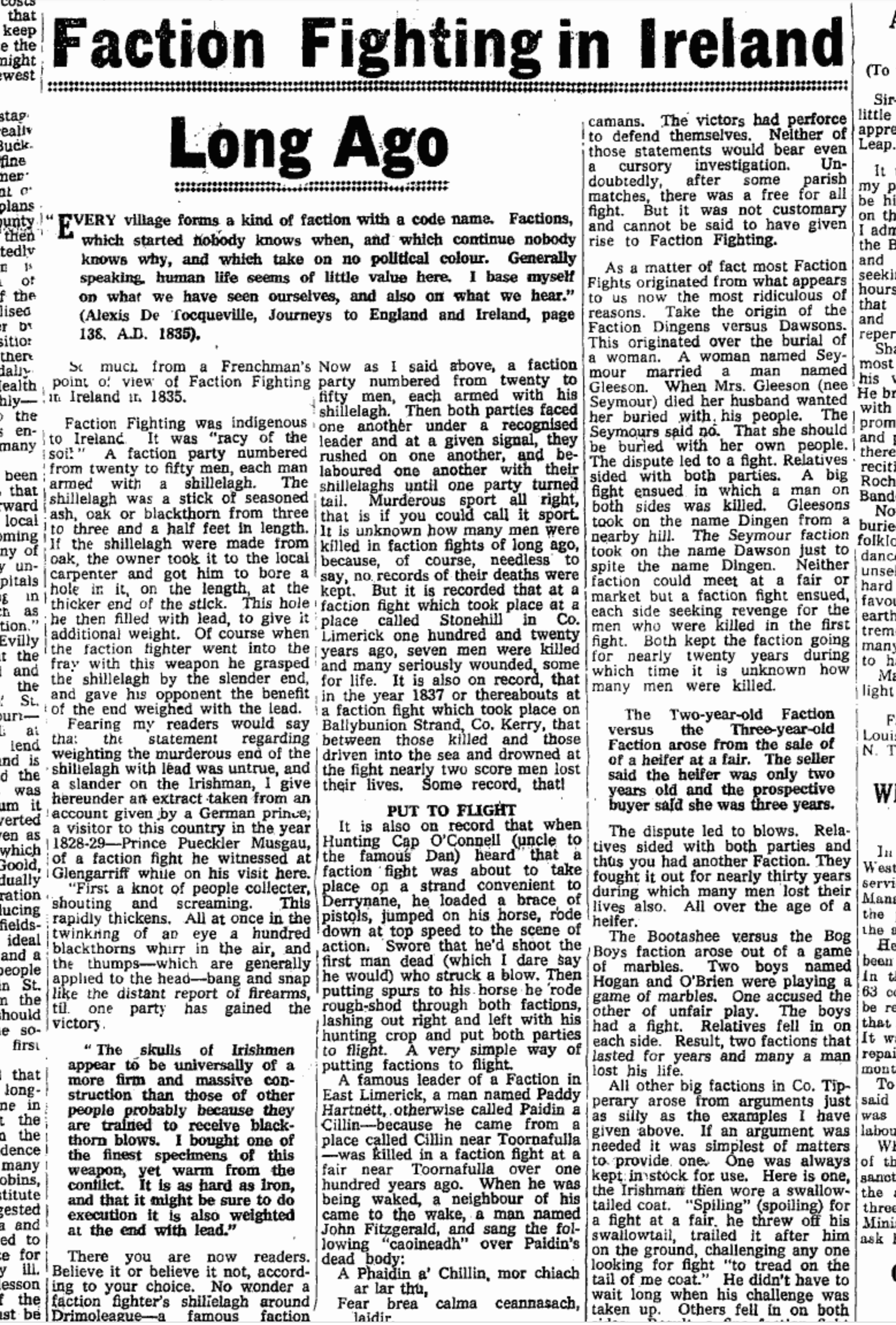
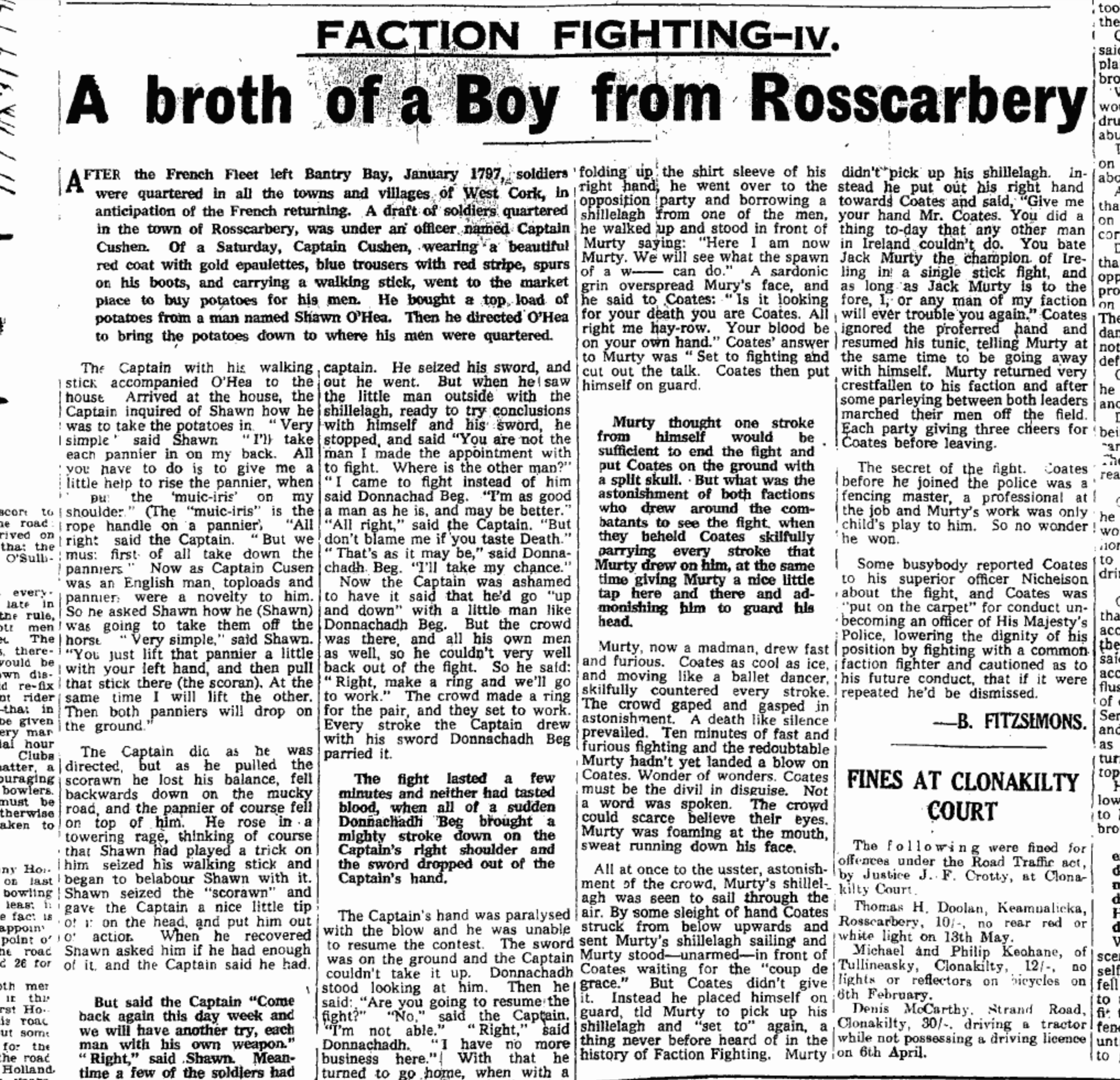
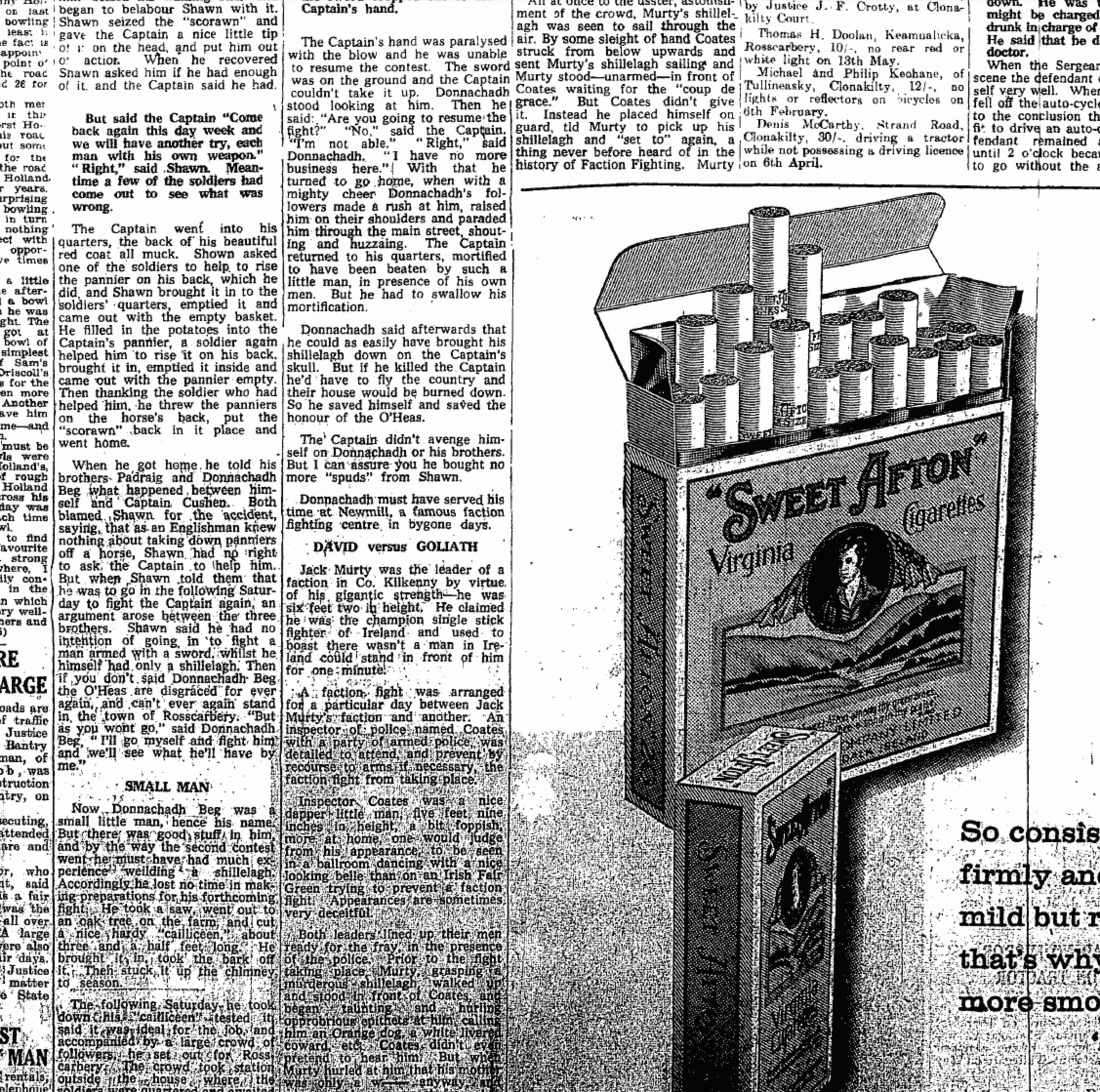
Skibbereen Eagle 1913. Excerpts from Jeremiah O’Donovan Rossa. Recollections. Faction Fighting in Drimoleague, doing Business as Gaelige in Skibbereen, Fenian Drilling, Funeral of Dr. Jerrie Crowley,
John O’Connor, Esq., Landlord, Middleman, Merchant, Bantry came into an estate of 700 acres in 1825, 4 years of arrears by Tenants of Lord Riversdale, Prize Fighters, Head of a Faction, He forgave 3 years and a More Industrious Tenantry, Instead of Being in the Public House at Fairs and Market Fighting, you have Slated Houses and Barns, where there was nothing but Poverty and Indigence 13 £10 Freeholders and one £20.
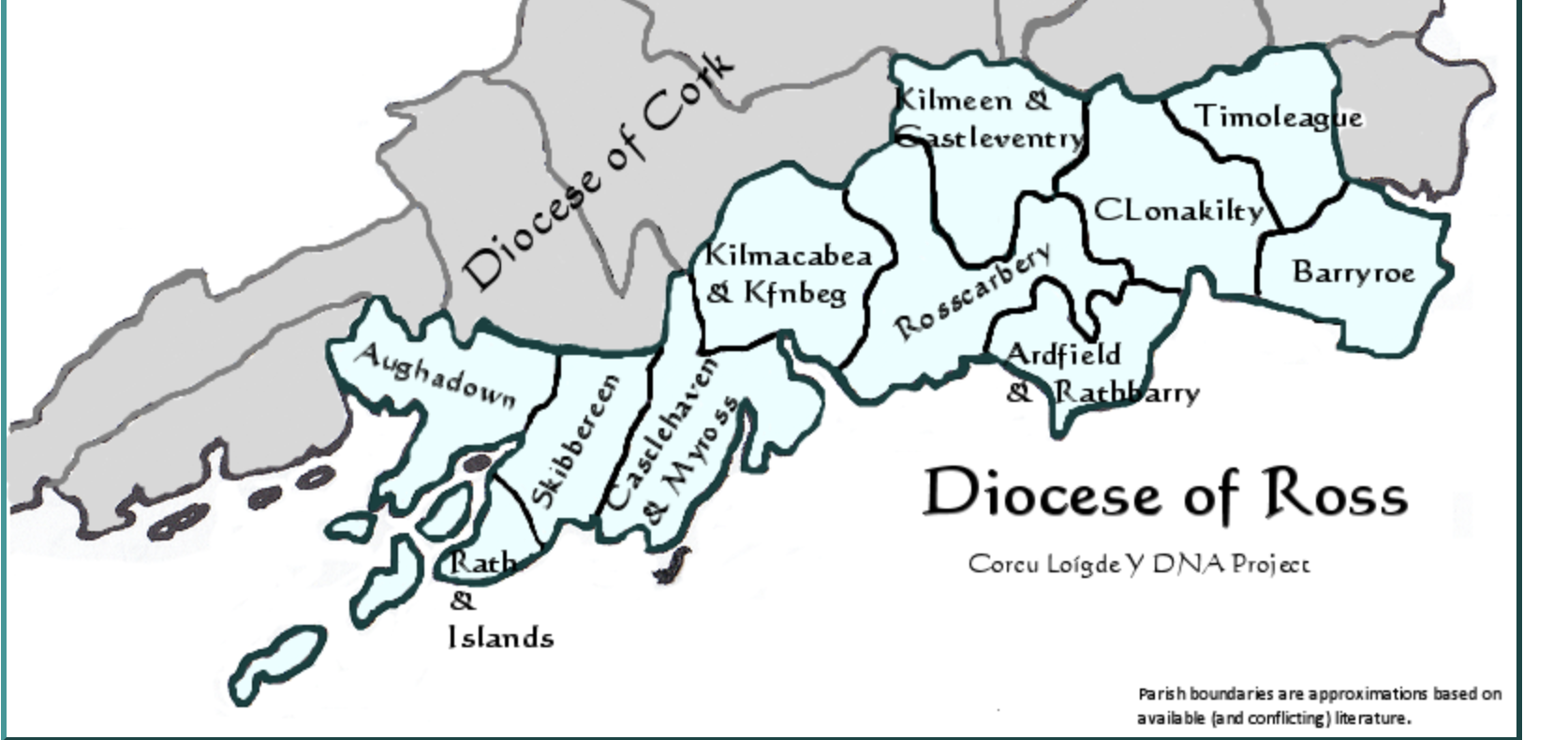
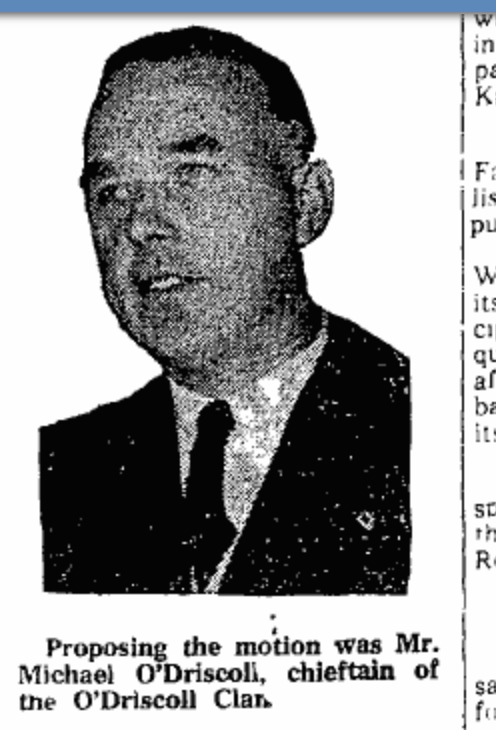
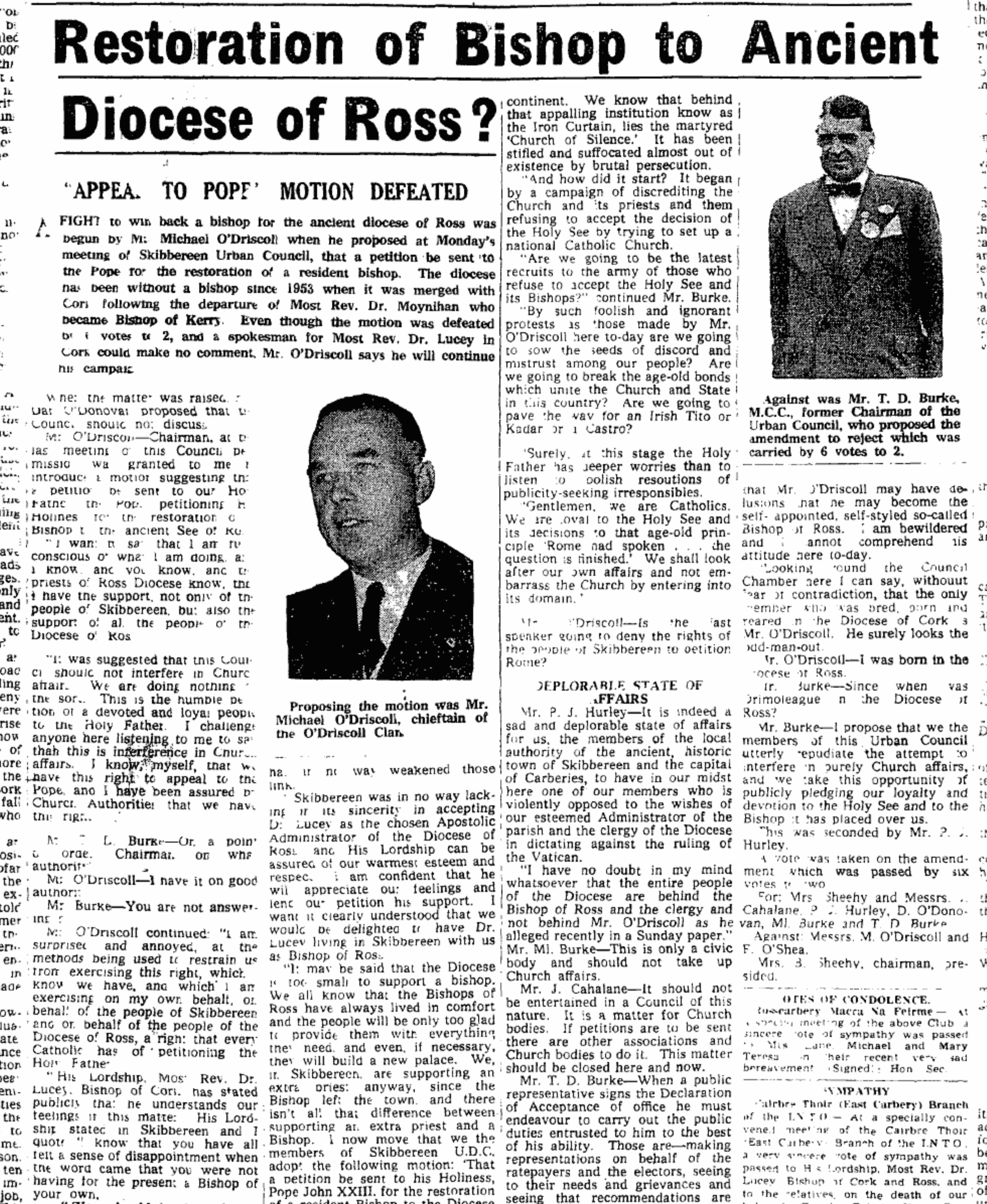
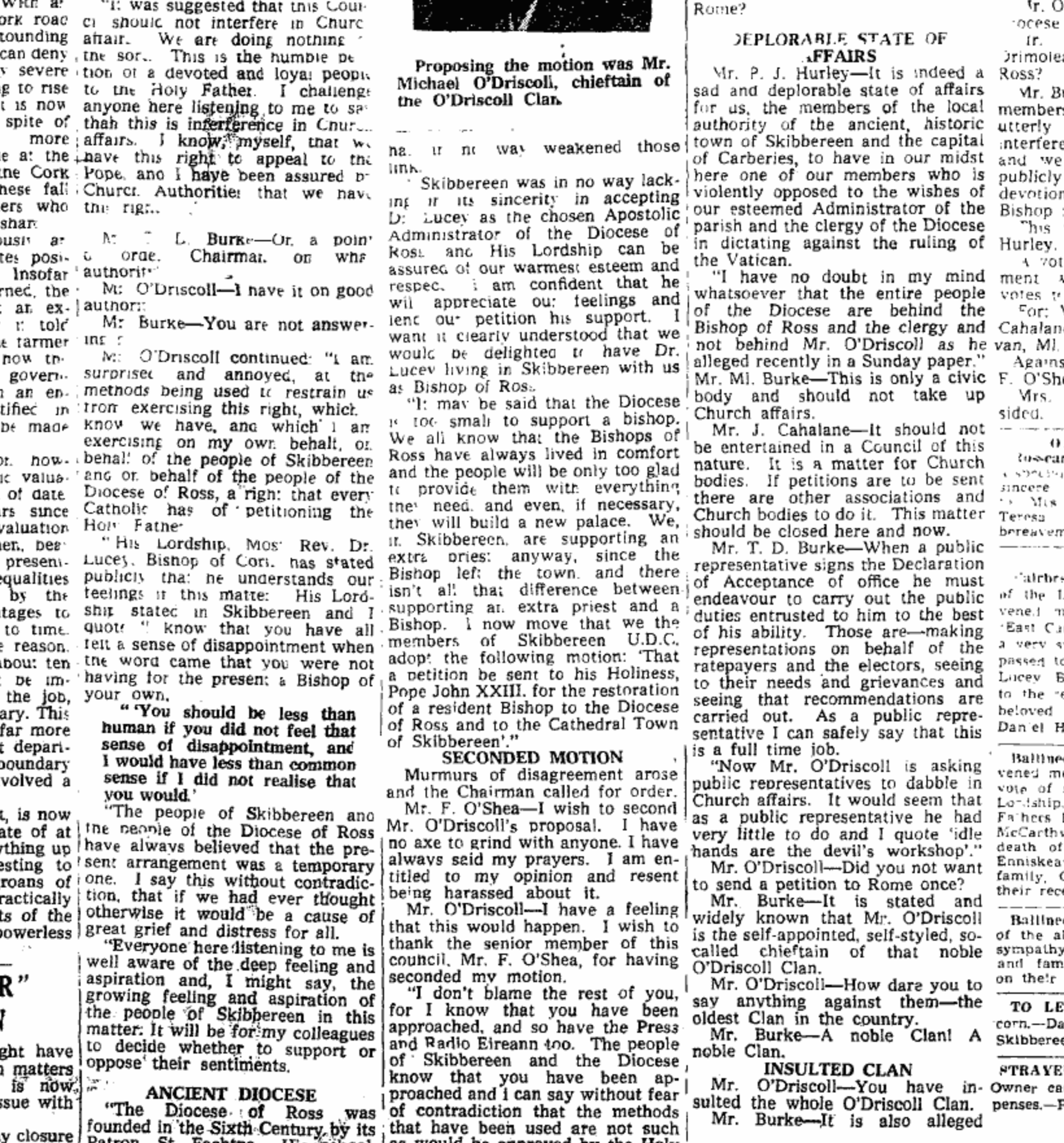
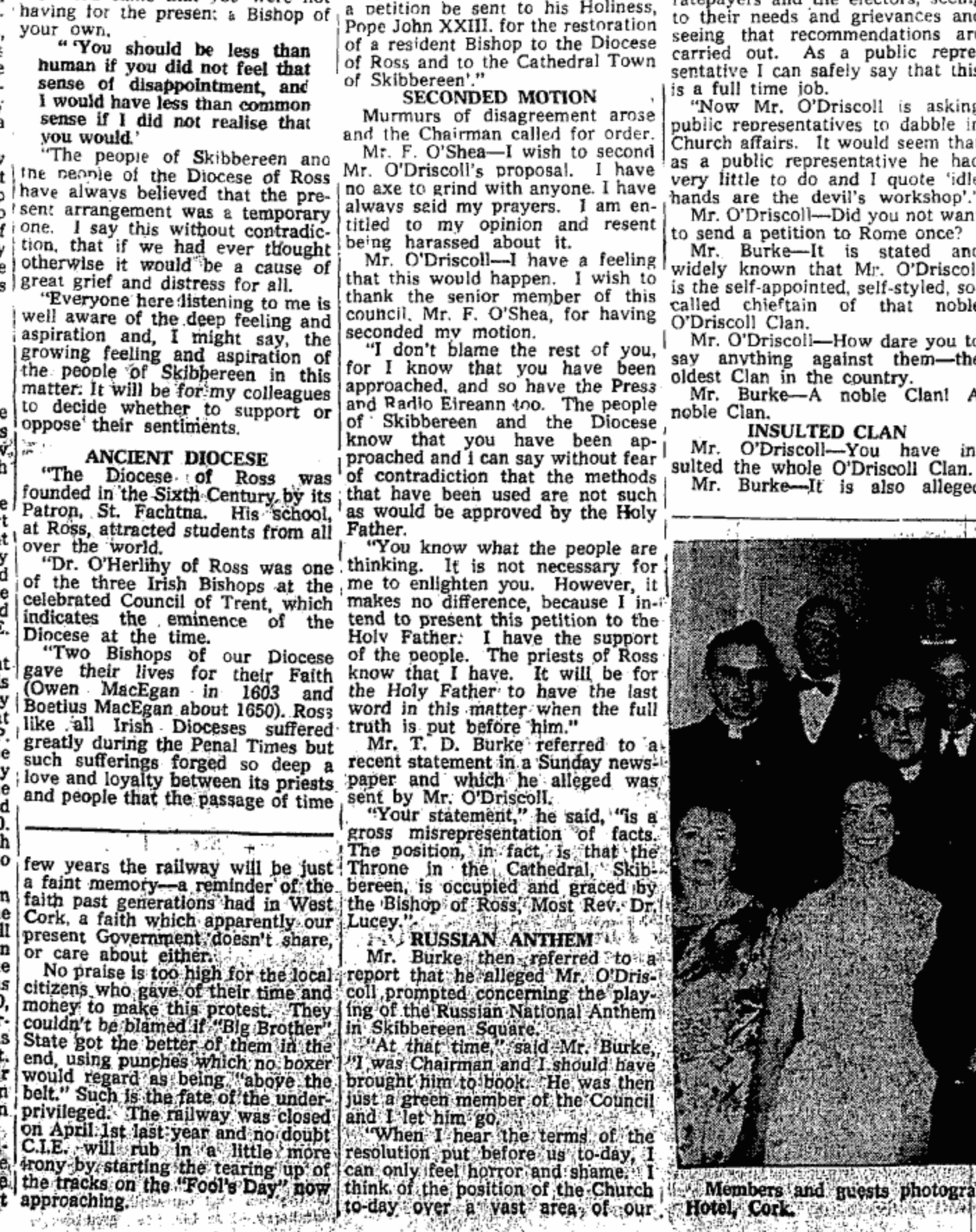
1962 Proposal in Skibbereen by Michael O’Driscoll, Chieftain of the O’Driscoll Clan to Petition the Pope to Restore a Bishop to the Ancient Diocese of Ross.
Some of the papers of the great scholar Dr. John O’Donovan (https://www.libraryireland.com/biography/JohnODonovan.php) are in the Royal Irish Academy https://www.ria.ie/ (Graves Collection). In these he is satisfied that the Wexford Donovans/O’Donovan who he described as ‘Rabid Orangemen” are part of the O’Donovan of Carbery. It is not known how they got to Wexford.
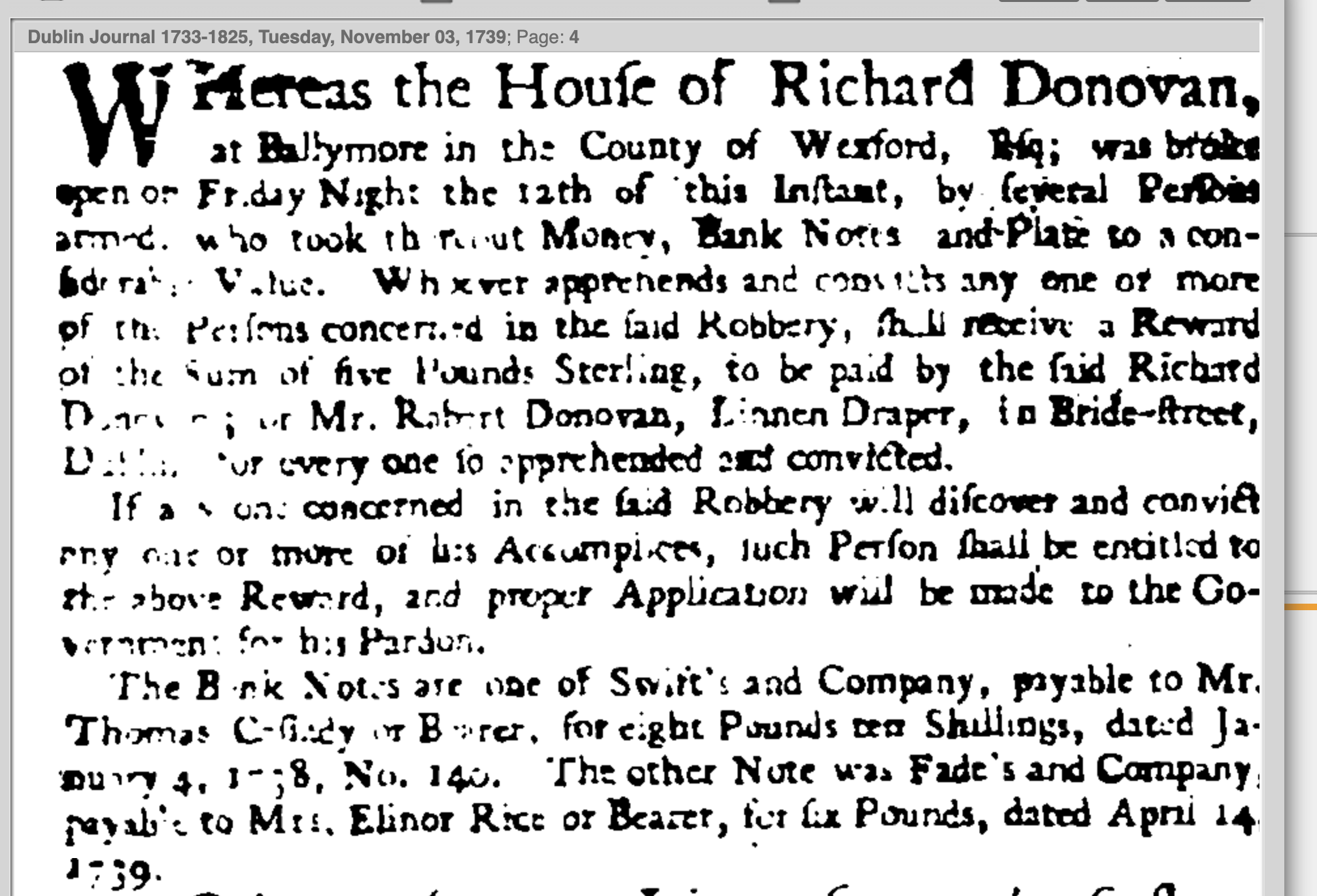
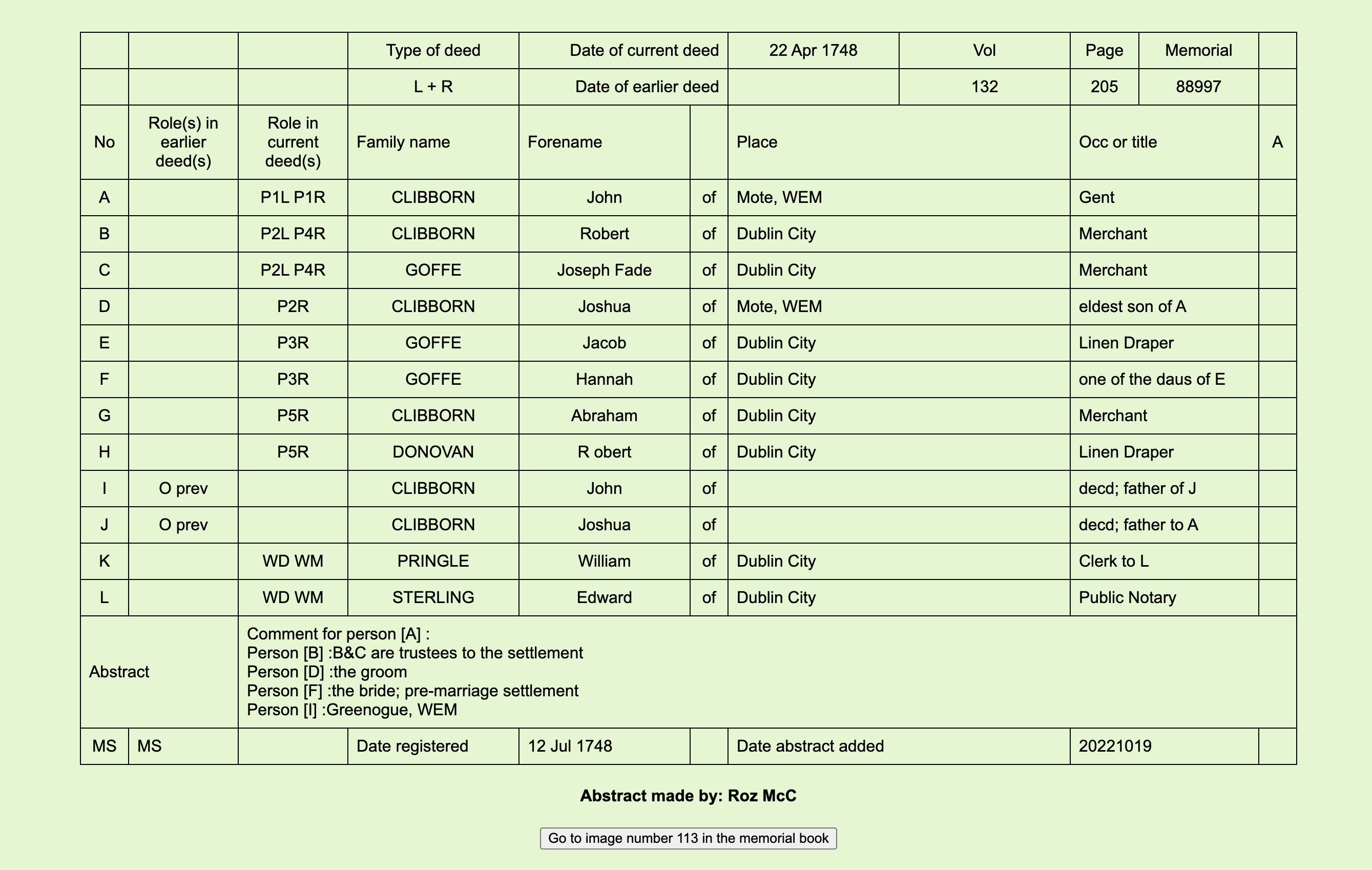
Robert Donovan, Linen Draper, Bride St., Dublin, brother?
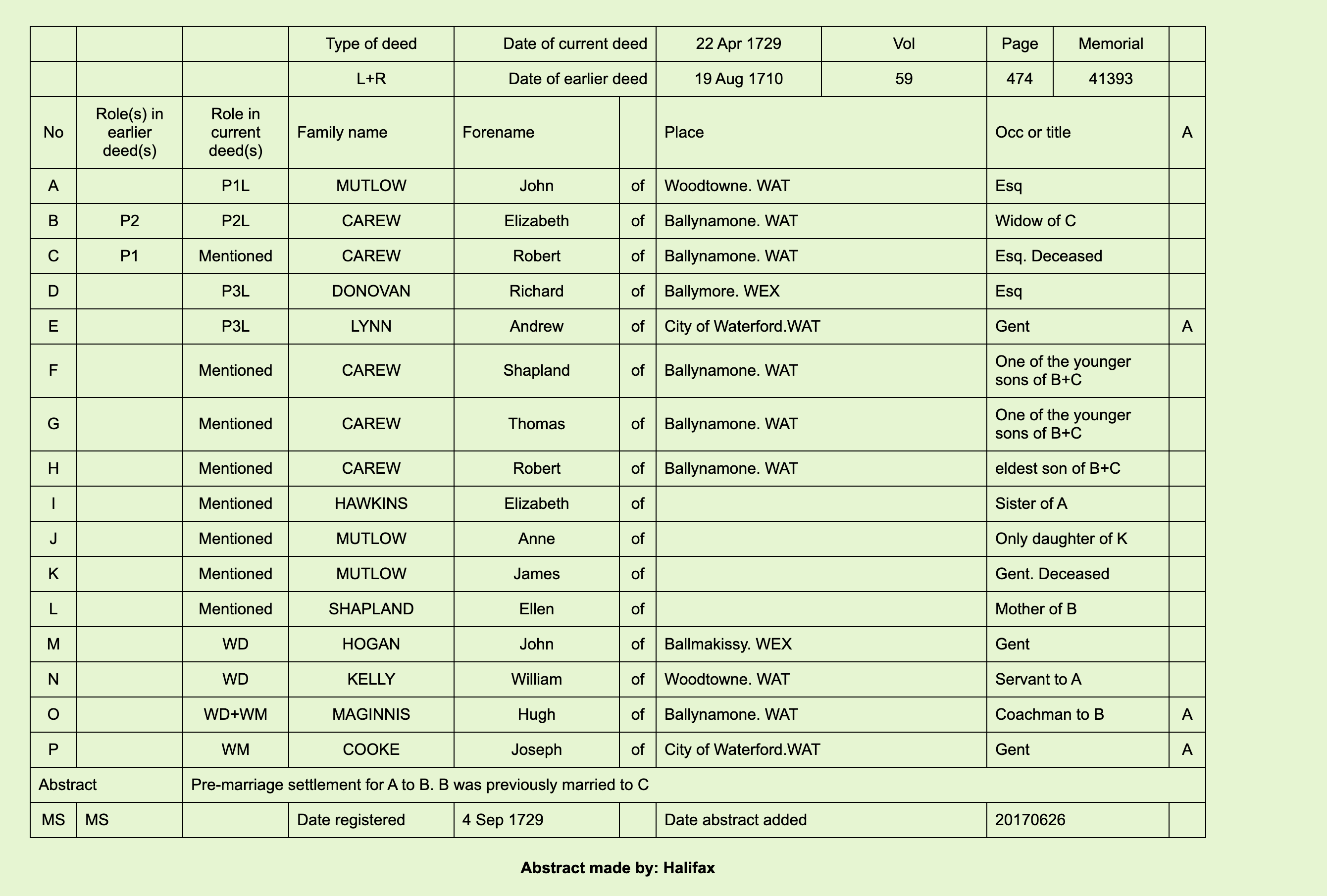
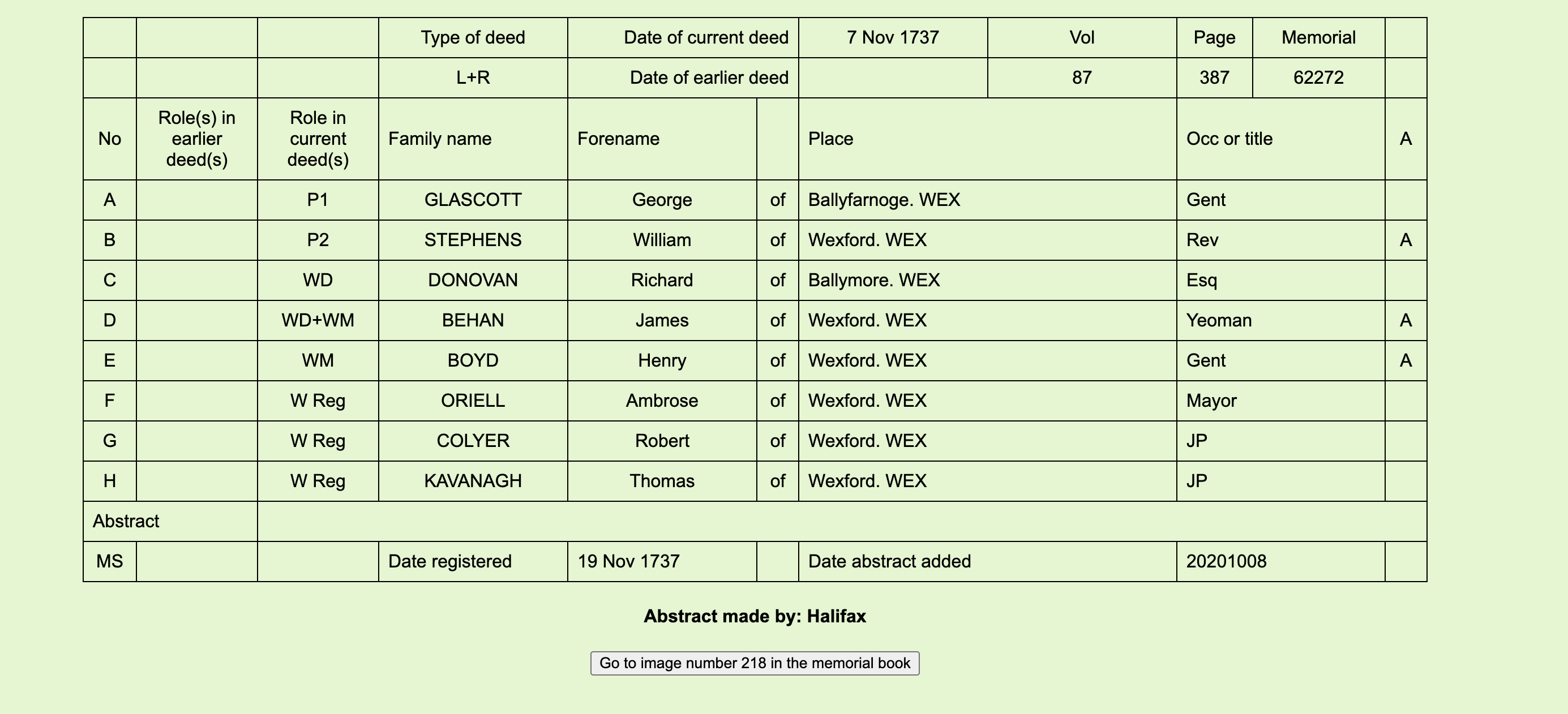
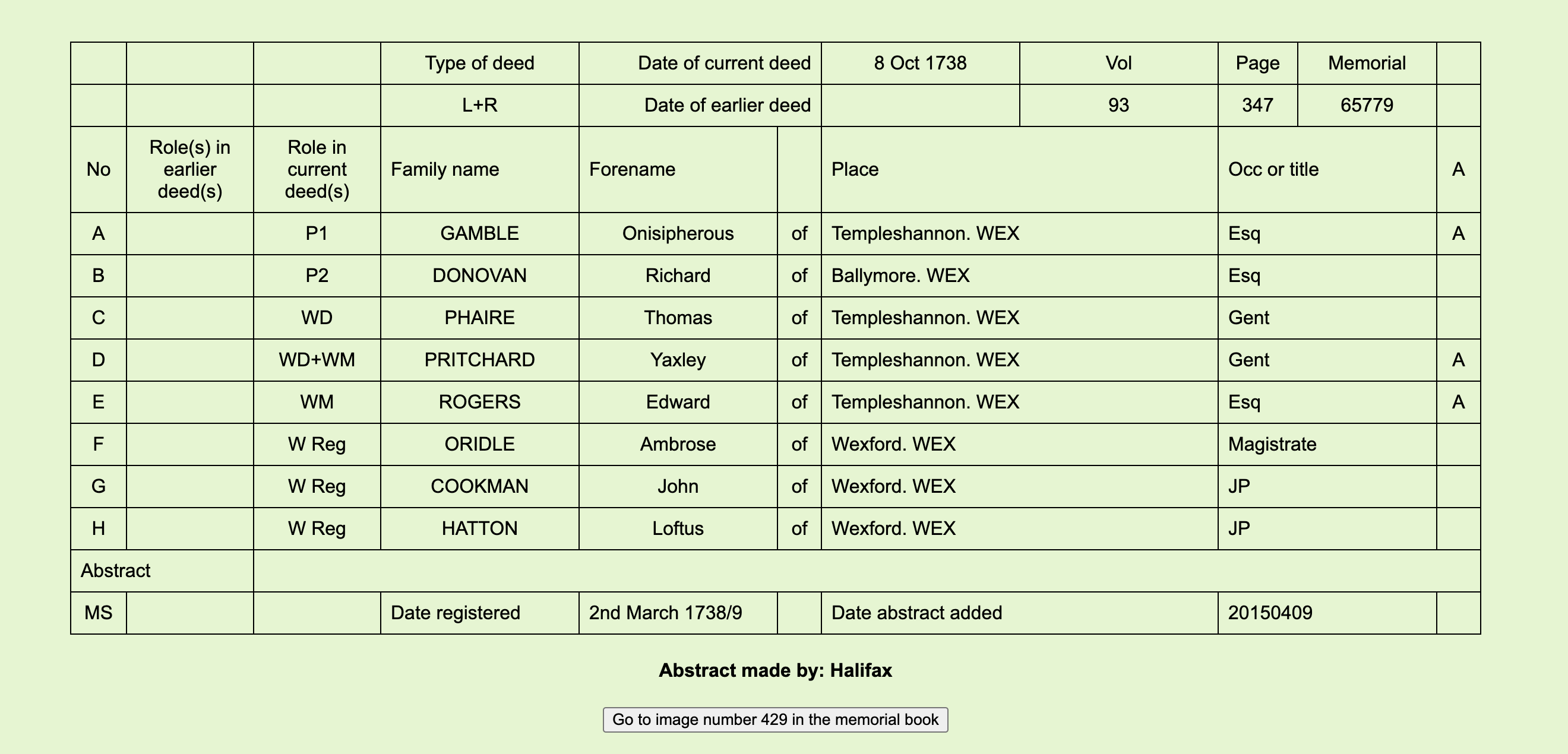
Richard Donovan, in one of the memorials he is in, there is a Driscoll, Wexford mentioned you would wonder if from Carbery:
Glascott:
The Phairs mentioned her have West Cork connections:
Subscribers Dr. Daniel Donovan, History of Carbery 1876.
Subscription lists often yield hidden connections either or extended families by placing people’s original birthplace.
John Glasscott, Dublin Castle, (2 copies), mother Wexford Donovan, a Protestant sept of the O’Donovans originating in Carbery described by Dr. John O’Donovan as ‘rabid Orangemen”. 1659 census a Glascott listed for Bandon.
Anne Beata (Glascott) O’Donnavan
Birth: 19 May 1832, at 17 Leeson Street, Dublin, county Dublin, Ireland
Married: William John (Donovan) O’Donnavan on 10 October 1872, in New Ross district, county Wexford, Ireland
William was Anne’s first cousin. He was born on 9 June 1832, the son of William Donovan and Elizabeth Dallas. William Donovan, of Tomnalosset, was the son of Richard Donovan and Anne Richards, and the brother of Anne’s mother, Mary (Donovan) Glascott. William was educated at Trinity College, Dublin, graduating B.A. in 1855, LL.B in 1859 (both in the name William John Donovan) and LL.D. in 1860 in the name William John O’Donnavan. He was a Member of the Royal Irish Academy, elected on 8 May 1865 (Proceedings of the Royal Irish Academy vol 9 p224)and the Royal Dublin Society, elected in 1874 (Kerry cattle herd book p48). William’s name change from his father’s Donovan was deliberate, and presumably occurred between 1859, when William was awarded the degree of LL.B. in the name of Donovan and 1860 when he graduated LL.D. in the name O’Donnavan.
Morgan William O’Donovan, Esq., of Montpelier, in the county of Cork, has not only re-assumed the O’, which his ancestors had rejected for many generations, but has styled himself “the O’Donovan,” chief of his name, being the next of kin to the last acknowledged head of that family, the late General Richard O’Donovan, of Bawnlahan, whose family became extinct in the year 1841. His example in resuming the O’ has been followed by Timothy O’Donovan, Esq., of O’Donovan’s Cove, in the county of Cork, head of a very ancient sept of the same family, and by William John O’Donnavan, a junior member of the Wexford Clan-Donovan.
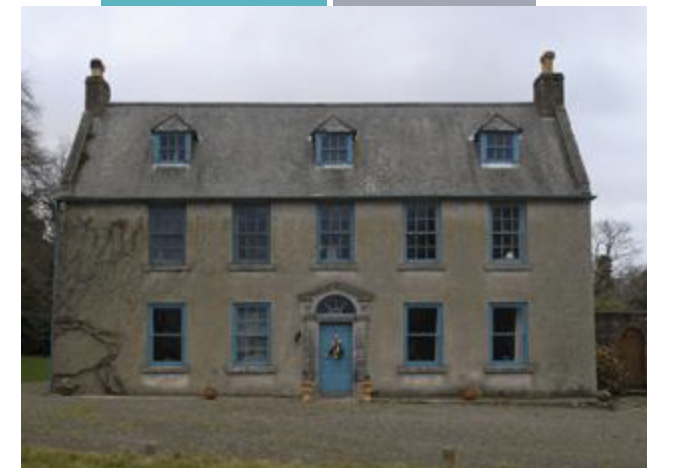
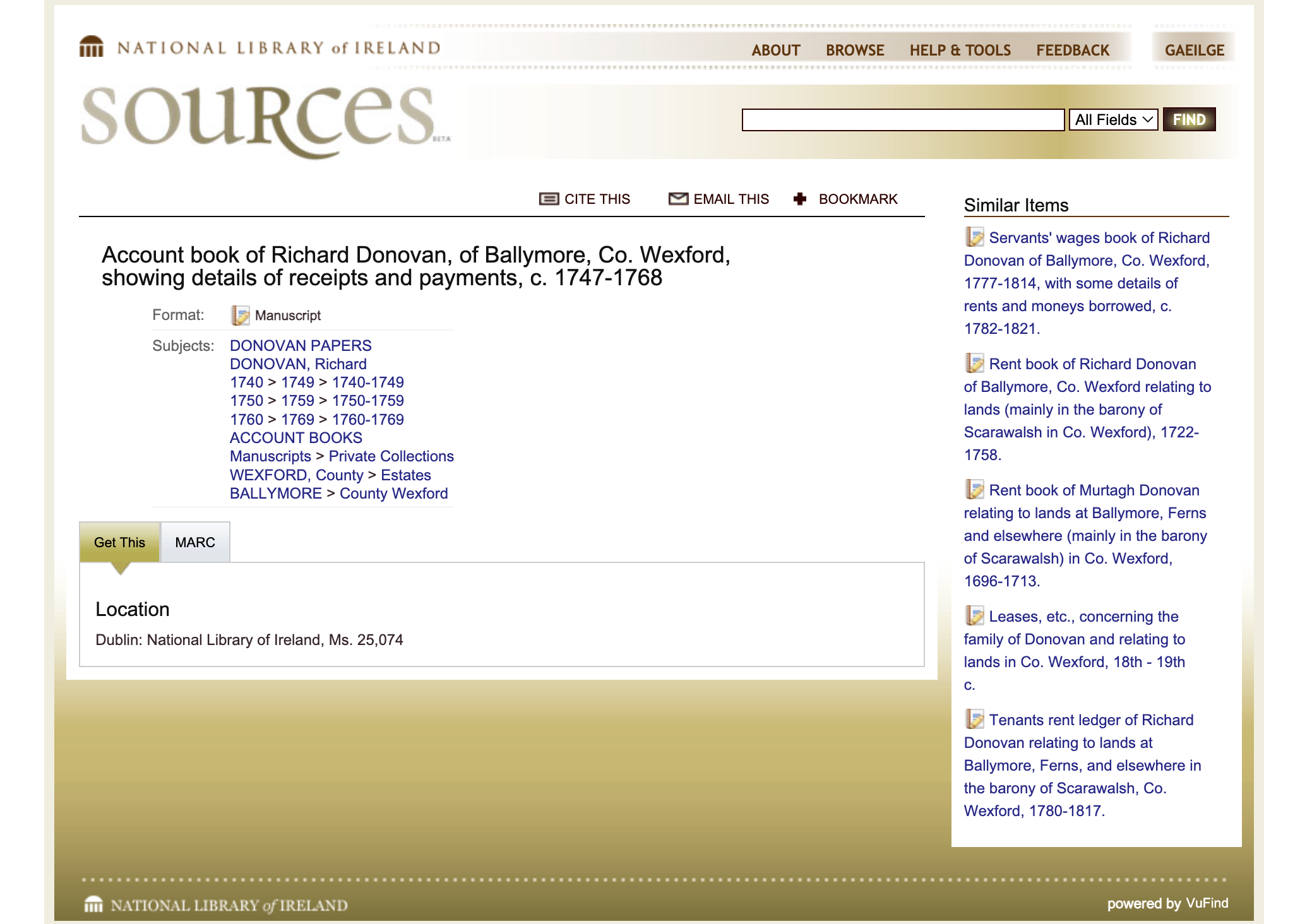
Teach an Bhaile Mhóir aka Ballymore House (built 1721) was erected by Richard Donovan (1697-1763) whose estate has since enjoyed long-standing connections with the Donovan family including: Richard Donovan (1752-1816); Richard Donovan (1781-1849) ‘of Ballymore’ (cf. 15612001); Richard Donovan (1819-84) ‘late of Ballymore Camolin County Wexford’ (Calendars of Wills and Administrations 1885, 217); Richard Donovan JP DL (1858-1916), ‘Gentleman late of Ballymore County Wexford’ (Calendars of Wills and Administrations 1916, 172); Richard Charlie Donovan (1898-1952); and Richard Alexander Donovan (1927-2005). The house was “Improved” in 1740 and damage during the1798 Irish Rebellion (and repaired in 1815). Adjacent outbuildings (extant 1839) included a mill showing an enclosed waterwheel; a wedge-shaped walled garden (extant 1839); At the time of the 1911 Census the house continued to be Donovan occupied. Burned in an accidental fire in 1955, they removed to a nearby cottage until the house was restored in 1956.
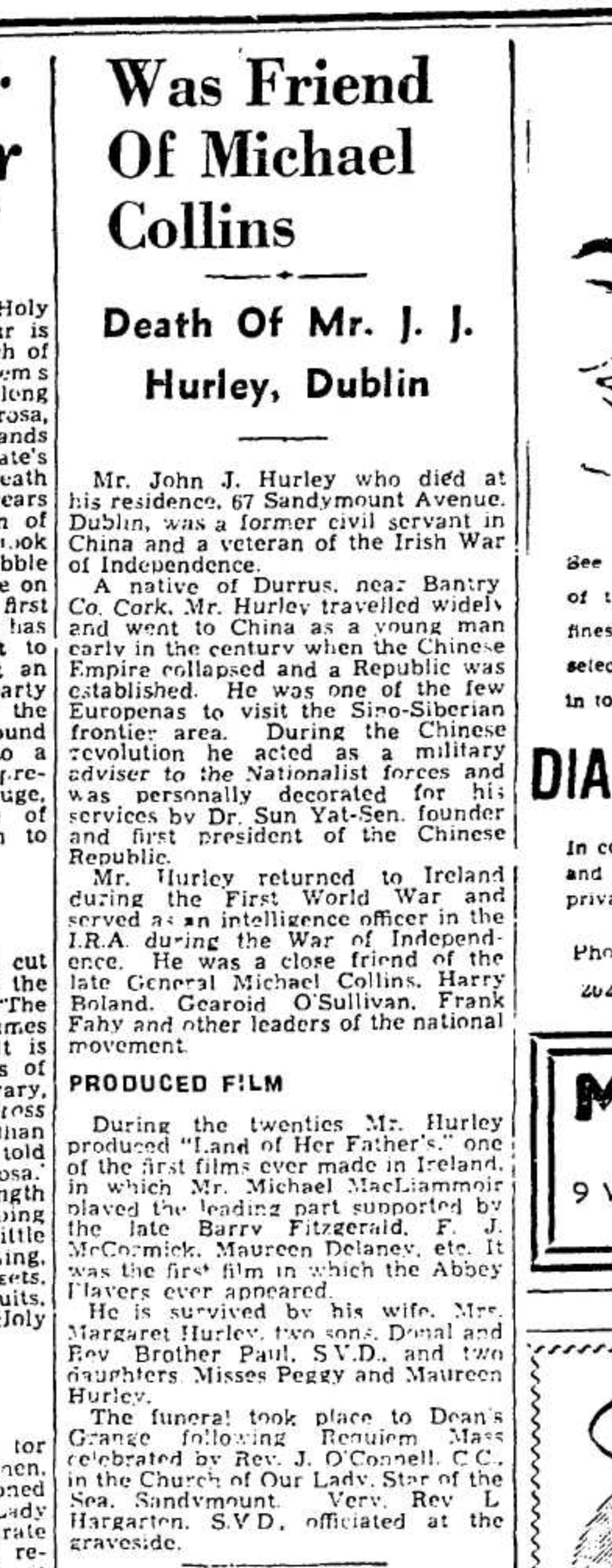
The Hurley family have a long lineage in Ballycomane, Durrus, they had a large farm pre 1780 there when the Vickery family moved in. There was a a marriage between John Vickery and Hanora Hurley around the same time so there may be a connection there. In the 1870s elements of the family were active in East London with Dukelows and Swantons in Fenian activities and there is a connection with Michael Collins who lodged with one of their associates when he came to work in London.
One of the Hurleys was active in Home Rule Politics in the 1890s and was later involved with the County Council.
Sean Hurley may have been associated in Dublin with JJ O’Leary also from Cork, and be one of the pioneers of Aer Lingus
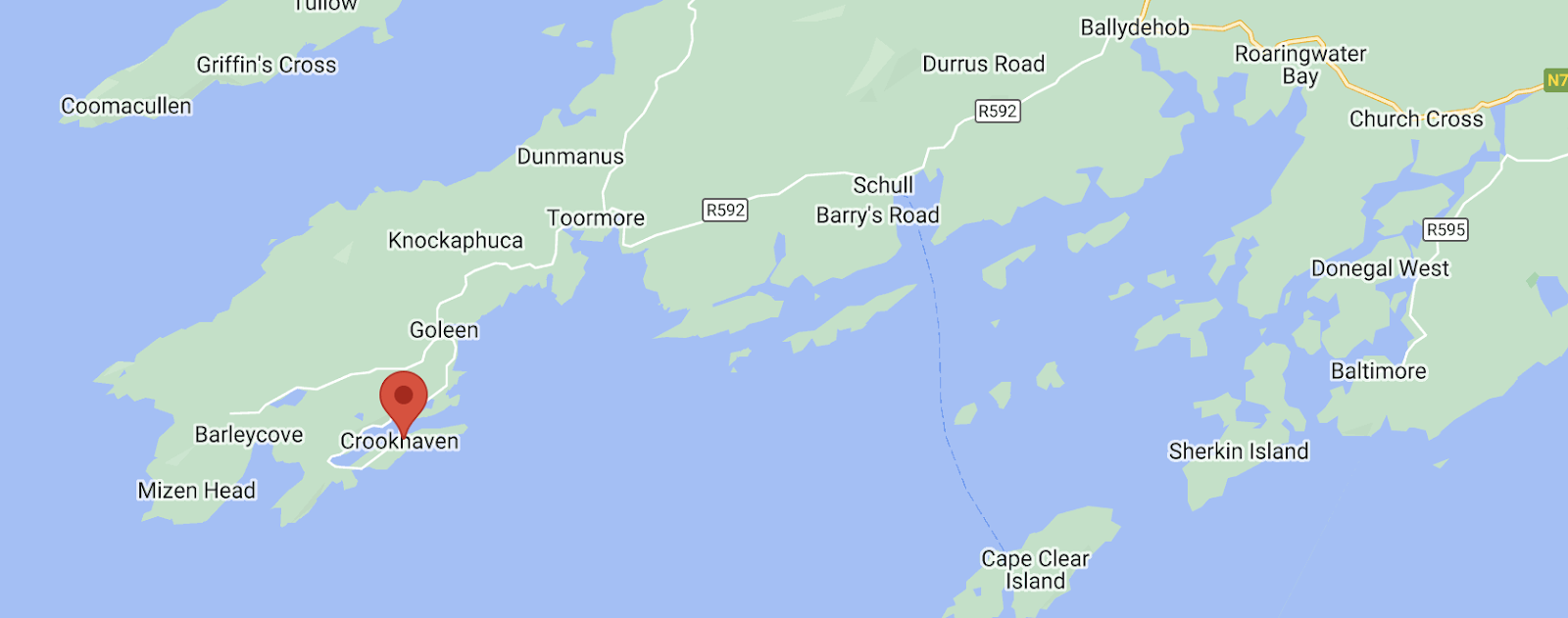
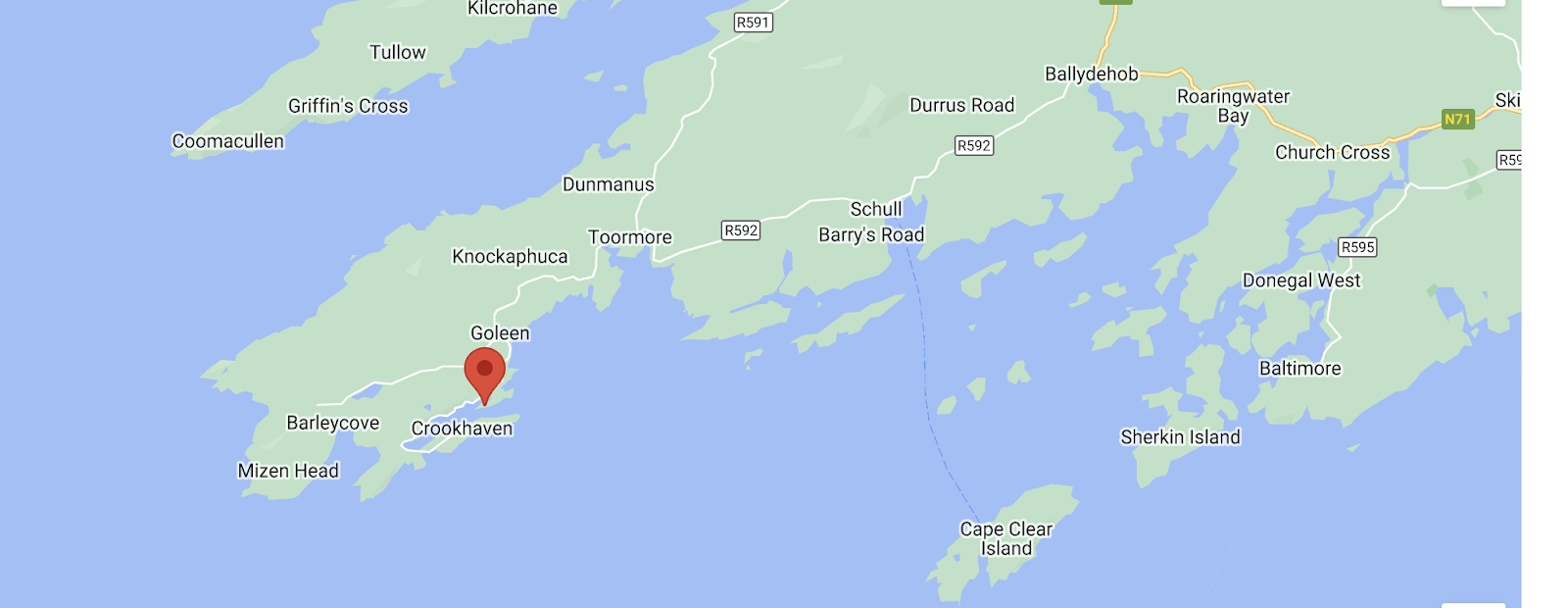
At the time of Griffith’s Valuation, David Cagney was leasing this property to Isaac Notter, when it was valued at £11. Lewis noted Crookhaven House as the seat of R. Doe, in 1837. This property does not appear on the 25-inch Ordnance Survey map of the 1890s.
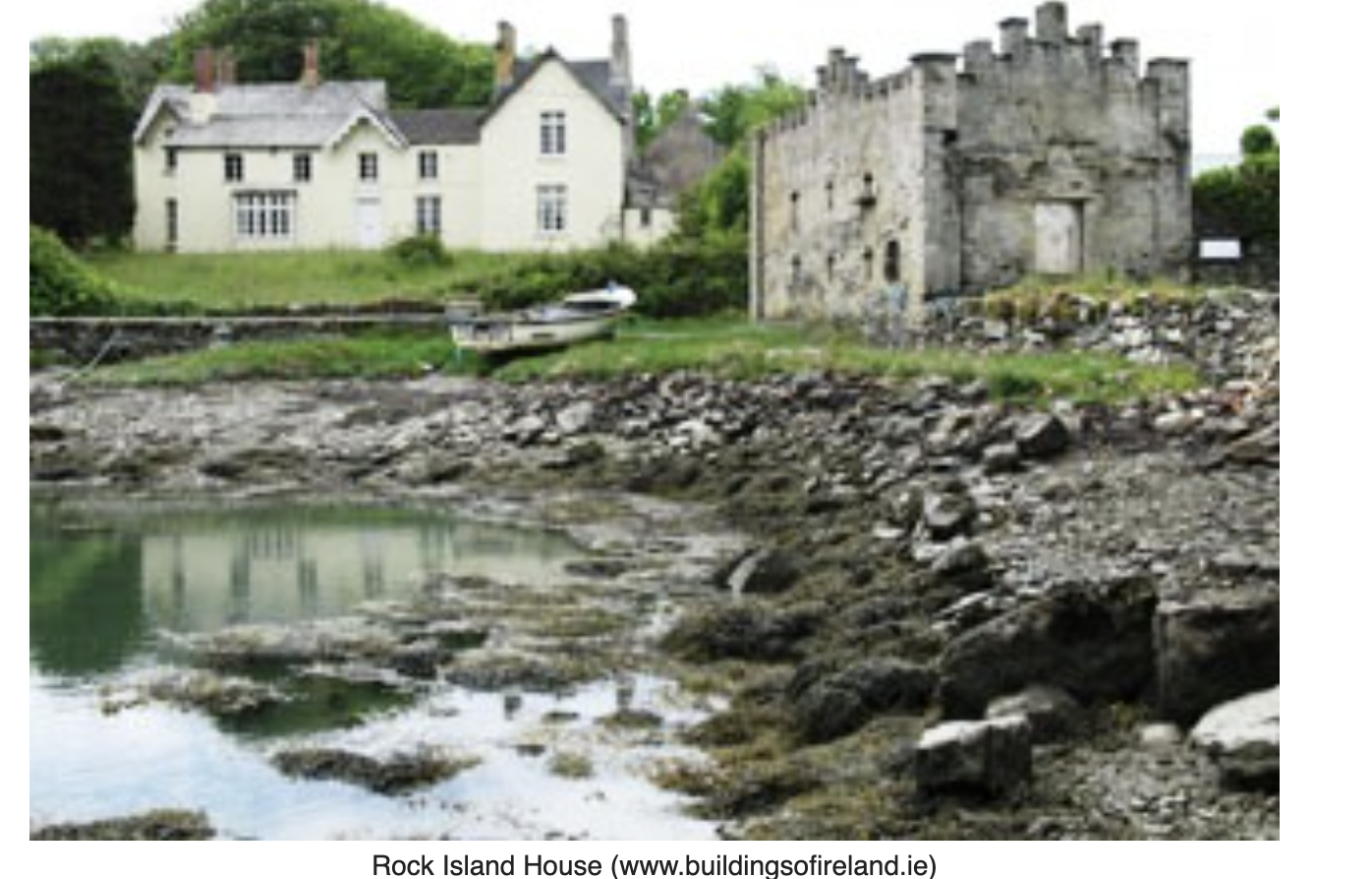
Rock Island House
At the time of Griffith’s Valuation, Thomas Notter held this property in fee when it was valued at £16 10s. In 1837 Lewis recorded it as the seat of J. Notter. Leet refers to Rock-Island as the residence of Henry Alleyn in 1814. It is still extant.
.
Magistrates:
It is believed that the Notter family of German Protestant Rhineland origin arrived in the general Crookhaven area in the early 17th century.
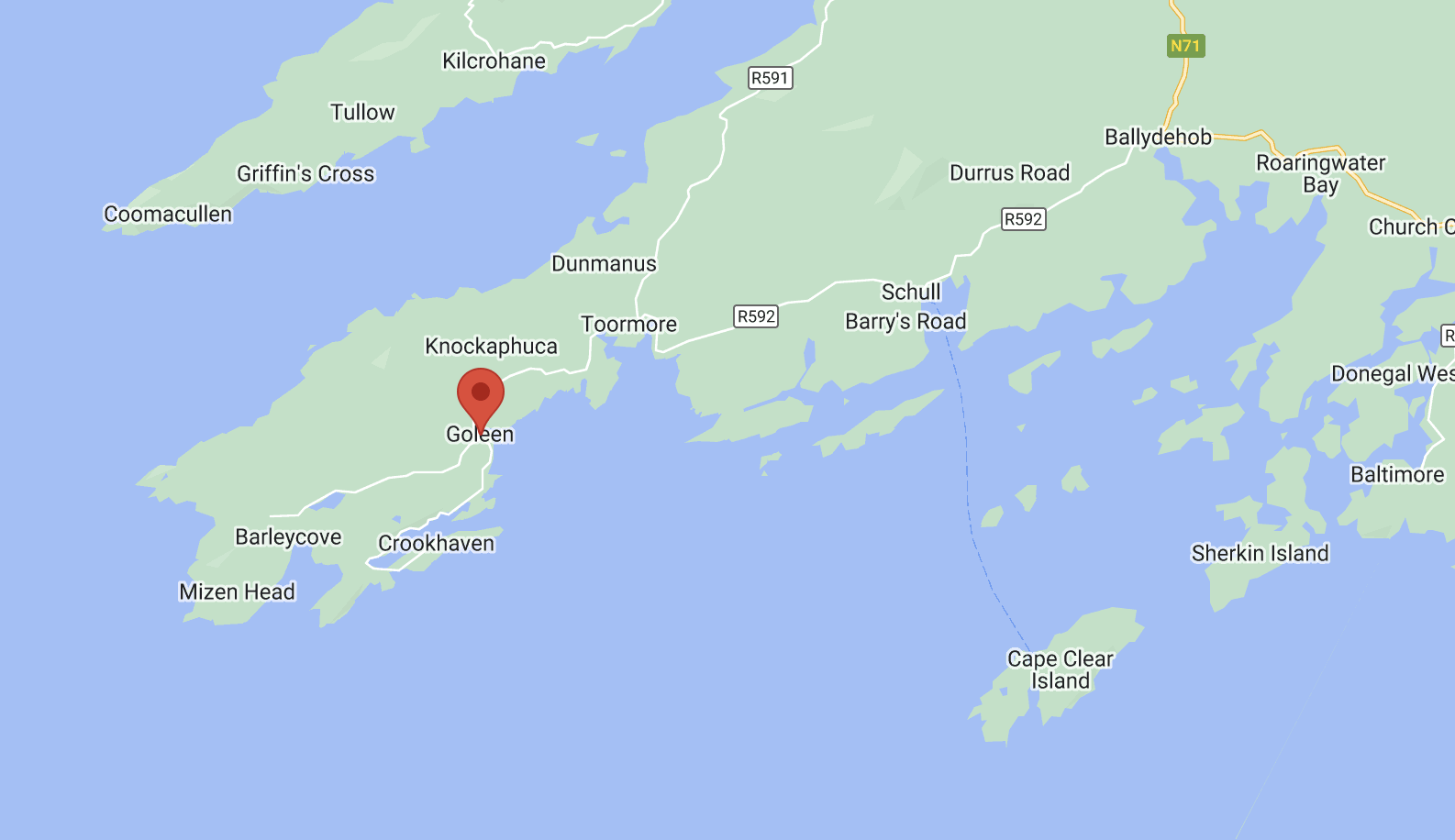
Until the great road from Skibbereen to Crookhavan was built by Sir Richard In the 1820s Crookhaven was only connected to the rest of Irealand by a rough packhorse trail. In Irish aít iarghualta. However, since the early 17th century it was on one of the world busiest shipping routes.
That part of the Mizen Peninsula was from around 1600 under the de facto control of Richard Boyle, the Great Earl of Cork, the Hulls of Lemcon Castle Schull and their local allies the Coughlans of Carrigmanus who turned Protestant after falling out with their overlords the O’Mahonys.
Interestingly in the early 19th century there were various property transactions for the area around Crookhavn between the Notters and Lord Riversdale and the Tonsons who are part of the extended Hull family of Schull.
Following a period of supporting Sir Walter Raleigh’s venture in America (see below) he returned to Munster to arrange the estate granted him under the plantation of the province. Following the suppression of the Second Desmond Rebellion in 1583, he had purchased some 24,000 acres (97 km2) in Kinalmeaky and brought settlers over. His renewed efforts beginning in 1588 yielded little success, and Grenville returned to England late in 1590.
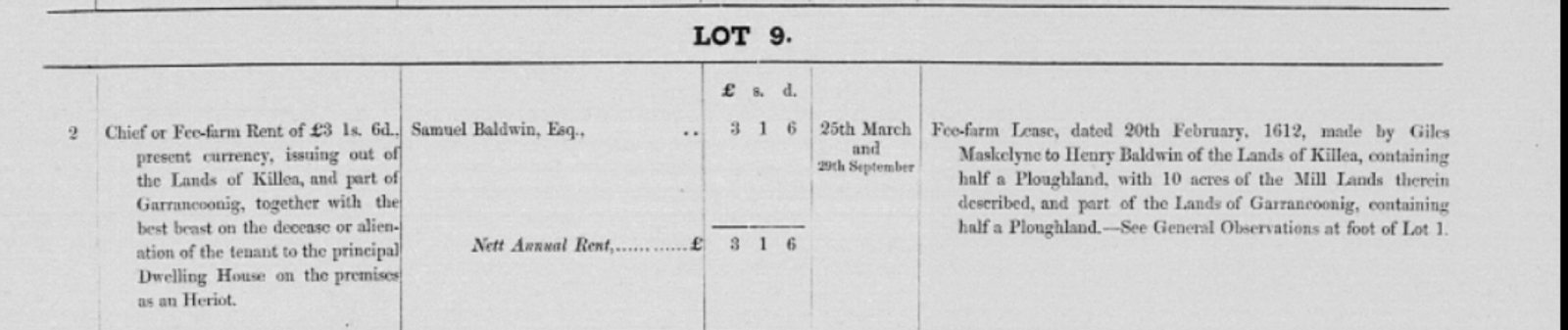
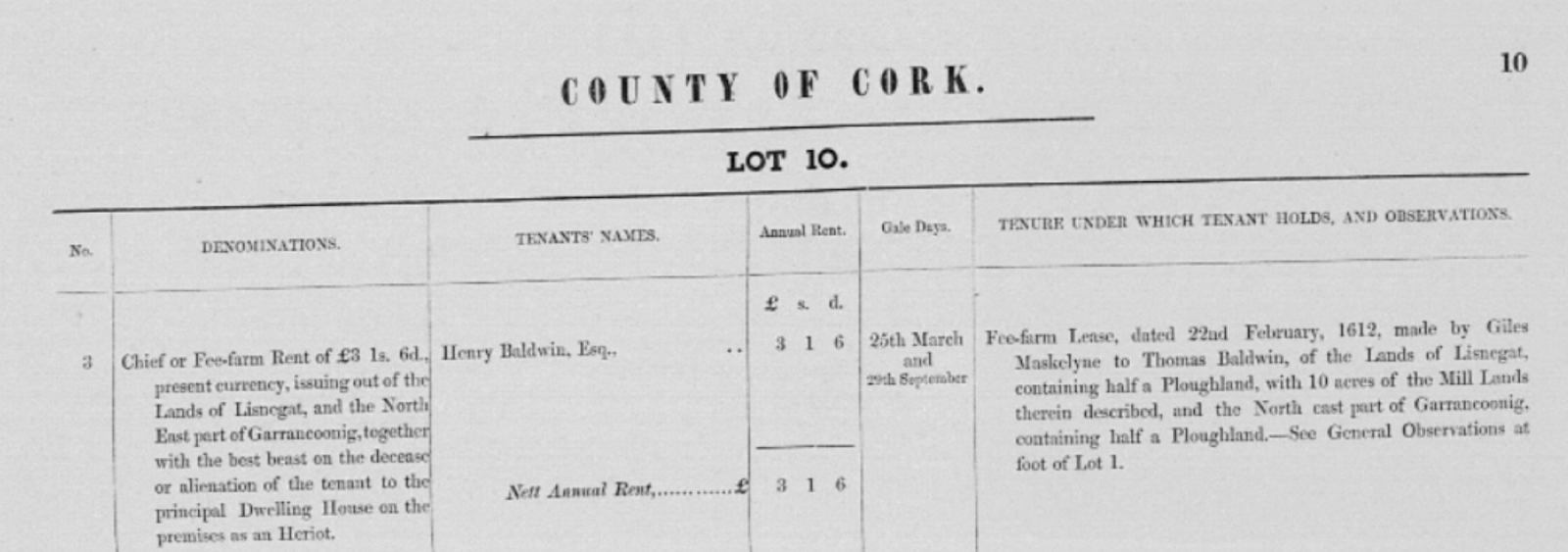
It is interesting that in the Lisnegat deed of 1612 is included 10 acres of mill lands. Assuming that there was no mill before the plantations that chimes with the experience in the early 17th century Ulster. There settlers soon began to reclaim land, build roads and bridges and develop mills.
In 1700 the Co.Down had as many roads under charge as the Cork Grand Jury despite being a fraction of the size.
..
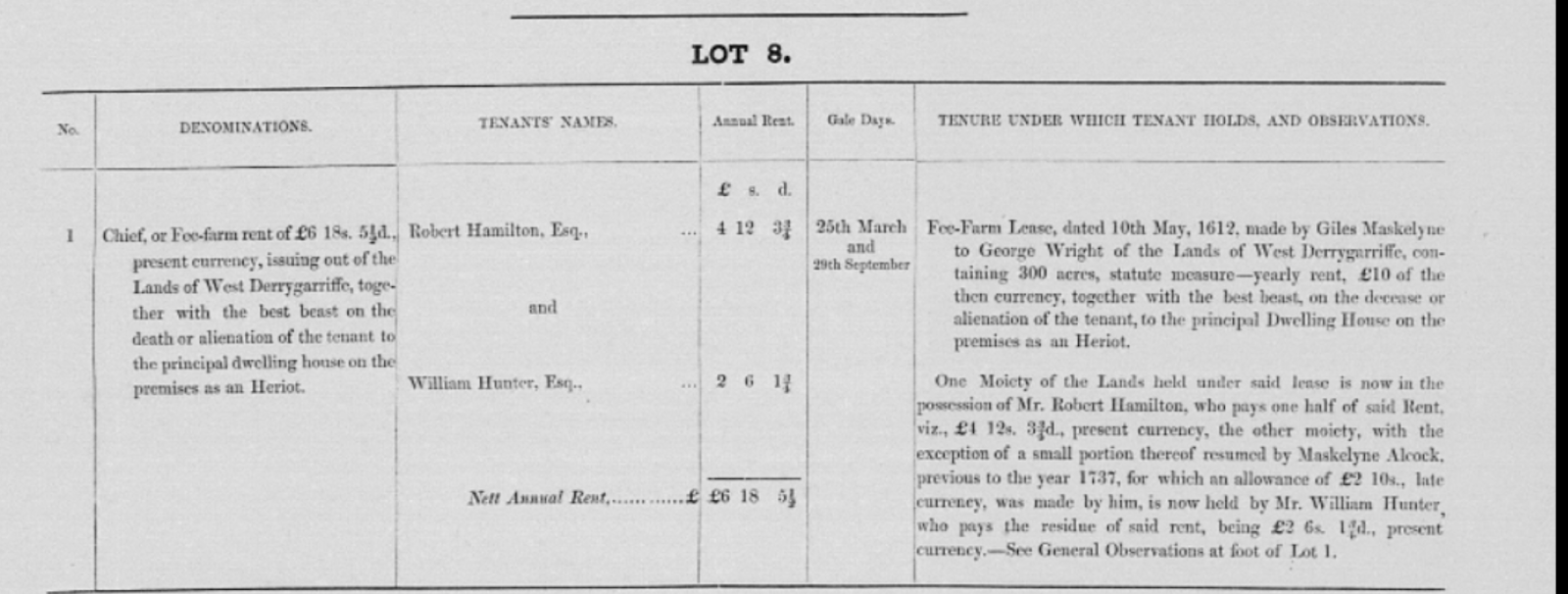
Some of the Maskelyne land such as those at Lisnagat were acquired pre 1612 from a planted and privateer Sir Richard Grenville (1542-1591).
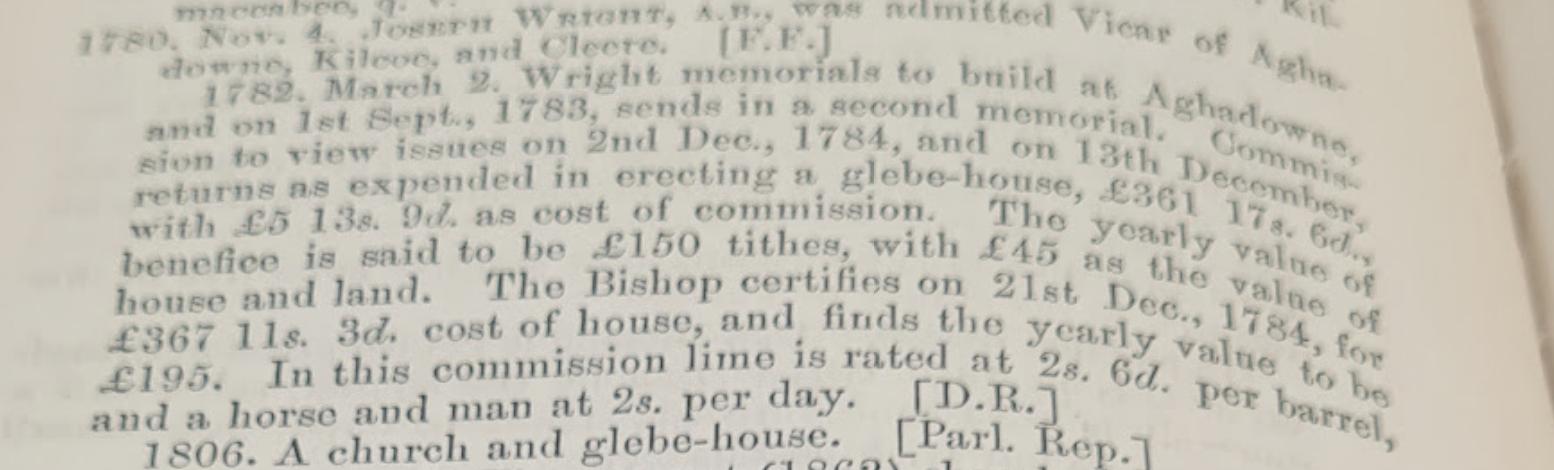
This is from Maziere Brady History of the Cork Dioceses on the Rev. Joseph Robert Wright, Clerk Aughadown of of the 400+ who agreed with the Union of Ireland and Britain:
Joseph Wright, (1752-1824), Clerk, Aughadown. TCD 1770. Son of John Wright and Miss Moore, Co. Monaghan.
Over 400 Cork Supporters of the Act of Union Between Ireland and Great Britain







 .
.
 .
.



 West Cork History