Opening of Drinagh Co-Op Creamery, 1933, Durrus by Father Crowley, Drinagh assisted by Canon McManaw… – http://wp.me/p1UlSr-2fu
Shared from WordPress
02 Thursday Feb 2017
Posted in Uncategorized
02 Thursday Feb 2017
Posted in Uncategorized
Opening of Drinagh Co-Op Creamery, 1933, Durrus by Father Crowley, Drinagh assisted by Canon McManaw… – http://wp.me/p1UlSr-2fu
29 Sunday Jan 2017
Posted in Uncategorized
29 Sunday Jan 2017
Posted in Uncategorized
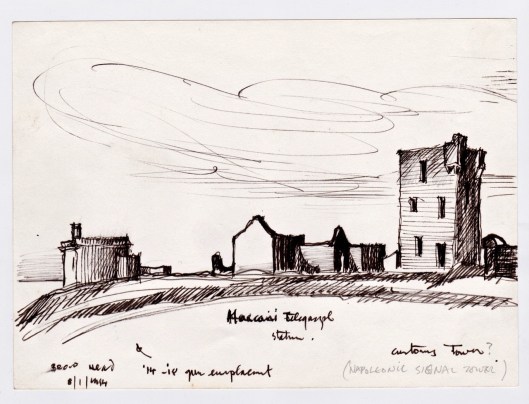
We have received a unique and treasured gift – a sketchbook from the 1980s of prehistoric and historic sites around West Cork. It’s the work of our good friend, and national treasure, Brian Lalor, artist, writer and printmaker. For an overview of his style, check out the retrospective of his work at Graphic Studio Dublin. Or browse the long list of his books, including the magnificent Encyclopaedia of Ireland, which he edited.
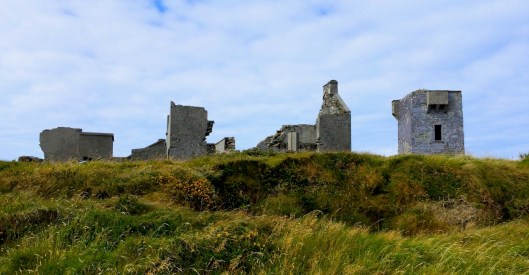
Brian has studied both architecture and archaeology and to that adds the keen observant eye of the artist. As a result these sketches, although, as he explained, often hastily done during a brief visit to a site, are accurate, detailed and charming…
View original post 1,118 more words
28 Saturday Jan 2017
Posted in Uncategorized
23 Monday Jan 2017
Posted in Uncategorized
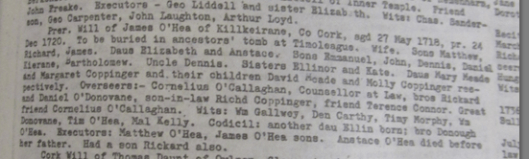
1718. Will of James O’Hea, Killkeirane, Clonakilty, Co. Cork, be be Buried in Ancestral Tomb, Timoleague, O’Heas in Convert Rolls.
On the forfeiture of O’Hea lands due to rebellion some held in trust by Townsend family on their behalf. later substantial lot of townlands let on favourable terms
Copied by Welply Prior to 1922 Destruction.
In Dr. Casey Collection.
….
O’Hea Magistrates:
James O’Hea, 1795, Greenfield. 1791 Meeting as ‘James Hea’, at Kings Arms Tavern Cork of Members of Hanover Association (Landowners/Magistrates) re Whiteboys.
John O’Hea Esq, -1847), listed 1838, Shannon Square, Clonakilty. 1828 seeking reform of House of Commons. Honoria Deasy who was a Daughter of Rickard Deasy married John O’Hea (Magistrate from 1838-1843) in 1826 and they had 10 children, the youngest Alfred who was born in 1847 just a few months before the death of his father. Resigned 1843 over dismissal of Magistrates for attending Repeal Meetings. Testimonial of John O’Hea, Esq., 1847 distribution for Clonakilty of New England Relief Committee Famine Relief. Died Clonakilty, Co. Cork, 1847. Included Thomas Allen, JP, Allin and Co Shannonvale, James Redmond Barry Fishery Commissioner JP Glandore, W.J.F. Barry son of Redmond Glandore, Rev. J. Beamish Kilmalooda, Francis Bennett Clonakilty, William Bennett Clonakilty, John Callaghan Clonakilty, Daniel Clanchy, JP, Charleville, John Coghlan Clonakilty, James Comyn Cobh, C. Connell and Co Ballinascarty, J.Nelson Crofts Clonakilty, Eyre Croke Croker Ballyra, Thomas Deasy Clonakilty, Patrick Desmond Clonakilty, Richard Dennehy, John Donovan Clonakilty, Jeremiah Donovan brother of Rickard Midleton, Rickard Donovan, Clerk of Crown (State Solicitor) Cork, Joseph Dugan Clonakilty, William Ffolliott, M.D. Clonakilty, Henry Franks Clonakilty (Probably of extended Kearney Garretstown House family), Alexander Grant Clonakilty, P.B. Grifin, G.F.Hardy Cork, Miss Anne Gallwey Kilkerran, Charles Gallwey Kilcoleman, Michael Gallwey JP KIlkieran House, Henry Gallwey Greenfield, William Gallwey Kilcoleman, Major Hill Late 54th Regiment Clonakilty, Daniel Kelly Clonakilty, M. Irwin Clonakilty, J.E Lucas Ring Clonakilty, Dr. Lucas Richsfordstown, O.H.Marmion, Skibbereen, Nicholas Daniel Murphy, Cork, Major J.H.O. Moore, 35th Regiment Jersey, Daniel McCarthy Skibbereen, John McCarthy Clonakilty, T. McCarthy Downing Solicitor, Skibbereen, Richard Boyle Norcott Skibbereen, F.J. Power Bank Manager Clonakilty, Rev. J. Quarry, Clonakilty, Patrick Scott Dublin, William Scott Mamore House, Rev. Henry Stewart Rathbarry, James Sweeny Clonakilty, Daniel Sullivan Clonakilty, James Toohig Clonakilty, Winispeare Toye Clonakilty, T.R. Wright Solicitor Clonakilty.
Michael O’Hea, 1895, Rock Cottage, Timoleague, listed 1913.
The following O’Heas appear in the convert rolls:
| Daniel O’Hea | 1739, in front of Bishop and the on 20th May in Carrigrohane Church | Maziere Brady quotes Peter Woodhouse, Vicar | Corke, Cork and Ross | ons of James O’Hea of Kilkeran who died in 1721 and his second wife Mary Donovan. Richard O’Hea recanted 21th November, 1731 Emmanuel O’Hea recanted 21th Oct 1733 Daniel O’Hea recanted twice on 19th May 1739 and again on 20th May Kieran O’Hea recanted 30 April, 1758 John O’Hea recanted 20 January, 1760 |
THE O’h-Aodha family (anglicised O’Hea, Hay, Hayes, and Hughes) derives its name and descent from Aodh (or Hugh), the ninth son of Cas, who is No. 91 on the “O’Brien, Kings of Thomond” pedigree. They were formerly Chiefs of Muscry-Luachra, a territory in the barony of Coshlea, co. Limerick, whence a branch of the sept removed into Carbry in Cork, where they became possessed of the lands called Pobble-O’Hea. Dr. O’Donovan says that Muscry-Luachra bordered on Sliabh Luachra, in Kerry; and that the river Avonmore had its source in this district. | |||
| Emmanuel O’Hea, Gent. | 1733 | Cork, Probably in greater Clonakilty area | The Christian name Emmanuel is asociated with the neighbouring family of Spiller may be a connection | Recanted at St. finbarrs 1733. He married Charlotte Scarborough in 1733. James was very shrewd as he had settled the lands on his family in 1703 when they were mostly under aged and could not recant until they reached the age of 21. Of course, they all recanted later probably to hold on to their lands. His will of 1717 is mainly a list of personal gifts including some cattle which was customary at the time to give. |
Maziere Brady. ons of James O’Hea of Kilkeran who died in 1721 and his second wife Mary Donovan. Richard O’Hea recanted 21th November, 1731 Emmanuel O’Hea recanted 21th Oct 1733 Daniel O’Hea recanted twice on 19th May 1739 and again on 20th May Kieran O’Hea recanted 30 April, 1758 John O’Hea recanted 20 January, 1760 |
|||
| John O’Hea, Gent. | 1760 | Parish Rathbarry/Kilkerin | Ross | To let demesne of Garagh one mile from Kinsale apply John O’Hea Carrigroe, Clonakilty or Miss Ann germayne, Hamond’s Marsh Cork evening Post 10th December 1767 | ons of James O’Hea of Kilkeran who died in 1721 and his second wife Mary Donovan. Richard O’Hea recanted 21th November, 1731 Emmanuel O’Hea recanted 21th Oct 1733 Daniel O’Hea recanted twice on 19th May 1739 and again on 20th May Kieran O’Hea recanted 30 April, 1758 John O’Hea recanted 20 January, 1760 James was very shrewd as he had settled the lands on his family in 1703 when they were mostly under aged and could not recant until they reached the age of 21. Of course, they all recanted later probably to hold on to their lands. His will of 1717 is mainly a list of personal gifts including some cattle which was customary at the time to give. |
|||
| John O’Hea, Gent. | 1733 | Carrigane, Co. Cork | ||||||
| Kearan O’Hea | 1758 | Kilkeran | Ross | ons of James O’Hea of Kilkeran who died in 1721 and his second wife Mary Donovan. Richard O’Hea recanted 21th November, 1731 Emmanuel O’Hea recanted 21th Oct 1733 Daniel O’Hea recanted twice on 19th May 1739 and again on 20th May Kieran O’Hea recanted 30 April, 1758 John O’Hea recanted 20 January, 1760 |
James was very shrewd as he had settled the lands on his family in 1703 when they were mostly under aged and could not recant until they reached the age of 21. Of course, they all recanted later probably to hold on to their lands. His will of 1717 is mainly a list of personal gifts including some cattle which was customary at the time to give. | |||
| Mary O’Hea | 1760 | Skibbereen | Ross | |||||
| Richard O’Hea, Gent | 1731 | Dublin | Ross | Sons of James O’Hea of Kilkeran who died in 1721 and his second wife Mary Donovan. Richard O’Hea recanted 21th November, 1731 Emmanuel O’Hea recanted 21th Oct 1733 Daniel O’Hea recanted twice on 19th May 1739 and again on 20th May Kieran O’Hea recanted 30 April, 1758 John O’Hea recanted 20 January, 1760 |
James was very shrewd as he had settled the lands on his family in 1703 when they were mostly under aged and could not recant until they reached the age of 21. Of course, they all recanted later probably to hold on to their lands. His will of 1717 is mainly a list of personal gifts including some cattle which was customary at the time to give. | |||
| Thomas O’Hea, gent. | 1757 | Rathbarry/Kilkeran | Ross |
23 Monday Jan 2017
Posted in Uncategorized
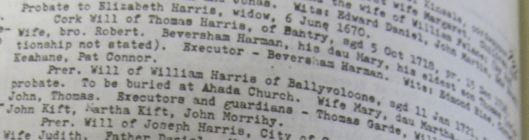
1718. Will of Thomas Harris, Bantry Executor Beversham Harman, Copied by Welply Prior to 1911 Destruction.
In Dr. Casey Collection.
Type of deed Date of current deed 30 Oct 1721 Vol Page Memorial
Agreement Date of earlier deed 36 178 21950
No Role(s) in earlier deed(s) Role in current deed(s) Family name Forename Place Occ or title A
A P1 NOBLE Thomas of City of Dublin merchant
B P2 HARMAN Beversham of Laharran, By Bear and Bantry, Co Cork
C W SULIVANE Daniel of Killarney, Co Kerry
D W WINSPEARE Robert of Carrickbull, Co Cork
E W CONNOR Cornelius of Doromadonnell, Co Cork farmer
F W HUTCHINS Thomas of Ballylickey, Co Cork
Abstract Lease of Reenidonigan, 21 years, £30 pa. Sworn 3 Jul 1722
MS Date registered 14 Nov 1722 Date abstract added 20120714
Abstract made by: nickred
22 Sunday Jan 2017
Posted in Uncategorized
…
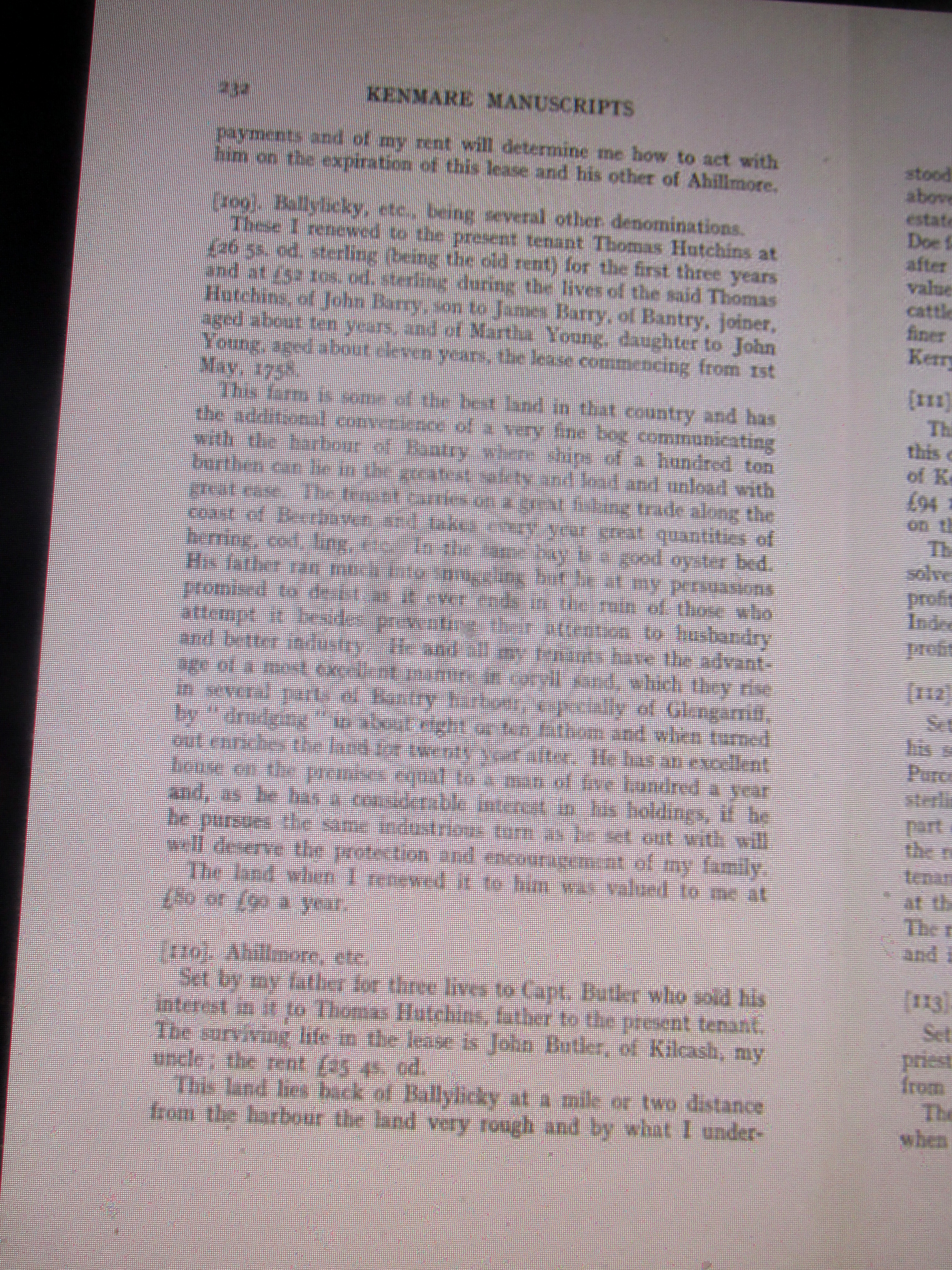
1758, Lease Renewal of Ballylickey, Bantry to Thomas Hutchins. Carries in a Great Trade in Cod, Herring, Ling, Oysters, Father A Major Smuggler and Hutchins Magistrates.
Thomas Hutchins, Bantry, West Cork, being paid for Impressing Beara Seamen for British Royal Navy 1746.
Hutchins Magistrates:
Arthur Hutchins, Ballylickey or Ardnagashel. Visited by reformer Sir Francis Burdett 1817. Present at enquiry Skibbereen 1823 into enquiry into fatal affray at Castlehaven caused by Rev. Morritt’s tithe extraction. Notified as Magistrate of Catholic meeting in Bantry re loyalty to King 1825. Signed public declaration to Alexander O’Driscoll on his removal as Magistrate 1835 with Lord Bantry, Simon White, John Puxley, Thomas Baldwin, Samuel Townsend Junior and Senior, Hugh Lawton, Thomas Somerville, Richard Townsend Senior, Rev. Alleyn Evanson, Timothy O’Donovan, Richard Townsend, Lyttleton Lyster.
Arthur Hutchins, 1855, Ballylickey, Bantry, Resident, £60. Attending 1840 Great Meeting Bantry re Poor Law. Assisting 1848 Henry J. Fawcett, Practical Instructor on Husbandry of Visit to Bantry. Attending Railway meeting Drimoleague 1856, subscriber Dr. Daniel Donovan ‘History of Carbery’, 1876. Arthur listed 1843 at Reendonegan, Bantry. Member election committee McCarthy Downing, Skibbereen, 1868.
Emanuel Hutchins, Ballylickey, Bantry, Listed 1835. 1812 election voted Hutchinson. Emanuel Hutchins, Cregane Castle, Co. Limerick (of Bantry family) Plea for Clemency for Bantry United Irishmen Men, letter 11th August 1799, to The Lord Lieutenant for Bantrymen, Doctor Bryan O’Connor and Attorney, Florence McCarthy. This was against Transportation to Botany Bay. Theobald Wolfe Tone , the leading United Irishmen and Irish Republican figure of the 1780s-90s, had attended Trinity College Dublin and there befriended Emanuel Hutchins of Ardnagashel, Bantry, Co Cork (1769-1839). While at sea off Bantry with French forces in 1796 he remembered his friend, as he noted in his diary. [Re Tone’s diary, see ‘Publication Note’ in ‘Allied Materials’. Re the Hutchins family, see collection U254 Hutchins
Laminated A3 page containing an extract of text from diary of Wolfe Tone, 24 Dec 1796, on board a French Warship in Bantry Bay, mentioning his ‘friend Hutchins’ [Emanuel Hutchins of Ardnagashel, Ballylickey, Bantry]. A note regarding the involvement of both men in a Dublin political club in 1790 follows below the extract, and a profile portrait of Tone is also included. On reverse are copied title pages of ‘Life of Theobald Wolfe Tone’ (Washington: Gales & Seaton, 1826) and ‘Memoirs of Theobald Wolfe Tone’ (London: Henry Colburn, 1827), cited as ‘source’. Three notes regarding the provenance of the item occur: note: ‘Extracted copy from the Two Volumes in possession of Arethusa Hutchins Greacen… Portrait & Vol II page 144 and p 545’; note: ‘Arethusa’s copy is believed to be the one acquired by Emanuel Hutchins who died in 1839’; sticker: ‘Photocopy with Richard N Hutchins.. Solicitor (Retired).. Bantry’.
Richard Hutchins, 1686, Bantry, served in Irish Confederate Wars 1641-1853 under son of Richard Boyle, 1st Earl Orrery, Roger Boyle, Baron Broghill and appointed Poll Tax Commissioner and acquired former O’Sullivan lands.
Thomas Hutchins, 1776, Ballylickey, Bantry. 1758 leases for Ballylickey renewed, major trade in herring, cod, ling, oysters, father a major smuggler. Captain Robert Man, the Lauceston, Bantry. Has drawn a bill in favour of Thomas Hutchins for the cost of impressing seamen. Date: 1746 Feb 23
Samuel Newburgh Hutchins BA -1915), 1875, Fortlands, Charleville, and Ardnagashel, Bantry, Resident, £408, succeeded on death of his brother Emanuel. He had been in the Australian Mounted Police during Gold Rush. Married 1875 Marianne Isabella Harrison of Castle Harrison, Charleville. Son Captain Richard Hutchins killed WW1 Arthur Royal Munster Fusiliers. 1893 member Cork Historical and Archaeological Society
Samuel Hutchins (listed as Hutchinson probably wrong), Pre 1831, Ardnagashel, Bantry, listed 1838, 1843, may be Arthur d 1836, m Matilda, d John O’Donnell Esq., Erris, Co. Mayo, probate to son Robert.
Samuel Hutchins, listed 1835 at Ballylickey, 1838. 1835 in Bantry paying £5 toward Catholic Rent, frequently praised as a Liberal Protestant. 1840 petition on Catholic Equality. Attending address Ardnagashel 1840 Great Meeting Bantry re Poor Law. Listed 1843, Ardnagashel, Bantry. Estate passed to him on death of younger brother Emanuel in 1839, Brother of botanic artist Ellen Hutchins. 1820 Member Cork Library. 1837 donated £5 to Justice (Catholic Repeal) Rent. Set up a soup kitchen during Famine. Extensive property throughout Co. Cork, sitting Bantry, and Castletown North Cork, 1835, Castletownbere 1839, Buttevant 1846 succeeded by his son Emanuel later by another son Samuel Newburgh. 1846 Grand Jury grant drainage 25 acres Ardnagashel.
| Pre 1670 | Henry Gallwey Mary Mellifont | Both families middlemen on Kenmare estate, Mellifonts Carriganass Castle and Donemark | Eldest son David, married Mary McCarthy 1732. MLB | The Bantry Galways were probably ‘Crypto-Catholics’, in Paddy O’Keeffe’s papers he refers to a letter 1732 from Father Peter O’Sullivan to the Bishop of Cork ‘The worthy Mr. Henry Galway cotributes to a fund to fight Penal Laws as did his generous and worthy son, Nicholas Mead, Andrew Morrogh, William Galwey, John Casey, | Elements of both famiies conformed to the Church of Ireland |
…
22 Sunday Jan 2017
Posted in Uncategorized
.
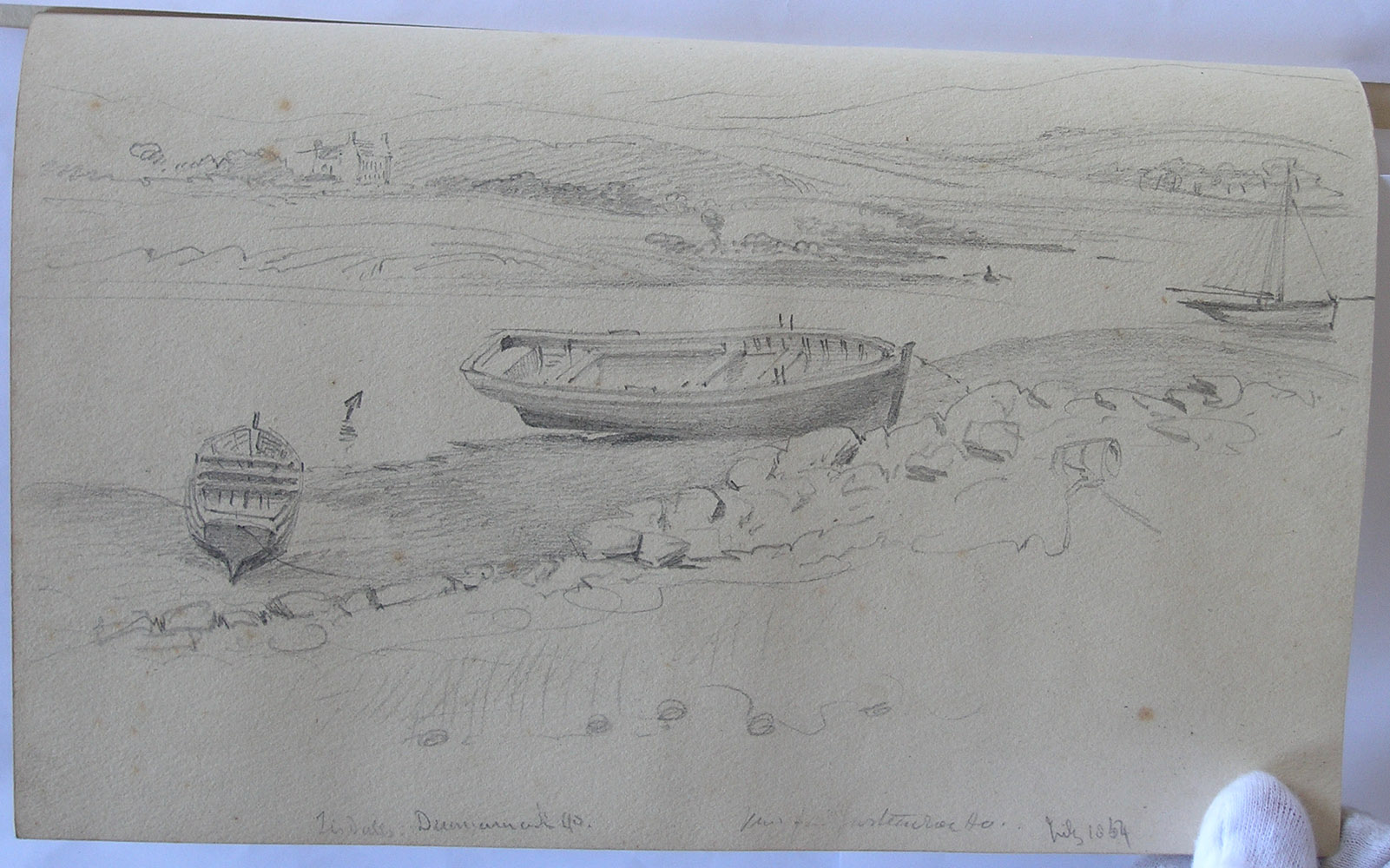
Donemark is part of the drumlin belt around Bantry good land.
1760s, Lease renewal to Richard Mellefont, Esq., by Kenmare Estate of Donemark, Bantry, West Cork for Three Lives Mellefonts Father had Vastly Improved and Enclosed Fields of a Proper Size with Well Planted Ditches and Had Fish Palaces Redundant Due to Flight of Pilchards.
Donemark is by legend the place where people first came to Ireland.
This lease and similar ones on the Bantry estate mark a period of the development of the modern landscape and field lay out with planted ditches.

Magistrates:
David Mellifont, 1794. Donemark house of Carrignarontha, Bantry. May have freedom of Cork 1761 as Esq. Appears in frequent deeds as witness 1761-1775 including soe in Bandon area. 1779 Lieutenant Bantry Volunteers, Superseded 1810-30, Middleman on Lord Kenmare estate. Game Cert 1802. 1820 signed Memorial for new road Glengarriff to Castletownbere. 1822 his house and those of Pattison, Doyle, McCormack, Kingston attacked by over 400 Whiteboys searching for arms. William O’Sullivan, Esq., Carriganass Castle, native Ahill purchased Carriganass from David Mellifont, Donemark in 1817 for £250 and £50 rent. O’Sullivan prominent in anti tithe, repeal. Married 1804, Sophia Grey, Wexford, address given Mardyke, Co. Cork probably Skibbereen. Sophia Mellifont Nee Gray wife of David Mellifont had a brother called Nicholas Gray,he was secretary to the Wexford Insurgents 1798. Gray went to America and was involved in the 1812 War,he was Inspector General of the American Army. The Grays were from Whitfort House Wexford and Jamestown Co Wexford. Mellifont died Donemark 1835, significant debts, estate in Chancery and litigation.
Richard Mellefont, 1766, Downemart (Donemark), Bantry. Probably son of Gilbert. Kenmare Estate renewed lease of Donemark for three lives, his own, Christopher Earbery, Shandaragh and Mathias Hendley son of Roger of Downing, Co. Cork. Lord Kenmare comments ‘The tenant is a very genteel and worthy man’. Mellifont family of Norman origin, Kinsale converted. 1758 Lease of 31 years from Kenmare Estate to Richard Mellifont as trustee for Patrick Galwey in occupation his ‘near relation’
22 Sunday Jan 2017
Posted in Uncategorized
Rev.Paul Limrick legal Action c 1725 re Glebe of Crookhaven,
In the court case concerning the glebe in Crookhaven, Paul wrote “Crookhaven is eight miles of barbarous road from Skull, and in winter, though I take horse before day, I can scarce reach Crookhaven by 12 o’clock. I am obliged immediately, without refreshing myself, to take horse and ride in the night to get home, for there is not in the whole parish a bed a man can lie on, or a morsel to be eaten…”
Later road built:
People mentioned: Rev. Demetrius O’Coghlan, ordained in Cork 1618, fled to England in Rising 1641 and died there, Thadeus Coghlan son to Rev. Demetrius O’Coghlan husband to Sarah, Richard Coghlan, Mrs. Sarah Coghlan, 80, married to Thadeus son to Rev. Demetrius, Mary Coghlan granddaughter by her mother to Mary Coghlan alias Spain whose grandfather was the proprietor of 8 Gneeves at Crookhaven, Donagh McWilliam Coghlan, Proctor to Rev. Demetrius O’Coghlan. Jeremy/Jeremiah Coghlan, great grandson to Rev. Demetrius O’Coghlan, probably Attorney, Seneschal of Dungarvan Manager with Andrew Crotty of Devonshire Estate Waterford, married Miss Evanson Durrus. Brigid Limrick daughter of Rev. Paul married Benjamin Sullivan, self styled Ó Sullivan Mór, Attorney Cork and Clerk of Crown Cork and Waterford mother of Sir Benjamin Sullivan, Judge of Supreme Court, Madras, India, Colonel Henry Becher grandfather of Henry Becher built a fish palace c 1650 east of Crookhaven Church in opposition to Richard Hull. Darby Mahony 62, son of Teige Mahony, agent, driver to Sir Richard Hull, Gibson moved to a farm on favourable terms by Hull suggestion he was illegitimate son (that it was a pig of his own sow), John Cullane, Mason c 1650,
The Coghlans are probably of pre Celtic stock. They had been vassals to the O’Mahonys later were aligned to Richard Boyle, Great Earl of Cork and had at least one estate in Carrigaline in their own right. Later many were clergy in the Church Of Ireland and intermarried with local gentry.
Thanks to Brain Limrick:
People mentioned: Rev. Demetrius O’Coghlan, ordained in Cork 1618, fled to England in Rising 1641 and died there, Thadeus Coghlan son to Rev. Demetrius O’Coghlan husband to Sarah, Richard Coghlan, Mrs. Sarah Coghlan, 80, married to Thadeus son to Rev. Demetrius, Mary Coghlan granddaughter by her mother to Mary Coghlan alias Spain whose grandfather was the proprietor of 8 Gneeves at Crookhaven, Donagh McWilliam Coghlan, Proctor to Rev. Demetrius O’Coghlan.
Jeremy/Jeremiah Coghlan, great grandson to Rev. Demetrius O’Coghlan, probably Attorney, Seneschal of Dungarvan Manager with Andrew Crotty of Devonshire Estate Waterford, married Miss Evanson Durrus.
Brigid Limrick daughter of Rev. Paul married Benjamin Sullivan, self styled Ó Sullivan Mór, Attorney Cork and Clerk of Crown Cork and Waterford mother of Sir Benjamin Sullivan, Judge of Supreme Court, Madras, India, Colonel Henry Becher grandfather of Henry Becher built a fish palace c 1650 east of Crookhaven Church in opposition to Richard Hull. Darby Mahony 62, son of Teige Mahony, agent, driver to Sir Richard Hull, Gibson moved to a farm on favourable terms by Hull suggestion he was illegitimate son (that it was a pig of his own sow), John Cullane, Mason c 1650,
22 Sunday Jan 2017
Posted in Uncategorized
Case in Cork Assizes 1844 arising from Lands at Carrigmanus of Charles Coughlan Great Grand Father of Ann Jagoe and Alice Dowe, His Son Richard Married Miss Driscoll 1768 and made a Settlement. Litigation over Validity and Provenance of Wills. Names mentioned O’Sullivan, Notter, Simms, Young
Charles is probably of the same line as Jeremy/Jeremiah Coughlan, Attorney, Seneschal, agent 1700 with Andrew Crotty of the Devonshire estate in East Cork and Waterford. He was related by marriage to the Durrus Evansons. Another branch of the same family were granted estates by the Boyles in Carrigaline.
The Coughlans probably pre date the coming of the Celts to Ireland.
Some mid 18th century marriages in the Mizen area:
https://docs.google.com/spreadsheets/d/1i1w4CiMviphSsz3jOEMvF_3uw-F04ksPFgmdjum2y0Y/edit#gid=0
The 18th century records are either no existent or destroyed. The case ran for a number of days and the report casts light on the family relationships friendships. Incidental detail includes that the…
View original post 166 more words


 West Cork History