Commercial applications of nettles

11 Saturday Oct 2014
Posted in Uncategorized
Commercial applications of nettles
10 Friday Oct 2014
Posted in Uncategorized
Inventory of plants grown by Gaelic irish 1620 prepared by Philip O’Sullivan Bere, and early 19th century cultivation of grapes and pineapples by Timothy O’Donovan Magistrate of O’Donovan’s Cove, Durrus, West Cork.
Included are parsley, camoline, fennel, mint, tamarisk, hysopp, wormwood, rue, mustard, rosemary, sage, cabbage, pumpkin, radish, lettuce, parsnip, sunflower, and lily. Fruits include apples, pears, arbutus, walnut, chestnut, pine and mulberry.
Across Bantry Bay, in the early 19th century Timothy O’Donovan, of O’Donovan’s Cove was growing exotics such as grapes and pineapples
Courtesy Terence Reeves-Smyth ‘Irish Gardens and Gardening before Cromwell’, quoting Selections from the Zoilopmastix of Philip O’Sullivan Bere. Stationery Office Dublin 1960, Appendix A.
10 Friday Oct 2014
Posted in Uncategorized
Berehaven:
Dorset:
Present by Daniel Sullivan, Berehaven, West Cork, to Richard Boyle, The Great Earl of Cork, c 1636 of Harvey Apples, Bon Chretien and Bergamotte pears, Arbutus for his new garden at Stalbridge Park, Dorset and Ireland’s first horticultural export, The Strawberry Tree’ (Arbutus unedo) from 1580s.
Around this time Boyle’s reach extended into the Schull area where he acquired property by mortgage from the O’Mahonys
Richard Boyle:
http://en.wikipedia.org/wiki/Richard_Boyle,_1st_Earl_of_Cork
In his Lismore Estate he had apples, pears, peaches, nectarines, and cherries and wherever possible acquired Irish stock.
His gardens at Stalbridge Park, Dorset were laid out by Isaac de Caus.
The strawberry tree was very much in demand in England during the 17th century.
Courtesy Terence Reeves-Smyth ‘Irish Gardens and Gardening before Cromwell’, quoting Townsend on ‘The Great Earl of Cork’ p. 296
10 Friday Oct 2014
Posted in Uncategorized
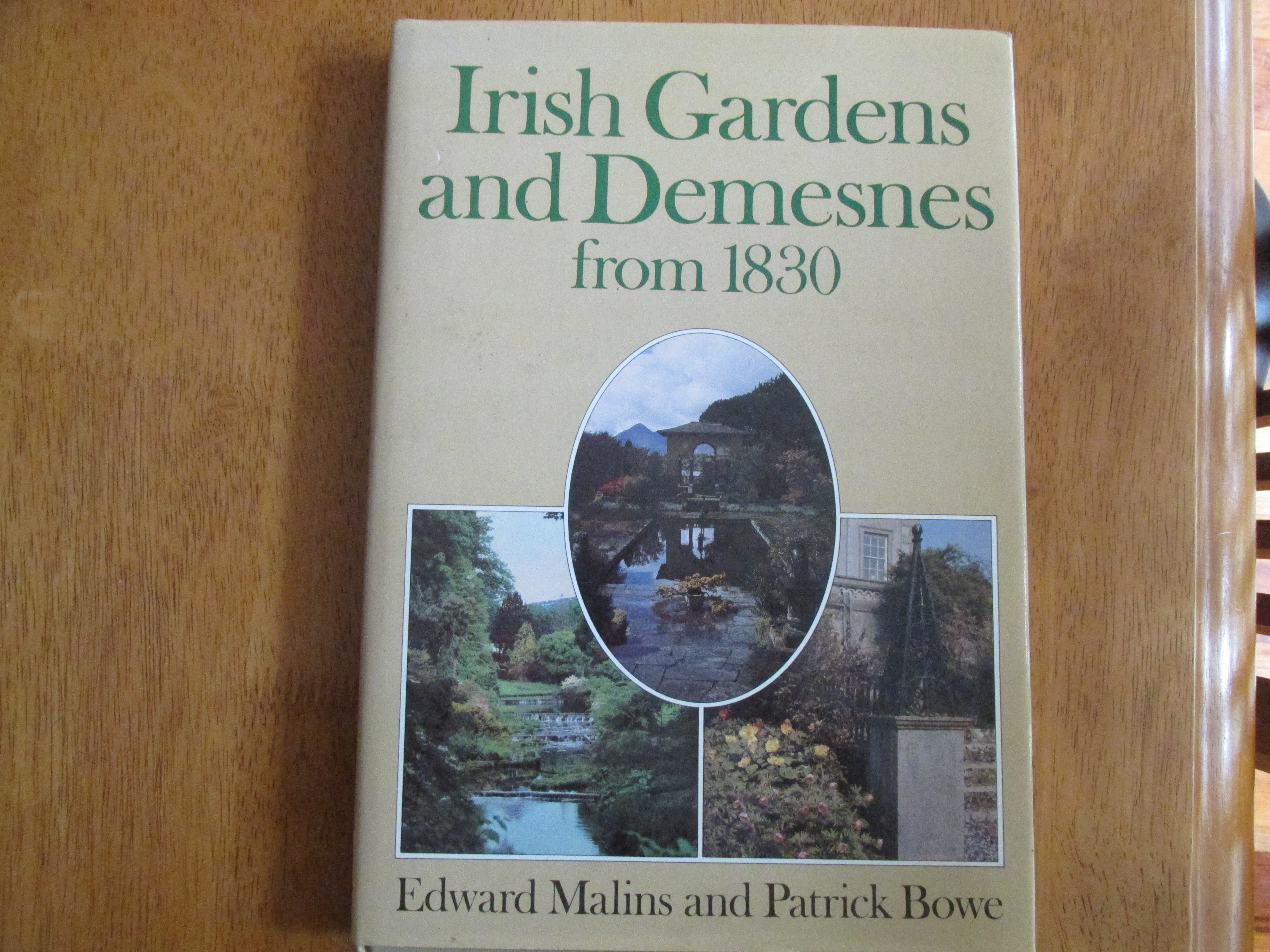
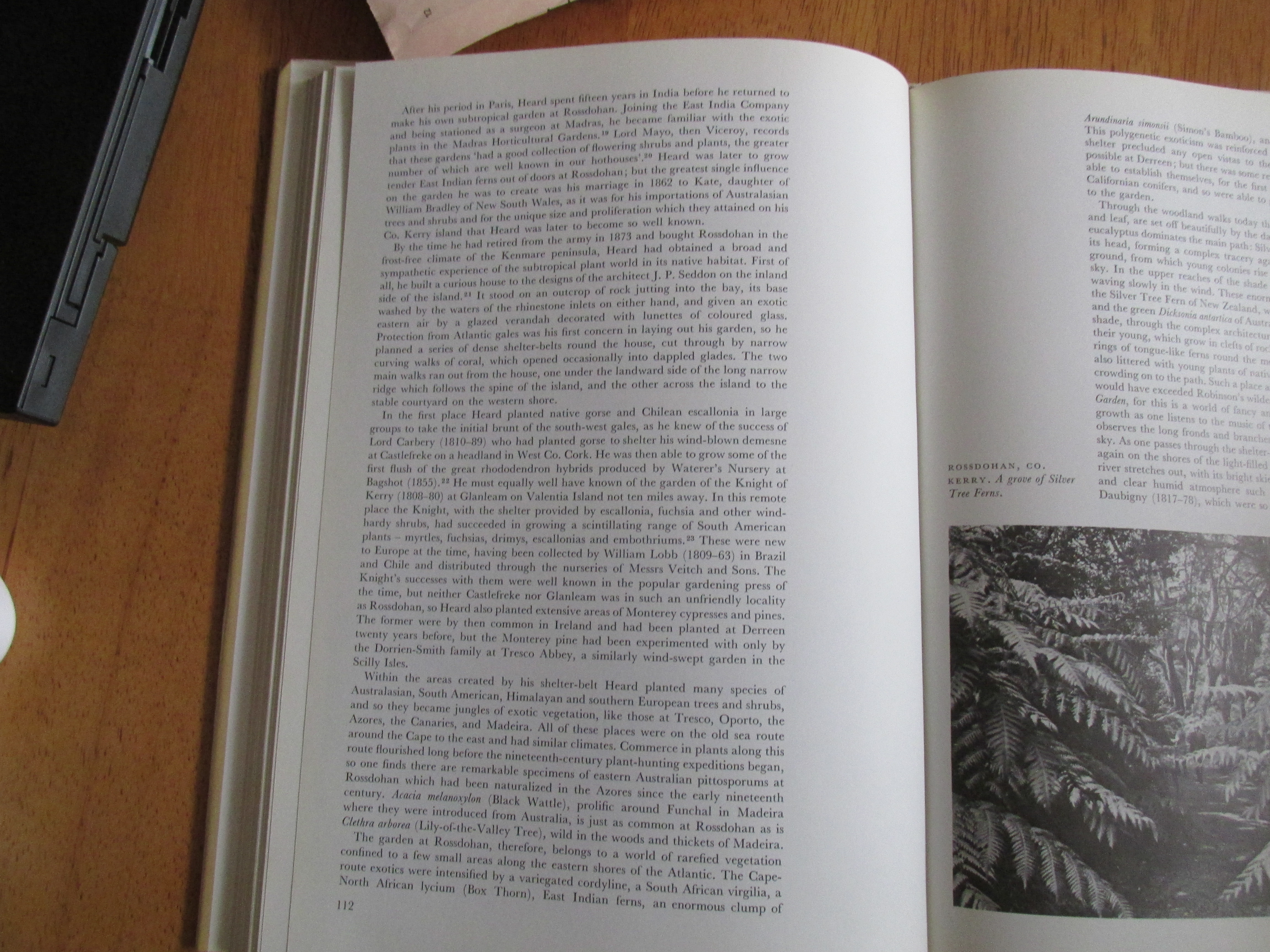
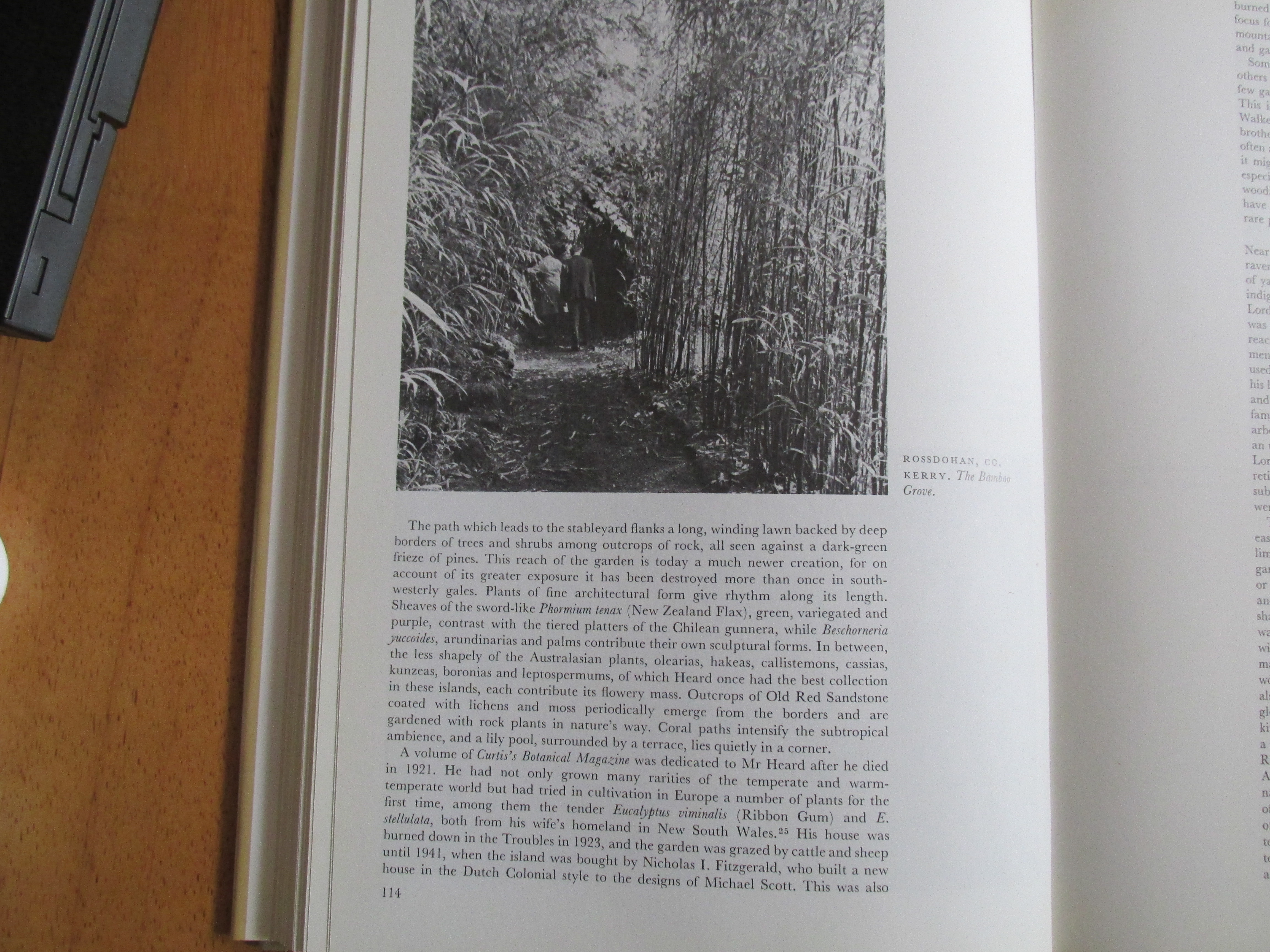
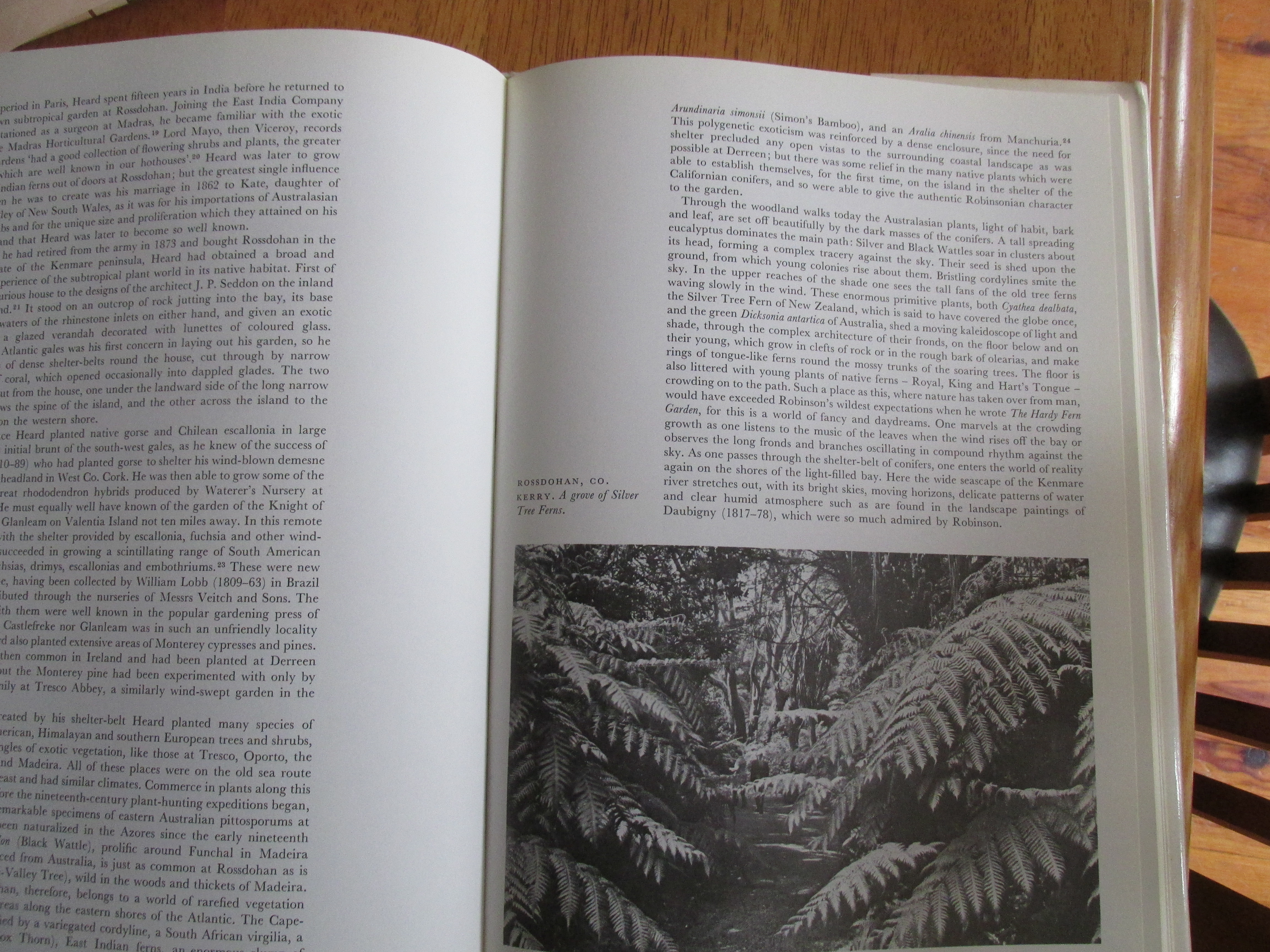
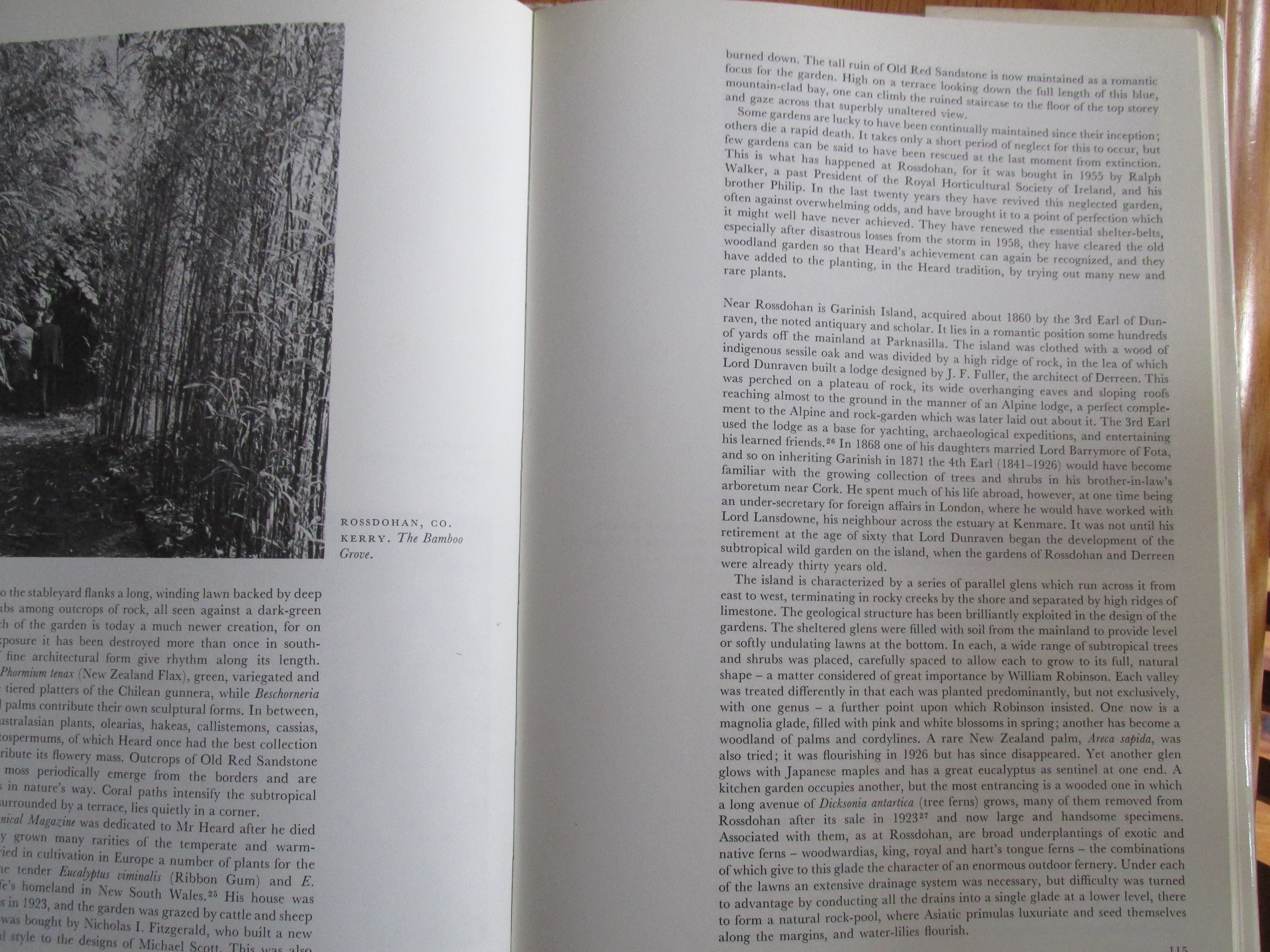
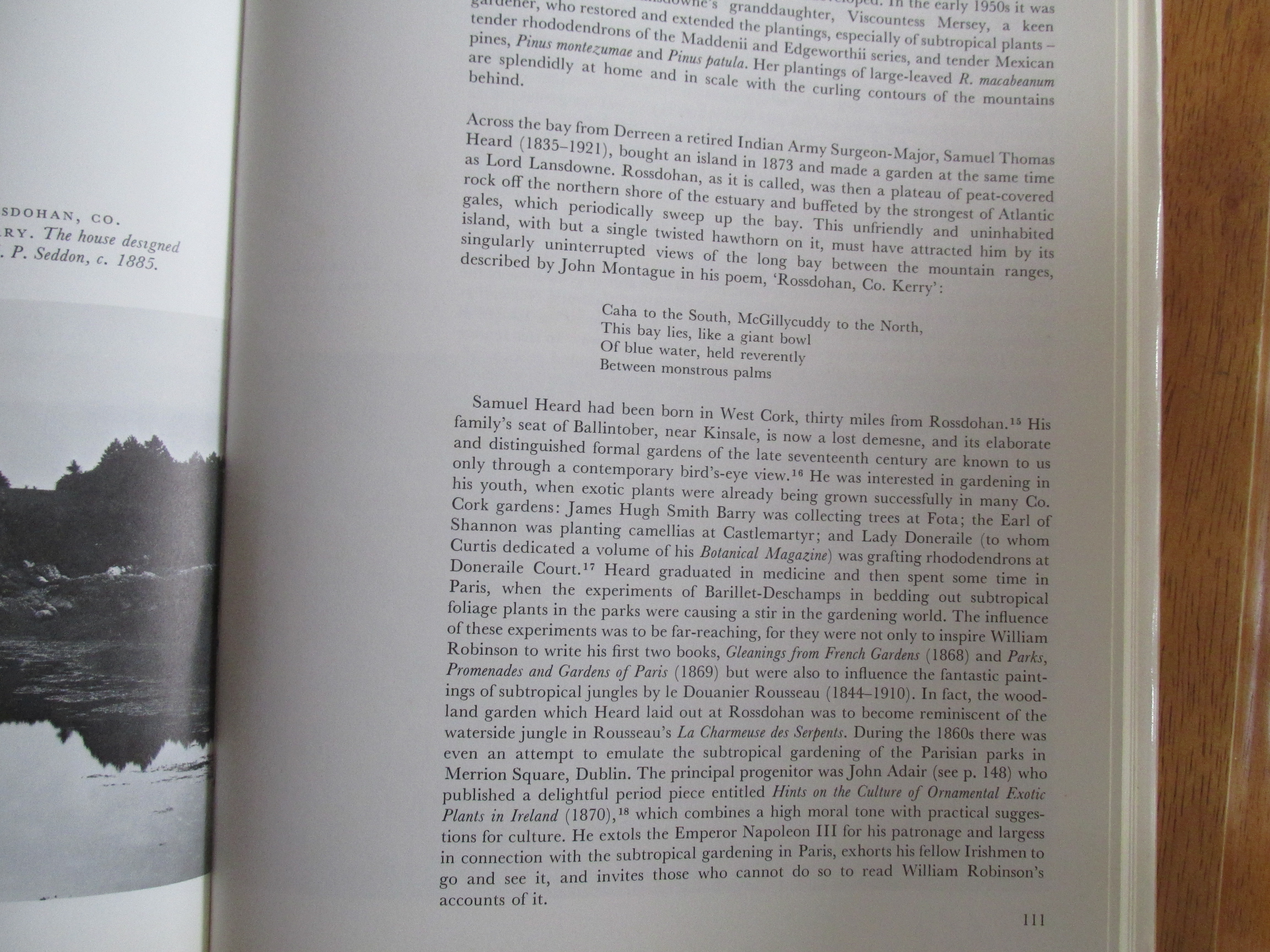
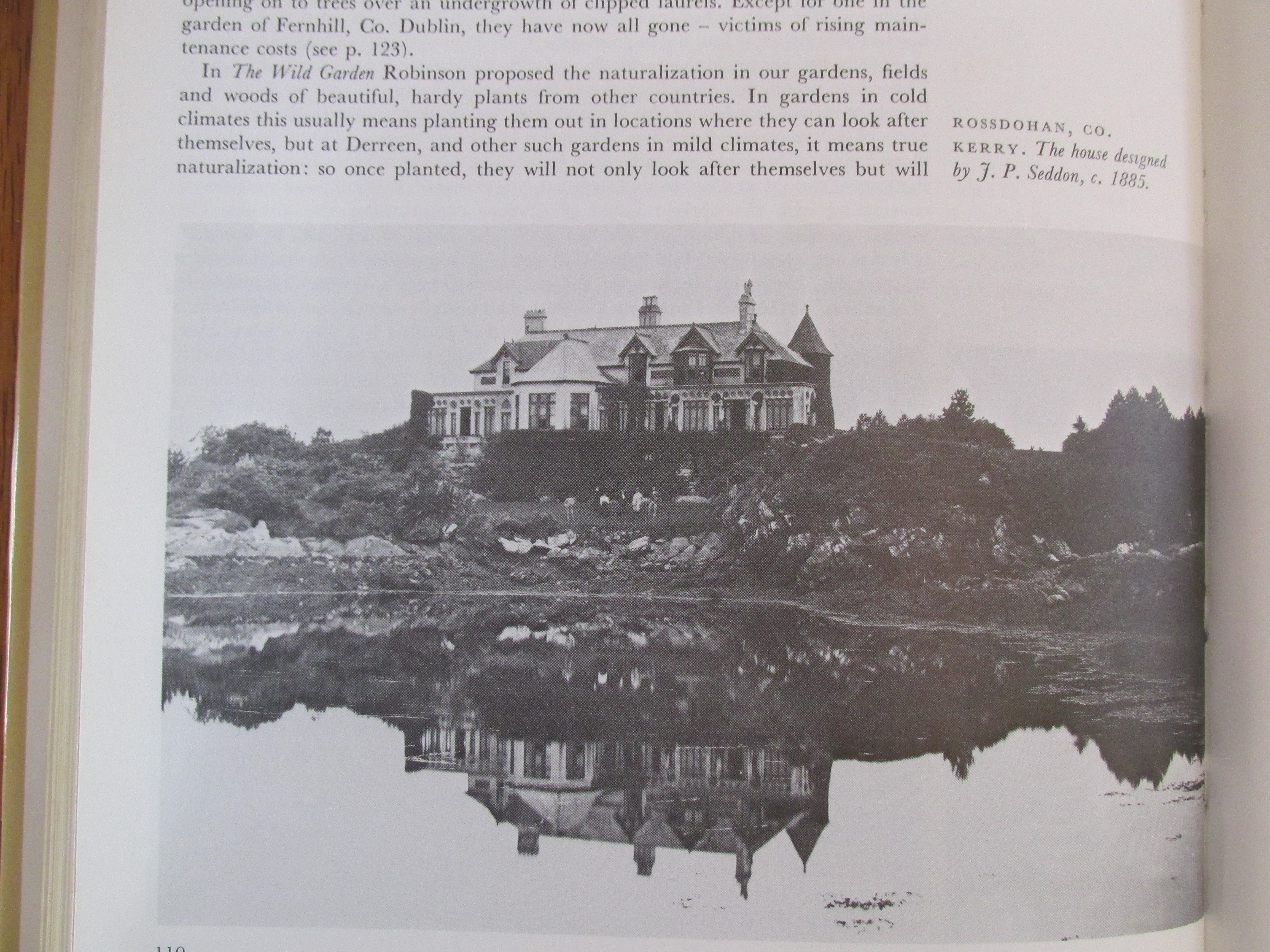
Samuel Thomas Heard (1835-1921), of Ballintubber, (late 17th century formal gardens), Kinsale, Co. Cork, East Indian Army Surgeon Major, inspired by Madras Horticultural Gardens he created Rossdohan gardens in Kenmare, Co. Kerry in 1873 utilising Furze as sea shelter emulating Lord Carbery at Castle Freke and son’s plant collecting in Abbyssinia.
Heard Family:
http://landedestates.nuigalway.ie/LandedEstates/jsp/estate-show.jsp?id=2106
Ballintober Gardens:
http://landedestates.nuigalway.ie/LandedEstates/jsp/estate-show.jsp?id=2106
West Cork Military Service:
https://docs.google.com/spreadsheet/ccc?key=0AqhnQGE3ANjzdEY1U09tUm4zUWNvcFBmTllEdVZMaEE#gid=0
Son’s visit to Abbyssinia:
http://plants.jstor.org/visual/KADC5933
Rossdohan gardens:
10 Friday Oct 2014
Posted in Uncategorized
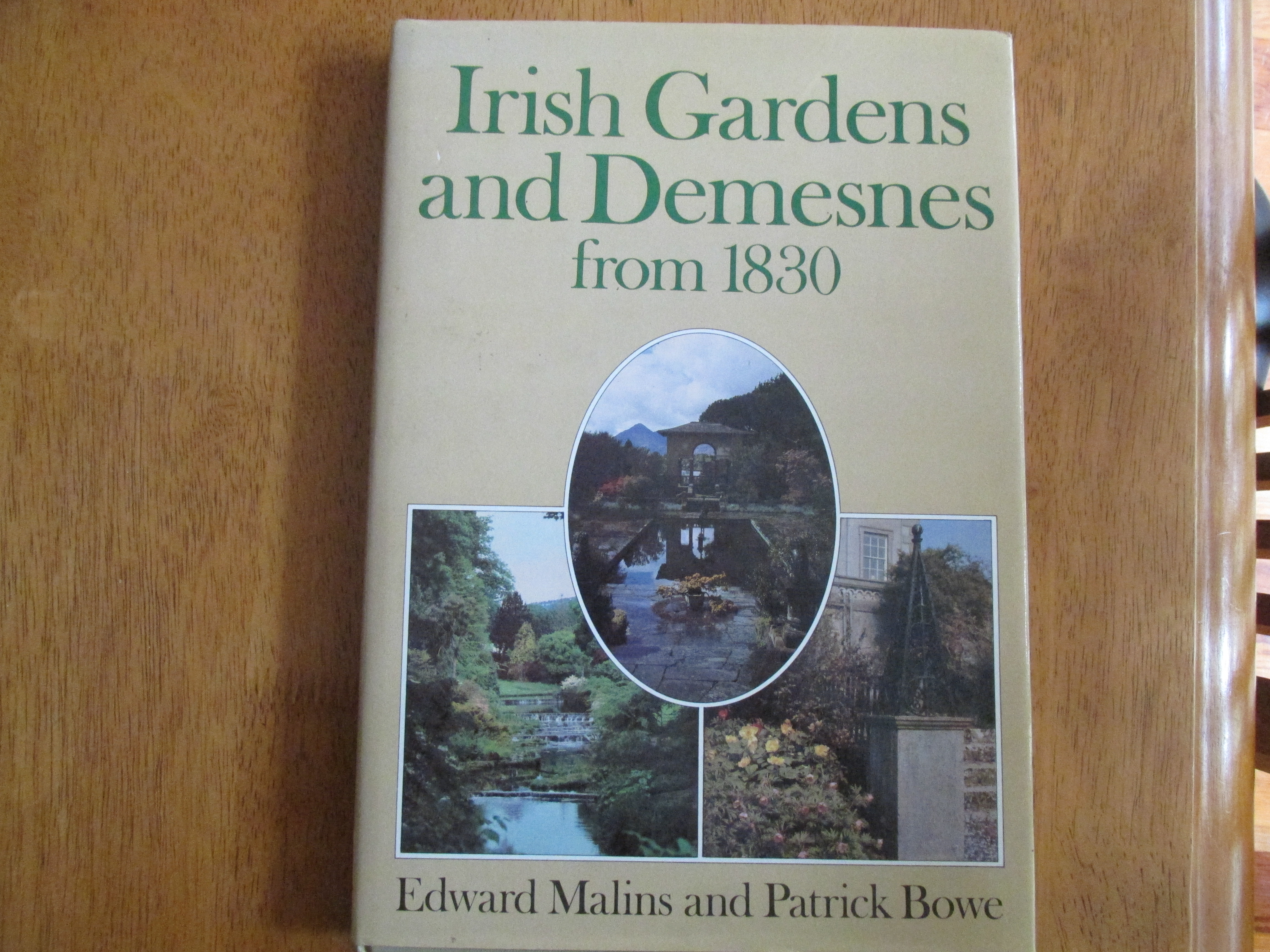
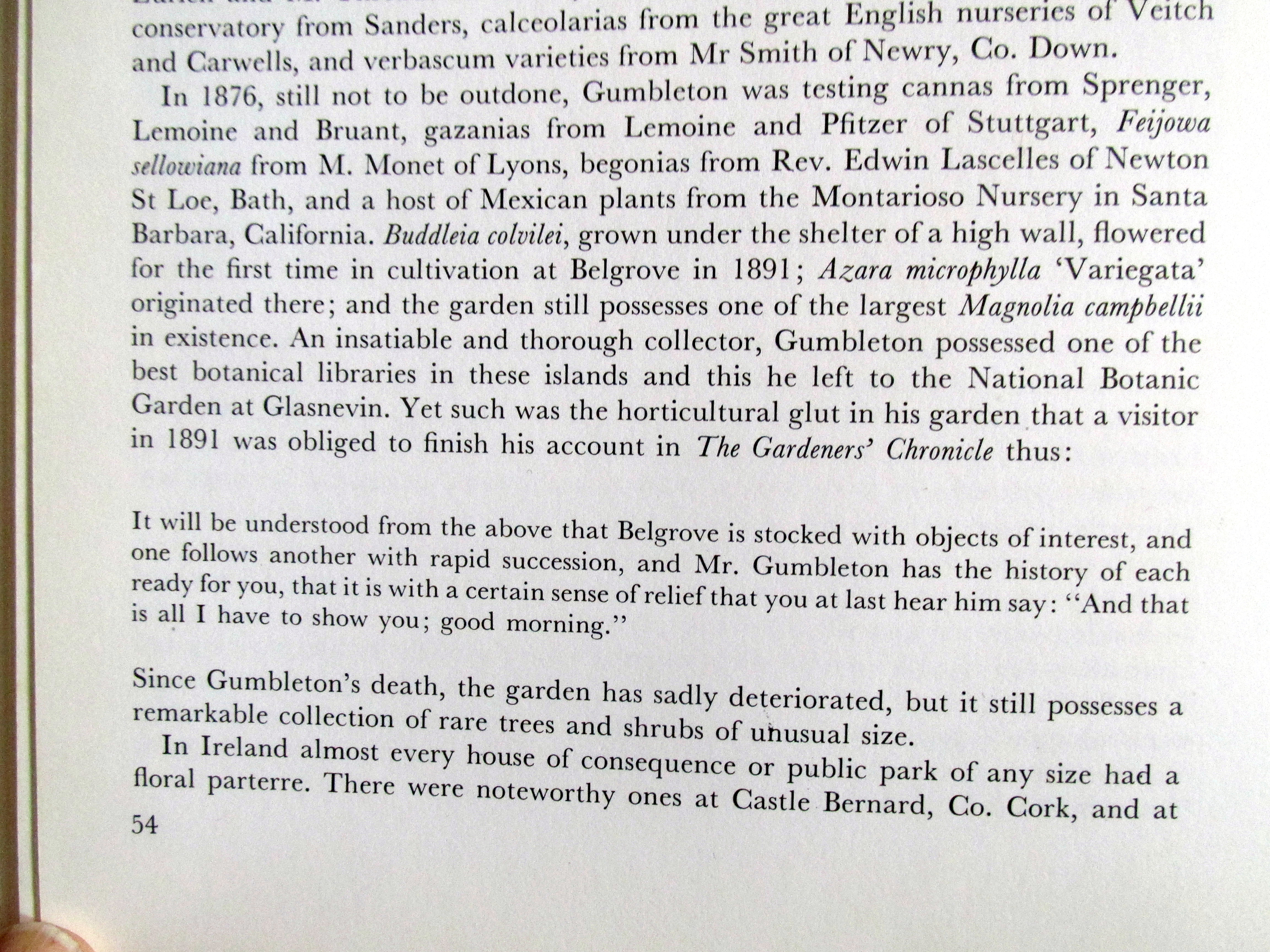
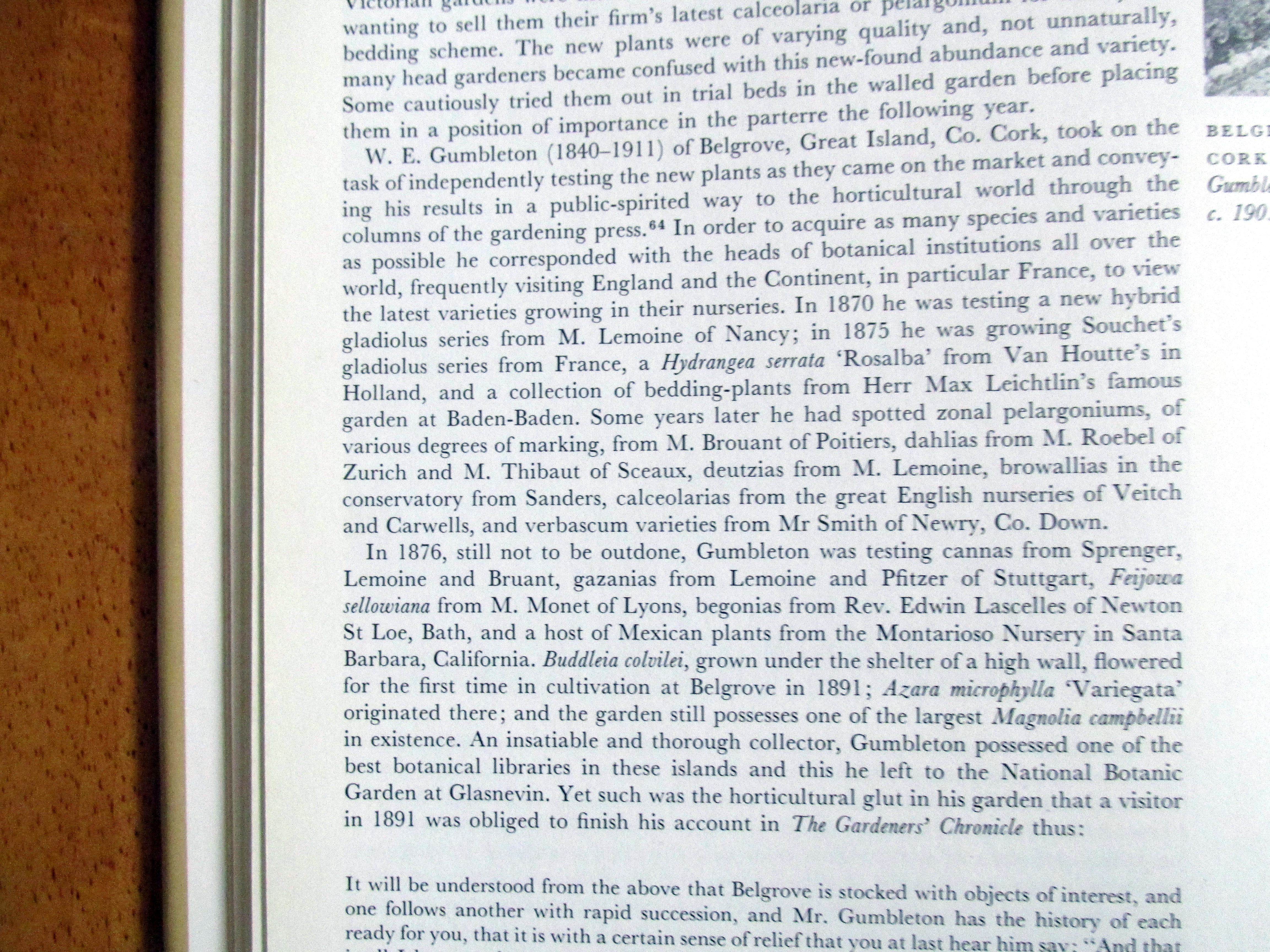
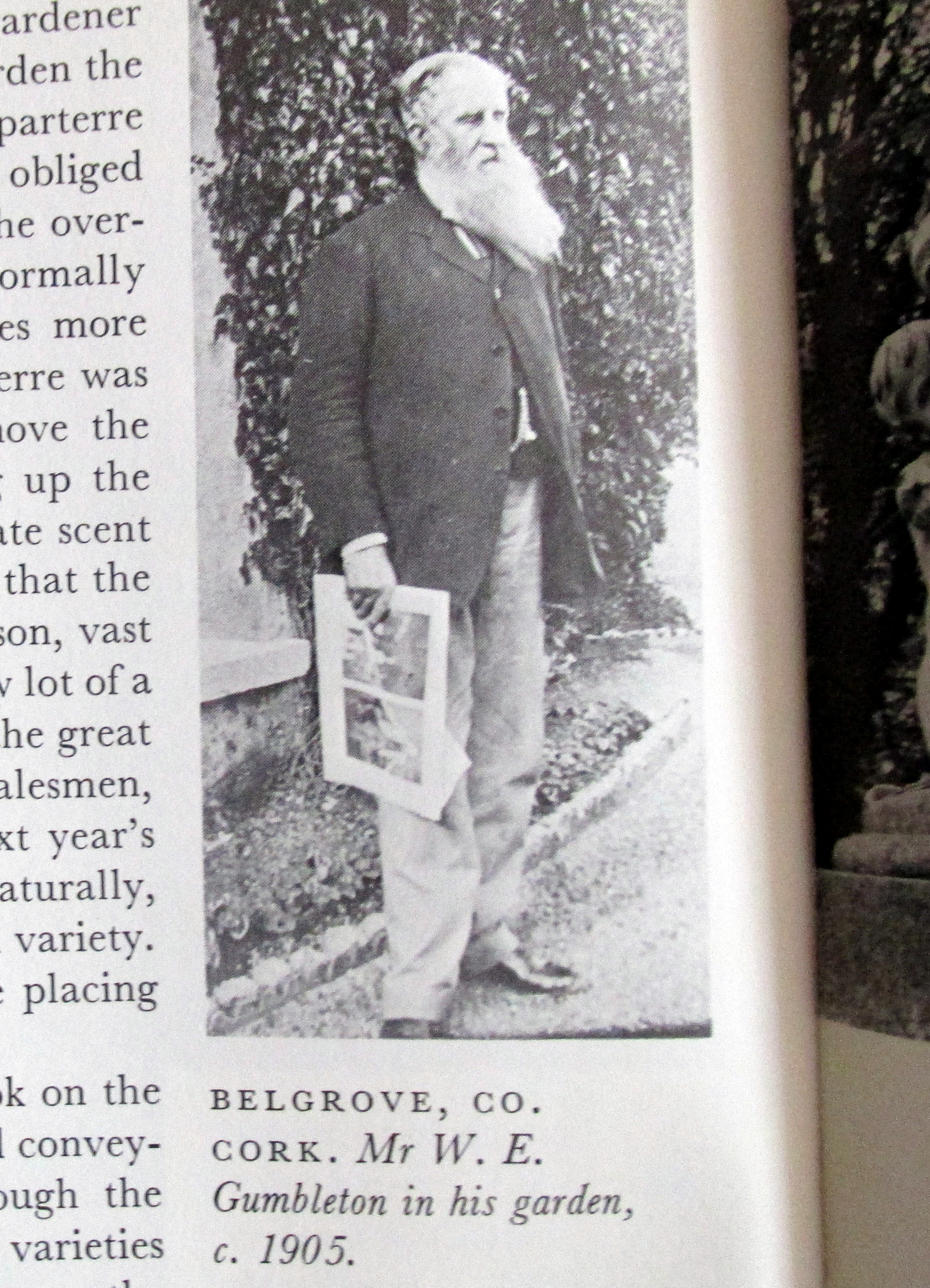
Gumbelton Estates including areas of Kilcrohane and Durrus West Cork, William Edward Gumbleton (1840-1911) garden at Belgrove, Great Island, Cobh, Co. Cork and donation of Botanic library to Botanic Gardens at Glasnevin.
It Is likely that the Gumbletons acquired parts f the former Boyle/Devonshire estates fro low rents through the intervention of their relations the Conner/Connors/O’Connors of bandon/Manch. They were agent to the Devonshire estate until they got their P45 for favouring relations to the detriment of the estate.
Gumbleton Magistrates:
Richard Gumbletown, Junior, 1735, Marshtown, Fermoy
Henry C. Gumbleton, Pre 1831
William Edward Gumbelton, 1866, Belgrove, Queenstown, Resident, £141
Friendly Cove:
http://landedestates.nuigalway.ie:8080/LandedEstates/jsp/property-show.jsp?id=2675&estate_id=2491
Fort Lodge:
http://landedestates.nuigalway.ie:8080/LandedEstates/jsp/property-show.jsp?id=2676&estate_id=2491
Generally:
http://landedestates.nuigalway.ie:8080/LandedEstates/jsp/estate-show.jsp?id=2491
William Edward Gumbleton was descended from the Cork Quaker Penroses, the shipping family on his mother’s side.
http://en.wikipedia.org/wiki/William_Edward_Gumbleton
The gardens at Belgrove were of international repute. The library attaching were bequeathed to the Botanic Gardens in Glasnevin, Dublin.
10 Friday Oct 2014
Posted in Uncategorized
10 Friday Oct 2014
Posted in Uncategorized
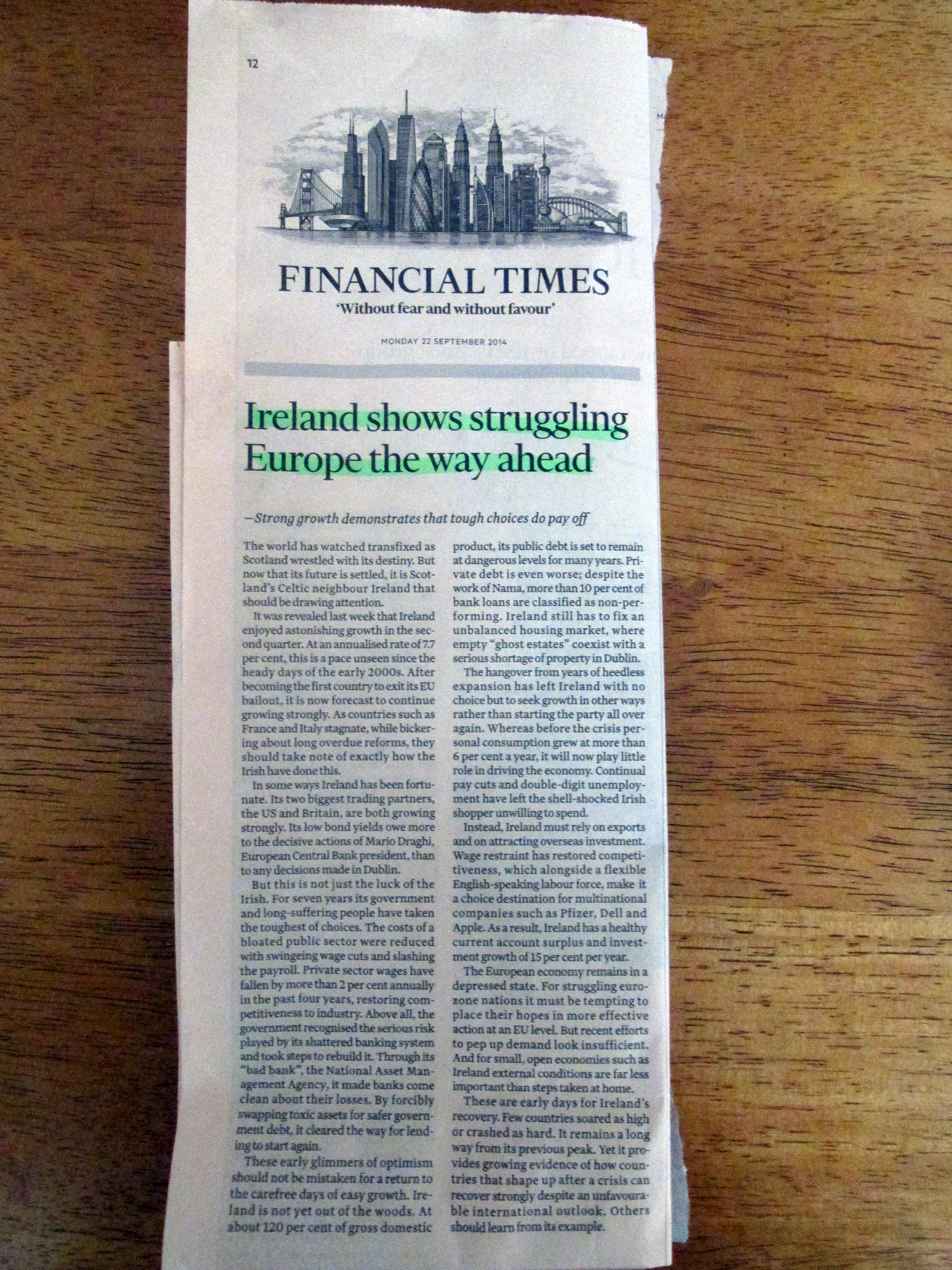
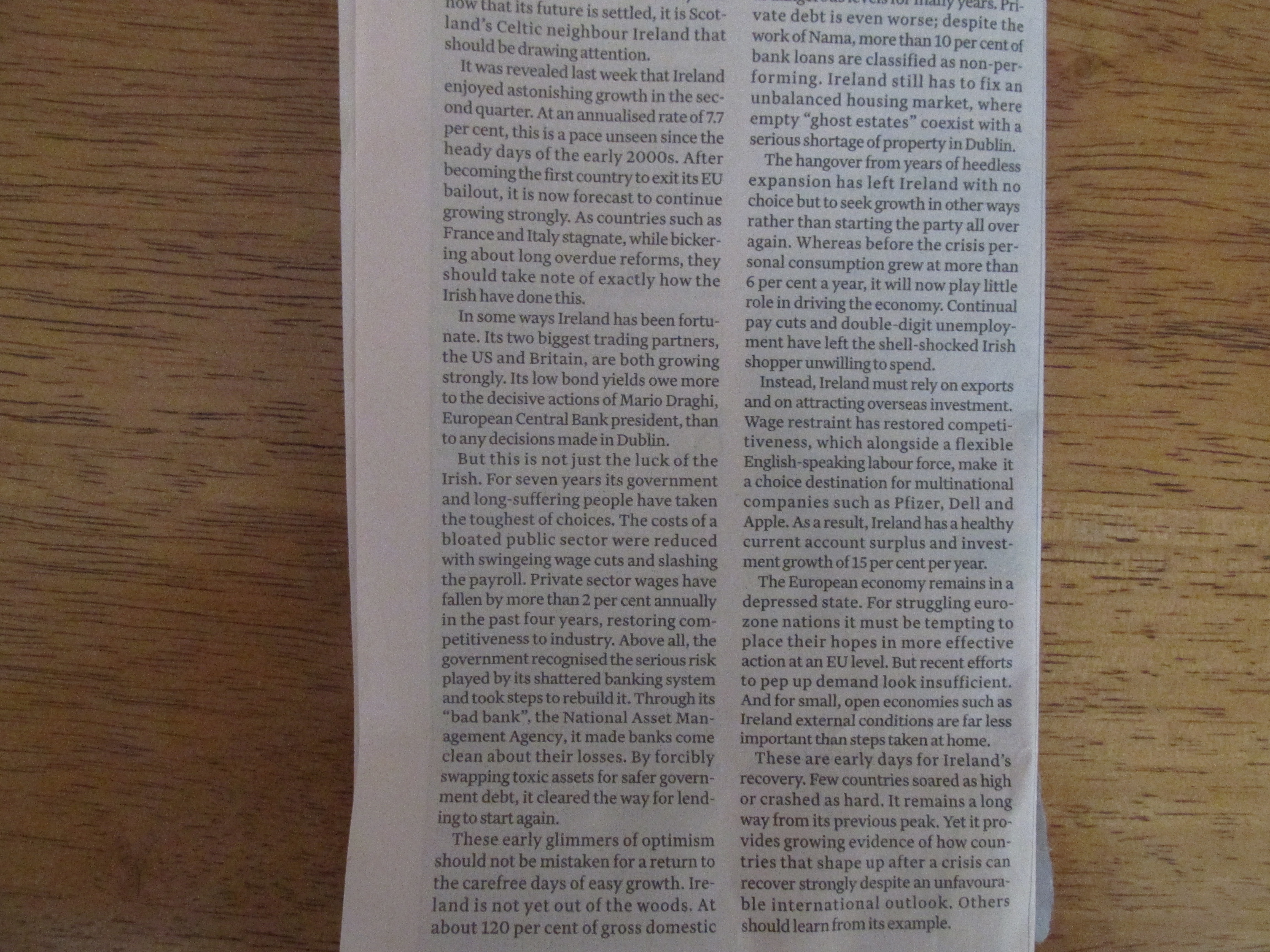
Recent Financial Times Editorial on Irish Economy and the enigma of 9th century Ireland.
A recent FT editorial captures a spot on the Irish economic cycle which has tended to oscillate from exuberance to despair. This duality is not new , in the 9th century a commentator was observing of the dual nature of Ireland simultaneously modern and archaic.
In economic terms, it is hard to credit listening to the Irish media that the country has developed at a staggering rate over the last 60 years. Credit rightfully due to the people of the Island. In the OECD area apart from Singapore and South Korea there are probably no countries which have developed more economically, and achieved a level of educational attainment and health then Ireland. This is while remaining a genuine liberal democratic country with none the autocracy of the east Asian Tigers and with the enormous economic burden of 30 years of the Troubles.
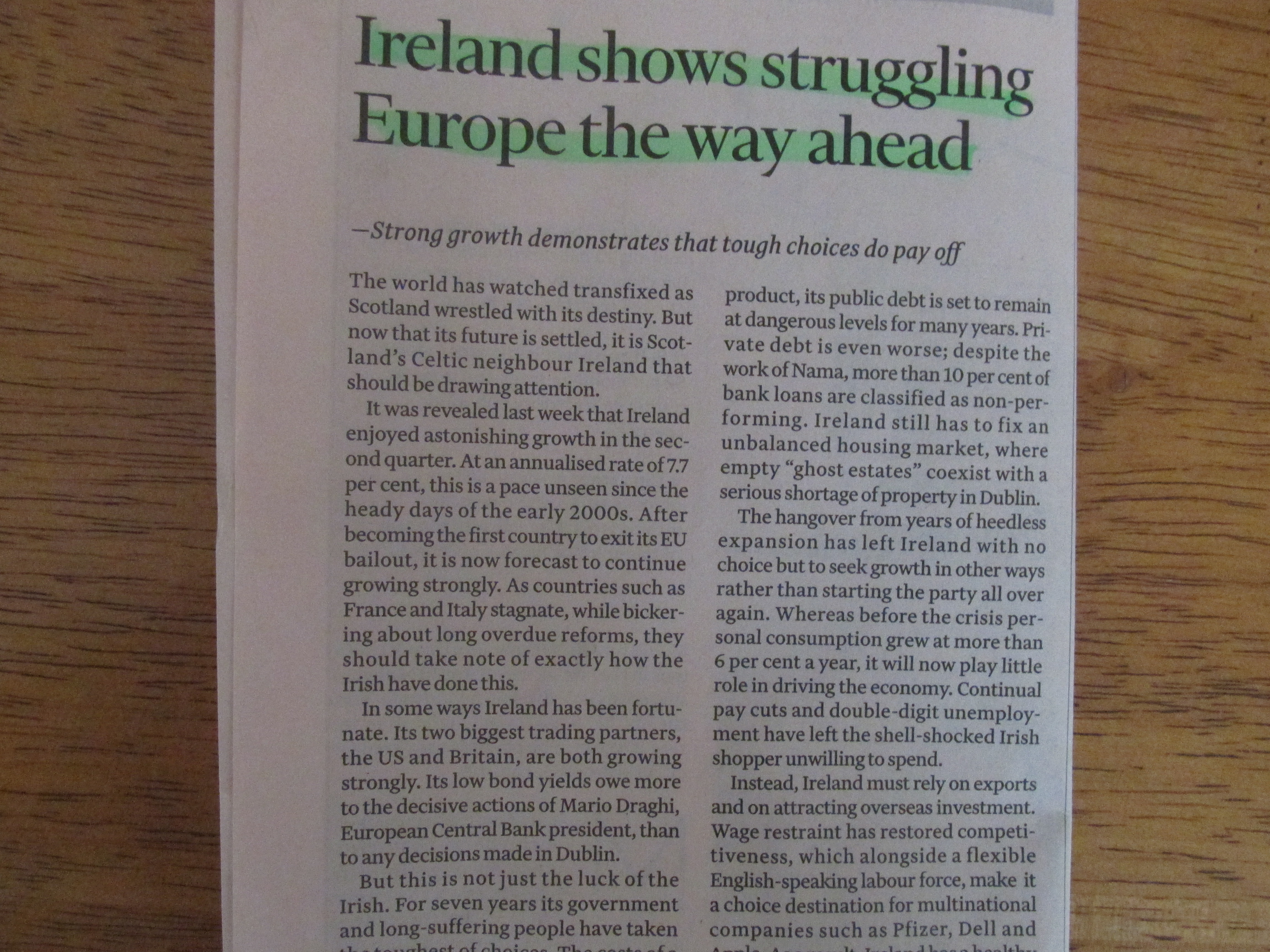
09 Thursday Oct 2014
Posted in Uncategorized
Agreement made between Francis Edwards, Jacob Sawbridge, Elias Turner, and Charles Ward on behalf of the Governor and Company for making Hollow-Sword Blades in England in the first part, and Francis Bernard, City of Dublin, in the second part. For the sum of £3,566. 5s. 0d. paid by Bernard to the Governor and Company, for a term of one year, they convey to Bernard the town and lands of Knocknacarra, Killdara, [Coghans], Coolmayne, Ballynagragh, Ballinvradigg, Coolbane, Garrylucas Upper, Ballincurrig, and Ardacrow, all in Cork county. Signed by all parties, and signed and sealed by Bernard.
One of the founding blocks of the Bandon estate.
From Boole Library UCC
http://booleweb.ucc.ie/index.php?pageID=409
The Hollow Blade Company acquired large tracts of forfeit land in Co. Cork as part payment for financing the Wars of William of Orange, hit by financial panic in the early 18th century they had to liquidate and this transaction was one where Francis Bernard the equivalent of Senior Counsel had ready cash and acquired this estate and later many more. He was very talented and came from a relatively modest background in Bandon. The Bandon Estate at its peak mainly but exclusively in Co. Cork neared 50,000 acres. It was acquired by purchase not by conquest. By the early 20th century due to the effects of the Land Acts the former tenant farmers were de facto owners subject to an annuity to the Land Commission.
Bandon Estate Durrus:
https://docs.google.com/spreadsheets/d/1LVgcai4i4QWpyLFvKhEgQAMjtdhjI6VhRrBr2XMWC2U/edit
Bernard Magistrates:
Arthur Bernard, 1752, Bandon, probably son of Arthur who built Palace Anne in 1714 near Murragh and Ann Power (Le Poer), Mount Eglantine, Co. Waterford and brother of Judge Francis Bernard. In deed of 1717 lets land to Richard Croker, Nadrid. Subscriber of 1766 ‘The History of the Irish Rebellion’, Cork, 1766.
Arthur Beamish Bernard Esq., Palace Anne, Bandon, Pre 1822. Writing 1821 to i Chief Secretary seeking appointment of brother Adderley Beamish Bernard half pay Captain 37th Regiment as Chief Constable of Police, severely wounded serving under Duke of Wellington and he himself active in restoring tranquility to local area. 1828 with Sir Augustus Warren proposed Franklin Baldwin attorney Bandon as Coroner. Attending Protestant Conservative Society meeting 1832, Member 1832 Cork Friendly Club. Listed 1854, Subscriber Lewis Topographical Dictionary of Ireland 1837. Member Commission on Magistrates 1838
Francis Bernard, 1668, Bandon
Francis Bernard, Junior, 1728, Bandon
Francis Bernard, 1st Earl of Bandon (1755-1830), 1772, Castle Bernard, Bandon, only son James Bernard and Esther Smith d Percy Smith. M Lady Catherine Henrietta Boyle d Richard, 2nd Earl of Shannon. MP Ennis 1778-83, Delegate 1783 to Irish Volunteer convention. Requested to be president of Bandon Brunswick Constitutional Club 1828 donated £50. Bandonbridge in Irish Parliament to 1790. Lady Charlotte Bernard, 2nd daughter married 3rd Viscount Doneraile.
Francis Viscount Bernard, (1785-1856), 2nd Earl of Bandon, Pre 1838, Castle Bernard, son Francis 1st Earl of Bandon (1755-1830) and Lady Catherine Henrietta Boyle d Richard, 2nd Earl of Shannon. Deputy Lieutenant 1832. 1834 Member Committee Cork Protestants. Protestant Protest Meeting Bandon 1834. Member Commission on Magistrates 1838. Supporting Alexander O’Driscoll, JP suspended, Bandon 1841. Member provisional Committee projected Bandon to Bantry Railway 1845. Dining Cork Agricultural Dinner 1848 with ‘Big’ Patrick O’Sullivan Esq., Millcove, Beara, Agent to Lord Bantry and Seneschal voted in Conservative interest. Anti-Repeal Meeting, Dunmanway 1845. Married 1809 Mary Susan Albina Brodrick d Archbishop of Cashel Rev. Charles. listed 1854. MP Youghal 1806-7, 1818-20, Co. Cork 1807-18, Bandon 1820-6, Estate 40,000 acres, Joseph Devonshire Jackson seconded James Bernard 2nd Earl of Bandon 1841, as life member RDS. Attending Landlord Meeting Bandon Courthouse 1846. Lord of Manor Macroom, Kilcrea and Blarney appointed Seneschal 1837 Robert Borlease Warren a tenant and relation retained the right to appoint in Macroom even after selling estate there and being often resident in London.
Francis Bernard, 3rd Earl of Bandon (1817-1877), Castlebernard, son Francis 2nd Earl of Bandon (1755-1830) and Mary Susan Albina Brodrick. Chairing Famine Relief Meeting Dunmanway 1846. Member Irish Society Antiquaries 1861. Promoter flax growing West Cork 1850s. Promoting mineral development in West Cork including barytes mines on his Dereenlomane property, Ballydehob. Probate 1877, executor James Francis Bernard, 4th Earl £18,000
Colonel Henry Boyle Bernard, Castle Bernard, South Cork Militia, Coolmain, Kilbrittain in summer, 1876-6. Supporting Alexander O’Driscoll, JP suspended, Bandon 1841. Elected Conservative MP for Bandon in 1862 defeated Thomas Sullivan Kingston, Esq., Solicitor, defeated 1868, election by William Shaw, Bernard received no Catholic votes. Subscriber 1861 to Smith’s History of Cork. Cork Spring Assizes Juror 1863. Committee member Bandon Navigation Scheme 1842. Member provisional Committee projected Bandon to Bantry Railway 1845. Anti-Repeal Meeting, Dunmanway 1845.
James Bernard, 1762, Castle Bernard, witness to deed 1767.
John Bernard, 1767, Bernard’s Hall.
Morrough Bernard, possibly other way around. Seeking equality of endowment in Catholic education 1859.
Percy Broderick Bernard, 1866, Kilbrogan, Bandon, Non-Resident, £6
Roger Bernard, 1731, Pallace Ann, son of Arthur.
Roger Bernard -1774), 1768, Pallis Ann, son of Roger, Cambridge University 1761, died single will 1774
Thomas Bernard, 1782, Palace Anne, Enniskeane, sitting 1835, Bandon
Honourable Captain William Smith/Smyth Bernard, Pre 1831, The Farm, Bandon, listed 1824. Chairing Bandon Brunswick Constitutional Club 1828. Subscriber Lewis Directory 1837. Attending Protestant Conservative Society meeting 1832 presiding Magistrate 1845. Attending Landlord Meeting Bandon Courthouse 1846, listed 1854. Member Commission on Magistrates 1838
09 Thursday Oct 2014
Posted in Uncategorized
December 1790, Death of Owen MacCarthy, Esq., age 84, near Blarney, ‘commonly called Master-na-Mona, or Lord or Master of the Preceptory of Moran, in this county. He was the last of that ancient and respectable family, except an only son, the Governor of Miranda, and Colonel of Regiment of Horse in the Portuguese service, where by his valour, he was promoted in a sovereign clime to honours, which he was rendered incapable of enjoying in his native country from the severity of penal laws. The deceased had fifteen brothers, thirteen of whom, on said account, emigrated for bread after losing their estates in this Kingdom, and were promoted to high ranks in the different armies of France, Spain, Portugal and Germany.’
From Hibernian Chronicle 6th December 1790, courtesy Jean Prendergast
08 Wednesday Oct 2014
Posted in Uncategorized
Tags
Arthur O'Neill, Lord Kenmare, Murreertagh MacOwen O'Sullivan, Murtagh MacOwen O'Sullivan, Owen O'Sullivan
Memoir of Blind Harpist Arthur O’Neill, visit to Murtagh Mac Owen O’Sullivan at Berehaven, Co. Cork, Milesian Festival held by Lord Kenmare c 1720.
I travelled the principal part of the County of Cork without anything occurring worth relating. I spent one Christmas with a gentleman that lived in Berehaven named Murtagh MacOwen O’Sullivan, who lived in a princely style. My boy came to me one morning when in bed, who desired me to bless myself. I asked him why so. ‘Och, Sir ! there is a pipe of wine and two hogsheads of some other liquor standing up in the hall with the heads out of them and a wooden cup swimming in each of them for anyone that pleases to drink their skinful.’ I mention this merely to record the hospitality of the gentlemen of the province of Munster. Nor was this the only instance of it, as similar occurrences happened to me during the time I travelled through that country.
Lord Kenmare, the principal proprietor of Killarney, the lake and the surrounding country, took it into his head to give a Milesian entertainment, that is, to entertain at Christmas time every Milesian that could be found that bore the name of an Irish chieftain, which names are, the O’Neills, the O’Briens, the MacCarthys, the O’Donoghues, the O’Driscolls, the O’Connors, the O’Donovans, the O’Sullivans, the O’Connor Kerry, the MacNamaras, the O’Keeffes, the O’Meaghers, the O’Learys, the O’Callaghans, the O’Connells, the O’Mahonys, the MacGillacuddys, and some others of the Milesian race that my memory at present will not enable me to mention. At the feast there were one or more of every name (already mentioned) present but an O’Neill, which Lord Kenmare observed and mentioned. ‘Och,’ says my patron, Murreertagh MacOwen O’Sullivan, ‘upon my honour I can soon fill up that gap for you, as I have now at my house a young man from the north who is blind and plays on the harp very well for his years, and from what I can understand from his own lips he has a good claim to represent on this occasion the O’Neills.’ ‘Well, send for him,’ says my lord. I was sent for and was without any ceremony seated amongst them in the Great Hall before dinner. Hundreds of questions were asked me concerning my descent, and on my giving them satisfactory answers I was dubbed and deemed an O’Neill, for they all said I had a very genteel mug (a good face), etc., etc.
When dinner was announced, very near two hundred of the O’ s and Mac’ s took their seats, and poor self being blind I done what blind men always do – I groped a vacancy near the foot of the table ; and such a noise of cutting, carving, roaring, laughing, shaking hands, and such language as generally occurs between friends who only see each other once a year, I never before or since witnessed. While dinner was going on I was hob-nobbed by almost every gentleman present. But when Lord Kenmare hob-nobbed me he was pleased to say, ‘O’Neill, you should be at the head of the table, as your ancestors were the original Milesians of this Kingdom.’ ‘Oh, my lord,’ says I, ‘it’s no matter where an O’Neill sits, and let it be at what part of the table I am, it should be considered the head of it.’ An universal burst of applause ensued, and my arm was almost shaken from my body by all present, and I believe it was in consequence of my reply to his lordship, which they remarked came by instinct to an O’Neill ; and damn the O’Neill that ever was born or that will ever yet be born as well as myself but was drank by all the Milesians then present.
The gentleman who represented ‘O’Connor Kerry’ after dinner took my harp and to my astonishment he played a few tunes in the first style I ever heard in my life by a gentleman of fortune. He afterwards shifted the harp into my hands. I played some tunes which I received some compliments for ; but if King David came down to the Hall of Lord Kenmare and played his best tunes for that set of gentlemen they would make him cut (stop) the best tune he ever played, to drink to the real Irish, as harmony was lost when the port and claret began to box each other in decanters at all parts of the table when the cloth was removed and the carpet was generally the bed for the principal part of the visitors ; and at that time it was a common thing to take a dram in the morning, to fulfil the saying of ‘The dog that bit you a lock of his hair will cure you’.
As I mentioned that a MacGillacuddy was one of the Milesians, I was informed that one time taking his seat in Dublin for the stage coach he gave in his name which was kept by a woman, but she could not understand it and seemed confused. ‘Give me the book, my daisy,’ says he, ‘and I will enter it for you myself.’ ‘Thank you, Sir,’ says the female clerk, who handed him the book, in which he entered the name of Jeffrey MacSheefferoo MacGillacuddy. on which she, on looking over, informed him that the children must pay half price (she thinking that the length of his name would occupy the whole coach).
When I left Lord Kenmare’s I heard of the beauties of the lake, which I witnessed in every sense of the word except seeing them ; and as far as my judgement [goes], besides what I have been informed, the lake cannot be sufficiently described. I heard many descriptions of it, but Garrick’s (the celebrated actor’s) account of it came the nearest to my imagination.
When I left the County Kerry my next tour was towards Limerick and I met with nothing worthy of mentioning until I came to that city. I met a Counsellor Macnamara, then Recorder of Limerick, who invited me to his house about five miles distant, called Castleconnell, where I was very well received. He had a house in Limerick in which was the skeleton of Brian Boru’s harp, and in consequence of the national esteem I held for its owner I new strung it and then tuned it. It was made of cedar. It was not strung for upwards of two hundred years before ; which when done Counsellor Macnamara requested me to strap it around my neck and play it through that hospitable city, which I agreed to do, being then young and hearty and had no care, as at that period I was not very rebunxious among the women ; and the first tune I happened to strike on was the tune of ‘Eileen Óg’, now generally called ‘Savourneen Deelish’ and ‘Erin Go Bragh’. I played several tunes besides and I was followed by a procession of upwards of five hundred people, both gentle and simple, as they seemed to be every one imbibed with a national spirit when they heard it was the instrument that our celebrated Irish monarch played upon before he leathered the Danes at Clontarf out of poor Erin. The Lord be merciful to you, Brian Boru ! I hope in God I will tune your harp again in your presence in heaven. And if it should be the case, upon my honour and conscience I will not play the tunes of ‘July the First’ nor ‘The Protestant Boys’ ; but I would willingly play ‘God Save the King’, and that would be for yourself, Brian !
 West Cork History