1936 Cork County Committee for Agriculture Scholarships for Women. ( from West Cork 9 in the First 10 Places.) If you Want a Good Housekeeper go to West Cork (Laughter). It is Hoped that when these Girls Marry They Will Marry in West Cork.
1936 Dunmanway Methodist Centenary Celebrations. Zachariah Yewdell 1783. 1811 Diaries of Rev. Thomas Waugh. Gideon Yousley 1837.
1936 Dunmanway Methodist Centenary Celebrations. Zachariah Yewdell 1783. 1811 Diaries of Rev. Thomas Waugh. Gideon Yousley 1837.
..
Dinnseanchas. The Naming of Houses After the Homeplace, Richard Wright, Clonakilty, ‘Carbery’, Glenageary, Methodist Rev. Earnest Donovan, Foronaught, Myross, Sandycove, Dublin, Richard Townsend ‘Dunbeacon’, Horton Australia. Also include Van Morrison on Belfast. Rooska Australia a Vickery house from Rooska, Bantry
1891 Death James (‘The Governor’) Hutchinson Swanton (1815-1891), Rineen Skibbereen, Carrisbrook House, Dublin (Mentioned in James Joyce Ulysses), Memoir of William Feckman and West Cork Methodist References.
1936 Action at Skibbereen Circuit Court re Alleged Wrongful Interment at the Abbey Graveyard Two Branch of the O’Driscolls, Beag and Mór. The Last of there Mórs a Fenian had to go to America.
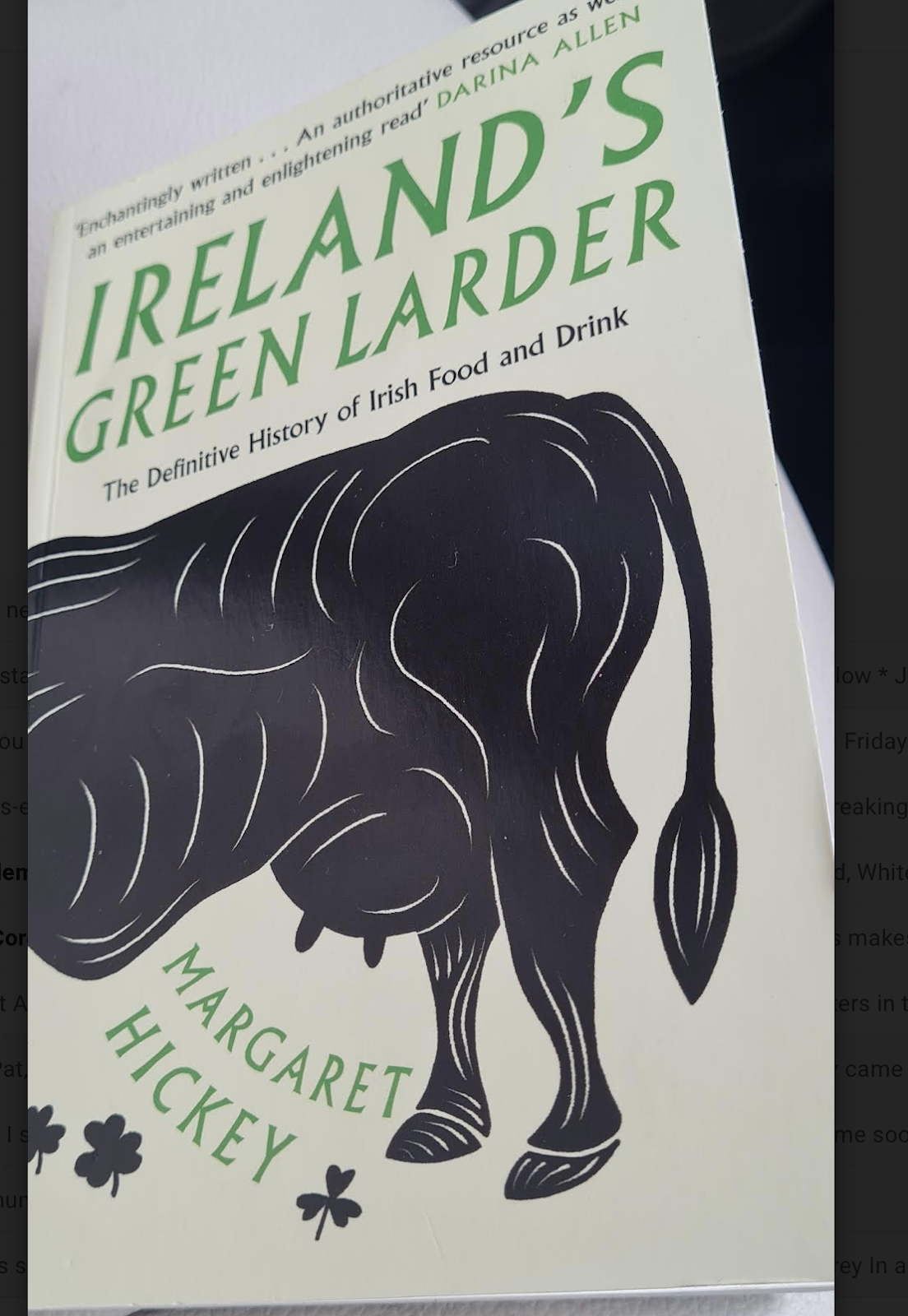
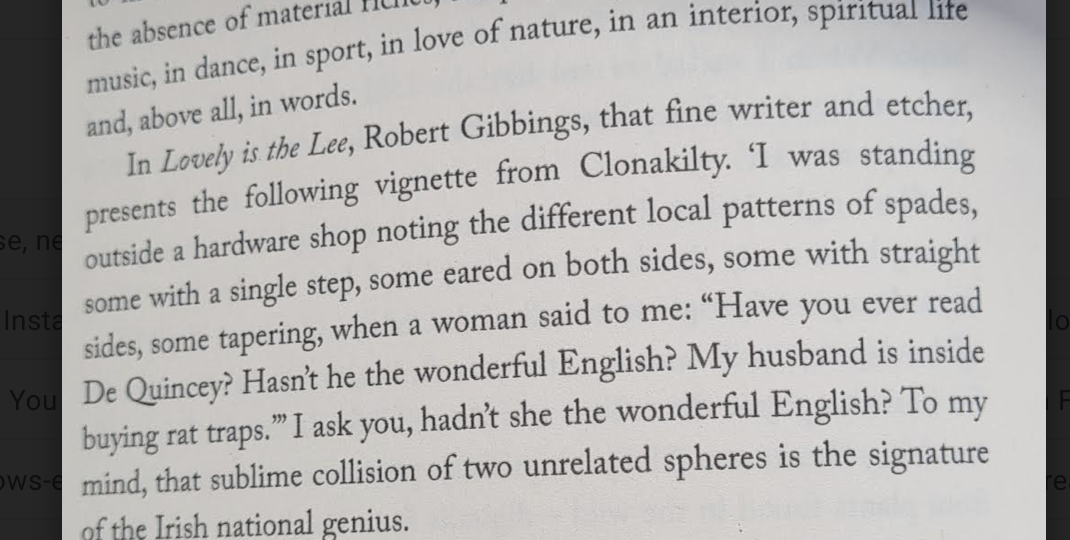
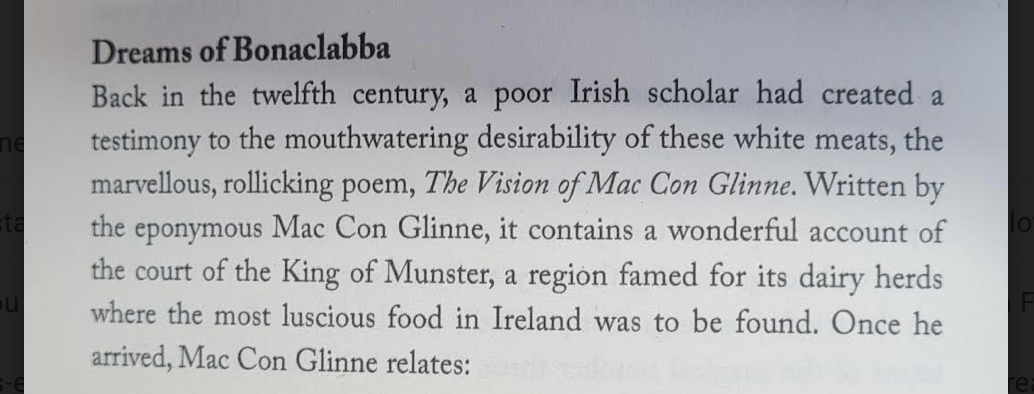
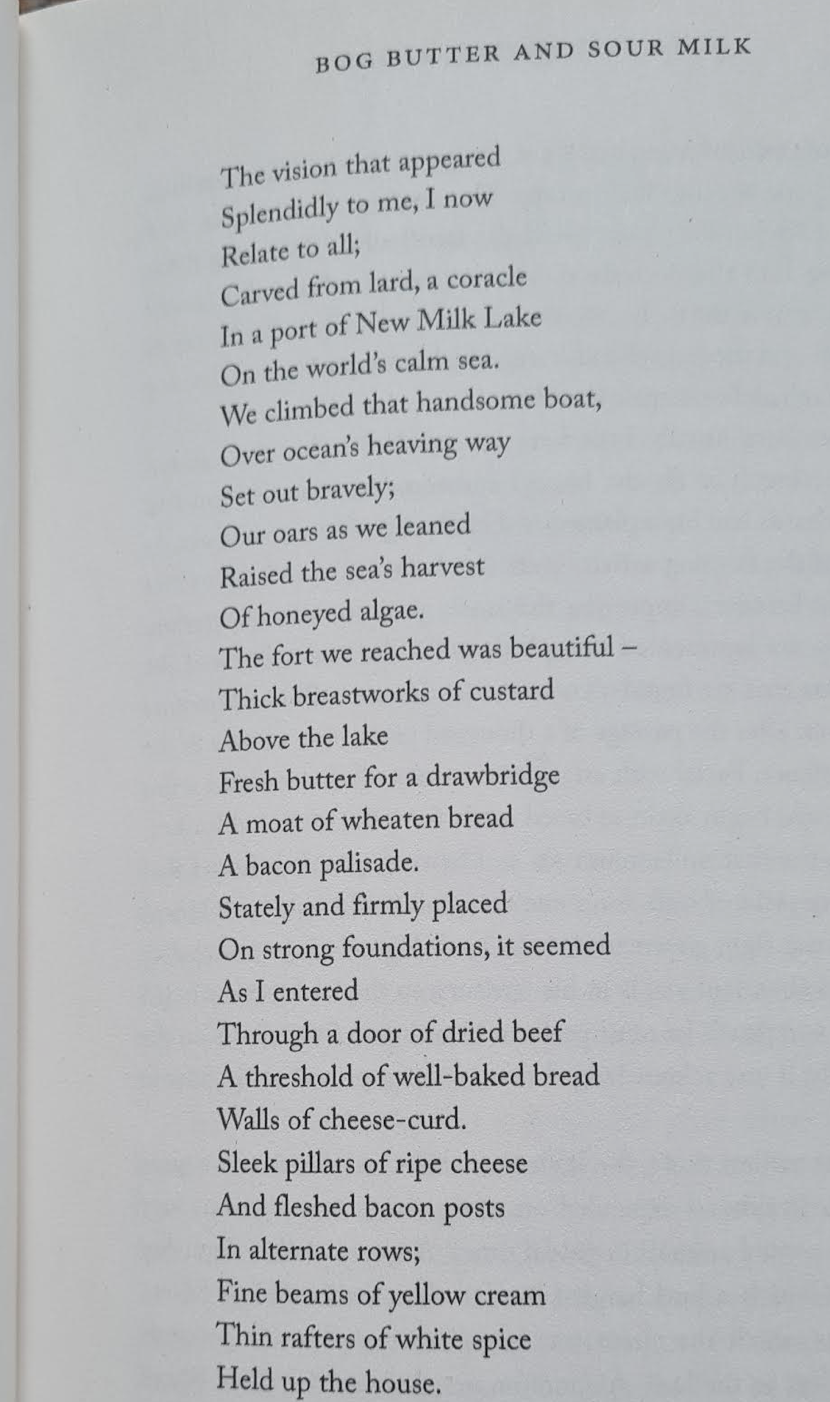
12th Century Poem ‘The Vision of Mac Con Glinne’. Account of the Court of the King of Munster. Milk Lake, A Drawbridge of Butter, Walls of Cheese Curd. Robert Gibbons in Clonakilty.
.
..
Robert Gibbins, survivor Gallipoli, Grandson Robert Day Cork Antiquarian, author ‘Lovely is the Lee’ 1945, on Inchigeela, Gougán Barra, Gold at Snave Bridge and Comhoola with Engravings. He was the grandson of Robert Day , Cork businessman and antiquarian.
Robert Day (1836-1914), Cork Antiquarian, Early Photographer, Magistrate, Businessman, Part of his Collection ended with with William Randolph Hearst, British Museum, Grand Father Writer, Robert Gibbins.
The church records which have survive for St. Finbar’s Cathedral and St. Peters Church of Ireland are replete with names originating i West Cork. Time and again you come across Jagoes, Attridges etc. It also seemed to be common for couples to come to Cork to marry and presumable spend a few days of a honeymoon there.
West Cork Colony Barrack Sr. Cork Butter Buyers
Re butter making, John Jagoe of Bantry whose father was from Dunmanway reputedly ran a shop for a while in Bandon Road/Barrack St.
FROM CORK TO SOUTH AMERICA, MARRIAGE IN BAGOTA OF GENERAL O’LEARY SON OF JEREMIAH O’LEARY, ESQ., BUTTER MERCHANT, CORK, GRANDFATHER FLORENCE O’LEARY, DUNMANWAY, TO SOLEDAD SOUBLETTE NIECE TO PRESIDENT BOLIVAR. LATER DIPLOMAT IN EUROPE AND BRITISH CHARGE’ DE’AFFAIRS. PRESENT COLLECTION OF PLANTS ANIMALS TO UNIVERSITY COLLEGE CORK.
They went on to have 9 children. He was told after General Bolivar’s death to burn his papers but did not so so and spent his life organising them into a multi volume publication.
1933 Letter from The O’Donovan Then Living in the UK to Carbery Show re Horticultural Potential West Cork
.
..
Colonel Morgan William ‘The O’Donovan’ Oxon (1861-1940), CB, D.L., MA, 1888, ‘The O’Donovan’, Clann Cathal, Lis Árd, Skibbereen, son of Henry Wintrop ‘The O’Donovan’ MA, DL. and Amelia d ‘The O’Grady’, Courcy O’Grady, Kilballyowen, Co. Limerick. Ed. Haileybury and Oxford, Lieutenant-Colonel Munster Fusiliers, Colonel South Cork Militia Boer War, Succeeded Colonel Aylmer C. Somerville 1899 as President Carbery Agricultural Society. Presented organ to Creagh Church to commemorate the Jubilee of Queen Victoria. 1892 High Sheriff, Co.Cork ill, spent the summer on the Continent recovering. 1893 Member Cork Historical and Archaeological Society. Member Royal Society of Antiquaries 1889. Sent a carriage to the funeral of Lieutenant-Colonel Thomas Somerville D.L. (1824-1898), Clontaff, Drishane. Signed Requisition 1905. Cork Junction Railway Bill. Requisition to the Right Honourable The Earl of Bandon K.P., to Call a meeting for the purpose of Approving the Cork Junctions Railway Bill. Addressing a recruitment meeting in Drimoleague in July 1915 he referred to this ancient stronghold (Castle Donovan) of his family. After they displaced the O’Driscolls they became the Chief People of the Carberies. Listed family members as giving a present to 1907 Spaight wedding Union Hall. Considered the preservation of ancient documents a matter of importance. M Mary Eleanor, (Madame) odo Rev. J Yarker Barton, Chaplain to British Forces, she chaired the Women’s Emergency Recruiting Committee WW1, Skibbereen, listed 1921. Attending 10 Grand Jury presentments..”
1933 Letter from The O’Donovan Then Living in the UK to Carbery Show re Horticultural Potential West Cork
1822. From Diary of Richard O’Donovan, of Bawnlahan, (Bán Chlocháin), Skibbereen, Co. Cork, Ireland, said the Whiteboys had been caught in a pitched battle with police and troops on January 25th nine had been found guilty of Insurrection Act and hanged. This was prompted by an Excise raid on a Poteen Making Operation which developed into a running battle with the Whiteboys. Some Local Customs Personnel.
Attempt to build new bridge at Bealkenmar (Béal Cinn Mara). Covenant in leases to fertilize with 4 boat of sea sand, he builds his own Sand Boat. Mr Hull calls with News of Failure of Roche’s and Leslies Bank in Cork.
1633 Henry Gosnold modern Gosnell Chief Justice Munster Taking lease of slate house in Bishop’s Court of St. Finbarr’s Cathedral Richard Caulfield’s transcriptions of Chapter. Caulfield’s mother Gosnell from Schull “””Henry Gosnold”” on Revolvy.com www.revolvy.com
Henry Gosnold, or Gosnell (c.1560 – c.1655) was an English-born lawyer who spent most of his very long life in Ireland . He sat in the Irish House of Commons and held office as Chief Justice of Munster and Deputy Admiralty judge. He is now mainly remembered for his friendship with Francis Bacon. He was also famous in his own lifetime for his wit: a few of his jokes still survive. Early career Francis Bacon aged 18, around the time his friendship with Gosnold began. He was the son of John Gosnold, a member of the well-known Gosnold family of Otley, Suffolk and his wife Katherine Kinellmarsh; the explorer Bartholomew Gosnold was his cousin. The family name is also spelt Gosnell or Gosnard.
It is likely that he was parachuted in by the English Colonisers.
In contrast the Gosnell appearing in the marriage licence bonds from 1745 was mostly to reasonably prosperous West Cork Church of Ireland families. Largely Catholic records only commencr to about 1810 but looking at DNA evidence there was a significant amount of intermarriage.
Will records commence 1718.
The Gosnells do not appear on the list in Bennetts History of Bandon of those who came to Bandon post 1590 from the West Country of England
1840 Farewell Address to the Rev. Edward Spring, Zealous Proselytiser, Living Castletownbere. His son Sir Francis Joseph Spring, Indian Railway Engineer, Developer of Madras Harbour, Funded a Prize for Engineering at TCD.
Spring, Sir Francis Joseph (1849–1933), civil engineer, was born 20 January 1849, most likely in Magourney, Co. Cork, son of the Rev. Edward Spring, rector of Magourney; his mother’s name is not known. After receiving his early education at Midleton School, Co. Cork, Spring went on to study engineering at TCD, serving his one-year apprenticeship under Alexander McDonnell (qv), locomotive superintendent of the Great Southern & Western Railway, and graduating with his licence in 1870 (TCD did not offer a degree in engineering till 1871/2). Also in 1870, he entered the Indian public works department, where for nearly fifty years he played a major role in the development and administration of India’s major railways and ports.
The Rev. Spring and his brother were part of a band of proselytising Church of Ireland Clergy who plagued West Cork from around 1820 to 1850. Stirring up trouble, allegations that they were offering food and education to starving locals if they converted. The listing for subscribers for Teampall na mBocht Church at Toormore by the Rev. Fisher shows the background to their supporters.
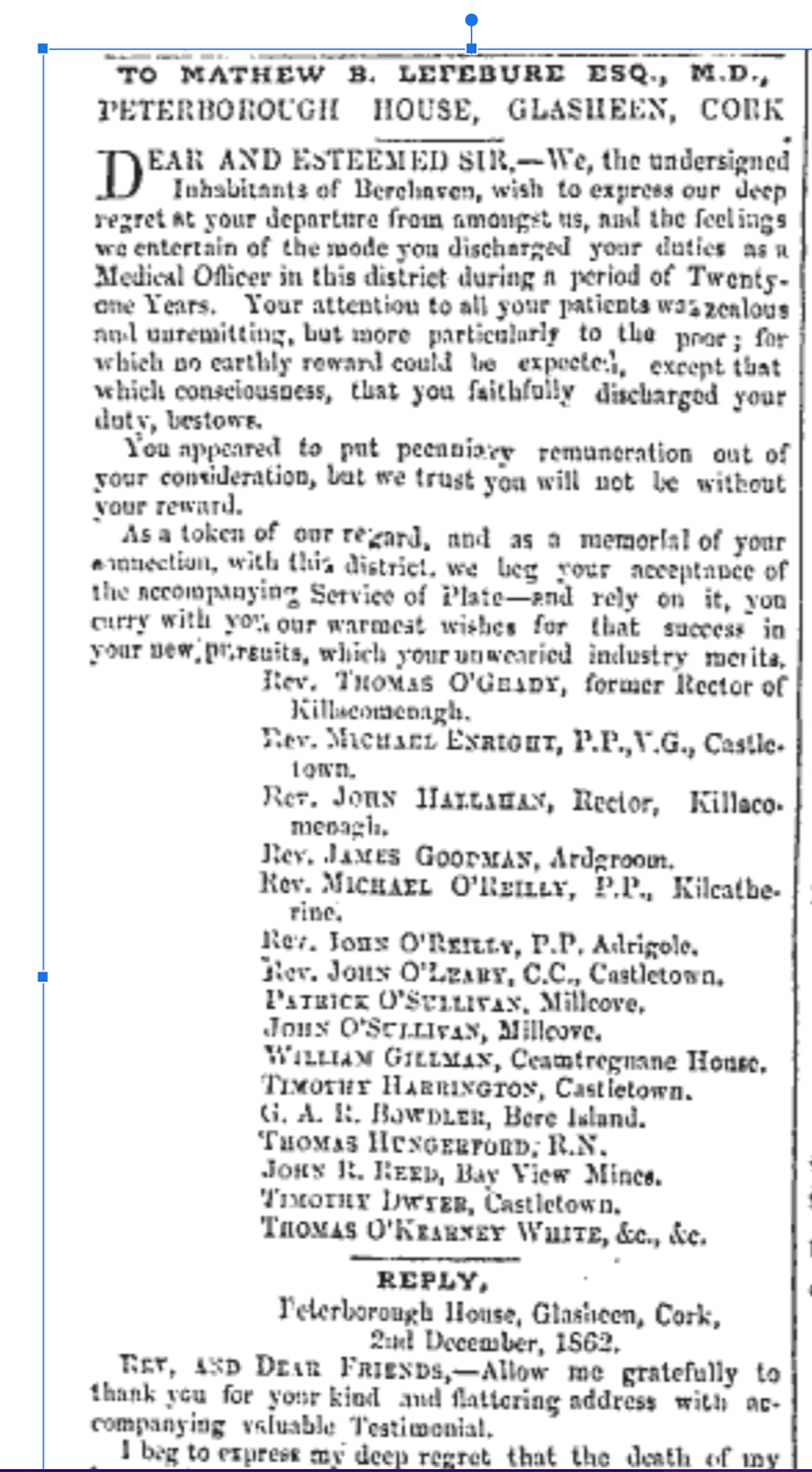
1862 Testimonial to Dr. Mathew Lefebure, M.D. on Leaving Berehaven after 21 years of Service to the Poor, His wife Angelina Coppinger O’Donovan. The Lefebure family.
1844, 1846, 1859 Mathew B. Lefebure M.R.C.S.I. Child Claude Anthony Lewis wife Angelina “Parish Register. Possibly the person in Dr. John O’Donovan letters He has enquired about a document in the possession of Dr. Le Ferre who was married to an O’Donovan. 1846 donor famine relief Beara.
1840, also doctor, wife Abgelina, daughter Angelina Coppinger O’Donovan, son Cladius Anthony Lewis, 1840 “May be of Huguenot origin. Suggested related to O’Sullivan Bere through descent or marriage. James O’Donovan London and Skibbereen sub editor the Times, He also refers to a pedigree of the O’Donovans in the possession of Dr. Lefevre of Castletown Berehaven. ” “From Dr. 24 O 39/JOD/ 69 29 August – 20 September 1844 Holograph letters from Daniel Donovan, Bridge Town, Skibbereen, to John O’Donovan. Donovan explains his delay in responding to O’Donovan’s request for family information stating that he is waiting for papers from [Dr. Le Febure] which are in London. He offers his observations on the Donovan families of Carbery. He mentions Philip Donovan, the civil war and Cromwellian confiscations, destroyed manuscripts, Castle Donovan, properties currently and formally in the possession of the Donovan family and Donovan Island. [not certain if all pages belong toone letter] He offers his assistance to the work being carried out by O’Donovan. He apologises for the delay in sending the pedigree required by O’Donovan as he had lent it to the deceased Philip O’Donovan, who mislaid it. He is ‘anxious to cultivate your acquaintance and render you any assistance in my power’.
2 items 18cm O’Donovan papers Royal Irish Academy”
mong those mentioned in testimonial
‘Big’ Patrick O’Sullivan, Millcove: Castletownbere:
Peadar Ó hAnnracháin, Gaelic League Organiser, Cois Life, ‘OUR DUBLIN LETTER’ in the Southern Star. He often uses the phrase ‘long tailed family’ I think it roughly equated to a common phrase in obituaries in the Skibbereen Eagle adn Southern Star as the deceased bring of ‘an old and respected family’ applying to both Catholics and Protestants.
Looking at their obits in detail one category rarely appears and these are what Tod Andrew called ‘the people of no property’, labourers, those living in lanes in the villages and towns. The detailed obits show the immediate family then cousins, in laws, the the general public headed by the most important locals. Those who get obituaries are the middling to large farmers and business people. When you look at the over time you can discern the networks. Well known locally at the time but now forgotten.
The Gaels were defeated at the Battle of Kinsale in 1601 the Chiefs went into exile. But a few increments below elements of the old families prospered as large tenant farmers and business people. The tend to be under the radar live modestly but they have the cash.Taking the triangle of Bantry/Drimoleague/Skibbereen quite a number are sufficiently well off the advance monies to local landlord families from the 1780s. See enclosed listing of deeds.
The would include the Blairs, Hutchinsons, Evanson, beggars on horseback with hardly a pot to piss in. There is an equivalent Protestant network of the same broad social and economic class like the Swantons of Ballydehob and the Shannons of Brahalish, Durrus, often they both work together as Grand Jury contractors or building work.
The class of people I am talking about tend to marry within the extended group and over a wider geographic area. Here the obits show the relationships.


 .