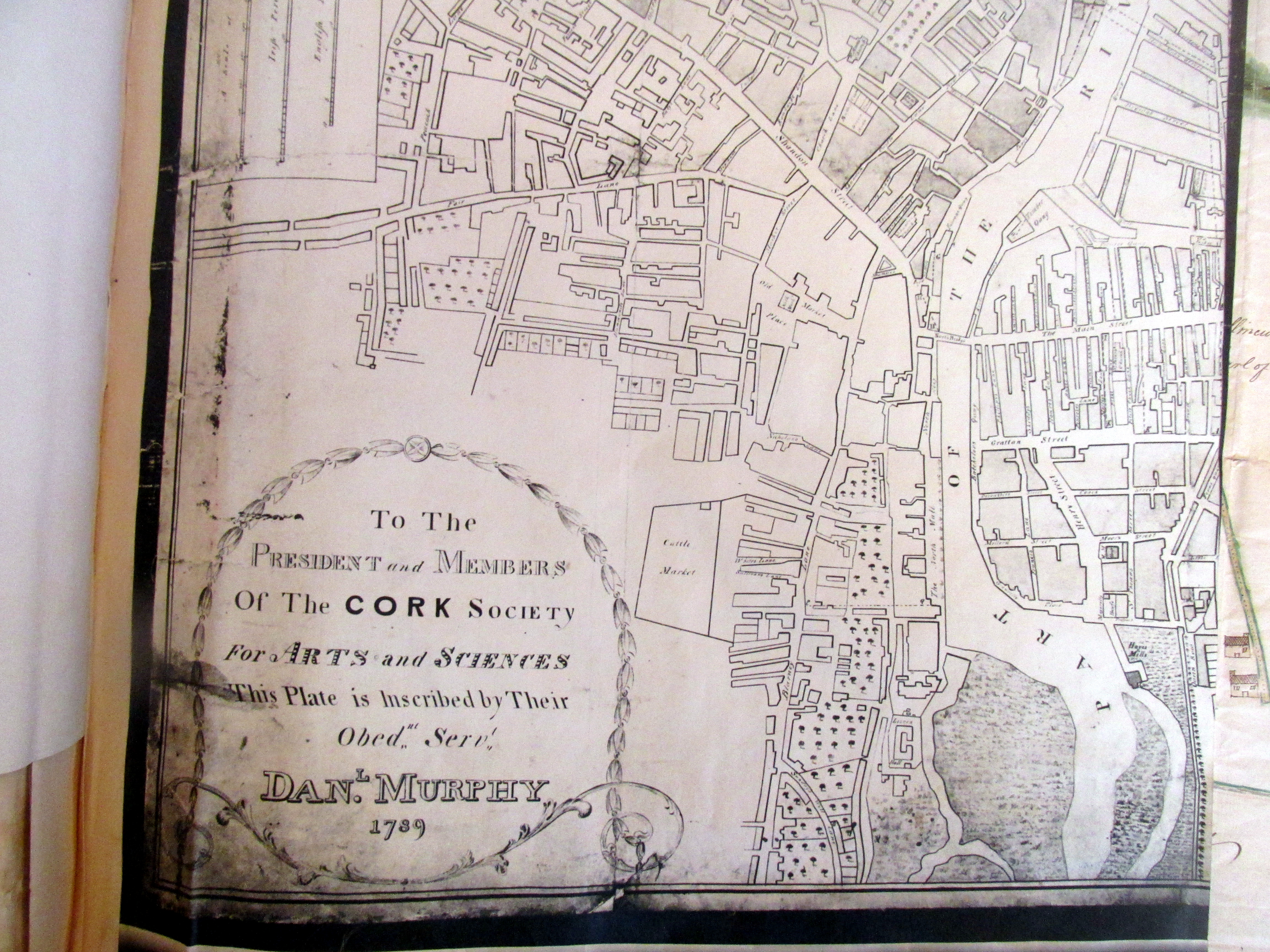
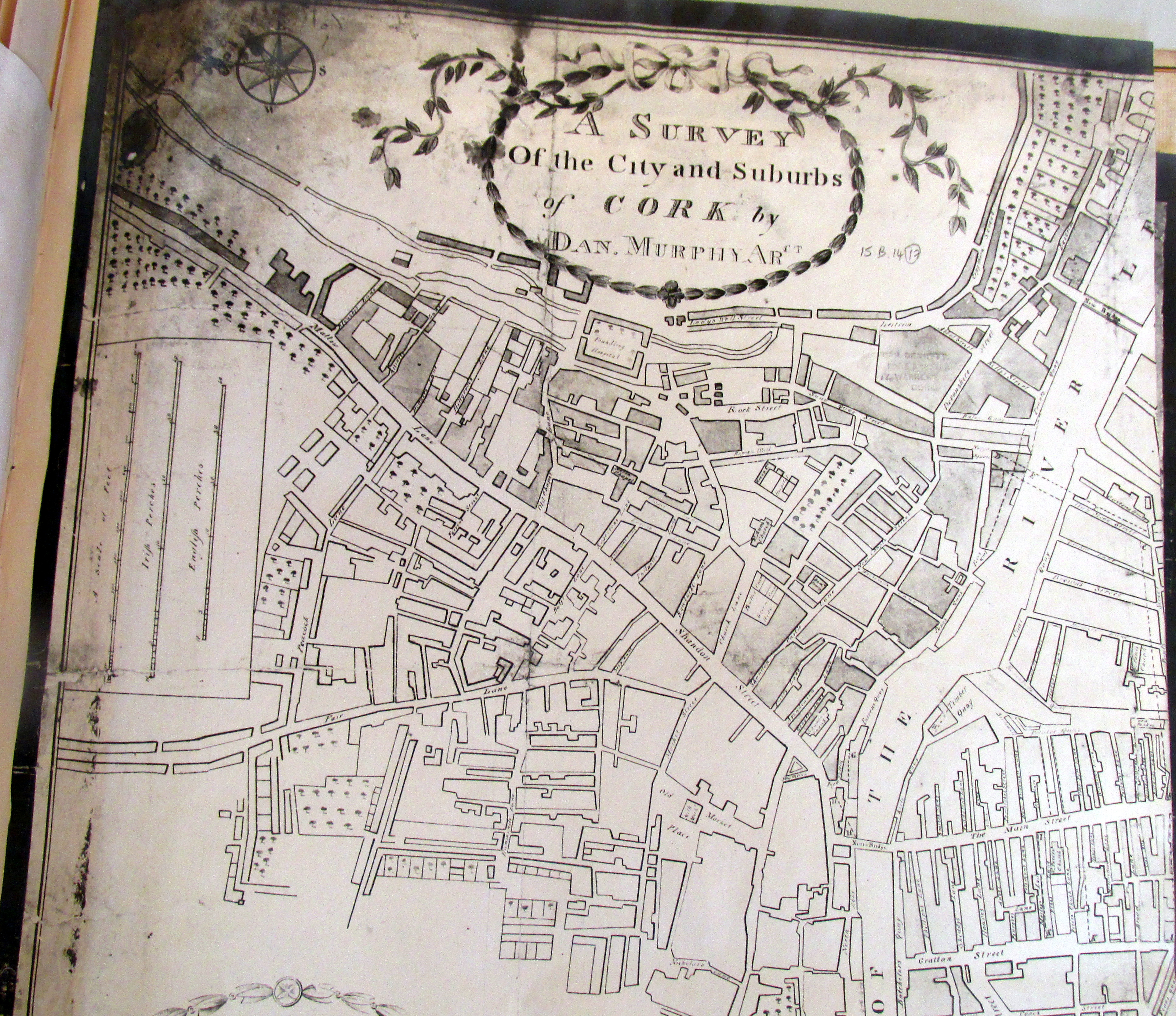
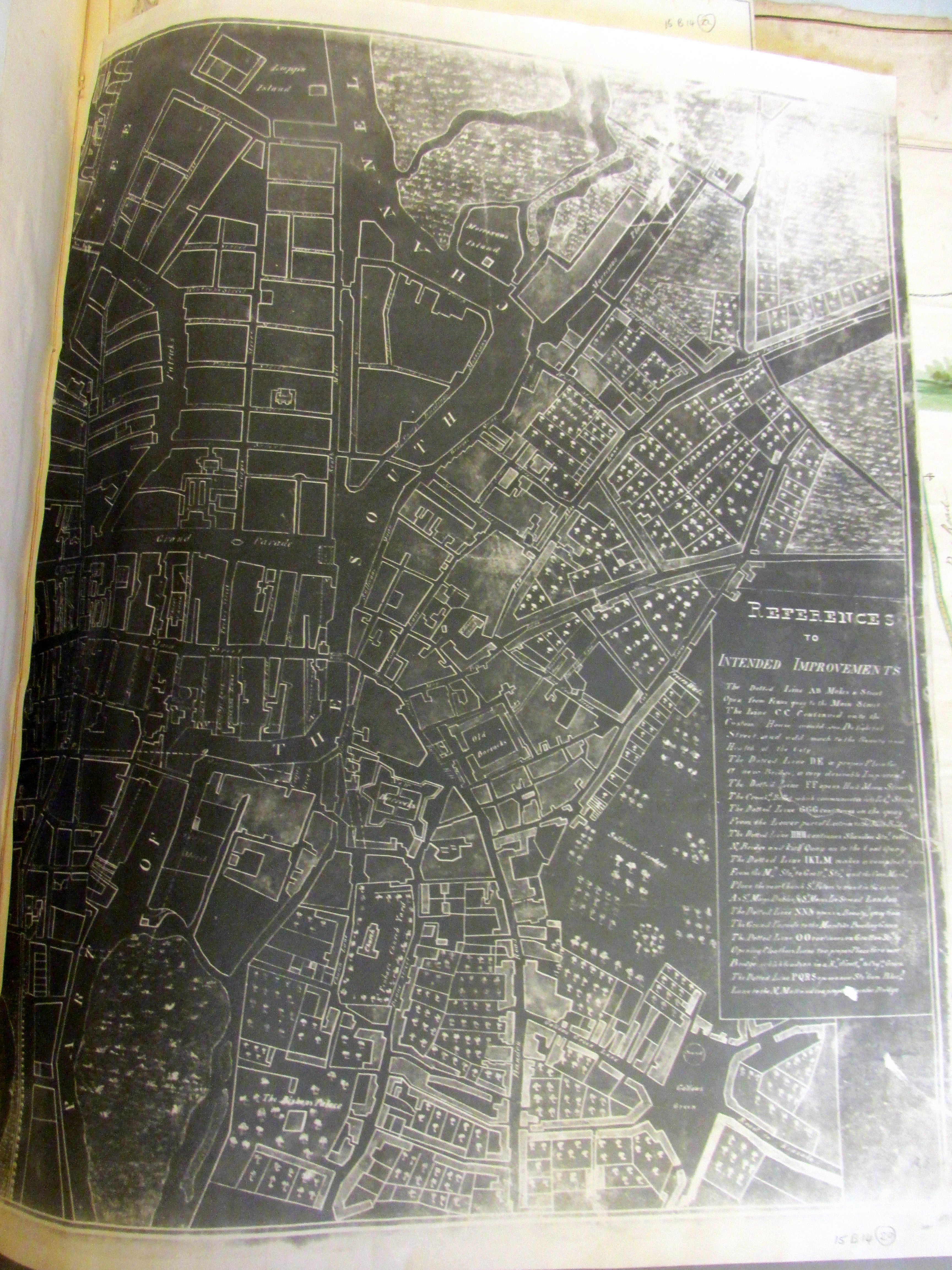
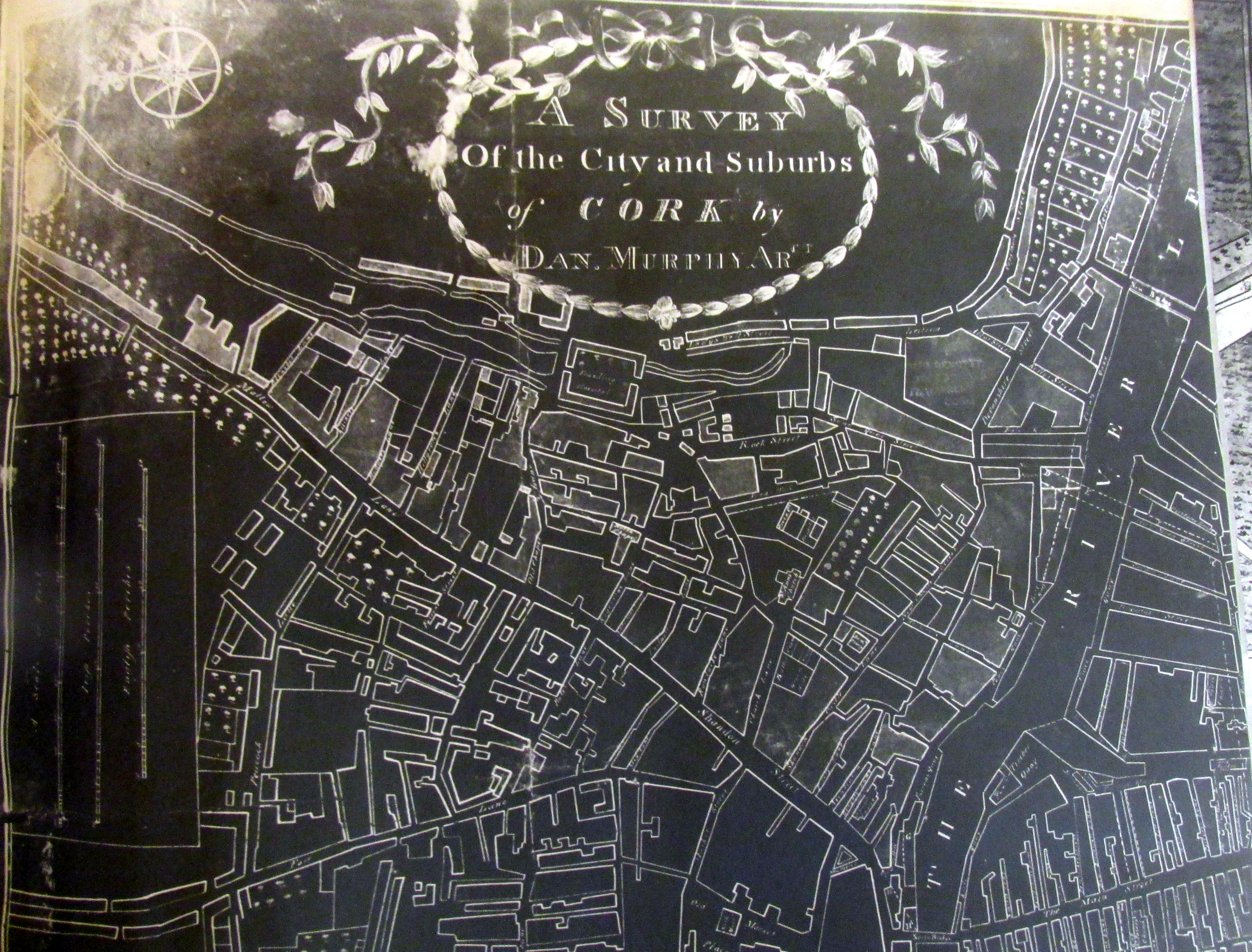
A Survey, 1789 of the City and Suburbs of Cork City by Daniel Murphy, Architect for the President and Members of the CORK Society for Arts and Science with suggested mprovements.



01 Sunday Feb 2015
Posted in Uncategorized
A Survey, 1789 of the City and Suburbs of Cork City by Daniel Murphy, Architect for the President and Members of the CORK Society for Arts and Science with suggested mprovements.
31 Saturday Jan 2015
Posted in Uncategorized
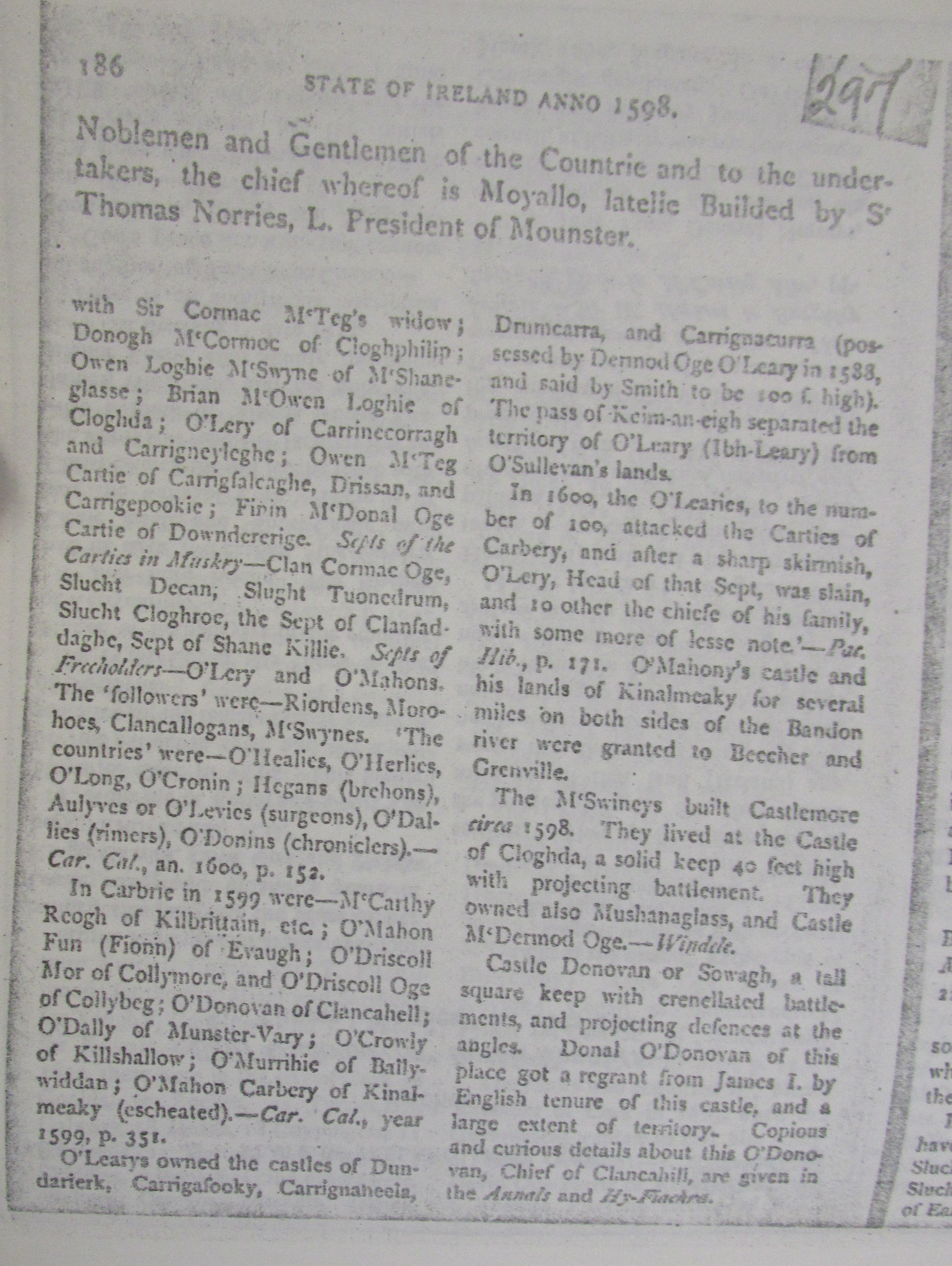
Leading Families of Carbery, West Cork, 1599, McCarthy Reagh, Kilbrittain, O’Mahony (Fionn/Fair Haired), Mizen, O’Driscoll Mór, Collymore (Schull), O’Daly Muintervara (Kilcrohane), O’Crowley (Kilshallow), O’Murrihie (probably Hurley), Ballywiddan, O’Mahony Carbery (Kilmeakly/Bandon) Escheated.
From Dr. Casey.
31 Saturday Jan 2015
Posted in Uncategorized
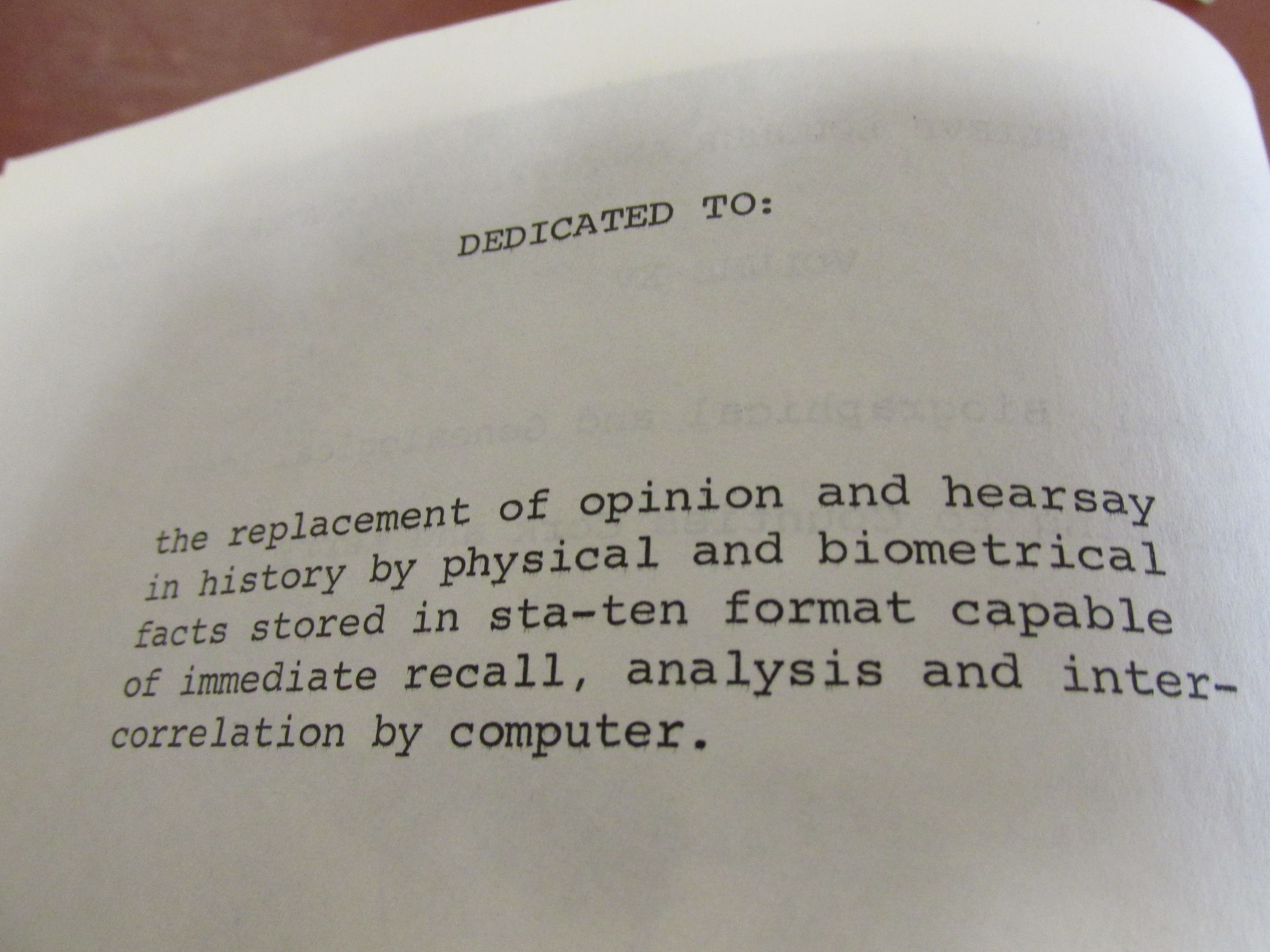
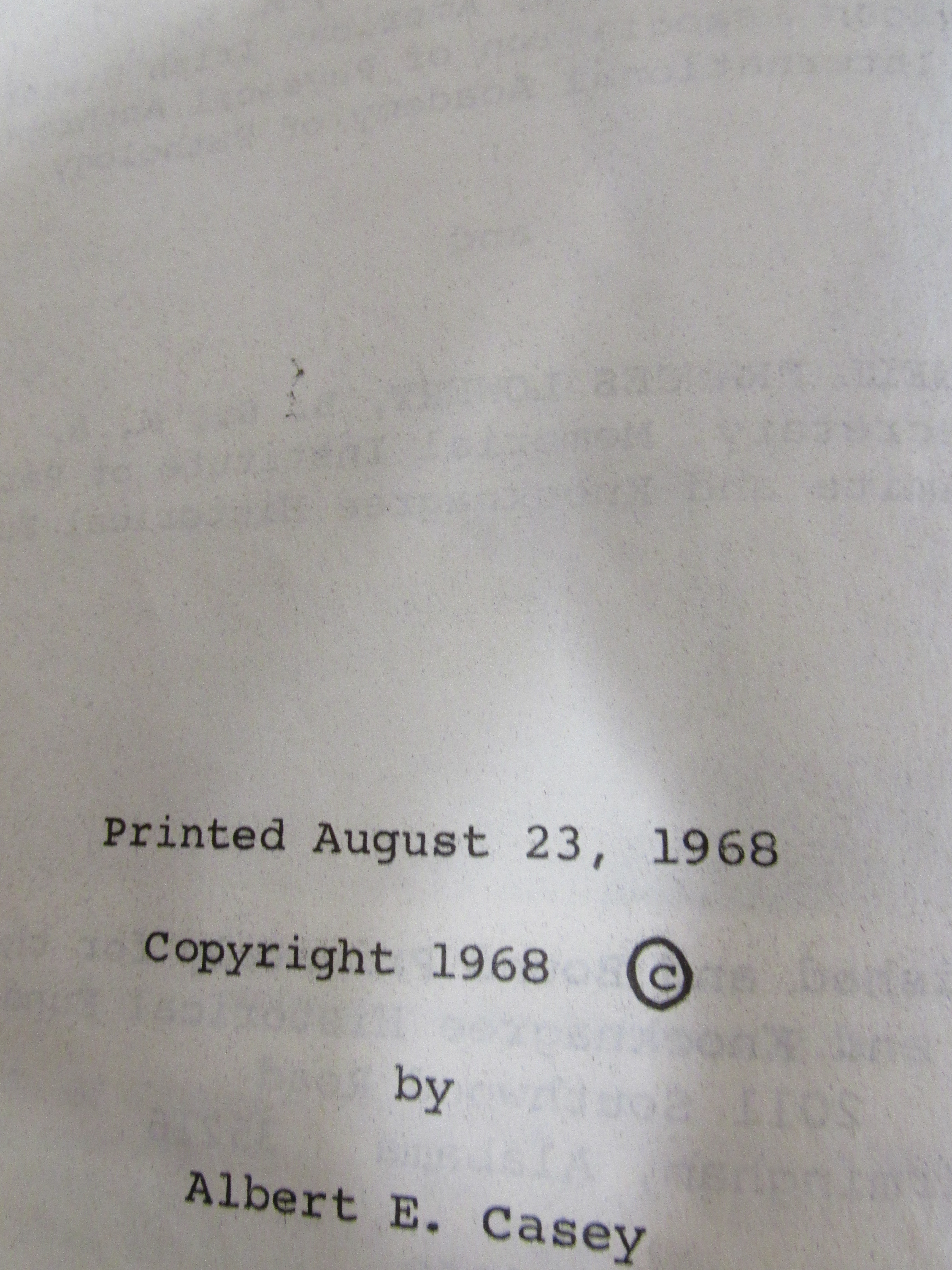
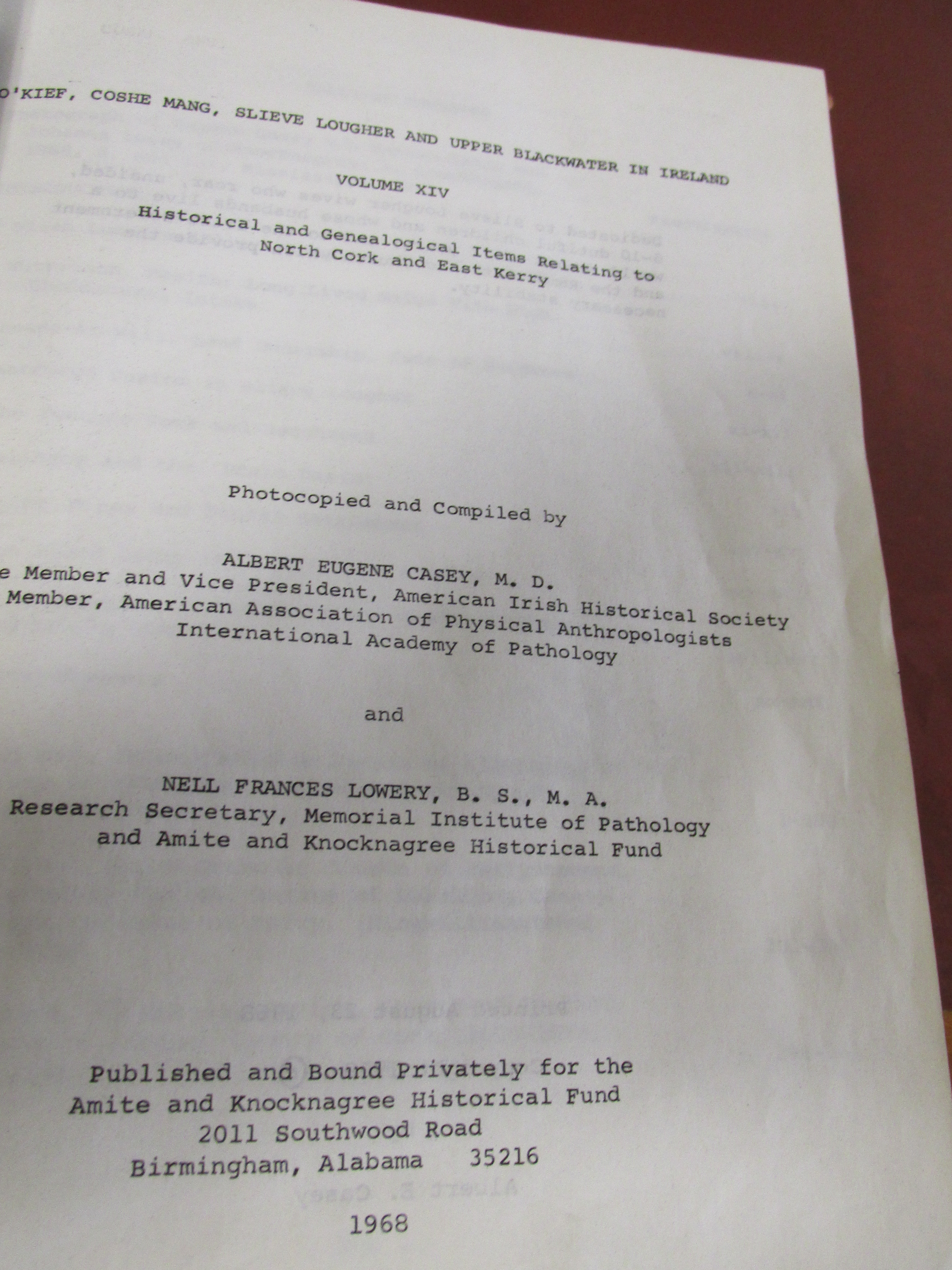
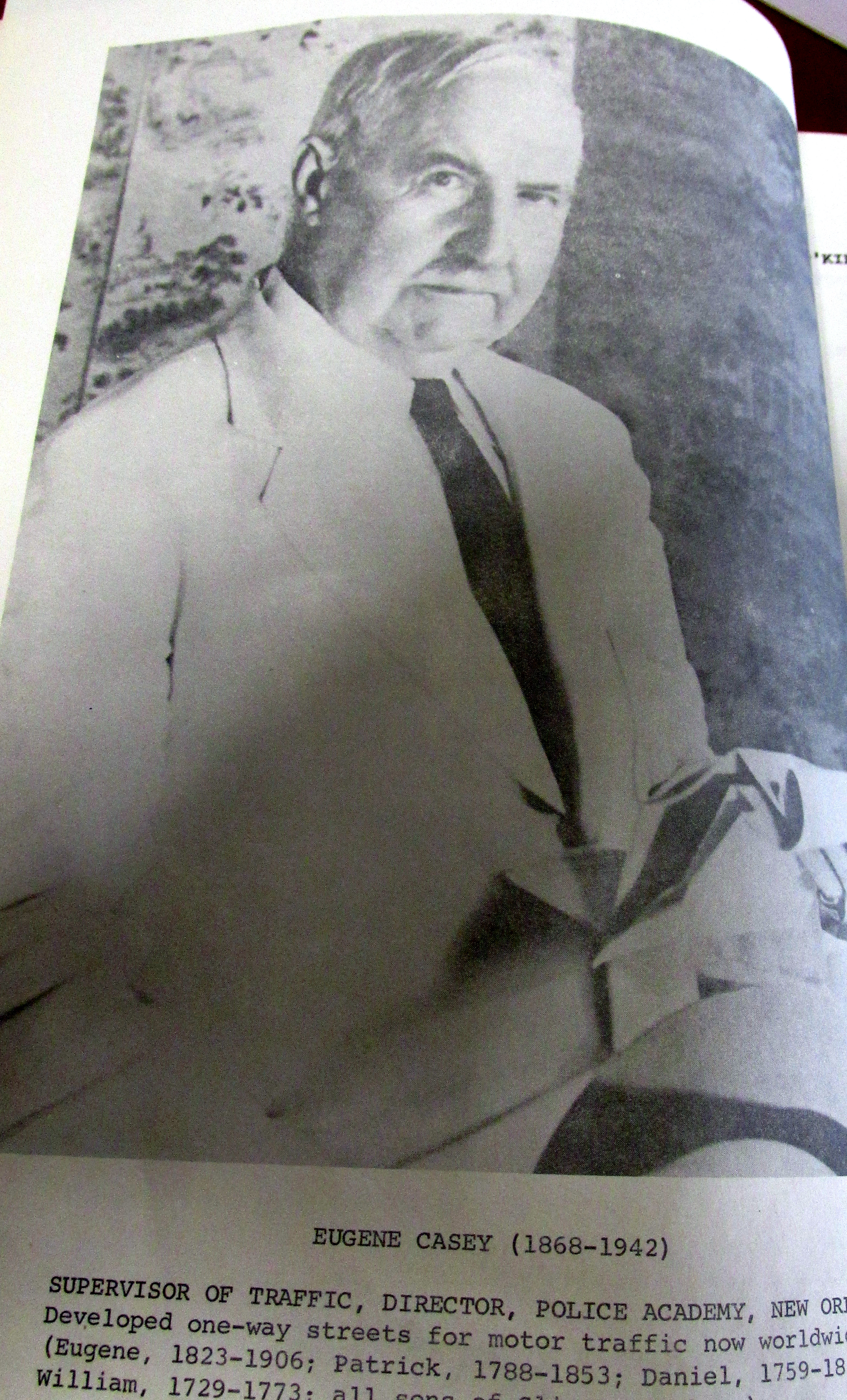
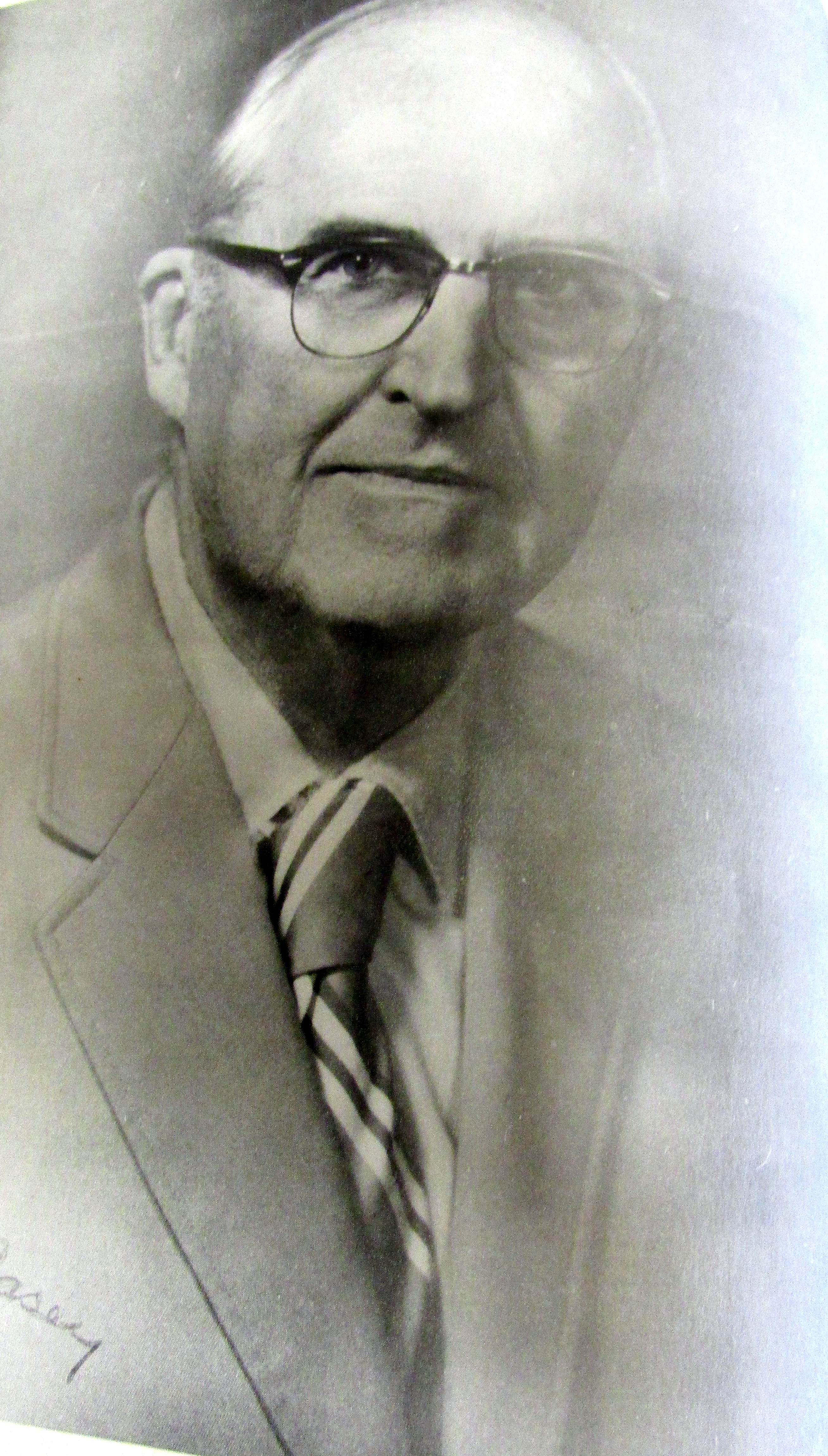
Doctor Albert Casey, Birmingham, Alabama, USA, complier of O’Kief Coshe Mange, Four Million Irish Records.
O’Kief, Coshe Mange
31 Saturday Jan 2015
Posted in Uncategorized
Aghabullog (Achadh Bolg: Field of the Cow/Cave), Dioces of Cloyne, Church of Ireland Records, Births (1808-1877), Marriages (1808-18430, Burials (1809-1879).
http://en.wikipedia.org/wiki/Aghabullogue
31 Saturday Jan 2015
Posted in Uncategorized
Church of Ireland Records, Magourney (Coachford), Co. Cork Baptisms (1757-1876), Marriages (1756-1844), Burials (1758-1876), Foundlings being Dry nursed from Cork Foundling Hospital, Deaths (from 1824-), Appointment of Thomas Healy as Parish Constable 1769, Converts from Popery, 1834 Religious Census.
http://historicgraves.com/graveyard/magourney/co-mory
https://plus.google.com/photos/100968344231272482288/albums/5938741519548453889
31 Saturday Jan 2015
Posted in coppinger's court, rosscarbery, sir walter coppinger
1616, Sir Walter Coppinger and Coppinger’s Court, Rosscarbery, Co. Cork.
This article is by Mark Samuel, bases on work he did at the University of London and many thanks to him and courtesy JCHAS 1984. Digital http://www.corkhist.ie/wp-content/uploads/jfiles/1984/b1984-005.pdf
The Coppingers, Cotters and perhaps the Gallweys are of Hiberno-Danish descent. Some of those with this ancestry still have blonde hair.
The Coppingers assembled vast estates in West Cork primarily by the local land owning families raising mortgages and defaulting. One example is the townland of Ballycomane in Durrus. This had been McCarthy of Scart property, mortgaged to Coppinger and when the Coppingers backed the wrong side in the 17th century their land was forfeit.
Much of the estates ended up with the Evans-Freke family (later Lord Carbery), that family around 1778 presumable for raising money commissioned a survey of their estates. The original book of maps in in the National Library Mapping area of the Manuscript Section. Many of the sub denomination have tenants names including the town of Clonakilty but not Ballycomane. Now online: https://www.echolive.ie/corknews/Extensive-land-survey-map-of-Cork-towns-published-online-d46896b4-2229-4183-865d-c54bb15adfe0-ds
Ballycomane, Durrus, is reproduced here:
Survey of Ballycomane, (Irish: Baile an Chumáin, meaning ‘town of the little valley’), Durrus, Bantry, Co. Cork, 1788.
http://en.wikipedia.org/wiki/Coppingers_Court
Some Cork Coppingers Lawyers
https://docs.google.com/spreadsheet/ccc?key=0AqhnQGE3ANjzdEkxdVM0YVNzbzFHbV8tRGxNM2pmMWc#gid=0
31 Saturday Jan 2015
Posted in Uncategorized
Briseann an Duchais Trí Súil an Chait, The Maverick DNA of Black Jack Fitzgibbon, (Lord Clare 1749-1801), First Irish Born Attorney-General of the 18th Century, Pioneer of World-wide Metropolitan Policing, his sister Lady Arabella Jeffares, Blarney, Supporter of Tenant farmer and Rightboys, sister Eleanor married to Cork Barrister, Dominic Trant, the insult of Trinity Fellow Patrick Duignan to Father Arthur O’Leary, ‘The Friar with the barbarous Surname’ and an account of the Cork Rightboys in 1785 by Cork Apothecary John Barrett Bennett.
Bennett’s account is reproduced in an article in 1984 JCHAS by James S. Donnelly Junior, of the University of Wisconsin-Madison. He is a leading authority of Cork and its Political and land History. He acknowledges his debt to his graduate student Irene Whelan Hehir who laboured for months in deciphering Mr. Bennett’s account written for family consumption in 1785. Donnelly’s introduction sets out the overall backdrop in terms of land tenure, religon and politics. At times Bennet’s account reads like the News of the World, drunken Ministers, the upper Catholic Prelates sculling pints late in the Cork Taverns, marital infidelity etc.
Cork Apothecaries:
https://docs.google.com/spreadsheets/d/17Xdk_bdkpBSVHaTP45WxSY0r4v6-kluvlPz7ZynQxfU/edit#gid=0
Mrs Amelia Jeffaries is mentioned in Bennett’s memoir as one of the instigators of the Rightboy movement in Co. Cork. She clearly was a woman of charisma as her devoted followers laboured in their thousands without pay in her endeavour to drain the lake in Blarney.
Her sister Eleanor ironically was married to Dominic Trant, a Cork Barrister, who wrote a pamphlet against the Rightboys. He killed Colhurst one of the Rightboy supporters and a major landowner in a duel outside Bray in 1787 and was charged and acquitted of murder. The Trants were an old Catholic Cork family intermarried with the Gallweys who became Church of Ireland, sometime in the 18th century.
Duignan was a fellow of Trinity College and a very successful barrister. Although his father was a Catholic he was virulently anti-Catholic, however is wife was a Catholic with a private chapel and on his death his considerable fortune went to his Catholic nephew.
Father Arthur O’Leary started his Academy at Blackmoor Lane and was a major figure in the late 18th century widely respected. He was highly insulted by Duignan of his surname understandable as ‘mórtas cine’. Many of the Gaelic Aristocracy had fallen on very hard toe in the 18th century being reduced in many circumstances to living as labourers in hovels. However they retained a pride in their origin ad they hope that one day their time would come again.
Jack Fitzgibbon, has enjoyed a very bad press in Irish History as one of the ‘Junta’ who de facto ruled the country for about 15 years towards the end of the 18th century. At that time the Patriot Parliament deliberated, in fact it was devoid of power and while the Lawyer MPS deliberated after a busy day in the 4 Courts then in Hell near Christchurch or came up from their Estates real power resided in Dublin Castle.
Dublin had a chronic crime problem, the limited amount of policing was provided by half pay officers of broken down NCOs all Protestant. This was paid for by a charge on the tithes levied on the parish cess and the property owners were against any increase. Against trenchant Political, Religious opposition Fitzgibbon introduced a Dublin Police Force professionally officered and staffed. Almost immediately here was a dramatic drop in crime. Some years later due to political pressure it was disbanded but within a few years it was the model for a similar force. In turn this was the model for the RIC which was widely admired throughout the English speaking world for it efficiency and honesty. The special circumstances of Ireland condemned it as apart from acting on police duties it was a gendamary charged with protecting the Imperial interest.
Fitzgibbon along with Foster and Beresford managed the county and economy. When you look in detail at their performance it is remarkable. The ushered in the greatest boom ever known in Ireland apart from the Celtic Tiger, they did not cause it but did things or prevented things happening that contributed to its success. Foster and Beresford ushered in balanced budgets and introduced capital budgets financed by borrowing. Major reforms were introduced to support native industry. Later in the 19th century Foster set up and Chaired the Bog Commissioners, taking no salary. It mapped all the bog areas as precursor to their exploitation which in the event did not happen until Born na Móna in the 1930s.
30 Friday Jan 2015
Posted in Uncategorized
 Our Facebook page
We have heard from some readers that they prefer to access blogs through Facebook, so after a year of thinking about it (Ah sure you wouldn’t want to be rushing into things, would you now?) we have taken the plunge and set up a Facebook page for Roaringwater Journal.
Besides links to our regular weekly blog posts, this page will feature photographs that haven’t made it into a post, or items that catch our eye as we continue to explore our West Cork home. If you’re on Facebook, do drop by and hit the LIKE button so that we will show up in your news feed. If you’re not, or you’d rather just get the weekly posts, don’t forget to enter your email address in the box on the right: you’ll get an email every time we post something new on the blog.
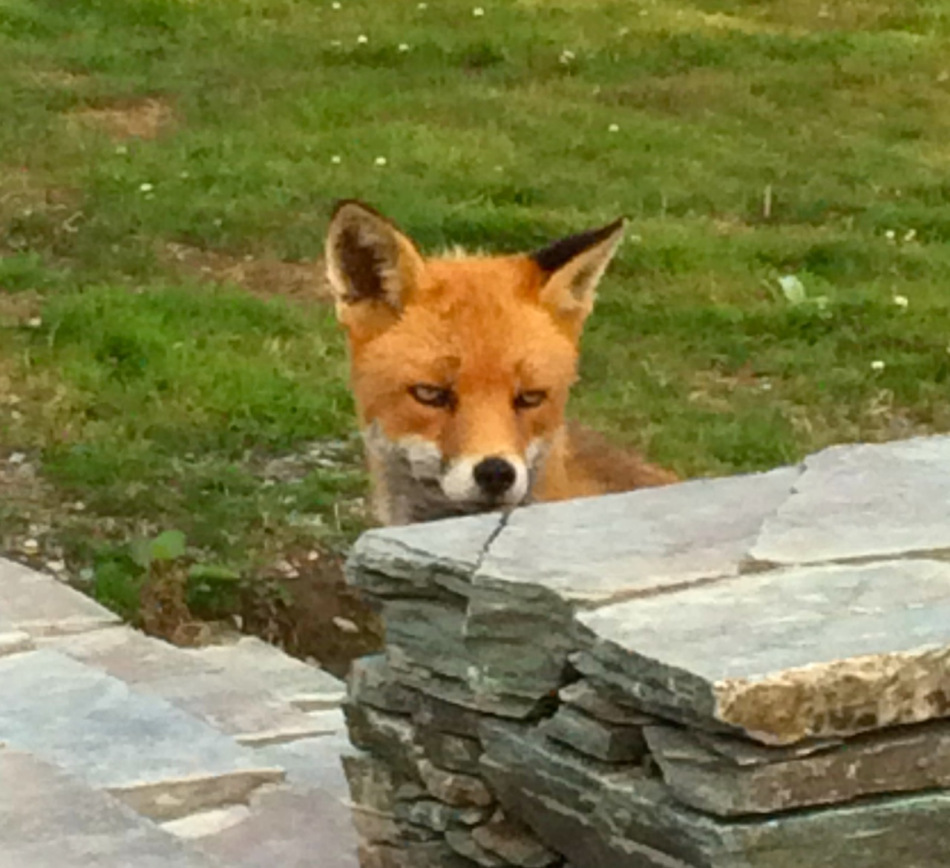 Ferdia’s not on Facebook – he…
View original post 5 more words
30 Friday Jan 2015
Posted in Uncategorized
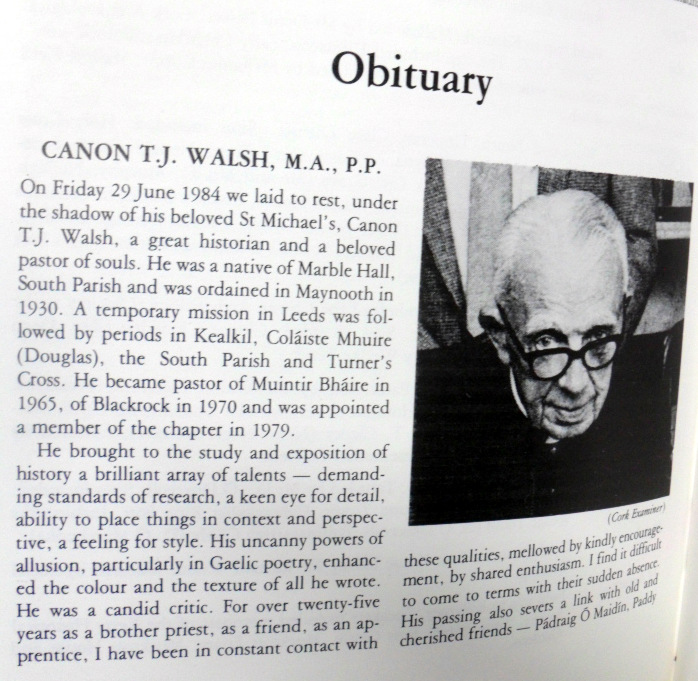
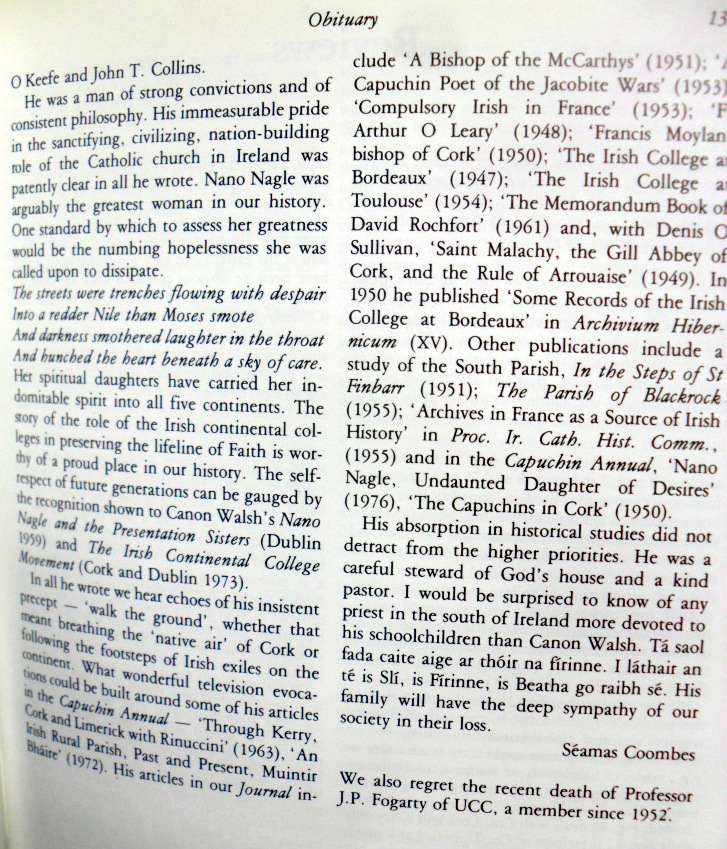
Obituary of Canon TJ Walsh, Cork Historian, 1984.
Father Walsh’s writing display an amazing knowledge of sources of going back to original material and are a testament to his keen intelligence. When he was Parish priest in Durrus in the 1960s his sermons ranged over historical figures such a Aonghus Ó Dalaigh the Kilcrohane poet, alas it was lost on his congregation.
History Balckrock Father Walsh c 1963
In time to come his work may again be appreciated by the public.
Father Séamus Coombes who wrote the obituary was himself a noted historian in particular of West Cork themes.
30 Friday Jan 2015
Posted in Uncategorized
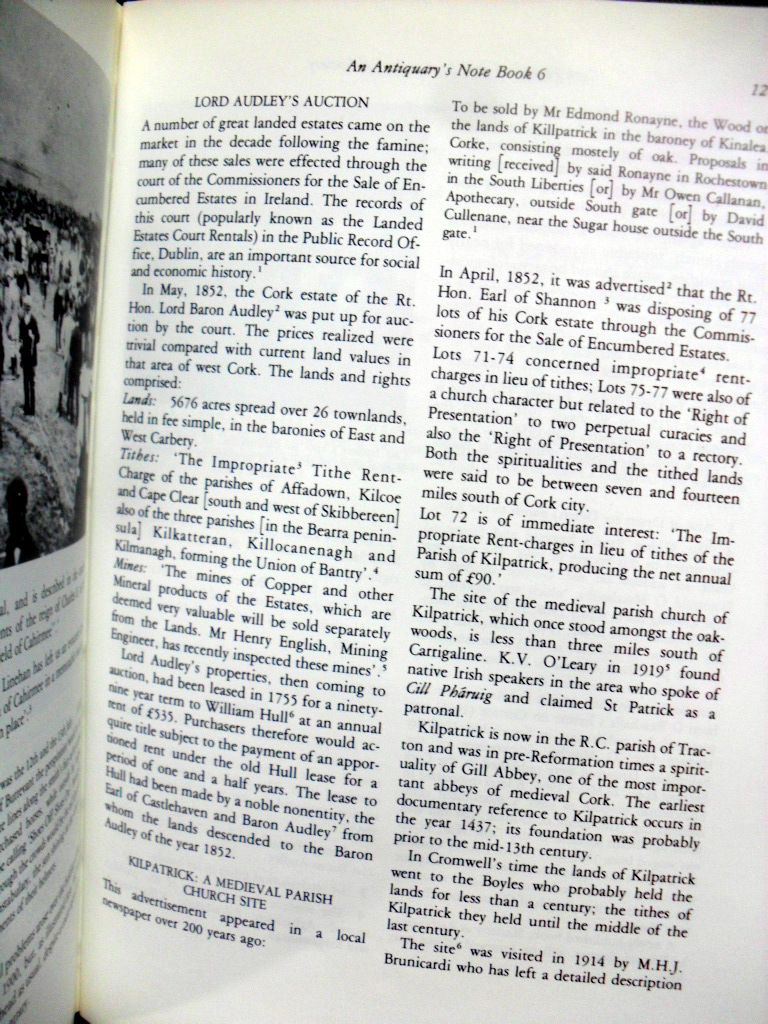
Native Irish Speakers Carrigaline Co. Cork, 1919
Courtesy JCHAS, 1984, piece on Parish of Kilpatrick.

 West Cork History