Machnamh an Duine Dhoilíosaigh (The Melancholy Man’s Reflections), Seán Ó Coileáin, (1754-1817) (John Collins, The Silver Tongue of Carbery), and his Manuscripts.


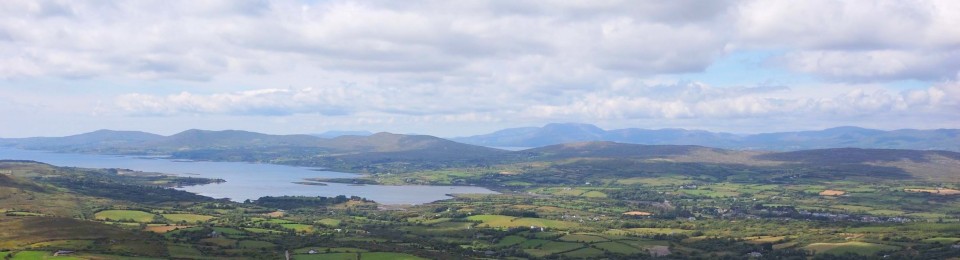
Homeplace, Myross

https://www.google.ie/maps/place/Myross,+Co.+Cork/@51.5258308,-9.141587,15z/data=!4m2!3m1!1s0x4845ae67f214a615:0x2600c7a819bb5ac2

Machnamh an Duine Dhoilíosaigh (The Melancholy Man’s Reflections), Seán Ó Coileáin, (1754-1817) (John Collins, The Silver Tongue of Carbery), and his Manuscripts.

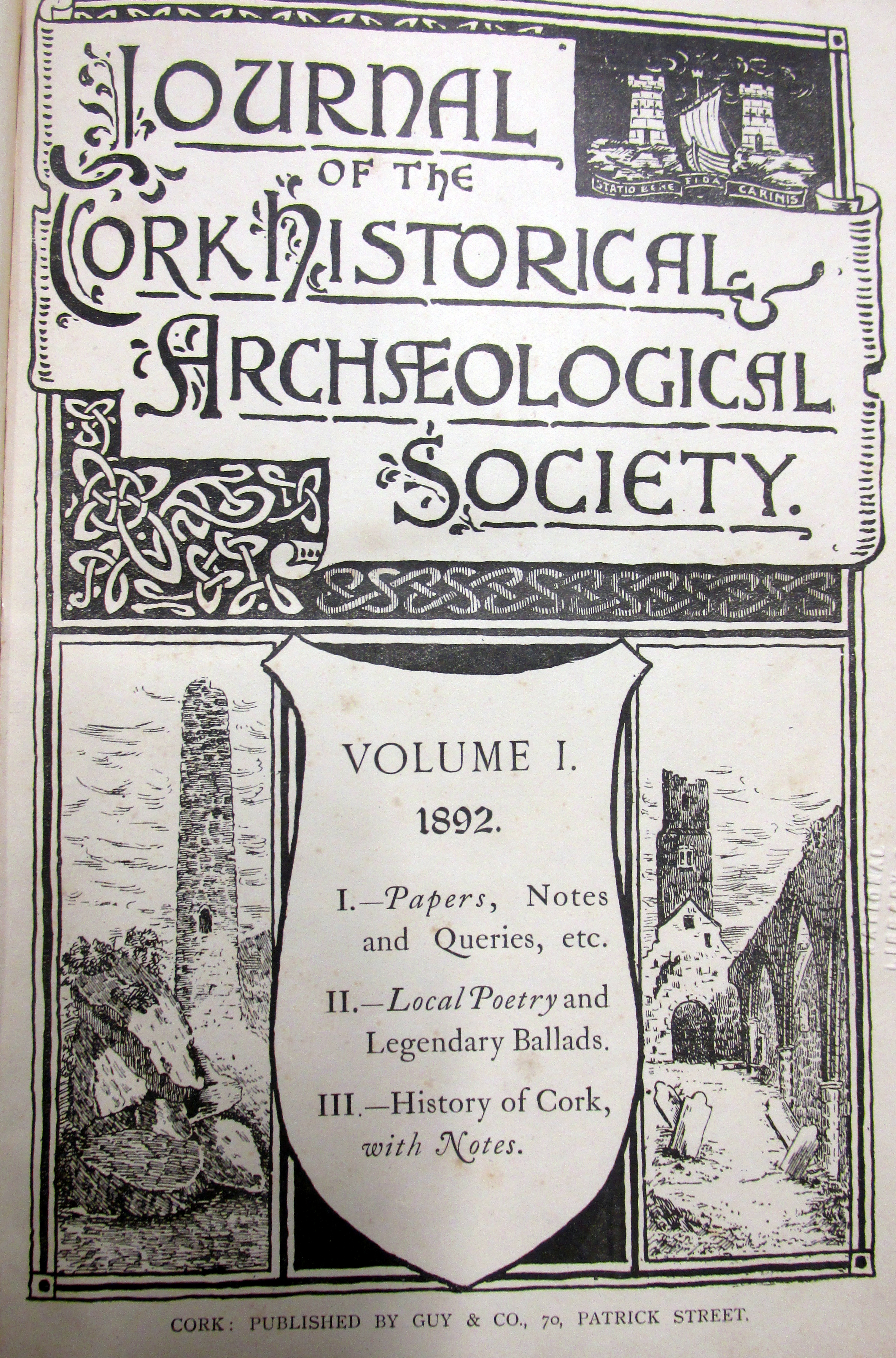
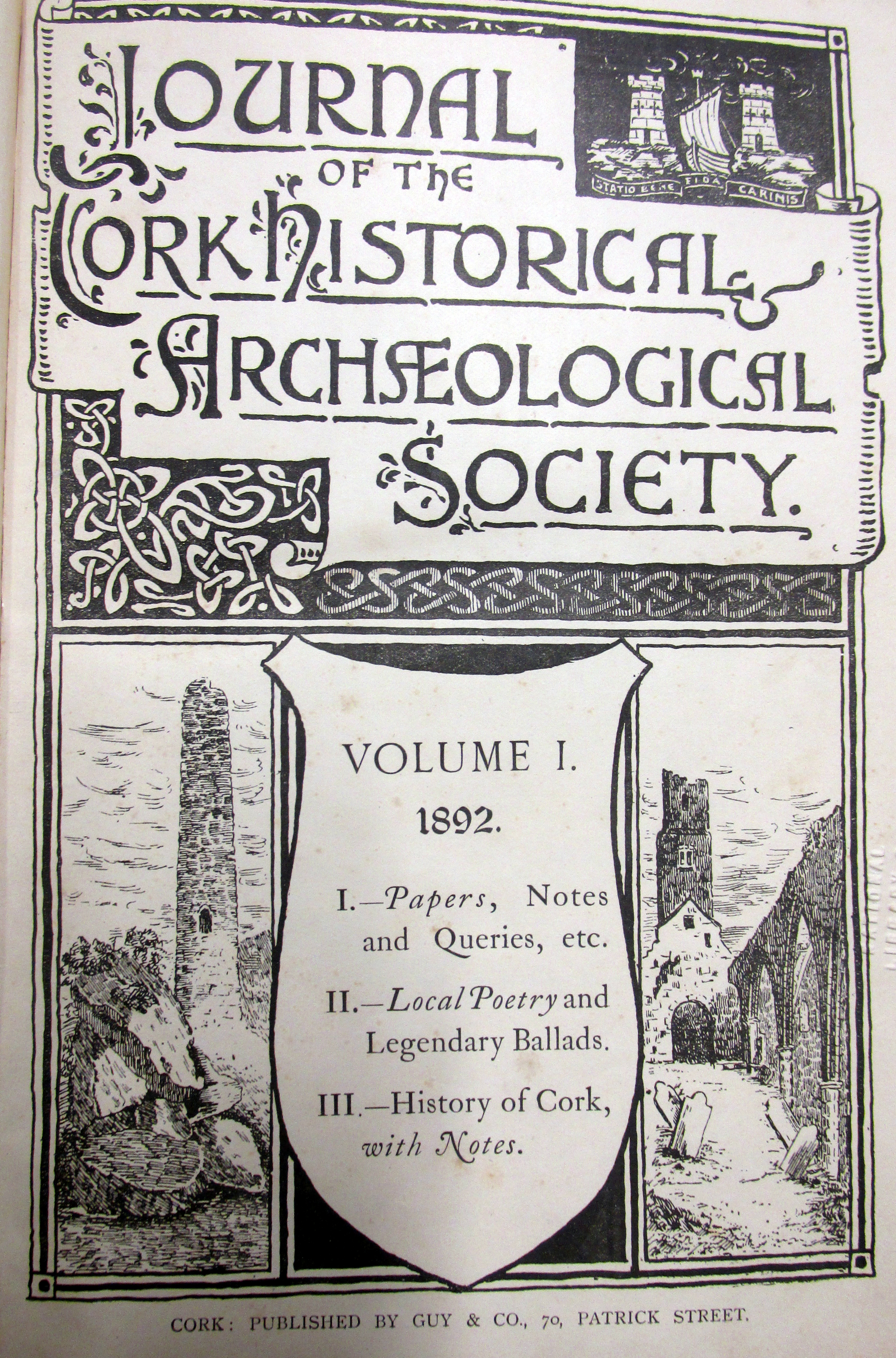
Courtesy JCHAS 1892

He was also a Genealogist. In the letters to Dr. John O’Donovan (Graves Collection, Royal Irish Academy) from various members of the O’Donovan Sept re their shared Genealogy with the Doctor, some are scathing about his alleged attempts to doctor genealogy to curry favour with Lieutenant Colonel O’Donovan, ‘The O’Donovan’ in suppressing the alleged illegitimacy of a 17th century ancestor.

Séan Ó Coileáin (1754-1817), Carbery Poet, ‘The Silver tongue of Munster’, born into an Ireland of Broken Abbeys, Roofless Churches, Battered castles, Burnt Houses, Deserted Villages united in common Poverty. Attendance 1773 at Coimba, Portugal, College for Christian Refugees.

https://durrushistory.com/2013/12/21/sean-o-coileain-john-collins-1754-1816-poet-of-carbery-co-cork/

2-IMG_6688 1-IMG_6687

Scan 1371

Machnaimh an Duine Doilgheasaigh

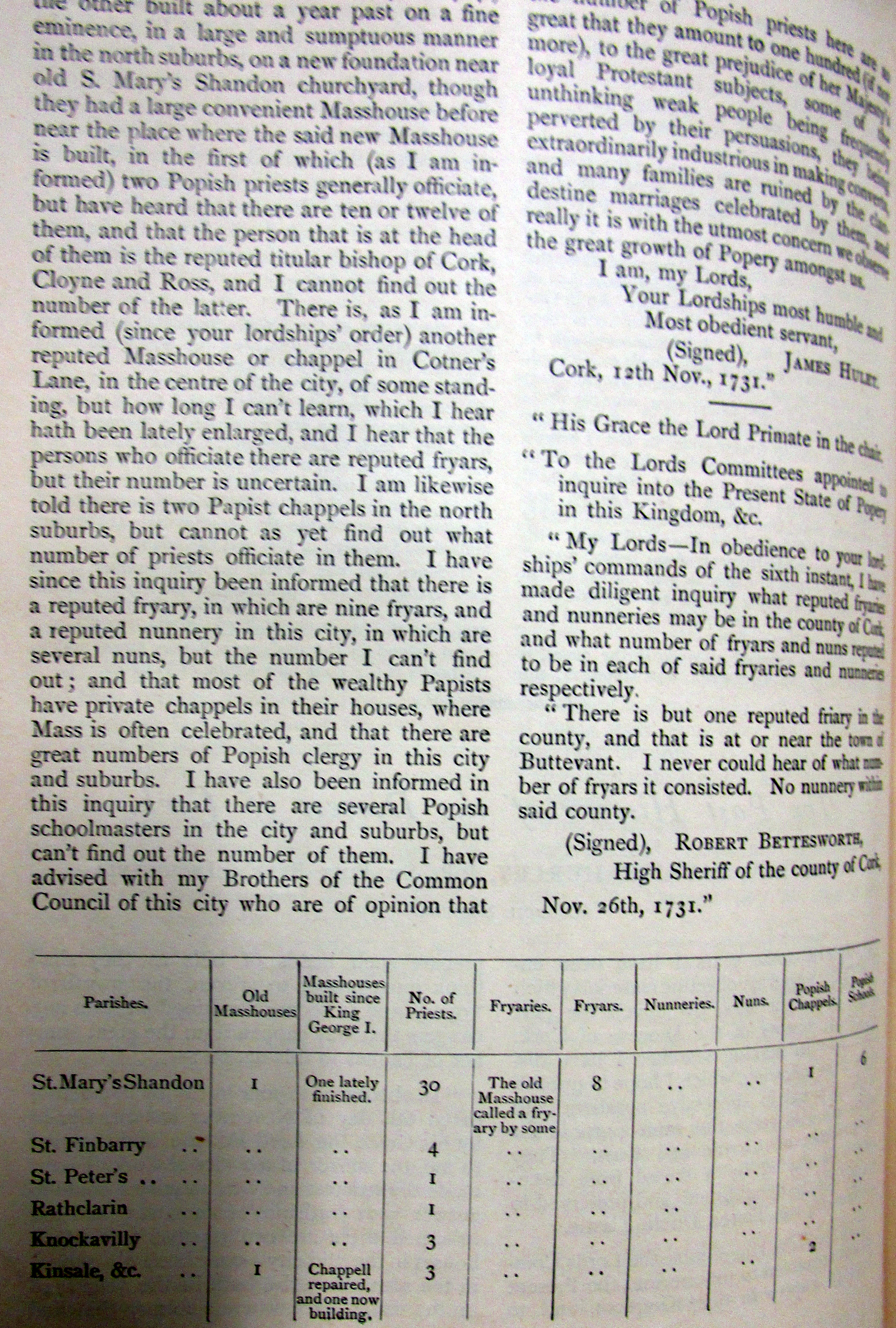
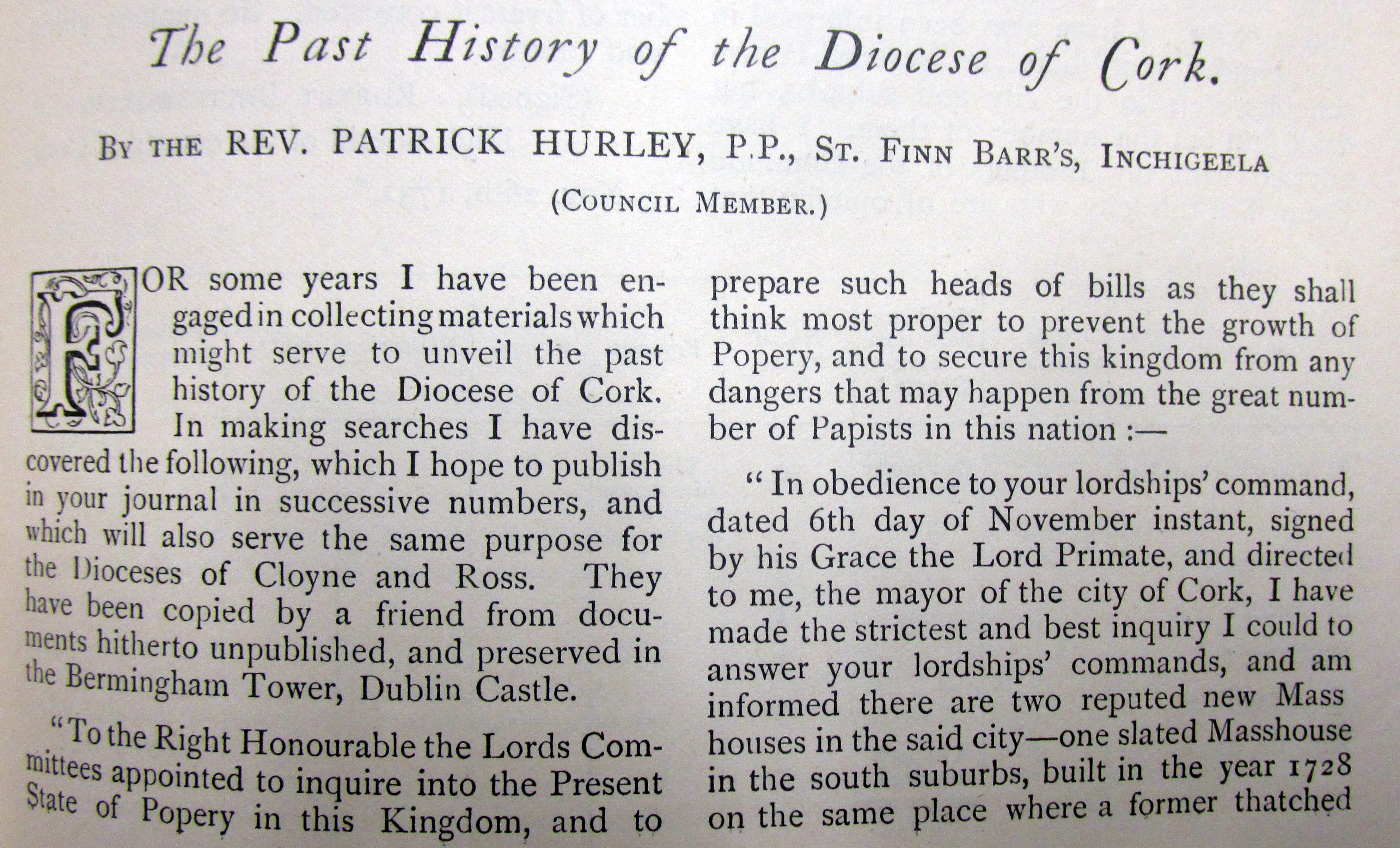
Report on Popery, 1731 setting out Masshouses and Popish Schools in Co. Cork, Drinagh, Inchigeela 7 sheds, Killaconenagh (Castletownbere) swarms of Priests are constantly going to and from France, 600 families in Parish of whom 12 are of Reformed Church, , Kilmoe (Ballydehob), Friars frequently landing from France and dispersing throughout the country, copied from documents in Bermingham Tower, Dublin Castle probably destroyed in 1922.

Tags

,


Report on Popery, 1731 setting out Masshouses  and Popish Schools in Co. Cork, Drinagh, Inchigeela 7 sheds, Killaconenagh (Castletownbere) swarms of Priests are constantly going to and from France, 600 families in Parish of whom 12 are of Reformed Church, Kilmoe (Ballydehob), Friars frequently landing from France and dispersing throughout the country, copied from documents in Bermingham Tower, Dublin Castle probably destroyed in 1922.

The Bermingham Tower was the precursor of the Public Records Office in the Four Courts the course of much adverse comment in the 18th and 19th century for neglect, dampness, rats eating records.   The replacement PRO was widely admired at the time for its modern design, blown up by ‘Patriots’ in 1922.

‘An Act to prevent the further growth of popery’, Convert Rolls for 18th Century Co. Cork and other Renunciations against ‘Popery’, Co. Cork with letter January 1732 from Parish Priest Bantry listing supporters of Crypto-Catholics

In assessing the Penal Laws it is worth bearing in mind that in France broadly similar laws were passed but with the exception that they were applied to their own people the Huguenots.  In Ireland’s case they were imposed by an alien invading power.

Bt 1750 the worst was probably over but legal disabilities on holding land or having professional qualifications remained until the 1770s onwards.   Perversely the Penal Laws contributed to the development of a very wealthy Catholic Mercantile Class.   In Daniel O’Connell’s evidence in 1828 to a Commons Select Committee in 1828 a few months before he was elected an MP he said that Catholics were the majority shareholders in the Bank of Ireland and held most of the money on deposit.  This is reflected in the newspaper of the time commenting on the births marriages and deaths of such families.

Courtesy JCHAS 1892.  The article refers to counties other then Cork.

3-IMG_6683 2-IMG_6682 1-IMG_6681

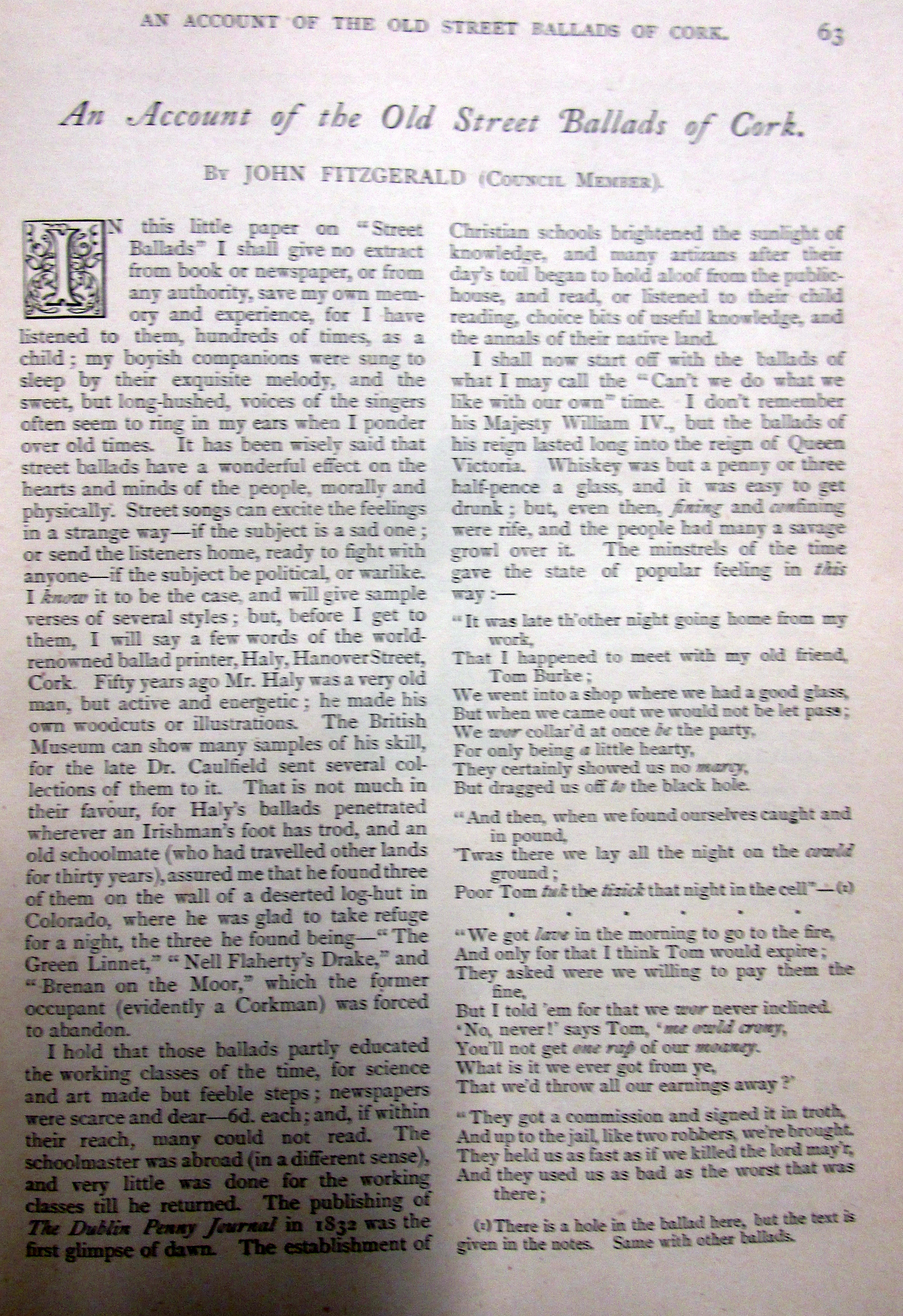
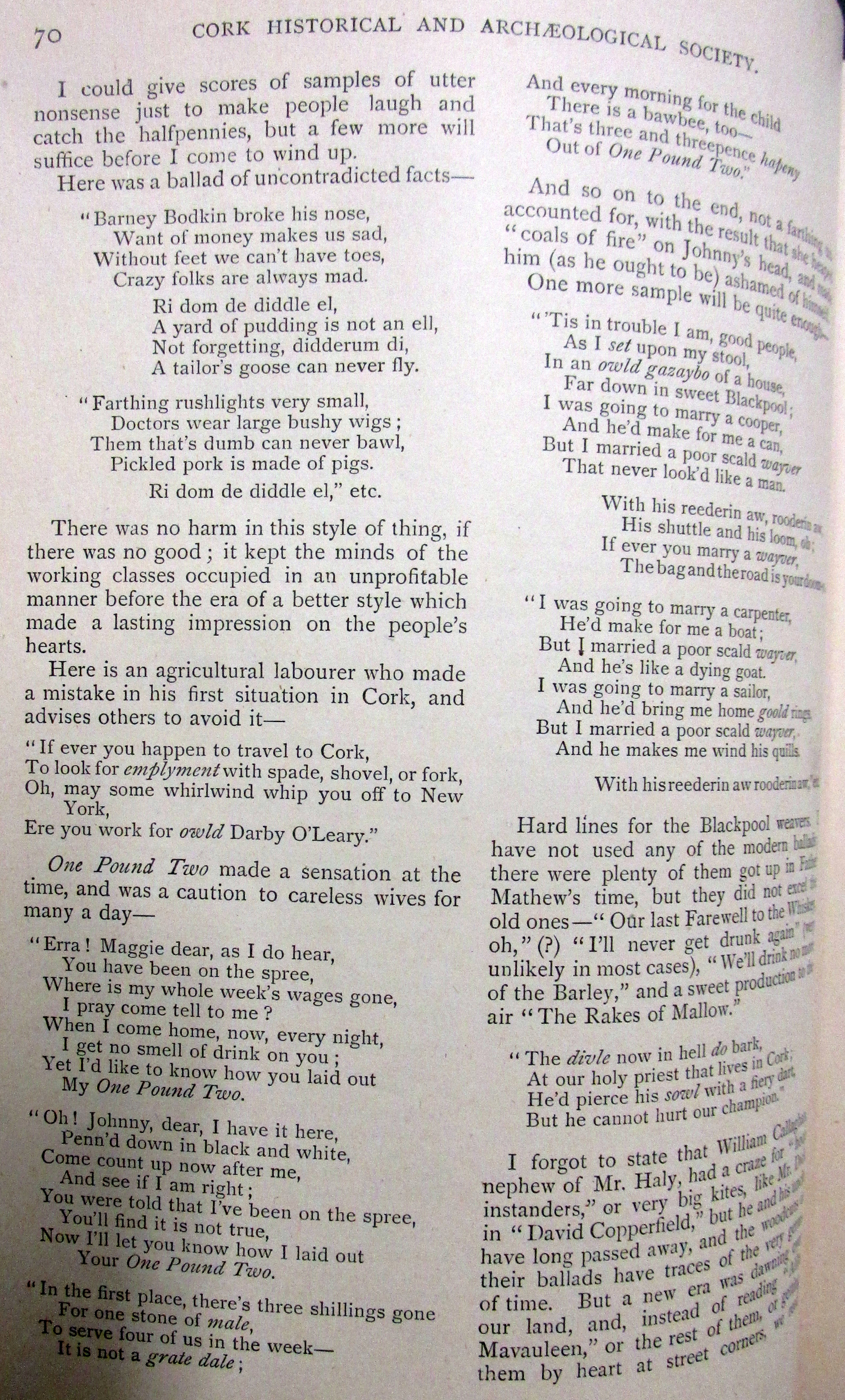
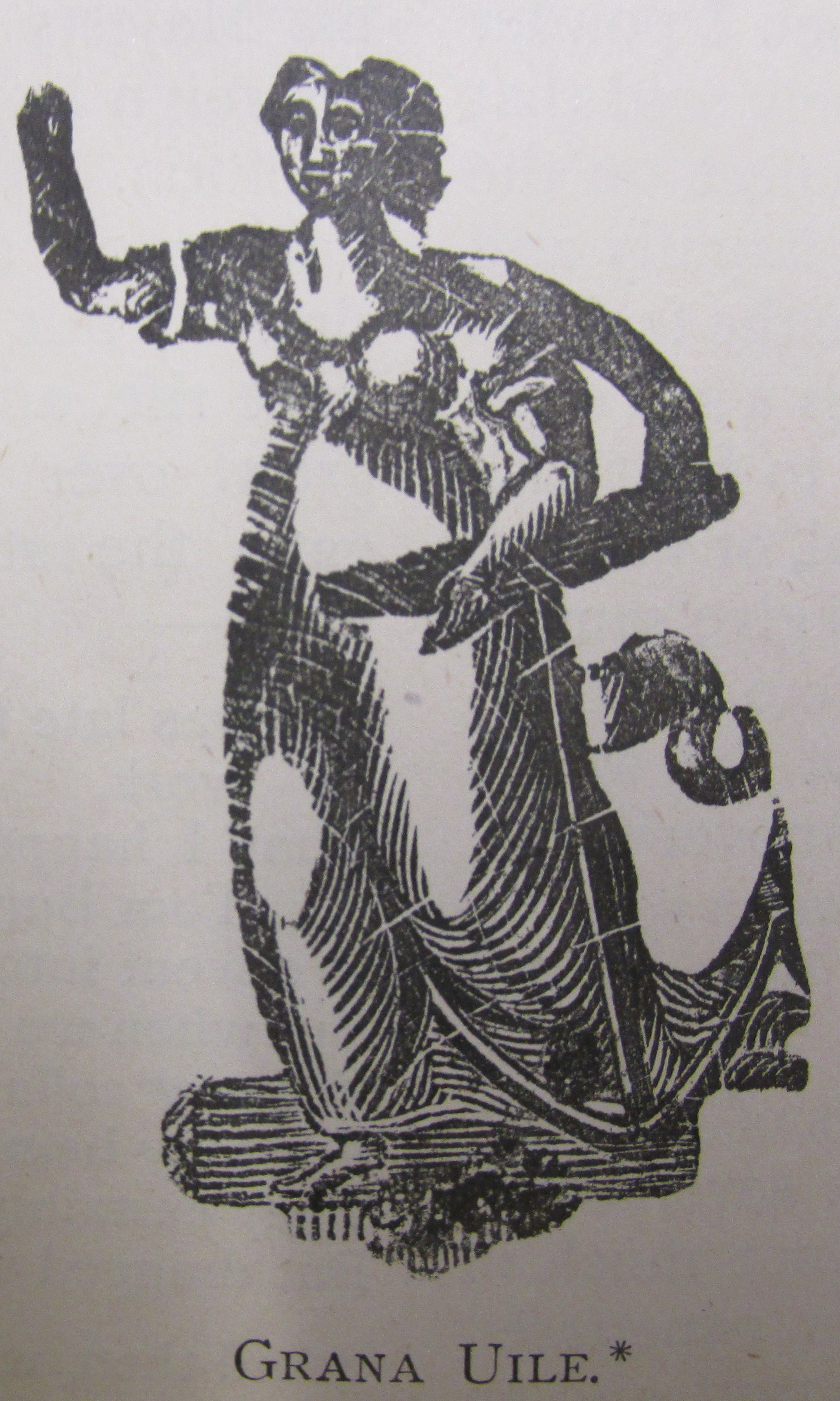
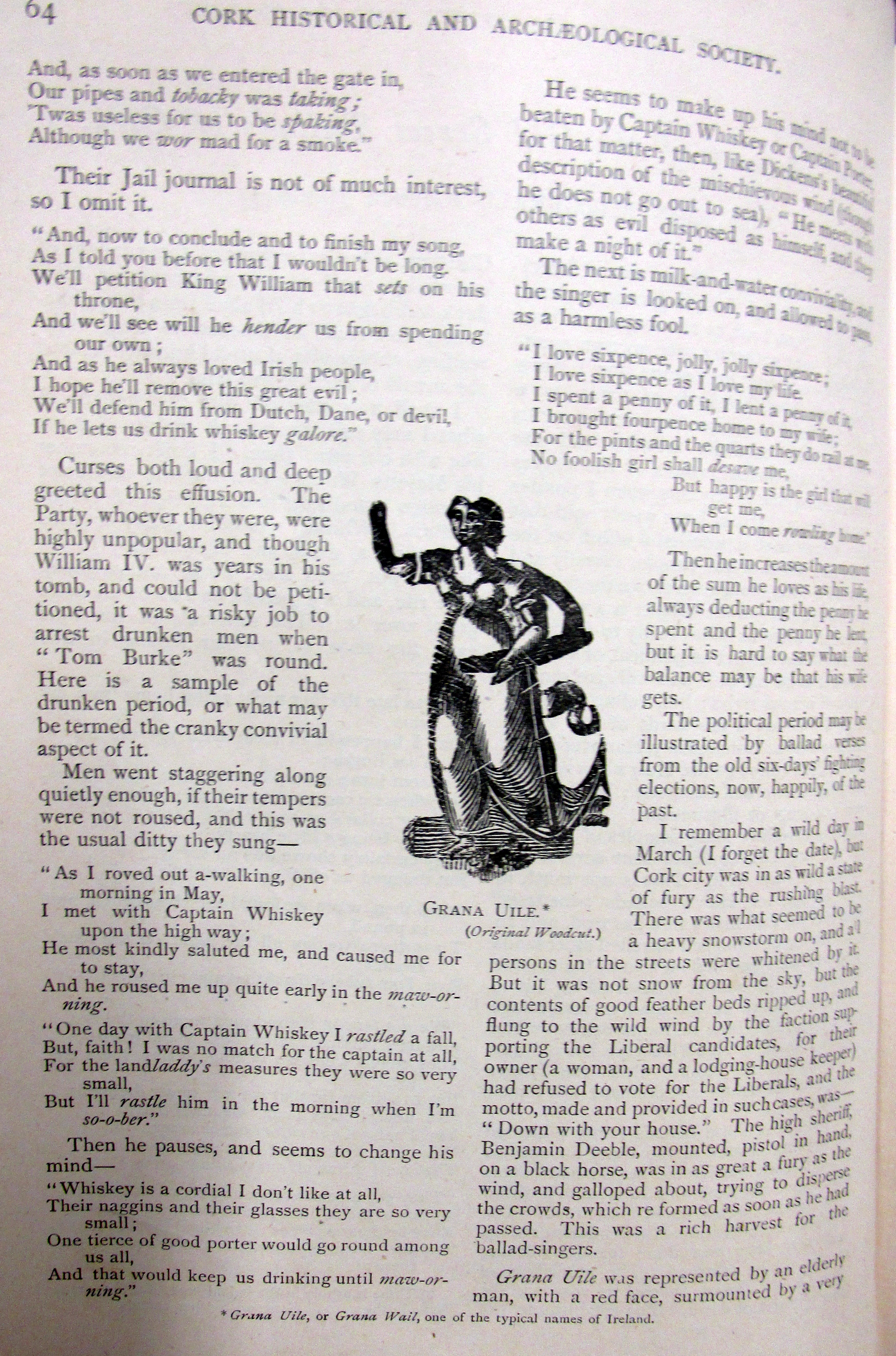
An Account of old Street Ballads from Mr.Hely, Hanover Street, Cork, World Renowned from c 1830 with some of his original woodcuts, ‘The Green Linnett’, ‘The Coleeen Rue’, ‘Grana Uile’.

Tags


https://www.google.ie/maps/place/Hanover+St,+Cork/@51.8971314,-8.4790153,17z/data=!3m1!4b1!4m2!3m1!1s0x48449017436e5b6f:0x7dda0c992e8fda35

An Account of old Street Ballads from Mr.Hely, Hanover Street, Cork, World Renowned from c 1830 with some of his original woodcuts, ‘The Green Linnett’, ‘The Coleeen Rue’, ‘Grana Uile’.

Courtesy JCHAS, 1892.

Some songs of West Cork, from 1880s ‘The Chapel of Charming Rossmore’, ‘Fifty years Ago (The ESB in Coolea), The Rookery, ‘Garnish’, ‘The Banks of Sullane’, ‘A Toast to Beara’, ‘The Shores of Coolough Bay’, ‘The Strands of Ballylickey and the transmission of music and song along the Butter Roads

2-IMG_6649 1-IMG_6637 10-IMG_6659 09-IMG_6658 08-IMG_6657 07-IMG_6656 06-IMG_6655 05-IMG_6654 03-IMG_6652 04-IMG_6653 02-IMG_6651 01-IMG_6650 1-IMG_6660

  • Madden Ballads Author Index

    microformguides.gale.com/Data/Download/3033000A.pdf

    An admired song called blue-eyed Mary. Birmingham, W. ….. Alice Gray. Haly, Hanover Street, Cork. …… First line: I am a bold shoe-maker from Belfast. Reel: 03  …


Ancient Poems, Ballads and Songs of England
by
Robert Bell

Part

Ballad: RICHARD OF TAUNTON DEAN; OR, DUMBLE DUM DEARY.

[This song is very popular with the country people in every part of
England, but more particularly with the inhabitants of the counties
of Somerset, Devon, and Cornwall. The chorus is peculiar to
country songs of the West of England. There are many different
versions. The following one, communicated by Mr. Sandys, was taken
down from the singing of an old blind fiddler, ‘who,’ says Mr.
Sandys, ‘used to accompany it on his instrument in an original and
humorous manner; a representative of the old minstrels!’ The air
is in Popular Music. In Halliwell’s Nursery Rhymes of England
there is a version of this song, called Richard of Dalton Dale.

The popularity of this West-country song has extended even to
Ireland, as appears from two Irish versions, supplied by the late
Mr. T. Crofton Croker. One of them is entitled Last New-Year’s
Day, and is printed by Haly, Hanover-street, Cork. It follows the
English song almost verbatim, with the exception of the first and
second verses, which we subjoin:-

‘Last New-Year’s day, as I heard say,
Dick mounted on his dapple gray;
He mounted high and he mounted low,
Until he came to SWEET RAPHOE!
Sing fal de dol de ree,
Fol de dol, righ fol dee.
‘My buckskin does I did put on,
My spladdery clogs, TO SAVE MY BROGUES!
And in my pocket a lump of bread,
And round my hat a ribbon red.’

The other version is entitled Dicky of Ballyman, and a note informs
us that ‘Dicky of Ballyman’s sirname was Byrne!’ As our readers
may like to hear how the Somersetshire bumpkin behaved after he had
located himself in the town of Ballyman, and taken the sirname of
Byrne, we give the whole of his amatory adventures in the sister-
island. We discover from them, inter alia, that he had found ‘the
best of friends’ in his ‘Uncle,’–that he had made a grand
discovery in natural history, viz., that a rabbit is a FOWL!–that
he had taken the temperance pledge, which, however, his Mistress
Ann had certainly not done; and, moreover, that he had become an
enthusiast in potatoes!

DICKY OF BALLYMAN.

‘On New-Year’s day, as I heard say,
Dicky he saddled his dapple gray;
He put on his Sunday clothes,
His scarlet vest, and his new made hose.
Diddle dum di, diddle dum do,
Diddle dum di, diddle dum do.

‘He rode till he came to Wilson Hall,
There he rapped, and loud did call;
Mistress Ann came down straightway,
And asked him what he had to say?

”Don’t you know me, Mistress Ann?
I am Dicky of Ballyman;
An honest lad, though I am poor, –
I never was in love before.

”I have an uncle, the best of friends,
Sometimes to me a fat rabbit he sends;
And many other dainty fowl,
To please my life, my joy, my soul.

”Sometimes I reap, sometimes I mow,
And to the market I do go,
To sell my father’s corn and hay, –
I earn my sixpence every day!’

”Oh, Dicky! you go beneath your mark, –
You only wander in the dark;
Sixpence a day will never do,
I must have silks, and satins, too!

”Besides, Dicky, I must have tea
For my breakfast, every day;
And after dinner a bottle of wine, –
For without it I cannot dine.’

”If on fine clothes our money is spent,
Pray how shall my lord be paid his rent?
He’ll expect it when ’tis due, –
Believe me, what I say is true.

”As for tea, good stirabout
Will do far better, I make no doubt;
And spring water, when you dine,
Is far wholesomer than wine.

”Potatoes, too, are very nice food, –
I don’t know any half so good:
You may have them boiled or roast,
Whichever way you like them most.’

‘This gave the company much delight,
And made them all to laugh outright;
So Dicky had no more to say,
But saddled his dapple and rode away.
Diddle dum di, &c.’]

Last New-Year’s day, as I’ve heerd say, {32}
Young Richard he mounted his dapple grey,
And he trotted along to Taunton Dean,
To court the parson’s daughter, Jean.
Dumble dum deary, dumble dum deary,
Dumble dum deary, dumble dum dee.

With buckskin breeches, shoes and hose,
And Dicky put on his Sunday clothes;
Likewise a hat upon his head,
All bedaubed with ribbons red.

Young Richard he rode without dread or fear,
Till he came to the house where lived his sweet dear,
When he knocked, and shouted, and bellowed, ‘Hallo!
Be the folks at home? say aye or no.’

A trusty servant let him in,
That he his courtship might begin;
Young Richard he walked along the great hall,
And loudly for mistress Jean did call.

Miss Jean she came without delay,
To hear what Dicky had got to say;
‘I s’pose you knaw me, mistress Jean,
I’m honest Richard of Taunton Dean.

‘I’m an honest fellow, although I be poor,
And I never was in love afore;
My mother she bid me come here for to woo,
And I can fancy none but you.’

‘Suppose that I would be your bride,
Pray how would you for me provide?
For I can neither sew nor spin; –
Pray what will your day’s work bring in?’

‘Why, I can plough, and I can zow,
And zometimes to the market go
With Gaffer Johnson’s straw or hay,
And yarn my ninepence every day!’

‘Ninepence a-day will never do,
For I must have silks and satins too!
Ninepence a day won’t buy us meat!’
‘Adzooks!’ says Dick, ‘I’ve a zack of wheat;

‘Besides, I have a house hard by,
‘Tis all my awn, when mammy do die;
If thee and I were married now,
Ods! I’d feed thee as fat as my feyther’s old zow.’

Dick’s compliments did so delight,
They made the family laugh outright;
Young Richard took huff, and no more would say,
He kicked up old Dobbin, and trotted away,
Singing, dumble dum deary, &c.

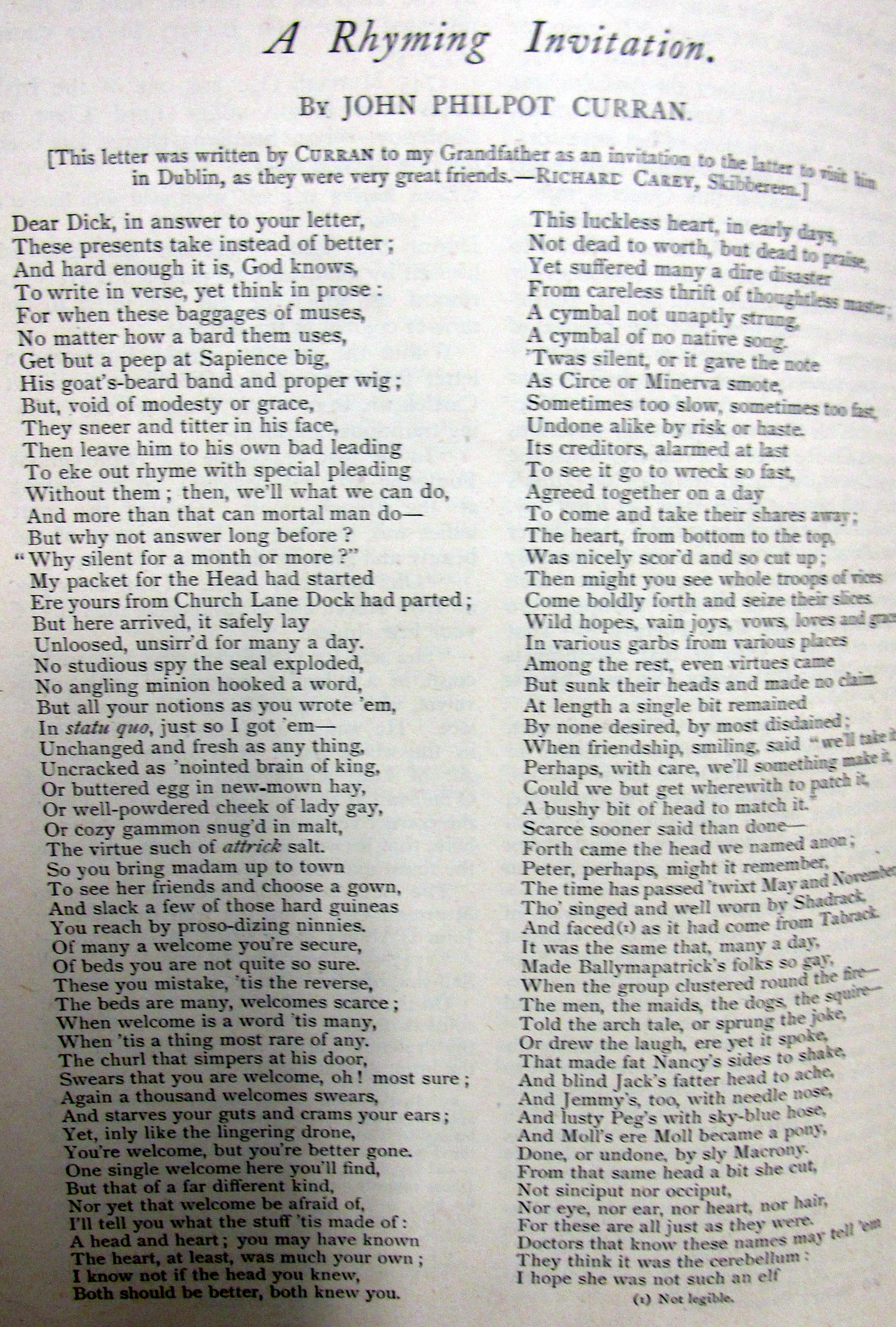
A Rhyming Invitation sent by John Philpot Curran (1750-1817) to Grandfather of Robert Carey, Skibbereen.


A Rhyming Invitation sent by John Philpot Curran (1750-1817) to Grandfather of Robert Carey, Skibbereen.

There is a reference to Ballymapatrick which may be Balllypatrick, South Tipperary.  The article was written in 1893 and it is possible that Richard Carey’s grandfather may have been from North Cork.

Courtesy JCHAs, 1893.

Patriotic verse by John Philpot Curran, (1750-1817), Lawyer, Wit, MP. Master of the Rolls and Privy Councillor, father of Sarah Curran, Newmarket, Co Cork, ‘Let us be Merry before we go’, ‘The Monks of the Screw’, ‘Cushla Ma Chree’

1-IMG_6637

1-IMG_6667

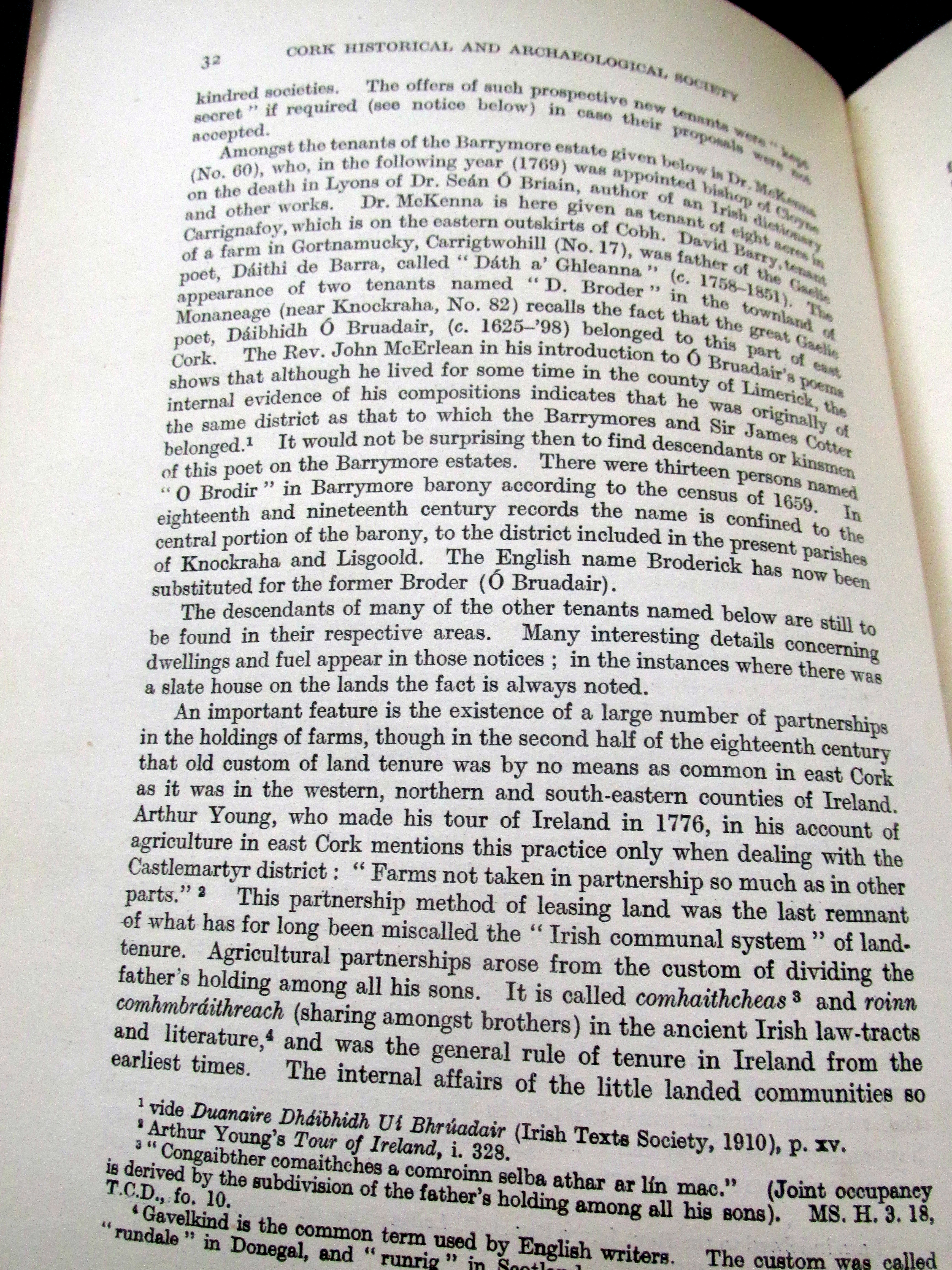
References of East Cork Gaelic Poets and Scholars, Dáibhidh Brudair (Broderick) (1625-1698), Dáithi De Barra (Barry/Dáth a’Ghleanna 1758-1857), Dr McKenna Compiler of Irish Dictionary and Bishop of Cloyne, 1769.


General area:

https://www.google.ie/maps/place/Midleton,+Co.+Cork/@51.9137121,-8.1722358,11z/data=!4m2!3m1!1s0x4843632e5ff561e1:0xa00c7a997319f70

References of East Cork Gaelic Poets and Scholars, Dáibhidh Brudair (Broderick) (1625-1698), Dáithi De Barra (Barry/Dáth a’Ghleanna 1758-1857),  Dr McKenna Compiler of Irish Dictionary and Bishop of Cloyne, 1769.

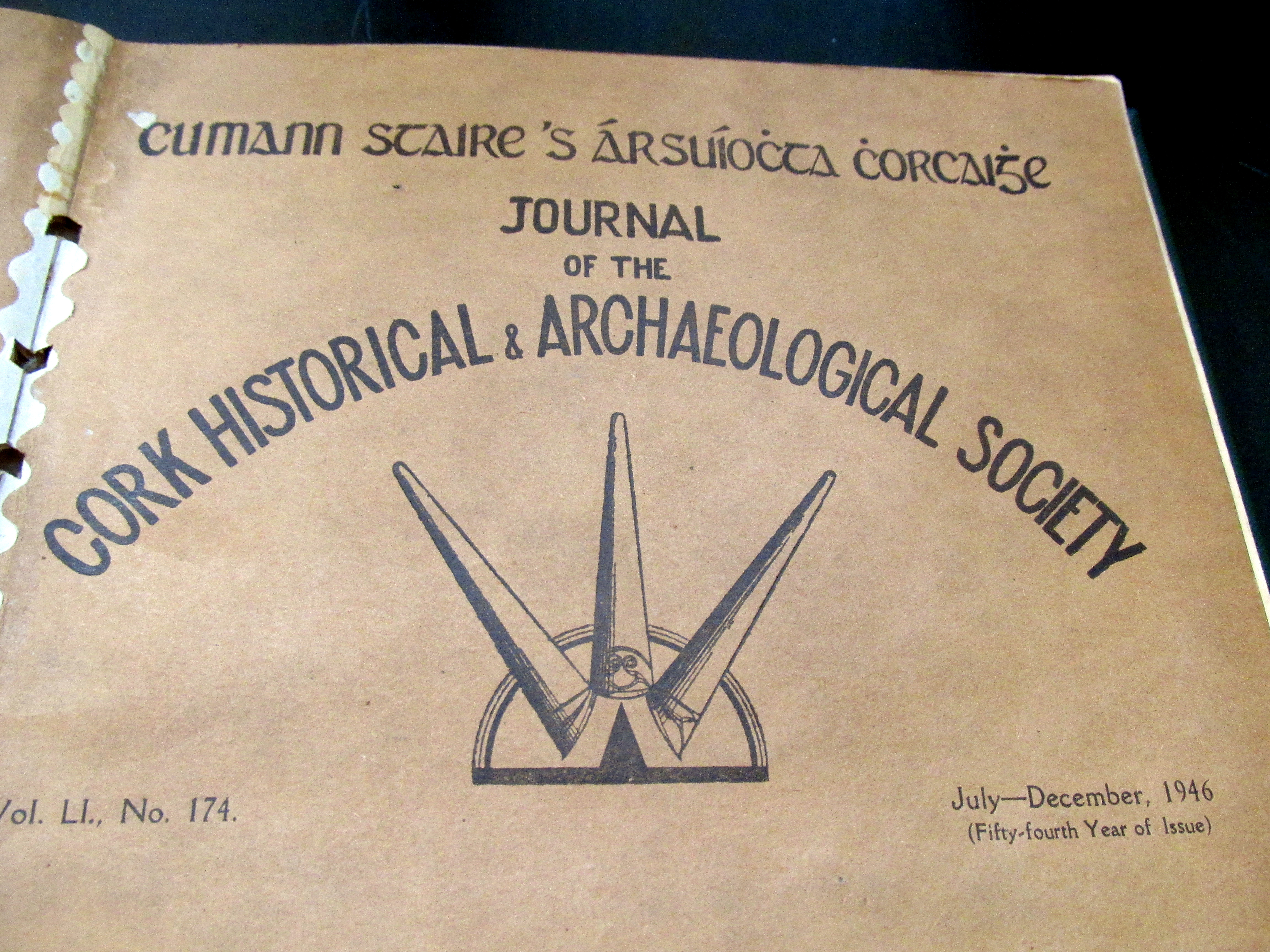
Courtesy JCHAS 1946.

Records of Barrymore estate, East Cork, Castlelyons/Midleton/Castlemartyr/Great Island of Cobh, 1768, Tenants, Townlands, including, Longstown, Heamount/Leicestown, Tibotstown, Ballynoe, Woodstock, Ballyrichardbeg, Ballyleary, Lackabehy,Forestown, Fahy Dorgan, Gortnamucky/Woodstock, Fontarabia, Manormill/Fenagh (obsolete),Fenaghland, Caragaruf, Burgessland, West Old Court, South Ballyogaha, North Ballyogagho adjoining Great Mountain of Collelydana on which there is plenty of turf, Couraghdermot, Ballyrichardmore, Ballynagarbeagh (Caherlag/Glanmire), Carrickaginna/Carrigogna Midleton 1 mile, Shanavallyragh between Coolgerish and Kilcasanan part of Estate of Ignatius Gould Esq., Shanballagh and Monaneague, Coolnapishy/Peafield/Lisgould, Boghervodigg/Ballingarr, Loughnashillady, Knocknamontafg, Rockfield, Carrageenagree now Ballyarrra Townland, Barryarrabeg, Leases Rents, Agents, 107 holdings, 10,000 acres including Dr. McKenna complier of Irish Dictionary later Bishop of Cloyne and father of Gaelic Poet Dáithi De Barra (1758-1861) Dáth A’Ghleanna, extracted by Líam Ó Buachalla in 1946, from Cork Evening Post of 1768.

https://durrushistory.com/lament-in-old-irish-by-eoghan-okeeffe-glenville-co-cork-later-parish-priest-doneralie-1723/

1-IMG_9121

1-IMG_9125

Lord Bantry’s Cottage, Glengariff, West Cork, from 1760s.


https://www.google.ie/maps/place/Glengarriff,+Co.+Cork/@51.7500272,-9.5522224,12z/data=!4m2!3m1!1s0x484573325e548e6b:0xa00c7a99731cd40

Lord Bantry’s Cottage, Glengariff, West Cork, from 1760s.

The Whites were probably of a fairly modest background from Co. Limerick.  By astute management and investment in fishing, smelting, and forest removal a large land bank was assembled by Richard White then of Whiddy island.   On assistance relative to the abortive French landing in 1796 the family were enobled.

Courtesy Archiseek.

1815 – Lord Bantry’s Cottage, Glengarriff, Co. Cork

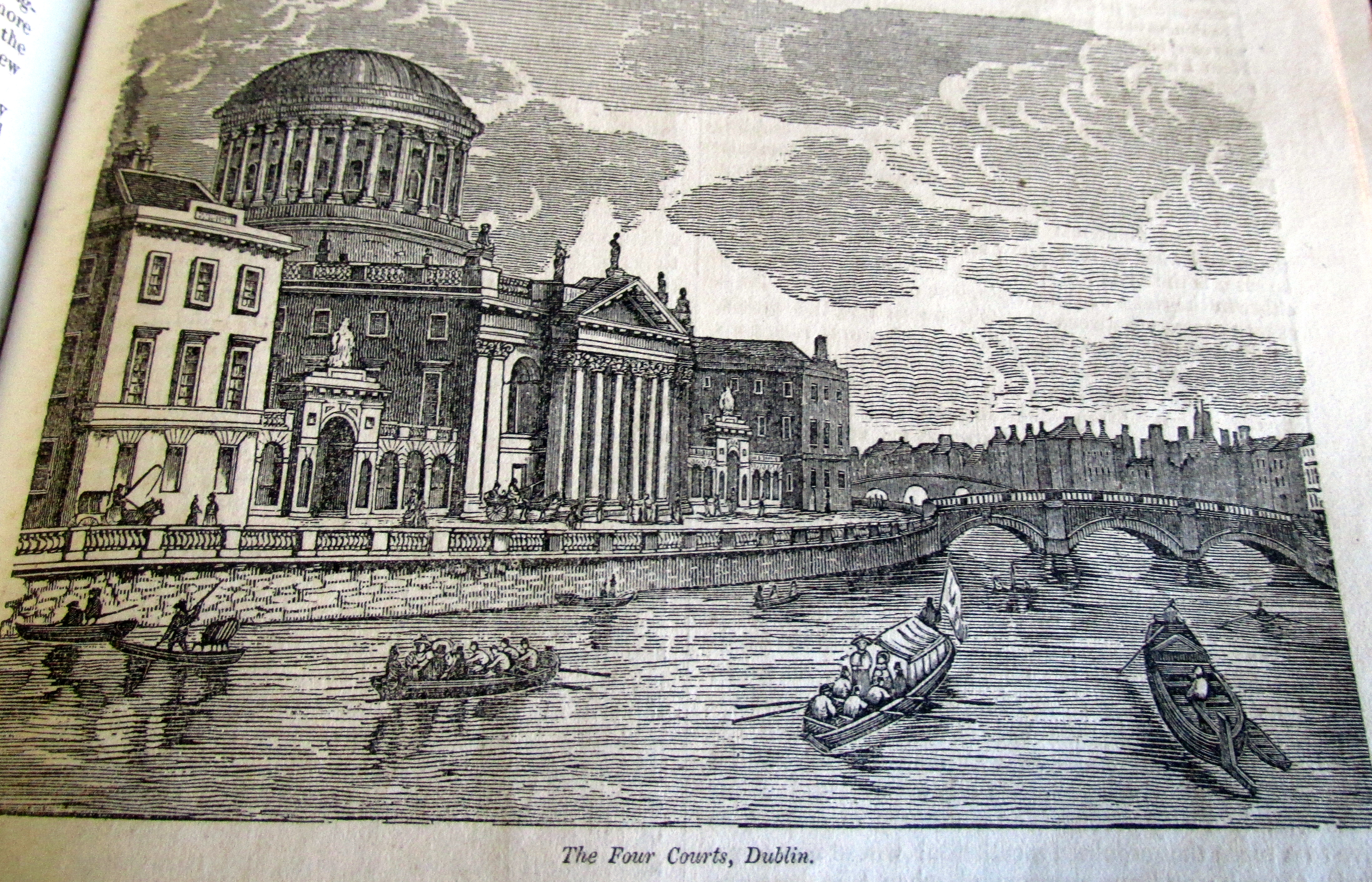
1832, Four Courts, Dublin , showing River Taxis, before destruction of 1922 and later suggestion that complex be turned into a surface car park together with ruined Custom House.


1832, Four Courts, Dublin , showing River Taxis, before destruction of 1922 and later suggestion that complex be turned into a surface car park together with ruined Custom House.

It shows the integrity of the entire complex. were it not for Mr. Byrne, the Chief Architect of OPW, in the 1920s the then Government may have acceded to the demand of some of its backers to clear the entire complex as a Monument to British Imperialism and turn it into a surface car park as was suggested for the Custom House.

The replacement of the wing to the left in turn in the 1980s was replaced by the hideous Arus Uí Dhalaigh (called after former President).  Perhaps if the State Coffers gush again this might be demolished and the original building reinstated.

http://en.wikipedia.org/wiki/Four_Courts

https://wordpress.com/stats/day/28206803?startDate=2015-02-07

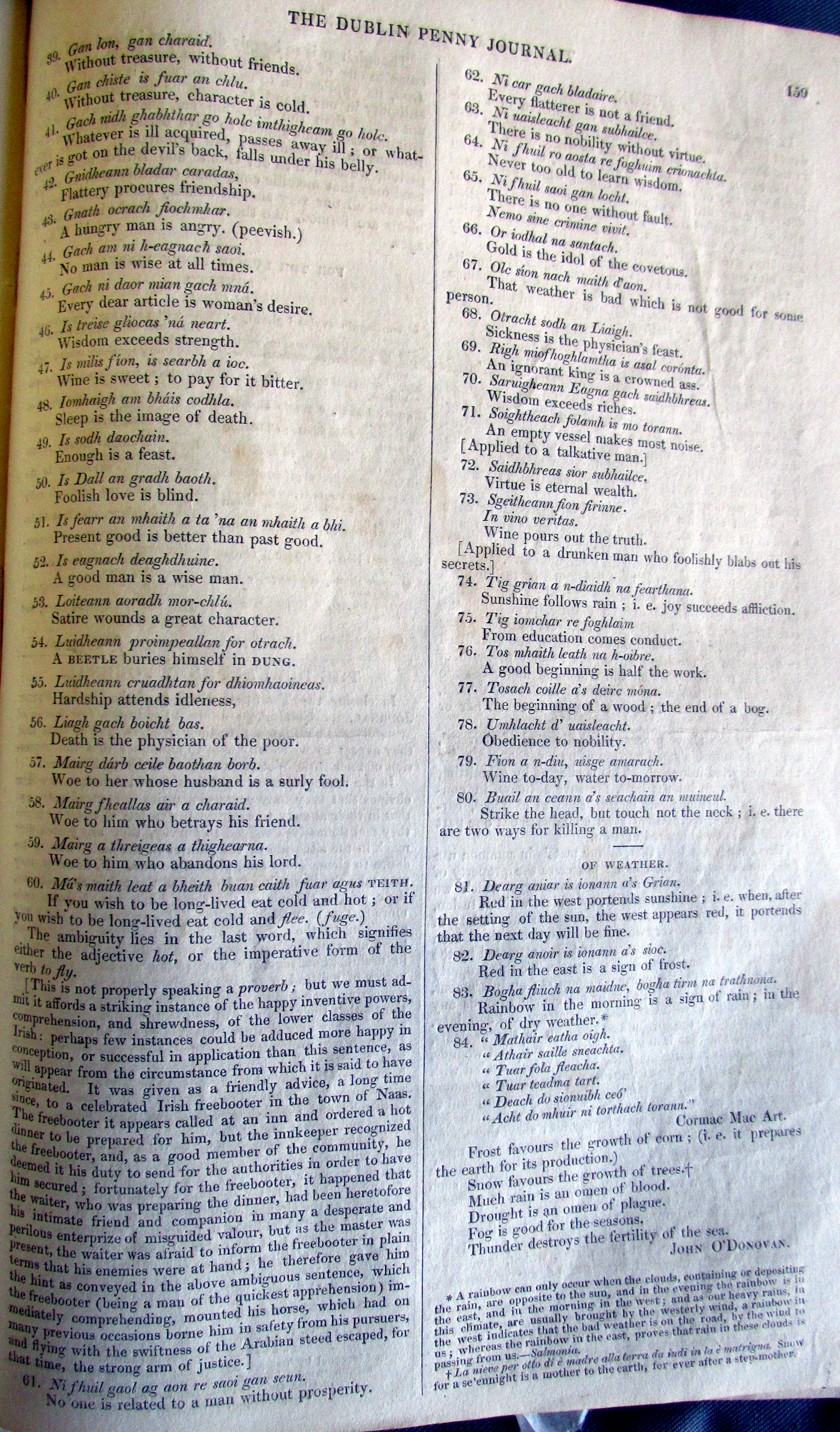
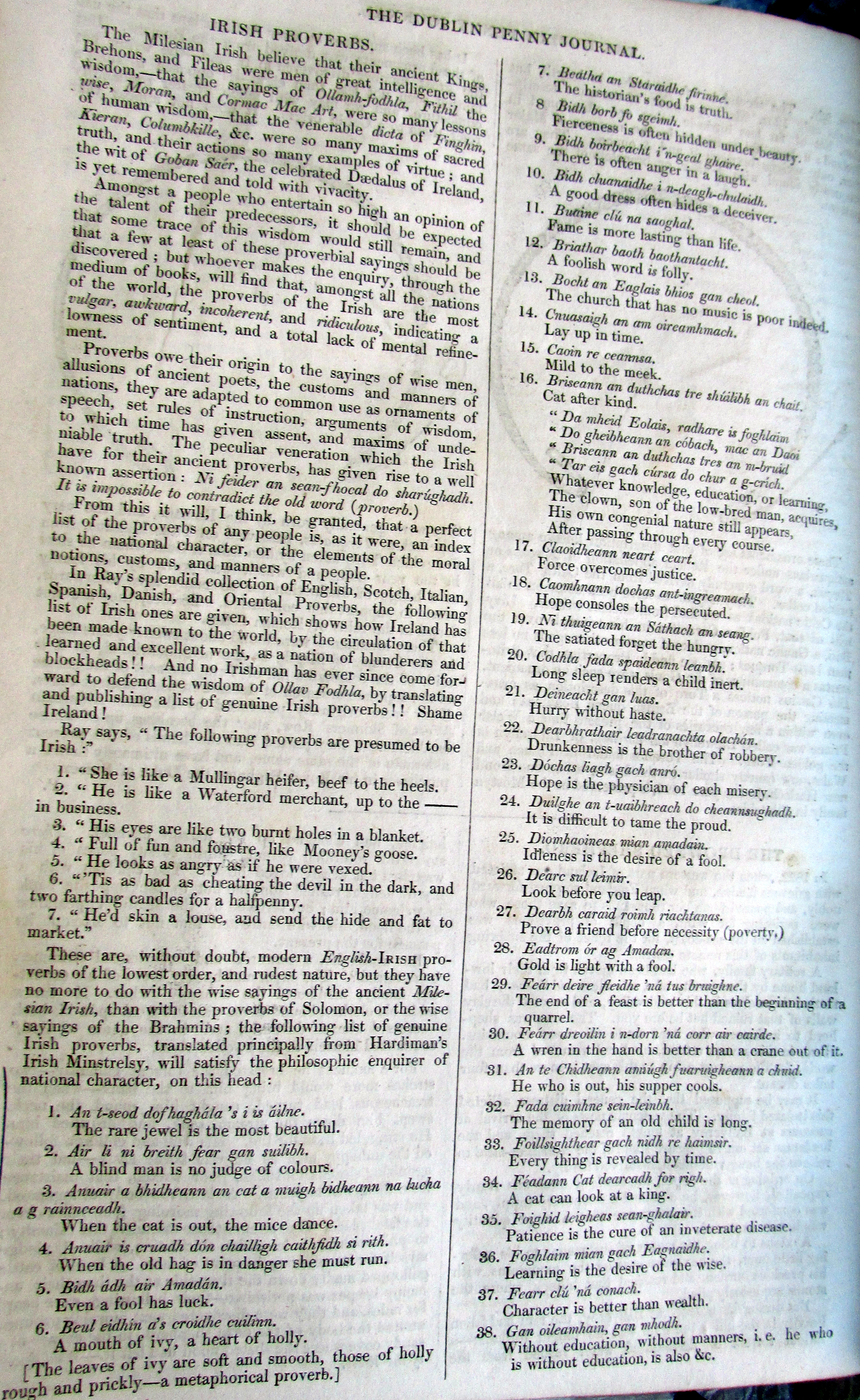
From Dublin Penny Journal 1832.

1-IMG_9092