Commencement of the Teaching of Irish as an Optional Extra at Carrigboy/Four Mile Water/Durrus, Boys National School, West Cork 1896.
The boys who take the subject generally do after 4th class.

20 Wednesday May 2015
Posted in Uncategorized
Commencement of the Teaching of Irish as an Optional Extra at Carrigboy/Four Mile Water/Durrus, Boys National School, West Cork 1896.
The boys who take the subject generally do after 4th class.
19 Tuesday May 2015
Posted in Uncategorized
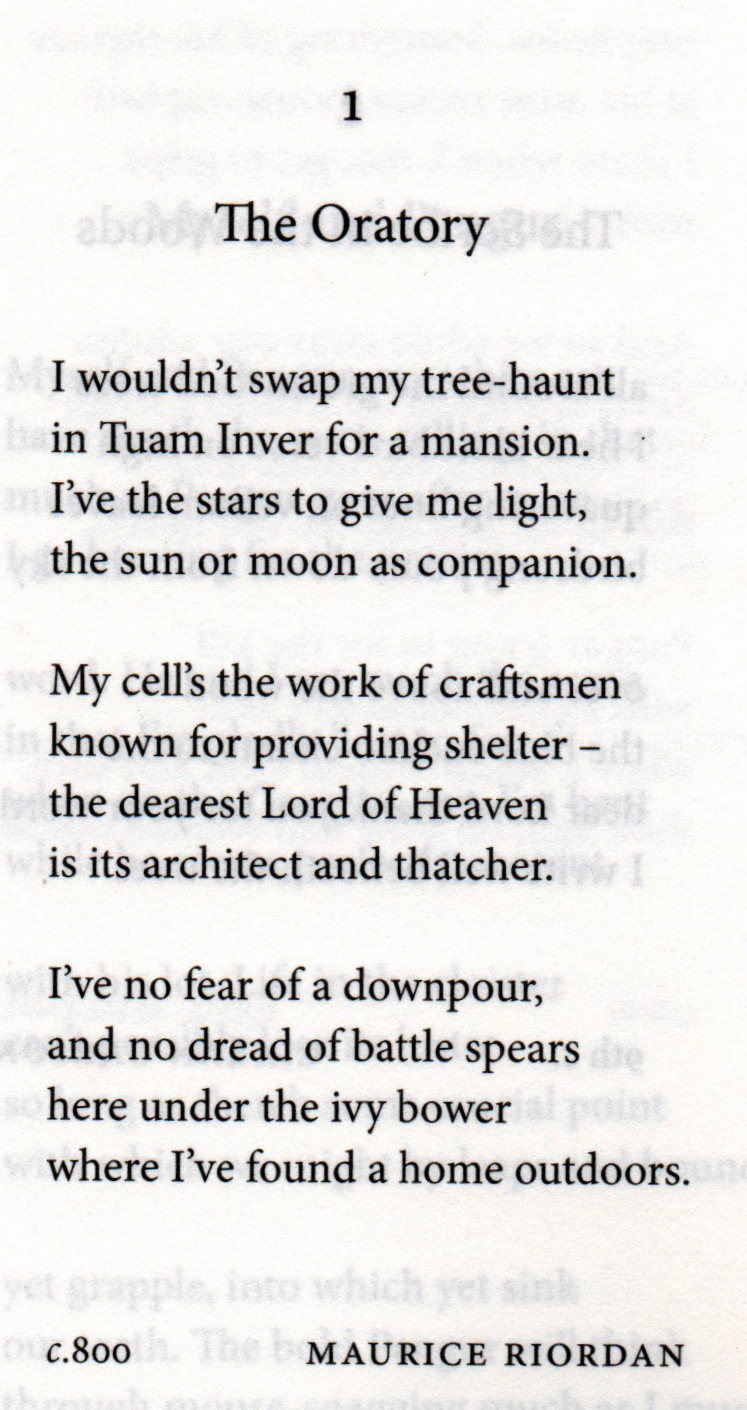
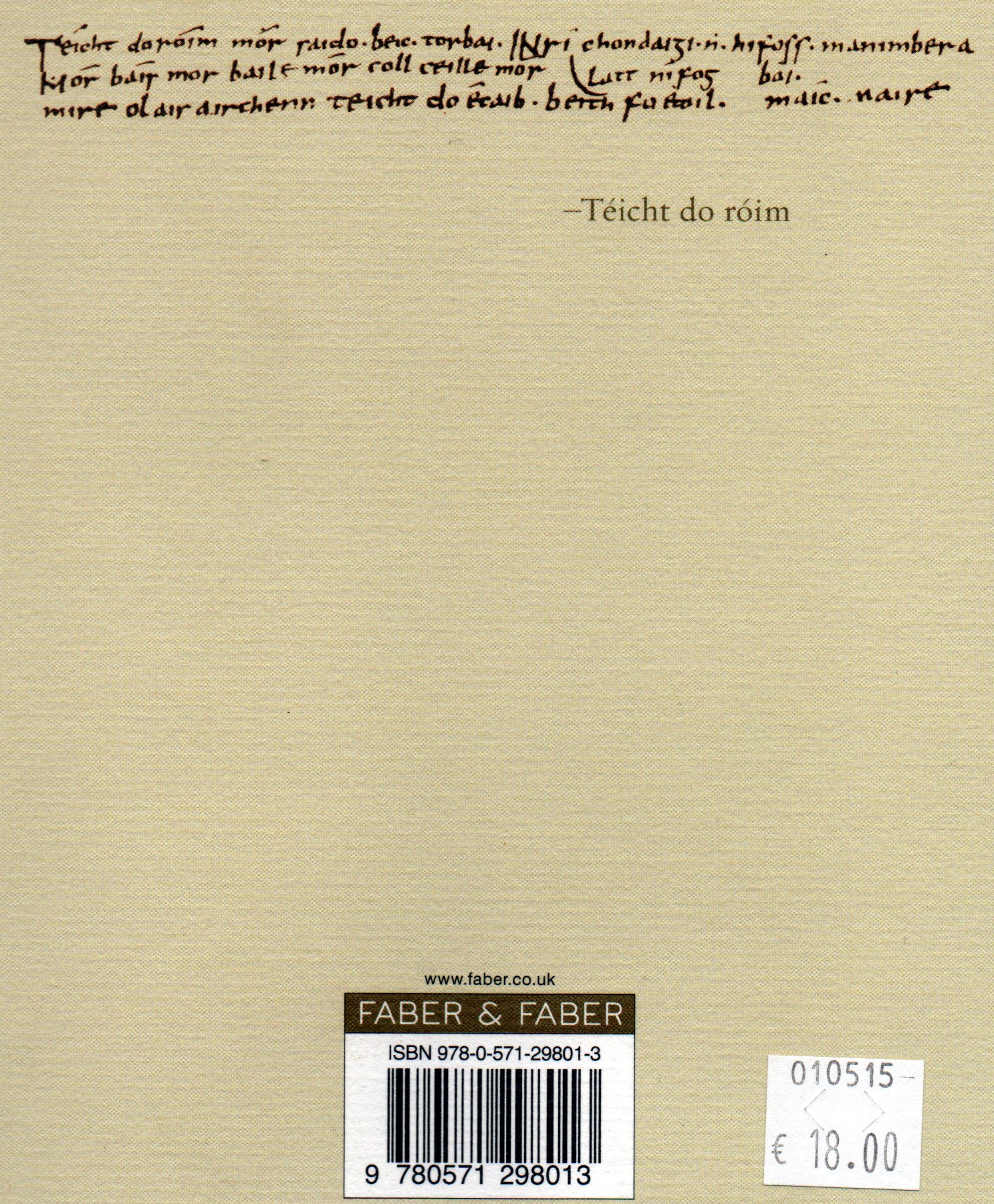
Late 7th Century Irish Scribes, First in the World to use Spacing between Words.


19 Tuesday May 2015
Posted in Uncategorized
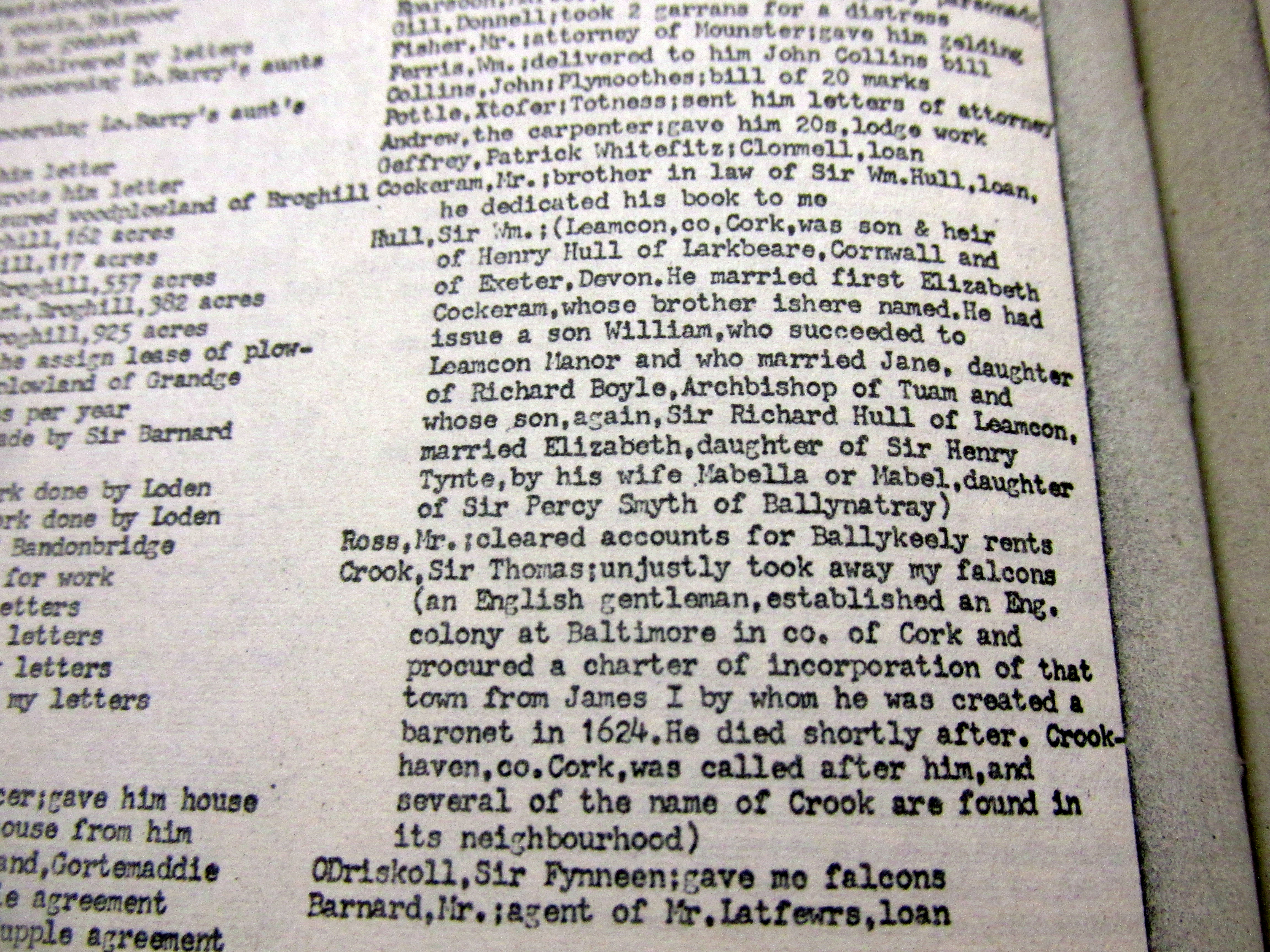
Richard Boyle, Great Earl of Cork, on Sir William Hull of Leamcon, Schull and Sir Thomas Crook, founder of Baltimore who ‘Unjustly took his Falcons’, and Sir Fineen O’Driscoll gave him Falcons
Courtesy Dr. Casey collection.
19 Tuesday May 2015
Posted in Uncategorized
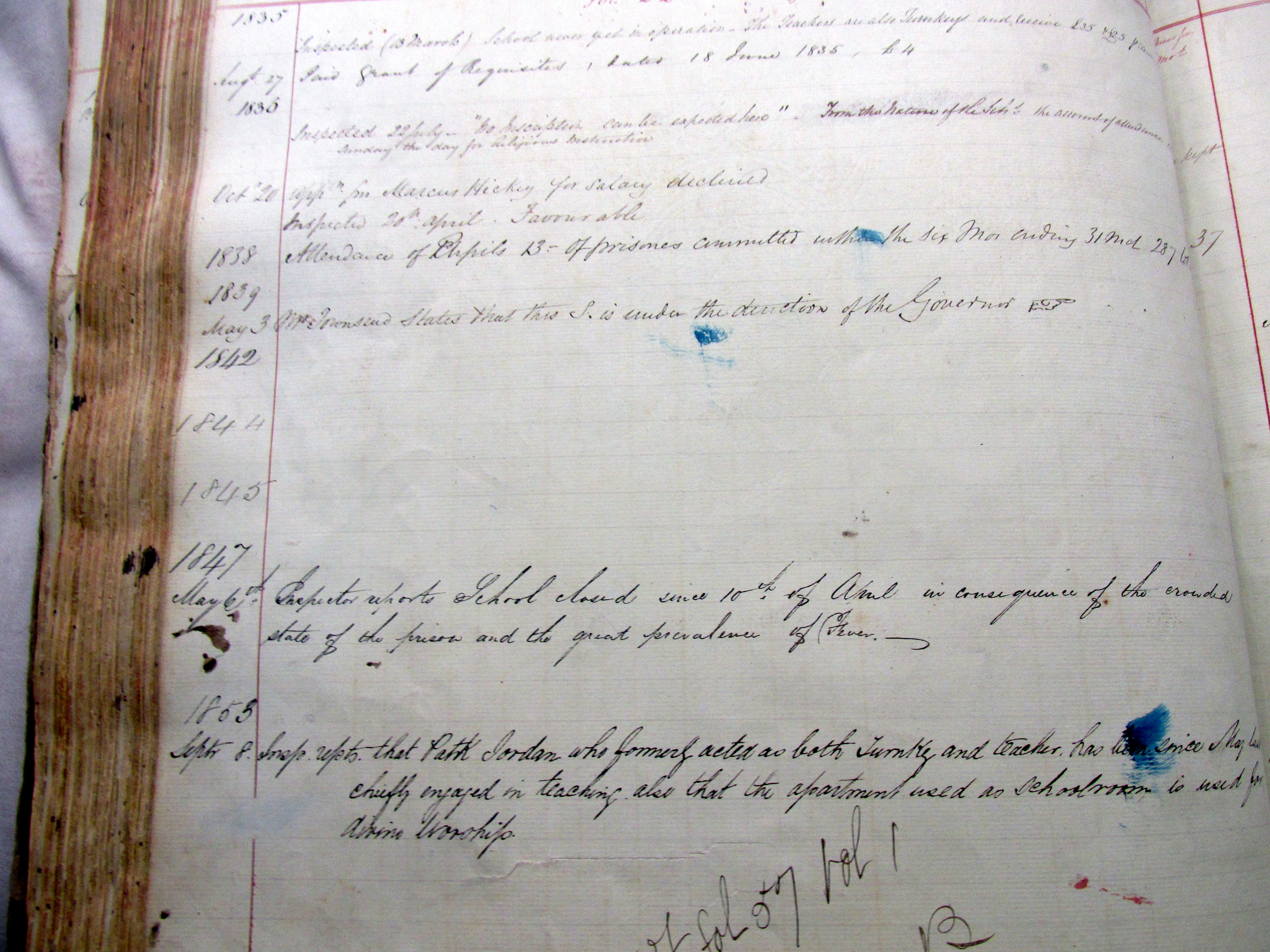
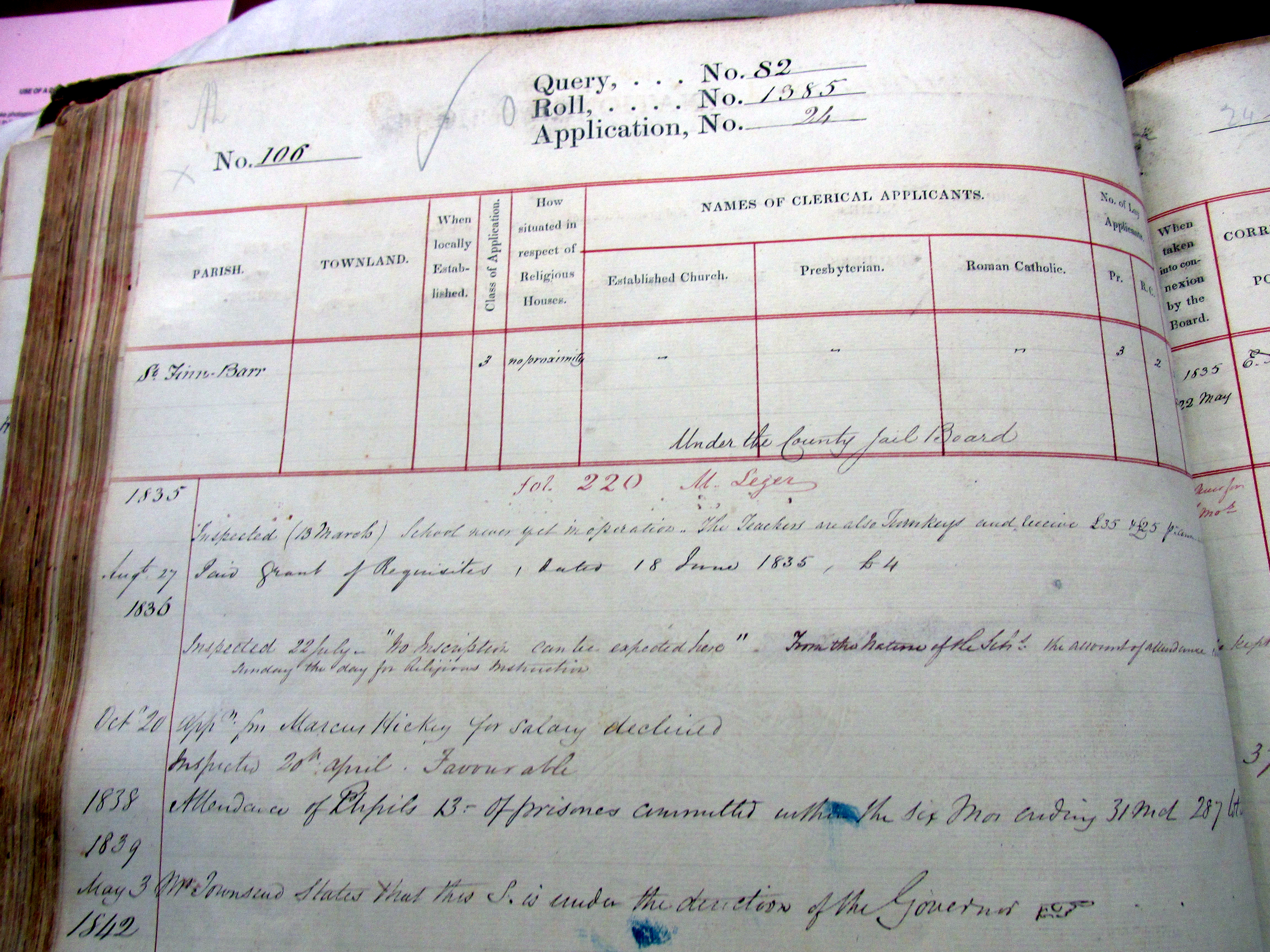
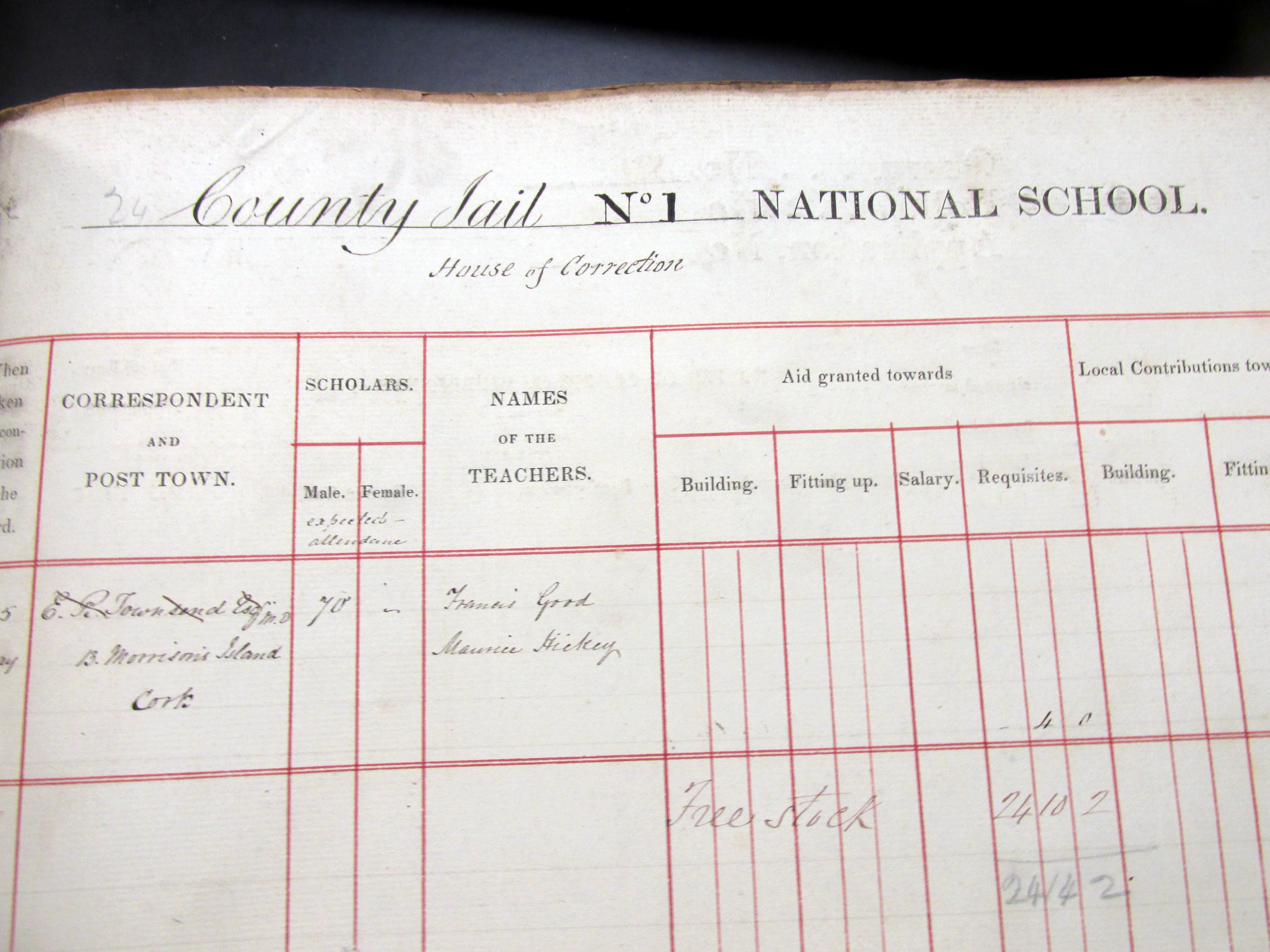
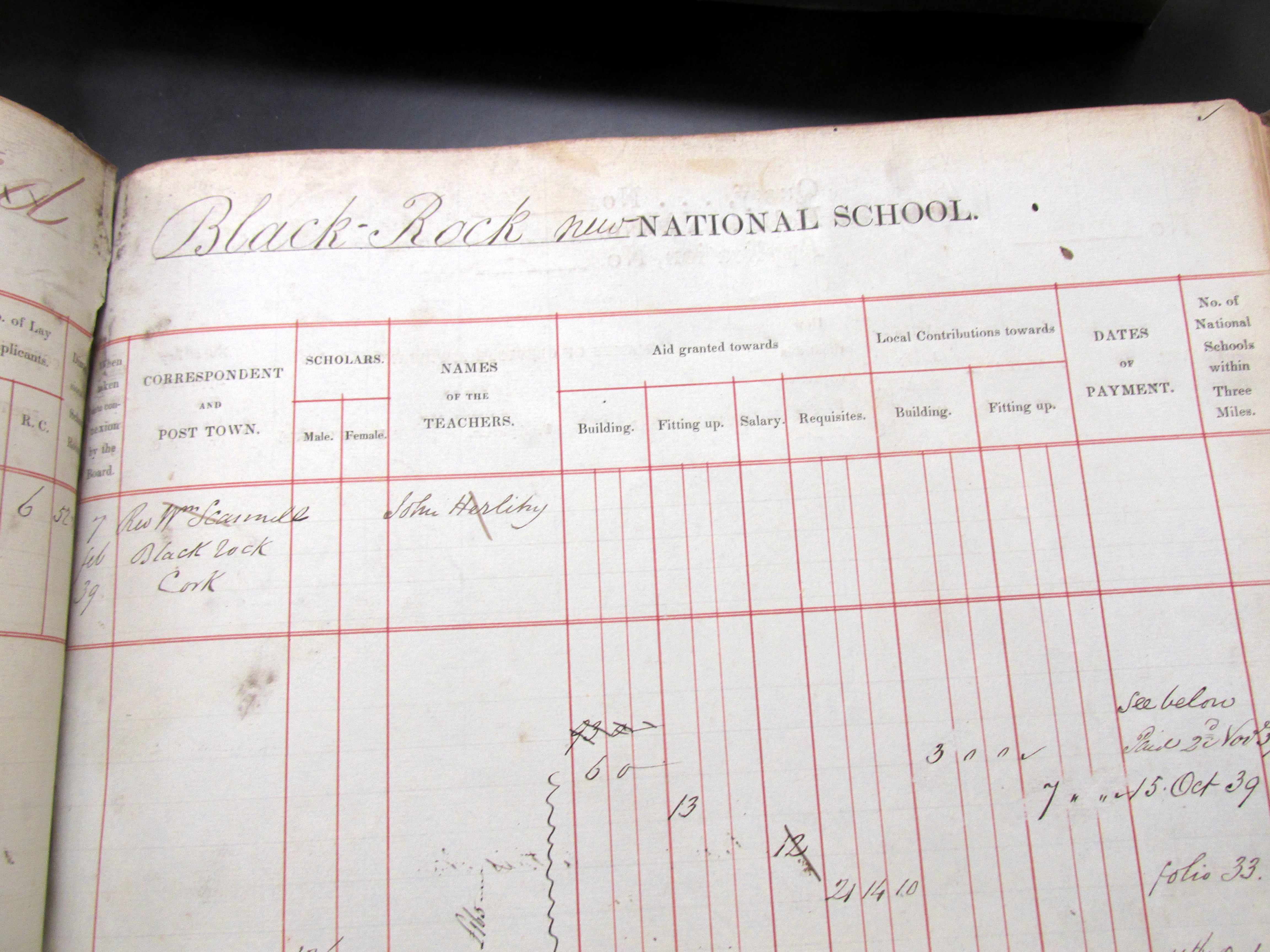
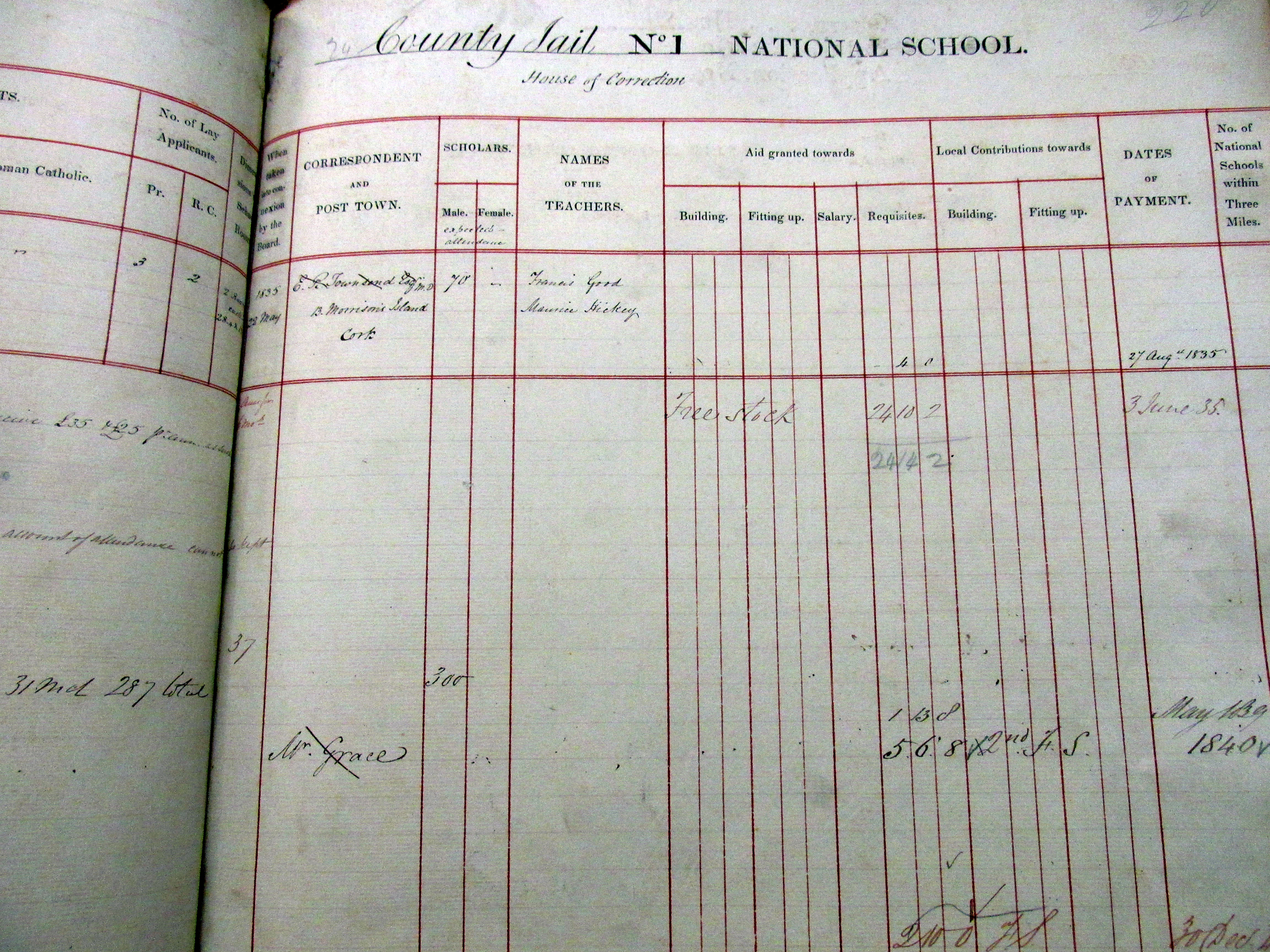
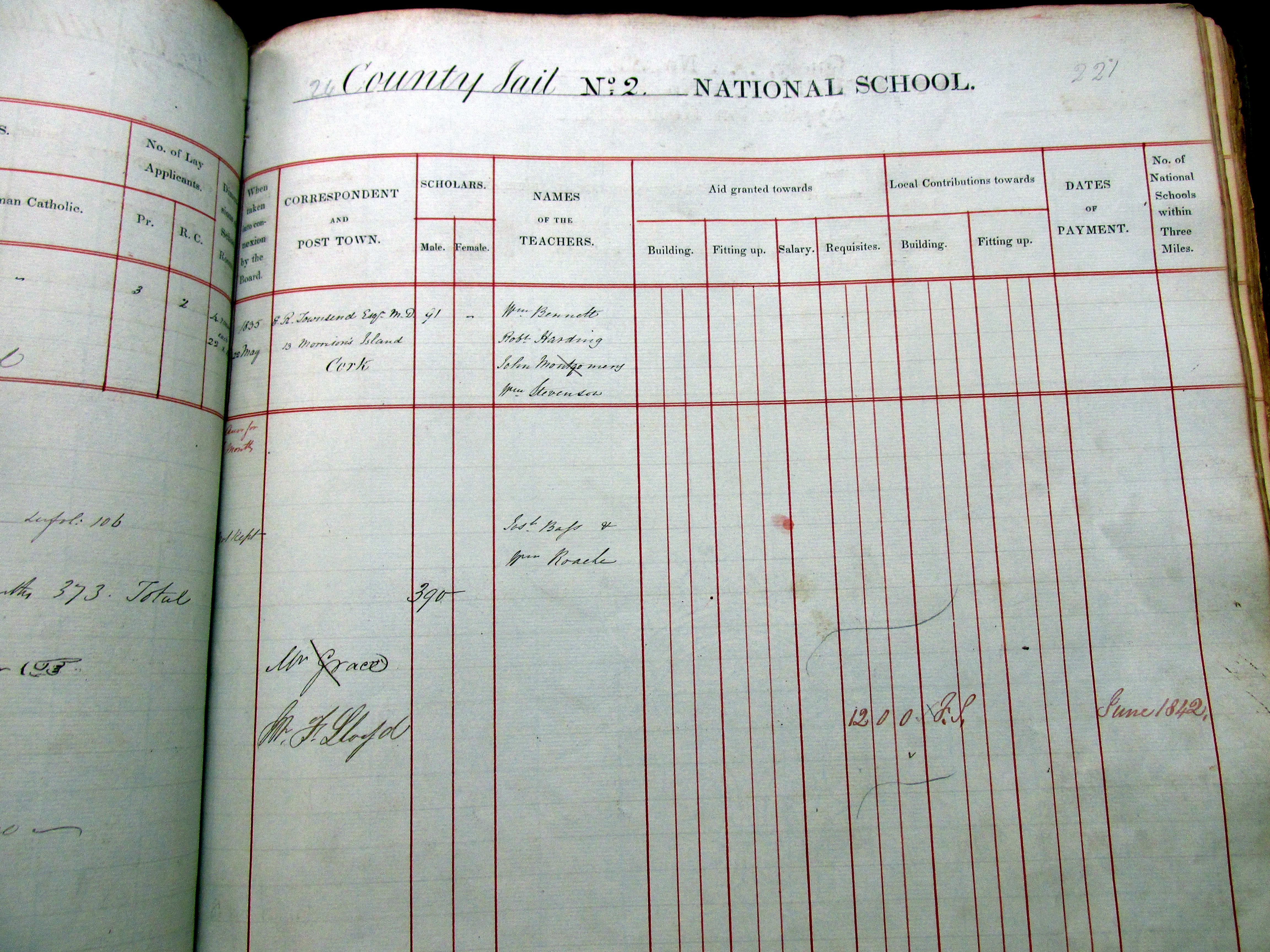
Cork Jail No 1 and 2, House of Correction, National School 1830s




19 Tuesday May 2015
Posted in Uncategorized
https://www.google.ie/maps/@51.6550646,-10.047437,13z
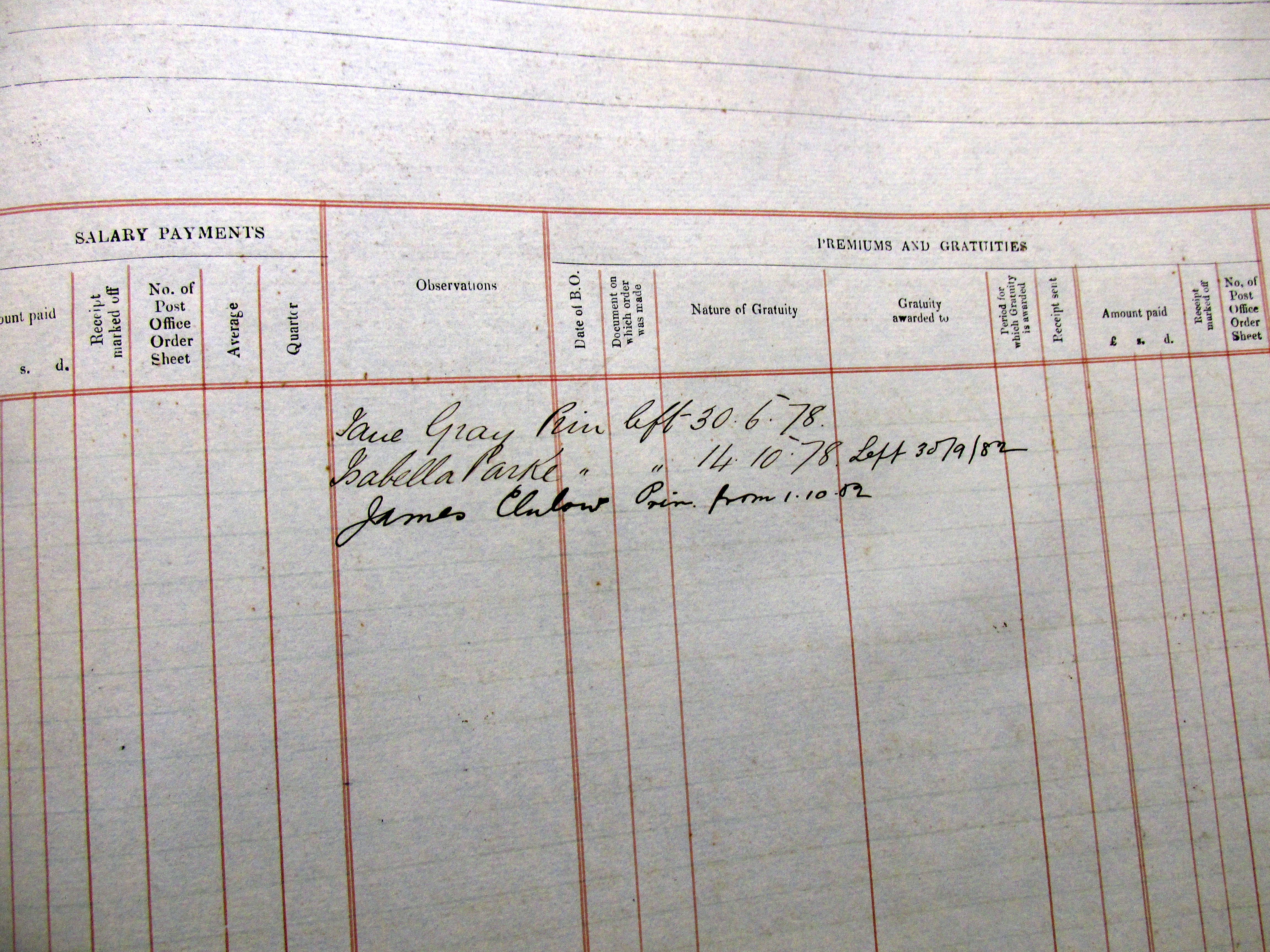
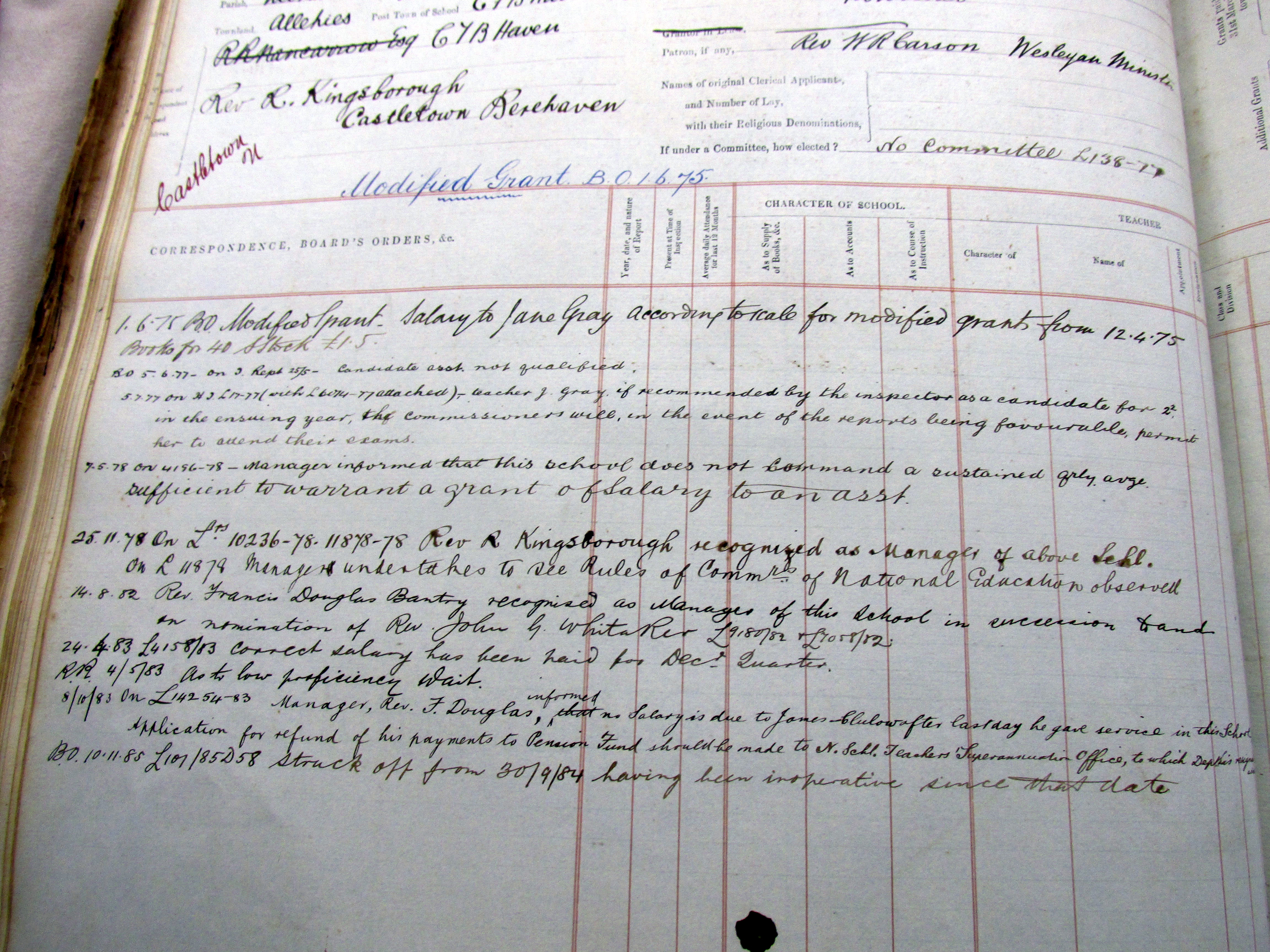
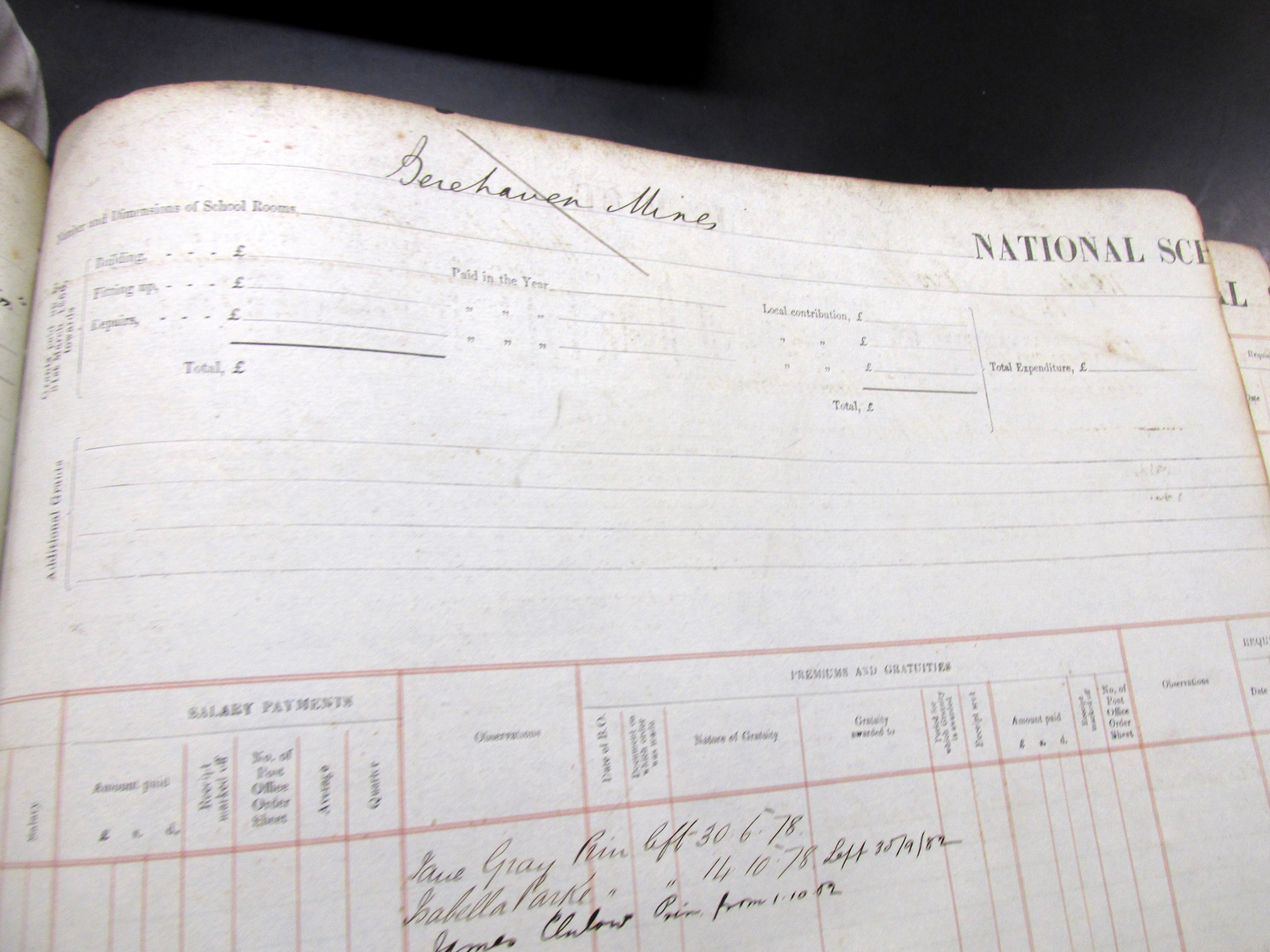
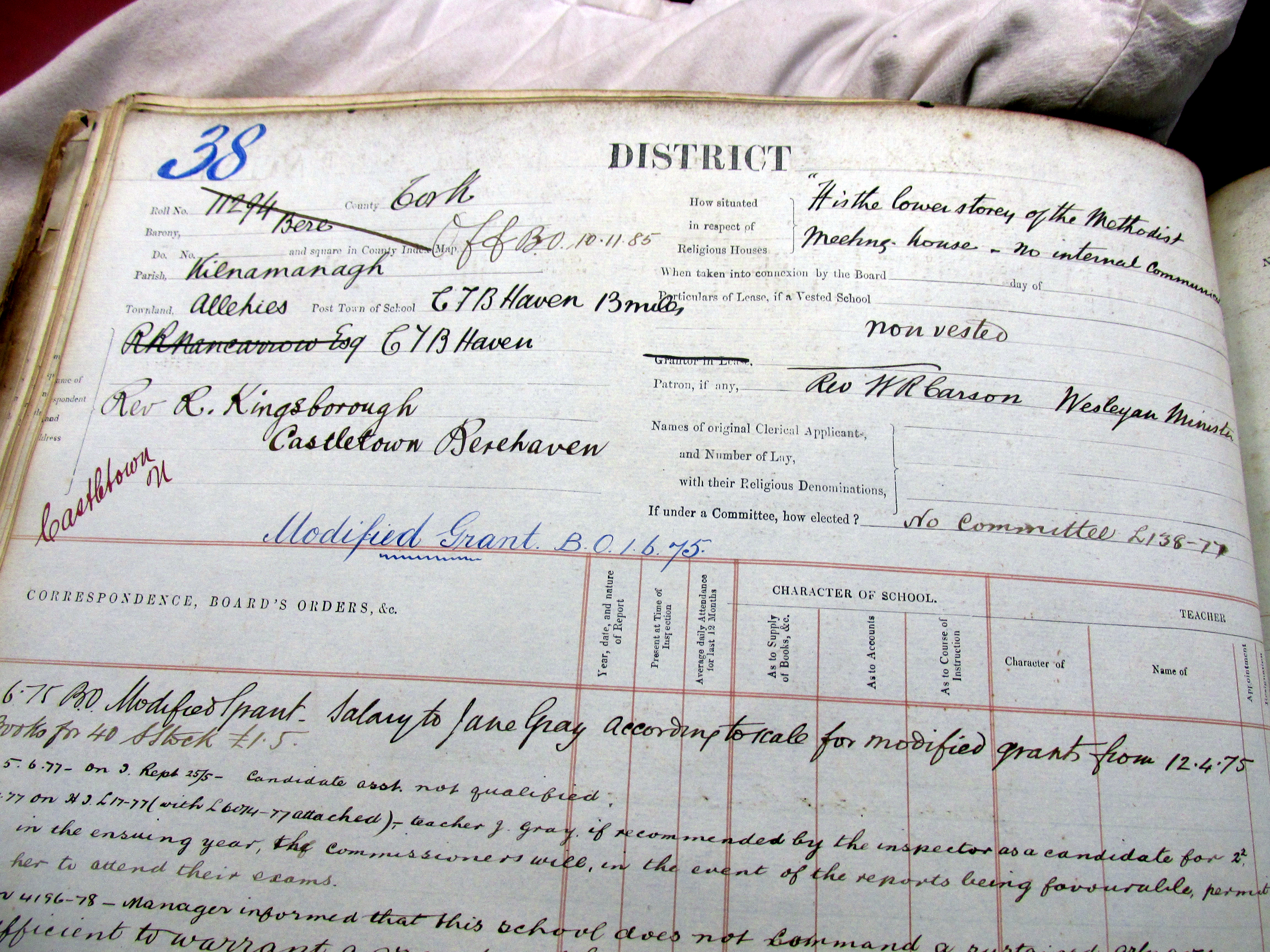
Berehaven Copper Mines, Allihies, West Cork, Methodist National School, 1875-1883
Baptismal Register (Methodist), Berehaven Mines, Co. Cork 1842-1878
18 Monday May 2015
Posted in Uncategorized
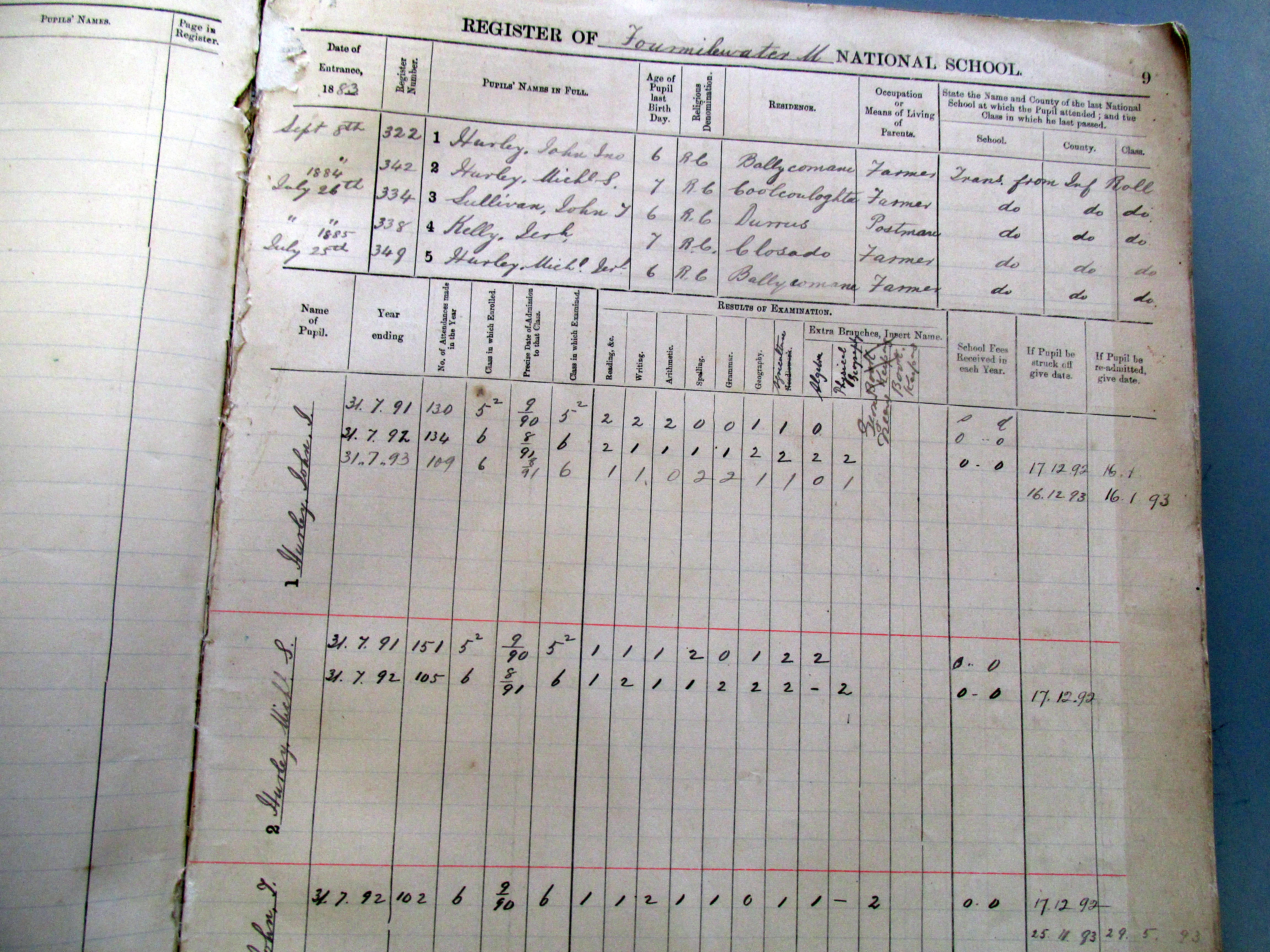
1883 Curriculum Boys National School, Carrigboy (Durrus), West Cork, including Agriculture, Physical Geography, Bookkeeping.
By the 1930s the curriculum had probably gone backwards. Sarah Dukelow from Clashadoo/Sea Lodge after the death of her mother spent a number of years in Trillick, Co. Tyrone with relations and attended the local National School. The girls studied science algebra having to work out solutions on the blackboard. When she returned to St. James there were no such subjects. Carrigboy school would have had the same broad curriculum.
This advanced form of education is consistent with some of the subjects available from Hedge School Masters such as Aeán Ó Coileáin:

18 Monday May 2015
Posted in Uncategorized
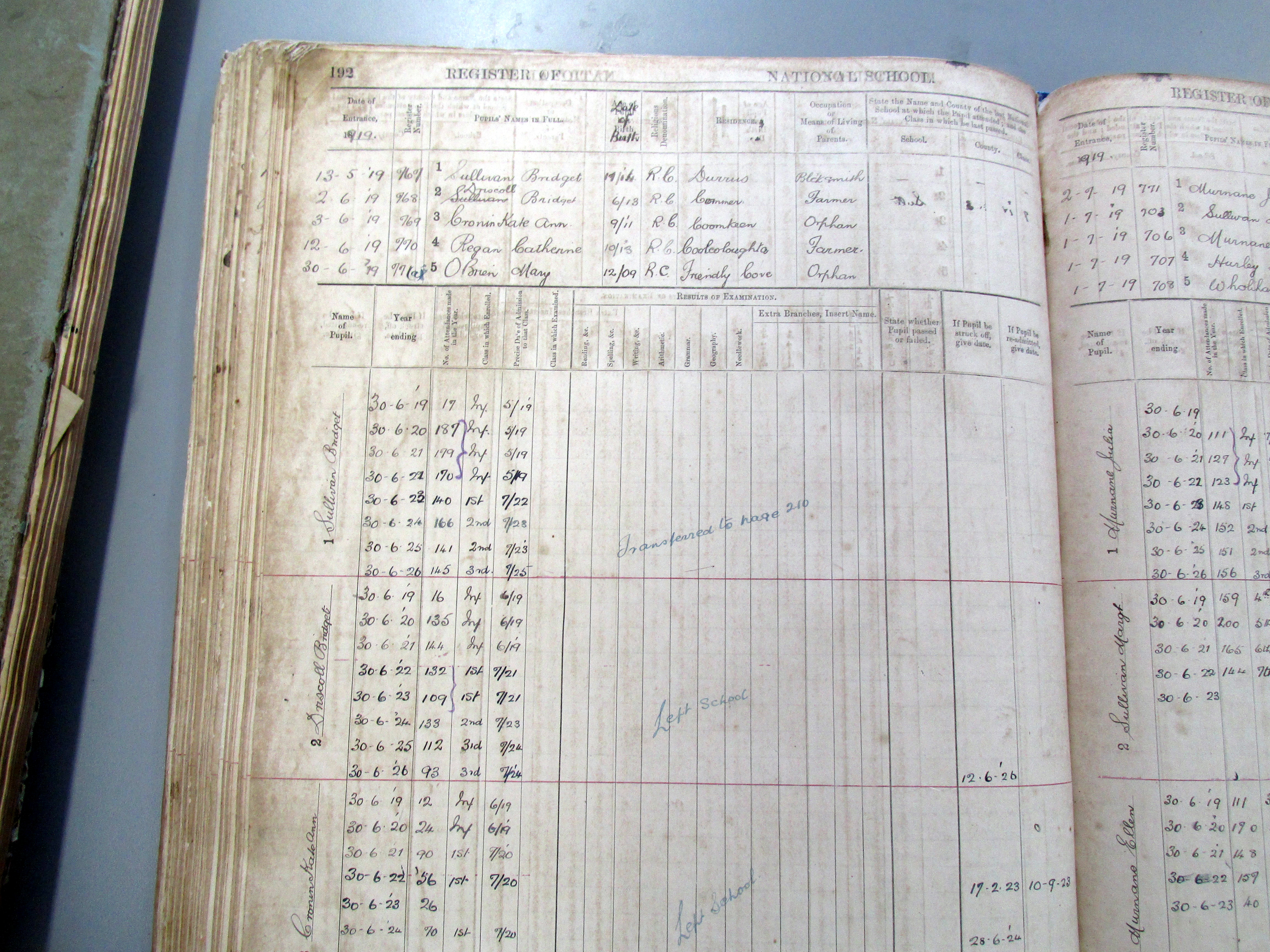
The Recommencement of the use of ‘O’ in Irish Surnames, an example from the Girls School Roll, Carrigboy (Durrus) National School, West Cork, 1919.
For the ordinary Irish population for the 18th and 19th century names that habitually used the ‘O’ were written and spoken of without them.
Interestingly many Irish Protestant families of a Gaelic background high up the social scale used the ‘O’ such as ‘The O Donovan’ of Lissard.
The girls records of Carrigbui from 1866 are available and the ‘O’ is rarely used. this is an example of a girl, entry 791, Mary O’Brien, an orphan, from Friendly Cove.
https://plus.google.com/photos/100968344231272482288/albums/6146640094366678001
One of the peculiar aspects of the current usage is that some names which historically never had the O now have it attached.
17 Sunday May 2015
Posted in Uncategorized
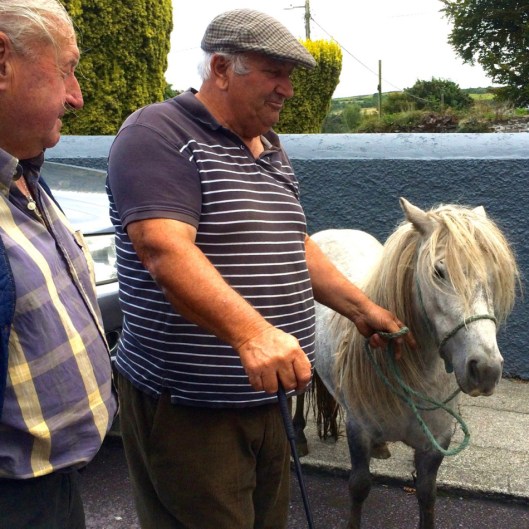 ‘Tis a grand horse
My very first lesson in how to speak like you’re from West Cork featured the many ways in which we use the word grand. (Skip to the end to see links to previous posts on West Cork Speak.) It seems, though, that I really didn’t do it justice, as it turns out that You’re Grand is, in fact, a phrase that sums up an entire philosophy and way of life. To understand this better, I highly recommend the comedian Tara Flynn’s book You’re Grand: The Irishwoman’s Secret Guide to Life.

Tara tells us:
…no matter how bad things get, sooner or later everything will be Grand. Even when it won’t. In fact, especially then. Simply asserting that “You’re Grand” puts you in a state of mind that instantly makes you feel better…
She goes through the variations: Grand Out, Grand Altogether…
View original post 1,045 more words
17 Sunday May 2015
Posted in Uncategorized
This gallery contains 15 photos.
Originally posted on Roaringwater Journal:
Colourful Courtmacsherry In the Days of Yore – when I first started to visit the west…
16 Saturday May 2015
Posted in Uncategorized
We in Ireland (or rather the Republic of Ireland) have a lazy, solipsistic tendency to think we are the greatest little country in the world (and not just to do business in). I have spent most of the past fortnight in another small country on the far side of the world which, I would contend, can lay far better claim to that title.
Chile is a long thin snake of a country squeezed between the Andes mountains and the Pacific ocean and running from the Atacama desert (the driest place on earth) in the north, through the Mediterranean climes and cool rain forest of the centre, to the sub-Antarctic tundra of Tierra del Fuego in the south. It contains the oldest inhabited site in the Americas (12,500 years); the finest wine in the Southern hemisphere; breathtaking mountain and lake scenery that surpass anything in the Alps or the Rockies, and…
View original post 821 more words


 West Cork History