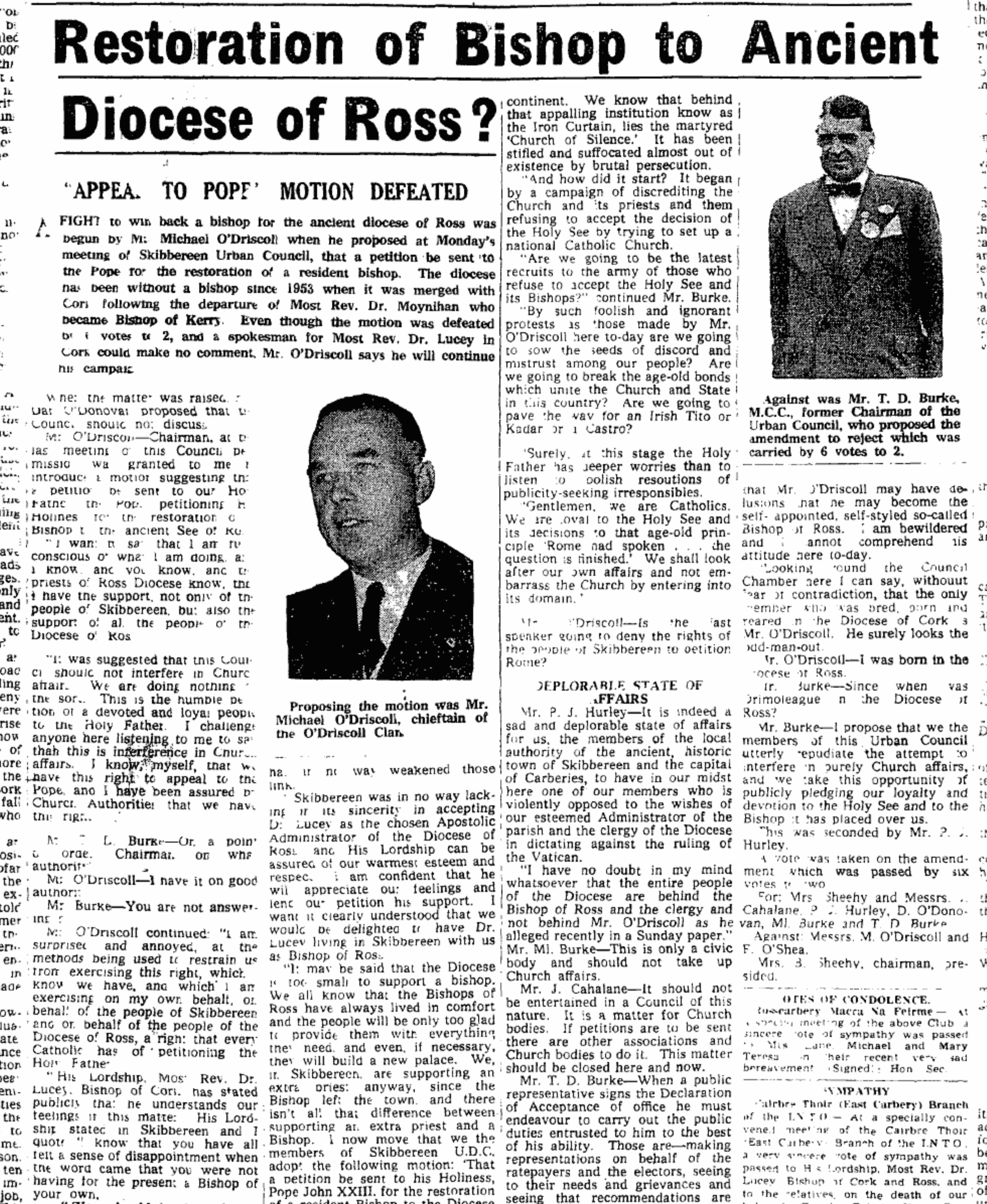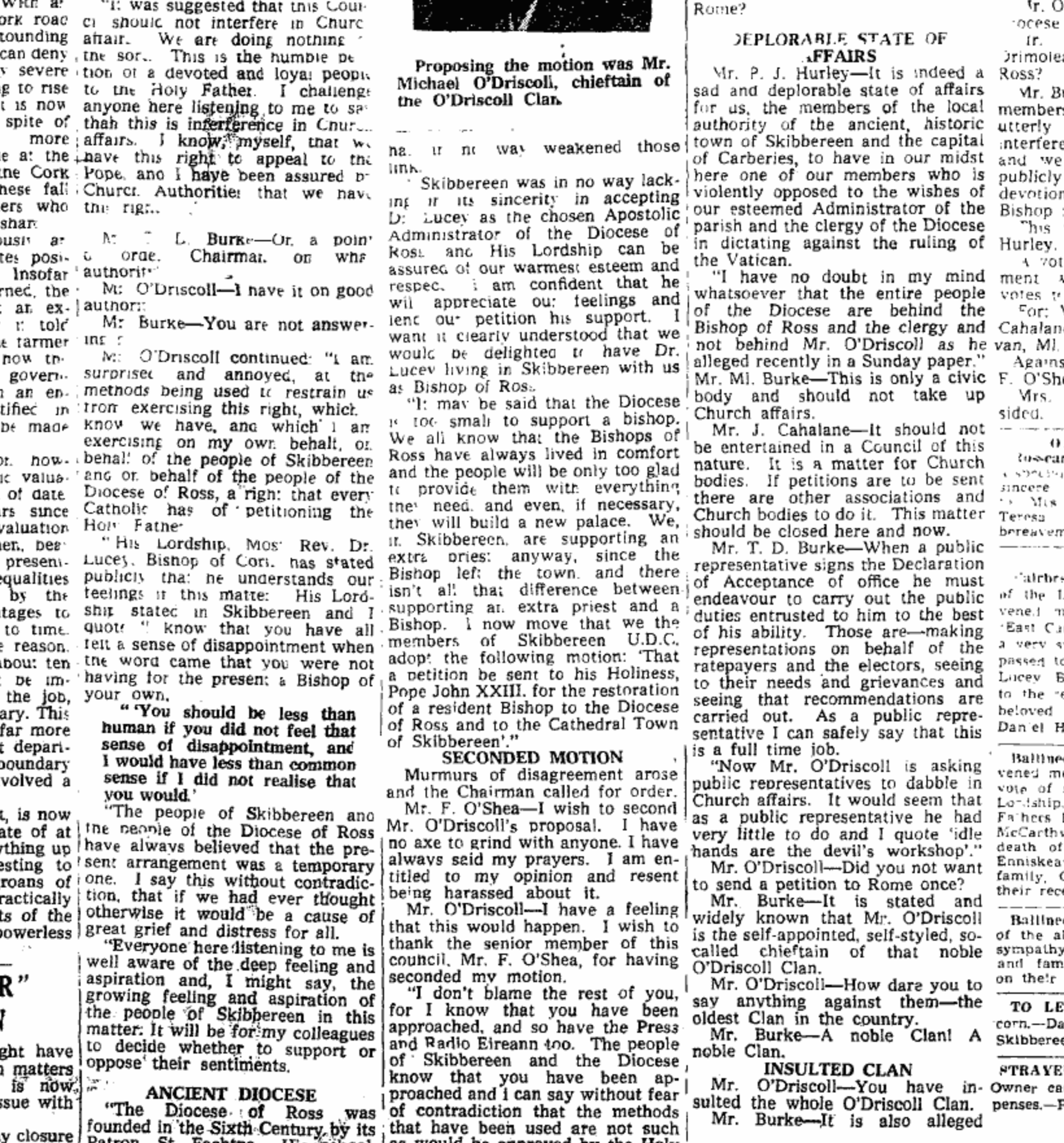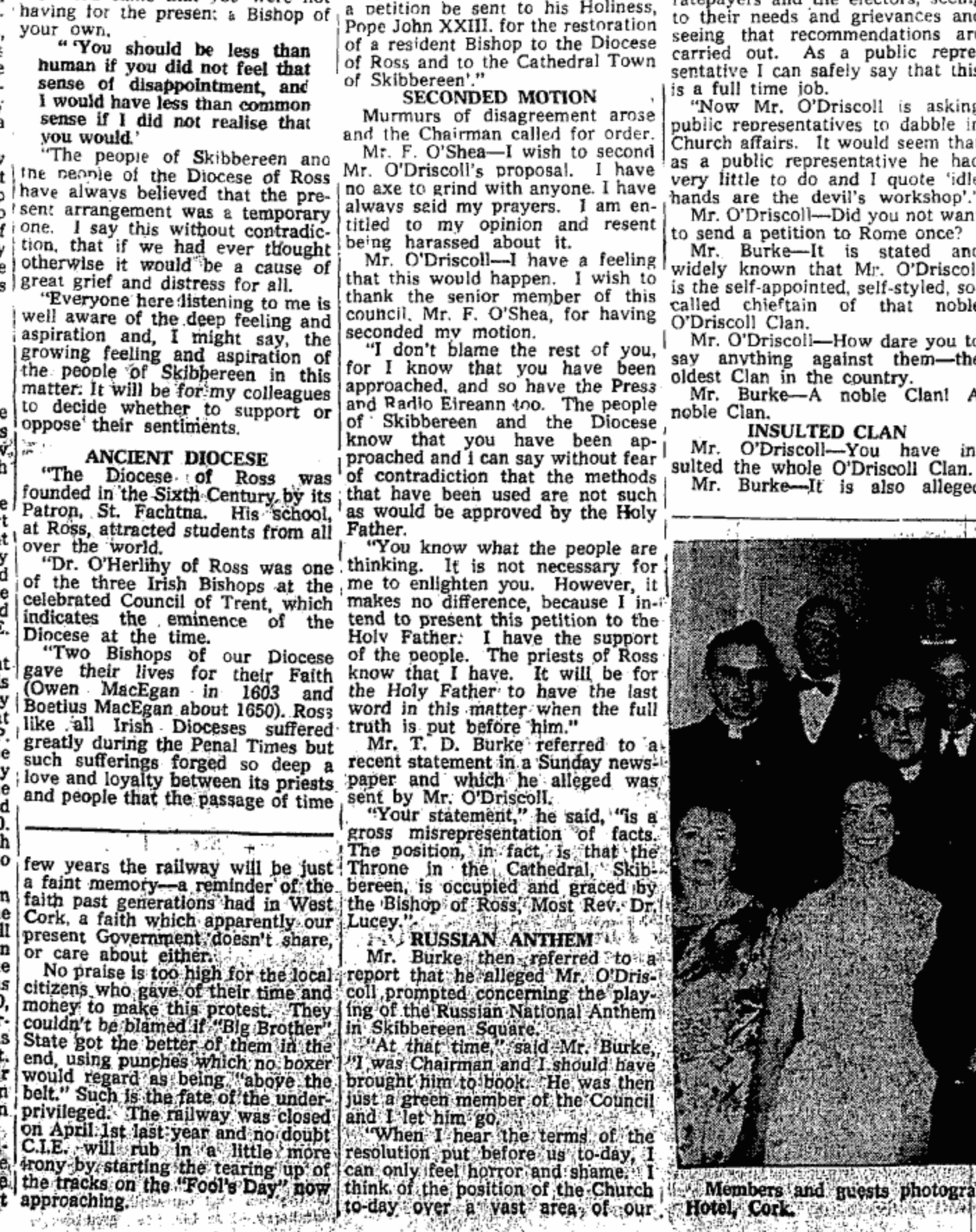
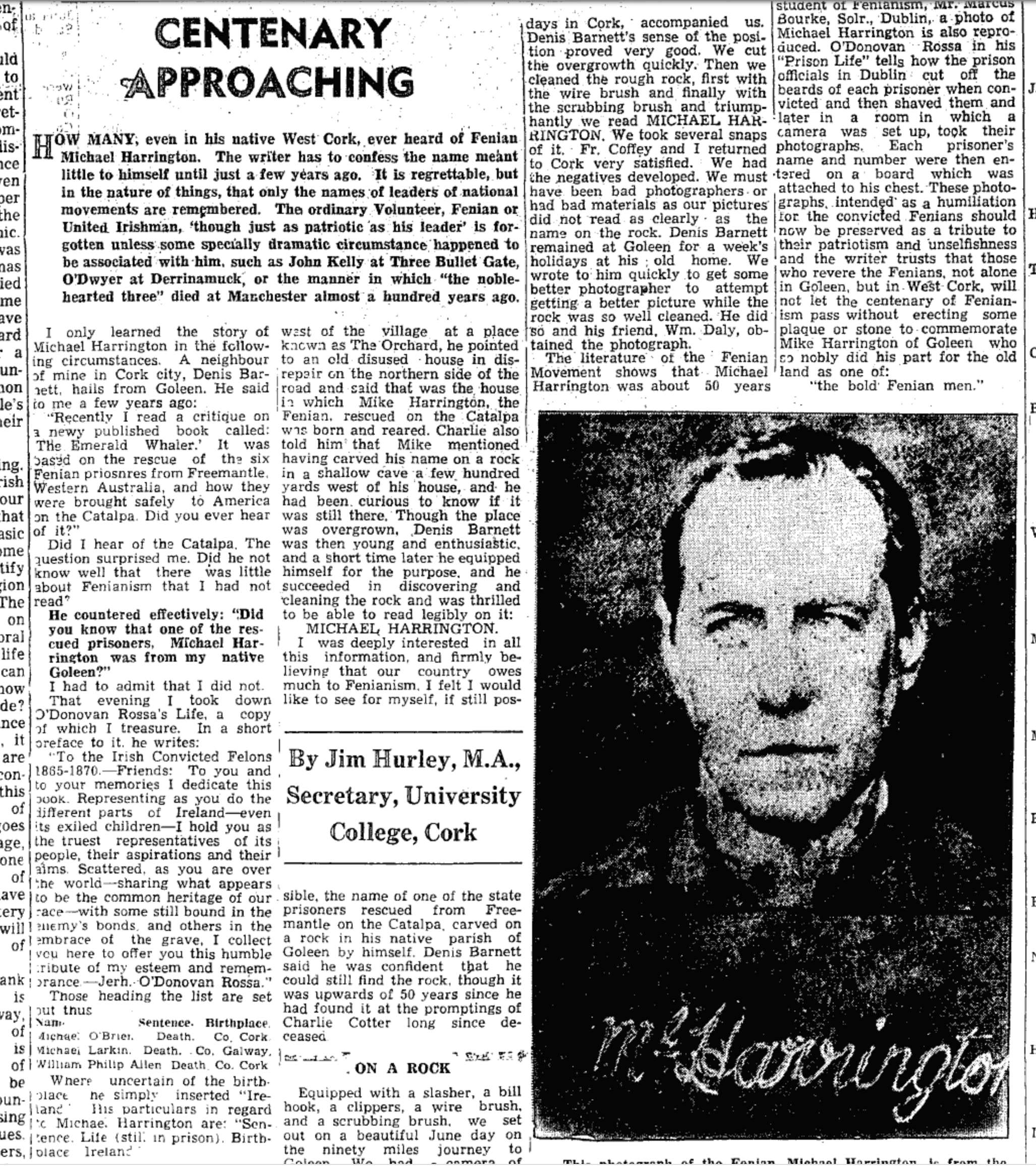
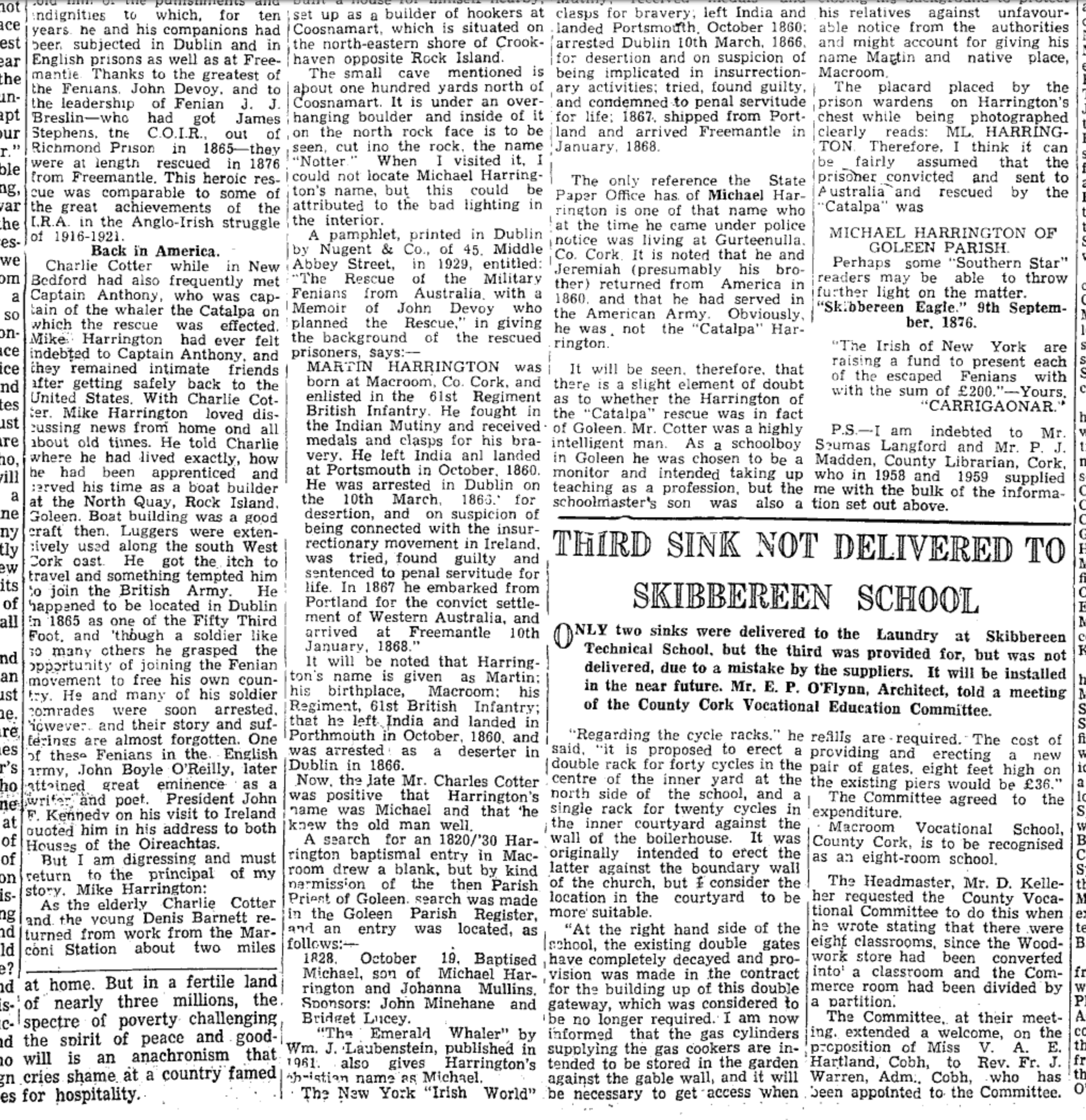
Forgotten Goleen Fenian Michael Harrington Rescued by Whaler Catalpa from Fremantle, Australia 1876.  Later Lived in New Bedford, Massachusetts, USA.  Jim Hurley, M.A., Clonakilty, Bursar, Registrar, UCC (1902-1965).


..

Fenianism Cork and Limerick in 1867 – Jim Hurley

Published on Dec 6, 2013

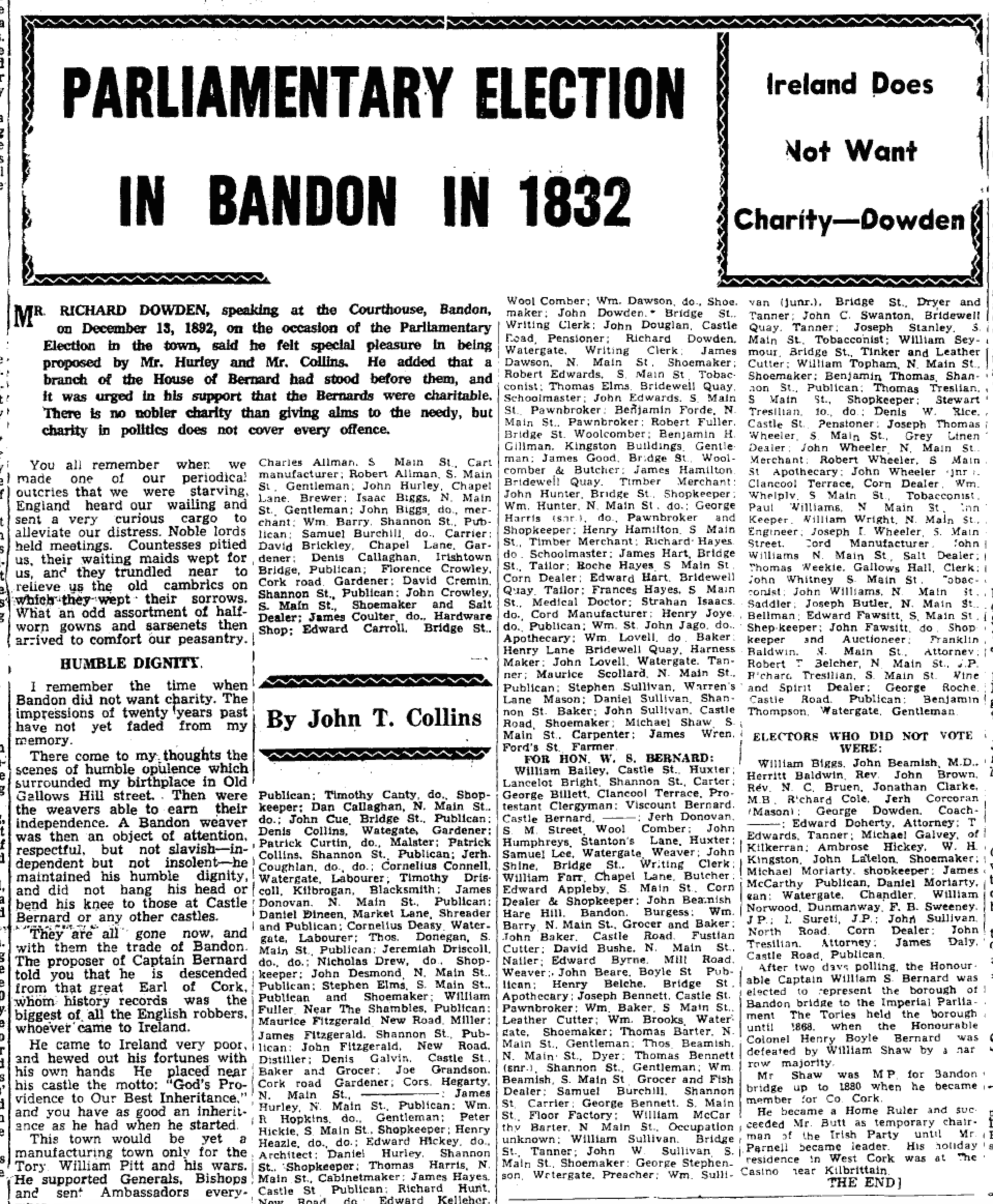
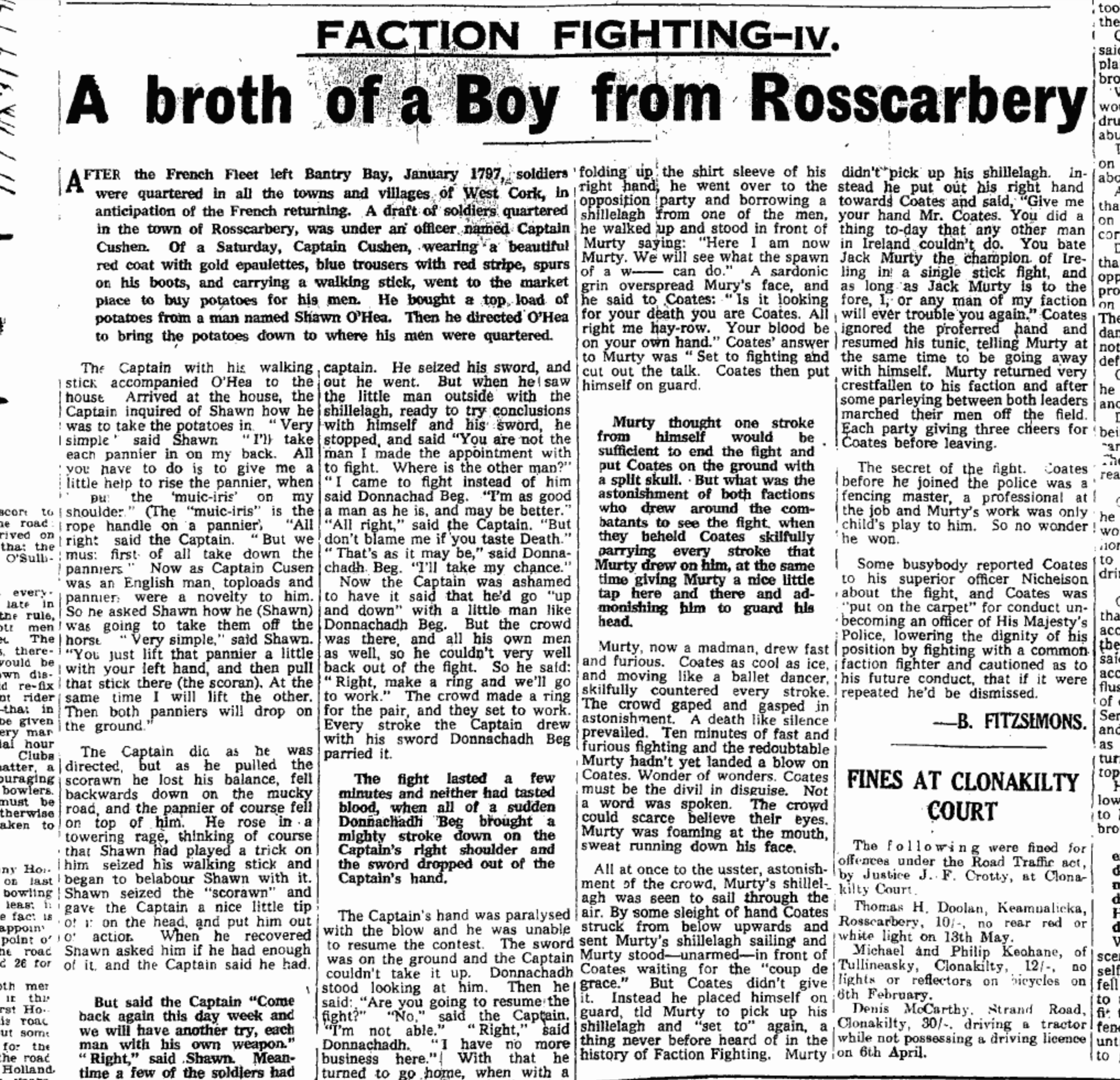
Members of the Second Battalion of the West Cork Brigade under the leadership of Jim Hurley attacked a patrol of six RIC men when they were ‘on mess duty’ within about a hundred yards of the RIC barracks at Rosscarbery. See FJ, 2 March 1921; Abbott (2000), 204-5. A local newspaper reported that on 28 February 1921 Constable Brock ‘was walking past a butcher’s shop in the centre of Rosscarbery [when] he was fired at by civilians, said to have been in hiding close by, and dangerously wounded in the stomach’. He died early the following morning (1 March). Brock had taken ‘a prominent part in the recent sensational battle at Burgatia [House]’, where soldiers and police had almost trapped an IRA party planning an attack on the RIC barracks in Rosscarbery. See CCE, 5 March 1921. Brock had seven months of service with the RIC; he had previously been a soldier and a labourer.

im Hurley was born in Clonakilty, County Cork on 26 February 1902. In his youth, he became involved in the Irish struggle for independence. He played a prominent role in the War of Independence as leader of a flying column in the Third Cork Brigade. Following the publication of the Anglo-Irish Treaty, Hurley took the republican side in the subsequent Civil War. He was later interred in Cork and the Curragh but was released in 1924. Following this, Hurley returned to his native Clonakilty where he became town clerk and shortly afterwards, he enrolled as a night student at University College Cork. It was here that his sporting career began in earnest as he won a Fitzgibbon Cup medal with UCC’s hurlers.

Following his retirement from inter-county hurling and football, Hurley had a distinguished career as a public servant. In 1932, he graduated from UCC with a BComm degree and was appointed County Accountant with Meath County Council. He later moved to Longford where he worked as County Secretary. In 1937, Hurley returned to Cork and studied for an Arts degree in UCC. He graduated in 1942 and returned to Meath as County Manager. In 1944, Hurley returned to Cork and was appointed Secretary and Bursar of UCC, a position he held until his death.

His return to his native county coincided with a great era for Clonakilty’s and for Cork’s footballers. Hurley was a selector on the Cork football team that won the All-Ireland in 1945 and he was largely responsible for Jack Lynch’s selection on that team. He was also involved as a selector when Cork reached the All-Ireland finals of 1956 and 1957, and he was a selector on the Cork hurling team in the early 1960s.

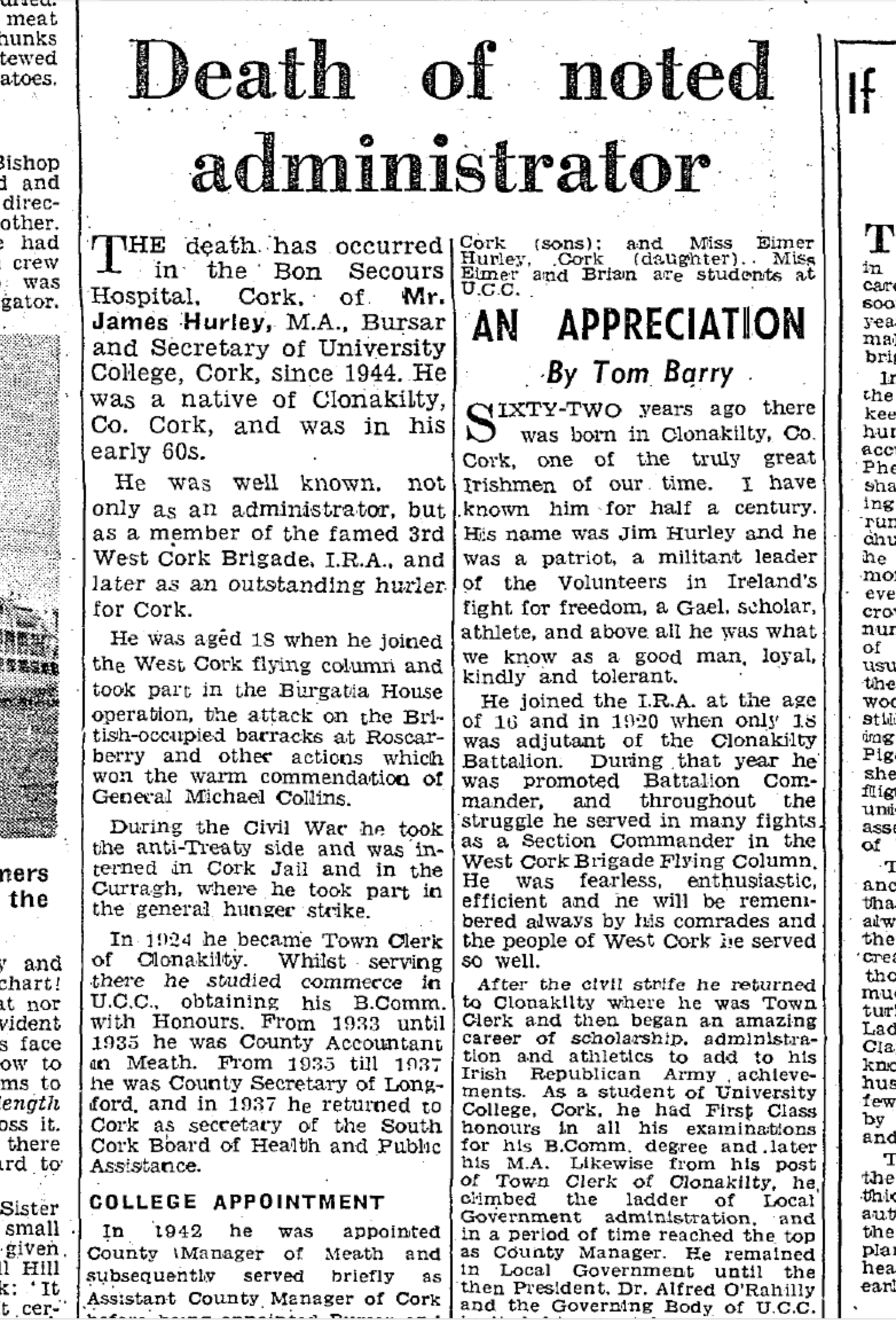
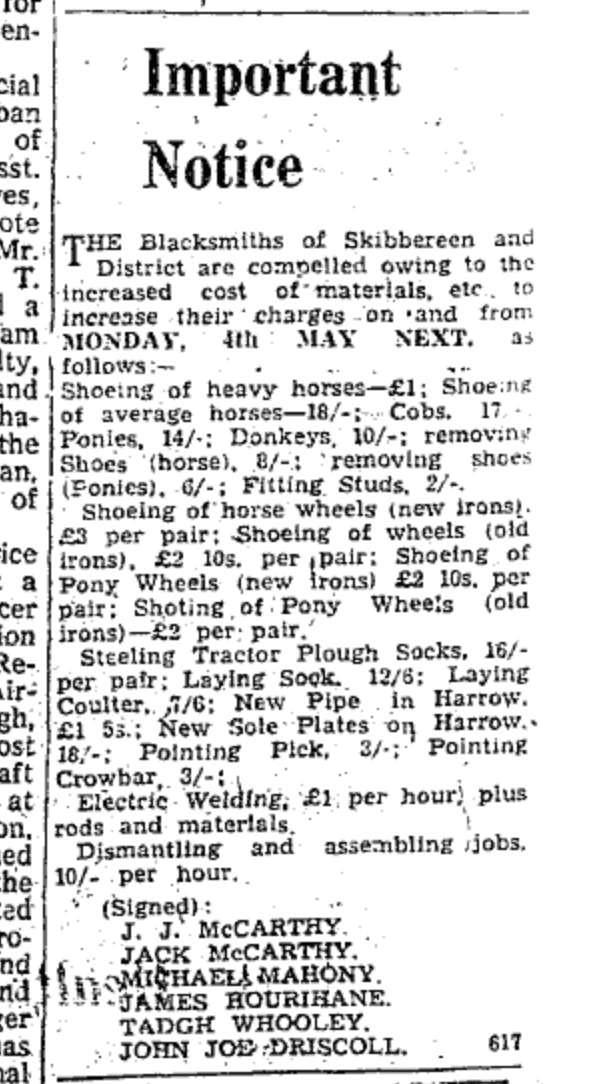
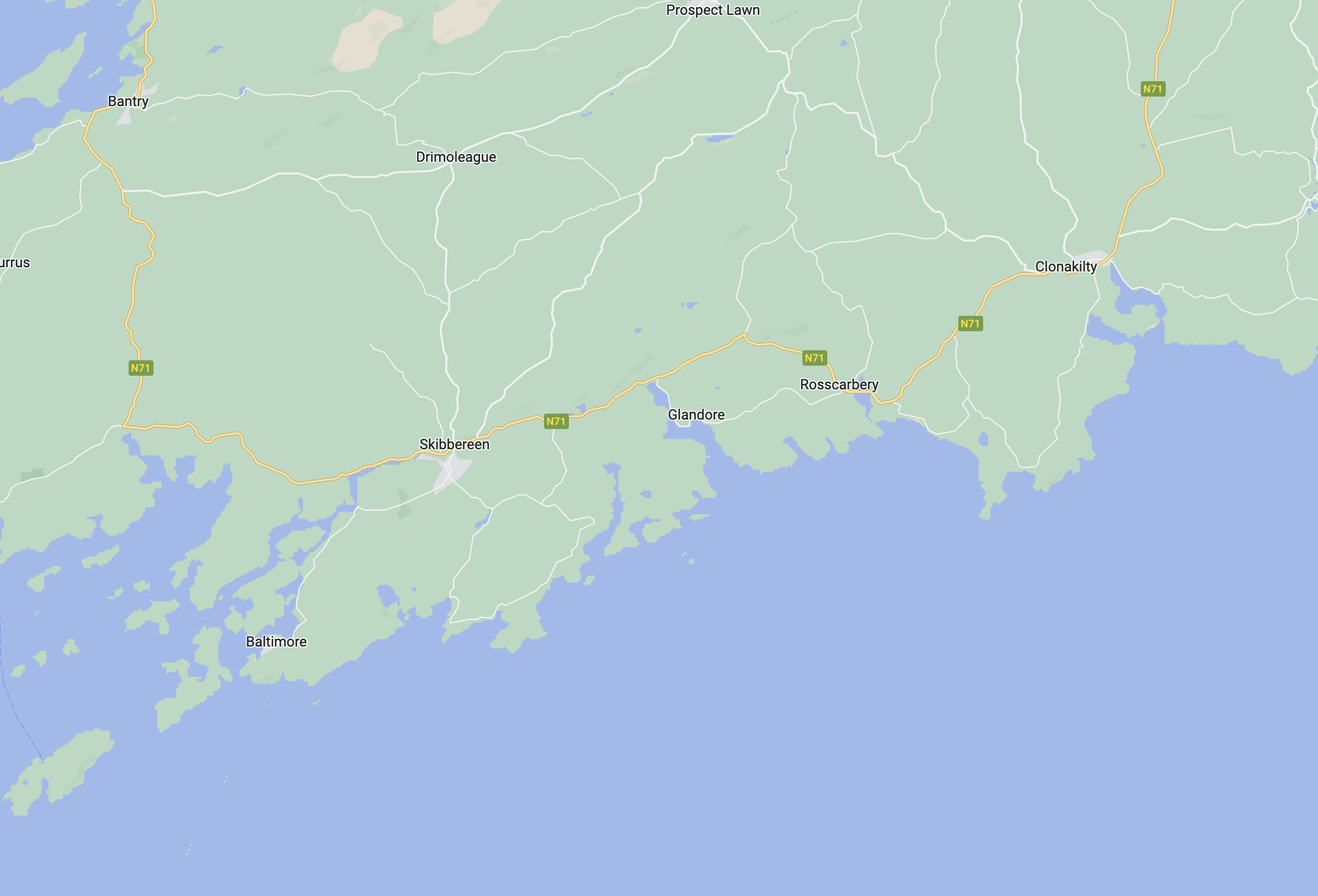
1964.  The Blacksmiths of Skibbereen Give Notice of New Prices. Blacksmiths Durrus, Kilcrohane, Schull and Tumbarumba, New South Wales


From someone as a small boy:

I spent many happy hours with the blacksmiths in the lane near my home in Skibbereen.

Jack McCarthy was particularly welcoming and involved me in simple tasks which made me feel important. Cranking the bellows was really exciting and handing him tools, first in a confused state when asked for and later handing each tool before any request. 

I still love to watch people with skill in their hands at work. 

Note how welding has crept in

Blacksmiths Durrus, Kilcrohane, Schull and Tumbarumba, New South Wales:

https://docs.google.com/document/d/1jIZFTM1Nuj2Q28FkKMLP17Zd68tUASGPMR1uAEuC4jo/edit

Elihu Burritt (1810-1879), ‘The Learned Blacksmith’, of Boston, USA, Visit to Skibbereen, West Cork, 1847 to ‘Fathom The Cause of Extent and Cure of Ireland’s Misery, his Pamphlet ‘Four Months in Skibbereen’ raised $100,000 for Famine Relief and his Project the Jamestown Relief Effort.

https://wordpress.com/post/durrushistory.com/14295

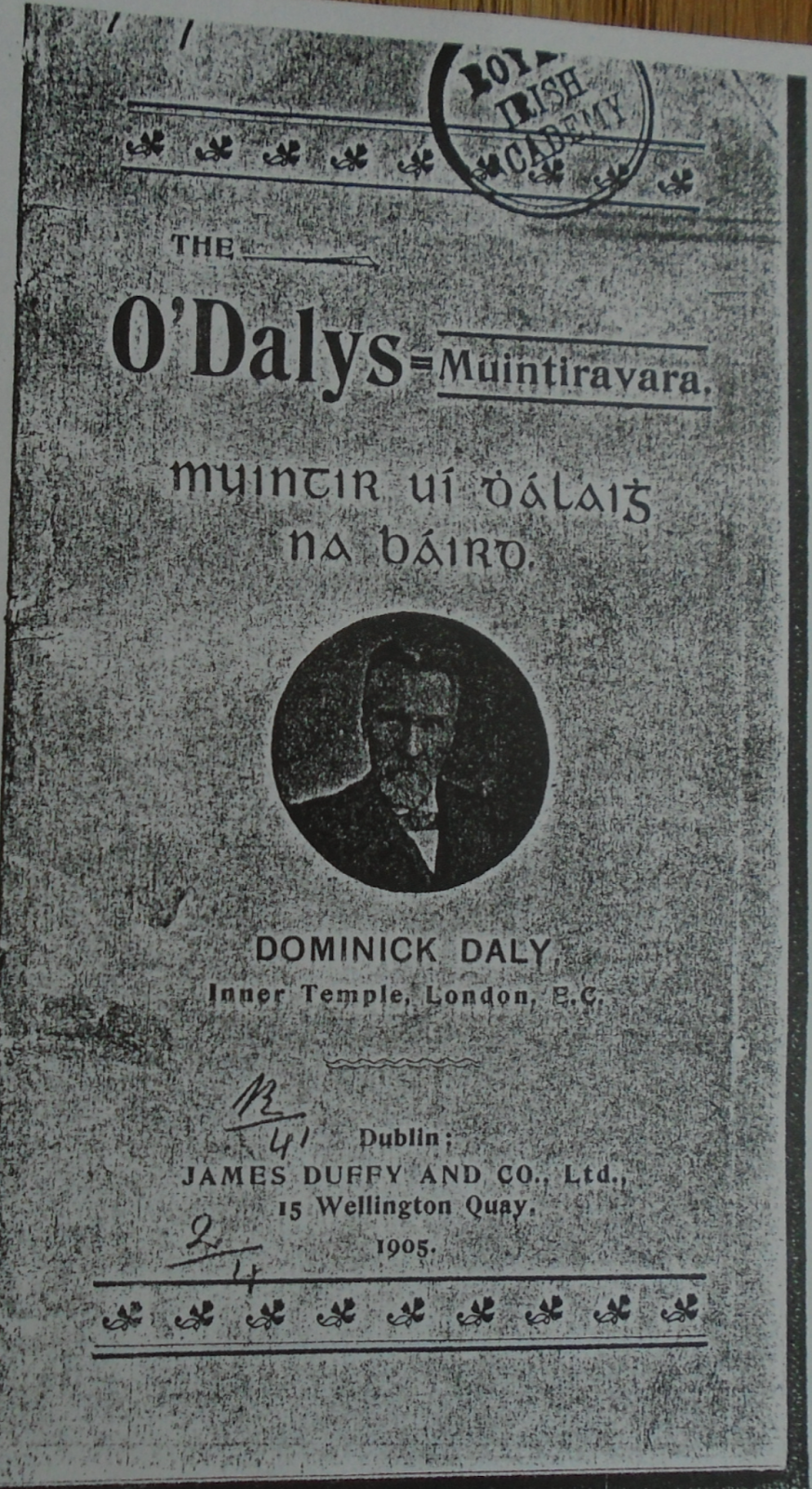
1905 The O’Dalys of Muintiravara, Kilcrohane, West Cork,  by Dominick Daly, Barrister of The Inner Temple London.


,,

,

https://docs.google.com/document/d/1rWkZdL-6EdFvJCzl6S83eN5zhML2ON6Llguuzi80Xis/edit?pli=1

1905 The O’Dalys of Muinteiravara, Kilcrohane, West Cork,  by Dominick Daly, Barrister of The Inner Temple London.

Background, p. 1

1905 History, p.2-41

Probate, Kings Inns Entrym, p. 42

Dalys Distillery, Cork, p. 42-44

West Cork Daly clusters, p. 44

Marriage Licence Bonds, p. 44

TCD admission, p. 46

Daly Cork Magistrates, p. 47

Memorials of Daly Deeds, p. 47

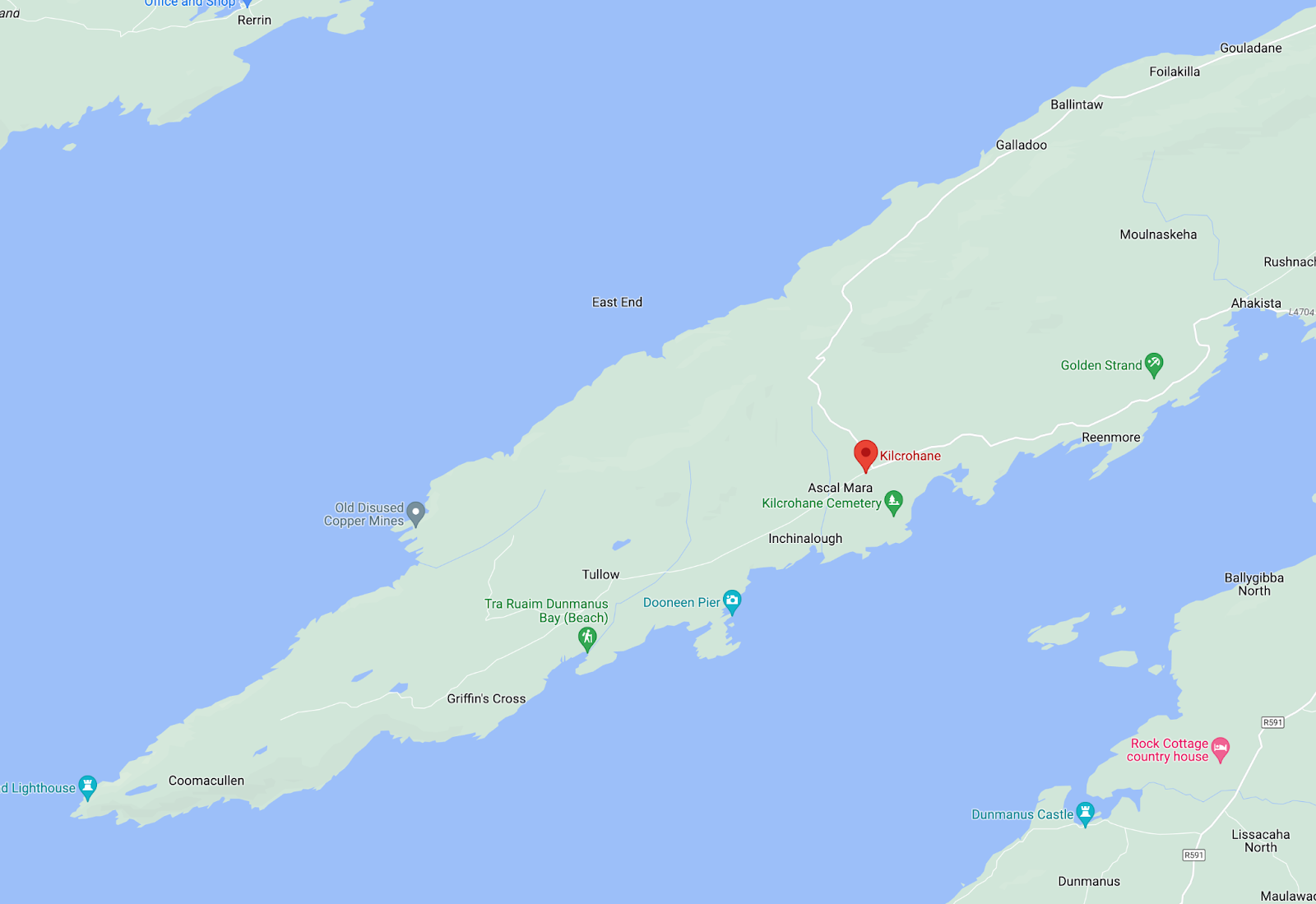
In memory of Vincent Daly, businessman and genealogist of the O’Daly family of Dromnea, Kilcrohane. Vincent spent an enormous amount of time tracking worldwide their descendants and comparing their DNA.  He had got back as far as 1740.

In relation to Dominick Daly’s history his legal training made him careful where possible to rely on verifiable and primary documentary sources.  A lot of this will come as a surprise to family members.  Such as the descent of the O’Dalys from Niall of the Nine Hostages as do quite a number of West Cork families such as the Crowleys, Gallaghers, Hegartys, O’Donnells, O’Neills.

He was descended from James Daly who died in 1776 in Carrigtwohill a trader and landowner and was locally regarded as head of the Sept and  claimed ownership of the family tomb in Kilcrohane he in turn was the grandson of Cornelius Cam O’Daly, Chieftain of the Sept in the 17th century.  HIs son James established the successful Daly Distillery in Cork about 1820.

He put it himself aptly ‘These fragmentary records and memoirs will not survive my lifetime if  I did not make an effort to preserve them for posterity.  Hence this production of 50 copies.

Trí Cois-Céim an Coillaigh, 3 steps of the Cock, sign of the Day’s starting to Lengthen. Nollaig na mBan


Christmas was formerly observed in the Highlands on what is now known as “Twelfth Night”. In the Celtic lands, the people did not at first take to the introduction of the New Style calendar in 1752, and tenaciously clung to the ‘old way’ of things, including their conviction of Jan. 6th as the “real” Christmas day. Still celebrated in Ireland as Nollaig na mBan:

https://www.irishcentral.com/roots/womens-christmas-nollaig-na-mban-celebrate-ireland

http://en.wikipedia.org/wiki/Little_Christmas

http://thedailyedge.thejournal.ie/nollaig-na-mban-1251251-Jan2014/

http://bigreaders.myfastforum.org/archive/oiche-nollaig-na-mban__o_t__t_113.html

The Feast of the Epiphany is also called coir-ceim-coilleach, which means ‘the cocks step’; the first noticeable lengthening of the daylight hours.

From Twelfth Day, the day begins to lengthen by a male hen’s span or stride, Breton Proverb.

Meaning a little each day

There is a hint here of how different cultures measure the year and time.

For the Pre Islamic Arab world:

https://en.wikipedia.org/wiki/Islamic_calendar#Pre-Islamic_calendar

Share this:

Customize buttons

1904 Jeremiah O’Donovan Rossa Visit to Bantry, Clonakilty, Rosscarbery. Indicates a Wish to be Buried in Rosscarbery.


1904 Jeremiah O’Donovan Rossa Visit to Bantry, Clonakilty, Rosscarbery. Indicates a Wish to be Buried in Rosscarbery.

https://docs.google.com/document/d/1nj0LoV-FNPxELA8LbALztGdsMm0UGNA39DMdTJUCAD4/edit

Jeremiah O’Donovan Rossa, Colourised Photographs, 1866 Mountjoy Prison, Dublin, Funeral Glasnevin, Dublin, 1915

https://wordpress.com/post/durrushistory.com/39546

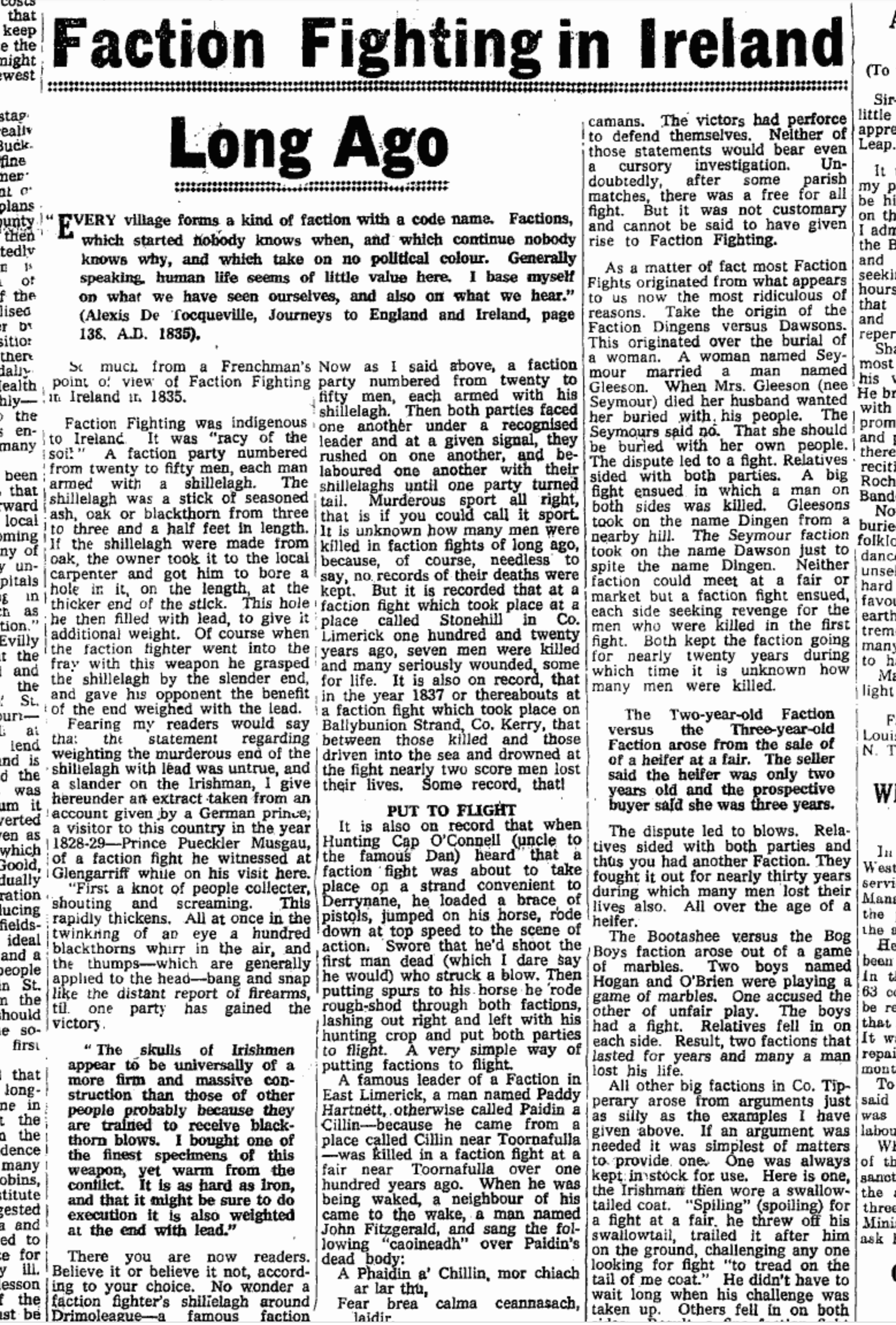
Skibbereen Eagle 1913. Excerpts from Jeremiah O’Donovan Rossa. Recollections. Faction Fighting in Drimoleague, doing Business as Gaelige in Skibbereen, Fenian Drilling, Funeral of Dr. Jerrie Crowley,

https://wordpress.com/post/durrushistory.com/40307

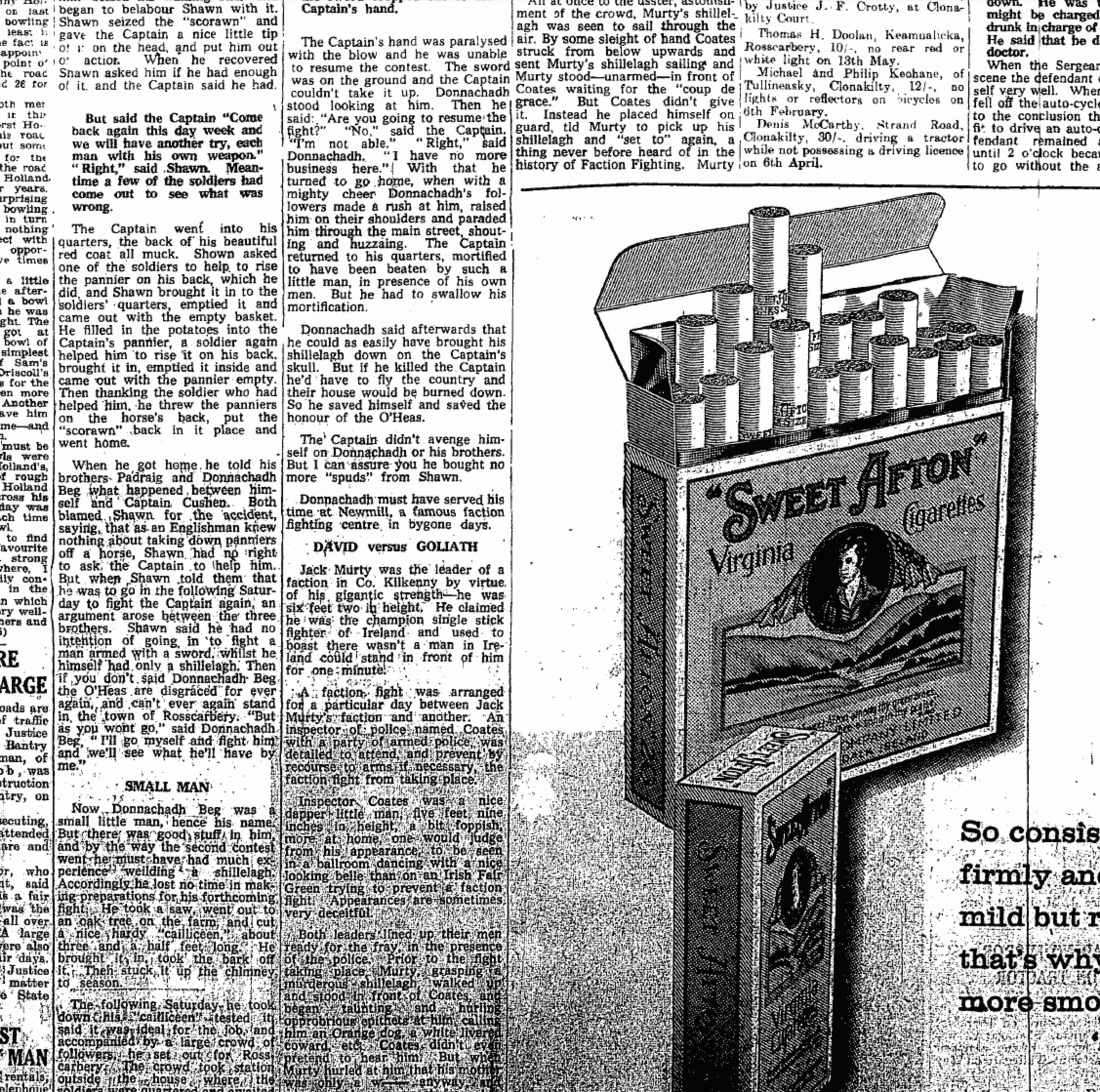
Faction Fighter In Drimoleague Shillelagh called ‘Bás gan Sagart” (Death without a Priest)


The bottom of the page is missing.

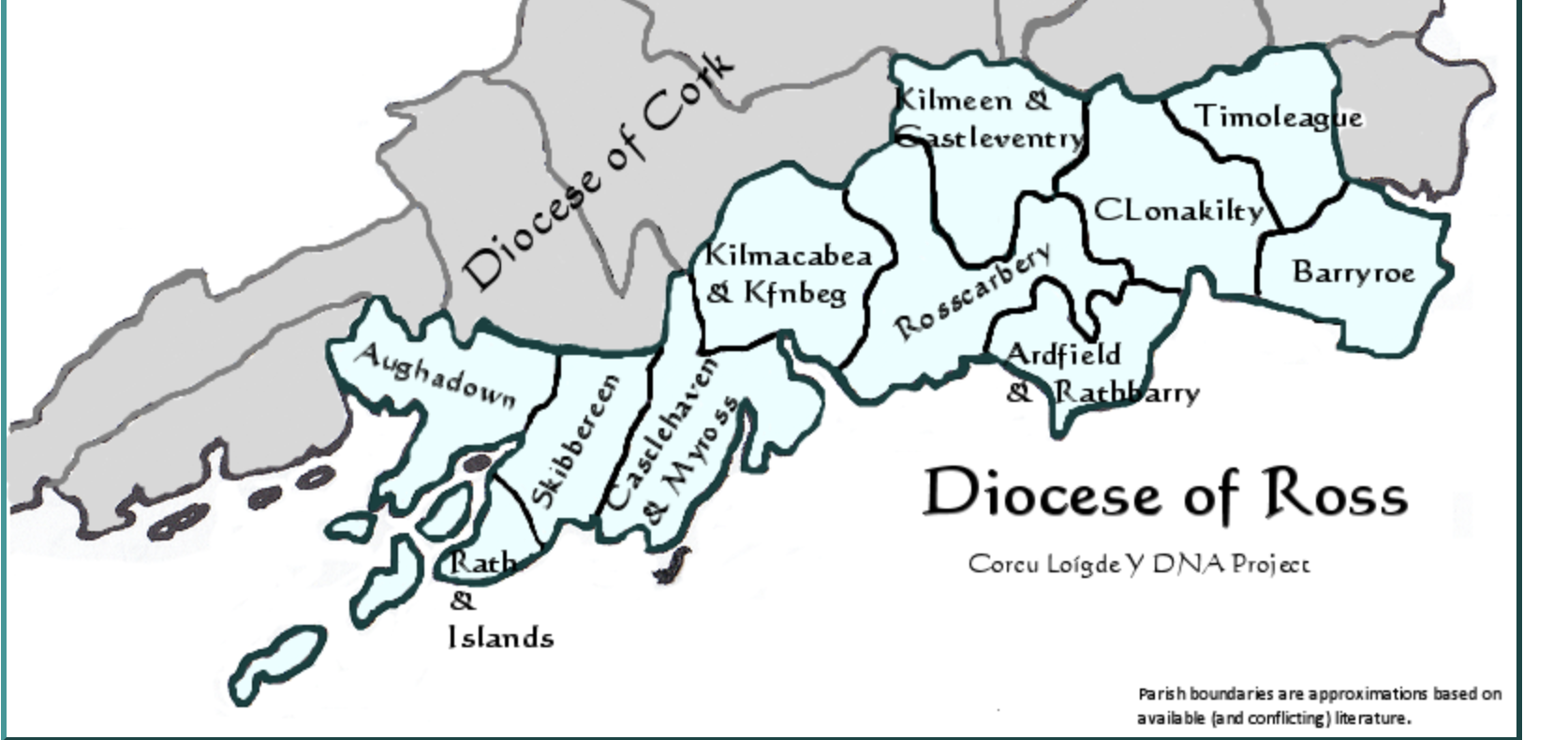
Frank O’Mahony the late Bantry Solicitor wrote of his native Kilcrohane said that the last faction fight there was in the 1820s.

Skibbereen Eagle 1915

Excerpts from Jeremiah O’Donovan Rossa’s Recollections:

Faction Fighting in Drimoleague, doing Business as Gaelige in Skibbereen, Fenian Drilling, Funeral dot Dr. Jerrie Crowley,

From Page 82-96

John O’Connor, Esq., Landlord, Middleman, Merchant, Bantry came into an estate of 700 acres in 1825, 4 years of arrears by Tenants of Lord Riversdale, Prize Fighters, Head of a Faction, He forgave 3 years and a More Industrious Tenantry, Instead of Being in the Public House at Fairs and Market Fighting, you have Slated Houses and Barns, where there was nothing but Poverty and Indigence 13 £10 Freeholders and one £20.

https://wordpress.com/post/durrushistory.com/12843

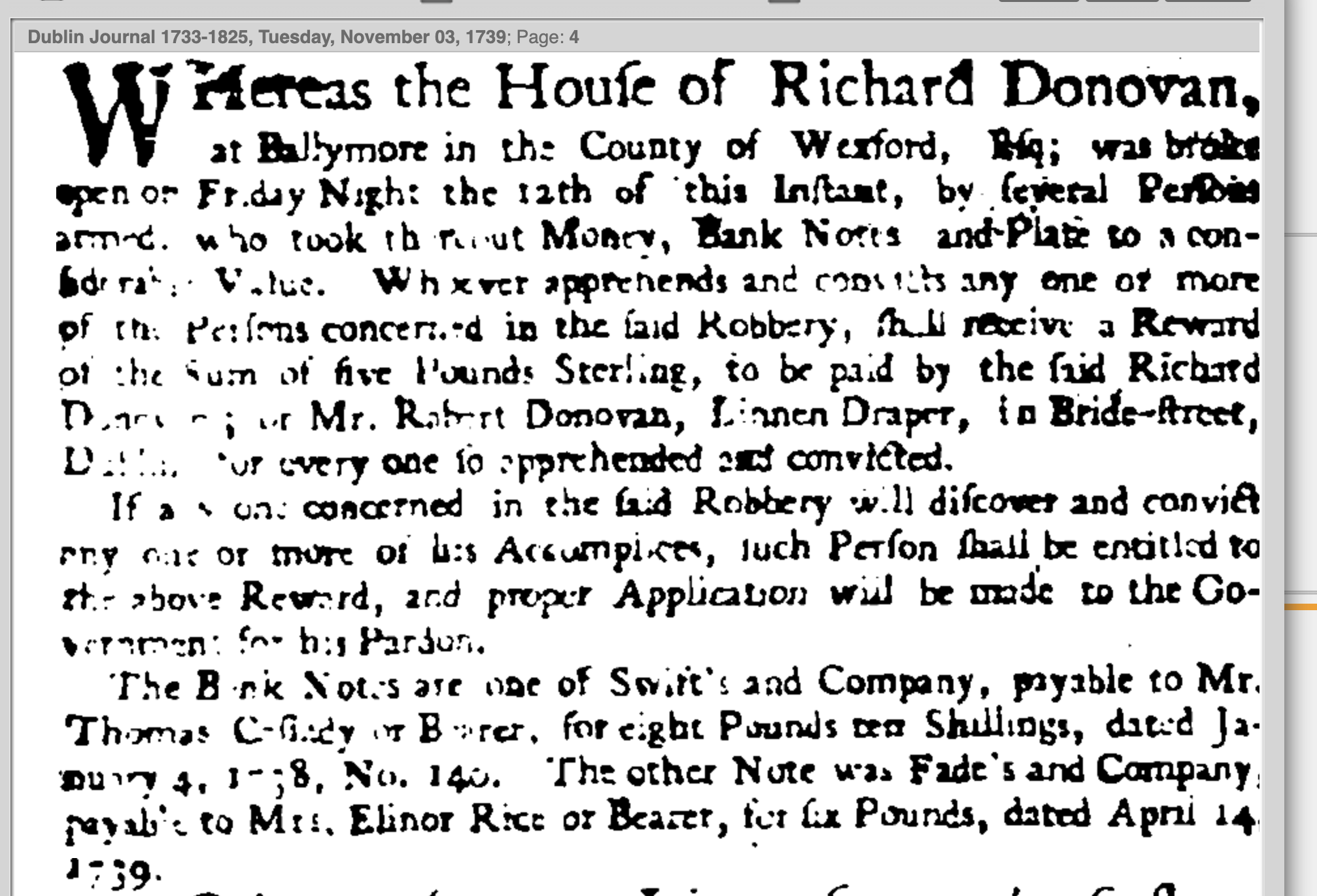
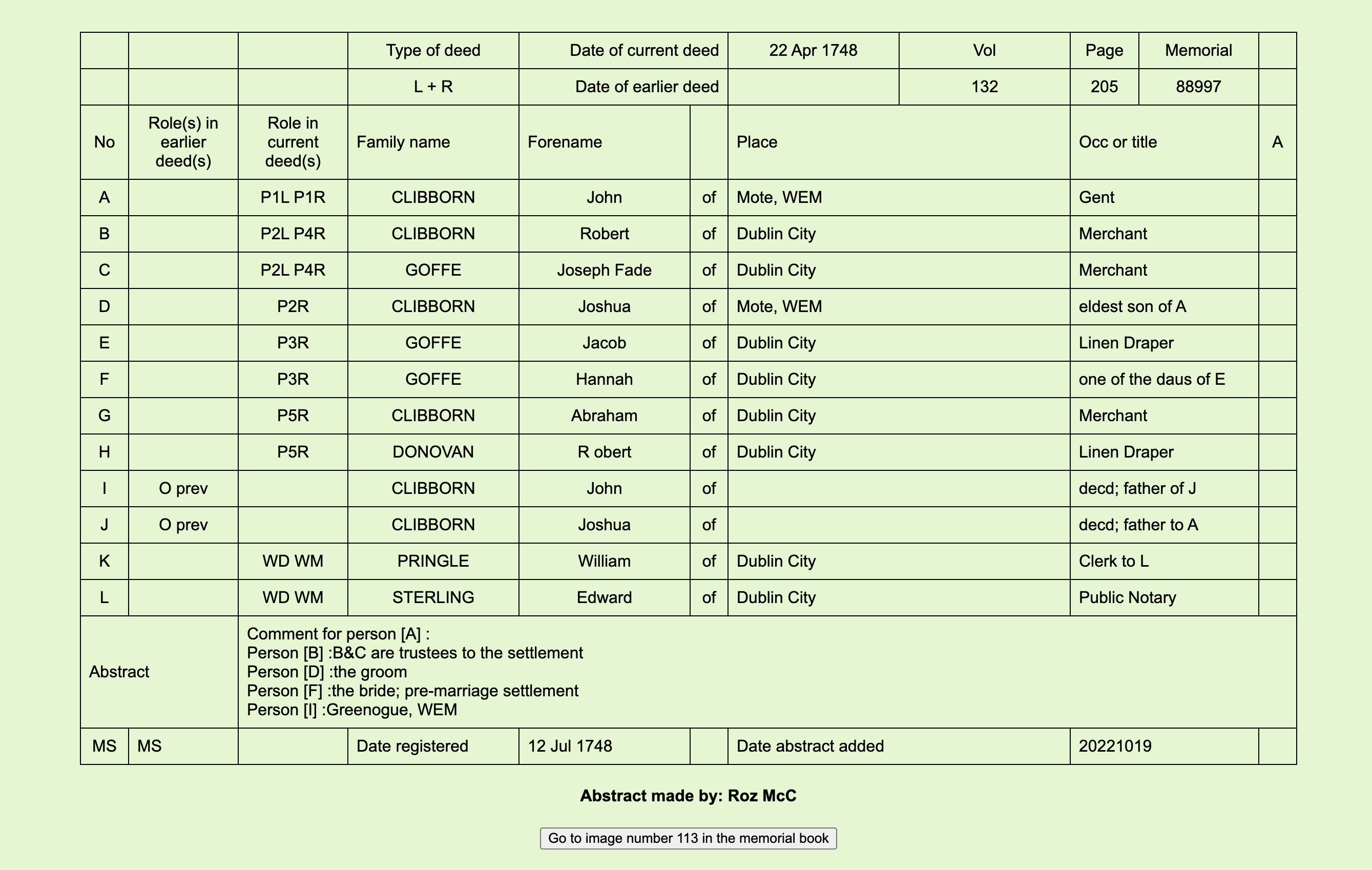
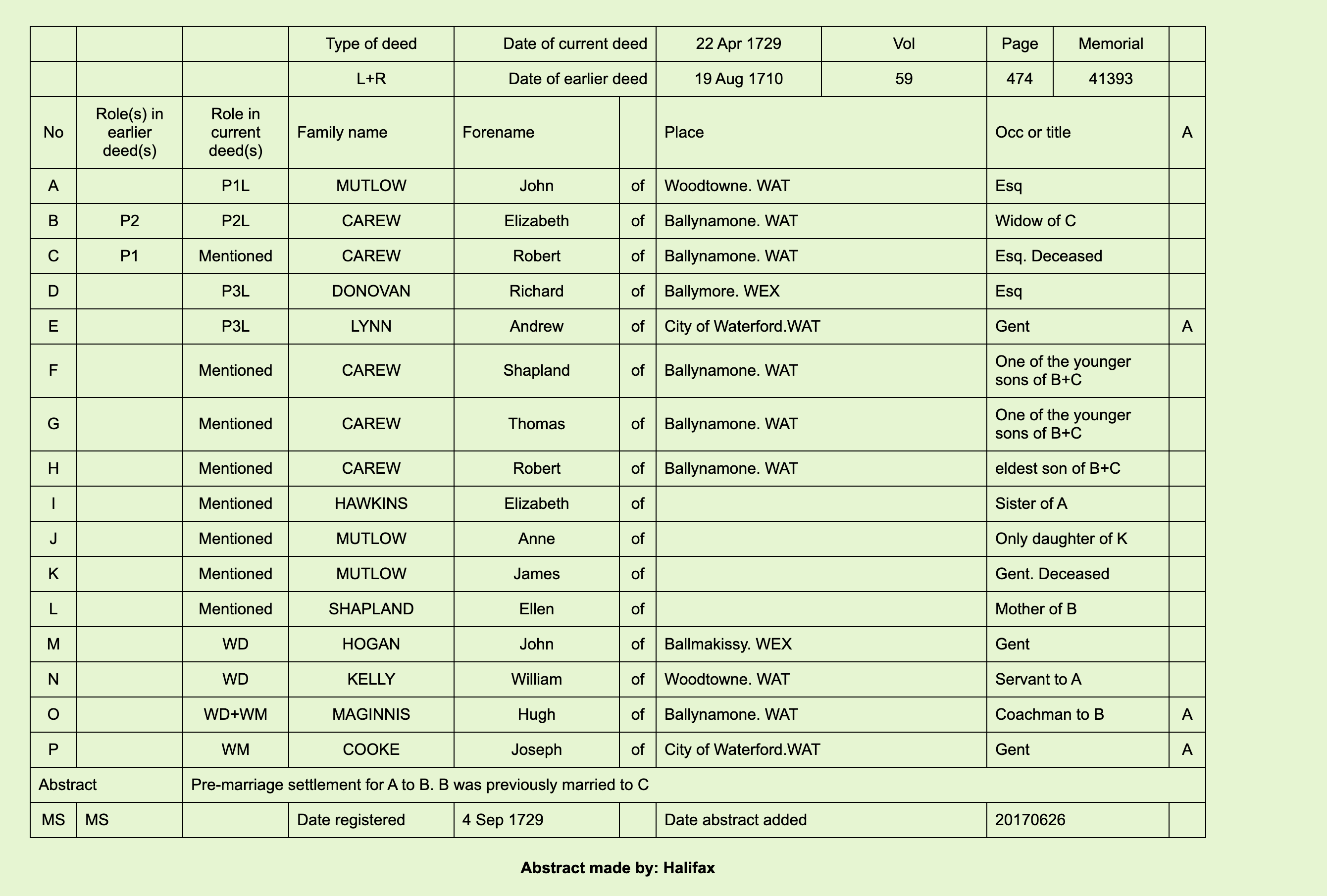
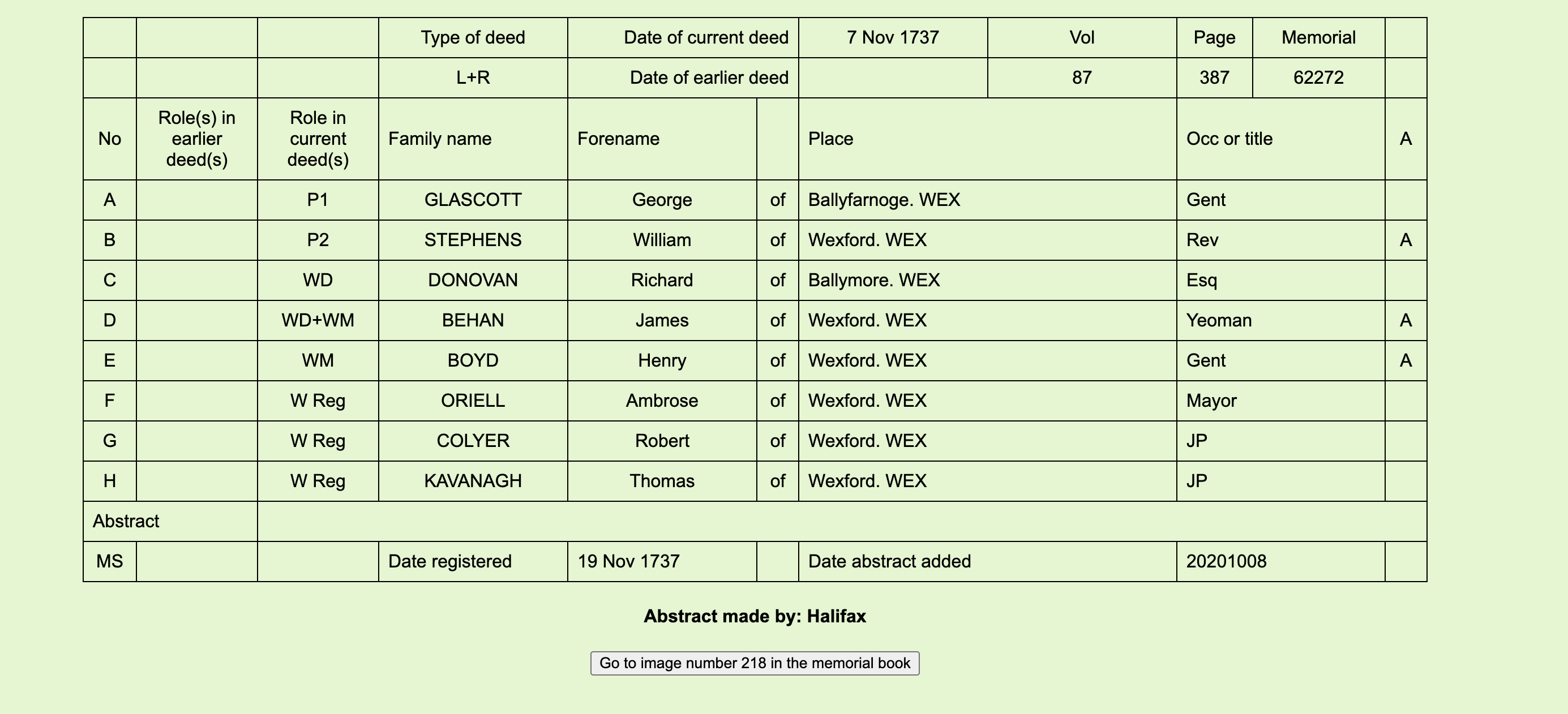
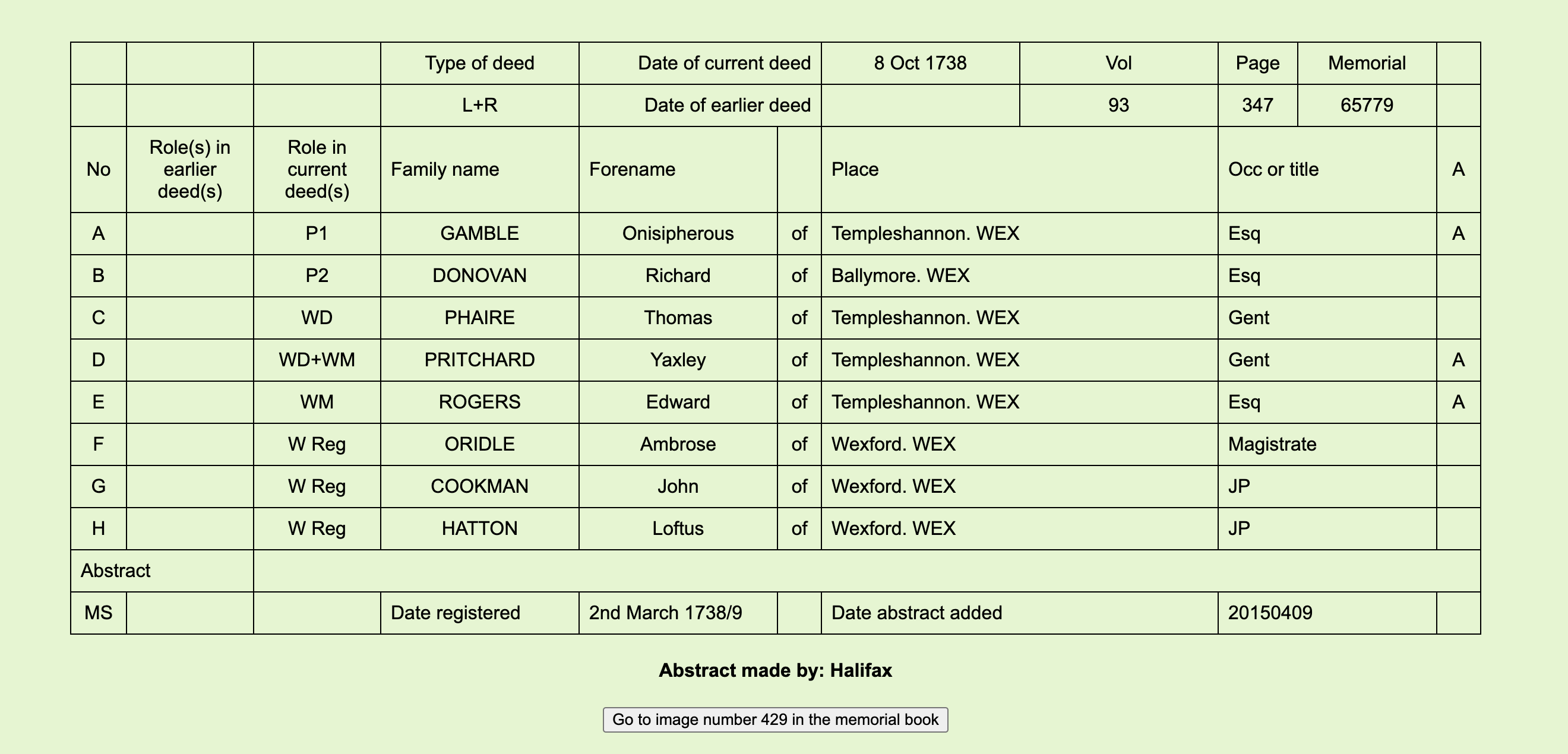
1739. Robbery at the House of Richard Donovan, Ballymore, Wexford. A Sept of the Carbery O’Donovans. According to Dr. John O’Donovan ‘Rabid Orangemen’


Some of the papers of the great scholar Dr. John O’Donovan (https://www.libraryireland.com/biography/JohnODonovan.php)  are in the Royal Irish Academy https://www.ria.ie/ (Graves Collection). In these he is satisfied that the Wexford Donovans/O’Donovan who he described as ‘Rabid Orangemen” are part of the O’Donovan of Carbery. It is not known how they got to Wexford.

Robert Donovan, Linen Draper, Bride St., Dublin, brother?

Richard Donovan, in one of the memorials he is in, there is a Driscoll, Wexford mentioned you would wonder if from Carbery:

Glascott:

The Phairs mentioned her have West Cork connections:

Subscribers Dr. Daniel Donovan, History of Carbery 1876.

Subscription lists often yield hidden connections either or extended families by placing people’s original birthplace.

John Glasscott, Dublin Castle, (2 copies), mother Wexford Donovan, a Protestant sept of the O’Donovans originating in Carbery described by Dr. John O’Donovan as ‘rabid Orangemen”.  1659 census a Glascott listed for Bandon.

Anne Beata (Glascott) O’Donnavan

Birth: 19 May 1832, at 17 Leeson Street, Dublin, county Dublin, Ireland

Father: John Glascott

Mother: Mary (Donovan) Glascott

Married: William John (Donovan) O’Donnavan on 10 October 1872, in New Ross district, county Wexford, Ireland

William was Anne’s first cousin. He was born on 9 June 1832, the son of William Donovan and Elizabeth Dallas. William Donovan, of Tomnalosset, was the son of Richard Donovan and Anne Richards, and the brother of Anne’s mother, Mary (Donovan) Glascott. William was educated at Trinity College, Dublin, graduating B.A. in 1855, LL.B in 1859 (both in the name William John Donovan) and LL.D. in 1860 in the name William John O’Donnavan. He was a Member of the Royal Irish Academy, elected on 8 May 1865 (Proceedings of the Royal Irish Academy vol 9 p224)and the Royal Dublin Society, elected in 1874 (Kerry cattle herd book p48). William’s name change from his father’s Donovan was deliberate, and presumably occurred between 1859, when William was awarded the degree of LL.B. in the name of Donovan and 1860 when he graduated LL.D. in the name O’Donnavan.

The Topographical Poems of John O’Dubhagain and Giolla-na-naomh O’Huidhrin p40 (A. Thom, 1862):

Morgan William O’Donovan, Esq., of Montpelier, in the county of Cork, has not only re-assumed the O’, which his ancestors had rejected for many generations, but has styled himself “the O’Donovan,” chief of his name, being the next of kin to the last acknowledged head of that family, the late General Richard O’Donovan, of Bawnlahan, whose family became extinct in the year 1841. His example in resuming the O’ has been followed by Timothy O’Donovan, Esq., of O’Donovan’s Cove, in the county of Cork, head of a very ancient sept of the same family, and by William John O’Donnavan, a junior member of the Wexford Clan-Donovan. 

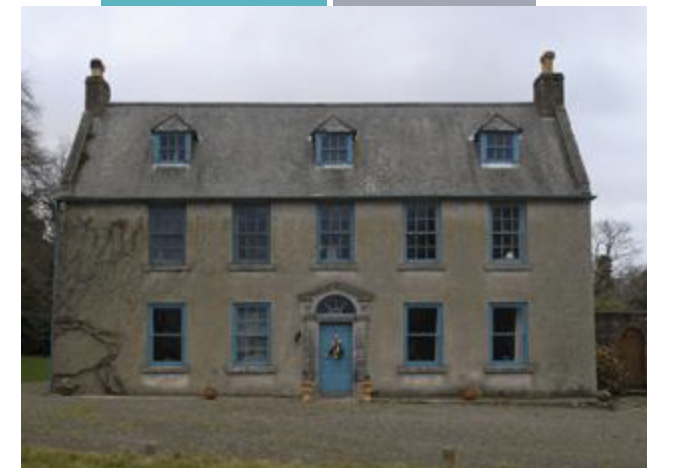
Teach an Bhaile Mhóir aka Ballymore House (built 1721) was erected by Richard Donovan (1697-1763) whose estate has since enjoyed long-standing connections with the Donovan family including: Richard Donovan (1752-1816); Richard Donovan (1781-1849) ‘of Ballymore’ (cf. 15612001); Richard Donovan (1819-84) ‘late of Ballymore Camolin County Wexford’ (Calendars of Wills and Administrations 1885, 217); Richard Donovan JP DL (1858-1916), ‘Gentleman late of Ballymore County Wexford’ (Calendars of Wills and Administrations 1916, 172); Richard Charlie Donovan (1898-1952); and Richard Alexander Donovan (1927-2005). The house was “Improved” in 1740 and damage during the1798 Irish Rebellion (and repaired in 1815). Adjacent outbuildings (extant 1839) included a mill showing an enclosed waterwheel; a wedge-shaped walled garden (extant 1839); At the time of the 1911 Census the house continued to be Donovan occupied. Burned in an accidental fire in 1955, they removed to a nearby cottage until the house was restored in 1956.