Died 12th April 1668 George Walters Whiddy Island and probably London, listed 1659 census Gent. Transporter of deportees for Cromwell. The old Public Records Office pre destruction had a will of 12th November 1703, Dioceses of Cork and Ross of William Walters, an English seaman, legatee Biddle of Kinsale. In his will he was posessed of 70 ploughlands in Bantry and Bere and an agent for the transport of soldiers to the King of Spain Paddy O’Keeffe papers, Cork Archives. McLysaght Analecta Hibernia, No. 14, 1944, Transcriptions, Conor Papers, Manch, Kinsale Corporation from 1594. [12 April 1668] Account of the Will, land claims and debts of George Walters, Whiddy Island, in the Beara Peninsula. Includes a copy of his Will made in 1668 at Backland], Devon. Geoffrey Shelswell-White has put the information together from various sources including additions from Hutchins Note Book
Died 12th April 1668 George Walters Whiddy Island. In his will he was posessed of 70 ploughlands in Bantry and Bere and an agent for the transport of soldiers to the King of Spain
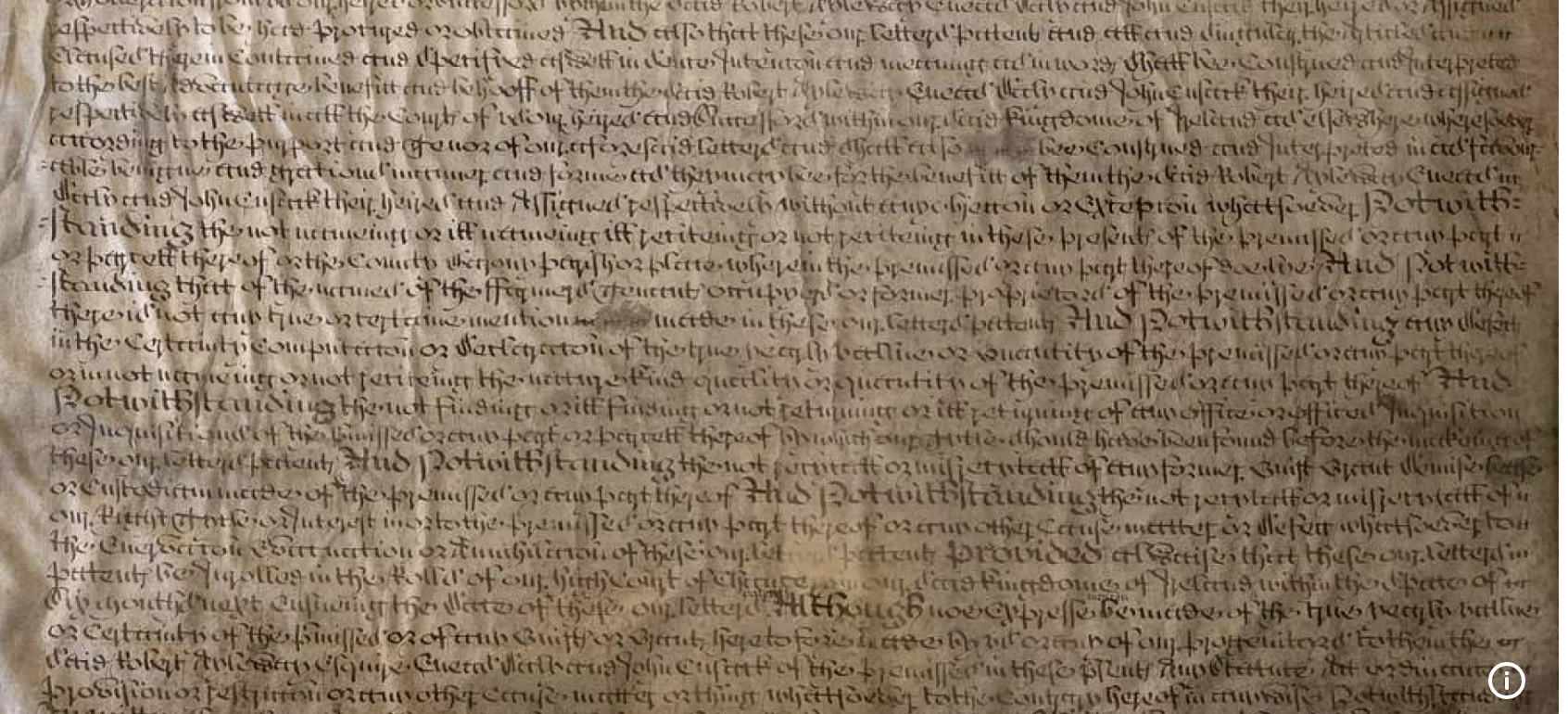
A meticulous conservation project has begun to safeguard one of Ireland’s oldest surviving paper documents, The Guardian writes, dating back to the medieval period.
The document in question is an ecclesiastical register, approximately 650 years old, that once belonged to Milo Sweteman, the archbishop of Armagh from 1361 to 1380. Experts at the Public Records Office of Northern Ireland (PRONI) are now working to repair its fragile pages as part of a broader initiative to preserve vital historical records from the medieval period. The register, which contains drafts and copies of legal papers, letters, receipts, and wills, offers a fascinating glimpse into the ecclesiastical workings of the time.
Sarah Graham, the head of conservation at PRONI, explained the rarity of such documents, noting that paper of this age is incredibly scarce in Ireland. “Paper that pre-dates 1450 is particularly rare,” she said, adding that the material used in the Sweteman register likely came from Italy and Spain, regions that the archbishops frequently visited. This discovery came from research into the document’s watermarks, shedding light on the trade of paper in medieval Europe.
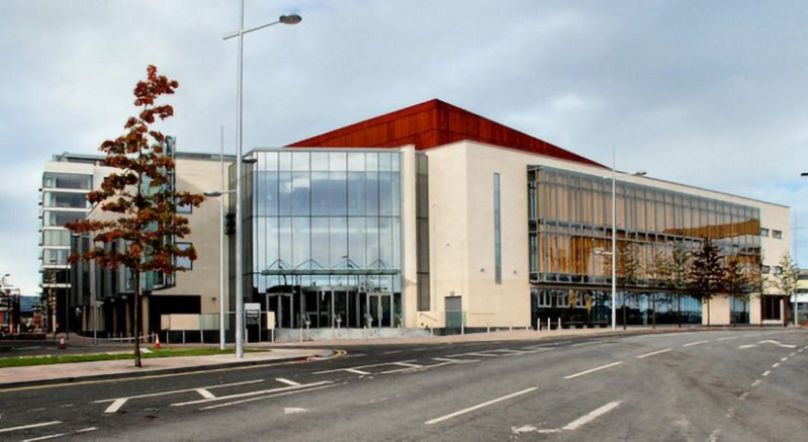
The Public Records Office of Northern Ireland, Belfast.Albert Bridge / CC licence
The Sweteman register is not the first to undergo this meticulous conservation process. The register of Archbishop John Swayne, dating from 1418 to 1438, has already been completed, with a digitised copy and translated summary now available online. This project is part of the Virtual Record Treasury of Ireland, an effort to reconstruct the nation’s historical archive, which was largely destroyed in a fire during the Irish Civil War in 1922.
Henry Becher (1664-1738), TCD in 1683 aged 19, son of Thomas Sherkin Island, 1705, witness to 1717 deed with Emanuel Moore. Henry Becher was Thomas Becher’s eldest son. He married Henrietta Owen in 1698. His heir was John Becher. Henry died in 1738.
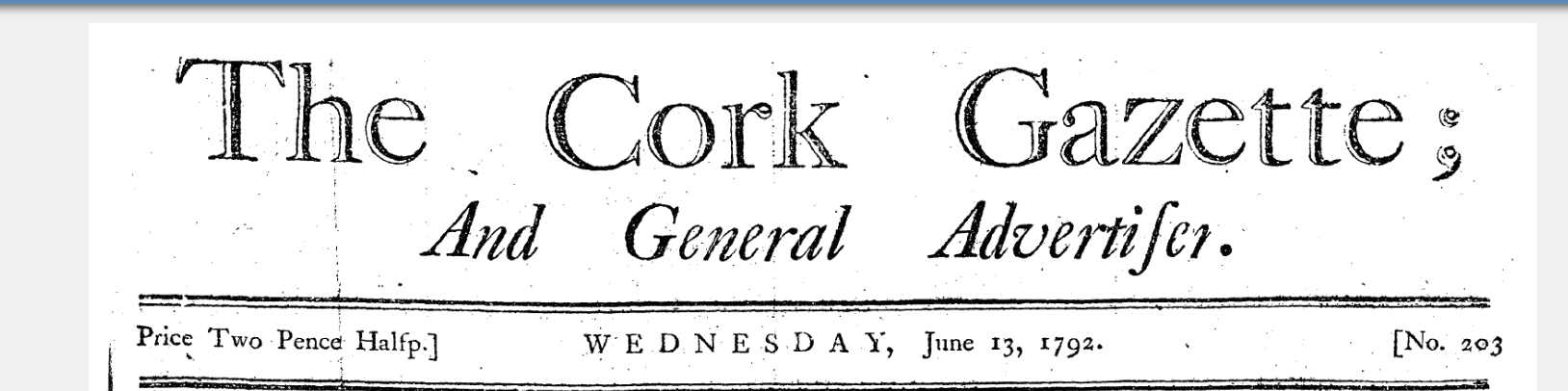
Henry Beecher, (1759-1780), 1779, Creagh/Creaford, Skibbereen. 1765 11 July Cork City Newspapers. “To be Let, part of the estate of Henry Becher(aged 5) during his minority. Lands of Gortadrohid, Ardnagreena on harbour of Baltimore etc. contact Michael Becher guardian. 1779 Hibernian Magazine Dec 1779 “Henry Becher of Creaghtford to be a J.P. of the Peace for the Co of Cork”. 1780 Hibernian Chronicle 25 Dec 1780 “Died Thursday last, Henry Becher at Creagh near Baltimore.” The guardian Michael Henry Becher [1735-1778 was his uncle & my 4 x Great Grandfather. He was married to Catherine French. Poor Henry is the one who died after a shooting accident on his 21st birthday.
John R. Beecher, Hollybrook, Skibbereen, listed 1856, sitting Skibbereen 1861. 1856 Ballydehob Presentment sessions. May have married Catherine Jermyn only child of Henry and Mary of Aughadown, 1805 he assigned property to Richard Hungerford and Becher Fleming to provide £225 pa should she survive him.
l.
John Townsend Beecher, 1760, Anne Grove, 1755 Faulkner’s Dublin Journal 22 Feb 1755 “17 Feb Married last Thursday John Townsend Becher Esq To Miss Donovan, d Rev. Morgan O’Donovan, Magistrate, Ballinacalla, with £5000. Died 1761, at her lodgings near South Gate, Mrs Beecher, relict of John Townsend Beecher of Ann Grove”. Possibly, 1771 Limerick Chronicle 10 Oct 1771, “Thursday last at Cork Colonel John Becher of Hollybrook to Miss Bab. Townsend of Skibbereen.”Michael Beecher, 1777, Creagh, Skibbereen, member Atlantic Society literary society. Subscriber of 1766 ‘The History of the Irish Rebellion’, Cork, 1766. 1778 Dublin Hibernian Journal Aug 24 1778, “Died-Near Bandon Michael Beecher of Creagh Esq.” 1789 Cork Evening Post 12 Jan 1789, ‘Last Sat George Pigott Rogers Esq. to Mary Twogood Becher, dau of the Late Michael Becher of Creagh, Esq’. Michael Alleyne Richard Beecher (1839-, 1875, Ballyduvane, Clonakilty, Resident, £130, 1870, 2,101 acres, listed 1916. Landed proprietor, widower 1901. 1884, signed a protest against the dismissal of Lord Rossmore, Head of Orange Order, Monaghan. Sampson T.
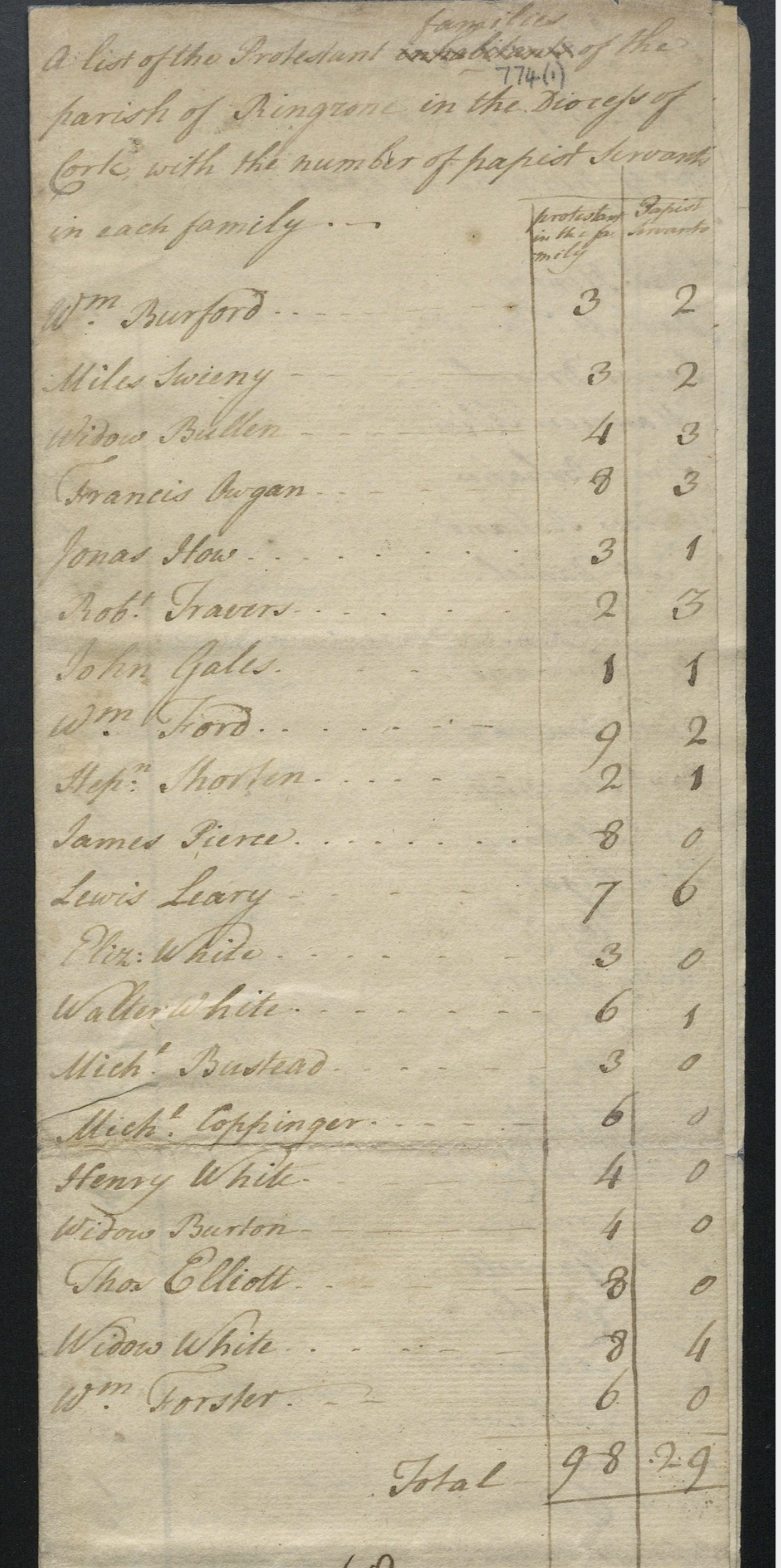
Parliamentary Return 774, 1766 Religious Census, Ringrone
TitleParliamentary Return 774, 1766 Religious Census, RingroneReferenceCodeNAI IHP/1/774Scope And Content
NAI IHP/1/774 is an original 1766 religious census return, one of 57 original 1766 returns to survive. It is neither signed nor dated.
The census provided a list of the names of householders in the parish. For Protestant householders the number of Protestants and ‘Papist servants’ was provided; for Catholic householders ‘the number of persons in each family’ was given.
Additional information on this census can be found under the ‘Linked Sources’ link (or by browsing to the Parliamentary Returns in the Public Record Office of Ireland (PROI PARL 88/30/5/77/2)).Created1766Content Date1766



 West Cork History