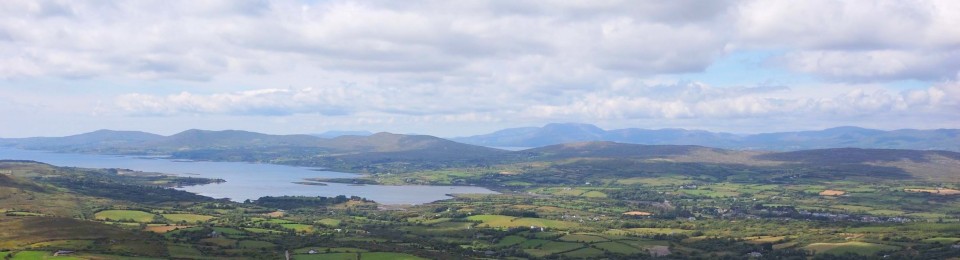
Petition c 1648 of John Winspeare, a shipwright living near Bantry Bay, makes his living upon the fishing trade
21 Thursday Feb 2013
Posted in Uncategorized
21 Thursday Feb 2013
Posted in Uncategorized
21 Thursday Feb 2013
Posted in Uncategorized
21 Thursday Feb 2013
Posted in Uncategorized
14 Thursday Feb 2013
Posted in Uncategorized
From Irish tour, Cork section, Tour 1748 William Rufus Chetwood
There is another well, that has, in former Ages, been celebrated for the wonderful cures it performed, but since the dissolution of the abbeys, was choaked up, till lately cleaned (as I am informed) by Dr. B—y, an eminent physician of this kingdom, who wrote several elaborate pieces in his profession. They have many good springs in the parts adjacent to the city. We spent this morning to that of St. Bartholomew, which being that saint’s day, was surrounded by vast crowds of Roman Catholics, some on their knees at their devotion and others walking with their beads in their hands. This ceremony is called a Patron. The well is inclosed with green trees, close to the side of the road, and even the sight of it looks refreshing. When their devotions ere over they retired to several sutler’s tents erected for that purpose, some to eat and drink, others to wrestling, cudgeling, dancing, noise and merriment, which brought on several boxing-bouts while we staid there. In short my Lord; it is exactly what we call a wake in England, setting aside their devotion. But let us enter the city again.
13 Wednesday Feb 2013
Posted in Uncategorized
Tags
There is a very good description of Cork and its environs from around p.80.
For William Rufus Chetwood see Wikipedia
13 Wednesday Feb 2013
Posted in Uncategorized
The Wesleyian Conference Office in 1866 publishes a book by The Rev. William Crook to commemorate the Irish connection to American and Canadian Methodism. It gives an account of the development of Methodism in Ireland the tours by John Wesley some with Thomas Walsh and him preaching in Irish to packed congregations.
The book has an account of the development of Methodism in British North America (Canada) and Newfoundland. Many Irish preachers were prominent including James McCarthy Irish born who came from the USA and died a martyr’s death in 1752. In Newfoundland Laurence Coughlan was active from 1765, he had converted in Ireland in 1753 and was appointed preacher in 1755. He converted Arthur Thomey (Twomey?) a wealthy Irish fish merchant in Harbour Grace and he became a preacher. Also involved was John Stretton he had been involved in the Newfoundland trade in Waterford was the son of John Stretton of Limerick and was converted in 1770. Stretton converted John Fenton probably Irish he was involved in the Maritime trade and went to the Channel Islands with Le Sueur and became active there. From 1785 Irish born John McGeary became a preacher in Newfoundland.
12 Tuesday Feb 2013
Posted in Uncategorized
Document pages numbered:
https://docs.google.com/document/d/1_IiYYOREf7YQCHqnSQehTP1DNBaaHTS45UNVexfQ7VQ/edit
Nexus Bandon, Co. Cork and New Bandon, New Brunswick, Canada, 1820s
August 18, 1882, The Daily Telegraph, Saint John, New Brunswick
d. Saint John city, 14th inst., Joseph ALLAN, 30th year, left wife, two children (Cork, Ireland papers please copy)
https://durrushistory.com/2014/01/16/nexus-bantry-west-cork-to-st-johns-new-brunswick-linkage-to-cornish-pilchard-fishery-17th-century/August 16, 1882, Daily News, Saint John, New Brunswick
d. 14th inst., Joseph ALLEN, native of City of Cork, Ireland, 31st year.
January 14, 1880, Weekly Telegraph, Saint John, New Brunswick
d. (St. John) city, Sunday 4th inst., Mary Ellen ALLEN w/o Timothy ALLEN (Cork papers please copy)
August 25, 1877, The Daily Telegraph, Saint John, New Brunswick
m. 24th ult., Marmullane Church, Passage West, County of Cork, Ireland, by Rev. Ambrose HICKEY, incumbent of Ballinaboy and uncle to the bridegroom, Rev. Francis Henry Walter ARCHBOLD, B.A., Curate of Schull, Diocese of Court of Cork only surviving s/o Edward P. ARCHBOLD of Heathbourne Hall, Halifax, N.S. / Eliza Scott HOWE only surviving d/o late James Roche HOWE, Esq., Glounevirane, County of Cork.
July 2, 1853, New Brunswick Courier, Saint John, New Brunswick
d. Sunday night, Charles BAGLEY, age 36, native of City Cork left wife, child.
February 11, 1879, Saint John Globe, Saint John, New Brunswick
m. Cathedral, 11th inst., by Rev. Father Ouellet, Michael BARRETT, Kinslar, County Cork, Ireland / Miss Maggie DESMOND, Cardiff, Wales. (Boston ‘Pilot’ and Cork papers please copy)
July 6, 1882, Chignecto Post, Saint John, New Brunswick
d. At Emigrant Road, 24th June, Hanorah BARRY relict of James BARRY, native of County Cork, Ireland. Born in 1786, emigrated to America in 1829, landed in Quebec after a passage of fifty days from Cork. Came from Quebec to Miramichi, N.B. in a coasting schooner and took passage from the latter place with the late Capt. CRANE of Bay Verte (West. Co.) of whom she often spoke highly for his kind treatment to herself and family. Mrs. Barry was one of the early settlers of the Emigrant and lived there several years before a carriage traveled over that section of Botsford. James Barry, husband of the deceased, died in January 1849. The deceased left a large circle of descendants living viz. 4 sons, 4 daughters, 68 grandchildren, 87 great grandchildren. She had been helpless for the last year and lived with her youngest daughter, the wife of Justice RILEY of Botsford. She was in her 96th year.
October 31, 1855, The Head Quarters, Fredericton, New Brunswick
d. St. John, 24th inst., Catherine BATEMAN, age 70, native of Denmanway, Co. Cork, Ireland.
July 25, 1849, Daily Morning News, Saint John, New Brunswick
d. Cork, recently, Julius BESNARD, Esq.
November 23, 1891, The Daily Sun, Saint John, New Brunswick
The death occurred yesterday afternoon at his residence 179 Prince William St., St. John, of Peter BESNARD, an aged citizen. Mr. Besnard had been in failing health for some months. He was a native of Cork, Ireland where he was born nearly 90 years ago, being in the 89th year of his age at the time of his death. About 1825 Mr. Besnard came to this country in a vessel owned by his brother, who was at one time mayor of Cork. He was interested in emigration from Ireland to Canada and was at one time connected with an agency for the promotion of such emigration. He entered the employ of the late Hon. John ROBERTSON and was at one time one of Mr. Robertson’s right hand men in the lumber business. Mr. Besnard had not been in business for a number of years. He married Miss BREMNER, a daughter of one of the first St. John postmasters. A daughter residing in this city and a son Robt. S. BESNARD, a ship broker in Boston, survive him. Mrs. Besnard died about a year ago.
June 17, 1886, Chignecto Post, Sackville, New Brunswick
d. Amherst Head, N.S., 3rd June, William BROOKS, age 35, native of Brandon, Co. Cork, Ireland
May 20, 1863, Morning News, Saint John, New Brunswick
d. Saturday 16th inst., John BROWN, native of Queenstown, County Cork, Ireland, age 60.
January 4, 1879, Saint John Globe, Saint John, New Brunswick
d. Saturday 4th inst., at noon, Dennis BURKE, 45th year, native of Drinagh, County Cork, Ireland, left wife, five children. Funeral Monday 2:30 o’clock from his residence North St. (St. John) (Boston and Cork papers please copy)
April 7, 1879, Saint John Globe, Saint John, New Brunswick
d. Monday, 7th inst., Denis BURKE, 90th year, native of Parish of Coolsnaughigh, Dunmanway, County Cork, Ireland and for last fifty years a native of St. Martins (Quaco). Funeral Thursday morn. 6 o’clock from residence of his son-in-law, James BURKE, Lombard St. near I.C.R. Station for St. Martins. (Lewiston, Maine and Cork papers please copy)
May 23, 1863, New Brunswick Courier, Saint John, New Brunswick
d. Saturday 16th May, John BURNS, (native) of Queenstown, County Cork, Ireland, age ( ) years.
September 12, 1883, Saint John Globe, Saint John, New Brunswick
d. 12th inst., Denis CALLAN, 84th year, native of Rosscarberry, County Cork, Ireland. Funeral Friday 12 p.m. Coaches will leave King Square for Black River Junction, Mount Prospect (St. John)
May 30, 1857, New Brunswick Courier, Saint John, New Brunswick
d. Tuesday 26th inst., age 88, Michael CALLIHAN, native of Rosscarbery, Co. Cork, Ireland.
June 28, 1866, Christian Visitor, Saint John, New Brunswick
d. 19th inst., Charles CARNEY, age 46, native of Buttevant, County Cork, Ireland.
August 12, 1871, The Morning Freeman, Saint John, New Brunswick
d. Wednesday 9th inst., at residence of Parish of Sussex (Kings Co.) Catherine CARROLL, Esq., native of Kildorrery, County Cork, Ireland, age 67, left husband, three children. (Boston ‘Pilot’ and Cork ‘Examiner’ please copy)
November 17, 1864, The Morning Freeman, Saint John, New Brunswick
d. Newcastle (North. Co.) 9th inst., of gastric fever, age 23, William second s/o John and Catherine CARROLL of Norton (Kings Co.), native of Kildorrery, County Cork, Ireland. (Cork ‘Examiner’ please copy)
December 5, 1857, New Brunswick Courier, Saint John, New Brunswick
d. 2nd inst., Patrick CLANCY, age 50, native of Bantry, Co. Cork, Ireland.
November 21, 1863, New Brunswick Courier, Saint John, New Brunswick
d. 18th inst., Jeremiah COCHRAN, age 61, native of County Cork, Ireland.
October 23, 1878, Saint John Globe, Saint John, New Brunswickj
d. (St. John) city, 23rd inst., Jeremiah J. COHALAN, age 87, native of Clonakilty, County Cork, Ireland. Funeral Saturday 26th inst., 2:30 o’clock from his residence foot of Clarence St. (Cork papers please copy)
October 24, 1878, The Morning Freeman, Saint John, New Brunswick
d. (St. John) city, 23rd inst., Jeremiah J. COHOLAN, age 87, native of Clonakilty, Co. Cork, Ireland. Funeral Saturday 26th inst., half past 2 o’clock, foot of Clarence St. (Cork papers please copy)
October 4, 1879 , The Morning Freeman, Saint John, New Brunswick
d. Sunday, 28th inst., Jeremiah COHALAN, age 60, native of County Cork, Ireland.
January 8, 1866, Morning News, Saint John, New Brunswick
d. Thursday 4th inst., Daniel COLLINS, age 45, native of County Cork, Ireland.
March 26, 1886, The Daily Telegraph, Saint John, New Brunswick
d. Oromocto (Sunbury Co.) 19th inst., Patrick COLLINS, native of County Cork, Ireland, 86th year.
September 6, 1866, Christian Visitor, Saint John, New Brunswick
d. 1st inst., Patrick CONDON, age 40, native of Queenstown, County Cork, Ireland.
March 5, 1868, The Morning Freeman, Saint John, New Brunswick
d. Tuesday, March 3rd, Michael CONNOLLY, age 58, native of Drimoleague, Co. Cork, Ireland. Funeral Thursday 2 1/2 o’clock from his residence Pond St. (St. John) (Cork Examiner please copy.
April 19, 1893, Saint John Globe, Saint John, New Brunswick
d. Alms House, 19th inst., Patrick CONNOLLY, native of County Cork, Ireland, age 76.
February 3, 1879, The Daily Telegraph, Saint John, New Brunswick
d. In this city, Saturday 1st inst., Daniel CONNORS, native of Bantry, County of Cork, Ireland, age 66, left wife. (Cork papers please copy) Funeral Monday half past 2 o’clock from his residence Pond St. (St. John)
October 24, 1879, Saint John Globe, Saint John, New Brunswick
d. In this city, 23rd inst., of heart disease, Miss Anne CORKERY, native of Cork, Ireland, 54th year. Funeral tomorrow 2:30 o’clock from her residence Brunswick St., near Erin St. (St. John) (Boston and Cork papers please copy)
April 19, 1862, New Brunswick Courier, Saint John, New Brunswick
d. 10th inst., age 64, Daniel COUGHLAL, Killady Hill, County Cork, Ireland.
June 15, 1861, New Brunswick Courier, Saint John, New Brunswick
d. Tuesday eve., 11th inst., James COUGHLAN, age 56, native of County Cork, Ireland.
March 25, 1863, Morning News, Saint John, New Brunswick
d. Greenwich (Kings Co.) 3rd inst., Patrick COUGHLAN, native of Co. Cork, Ireland, age 92.
March 15, 1851, New Brunswick Courier, Saint John, New Brunswick
d. Friday 7th inst., Daniel COVENEY, age 57, native of Kinsale, County Cork, Ireland.
October 20, 1868, The Morning Freeman, Saint John, New Brunswick
d. Monday 19th inst., Cornelius CROWLEY, native of County Cork, Ireland, age 55, left wife, three children. Funeral Wednesday from his residence St. James (near Charlotte St.) (St. John) (Boston and Cork papers please copy)
October 27, 1854, Weekly Chronicle, Saint John, New Brunswick
d. Oromocto (Sunbury Co.) 16th inst., William CUNNINGHAM, age 50, native of Cork, Ireland.
May 11, 1871, The Morning Freeman, Saint John, New Brunswick
d. Saturday 6th inst., Andrew DALEY, age 40, native of Castle Vintry, County Cork, Ireland. (Cork papers please copy)
May 9, 1871, The Morning Freeman, Saint John, New Brunswick
d. Saturday, 6th inst., Daniel DALEY, age 40, native of Castle Vintry, County Cork, Ireland. (Cork papers please copy).
September 17, 1870, The Morning Freeman, Saint John, New Brunswick
d. Thursday eve., Daniel DALY age 20, youngest s/o Jeremiah DALY and Honora DALY, native of Douglas, County Cork, Ireland. Funeral Saturday 2 1/2 o’clock from his father’s residence, George’s St., York Point (St. John) (Cork papers please copy)
November 20, 1880, The Morning Freeman, Saint John, New Brunswick
d. Tuesday 16th inst., James DALY, age 65, native of Crookhaven, County Cork, Ireland.
September 27, 1870, The Morning Freeman, Saint John, New Brunswick
d. Sunday 25th inst., Jeremiah DALY, age 69, native of Douglas, County Cork, Ireland. Funeral Tuesday 2 1/2 o’clock from his residence, George’s St., York Point (St. John) (Cork papers please copy)
August 16, 1879, The Daily Telegraph, Saint John, New Brunswick
d. Black River, 14th inst., Mary DALY relict of Stephen J. DALY and youngest d/o late Henry JAGO of Dunmanaway, County Cork, Ireland. (Cork papers please copy) Funeral Trinity Church burying ground Saturday 4 o’clock.
January 10, 1880, The Daily Telegraph, Saint John, New Brunswick
d. Thursday 8th inst., at his residence Black River (St. John) Richard DALY, Esq., age 80, born in County of Cork, Ireland and was a resident of Black River for nearly 65 years. (Cork papers please copy) Funeral Sunday half past 3 o’clock.
January 10, 1880, Daily News, Saint John, New Brunswick
d. Thursday 8th inst., at his residence Black River (St. John) Richard DALY, Esq., age 80, born in County Cork, Ireland and was a resident of Black River for nearly 65 years. Funeral Sunday 3 o’clock. (Cork papers please copy)
January 14, 1880, Weekly Telegraph, Saint John, New Brunswick
d. Thursday 8th inst., at his residence Black River (St. John) Richard DALY, Esq., age 80. Mr. DALY was born in County Cork, Ireland and was a resident of Black River for nearly 65 years. (Cork papers please copy)
August 13, 1870, The Morning Freeman, Saint John, New Brunswick
d. Friday night, 12th inst., Stephen DALY s/o Jeremiah DALY and Hanorah DALY, age 19, native of Douglas, County Cork, Ireland. Funeral Sunday 2 1/2 o’clock from his father’s residence, George’s St., York Point (St. John) (Cork and Fredericton papers please copy)
October 23, 1875, Watchman, Saint John, New Brunswick
d. Tuesday 19th inst., Jeremiah DEMPSEY, age 75, native of Kinsale, County Cork, Ireland.
October 23, 1875, Watchman, Saint John, New Brunswick
d. Tuesday 19th inst., Jeremiah DEMPSEY, age 75, native of Kinsale, County Cork, Ireland.
March 9, 1894, Saint John Globe, Saint John, New Brunswick
The death of James DENNIS of Northesk (North. Co.) at the age of 109 years has already been reported. The ‘Advance’ says Mr. Dennis was a native of Cork, Ireland and was born between that place and Queenstown in 1785. He was fond of relating events connected with the rebellion of ’98, in which year, he, as a 13 year old lad, drove a milk cart twice a day into Cork. He came to Miramichi 67 years ago and resided in Northesk ever since. Until within six months of his death he was quite active – doing the usual work about the place, cutting his firewood, attending to the cattle, etc. At that time, six months ago, he became blind quite suddenly, so blind that he could not even discern daylight from darkness and he was thereafter taken care of by his son-in-law, Mr. BARRY, at whose home he died, leaving a widow and quite a large number of grand and great-grandchildren, descended from his only daughter, the former wife of Mr. Barry.
July 25, 1863, New Brunswick Courier, Saint John, New Brunswick
d. 18th inst., Walter DENNIS, butcher, native of Bantry, Cork, Ireland, age 75.
June 27, 1874, The Daily Telegraph, Saint John, New Brunswick
d. (St. John) city, 25th inst., Henry DENNISON, age 52, native of Cork, Ireland.
September 29, 1879, Daily News, Saint John, New Brunswick
d. Friday, 26th inst., William DOHERTY, age 73, native of City of Cork, Ireland.
October 4, 1879, The Morning Freeman, Saint John, New Brunswick
d. Friday, 26th inst., William DOHERTY, age 73, native of City of Cork, Ireland.
June 3, 1871, The Morning Freeman, Saint John, New Brunswick
m. Thursday, 1st June, at Cathedral of Immaculate Conception, St. John, by Rev. Thomas Connolly, V.G., Thomas DONAHOE, Esq., Cork, Ireland / Miss Mary Jane BARRY, Nerepis (Queens Co.) (Boston and Cork papers please copy)
January 8, 1892, The Daily Telegraph, Saint John, New Brunswick
d. St. John city, 7th inst., Dennis DONAHUE, age ?, native of Dremalague, County Cork, Ireland (Boston papers please copy)
November 6, 1873, The Daily Telegraph, Saint John, New Brunswick
d. (St. John) city, 4th inst., of cute purpelo, Catherine DONOVAN w/o Peter DONOVAN, age 56, native of Cork, Ireland and for last 31 years a resident of (St. John) city. 7 Nov. D.T.: Funeral Sunday from her residence Brittain St., near Sydney Market half past 2 o’clock.
September 19, 1865, Saint John Globe, Saint John, New Brunswick
d. Sunday morn., Jeremiah DONOVAN, native of Rosscarbery, County Cork, Ireland, age 77. MN
November 2, 1878, The Morning Freeman, Saint John, New Brunswick
31st ult., Jeremiah DONOVAN, 60th year, native of County Cork, Ireland, left wife and family. Funeral Sunday 2:30 o’clock from his residence 48 Clarence St. (St. John) (Cork papers please copy)
December 17, 1853, New Brunswick Courier, Saint John,New Brunswick
d. 14th inst., John DONOVAN, native of County Cork, Ireland, age 65.
March 15, 1883, Daily News, Saint John, New Brunswick
d. Chicago, Illinois, 8th March, Dennis DRISCOLL, age 56, native of Bantry, County Cork, Ireland.
April 28, 1881, Daily News, Saint John, New Brunswick
It was reported yesterday that a stowaway on the “Maggie M.” which arrived here on Monday from Cork, Ireland had been badly used on the trip across. Inquiry showed his name to be Jeremiah DUGGAN, age 22, of City of Cork. (see original)
July 12, 1862, New Brunswick Courier, Saint John, New Brunswick
d. Thursday morn., Mrs, Mary DUNBAR, a native of Kinsale, County Cork, Ireland.
July 20, 1889, The Daily Telegraph, Saint John, New Brunswick
d. Halifax, N.S., 18th inst., Dennis FINNIGAN, native of County Cork, Ireland, 64th year.
September 19, 1893, The Daily Sun, Saint John, New Brunswick
Sussex (Kings Co.) Sept. 16 – The funeral of the late James FITZGERALD, who died at the residence of his son-in-law, Thomas FENNELL on White’s Mountain, Studholm Parish (Kings Co.) Friday 15th inst., in the 87th year of his age, took place Saturday in the Catholic cemetery on Ward’s Creek road near Sussex. The remains were conveyed to their last resting place in the new hearse of Wallace Bros., the Sussex funeral directors. The deceased was a fine type of the good old Irish gentleman. He was born in Queenstown (then known as the Cove of Cork) in the county of Cork, Ireland and came to this country in 1829 and settled on a piece of land near Sussex station, on which he resided until a few years ago. He was a consistent member of the Catholic Church and was the last of a committee appointed to carry out the building of the first Catholic church in Kings Co., which now stands in the Parish of Norton. The deceased leaves two daughters, the wives of Michael LOGAN and Thomas FENNELL, both prosperous farmers.
March 13, 1875 , The Morning Freeman, Saint John, New Brunswick
d. 4th March from having been washed overboard from schr. “Louise D.”, Joseph FITZGERALD, age 45 years, native of City of Cork, formerly a shipmaster of this port (St. John), left wife, four children. (Cork papers please copy)
January 25, 1879, Saint John Globe, Saint John, New Brunswick
d. Saturday 24th inst., Mrs. Mary FLAVIN, native of Youghal, County Cork, Ireland. Funeral Monday 27th inst., from her residence, corner North and Smyth Sts. (St. John) (Cork papers please copy)
May 29, 1882, Daily News, Saint John, New Brunswick
d. Charlestown, Mass., 25th inst., Daniel FLYNN, native of Kindale, County Cork, Ireland, age 65.
February 19, 1867, The Morning Freeman, Saint John, New Brunswick
d. Sunday 17th inst., John Hug FLYNN, age 60, native of Bantry, Co. Cork, Ireland, last 32 years a resident of this city. Funeral Tuesday 2 1/2 o’clock from his residence Mill St. near Portland Bridge (St. John) (Cork papers please copy)
December 5, 1863, New Brunswick Courier, Saint John, New Brunswick
d. Monday 30th ult, John FRAWLEY, age 58, native of Glaudine County Cork, Ireland, left wife, family.
August 29, 1860, Morning News, Saint John, New Brunswick
d. Thursday, Mrs Ellen GORMAN, native of Bandon, Co. Cork, Ireland, age 73.
November 5, 1881, The Morning Freeman, Saint John, New Brunswick
d At his residence, Sheriff St., Portland (St. John) 31st ult., Joseph GRADY, 69th year, native of County Cork, Ireland.
December 25, 1895, Union Advocate, Newcastle, New Brunswick
d. Dec. 2nd, 6 St. Patrick Street, Cork, Capt. George GRAHAM of Grand Pre, N.S., master of barque “Armenia” of Chatham, N.B. Funeral from above address for St. Finbarr’s cemetery at 10 a.m. this day (Wednesay) – Cork ‘Examiner’
October 5, 1861, New Brunswick Courier, Saint John, New Brunswick
d. 24th Aug., Castle Connel, County Cork, Maximilian GRANT, 20th Depot Battalion, second s/o late Max. GRANT, Esq., Royal Engineer Dept. / Penelope SMYTH d/o J.R. SMYTH, Esq., Castlewidenham, County Cork and niece of Lord DUNKELLIN.
February 2, 1888, Chignecto Post, Sackville, New Brunswick
Joseph GROGAN, age 102, died on 26th at Kouchibouguac (Kent Co.). He was a native of County Cork, Ireland.
September 12, 1872, The Morning Freeman, Saint John, New Brunswick
d. Wednesday 4 p.m., of consumption, Mrs. Anne HAGARTY, age 38, native of County Cork, Ireland. Funeral Friday 2 1/2 p.m. from her residence 76 Mill St. (St. John) (Boston and Cork papers please copy)
January 24, 1857, New Brunswick Courier, Saint John, New Brunswick
d. Halifax, N.S., 13th inst., David HARE, age 88, native of Youghal, Co. Cork (Ireland).
November 2, 1871, The Morning Freeman, Saint John, New Brunswick
d. At her residence, Main River, Richibucto (Kent Co.) 17th Oct., Ellen Roynane HARNETT w/o late Patrick HARNETT, age 87. She was born in the Parish of Youghal, County Cork, Ireland and landed in Richibucto, June 1823. (Boston ‘Pilot’ and Cork papers please copy) Catholic. (see original)
January 4, 1862, New Brunswick Courier, Saint John, New Brunswick
d. Thursday morn., 2nd inst., Patrick HARRAGAN, age 66, native of County Cork, Ireland.
May 3, 1845, The New Brunswick Courier, Saint John, New Brunswick
d. Tuesday 29th April, Daniel HARRINGTON, age 80, Ballinaboy parish, County Cork, Ireland.
June 23, 1892, St. Andrews Beacon, St. Andrews, New Brunswick
d. St. Andrews, June 15, Mary HARRINGTON w/o Jeremiah HARRINGTON of Castletownsend, County Cork, Ireland and d/o late David NOONAN of Cross Haven, County Cork, Ireland, age 90 years 2 mos.
January 20, 1865, Religious Intelligencer, Saint John, New Brunswick
d. Sunday, 15th inst., Benjamin HARRIS, native of County Cork, Ireland.
February 11, 1865, New Brunswick Courier, Saint John, New Brunswick
d. Friday 3rd inst., Thomas HELLEN, age 35, native of County Cork, Ireland.
August 16, 1866, Christian Visitor, Saint John, New Brunswick
d. Sunday, James HENNESEY, age 33, native of Dunmanway, County Cork, Ireland.
December 25, 1857, Weekly Chronicle, Saint John, New Brunswick
d. Wednesday eve., Dennis HENNESSY, age 50, native of County Cork, Ireland.
January 13, 1879, The Daily Telegraph, Saint John, New Brunswick
d. Halifax, N.S., 10th inst., Elizabeth HENNESSY, age 78, native of Bandon, County Cork, Ireland.
January 18, 1879, The Morning Freeman
d. Halifax, N.S., 10th inst., Elizabeth HENNESSY, age 78, native of Bandon, County Cork, Ireland.
November 29, 1862, New Brunswick Courier, Saint John, New Brunswick
d. Saturday 22nd Nov., Michael HENNESSY, age 33, native of Middleton, County of Cork, Ireland.
May 7, 1841, St. Andrews Standard, St. Andrews, New Brunswick
d. Houlton, Maine, Michael HERRINGTON, age 32, native of Cork, Ireland, belonging to St. John, interred at Woodstock, Carleton Co.
November 27, 1872, The Daily Telegraph, Saint John, New Brunswick
A Pacific paper of a late date mentions the death of Wm HILL whose mother, brother and sister are said to be living in St. John, N.B. Mr. HILL, himself, was a native of County Cork, Ireland. He came to his death by the caving of a bank of tailings at Brown’s Flat. Testimony of Martin BARRY – Wm HILL, age 45, was born on the Mill Road, in the town of Middleton, Co. Cork, Ireland. The jury found that HILL came to his death Oct. 19th, 1872 in Brown’s Flat, Tuolumne County, California from suffocation. (see original)
June 4, 1864, New Brunswick Courier, Saint John, New Brunswick
d. Tuesday, Patrick HOGAN, age 57, native of Oysterhen, near Kinsale, County Cork, Ireland.
April 10, 1895, The Times, Moncton, New Brunswick
d. Moncton, April 10th, William HOGAN, age 100, a native of Cork, Ireland.
April 11, 1895, Chignecto Post, Sackville, New Brunswick
d. Moncton, April 10th, William HOGAN, age 100, native of County Cork, Ireland.
November 11, 1873, The Morning Freeman, Saint John, New Brunswick
d. In this city, Saturday 8th inst., Ellen HOLLAND relict of Peter HOLLAND, age 56, native of Bantry, County Cork, Ireland. Funeral Wednesday half past 2 o’clock from her residence Mill St. (St. John) (New York and Cork papers please copy)
September 19, 1857, New Brunswick Courier, Saint John, New Brunswick
d. Wednesday, John HOLLAND, age 25, native of County Cork, Ireland, left wife.
May 23, 1860, Morning News, Saint John, New Brunswick
d. Friday 18th inst., Peter Holland, age 48, native of Bantry, County Cork, Ireland.
May 22, 1860, The Morning Freeman, Saint John, New Brunswick
d. Friday 18th inst., Peter HOLLAND, age 48, native of Bantry, County Cork, Ireland.
June 30, 1885, Saint John Globe, Saint John, New Brunswick
d. Shirley Settlement (Sunbury Co.) 22nd inst., Timothy HOLLAND, age 80, formerly of Templemartin, County Cork, Ireland (Boston papers please copy)
January 3, 1867, Christian Visitor, Saint John, New Brunswick
d. 28th ult., John HORGAN, age 67, native of Co. Cork, Ireland
December 31, 1866, Morning News, Saint John, New Brunswick
d. Friday 28th inst., John HORGAN, age 67, native of County Cork, Ireland.
February 22, 1864, Saint John Globe, Saint John, New Brunswick
d. Monday morn., 22nd Feb., David HOWARD, age 48, native of Queenstown, County Cork, Ireland, left wife, four children. Funeral Wednesday half past 2 o’clock from his residence Prince William St. near Queens St. (St. John) (Cork papers please copy)
February 26, 1864, Religious Intelligencer, Saint John, New Brunswick
d. 22nd inst., David HOWARD, age 48, native of Queenstown, County Cork, Ireland.
August 25, 1877, The Daily Telegraph, Saint John, New Brunswick
m. 24th ult., Marmullane Church, Passage West, County of Cork, Ireland, by Rev. Ambrose HICKEY, incumbent of Ballinaboy and uncle to the bridegroom, Rev. Francis Henry Walter ARCHBOLD, B.A., Curate of Schull, Diocese of Court of Cork only surviving s/o Edward P. ARCHBOLD of Heathbourne Hall, Halifax, N.S. / Eliza Scott HOWE only surviving d/o late James Roche HOWE, Esq., Glounevirane, County of Cork.
February 21, 1884, The Daily Telegraph, Saint John, New Brunswick
d. Rawdon, N.S., 6th inst., John HURLEY, 76th year, native of Drumanway, County Cork, Ireland.
August 16, 1879, The Daily Telegraph, Saint John, New Brunswick
d. Black River, 14th inst., Mary DALY relict of Stephen J. DALY and youngest d/o late Henry JAGO of Dunmanaway, County Cork, Ireland. (Cork papers please copy) Funeral Trinity Church burying ground Saturday 4 o’clock.
January 13, 1883, Saint John Globe, Saint John, New Brunswick
d. Saint John city, 13th inst., Ellen KAVANAGH relict of Capt. Maurice KAVANAGH, age 84, native of Youghal, County Cork, Ireland. Funeral Monday 2:30 o’clock from residence of Wm O’BRIEN, Mill St., Portland Bridge. (Boston and Cork papers please copy)
May 5, 1891, The Daily Telegraph, Saint John, New Brunswick
d. St. George (Charlotte Co.) 18th March, John KEARNEY, age 80, native of Cork, Ireland.
November 6, 1869, The Morning Freeman, Saint John, New Brunswick
d. 3rd inst., Margaret KELLEHER, age 23, native of Kimeen, County Cork, Ireland. Funeral Saturday 1 1/2 o’clock from residence of Patrick DRISCOL, Rockland. (Cork ‘Examiner’ please copy)
March 27, 1878, The Daily Telegraph, Saint John, New Brunswick
d. Halifax, N.S., 24th inst., Bartholomew KENIFICK, age 85, native of County Cork, Ireland.
October 18, 1859, The Morning Freeman, Saint John, New Brunswick
d. Kings County, 14th Oct., Samuel KINGSTON, age 62, native of Drimoleague, County Cork, Ireland.
July 27, 1878, Saint John Herald, Saint John, New Brunswick
d. 22nd inst., Ellen KIRBY w/o Michael KIRBY, age 40, native of Kinsale, Co. Cork, Ireland
April 7, 1880, Weekly Telegraph, Saint John, New Brunswick
d. (St. John) city, 17th inst., Michael LENAHAN, age 33. (Cork papers please copy)
July 15, 1829, City Gazette, Saint John, New Brunswick
d. Cork, Ireland, 21st May, James LYONS, Esq., merchant of Halifax, N.S.
April 8, 1889, Saint John Globe, Saint John, New Brunswick
d. Carleton (St. John) 8th inst., Johanna MAGNER w/o Cornelius MAGNER, native of parish of Ovens, County Cork, Ireland, age 82, formerly a resident of Bay Shore, parish of Lancaster. (Cork papers and ‘Boston Pilot’ please copy)
August 29, 1877, The Daily Telegraph, Saint John, New Brunswick
d. Halifax, N.S., 25th inst., John MAHANEY, age 74, native of Cork, Ireland.
March 13, 1880, The Daily Sun, Saint John, New Brunswick
d. Alms House, 10th inst., Eliza MAHONEY, age 72, native of County Cork, Ireland.
March 12, 1880, Daily News, Saint John, New Brunswick
d. Alms House, 10th inst., Eliza MAHONEY, age 71, native of County Cork, Ireland.
July 21, 1879, Daily News, Saint John, New Brunswick
d. 18th inst., John MAHONEY, age 64, native of County Cork, Ireland.
March 31, 1849, New Brunswick Courier, Saint John, New Brunswick
d. Sunday morn., John MAHONY, age 45, native of Parish of Immegoley, County Cork, Ireland.
May 8, 1893, Saint John Globe, Saint John, New Brunswick
d. Alms House, 7th inst., Michael MAHONEY, native of County Cork, Ireland, age 74.
March 7, 1871, The Morning Freeman, Saint John, New Brunswick
d. Sunday, 5th inst., 2 o’clock, Patrick MANSFIELD, age 78, native of Kinsale, County Cork, Ireland. Funeral Tuesday 2 1/2 o’clock from his residence Smyth St. (St. John) (Cork papers please copy)
November 30, 1866, Morning News, Saint John, New Brunswick
d. Tuesday 27th inst., Cornelius McCARTHY, age 80, native of Dunmanway, County Cork, Ireland.
October 12, 1878, Saint John Herald, Saint John, New Brunswick
d. Sunday, 6th inst., Jeremiah McCARTHY, age 66, native of Kinsale, County Cork, Ireland.
December 29, 1877, Daily News, Saint John, New Brunswick
d. (St. John) city, Friday, 28th Dec., John McCARTHY, age 55, native of Castle Park, Kinsale, County Cork, Ireland. Funeral from his residence, North Street, Sunday half past 2 o’clock. (Cork papers please copy)
March 12, 1886, Saint John Globe, Saint John, New Brunswick
d. Saint John, 12th inst., Michael McCARTHY, native of Youghal, County Cork, Ireland, age 70. Funeral Sunday half past 2 p.m. 265 Brussells St.
December 17, 1866, Morning News, Saint John, New Brunswick
d. 13th inst., Patrick McCARTHY, age 92, native of Parish Bantry, County Cork, Ireland.
September 1, 1849, New Brunswick Courier, Saint John, New Brunswick
d. Carleton (St. John) Thursday morn., 29th ult., Timothy McCARTY, age 68, native of Innashannon, County Cork, Ireland, left family. Funeral Sunday half past 2 p.m. from his late residence Sand Cove (St. John)
May 19, 1829, The New Brunswick Royal Gazette, Fredericton, New Brunswick
Inquest: Tuesday 5th, by Solomon Perley, Esq., Coroner (Sunbury Co.) on body of Patrick McDONALD, Co. Cork, Ireland, drowned.
July 30, 1872, The Daily Telegraph, Saint John, New Brunswick
d. Monday morn., 29th inst., Patrick McDONALD, age 63, native of Youghal, County of Cork, Ireland, left family. Funeral Wednesday half past 2 p.m. from his residence Clarence St. (St. John)
May 10, 1878, Daily News, Saint John, New Brunswick
d. Alms House, 6th inst., Jeremiah McDONNELL, age 78, native of Co. Cork, Ireland
December 14, 1866, Morning News, Saint John, New Brunswick
d. 12th inst., William McGRATH, age 55, native of Dunfall, County Cork, Ireland.
August 10, 1861, New Brunswick Courier, Saint John, New Brunswick
d. Tuesday eve., Joseph MILLER, age 57, native of County Cork, Ireland.
April 16, 1864, The Daily Telegraph, Saint John, New Brunswick
d. Wednesday morn., 13th inst., James MINCHIN, age 72, native of Timoleague, County Cork, Ireland.
April 16, 1864, New Brunswick Courier, Saint John New Brunswick
d. Wednesday morn., 13th inst., James MINEHAM, age 72, native of Timoleague, County Cork, Ireland.
January 26, 1855, Weekly Chronicle, Saint John, New Brunswick
d. Saturday afternoon, Catherine MURPHY w/o Andrew MURPHY of Bandon Cork County, age 40.
August 7, 1889, The Daily Telegraph, Saint John, New Brunswick
d. St. John city, 6th inst., Robert MURPHY, 83rd year, native of Queenstown, County Cork, Ireland and for last 47 years a resident of Millstream (Kings Co.) (Bangor, Me. papers please copy) Funeral from his residence Adelaide Road, North End, Thursday 8:30 a.m.
January 3, 1880, The Morning Freeman, Saint John, New Brunswick
d. 18th ult., Timothy MURPHY, native of Bantry, County Cork, Ireland, age 64.
November 22, 1892, Saint John Globe, Saint John, New Brunswick
d. Alms House (St. John) 21st inst., Patrick NAGLE, native of County Cork, Ireland
January 17, 1862, Religious Intelligencer, Saint John, New Brunswick
d. Friday morn., William NAGLE, age 47, native of Co. Cork, Ireland.
February 2, 1882, The Daily Telegraph, Saint John, New Brunswick
d. Cork, Ireland, 9th ult., the wife of Captain NASH of barque “Kentigern”.
July 10, 1858, New Brunswick Courier, Saint John, New Brunswick
d. Thursday 8th inst., Thomas NEIL, age 43, native of Kinsale Co. Cork, Ireland.
June 23, 1892, St. Andrews Beacon, St. Andrews, New Brunswick
d. St. Andrews, June 15, Mary HARRINGTON w/o Jeremiah HARRINGTON of Castletownsend, County Cork, Ireland and d/o late David NOONAN of Cross Haven, County Cork, Ireland, age 90 years 2 mos.
May 13, 1893, The Daily Telegraph, Saint John, New Brunswick
d. St. John city, 11th inst., Catherine O’BRIEN, age 55, w/o William O’BRIEN, native of Youghal, County Cork, Ireland, left husband, six children. (Boston, New York and Cork, Ire. papers please copy). Funeral Sunday 2:30 from her residence 128 Mill St., Portland Bridge.
February 2, 1871, The Morning Freeman, Saint John, New Brunswick
d. Tuesday eve., 31st Jan., Ellen O’CONNOR w/o Patrick O’CONNOR and d/o James SULLIVAN of Crough, Bantry, County Cork, Ireland. Funeral Thursday 2 1/2 o’clock from her residence corner Main St. and Paradise Row, Portland (St. John) (Boston ‘Pilot’ and Cork papers please copy)
March 1, 1867, Morning News, Saint John, New Brunswick
d. Wednesday 27th inst., of Dropsy, Denis O’LEARY, age 75, native of County Cork, Ireland.
November 18, 1865, Saint John Globe, Saint John, New Brunswick
d. Saturday morn., 18th inst., Mrs. Ellen O’LEARY, native of Rosscarbury, County Cork, Ireland, age 71. Funeral will take place from her residence near Marsh Bridge (St. John) Tuesday 21st inst. 2 1/2 o’clock. (Cork papers please copy)
August 22, 1876, The Morning Freeman, Saint John, New Brunswick
d. New York, 15th inst., Jeremiah O’LEARY, 70th year, native of Bandon, Co. Cork, Ireland, formerly a resident of St. John and the past 25 years a resident of New York. (Cork papers please copy)
August 26, 1876, Watchman, Saint John, New Brunswick
d. New York, 15th inst., Jeremiah O’LEARY, 70th year, native of Bandon, County Cork, Ireland.
May 13, 1874, New Brunswick Reporter and Fredericton Advertiser, Fredericton, New Brunswick
d. Fredericton city, 6th inst., Michael O’LEARY, native of Cork, Ireland, age 67.
March 1, 1876, New Brunswick Reporter and Fredericton Advertiser, Saint John, New Brunswick
d. Fredericton city, 19th inst., Michael O’LEARY, native of Cork, Ireland, 60th year.
October 16, 1895, Saint John Globe, Saint John, New Brunswick
d. At the residence of his son-in-law, Alex. JOHNSON, 24 Charles St., Wednesday morn., Oct. 16th, Timothy O’LEARY, 83rd year, a native of County Cork, Ireland and a resident of Waterford (Kings Co.) for many years and for the past 15 years a resident of this city. Funeral Thursday 2:30 p.m.
August 18, 1849, New Brunswick Courier, Saint John, New Brunswick
d. Monday, Bartholemew OLIVEN, native of Cork, Ireland, age 48, left wife, one child.
September 14, 1855, Weekly Chronicle, Saint John, New Brunswick
d. 7th inst., Miss Ellen O’REGAN, native of Clonakilty, Co. Cork, Ireland.
March 11, 1864, Religious Intelligencer, Saint John, New Brunswick
d. Thursday morn., Denis O’SULLIVAN, teacher, age 68, native of Bantry, County Cork, Ireland.
April 4, 1863, New Brunswick Courier, Saint John, New Brunswick
d. Saturday eve., 28th ult., Patrick QUINN, Teacher, age 21, native of Kinsale, County Cork, Ireland (Boston papers please copy)
April 2, 1863, The Morning Freeman, Saint John, New Brunswick
d. Indiantown (St. John) Saturday 28th March, Patrick QUINN, Teacher, age 21, native of Kinsale, County Cork, Ireland (Boston papers please copy)
August 16, 1866, Christian Visitor, Saint John, New Brunswick
d. 11th inst., Michael REARDON, age 51, native of Castletown End, County Cork, Ireland.
December 16, 1887, The Daily Telegraph, Saint John, New Brunswick
d. Halifax, N.S., 13th inst., John REGAN, native of Dunmanway, County Cork, Ireland, 63rd year.
October 31, 1879, The Daily Telegraph, Saint John, New Brunswick
d. Portland (St. John) Wednesday Oct. 29th, Thomas REGAN, age 68, native of County Cork, Ireland, left wife, five children. (Cork and Boston papers please copy) Funeral Friday half past 2 o’clock, from his residence, Mr. McELROY’s block, Portland.
April 25, 1860, Morning News, Saint John, New Brunswick
d. 21st, John RILEY, native of Dunmanway, County Cork, Ireland, age 102.
January 31, 1880, The Morning Freeman, Saint John, New Brunswick
d. Monday 26th Jan., Ellen ROCHE widow of James ROCHE, native of Fermoy, County Cork.
November 2, 1871, The Morning Freeman, Saint John, New Brunswick
d. At her residence, Main River, Richibucto (Kent Co.) 17th Oct., Ellen Roynane HARNETT w/o late Patrick HARNETT, age 87. She was born in the Parish of Youghal, County Cork, Ireland and landed in Richibucto, June 1823. (Boston ‘Pilot’ and Cork papers please copy) Catholic. (see original).
January 21, 1882, The Daily Telegraph, Saint John, New Brunswick
d. Saint John city, Friday 20th inst., at his residence Pond St., Eugene SAVAGE, age 66, native of Skibbereen, County Cork, Ireland
May 11, 1885, The Daily Telegraph, Saint John, New Brunswick
d. Truro, N.S., 1st inst., Mrs. Peter SAVAGE, native of County Cork, Ireland, 78 years
May 2, 1857, New Brunswick Courier, Saint John, New Brunswick
d. Same place, 22nd ult., Thomas SEYMOUR, native of Co. Cork Ireland, age 67.
March 13, 1880, The Morning Freeman, Saint John, New Brunswick
d. Nashwaak (York Co.) Thursday 4th inst., Edward SEYMOUR, native of County Cork, Ireland, 76th year. (Cork papers please copy)
March 10, 1880, New Brunswick Reporter and Fredericton Advertiser, Fredericton, New Brunswick
d. Nashwaak (York Co.), Thursday 4th inst., Edward SEYMOUR, native of County Cork, Ireland, 86th year. (Cork papers please copy)
May 23, 1893, Saint John Globe, Saint John, New Brunswick
d. Fairville (St. John) May 23rd, after a short illness, Margaret SHANAHAN w/o Jeremiah SHANAHAN, a native of Clonakilty, Co. Cork, Ireland, age 65. (Boston ‘Pilot’ and Cork ‘Herald and Examiner’, please copy)
February 18, 1896, The Gleaner, Fredericton, New Brunswick
McAdam Junction (York Co.) Feb. 15 – On Wednesday last about midnight, Michael SHEA, resident of this place, passed away to his final rest. He had been ailing since last summer when he had fallen and severely injured himself in the C.P.R. roundhouse. He never recovered from this blow, but got gradually weaker until life could hold out no longer. He was a native of Cork, Ireland and was 68 years of age. The remains were taken to Cork (York Co.) for interment yesterday. Deceased had four children, three of whom with their mother survive him. The three children still living are John SHEA, William SHEA and Julia SHEA, all residents of McAdam.
February 22, 1896, Carleton Sentinel, Woodstock, New Brunswick
McAdam Junction (York Co.) Feb. 18 – On 12th inst. occurred the death of Michael SHEA, for many years a resident of McAdam. He died of a lingering illness brought on by an accident in the C.P.R. works last summer. Deceased leaves a wife, two sons and a daughter. The remains were interred in Cork, York Co. Mr. Shea was a native of Cork, Ireland and was 68 years old.
October 8, 1864, New Brunswick Courier, Saint John, New Brunswick
d. Fredericton (York Co.) 25th ult., Wm SMITH, native of Kinsale, Cork, Ireland, age 56.
October 5, 1861, New Brunswick Courier, Saint John, New Brunswick
d. 24th Aug., Castle Connel, County Cork, Maximilian GRANT, 20th Depot Battalion, second s/o late Max. GRANT, Esq., Royal Engineer Dept. / Penelope SMYTH d/o J.R. SMYTH, Esq., Castlewidenham, County Cork and niece of Lord DUNKELLIN.
August 24, 1878, Saint John Herald, Saint John, New Brunswick
d. Saturday 17th inst., Ann SULLIVAN relict of Jeremiah SULLIVAN, 44th year, native of Drenough, Co. Cork, Ireland, left six children
February 14, 1863, New Brunswick Courier, Saint John, New Brunswick
d. Wednesday 4th inst., Cornelius SULLIVAN, age 70, native of Berehaven, County Cork, Ireland.
February 2, 1871, The Morning Freeman, Saint John, New Brunswick
d. Tuesday eve., 31st Jan., Ellen O’CONNOR w/o Patrick O’CONNOR and d/o James SULLIVAN of Crough, Bantry, County Cork, Ireland. Funeral Thursday 2 1/2 o’clock from her residence corner Main St. and Paradise Row, Portland (St. John) (Boston ‘Pilot’ and Cork papers please copy)
August 30, 1866, Christian Visitor, Saint John, New Brunswick
d. 23rd inst., Mrs Hannah SULLIVAN, age 78, native of Bantry County Cork, Ireland.
November 16, 1861, New Brunswick Courier, Saint John, New Brunswick
d. Wednesday 13th inst., James SULLIVAN, age 42, native of Ballymartle, County Cork, Ireland, left wife, three children. (Cork papers please copy)
November 22, 1882, Daily News, Saint John, New Brunswick
d. 20th inst., John SULLIVAN, age 63, native of Castletown, Berehaven, Co. Cork, Ireland.
February 18, 1892, Saint John Globe, Saint John, New Brunswick
d. Petite Rocher, 14th Jan., Jeremiah SWEENEY, native of County Cork, Ireland, 87th year.
February 10, 1874, The Morning Freeman, Saint John, New Brunswick
d. Kingston (Kings Co.) Sunday 8th inst., David THOMPSON, native of Denmanway, County Cork, Ireland, age 58, left wife, three children. (Cork papers please copy)
July 31, 1877, The Daily Telegraph, Saint John, New Brunswick
d. Halifax, N.S., 27th inst., James WALSH, native of County Cork, Ireland, age 58.
December 7, 1855, Weekly Chronicle, Saint John, New Brunswick
d. Wednesday, John WALSH, age 60, native of Youghal, Co. Cork, Ireland.
November 24, 1879, Daily News, Saint John, New Brunswick
d. 21st inst., Patrick WALSH, 74th year, native of Bantry, County Cork, Ireland.
November 22, 1879, Saint John Globe, Saint John, New Brunswick
d. 21st inst., Patrick WALSH, 74th year, native of Bantry Bay, County Cork, Ireland. Funeral from his residence, Torryburn (Kings Co.) Sunday 12 o’clock noon.
August 24, 1876, Daily News, Saint John, New Brunswick
d. Alms House, 19th Aug., Patrick WALSH, 57th year, native of County Cork, Ireland.
October 8, 1890, Saint John Globe, Saint John, New Brunswick
d. 5th inst., David WHITE, native of Cork, Ireland, age 26, left wife, one child.
April 3, 1858, New Brunswick Courier, Saint John, New Brunswick
d. 29th March, Thomas WIGMORE, age 53, native of Youghal, Cork, Ireland.
Natives of County Cork (167)
Allan/Allen, Joseph
Allen, Mary Ellen (Mrs. Timothy)
Archbold, Rev. Francis Henry Walter
Bagley, Charles
Barrett, Michael
Barry, Hanorah (Mrs. James)
Bateman, Catherine
Besnard, Julius
Besnard, Peter
Brooks, William
Brown, John
Burke, Denis
Burke, Dennis
Burns, John
Callan, Denis
Callihan, Michael
Carney, Charles
Carroll, Catherine
Carroll, William
Clancy, Patrick
Cochran, Jeremiah
Cohalan, Jeremiah
Cohalan/Coholan, Jeremiah J.
Collins, Daniel
Collins, Patrick
Connolly, Michael
Connolly, Patrick
Connors, Daniel
Corkery, Miss Anne
Coughlal, Daniel
Coughlan, James
Coughlan, Patrick
Coveney, Daniel
Crowley, Cornelius
Cunningham, William
Daley, Andrew
Daley, Daniel
Daly, Daniel
Daly, James
Daly, Jeremiah
Daly, Mary (Mrs. Stephen)
Daly, Stephen
Dempsey, Jeremiah
Dennis, James
Dennis, Walter
Dennison, Henry
Doherty, William
Donahoe, Thomas
Donahue, Dennis
Donovan, Catherine (Mrs. Peter)
Donovan, Jeremiah
Donovan, Jeremiah
Donovan, John
Driscoll, Dennis
Duggan, Jeremiah
Dunbar, Mrs. Mary
Dunkellin, Lord (see Penelope Smyth)
Finnigan, Dennis
Fitzgerald, James
Fitzgerald, Joseph
Flavin, Mrs. Mary
Flynn, Daniel
Flynn, John Hugh
Gorman, Mrs. Ellen
Grady, Joseph
Graham, Captain George
Grant, Penelope (Mrs. Maximilian)
Grogan, Joseph
Hagarty, Mrs. Anne
Hare, David
Harnett, Ellen (Mrs. Patrick)
Harragan, Patrick
Harrington, Daniel
Harrington, Mary (Mrs. Jeremiah)
Harris, Benjamin
Hellen, Thomas
Hennessey, James
Hennessy, Dennis
Hennessy, Elizabeth
Hennessy, Michael
Herrington, Michael
Hill, William
Hogan, Patrick
Hogan, William
Holland, Ellen (Mrs.Peter)
Holland, John
Holland, Peter
Holland, Timothy
Horgan, John
Howard, David
Howe, Eliza Scott
Hurley, John
Jago, Mary (Mrs. Stephen Daly)
Kavanagh, Ellen (Mrs. Maurice)
Kearney, John
Kelleher, Margaret
Kenifick, Bartholomew
Kingston, Samuel
Kirby, Ellen (Mrs. Michael)
Lenahan, Michael
Lyons, James
Magner, Johanna (Mrs. Cornelius)
Mahaney, John
Mahoney, Eliza
Mahoney, John
Mahony, John
Mahoney, Michael
Mansfield, Patrick
McCarthy, Cornelius
McCarthy, Jeremiah
McCarthy, John
McCarthy, Michael
McCarthy, Patrick
McCarty, Timothy
McDonald, Patrick
McDonald, Patrick
McDonnell, Jeremiah
McGrath, William
Miller, Joseph
Minchin, James
Mineham, John
Murphy, Catherine (Mrs. Andrew)
Murphy, Robert
Murphy, Timothy
Nagle, Patrick
Nagle, William
Nash, Mrs. (wife of Captain)
Neil, Thomas
Noonan, Mary (Mrs. Jeremiah Harrington)
O’Brien, Catherine (Mrs. William)
O’Connor, Ellen (Mrs. Patrick)
O’Leary, Denis
O’Leary, Mrs. Ellen
O’Leary, Jeremiah
O’Leary, Michael
O’Leary, Timothy
Oliven, Bartholomew
O’Regan, Miss Ellen
O’Sullivan, Denis
Quinn,Patrick
Reardon, Michael
Regan, John
Regan, Thomas
Riley, John
Roche, Ellen (Mrs. James)
Roynane, Ellen (Mrs. Patrick Harnett)
Savage, Eugene
Savage, Mrs. Peter
Seymour, Edward
Seymour, Thomas
Shanahan, Margaret (and Jeremiah)
Shea, Michael
Smith, William
Smyth, Penelope (Mrs. Maximilian Grant)
Sullivan, Ann (Mrs. Jeremiah)
Sullivan, Cornelius
Sullivan, Ellen (Mrs. Patrick O’Connor)
Sullivan, Mrs. Hannah
Sullivan, James
Sullivan, John
Sweeney, Jeremiah
Thompson, David
Walsh, James
Walsh, John
Walsh, Patrick
White, David
Wigmore, Thomas
12 Tuesday Feb 2013
Posted in Uncategorized
Tags
The Wesleyian Conference Office in 1866 publishes a book by The Rev. William Crook to commemorate the Irish connection to American and Canadian Methodism. It gives an account of the development of Methodism in Ireland the tours by John Wesley some with Thomas Walsh and him preaching in Irish to packed congregations. There is considerable detail on the Palatines of Co. Limerick who were a large part of the congregation. It also refers to the anti Methodist riots in Cork 1749. The book is in the public domain at the University of Toronto.
12 Tuesday Feb 2013
Posted in Uncategorized
Cearbhall Ó Dalaigh’s grandfather Richard Daly d. 1883. was born in Rosnacaheragh, mid way on the Muintervara peninsula in 1832. At a young age according to family tradition he joined the British Army in Cork and served in India and Burma and was discharged in 1857.
His son Richard O’Daly d. 1920 was the father of the President.
There is a webite devoted to the President..http://www.cearbhallodalaigh.ie/
Muintervara townlands
https://durrushistory.wordpress.com/2011/10/08/kilcrohane-townlands/
12 Tuesday Feb 2013
Posted in Uncategorized
In Andrew’s Whittaker’s book on Douglas Gageby (former editor of the Irish Times) published by Farmar 2006 there is an interview between Gageby and John Bowman. Gabeby recalls his schooldays at the Belfast Royal Academy and a speech at prize giving by Mr Justice Hanna of the Dublin High Court ‘He startled all the parents by saying : ‘In my time Irish was very well taught in the school. But it stopped suddenly 1912’.
The headmaster of the school was Alec Foster, former Irish rugby international and father-in-law of Conor Cruise O’Brien. Gageby also mentions that a former past pupil for at least one term was Wolfe Tone’s brother Arthur. Also teaching history there was John Beckett later professor of Irish History at Queen’s University Belfast.

