The Mellifonds were of N orman extraction and because of the penal Laws some conformed to the Church of Ireland.
Gilbert Melefont, Gent. 1731/32 Parish Fanlobbus (Dunmanway). Probably Attorney, Dunmanway from 1730s Family heavily involved in Bantry area Donemark tenants of Kenmare Estate, middle men, later Magistrates in Dunmanway Melefont family member attained as rapparees in Balingeary area 1690, Sir Henry Blackhall on Munster Gallweys May be brother of David of Mellifont one of family Mary Mellifont married Henry Gallwey Bantry c 1700. Family of Norman origin prominent Kinsale
Convert Rolls, and Public Recantations, Co. Cork 18th and 19th Century and a Protestant Converts to be Catholic
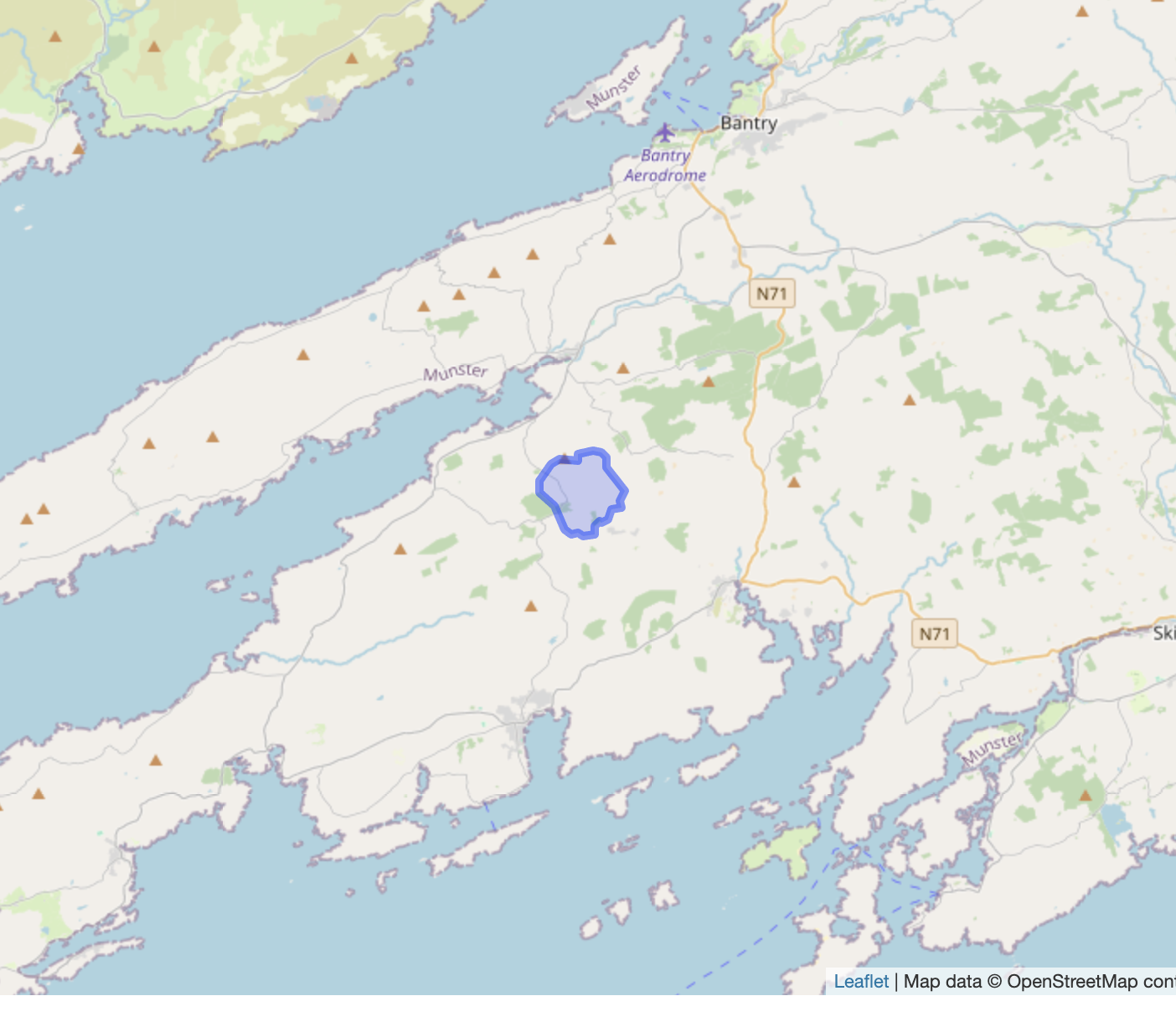
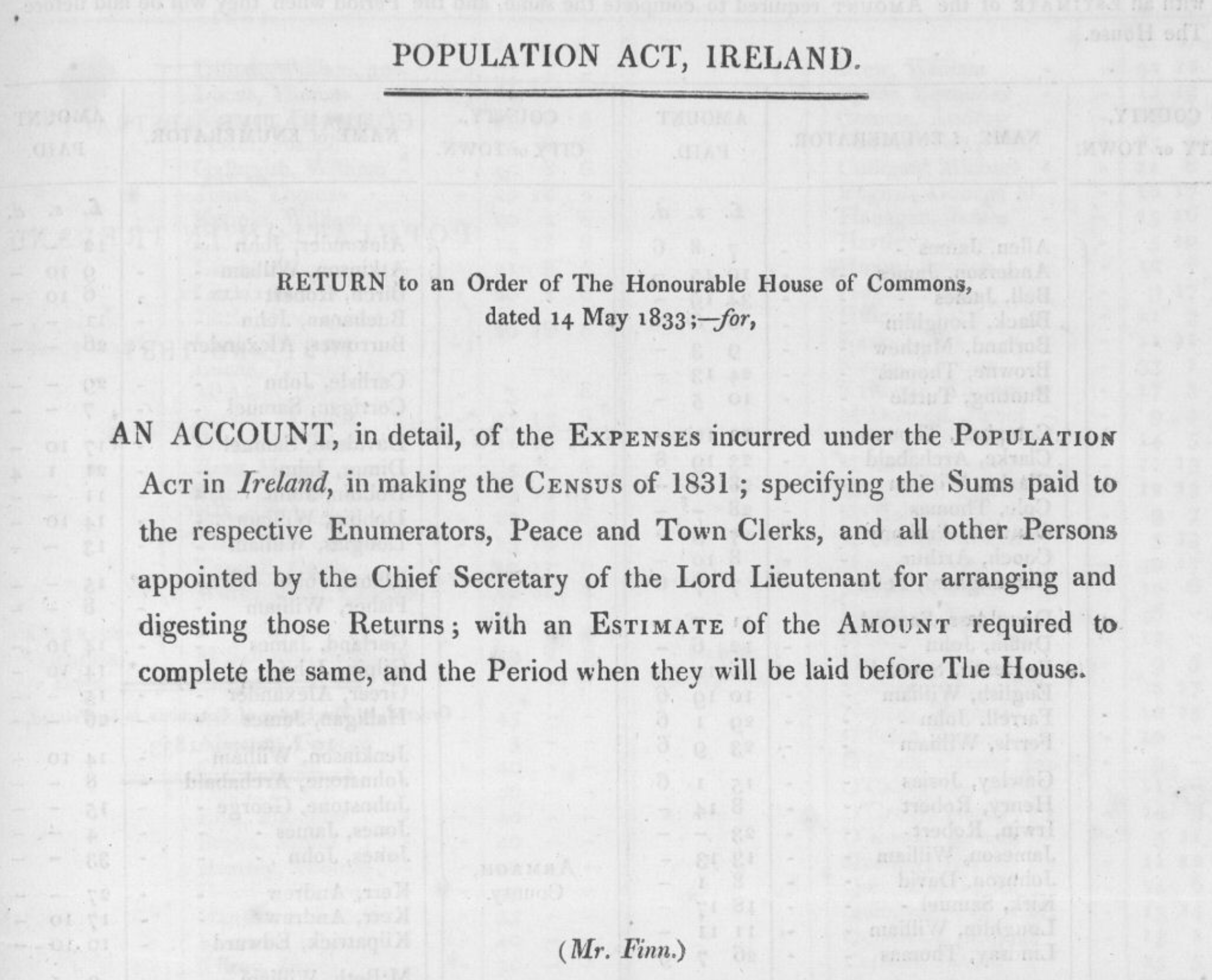
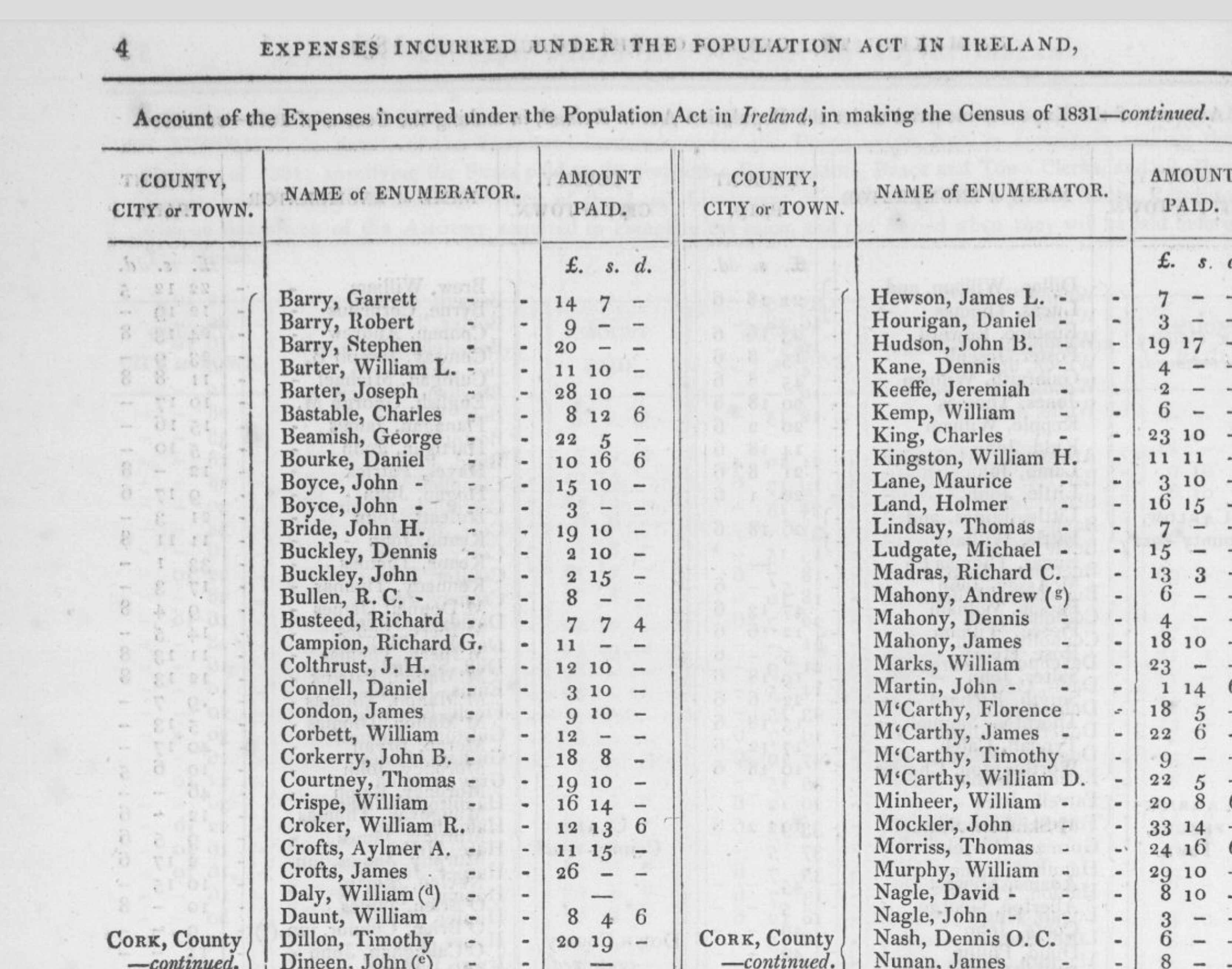
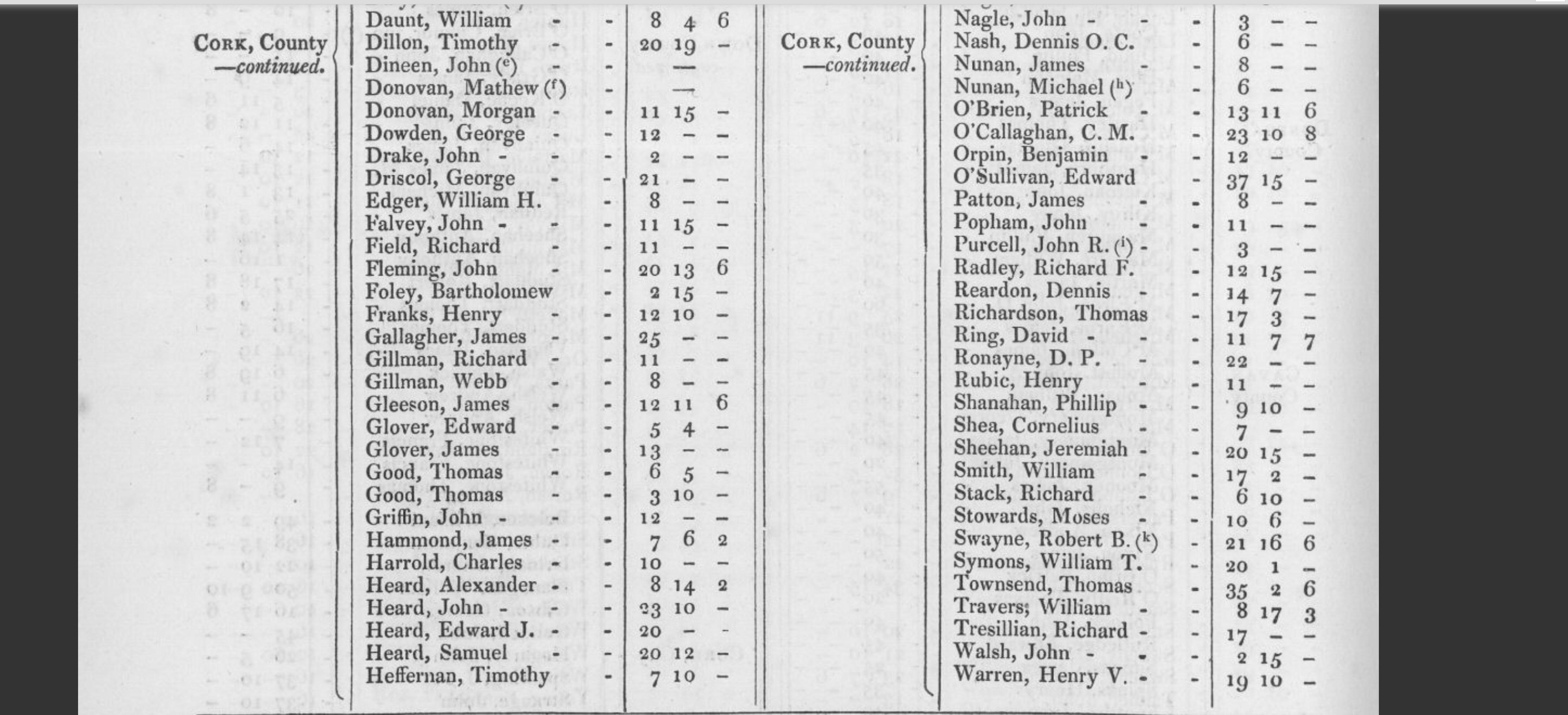
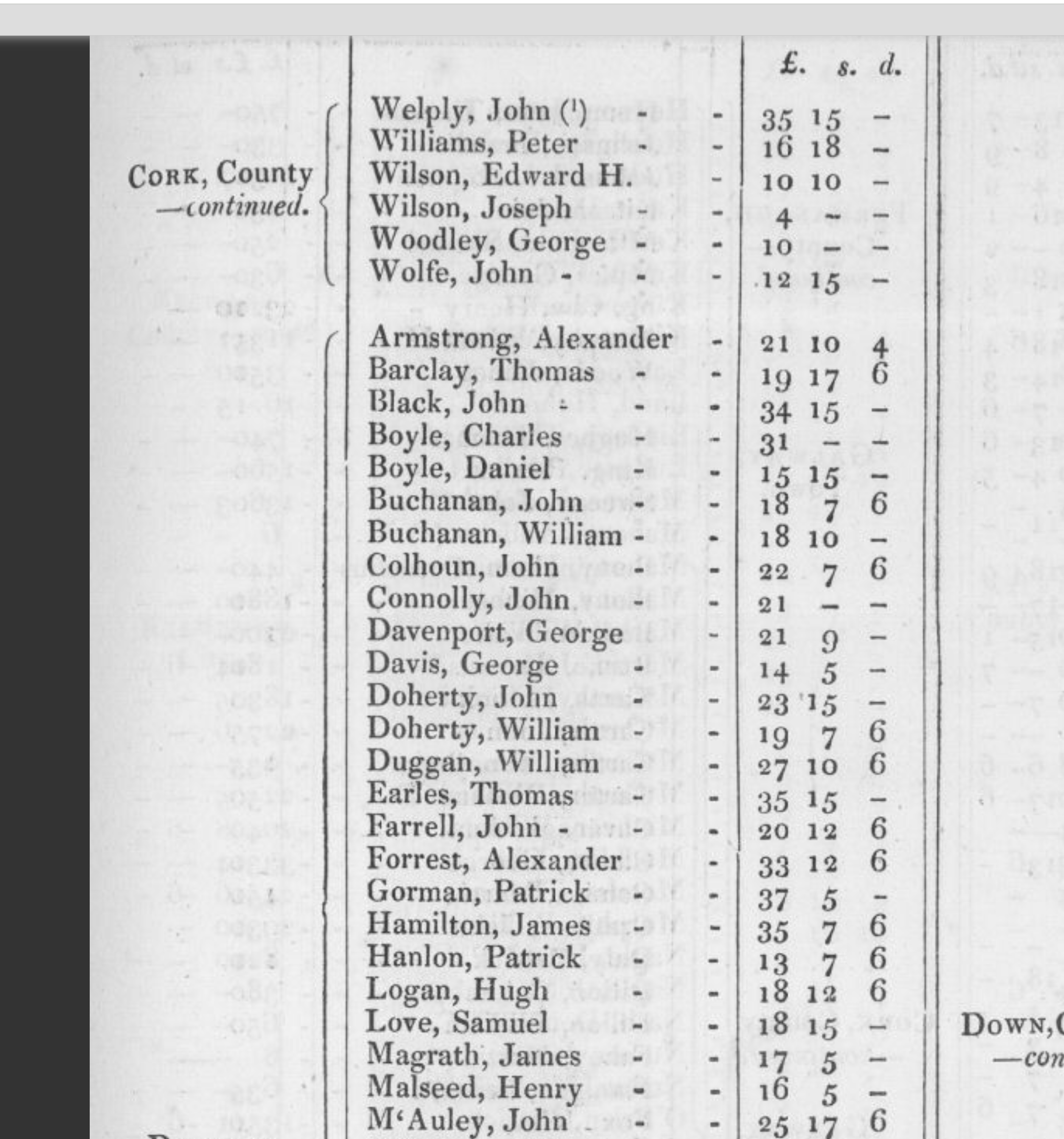
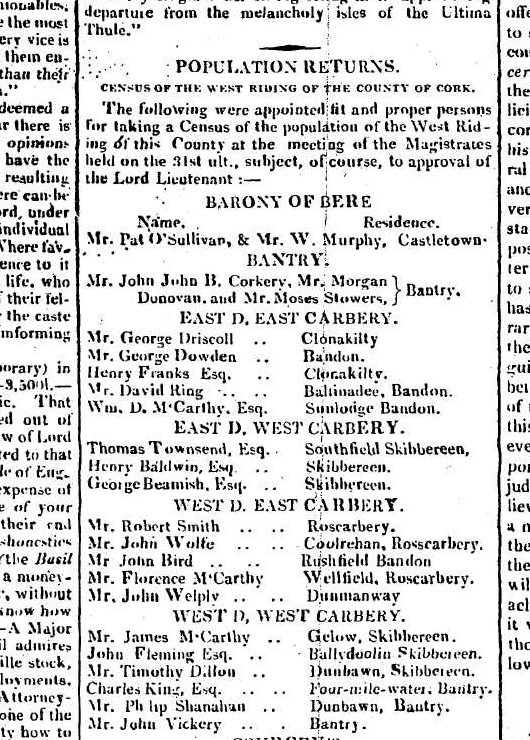
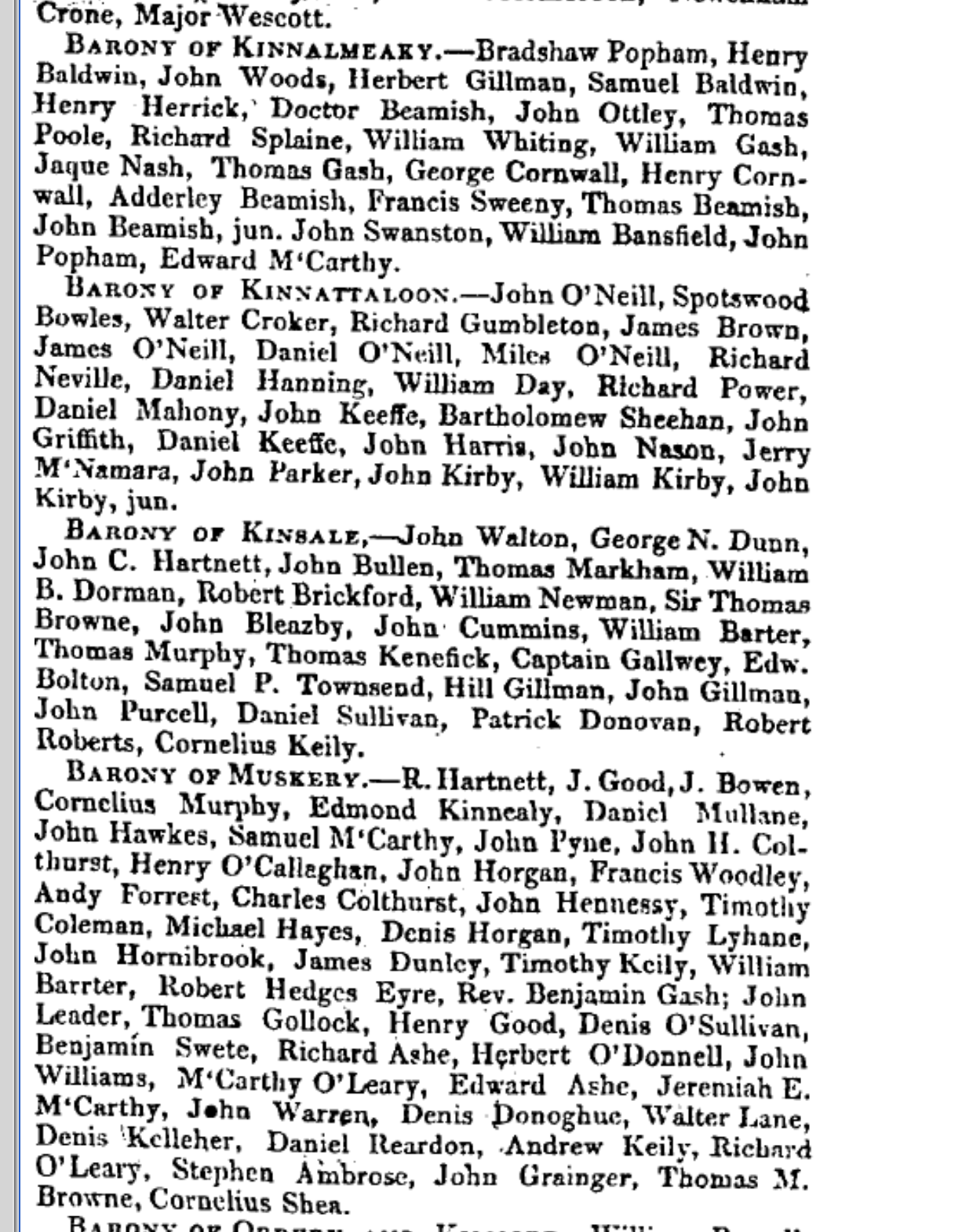
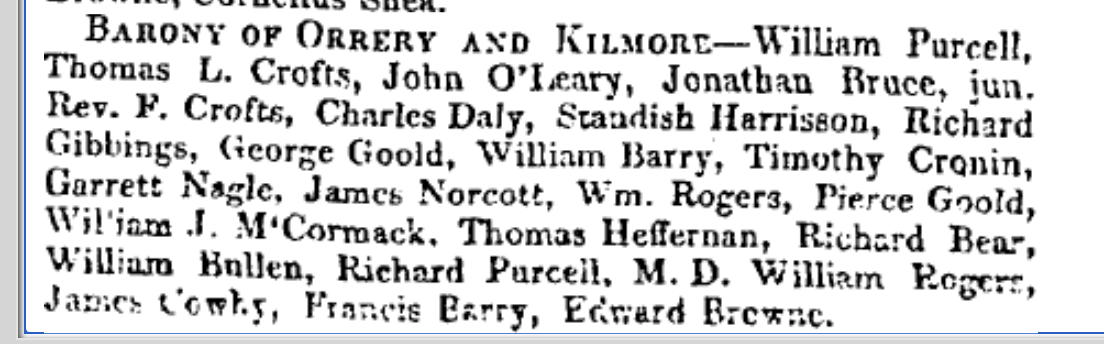
1831 Persons Appointed Fit and Proper Persons to Taking a Census, Barones Bere, Bantry, East Division, East Carbery, East Division, West Carbery, West Division, East Carbey, East Division, West Carbery, Courseys, Ibane and Barryroe, Kilmmeaky (Bandon)
.
Dunbeacon Graveyard:
6th March 1867 Mrs. Ann T.(ownsend) Shanahan Probably Dunbeacon Philip probably died 1892 aged 96 58 Grave: Erected by Philip Shanahan ot the memory of hs wife Ann T d 26th March 1867 aged 58 ” Philip Shanahan. was born Abt 1796; d.5 Aug 1892-Dunbeacon, County Cork, Ireland. Philip married Anne TOWNSEND on 14 Nov 1826 in East Schull, County Cork, Ireland . Anne was born about 1812. She died on 26 Mar 1867 in Dunbeacon. County Cork, Ireland. “
1892 Philip Shanahan Probably Dunbeacon Philip 1892 aged 96 96 Grave: Erected by Philip Shanahan ot the memory of is wife Ann T d 26th March 1867 aged 58
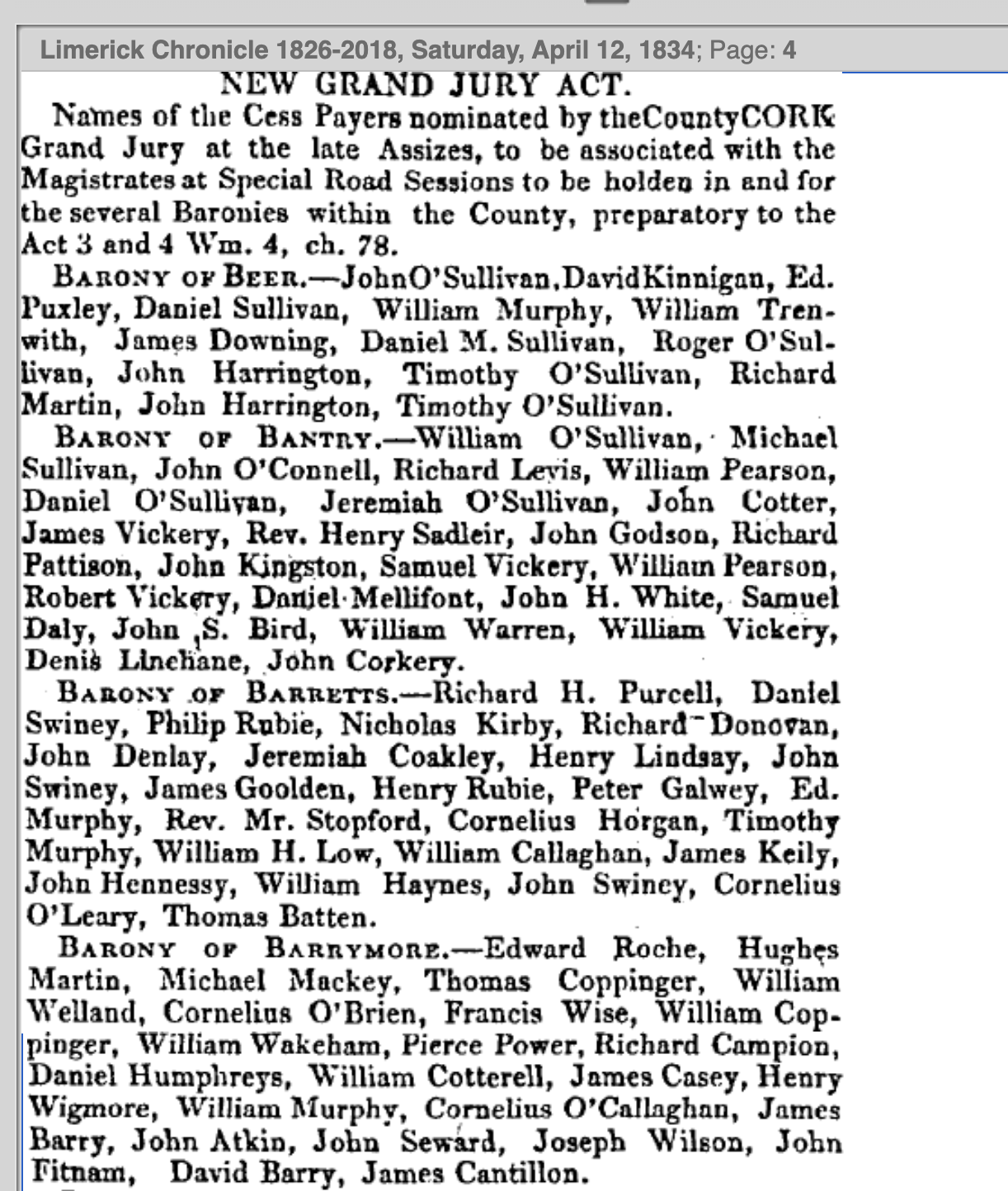
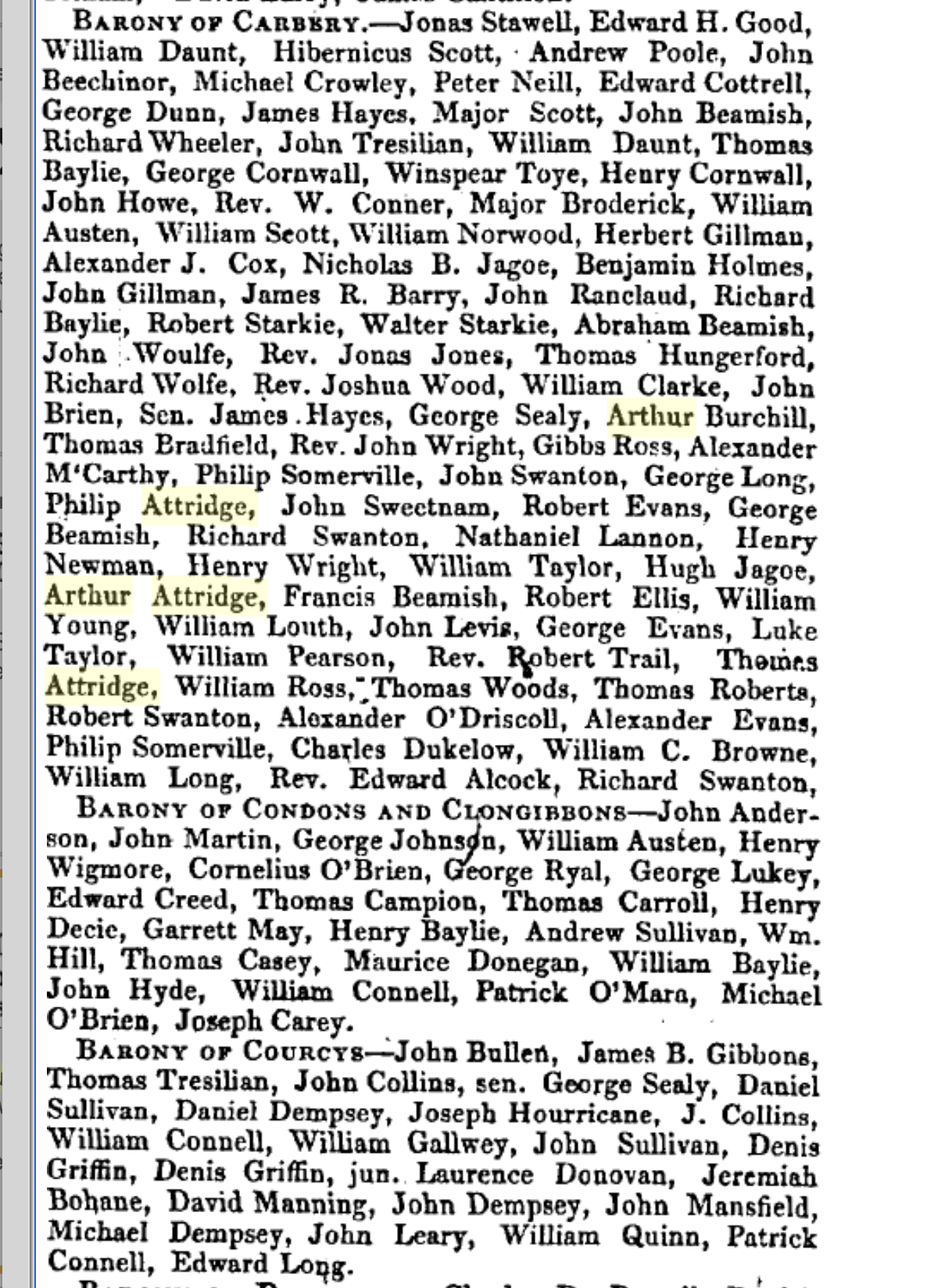
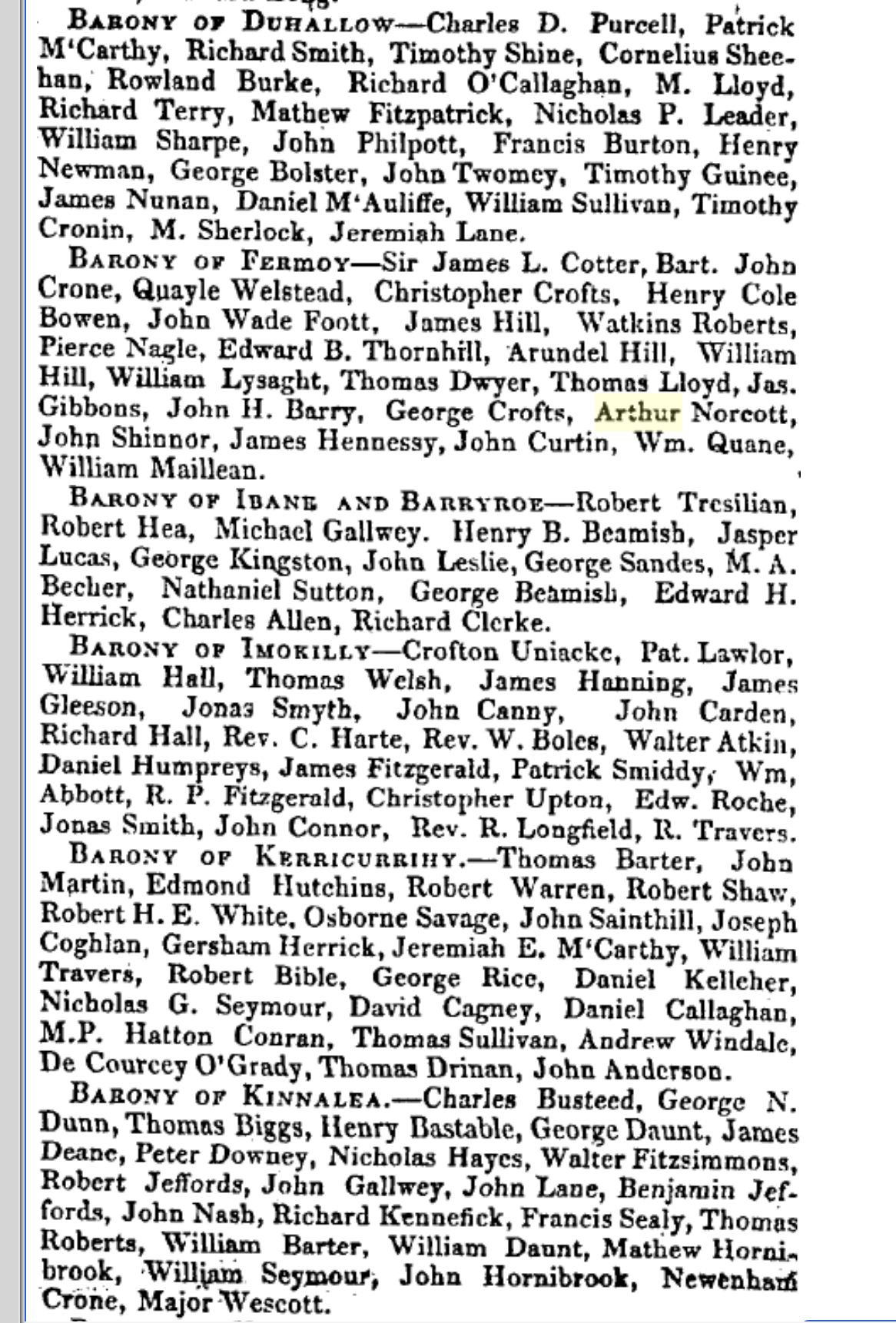
The Presentment system worked insofar as special Magistrates Session met locally to approve work on roads, bridges, harbours etc. Widely seen as corrupt favouring works for certain Landlords at the expense of cess (Rate) payers. This reform meant that prominent local citizens Catholic and Protestant farmers and business people sat at the Presentment sessions and had to approve work before they went to the Grand Jury sitting at the assizes.
1822, 1823, 1830, 1837 John Sweetnam Last Seneschal Aughadown and Schull Manors, later president of te Court of Justice before presumably Resident Magistrates Daughter Frances Gertude married William Clerke (1766-1820) possibly Skibbereen Mills. 1824. Letter from John Sweetman, seneschal of manor court of Bridgestown, Skibbereen, County Cork, to Chief Secretary’s Office, Dublin Castle, acknowledging directive for removal of four prisoners to the county gaol and communicating discomfort at prospect of releasing two debtors for fear of being sued for debts owed by the men; includes memorial from Swicham to Henry Goulburn, Chief Secretary, Dublin Castle, requesting clarification on application of a recent prison act to manor courts, especially as it relates to prisoners ‘confined for any sum not Exceeding ten pounds’, with response to same from John Sealy Townsend, KC and legal advisor to Chief Secretary’s Office, Dublin Castle. Died February 1824 at Mardyke House, Skibbereen. Ffolliott 1823. Letter from William Hull, Lemcon, Skibbereen, County Cork, to Henry Goulburn, Chief Secretary, Dublin Castle, referring to his former letter, emphasising the need to provide a simpler and less expensive means for the lower classes to recover small debts owed to them. Encloses, in support of his claim, a document entitled ‘ “a Manor Court Decree” taken by Richard Connell against Edward Butler, both of Kealfada, County Cork, demonstrating that the legal costs far outstrip the amount of the original debt; decree originally signed by John Sweetnam, seneschal [of Aghadown and Schull Manors], 4 October 1823. .
1876 Mr. John Sweetnam Last Seneschal Aughadown and Schull Manors, until 1859. Mardyke. Married Anne d George Beamish, Dunmore, Clonakilty. Not legally qualified, ‘private gentleman’, paid c £80 per annum not highly regarded. Manor Courts abolished 1859. Ballydehob with the Estate of Boyle later Duke of Devonshire. Son George b 1848 Rectr Creagh c 1900 ed St. Bee’s College. Evidence of John Jagoe, Bantry to Parliamentary Commission, Bantry c 1838 Correspondence with Chiel Secretary over recent 1822 Prison Act to Manor Courts Chief Secretary papers .
..
1821 Dr. Stephen Sweetnam MD Doctor, Airhill, Schull Guys .
..
Medical
1857-, 1892, 1897 Herbert Molesworth Sweetnam, Doctor, Skibbereen and Innishannon, General Practitioner B.A.T.C, Dublin T.N.C.S. and P.Ed and Z M: T.F.P.S.G. “Herbert Molesworth Sweetnam, Westropp House, Innishannon, Co Cork. Seventh son of Stephen Sweetnam, MRCS Eng of Schull, Co Cork. Educated at Faughnan’s School, Rosscarbery and at Trinity College, Dublin where he took the degree of BA and half the MB degree. He subsequently studied at the Royal College of Surgeons, Edinburgh and took the diplomas of LRCS and P Edin and LFM Glasgow. After practising in Skibbereen for some years, he settled at Innishannon in general practice. Medical Officer of the Innishannon Dispensary District and medical officer to the Post Office and referee to various Insurance Companies. Married first in December 1886 Rosa Sydney (who died 1895), daughter of Alexander John Montgomery of Dublin, and secondly in April 1898 Frances Penella, second daughter of Percival Symes Swan of Baldwinstown, Co Wexford, late agent of the Bank of Ireland, Tipperary and had issue by the second marriage, one son and one daughter
” 1899, attending funeral of R. H. Townshend, J.P., Myross Wood, Leap. Present Airfield, Schull at death of mother Mary Jermyn Sweetnam, widow of doctor aged 83 in 1897. “1892, attending funeral of Martin Jennings, Oldcourt, Skibbereen Southern Star 24th December 1892
.
1893, 1895, 1898 J. Sweetnam M.D. Doctor 1898 donor to Goleen relief fund 1893, attending funeral of Michael Sheehy, T. C., P.L.G., Skibbereen. 1895 Funeral of Bantry Solicitor Daniel O’Donovan aged 26. Native Skibbereen: Attending the 1894 funeral of George Robinson, Landlord and Magistrate, Southern Star 3rd February 1894, magistrates attending, R. Carey, H. Cullinane, Dr. Jennings, Dr. Levis, Captain Morgan. The O’Donovan, Colonel Somerville. .
1870 G. Sweetnam Doctor/Medical Student? Dary of Geoge Vickery, medical student, 1870.
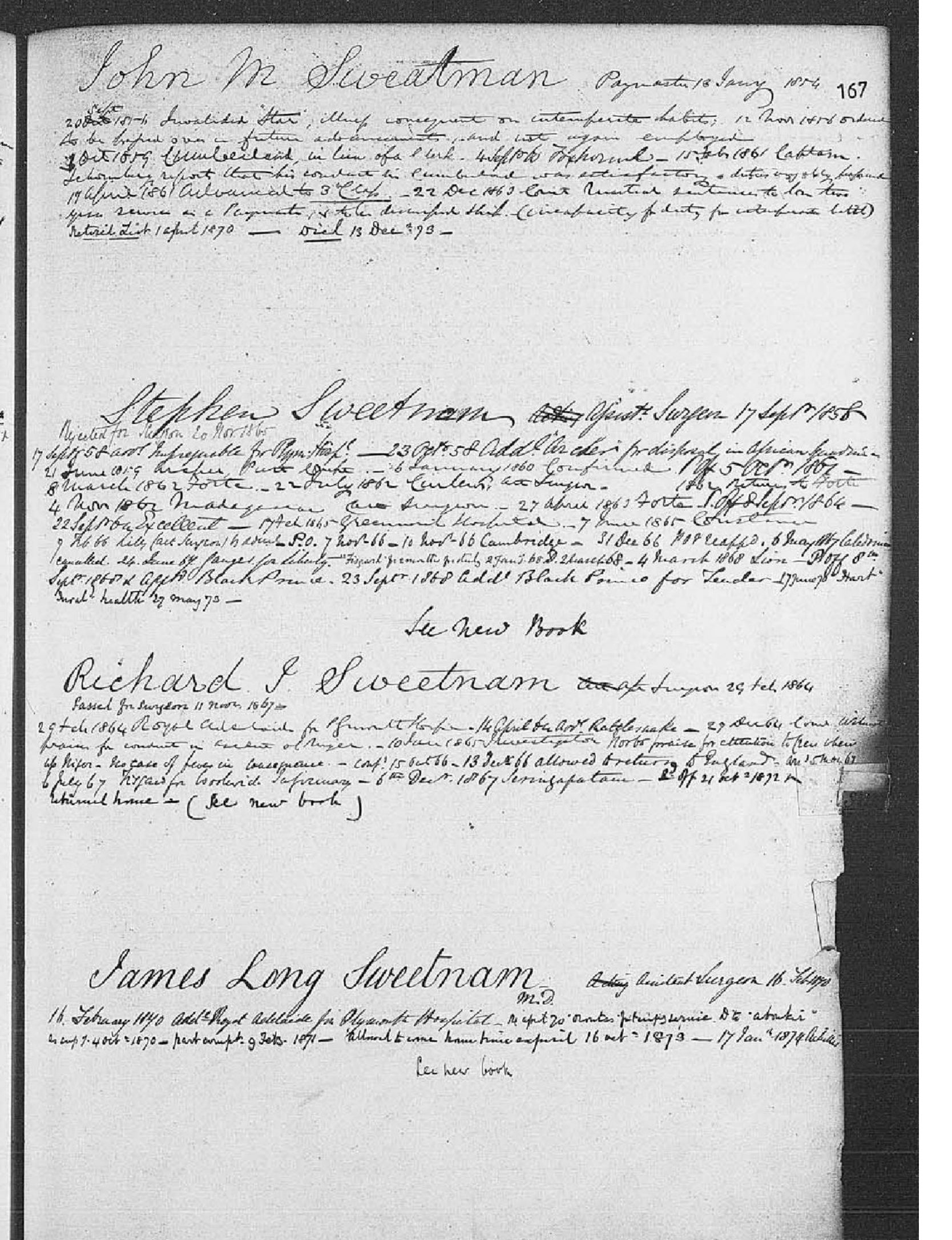
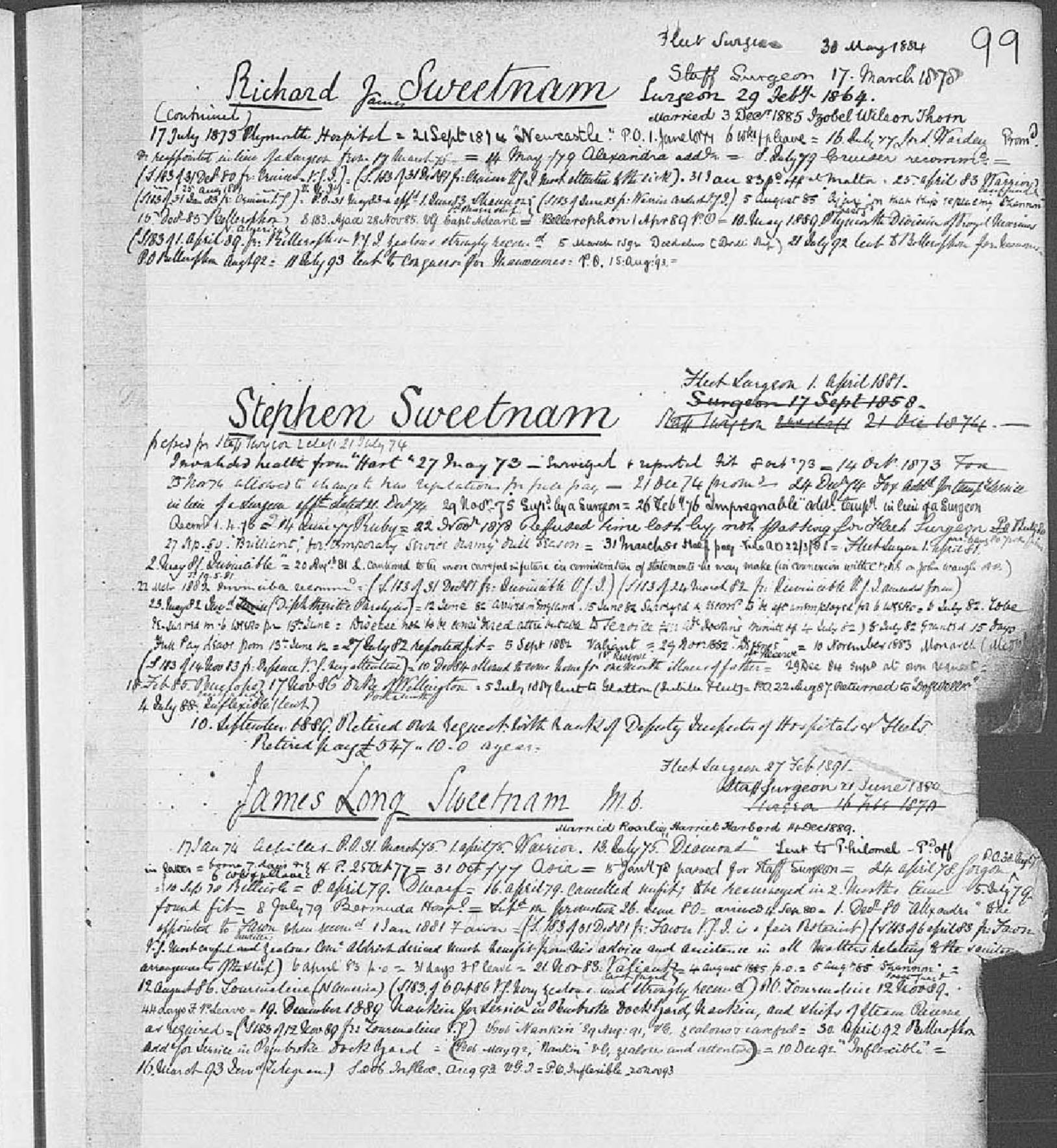
.. 1863 Dr. Richard James Sweetnam Qualified Royal College of Surgeons 1863 Air Hill. British Navy 1870? .
1807-1885, 1824, 1829,1835, 1846, 1870s Stephen Sweetnam M.R.C.S.L. Eng Dispensary Doctor Schull 1834-1852. Dispensary Officer 1840. 1829 acting as trustee over Skibbeeen properties from JOhn Attridhe to JOhn Sweetnam, Esq., River Cottage, Skibbeeen. Cert 1835. Praised for his work during famine. Relief Committee 1846. 1849 attending Ballydehob meeting proposes Agricultural Society for the Schull Union and Durrus/Kilcrohane. ListerAirfield Schull in Slater 1856 “Active as dispensary doctor in Schull during famine, 2nd wife Maria Jermyn Long 1835, She possbly Westfield, Aughadown. Possible first wife Jane Clerke 1832. Buried with Maria Aghadown Lower. 1877. Opening Skibbereen Railway
Daniel Donovan
David Hadden
John Levis, Glenview
S. W. Levis, Coroner
Dr. McCormack, Goleen
Dr. Popham, Bntry
Samuel Robinson
Dr. Swanton, Bantry
Dr. Sweetnam, Schull
Member election committee Nicholas Leader 1865 Cork County election. ” In the 1870s John (Swetman) Sweetnam of Skibbereen owned over 200 acres in county Cork while Stephen (Sweetman) Sweetnam MD, held over 220 acres in the Schull area. Members of this family held lands in the parishes of Abbeystrowry and Aghadown, barony of West Carbery, at the time of Griffith’s Valuation. Many were clergymen or medical practitioners. See http://www.learysweetnam.com “The Cork Southern Reporter : Thursday 10 November 1836
THE REV. MR. BARRY, P. P. OF EAST SKULL, has commenced the erection of a NEW CHAPEL for a poor population, in a remote District.
This necessary and long contemplated object could not, through a want of resources, have been before now carried into effect.
Mr. B. returns his thanks to the benevolent persons who, notwithstanding the many similar appeals and present weighty demands for local charities, have so liberally contributed the following sums : –” “1876 Dr. Stephen Sweetnam MD Doctor, Airhill, Schull Guys “”Inscription:
Stephen Sweetnam MD
died 8th April 1885
aged 78
Maria Sweetnam
died 11th May 1897
aged 83
“” “”Additional Information:
Dr Sweetnam was the dispensary doctor in Schull during the Great Famine. He was active in bringing relief to this area and is often referred to in famine reports from Schull. Maria Sweetnam (nee Long of Aughadown) was Dr Sweetnam second wife, his first wife was Jane Clerke of Skibbereen.”” “” Young Clerke was admitted to membership of the Inner Temple in London in November 1821 28. Another brother Jonathan Clerke 29 gained medical qualifications in Dublin and London in 1828. Stephen, brother of Frances Gertrude Sweetnam also gained medical qualifications at the same time and in a parallel manner to Jonathan Clerke.39 Alexander Clerk
“””
1866- George Sweetnam Probably Skibbereen district, may have gone to TCD 1911 Minister, Co.Derry Son Thomas William, medical student. “Son. 1877 Frank A. Sweetnam Father Stephen, doctor Aged 18, Midleton College
..
The Sweetnams were Seneschal son the Carbery/Freke Estate.
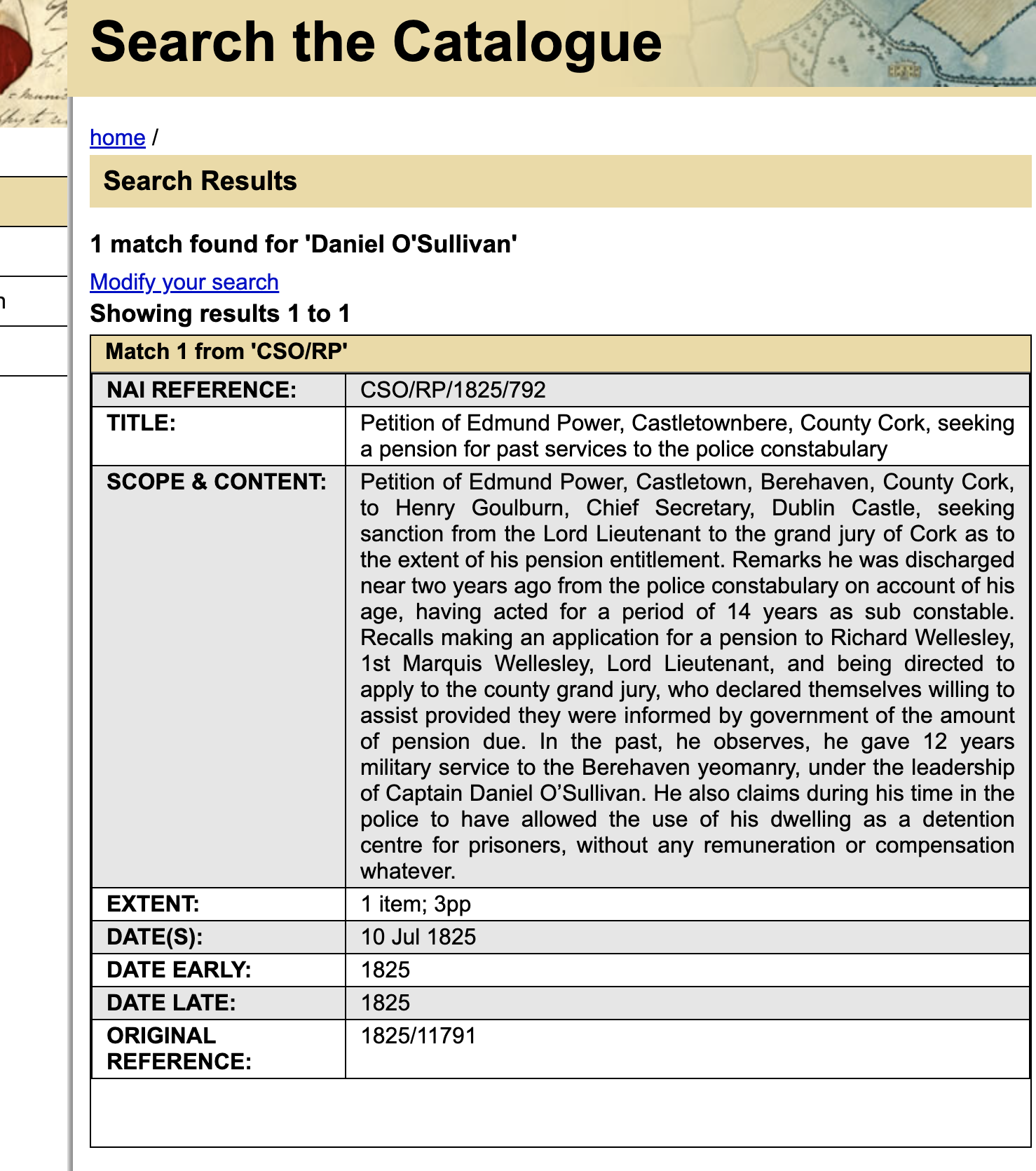
Law and Order Policing Peace Preservation Force1 The Peace Preservation Force was established in 1814 by Sir Robert Peel2 , as a mobile force, supplementary to the pre-existing and underresourced baronial constabulary. The new force was under the command of stipendiary magistrates (also known as chief magistrates of police who had the powers of justices of the peace) whose staff each included a clerk, chief constable and sub constables. The force could be dispatched to any district which was proclaimed by the Lord Lieutenant as disturbed. They were paid for by local rate-payers which made the force unpopular with landlords. Many ‘peelers’ joined the Irish Constabulary when it was created in 1822 and the force was eventually fully amalgamated into the Constabulary in 1836.3 The papers reveal how the authorities began to reduce the force in the mid-1820s. Included, for example, are requests from former Peace Preservation Force policemen seeking appointment to the Constabulary despite being illiterate (CSO/RP/1824/217); efforts to absorb the force into the Constabulary in Tipperary to deal with increased outrage (CSO/RP/1828/1631); attempts by a chief magistrate of police in Limerick, to reverse a government order requesting him not to fill current vacancies ‘with the view to the gradual reduction of that Force’ (CSO/RP/1829/237). Irish Constabulary4 The Irish Constabulary, a centralized force, responsible for the whole country except Dublin, was first established in 1822 by act of parliament. It was a centrally controlled, hierarchical, armed, paramilitary force, organised on a county by county basis. Constables and sub-constables lived in barracks and were subject to military type discipline administered by chief constables who in turn answered to sub-inspectors, county inspectors, inspector generals and ultimately to the Chief Secretary. The officer ranks were directly commissioned, with little promotional opportunity available to the rank and file. Between 1836 and 1846 each county contributed to the cost of their force but after 1846 the exchequer shouldered the entire cost. In 1836 the constabulary was consolidated with the Peace Preservation Force and from 1867 onwards was known as the Royal Irish Constabulary. The papers are filled with letters from individuals seeking positions in the force; with requests for leave of absence from chief constables and. appeals from constables for reinstatement following dismissal for drunkenness. The papers demonstrate that disobedience or displays of partisanship was not tolerated. For example constables who refused to take down an ‘Orange’ flag during the long-running dispute in Mountmellick were dismissed (CSO/RP/1828/1524), as was Captain John Burke, chief constable who attended a Brunswick Club meeting in Wexford (CSO/RP/1829/160). The papers reveal a tension between magistrates and government over the precise role and duties of the new constabulary at local level. The crown law officers made clear that constables were not to be used to enforce civil bills, magistrates’ warrants, or enforce payment of tithes and were also not permitted to assist the Revenue police except in cases of a breach of the peace. These duties were to be carried out by baronial constables and other officers (CSO/RP/1826/1718). The papers contain letters from high-ranking police officers proposing improvements to the force. It was suggested that policemen be moved regularly to prevent them from becoming too familiar with their communities (CSO/RP/1828/1712); that married constables were a hindrance to the operation of the force (CSO/RP/1828/795) and that chief constables, who often had military backgrounds, should not be chosen from the gentry class and should be discouraged from displays of military pomp (CSO/RP/1828/1361)
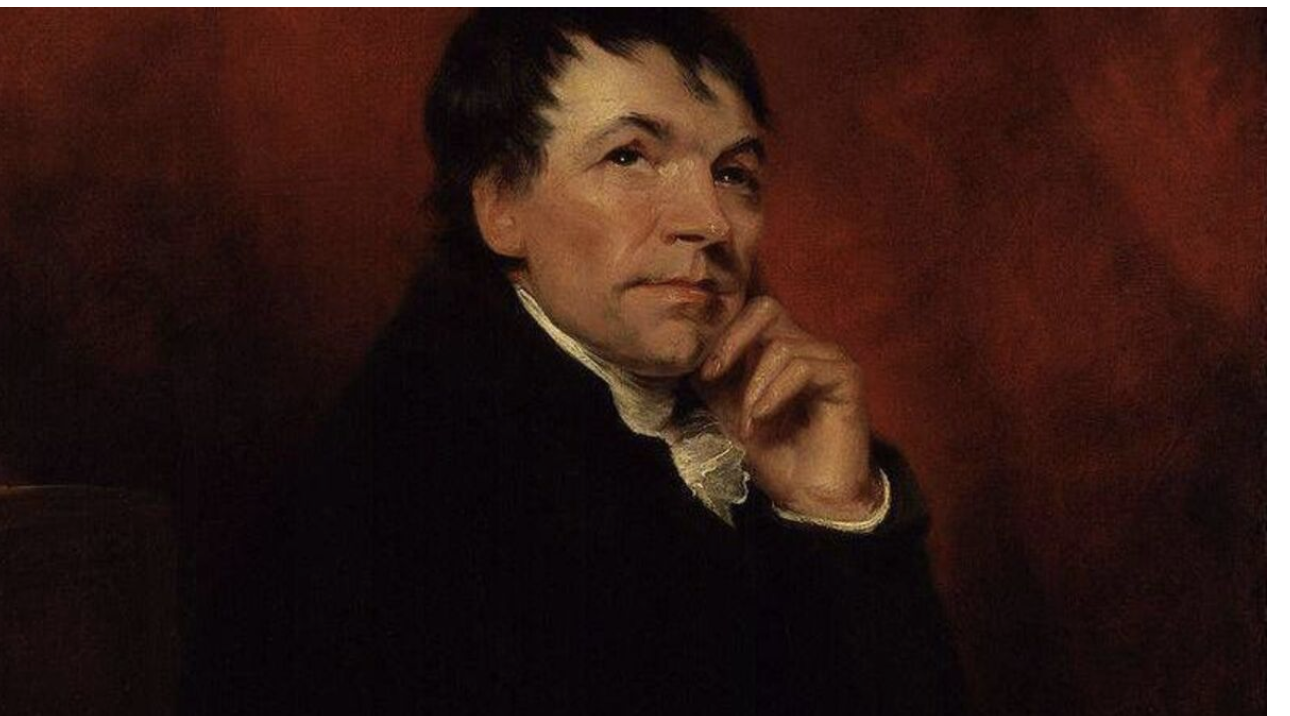
Portrait of John Philpot Curran (1750-1817), Born Co. Cork, Irish Speaker, Author of Patriotic Verse, Master of The Rolls father of Sarah Curran His Youngest daughter Engaged to Robert Emmet.
A Rhyming Invitation sent by John Philpot Curran (1750-1817) to Grandfather of Robert Carey, Skibbereen.
There is a reference to Ballymapatrick which may be Balllypatrick, South Tipperary. The article was written in 1893 and it is possible that Richard Carey’s grandfather may have been from North Cork.
Aiten Alive With Fleas (Dreancaid in Irish) Until DDT Came Along. John Philpot Curran, Eaten alive by fleas while on Circuit in Carlow, wrote ‘An Ode to Fleas’
Weeks, James Eyre (1718/19–1775), cleric, poet, and miscellaneous writer, was born in Cork city, son of James Eyre Weeks, described as a gentleman. He was educated at Dr Mulloy’s school in Cork, entered TCD as a sizar (June 1735), and spent four years there but left without taking any degree, although he appears to have returned later to the college and graduated BA (1751). He first made his appearance on the literary scene in 1745 with three long poems published separately: The resurrection, The Amazon, or female courage vindicated, and Rebellion. These were followed in 1746 with A rhapsody on the stage or, the art of playing, in which he describes the style of acting of the principal English-speaking actors of the day – Booth, Betterton, Garrick, Wilkes, Milward, James Quin (qv), and Thomas Sheridan (qv). The poem is addressed to Sheridan, who was a student in TCD at the same time as Weeks. In addition to commentaries on the actors mentioned (among whom Sheridan is singled out for fulsome praise), Weeks proffers advice on the art of acting, and this on the basis of a mere four years’ experience of watching plays. Around this time he also wrote ‘The cobbler’s poem’, a skit on ‘The bricklayer’s poem’ by Henry Jones (qv) (1721–70). In 1753 he wrote the words of ‘Solomon’s temple’, an oratorio.
The date of Weeks’s ordination in the established church has not been discovered. It was quite the fashion in his time for protestant clerics to adopt teaching, rather than pastoral care, as a career. Weeks not only practised as a teacher or tutor but also fancied himself as something of an educationist, for during the 1750s he produced a series of what might be called school texts: The gentleman’s hourglass, or an introduction to chronology (1750), A new geography of Ireland (1752), The young grammarian’s magazine of words (1753), and A praxis of grammar (1754). Weeks appears to have spent some part of his teaching career in Tralee, Co. Kerry, for The young grammarian’s magazine . . . is datelined Tralee and is dedicated to a former pupil there. However, he was back again in Dublin in 1753 when, for a few months, he published the Dublin Spy, an irreverent commentary on the contemporary scene, written entirely by himself, and which, he claimed, ‘spares none’. He was to incur a great deal of unpopularity, culminating in a mock report of his ‘most cruel and bloody assassination and murder’, when he supported Thomas Sheridan in the trouble at the Smock Alley theatre in 1754, which resulted in Sheridan having to leave the country. Weeks’s poem ‘On the great fog in London December 1762’, arguably his best, is evidence of at least a visit to London, if not a protracted stay in that city, in the early 1760s, for the poem was clearly written by someone with personal experience of that fog. This is one of a dozen or so poems that Weeks contributed to the British Magazine in the years 1761–4, but no record has been found of their publication in a collection of verse. He was back in Cork by 1765, where he married (Sept. 1765) Mary, daughter of John Hughes, in St Paul’s church. In February 1769 he was licensed as a curate in Holy Trinity church, Cork. Appointment as treasurer of the Cork diocese and as rector of Ballinadee, Co. Cork, followed in 1770. He died in November 1775.
There are good grounds for believing that he was not the author of Poems on several occasions, a 153-page collection of verse, of considerable promise, published in Cork (1743). The author’s name is given as James Eyre Weekes – note the different spelling of the surname – and he was probably a cousin of James Eyre Weeks, who consistently spelled his surname that way. This question is examined at some length in Patrick Fagan, A Georgian celebration.
Sources Cork Chronicle, 19 Sept. 1765; Hibernian Chronicle, 23 Nov. 1775; W. M. Brady, Clerical and parochial records of Cork, Cloyne and Ross (1863), i, 22; Alumni Dubl. (1935); Patrick Fagan, A Georgian celebration: Irish poets of the eighteenth century (1989), 120–27
Pat, I am one of the folks who you send drafts of your lists, historical documents and odds & ends about Durrus+ West Cork history. Your work is enormously helpful to those involved in family history. Thank you. Thank you.
Based partially on your research, and the oral and written work of my Dereenlomane and Rossmore-Durrus relations, I have been able to produce a short family history, an introduction to the genealogy of Susan Baker/Daniel McCarthy and Mary Baker/James Shannon – “Two West Cork Sisters.” Attached is a copy for you. If you would like to download it to your website (or pass it along to others), please feel free. I believe strongly that information should be shared!!
A second volume is being brainstormed at the moment.
Thank you again. I will be in touch more often.
Peace,
Tommy Driscoll
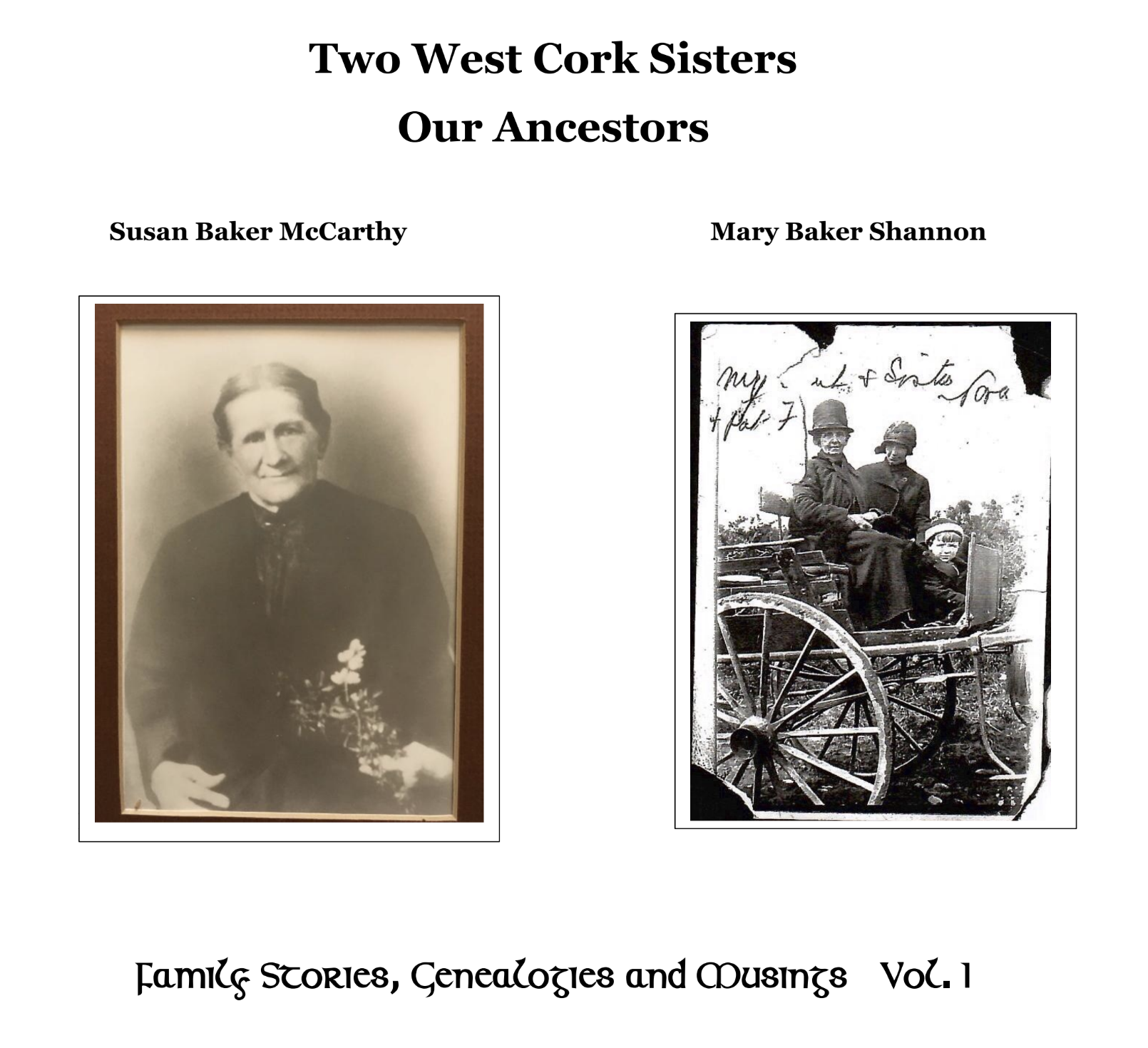
Two West Cork Sisters Our Ancestors
Susan Baker McCarthy Mary Baker Shannon
Family Stories. Genealogies
Family Stories, Genealogies and Musings Vol. I
Tommy & Michele Driscoll 105 School Street Victor New York 14564, USA 585-727-5656 thomasdriscoll@hotmail.com
June 2025 Revised
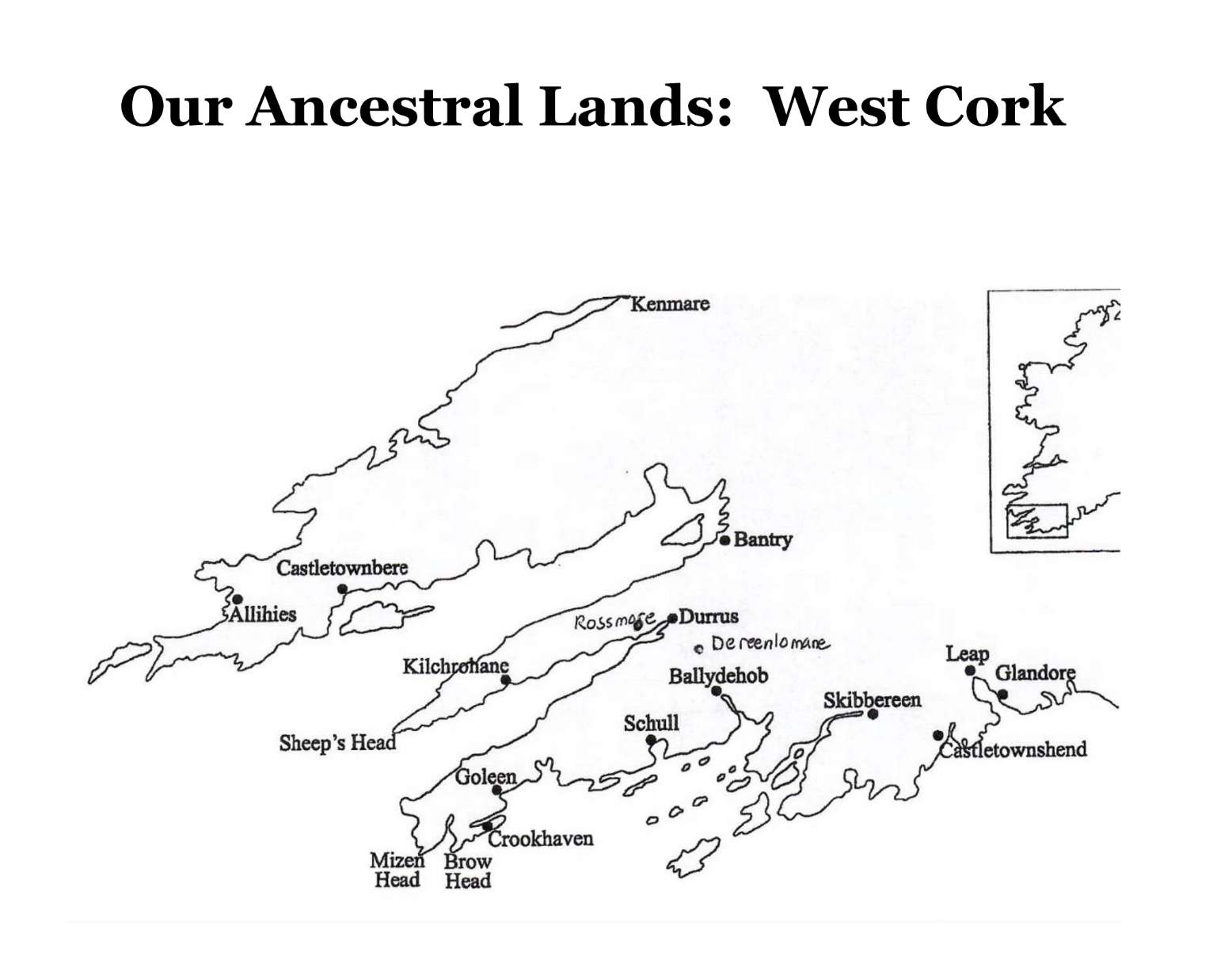
2 Our Ancestral Lands: West Cork
County Cork (Irish: Contae Chorcai) the southernmost county of Ireland. Often called “Rebel Cork”, Cork is the largest county in Ireland by land area, and the largest of Munster’s six counties by population and area. Cork is the second-most populous county in the Republic, and the third-most populous county on the island of Ireland. In the 1841 census, before the outbreak of the “Great Famine”, County Cork had a recorded population of 854,118. By the 2022 census, Cork City and county had a combined population of 584,156 people. Cork has not recovered its pre-famine population. West Cork is a treasure trove of natural wonders, vibrant towns, and rich cultural heritage. Its coastline stretches over picturesque inlets, dramatic cliffs, and inviting sandy beaches, while its inland promises a perfect blend of history, culture, and idyllic landscapes.
3
Our McCarthy/Baker Ancestors
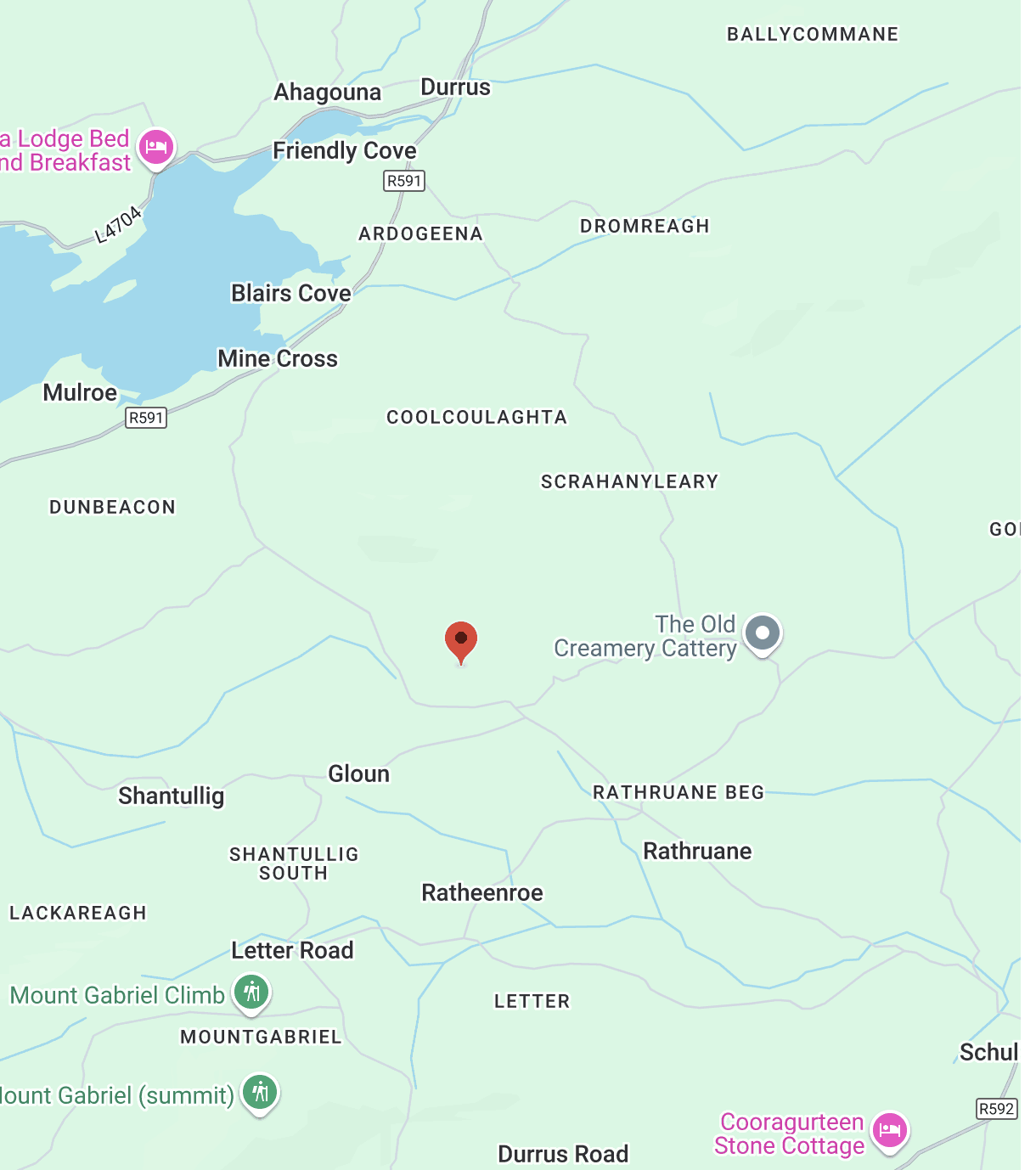
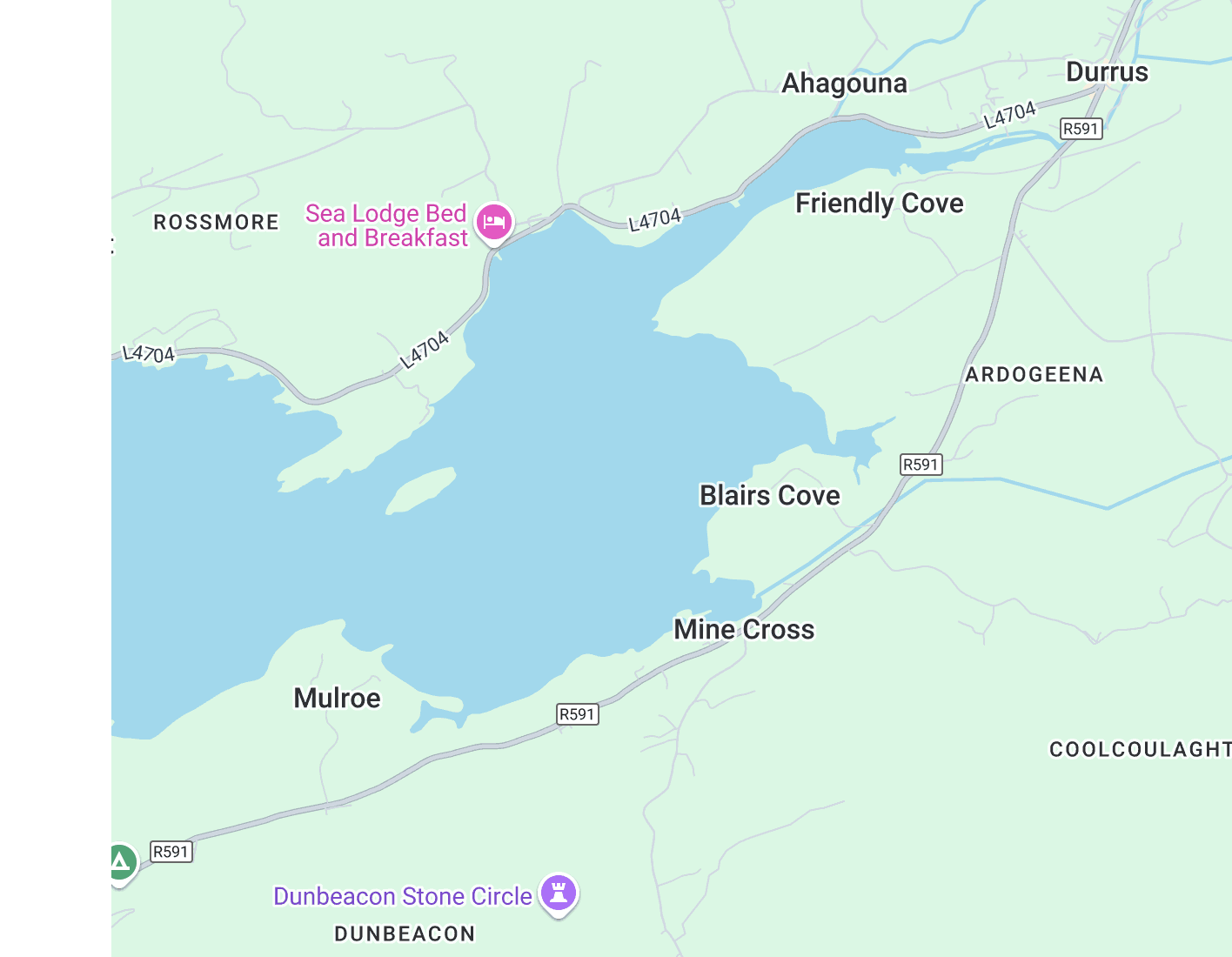
Susan Baker (1854-1929) was born in the townland of Rossmore. The Baker homestead sits on Dunmanus Bay with a wonderful view of the Mannion Islands and Mt. Corin. On the property are the remains of a McCarthy (originally O’Mahony) castle. The Bakers were on the land at least from the early 1800’s. They farmed the land, raised cows and pigs. Susan married Daniel McCarthy on 14 Feb 1876 in the Oratory Chapel at Blair’s Cove, directly across Dunmanus Bay from Rossmore. Daniel and Susan moved into the McCarthy home at Dereenlomane with his parents. It was said that Susan was baptized in the Church of Ireland in Durrus. The records of the Roman Church in Durrus reveal that Susan Baker was baptized Roman Catholic on 12 Feb 1876, three days before she married Daniel McCarthy. She raised the children as devote Catholics. She read to them from the Bible and prayed the rosary with them. There were two bedrooms upstairs: one for Daniel and Susan and the newest child, the other room for all the other children. Susan died at her daughter, Nora’s home at Crottees near Durrus on 18 Nov 1929, age 75, and is buried in the McCarthy tomb in Schull Cemetery. Daniel McCarthy 1847-1910 is believed to be the sixth generation of McCarthys to live and farm the land at Dereenlomane near the village of Ballydehob. Daniel was born in 1847 as the “Irish Famine” was near its height. Dereenlomane is located with a view of Mt. Gabriel. Near the McCarthy homestead was a barytes mine in which many of the McCarthy’s worked. The original buildings are in ruin with no evidence of the house. The property is now the home of the Cadogan family, relations of Dannie McCarthy (1921-1999) of Glaun, son of Thomas (Sonny) and grandson of Daniel McCarthy. Daniel died at Dereenlomane on 7 Sept 1910 and is buried in the McCarthy tomb at Schull.
Baker – McCarthy Civil Marriage Record
4 The Children of Susan Baker and Daniel McCarthy Married 35 years; birthed 16 children between 1877 and 1900 (23 years) Remained in Ireland Sources: Fr. Charles L. McCarthy, John Joseph Driscoll, Fr. Daniel V. Hogan – fr0m Rochester NY, Kitty (Dan F) Keane from Bredagh Cross, Susan Elizabeth McCarthy from Boston, MA, Mary Catherine McCarthy from Canandaigua, NY Thomas* (Sonny) 1877-1921. 44 years. Married Julia Cullinane in Schull. As first born inherited the farm; died of cancer. Buried in McCarthy tomb. Child: Dannie Florence (Flur) 1878 – 1963 85 years old, worked in barytes mine. Married Annie Nagle from Dereenlomane in 1911. Emigrated to Boston. Street car mechanic and driver for MTA. Died 22 Nov 1963. Buried St. Joseph Cemetery, West Roxbury MA, Children: Catherine (Sr. Aquinas), Tom, Susan, Daniel, Margaret. Ellen (Nellie) 1879-1970. 91 years old. Married John Driscoll in 1915. Described as “proud and stately.” Emigrated to Rochester NY. Worked as a domestic and a cook. Took in immigrants at her home, 12 Holmes St. Developed severe emotional illnesses – hospitalized for many years. Died 23 May 1970, buried in Holy Sepulchre, Rochester NY. Child: John Joseph Driscoll Margaret (Maggie) 1881-1964 83 years old. Worked as a cook and domestic in a fraternity house at the University of Rochester. Married Richard Fennell in 1921. Lived at 20 Kron St.. described as a “quick talker” Died 8 Nov 1964. Buried at Holy Sepulchre. Children: “Son” 1922, and Richard C. 1923-1947 Susan Matilda 1882-1954. 72 years old. Described as “hard working”, married to Jeremiah “Jerry” Healey in 1922. Known for her homemade cookies. Lived at 66 Pomeroy St. Rochester NY. Died 27 August 1954; buried Holy Sepulchre Cemetery, Rochester NY. No children. Catherine* (Sister Magdalen) 1884-1937, 53 years old. attended a boarding school in Crookhaven and a finishing school in Dunmanway; gifted intellectually; studied in Paris; Member of the Sisters of Charity of St. Vincent de Paul for 27 years. Became the Mother Superior. Described as a “very proud person.” Helped establish an orphanage in Dublin; died of cancer on 24 June 1937; buried at Glasnevin Cemetery, Dublin. No children. Mary Elizabeth. 1886-1964. 78 years old. Worked as a domestic and a cook. Everyone loved Mary. Her father did not want her to emigrate to America; described as “big-hearted soul” married Thomas Joseph (Joe) Hogan in 1920. Lived at 25 Chatfield Street. Rochester NY; died from heart disease 9 Dec 1964; buried at Holy Sepulchre Cemetery, Rochester NY. Children: Daniel, Eleanor (Sis), Thomas, Bernard. Elizabeth * (Lill) 1887 – 1964. 77 years old. Emigrated to Rochester NY, lived with her sister Susan. Son: Thomas born at Our Lady of Victory, Lackawanna, NY.in 1917. Thomas died in WWII at age 28. Lill returned to Ireland, married Tim McSweeney in 1925 in Ballydehob. Son: Patrick. Lived at Knockroe, Ballydehob. Lill died 25 Dec 1964. Buried at Bannaknockane Cemetery, Ballydehob. Daniel Frank* 1889-1963. 74 years old. Sergeant in the Royal Irish Constabulary, served in Nenagh, County Tipperary. Family legend says that Dan F. was “knee-capped: by the IRA. Returned to Dereenlomane after the War of Independence. Eventually moved to Lisheen. Married Catherine (Nurse) Keehan; good neighbor- stopped evictions; generous with money
5 especially with his siblings. Children: Dannie, Kathleen (Kitty). Died 9 June 1963. Buried Schull Cemetery (not the McCarthy tomb). Hanorah (Nora)* 1890-1952 62 years old. Stayed home and took care of the homestead. Described as “very generous” known for cooking great breakfasts of salmon, eggs and sausage. Married Paddy O’Sullivan in Bantry. Lived on Wolfe Tone Square in Bantry. Children: Pat Francis, Madeline, Mary Jo. Died 21 Sept 1952. Buried Abbey Cemetery, Bantry. Charles John 1893-1977. 84 years old. Emigrated to Rochester NY. Worked at Reed Glass Company on Maple St. Postal worker for many years. Married a cousin: Mary Brigid McCarthy from Glaun. Took care of his sisters: Nellie, Maggie, Susan, Lill, Annie, Aggie. Considered himself as head of the McCarthy Clan in Rochester. Known for his vacation property, “Dereenlomane” at Old Forge NY Lived at 59 Monica Street. Rochester. Children: Charles Leo, Mary Margaret, Eileen Ann, Catherine Magdalen, Susanne Monica. Died: 30 May 1977 at Old Forge NY. Buried Holy Sepulchre Cemetery, Rochester. Denis Florence* 1894-1952. 58 years old. Twin of John James. Jailed for republican activities in Ireland, West Cork Brigade of the old IRA; 32 years selling hardware, seeds and general merchandise; gentle, married Bea Scanlon in 1930; lived in Ballyduff, Co. Waterford. Children: Donal, Rita, Sean, Denis, Madeline. Died: 23 Oct 1952. Buried in St. Michael’s Church Cemetery, Ballyduff. John James (Jack) 1894-1982. 88 years old. Twin of Denis. Involved in Republican activities in Ireland. Married Catherine Foley (1907-1938) in 1929 in Rochester. No children. Fun-loving, kind, called “honest John” Long time fire fighter for the City of Rochester; rose to the rank of lieutenant, “They just don’t make people like that anymore.” Married Mary Ellen Hegarty (1904-2006) in 1941. Children: Mary Catherine, Sean, Daniel. Died 14 March 1982. Buried White Haven Memorial Park, East Rochester NY. Anna Mariah 1896-1992. 96 years old. Emigrated to Rochester NY. Wonderful faith in God; lived a life of honesty, known for her chocolate chip cookies, loved to be with other people. Married John (Jack) Holland in 1930, Children: Mary Kay, Jack, Daniel, Ann. Lived at 103 Ellicott St. Died: 11 April 1992. Buried at Holy Sepulchre Cemetery, Rochester Sarah Jane* 1899-1901. 2 years old. Described as “sickly” Died of Scarlet Fever. Buried in McCarthy tomb at Schull. Agnes Teresa 1900-1987 87 years old. Emigrated to Rochester NY. Worked as a domestic/housekeeper for Rose Kennedy in Florida. Also, worked as a waitress at Oak Hill Country Club and the Wishing Well restaurant in Rochester. Lived at 20 Kron St. Generous, warm, very giving with a great laugh. Always ready to go out. Preferred to play cards with the men at holiday card games. Died 27 May 1987. Buried at Holy Sepulchre, Rochester
Out-buildings on McCarthy lands – looking south east. Building on right is the piggery
6
Children of Daniel McCarthy and Susan Baker
by the Numbers
Shortest Life Spans Longest Life Spans Sarah Jane 2 years Annie 96 years Thomas 44 years Ellen 91 years Catherine 53 years John 88 years Denis 58 years Agnes 87 years Nora 62 years Florence 85 years Susan 72 years Charles 84 years Dan F. 74 years Margaret 83 years Lill 77 years Mary 78 years
Marriages { ^ = married in Ireland } ^Dan. F. m Kathleen Keehan 1910 ^Florence m Annie Nagle 1911 Ellen m John Driscoll 1915 Mary m Thomas J. Hogan 1920 ^Thomas m Julia Cullinane 1920 Charles m Mamie McCarthy 1920 Margaret m Richard Fennell 1921 Susan m Jeremiah Healey 1922 ^Lill m Tim McSweeney 1925 ^Nora m Paddy O’Sullivan 1925 John m Katie Foley 1929 ^Denis m Bea Scanlon 1930 Annie m John Holland 1933 John m Mary Ellen Hegarty 1941
Never Married: Catherine – nun; Sarah Jane – died young; Agnes – single
7
Children of Mary Baker (1851-1931) & James Shannon (1845-1916)
Married 40 years; birthed 14 children between 1871 and 1897 (26 years)
1.John James 1871-1955 m Minta Corey of Rochester NY. Child: Herbert
Frances (Fannie) 1872-1958 m George Hegarty of Rossmore Children: Dan, Jim, Eva, Bill, Mary Violet, George, Rose, Dick
Thomas 1874 – 1950 m Sarah Swanton of Rochester Children: Frances, Anne (Teentz), James
James 1876 – ? 1. Married: Mary Shannon child: Violet 2.Married: Mae Swanton from Rossmore
Children: James, Baby, Tom, Mary, William, Matilda, David
Maria (Mim) 1878-1956 m William Shannon Children: Bill, Mary Jane (Chassie), Jim, Little Lill, Dick, Georgie (Little George)
Elizabeth (Lill) 1875-1945. Children: none
Anne Christine 1881-1963 m George Sweetnam of Rochester NY Children: Florence, Bernice, Louise
Sarah Jane (Sadie) 1884-1973 m Bill Kingston of Rochester NY Children: Mary Violet, Bill
Susan Matilda (Tillie) 1886-1977 m Bill Marsh of Rochester NY Children: Lorella, Lester (Bus)
Ursula (Tine) 1888-1969 m Albert Dorothy of Rochester NY Children: David, Franklin
Richard (Dick) 1892-1970 m Ruth Swanton of Rochester NY Children: Lee, Bill, Bob, Mary, Tom
William 1893-1976 m Teenie Creighton of Crookstown, Co. Tyrone Children: Jimmie, Bernard, Eina, Sylvia, David
Rebecca (Becky) Rosina 1896 – 1991 m Bob Kingston of Rochester NY Children: Peggie, Bob, Jim, Paul
David Christopher 1897-1953 m Jessie Seater of Orkney Scotland by way of Rochester NY
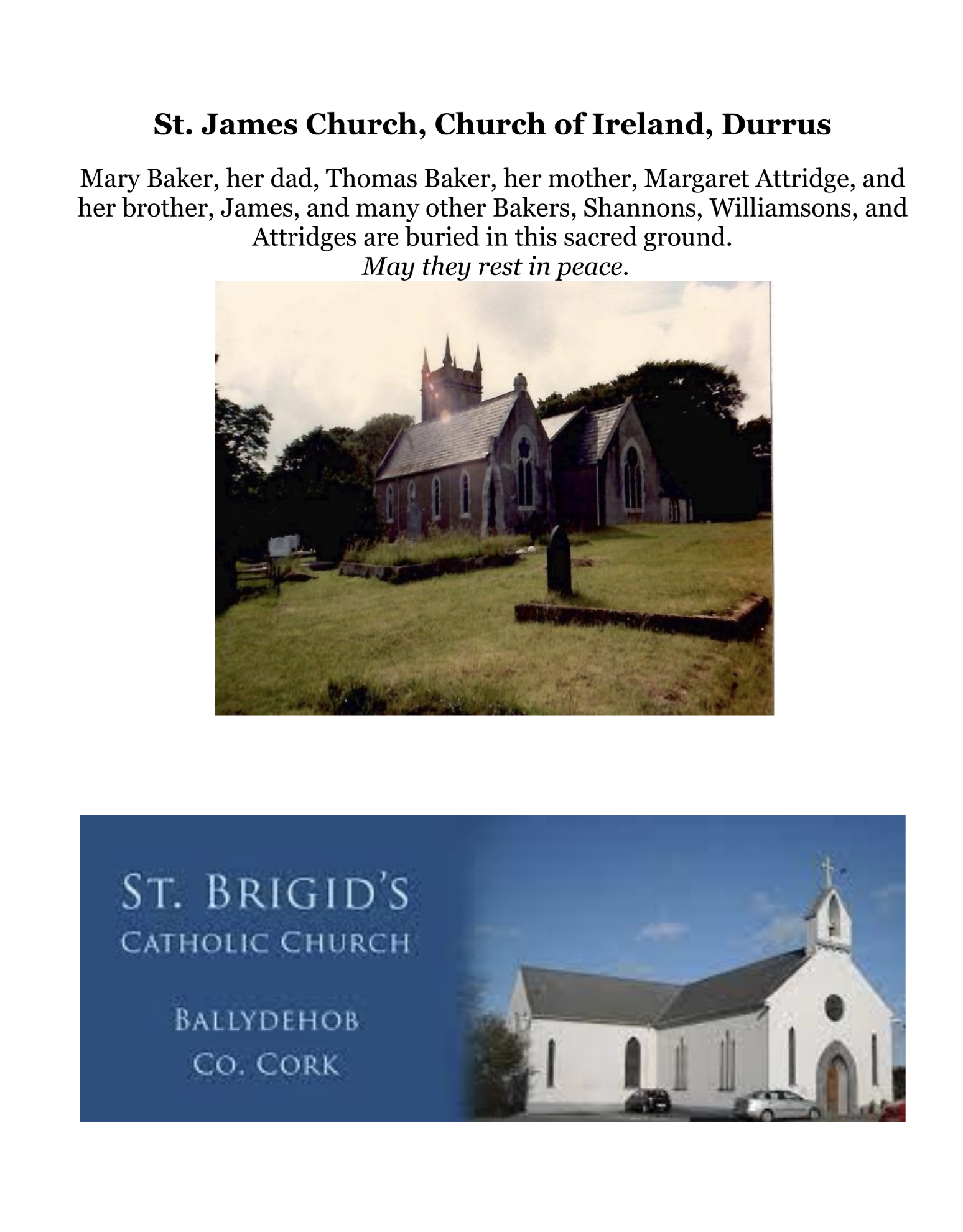
8 St. James Church, Church of Ireland, Durrus Mary Baker, her dad, Thomas Baker, her mother, Margaret Attridge, and her brother, James, and many other Bakers, Shannons, Williamsons, and
Attridges are buried in this sacred ground.
May they rest in peace.
9
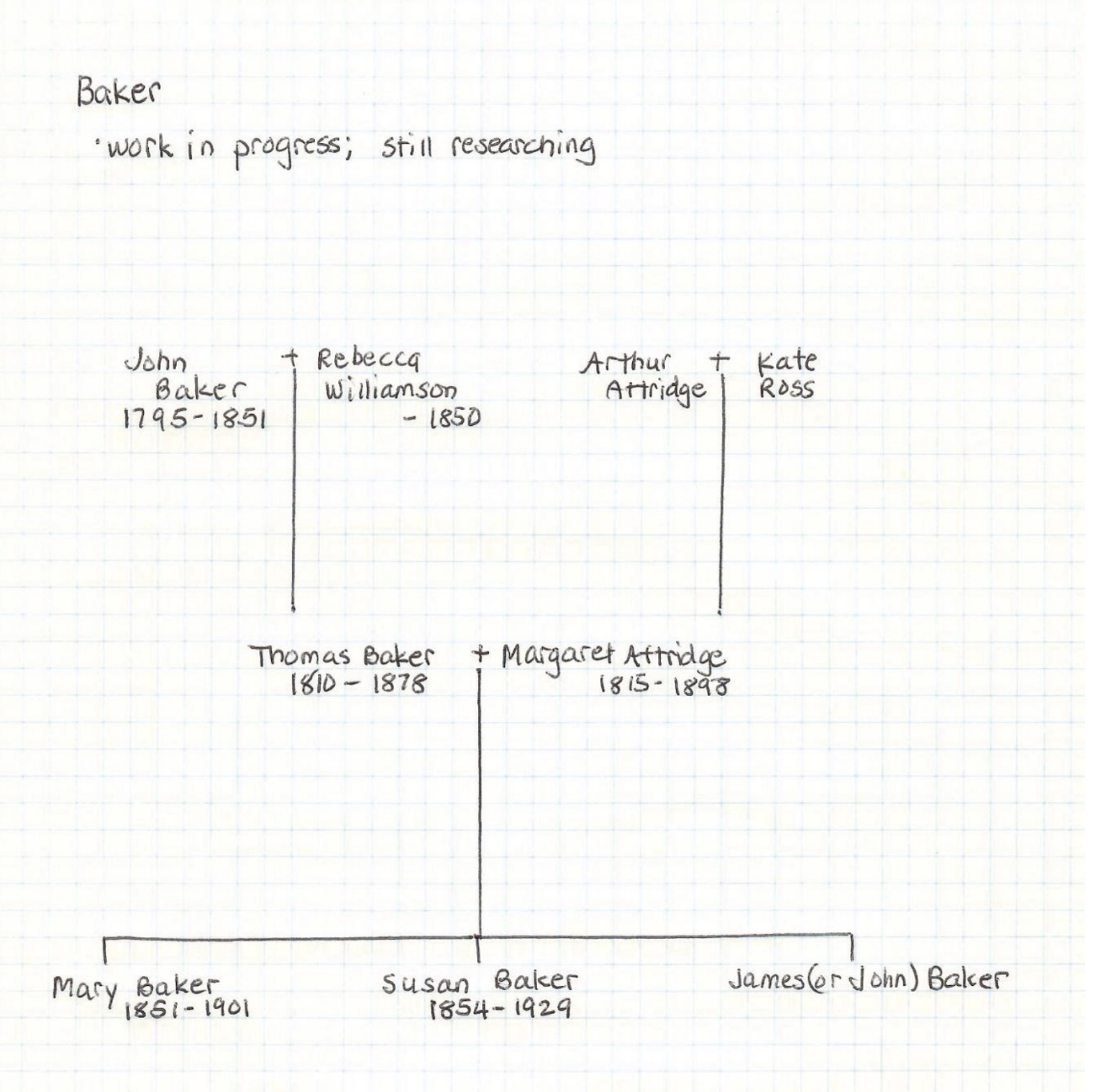
Who are the siblings of Thomas Baker, Susan Baker and Daniel McCarthy?
Thomas Baker 1810-1878 Richard Baker 1803 – ?? Samuel Baker 1808- 1879 lived at Rooska Sarah Baker 1820 – 1907 Susan Baker 1854 – 1929 James (or John) Baker 1847 -1864 believed to have died at age 17 Mary Baker 1851 – 1931 m. James Shannon Daniel McCarthy 1846 – 1910 Thomas McCarthy 1841 – ? single Elizabeth McCarthy 1843 – died young Kate McCarthy 1852- 1891 m. Ned Roycroft Ellen McCarthy 1852 – 1891 m. Maurice O’Keefe Charles McCarthy 1854 – ? Catherine Sullivan Mary McCarthy 1858- 1948 m. Mike Sullivan
McCarthy – Baker Trivia Susan Baker had 16 children; her sister, Mary, had 14 Total = 30 How many grandchildren did they have together? 84 How many of Susan’s children stayed in Ireland ? 7 How many of Mary’s children stayed in Ireland ? 5
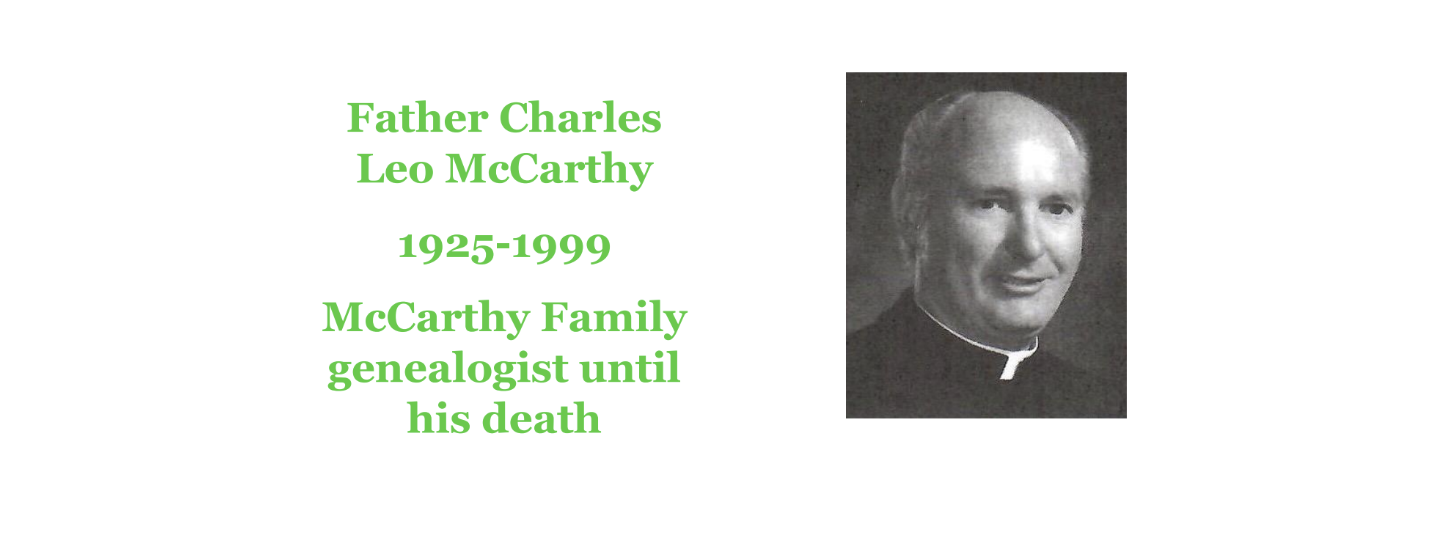
Father Charles Leo McCarthy 1925-1999 McCarthy Family genealogist until his death
10
The Marriage of Mary Baker and James Shannon
Notice:
They were married in 1869, just after civil registration was created
The witnesses, Thomas Baker and John Shannon were the bride and groom’s fathers – common practice in those days
The Shannons were from the townland of Brahalish, just across the road from Rossmore. Normal in those days to not go far to find a spouse.
James was 26, Mary was 18 – not particularly young for the times! While the legal minimum age for marriage was 14 for boys and 12 for girls, the average age at first marriage was significantly higher, according to the Law Reform Commission of the United Kingdom.
11
Family Pictures
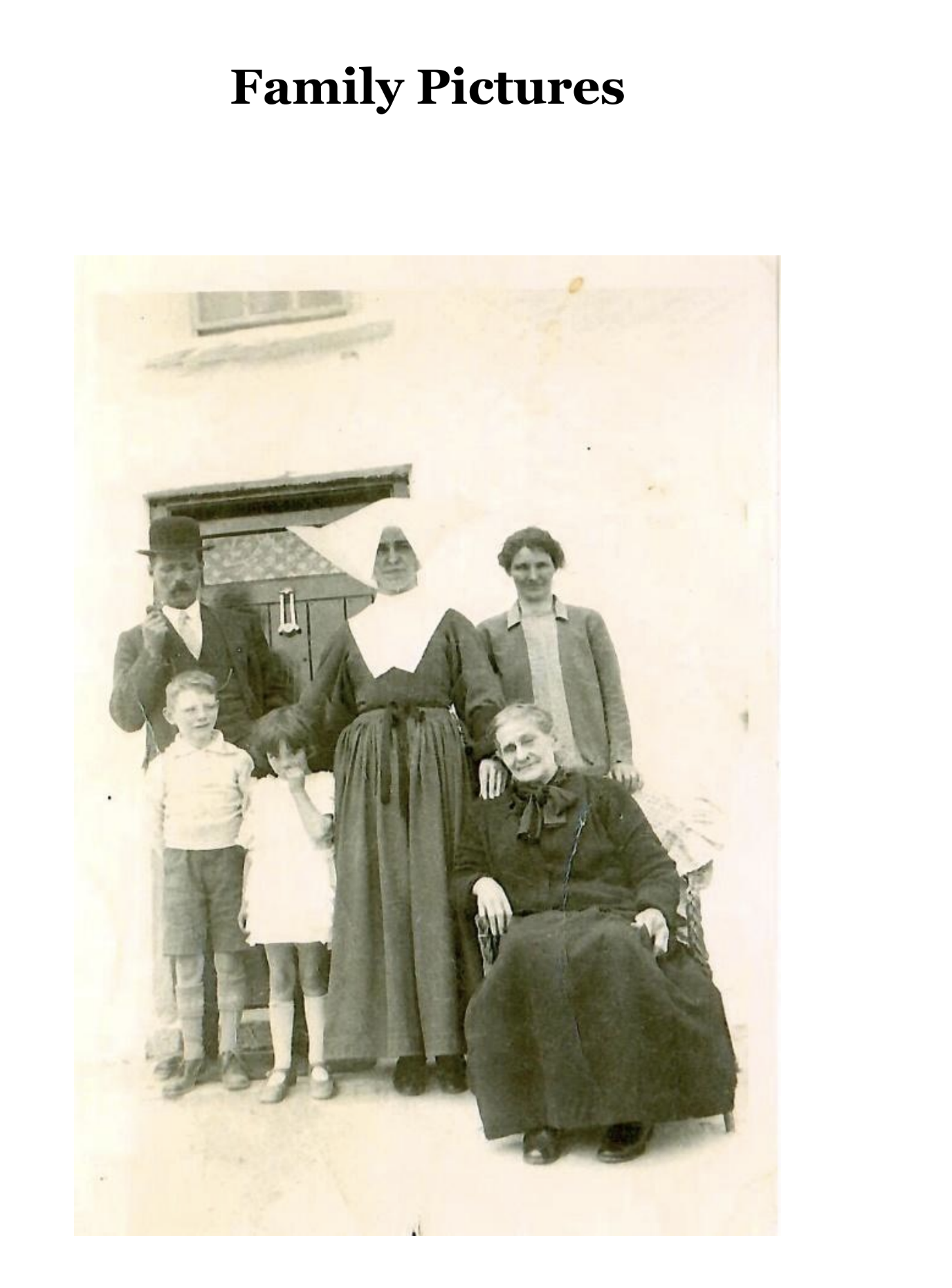
Children: Dannie 1917-1977 and Kathleen (Kitty Dan F.) 1922-1992 Adults: Dan F. McCarthy, Catherine (Sister Magdalene DC) McCarthy, Kathleen (Nurse) Keehan McCarthy, Susan Baker McCarthy.
Dereenlomane c. 1928 or 1929
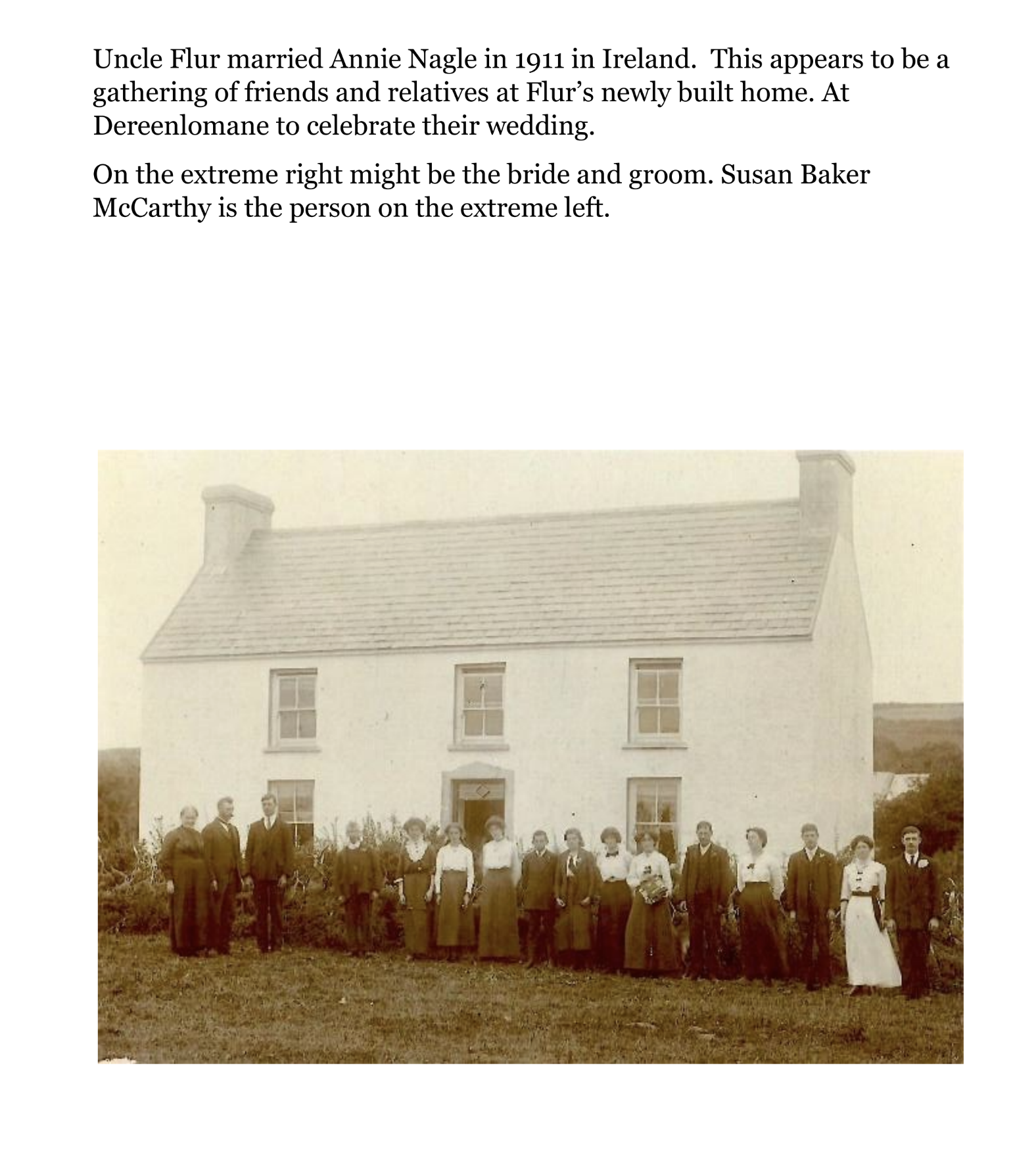
12 Uncle Flur married Annie Nagle in 1911 in Ireland. This appears to be a gathering of friends and relatives at Flur’s newly built home. At Dereenlomane to celebrate their wedding. On the extreme right might be the bride and groom. Susan Baker McCarthy is the person on the extreme left.
13
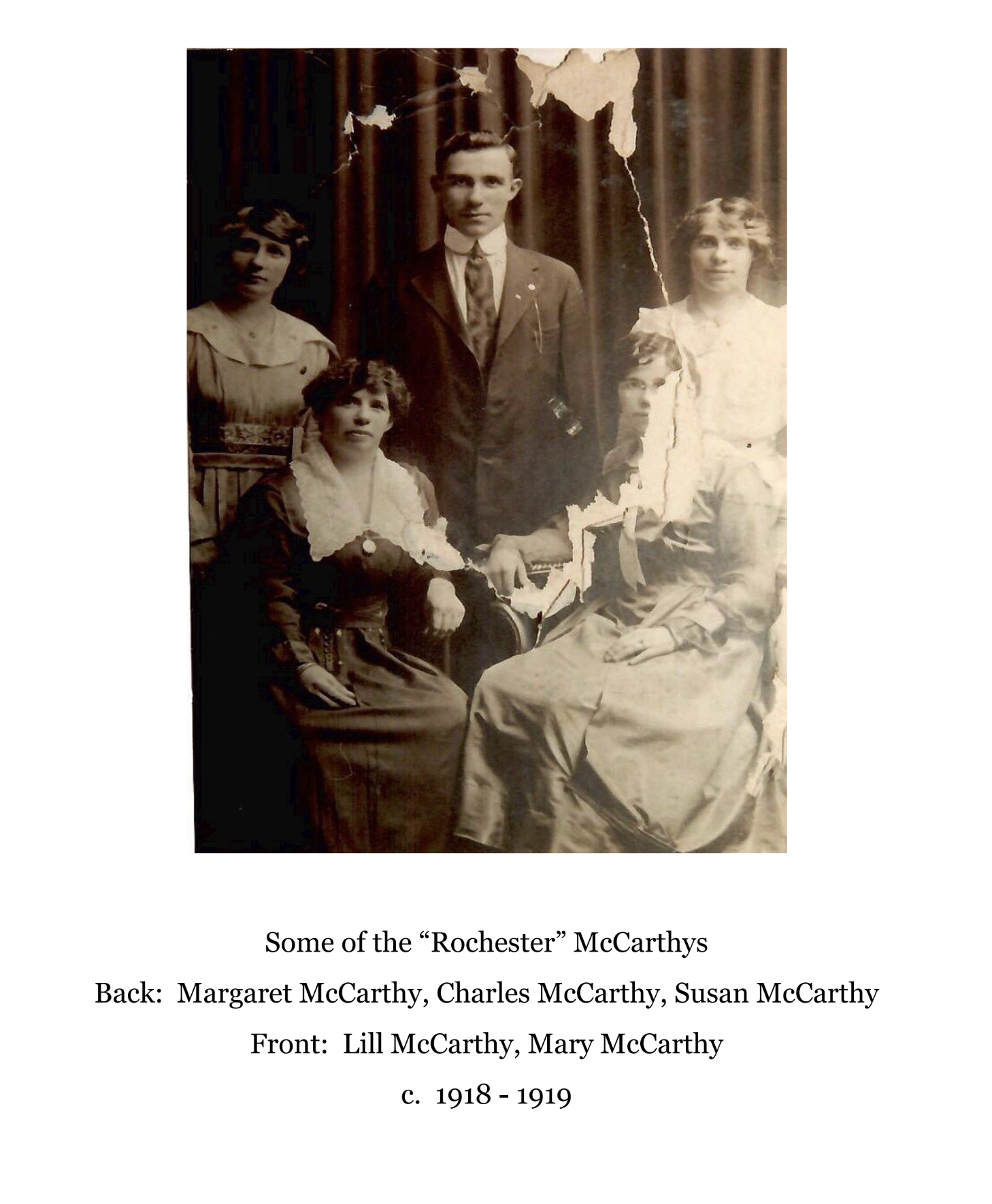
Some of the “Rochester” McCarthys
Back: Margaret McCarthy, Charles McCarthy, Susan McCarthy
Front: Lill McCarthy, Mary McCarthy
c. 1918 – 1919
14
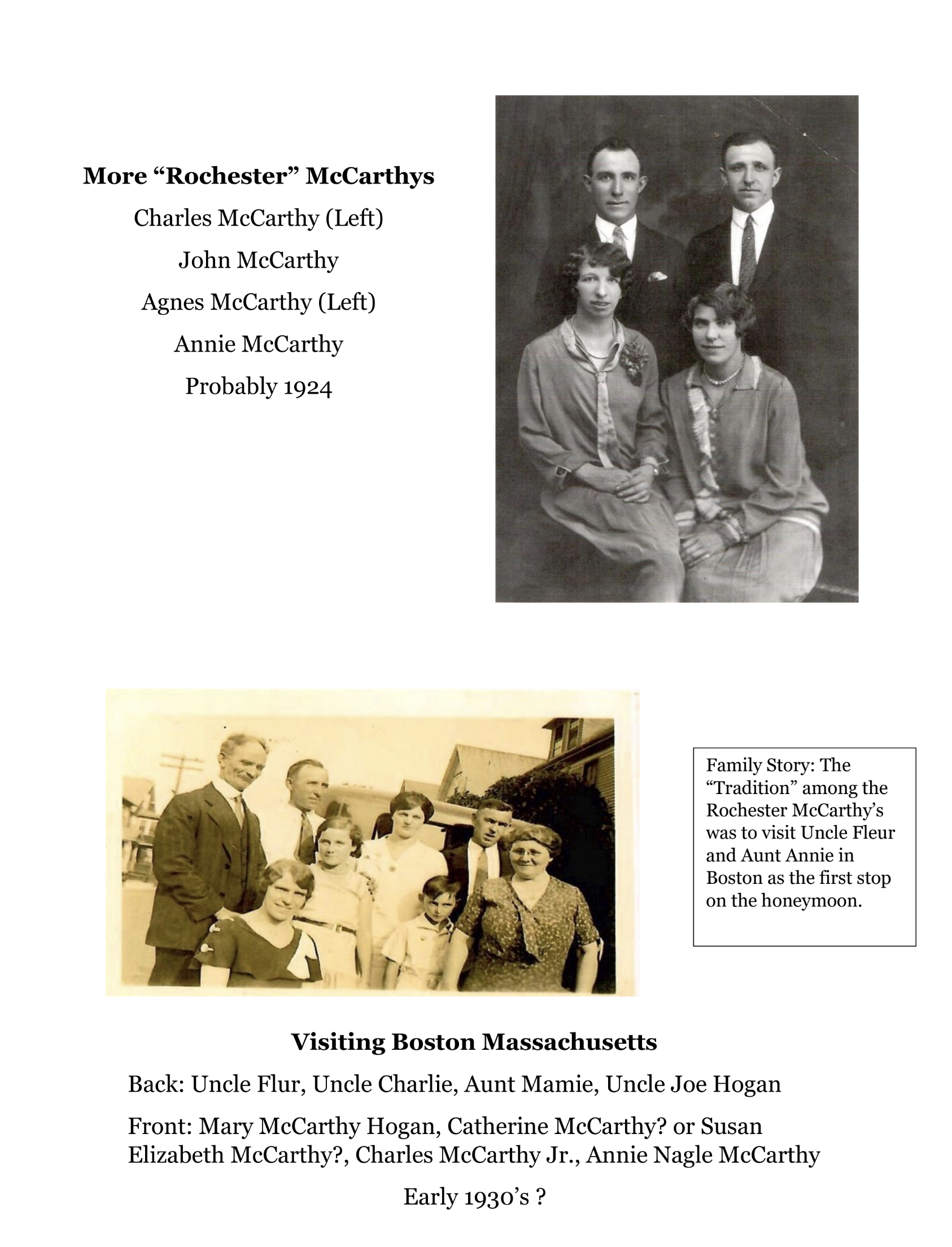
More “Rochester” McCarthys Charles McCarthy (Left) John McCarthy Agnes McCarthy (Left) Annie McCarthy Probably 1924
Visiting Boston Massachusetts
Back: Uncle Flur, Uncle Charlie, Aunt Mamie, Uncle Joe Hogan Front: Mary McCarthy Hogan, Catherine McCarthy? or Susan Elizabeth McCarthy?, Charles McCarthy Jr., Annie Nagle McCarthy
Early 1930’s ?
Family Story: The “Tradition” among the Rochester McCarthy’s was to visit Uncle Fleur and Aunt Annie in Boston as the first stop on the honeymoon.
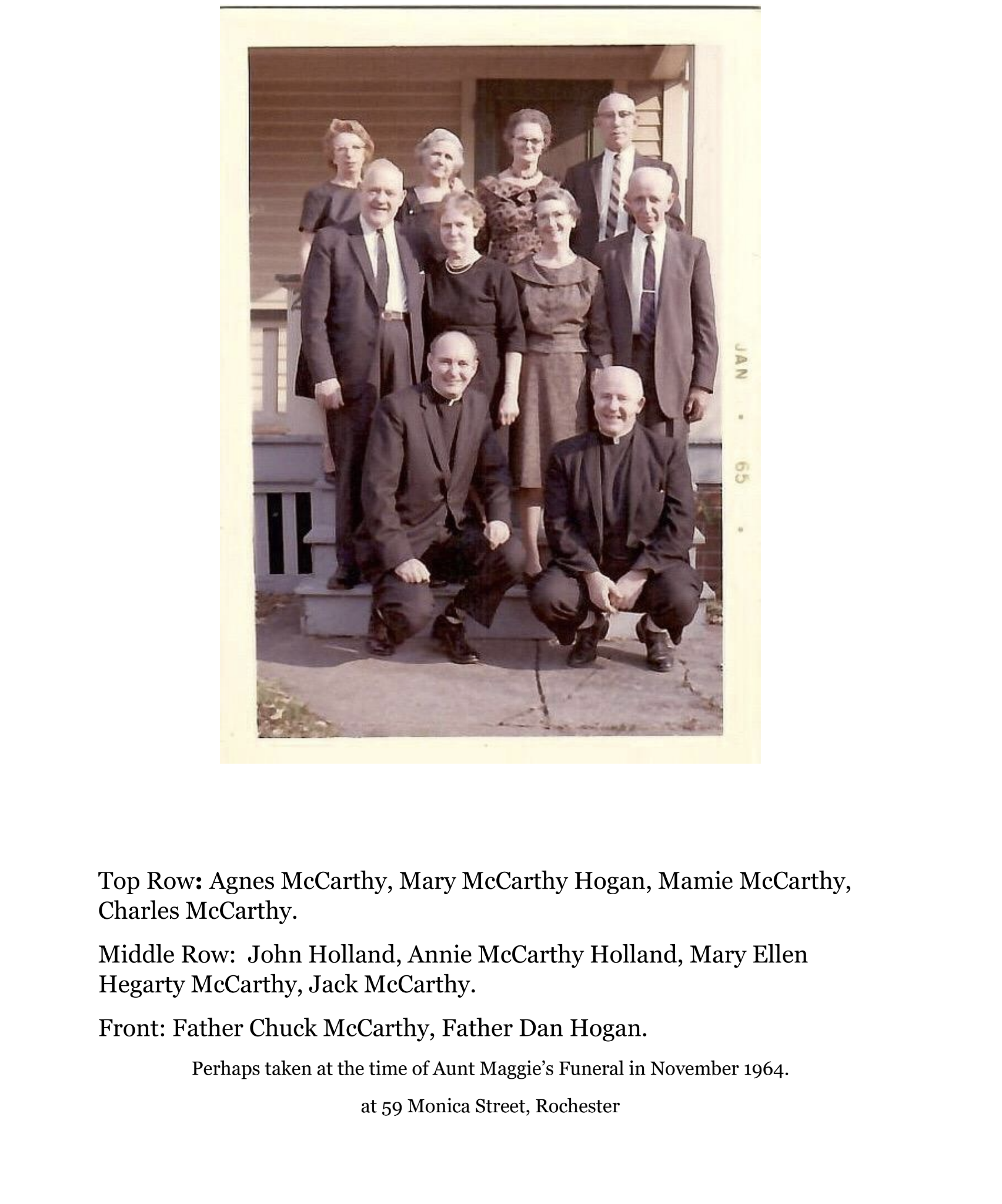
15 Top Row: Agnes McCarthy, Mary McCarthy Hogan, Mamie McCarthy, Charles McCarthy. Middle Row: John Holland, Annie McCarthy Holland, Mary Ellen Hegarty McCarthy, Jack McCarthy. Front: Father Chuck McCarthy, Father Dan Hogan.
Perhaps taken at the time of Aunt Maggie’s Funeral in November 1964.
at 59 Monica Street, Rochester
16
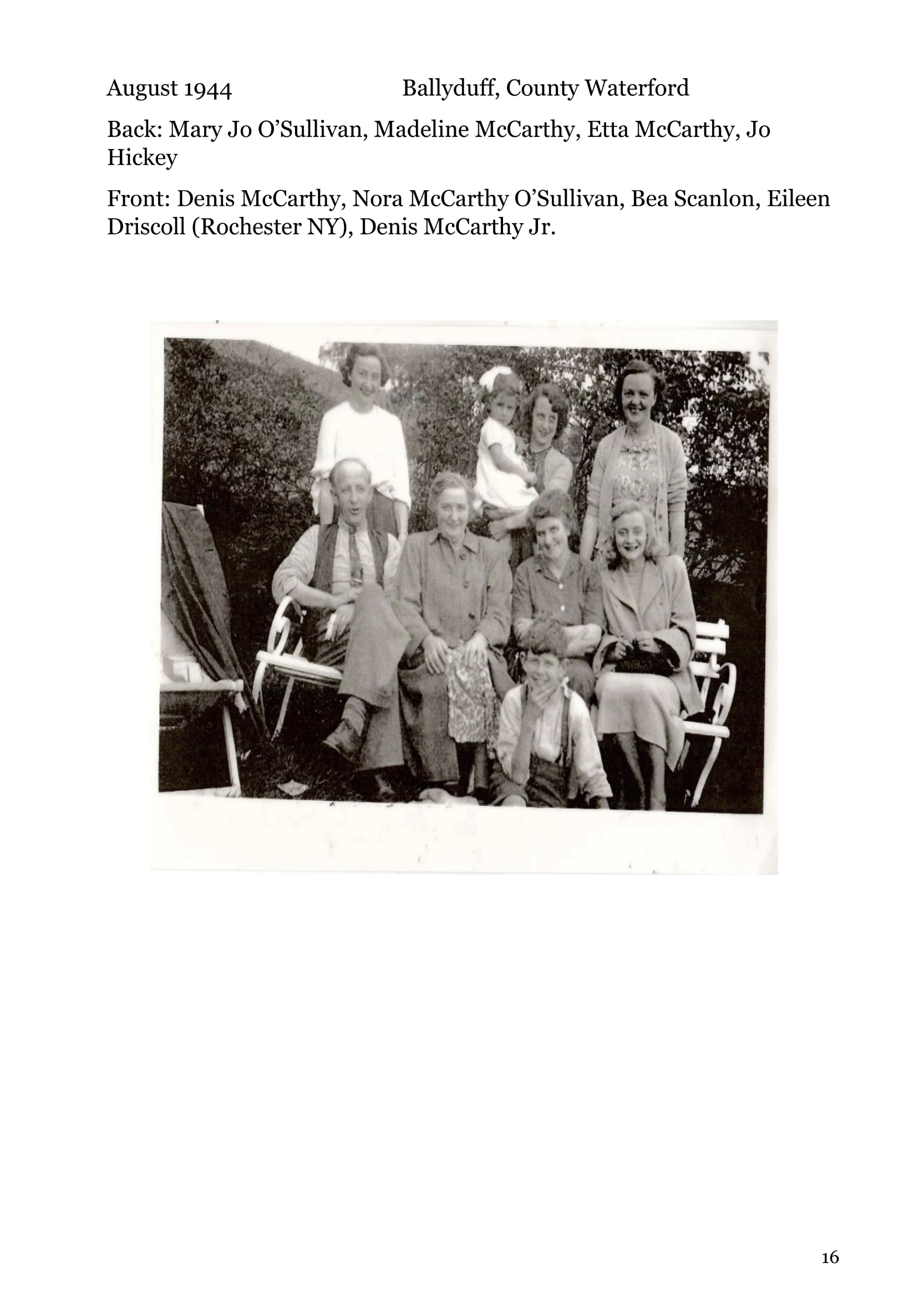
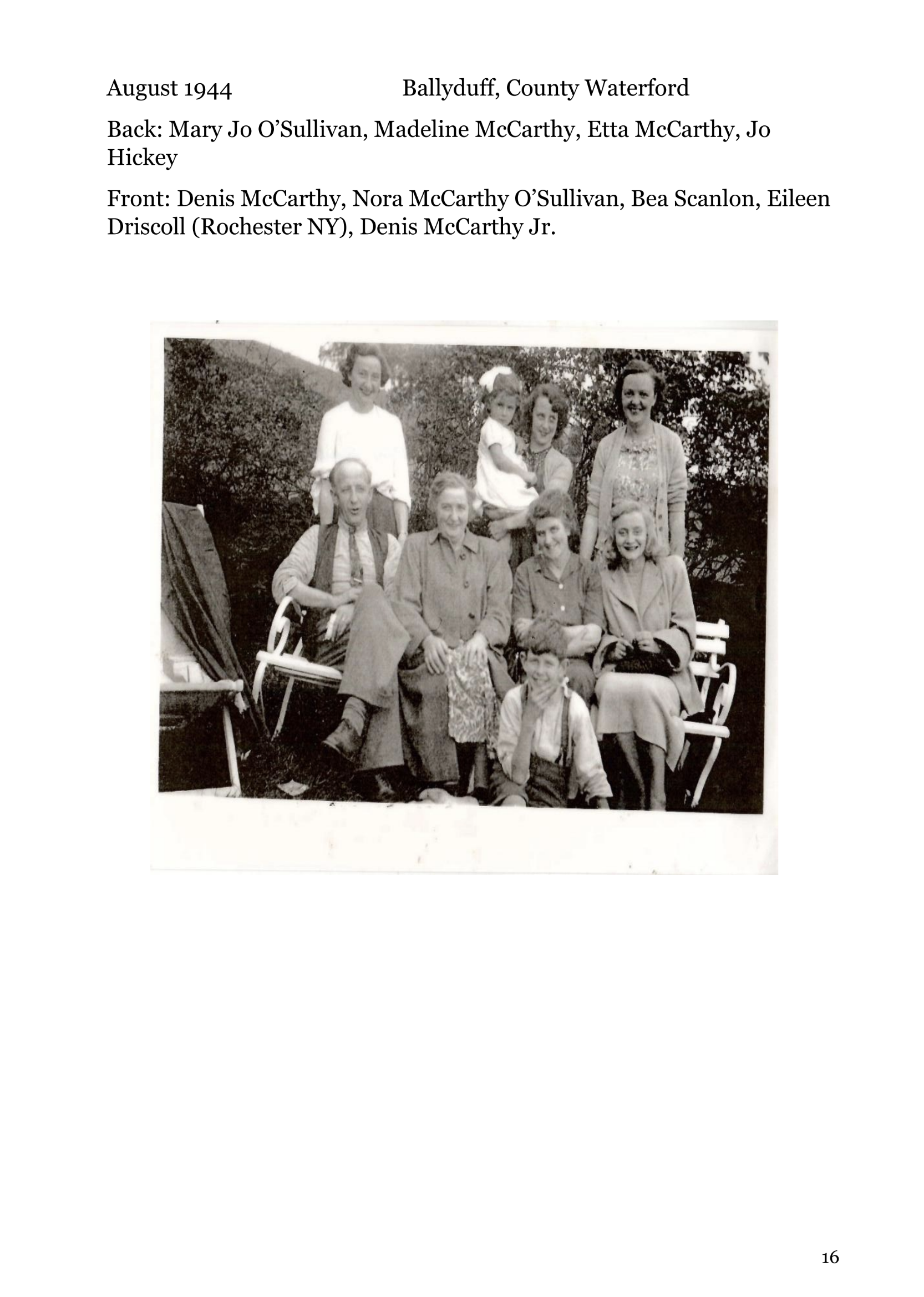
August 1944 Ballyduff, County Waterford Back: Mary Jo O’Sullivan, Madeline McCarthy, Etta McCarthy, Jo Hickey Front: Denis McCarthy, Nora McCarthy O’Sullivan, Bea Scanlon, Eileen Driscoll (Rochester NY), Denis McCarthy Jr.
17 June 1915
Wedding of Nellie McCarthy (right) and John Driscoll
(seated)
Witnesses: Margaret McCarthy Eugene Driscoll
Blessed Sacrament Church, Rochester NY
18
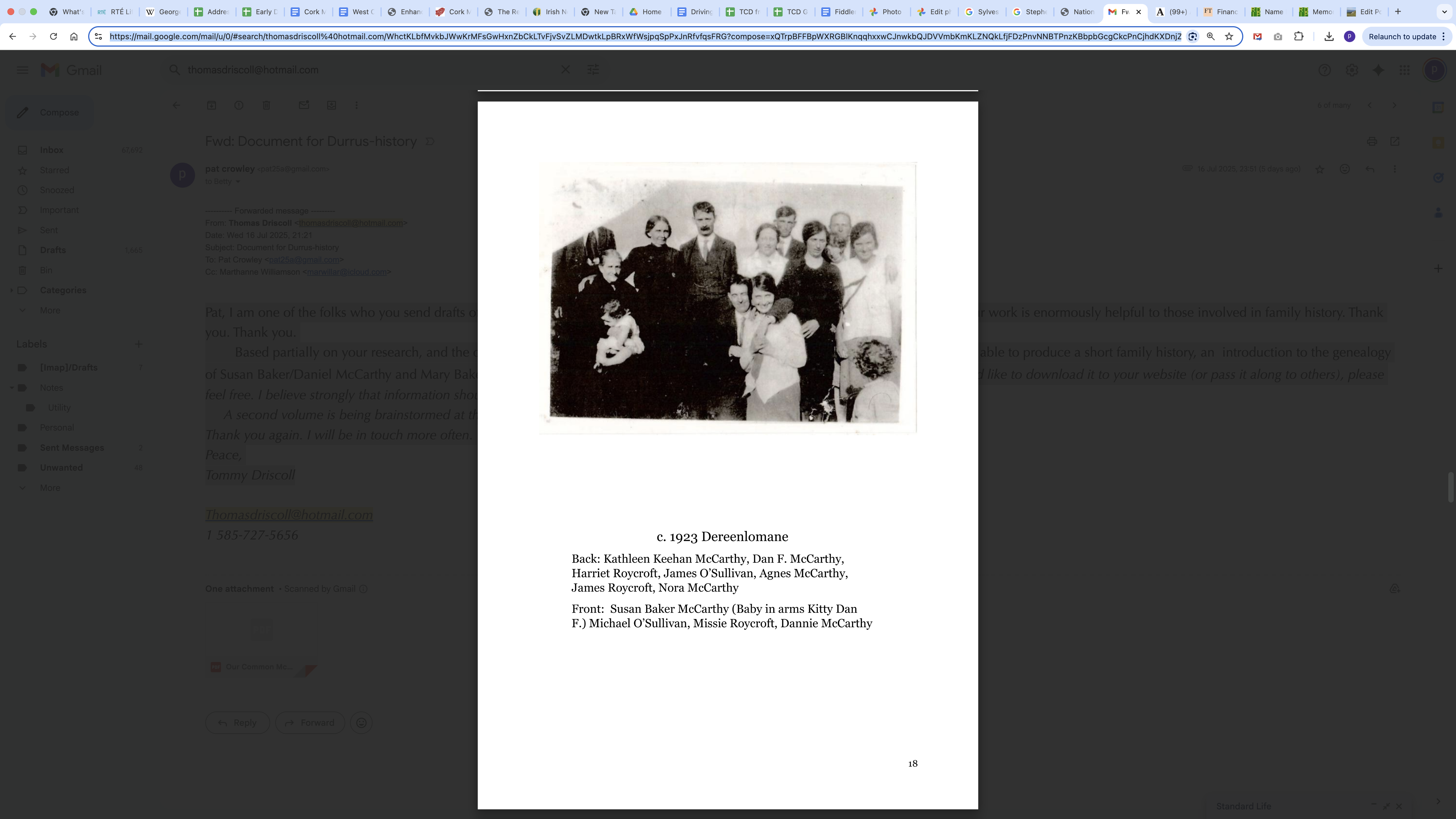
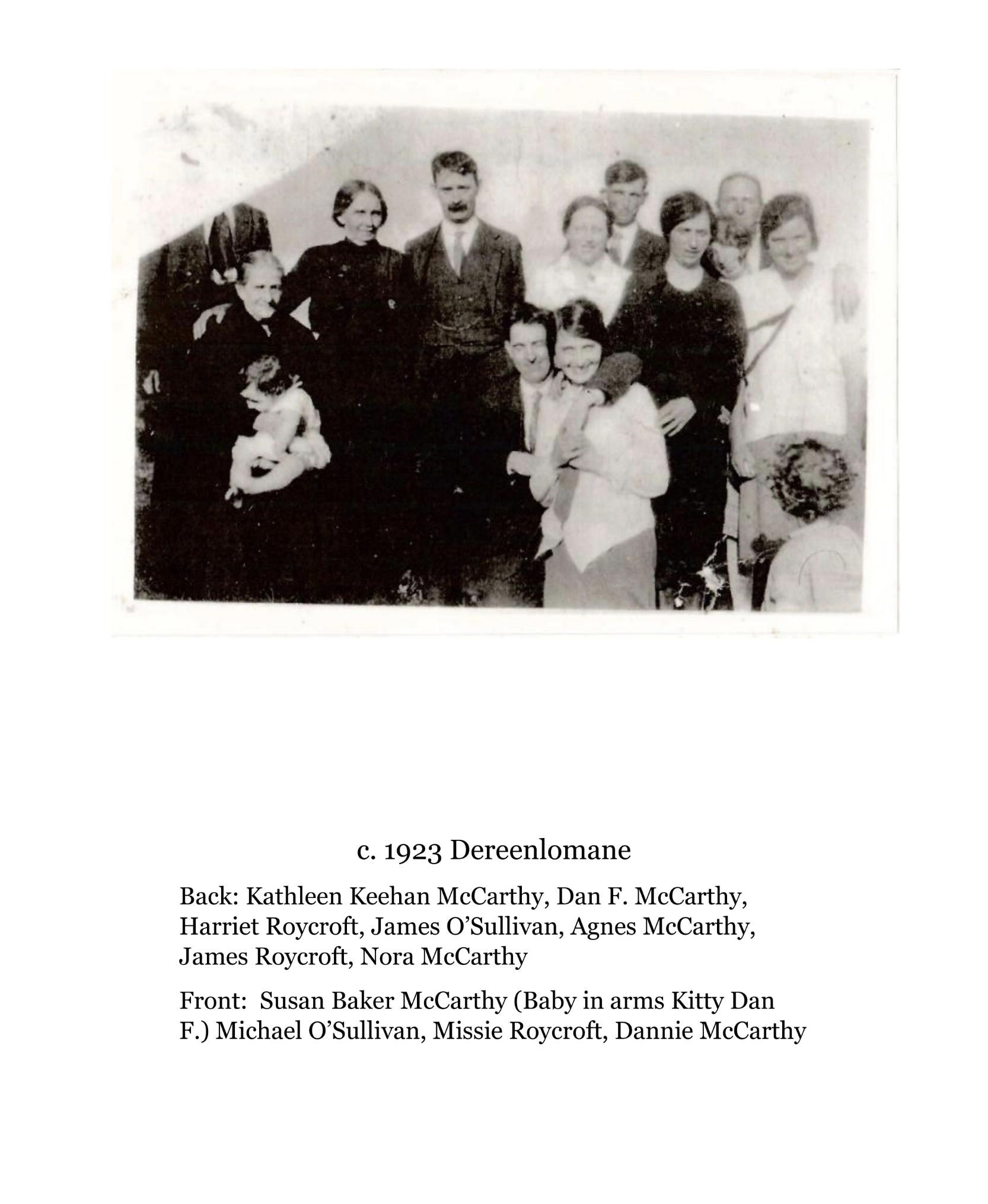
c. 1923 Dereenlomane
Back: Kathleen Keehan McCarthy, Dan F. McCarthy, Harriet Roycroft, James O’Sullivan, Agnes McCarthy, James Roycroft, Nora McCarthy Front: Susan Baker McCarthy (Baby in arms Kitty Dan F.) Michael O’Sullivan, Missie Roycroft, Dannie McCarthy
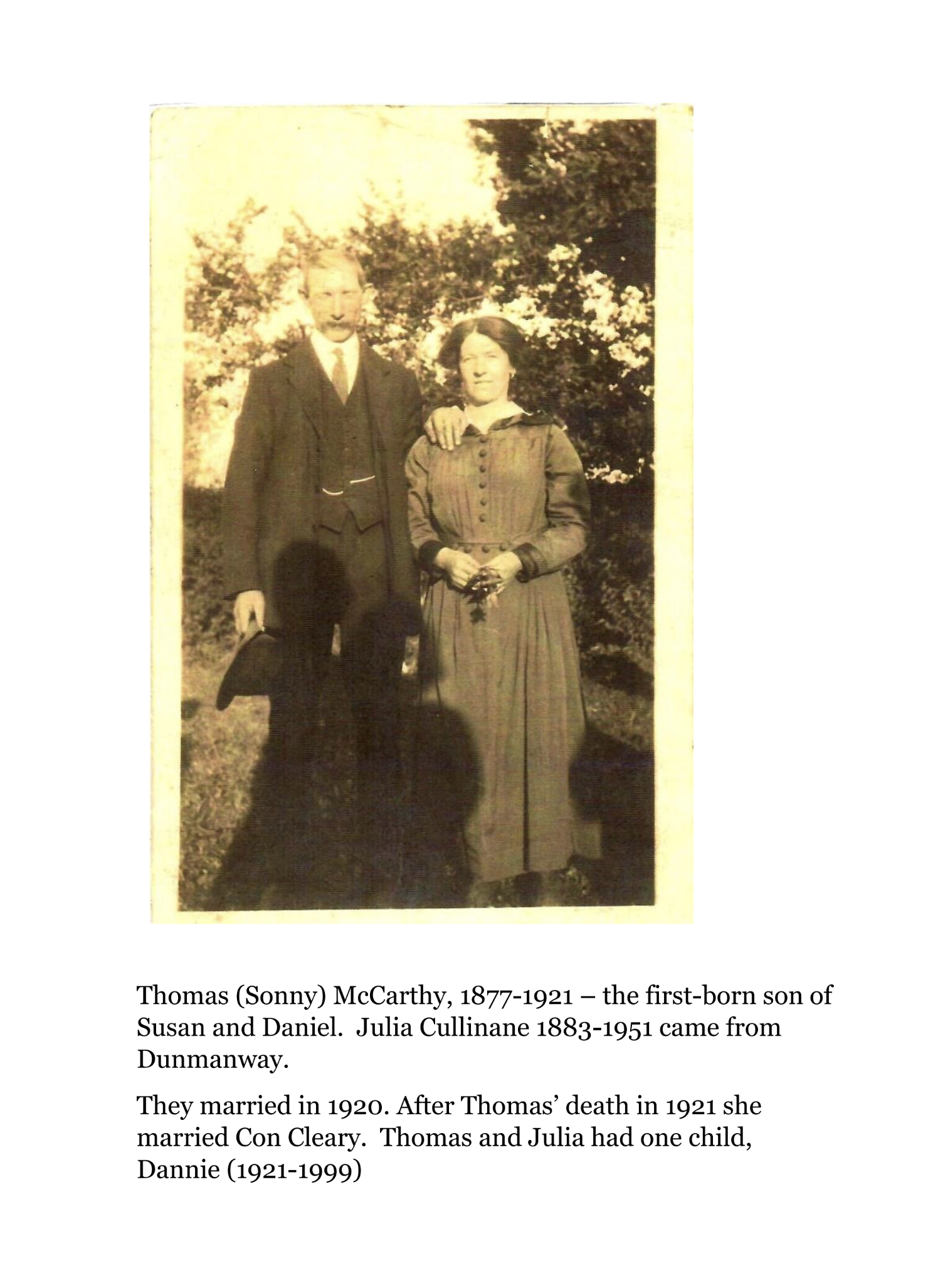
19 Thomas (Sonny) McCarthy, 1877-1921 – the first-born son of Susan and Daniel. Julia Cullinane 1883-1951 came from Dunmanway. They married in 1920. After Thomas’ death in 1921 she married Con Cleary. Thomas and Julia had one child, Dannie (1921-1999)
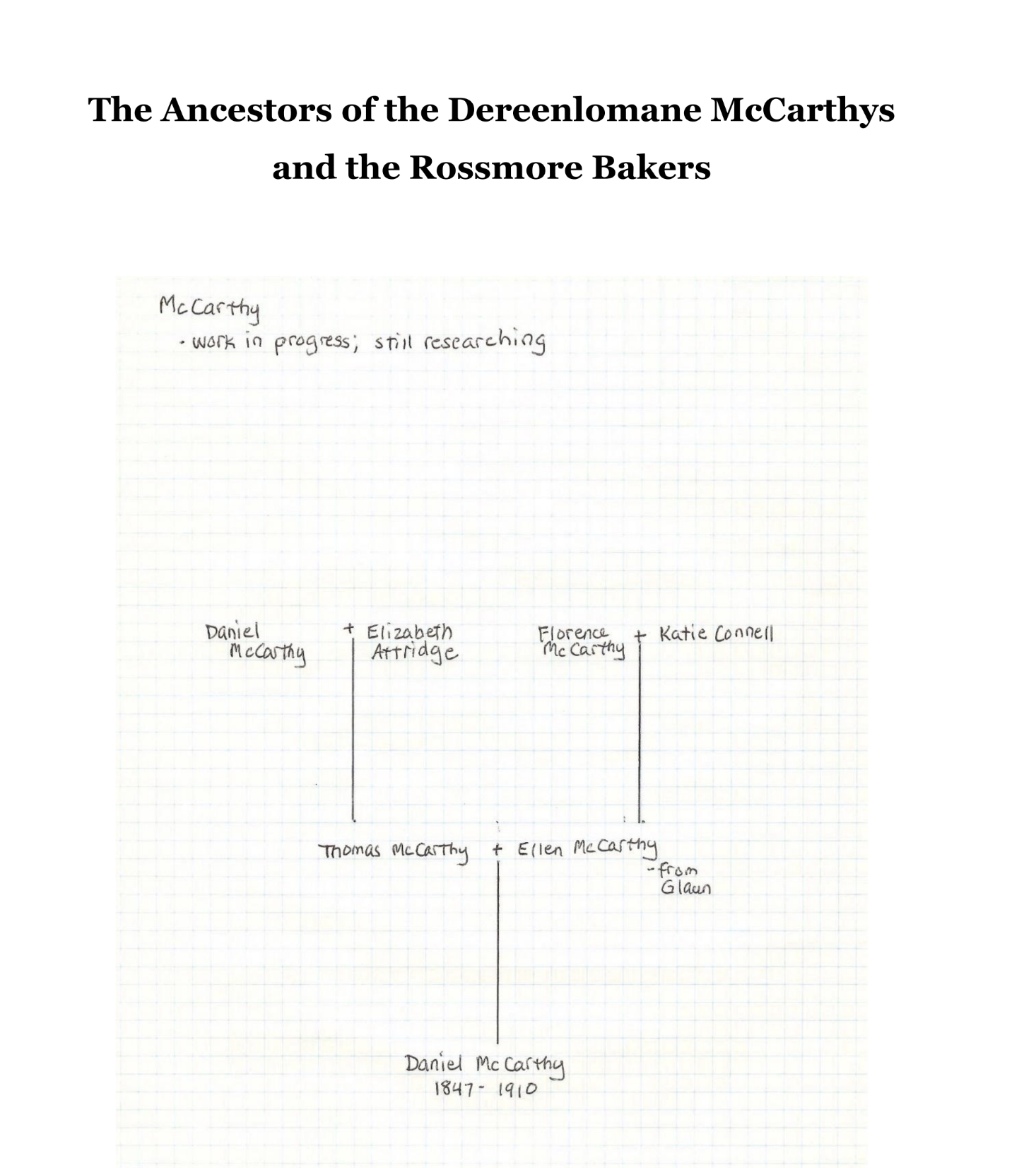
20 The Ancestors of the Dereenlomane McCarthys
and the Rossmore Bakers
21
22
A Vital Village for us: Ballydehob
Irish: Beal an Da Chab, “mouth of the two river fords”, is a coastal village in the southwest of County Cork. During the Bronze Age (2200-600 BCE) copper was mined on Mount Gabriel, just west of the village. About the same time, stone circles, wedge and boulder tombs were constructed in the area. The Celts arrived some time later in the early historic period. Various clanns fought for dominance, until the eventual emergence of the McCarthys and the O’Mahonys as the rulers of the region. A string of castles was built along the coastline. Kilcoe Castle was the most westerly stronghold and their only coastal foothold. It has been renovated and rebuilt by owner, actor Jeremy Irons. Irish Actress, Saoirse Ronan, has a family homestead in Foilnamuck very near Ballydehob on Roaring Water Bay From: Wikipedia
23
Mt. Gabriel: A West Cork Legend
Long ago the devil was flying over Mount Gabriel and he was flying so low that he hit his wing against a rock. He got so cross that he took a bite out of the rock. When he had gone eight or nine miles from Mount Gabriel, he left the rock fall into the sea. The rock was so large that a part of it remained over the water and it is on that rock the lighthouse is built on now and it is known as the Fastnet Rock. There is a large lake where he took the bite and the water in that lake is of a black colour. From The Roaringwater Journal, Jan. 2021.
Genocidal Famine In the first house I entered there as a lying in fever and wife and a child sitting up. There was a can of water near the bed: four of the family had died. The sick people said they had eaten nothing and expected nothing that day. F.F. Trench, “Famine in Schull” in Realities of Irish Life. Wm Stewart, 1868
Genocidal Famine In the first house I entered there as lying in fever and a wife and a child
sitting up.
There was a can of water near the bed: four of the family had died. The sick said they had died. The sick people said they had eaten nothing and expected nothing that day. F.F. Trench, “Famine in Schull” in Realities of Irish Life. Wm. Stewart
1868
24
On the Farmlands: The Rundale System According to the evidence, the civil parishes of Kilmoe and Schull practiced a modified form of the ancient Gaelic system of “rundale.” Under this system, the land was held communally by the cineadh, the extended family which roughly consisted of all those with a common great grandfather. The rundale system of agriculture consisted of nucleated villages known as clachans. All the sheep or cattle of the village were grazed together to alleviate pressure on growing crops, providing fresh pasture for livestock. The land was a complex mixture of arable, rough and bogland. The extended family lived in the clachan, a cluster of huts which included an “infield” of tillage plots and an “outfield” of pasturage. The infield was re-distributed after a death or an emigration.
How did this system affect agricultural productivity? The rundale system was designed to ensure equitable distribution of land and resources. It allowed for a sustainable approach to farming by matching the land allocated to the productive capacity of the livestock a family owned. What is the historical significance of the Rundale system? Rundale is significant as it represents a communal approach to land management and agriculture, contrasting with the individualistic methods introduced during the English colonization. Source: Wikipedia “Rundale” Our ancestors in Rossmore and Dereenlomane surely shared in the rundale
25
OUR ANCESTORAL TOWNLANDS
Dereenlomane
944 acres. Doirin na Loman “Little oakwood of the bare patches or the bare tree-trunks.” At the northside of Mt. Corin – Meall Cairn, a heap of stones probably used as a landmark. At the east-side is a disused cillin burial ground, a burial ground in which at one time there was a church or Mass-house. From Parish Histories Place Names of West Cork by Bruno O’Donoghue, 1985
26
Barytes Mine
This was originally worked as a copper mine by the Rev. Traill of Schull assisted by Captain William Thomas in 1840; they sold 19 tones of copper. They discovered barytes or barium sulphate, a heavy white mineral used for paint and paper-making for which in the 1850’s there was a limited market. An early use was by Josiah Wedgewood in the making of pottery. The material was washed, dried, crushed and milled. It was then produced as barytes flour, packed into bags and sent to an island jetty in Dunmanus Bay by an aerial ropeway 1.23 miles long. Source: http://www.durrus-history.com
27
Rossmore
310 acres. Ros Mor – Large promontory. On the sea-coast are remains of Rossmore Castle of the O’Mahonys. It later belonged to the Clan Muclagh McCarthys. A slate quarry was worked near the coast. Off the coast are Mannion’s Islands Large (4 acres) and Small (1 acre) – Oileain Ui Mhainchin. From Parish Histories Place Names of West Cork by Bruno O’Donoghue, 1985
The ”later” Shannon/Baker house at Rossmore
Photos taken in 1985
The oldest building on the Baker – Shannon property at Rossmore,
28
“MCCARTHY CASTLE ROSSMORE, (IRISH: ROS MOR, MEANING ‘LARGE COPSE OR LARGE PROMONTORY’), DURRUS, WEST CORK, WITH DEEP WATER ANCHORAGE OPPOSITE.
Susan Baker came from the townland of Rossmore very near the village of Durrus, at the end of Dunmanus Bay. The Baker homestead originally was a fisherman’s cottage. Our ancestors walked over or around Corin on the way to Rossmore to spend Sundays with the Shannon/Baker relatives.
The farm yard nearby was in the Baker family and in the 19th century became Shannon by marriage. The Bakers are probably in the area since the 1600s possibly in connection with fishing. The farmyard ‘on the water’ was originally a thatched fisherman’s cottage later raised and lengthened. The adjoining farm is Hegartys, originally Attridges, related to Hegartys by marriage. Location of Rossmore Castle in ruins, former McCarthy (sometimes ascribed to O’Mahony) tower house and location of a former slate quarry. In the field west of Attridges off the road there is believed to be a famine graveyard as told to Nancy Dukelow by her father Tom. This may be in fact the graveyard marked ‘cillín’ on the ordnance survey map to the east of Attridges in Jimmy Hegarty’s yard which David Shannon of
Rossmore says may also have been the site of an old church or a pre- workhouse refuge for destitute people.
During World War II the German U-Boats would land at Mannion Island. The sailors would play football on the island in the moonlight and return to the war before daylight. More recently fish farms have been developed in Dunmanus Bay raising salmon, oysters, mussels as well as sea urchins and seaweed. Sources: Kitty Dan. F. Keane, and Pat Crowley in Durrus History.
29 Dunmanus Bay – with a view of Mt. Corin
(in the distance on the left)
The remains of an O’Mahony Tower House are well hidden down a little boreen and are to be found right at the seashore gazing down into the expanse of Dunmanus Bay. Not a huge lot remains – a three storeyed wall, some windows, a chimney breast, the remains of a garderobe, a stairwell and a cluster of little outbuildings plus farm house. Probably built in the 14C, the castle seems to have been owned by the McCarthy family who later built themselves a fine modern building at Cúl na Long. This is a wonderful, well- hidden spot at the end of a little boreen. The old tower house has been customised with farm buildings being built on its walls, and tiny windows placed in its original huge ones. The whole area is peppered with little buildings – a farm house right at the water’s edge and a cluster of outbuildings. A resident donkey regarded me with gentle interest. (from durrus-history.com)
30 Back: James O’Sullivan, Kitty Dan F. McCarthy, Frances Roycroft, Ella Moynihan, Father Daniel V. Hogan
Front: Harriet O’Sullivan, Mary McCarthy Hogan, Margaret McCarthy Fennell, Agnes Teresa McCarthy
July 1951
31 Our research into the McCarthy-Baker history has been inspired, encouraged and commissioned by Father Charles Leo McCarthy (1925-1999), a lover of family, collector of connections, conversations, singing and the relations, a gentle soul with a radiant smile. Just weeks before he died, he handed us an envelope of old McCarthy charts, saying “See what you can do with this.” We consider that a divine mission. Ballydehob, from the Skibbereen Road/Bantry Road Intersection c. 1905
Mary Baker Shannon 1851 – 1931 James Shannon 1845 – 1916 Married in 1869 St. James Church, Church of Ireland, Durrus
32
,
.
.
The Connell refrerrd to her may of Huguenot ancestry


 West Cork History