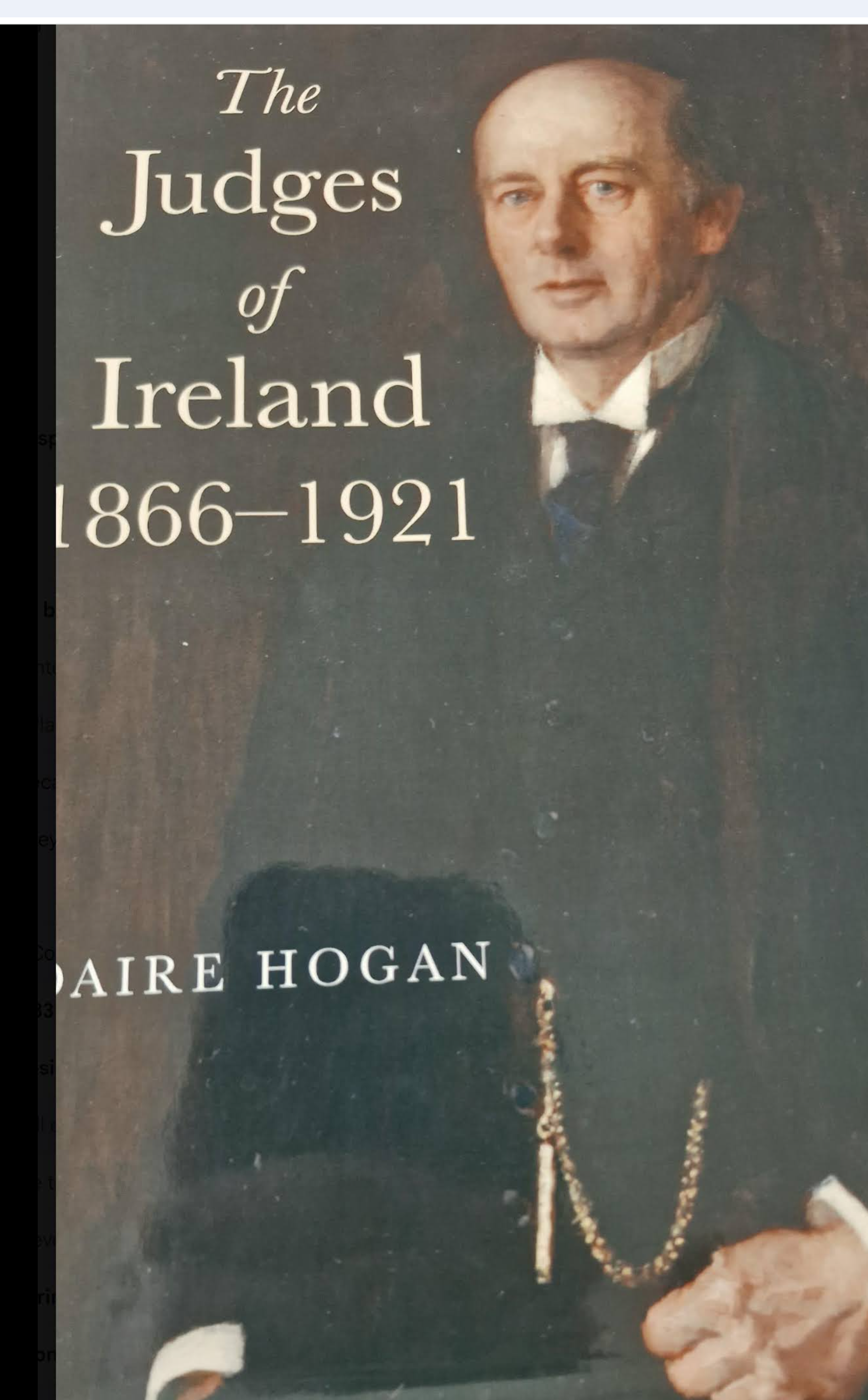
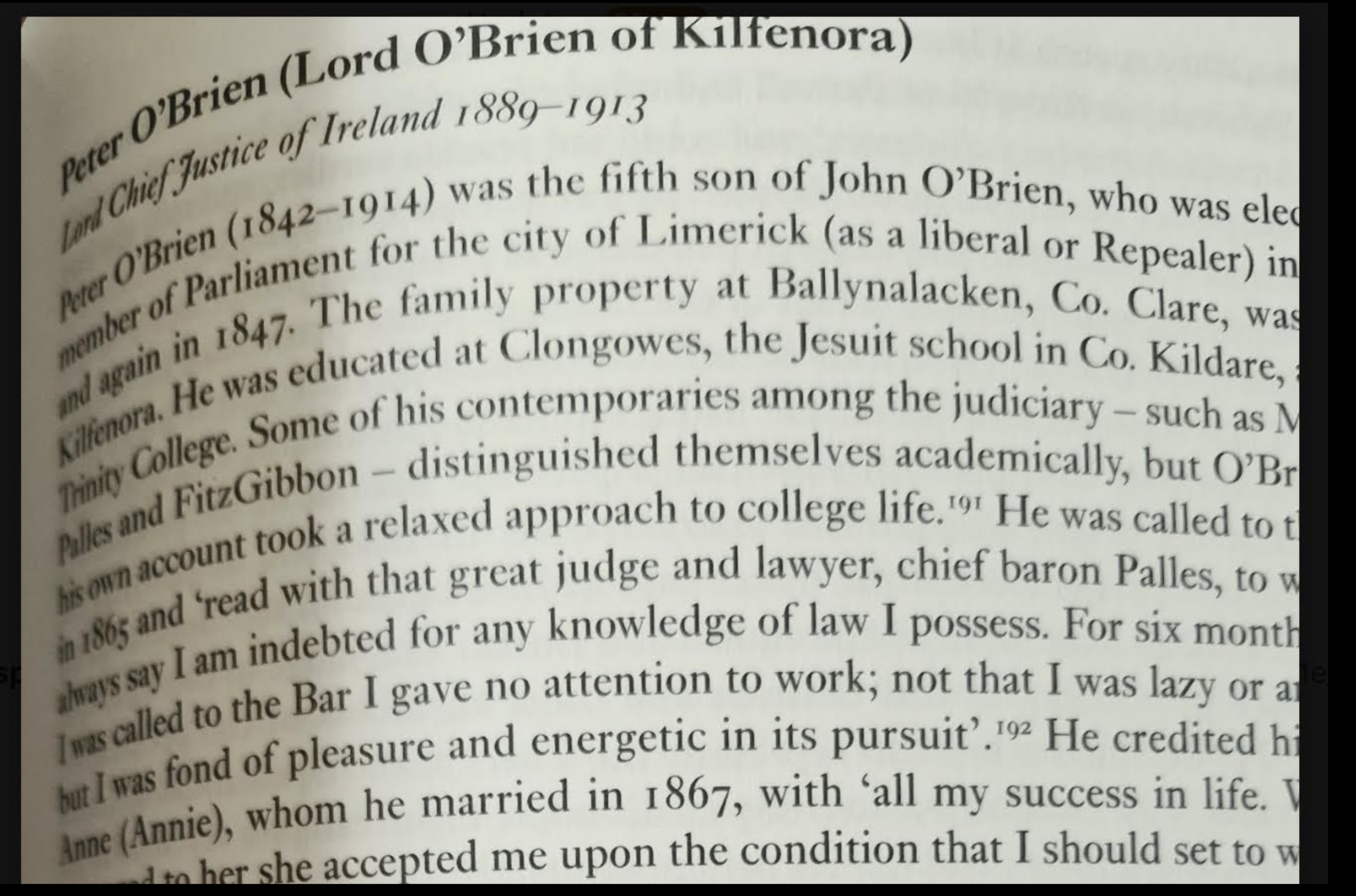
Peter the Packer” (1842–1914): Born Peter O’Brien, he was a prominent Irish lawyer who served as the Attorney-General and later the Lord Chief Justice of Ireland. He earned his notorious nickname during the Land War era of the 1880s due to his aggressive practice of “packing juries” (excluding jurors deemed sympathetic to nationalist or agrarian defendants) to secure convictions.
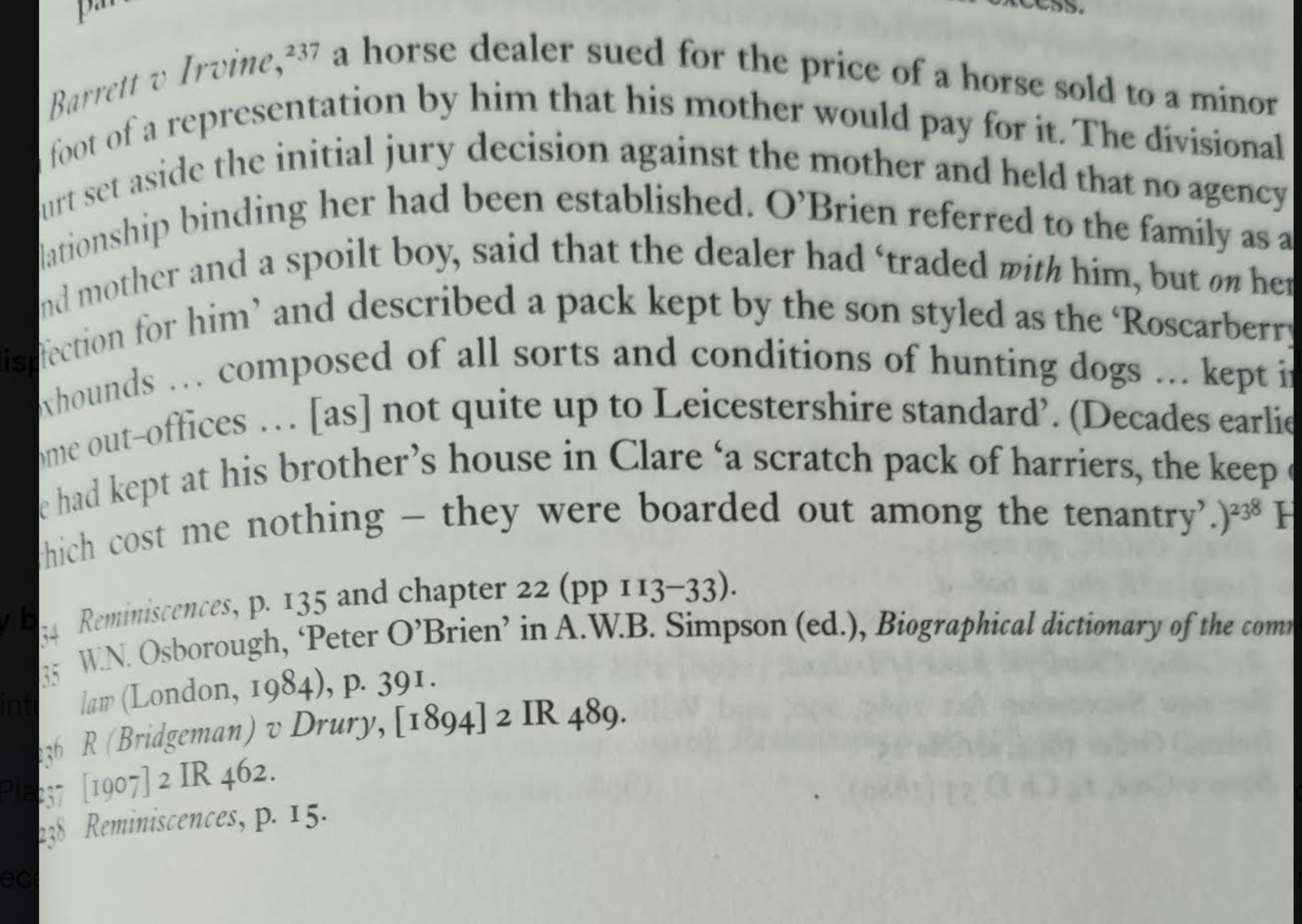
The West Cork Connection: Though born in County Clare, O’Brien was a major figure on the Munster Circuit, frequently handling high-profile legal matters and prosecutions across County Cork. Beyond the courtroom, he was a passionate sportsman and an avid follower of regional hunts.
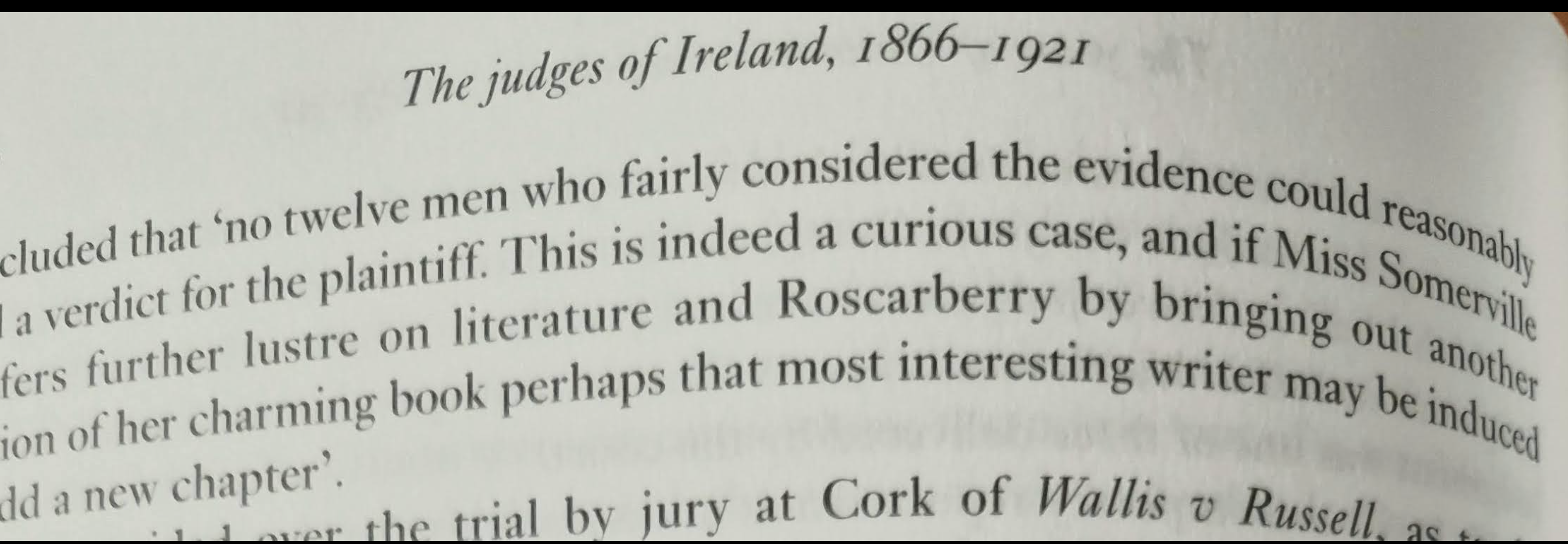
Miss Somerville referred to her part of team Somerville Ross author of the Irish RM series and a noted horsewoman.
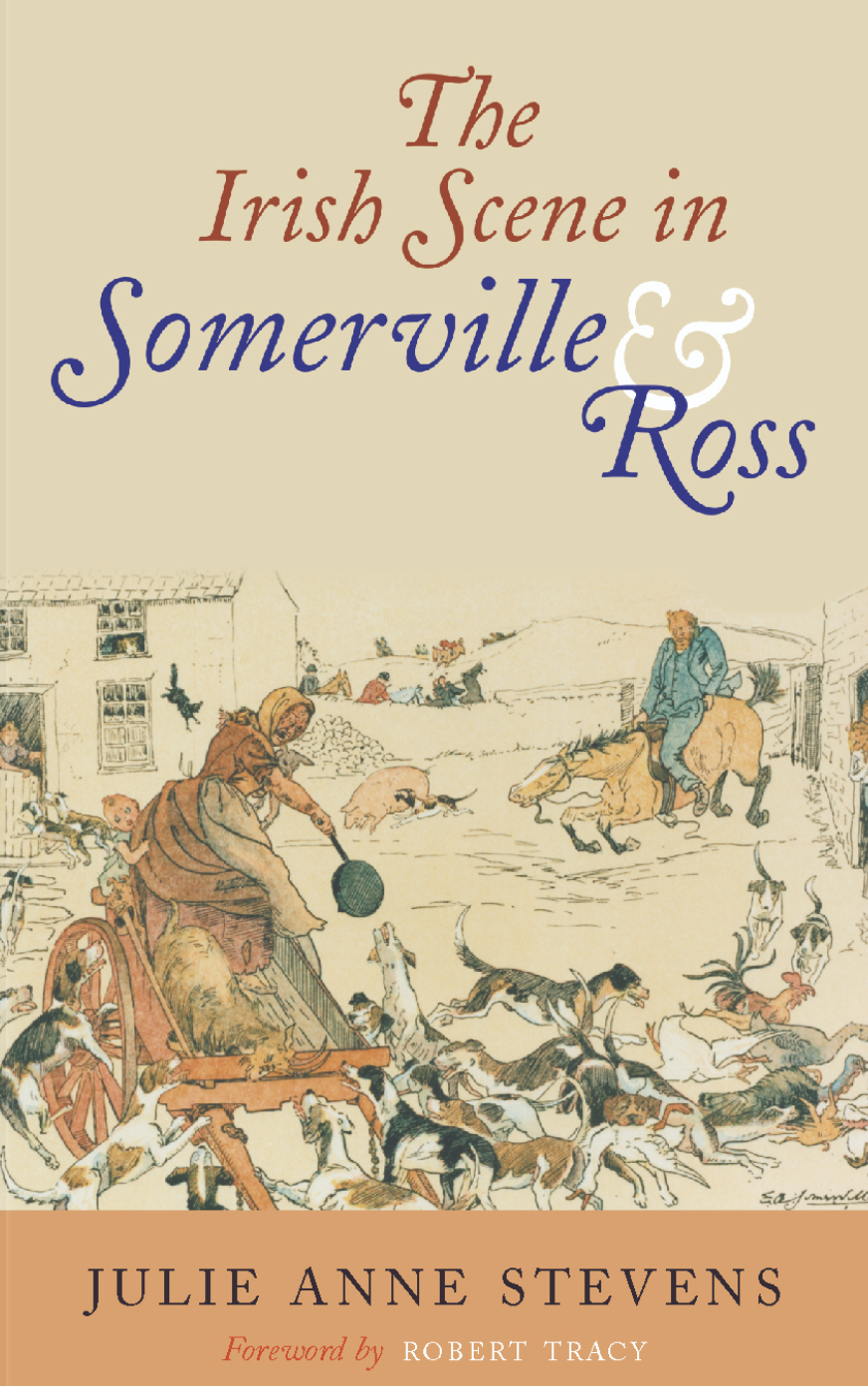
Ireland’s foremost female writers of the nineteenth century, Edith Somerville and Martin Ross, advocated the ‘High Art of Comedy’ during the period of transition and turbulence in the Irish countryside. This critical biography of their collaboration from 1890 to Martin Ross’s death in 1915 studies the self-conscious artistry of the creators of the finest novel of the nineteenth century The Real Charlotte (1894). It considers the influence of both popular culture and high art in the treatment of the volatile Irish landscape and looks for the first time at the contexts of the immensely popular Irish R M stories and Edith Somerville’s accompanying illustrations. The writers’ sly send-ups of romantic notions of Irishness are revealed, while using certain expectations of a picturesque countryside to their own advantage. The book recontextualizes the writers’ fiction and illustrations through inter-disciplinary and cross-cultural methods by considering the influence of the visual arts, theatrical production, antiquarian study, and literature derived from Irish, British and European sources. In addition to Somerville and Ross’s interest in popular and elite art forms, the book stresses the writers’ all-consuming interest in land politics, suffragism, the Irish character and the Irish language, the workings of the law in the Irish countryside, and – above all – money and its lack in the small farms and cottages of Ireland.
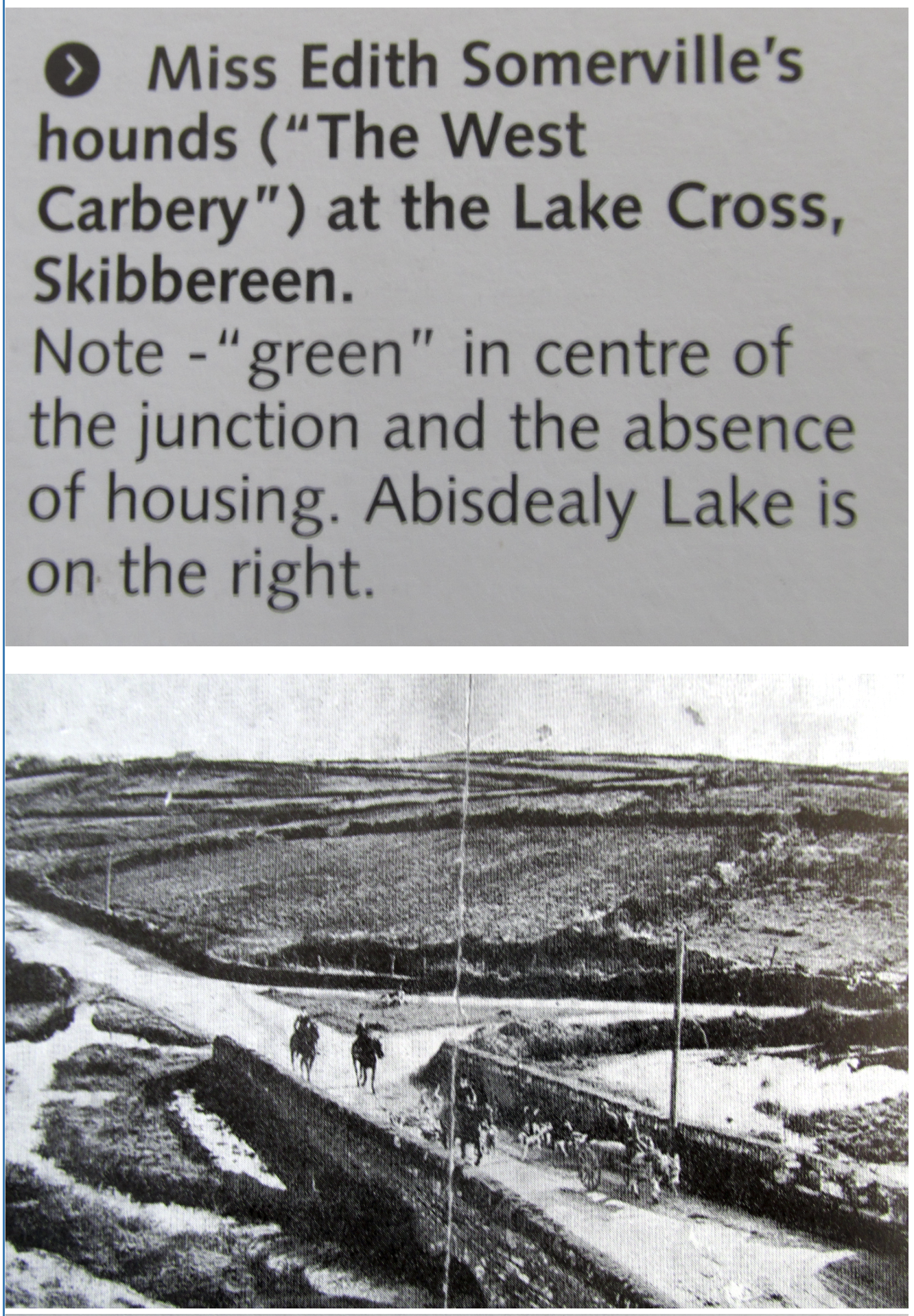
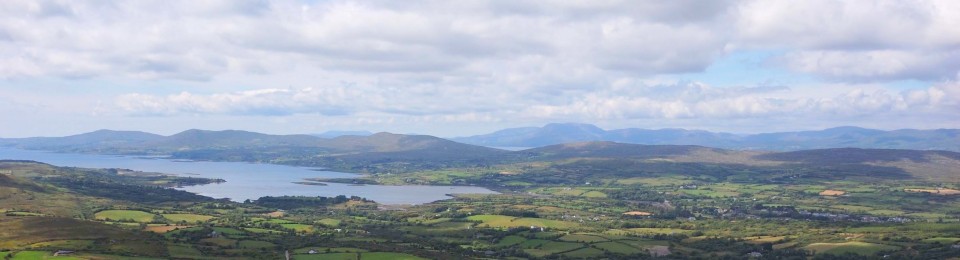
Regional packs like the Rosscarbery Foxhounds faced a highly tumultuous period in Irish history, defined by significant structural transitions and political friction.
Political Resistance: By 1890, traditional foxhound packs across County Cork faced heavy opposition from the local Land League. Land League supporters frequently targeted hunts, viewing them as symbols of landlord ascendancy and oppression over tenant farmers. The Hungerford Legacy: Historically, the preservation of the hunt in Rosscarbery was heavily championed by local magistrates and landlords, notably Henry Jones Hungerford of Cahermore House, Rosscarbery. A famous local toast from the family summarized the regional sentiment: “We hope we may never see Carbery without a pack of hounds.”
Regional Consolidation: Around 1890, economic distress and political agitation in West Cork led to a shifting landscape for local sport. Many independent, private family packs across Cork were forced to disband or amalgamate with larger subscription clubs, such as the United Hunt or the Carbery Hunt, to survive the financial and social pressures of the era.
West Cork Hunts
https://docs.google.com/document/d/1dTHD86PwxIf3sYPRjPp8jCyb_WDSsAQjacA12riqRic/edit?tab=t.0

