• About
  • Customs Report 1821-2 (and Miscellaneous Petitions to Government 1820-5) and some Earlier Customs Data, including staffing, salaries, duties including, Cork, Kinsale, Youghal, Baltimore, with mention of Bantry, Crookhaven, Glandore, Berehaven, Castletownsend, Enniskeane, Passage, Crosshaven, Cove, Clonakilty, Cortmacsherry.
  • Eoghan O’Keeffe 1656-1723, Glenville, Co. Cork later Parish Priest, Doneralie 1723 Lament in old Irish
  • Historic maps from Cork City and County from 1600
  • Horsehair, animal blood an early 18th century Stone House in West Cork and Castles.
  • Interesting Links
  • Jack Dukelow, 1866-1953 Wit and Historian, Rossmore, Durrus, West Cork. Charlie Dennis, Batt The Fiddler.
  • Kilcoe Church, West Cork, built by Father Jimmy O’Sullivan, 1905 with glass by Sarah Purser, A. E. Childs (An Túr Gloine) and Harry Clarke Stained Glass Limited
  • Late 18th/Early 19th century house, Ahagouna (Áth Gamhna: Crossing Place of the Calves/Spriplings) Clashadoo, Durrus, West Cork, Ireland
  • Letter from Lord Carbery, 1826 re Destitution and Emigration in West Cork and Eddy Letters, Tradesmen going to the USA and Labourers to New Brunswick
  • Marriage early 1700s of Cormac McCarthy son of Florence McCarthy Mór, to Dela Welply (family originally from Wales) where he took the name Welply from whom many West Cork Welplys descend.
  • Online Archive New Brunswick, Canada, many Cork connections
  • Origin Dukelow family, including Coughlan, Baker, Kingston and Williamson ancestors
  • Return of Yeomanry, Co. Cork, 1817
  • Richard Townsend, Durrus, 1829-1912, Ireland’s oldest Magistrate and Timothy O’Donovan, Catholic Magistrate from 1818 as were his two brothers Dr. Daniel and Richard, Rev Arminger Sealy, Bandon, Magistrate died Bandon aged 95, 1855
  • School Folklore Project 1937-8, Durrus, Co. Cork, Schools Church of Ireland, Catholic.
  • Sean Nós Tradition re emerges in Lidl and Aldi
  • Some Cork and Kerry families such as Galwey, Roches, Atkins, O’Connells, McCarthys, St. Ledgers, Orpen, Skiddy, in John Burkes 1833 Commoners of Great Britain and Ireland:
  • Statement of Ted (Ríoch) O’Sullivan (1899-1971), Barytes Miner at Derriganocht, Lough Bofinne with Ned Cotter, later Fianna Fáil T.D. Later Fianna Fáil TD and Senator, Gortycloona, Bantry, Co. Cork, to Bureau of Military History, Alleged Torture by Hammer and Rifle at Castletownbere by Free State Forces, Denied by William T Cosgrave who Alleged ‘He Tried to Escape’.
  • The Rabbit trade in the 1950s before Myxomatosis in the 1950s snaring, ferrets.

West Cork History

~ History of Durrus/Muintervara

West Cork History

Yearly Archives: 2015

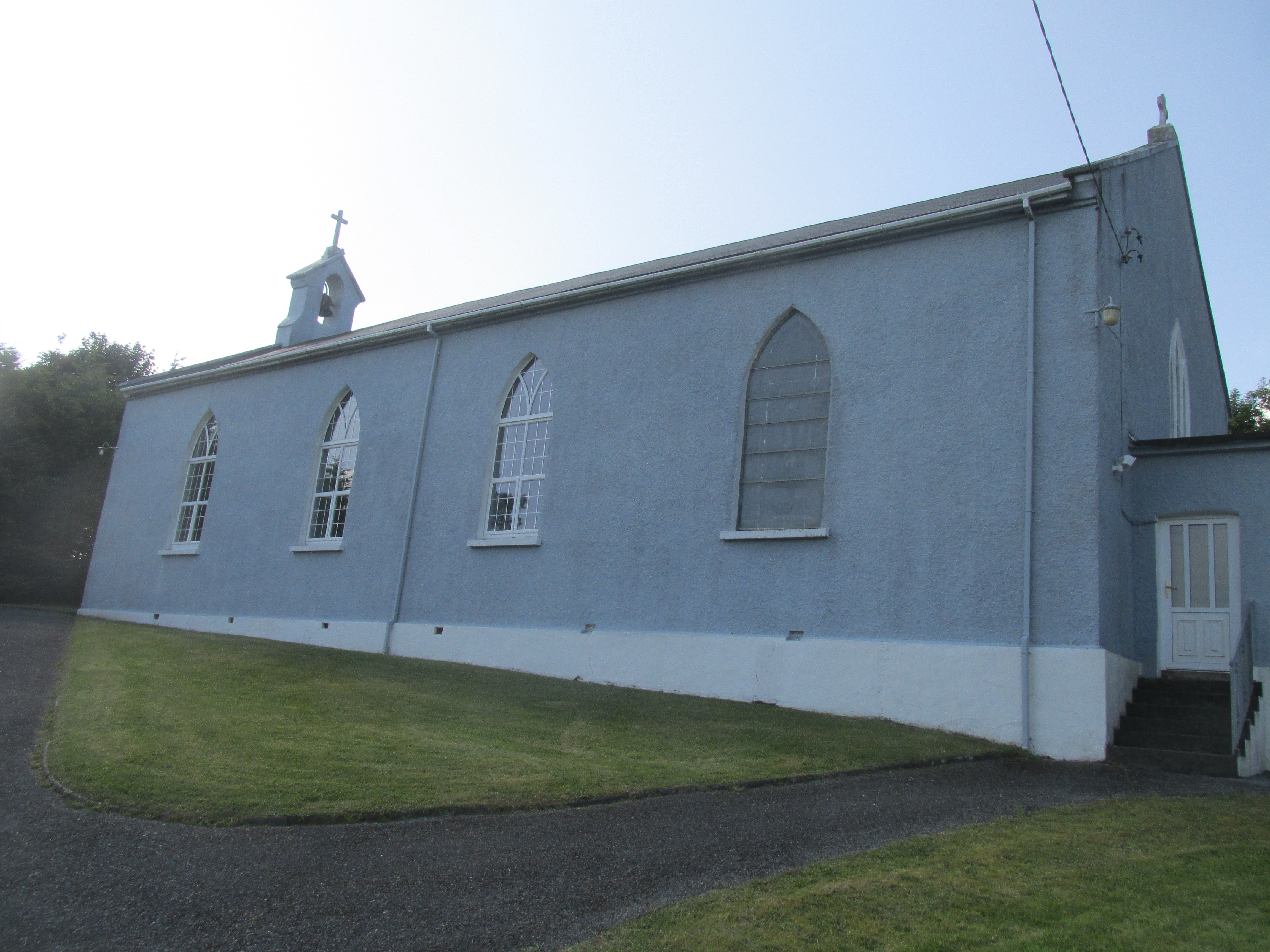
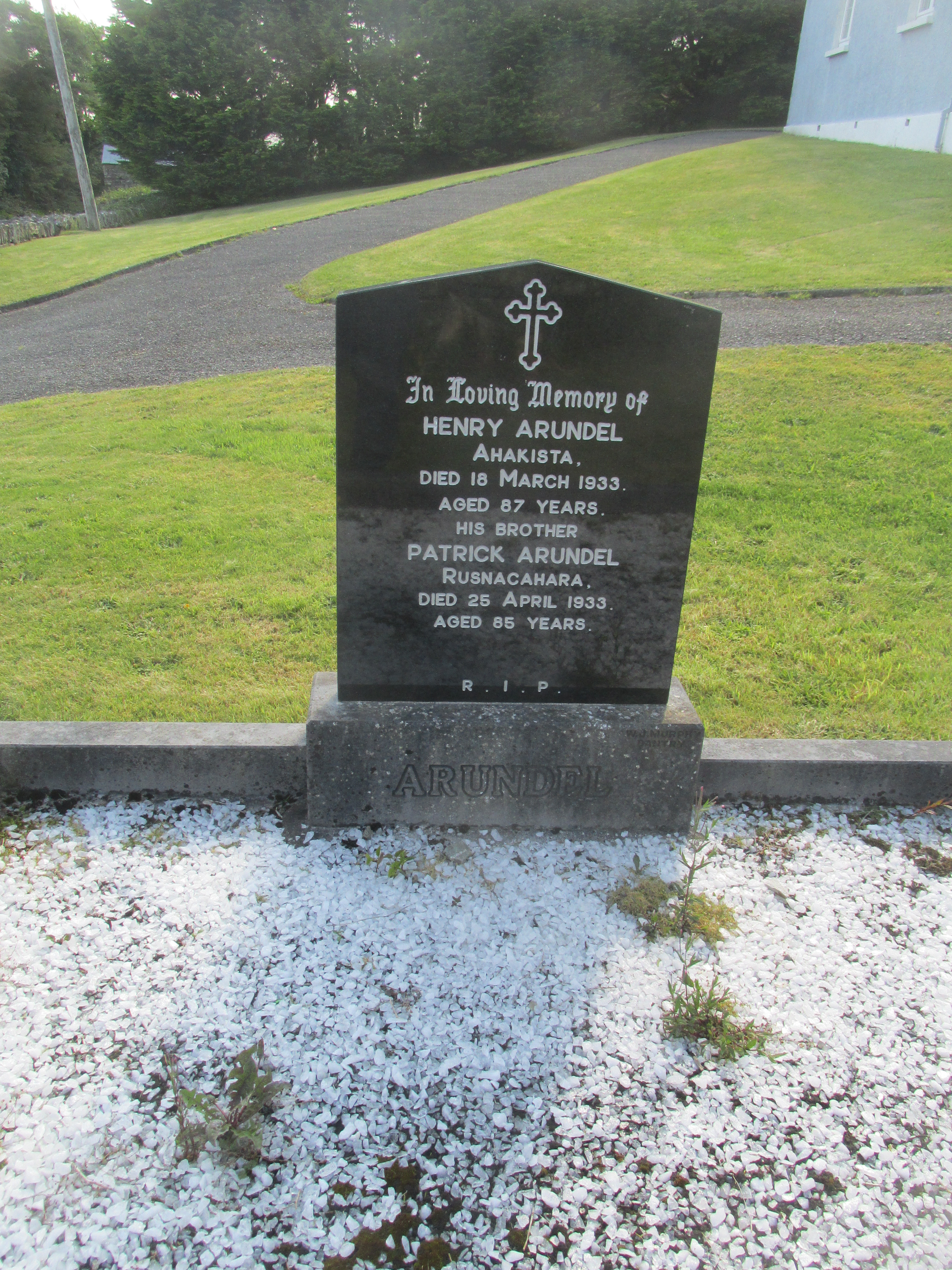
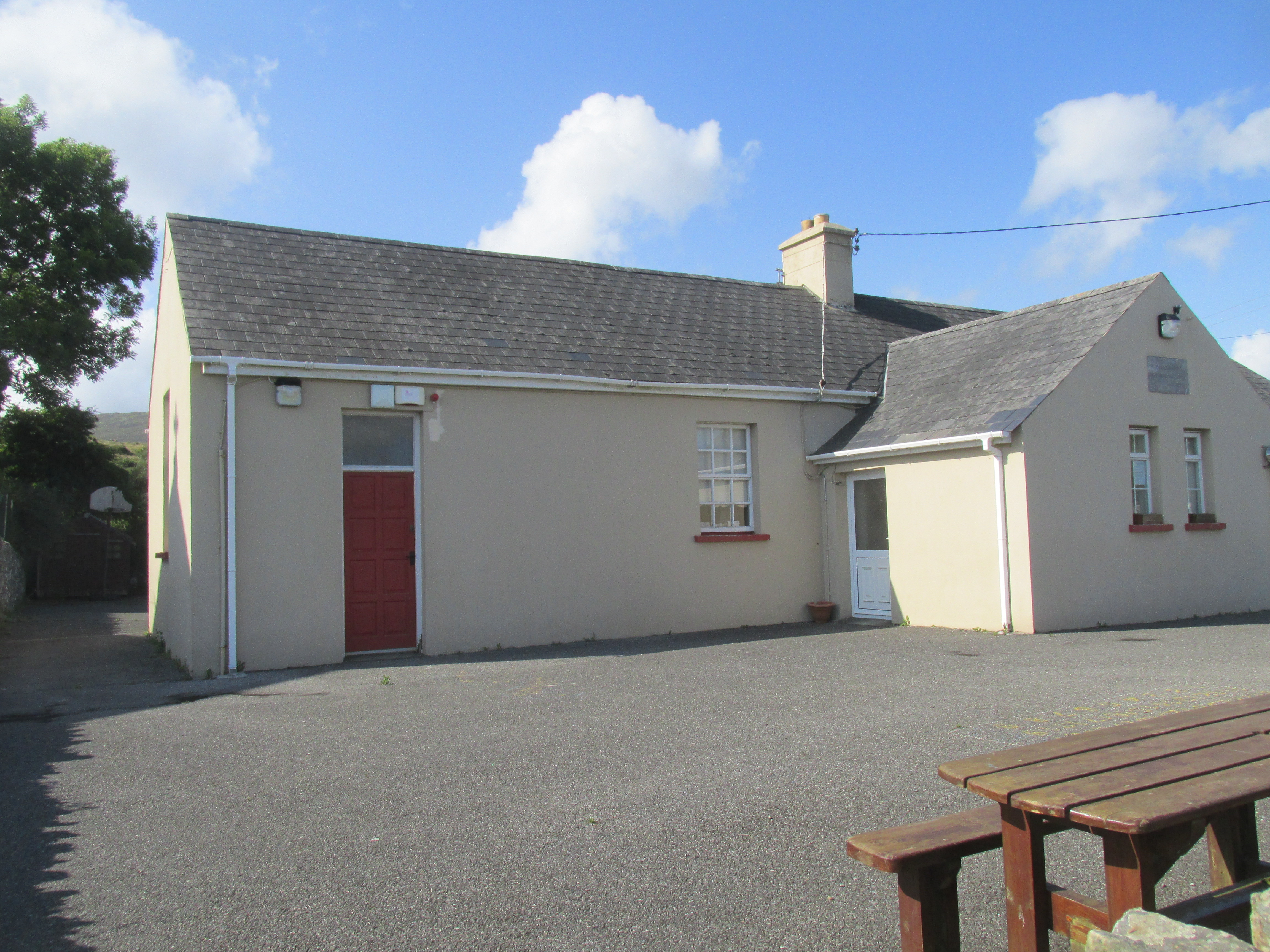
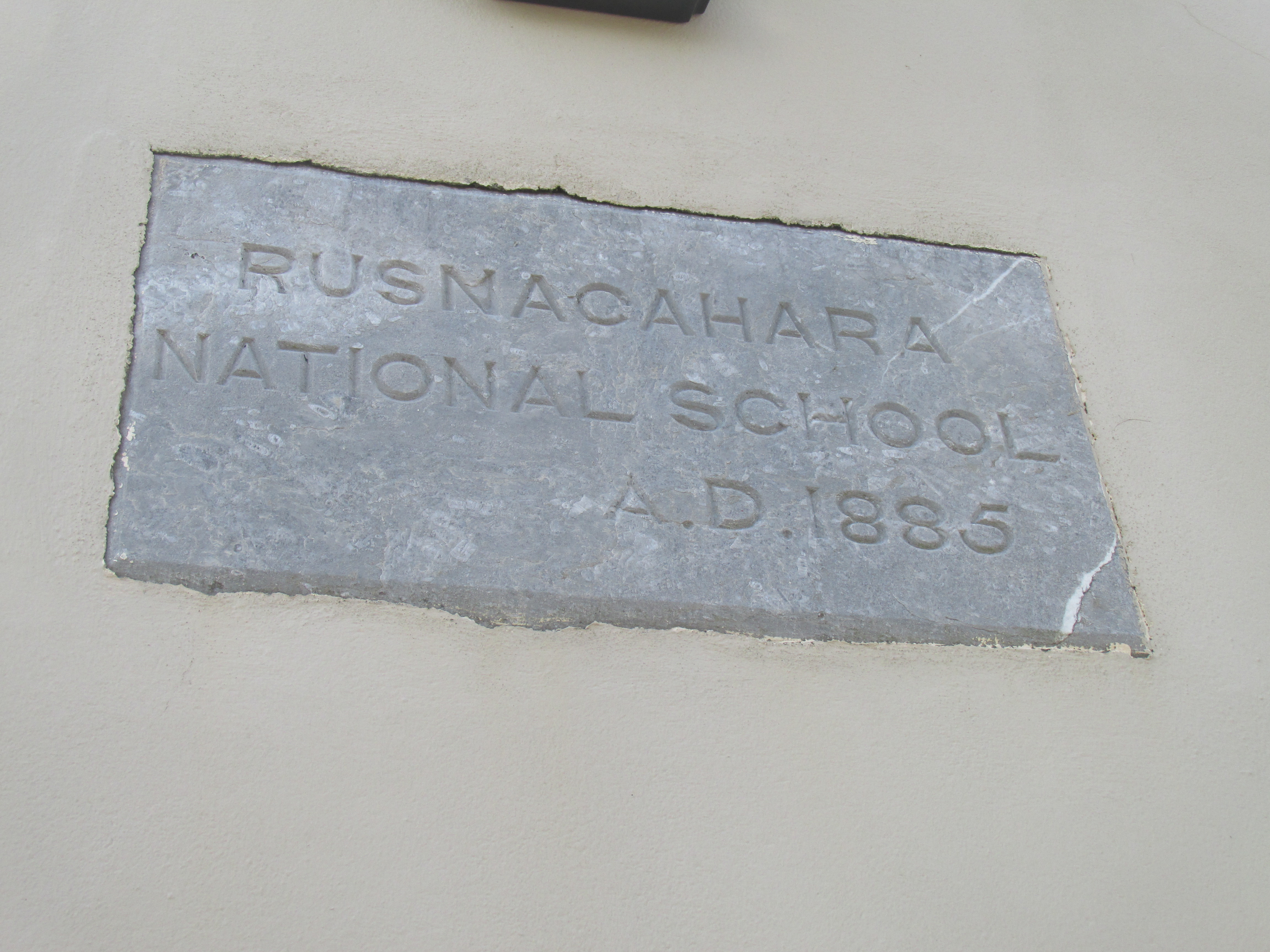
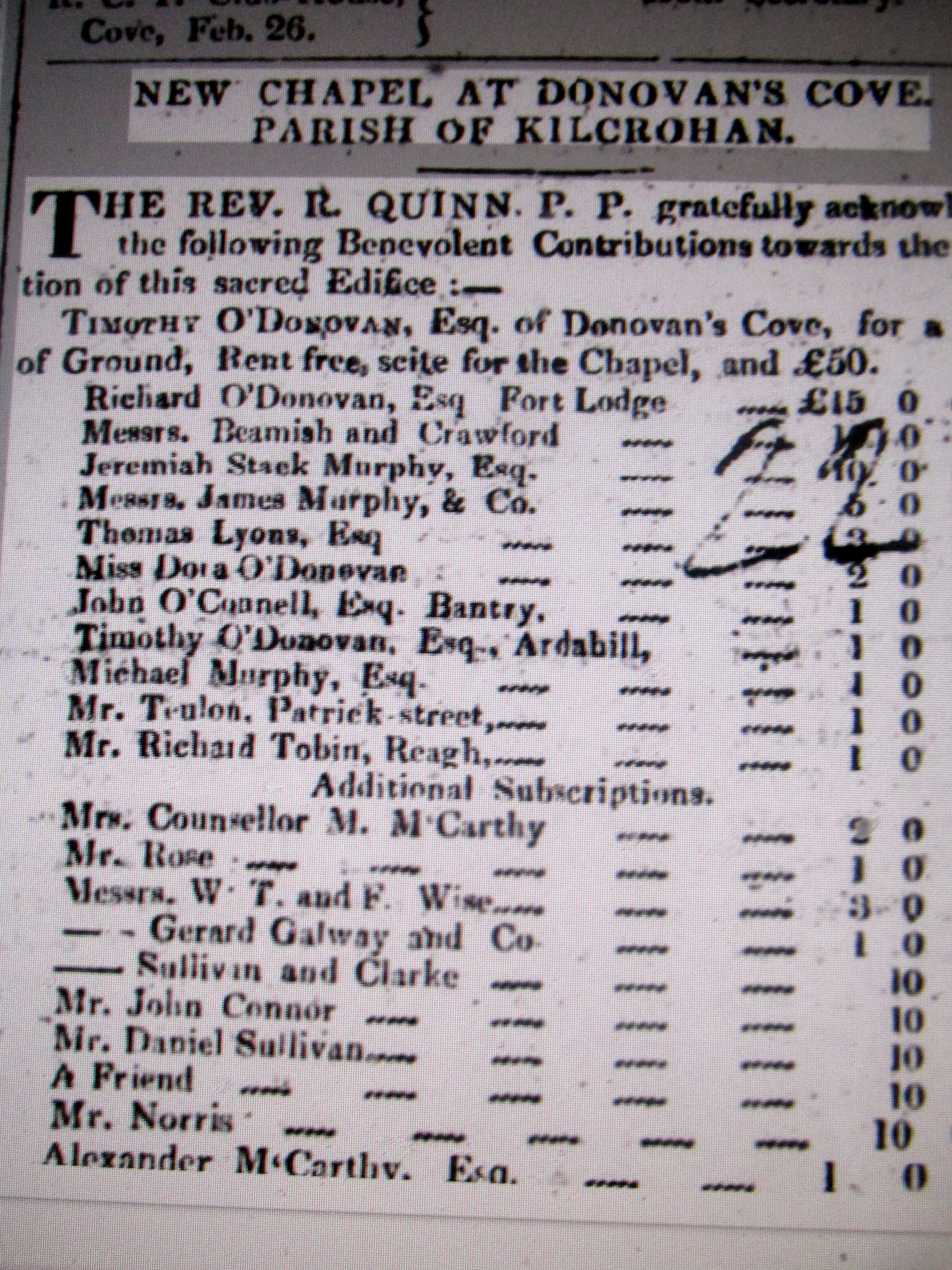
Subscribers to the New Church at O’Donovan’s Cove (Rosnacaheragh Ahakista), West Cork, 1826, including Major contribution from Messrs, Beamish and Crawford, Brewers, Cork, Stained Glass provided later By Arundel Family and Rosnacaheraagh National School 1885.

03 Friday Jul 2015

Posted by durrushistory in Uncategorized

≈ 2 Comments


https://www.google.ie/maps/@51.6042896,-9.6252547,17z

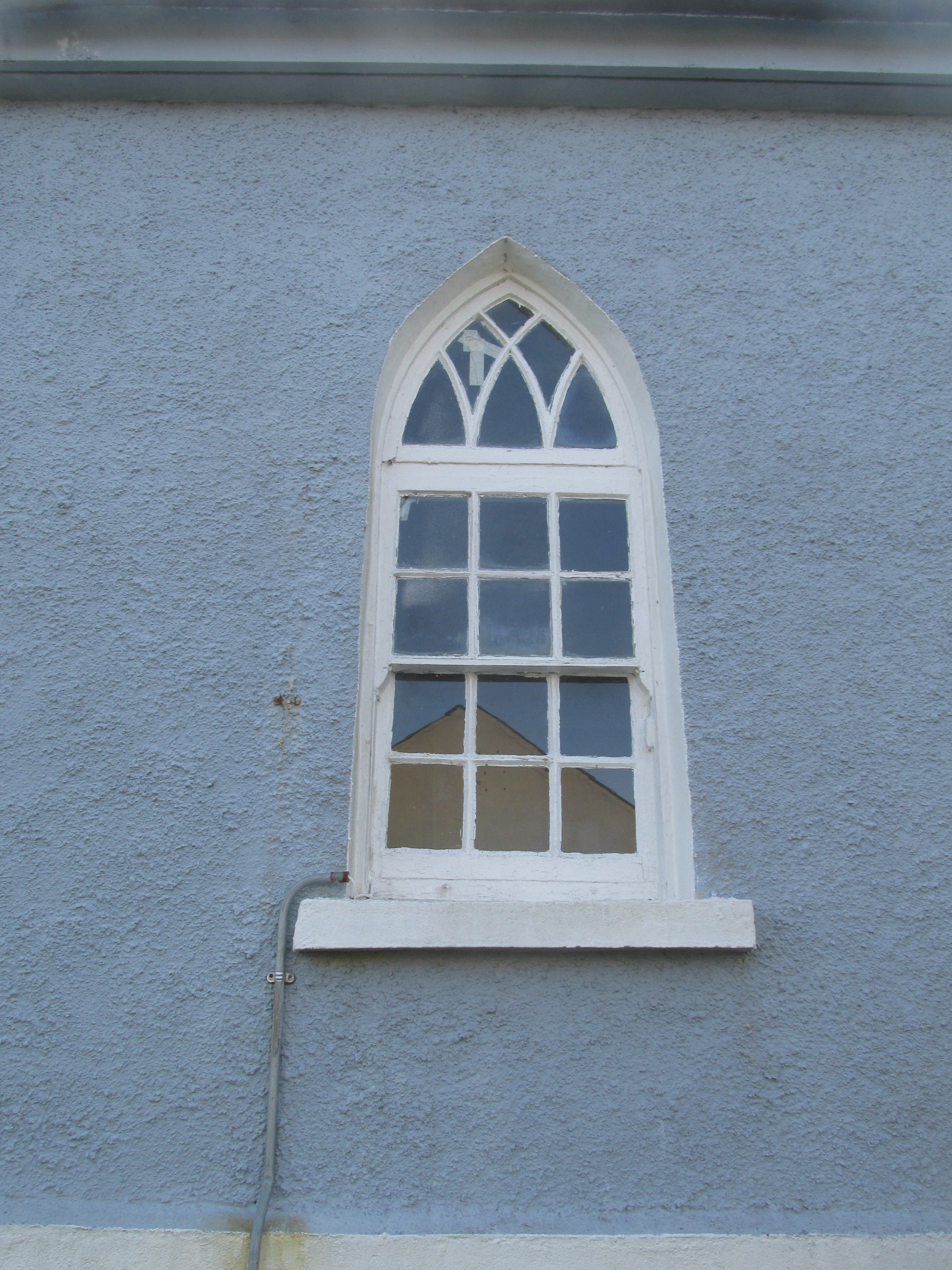
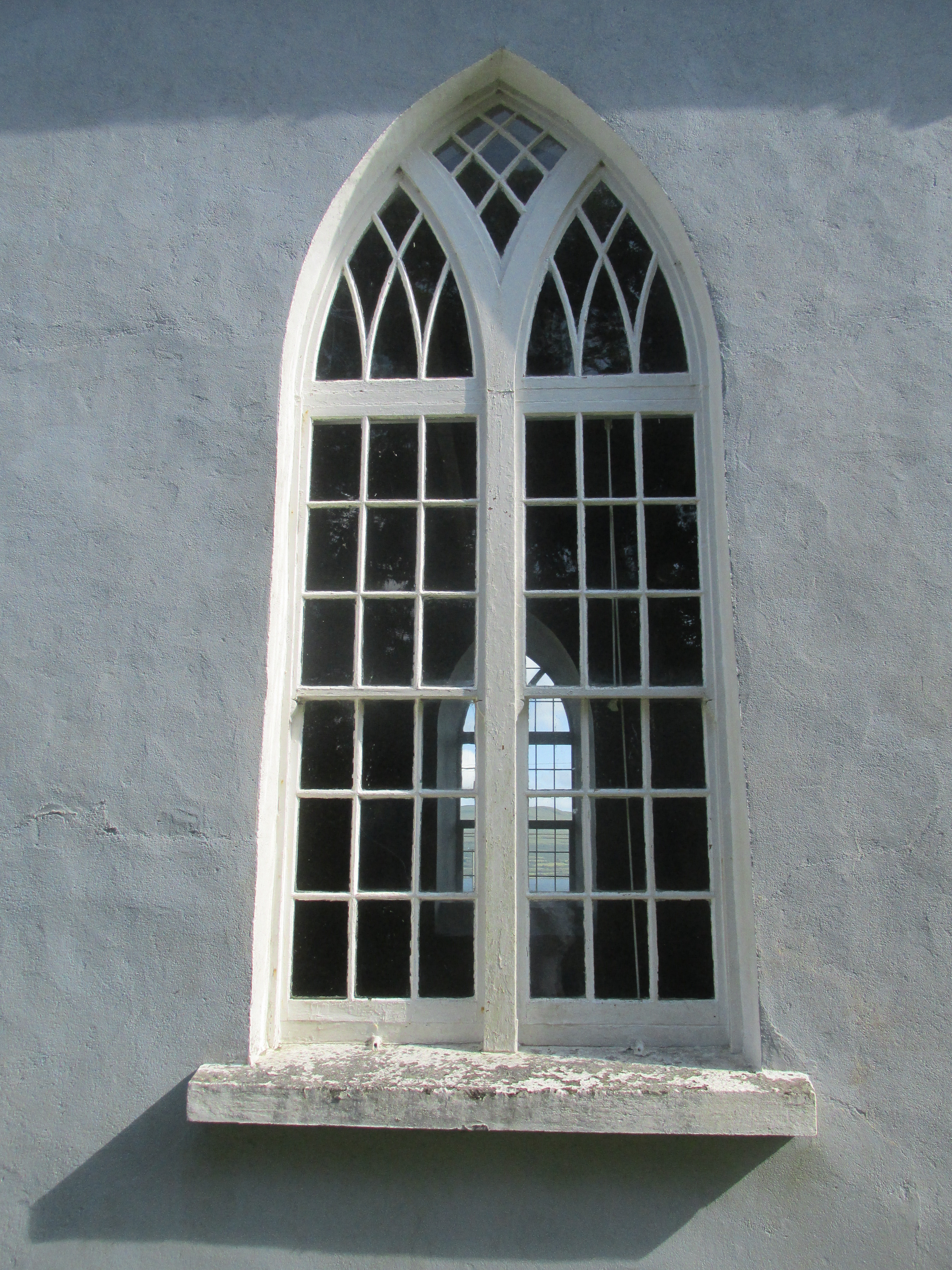
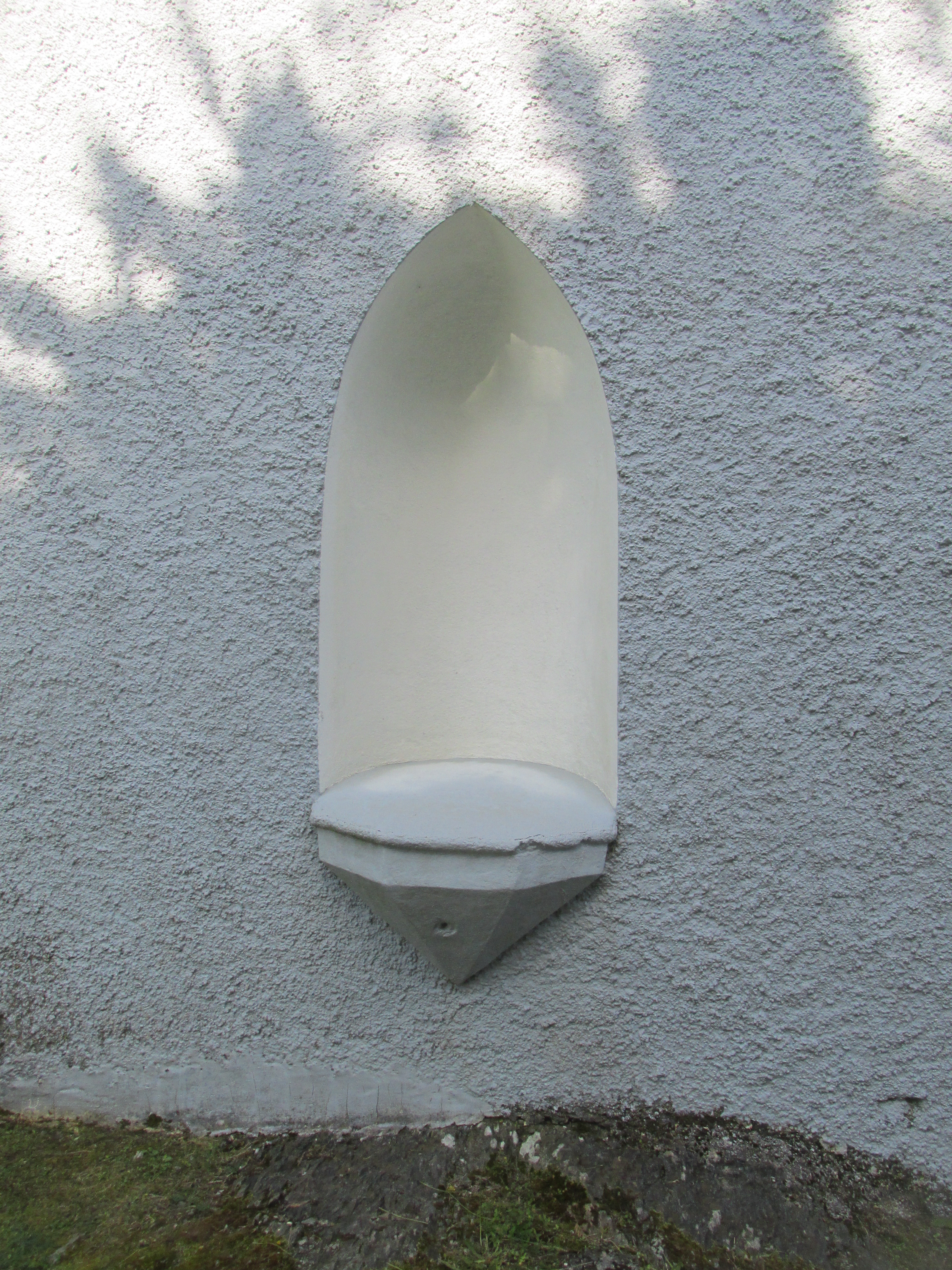
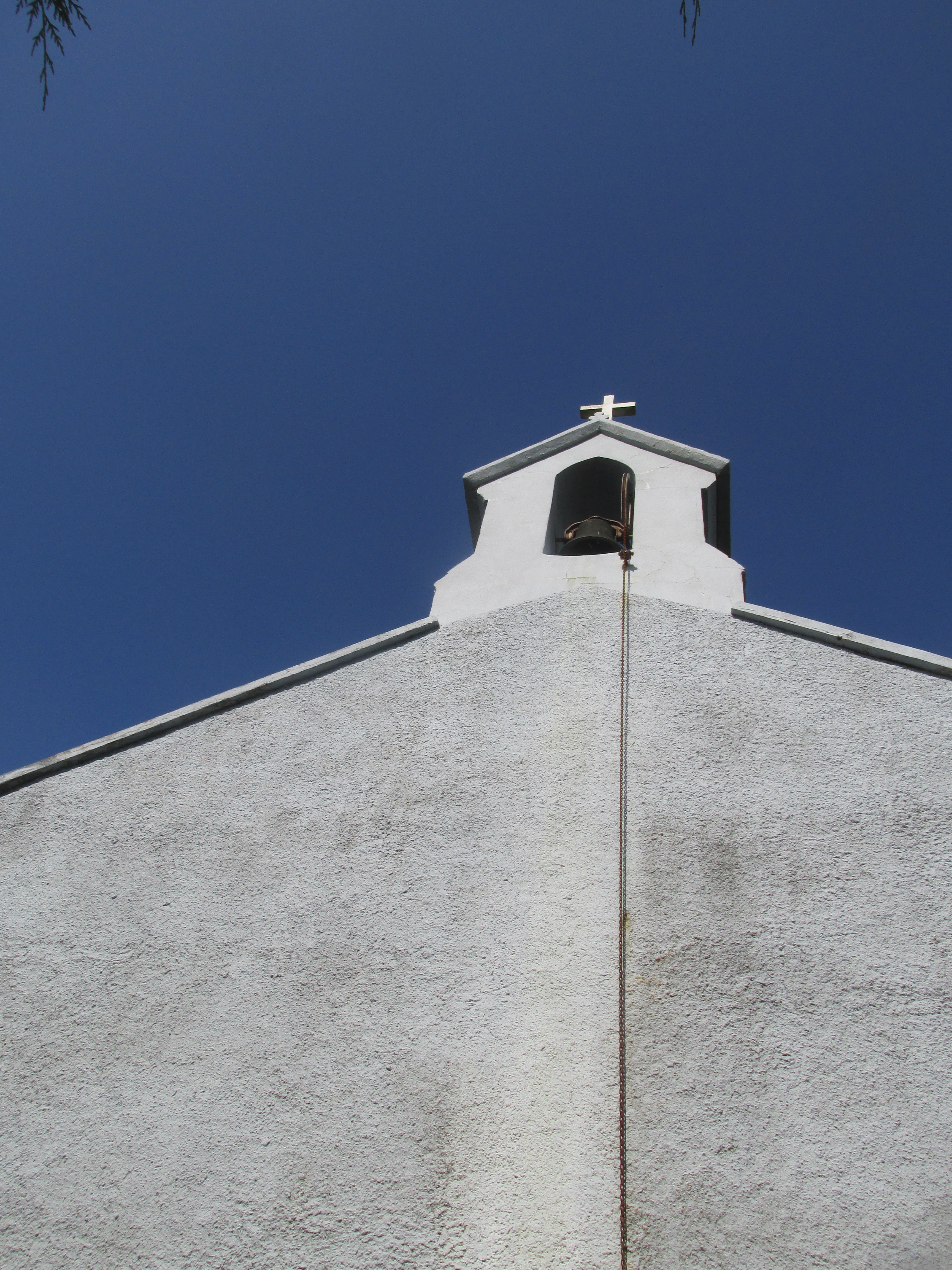
Subscribers to the New Church at O’Donovan’s Cove (Rosnacaheragh Ahakista), West Cork, 1826, including Major contribution from Messrs, Beamish and Crawford, Brewers, Cork, Stained Glass provided later By Arundel Family and Rosnacaheraagh National School 1885. In the photographs, the back windows are in the style of if not the early 19th century windows. Members of the Arundel family associated with the church are buried in the grounds.

Beamish and Crawford were until 1833 the largest brewery in Ireland:

https://en.wikipedia.org/wiki/Beamish_and_Crawford

The O’Donovans referred to were the local landlords and unusually Catholics, they held the land from around 1750, Fort Lodge is still extant on a hill in poor condition and currently for sale. Wises are probably the Cork Distilling family of the North Mall. The Galweys may have bantry connections. The Tobins were a prominent Kilcrohane family.

The Evansons were landlords and the Rev. Alleyn Evanson, living at Durrus Court, Gearhameen, an Unbeneficed clergyman (non practising), his Estate ran from around the present Bog road to Bantry to O’Donovan’s Cove. He also had smaller Estates in Kilcrohane from Delacour who in turn had them from the Ecclesiastical Commissioners. The Durrus lands had been Evansons from 1690 to 1720, they got into financial difficulty and sold them to Francis Bernard of Bandon. He in turn leased them back and the lease fell in around 1850 when the Bandon Estate built the present village of Durrus. The other Evansons were on the other side of the bay at Friendly Cove and Ardoeena.

Father Quin a dynamic priest from Co. Tipperary at the time was embarking on a major church building programme, He was a major political figure and died in 1859 in the Mercy Hospital Cork. The church is still in use.

1-IMG_5589

1-IMG_5889

2-IMG_5890

3-IMG_5891

4-IMG_5892

5-IMG_5893

6-IMG_5894

7-IMG_5895

8-IMG_5896

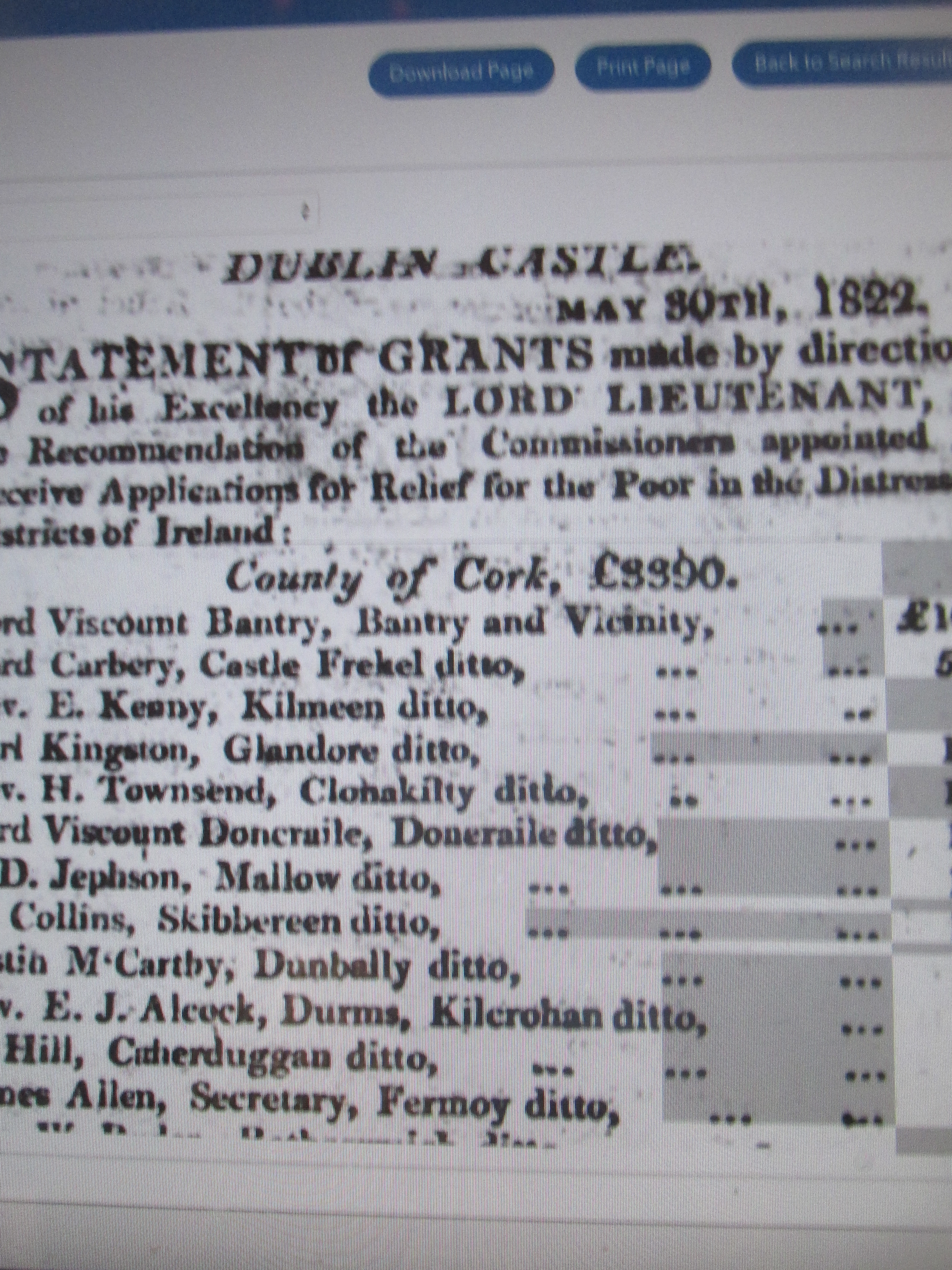
Famine 1822, Relief by Direction of His Excellency The Lord Lieutenant, Dublin Castle, 1822, from The Commission Appointed To Receive Applications of Relief for The Poor in the Distressed Districts of Ireland, including to Lord Viscount Bantry and The Reverend Alcock, Durrus, Clonakilty, Glandore, Skibbereen areas.

03 Friday Jul 2015

Posted by durrushistory in Uncategorized

≈ Leave a comment


Relief by Direction of His Excellency The Lord Lieutenant, Dublin Castle, 1822, from The Commission Appointed To Receive Applications of Relief for The Poor in the Distressed Districts of Ireland, including to Lord Viscount Bantry and The Reverend Alcock, Durrus, Clonakilty, Glandore, Skibbereen areas.

The amount included in the frame are not visible but are not considerable.

Apart from The Great Famine in 1847, periodic famines were a feature of Ireland’s distressed districts from the mid 18th century. even when there was no famine a large part of the population lived on the edge of starvation and distress.

One of the consequences of the 1822 famine was legislation to enable major infrastructure works many carried out by Richard Griffith:

http://www.csorp.nationalarchives.ie/context/1822.html

http://www.skibbereen.ie/the-great-famine/

http://www.historyireland.com/18th-19th-century-history/pray-pity-your-poor-people-the-mahon-papers-and-the-famine-of-1822-in-the-west/

1-IMG_5594

Relief Fund for McCarthy Family, Tullig, (Irish: Tullach, meaning ‘mound’), 1867.  Relief Fund for McCarthy Family, Tullig, Durrus 2 children died in fire, 9th December 1867, house and effects destroyed, Charles McCarthy left to support wife, 4 children mother and father. Facts certified by George Bird, Bantry,  agent to Lord Bantry, Timothy O’Donovan, O’Donovan’s Cove. George Bird Bantry £1, Thomas Dillon £1, Dennis McCarthy, £1 The Reverend Pratt, Durrus Glebe, 10 s, John Moss, Carrigboy, 10s, Dennis Sullivan, Carrigboy, 10 s, Thomas Kingston, Dromleavy, 10s, Jeremiah Kingston, Dromleavy, 10s, Jeremiah Lynch, Shandrum £1, Jeremiah Murphy, Dunbeacon, £3, Rev. M O’Flynn, 5s, Reverend Michael O’ Sullivan, Curate, 10s, Philip Shanahan, Dunbeacon 5s, John Cullinane Bantry, £1, The Earl of Bantry, 10s, Thomas Vickery, ( Hotel Owner and Operator of Horse Drawn Buggies) Bantry, 1s, Mrs. Jagoe, Bantry, 4s, John Ahern, 1s, John McCarthy, Bantry 1s, Cornelius McCarthy Bantry, 2s, Jeremiah Bryan (O’Brien) Kealties, 10s, Thomas Sullivan, Tullig, 10s, Michael Collins, Kealties 6s, Charles McCarthy Kealties 4s, John Leary, Bantry 2s 6d, Timothy McCarthy, Bantry, 5s, William Murphy 5s, Michael Cullinane 2s 6d, Mrs Lannin, (probably from family that originated in Dromreagh, Durrus) 1s, Mrs Copithorne (Woolen Mills) 1s, Mr. Pope, Queenstown 5s, John Hurley, (Possibly from family later Members Rural District Council) Ballycomane 3s, Patrick Regan 2s 6d, Henry Donovan M.D. £1, William S Tisdall 5s, (Donemark Mills) McCarthy Downing, (MP and Skibbereen Solicitor) 5s, Eagle Office 5s, Richard O’Donovan (Landlord) Justice of the Peace 10s, Stephen Browne 7s 6d, Richard Tobin Senior, Letter, KIlcrohane, 10s, Patrick Coughlan Killeens, 5s, John Mahony 5s, Richard Tobin Junior, (Probably Durrus) 5s, Timothy Donovan, Laherudota 5s, Michael Goodwin, Kilcrohane 5s, Timothy Lehane 5s, 25th January 1868, Skibbereen Eagle.

02 Thursday Jul 2015

Posted by durrushistory in Uncategorized

≈ 1 Comment


https://www.google.ie/maps/place/Tullig,+Co.+Cork/@51.6105816,-9.6098488,15z/data=!4m2!3m1!1s0x48459de603bf8261:0x1fa379d50ada8c78

The local Landlords were  the local O’Donovan family.

1867.  Relief Fund for McCarthy Family, Tullig, Durrus 2 children died in fire, 9th December 1867, house and effects destroyed, Charles McCarthy left to support wife, 4 children mother and father. Facts certified by George Bird, Bantry,  agent to Lord Bantry, Timothy O’Donovan, O’Donovan’s Cove.

George Bird Bantry £1, Thomas Dillon £1, Dennis McCarthy, £1 The Reverend Pratt, Durrus Glebe, 10 s, John Moss, Carrigboy, 10s, Dennis Sullivan, Carrigboy, 10 s, Thomas Kingston, Dromleavy, 10s, Jeremiah Kingston, Dromleavy, 10s, Jeremiah Lynch, Shandrum £1, Jeremiah Murphy, Dunbeacon, £3, Rev. M O’Flynn, 5s, Reverend Michael O’ Sullivan, Curate, 10s, Philip Shanahan, Dunbeacon 5s, John Cullinane Bantry, £1, The Earl of Bantry, 10s, Thomas Vickery, ( Hotel Owner and Operator of Horse Drawn Buggies) Bantry, 1s, Mrs. Jagoe, Bantry, 4s, John Ahern, 1s, John McCarthy, Bantry 1s, Cornelius McCarthy Bantry, 2s, Jeremiah Bryan (O’Brien) Kealties, 10s, Thomas Sullivan, Tullig, 10s, Michael Collins, Kealties 6s, Charles McCarthy Kealties 4s, John Leary, Bantry 2s 6d, Timothy McCarthy, Bantry, 5s, William Murphy 5s, Michael Cullinane 2s 6d, Mrs Lannin, (probably from family that originated in Dromreagh, Durrus) 1s, Mrs Copithorne (Woolen Mills) 1s, Mr. Pope, Queenstown 5s, John Hurley, (Possibly from family later Members Rural District Council) Ballycomane 3s, Patrick Regan 2s 6d, Henry Donovan M.D. £1, William S Tisdall 5s, (Donemark Mills) McCarthy Downing, (MP and Skibbereen Solicitor) 5s, Eagle Office 5s, Richard O’Donovan (Landlord) Justice of the Peace 10s, Stephen Browne 7s 6d, Richard Tobin Senior, Letter, KIlcrohane, 10s, Patrick Coughlan Killeens, 5s, John Mahony 5s, Richard Tobin Junior, (Probably Durrus) 5s, Timothy Donovan, Laherudota 5s, Michael Goodwin, Kilcrohane 5s, Timothy Lehane 5s,

25th January 1868, Skibbereen Eagle.

Disbursements from New York Herald Irish Relief Committee, June 1880, £27,000, on hand, £1,00 weekly given to Local Relief Committees, £800 to Local Schools, £400 towards fishing gear, clothing, emigration, Bantry £25, Durrus £25, Schull £25, Inchigeela £15, Glengariff £15, Aughadown £10, Kilcoe £120, Caheragh £15, Drinagh £15.

02 Thursday Jul 2015

Posted by durrushistory in Uncategorized

≈ Leave a comment


Disbursements from New York Herald Irish Relief Committee, June 1880, £27,000, on hand, £1,00 weekly given to Local Relief Committees, £800 to Local Schools, £400 towards fishing gear, clothing, emigration, Bantry £25, Durrus £25, Schull £25, Inchigeela £15, Glengariff £15, Aughadown £10, Kilcoe £120, Caheragh £15, Drinagh £15.

Freeman’s Journal 3rd June 1880.

https://books.google.ie/books?id=ybCo7LsRMIgC&pg=PA3&lpg=PA3&dq=new+york+herald+relief+committee+ireland&source=bl&ots=vjEOjtyT-x&sig=RogFniPpK-SI08LnLE3cCAM0cDY&hl=en&sa=X&ei=izSVVd3AMejU7AaEsbjAAw&ved=0CEkQ6AEwCA#v=onepage&q=new%20york%20herald%20relief%20committee%20ireland&f=false

http://www.dippam.ac.uk/ied/records/45074.transcript

Irish Relief Fund: The Remarkable Contribution of Union Soldiers & Sailors, Part 1

02 Thursday Jul 2015

Posted by durrushistory in Uncategorized

≈ Leave a comment


Damian Shiels PhD's avatarIrish in the American Civil War

In 1863, Ireland was on the brink of famine. Poor harvests for three consecutive years had left many destitute, and disaster loomed. In response to the threat, relief committees that had previously been established to channel funds to assist the worst afflicted areas were reactivated. The large Irish population in the United States, many of whom were Famine victims themselves, were not to be found wanting in coming to the assistance of those at home. The cause was championed by the leaders of Irish-American communities, and soon Irish Relief Funds emerged across the war-stricken North.

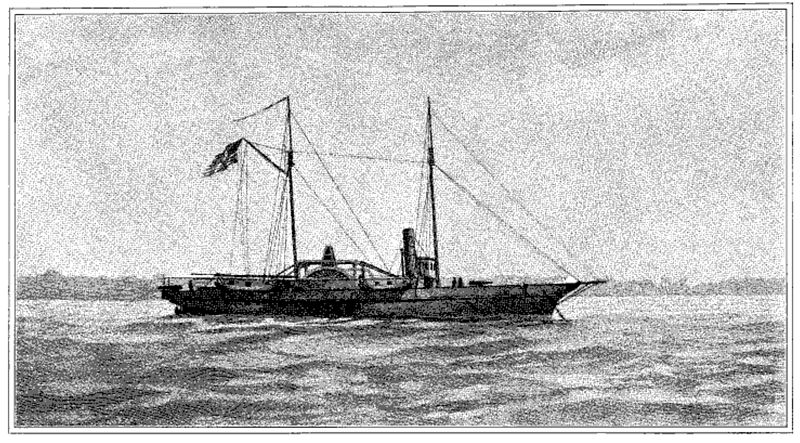
The USS Hetzel. The crew donated $25 to the Irish Relief Fund during the American Civil War (United States Navy) The USS Hetzel. The crew donated $25 to the Irish Relief Fund during the American Civil War (United States Navy)

Irish soldiers were also quick to put their hands in their pockets to help out those less fortunate. Irishmen in the British army of India collected rupees for the appeal, while those soldiers stationed…

View original post 1,518 more words

Digital Repository of Ireland

02 Thursday Jul 2015

Posted by durrushistory in Uncategorized

≈ Leave a comment


Digital Repository of Ireland

http://repository.dri.ie/

September 1868 in View of the Coming Election a Conference of the Catholic Dioceses of Ross Held Presided over by Bishop, and Deanery at Bantry. The Unanimous Choice was that of McCarthy Downing for Selection as MP. Following Parishes represented, Durrus, Kilcrohane, Bantry, Caheragh, Drimoleague, Dunmanway, Drinagh, Schull East and West, Kilcoe.

02 Thursday Jul 2015

Posted by durrushistory in Uncategorized

≈ 1 Comment


1868. Election Committee of McCarthy Downing, Solicitor and Landlord, Skibbereen, West Cork .

Sale August 1867, by Mr. Hall, Engineer, Liverpool, Liquidator, of Rossmore Slate Company Limited, Durrus, West Cork

02 Thursday Jul 2015

Posted by durrushistory in Uncategorized

≈ 1 Comment


Sale August 1867, by Mr. Hall, Engineer, Liverpool, Liquidator, of Rossmore Slate Company Limited, Durrus, West Cork.

Lease of 60 years from Bandon estate from 1863 with approx 1,300 acres at Ardnamanagh, Schull.

The remnants of the quarry are still visible.

Rossmore Slate Quarry, Abuting Dunmanus Bay, Durrus, West Cork, operating from around 1866, with Mining Captain, George Rawlings.

19th Century Mines and Quarries, Rossmore and Friendly Cove Slate Quarries, Durrus, Copper Clonee, Scart, Bantry Barytes, Rooska and Killoveenogue Silver and Lead Mine, West Cork

Appointment of Rate Collectors 1852 by Bantry Union, Co. Cork, Florence O’Leary, Poundage 6d in the £, Thomas Dillon, Durrus and Kilcrohane 4d.

02 Thursday Jul 2015

Posted by durrushistory in Uncategorized

≈ 1 Comment


Appointment of Rate Collectors 1852 by Bantry Union, Co. Cork, Florence O’Leary, Poundage 6d in the £, Thomas Dillon, Durrus and Kilcrohane 4d.

The Dillons lived at Clashadoo, Durrus and were intermarried with Roycrofts of Boultenagh, Rooska and Bantry and Cantys. The family has a large tomb in Moulivard Graveyard (Durrus East). Thomas Dillon also appears as a member of the Bantry Board of Guardians, looking after the workhouse among other things

Thomas is probably an ancestor to Miss Dillon who had a pub in Bantry near the old railway station and extensive property. She left this to her late nephew Shawn Dillon of Clashadoo who in the late 1940s was heavily involved in Clann na Poblachta.

The Dillons may be of the same family as that of the lady who married one of the Bantry Whites in the 1770s. The marriage was set aside as having been performed by a ‘Popish priest’.

Lord Bandon Inspected the Barytes Mines, Dereenlomane, Ballydehob, on his Property on August 1868. He had been staying at Durrus Court, Carrigbue where the High Sheriff and his sister Lady Mary Aldworth were residing.

02 Thursday Jul 2015

Posted by durrushistory in Uncategorized

≈ Leave a comment


Lord Bandon Inspected the Barytes Mines, Dereenlomane, Ballydehob, on his Property on August 1868. He had been staying at Durrus Court, Carrigbue where the High Sheriff and his sister Lady Mary Aldworth were residing.


Dereenlomane Barytes Mine

Installation of Steam Engine on Lord Bandon’s Barytes Mines (Dereenlomane),1867, and local Road Damage. At the time roads were maintained on contract for a period usual three years approved by the Grand Jury at presentments. At one of these the Rev. Pratt, the local Church of Ireland Minister, pointed out the the road between Durrus and the Mines was in a dreadful state due to the operation of the mines. He felt it unfair that the local population should bear the cost of rehabilitation.

This was originally worked as a copper mine by the Rev. Traill of Schull, assisted by Captain William Thomas in 1840 and they sold 19 tons of copper.  They discovered barytes or barium sulphate, a heavy white mineral, used for paint, papermaking for which in the 1850s there was a limited market.  An early use was by Josiah Wedgwood in the making of pottery.  In 1863 Captain Thomas was chartering boats c 160 tons and shipping the barytes to Messrs Martyn Dennis Liverpool and around 150 people were employed.  That year there was a serious flood which resulted in the mine being non operational for a period.  In 1867 the mine at what was described as Cahirolickaney Mountain was inaccessible and Captain Thomas built a road from the mine to the Dunbeacon Road nearly a mile long in three weeks.  It was marked by a celebration with ‘creature comforts’ in abundance, followed by a dance.  Before the road was built the farmers had to carry sea sand and manure along the line of the rocky bed of a river and scramble up the mountain as best they could with back load on horses, men and women.  The road was called Wilson’s after one of the promoters by Father O’Regan.  There were quite a number of fatalities in the operation of the mine which were mentioned in the local press.

In 1851, 2,500 tons were raised compared to only 800 tons in three other centres in the former United Kingdom.  The material was washed, dried, crushed and milled.  It was then produced as barytes flour; this was packed into bags and sent to an island jetty in Dunmanus Bay by an aerial ropeway 1.23 miles long.  From 1909, the boats carried coal to Dunbeacon and left with barytes.  During the War men dived there looking for remnants of coal.  Prior to that the ore went by horse and cart to Schull pier. The mine also produced a small tonnage of copper (bornite) and approx 22,000 tons of fine barytes. It was worked by a Liverpool Company controlled by the Roe Brothers; one of the assistant Managers was Mr. Barton.  The mine used to be all lit up at night and it looked like a city.  At its height up to 500 were employed, supervised by Welsh miners. The numbers employed in 1915 were 150 described as highly paid. Among those who worked there were the father and uncles of Danno Mahony of nearby Derreenlomane the World Wrestling Champion. Bells rang to call the labourers to work in the morning.  A report in 1923 described the treatment of the ore as ‘washing, drying, in a revolving furnace, crushing, rolling between steel rollers and milling’.  In 1917 a major fire caused extensive damage, including the underground workings.  Although repairs were carried out, the mine never recovered its former level of activity. In 1922 the then Department of Agriculture and Technical Instruction reviewed the recent history of the mine and commented on it being burnt down in July 1920.   Mr Lynburn of the Department expressed a hope that in time with a more relaxed regime re explosives it might re open.

A line of timber pylons ran from the mine site down the steep hillside all the way to Dunmanus Bay. The pylons, anchored to triangular concrete-and-stone foundations, supported a continuous aerial rope and a number of cable cars. The system was powered by a gas engine. The foundations are all still in situ and can be followed to the sea.  The ships which carried away the ore landed coal and during the War people dived in the area seeking lumps of coal.

Five hundred men had worked at the mine between 1917-18.  Mine water was pumped by a ‘balanced bob’ with the engine house being sited over the main shaft. The gas engine house was located adjacent to the pump house. The mining company entrusted the job of making ore-bearing cable-cars to a local carpenter cum pit-sawyer named Willie Coakley.  He seems to have played a considerable role in erecting the aerial ropeway system and in weaving wicker cable-cars to transport ore from mine to sea.

On the first trial of the aerial ropeway, a number of baskets were laden with barytes and sent down the steep hill to their destination, a pier at Dunmanus Bay.  From there it was exported to Liverpool, London or Glasgow.   However, on releasing the baskets it was discovered that the braking mechanism on the aerial ropeway had failed. On reaching journey’s end, the run-away cable-cars demolished a portion of the aerial rope and caused extensive damage to the system, presumably several pylons were torn from their foundations.

A local wit composed a poem to commemorate the event – the poem was titled ‘Willie Coakley’s Apparatus’ One line of the poem describes the wicker basket in euphemism as ‘a donkey who would never have a foal’

Boats landed at a pier of which a buoy still survives. The Atridge, Shannon and Hegarty families from Rossmore across the Bay jointly owned  a fishing boat. They would regularly cross to trade potatoes, vegetables and meat for tobacco and brandy. The Captain was Captain was generally Captain Bousy and afterwards the Attridges were known as the Bousys. It was the custom for the miners to play football at a field near the mine every Saturday afternoon.

In the records of Carrigbui (Durrus) schools there are frequent reference to the parents of the children being miners and often coming in from outside areas often abandoning earlier occupations.

When the mines closed many of the men went to South Wales to work in the coal mine sother to mines in the USA.

At the Dunbeacon side there was an area of houses now derelict which in the early 20th century was a hive of activity and centre of music and dancing known as the ‘Station Heights’. Many of the families were associated with the mines.

When the mines closed many of the miners went to the coal mines of South Wales or to the USA. One of them was Denis John L O’Sullivan, his father originally from Kilcrohane ran a pub in Durrus, who went to the USA and returned. He had a pub in Durrus Village which is still run by his son Danny.

Kevin Daly

December 6, 2011 at 8:57 pm

My paternal grandfather, Cornelius Leo Daly worked at this mine up until it was ultimately consumed by fire. The Daly family lived in the Station Heights, a series of attached houses just to the west of the foot of the Mine road where it intersects Dunbeacon Road at Dunmannus Bay. There was little work to be had after the fire and my grandfather eventually immigrated to Boston, Massachusetts to find work and support his wife and four children back home in Ireland. My late father, Cornelius Patrick Daly was just shy of five years old when his father left in 1925 and he often told the story of watching his father leaving in a cart being pulled by a black horse headed off to Cobh and America. Sadly his father died around 1930 as the result of injuries he sustained in an automobile accident. He’s buried in West Roxbury, Massachusetts. These were very hard times for the family back home but they managed with hard work and the generosity of others. Until the day he passed my father considered himself a proud American but always an Irishman first. His and his siblings optimism though the hardest of times inspires me each day. God bless the people of Ireland. There are none finer.

Tom Coughlan

January 25, 2016 at 1:26 am

I grew up in Station Heights and recall; your uncle Corney & Aunt Marie (A) either living or (B) visiting when I was a wee lad!
← Older posts
Newer posts →

Blog Stats

  • 876,102 hits

16th Regiment of Foot assisted female emigration australia ballyclough bantry bay caithness legion cavan regiment of militia cheshire fencibles coppinger's court inbhear na mbearc Irish words in use 1930s lord lansdowne's regiment mallow melbourne ned kelly new brunswick O'Dalys Bardic Family. o'regan Personal Memoirs rosscarbery schull sir redmond barry sir walter coppinger st. johns sydney Townlands treaty of limerick Uncategorized university of Melbourne victoria

16th Regiment of Foot assisted female emigration australia ballyclough bantry bay caithness legion cavan regiment of militia cheshire fencibles coppinger's court inbhear na mbearc Irish words in use 1930s lord lansdowne's regiment mallow melbourne ned kelly new brunswick O'Dalys Bardic Family. o'regan Personal Memoirs rosscarbery schull sir redmond barry sir walter coppinger st. johns sydney Townlands treaty of limerick Uncategorized university of Melbourne victoria
Follow West Cork History on WordPress.com

Enter your email address to follow this blog and receive notifications of new posts by email.

Join 515 other subscribers

Feedjit

  • durrushistory's avatar durrushistory

Archives

  • May 2026
  • April 2026
  • March 2026
  • February 2026
  • January 2026
  • December 2025
  • November 2025
  • October 2025
  • September 2025
  • August 2025
  • July 2025
  • June 2025
  • May 2025
  • April 2025
  • March 2025
  • February 2025
  • January 2025
  • December 2024
  • November 2024
  • October 2024
  • September 2024
  • August 2024
  • July 2024
  • June 2024
  • May 2024
  • April 2024
  • March 2024
  • February 2024
  • January 2024
  • December 2023
  • November 2023
  • October 2023
  • September 2023
  • August 2023
  • July 2023
  • June 2023
  • May 2023
  • April 2023
  • March 2023
  • February 2023
  • January 2023
  • December 2022
  • November 2022
  • October 2022
  • September 2022
  • August 2022
  • July 2022
  • June 2022
  • May 2022
  • April 2022
  • March 2022
  • February 2022
  • January 2022
  • December 2021
  • November 2021
  • October 2021
  • September 2021
  • August 2021
  • July 2021
  • June 2021
  • May 2021
  • April 2021
  • March 2021
  • February 2021
  • January 2021
  • December 2020
  • November 2020
  • October 2020
  • September 2020
  • August 2020
  • July 2020
  • June 2020
  • May 2020
  • April 2020
  • March 2020
  • February 2020
  • January 2020
  • December 2019
  • November 2019
  • October 2019
  • September 2019
  • August 2019
  • July 2019
  • June 2019
  • May 2019
  • April 2019
  • March 2019
  • February 2019
  • January 2019
  • December 2018
  • November 2018
  • October 2018
  • September 2018
  • August 2018
  • July 2018
  • June 2018
  • May 2018
  • April 2018
  • March 2018
  • February 2018
  • January 2018
  • December 2017
  • November 2017
  • October 2017
  • September 2017
  • August 2017
  • July 2017
  • June 2017
  • May 2017
  • April 2017
  • March 2017
  • February 2017
  • January 2017
  • December 2016
  • November 2016
  • October 2016
  • September 2016
  • August 2016
  • July 2016
  • June 2016
  • May 2016
  • April 2016
  • March 2016
  • February 2016
  • January 2016
  • December 2015
  • November 2015
  • October 2015
  • September 2015
  • August 2015
  • July 2015
  • June 2015
  • May 2015
  • April 2015
  • March 2015
  • February 2015
  • January 2015
  • December 2014
  • November 2014
  • October 2014
  • September 2014
  • August 2014
  • July 2014
  • June 2014
  • May 2014
  • April 2014
  • March 2014
  • February 2014
  • January 2014
  • December 2013
  • November 2013
  • October 2013
  • September 2013
  • August 2013
  • July 2013
  • June 2013
  • May 2013
  • April 2013
  • March 2013
  • February 2013
  • January 2013
  • November 2012
  • October 2012
  • September 2012
  • August 2012
  • July 2012
  • June 2012
  • May 2012
  • April 2012
  • March 2012
  • February 2012
  • January 2012
  • December 2011
  • November 2011
  • October 2011

Blog at WordPress.com.

  • Subscribe Subscribed
    • West Cork History
    • Join 515 other subscribers
    • Already have a WordPress.com account? Log in now.
    • West Cork History
    • Subscribe Subscribed
    • Sign up
    • Log in
    • Report this content
    • View site in Reader
    • Manage subscriptions
    • Collapse this bar

Loading Comments...