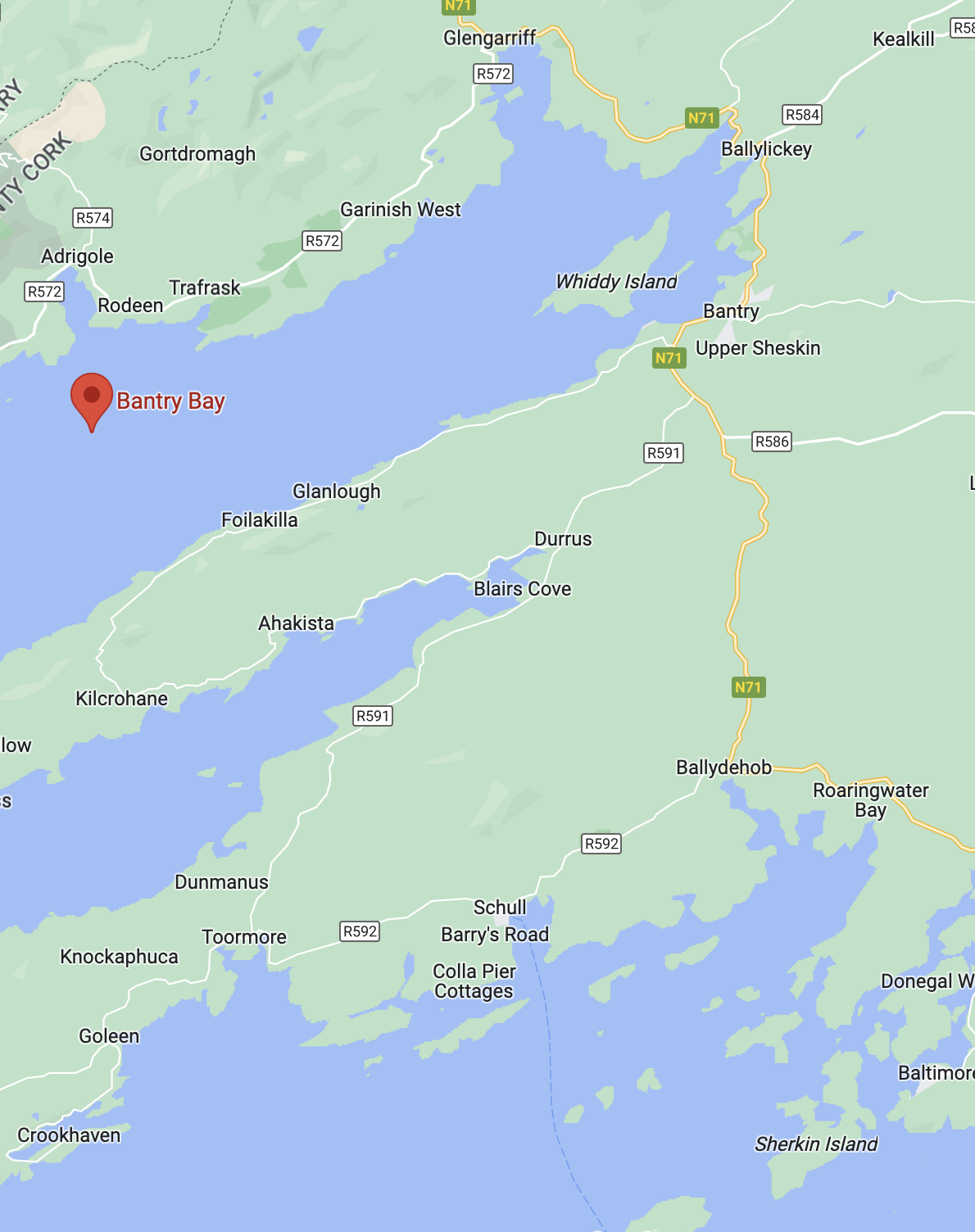
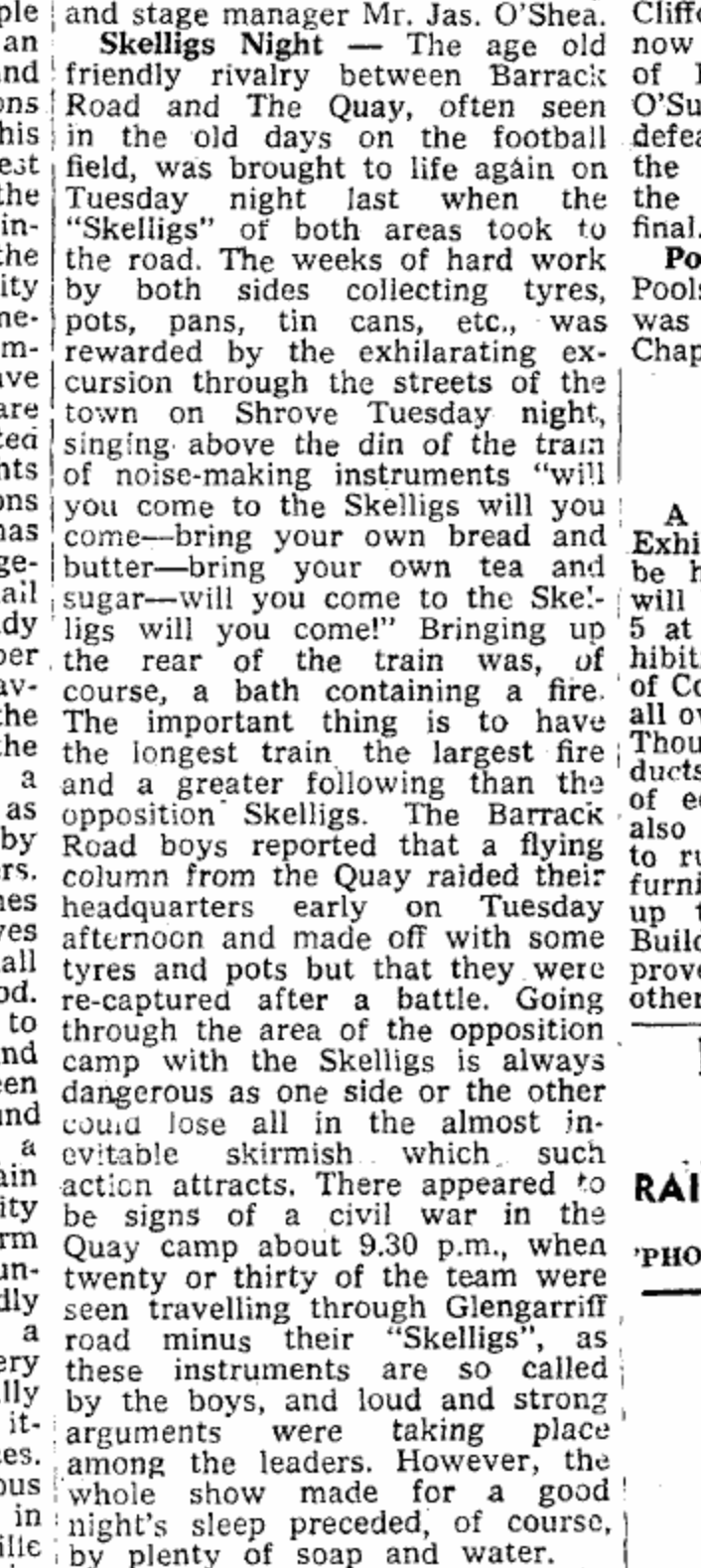

Skellig Lists, Bandon 1843, Ballydehob 1912, Celebration of Skellig Night, South Mall, Cork 1845.
Denial March 1862 by John P Hayes, that he compiled ‘Skellig List’, circulating in Skibbereen accompanied by Statutory Declaration.
20 Monday Mar 2023
Posted in Uncategorized
Skellig Lists, Bandon 1843, Ballydehob 1912, Celebration of Skellig Night, South Mall, Cork 1845.
Denial March 1862 by John P Hayes, that he compiled ‘Skellig List’, circulating in Skibbereen accompanied by Statutory Declaration.
19 Sunday Mar 2023
Posted in Uncategorized
A Miscellany of The Deasy Family in West Cork from John T. Collins, Kilmeen Historian.
https://docs.google.com/document/d/154nO0s9o1AZXL4oR7oEjv0N1PLyTRyhMYsKqLFSDyPE/edit#
A Miscellany of The Deasy Family in West Cork from John T. Collins, Kilmeen Historian

John L. Collins articles, p. 2-20
Deasy Magistrate, Rickard Deasy, p. 21
1822, Letter of Protest from Dr. Elmore, Clonakilty, Co. Cork against Dismissal of Rickard Deasy Early Catholic Magistrate, p. 21
Rickard Deasy, (1812–83), MP. Baron, Lord Justice of Appeal
14 Tuesday Mar 2023
Posted in Uncategorized

13 Monday Mar 2023
Posted in Uncategorized
..
..
The Durrus Evanson Landlord family had 2 estates one from about 1745 of the townlands of Ardogeena, Dromreagh and Murreagh held in fee simple. The other the one time lands of the McCarthy (Mucklagh of Gearhaameen Castle) family whose lands were forfeit for ‘Rebellion’ acquired about 1690 from Crottees to Kealtaies sold to Francis Bernard of Bandon about 1715 and leased back. On the death of the Rev. Alleyn Evanson in 1853 these lands reverted to the Earl of Bandon.
The family finacnes from late 18th centurey were alwasy shaky.
1824 Memorial suggests Nathaniel Evanson address Bandon in financial distress:
Evanson family:
https://docs.google.com/document/d/1c550F3fK7ZT0qUzH4DjP4I87TPHU5-yK-l4D-_cH-E4/edit

..
\
1812 Mortgage by Nathaniel Evanson, Durrus and Richard Evanson, eldest son and heir Friendly Cove of Dromreagh, Ardgoena, Murreagh to George Beamish, Lakemount for £289. Witnesses Bartholomew Donovan, Dereenlomane, Schull, farmer and Jeremiah Donovan, Gort Eneas, Kilcrohane, farmer.
Mentioned:
Rev. Alleyn Evanson TCD AB, (1790-1853) Pre 1828, Four-Mile-Water Court, Durrus, sitting Bantry, 1835. 1819 Member of the Association Incorporated for Discontinuancy Vice and Promoting the Knowledge and Practise of The Christian Religion Son of Nathaniel (Generosus) and Mary Townsend Baldwin (1764-1827). Ed Dr. Sullivan, Bandon, TCD aged 16. Middle Man, Land Agent. Voted for Hutchinson 1826 election. Signed petition 1827 against Catholic Emancipation. While a curate in Schull 1829 he stated that there were 1,200 Protestants in the Parish. Grand Jury Presentment Sessions Schull, major Grand Jury road contractor with cousin Charles Evanson. 1835 subscriber to Father Quin’s church building fund, Durrus. Signed public declaration to Alexander O’Driscoll on his removal as Magistrate 1835 with Lord Bantry, Simon White, John Puxley, Arthur Hutchins, Thomas Baldwin, Samuel Townsend Junior and Senior, Hugh Lawton, Thomas Somerville, Richard Townsend Senior, Rev. Alleyn Evanson, Timothy O’Donovan, Richard Townsend, Lyttleton Lyster. Freeman Bandon, 1841 election voted Longfield/Leader. Apart from Bandon estate he was renting Church lands in West Carbery including Crookhaven and Kilcrohane from Robert Delacour who was made bankrupt in 1839. Attending 1840 Great Meeting Bantry re Poor Law. Probate 1853, £5 (may be nominal for conveyancing). Presentment sessions Ballydehob 1845. Friendly with Father Ryan, Drimoleague features in an account 1836 of journey from Drimoleague written by John Windle in Dublin Penny Journal. After his death his wife Harriet Alleyn, 2nd daughter of Henry Hardy Esq., moved to Mespil Estate, Dublin, his brothers Dr. Hungerford and Dr. Henry Baldwin Evanson (1795-1867) of Cork guardians of young children. Subscriber Lewis Topographical Dictionary of Ireland 1837. In 1835 his rent charge over lands at Brahalish Durrus was granted to Henry Baldwin Evanson, his brother, entitling him to vote. Assisting 1848 Henry J. Fawcett, Practical Instructor on Husbandry of visit to Bantry Either his sister or cousin Martha Evanson married Rev. John Madras, their grand daughter m 1867 Ann Marie (Millie) Curtis, Magourney she descended Promoting the Knowledge and Practise of The Christian Religion Son of Nathaniel (Generosus) and Mary Townsend Baldwin (1764-1827). Ed Dr. Sullivan, Bandon, TCD aged 16. Middle Man, Land Agent. Voted for Hutchinson 1826 election. Signed petition 1827 against Catholic Emancipation. While a curate in Schull 1829 he stated that there were 1,200 Protestants in the Parish. Grand Jury Presentment Sessions Schull, major Grand Jury road contractor with cousin Charles Evanson. 1835 subscriber to Father Quin’s church building fund, Durrus. Signed public declaration to Alexander O’Driscoll on his removal as Magistrate 1835 with Lord Bantry, Simon White, John Puxley, Arthur Hutchins, Thomas Baldwin, Samuel Townsend Junior and Senior, Hugh Lawton, Thomas Somerville, Richard Townsend Senior, Rev. Alleyn Evanson, Timothy O’Donovan, Richard Townsend, Lyttleton Lyster. Freeman Bandon, 1841 election voted Longfield/Leader. Apart from Bandon estate he was renting Church lands in West Carbery including Crookhaven and Kilcrohane from Robert Delacour who was made bankrupt in 1839. Attending 1840 Great Meeting Bantry re Poor Law. Probate 1853, £5 (may be nominal for conveyancing). Presentment sessions Ballydehob 1845. Friendly with Father Ryan, Drimoleague features in an account 1836 of journey from Drimoleague written by John Windle in Dublin Penny Journal. After his death his wife Harriet Alleyn, 2nd daughter of Henry Hardy Esq., moved to Mespil Estate, Dublin, his brothers Dr. Hungerford and Dr. Henry Baldwin Evanson (1795-1867) of Cork guardians of young children. Subscriber Lewis Topographical Dictionary of Ireland 1837. In 1835 his rent charge over lands at Brahalish Durrus was granted to Henry Baldwin Evanson, his brother, entitling him to vote. Assisting 1848 Henry J. Fawcett, Practical Instructor on Husbandry of visit to Bantry Either his sister or cousin Martha Evanson married Rev. John Madras, their grand daughter m 1867 Ann Marie (Millie) Curtis, Magourney she descended phans. His eldest son in 1811 Rev. William Alleyn married the sister of the Provost of TCD, Lyndon MacDonnell.
Nathaniel Evanson, 1799, Four Mile Water, Durrus, Listed supporter of Act of Union, 1799. 1820 signed Memorial for new road Glengariff to Castletownbere. 1831, listed at North Main St., Bandon 1824, son Nathaniel Kings Inns 1818 and 1823 his address is Brookfields, Bandon. 1820 sworn in as Grand Juror Cork August 1820. He or his father may have built Durrus Court, Gearhameen late 1780s. 1794 Freeman of Cork Nathaniel Evanson, of Four Mile Water, Esq., at the request of Sheriff (Charles) Evanson Senior member 1810, Bandon Militia. Member or father Hanover Association meeting Cork 1791 re Whiteboys. 1820. Memorial to Lord Lieutenant by William Swanton, Gortnagrough, Ballydehob, West Cork. High Constable (Rate and Tax Collector), Barony of West Carbery For Relief on Losses Caused to Him in Banking Collapse when He had transmitted Due Amount to Co. Treasurer, Leslies, Stephen and Roches Bank, Supported by Lord Bantry and Magistrates Timothy O’Donovan (Durrus), William Hull (Schull), Richard Townsend (Skibbereen), Rev. Edward Jones Alcock (Durrus), Nathaniel Evanson (Durrus), Robert Kenny (Bantry). In 1823 he applied for relief of poor of Ballydehob, which he had founded. 1822 petitioning Chief Secretary for road works in Durrus/Kilcrohane in view of want of work and deficiency of food. 1826 election voted for Hutchinson. Member 1832 Cork Friendly Club. Daughter Dora then at Bandon married Abraham Jagoe, Kinrath Cottage, Dunmanway she died at Blackrock, Cork, 1863. In 1835 his rent charge at Dromnea, Gearhameen and Rasavourney, Rossiviree in Durrus was granted to Charles, Abraham and Hungerford Baldwin Evanson entitling them to vote. Non resident Freeman voting Cork City Election 1837. Died at Four MIle Water Court 1833.
11 Saturday Mar 2023
Posted in Uncategorized
Collins was born in Woodfield, Sam’s Cross, near Rosscarbery, County Cork, on 16 October 1890, the third son and youngest of eight children. His father, Michael John (1816–1897), was a farmer and amateur mathematician, who had been a member of the Irish Republican Brotherhood (IRB) movement.
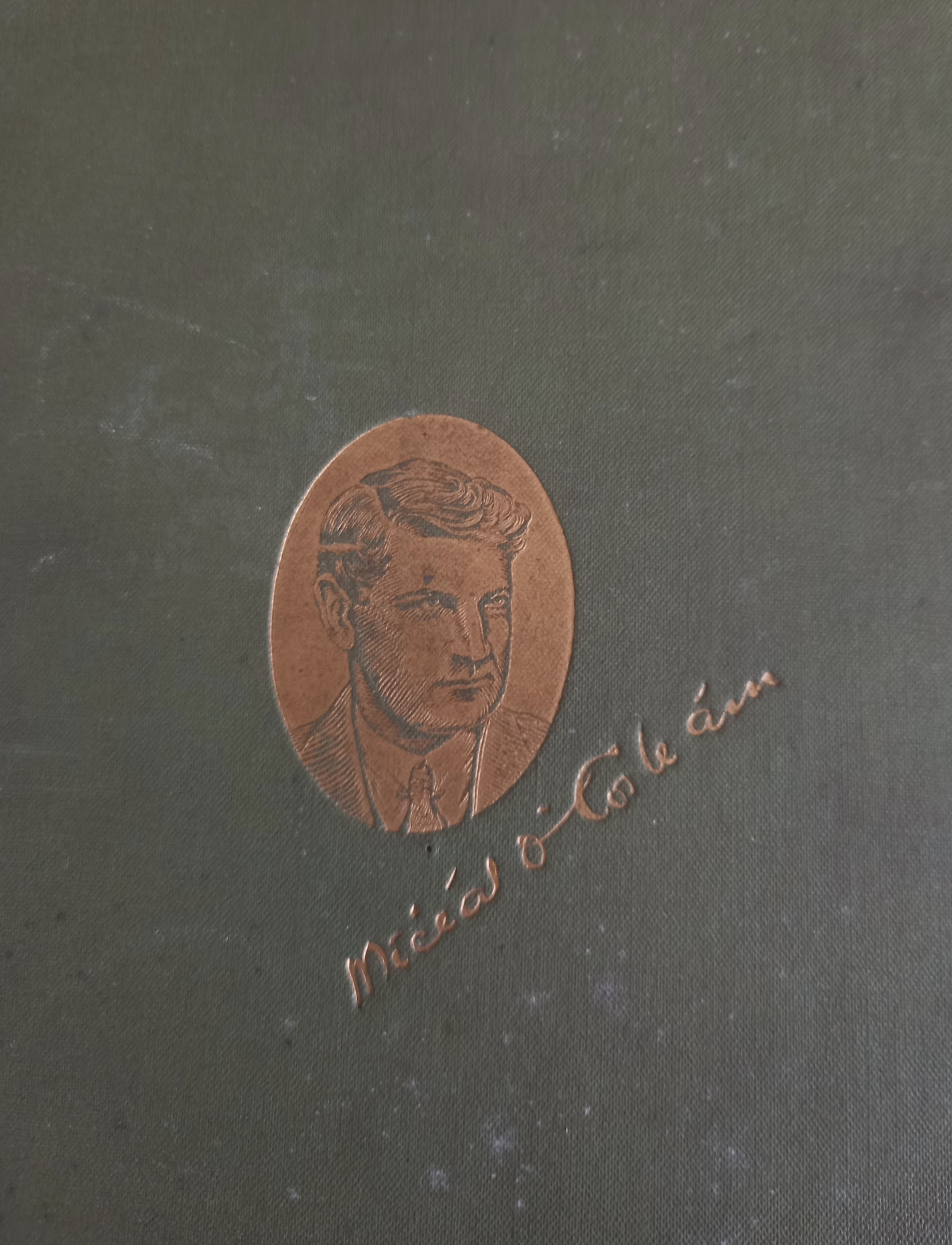
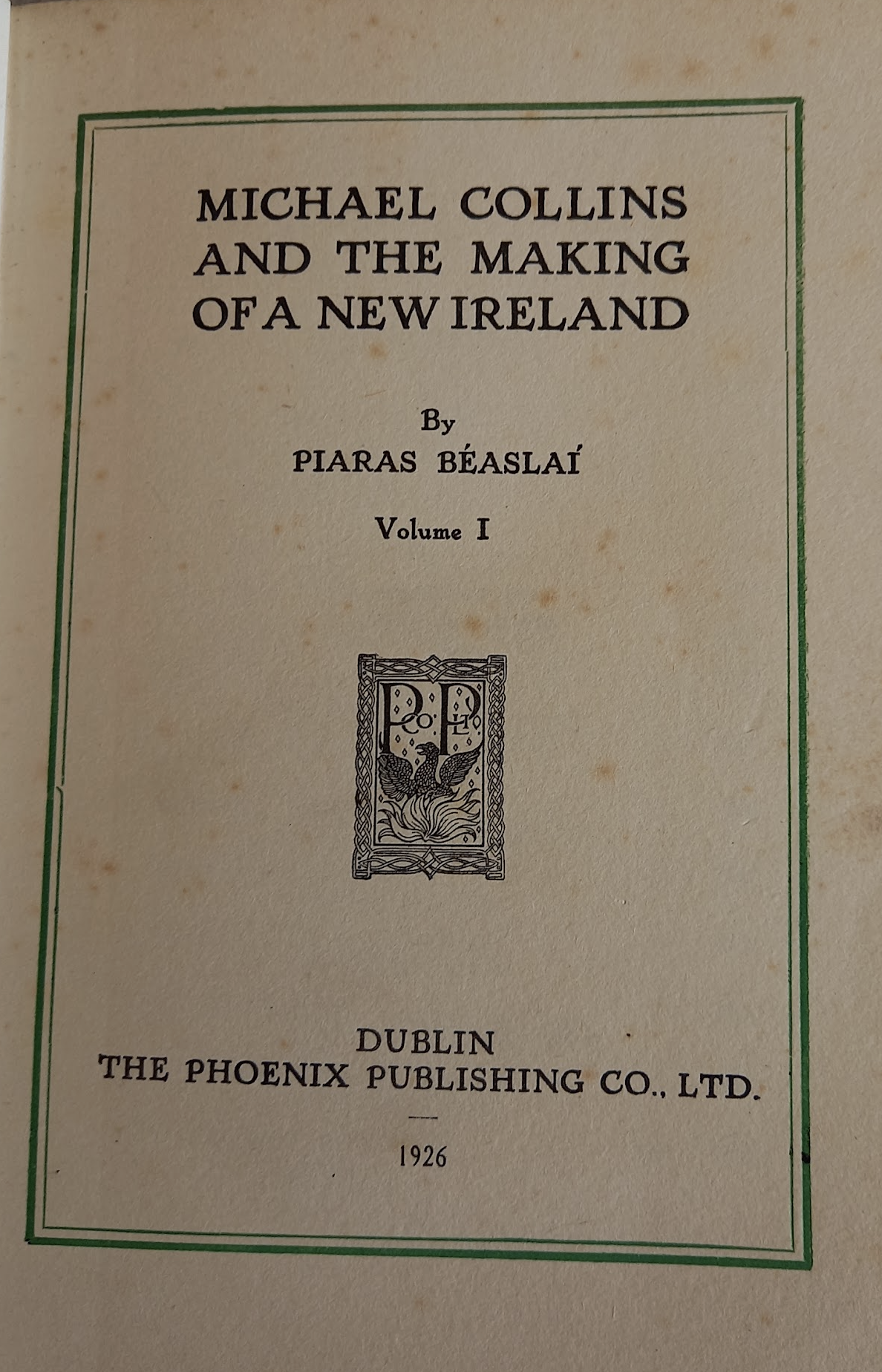
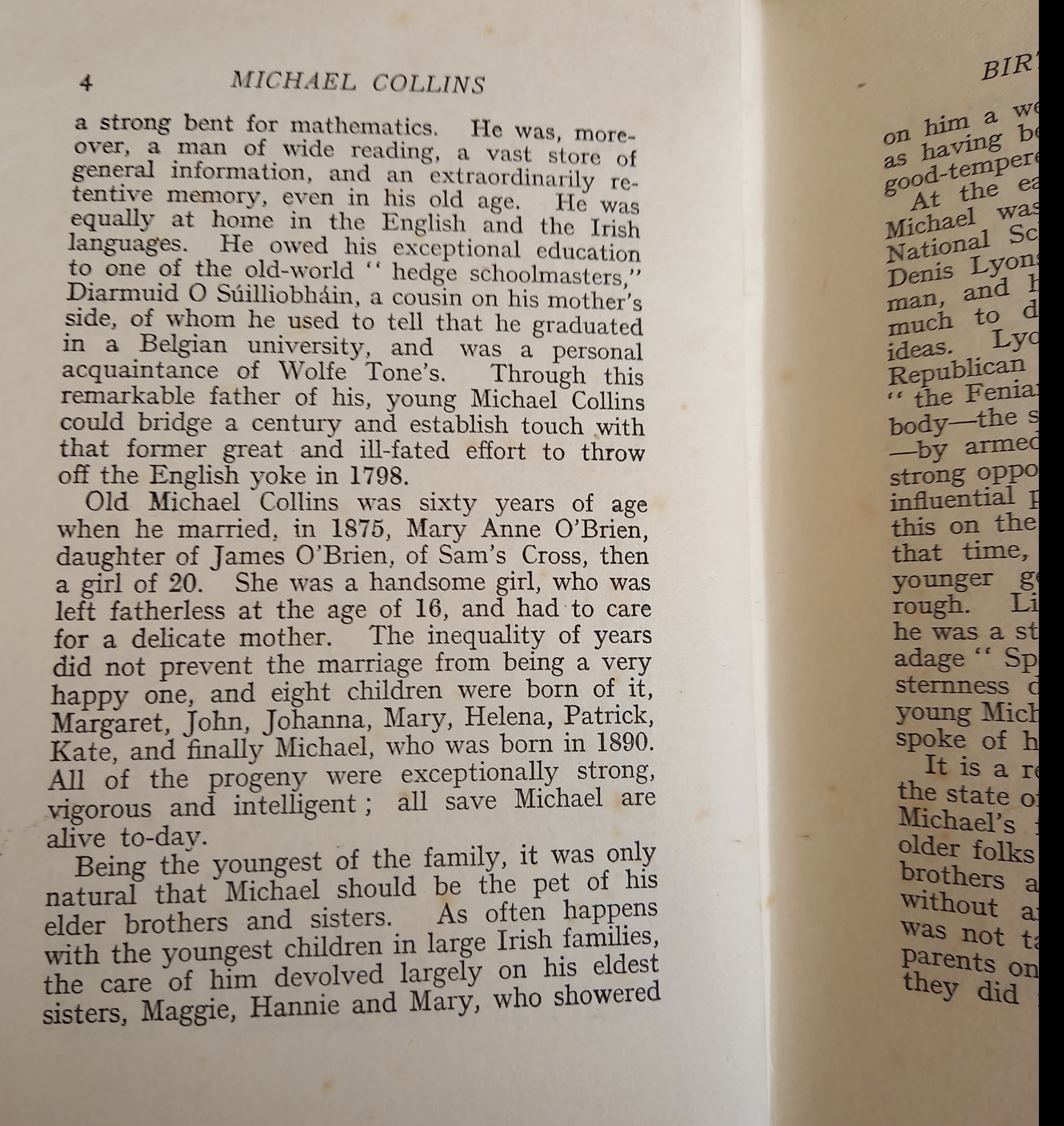
It is believed that many hedge school masters were either failed priests or those who studied at the various Irish Colleges in the Continent but did not proceed to take final vows as a priest. This might apply to John Collins the Silver Tongue of Munster.
10 Friday Mar 2023
Posted in Uncategorized
a
https://docs.google.com/document/d/1iUWLnMdEXFgyt6IlrIj-t50Zy6-zHlB9SYcgvi7anJw/edit?pli=1
..
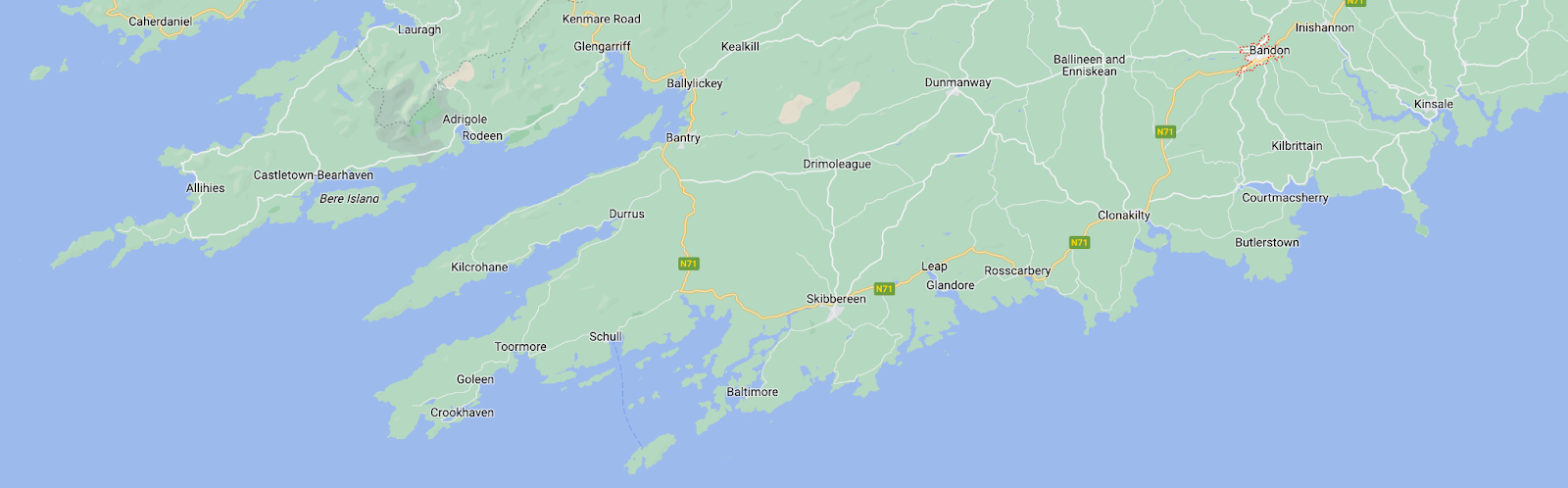
For Cork Magistrates, click here:
https://docs.google.com/document/d/1iEOKEJwc_qDwTGnI_CgQcU77JzwWrJFeL-_7PN2G1zU/edit?pli=1
1799 Gentry and Magistrates Supporters of the Act of Union Between Ireland and Great Britain
Francis Bernard, 1st Earl of Bandon (1755-1830)
Thomas Browne, 4th Viscount Kenmare, extensive estates Bantry/Beara
Edmund Boyle, 8th Earl of Cork, (1767-1856), extensive estates West Cork
Honourable Simon White (1769-1838), 1789, Glengarriff Castle, Bantry,
.
John Townsend TCD, BL, (1737-1810), 1775 from family history not official list, Shepperton and Dublin
John Hyde, 1797, Creg(golympry), Kilworth, extensive estates West Cork
William Townsend, Derry, Rosscarbery
Rev. Samuel Beamish, TCD, 1779, Mountbeamish, Bandon,
William Wrixon Beecher, Creagh, Skibbereen.
Richard Hedges Becher, Pre 1830 Hollybrook, Skibbereen,
William Moore, Courtmacsherry.
Thomas M. Symmes, Dunmanus Castle.
Richard Townsend, Palacetown, Kinsale.
Rev Richard Townsend, 1795, 1823, Skull (Schull),
Henry Beecher, Hollybrook, Skibbereen
Rev. Horace Townsend, Courtmacsherry
Thomas Townshend Somerville, 1796, Castlehaven.
Timothy Deasy The Elder (c 1739-), 1793, Barr’s Hall, Timoleague,
Samuel Richard Perry Esq., 1797, Butlerstown, Kinsale,
Joseph Bullen, 1799, Sovereign Kinsale.
07 Tuesday Mar 2023
Posted in Uncategorized
https://docs.google.com/document/d/1LznInaKNYN4YvbgPDctvFvCLly4Y1a5TaPbBImU_ofg/edit
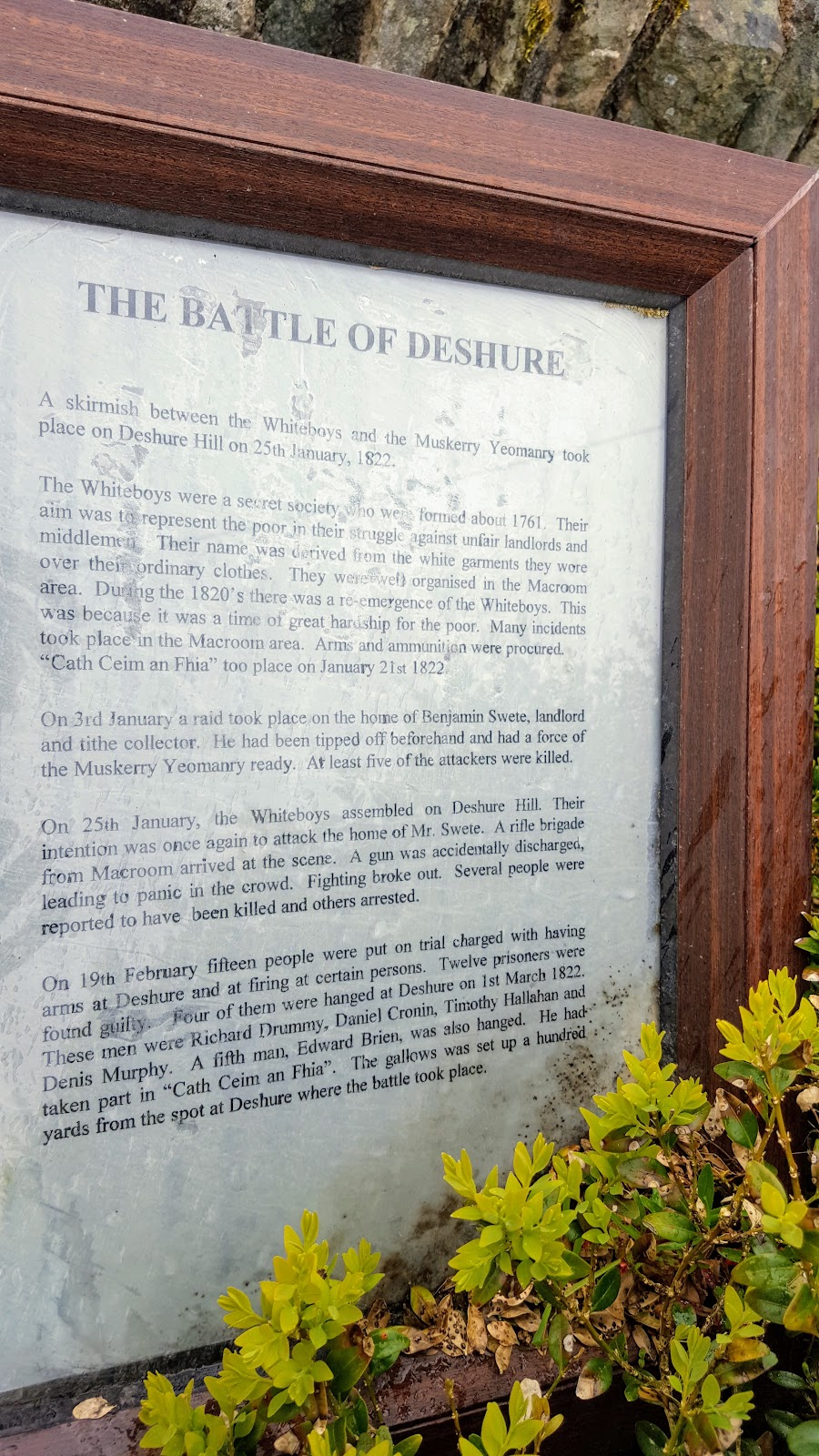
1822 Deshure Special Commission, Cork. Battle of Deshure, Kilmurray, Whiteboys and Macroom Rifle Brigade Abortive Raid on Benjamin Swete, Landlord and Tithe Collector, later 5 Hung at Gallows at Deshure.
..

05 Sunday Mar 2023
Posted in Uncategorized
Tithes
..

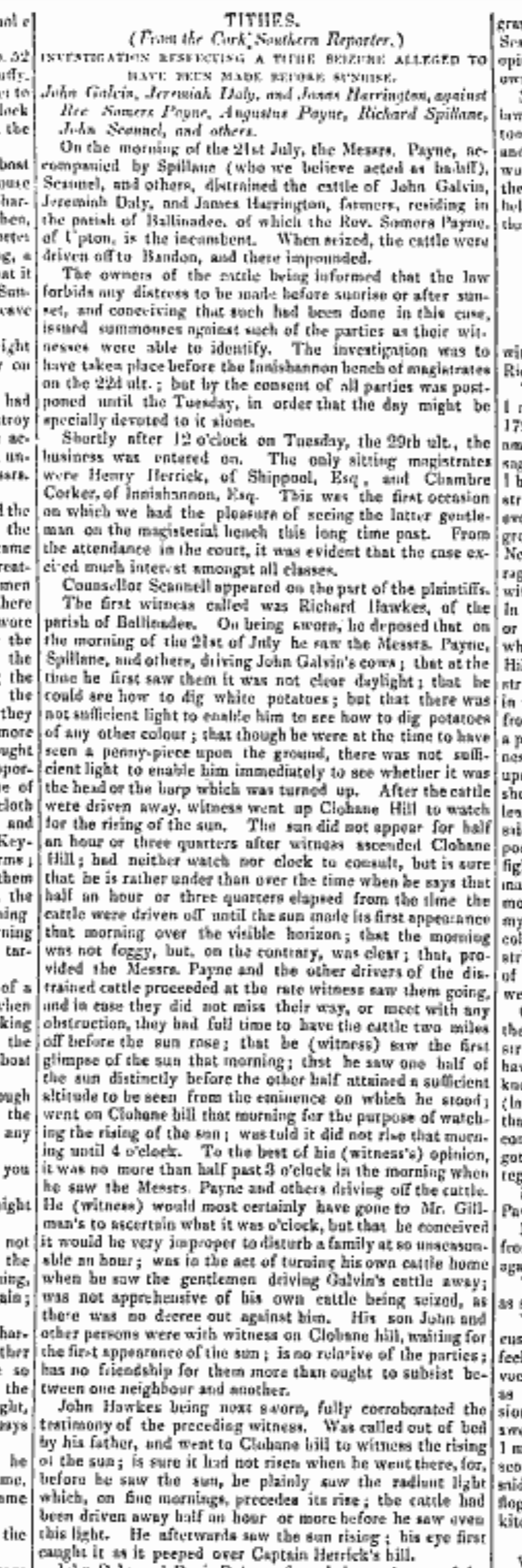
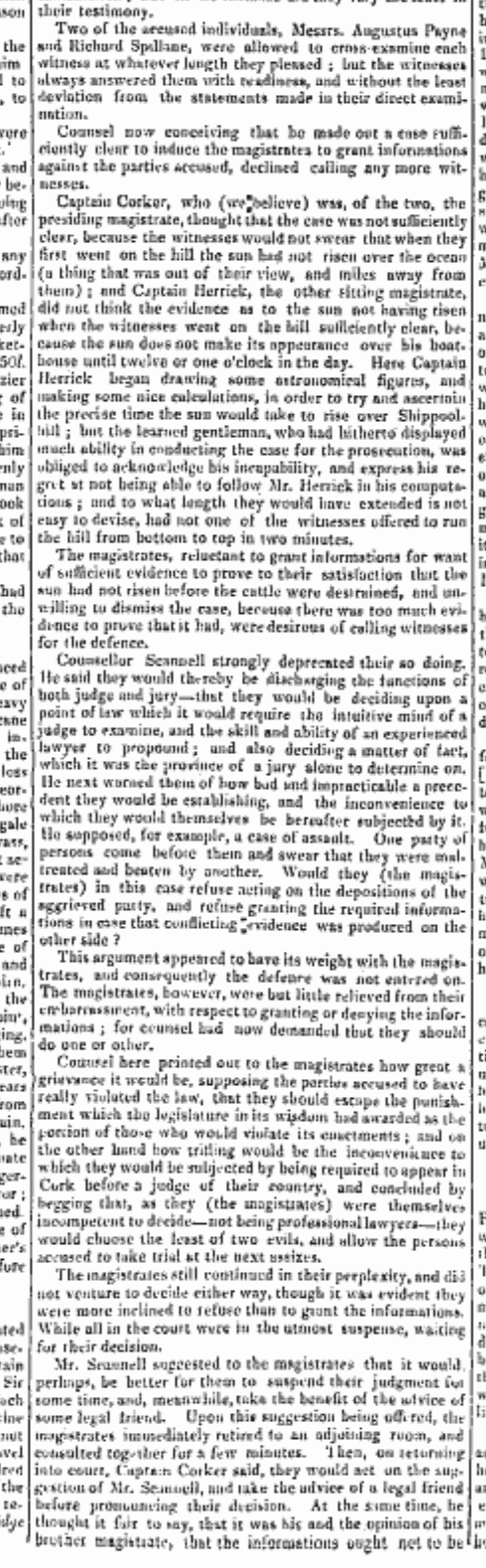
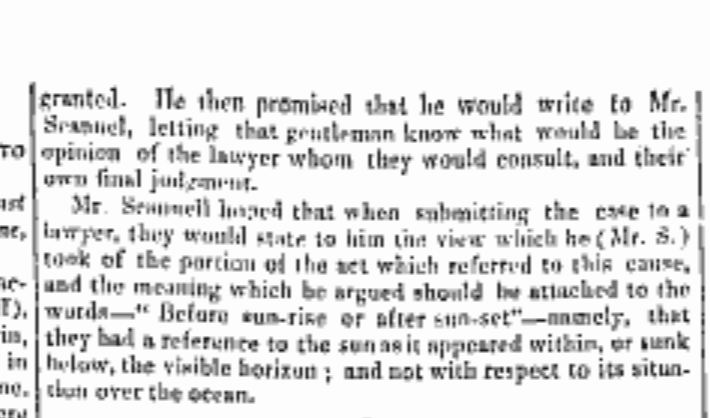
Presumably the tithes wee being collected on behaalf of the Rev,.Somers Payne
Augustine Warren Payne, (1817-1844), 1840 Bantry, Home place Upton. 1837 alleged to have seized cattle in lieu of unpaid tithes presumably due to his father Rev. Somers Payne, incumbent of Ballinadee before sunrise. Attending the 1840 Great Meeting Bantry re Poor Law. Managing Lord Bantry Estates with Patrick O’Sullivan, Millcove managing Beara Estate also managing Conner estates. Gave extensive evidence 1841 election petition that he was in Longfield Leader conservative interest. Member Dalys Conservative Club Cork. Died in Bantry of famine fever around the same time his brother a year younger the Rev. Percy Gethin Payne died of fever at his father’s house. His son Augustus died 1844 leaving £450 he was executor but in 1858 as he was dead his son’s estate was administered by James Henry Payne, Beechmount, Co. His brother John took Augustus’ place at Bantry House as a result.
Rev. Somers Payne (1785-1857), TCD, son of James, physician, Pre 1815, 1823, Ardagh as Rev. S.H. Payne, Upton, Grand Master Orange Order, Co. Cork. Ordained 1810. Sons Rev. Henry, James, John Warren daughter Mary married Nash. Voted for Hutchinson 1826 election. Bandon Brunswick Constitutional Club 1828, sitting Bantry and Bandon, 1835, Provost of Bandon. Agent to Lord Berehaven since 1820 son Augustus agent to Lord Bantry. 1828 Bandon Quarter Sessions. Following a large Protestant meeting 1834 at Castlebenard nominated to prepare a petition to the British King and Parliament with the Rev. Somers Payne, Councillor Mannix, Lords Berehaven and Bandon. Parliamentary Commission sitting Bantry 1845 showed sympathy for labourers and cottiers. The Rev. Somers Payne’s mother was sister of John and Henry Shears, Barristers in the City of Cork, who perished on the scaffold for alleged ‘high treason’ at the opening of the ‘present century’. 1835 Subscriber Lewis Topographical Dictionary of Ireland 1837. A grandson mentioned in the will of Eliza Gethin, Cork, 1801 property for him held in trust by Dr. Boyle Coughlan and Gilbert Henry Fleming, attorney, Dublin. His son Augustus died 1844 leaving £450 he was executor but in 1858 as he was dead his son’s estate was administered by James Henry Payne, Beechmount, Co. Cork. Died in Bantry of famine fever around the same time Augustus Warren Payne aged 27 his brother a year younger the Rev. Percy Gethin Payne died of fever at his father’s house. His Upton property became a Reformatory School under the Rosminian Fathers in 1860. Land record, 1870, 653 acres. Sir Augustus Louis Carre Warren succeeded to the baronetcy in 1811. He and his wife Mary had two sons and two daughters. They were Augustus, born on 17th May 1791 and John Borlase, born on the 13th September 1800. The daughters were Esther and Charlotte. Esther married James Colthurst of Dripsey Castle on the 30th July 1808, which linked the family by marriage into two of the most powerful families in Cork: the Bernard’s and the Colthurst. Esther died on the 22nd July 1872. Charlotte married Reverend Somers H. Payne of Upton House.[68] Sir Augustus Louis Carre Warren died on the 30th January 1821. Listed 1856 as Rev. Somers H. Payne as having 21.050 trees planted in Brinny. The Brinny estate was previously lived in by Rev. William Lewis Beauford.
Innishannon Magistrates.
Henry Herrick TCD, Woodlands, Bandon. TCD admissions 1809, aged 17, son George. Member 1832 Cork Friendly Club. Attending Landlord Meeting Bandon Courthouse 1846. Reps, Cork, 1870 return 1,011 acres.
Captain Chambre Corker Esq., Pre 1824, Downdaniel, Innishannon. 1822 attempted assassination. 1823 confiscation. Bandon Brunswick Constitutional Club 1828, listed 1838, Member Commission on Magistrates 1838. Gave evidence 1835 to enquiry to Poor Law Commission. 1837 hearing case at Innishannon with Henry Herrick of Magistrate Augustine Warren Payne alleged to have seized cattle in lieu of unpaid tithes presumably due to his father Rev. Somers Payne, incumbent of Ballinadee before sunrise. 1843, sitting Innishannon 1835. Co. Freeman of Cork City voted in the 1837 election Cork City probably related Charles Henry. Subscriber John Ryan, 1845 ’20 Years of Popish Persecution’. CSO/RP/1820/308. Petition of Chambre Corker, magistrate, Downdaniel Castle, Innishannon, Co. Cork, to Earl Talbot, Lord Lieutenant, Dublin Castle, requesting appointment to the post of commander of Innishannon Yeomanry; refers to military service under lords Doneraile and Riversdale and asserts that he is a resident of the neighbourhood and ‘fully capable of the discharge of all Military duties, including training of men for Military Service’.
Barrister for the plaintiffs
Joseph Scannell Barrister, 1818, 4, Smith St., 13 Marlboro St 1845. Occasional Advocate Consistory Court, Cloyne Catholic. 1830 Finny Almanac. Pigot 1824. 1850 very extensive practice. Advocate for Provenant Consistory Court, Cloyne. Daughter Mary died aged 19, 1838. 1840 at Bantry Voter registration instructed by Galwey represented Liberal interest. Listed in St. Ann Shandon Ministers list 1793 and 1829 as living on Fair Hill valuation of £5 high for area, the Catholic enclave. Van Der Plus Deeds Cork Archives 1694. A Darby Scannell deceased 1735 lending money. Scannel listed Alderman’s clerk Cork election Hely Hutchinson papers 1783. JCHAS, prosecuting criminal cases 1836 Aldwell’s Directory 1845
Tithes West Cork
https://docs.google.com/document/d/1-NCOWVhITnsanxfjQepzCtRswcV77QZATGCxxPTKkCk/edit
04 Saturday Mar 2023
Posted in Uncategorized
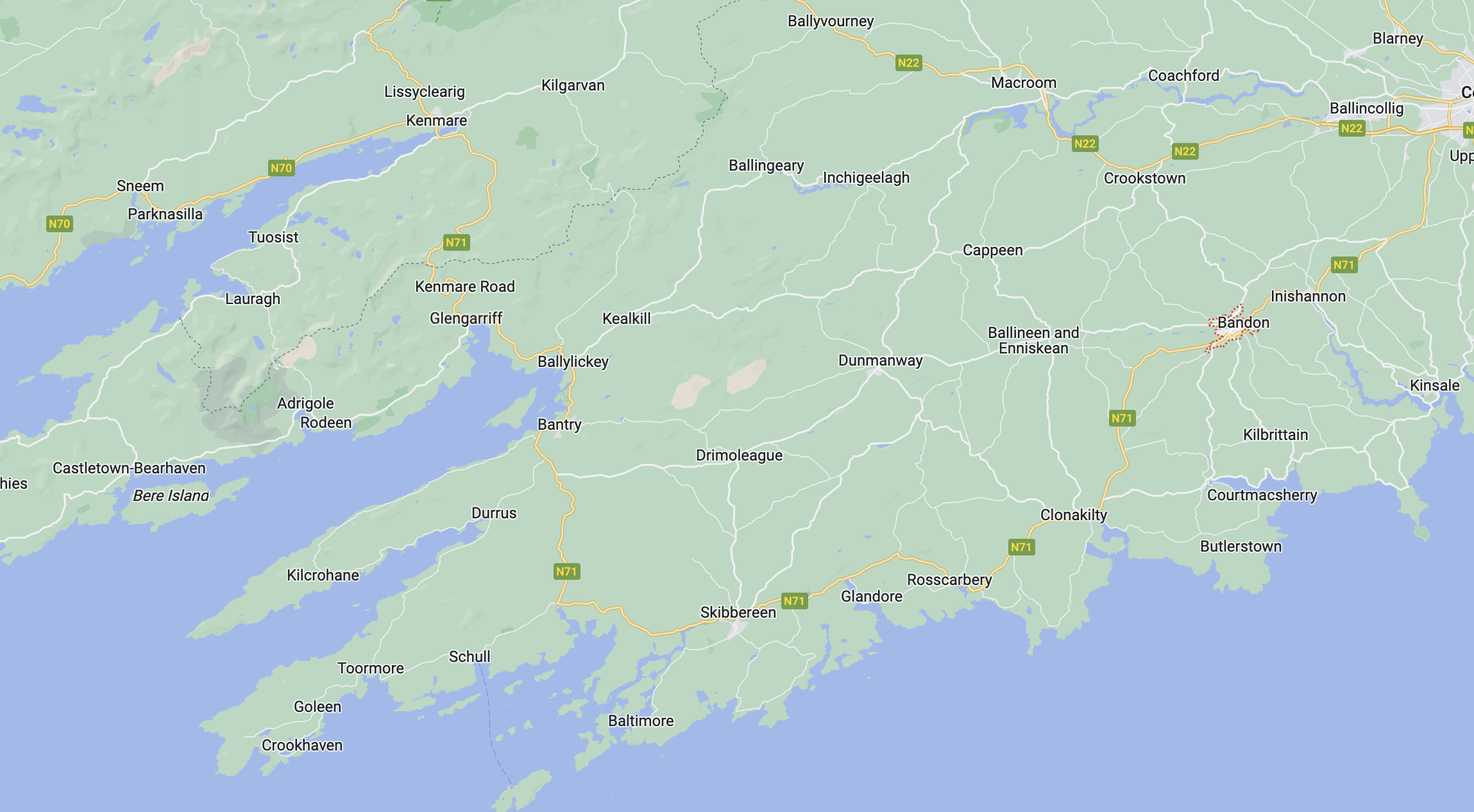
,,,
Click here:
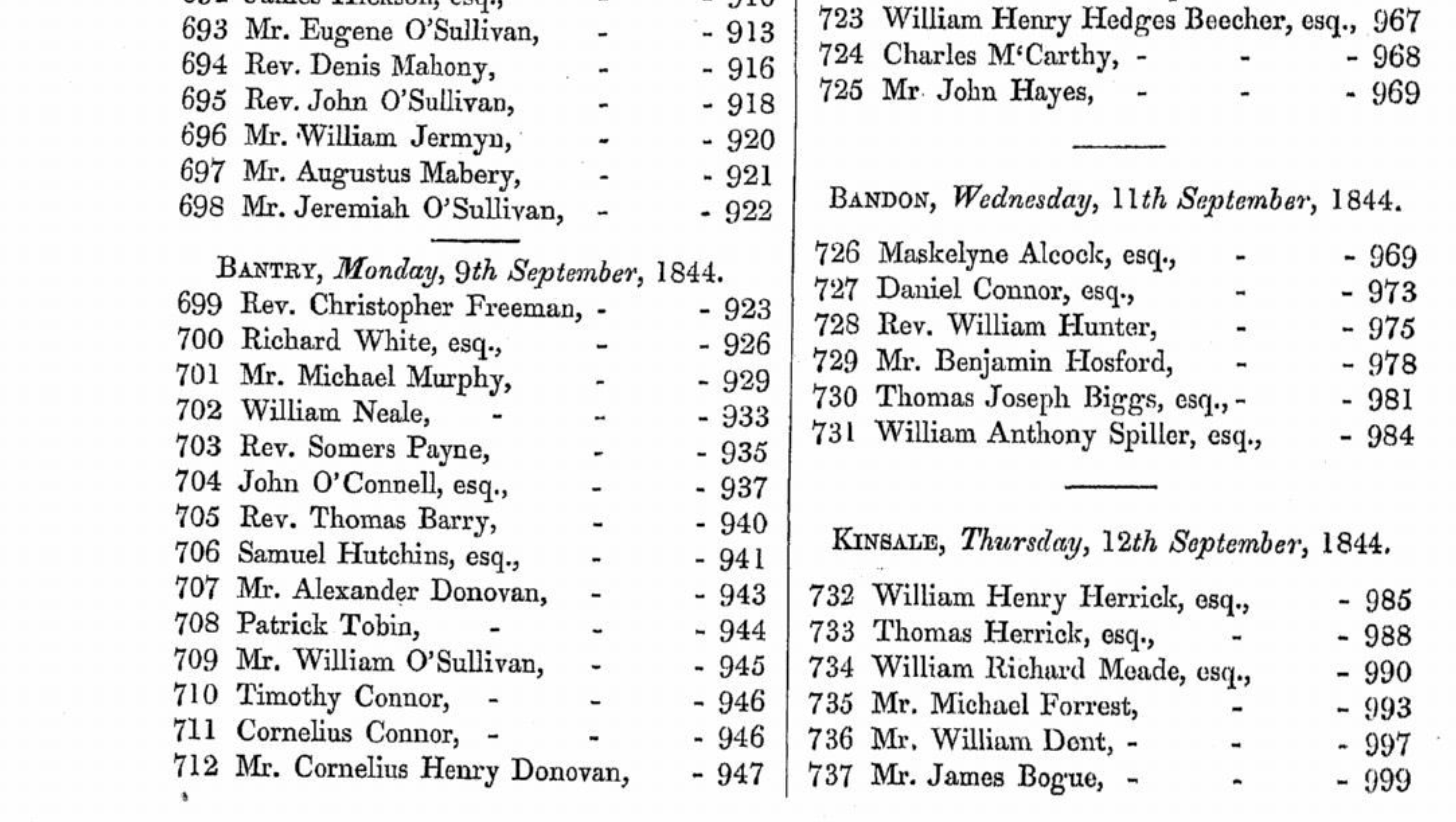
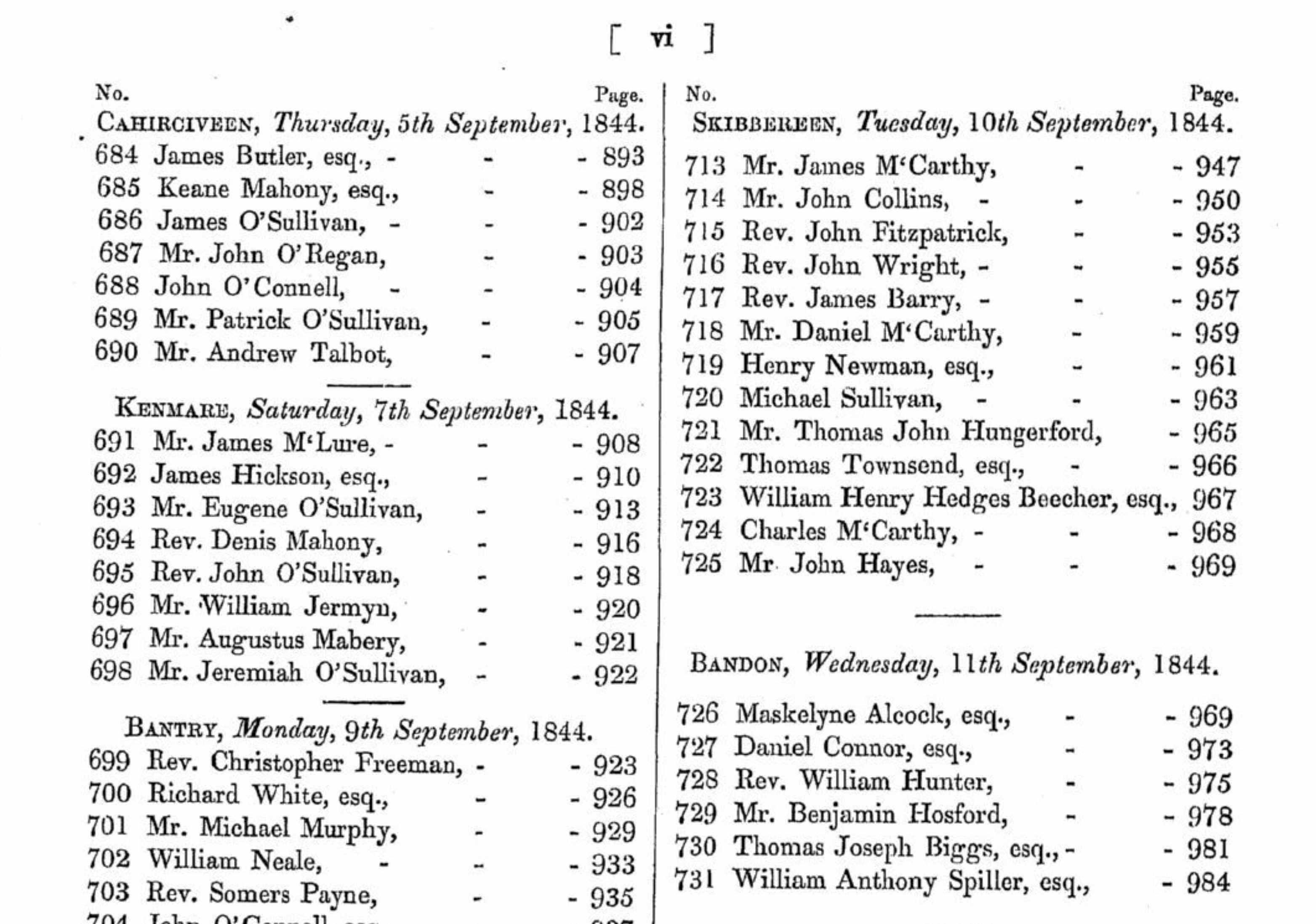
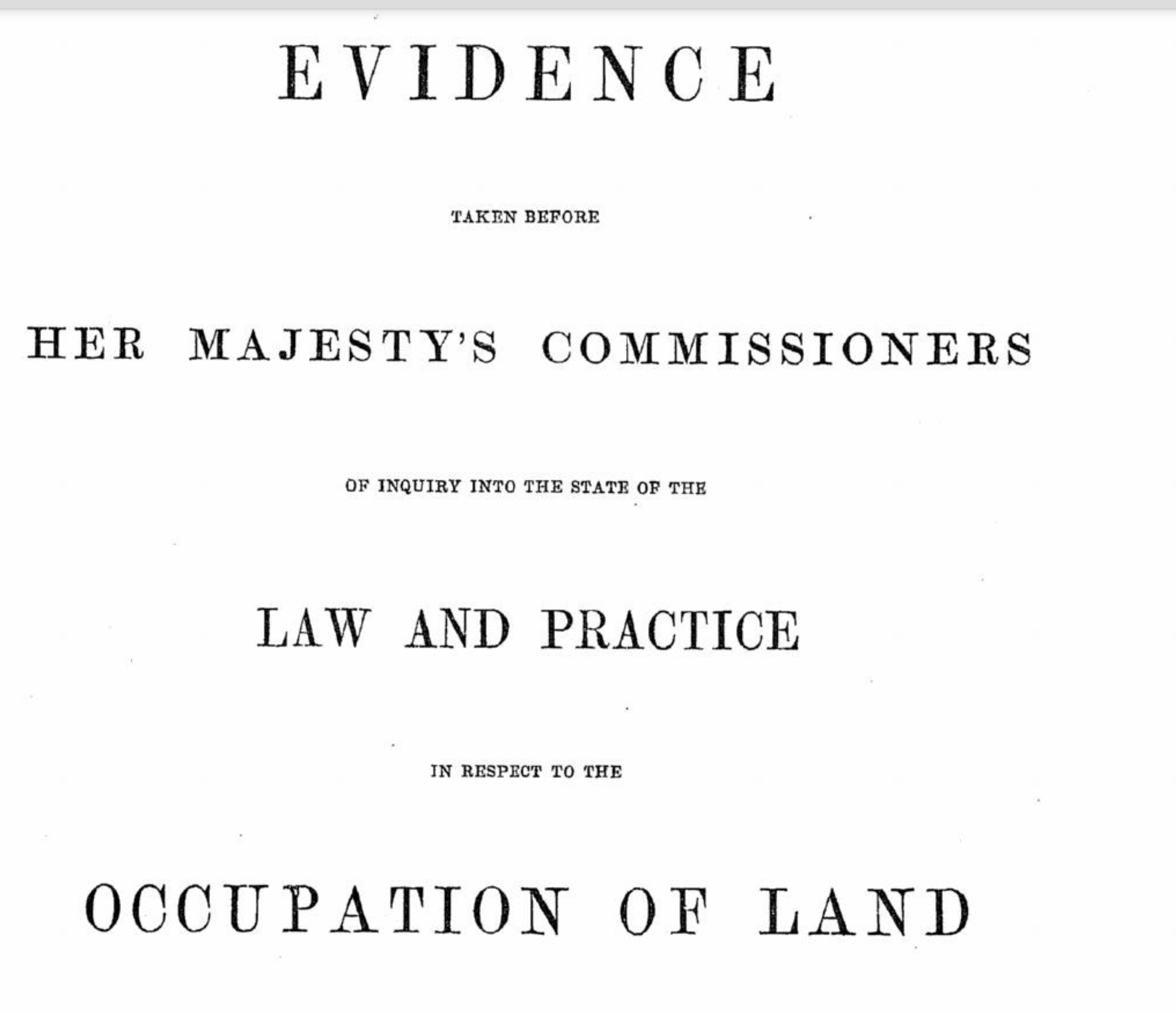
1844 Evidence taken at Bandon, Bantry, Skibbereen, Kinsale by Parliamentary Commission into Irish Land.
https://www.dippam.ac.uk/eppi/documents/11941/pages/281537
03 Friday Mar 2023
Posted in Uncategorized
Click herr:
https://docs.google.com/document/d/1FRQWV-JVVUKDH7r-WSMzo8ANSZeGevt07_0FngKN9vE/edit#
Land in Ireland.
Gortavallig is in the Electoral Division of Sheepshead, in Civil Parish of Kilcrohane, in the Barony of West Carbery (West Division), in the County of Cork
The Irish name for Gortavallig is Gort an Bhealaigh
Gortavallig is on Logainm.ie: Gortavallig.


..
Searchable: https://www.dippam.ac.uk/eppi/documents/11941/pages/281542
His Landlord Richard O’Donovan, Fort Lodge, Durrus.
Richard O’Donovan 1818, Fort Lodge, Durrus listed 1838, son Richard Esq. O’Donovan Cove, and Jane d Alexander O’Donovan, Squince. Father of Richard O’Donovan J.P. History Brother of Timothy and Dr. Daniel O’Donovan J.P. He married Maria O’Sullivan on the 15th October 1833Her father was Murty Og, of Ceimatringane House, Castletownbere. She died at Fort Lodge, aged 52, voted 1850 for Denis Galwey as High Constable for Ibane and Ballyroe (Clonakilty). Lease Richard O’Donovan, Magistrate, of Glanlough, Cork


 West Cork History