Deep Maps : West Cork Coastal Cultures
02 Saturday Jul 2016
Posted in Uncategorized
02 Saturday Jul 2016
Posted in Uncategorized
01 Friday Jul 2016
Posted in Uncategorized
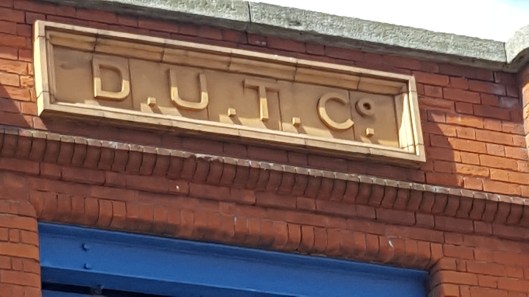
Extant Logo of William Martin Murphy’s Dublin United Tramway Company.
In popular history William Martin Murphy, the Barony of Bantry and Bere born businessman is reviled. In fact he was probably Ireland’s most successful businessmen of the late 19th and early 20th century. If he were alive today he would be feted.
01 Friday Jul 2016
Posted in Uncategorized
Politics and Administration of early 19th century Baronies of West Carbery, Bantry and Bere,Co. Cork, Ireland.
Courtesy Susan Baretta, Utah.
http://www.corkgen.org/publicgenealogy/cork/baronies/carberywest/
Figures in early 19th century Bantry and West Carbery Politics, May 2016
https://docs.google.com/document/d/1D8UyxgQoDac2ZKy9p64vQFKnAJDcnXTbKZyddFfY1sQ/edit#
1841 Election Background.
https://docs.google.com/document/d/132ERj74_kgt5dy-i9wik4f3tNF-ZnLiGLiv7PiJUIis/edit
Father Barry Catholic Association Bantry from 1826
https://docs.google.com/document/d/17TvUaEsc_gmO8G5Z3DEj-trcNHtU07D2x-2MLm28Rsg/edit
1835 Freemen, July 1841 Election Voters, Barony West Carbery, West Division, Bantry and Bere
https://docs.google.com/spreadsheets/d/1l-ttMKKPJT6RP-EwvivLvpw3aeOsNjpv9q8-_kDLFJ4/edit#gid=0
Timothy O’Donovan, The Cove, Genealogy and Ardahill (Kilcrohane) and Fort Lodge, Political Machine
https://docs.google.com/document/d/1eq_IayaxdUyWZWbpDf6LWlLNg7o-3tNJiqPGYIALy80/edit
30 Thursday Jun 2016
Posted in Uncategorized
Church of Ireland Church and School, Rooska, Bantry, West Cork built 1868 by Father of William Martin Murphy. Closed 1988.
Licensed places of Worship and Glenlough and Rooska 1852-1866 these were in schoolhouses. These were built by the Rev William Moore Crosthwaite around 1850. Rooska church was closed in January 1988.
Rooska
Some of the services and sermons at these places of worship were in Irish c. 1850, when the Rev. Crosthwaite preached; attended by thirty converts and several poor Protestants who would have to travel six to ten miles if they attended the Parish Church. Rooska Church was built in 1868 to a design of William Atkins. The builder was William Murphy of Beara the father of William Martin Murphy
The church was reopened in 1894 and in an article reproduced in Francis Humphries’s book; there is a reference to the congregation comprising 65 of the farming class. The large proportion of men especially young men here as in other West Cork parishes was in contrast to the situation elsewhere. The church underwent redecoration in 1962. This Church was closed in January 1988. Notice Celtic Cross on roof. Up to some years ago the church was used for music and dance classes.
Rooska School
The school is listed in 1817 as receiving no Parliamentary grant as no private donations. 1821 through Rev. Alcock 1824 £9 per annum from The Association for Discontinuing Vice. It was associated with the Munster Bible Society and having 23 boys and 18 girls. There was an application by the Rev. Pratt for the school to be recognised as a National School in 1898. The file in the National Archives sheds light on the old school which according to Rev. Pratt was built around 1822/1823. Captain White gave a lease for ever over a free site whereabouts of lease unknown, the informant being the previous rector Rev. Alcock. The school was inspected by the District Inspector Mr. R.W. Hughes on the 9th February 1898. He reported the building in fair condition, one room, no privies, stone and mortar, slated and drew attention to some improvements needed. The local schools were Gurtalasa, 1 mile 70 attending, manager, Rev. D. Foley P.P., Four Mile Water 3 miles, males 68 females 55, Manager Rev. D. Foley P.P., Durrus 2.5 miles Manager Rev. Pratt 40 pupils. Other schools shown on a plan were Bantry, Whiddy, Rosnacaharagh and Morreagh (Methodist Durrus). Normally a school would have to be more than 3 miles from another school, but in this case the application was approved from the 1st January 1898, in the exceptional circumstances of the mountain range preventing children from attending. It was stated that the teacher had been Mr. John Wolfe who had taught to great satisfaction for over 50 years but was now old and infirm. He had two sons who were teachers, one, John C. Wolfe was to teach in the school from 1898. He was 36, had trained at Marlborough Street in Dublin qualifying in 1881/2 and had previously taught at Rossharbour, Co. Fermanagh up to December 1897. The school had been supported by the Island and Coast Society £20, The Church Education Society £7, The Diocesan Board £5 and the Manager £3. This support was to continue. The roll was showed 12, females 6, on the day of inspection males 10 females 6. The average attendance for the previous period was August 10.8, September 12.1, October 3.3 (measles), November 9.6, December 13.3, January 15.2. The manager felt the numbers would continue to rise and that a number of Protestant orphans were expected. Mr. Hughes, in accordance with regulations, had consulted with Canon O’Grady and the approval of this on the file is struck out and it is stated that he had written to the P.P. who did not reply but the Curate in Bantry had no objection. Friction developed between Mr. John Wolfe and parents and he resigned in 1903, he was replaced by Mr. Pattison (Clashadoo) an uncertified teacher as a locum tenens. His appointment was approved from The 4th May, 1903, he being uncertified in the exceptional circumstances as the manager Rev. Pratt was unable to secure a certified teacher.
Rooska Teachers
John Woulfe Snr. 1848-1897 (b.1823, married Elizabeth Cole, father weaver, servant of Durrus Glebe, 1849, his own father was a labourer)
John Woulfe Jnr, 1898-1903 George Pattison 1903-
Miss C. Crighton (sister of Miss A. Crighton, The Schoolhouse, Clashadoo)


29 Wednesday Jun 2016
Posted in Uncategorized
29 Wednesday Jun 2016
Posted in Uncategorized
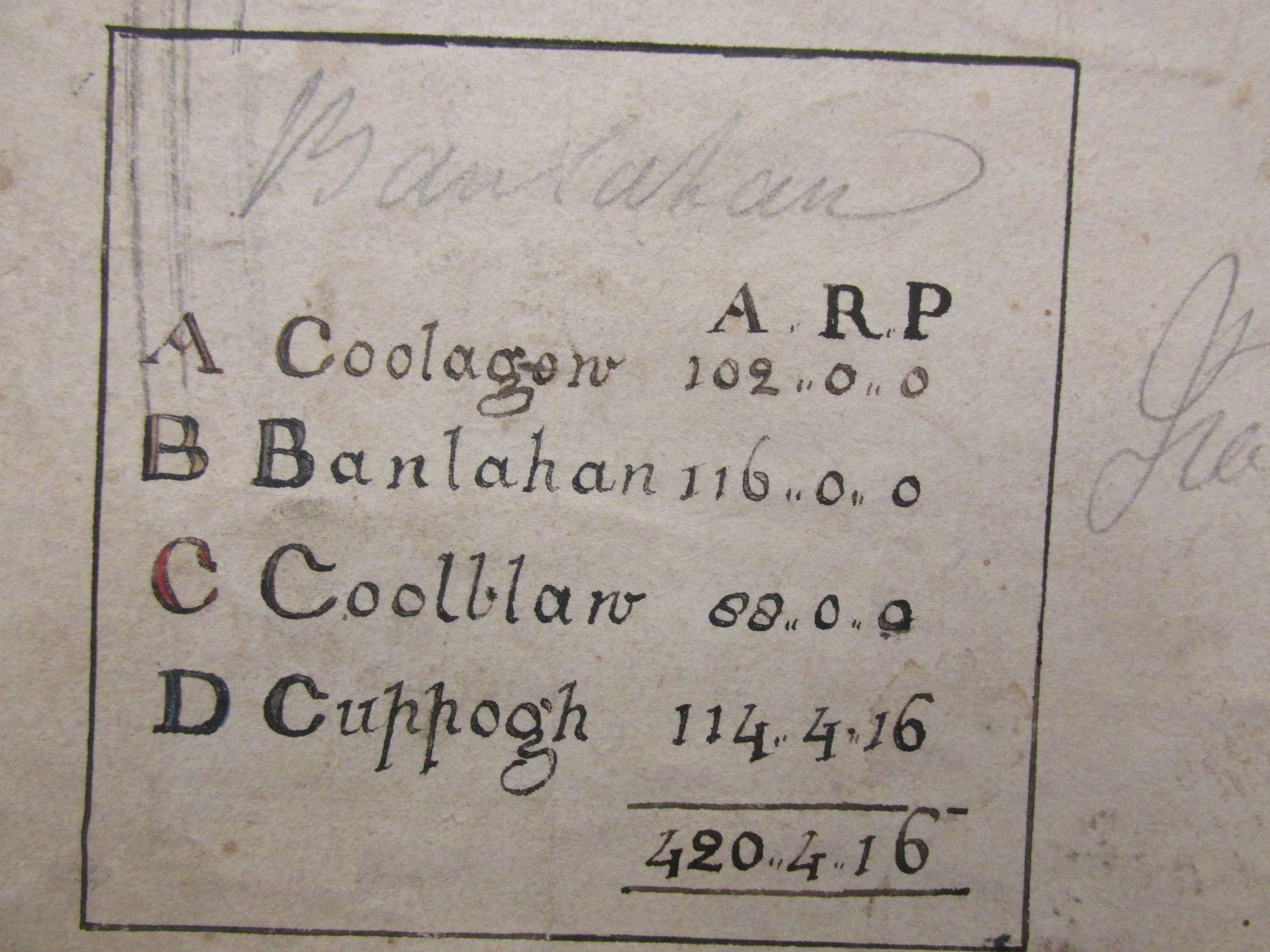
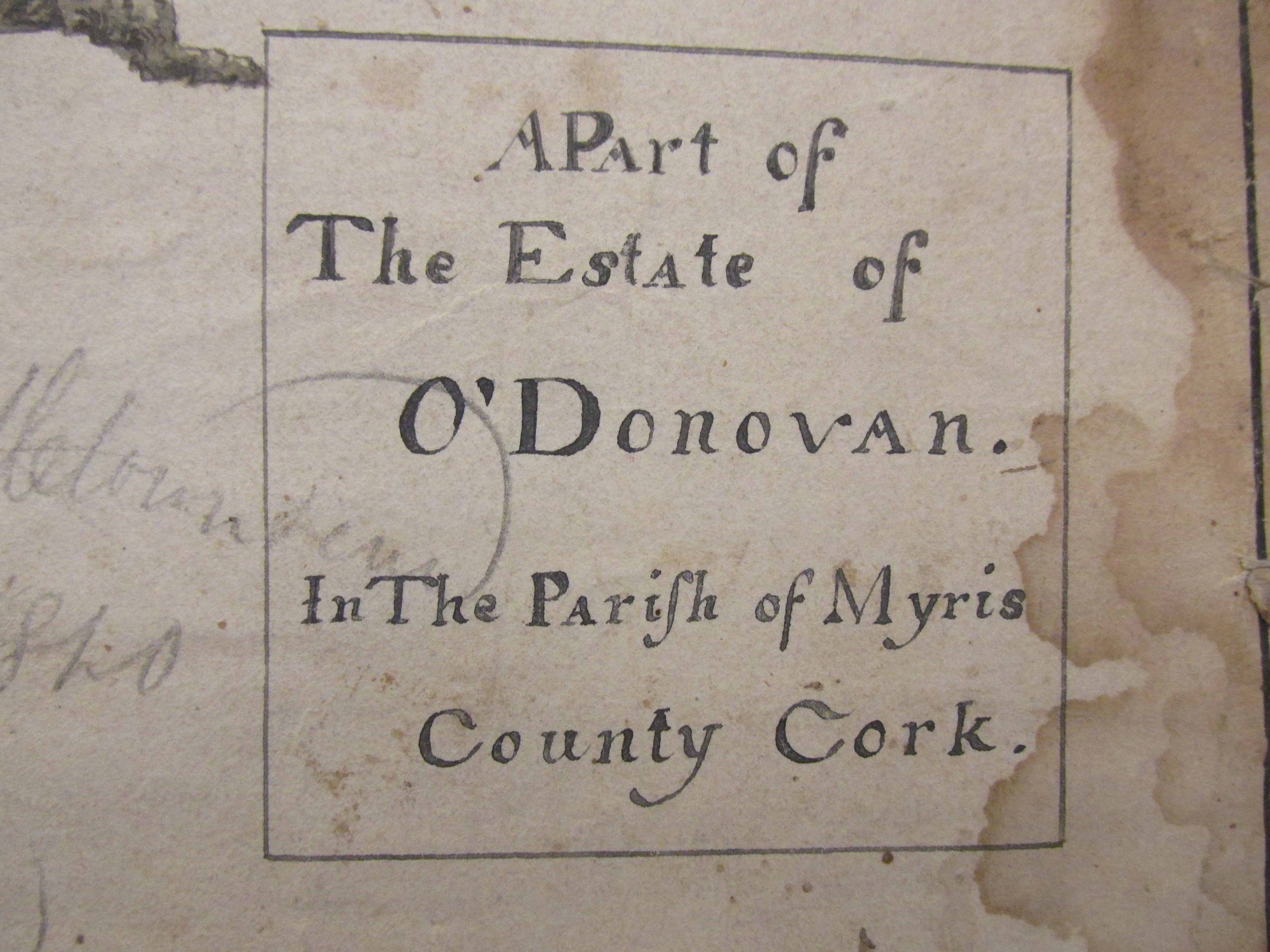
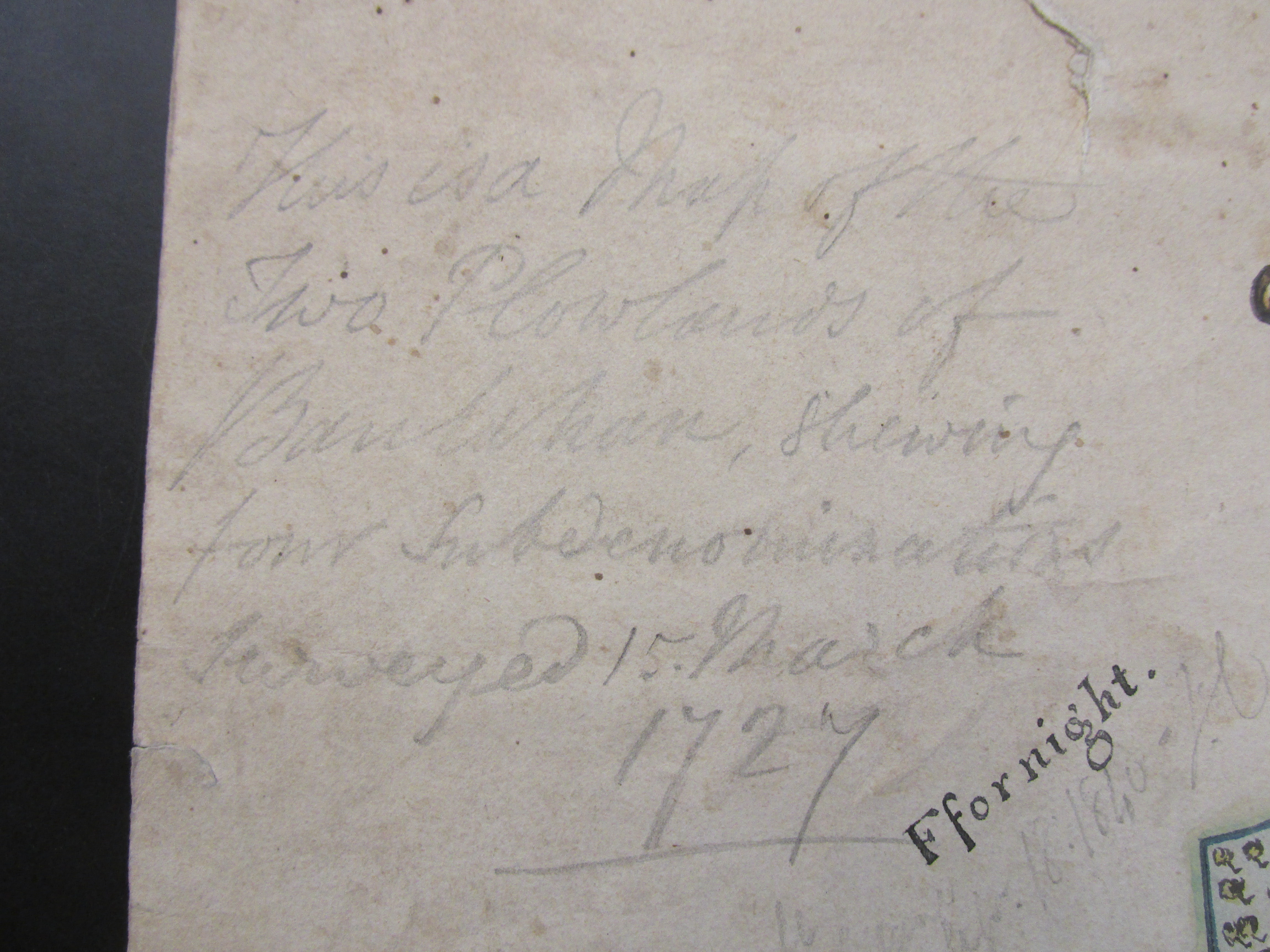
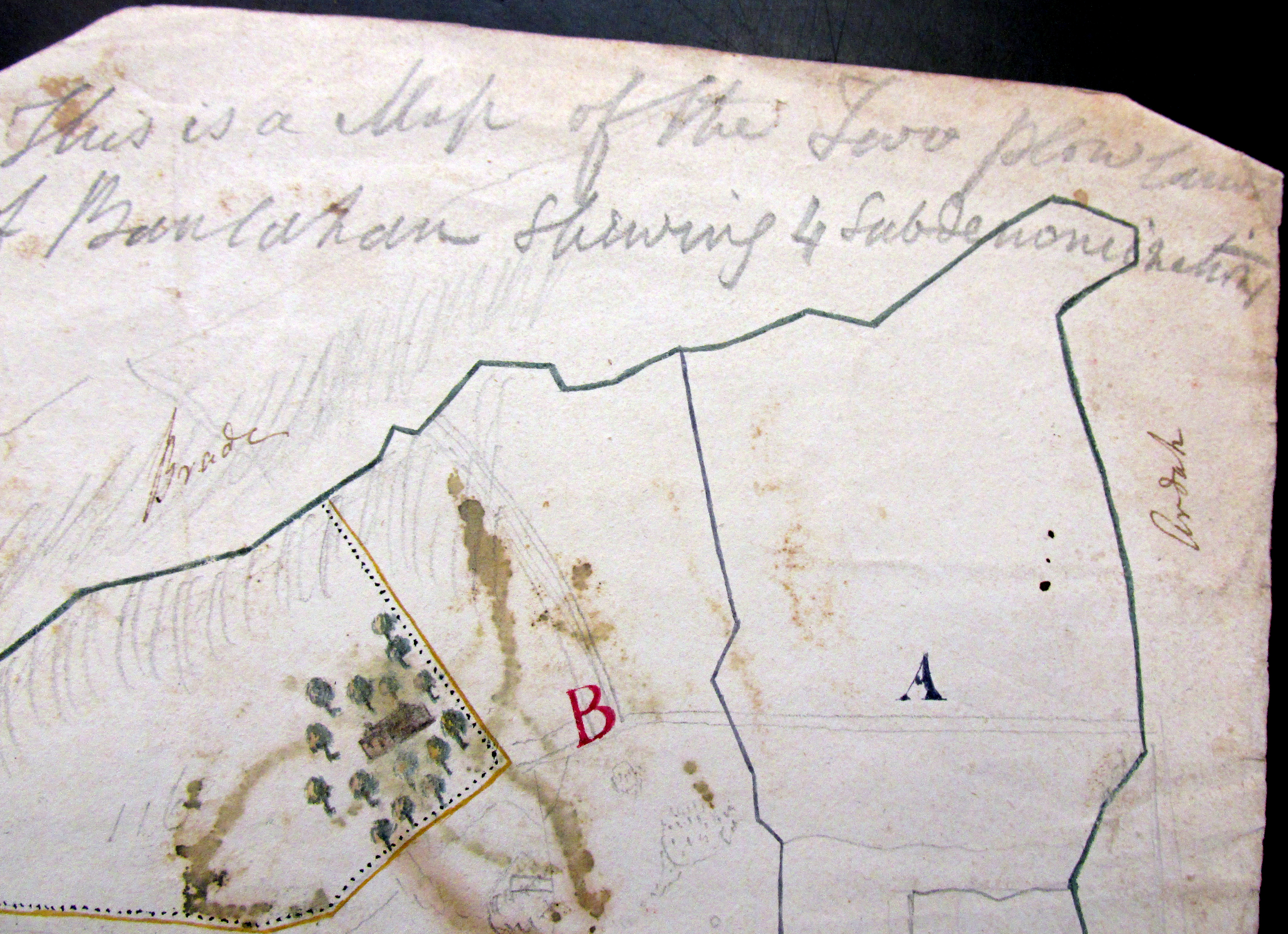
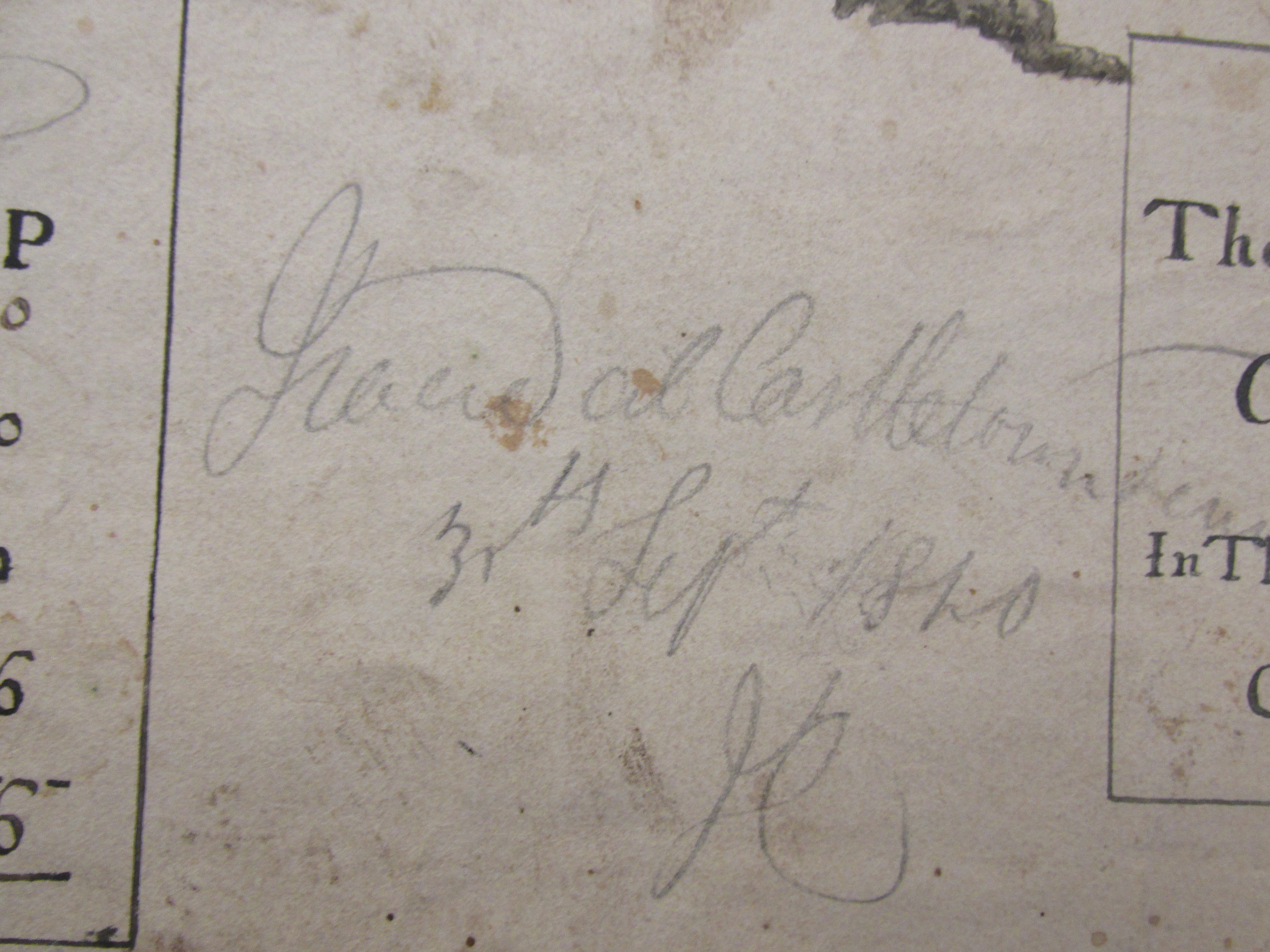
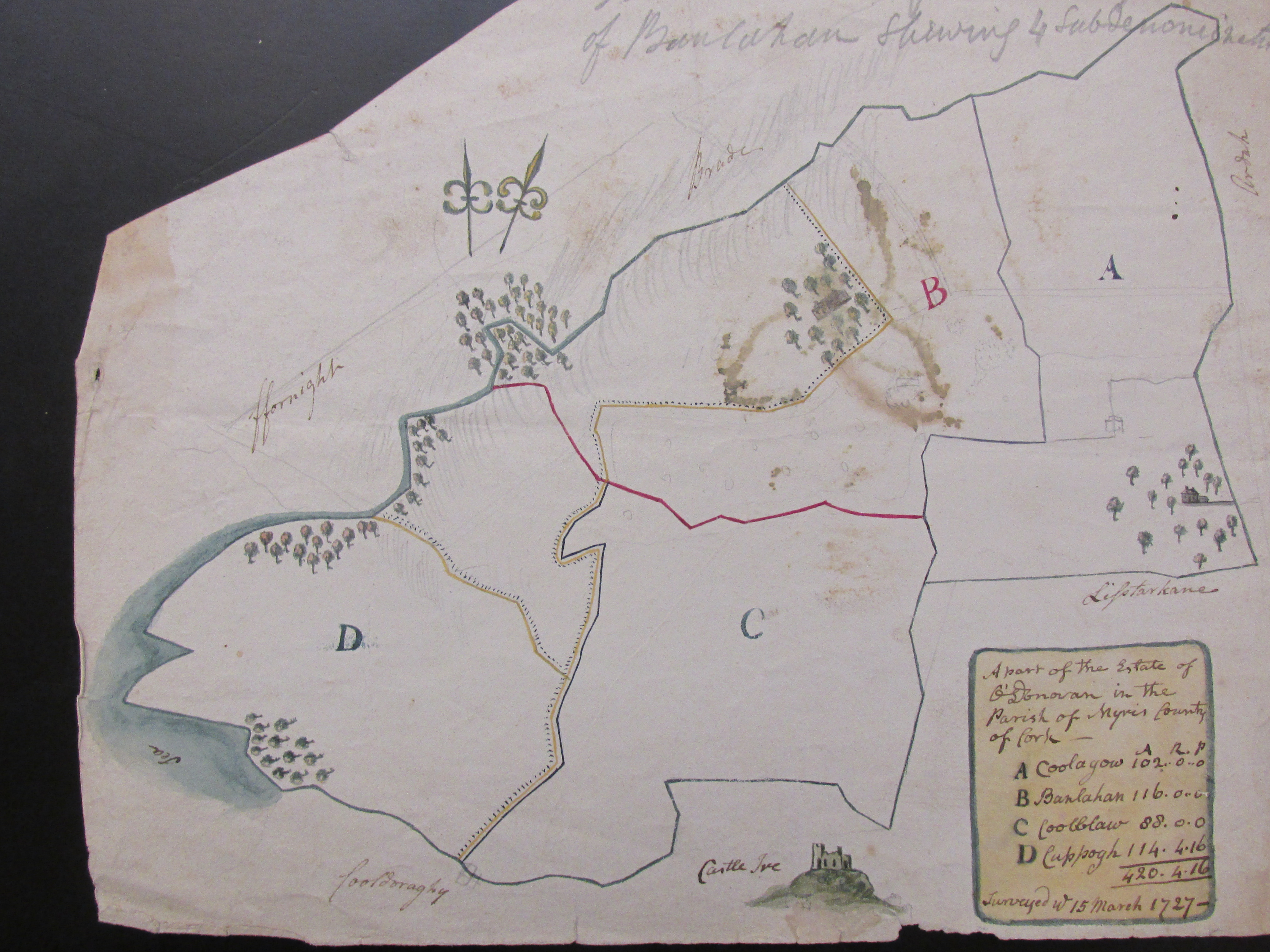
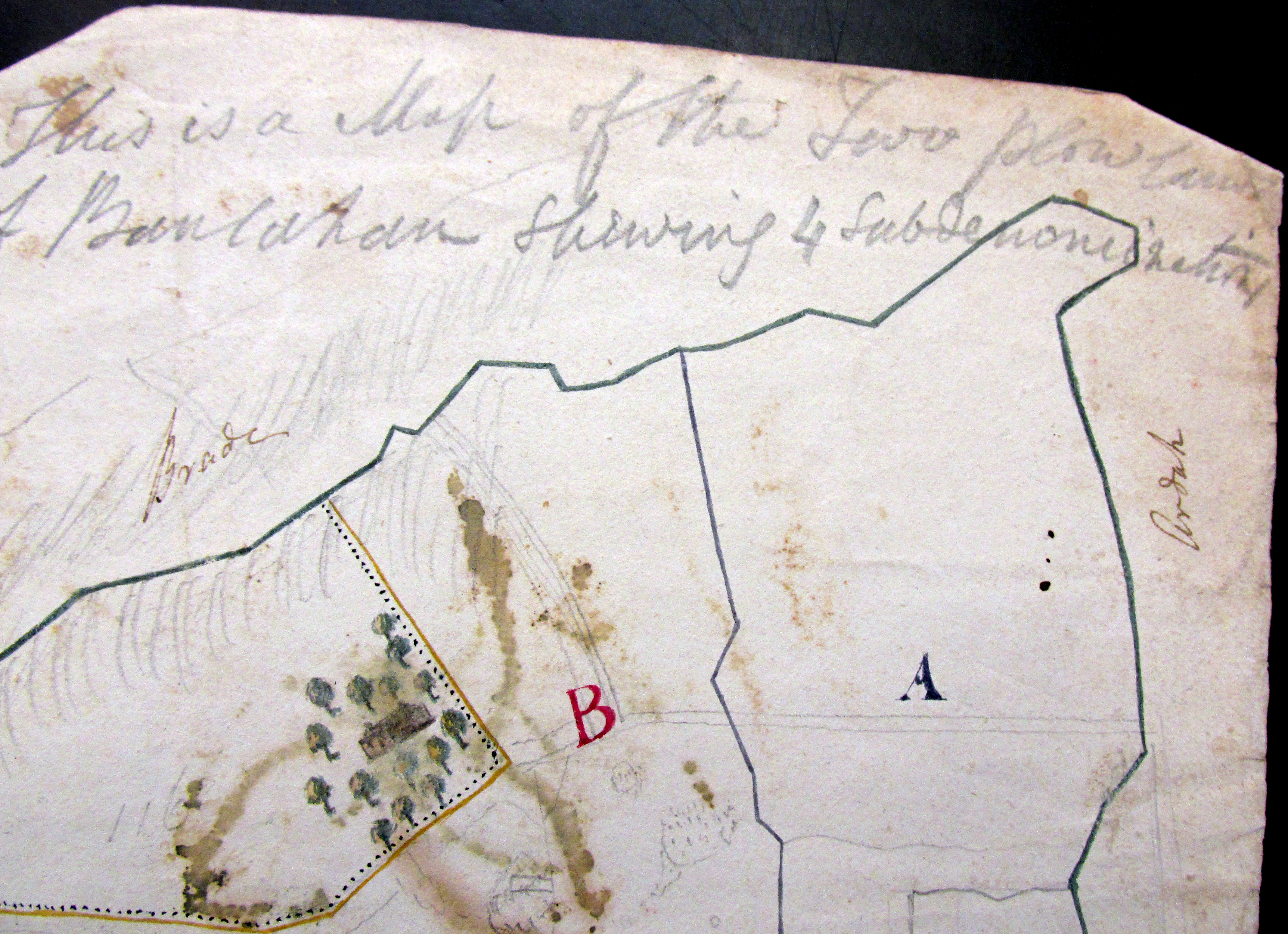
Survey 15th March 1727 of O’Donovan Estate, Bawnlahan, Parish of Myross, West Cork Coolagon, Bawnlahan, Coolblaw, Cuppogh 2 Ploughlands 4 sub denominations Brade, Castle Jane, Ffooldoragh, noted.


29 Wednesday Jun 2016
Posted in Uncategorized
Admiralty Charts Dunmanus Bay, West Cork, Reference Points Ardgoina House (Evanson), Sea Lodge (Evanson). Durrus Court (Evanson) and Beaches of the Peninsula.
Courtesy John Tobin.
The Ardgoina property was built by the Evanson probably early 18th century. It is extant and has defensive features built in the memory of the 1641 uprising. The charts were likely done early 19th century adn regularly updated. During the Troubles in the early 1970s one of the Royal Navy survey vessels was blown up.
Rossmore
Gearhameen end, Trá na gCailliní (Stand of the girls).
Rock, Carrigeen Cúl na Horna opposite Shannon house, demarcated entitlement of people in Cúl na Horna (Upper Clashadoo) to extract sea weed.
Kilcrohane
There you have the following strands:
Over time additional items not currently listed will be added.


28 Tuesday Jun 2016
Posted in Uncategorized
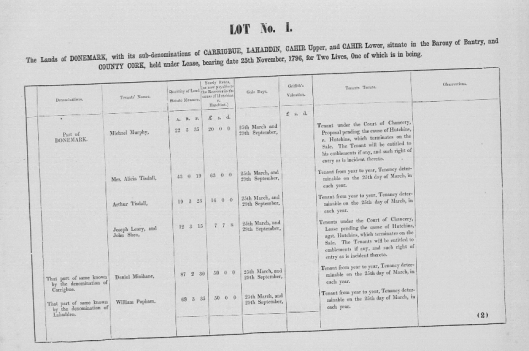
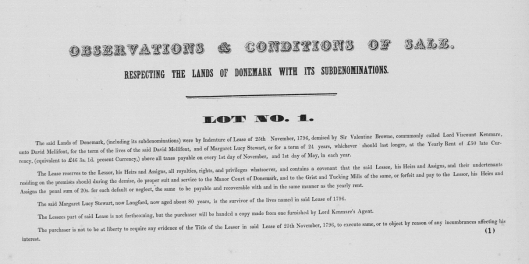
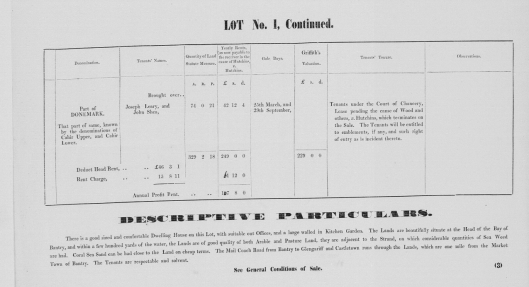
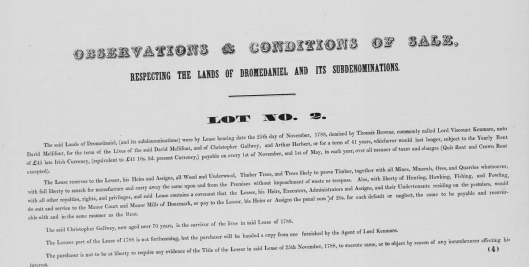
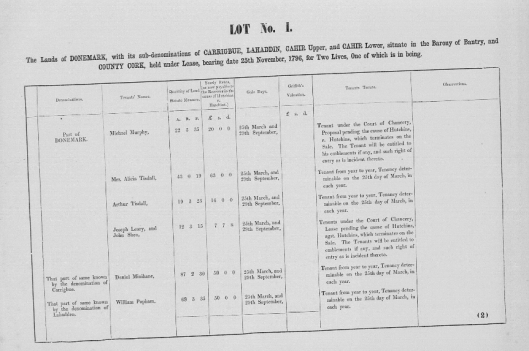
1857. Sale in the Court of the Commissioners for Encumbered estates in Ireland, of Hutchins Estate held from Sir Valentine Browne (Kenmare Estate) Lease of 1796 and 1788, of Donemark including Sub Denominations of Carrigbue, Lahadin, Cahir Upper and Lower, and Droumedaniel, including Sub Denomination Gortgoree, Bantry, West Cork. Tenants and Leases Listed with Listing of Hutchins Magistrates.
In the schedules of tenants and leases many of the holding are very large relative to others in the greater Bantry area. This demonstrates the survival of a class of large Catholic tenant farmer throughout the Penal Laws. The same pattern is replicated on the Hutchinson estate in Durrus sold around the same period.
The Hutchins of Bantry are not to be confused with the Hutchinsons also of Bantry.
http://landedestates.nuigalway.ie:8080/LandedEstates/jsp/estate-show.jsp?id=2382
Arthur Hutchins, Ballylickey or Ardnagashel. Present at enquiry Skibbereen 1823 into enquiry into fatal affray at Castlehaven caused by Rev. Morritt’s tithe extraction. Notified as Magistrate of Catholic meeting in Bantry re loyalty to King 1825. Signed public declaration to Alexander O’Driscoll on his removal as Magistrate 1835 with Lord Bantry, Simon White, John Puxley, Thomas Baldwin, Samuel Townsend Junior and Senior, Hugh Lawton, Thomas Somerville, Richard Townsend Senior, Rev. Alleyn Evanson, Timothy O’Donovan, Richard Townsend, Lyttleton Lyster.
Arthur Hutchins, 1855, Ballylickey, Bantry, Resident, £60. Attending 1840 Great Meeting Bantry re Poor Law. Assisting 1848 Henry J. Fawcett, Practical Instructor on Husbandry of Visit to Bantry. Attending Railway meeting Drimoleague 1856, subscriber Dr. Daniel Donovan ‘History of Carbery’, 1876. Arthur listed 1843 at Reendonegan, Bantry. Member election committee McCarthy Downing, Skibbereen, 1868.
Emanuel Hutchins, Ballylickey, Bantry, Listed 1835. 1812 election voted Hutchinson.
Richard Hutchins,1686, Bantry, served in Irish Confederate Wars 1641-1853 under son of Richard Boyle, 1st Earl Orrery, Roger Boyle, Baron Broghill and appointed Poll Tax Commissioner and acquired former O’Sullivan lands.
Thomas Hutchins, 1776, Ballylickey, Bantry.
Samuel Newburgh Hutchins -1915), 1875, Fortlands, Charleville, and Ardngashel, Bantry, Resident, £408, succeeded on death of his brother Emanuel. He had been in the Australian Mounted Police during Gold Rush. Married 1875 Marianne Isabella Harrison of Castle Harrison, Charleville. Son Captain Richard Hutchins killed WW1 ArthurRoyal Munster Fusiliers.
Samuel Hutchins (listed as Hutchinson probably wrong), Pre 1831, Ardnagashel, Bantry, listed 1838, 1843. , may be Arthur d 1836, m Matilda, d John O’Donnell Esq., Erris, Co. Mayo, probate to son Robert.
Samuel Hutchins, listed 1835 at Ballylickey, 1838. 1835 in Bantry paying £5 toward Catholic Rent, frequently praised as a Liberal Protestant. 1840 petition on Catholic Equality. Attending address Ardnagashel 1840 Great Meeting Bantry re Poor Law. Listed 1843, Ardnagashel, Bantry. Estate passed to him on death of younger brother Emanuel in 1839, Brother of botanic artist Ellen Hutchins. 1820 Member Cork Library. 1837 donated £5 to Justice (Catholic Repeal) Rent. Set up a soup kitchen during Famine. Extensive property throughout Co. Cork, sitting Bantry, and Castletown North Cork, 1835, Castletownbere 1839, Buttevant 1846 succeeded by his son Emanuel later by another son Samuel Newburgh.



27 Monday Jun 2016
Posted in Uncategorized
‘Money is honoured, without money nobody is loved’. Excerpt from the Annals of Inisfallen written by Monks on Innisfallen Island on Lough Leane (Kerry), Ireland. Following an account of the building of the castle of Brí Uis (chronicled in the year 1193), is a Latin inscription in the Celtic Ogham alphabet – ‘Numus honoratur – sine numo nullus amatur’ : ‘Money is honoured, without money nobody is loved’.
26 Sunday Jun 2016
Posted in Uncategorized
This gallery contains 7 photos.
Originally posted on Roaringwater Journal:
The man standing on the platform in the picture is Holger Lönze. You might remember him from…

 West Cork History