From the Dictionary of Irish Biography:
https://www.dib.ie/biography/weeks-james-eyre-a8953
Weeks, James Eyre (1718/19–1775), cleric, poet, and miscellaneous writer, was born in Cork city, son of James Eyre Weeks, described as a gentleman. He was educated at Dr Mulloy’s school in Cork, entered TCD as a sizar (June 1735), and spent four years there but left without taking any degree, although he appears to have returned later to the college and graduated BA (1751). He first made his appearance on the literary scene in 1745 with three long poems published separately: The resurrection, The Amazon, or female courage vindicated, and Rebellion. These were followed in 1746 with A rhapsody on the stage or, the art of playing, in which he describes the style of acting of the principal English-speaking actors of the day – Booth, Betterton, Garrick, Wilkes, Milward, James Quin (qv), and Thomas Sheridan (qv). The poem is addressed to Sheridan, who was a student in TCD at the same time as Weeks. In addition to commentaries on the actors mentioned (among whom Sheridan is singled out for fulsome praise), Weeks proffers advice on the art of acting, and this on the basis of a mere four years’ experience of watching plays. Around this time he also wrote ‘The cobbler’s poem’, a skit on ‘The bricklayer’s poem’ by Henry Jones (qv) (1721–70). In 1753 he wrote the words of ‘Solomon’s temple’, an oratorio.
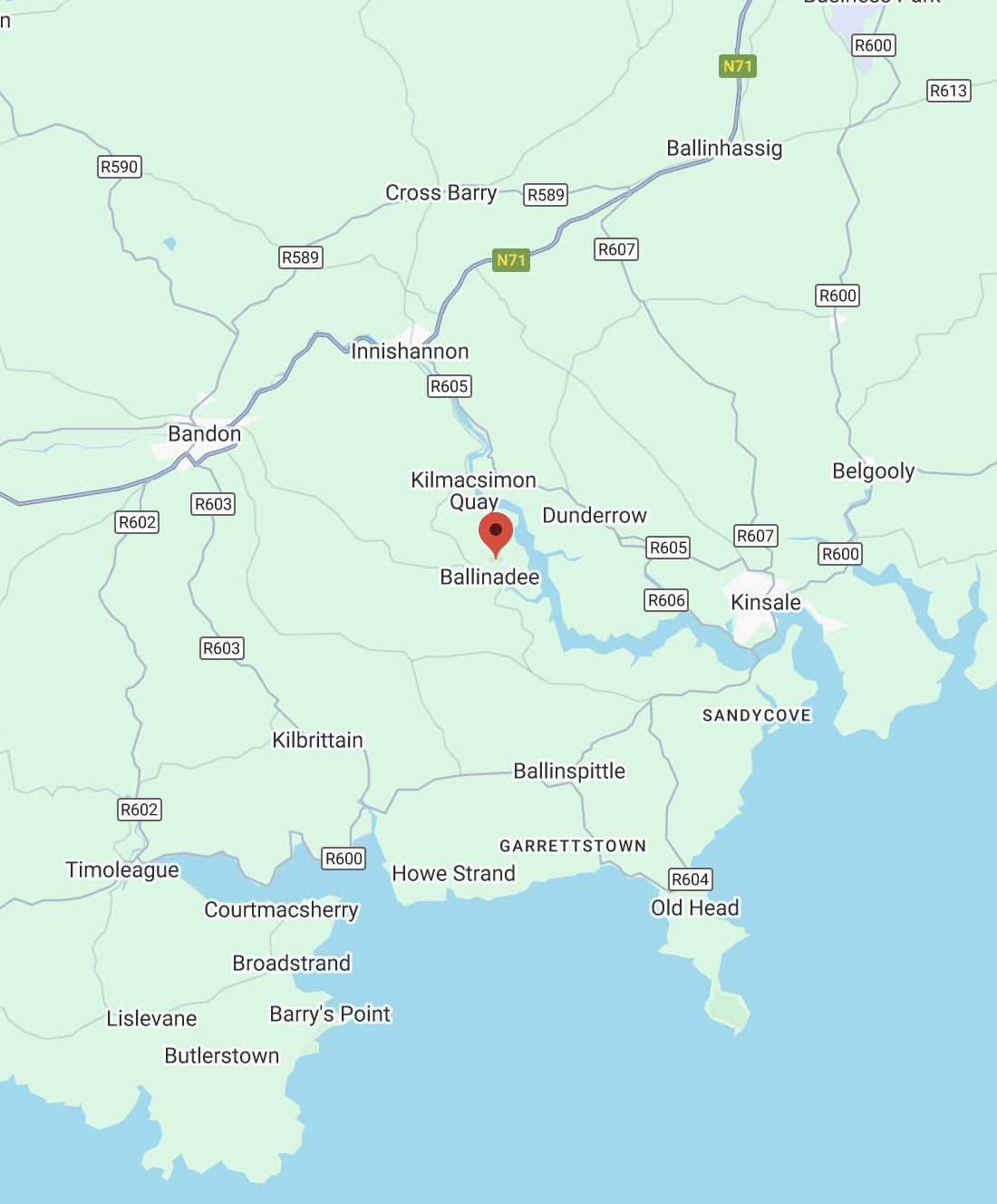
The date of Weeks’s ordination in the established church has not been discovered. It was quite the fashion in his time for protestant clerics to adopt teaching, rather than pastoral care, as a career. Weeks not only practised as a teacher or tutor but also fancied himself as something of an educationist, for during the 1750s he produced a series of what might be called school texts: The gentleman’s hourglass, or an introduction to chronology (1750), A new geography of Ireland (1752), The young grammarian’s magazine of words (1753), and A praxis of grammar (1754). Weeks appears to have spent some part of his teaching career in Tralee, Co. Kerry, for The young grammarian’s magazine . . . is datelined Tralee and is dedicated to a former pupil there. However, he was back again in Dublin in 1753 when, for a few months, he published the Dublin Spy, an irreverent commentary on the contemporary scene, written entirely by himself, and which, he claimed, ‘spares none’. He was to incur a great deal of unpopularity, culminating in a mock report of his ‘most cruel and bloody assassination and murder’, when he supported Thomas Sheridan in the trouble at the Smock Alley theatre in 1754, which resulted in Sheridan having to leave the country. Weeks’s poem ‘On the great fog in London December 1762’, arguably his best, is evidence of at least a visit to London, if not a protracted stay in that city, in the early 1760s, for the poem was clearly written by someone with personal experience of that fog. This is one of a dozen or so poems that Weeks contributed to the British Magazine in the years 1761–4, but no record has been found of their publication in a collection of verse. He was back in Cork by 1765, where he married (Sept. 1765) Mary, daughter of John Hughes, in St Paul’s church. In February 1769 he was licensed as a curate in Holy Trinity church, Cork. Appointment as treasurer of the Cork diocese and as rector of Ballinadee, Co. Cork, followed in 1770. He died in November 1775.
There are good grounds for believing that he was not the author of Poems on several occasions, a 153-page collection of verse, of considerable promise, published in Cork (1743). The author’s name is given as James Eyre Weekes – note the different spelling of the surname – and he was probably a cousin of James Eyre Weeks, who consistently spelled his surname that way. This question is examined at some length in Patrick Fagan, A Georgian celebration.
Sources
Cork Chronicle, 19 Sept. 1765; Hibernian Chronicle, 23 Nov. 1775; W. M. Brady, Clerical and parochial records of Cork, Cloyne and Ross (1863), i, 22; Alumni Dubl. (1935); Patrick Fagan, A Georgian celebration: Irish poets of the eighteenth century (1989), 120–27
 West Cork History