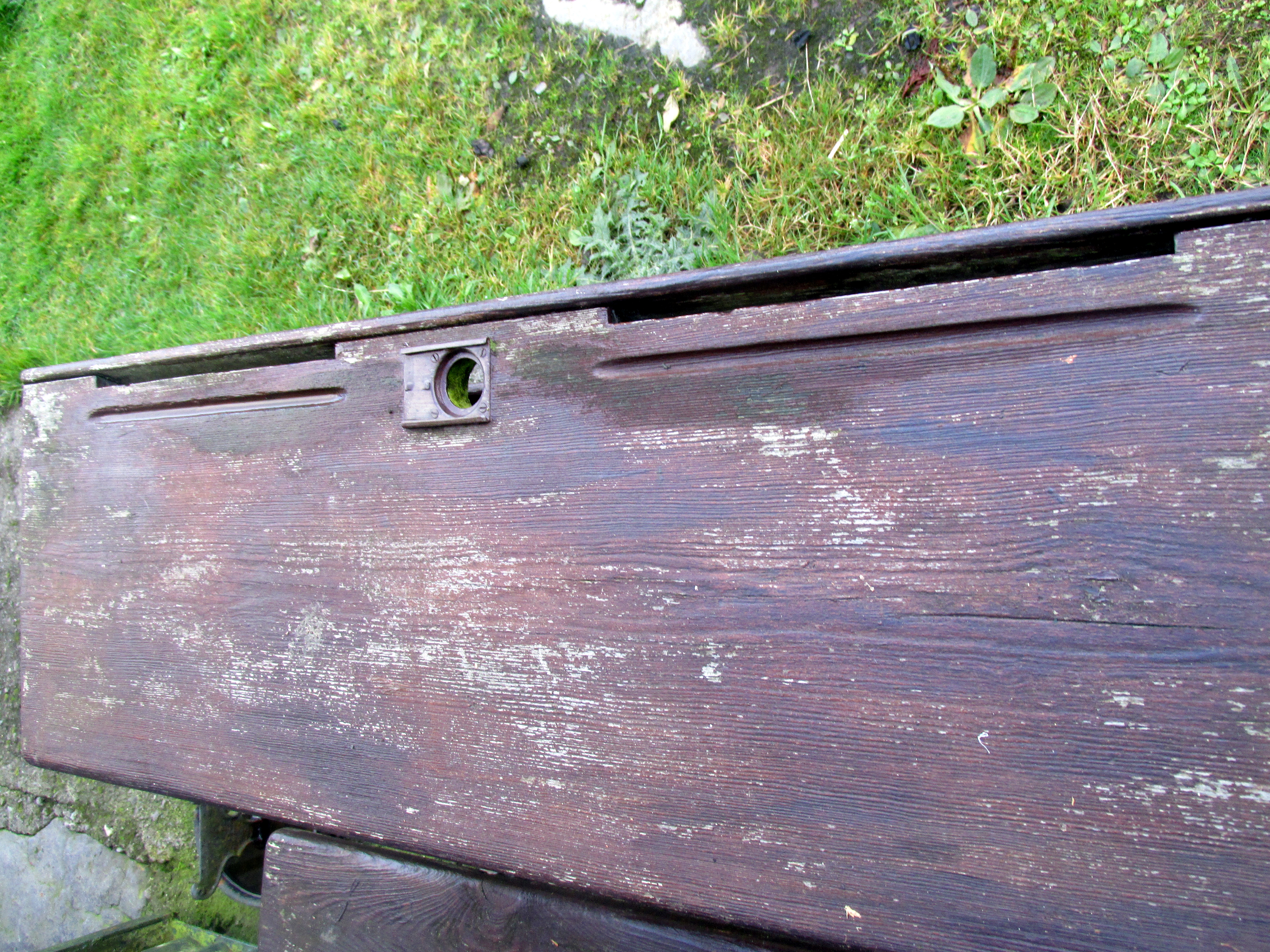
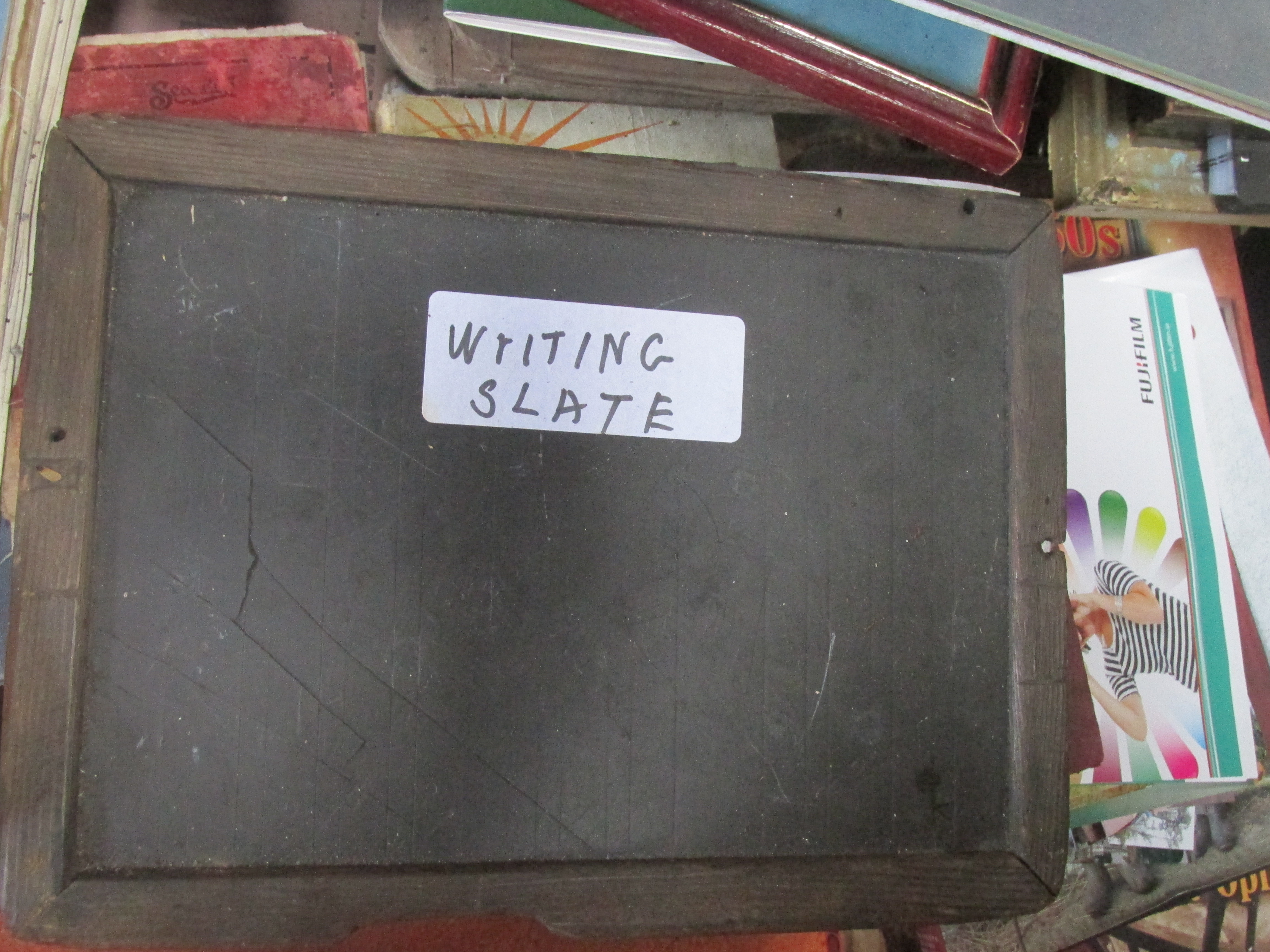
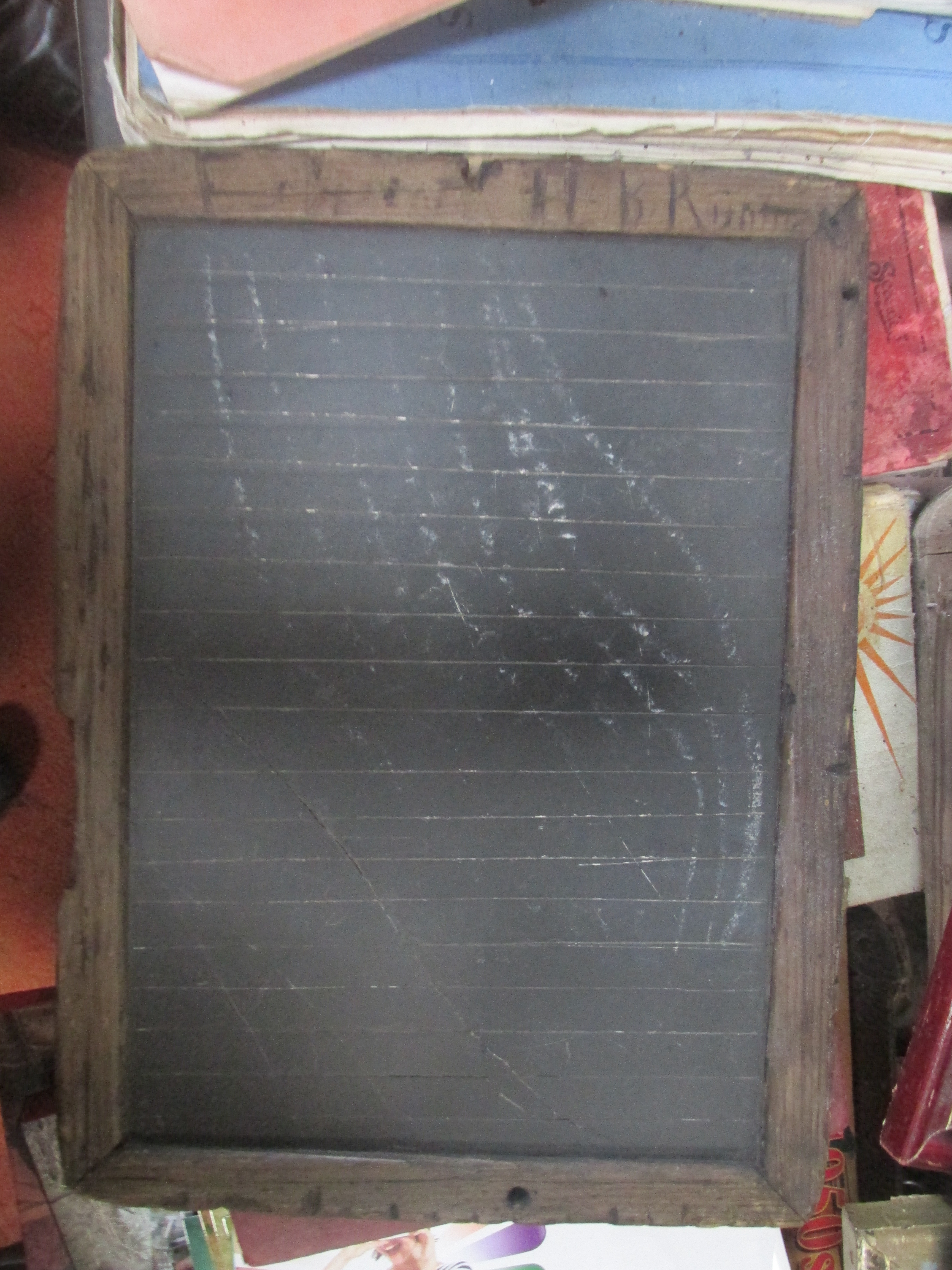
19th century writing slates and school desks.
Courtesy Mrs. and Mr. Camier.



01 Saturday Nov 2014
Posted in Uncategorized
19th century writing slates and school desks.
Courtesy Mrs. and Mr. Camier.
01 Saturday Nov 2014
Posted in Uncategorized
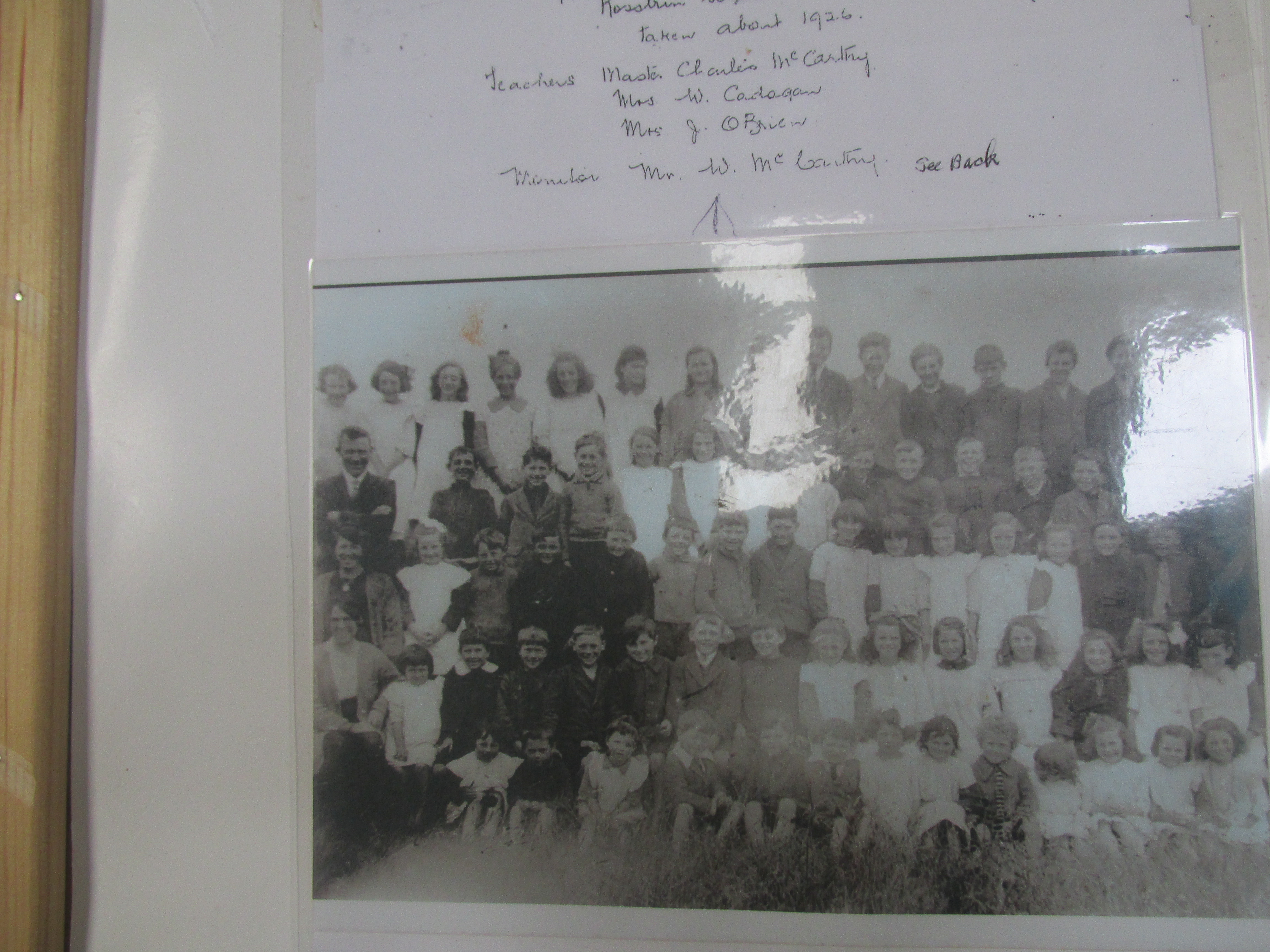
Photo Rosbrin National School, Schull, west Cork, 1926 with teachers named.
Courtesy Mrs and Mr. Camier.
01 Saturday Nov 2014
Posted in Uncategorized
Irish Magistrates 1904 and Irish, from Hansard, Has the Lord Chancellor power to remove a magistrate for signing his name in Irish?
House of Commons, 23rd Debate, 23rd February 1904, Volume 130 p. 733-4
http://hansard.millbanksystems.com/commons/1904/feb/23/irish-magistrates-and-the-irish-language
1813:
https://durrushistory.wordpress.com/2014/07/03/magistrates-co-cork-appointments-from-1813/
1835 Magistrates:
01 Saturday Nov 2014
Posted in Uncategorized
Bantry, pre 1902, first rural area to adopt dual Irish/English road direction signs.
In Tom Spalding’s book on Cork street signs, Associated Editions 2013 he quotes Harry R.G. Inglis ‘the ‘Royal’ Road Book of Ireland, Edinburgh, Gall and Inglis 1902, p. 64.
‘Directions on mile-posts were painted in clear black letters on white in Irish: the English names were faintly visible in small white letters in a green background’
31 Friday Oct 2014
Posted in Uncategorized
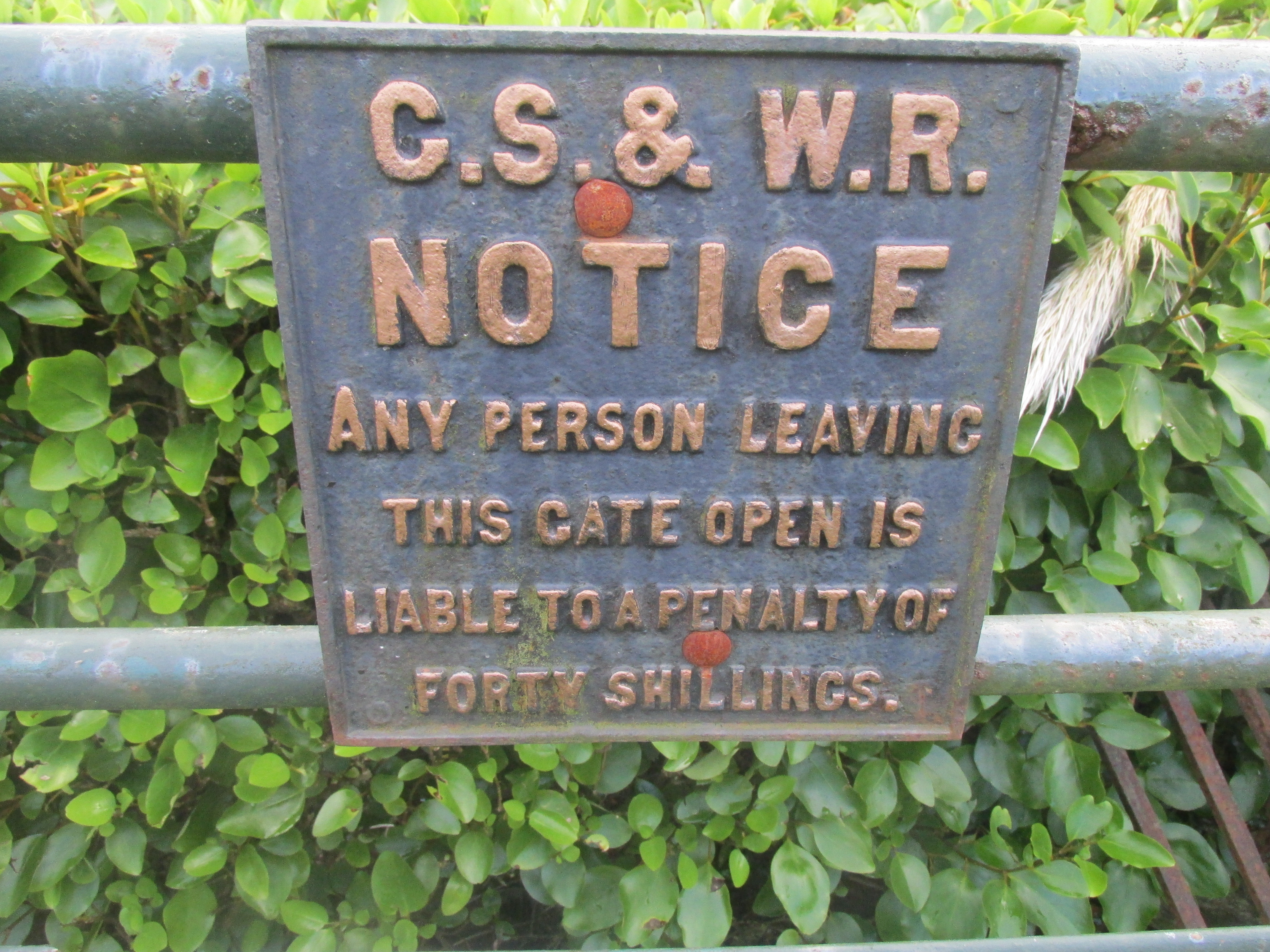
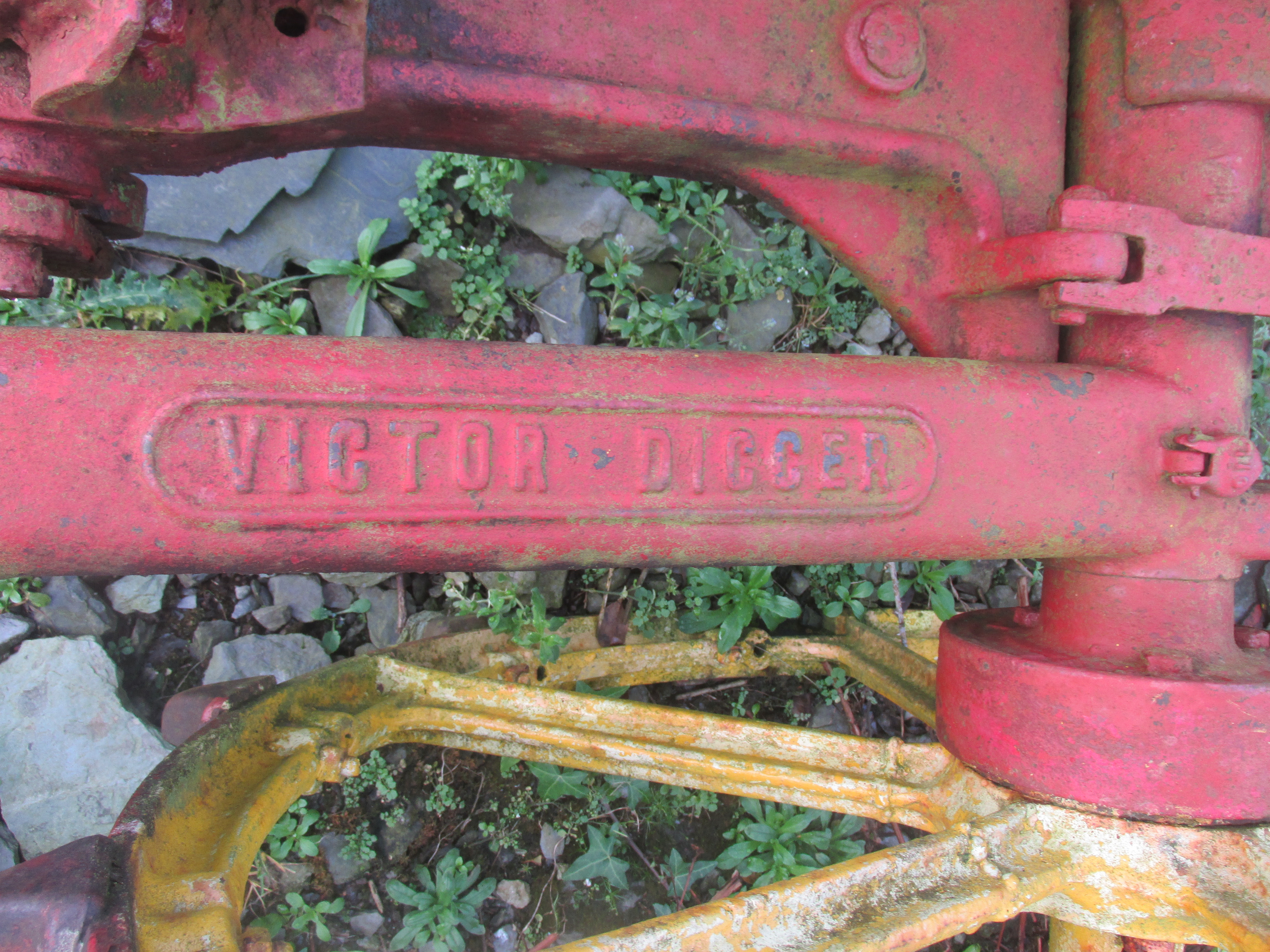
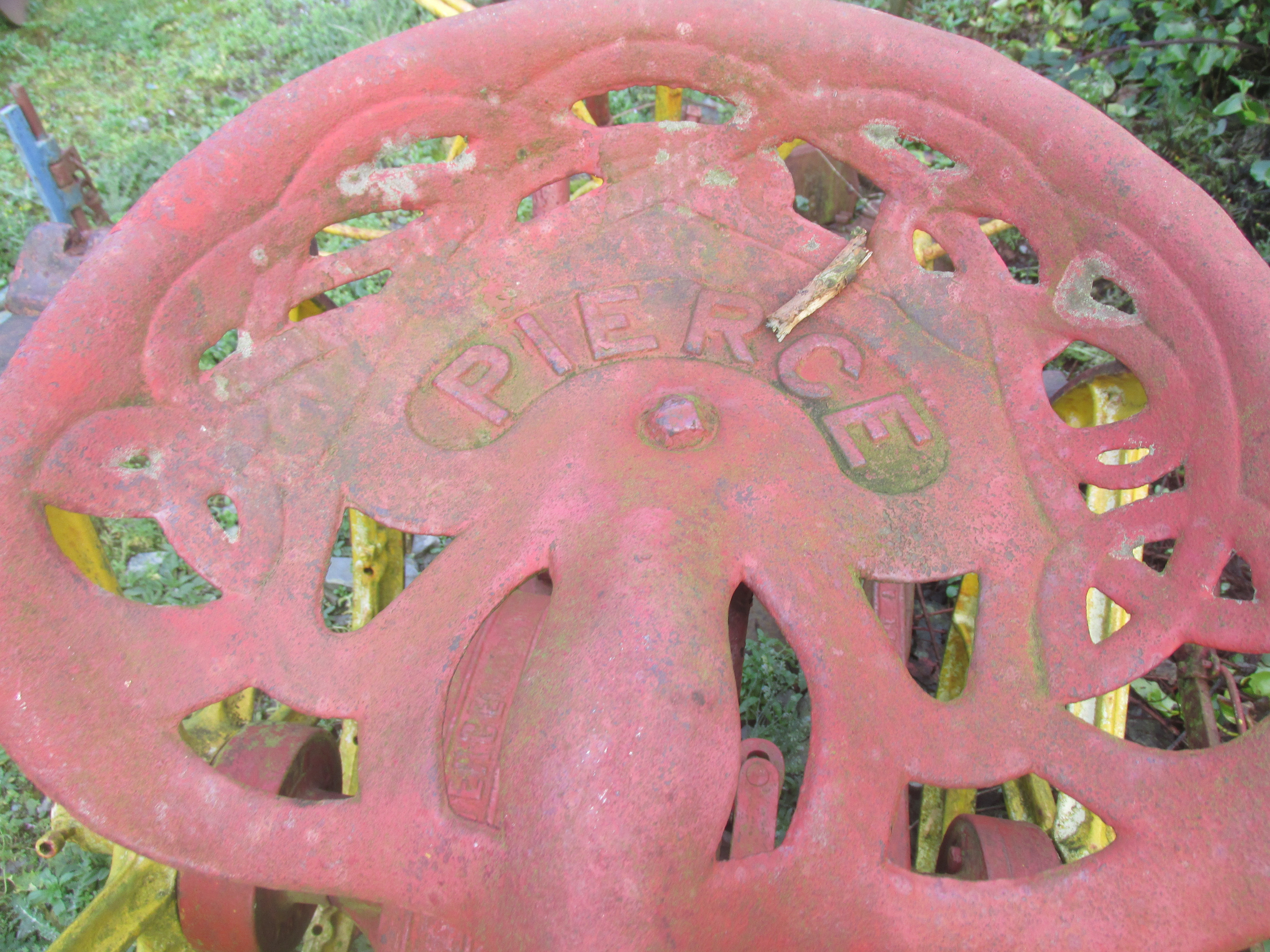
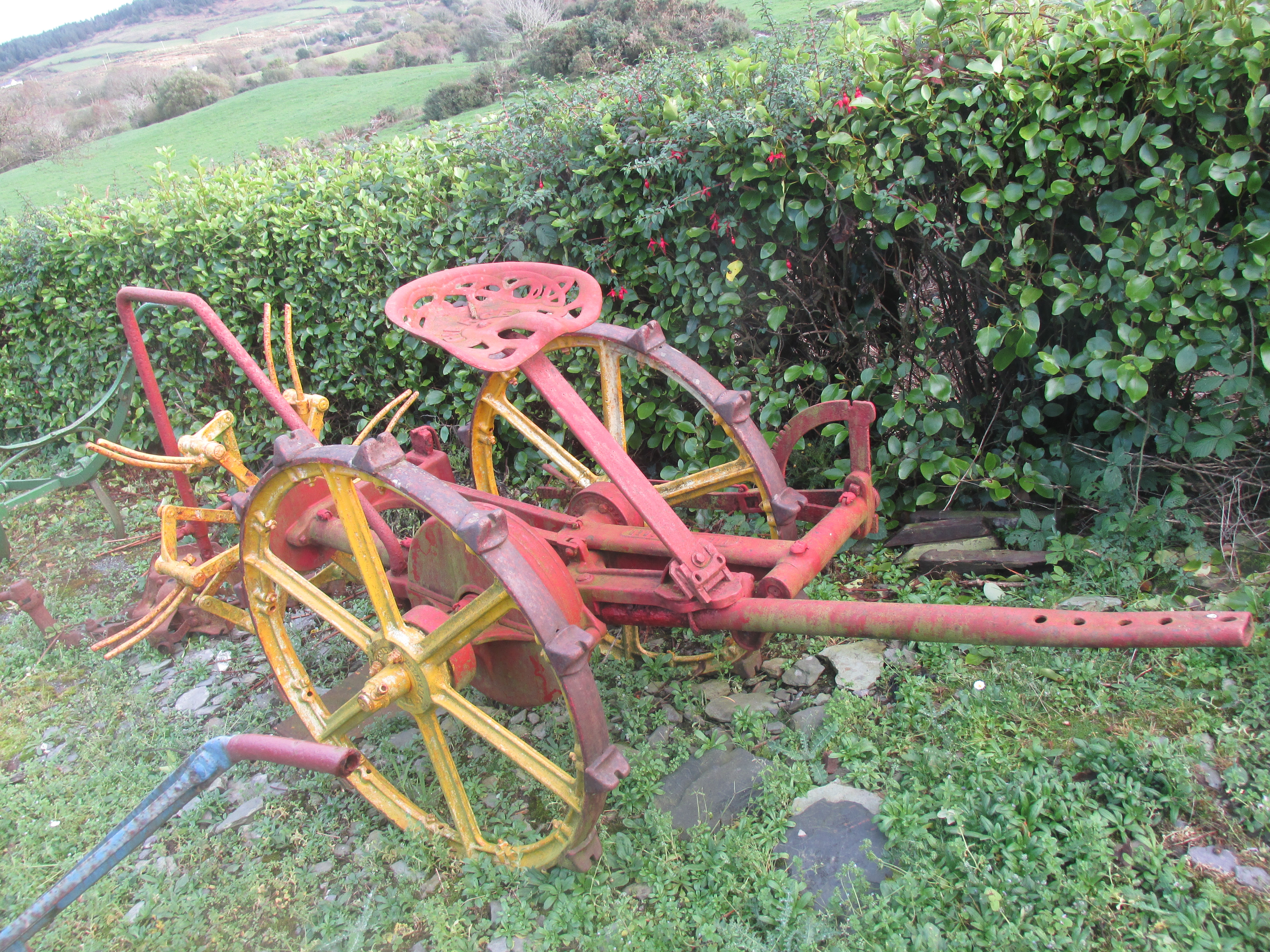
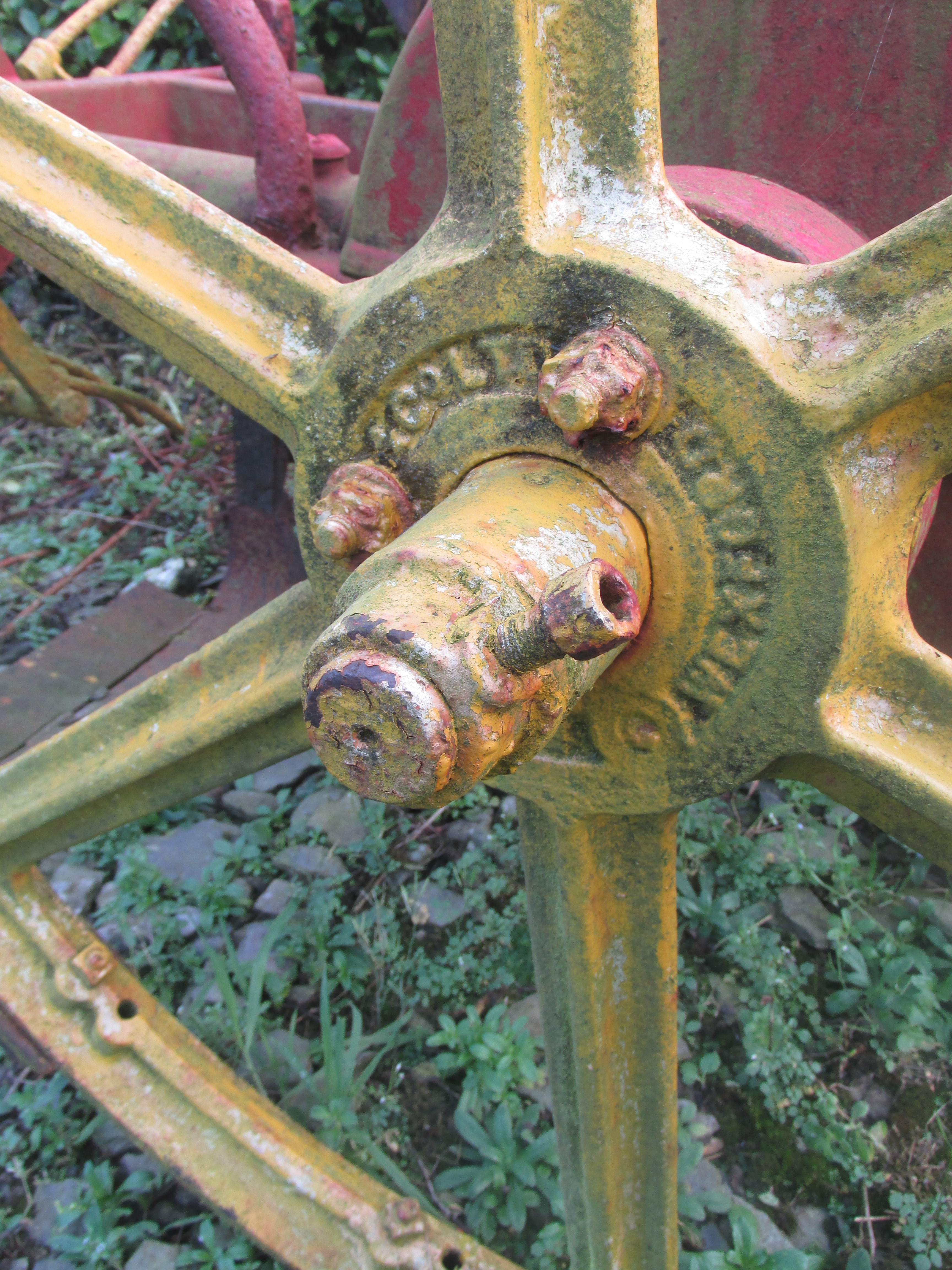
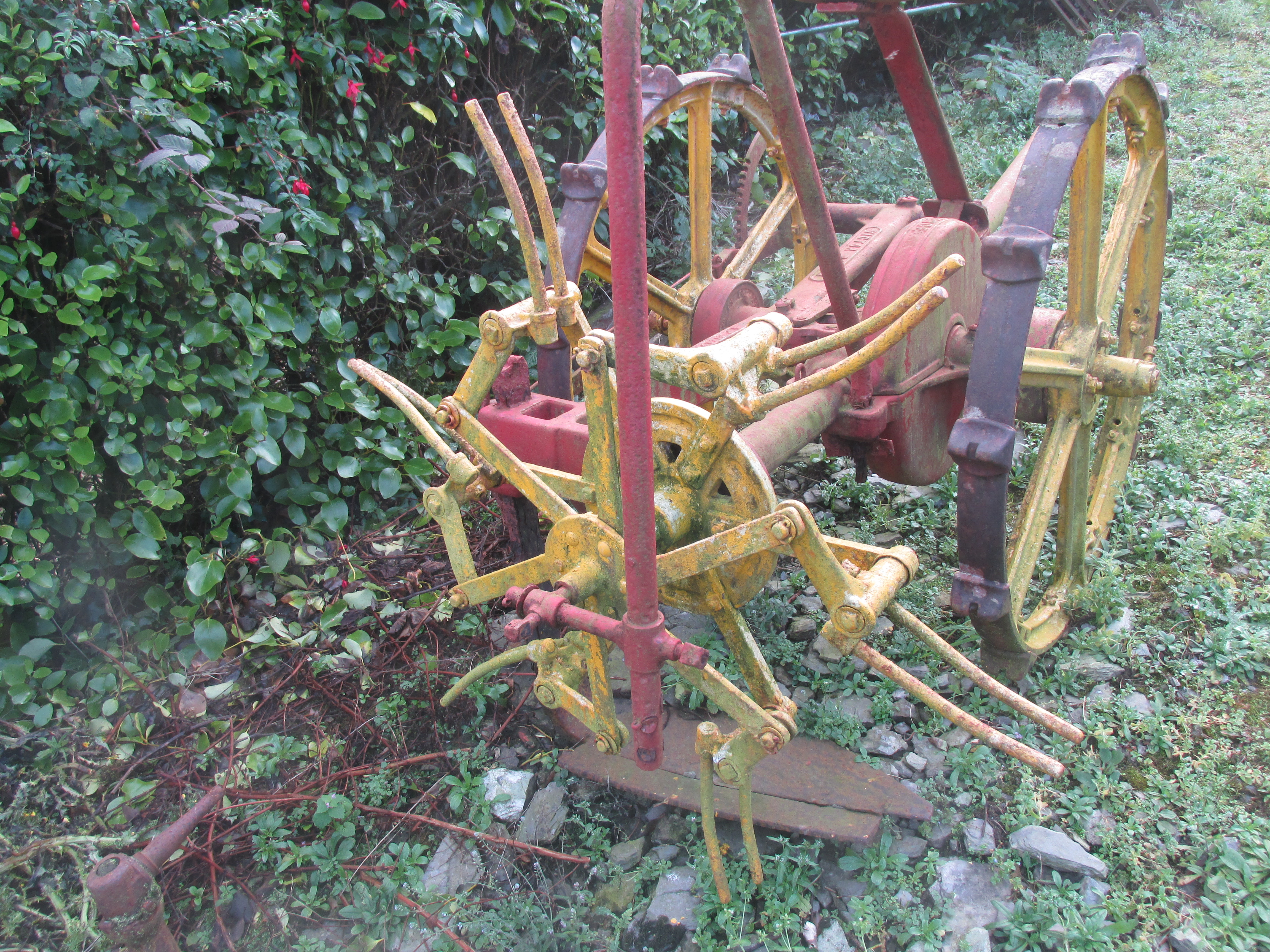
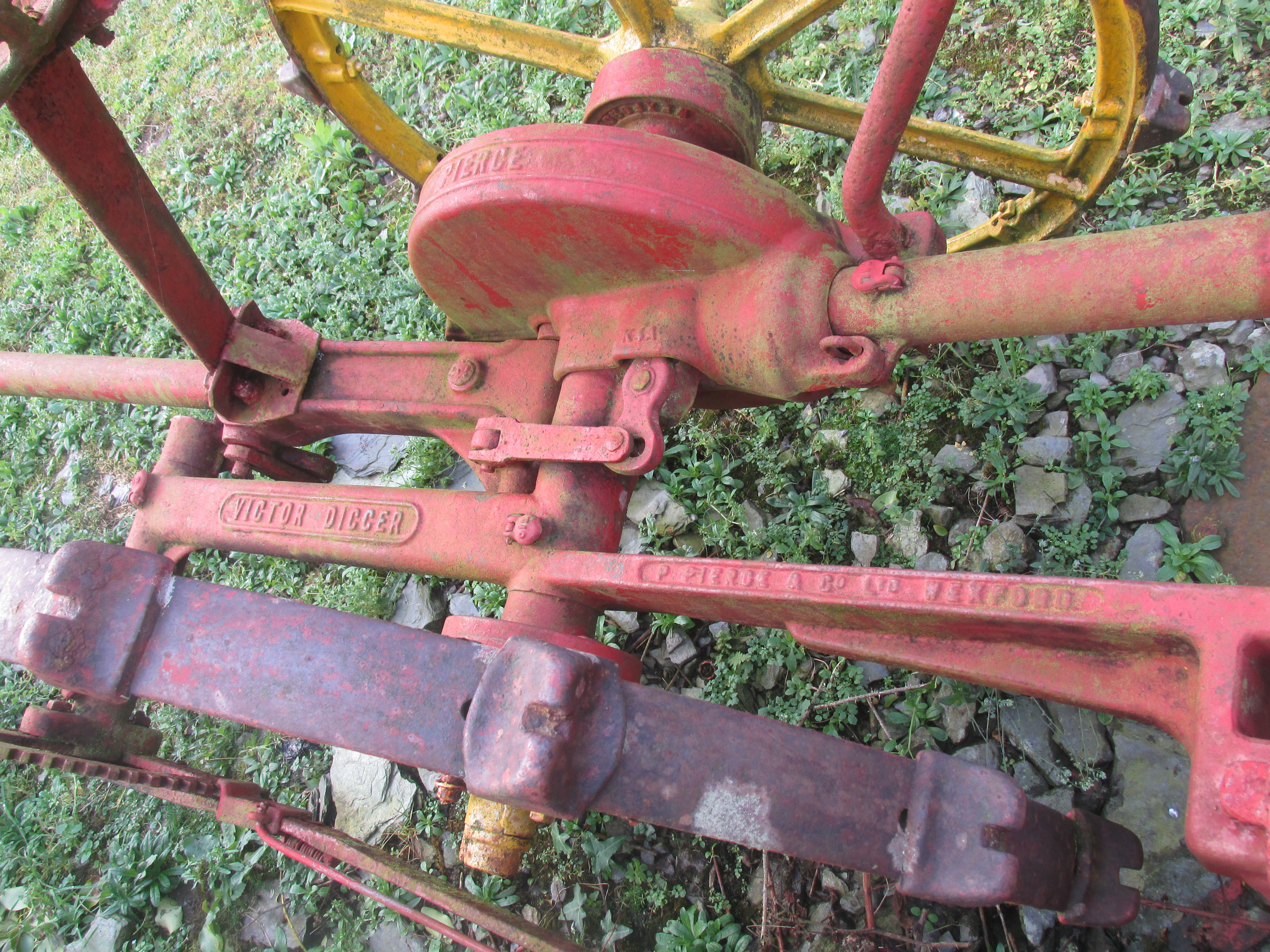
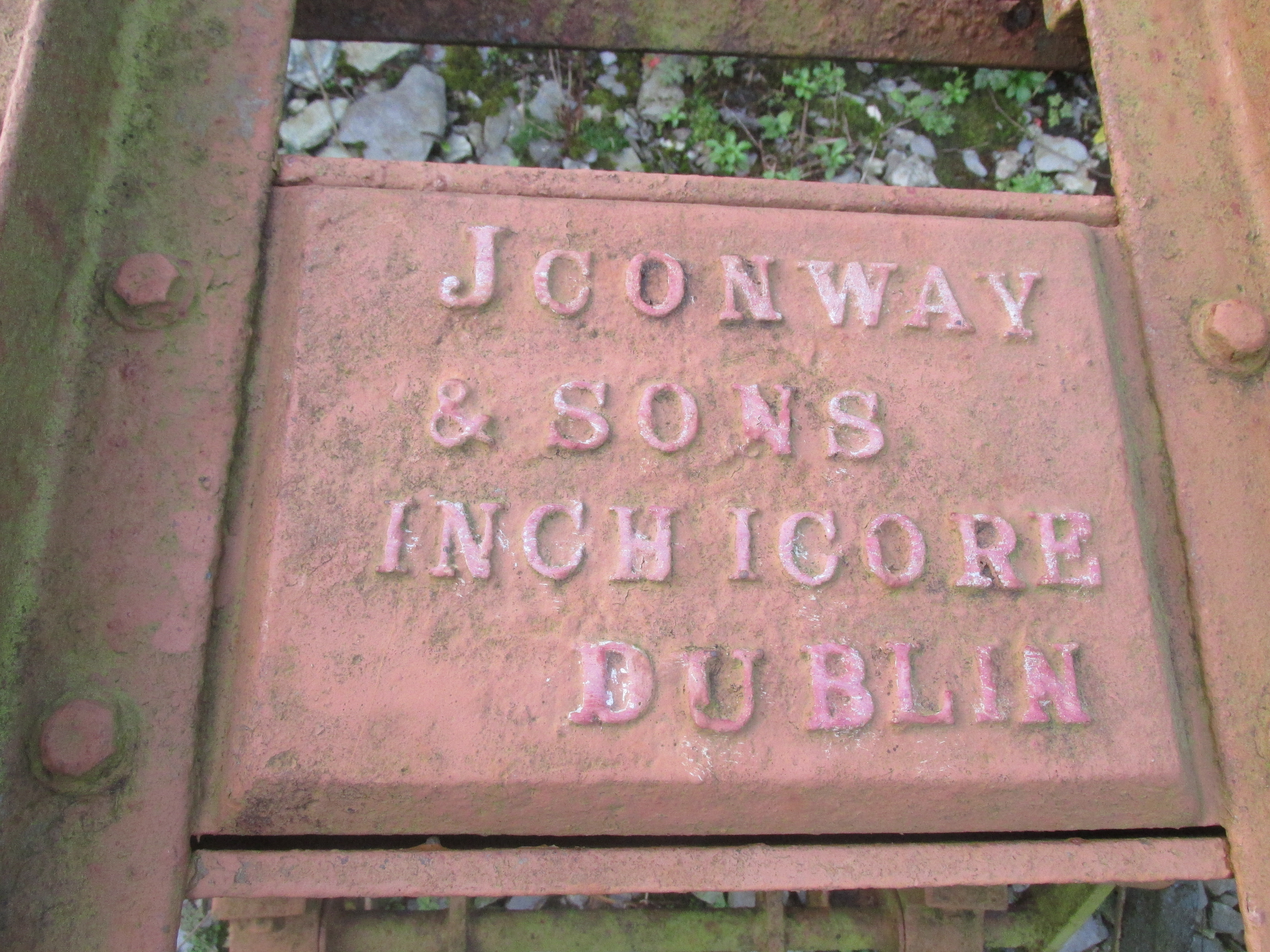
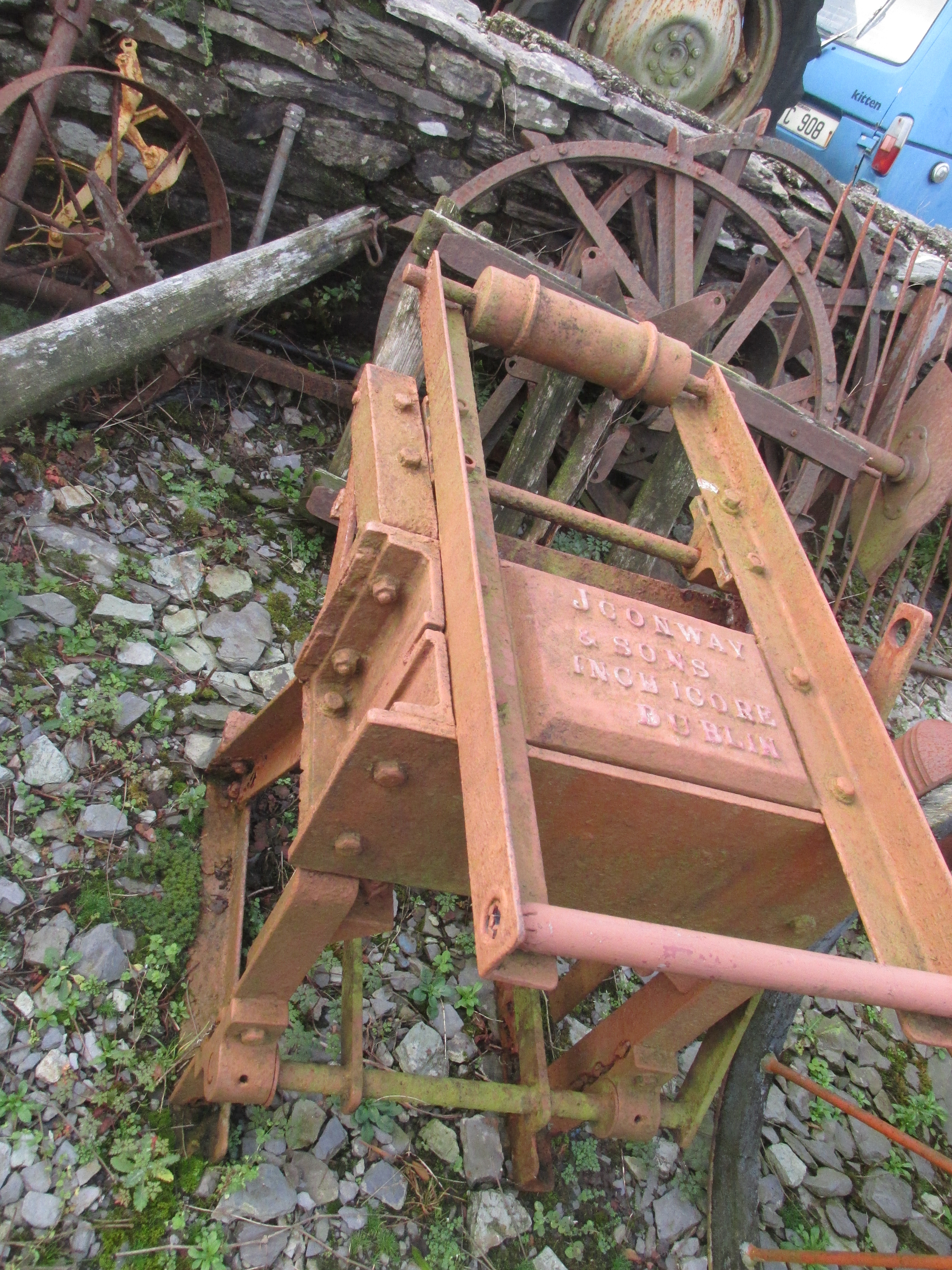
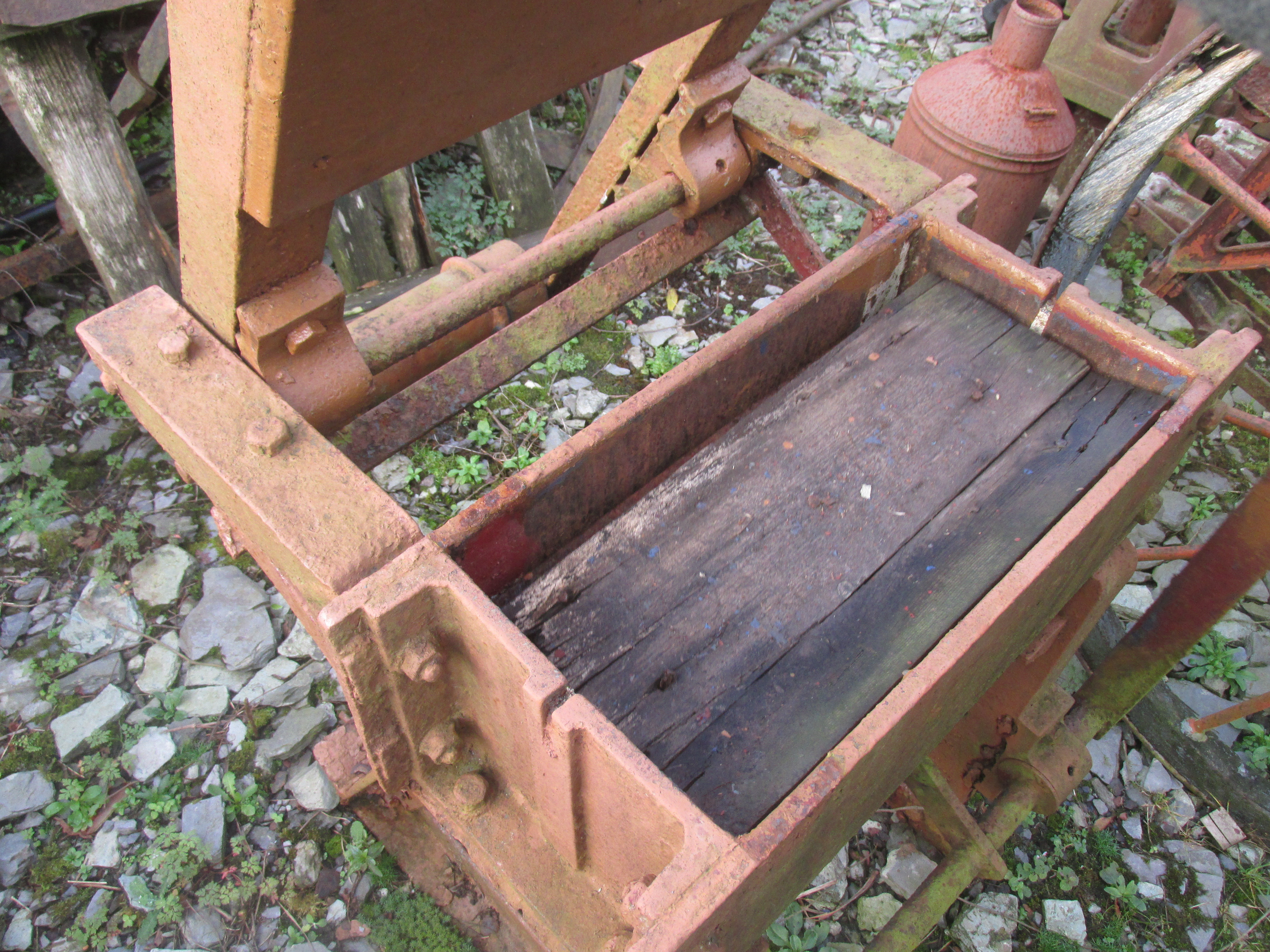
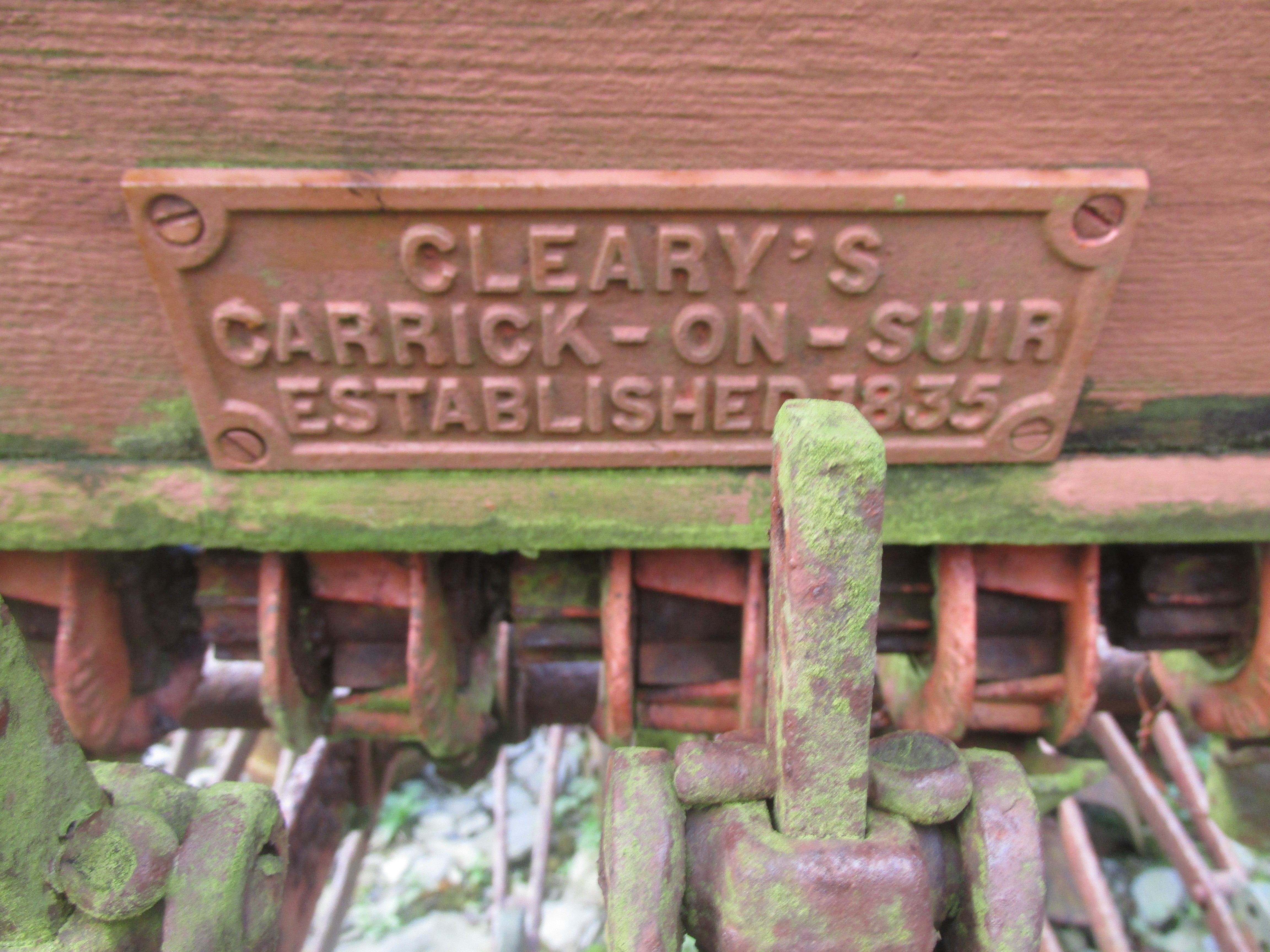
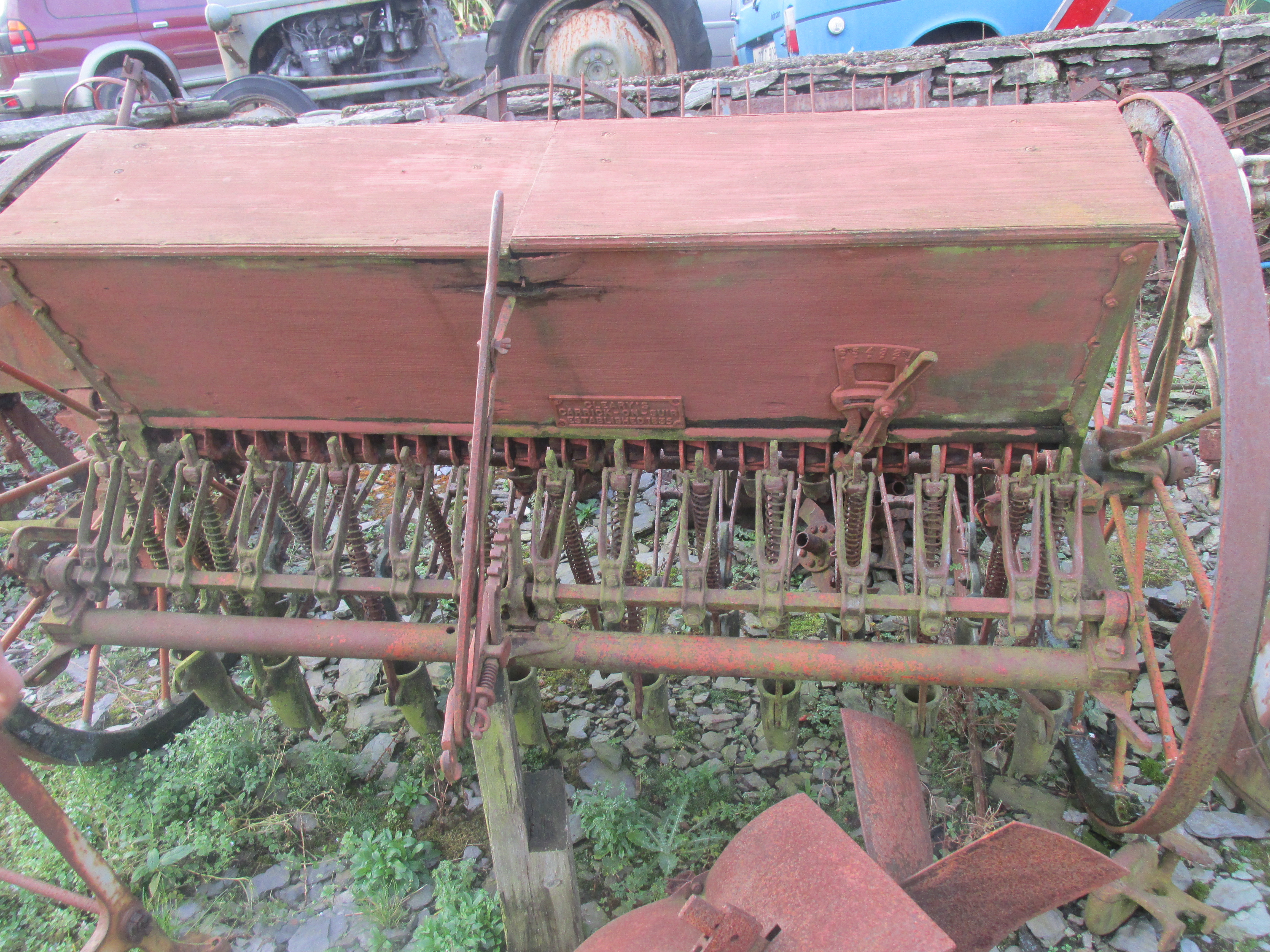
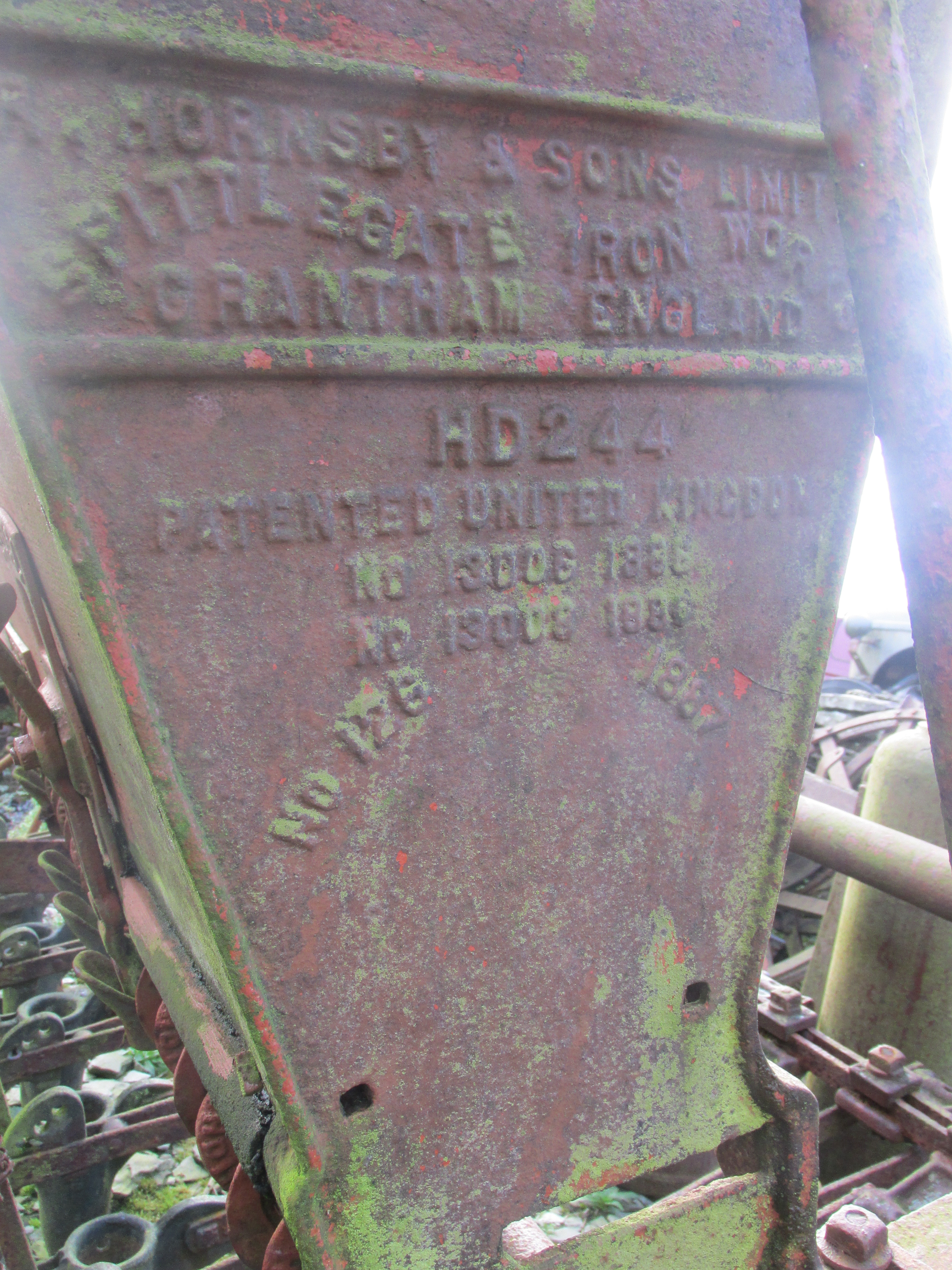
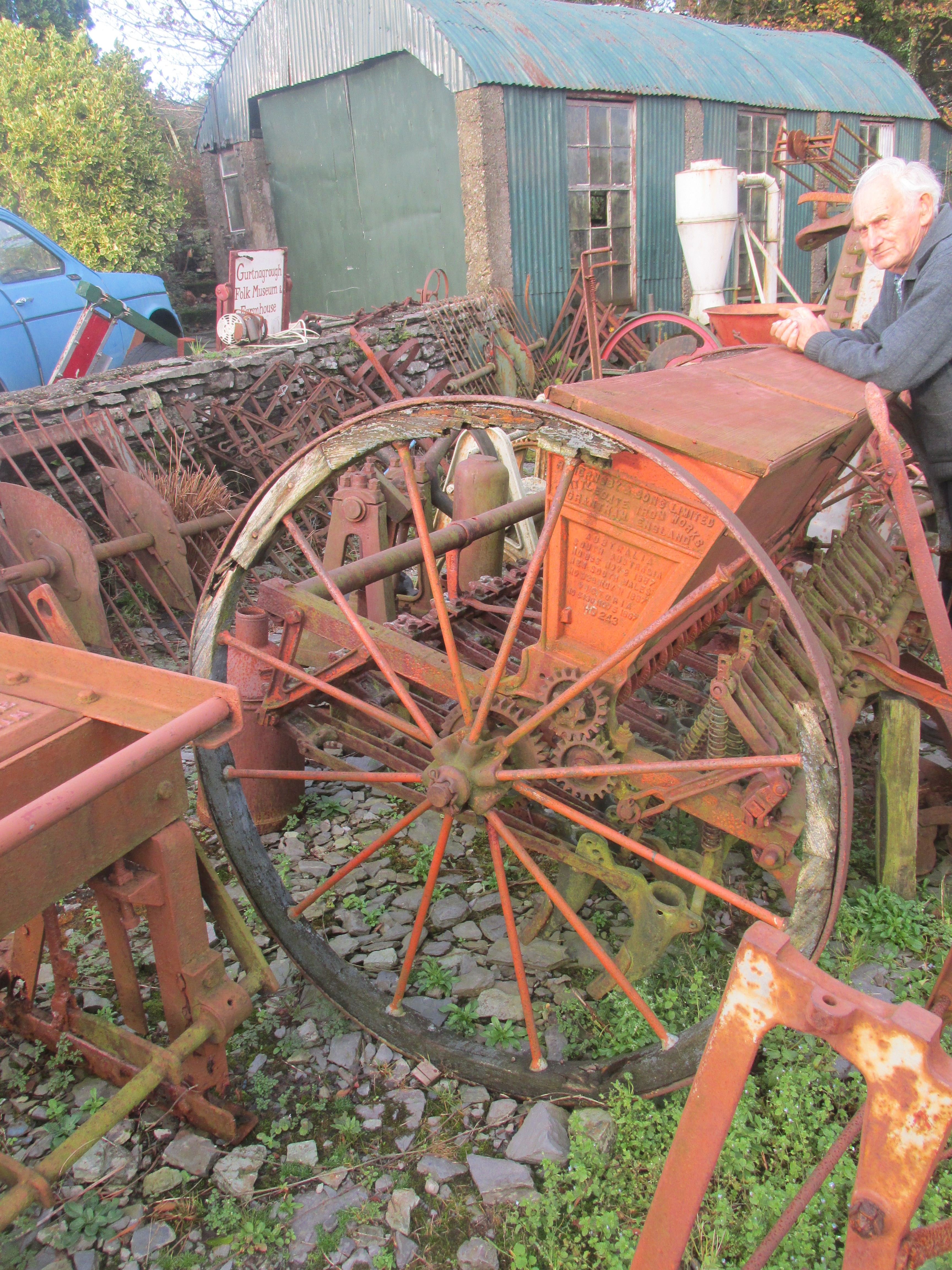
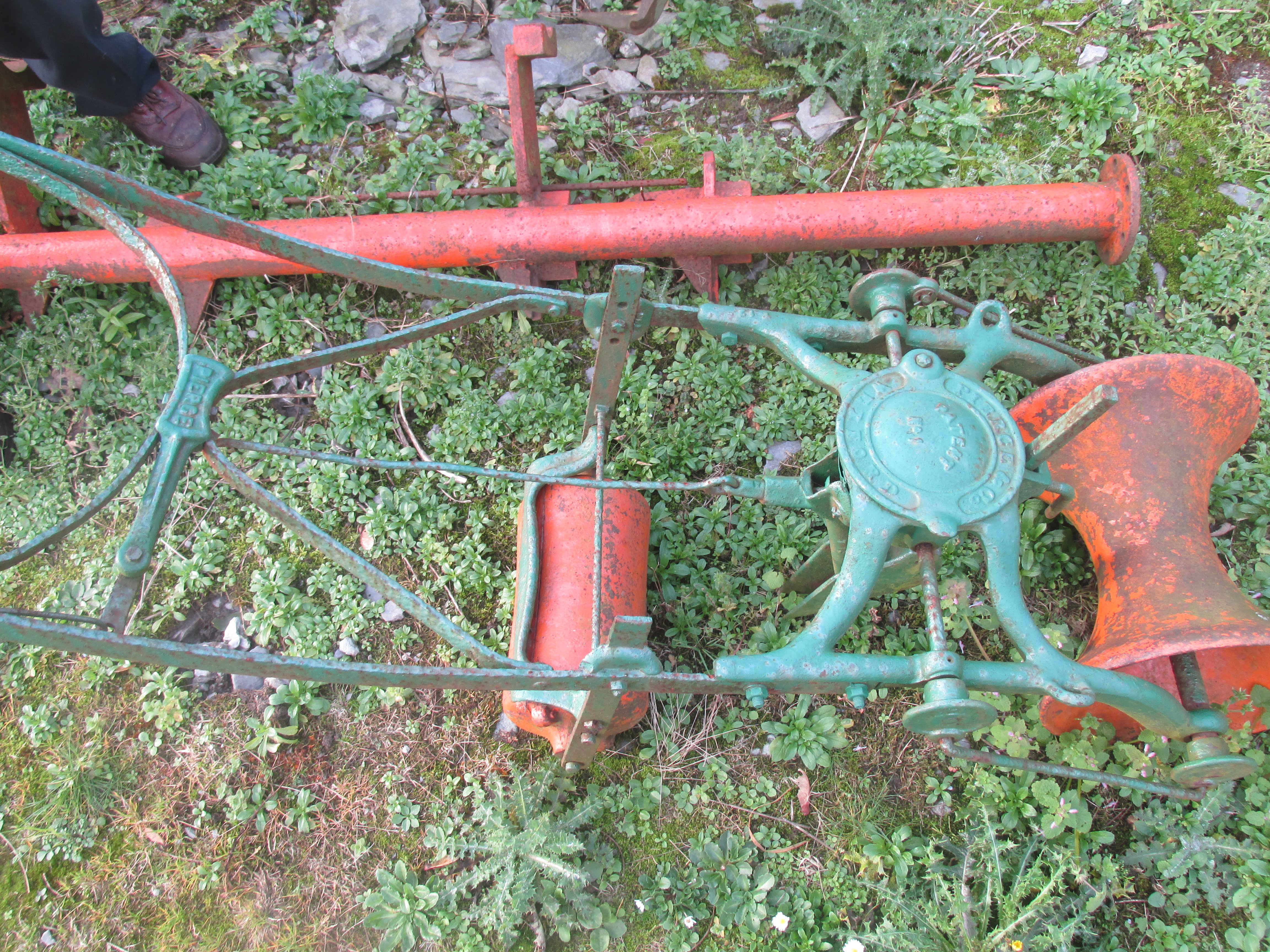
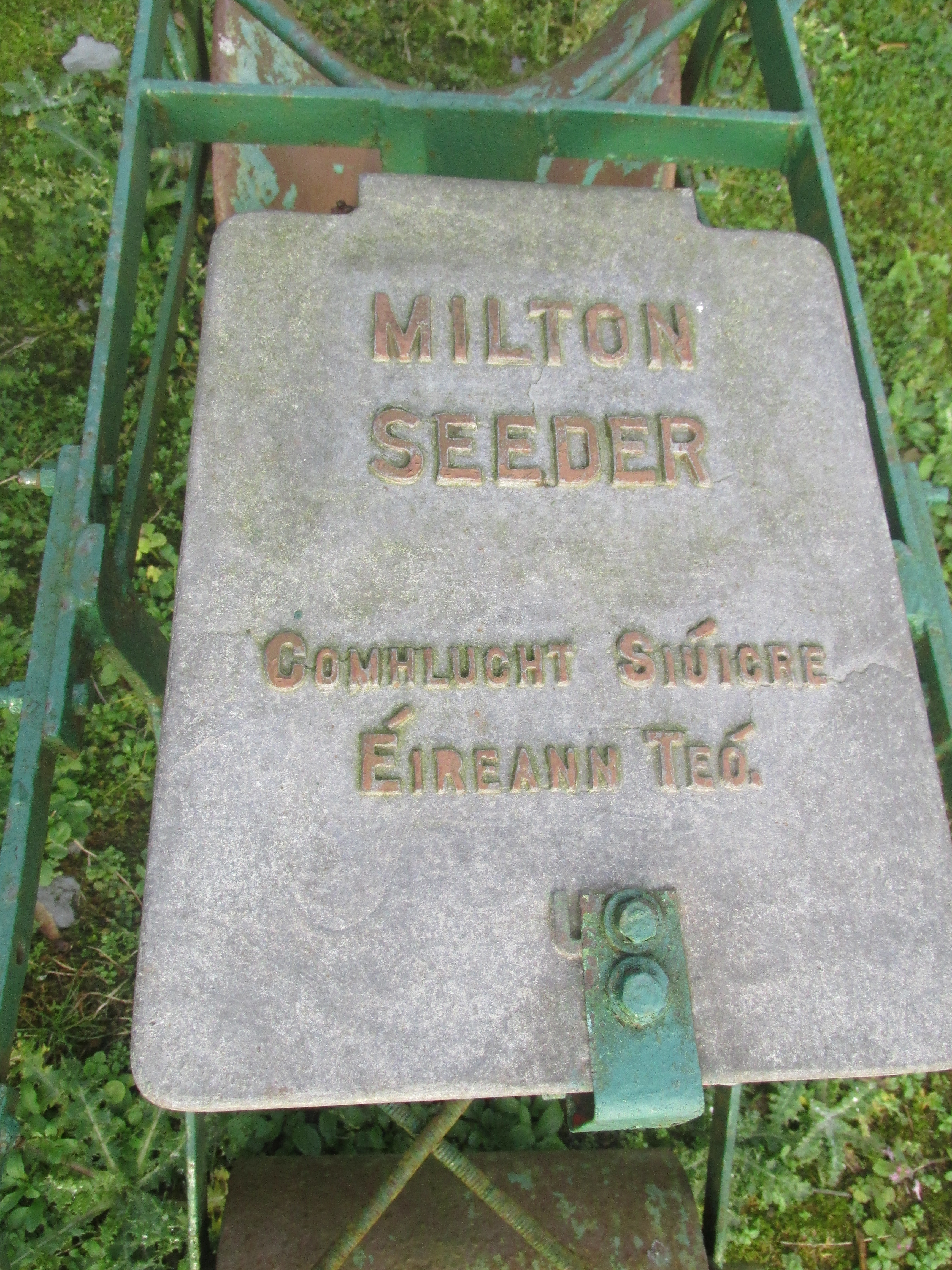
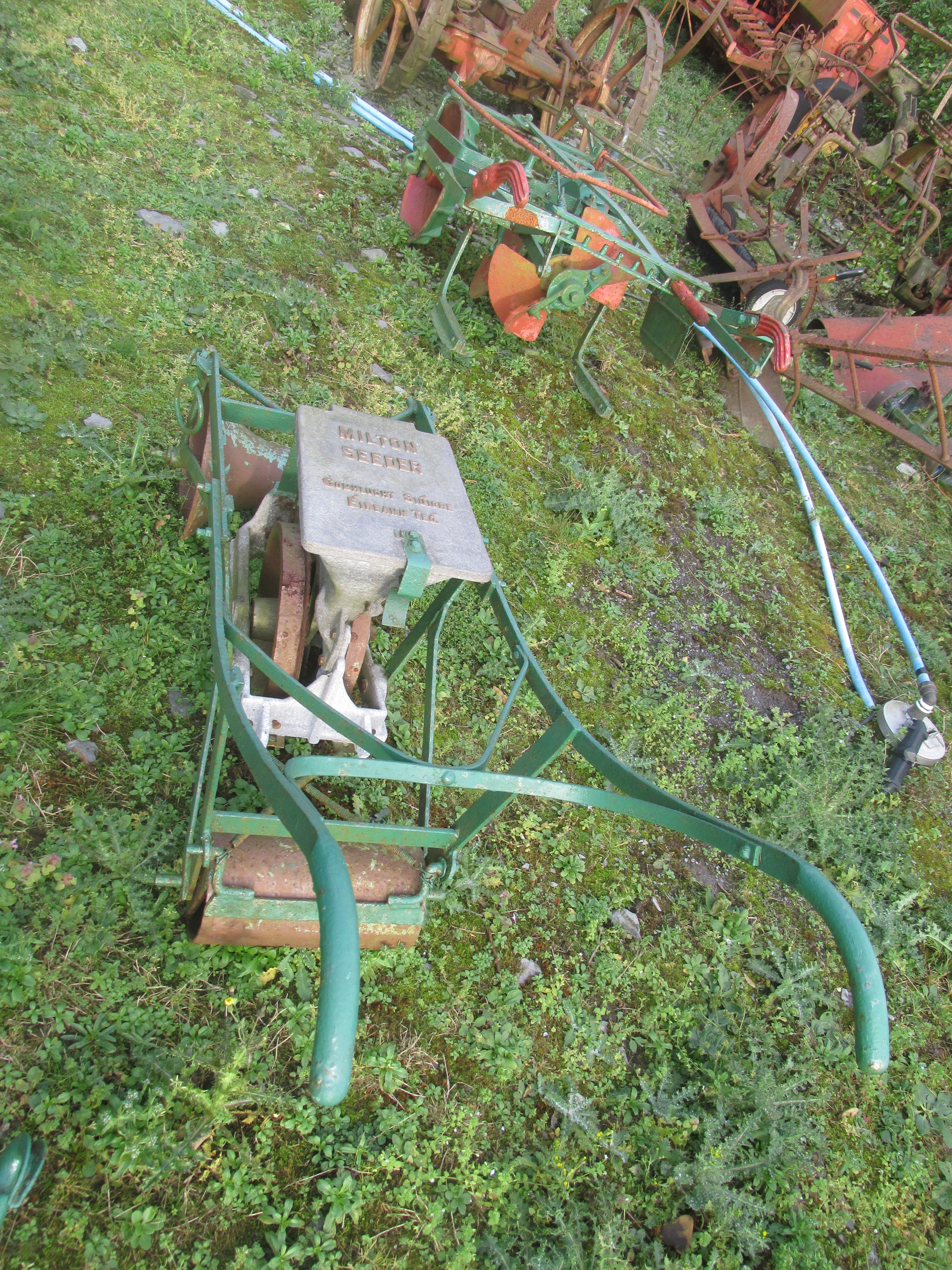
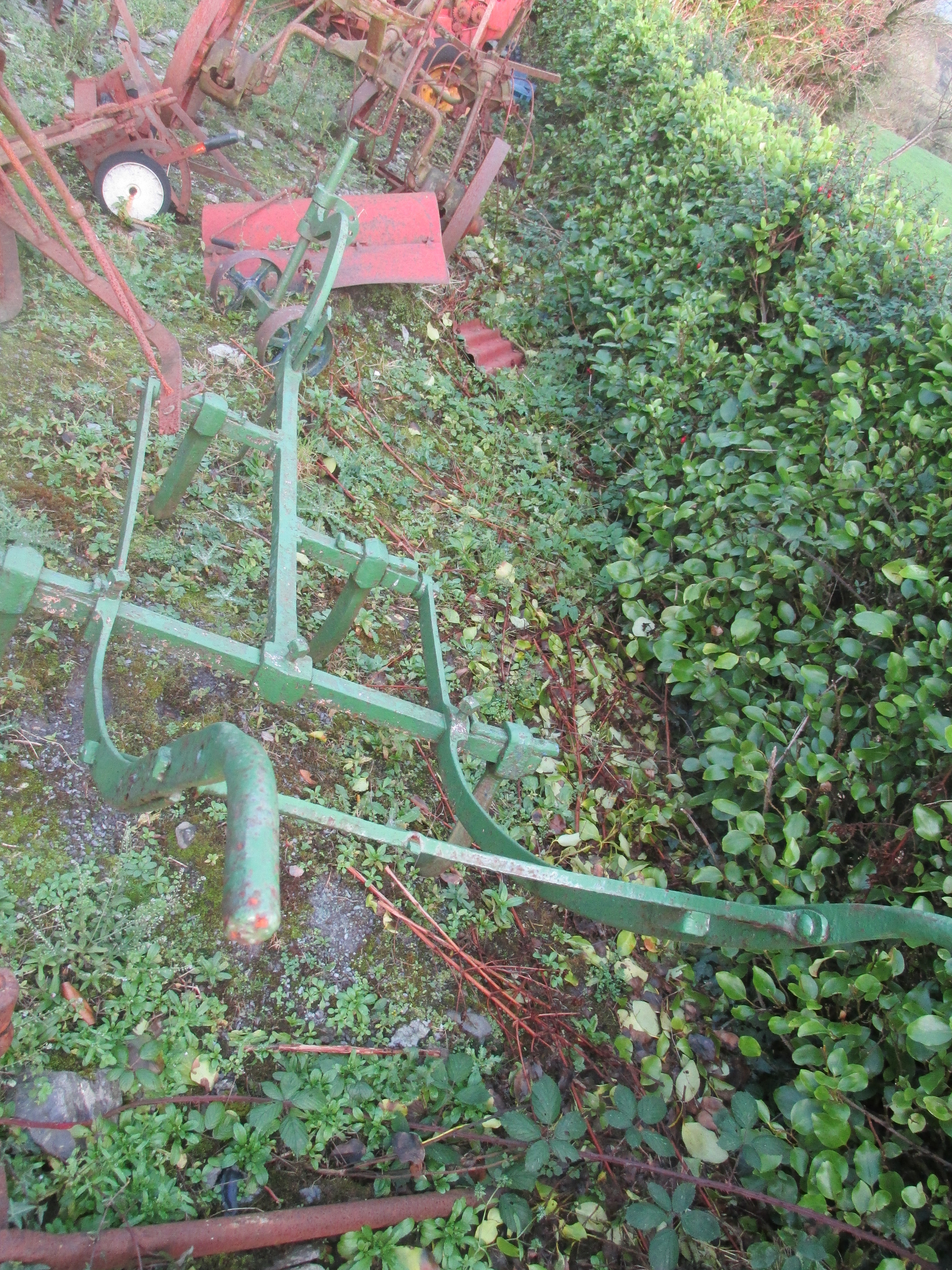
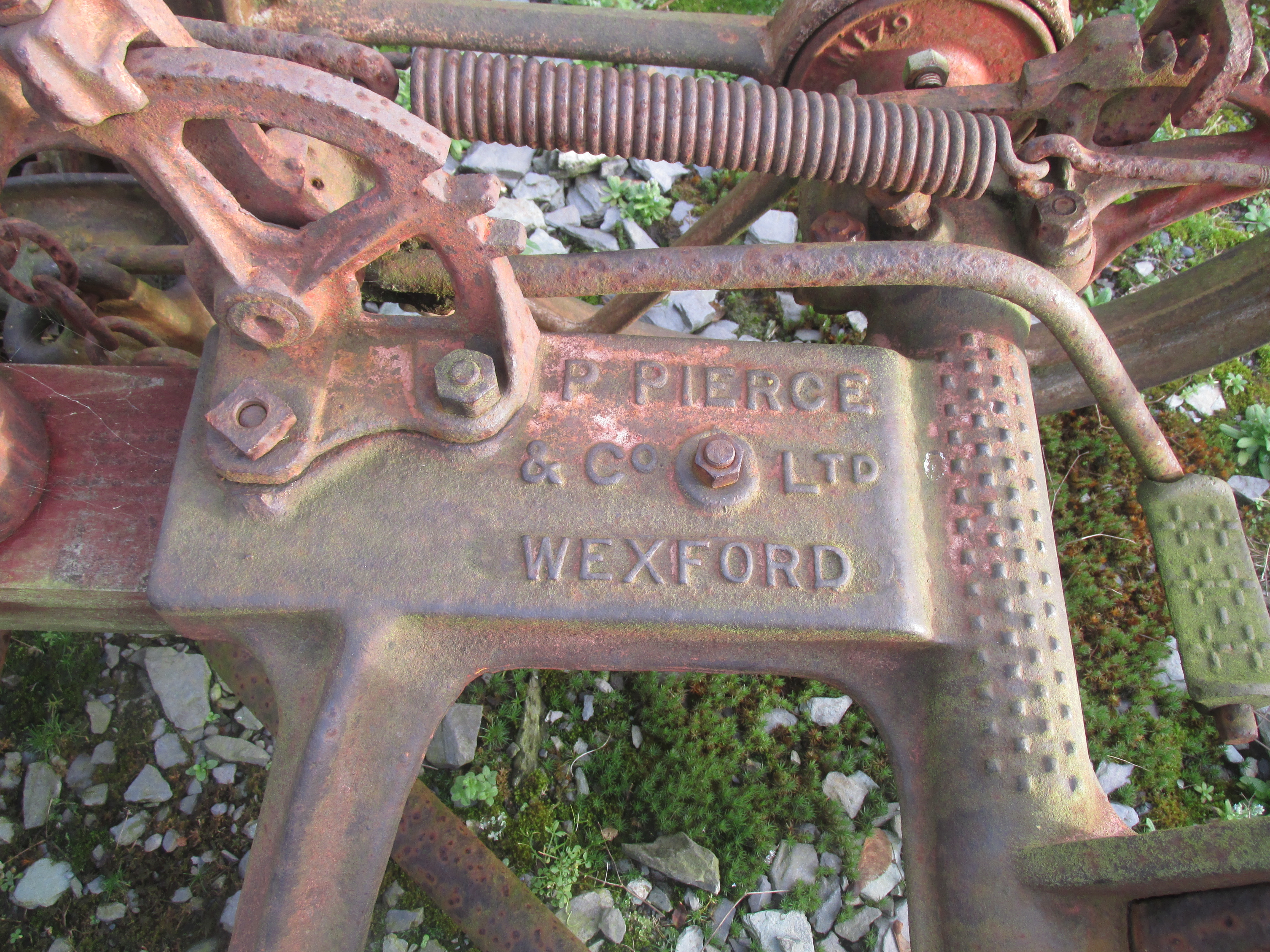
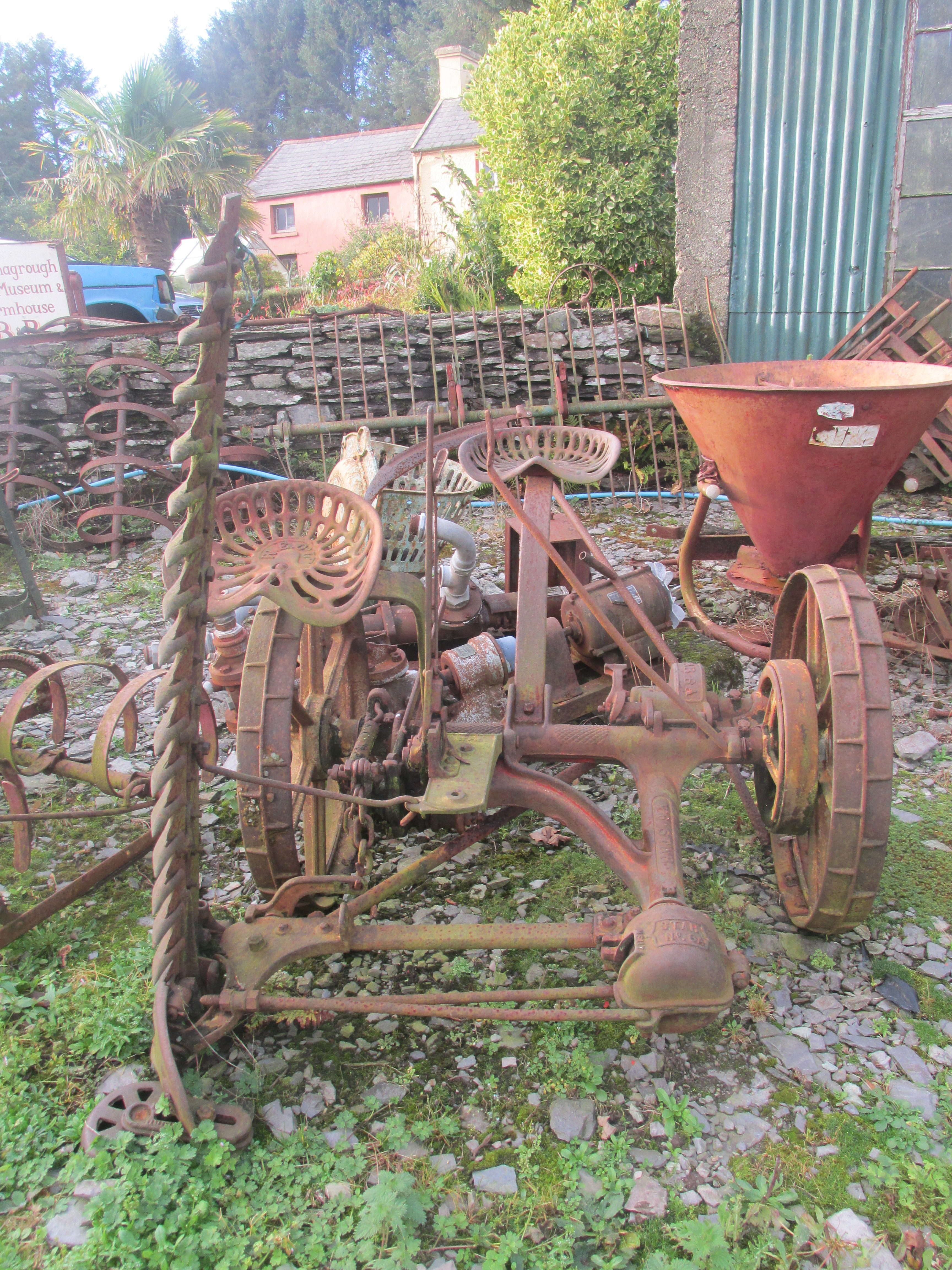
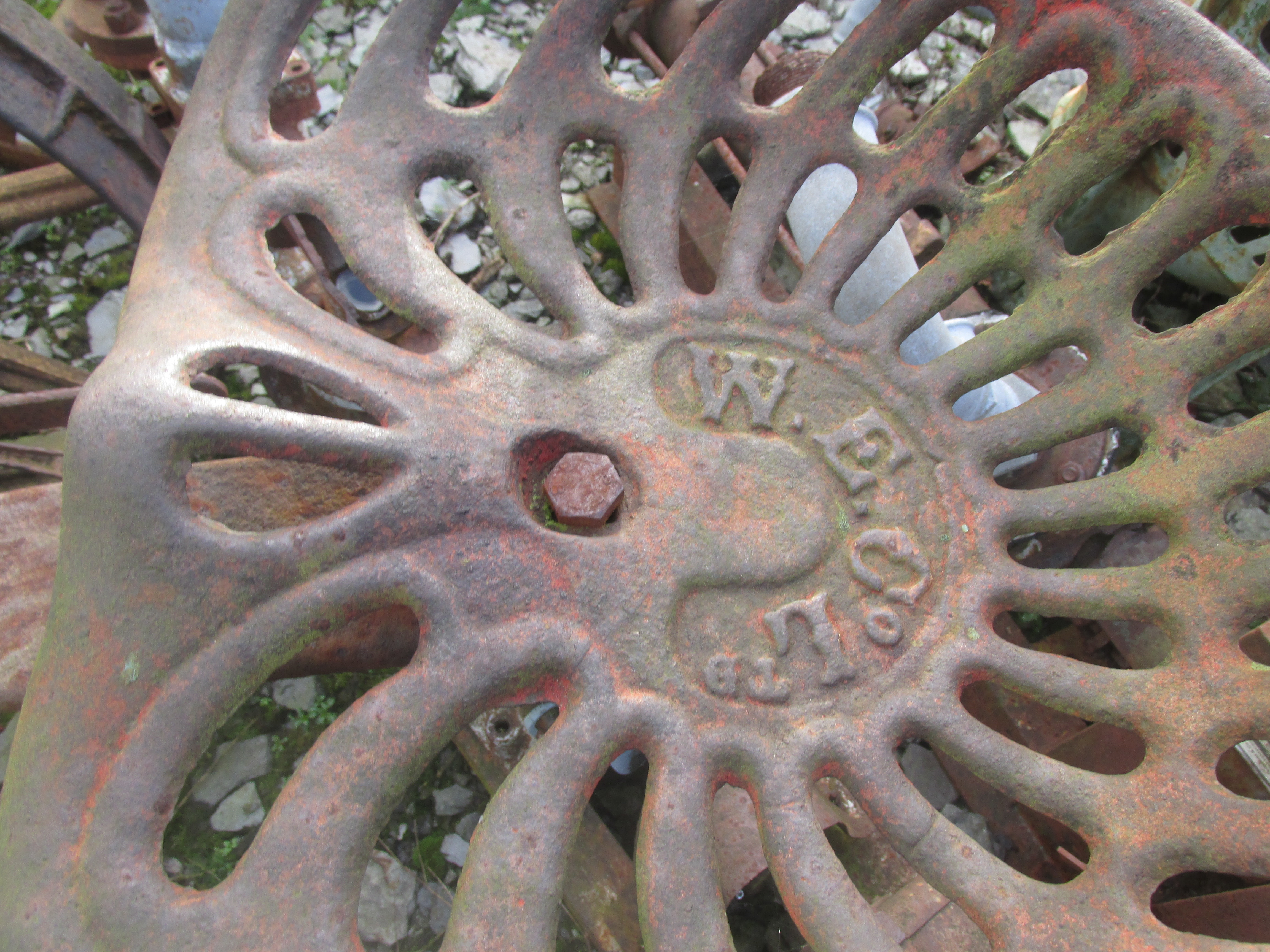
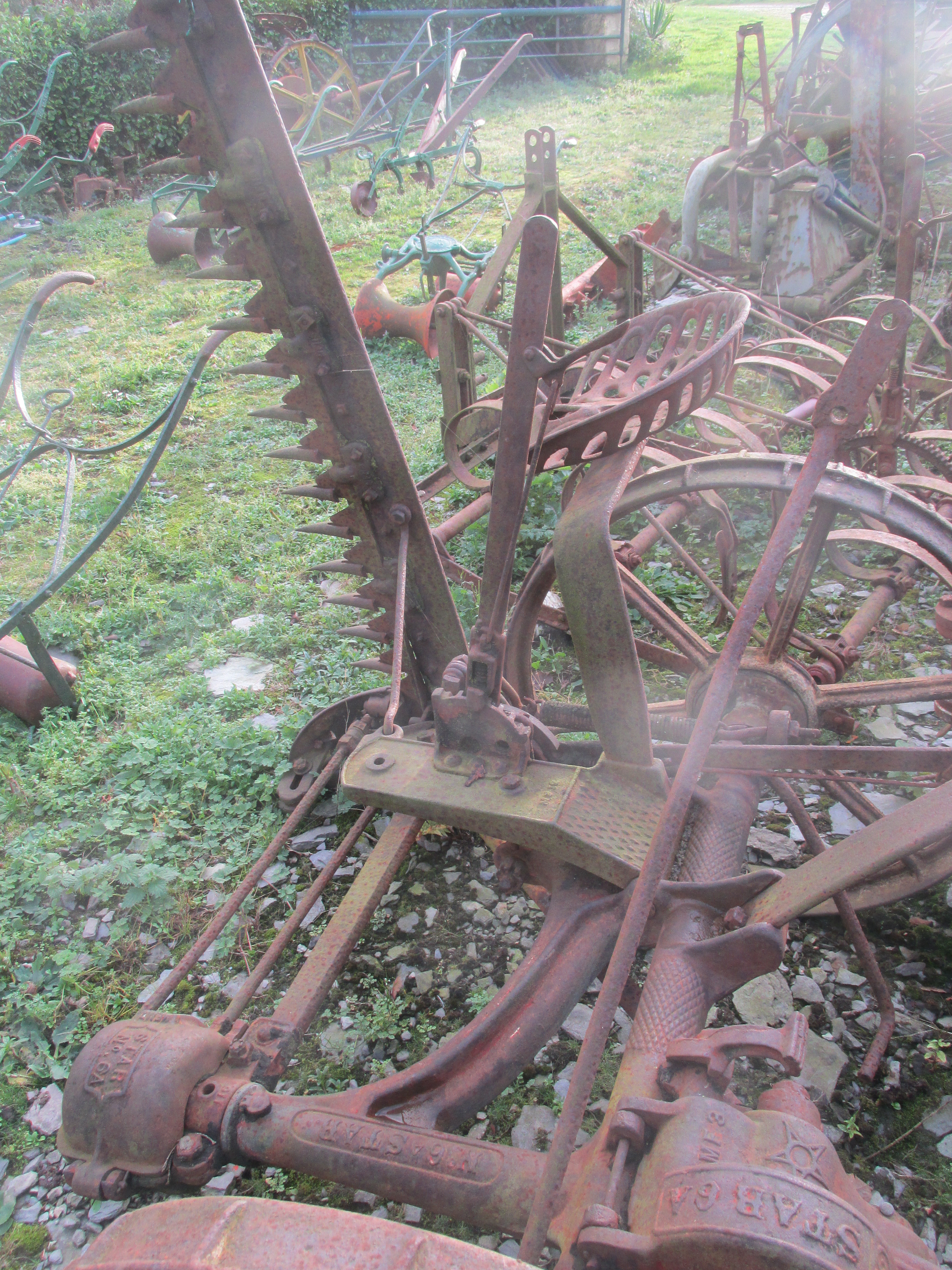
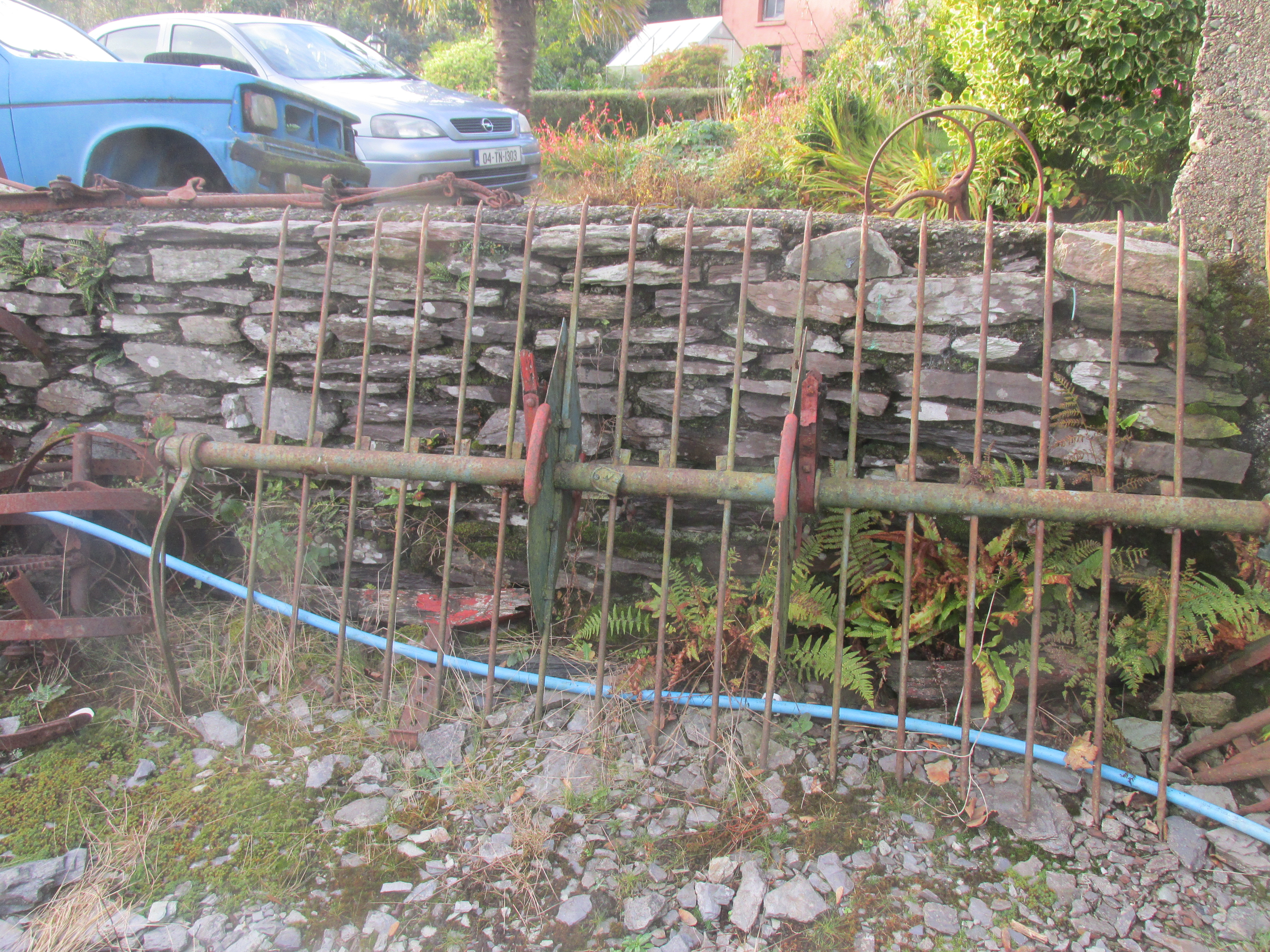
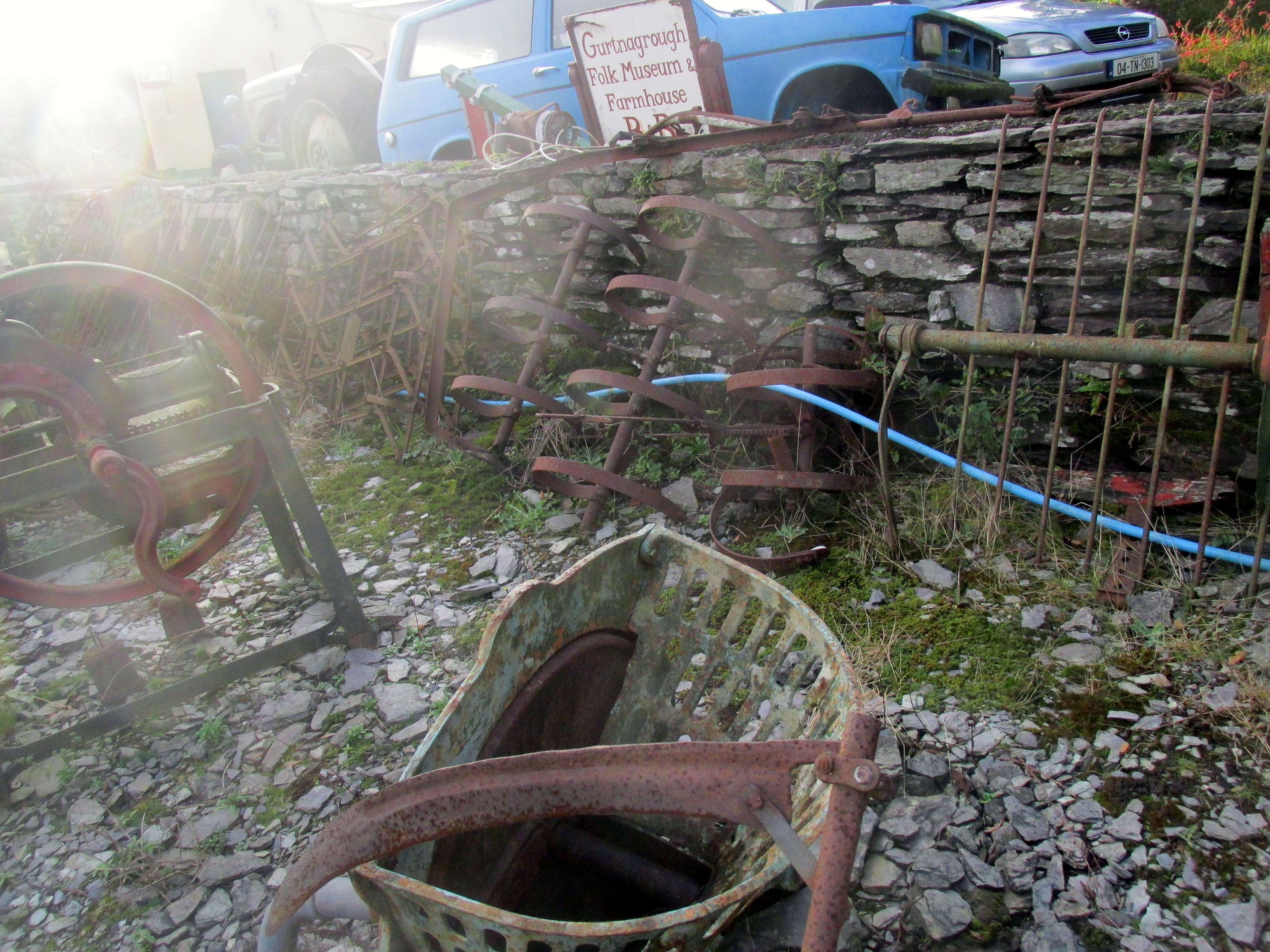
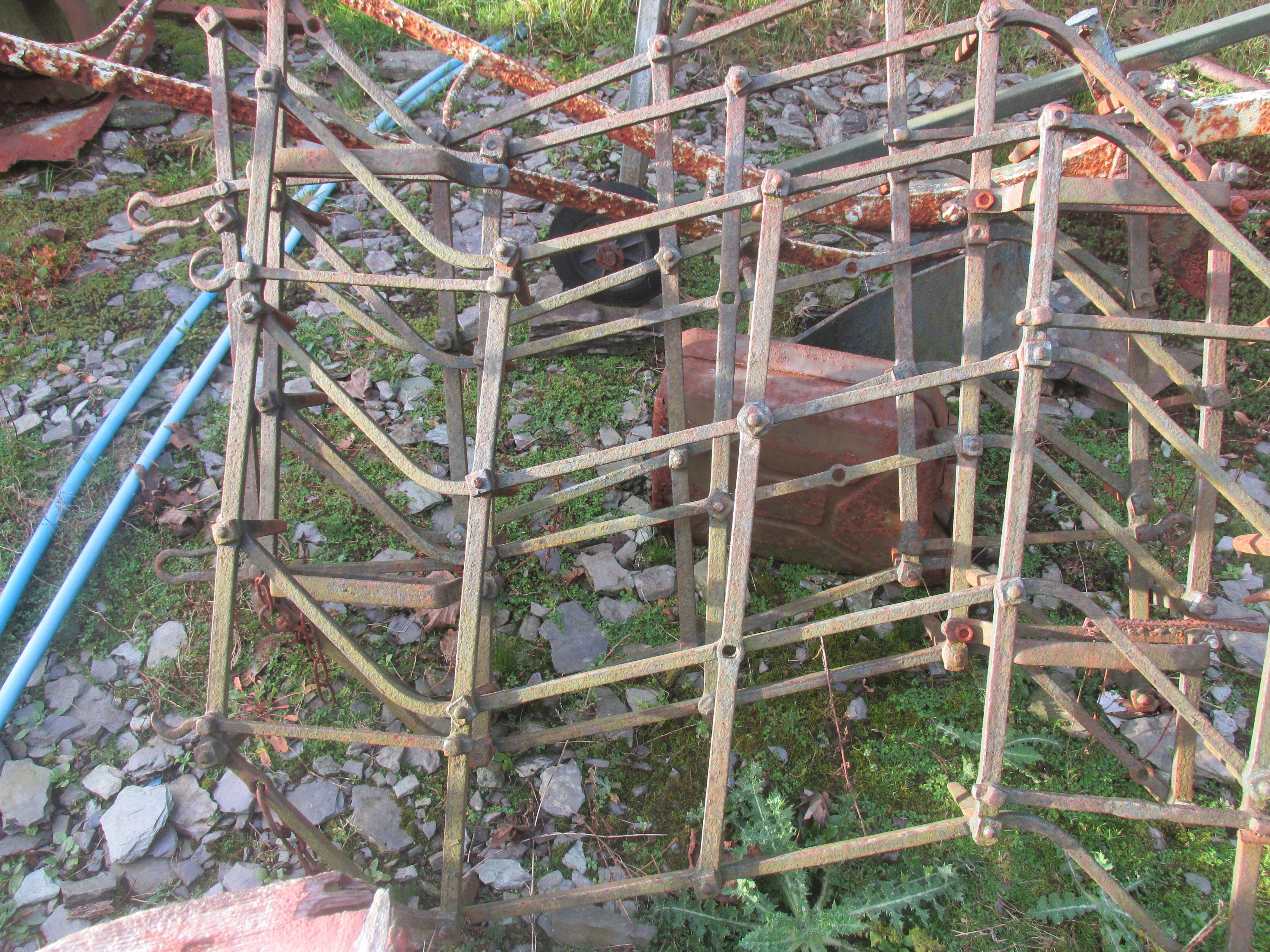
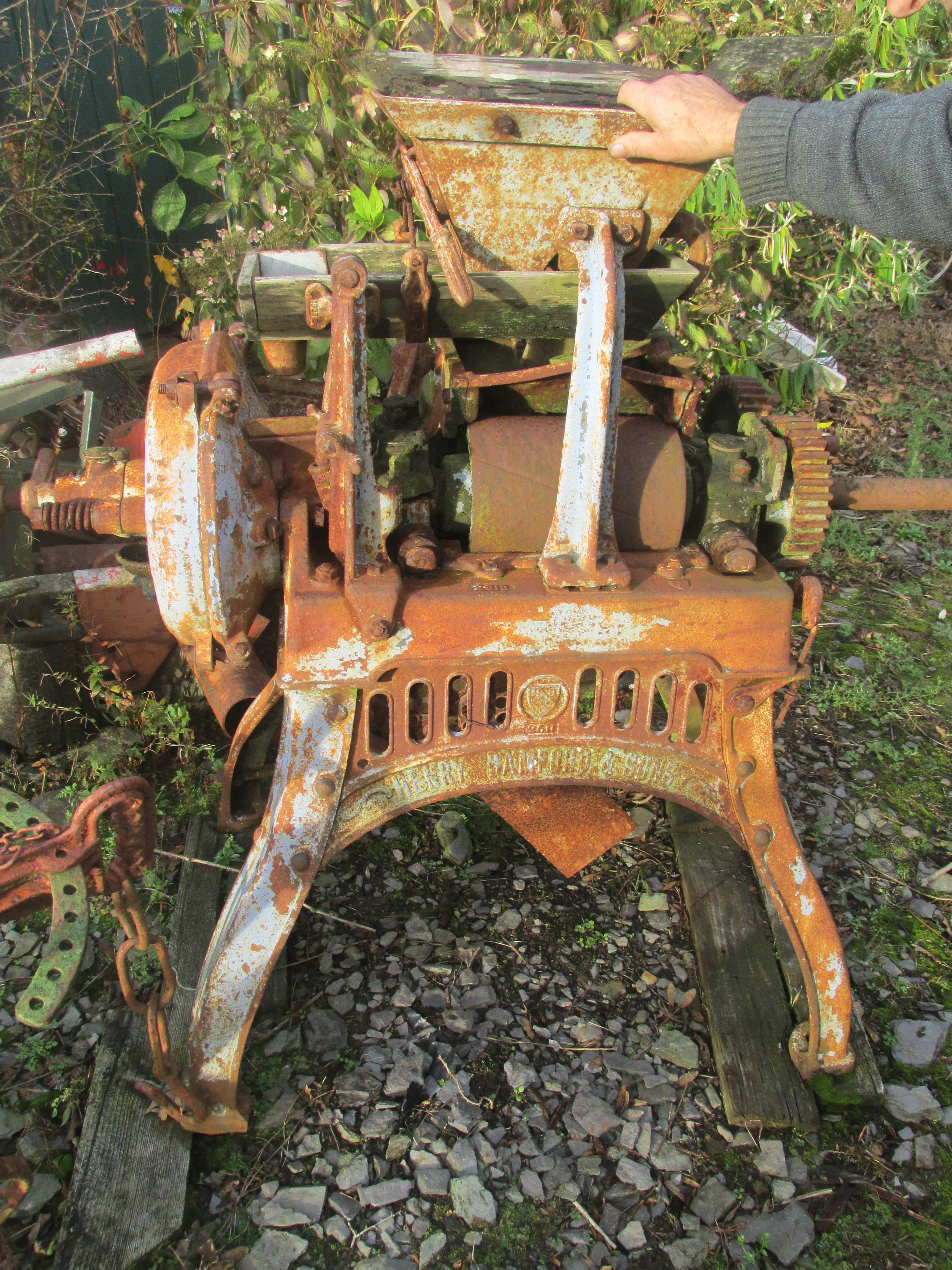
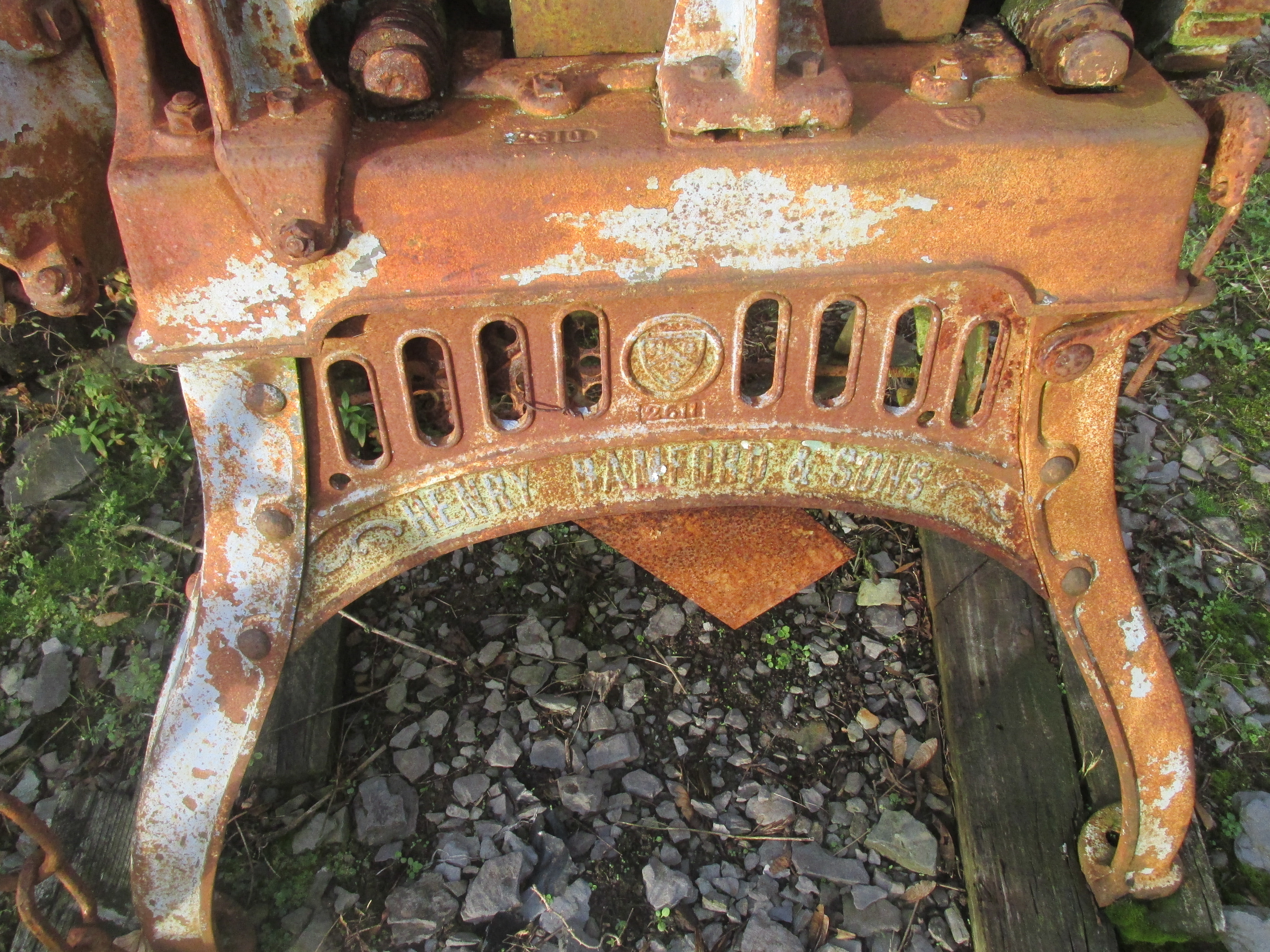
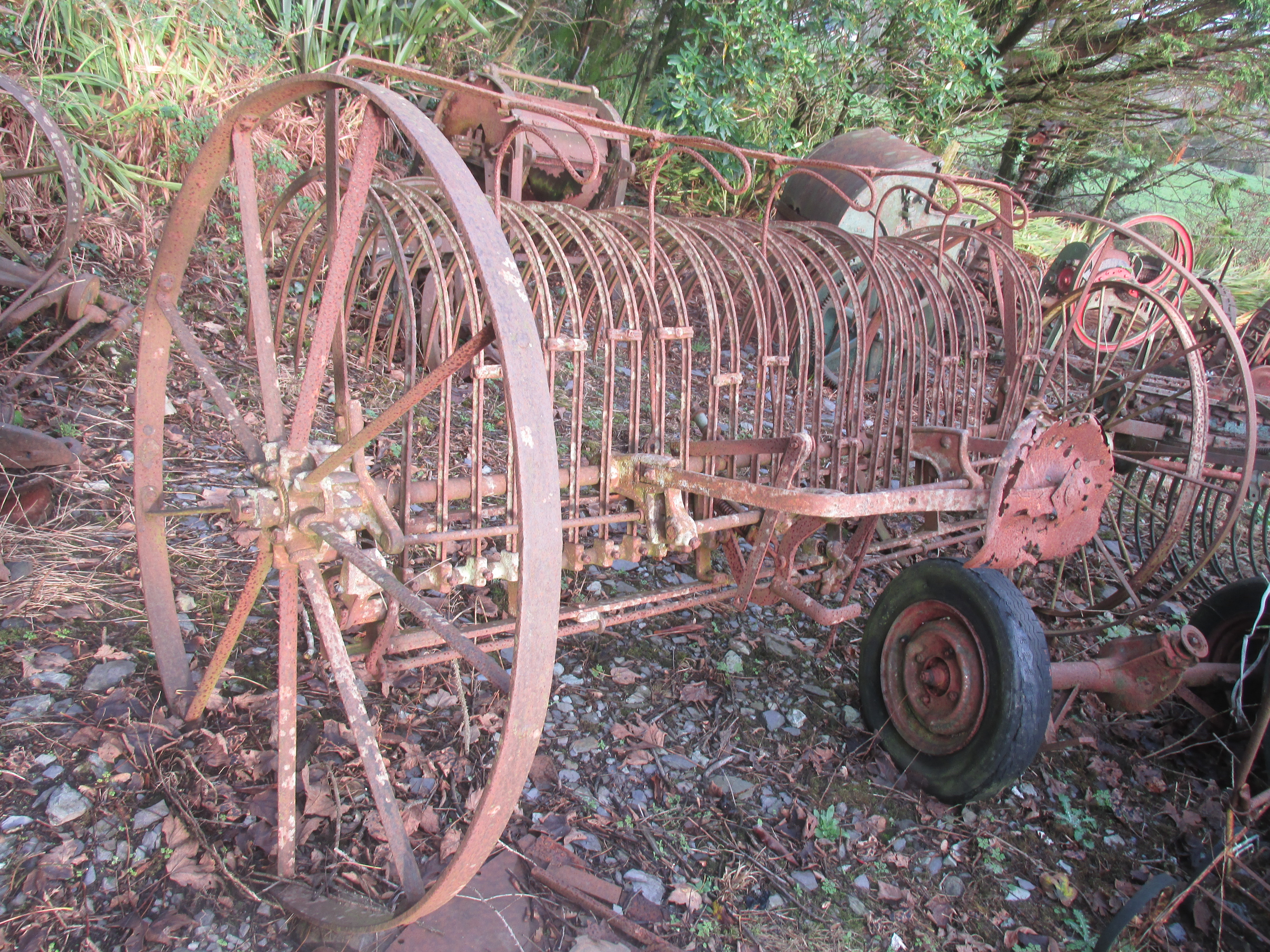
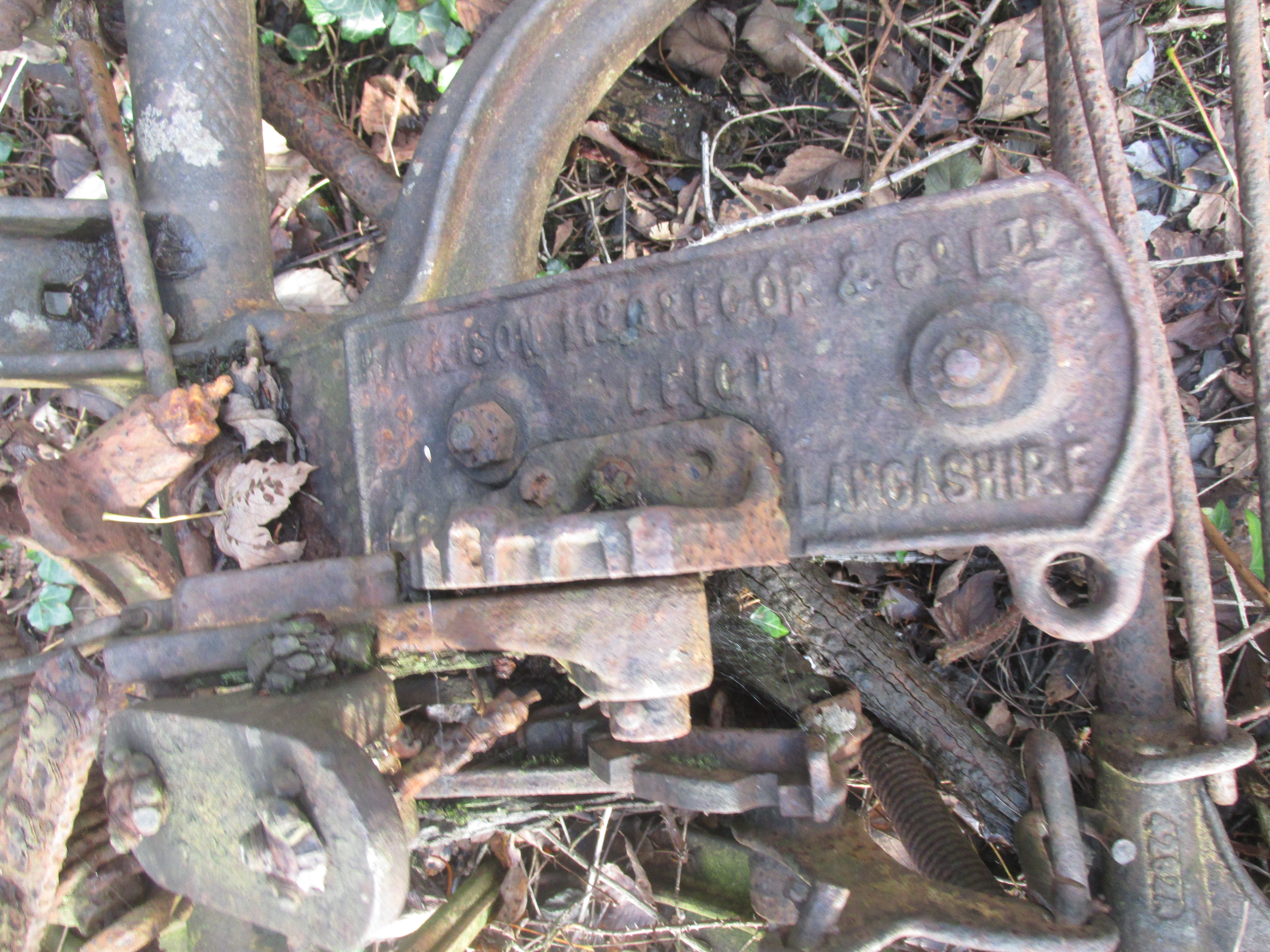
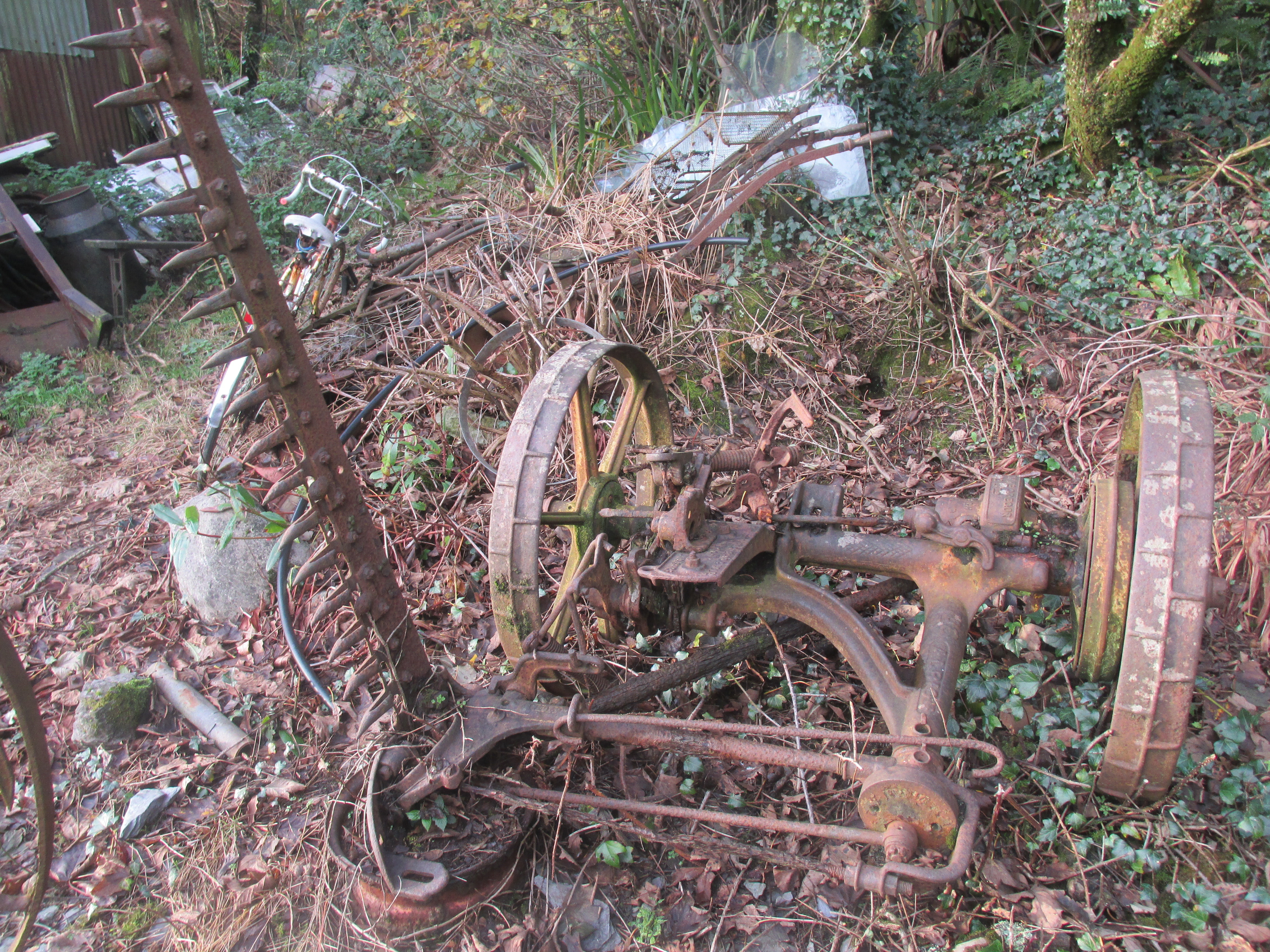
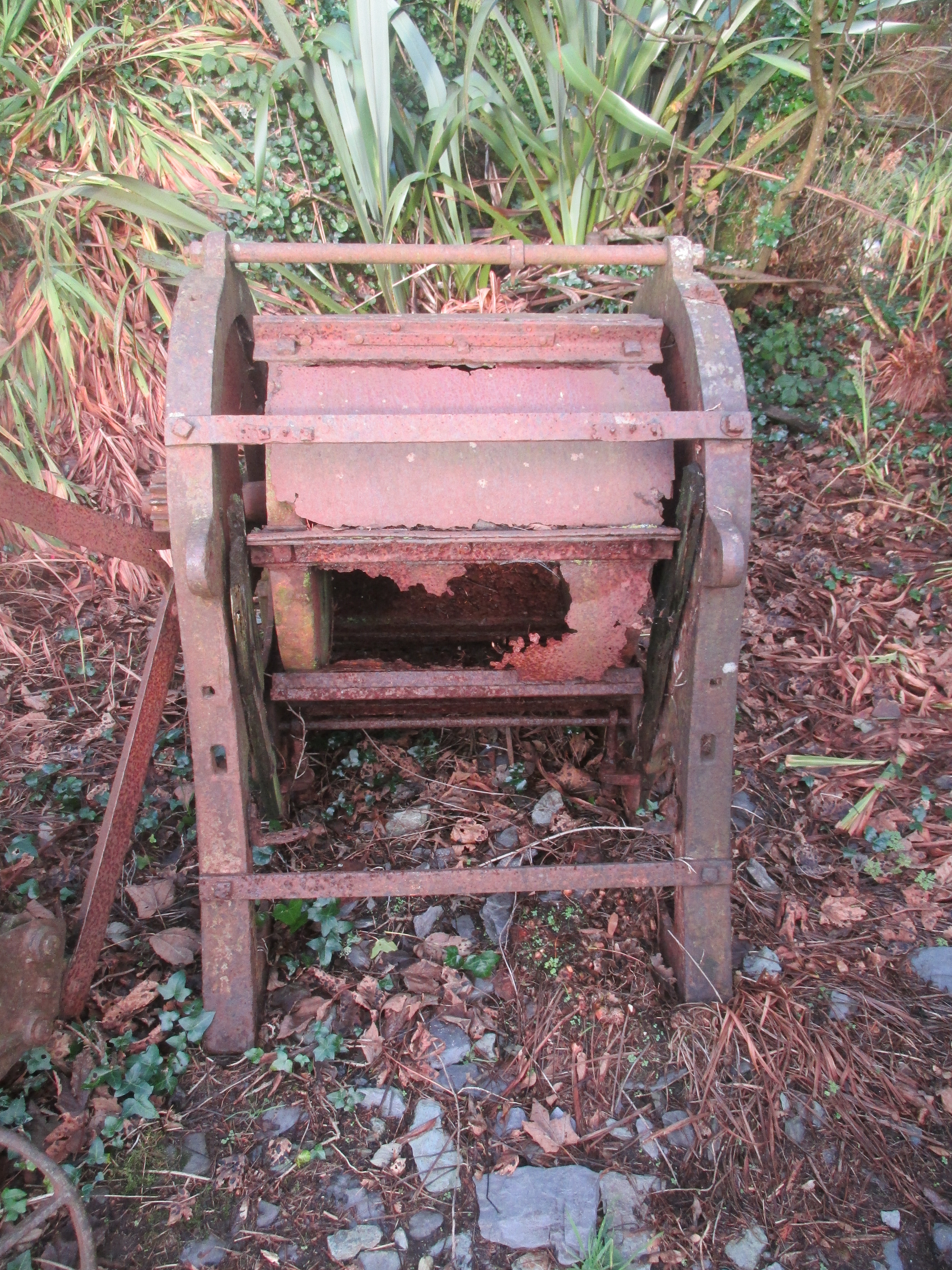
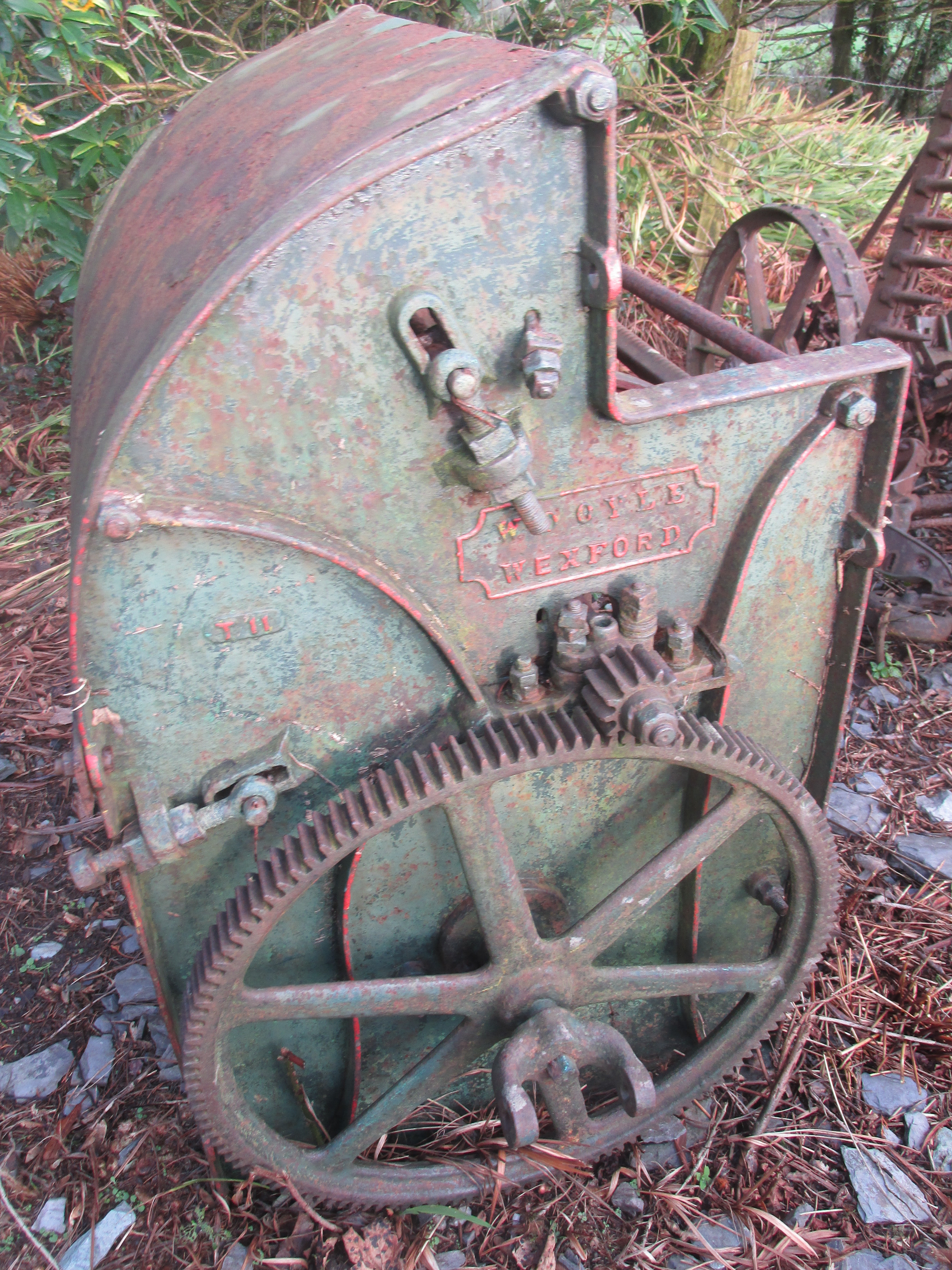
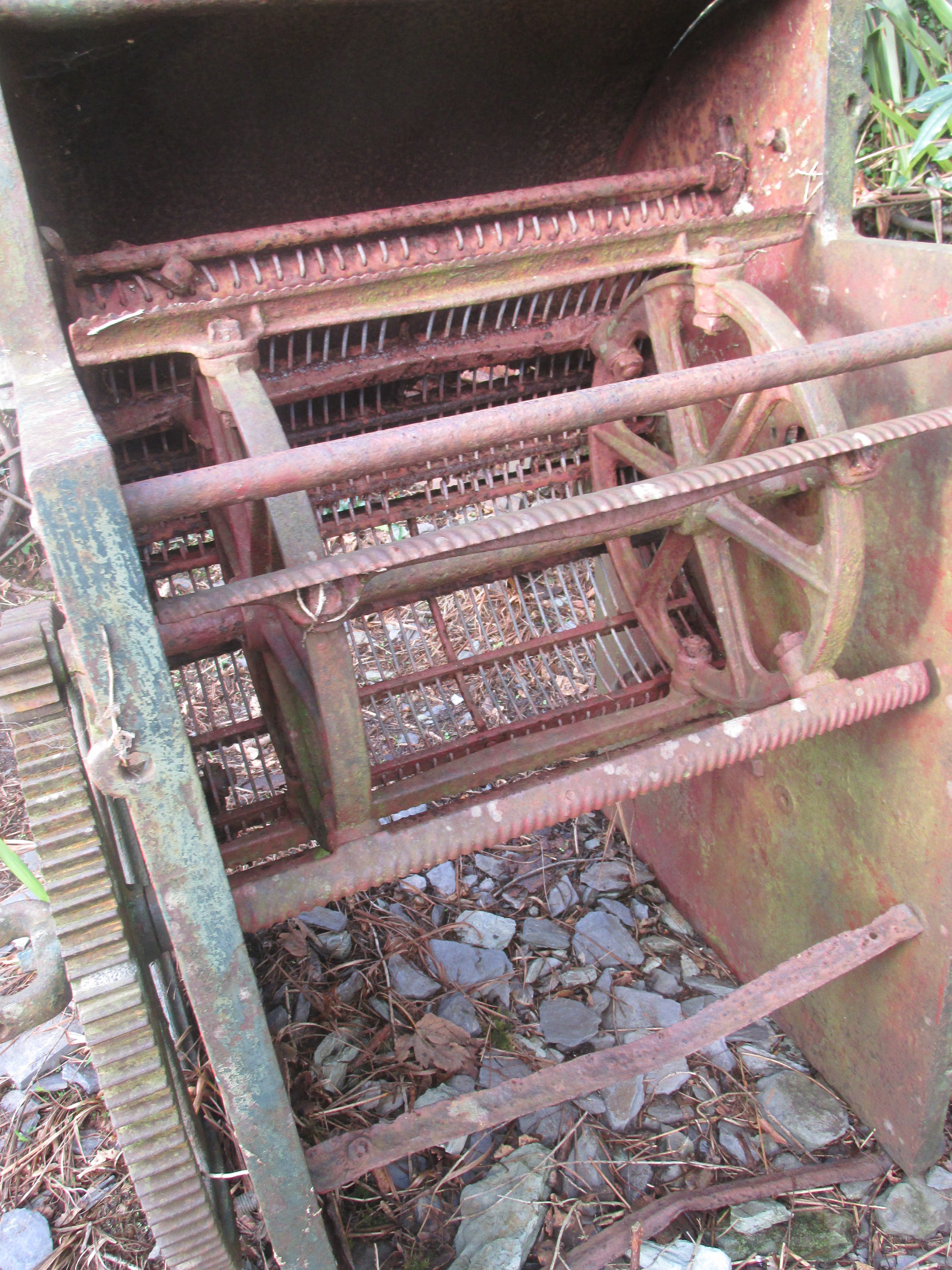
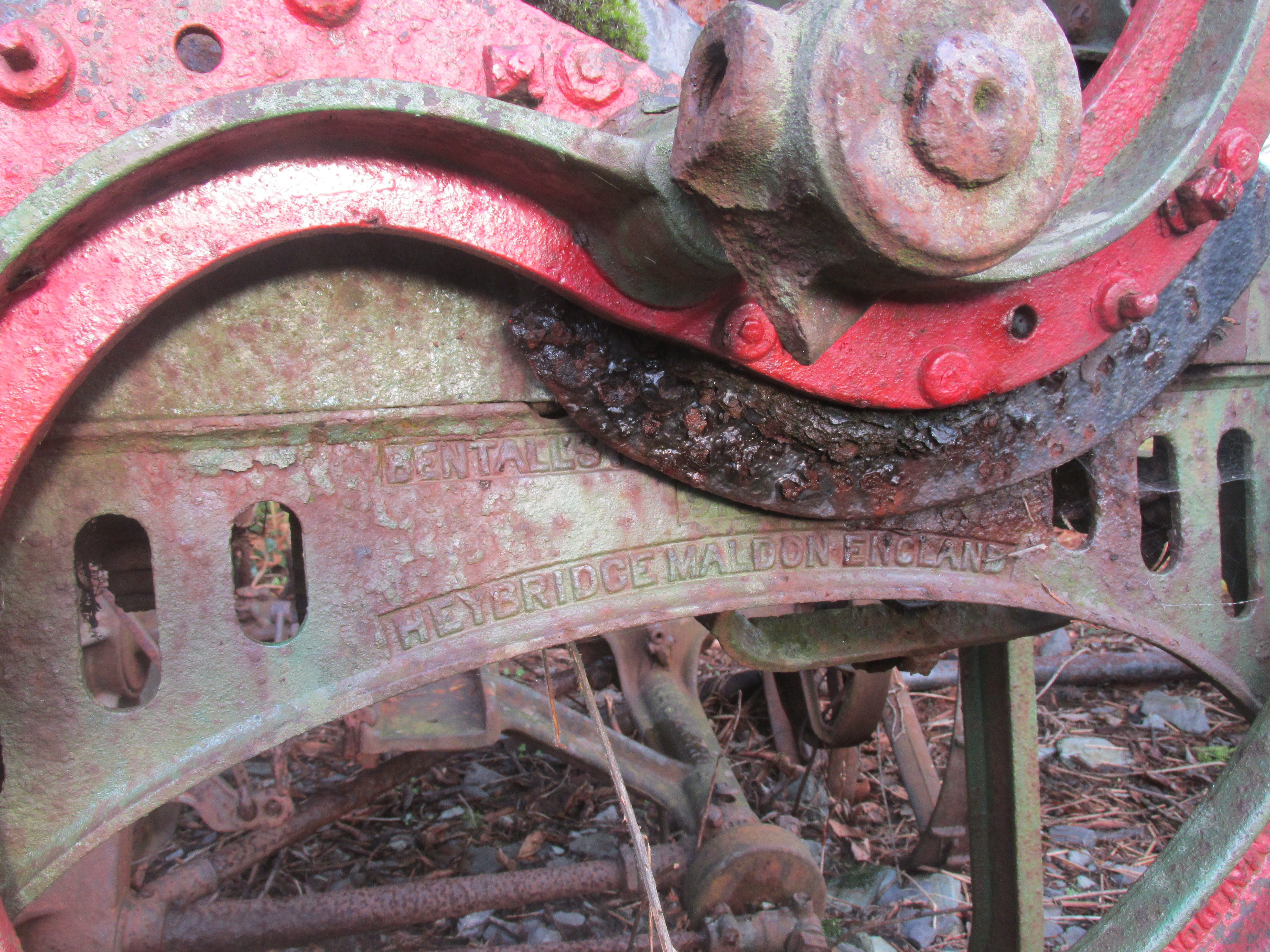
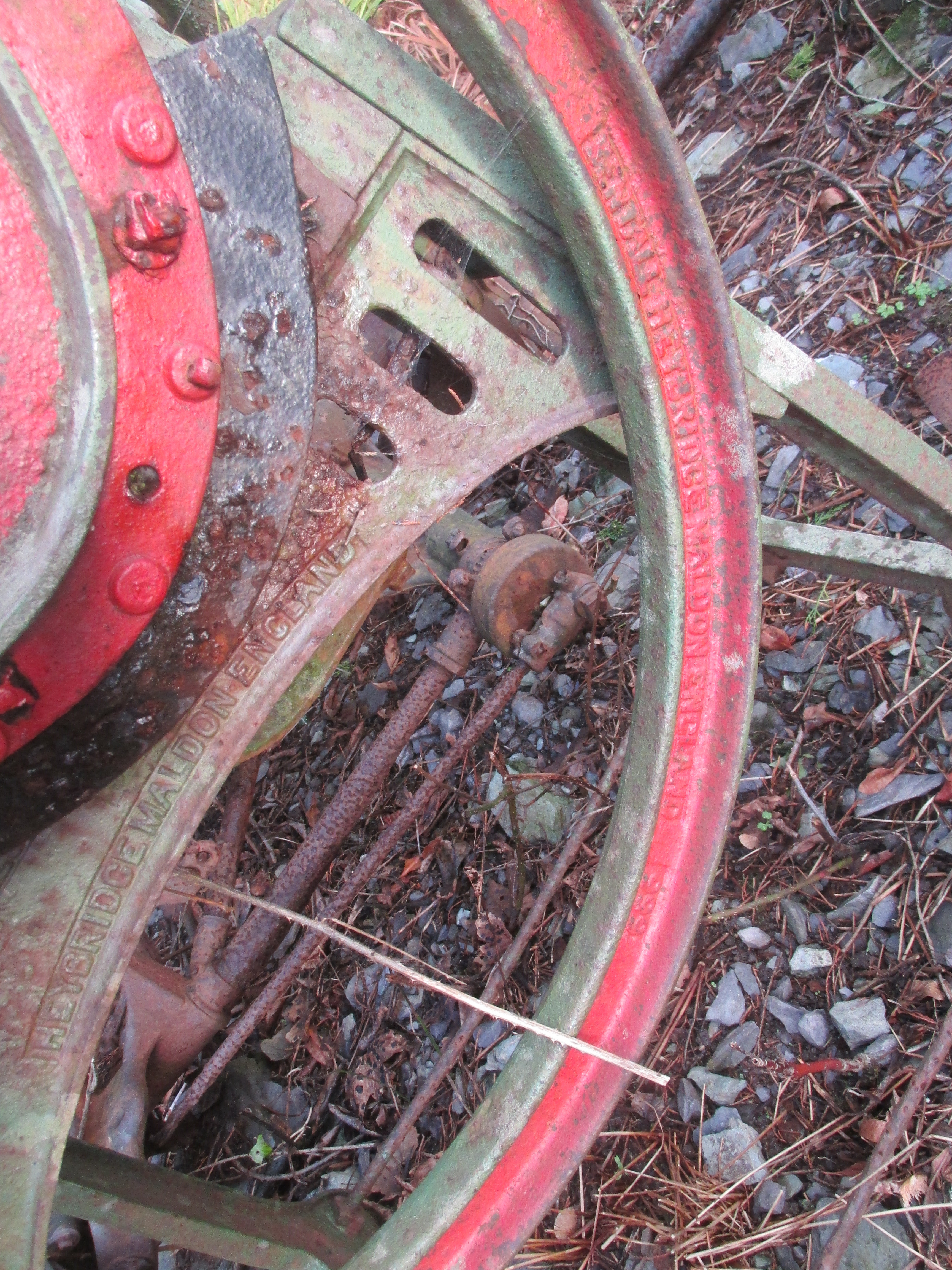
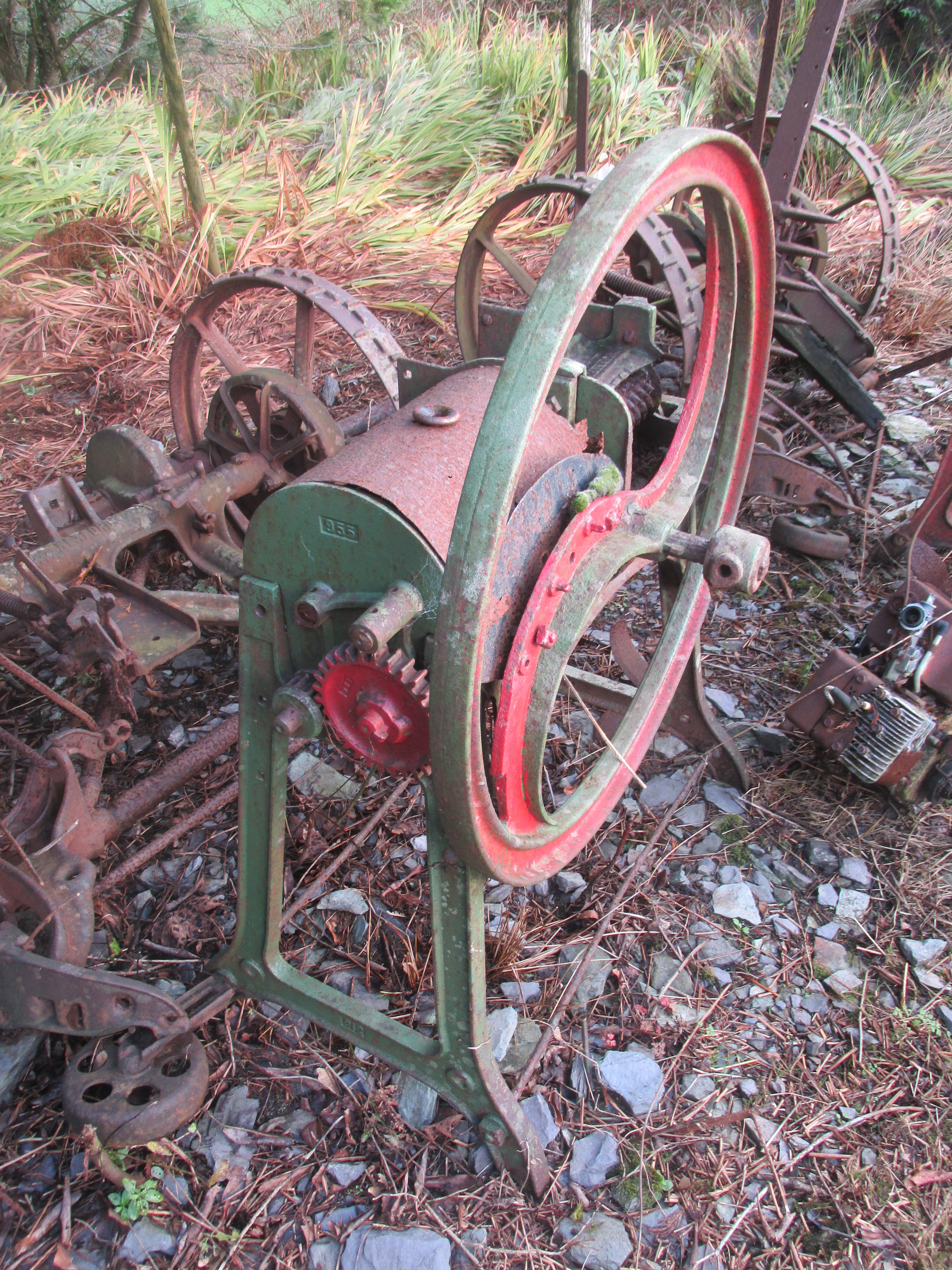
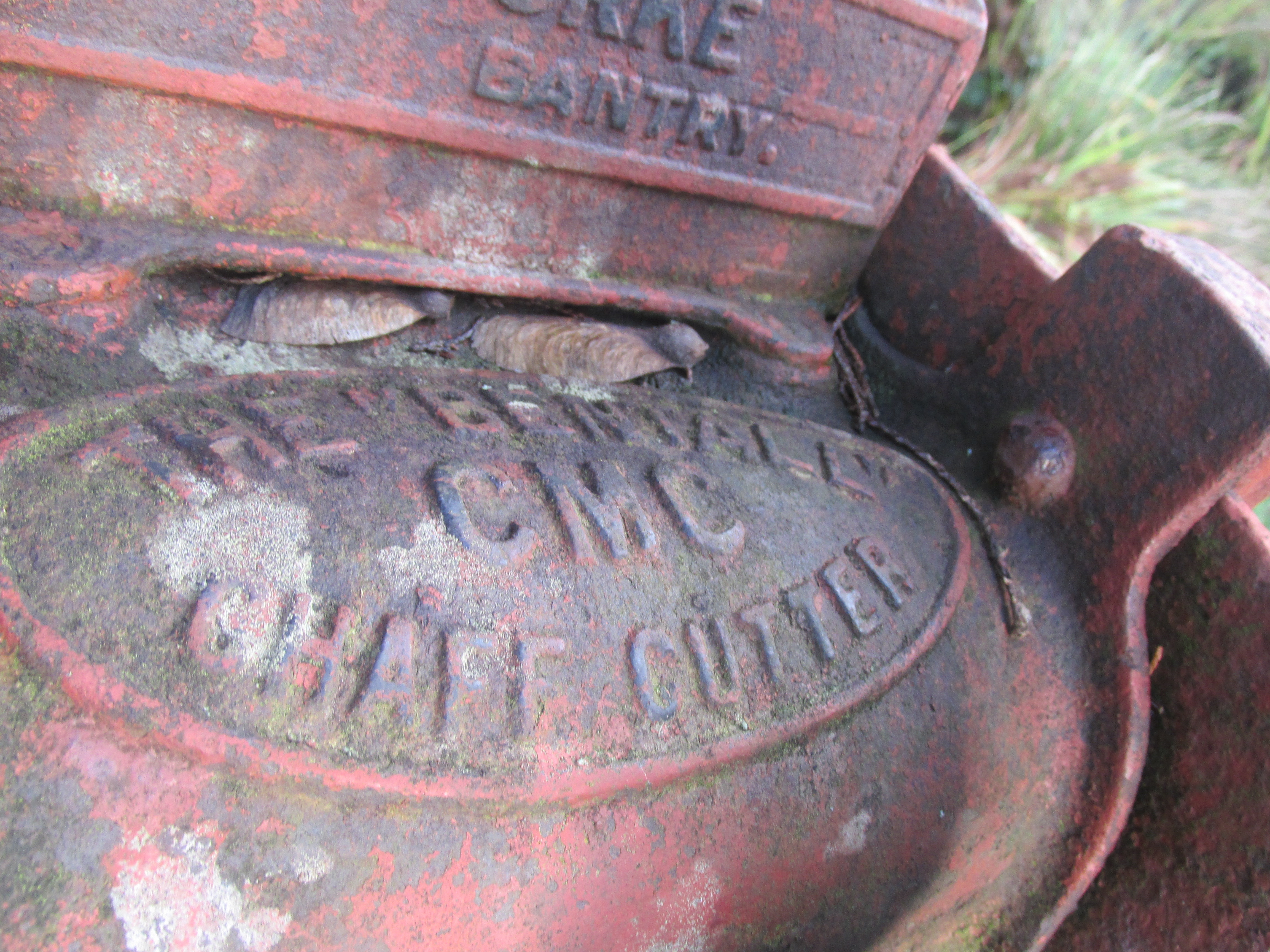
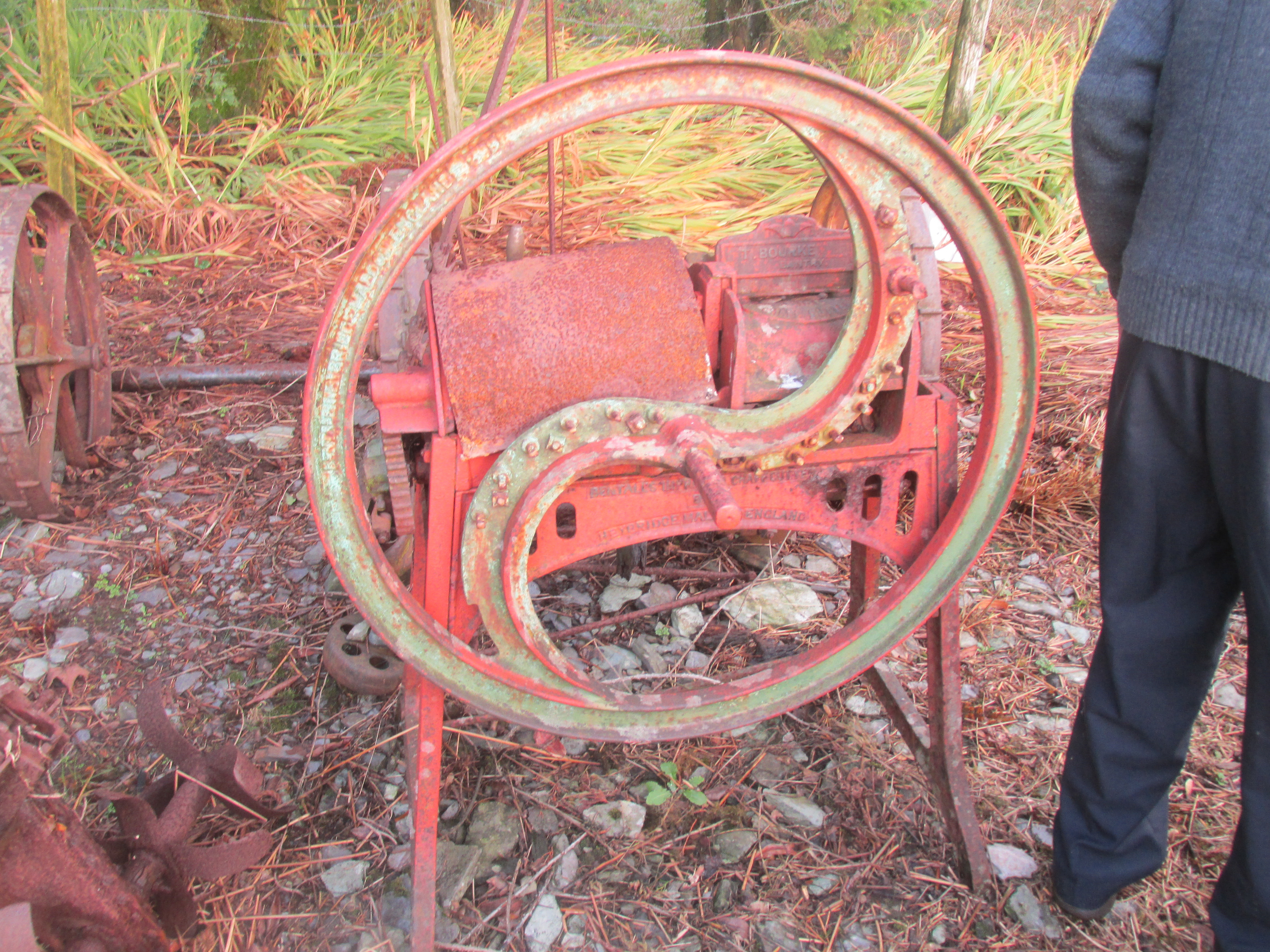
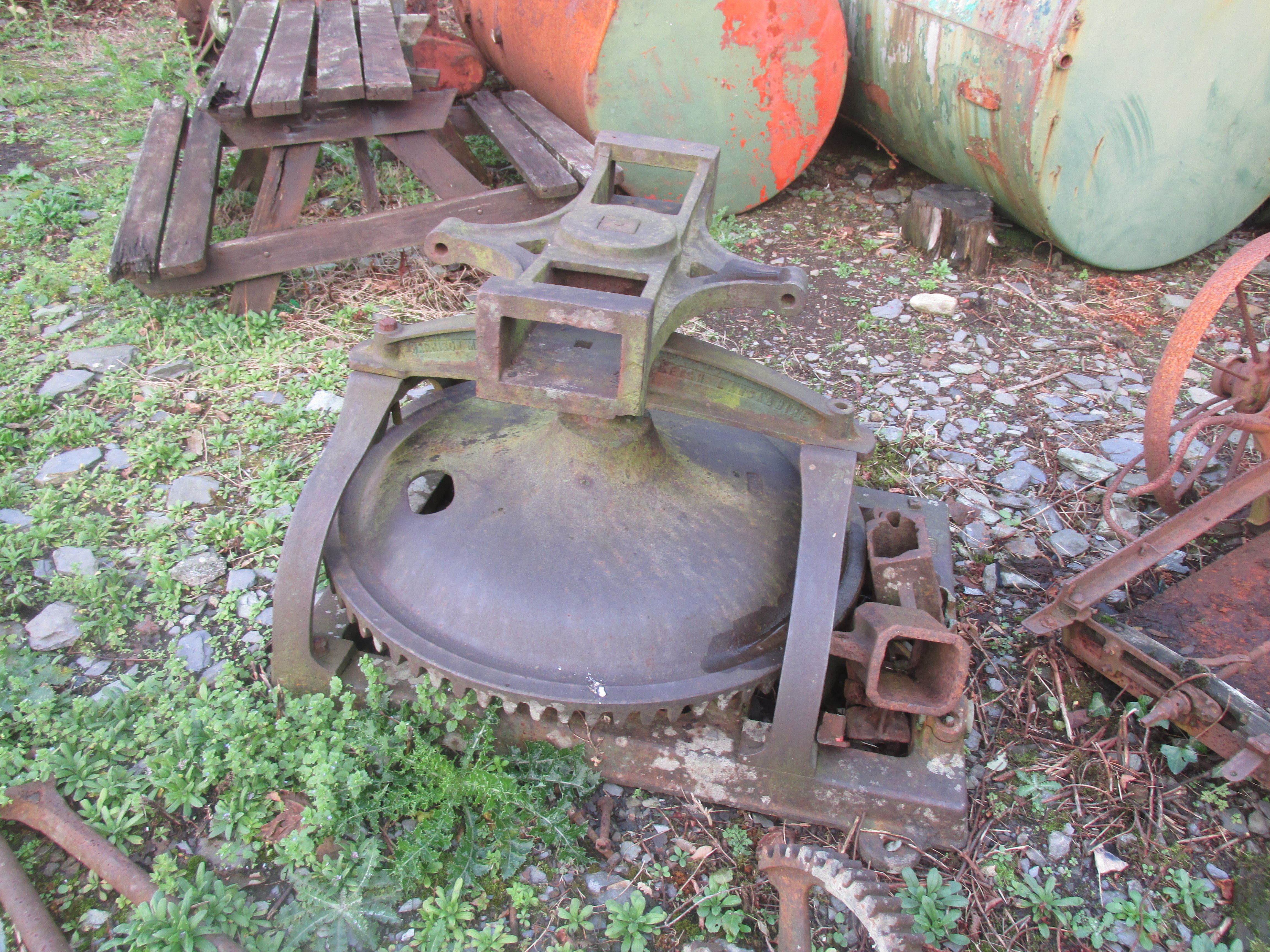
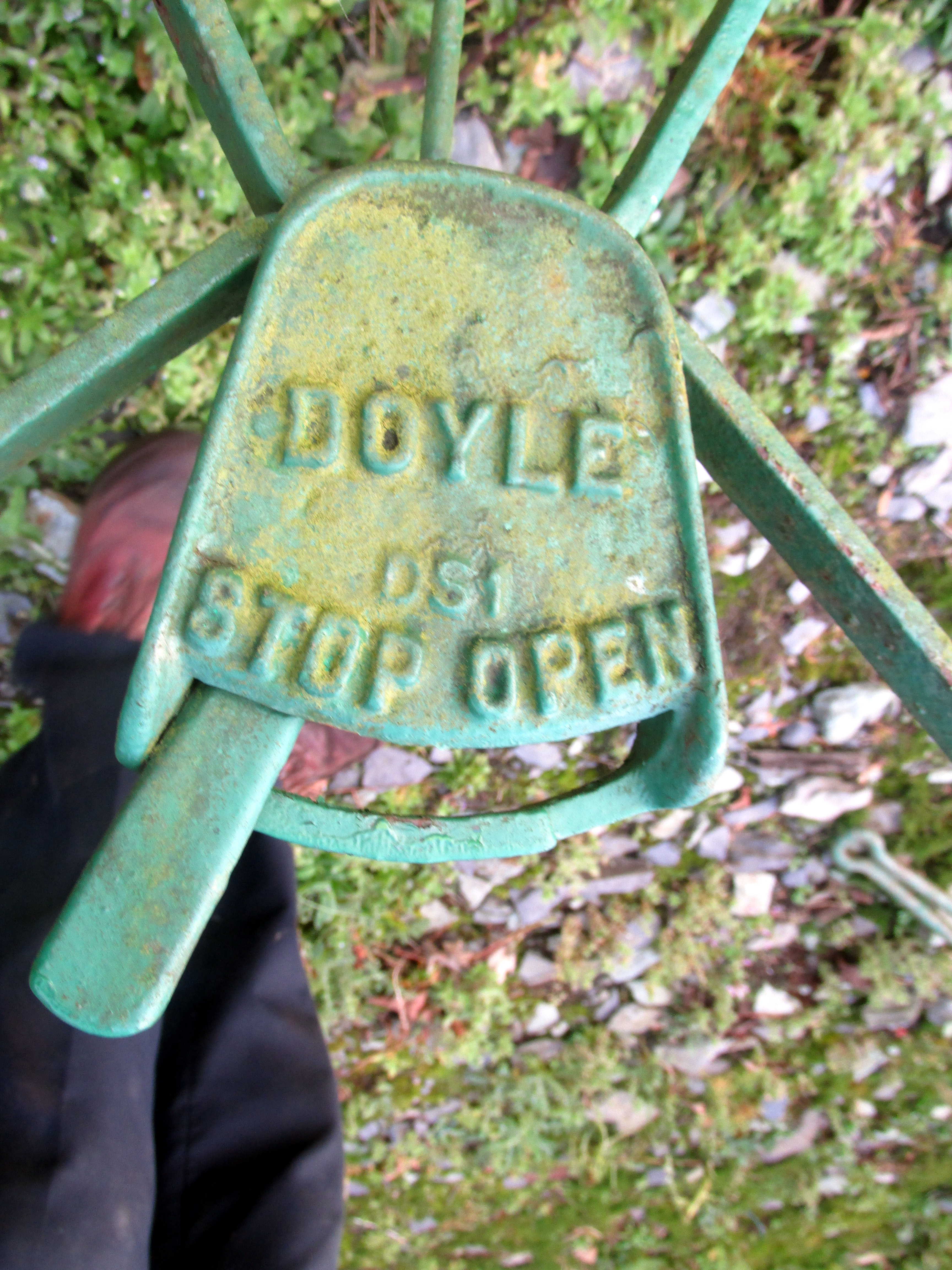
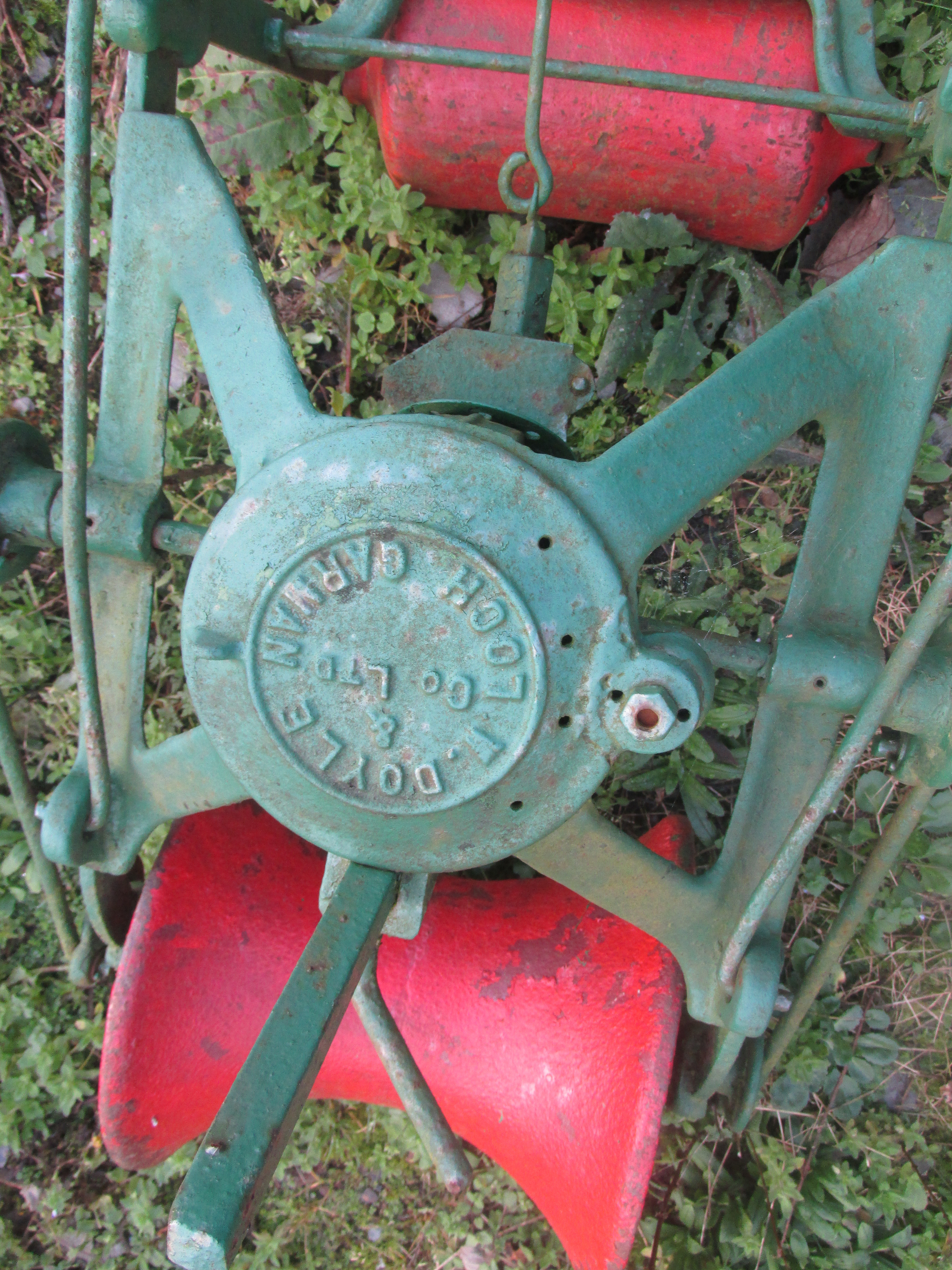
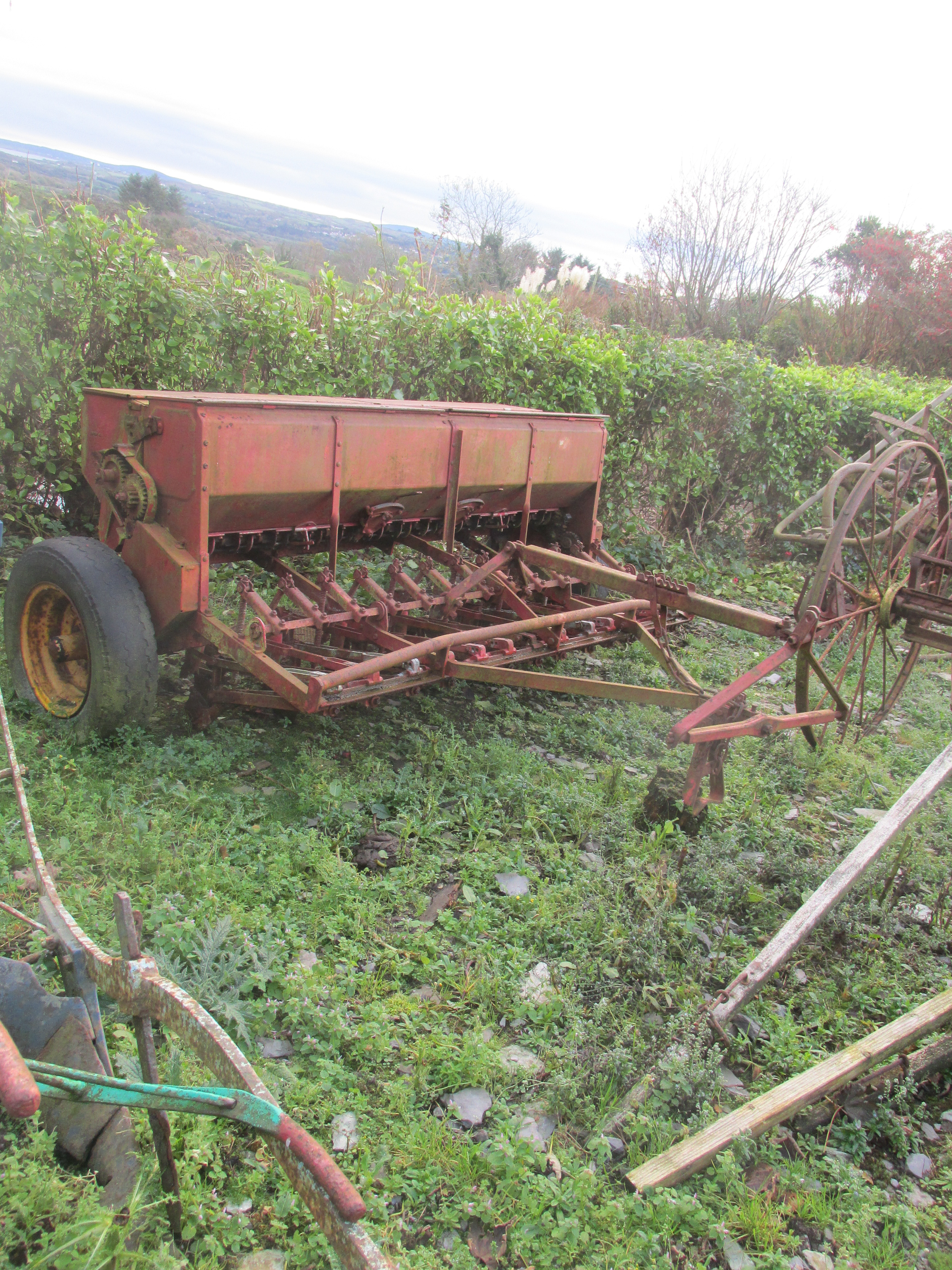
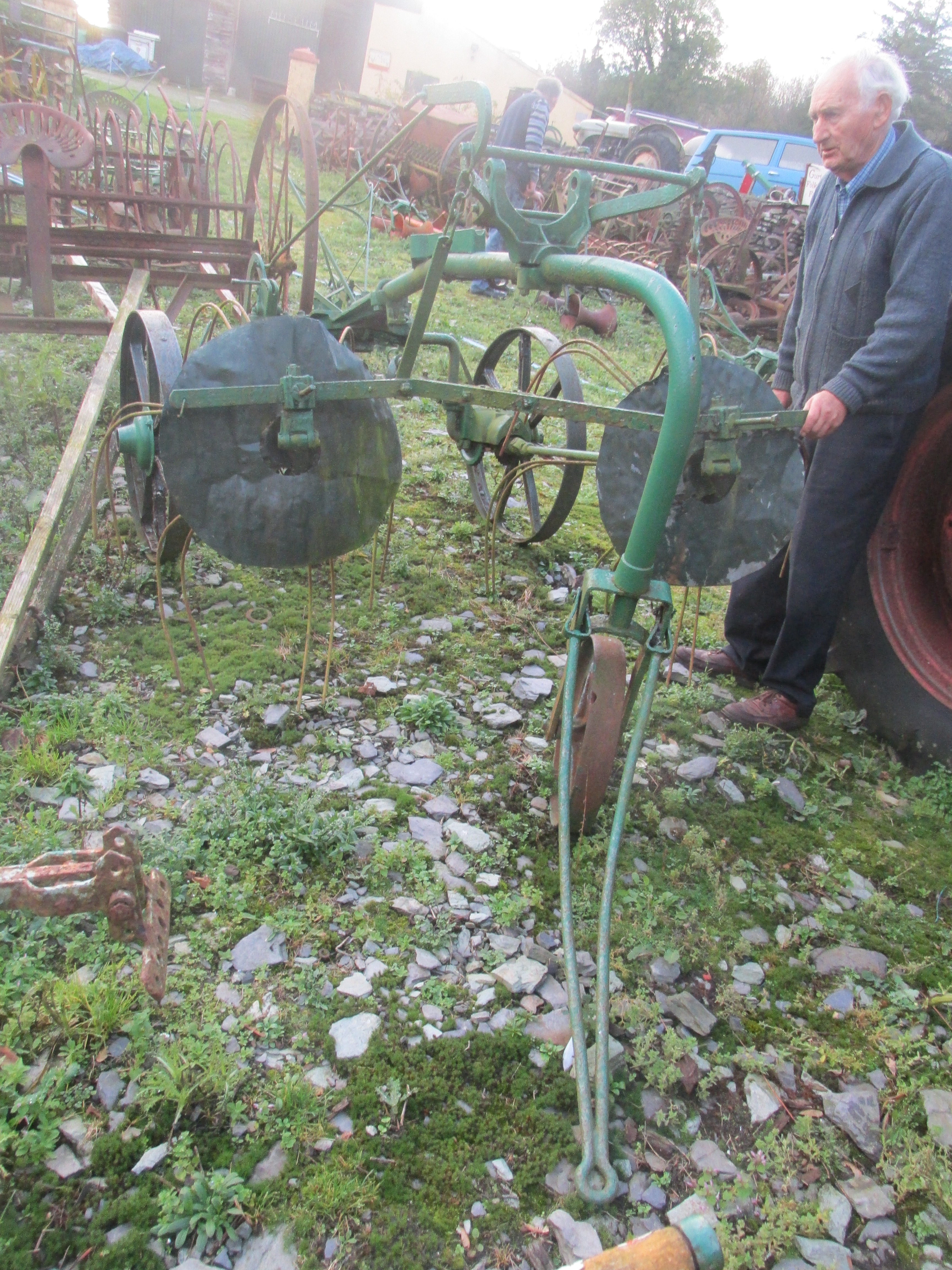
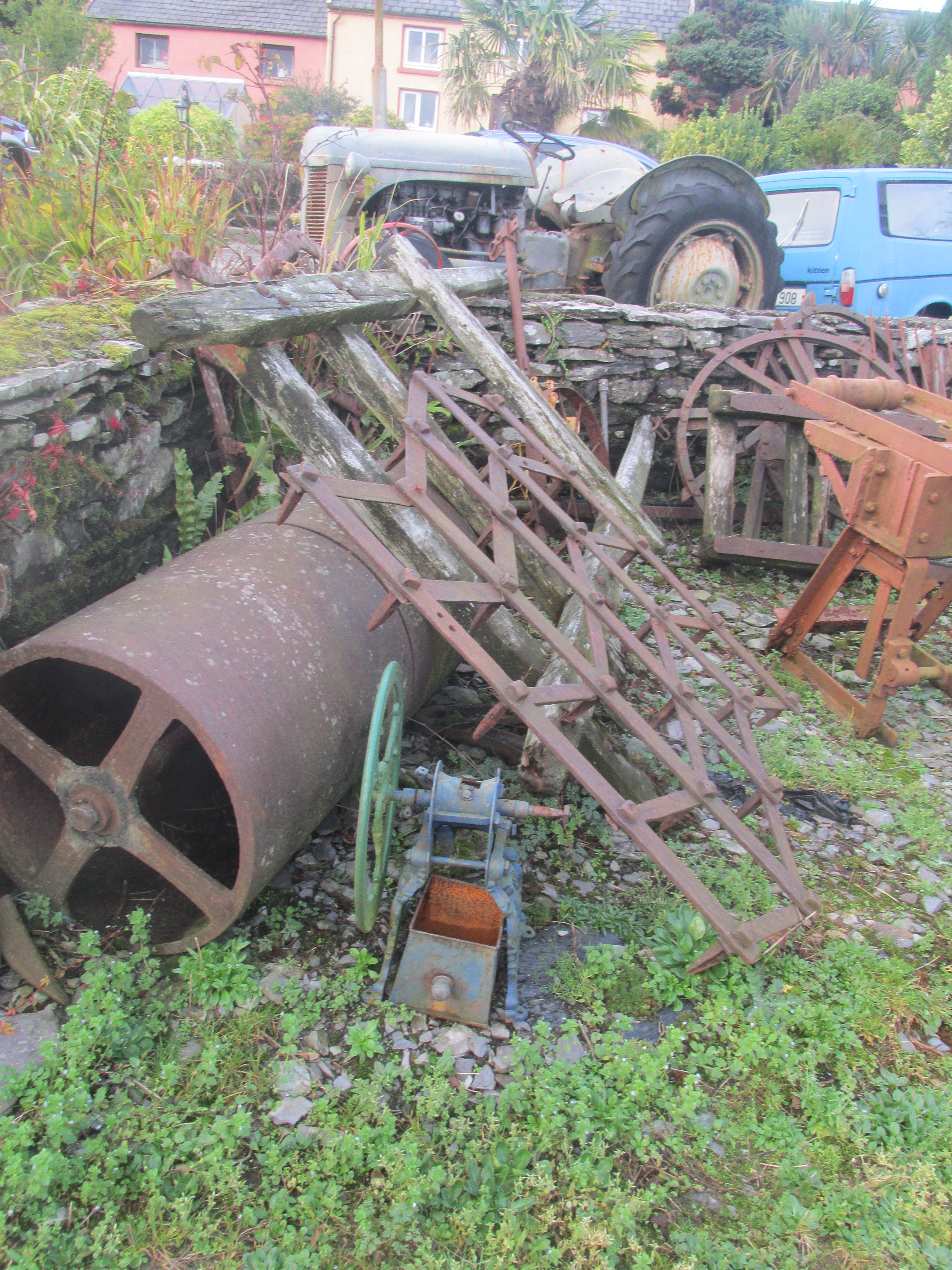
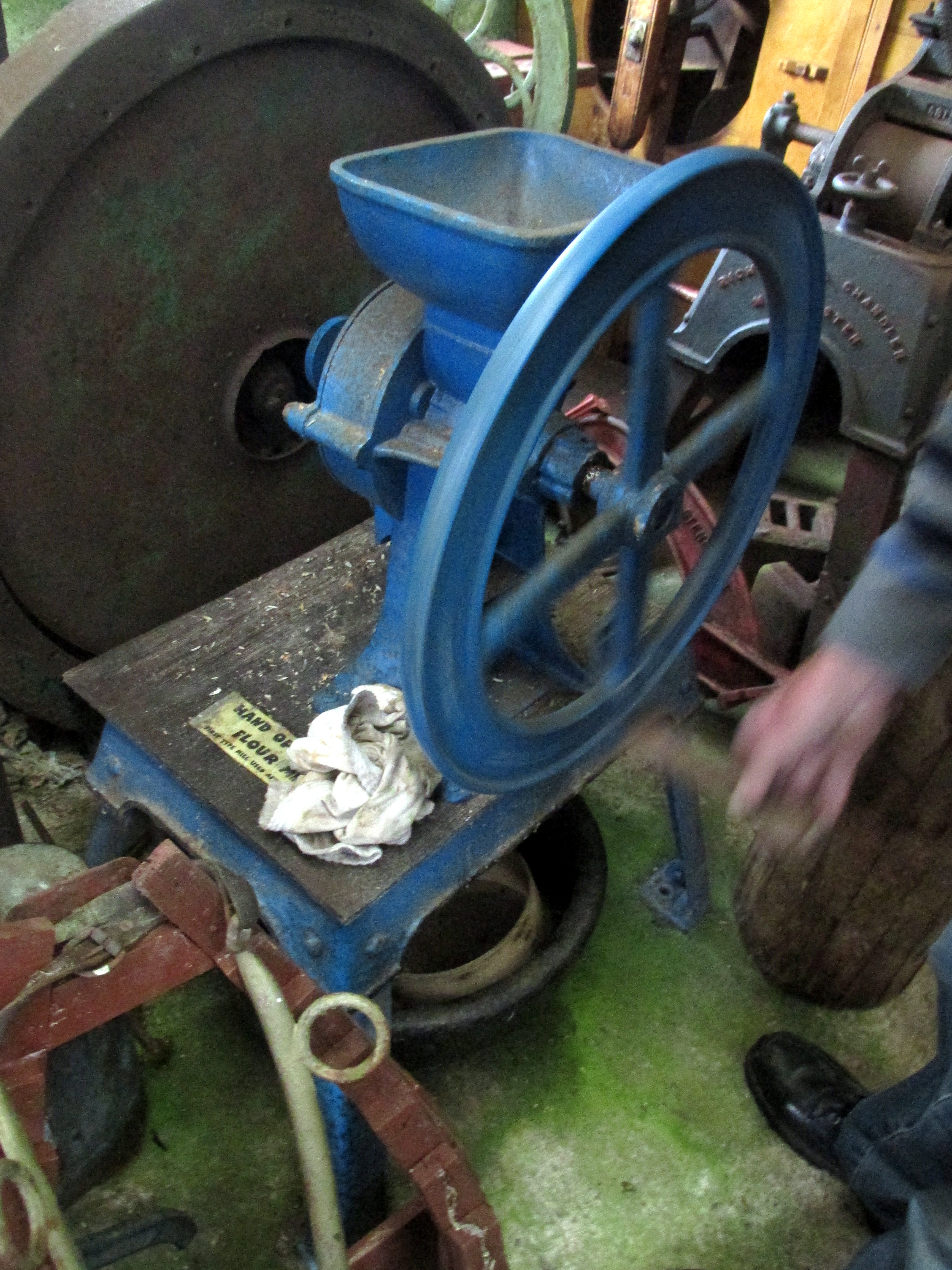
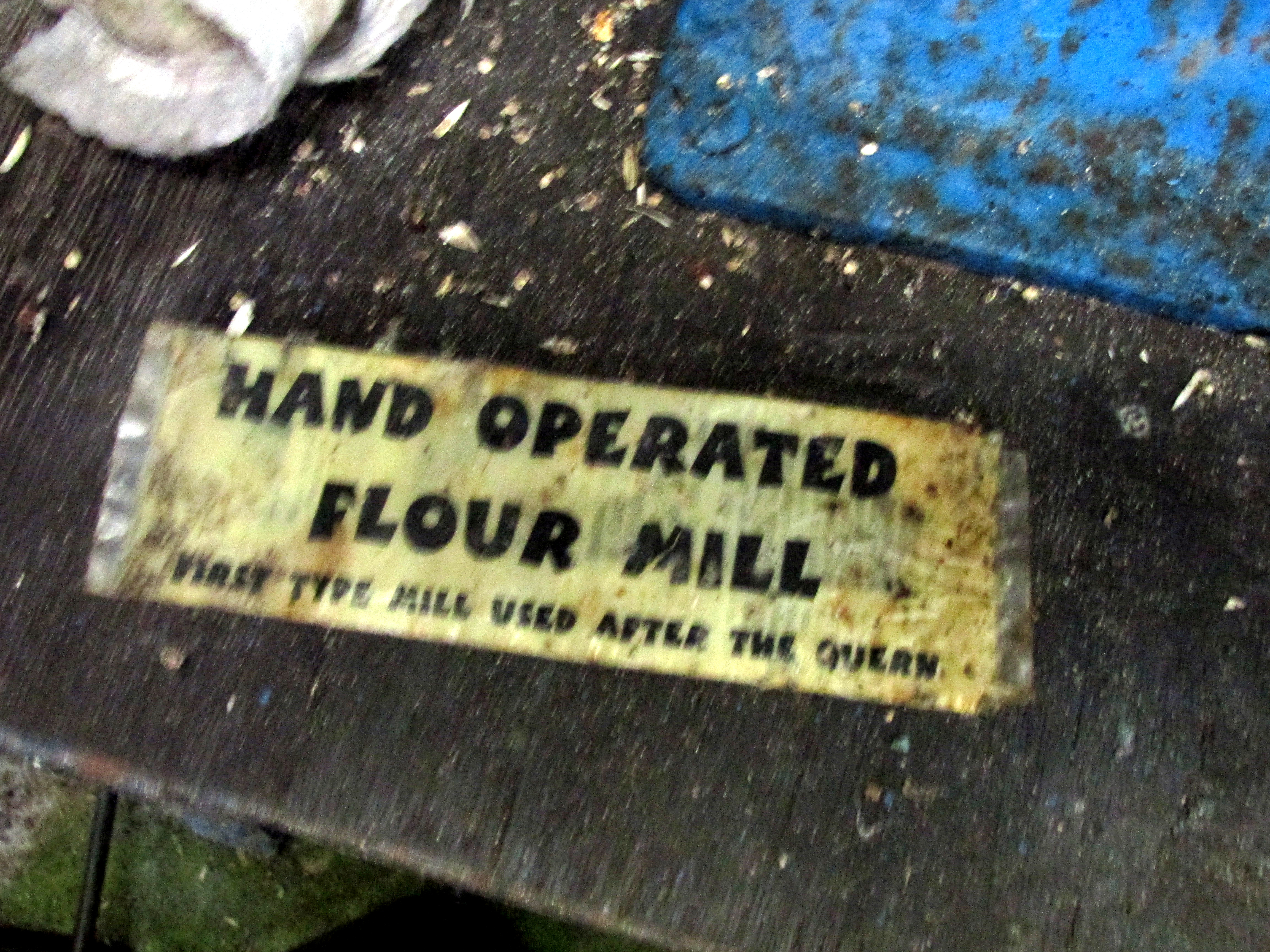
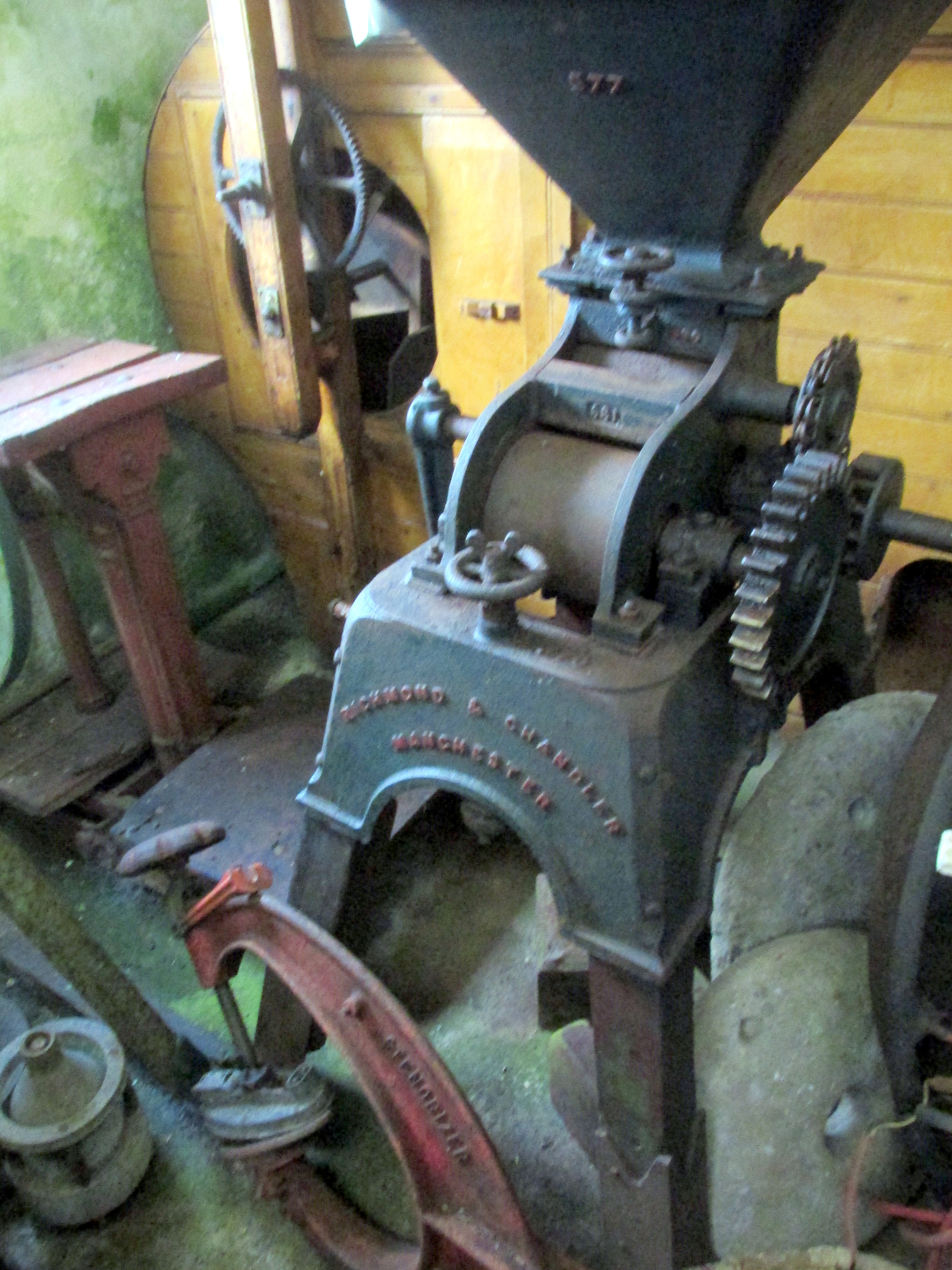
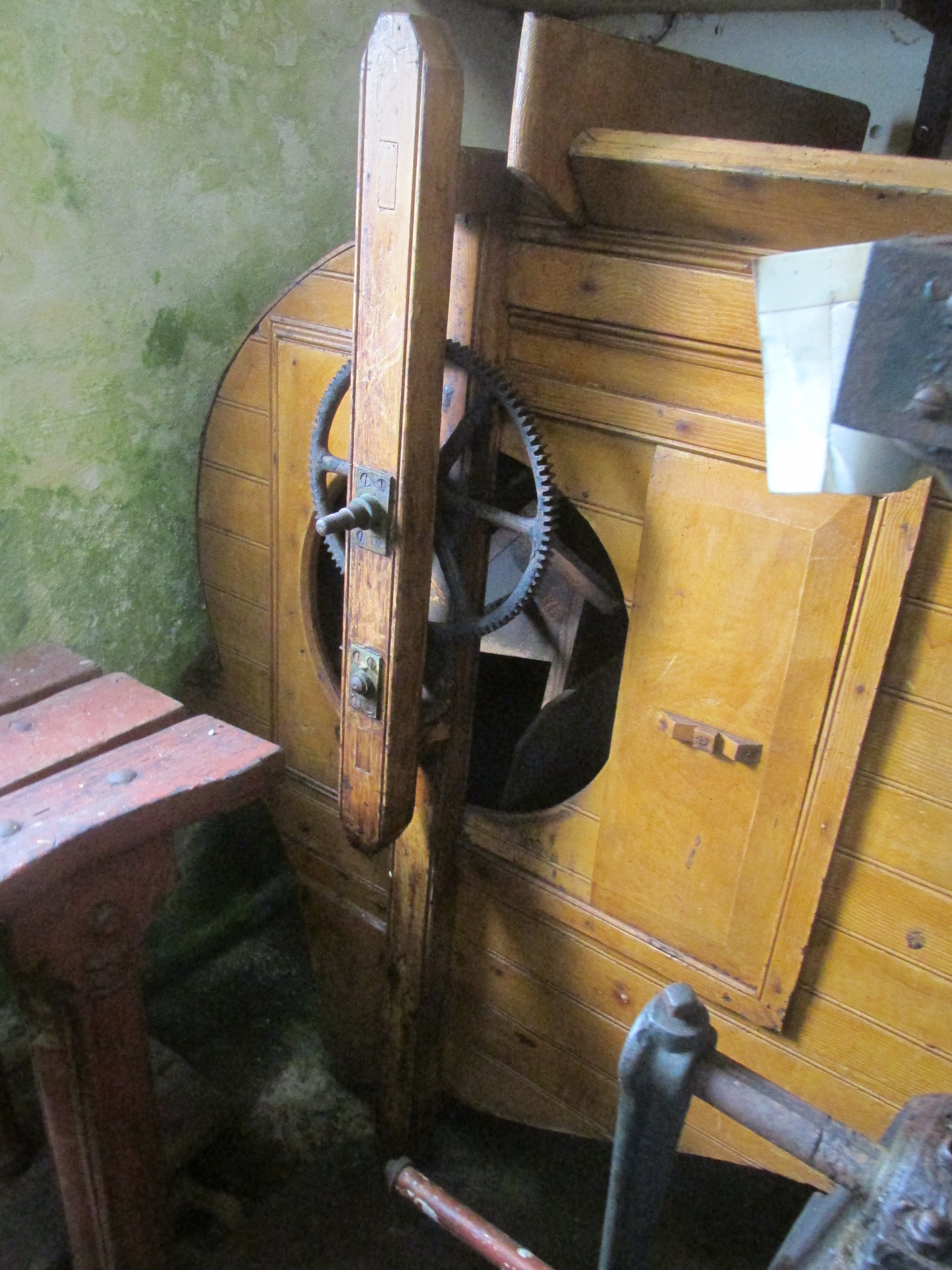
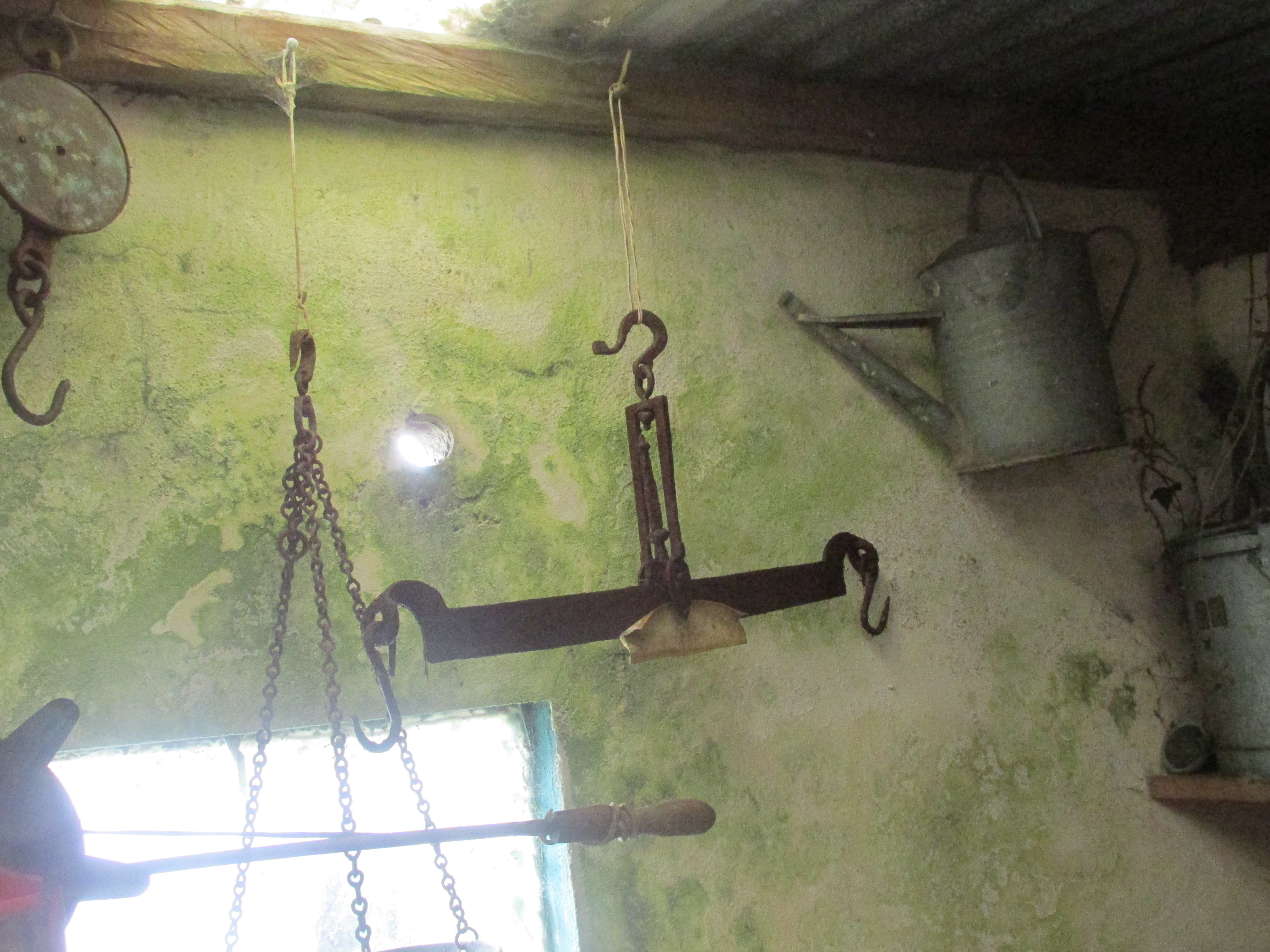
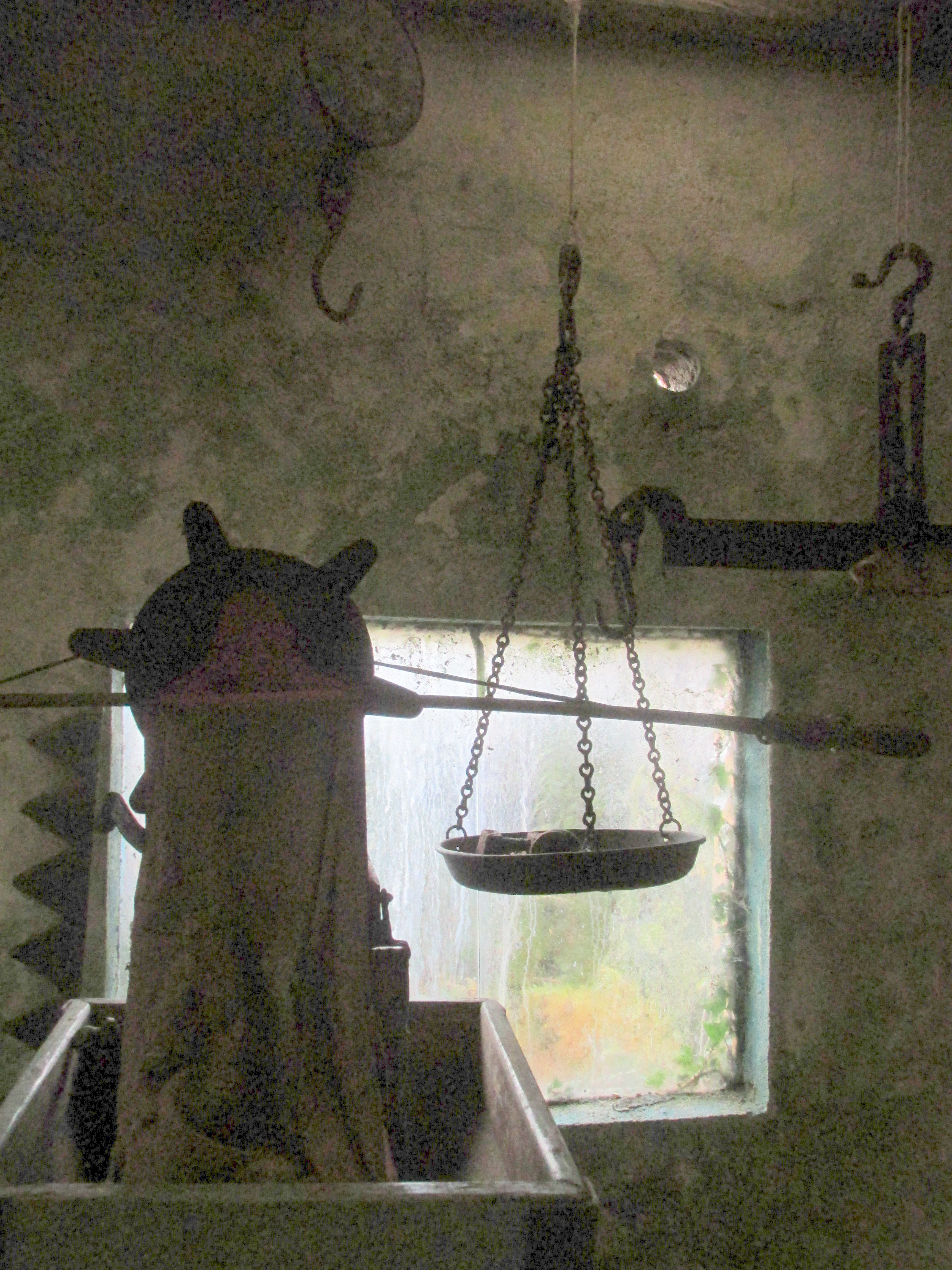
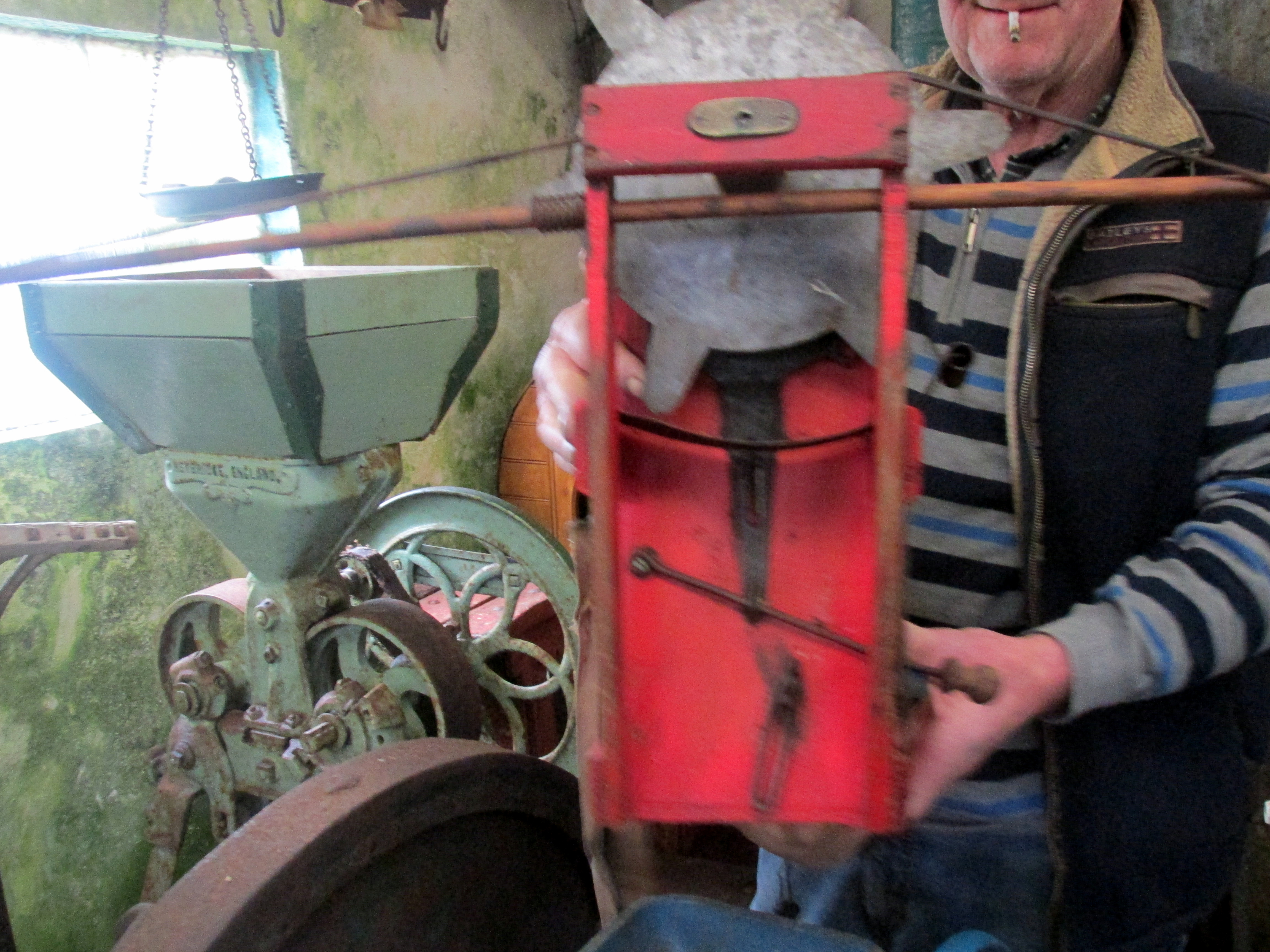
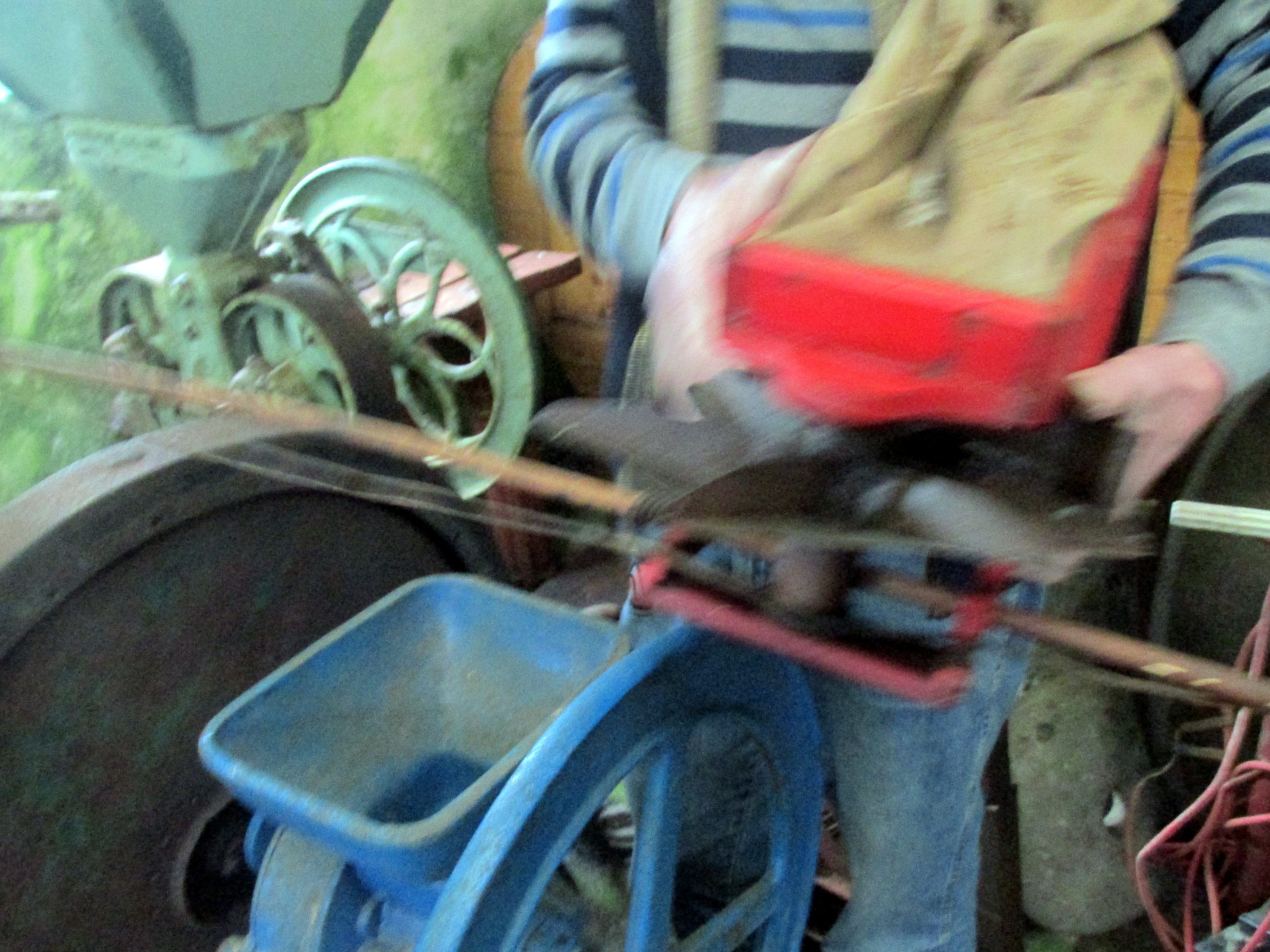
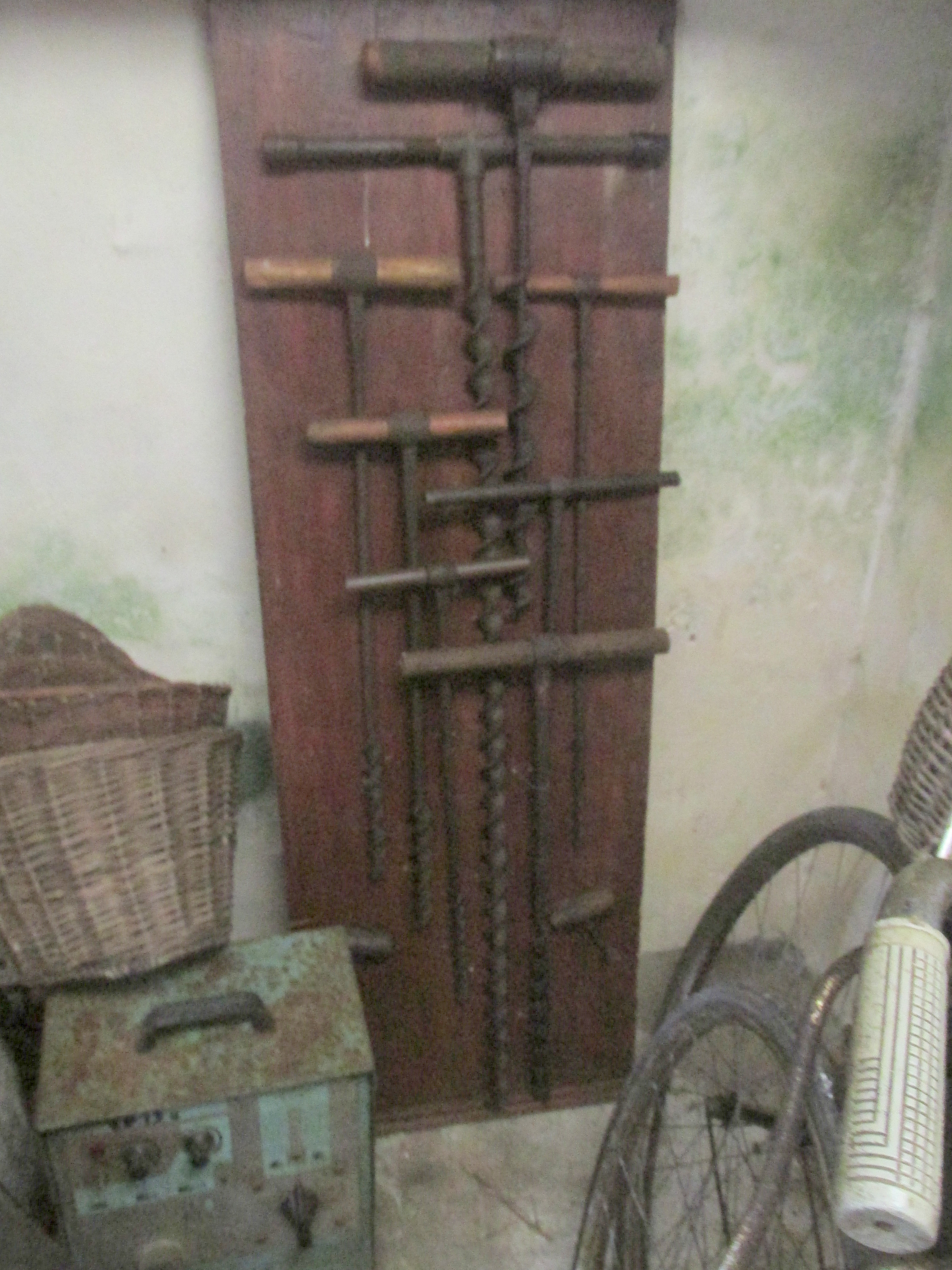
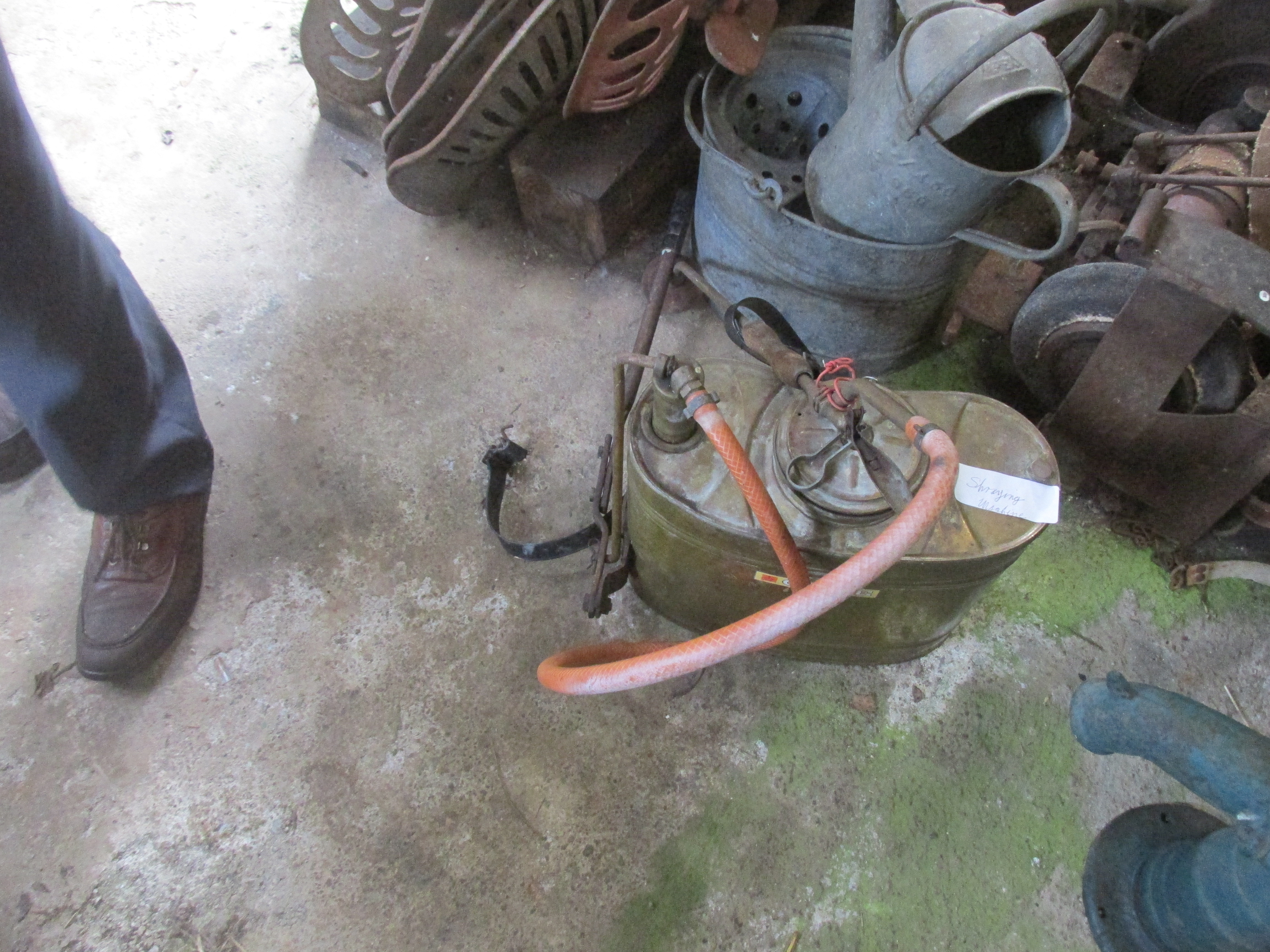
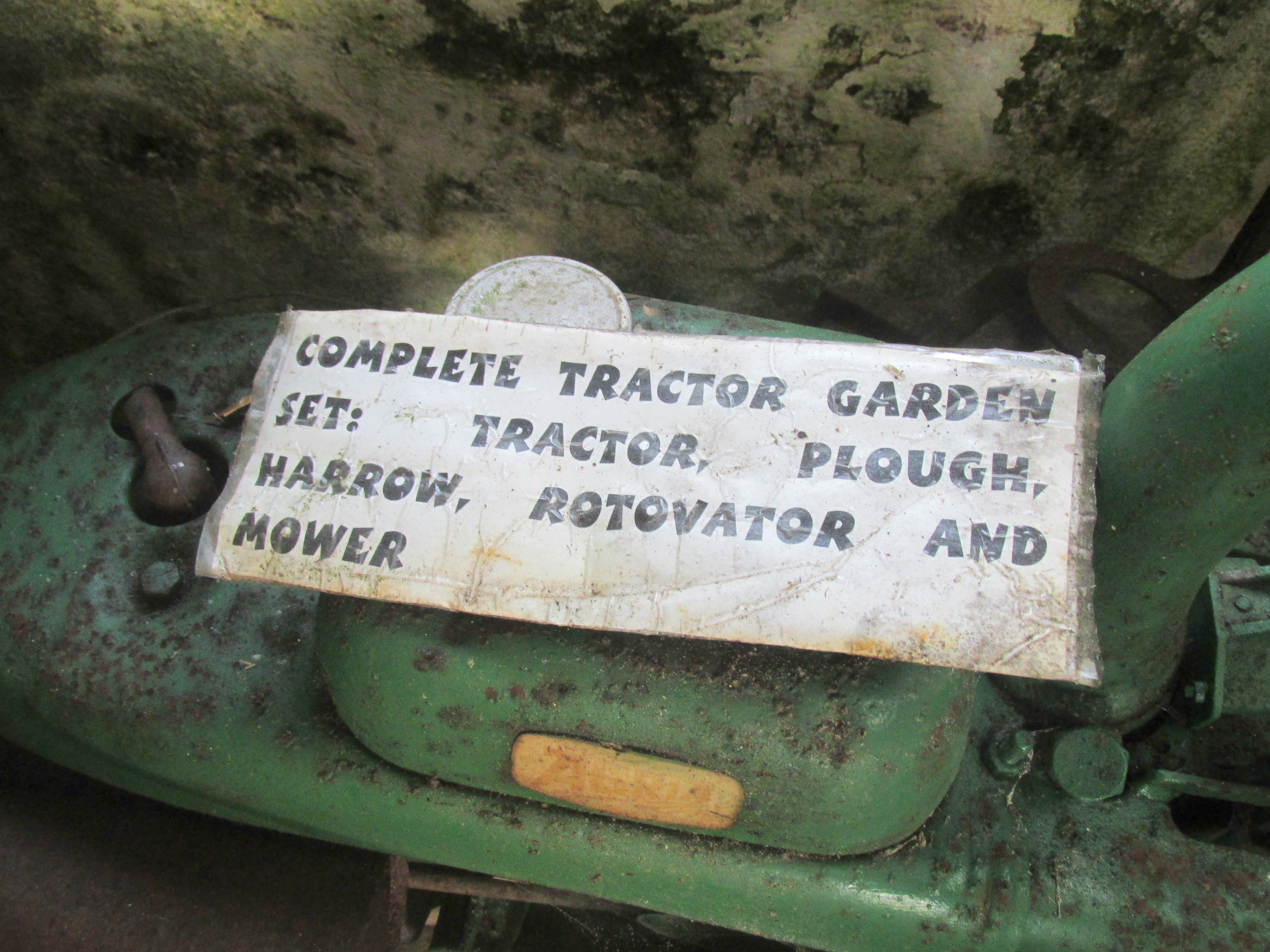
Farm machinery at Gortnagrough Folk Museum including by Pierce and W. Doyle of Wexford, Clearys of Carrick-on-Shannon, Block Making Machine by J Conway and Sons Inchicore, Dublin, Comhlucht Siúicre Éireann Teó.
The machinery has been assembled by Tommy Camier. As merely a boy he built a water mill outside his home place. Later as well as farming he ran a garage in Ballydehob. Much of the machinery he has restored to working order from wreckage. Some was originally horse drawn and was later adapted to work with a tractor.
From the post famine period fames were consolidated and the larger farmer mechanised with the then latest equipment
Pierce were one of the main Irish firms having a large range of modern equipment. This is a You Tube.
https://emmastafford1.wordpress.com/tag/pierces-foundry/
http://www.thejournal.ie/working-lives-nli-exhibition-1147446-Oct2013/
The block making machine was of a type used to about 30 years ago, an operative could make up to 200 in a day.
Sometimes local merchants had a plate with their name on the machine put there by the manufacturer.
https://plus.google.com/photos/100968344231272482288/albums/6076473513156215329














31 Friday Oct 2014
Posted in Uncategorized
Hay knife also used to cut wet turf before drying.
Courtesy mrs. and Mr. Camier.

31 Friday Oct 2014
Posted in Uncategorized
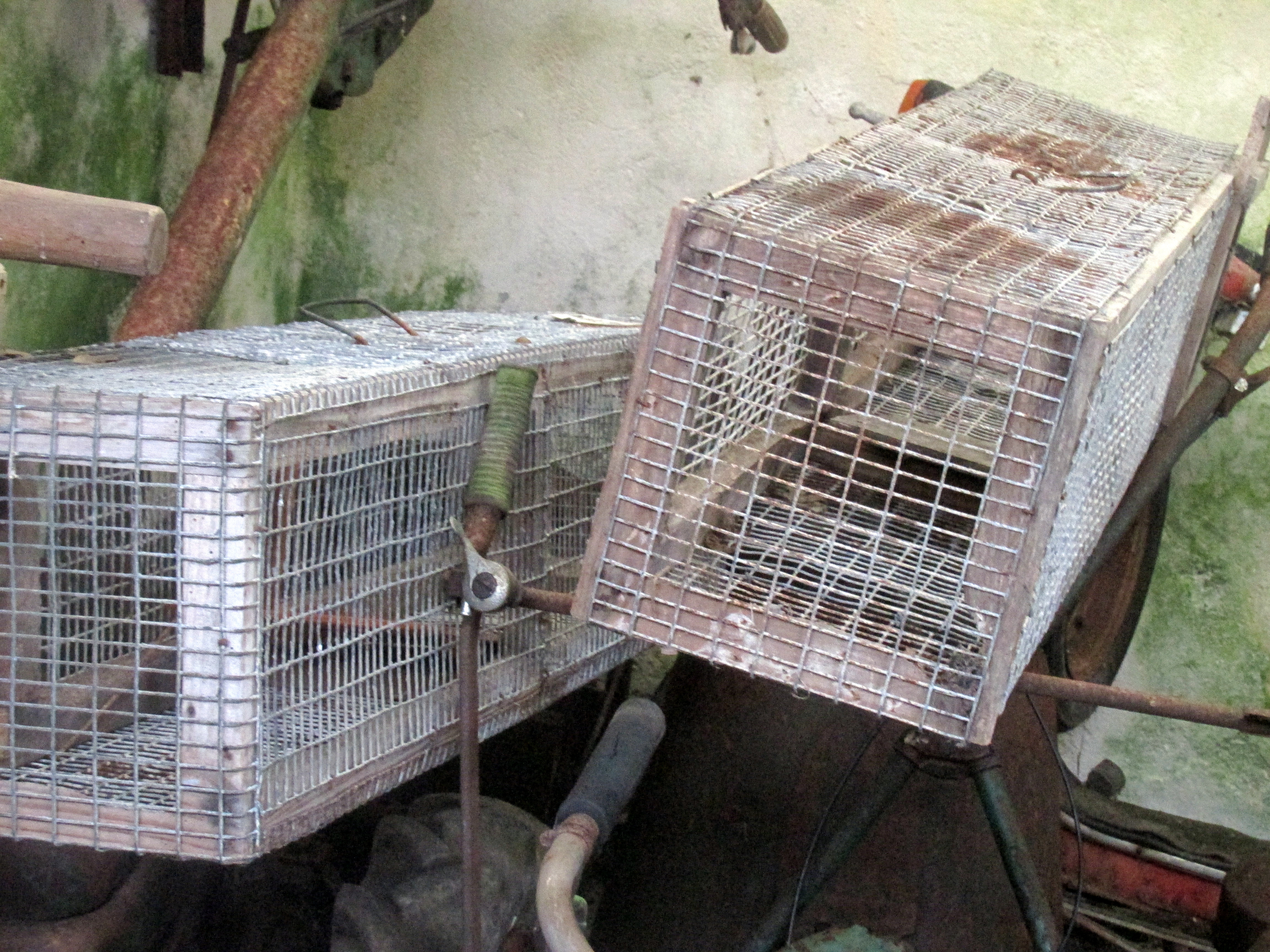
Minks a native of Siberia were farmed from around the 1940s around Castletownsend. Some escaped and multiplied and became a major pest devastating poultry and young lambs by attacking and drinking their blood. The Department of Agriculture authorised the use of poison which eventually tacked the problem. They are still around but not in great numbers.
Courtesy Mrs. and Mr. Camier.
31 Friday Oct 2014
Posted in Uncategorized
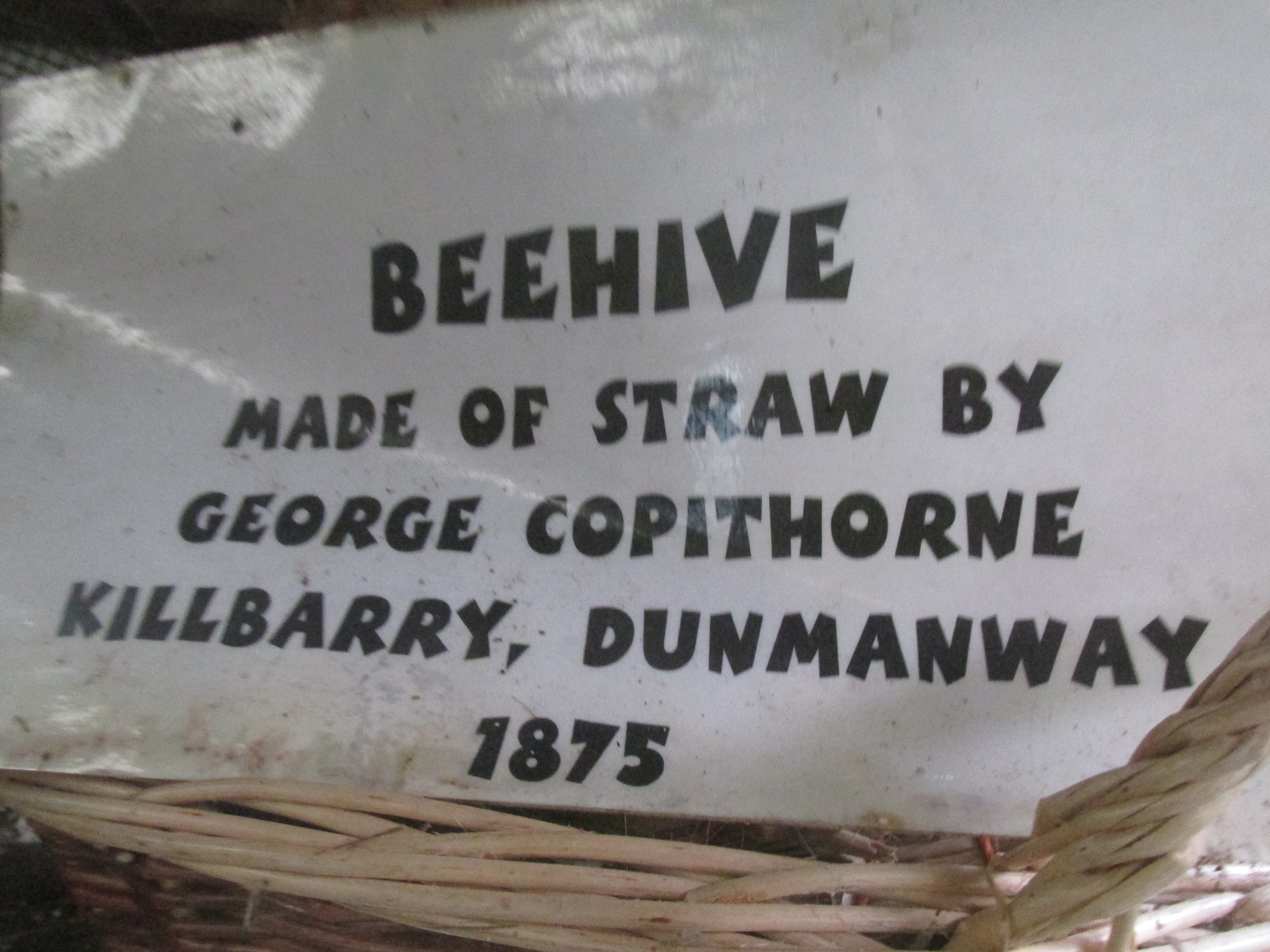
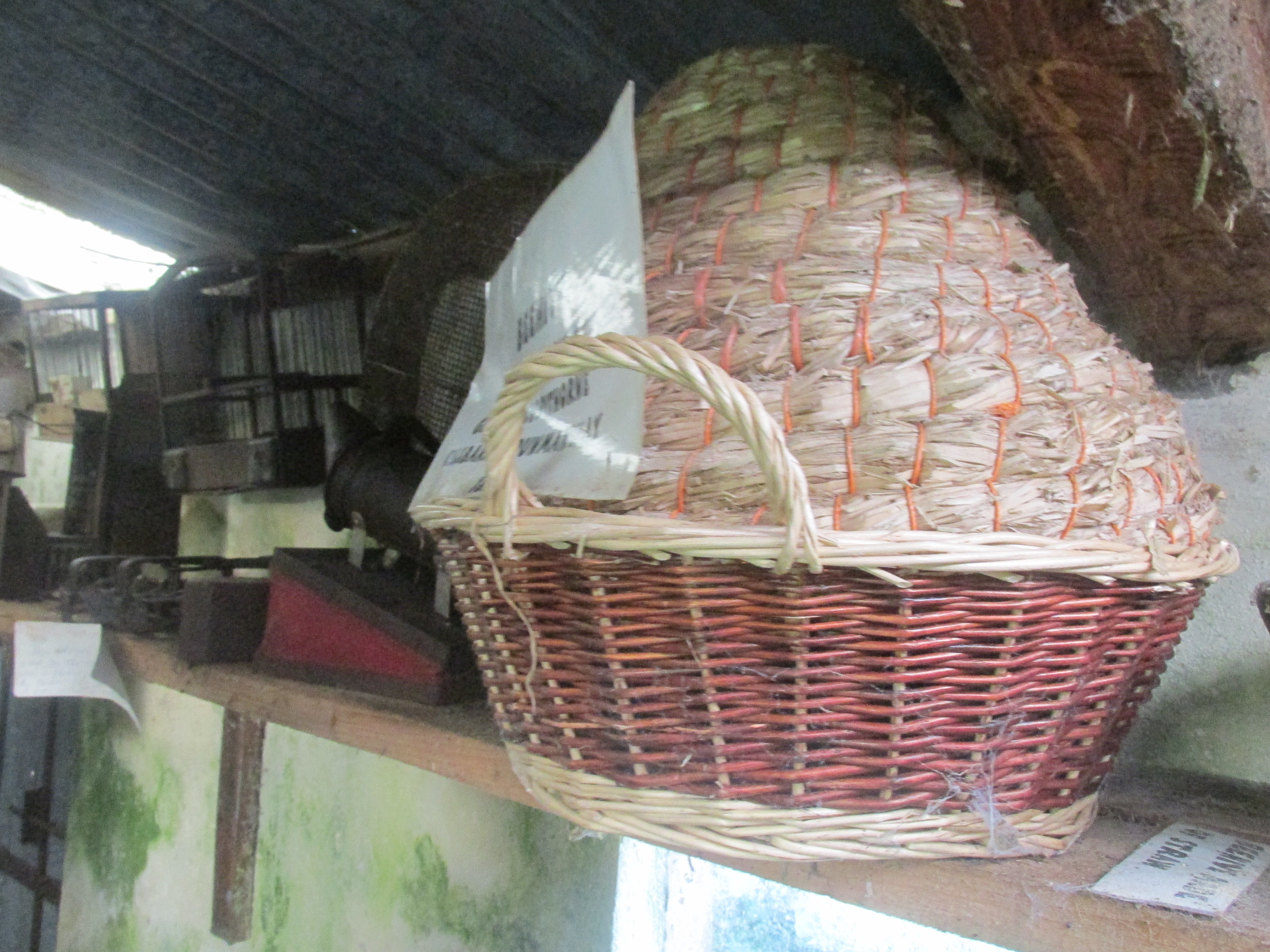
Straw Beehive made by George Copithorne, Kilbarry, Dunmanway, West Cork.
Courtesy Mr and Mrs. Camier.
W est Cork, 1875.
31 Friday Oct 2014
Posted in Uncategorized
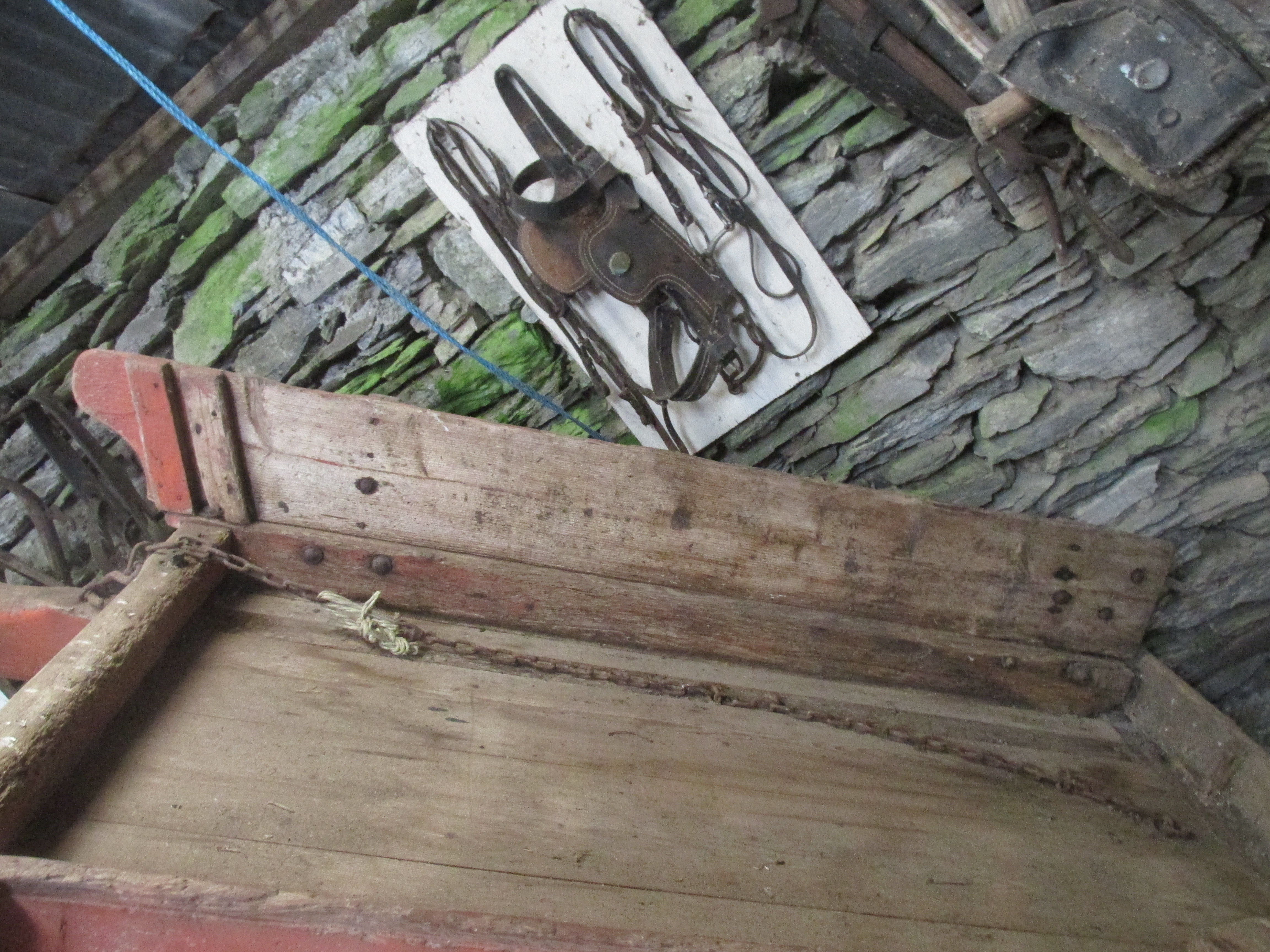
Horse Cart by Denis Coughlan, Ballydehob, West Cork, 1930.
Courtesy Mr.and Mrs. Camier.


31 Friday Oct 2014
Posted in Uncategorized
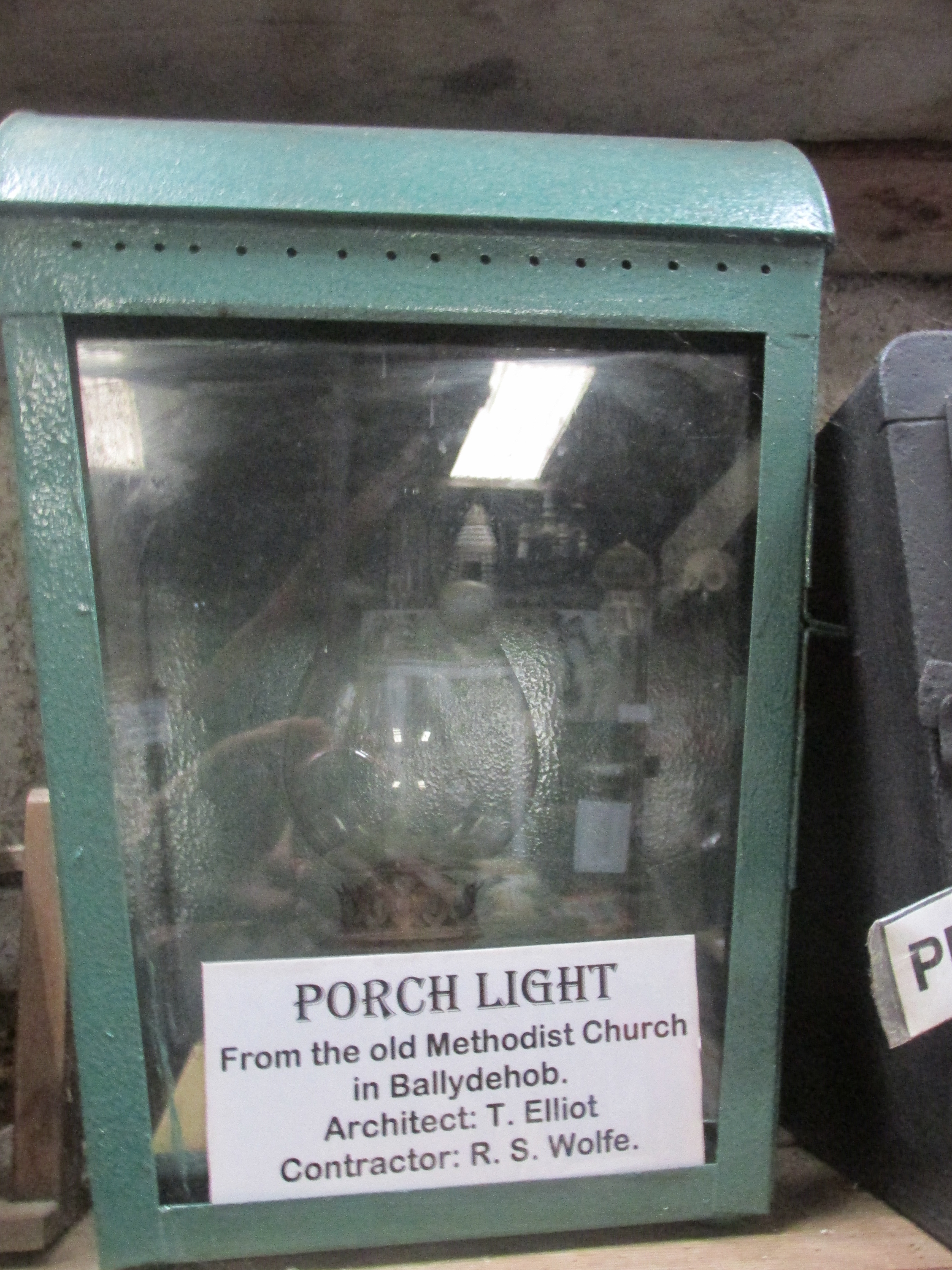
Porch light old Methodist Church, Ballydehob, West Cork.
Courtesy Mr and Mrs. Camier
 West Cork History