04 Tuesday Nov 2014
Posted in Uncategorized
04 Tuesday Nov 2014
Posted in Uncategorized
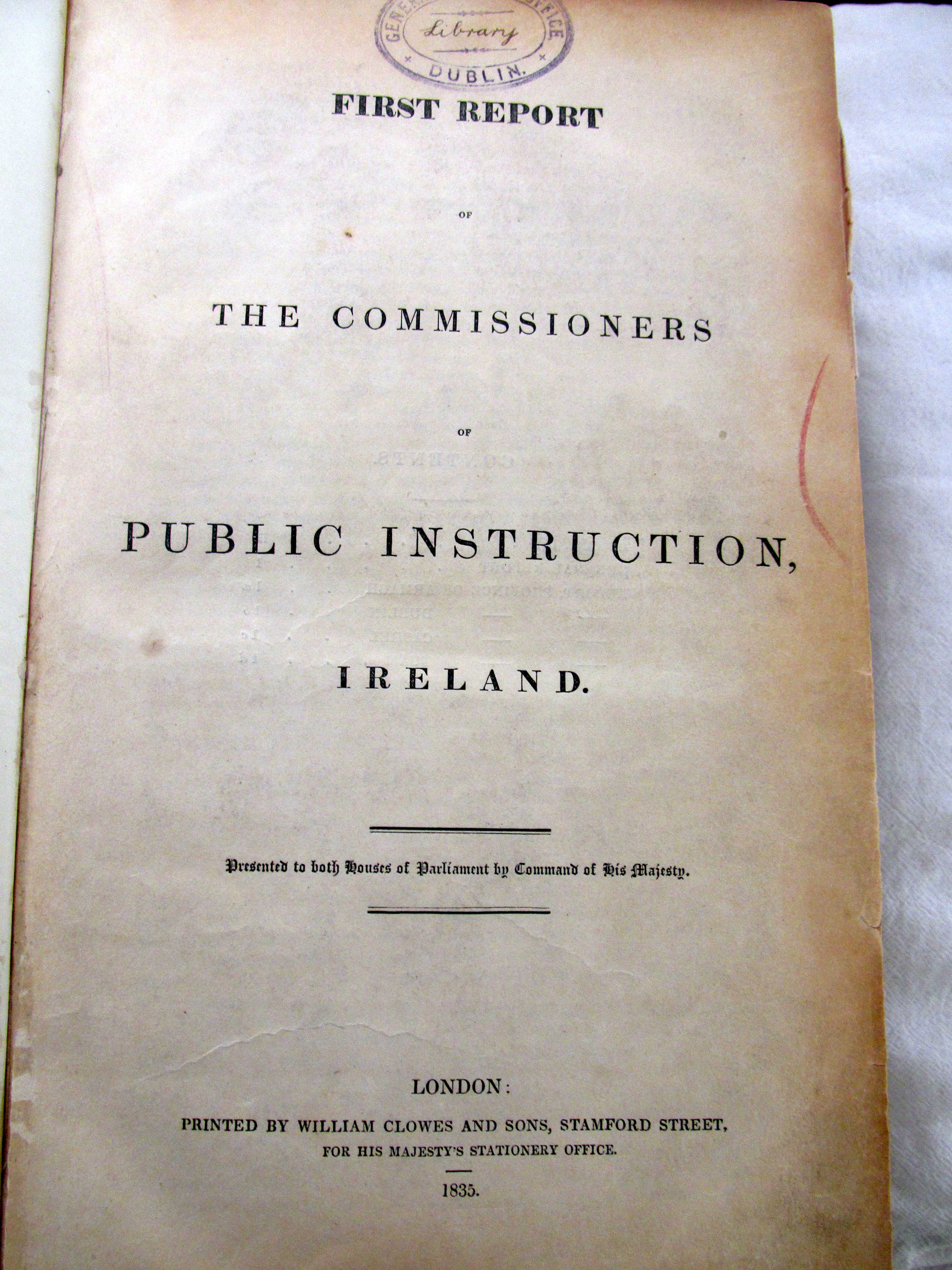
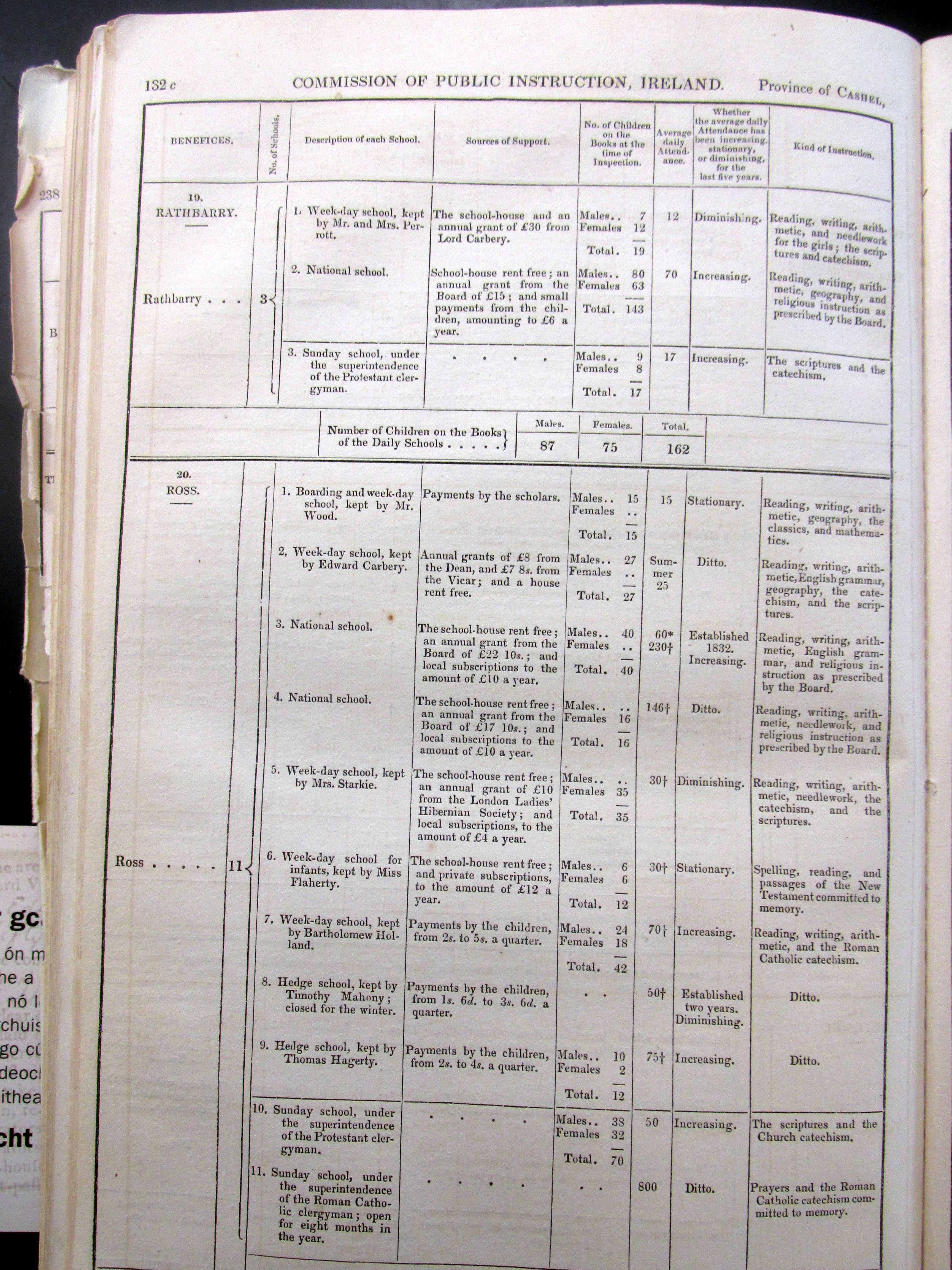
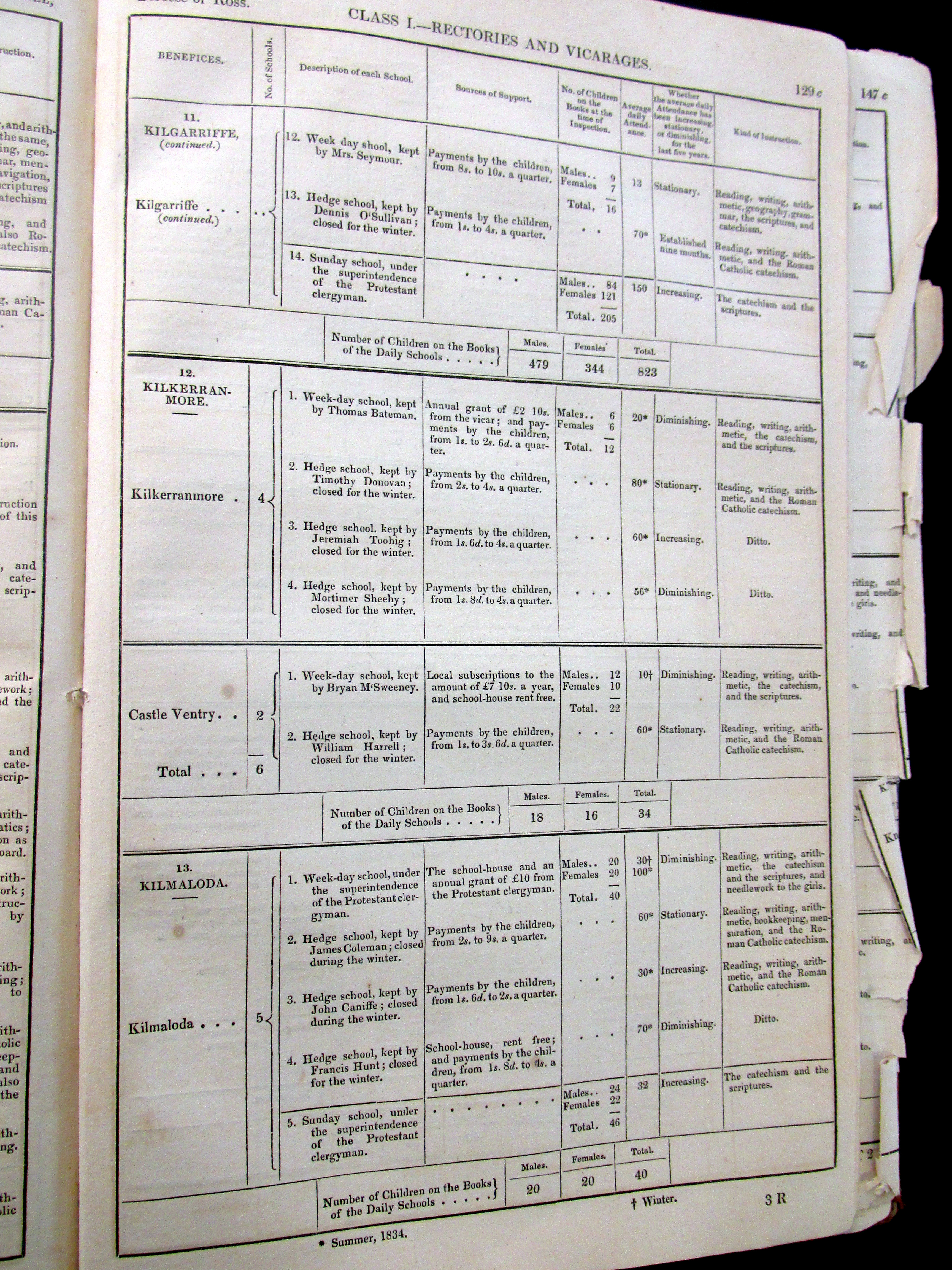
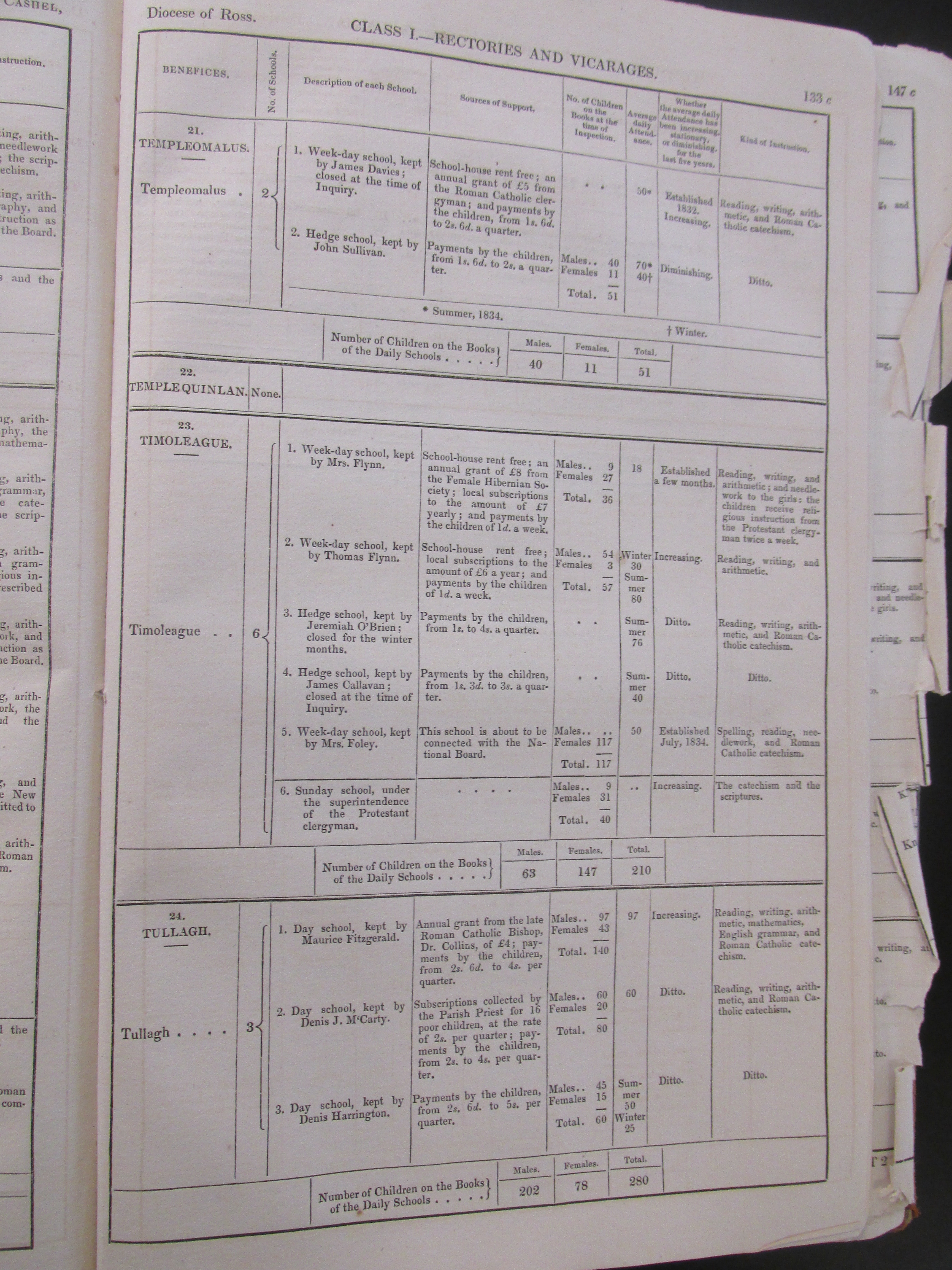
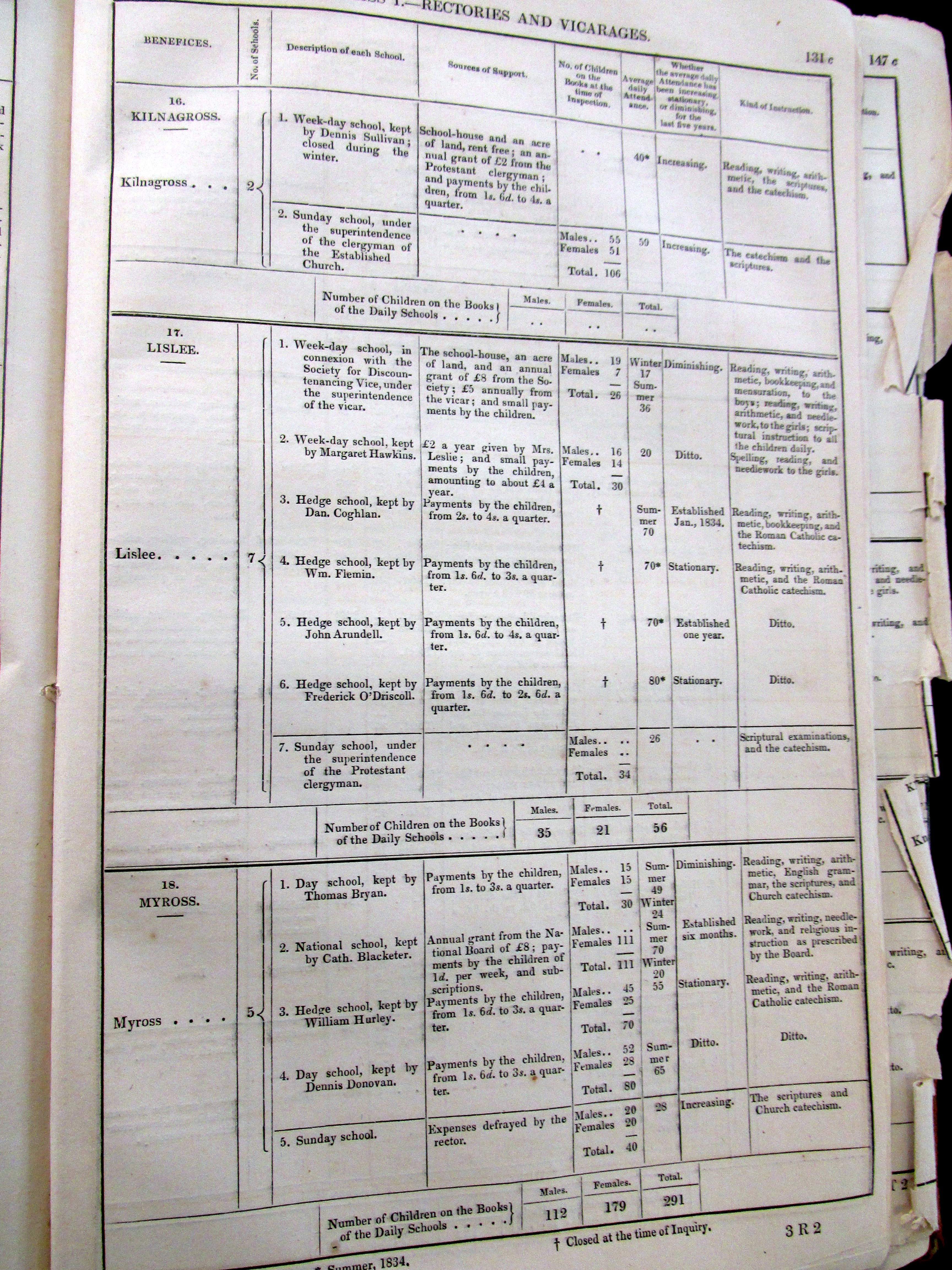
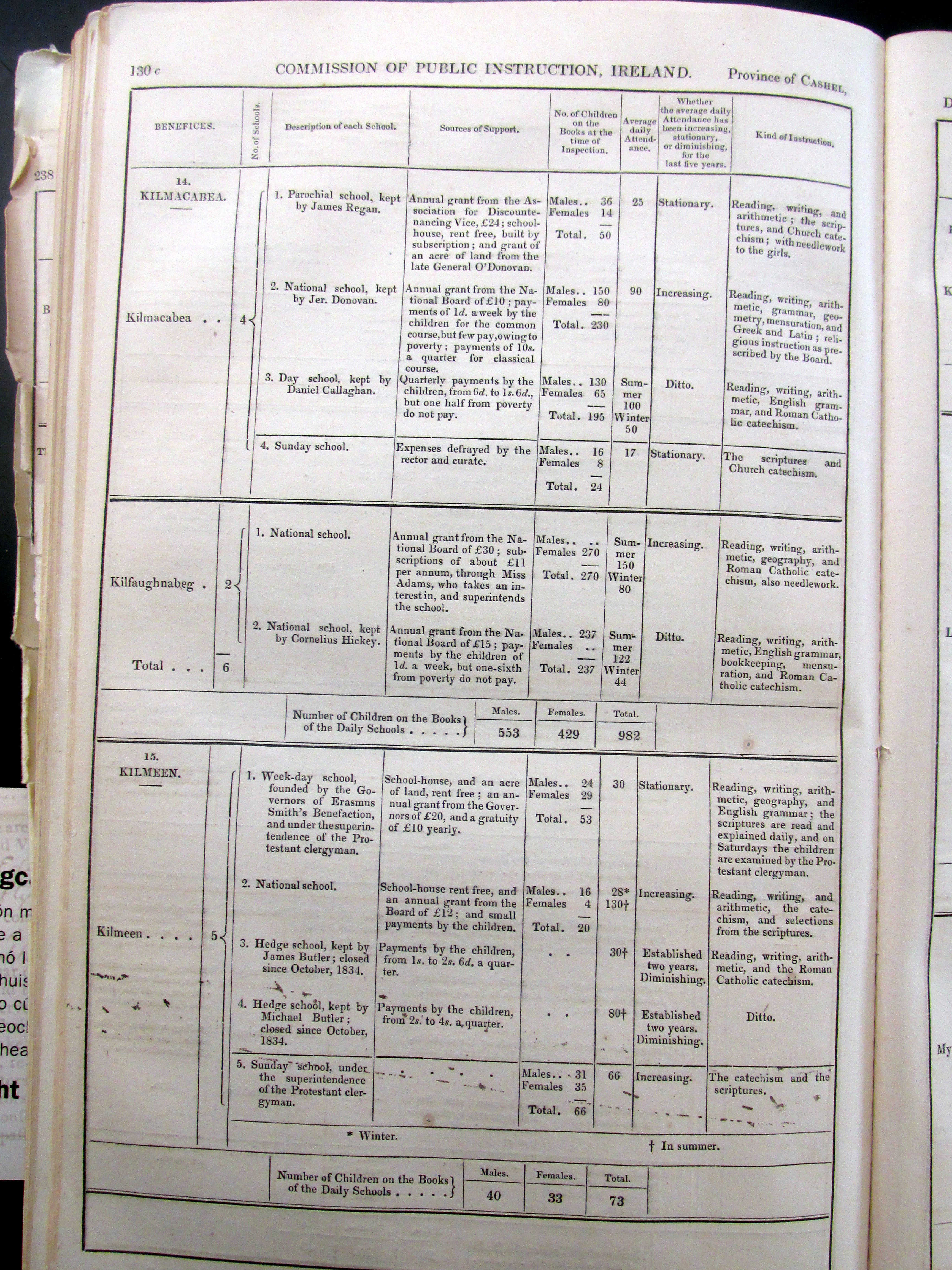
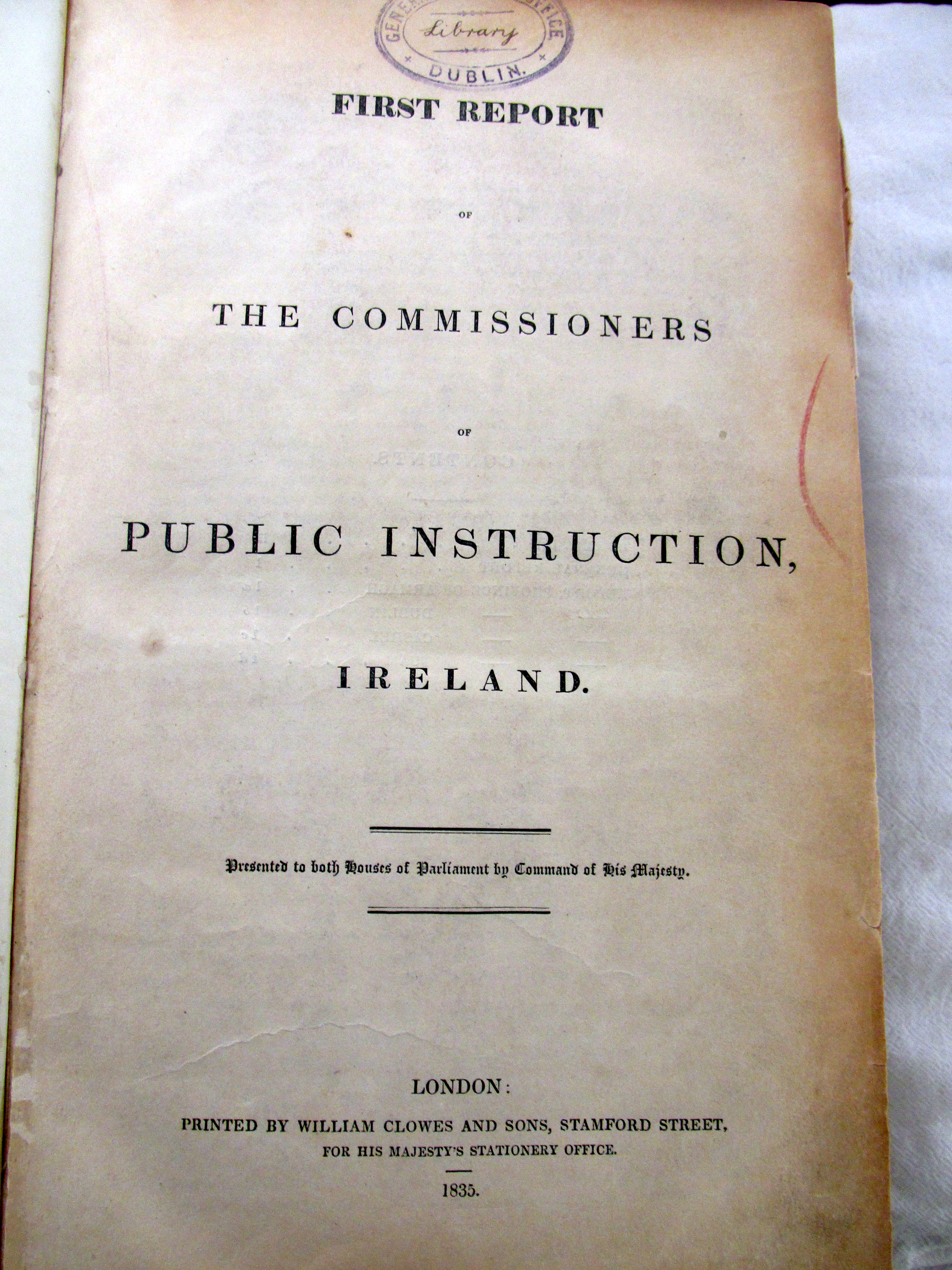
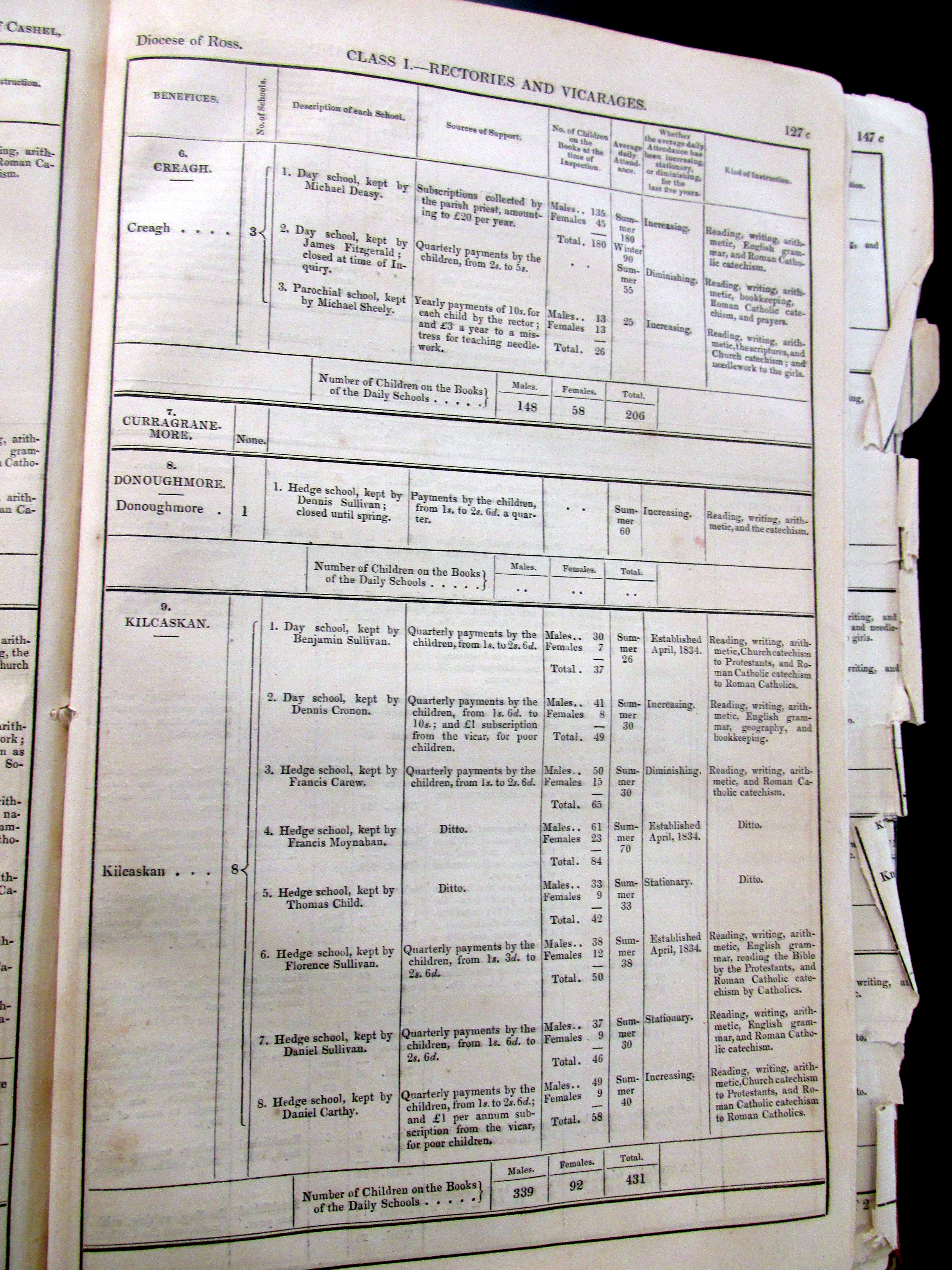
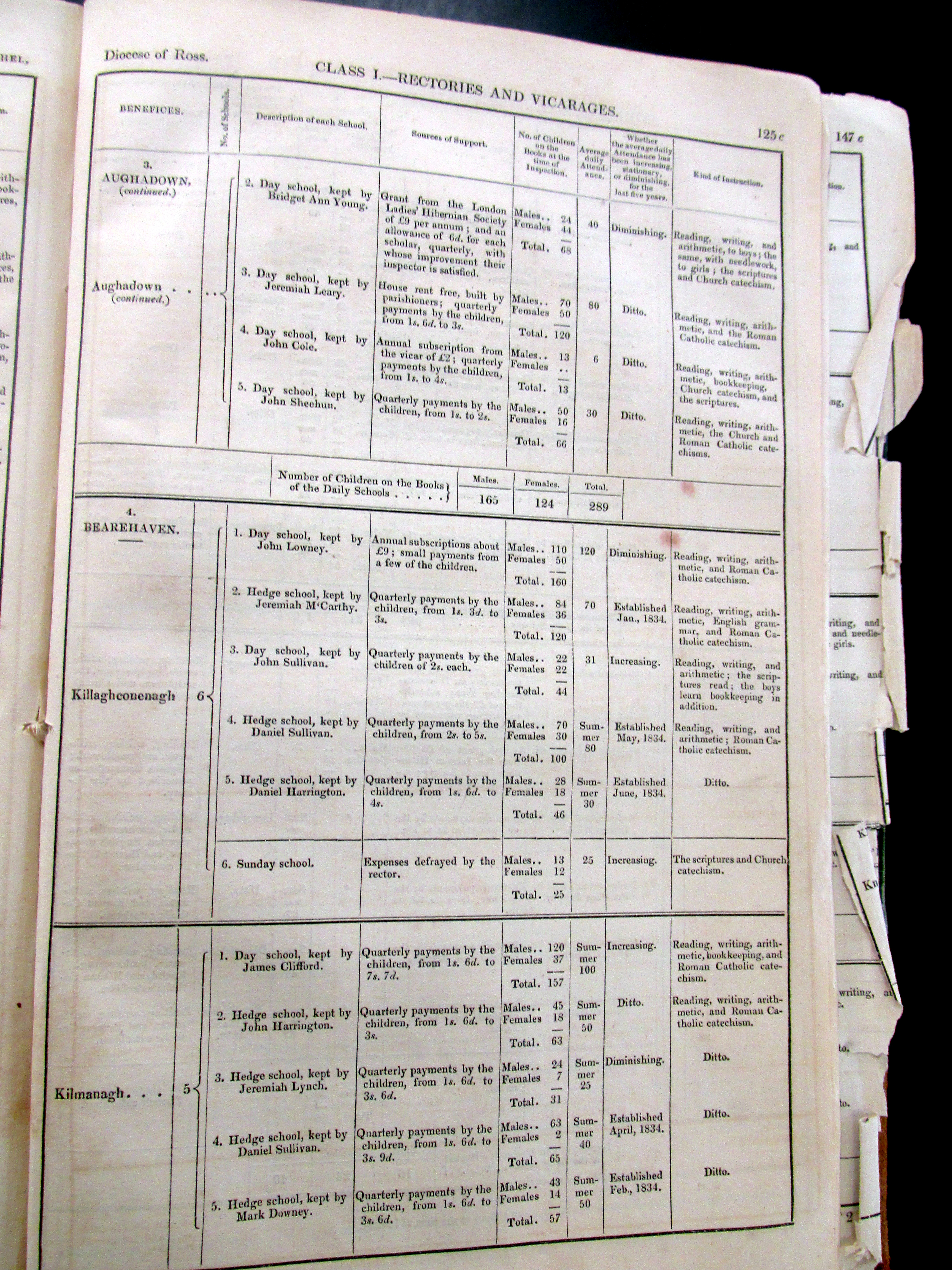
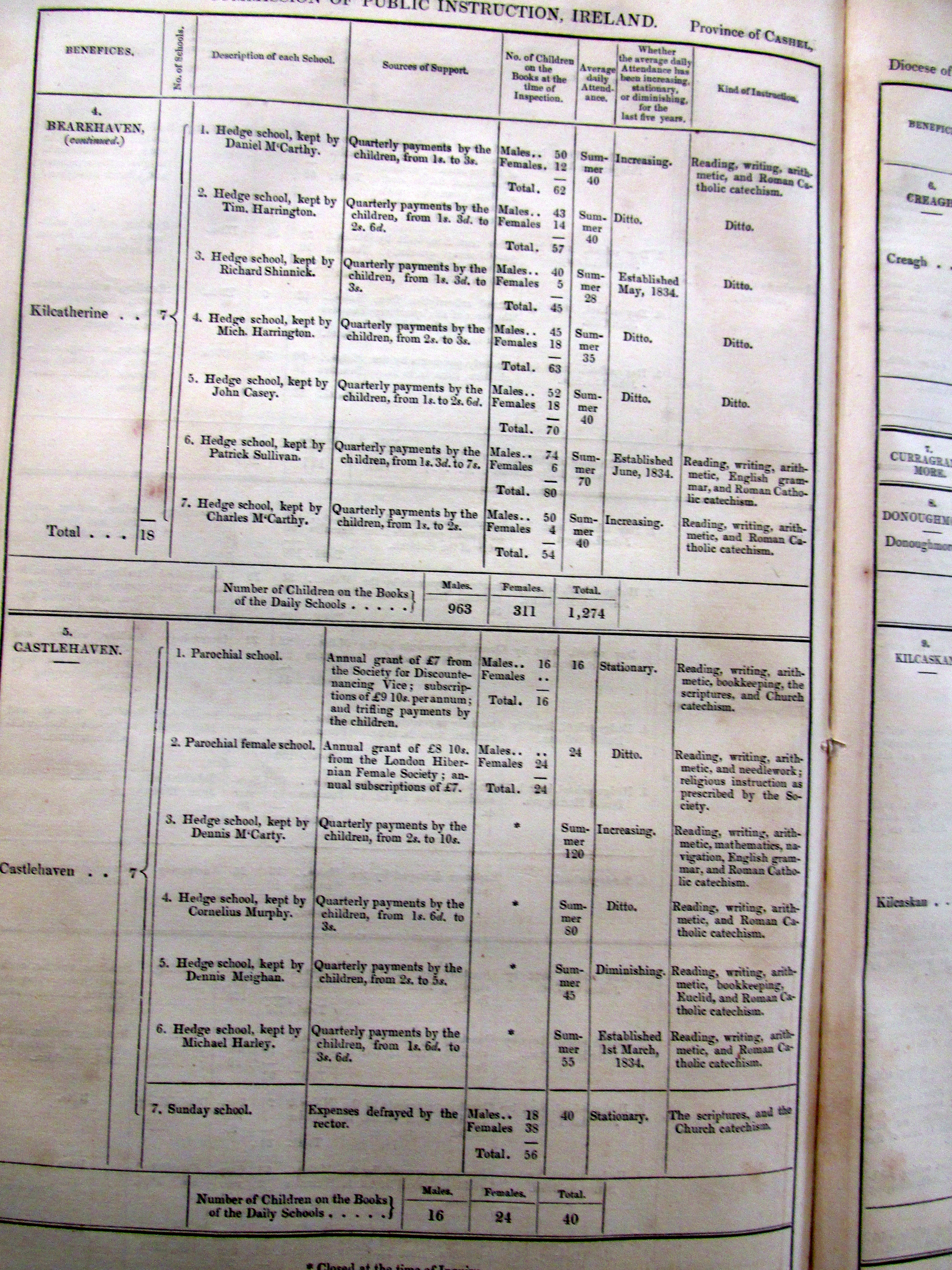
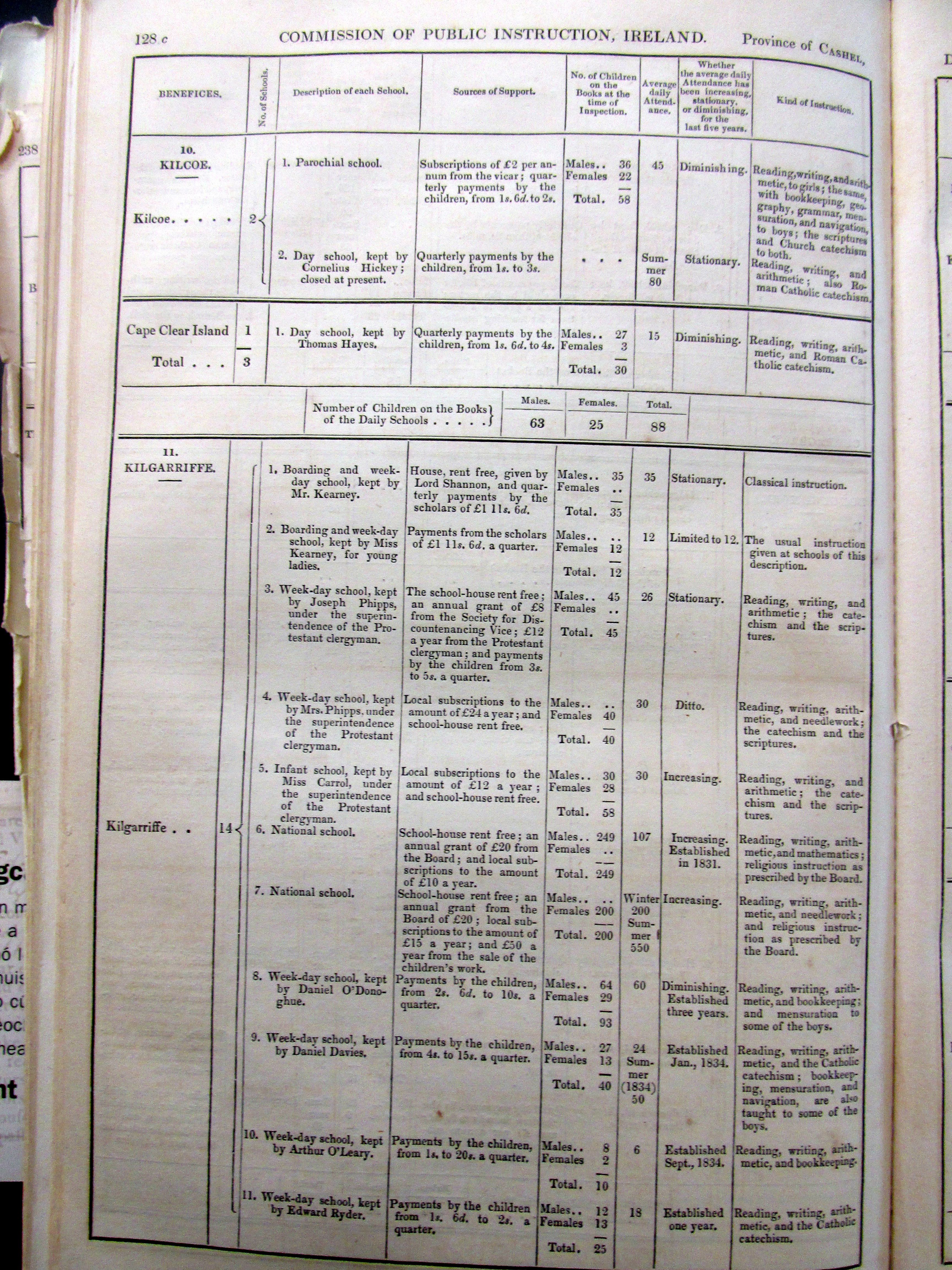
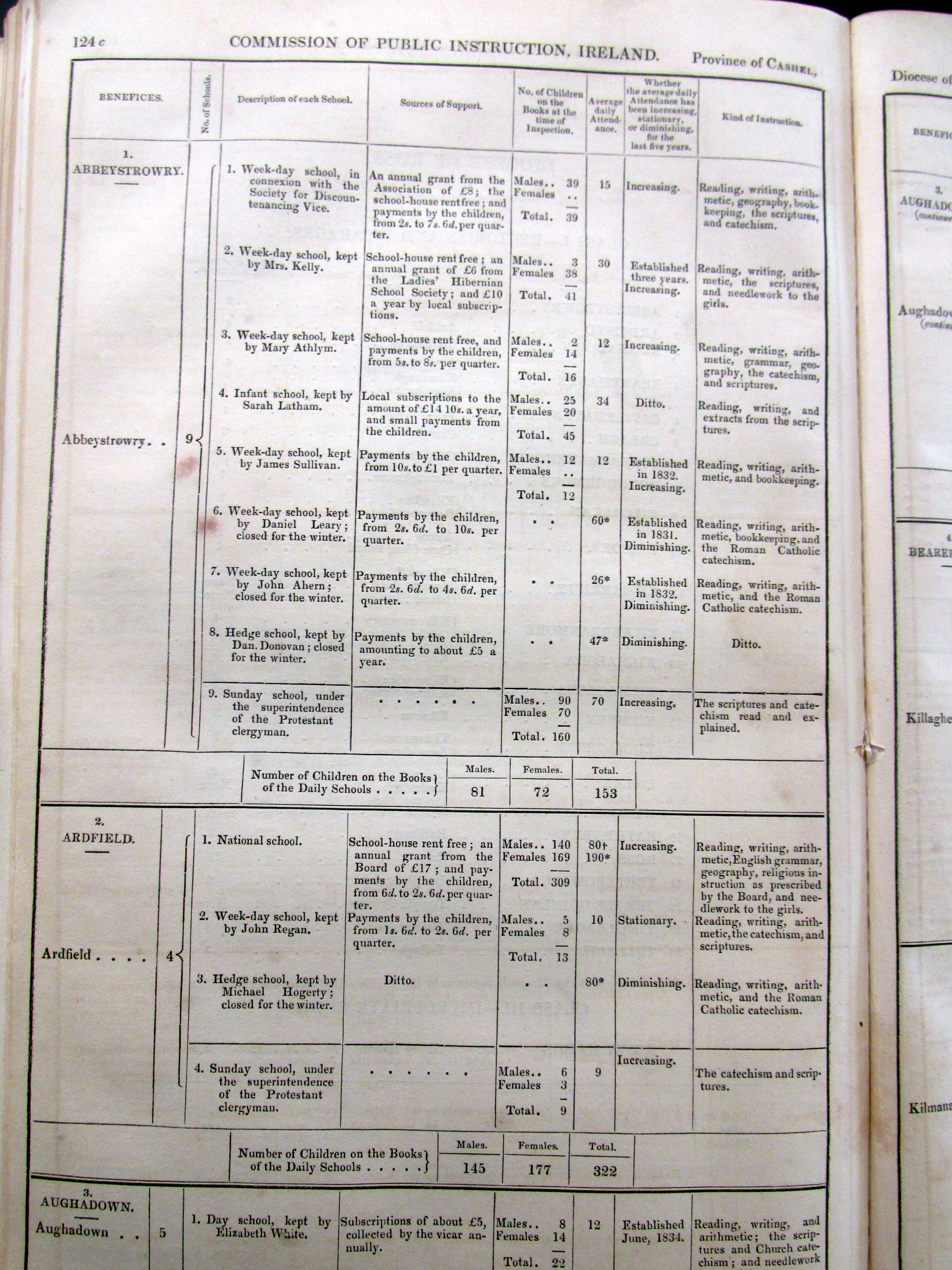
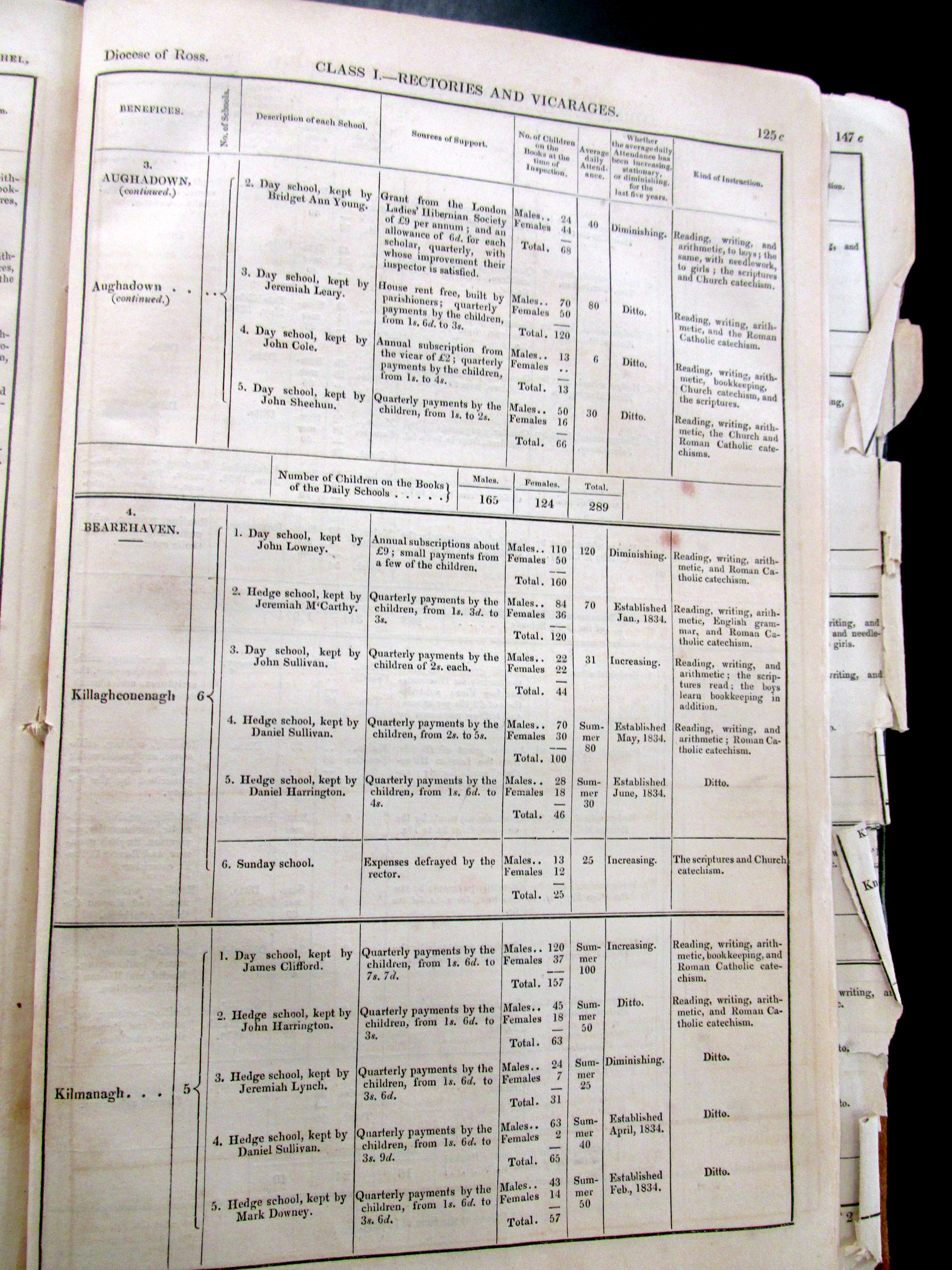
Schools 1835, Castlehaven, Creagh, Kilcaskin, Kilcoe, Cape Clear Island, Kilgariff, West Cork, Commissioners of Public Instruction.
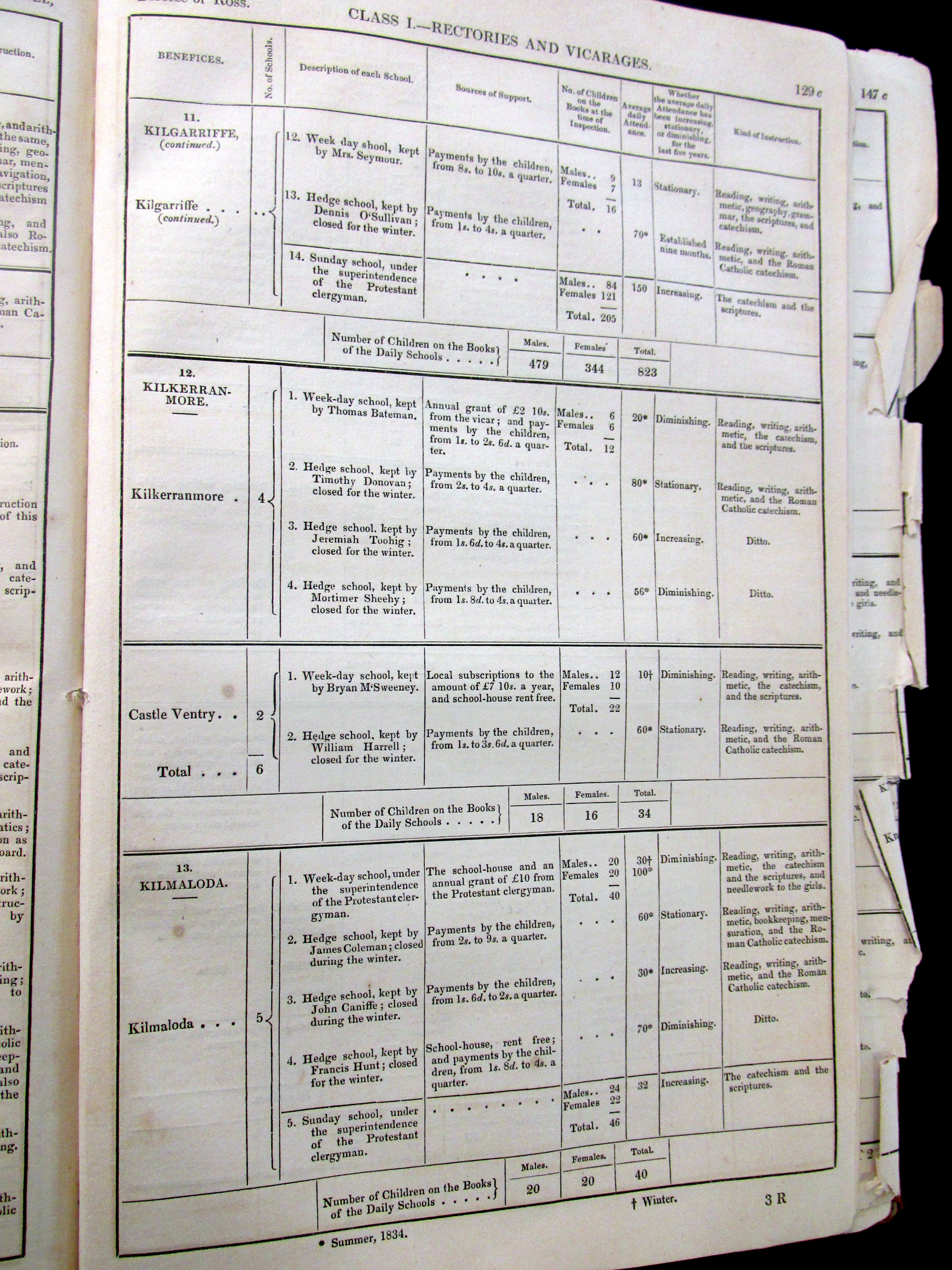
04 Tuesday Nov 2014
Posted in Uncategorized
04 Tuesday Nov 2014
Posted in Uncategorized
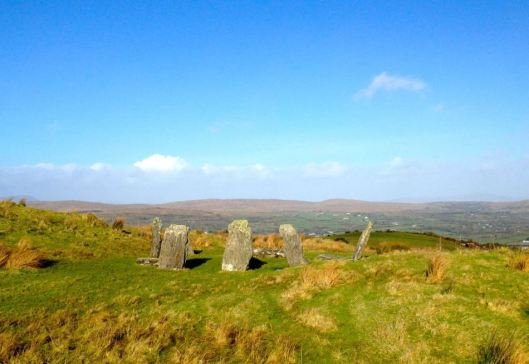 One of West Cork’s ancient calendars
We’ve been catching up on our rock art project this week and it’s brought us out into the field. On Saturday the weather was spectacular – crisp, but with a totally blue sky and vibrant colours. See Amanda’s photo of the day here. We spent most of the day just east of Rosscarbery, a picturesque settlement above the water at Rosscarbery Bay, where the birdlife viewing is always a delight.
One of the sites we visited was Bohonagh. Not only does it boast cupmarked stones, but a very fine boulder burial and a stone circle.
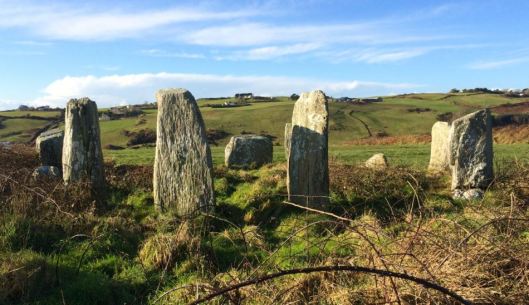 Bohonagh Stone Circle
West Cork is particularly rich in 3000 year old Bronze Age stone circles and most of them are of the ‘axial’ or ‘recumbent’ type. This means that the circle is laid out on an axis that is oriented in a particular direction. On one side…
View original post 443 more words
04 Tuesday Nov 2014
Posted in Uncategorized
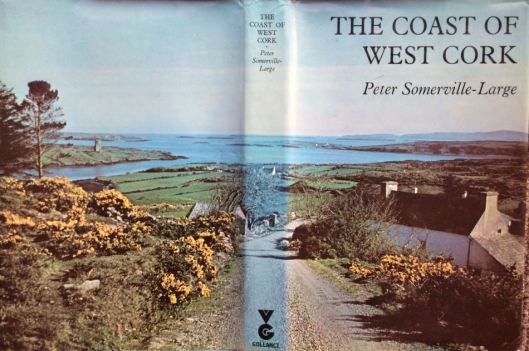
Every personal library in West Cork, maybe in Ireland, has a copy of the book The Coast of West Cork by Peter Somerville-Large. First published in 1972, it is a classic of travel writing – amusing, learned, thoughtful – that still holds up as a fascinating portrayal of this part of the world. The photograph above is of the front cover of the book, signed by the author, that I brought with me to Canada when I emigrated in 1974. Forty years later, I am living on the very spot where this photograph was taken! It took me a while to figure this out, as the picture is actually reversed.
Peter Somerville-Large, now in his 80s, is still writing. He is connected to the old Castletownshend families (Edith Somerville was a relation and he mentions Townsend aunts) and was already very familiar with West Cork when he set out…
View original post 583 more words
04 Tuesday Nov 2014
Posted in Uncategorized
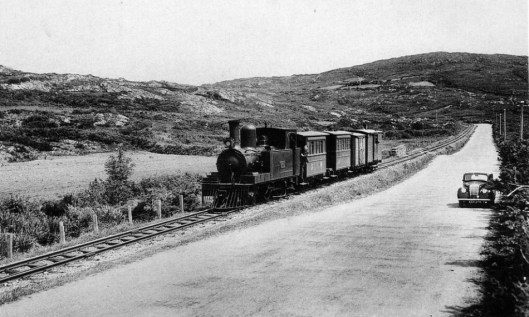 Iarnród – between Ballydehob and Schull 1939
In the heydays of transport by rail, the south of Ireland was served by a network of lines radiating out from Cork. Most of these were scenically picturesque – the nature of the countryside saw to that – and all were imbued with Stories, still recounted with relish by the local people who remember them, or whose mothers and fathers remembered them. Here’s one of the stories – told about the Chetwynd Viaduct, coming out of Cork on the way to Bandon.
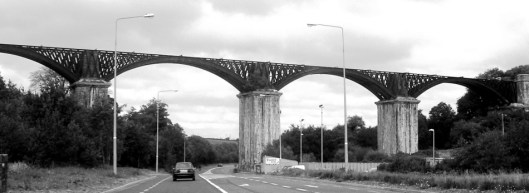 Chetwynd Viaduct today
This structure was designed by Charles Nixon, a pupil of Isambard Kingdom Brunel, and built between 1849 and 1851. It’s still in place today, passing over the main N71 road from Skibbereen, and is a scheduled monument. The railway, track and track bed have all gone. For quite a while after its construction it was known as “The Bowlers’…
View original post 484 more words
04 Tuesday Nov 2014
Posted in Uncategorized
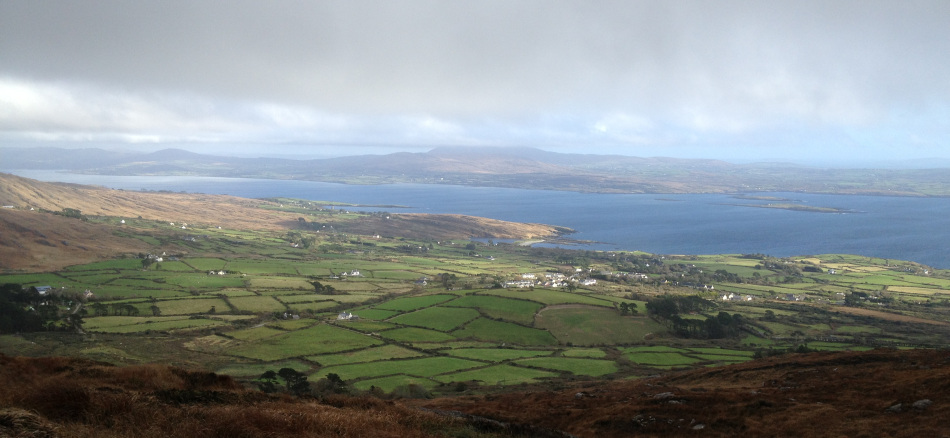 The Weather Rolls in around Kilcrohane
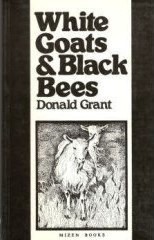 I’ve just finished reading White Goats and Black Bees by Donald Grant. Donald and Mary Grant, a couple of journalists based in New York, impulsively decided to jump off the career treadmill and become farmers in Ireland in the 1960’s. They bought a small acreage on the Sheep’s Head, where they raised goats and ducks, cultivated an enormous vegetable garden, and by degrees and sheer hard work turned themselves into ‘peasants’.
This out-of-print book was drawn to my attention by my friend, Aideen, whose father, while in New York, had encouraged the Grants to consider West Cork. Aideen visited the Grants as a young woman and still has memories of their gorse wine.
As a Back to the Land narrative, this is a classic. Earnest urban professionals consulting Department of Agriculture pamphlets, conducting slug patrols, keenly observing the social structure of their goat herd…
View original post 362 more words
04 Tuesday Nov 2014
Posted in Uncategorized
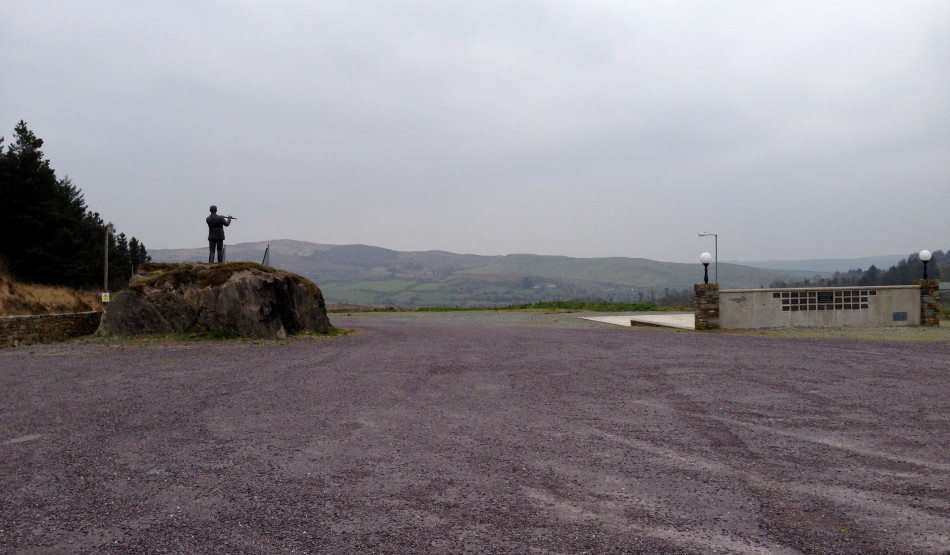
When we set off to find the Road Trotting we travelled roads we had never seen before: out to the east of Bantry. We were intrigued by a sign to ‘Tralibane Memorial’ and duly diverted to investigate. Up the hills and around a sweeping bend in the road: the first thing we saw was Mary, looking down over her modest garden – but that wasn’t the memorial; we found it a little further on. Our immediate view was a man playing a flute on top of a rock, approached by an ornate staircase. As we took in the whole site we had the impression of a huge plateau carved out of the hill summit – somewhere you could park a hundred cars or assemble a mighty crowd. It had the feel of a place where a Pope might come to give the Mass: there is an ornate Commemorative Wall surmounted…
View original post 319 more words
04 Tuesday Nov 2014
Posted in Uncategorized
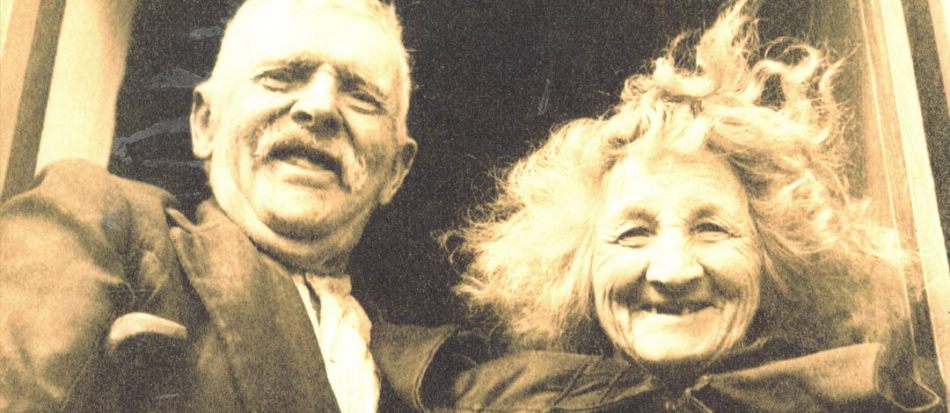
Travel up to the north of County Cork, into the high country which is still not quite part of the Kingdom of Kerry: make your way to the windings of the youthful River Lee just before it rises in the fastness of the Shehy Mountains, and you will find yourself in a magical place.
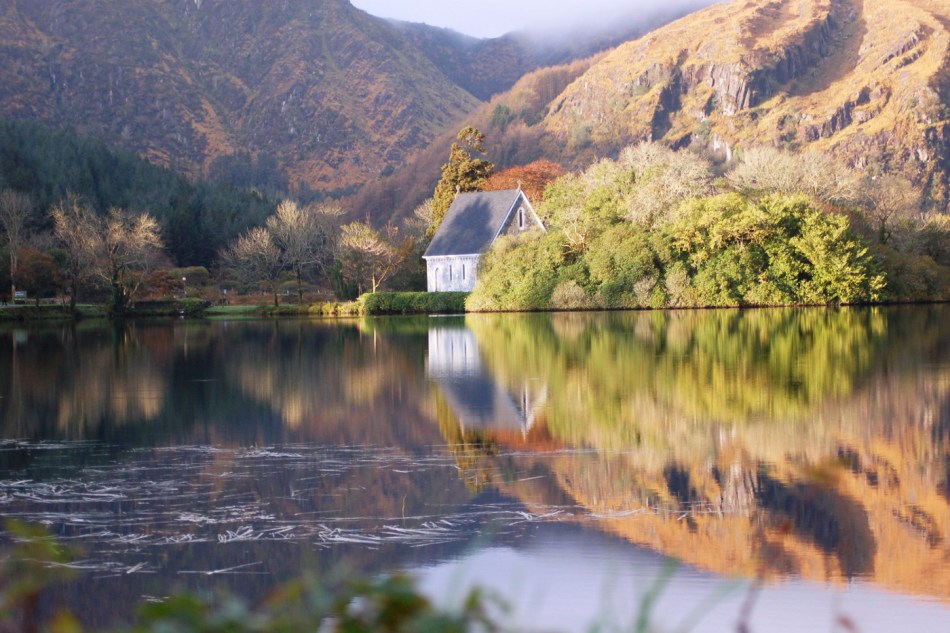 The Lake in the Mountain – Gougane Barra
You are in Múscraí (West Muskerry), one of the Gaeltacht districts of Ireland – areas where Irish is still spoken as the predominant native language. These districts were first defined when the Irish Free State was set up as part of the new government’s policy to restore the Irish language. Finola will confirm that everyone who grows up and is educated in Ireland today studies Irish in school. Sadly, the maps below show how native Irish speakers have declined since an Ghaeltacht was set up in 1926, partly…
View original post 1,144 more words
04 Tuesday Nov 2014
Posted in Uncategorized
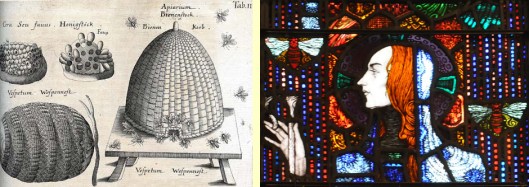 Right: Harry Clarke’s St Gobnait
View original post 644 more words

 West Cork History