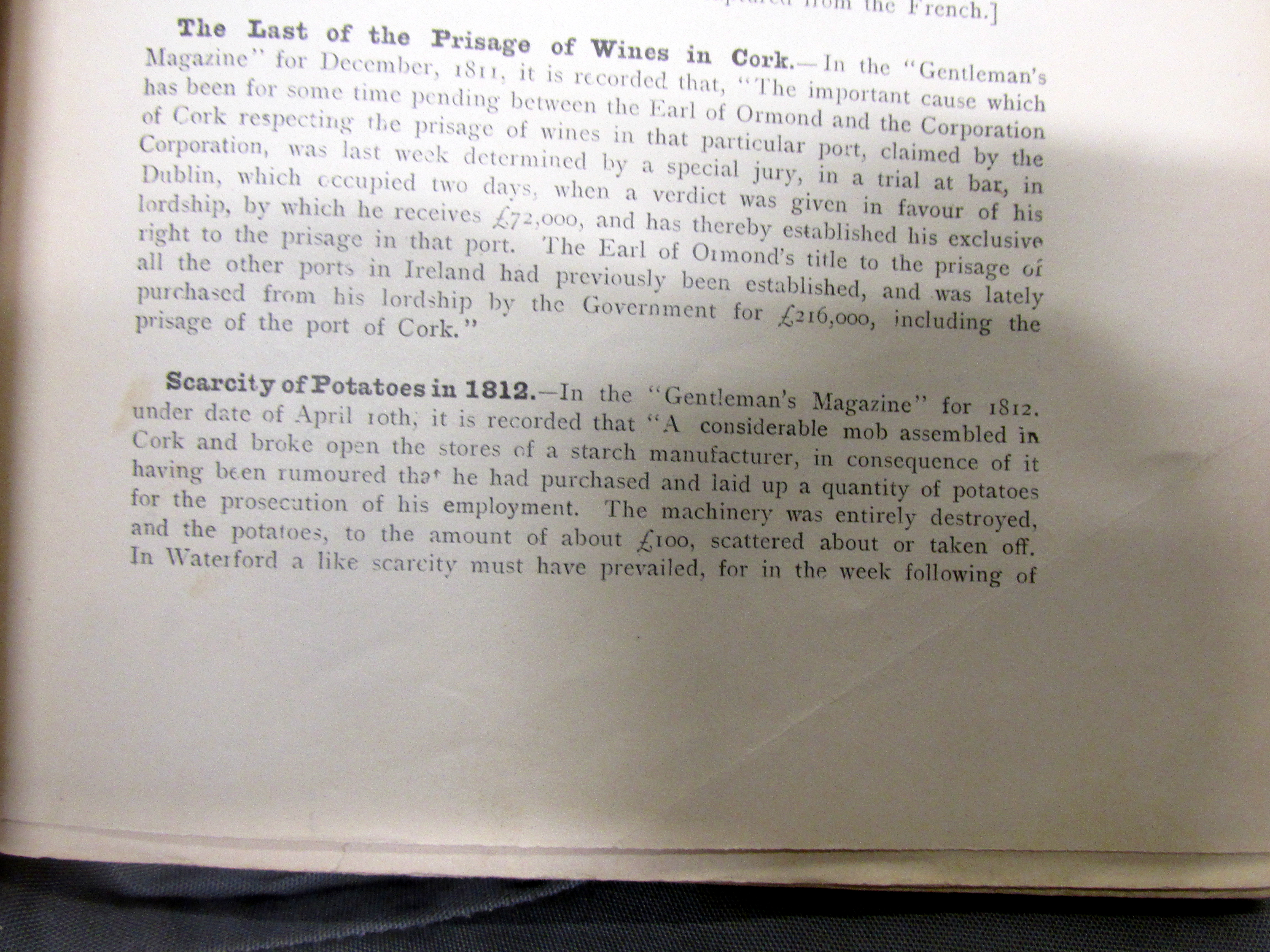
Potato Scarcity 1812.
19 Wednesday Nov 2014
Posted in Uncategorized
19 Wednesday Nov 2014
Posted in Uncategorized
19 Wednesday Nov 2014
Posted in Uncategorized
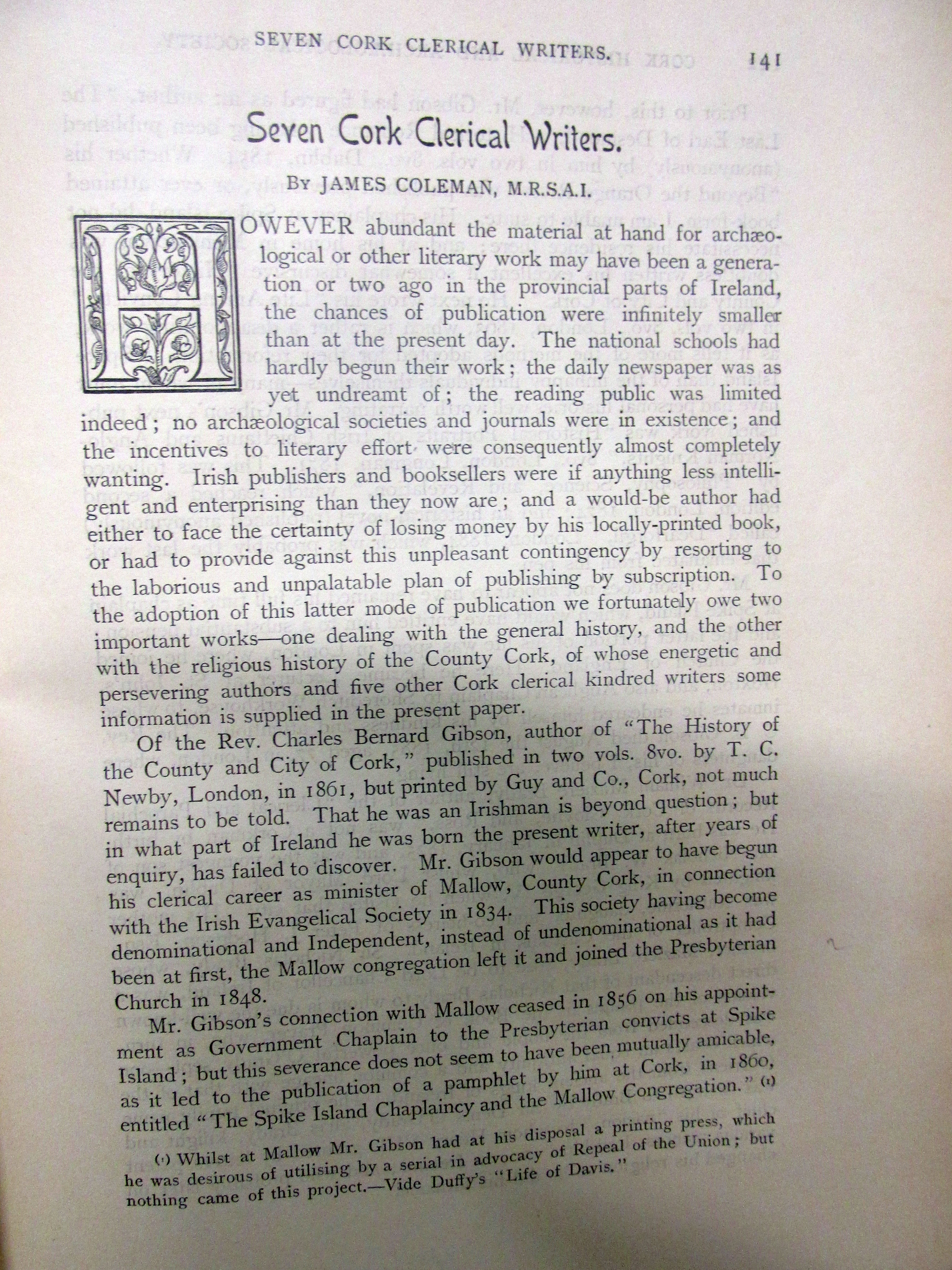
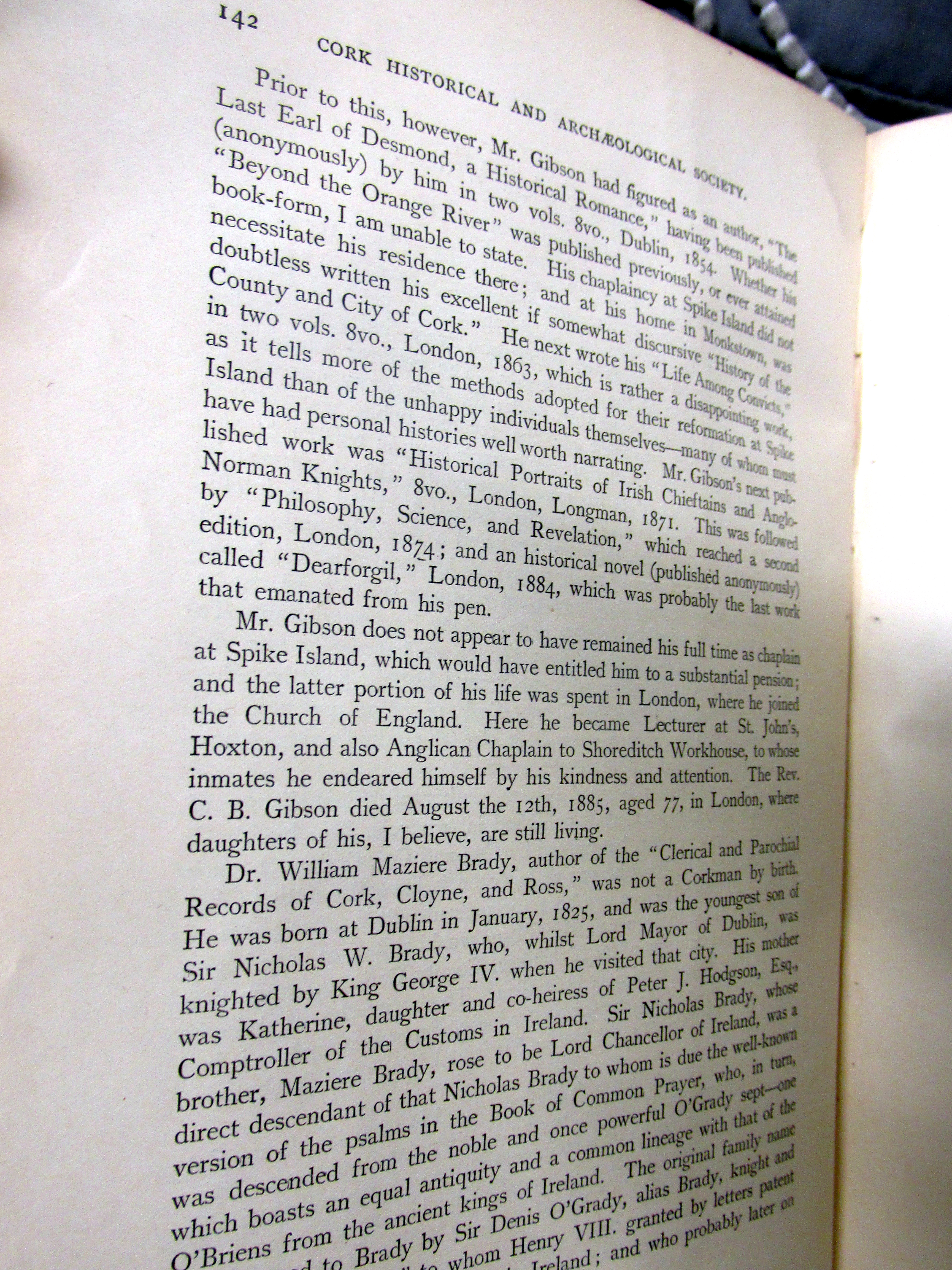
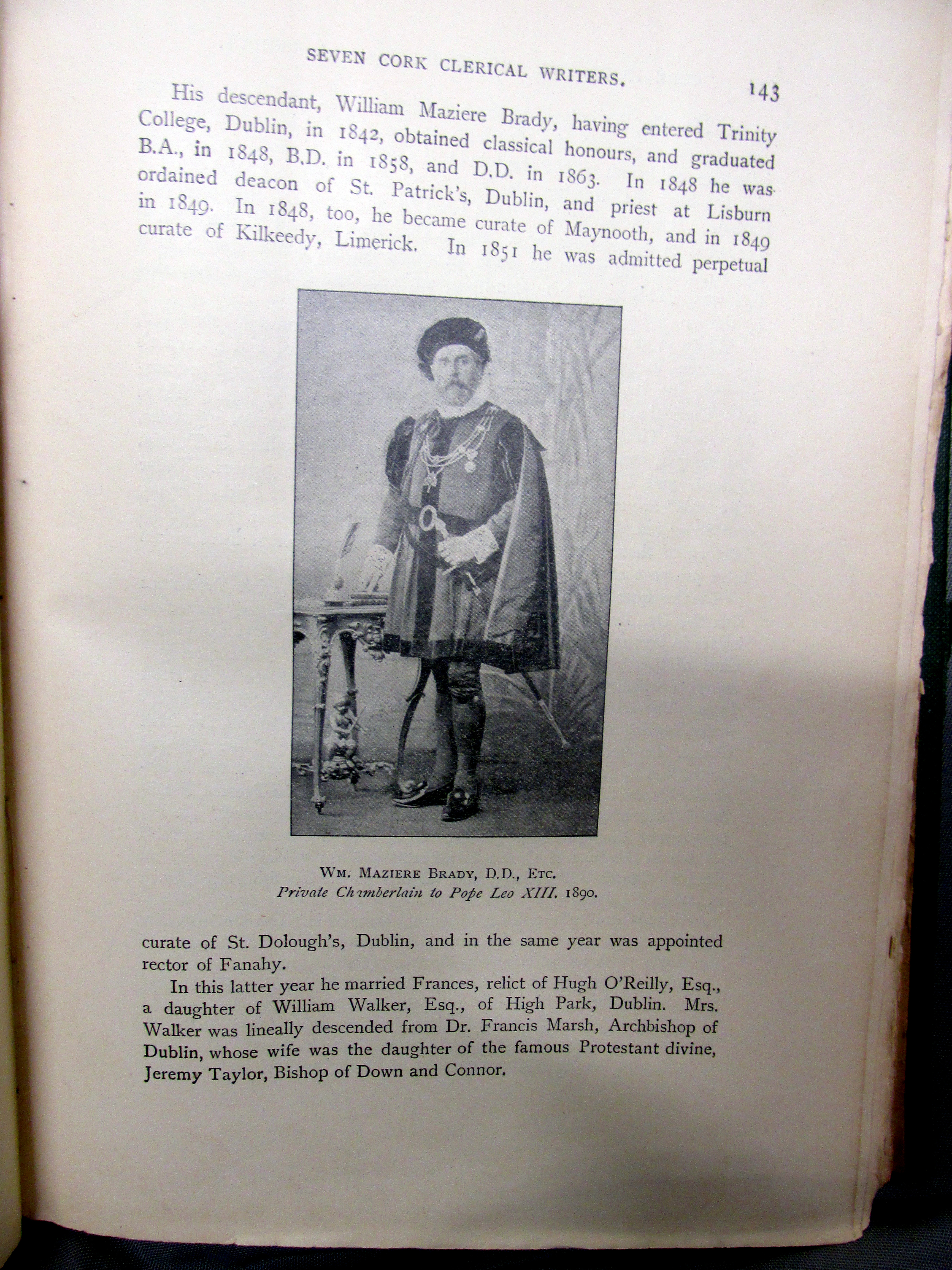
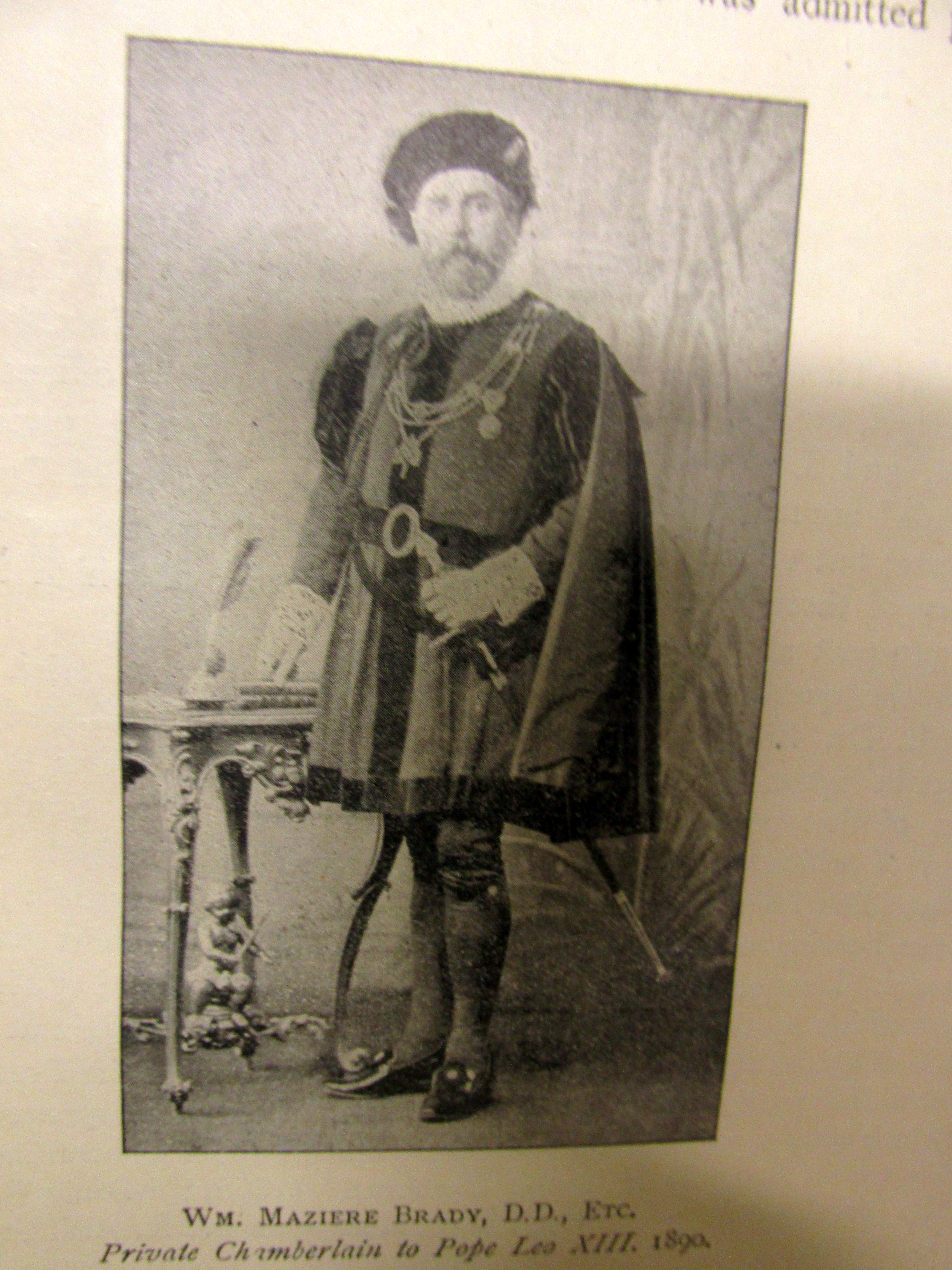
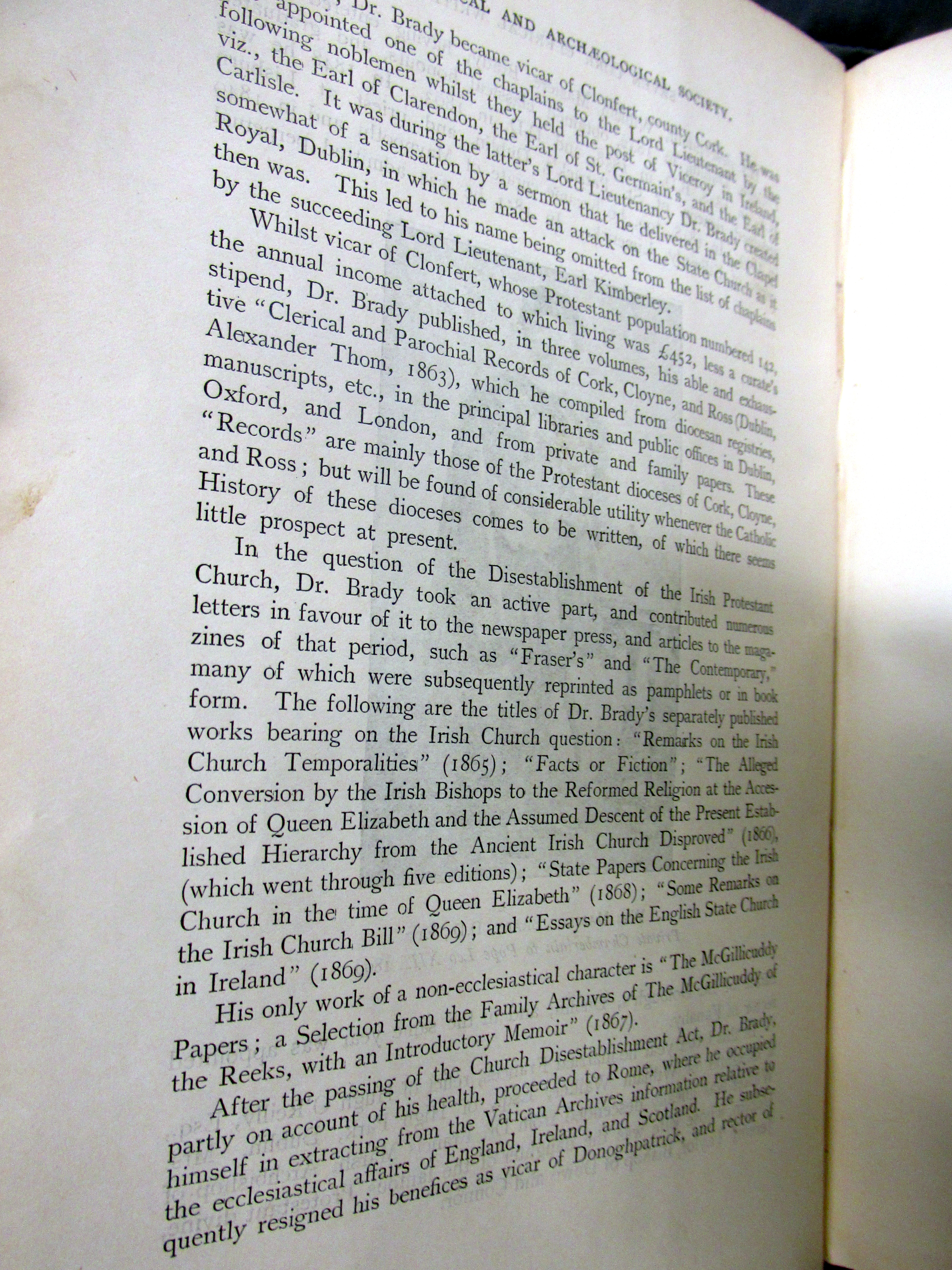
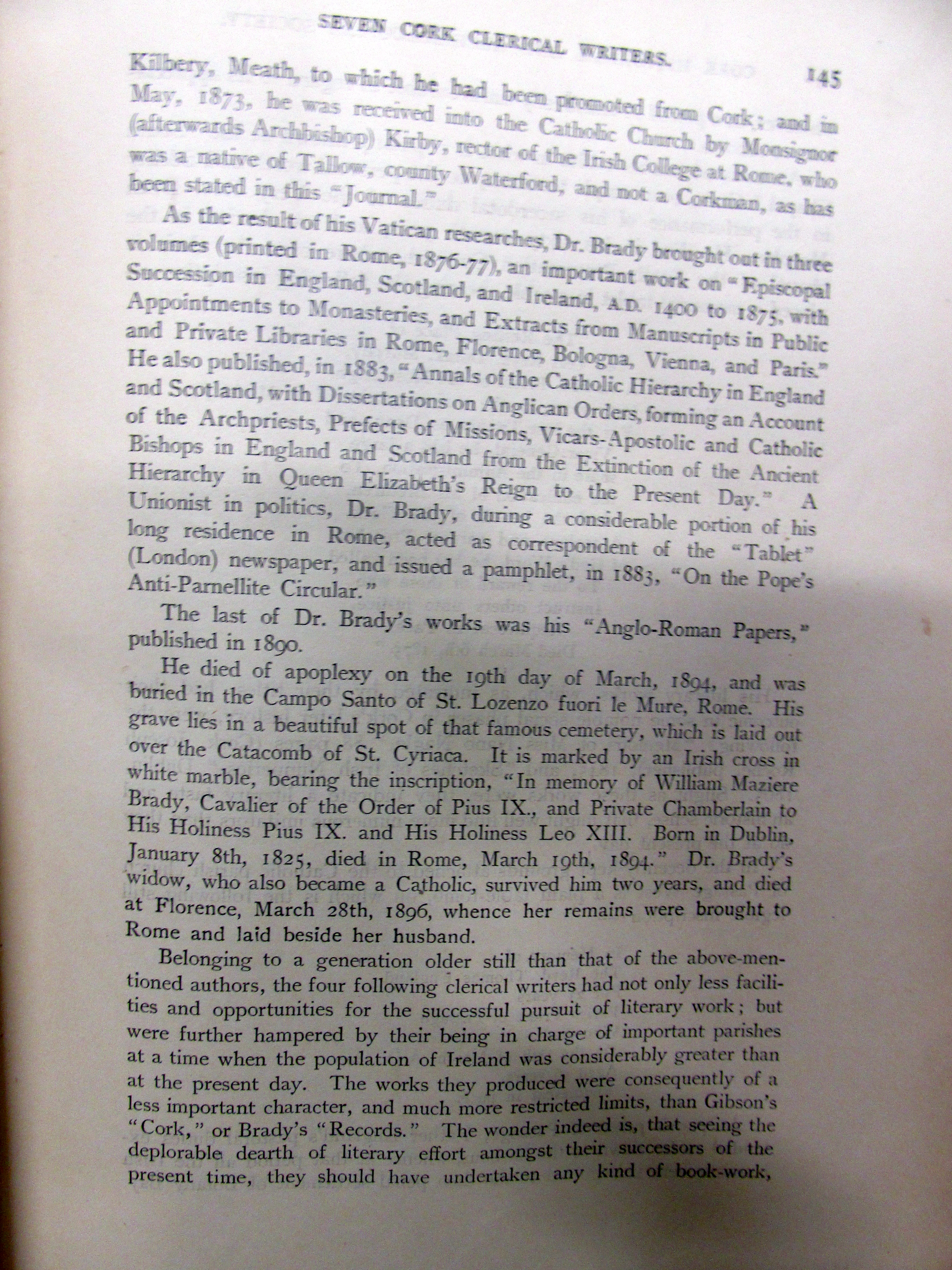
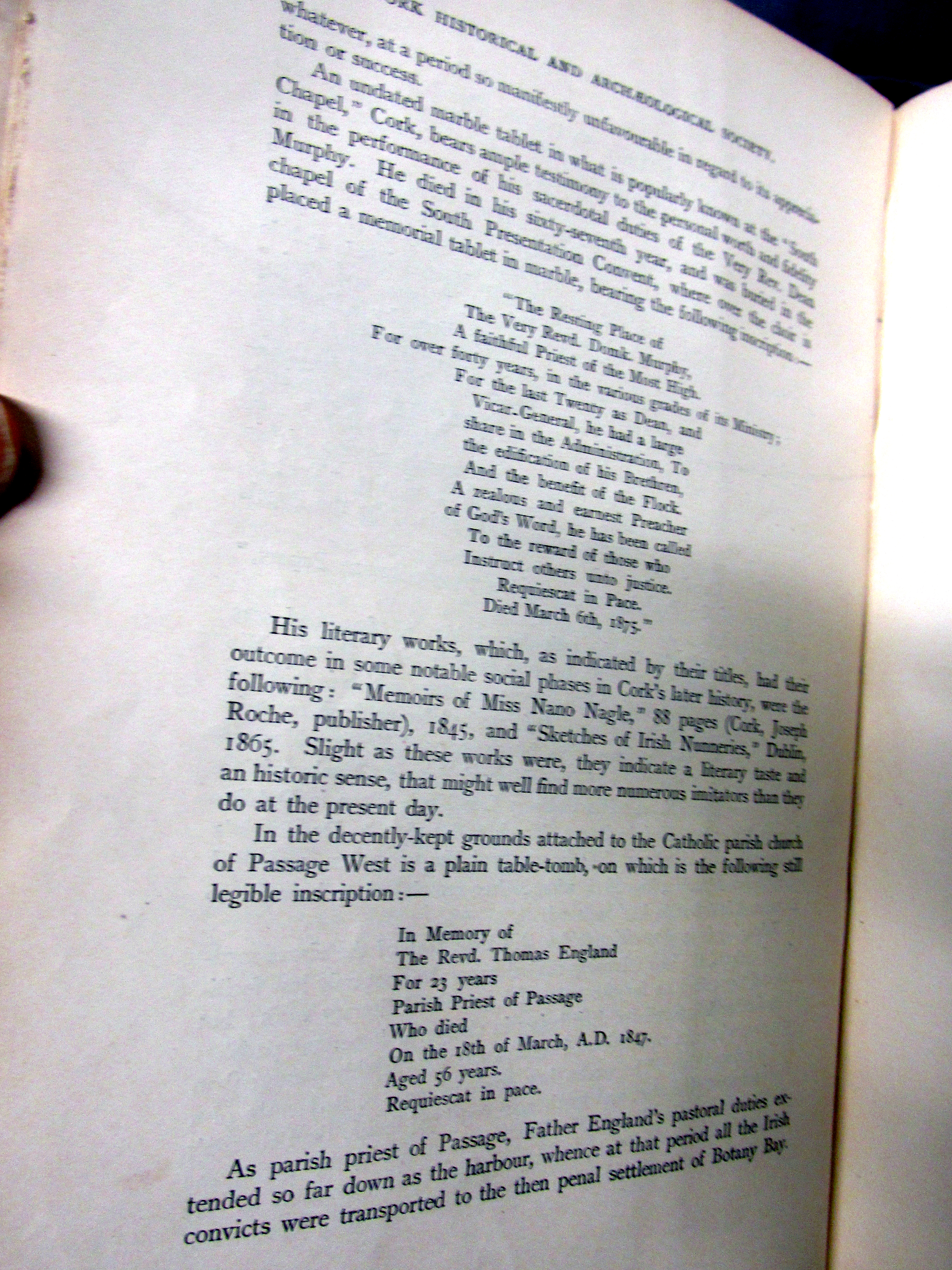
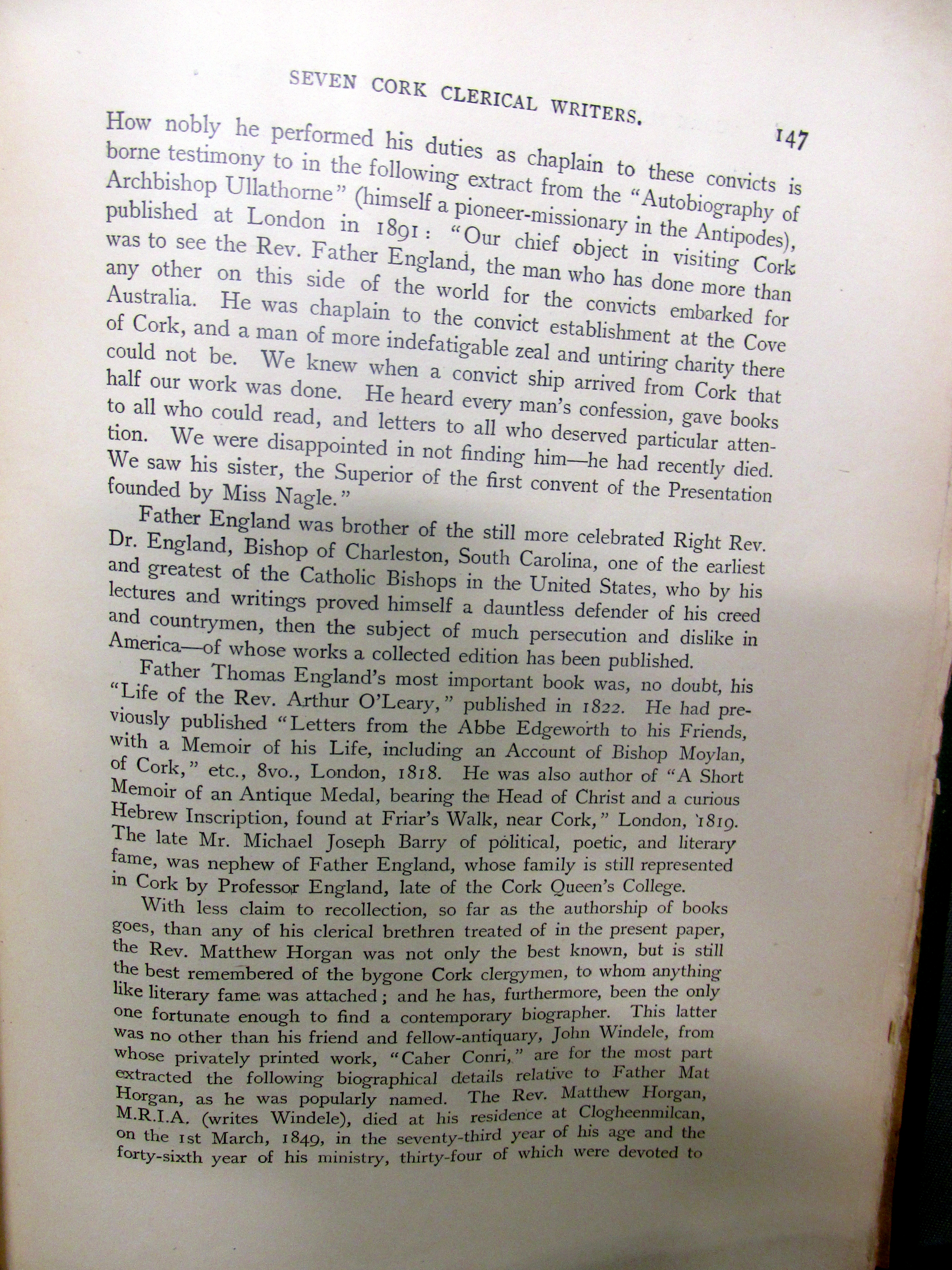
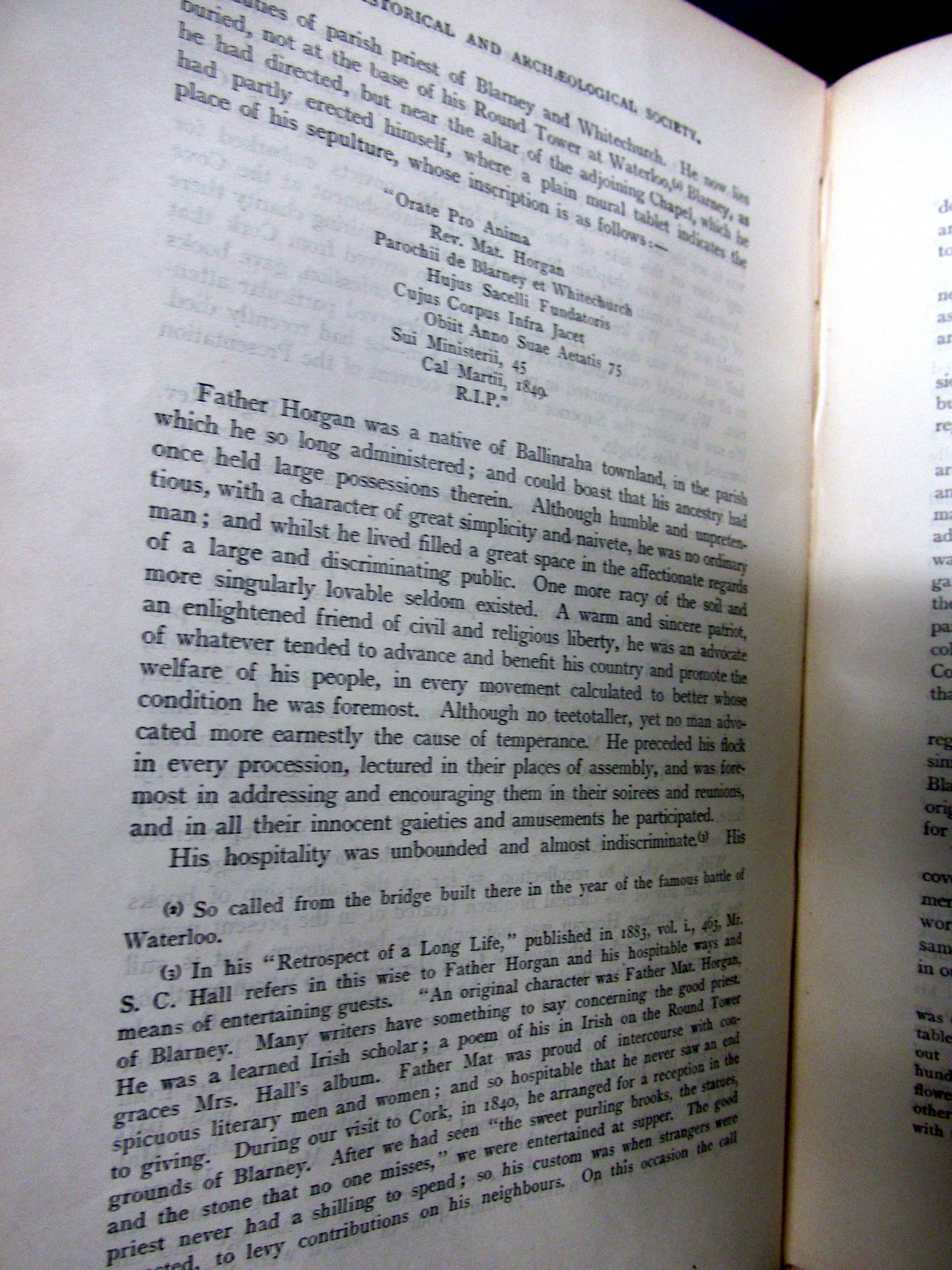
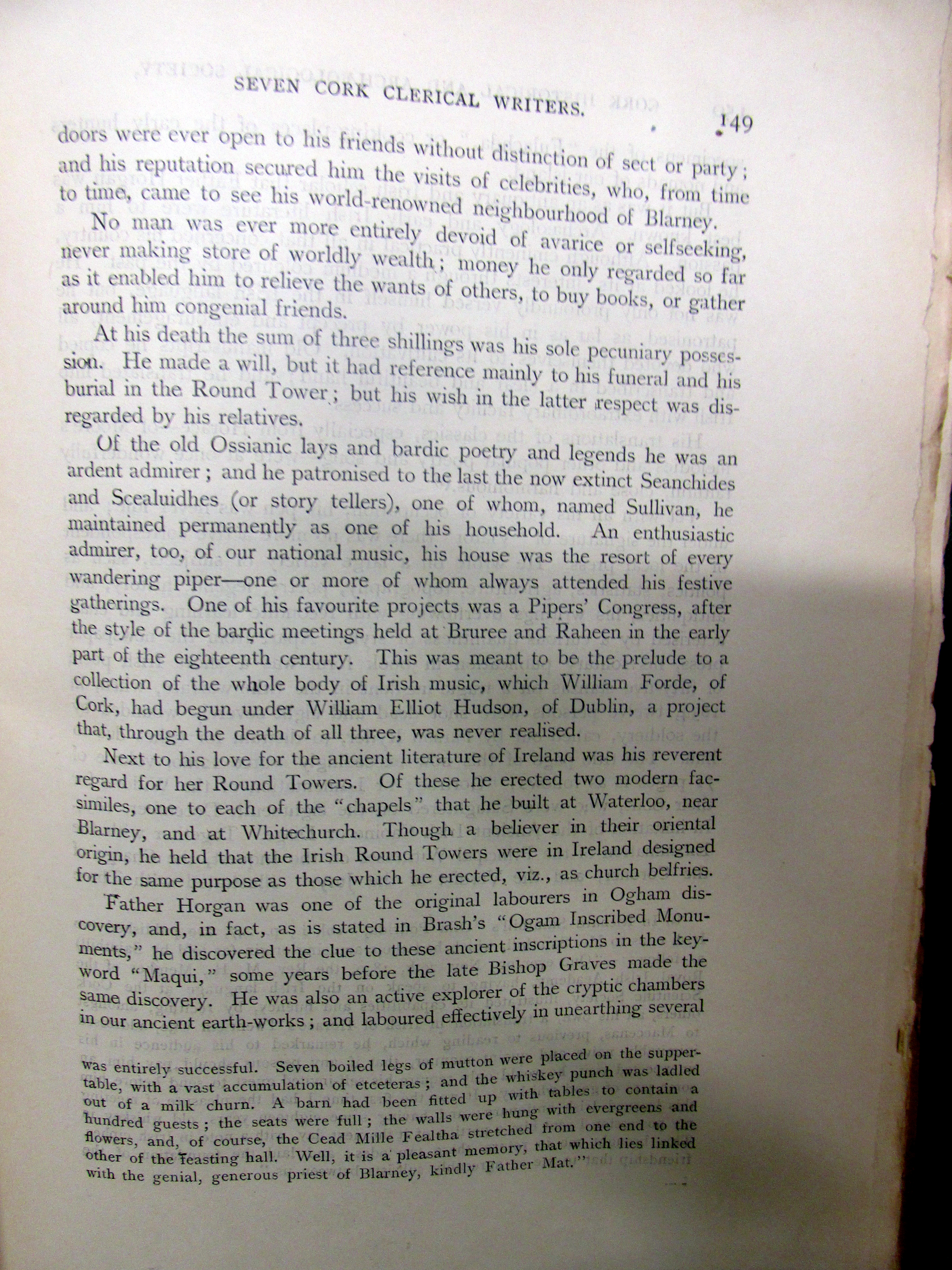
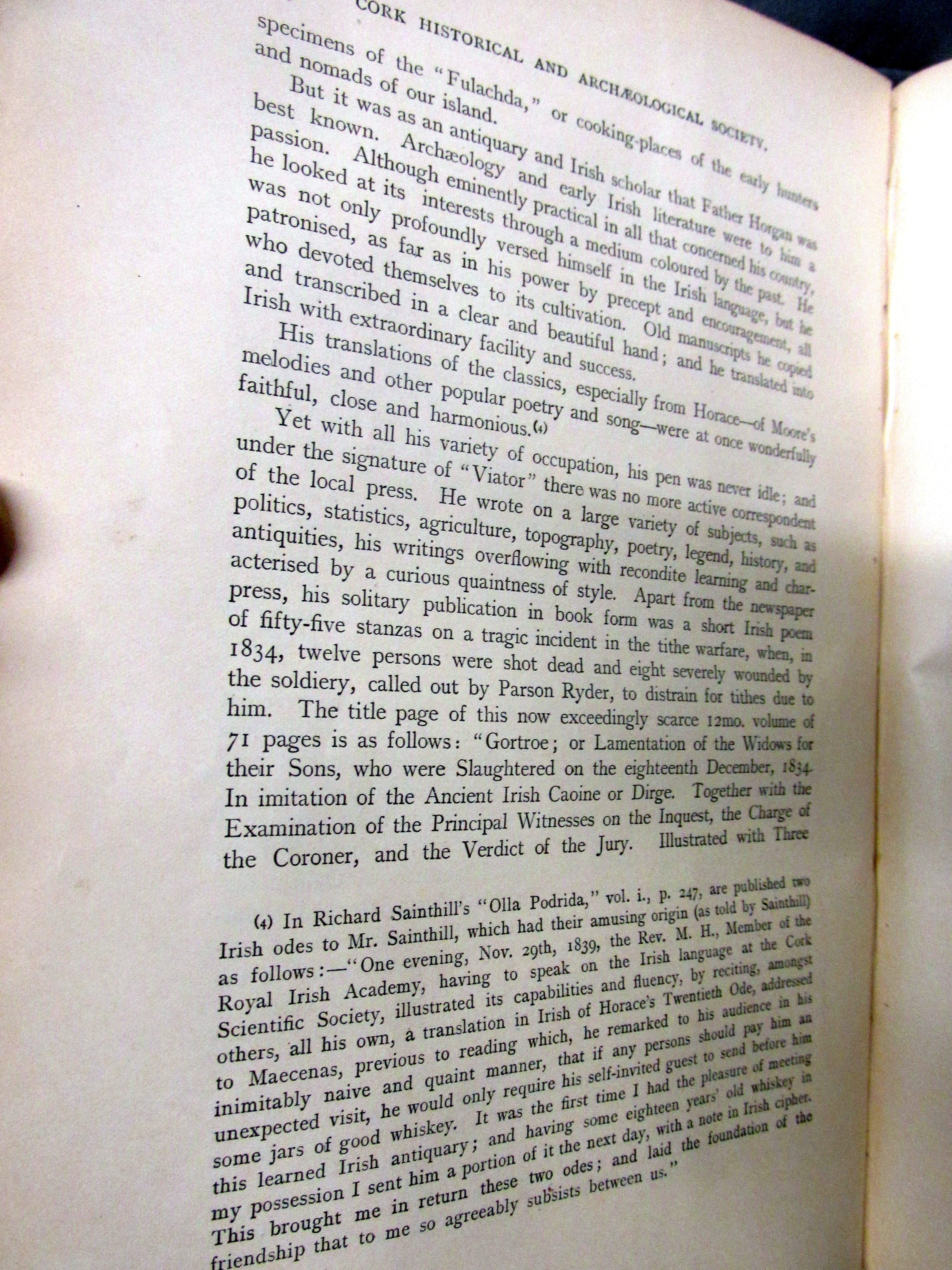
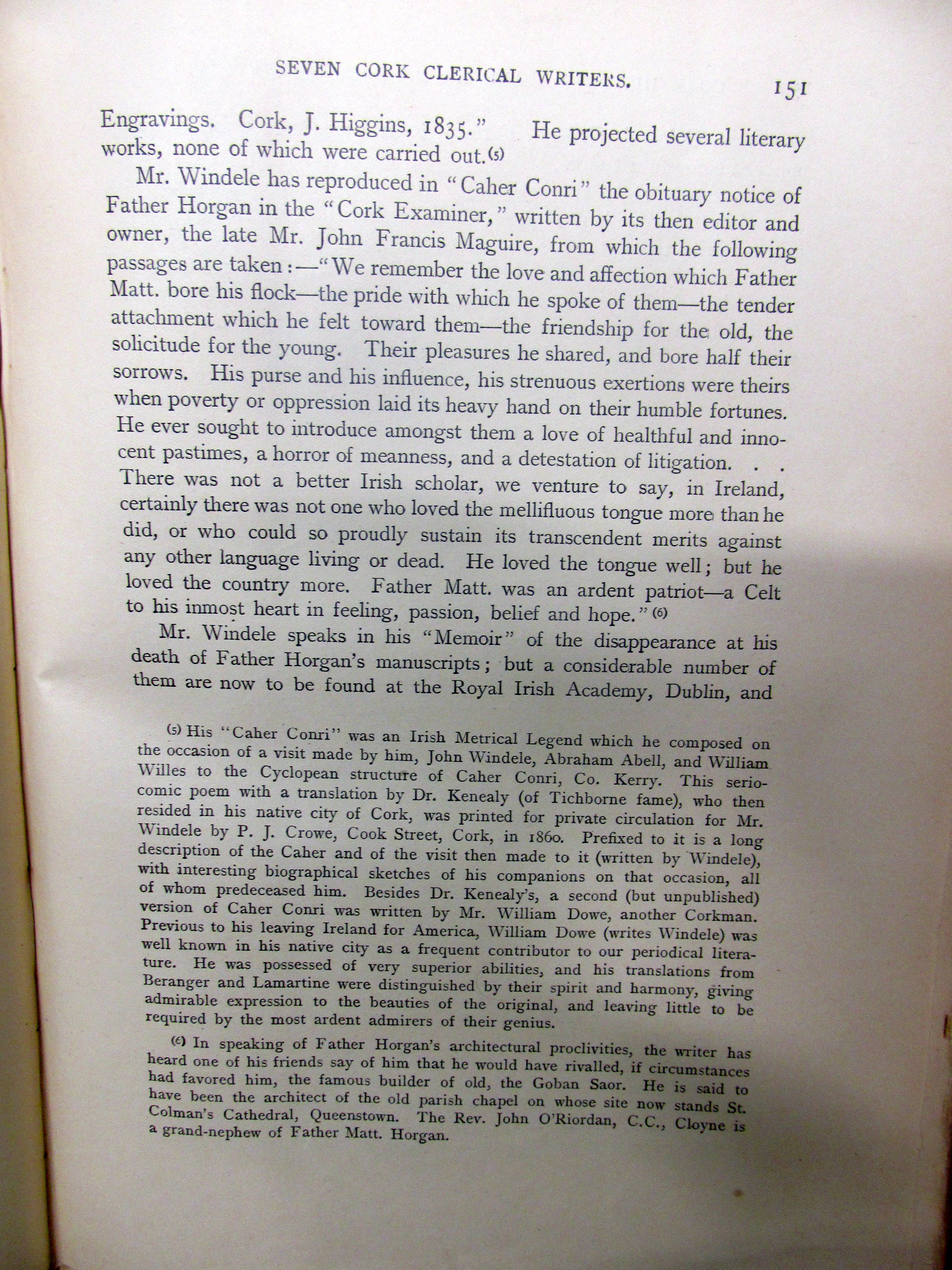
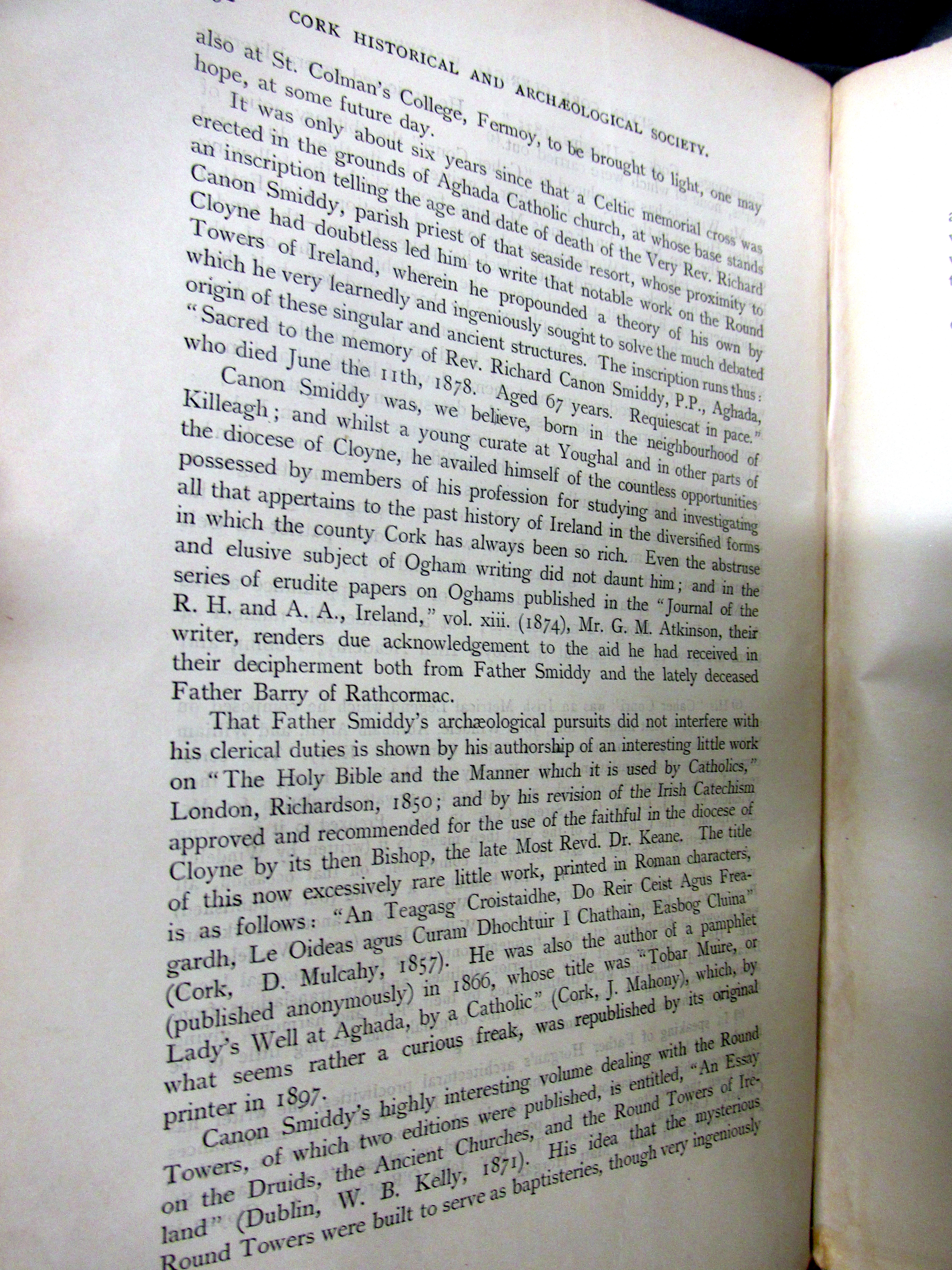
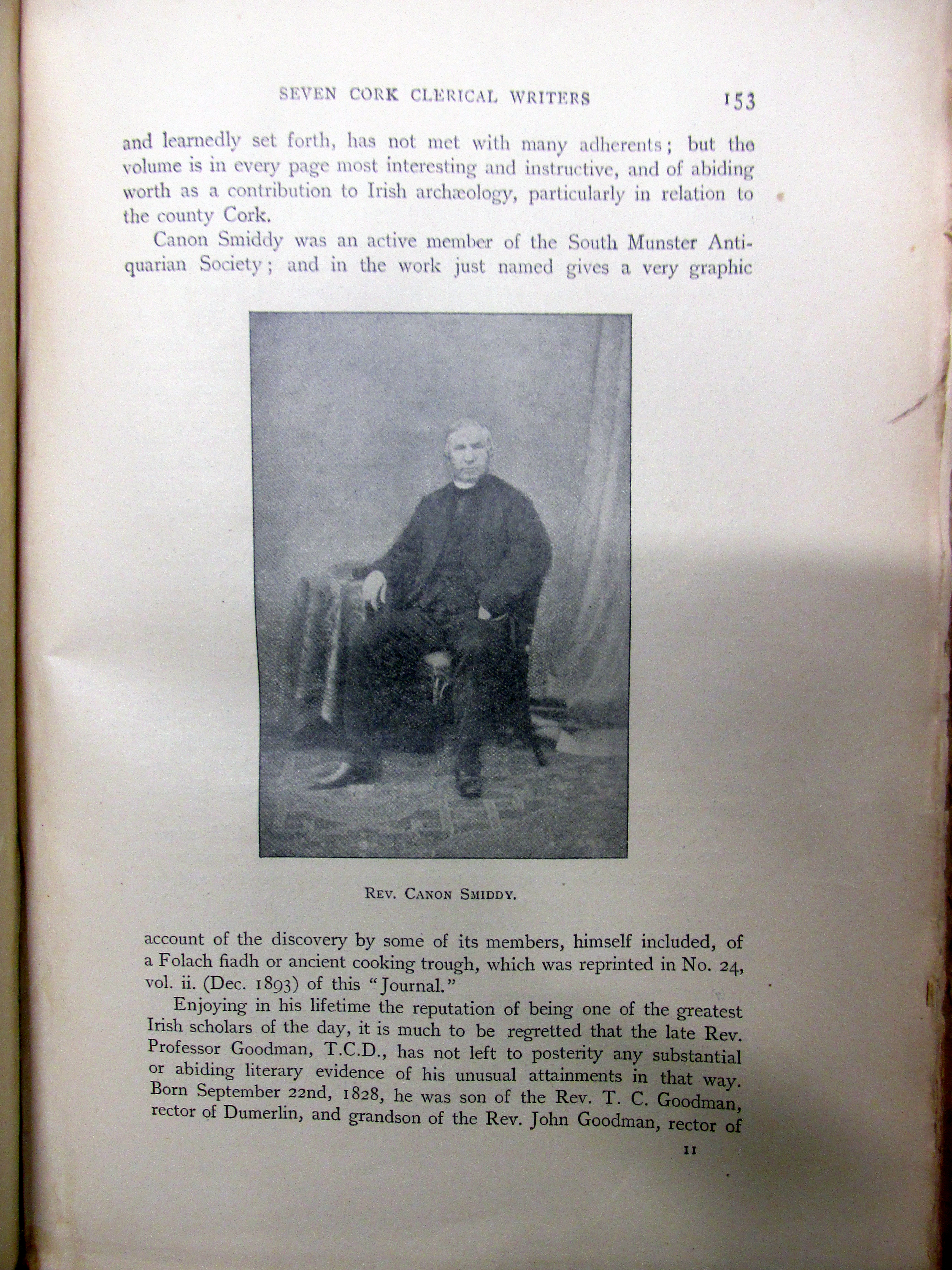
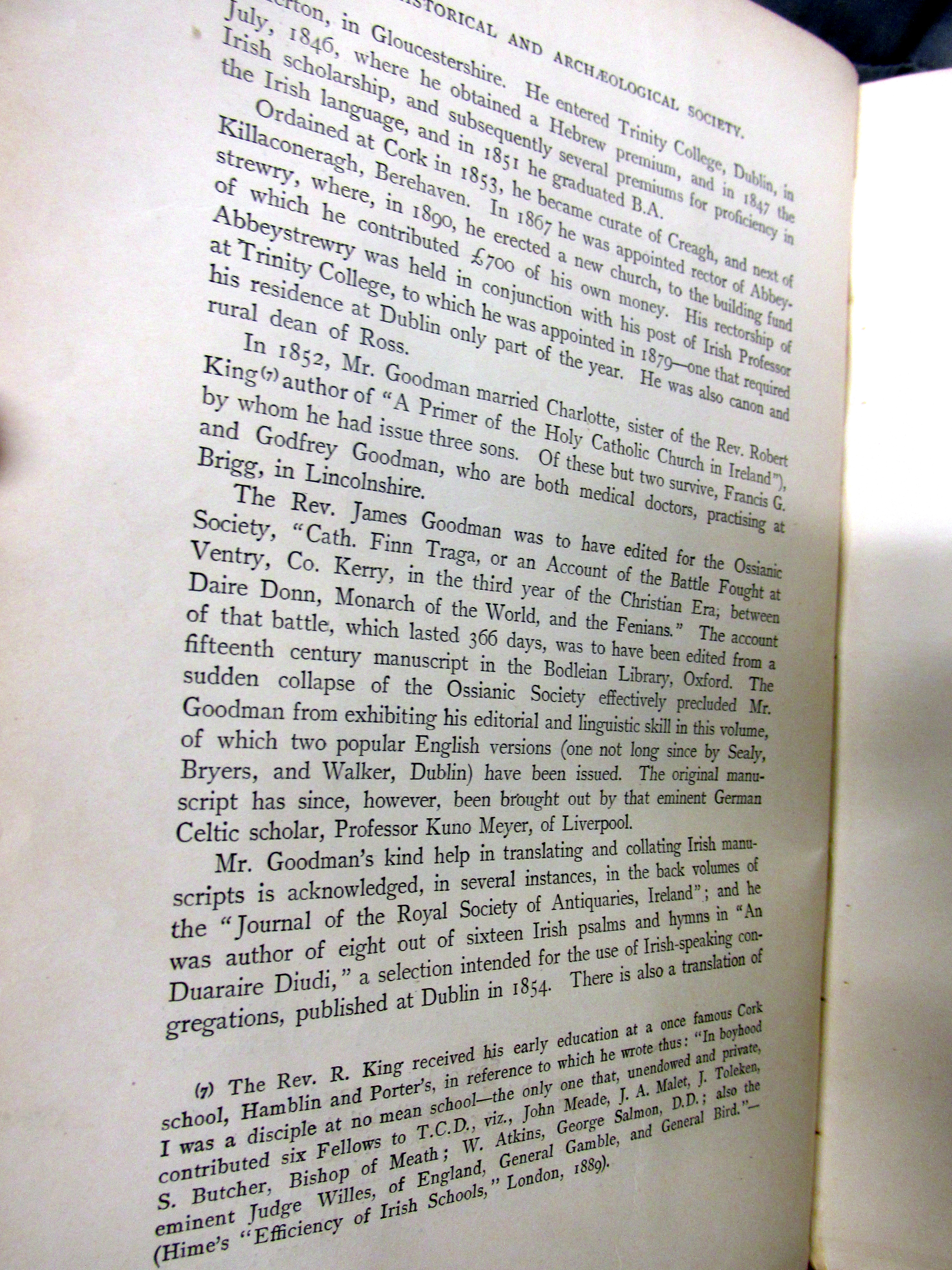
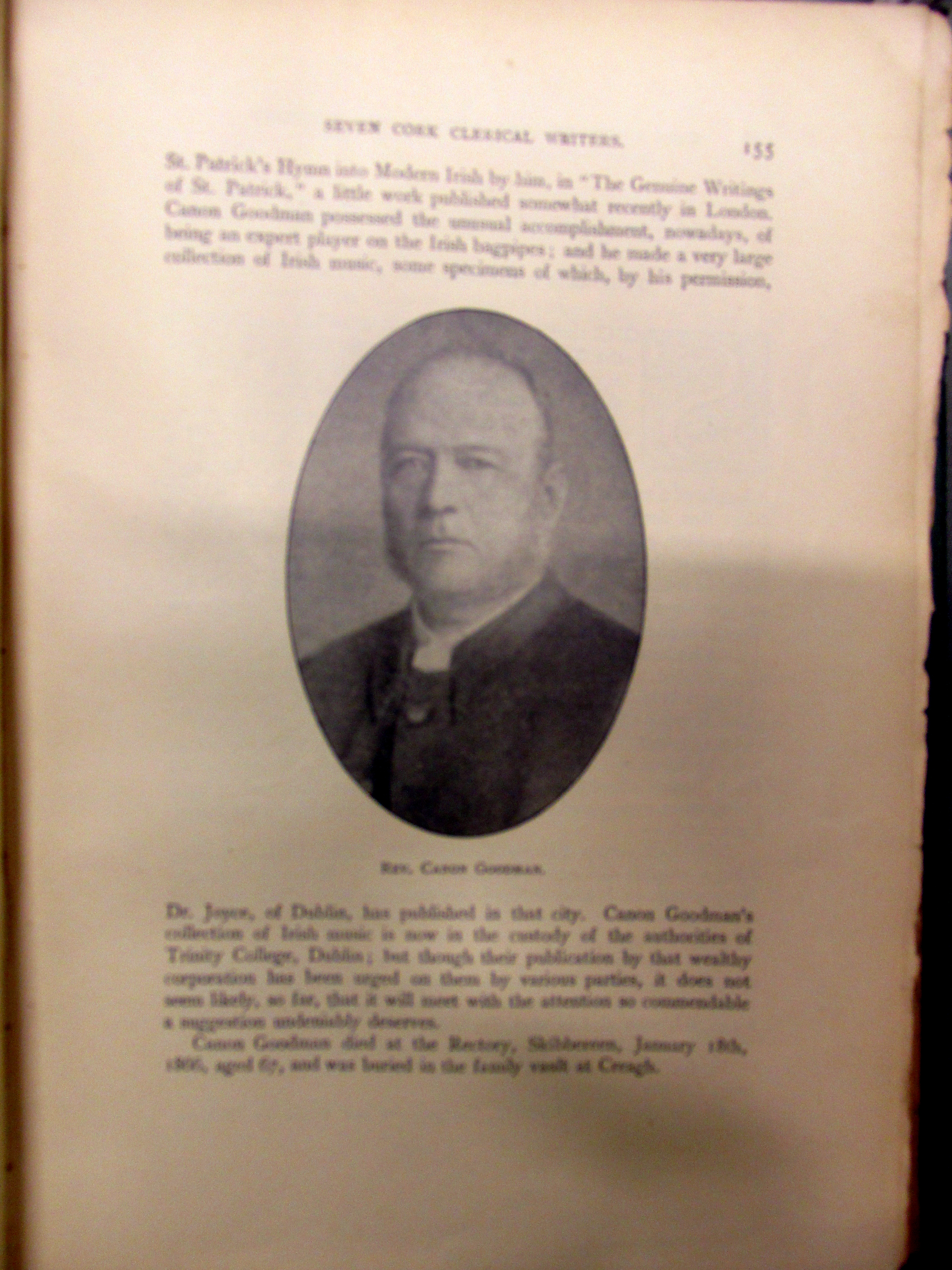
1893 sketch of some Cork Clerical writers including Father Engish author of life of Father Art O’Leary, Maziere Brady, Canon Goodman, Skibbereen.
Courtesy JCHAS 1893:
Maziere Brady’s work on the Cork dioceses is a work of outstanding brilliance:
http://www.corkpastandpresent.ie/history/bradysclericalandparochialrecords/
19 Wednesday Nov 2014
Posted in Uncategorized
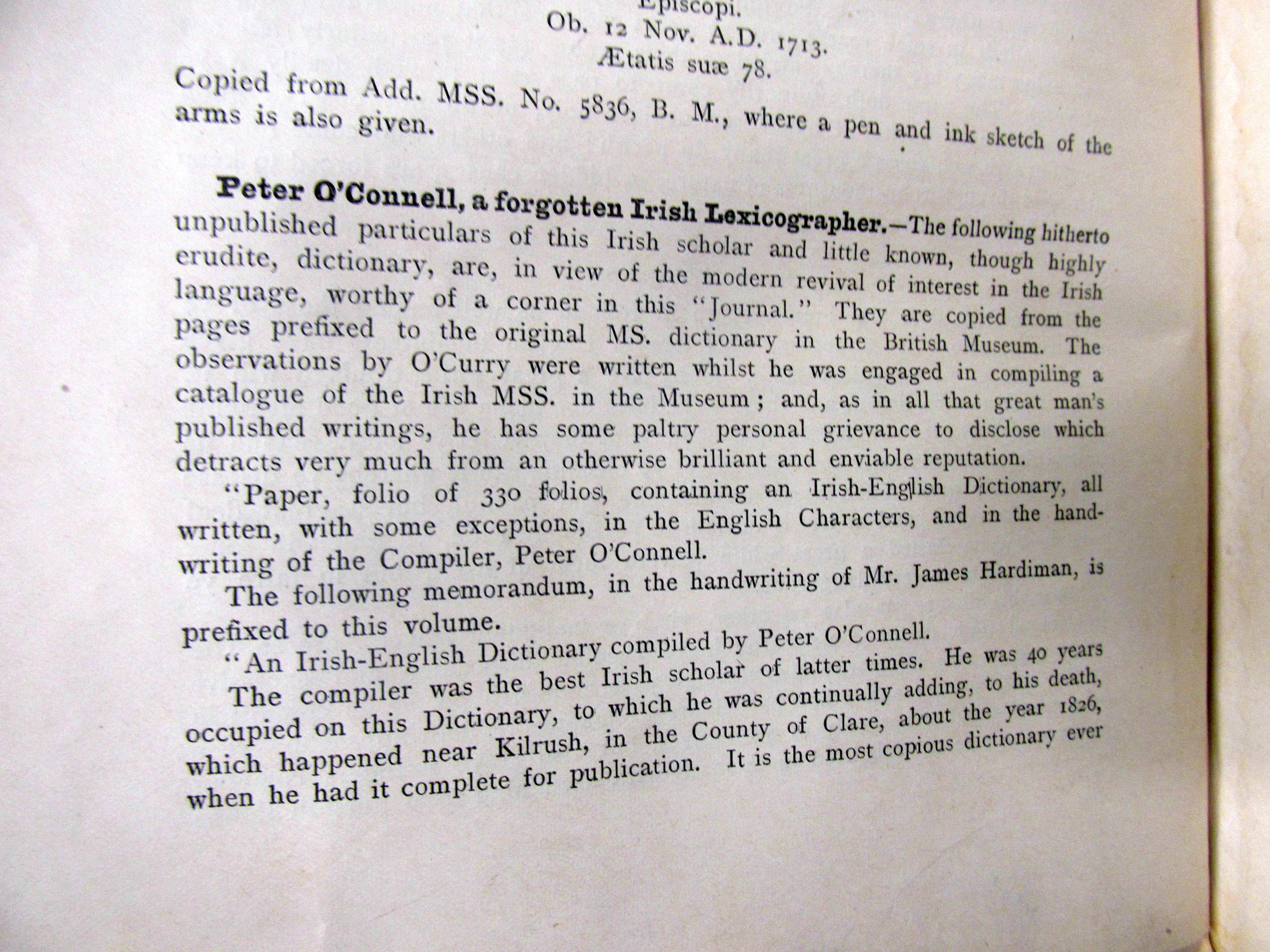
Peter O’Connell, died Carne, Co. Clare 1826, forgotten Irish Lexicographer whose dictionary was described by Dr. John O’Donovan as the author of the Best Dictionary in Irish never published inspiration for Pádraig Úa Duinín.
http://en.wikisource.org/wiki/O’Connell,_Peter_(DNB00)
http://www.clarelibrary.ie/eolas/coclare/people/peter_oconnell.htm
Dineen:
Courtesy 1893 JCHAS:


18 Tuesday Nov 2014
Posted in Uncategorized
18 Tuesday Nov 2014
Posted in Uncategorized
Tags
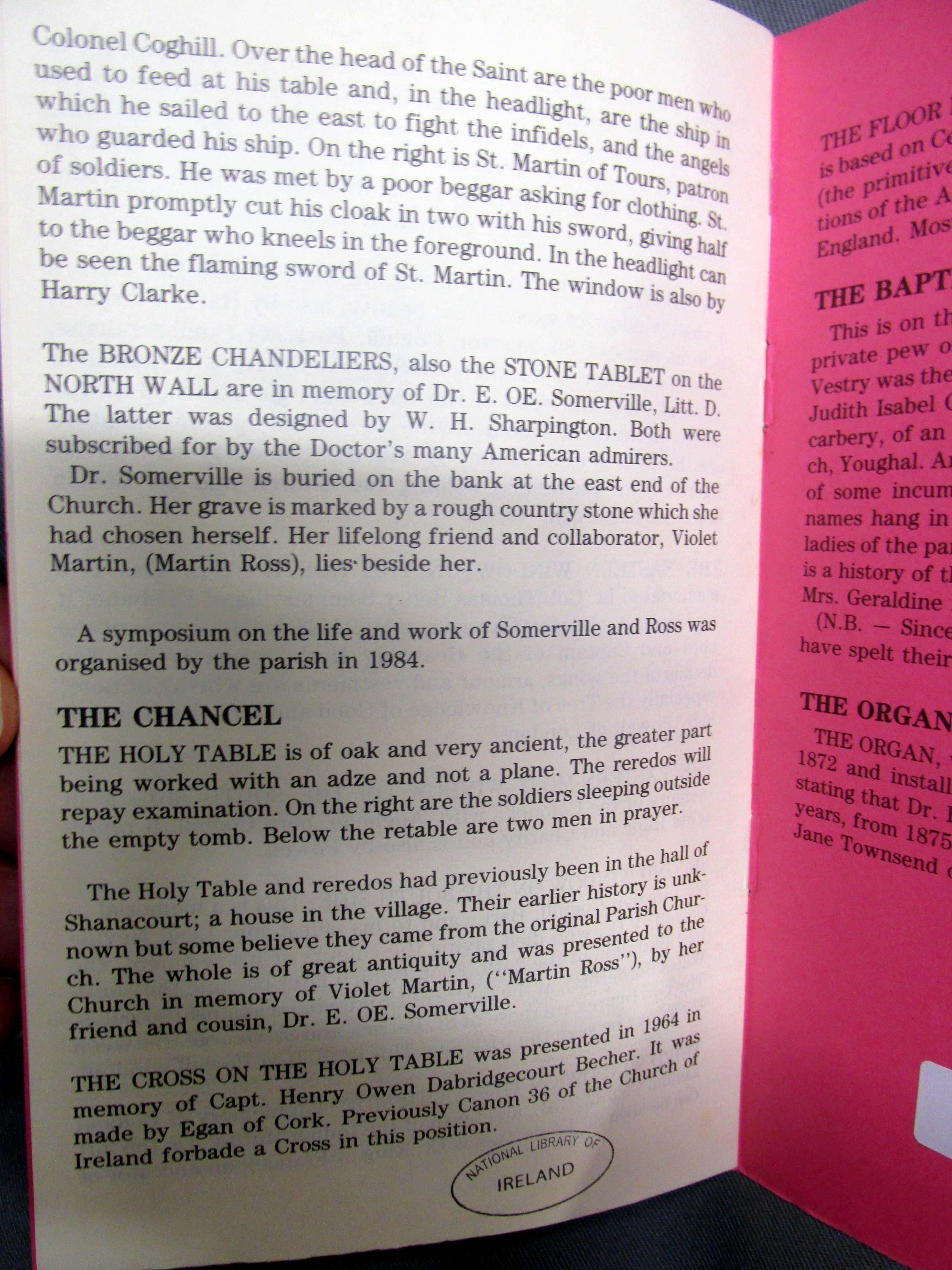
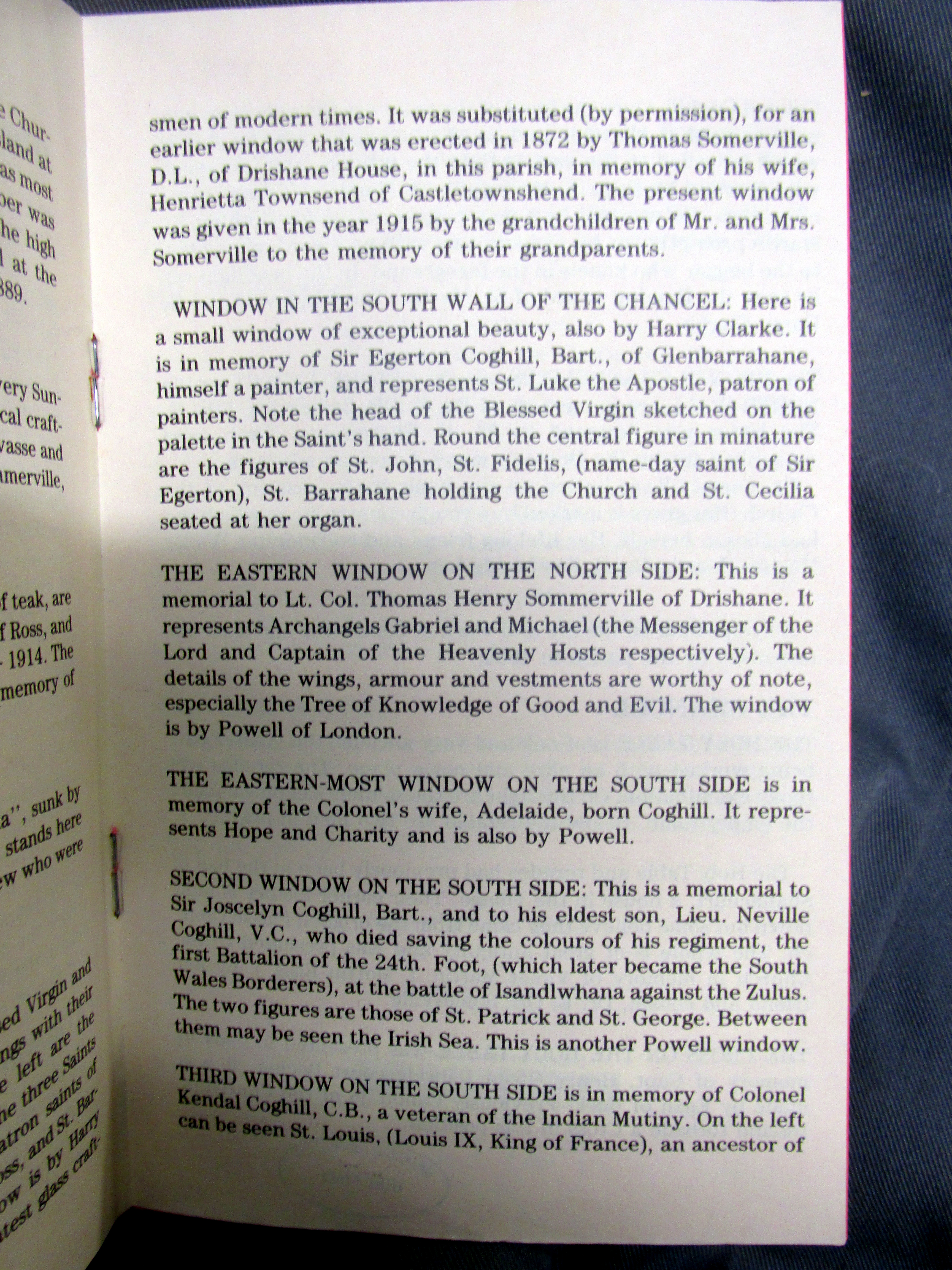
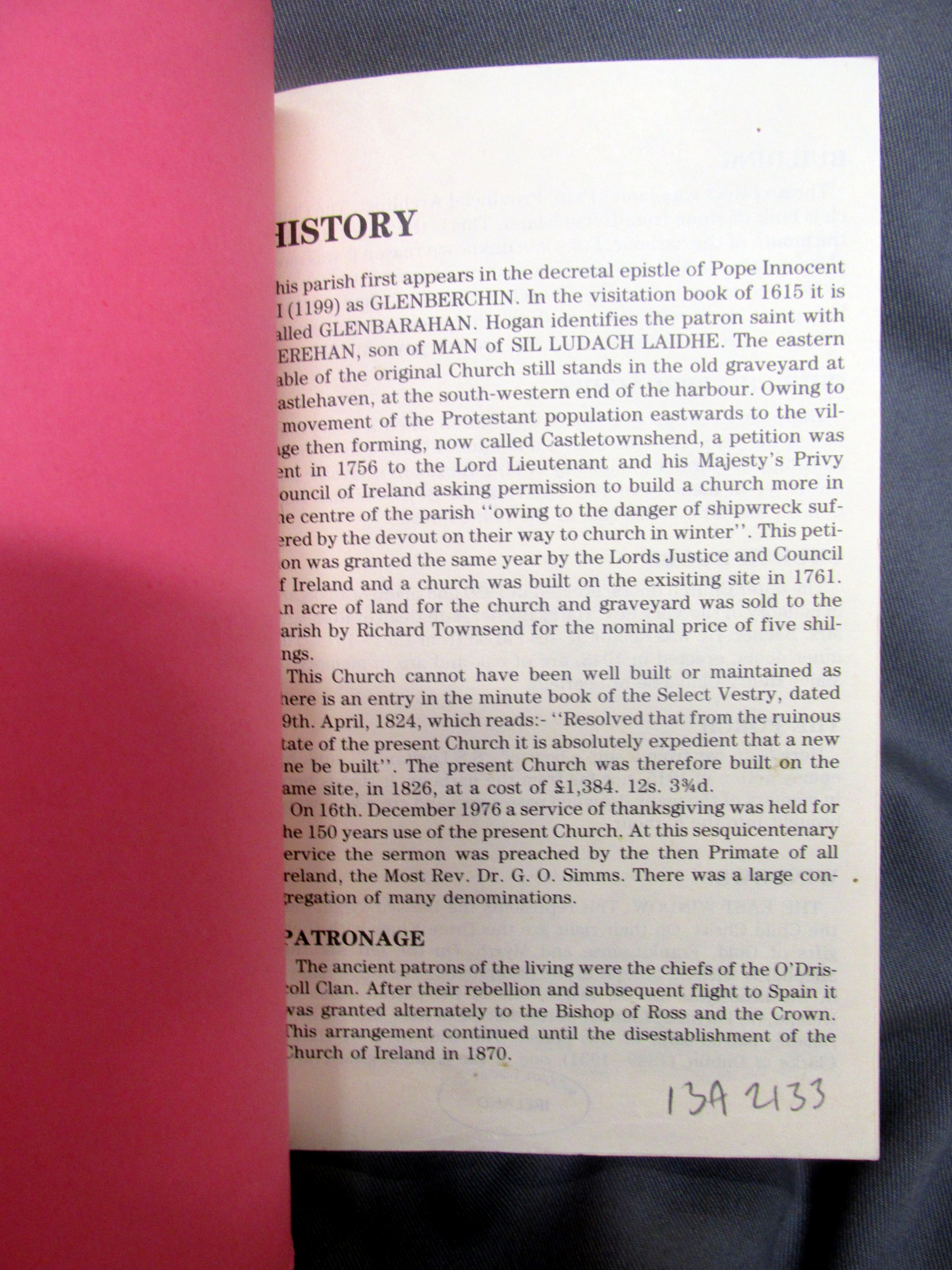
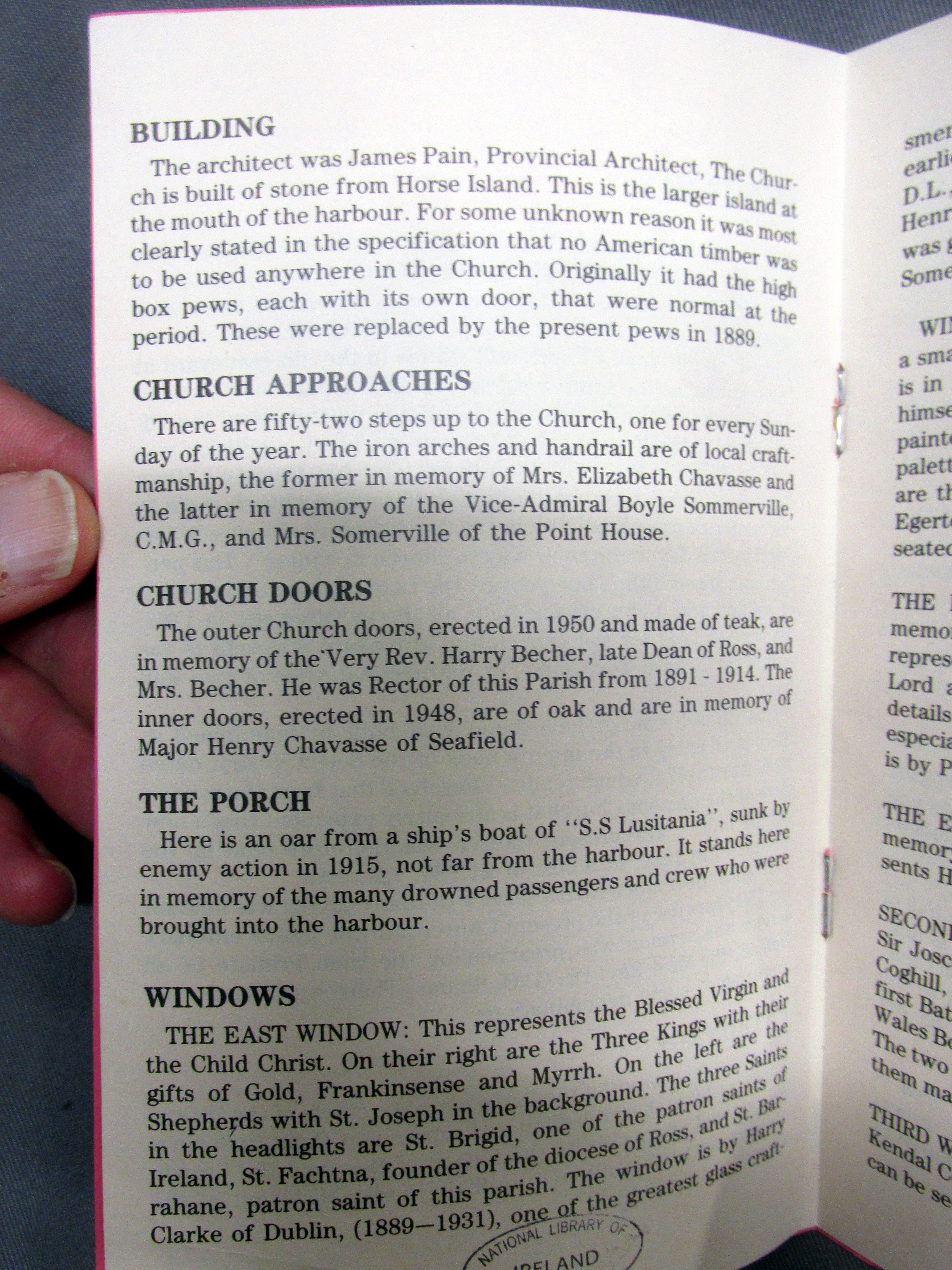
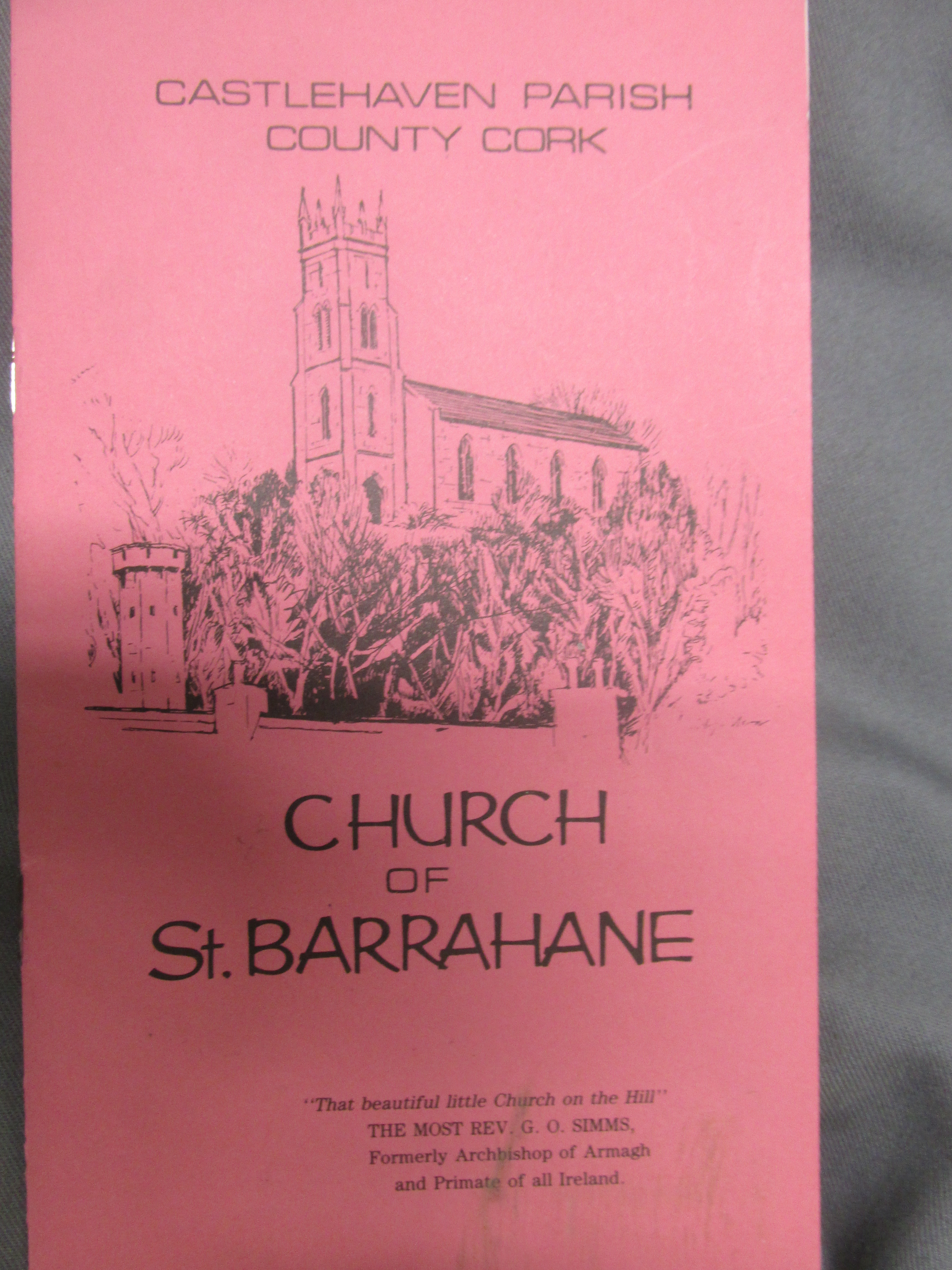
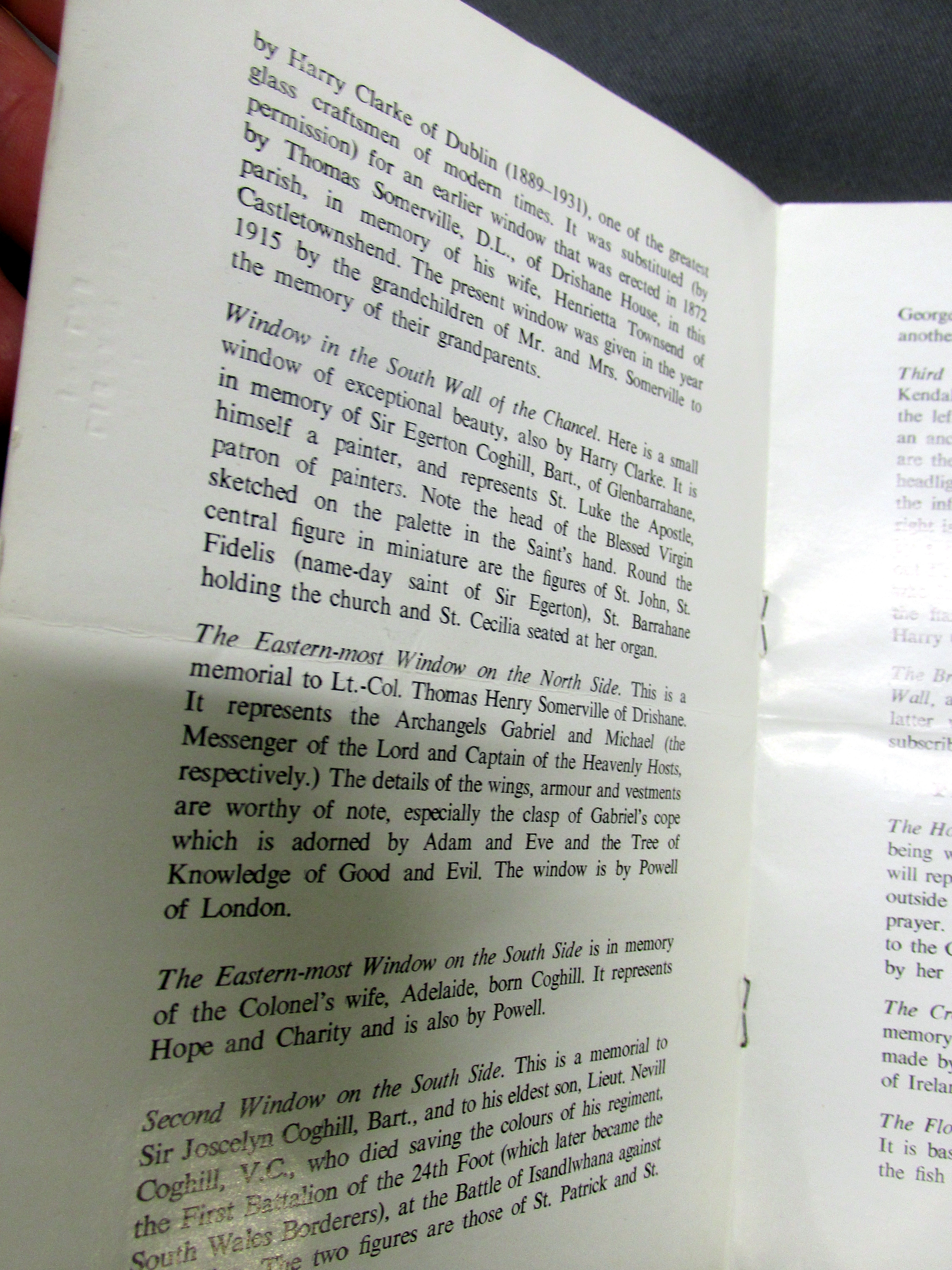
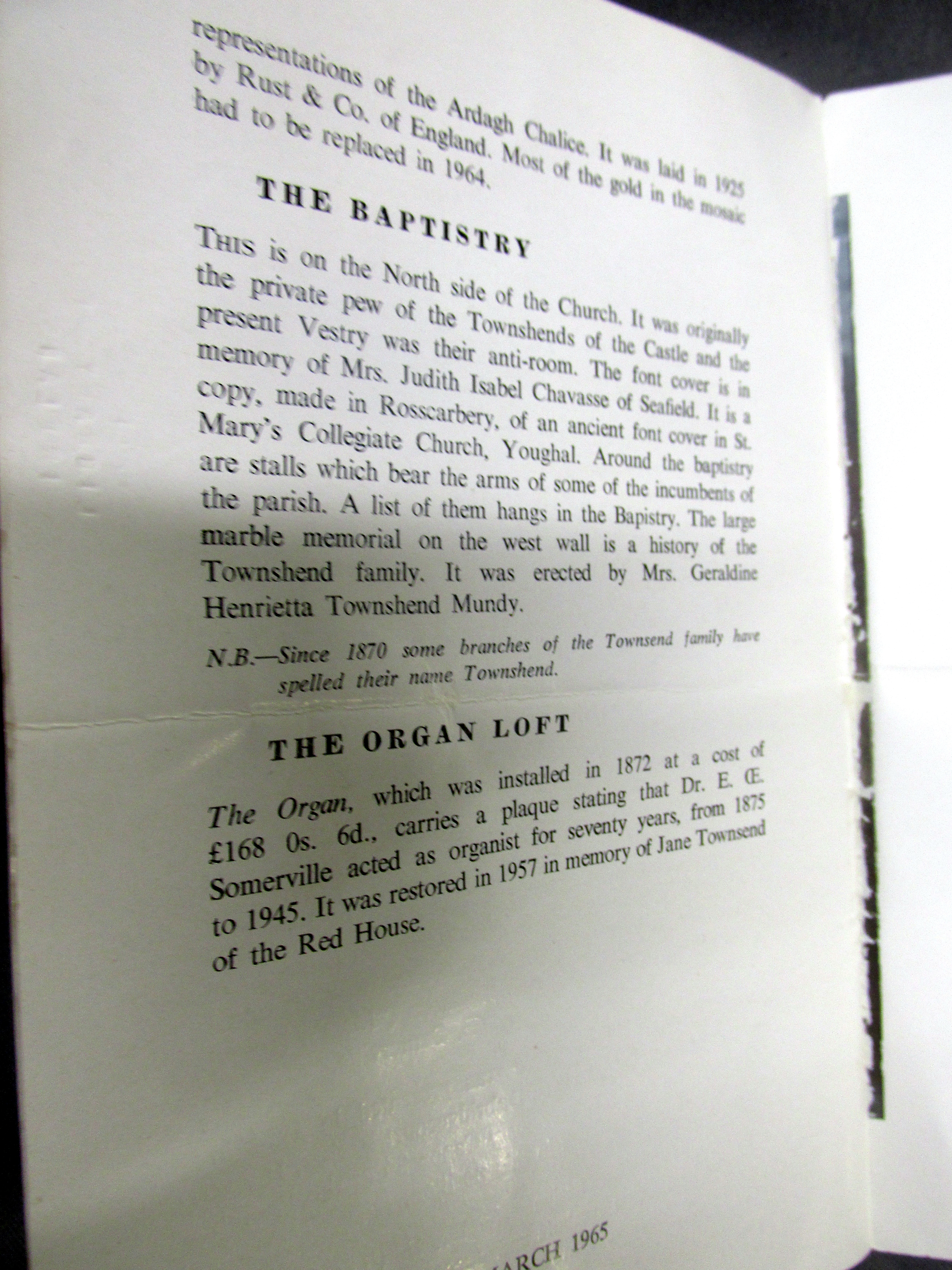
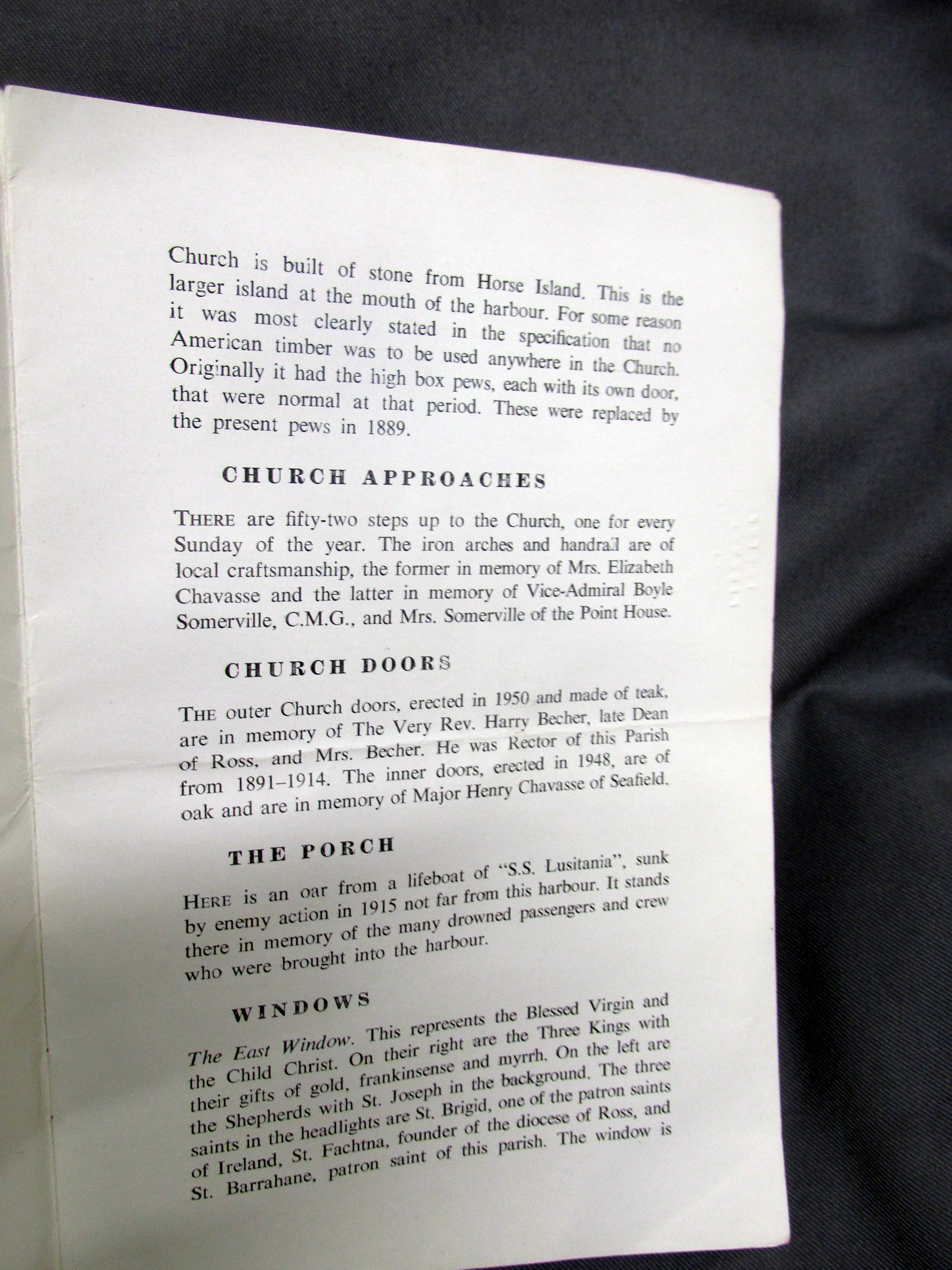
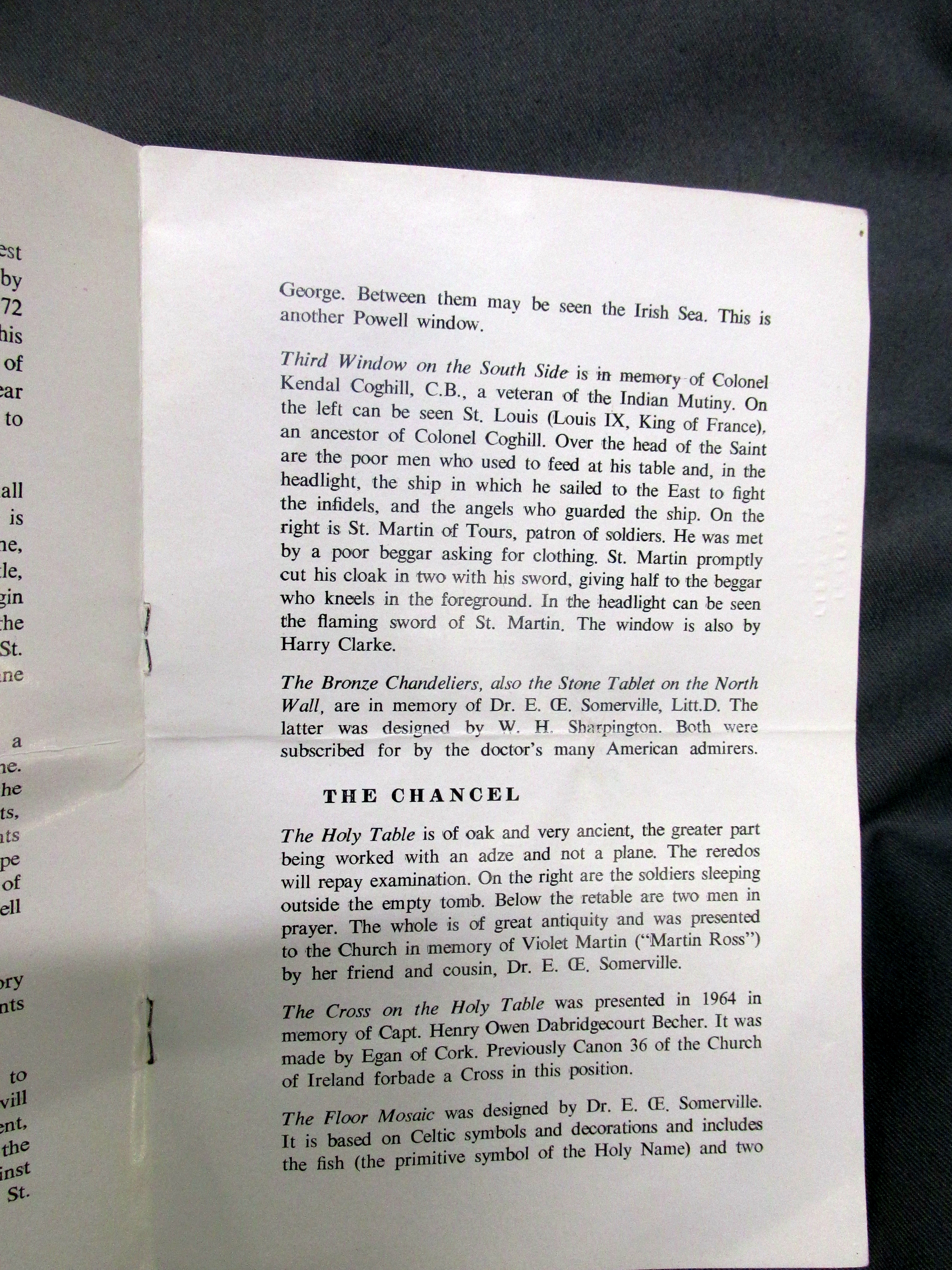
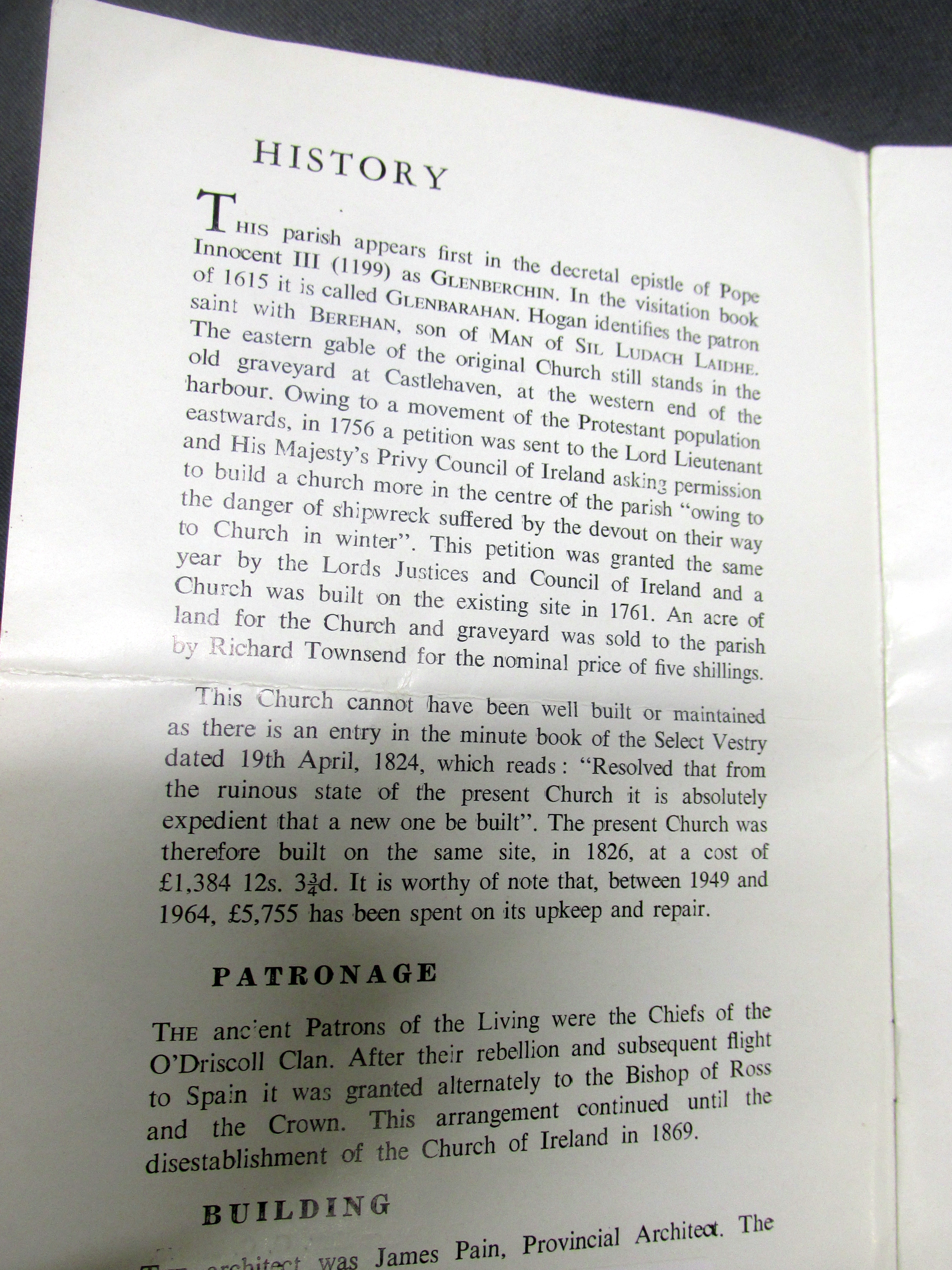
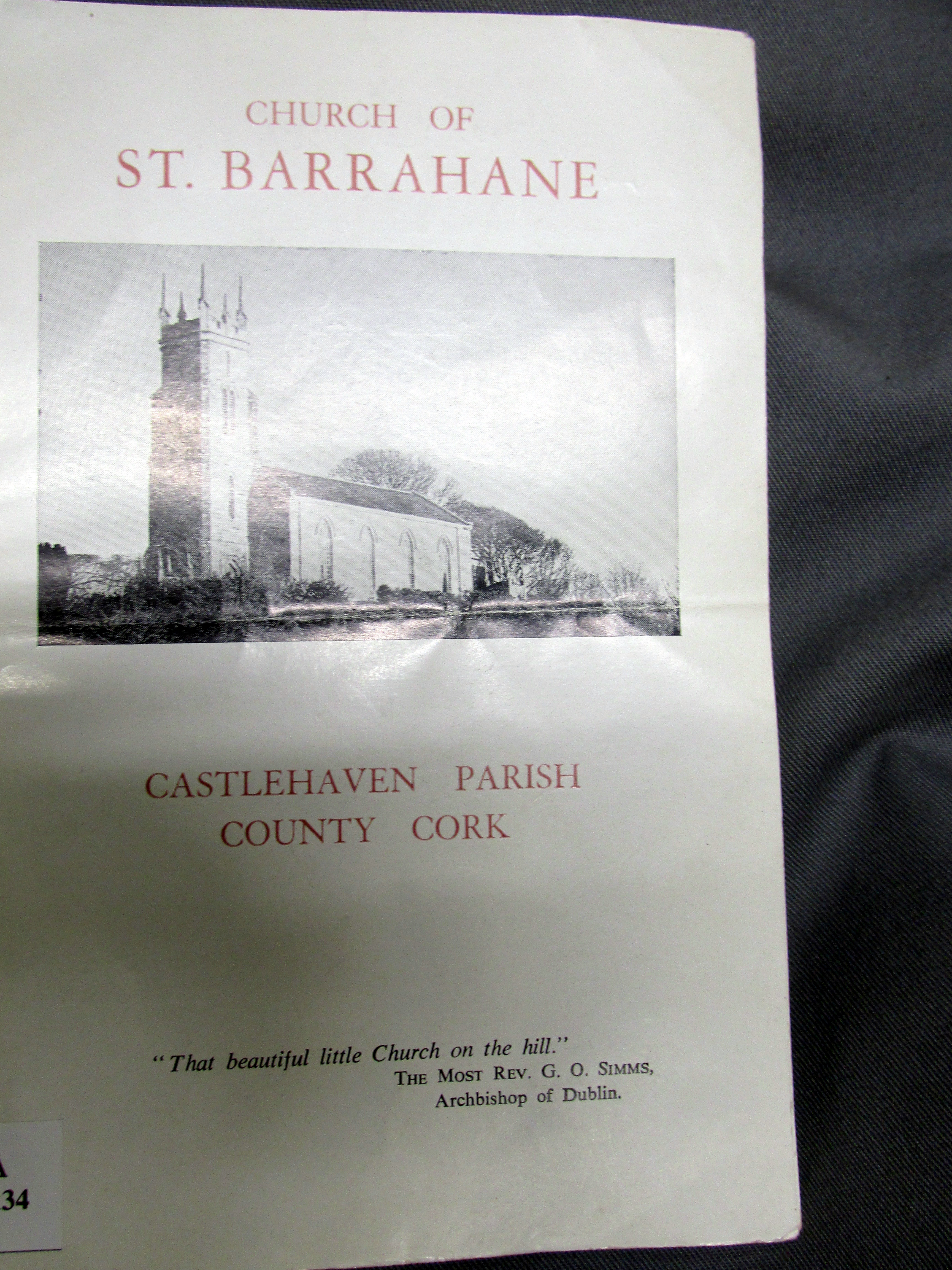
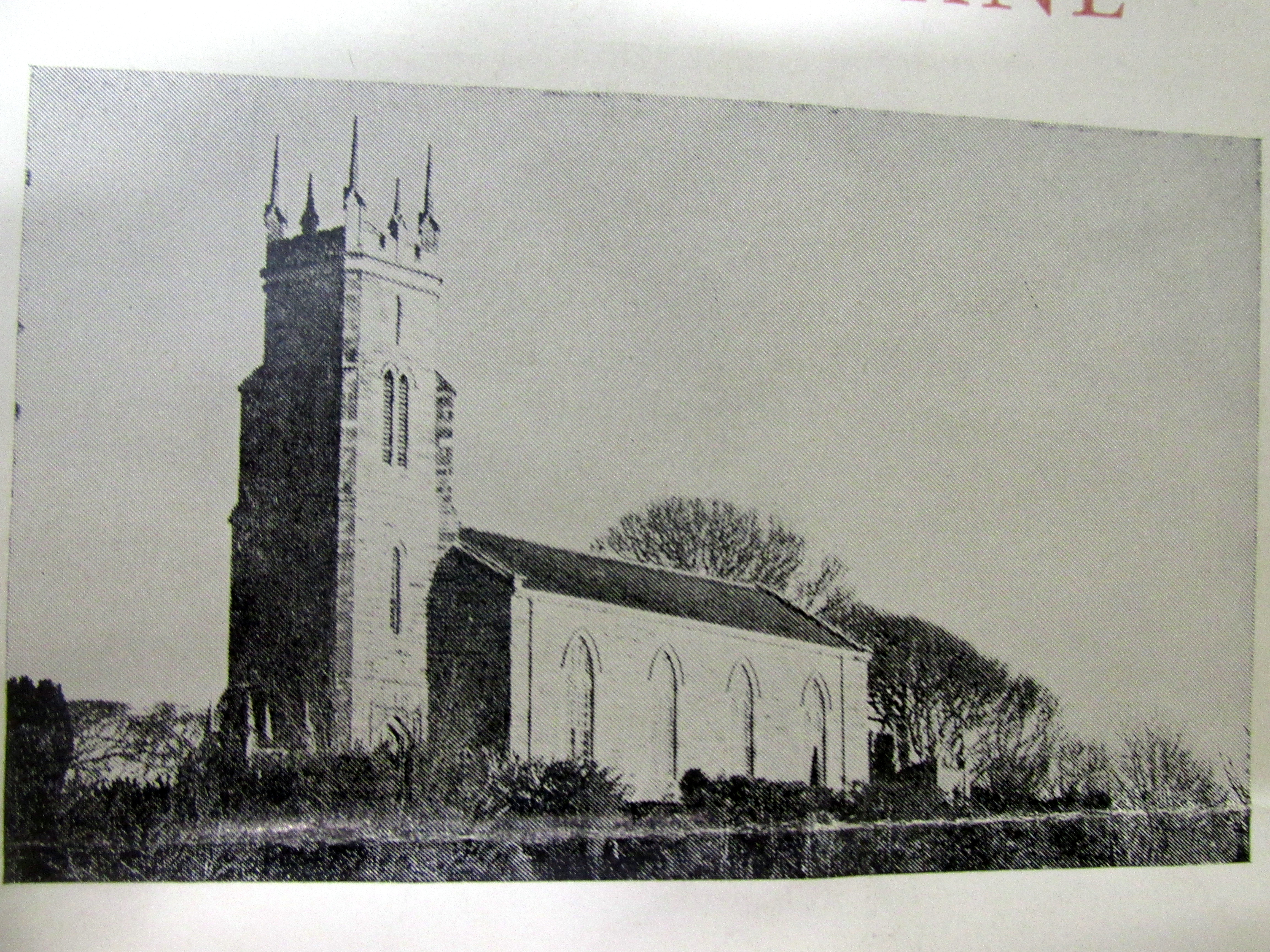
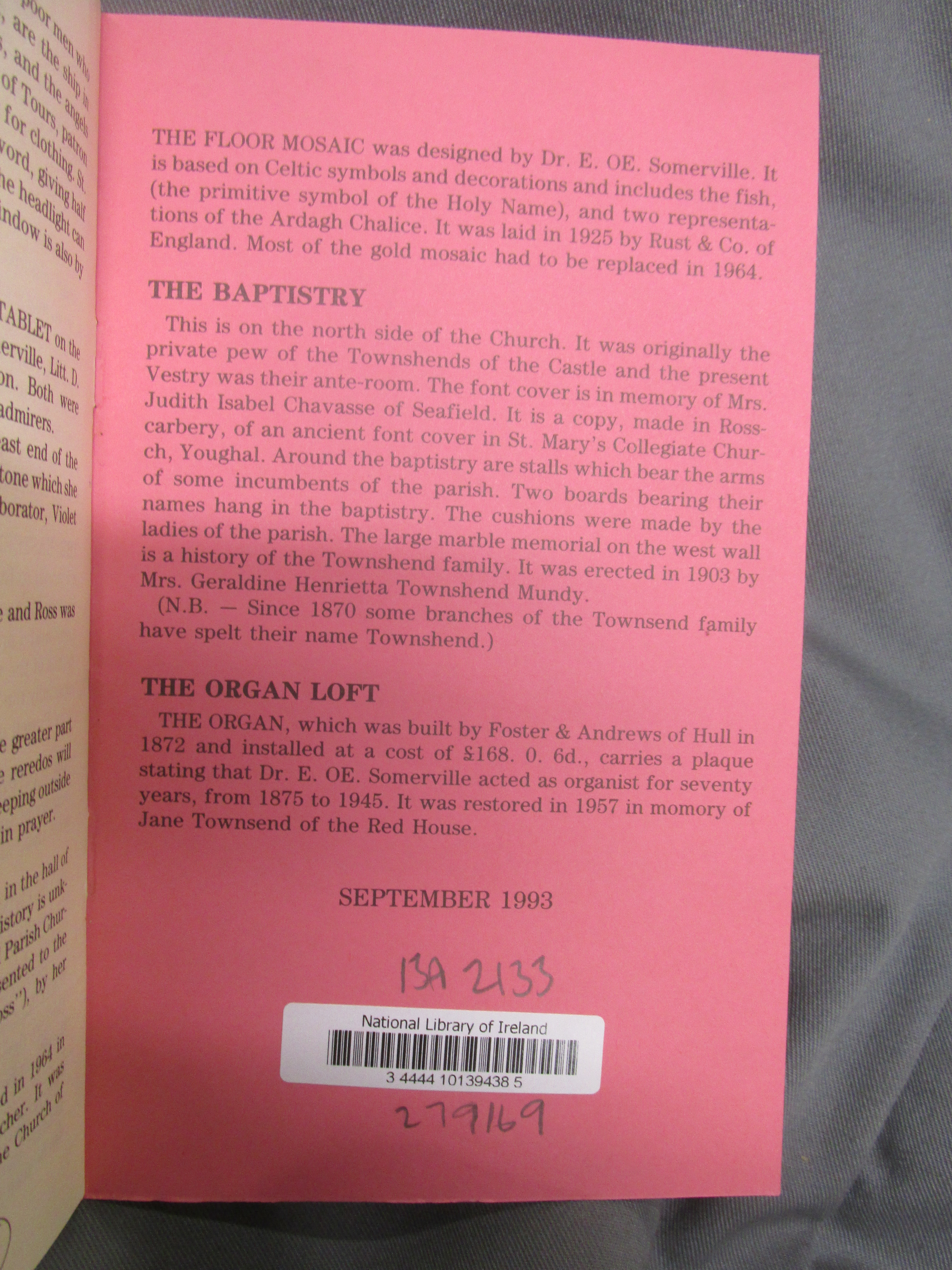
St. Barrahane’s Church. Castlehaven, West Cork.
http://www.harryclarke.net/castletownsend_cork_st_luke.html
http://www.abbeystrewryunion.com/#/st-barrahanes-church/4557284996
18 Tuesday Nov 2014
Posted in Uncategorized
Seizure of Captain Claes Campane, Dutch Pirate’s Cargo by Sir Sir William Hull, at Leamcon, Schull, West Cork, and his appeal for the King’s mercy, disposition of cargo of Pepper, Tobacco, Camphor, Cheney roots, Elephant’s teeth, Muscovy Hides, 1624 From Doctor Richard Caulfield’s Annals of the Corporation of Cork, and Customs Personnel, Baltimore.
Click to access caulfield_complete.pdf
http://en.wikipedia.org/wiki/Richard_Caulfield
Hull family into 19th century:
https://durrushistory.wordpress.com/tag/sir-william-hull-earl-of-cork/
1624, Dec. 10. The Lord Deputy of Ireland to Sir William Hull one of the Council of Munster, protection for 30 days for Captain Claes Campane a Dutch pirate who desires to submit himself, his ship and goods to the King’s mercy.
1625, Feb. The names of those that bought goods of the Pirate Claes Campane at Lymecon in the west of Ireland involving the Lord Deputy and others.
Martin Harman bought of this pirate to the value of 200li. Justice Bradye as was thought was partner with him in the disbursements. The pepper cost 6-ld. per pound the wax cost 6d.-Thomas Neale of Bandon Bridge bought 2 bales of pepper containing 700 weight at 8d. per pound and 100 of Barbary hides wet in the hair.
A chest of cheney roots was bought of Campane 150 weight at 5s. per pound. Sir Will. Hull knows who had them. Joshua Boyle of Waterford bought one cheat of camphor .000 weight at least, tobacco 14 rolls, pepper 1000 weight, cloves 212 li. weight. Elephants teeth 3, red Muscovy hides 5 dozen.
The two Whites of Cork carr1ers, there dwelling can discover much for they carried for most men, and bought much themselves. Mr. Jeremye Roston near Kinsale bought tobacco and pepper as he confesseth to me himself. Mr. Luxtone near Bandon Bridge bought 300 weight of pepper. Mr. Newcomen of the bridge bought 800 weight of pepper and as he told me himself.
Sir Will. Hull sent 40 horseloads of pepper to Kinsale. Mr. Richardson of Plymouth sent 500 weight of pepper from Baltimore which he bought of Campane
Witness
James Stanley searcher there.
Mr. Nicholas
Baltimore
1656 Roger Haughton Collector May be from Shanagarry East Cork Penn Quaker connections
1732 Richard Tonson Collector Francis Post died in affray, he Cutoms seized 80 anchors of Brandy from the sloop ‘Conerrt’ belonging to Murtogh mcwn Sullivan Rossmacowen The Sullivans and Thomas Trenwith attacked the Customs killing Thomas Post a Proclomation was issued for their seizure Tonson an ilegetimate descendant of Hull
1820 Patrick Harrington 32 years service Cockswain, Murtogh O’Sullivan 24 years service Cockswain, W Anderson Cockswain 40 years service Jeremiah Denshy 28 years service Cockswain Parliamentary Report 1820
1826 Died? Baldwin Hungerford Port Surveyor
1840 F Skuse Revenue Boatman, D Buchanan Boatman (Coast Guard) 28 years service retirement bodily debility Parliamentary Report 1840
1624 James Stanley Searcher Present at Leamcon at seizure by Sir William Hull of cargo of Dutch Pirate Claes Campane Caulfield’s Annals of Cork
From Perry O’Donovan’s blog:
The west coast of west Cork was infested with piratic havens at this time and, in an effort to make inroads on these cultures of lawlessness, Boss Boyle had a garrison deployed to Crookhaven, so beginning the long association between Crookhaven and the strategic services of the British authorities — an association that would continue with excise-men and watchtowers and lighthouses up until the surpassing of Marconi’s wireless telecommunications technology in the early 1900s.*
Between 1610 and the 1630s Crookhaven was an industrious English-plantation fishing colony, some hundreds strong. In addition to Wilkinsons and Wilsons and Burchills and the like, the colony included Nottors (Germans from Herrengberg) and Roycrofts and Camiers (French Huguenots), lichen-coated headstones for whom tilt and totter picturesquely in the church graveyard. This first Protestant colony was wiped out in the Counter-Reformation-sponsored ethnic cleansing of the 1640s.
SAMSUNG DIGITAL CAMERAIn 1699-1700 Dive Downes, the Anglican bishop of Cork and Ross, visited every parish in his episcopal territories. On 6 June 1700, he day-tripped by boat (from Schull) west to the parish of Kilmoe. At Crookhaven he found the ruins of a church at the edge of the village “dedicated to St Mullagh”; “part of the Chapple”, he judged, much “older than the rest”. There were no books or registers for the parish, but he found nine Protestant families living in the area, among whom were John Prouce, the Parish Clerk, Thomas Dyer “the Tide Waiter” (customs and excise-man), Thadeus Coughlan, Mr Pierce Arnott, and a Mr Mahon. On the 4th Sunday of the month Mr Vyze preached at Mr Coughlan’s house.
Dr Peter Browne, bishop of Cork and Ross from 1710 to 1735, had the church rebuilt at his own expense — the bishop’s coat of arms, in stone, may still be made out in the west gable of the building.
The church was rebuilt again in the 1840s, the new building rededicated to St Brendan the Navigator (the carved stone bearing Bishop Browne’s coat of arms reset in the west-facing gable-wall).
Nicholas Cummins, rector of the Kilmoe union of parishes back in the 1980s, provided the following collect for St Brendan’s, which is appropriately simple and direct: ‘Almighty God, / You inspired your servant St Brendan the Navigator to sail across the seas in a voyage of discovery / Grant that we following his example withstand all the storms of life and arrive at the safe haven of your eternal kingdom, / Through Jesus Christ Our Lord.’
Amen.
§ Lines from ‘Last Light over Europe’, a poem by John Wakeman.
* The following did not appear in the Irish Times piece, however, because of the character of the web (and because this is my blog) I am going to add it here (along with all the additional pictures).
Guglielmo_Marconi_1901_wireless_signalIn The Magic of West Cork, Pat Murphy (a retired Daily Mail reporter) reports asking an elderly fisherman in Crookhaven in the 1950s if he had known Marconi when the great man was in the locality in 1901, and if so had he any dealings with him [on Guglielmo Marconi, to save you Wikipediaing it, see below] . “Indeed then I did”, said the old salt. “I used to carry the telegrams for him from the station at Brow Head to the Post Office and back again every day.” What sort was he, Pat asked. “A nice poor craythur altogether”, the old man replied emphatically. “He used to walk about with his hands behind his back and his head stuck out like a horse going to the wather trough; thinkin’, thinkin’ all the time. Sure the man was all brains. I believe he wore the lightest hat in the world lest it press down on his brain too much. And yet in anything other than the telegraphs the same man was an eejit; yes, an eejit. He wanted to get a sealskin coat for his wife — an O’Brien, by the way — and didn’t he go out in a boat with a boyeen to shoot seals when they were reported in the mouth of the bay. Well, surely you’d expect a man with a brain like that to realise that trying to shoot from a boat that was rockin’ about on the movement of the water that the gulls would be more in danger than the seals? Why didn’t he sit up on a rock and let the boyeen go out in the boat and be ready to pick them up when he had them shot?”
“But a great man nonetheless. His voice can be heard on the darkest night anywhere there is danger on the seas. Did not a big boat sink off the easht coast of America some time ago and didn’t the brave little ladeen at the wireless signal SOS…SOS until the water was half way up his neck and not a soul aboard that ship was lost! O, have no doubt about it, Marconi took a power of cruelty out of the sea. May God be good to him. A nice poor craythur altogether.”
Guglielmo Marconi (1874-1937) won the Nobel Prize for Physics in 1909 for his contribution to the development of wireless telegraphy. Marconi’s mother was one of the Jamesons of the Jameson Whiskey distillery. His father was a wealthy Italian landowner from near Bologna, and it was as a science student at the University of Bologna that the young Marconi became interested in electromagnetic waves (radio waves). Marconi didn’t actually invent or discover anything, rather he drew together and improved what was already around for some time — decades even — producing an effective (commercially viable) system. Indeed, there were many forms of radio transmitters already in existence in the 1890s, but they were unable to achieve transmission ranges of more than a few hundred meters. By practical experimentation the teenage Marconi increased the range of his homemade system significantly, transmitting up to 1.5 kilometres (nearly a mile). Moreover his system could cope with hills and other obstacles in the landscape.
In 1895, aged 21, Marconi came to London seeking development money for his ideas (he was unsuccessful in his approaches to the authorities in Italy). By means of his mother’s family connections he was able to marshal the interest of William Preece, the Royal Mail’s chief electrical engineer. Soon (working in England) Marconi was successfully transmitting over distances of up to 6 kilometres (3.6 miles), even over large bodies of water. By the summer of 1897 he successfully transmitted the message “Are you ready” over a distance of 16 kilomertres (9.9 miles). After which a series of lectures on ‘Signalling through space without wires’ at the Royal Institution made his reputation nationally. In 1899 Marconi was successfully transmitting across the English Channel. And in the same year he went to America and successfully transmitted reports of the America’s Cup yachting race for the New York Herald. By then he had his sights firmly set on trans-Atlantic transmissions, which he finally achieved at end of 1902. On 18 January 1903, when President Theodore Roosevelt transmitted a message of greeting to King Edward VII, Marconi’s place in history was secure. ‘Marconi Stations’, as they came to be called, were soon sprouting up all along the Atlantic coasts in Europe and the United States.
Not only was Marconi’s mother Irish, he married an Irishwoman, Beatrice O’Brien (1882-1976), daughter of Edward Donough O’Brien, Lord Inchiquin. They divorced in 1924 but before doing so they had four children, a son Giulio (1910-71), and three girls, Degna (1908-98), Gioia (1916-96), and another little girl who died in infancy.
17 Monday Nov 2014
Posted in Uncategorized
17 Monday Nov 2014
Posted in Uncategorized
Depositions and attested certificates in support of the claim of Timothy O’Cullane of Gurrane in the parish of Droumaleague, Barony of West Carbery, Co. Cork to be the true and sole heir of the O’Cullanes known as Kealiecligh, May 8, 1744.
the original is held in the National Library, Manuscripts Section, Kildare, St., Dublin MS 4643.
It has been suggested that the Gaelic Poet, Seán Ó Coileáin (John Collins), ‘The Silver Tongue of Carbery’ is of this family.
There are also references to the West Cork Swantons being intermarried with the family.
16 Sunday Nov 2014
Posted in Uncategorized
This gallery contains 13 photos.
Originally posted on Roaringwater Journal:
Way back in 2013 I wrote about our chance discovery of the Captain Francis O’Neill Memorial…
16 Sunday Nov 2014
Posted in Uncategorized
Tags
Use of Shell Lime Mortar in Crookhaven Church Barony of West Carbery built probably before 1500.
In a dispute heard c 1710 between Dr. Limerick, Rector of Kilmoe (Ballydehob), concerning the Glebe Lands at Crookhaven there was evidence of the antiquity of the churches of Crookhaven and Kilmoe. The Crookhaven church was stated to have been build with hewn stones cemented with lime mortar. The evidence was that it was ruinous c 1650. In contrast the Kilmoe church was built with field stones and clay mortar.
‘Cowlachts’ old building techniques.
https://durrushistory.wordpress.com/2014/01/12/18th-century-building-techniques-in-west-carbery/
Perry O’Donovan’s blog:
The west coast of west Cork was infested with piratic havens at this time and, in an effort to make inroads on these cultures of lawlessness, Boss Boyle had a garrison deployed to Crookhaven, so beginning the long association between Crookhaven and the strategic services of the British authorities — an association that would continue with excise-men and watchtowers and lighthouses up until the surpassing of Marconi’s wireless telecommunications technology in the early 1900s.*
Between 1610 and the 1630s Crookhaven was an industrious English-plantation fishing colony, some hundreds strong. In addition to Wilkinsons and Wilsons and Burchills and the like, the colony included Nottors (Germans from Herrengberg) and Roycrofts and Camiers (French Huguenots), lichen-coated headstones for whom tilt and totter picturesquely in the church graveyard. This first Protestant colony was wiped out in the Counter-Reformation-sponsored ethnic cleansing of the 1640s.
SAMSUNG DIGITAL CAMERAIn 1699-1700 Dive Downes, the Anglican bishop of Cork and Ross, visited every parish in his episcopal territories. On 6 June 1700, he day-tripped by boat (from Schull) west to the parish of Kilmoe. At Crookhaven he found the ruins of a church at the edge of the village “dedicated to St Mullagh”; “part of the Chapple”, he judged, much “older than the rest”. There were no books or registers for the parish, but he found nine Protestant families living in the area, among whom were John Prouce, the Parish Clerk, Thomas Dyer “the Tide Waiter” (customs and excise-man), Thadeus Coughlan, Mr Pierce Arnott, and a Mr Mahon. On the 4th Sunday of the month Mr Vyze preached at Mr Coughlan’s house.
Dr Peter Browne, bishop of Cork and Ross from 1710 to 1735, had the church rebuilt at his own expense — the bishop’s coat of arms, in stone, may still be made out in the west gable of the building.
The church was rebuilt again in the 1840s, the new building rededicated to St Brendan the Navigator (the carved stone bearing Bishop Browne’s coat of arms reset in the west-facing gable-wall).
Nicholas Cummins, rector of the Kilmoe union of parishes back in the 1980s, provided the following collect for St Brendan’s, which is appropriately simple and direct: ‘Almighty God, / You inspired your servant St Brendan the Navigator to sail across the seas in a voyage of discovery / Grant that we following his example withstand all the storms of life and arrive at the safe haven of your eternal kingdom, / Through Jesus Christ Our Lord.’
Amen.
§ Lines from ‘Last Light over Europe’, a poem by John Wakeman.
* The following did not appear in the Irish Times piece, however, because of the character of the web (and because this is my blog) I am going to add it here (along with all the additional pictures).
Guglielmo_Marconi_1901_wireless_signalIn The Magic of West Cork, Pat Murphy (a retired Daily Mail reporter) reports asking an elderly fisherman in Crookhaven in the 1950s if he had known Marconi when the great man was in the locality in 1901, and if so had he any dealings with him [on Guglielmo Marconi, to save you Wikipediaing it, see below] . “Indeed then I did”, said the old salt. “I used to carry the telegrams for him from the station at Brow Head to the Post Office and back again every day.” What sort was he, Pat asked. “A nice poor craythur altogether”, the old man replied emphatically. “He used to walk about with his hands behind his back and his head stuck out like a horse going to the wather trough; thinkin’, thinkin’ all the time. Sure the man was all brains. I believe he wore the lightest hat in the world lest it press down on his brain too much. And yet in anything other than the telegraphs the same man was an eejit; yes, an eejit. He wanted to get a sealskin coat for his wife — an O’Brien, by the way — and didn’t he go out in a boat with a boyeen to shoot seals when they were reported in the mouth of the bay. Well, surely you’d expect a man with a brain like that to realise that trying to shoot from a boat that was rockin’ about on the movement of the water that the gulls would be more in danger than the seals? Why didn’t he sit up on a rock and let the boyeen go out in the boat and be ready to pick them up when he had them shot?”
“But a great man nonetheless. His voice can be heard on the darkest night anywhere there is danger on the seas. Did not a big boat sink off the easht coast of America some time ago and didn’t the brave little ladeen at the wireless signal SOS…SOS until the water was half way up his neck and not a soul aboard that ship was lost! O, have no doubt about it, Marconi took a power of cruelty out of the sea. May God be good to him. A nice poor craythur altogether.”
Guglielmo Marconi (1874-1937) won the Nobel Prize for Physics in 1909 for his contribution to the development of wireless telegraphy. Marconi’s mother was one of the Jamesons of the Jameson Whiskey distillery. His father was a wealthy Italian landowner from near Bologna, and it was as a science student at the University of Bologna that the young Marconi became interested in electromagnetic waves (radio waves). Marconi didn’t actually invent or discover anything, rather he drew together and improved what was already around for some time — decades even — producing an effective (commercially viable) system. Indeed, there were many forms of radio transmitters already in existence in the 1890s, but they were unable to achieve transmission ranges of more than a few hundred meters. By practical experimentation the teenage Marconi increased the range of his homemade system significantly, transmitting up to 1.5 kilometres (nearly a mile). Moreover his system could cope with hills and other obstacles in the landscape.
In 1895, aged 21, Marconi came to London seeking development money for his ideas (he was unsuccessful in his approaches to the authorities in Italy). By means of his mother’s family connections he was able to marshal the interest of William Preece, the Royal Mail’s chief electrical engineer. Soon (working in England) Marconi was successfully transmitting over distances of up to 6 kilometres (3.6 miles), even over large bodies of water. By the summer of 1897 he successfully transmitted the message “Are you ready” over a distance of 16 kilomertres (9.9 miles). After which a series of lectures on ‘Signalling through space without wires’ at the Royal Institution made his reputation nationally. In 1899 Marconi was successfully transmitting across the English Channel. And in the same year he went to America and successfully transmitted reports of the America’s Cup yachting race for the New York Herald. By then he had his sights firmly set on trans-Atlantic transmissions, which he finally achieved at end of 1902. On 18 January 1903, when President Theodore Roosevelt transmitted a message of greeting to King Edward VII, Marconi’s place in history was secure. ‘Marconi Stations’, as they came to be called, were soon sprouting up all along the Atlantic coasts in Europe and the United States.
Not only was Marconi’s mother Irish, he married an Irishwoman, Beatrice O’Brien (1882-1976), daughter of Edward Donough O’Brien, Lord Inchiquin. They divorced in 1924 but before doing so they had four children, a son Giulio (1910-71), and three girls, Degna (1908-98), Gioia (1916-96), and another little girl who died in infancy.

 West Cork History